
Moche Textile Art: Weaving Stories on Cloth

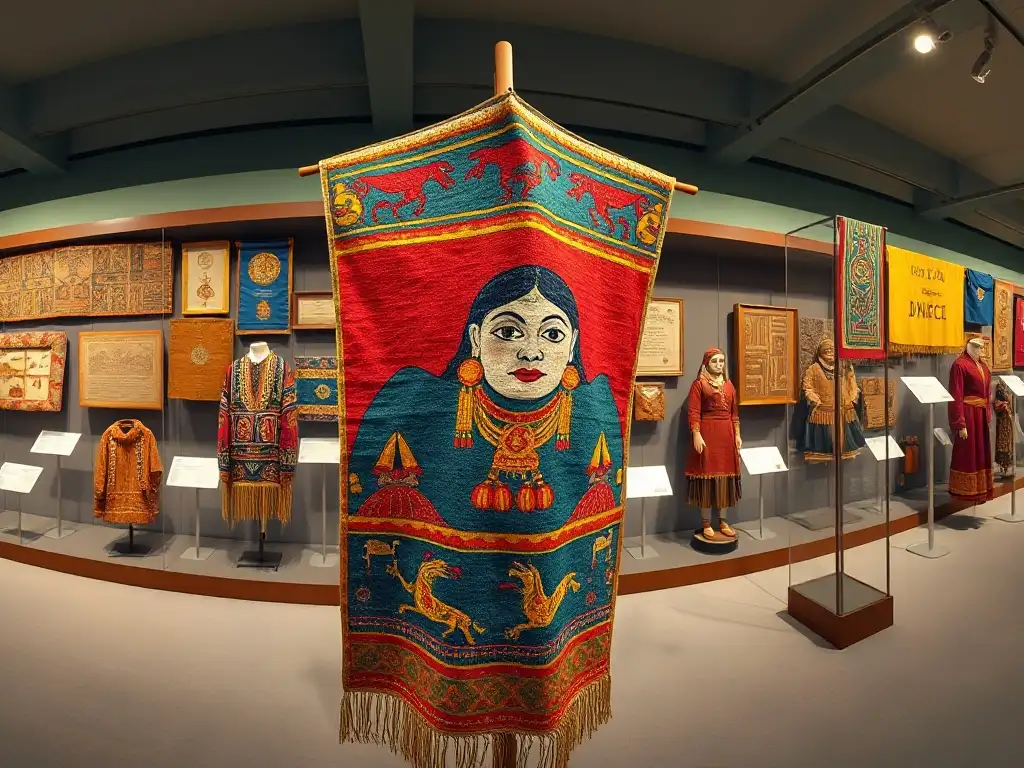
Step into a world lost to time, yet vibrantly alive in its artistry. Imagine the intricate threads, the dazzling colours, the stories woven into every piece… This is the legacy of the Moche, a civilization whose mastery of textile art remains a source of wonder. Prepare to be captivated by breathtaking examples of Moche textile art, and uncover the secrets hidden within their exquisitely crafted cloths. Explore the fascinating world of the Moche and their legacy, a journey that begins now.
The Moche civilization (circa 100-800 CE), flourishing along the northern coast of Peru, left behind a remarkable legacy extending beyond their impressive architecture and sophisticated irrigation systems. Their mastery of textile arts stands as a testament to their advanced technological capabilities and deeply ingrained cultural beliefs. This article delves into the captivating world of Moche textile art, exploring the materials, techniques, and symbolic significance embedded within these intricately woven fabrics.
We will examine specific examples that showcase the Moche's unparalleled skill and artistic vision, solidifying their place as masters of textile production and providing concrete examples to answer your search for "Moche textile art examples". Prepare to be amazed by the vibrant colors, intricate designs, and the stories whispered from the threads themselves.
Introduction to Moche Textiles and Their Significance
Moche textiles weren't merely functional garments; they were integral components of their social and religious life. These exquisitely crafted pieces served a multitude of purposes, from everyday clothing and ceremonial attire to funerary bundles and offerings to the gods. The complexity of the designs and the quality of the materials used reflect the high social status of those who commissioned and wore them.
The vibrant colors and intricate patterns often depicted scenes of daily life, mythological figures, and powerful symbols that offer invaluable insights into Moche beliefs, rituals, and social structures. Analyzing these textiles allows us to reconstruct a rich tapestry of their culture, revealing aspects of their worldview that might otherwise remain hidden.
The preservation of these textiles, often found within tombs and burial sites, is a testament to the care and reverence with which they were treated, even in death. These artifacts provide tangible links to the past, allowing us to connect with the artisans and the society that created them.
Materials and Techniques Used in Moche Textile Production
The creation of Moche textiles was a complex process involving the careful selection of materials and the skillful application of various weaving techniques. The quality of the finished product depended on the expertise of the artisans and the availability of resources.
Moche Textile Fibers: Cotton, Wool, and Natural Dyes
Moche artisans utilized a variety of natural fibers, primarily cotton, which thrived in the coastal climate. Wool from camelids like llamas and alpacas was also incorporated, likely for its warmth and durability. The remarkable vibrancy of the colors achieved in Moche textiles stemmed from their ingenious use of natural dyes derived from plants and minerals. Indigo, a deep blue dye obtained from the indigo plant, was a staple, while cochineal insects provided a brilliant crimson.
Various minerals, such as ochre and malachite, contributed to the range of earth tones and greens. The precise methods of dye extraction and application remain a subject of ongoing research, but the results speak for themselves – a breathtaking palette of colors that has endured for centuries. The sourcing and preparation of these dyes would have required significant knowledge and skill, reflecting the sophisticated understanding of the natural world held by Moche artisans.
Moche Weaving Techniques: Backstrap Looms and Tapestry
The Moche primarily employed backstrap looms, a portable and versatile weaving device. This technique allowed for intricate designs and a high level of control over the weaving process. The backstrap loom's portability suggests that weaving was a common activity, possibly undertaken by both men and women in various social settings.
Beyond basic weaving, the Moche also mastered tapestry techniques, which involved interweaving different colored threads to create complex patterns and images. This advanced technique allowed for a greater level of detail and visual richness in their textile designs. The skill and precision evident in surviving examples indicate a high level of technical expertise and a deep understanding of textile production.
The Art of Moche Dyeing: Indigo, Cochineal, and Mineral Pigments
The colors of Moche textiles are striking, even today. Achieving such vibrant and lasting hues required a profound understanding of natural dyes. Indigo, sourced from the Indigofera tinctoria plant, provided a rich blue that was both beautiful and highly durable.
Cochineal, a scale insect that feeds on prickly pear cacti, yielded a brilliant crimson, adding a dramatic contrast to the other colors used. The use of mineral pigments, like those found in ochre and malachite, added a range of earth tones and greens, creating a diverse and striking palette. The complexity of the dyeing process, involving multiple stages of preparation and application, highlights the sophisticated knowledge of chemistry and artistry possessed by the Moche artisans.
The enduring quality of these dyes is a testament to their expertise and the effectiveness of their techniques, allowing us to still appreciate the beauty of their work centuries later. Further research into specific techniques and colorfastness is needed to fully understand the Moche's mastery of this craft.
- Introduction to Moche Textiles and Their Significance
- Materials and Techniques Used in Moche Textile Production
Moche Textile Art Examples: Decoding Visual Narratives
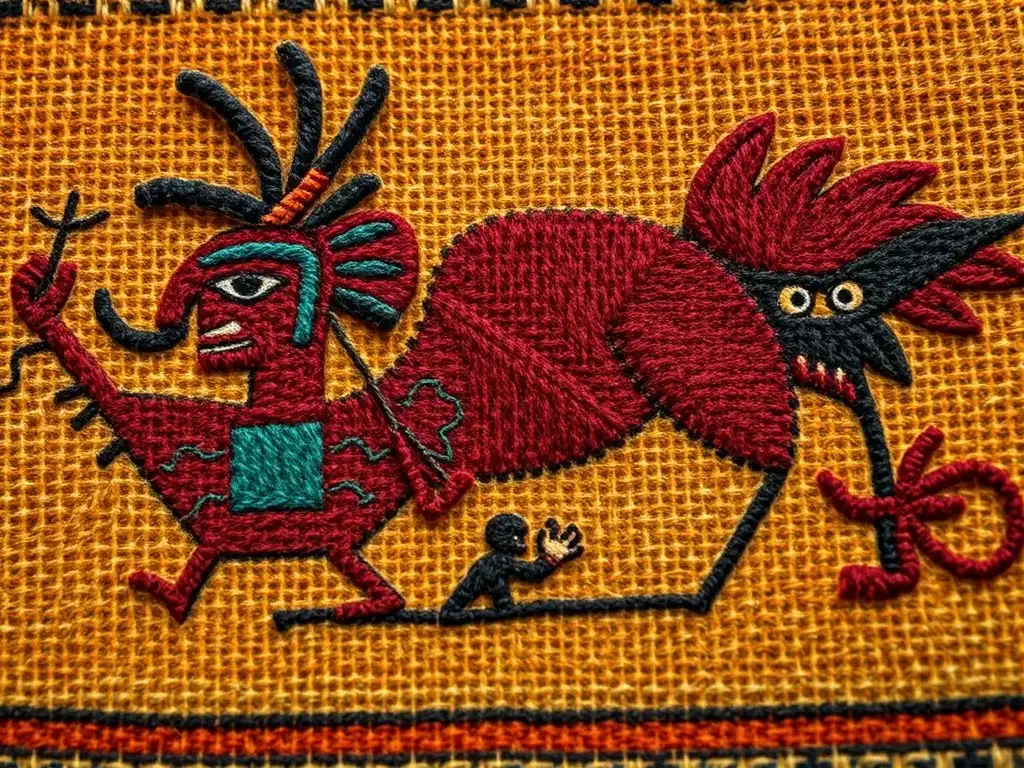
The remarkable artistry of the Moche civilization is vividly displayed in their textiles, offering invaluable insights into their complex society and beliefs. Moche textile art examples are not merely decorative; they are intricate visual narratives, rich in symbolism and detail, revealing aspects of their daily life, religious practices, and social hierarchy. Analyzing these surviving fragments allows us to reconstruct a more complete picture of Moche culture, far beyond what archaeological digs alone can provide.
The exceptional preservation of some pieces, due to the arid coastal climate of northern Peru, has ensured the survival of these fragile yet powerful artifacts. These textiles, often found in tombs and elite contexts, represent a significant portion of our understanding of Moche iconography and artistic expression. The vibrant colors and detailed craftsmanship of these textiles are testament to the advanced weaving techniques employed by Moche artisans.
Moche Textile Motifs: Iconography and Symbolism
Moche textile art is characterized by a rich tapestry of motifs, each carrying specific symbolic meaning. Understanding these symbols is crucial to interpreting the narratives woven into the fabric. The use of color also plays a significant role, with certain hues potentially representing specific deities, social status, or events. For instance, the prevalence of certain colors in specific contexts could indicate a connection to specific rituals or ceremonies. Further research is needed to fully understand the complex relationship between color and meaning in Moche textile art. [Specific color-meaning correlations pending].
Moche Deities Depicted in Textiles: Ai Apaec and the Moon God
Among the most prominent figures depicted in Moche textiles are their deities. Ai Apaec, the principal deity often associated with warfare and sacrifice, is frequently represented in a powerful and imposing manner. His depiction often involves elaborate headdresses and regalia, reflecting his high status within the Moche pantheon.
Similarly, the Moon God, a significant figure in Moche mythology, is also frequently represented in textiles, often linked to themes of fertility and the cyclical nature of life and death. The stylistic differences in the representation of these deities across various textiles might reveal variations in their roles and interpretations across different Moche communities or time periods. [More detailed analysis of stylistic variations needed].
Animal Representations in Moche Textile Art: Felines, Birds, and Sea Creatures
Animals play a significant role in Moche iconography, and their representations in textiles are equally diverse and expressive. Felines, such as jaguars and pumas, are frequently depicted, often symbolizing power, ferocity, and shamanic abilities. Birds, both terrestrial and aquatic, also feature prominently, potentially representing messengers of the gods or symbols of specific natural phenomena.
Sea creatures, including fish and marine mammals, highlight the importance of the sea in Moche life and their sophisticated fishing techniques. The detailed rendering of these animals showcases the Moche artisans’ exceptional observational skills and artistic talent. The variety of species depicted suggests a deep understanding of the surrounding environment and its significance to their culture.
Geometric Patterns and Their Significance in Moche Weaving: Stepped Fret and Checkerboards
Beyond the figurative representations, Moche textiles also utilize a wide array of geometric patterns, such as the stepped fret and checkerboard designs. These patterns are not merely decorative; they likely hold symbolic meaning, potentially reflecting cosmological concepts, social structures, or even mathematical principles. The intricate weaving techniques employed in creating these patterns demonstrate the technical mastery of Moche artisans. Further research is needed to fully decipher the meaning behind these geometric motifs and their potential relationship to other aspects of Moche culture. [Further research on the symbolic meaning of geometric patterns needed].
Narrative Scenes in Moche Textiles: Depicting Daily Life and Rituals
Many Moche textiles depict scenes from daily life and religious rituals, offering a glimpse into the social fabric of Moche society. The level of detail in these representations is remarkable, providing valuable information about Moche clothing, adornments, architecture, and social interactions. These visual narratives are often complex and layered, requiring careful analysis to fully grasp their meaning.
Moche Textiles Illustrating Warfare and Sacrifice
Several Moche textiles depict scenes of warfare and sacrifice, providing evidence of the importance of these activities in their society. These scenes often feature depictions of warriors, prisoners, and ritualistic offerings, shedding light on the social and political dynamics of Moche society. The graphic nature of some of these depictions suggests that warfare and sacrifice played a significant role in Moche religious beliefs and social practices. [Further analysis of the specific rituals depicted is needed].
Moche Textiles Showing Shamanic Rituals
Some Moche textiles illustrate shamanic rituals, providing insights into their spiritual beliefs and practices. These scenes often depict shamans interacting with supernatural beings or engaging in ritualistic activities. The presence of specific symbols and motifs in these depictions offers clues to the nature of these rituals and their significance within Moche society. [More detailed analysis of the shamanic rituals and their symbolic representations in textiles needed].
Moche Textile Art and the Presentation of Elites
The discovery of Moche textiles in elite tombs highlights their significance as markers of social status. The quality of the materials, the intricacy of the designs, and the presence of specific motifs served to distinguish elite individuals from the rest of the population. The textiles found in these contexts often feature representations of deities, animals, and other symbols of power and prestige.
This association reinforces the idea that textiles were not simply functional items but also powerful symbols of status and authority within Moche society. The study of these elite textiles provides crucial insight into the social stratification and power structures of the Moche civilization.
The Role of Moche Textiles in Society and Culture
Moche textile art wasn't merely decorative; it played a crucial role in the social fabric of Moche society. The intricate weaving techniques, the choice of materials, and the designs themselves all conveyed significant social information, reflecting power structures, beliefs, and economic networks. Analyzing Moche textile art provides a rich understanding of their complex social dynamics. Examples of Moche textile art's social significance are numerous and readily apparent in archaeological findings.
The production and use of textiles in Moche society were deeply intertwined with social status. Access to fine materials, intricate designs, and skilled weavers was a clear marker of social standing. This is evidenced by the discovery of elaborate textiles in elite burials, contrasting sharply with simpler textiles found in commoner graves. The quality and complexity of the textile directly correlated with the individual's position within the Moche hierarchy. This wasn't just about personal adornment; it was a powerful visual statement of one's place in the social order.
Moche Textile Production and Social Status: Specialized Weavers
Evidence suggests a specialized class of weavers existed within Moche society. The exceptional skill and artistry displayed in many surviving textiles indicate a high level of training and expertise, not something achievable by the average individual. These specialized weavers likely held a privileged position, given the importance of textiles in Moche culture.
Their work was not only valued for its aesthetic appeal but also for its social and symbolic significance. The creation of these intricate pieces may have been a highly regulated activity, perhaps even controlled by the ruling elite. Further research into the workshops and organization of textile production could reveal more about their social structures.
Moche Textiles as Grave Goods: Indicators of Rank
The inclusion of textiles in Moche burials provides compelling evidence of their social significance. Elaborate textiles, often featuring complex designs and rare materials, were frequently found in the tombs of high-ranking individuals, including priests and rulers. These textiles served not only as grave goods but as markers of social status, reinforcing the deceased's importance even in death.
The sheer quantity and quality of textiles in elite burials often exceed those found in commoner graves, highlighting the privileged access to these luxurious items enjoyed by the Moche elite. This practice served as a powerful display of wealth and status, extending beyond the individual's lifetime.
Moche Textile Trade and Exchange Networks: Coastal and Highland Connections
The materials used in Moche textiles hint at extensive trade networks connecting the coastal region with the Andean highlands. The presence of cotton, a coastal crop, and camelid fibers, sourced from the highlands, in the same textile piece suggests a robust exchange system. This trade facilitated the flow of raw materials and possibly finished textiles, further connecting different regions and social groups within the Moche empire.
The presence of exotic dyes and unique weaving techniques also points towards potential interactions with other cultures, expanding the Moche's economic and social reach. Analyzing the distribution of textile types and materials could reveal more about the extent and nature of these networks.
Moche Textile Art: A Window into Beliefs and Worldview
Beyond their social function, Moche textiles offer invaluable insights into the beliefs and worldview of this ancient civilization. The iconography woven into the textiles—depicting deities, mythical creatures, and ceremonial scenes—provides a glimpse into their cosmology and spiritual practices. The recurring motifs and symbols reveal deeper meanings about their understanding of the world.
Moche Cosmology Reflected in Textile Designs: The Underworld and Celestial Realms
Many Moche textiles feature imagery associated with both the underworld and celestial realms. Designs depicting celestial bodies, such as the sun and moon, alongside representations of supernatural beings and mythical creatures, suggest a complex cosmology. These textile designs may represent Moche beliefs about the afterlife, the interaction between the living and the dead, and the power of the supernatural world. The intricate weaving techniques used to create these designs further emphasize their spiritual importance. Detailed analysis of these designs could provide further insights into Moche religious beliefs and their understanding of the universe.
The Spiritual Significance of Moche Textile Patterns: Power and Protection
Certain patterns and motifs found on Moche textiles may have held specific spiritual significance. These recurring designs, often featuring stylized animals, plants, and supernatural beings, might have been believed to possess protective powers or to connect the wearer to the supernatural world. The use of specific colors and materials could have also added to the spiritual potency of the textiles. Further research is needed to fully understand the symbolic language employed in Moche textile designs and their connection to spiritual practices.
Textiles in Moche Religious Practices: Offerings and Shrouds
Textiles were clearly incorporated into Moche religious practices. Evidence from archaeological sites shows textiles used as offerings in ritual contexts and as shrouds for the deceased. The elaborate textiles found in tombs suggest that these items were not merely functional but served as important components of funerary rituals, further highlighting their spiritual significance.
The use of textiles in both offerings and burials underscores their importance within the Moche belief system, showcasing their role in mediating between the living and the supernatural. The intricate designs and high-quality materials employed in these ritual textiles demonstrate the value placed on these objects within their religious framework.
Preservation and Study of Moche Textile Art
The remarkable artistry of Moche textile art presents a significant challenge to modern researchers: preservation. The delicate nature of these ancient artifacts, coupled with the harsh environmental conditions they've endured for centuries, necessitates specialized techniques and ongoing research to ensure their survival for future generations. Understanding the degradation processes and developing effective conservation strategies are paramount to safeguarding this irreplaceable cultural heritage. The fragility of these textiles, often made from natural fibers like cotton and camelid wool, makes them particularly vulnerable to damage.
Challenges in Preserving Ancient Moche Textiles: Degradation and Conservation
The primary challenges in preserving Moche textiles stem from the inherent fragility of the materials and the effects of time and environmental factors. Natural fibers are susceptible to degradation from hydrolysis (breakdown due to water), oxidation (reaction with oxygen), and biological attack (from insects and microorganisms). The arid climate of the Moche region offers some protection, but fluctuations in humidity and temperature can still cause significant damage. Furthermore, improper handling and storage in the past have exacerbated the deterioration of many pieces.
Textile fragments often arrive at museums in a fragmented state, requiring painstaking reconstruction. Conservation involves stabilizing the fibers, removing pollutants, and repairing tears and holes. This process often utilizes specialized techniques, such as the application of consolidants to strengthen weakened fibers and the careful removal of dirt and grime using non-invasive methods. Detailed documentation of each step is crucial, allowing researchers to track the textile's condition and the effectiveness of the conservation treatments.
The ongoing research into effective conservation strategies for Moche textiles is a testament to the dedication of researchers and institutions committed to preserving this invaluable artistic legacy. The long-term preservation of these delicate artifacts requires a multi-faceted approach, combining careful handling, controlled environmental conditions, and the ongoing development of advanced conservation techniques. This ensures that future generations can continue to appreciate the remarkable artistry and cultural significance of Moche textile art.
Modern Research on Moche Textile Techniques: Fiber Analysis and Dye Identification
Modern scientific techniques are revolutionizing our understanding of Moche textile production. Fiber analysis, using methods such as microscopy and spectroscopy, allows researchers to identify the types of fibers used (cotton, camelid wool, etc. ), their origin, and the spinning and weaving techniques employed. This detailed analysis provides valuable insights into the sophistication of Moche textile technology and the potential sources of their raw materials. For example, analysis might reveal the use of specific camelid breeds, indicating trade networks and economic practices.
Dye identification is another crucial area of research. Analysis of the dyes used in Moche textiles—often derived from natural sources like plants and insects—sheds light on the Moche understanding of chemistry and their access to specific resources. Chromatography and spectroscopy techniques are used to identify the chemical composition of the dyes, revealing their sources and the techniques used to produce vibrant and long-lasting colors.
The identification of specific pigments can also help to date textiles and establish connections between different Moche sites and workshops. The integration of scientific analysis with archaeological evidence is vital to creating a more complete picture of Moche textile production and the cultural significance of these vibrant artworks. The ongoing research in this field continues to unravel the secrets of Moche textile technology, revealing remarkable levels of skill and innovation.
Museums and Collections Showcasing Moche Textile Art: Larco Museum and Metropolitan Museum of Art
Several prestigious museums worldwide house significant collections of Moche textile art, providing invaluable opportunities for research and public engagement. The Larco Museum in Lima, Peru, boasts an extensive collection of pre-Columbian textiles, including a substantial number of Moche examples. This museum's collection is particularly important because many of the textiles were discovered in situ, providing critical contextual information. The museum's commitment to conservation and research ensures the long-term preservation of these artifacts and facilitates ongoing study of Moche textile techniques and cultural practices.
The Metropolitan Museum of Art in New York City also possesses a noteworthy collection of Moche textiles, offering another important resource for researchers and the public. These collections, along with others around the world, play a vital role in preserving and showcasing the artistic achievements of the Moche civilization.
The accessibility of these collections through museums allows for a wider appreciation of Moche textile art and its significance in understanding the rich cultural heritage of ancient Peru. These institutions are crucial for the dissemination of knowledge about Moche textile art, ensuring that this exceptional aspect of their culture is preserved and celebrated for generations to come.
Frequently Asked Questions
What makes Moche textile art unique?
Moche textiles are renowned for their vibrant colors and intricate designs. They often depict mythological scenes, daily life, and powerful figures, providing invaluable insights into their culture.
What materials did the Moche use for their textiles?
The Moche primarily used cotton and camelid fibers (alpaca and llama) for their textiles. They also employed natural dyes derived from plants and minerals to achieve a wide range of colors.
Where can I see examples of Moche textile art?
Many museums worldwide house collections of Moche textiles, including the Larco Museum in Lima, Peru, and the American Museum of Natural History in New York. You can also find examples in smaller, specialized museums.
What are some common motifs found in Moche textile art?
Common motifs include mythological creatures, human figures, geometric patterns, and representations of plants and animals. These motifs often reflect religious beliefs and social structures.
How did the Moche create such intricate designs in their textiles?
The Moche employed various weaving techniques, including backstrap loom weaving, to create their complex designs. Their skilled artisans achieved remarkable detail and precision.
Final Reflection: Unraveling the Threads of Moche Legacy
The vibrant artistry of Moche textiles continues to resonate today, a testament to the enduring power of human creativity and the ability of art to transcend time. These intricate weavings, far from being mere historical artifacts, offer a profound window into a sophisticated society, their complex designs echoing across millennia and inspiring contemporary artists and designers alike. The meticulous detail and bold symbolism embedded within each piece speak volumes about the Moche worldview and their mastery of textile techniques.
The enduring influence of Moche textile art is undeniable, shaping our understanding of pre-Columbian cultures and influencing modern interpretations of Andean aesthetics. Their innovative techniques, such as the use of multiple colors and intricate patterns, continue to inspire awe and admiration. The past is never dead. It's not even past.
– William Faulkner. This quote perfectly encapsulates the ongoing relevance of Moche textile art; its legacy is not confined to museums but lives on in the continued study, appreciation, and even reinterpretation of these remarkable pieces. The vibrant colors and symbolic imagery continue to capture the imagination, reminding us of the rich tapestry of human history.
Consider the stories woven into each thread, the dedication and skill required to create such masterpieces. You too can weave your own story, finding inspiration in the resilience and artistry of the Moche people. Take a moment to appreciate the beauty and complexity of their work, and let it inspire you to create, to innovate, and to leave your own mark on the world.
Let the legacy of the Moche weavers encourage you to embrace your own creativity and share your unique perspective with the world. The threads of history are waiting to be woven into the fabric of your own future.
Unveil the Artisan in You!
Thank you for exploring the vibrant world of Moche textile art! You've discovered how these exquisite weavings tell profound stories of culture and history. Now, it's time to apply that knowledge and create your own textile masterpiece!
Here are a few ways to get started:
- Embark on a textile project at home! Gather materials and create a piece that reflects your personal story or heritage. Consider experimenting with different weaving techniques or embroidery styles.
- Explore local art exhibitions or workshops focused on traditional textiles to further your understanding and appreciation of these crafts. Connecting with experienced artisans can provide invaluable insights and inspiration.
- Share this article with friends and family or post it on social media to inspire others to appreciate the rich tapestry of Moche art and culture. Let's celebrate this incredible heritage together!
What story will your textile art tell? Join the conversation and share your thoughts in the comments below!