
Unpacking Andean Myths: Modern Perspectives on Ancient Narratives

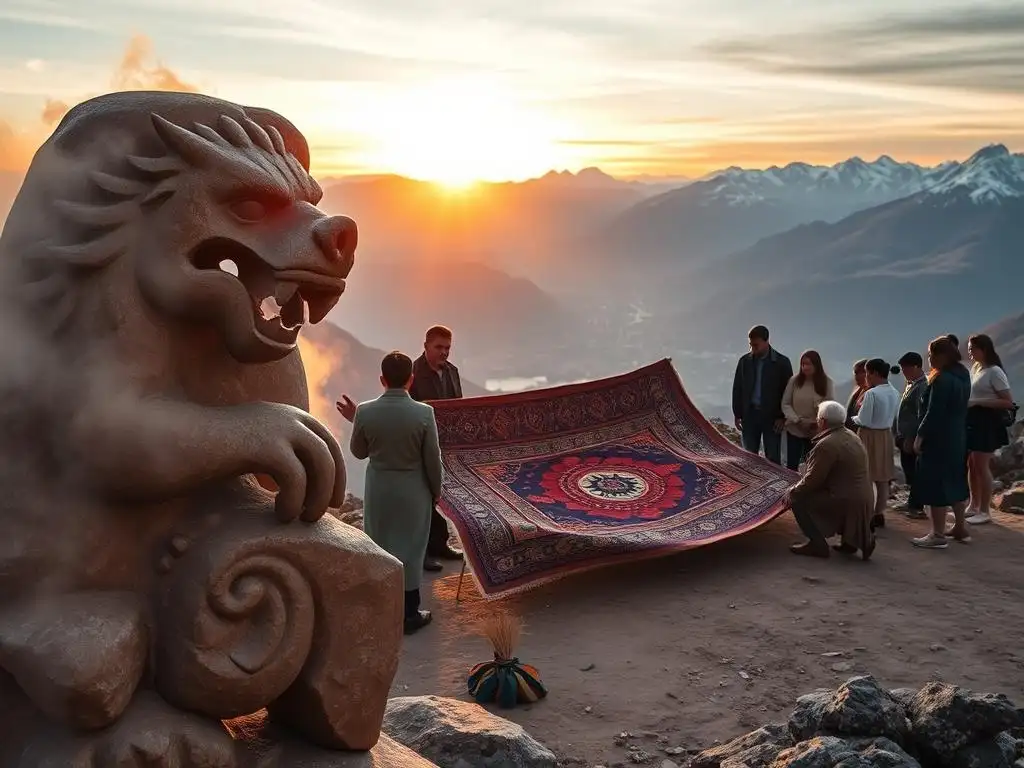
Step into a world lost in time, yet echoing in our present. Journey through the breathtaking landscapes and enigmatic legacies of the Andean civilizations, from the Incas to the Nazca. We unravel the captivating threads of their history, art, and technology, but today, we delve into something truly extraordinary: Andean myths and their surprising modern interpretations. Prepare to question everything you thought you knew about these ancient societies – their stories are far more relevant than you might imagine. Dive in and discover the unexpected connections between past and present.
Andean mythology, a vibrant tapestry woven from the threads of countless narratives and beliefs, offers a captivating window into the worldview and societal structures of ancient Andean civilizations. This article delves into the fascinating world of Andean myths, exploring how modern scholars and researchers are reinterpreting these ancient stories in light of contemporary anthropological, archaeological, and sociological understandings. We will move beyond simplistic interpretations, examining the complex interplay between myth, ritual, and daily life in societies as diverse as the Inca, Moche, Nazca, and Tiahuanaco.
Understanding these narratives is crucial to gaining a deeper appreciation of the richness and complexity of Andean cultures and their lasting impact on the region. This exploration aims to provide a comprehensive overview of current scholarship on Andean myths and their enduring relevance in the 21st century, addressing the keyword "Andean myths modern interpretations" and its semantic variations.
Introduction to Andean Mythology and its Significance
Andean mythology wasn't a monolithic entity; rather, it varied considerably across different cultures and time periods. However, several recurring themes and motifs connect these seemingly disparate narratives. The Andean cosmovision, a holistic worldview encompassing the interaction between the human world and the supernatural, is central to understanding these myths. Many stories revolve around powerful deities, such as Viracocha (the creator god in Inca mythology) and Pachamama (Mother Earth), reflecting a deep connection with the natural world and a profound respect for the forces of nature.
These myths weren't simply entertaining tales; they served crucial social and political functions. They provided explanations for natural phenomena, reinforced social hierarchies, and legitimized political power. For example, the Inca origin myth, involving the emergence of the first Inca from a cave, served to solidify the legitimacy of the ruling dynasty.
Analyzing these narratives through a modern lens allows us to better understand the complexities of Andean societies and their unique ways of interpreting the world. Furthermore, understanding the symbolism embedded in these myths – the use of animals, celestial bodies, and natural elements – provides key insights into their social and religious practices. The study of Andean mythology, therefore, is not merely an academic pursuit; it's a vital step in appreciating the cultural heritage of the Andes and its ongoing influence.
Understanding Traditional Andean Cosmovision
The Andean cosmovision is a key to deciphering the meaning and significance of their myths. It's a holistic perspective that views the world as an interconnected system, where the human realm interacts dynamically with the supernatural and the natural world. This worldview emphasizes the importance of balance and reciprocity, both within the human community and between humanity and the environment. The concept of ayni, reciprocal exchange, was central to Andean social life and is reflected in many myths.
Stories often depict interactions between humans and deities, where offerings and rituals are crucial for maintaining cosmic harmony. The verticality of the Andean landscape – the layered geography of mountains, valleys, and plains – significantly shaped their cosmological understanding. The three worlds – the hanan pacha (upper world), kay pacha (human world), and ukhu pacha (underworld) – are frequently represented in myths, highlighting the interconnectedness of different realms.
Modern interpretations of the Andean cosmovision emphasize its ecological significance, highlighting the deep understanding and respect for the environment that characterized Andean societies. This understanding contrasts sharply with anthropocentric worldviews prevalent in many modern societies. The study of this cosmovision illuminates the complex relationship between humans and nature in Andean societies and their sophisticated understanding of ecological balance.
The Role of Myths in Shaping Andean Societies
Andean myths played a vital role in shaping Andean societies by transmitting cultural values, reinforcing social structures, and providing explanations for the natural world. These narratives served as powerful tools for socialization, teaching moral lessons and promoting social cohesion. For instance, myths about the consequences of defying the gods or violating social norms reinforced the importance of conformity and obedience. Furthermore, many myths served to legitimize political authority and social hierarchies.
The Inca's origin myths, for example, justified their rule by connecting their lineage to divine beings. The narratives weren't passively received; they were actively performed and reinterpreted through rituals, ceremonies, and artistic expressions. Modern interpretations emphasize the dynamic and evolving nature of Andean mythology, recognizing that these stories were constantly adapted and reinterpreted to reflect changing social and political realities.
Analyzing the role of myths in ancient Andean societies provides crucial insights into their social organization, political systems, and religious beliefs. Understanding how these narratives functioned within their specific socio-cultural contexts allows for a more nuanced and accurate interpretation of their significance. The enduring power of these myths underscores their continuing relevance in understanding the rich cultural heritage of the Andes.
- Introduction to Andean Mythology and its Significance
- Understanding Traditional Andean Cosmovision
- The Role of Myths in Shaping Andean Societies
- How are ancient Andean myths being reinterpreted today?
- What role do Andean myths play in modern Andean culture?
- Are there specific examples of myths receiving modern interpretations?
- How do modern interpretations challenge previous understandings of Andean mythology?
- Where can I learn more about modern interpretations of Andean myths?
Modern Approaches to Interpreting Andean Myths
This section delves into the methodologies employed by contemporary scholars to understand and reinterpret ancient Andean myths, moving beyond simplistic narratives towards nuanced interpretations informed by modern academic disciplines. We will examine the challenges inherent in this process, the crucial role of archaeological evidence, and the power of linguistic analysis in illuminating these captivating stories. The goal is to provide a framework for understanding how "Andean myths modern interpretations" are shaping our comprehension of these fascinating cultures.
The Challenge of Deciphering Ancient Narratives
Interpreting Andean myths presents significant challenges. Unlike many written traditions, much of Andean mythology was transmitted orally, leading to variations and adaptations across time and geography. The lack of a unified, easily decipherable written language for many periods further complicates the process.
Scholars must contend with fragmented evidence, relying on a combination of archaeological finds, linguistic analysis, and ethnohistorical accounts. Moreover, the very act of interpretation introduces subjectivity; different scholars may emphasize different aspects of a myth, leading to diverse – and sometimes conflicting – interpretations. For example, the myth of Viracocha, the creator god, has been interpreted as representing both a powerful deity and a symbolic representation of natural forces.
This ambiguity necessitates a careful and critical approach, acknowledging the inherent limitations and biases involved in reconstructing ancient belief systems. The process requires a deep understanding of the social, political, and environmental contexts in which these myths were created and transmitted. This careful contextualization is key to understanding the meaning and significance of Andean mythology.
Archaeological Evidence and Mythological Reconstructions
Archaeological discoveries play a crucial role in validating and enriching our understanding of Andean myths. For instance, the discovery of specific artifacts, such as pottery depicting mythological scenes or structures aligned with astronomical events mentioned in myths, can offer tangible evidence supporting or challenging existing interpretations.
The discovery of Moche iconography depicting scenes from their mythology offers a visual record of their beliefs and rituals, providing concrete evidence to support textual and oral traditions. Similarly, the intricate Nazca lines, while their precise purpose remains debated, are often interpreted within the context of cosmological beliefs and potentially reflect elements of their myths.
By analyzing the spatial arrangement of archaeological sites, the types of offerings found within them, and the iconography present on artifacts, archaeologists can contribute significantly to the reconstruction of ancient narratives, providing a material counterpart to the often intangible world of myths. This interdisciplinary approach, combining archaeology with textual analysis and anthropology, allows for a more complete and accurate understanding of the myths and their role within Andean societies.
Linguistic Analysis of Andean Storytelling Traditions
Linguistic analysis is indispensable in deciphering the complex layers of meaning within Andean myths. By studying Quechua, Aymara, and other indigenous languages, scholars can trace the evolution of mythological narratives, identifying common themes and variations across different regions and time periods. The analysis of vocabulary, grammar, and narrative structure offers insights into the cognitive processes and cultural values reflected in these stories.
For example, the use of metaphors and symbolic language in Andean myths often requires careful linguistic interpretation to unveil their deeper meanings. Furthermore, comparing and contrasting different versions of the same myth, found across various linguistic groups, can reveal patterns of cultural exchange and adaptation. This comparative approach allows researchers to map the spread of specific mythological motifs and to understand how these stories were modified and reinterpreted over time.
The study of oral traditions, often passed down through generations, provides valuable insight into how these narratives have been preserved and adapted within contemporary Andean communities. This approach highlights the ongoing relevance of these myths in shaping cultural identity and worldview. The study of Andean languages and storytelling traditions is thus crucial for a comprehensive understanding of "Andean myths modern interpretations".
Key Andean Myths and Their Contemporary Analysis
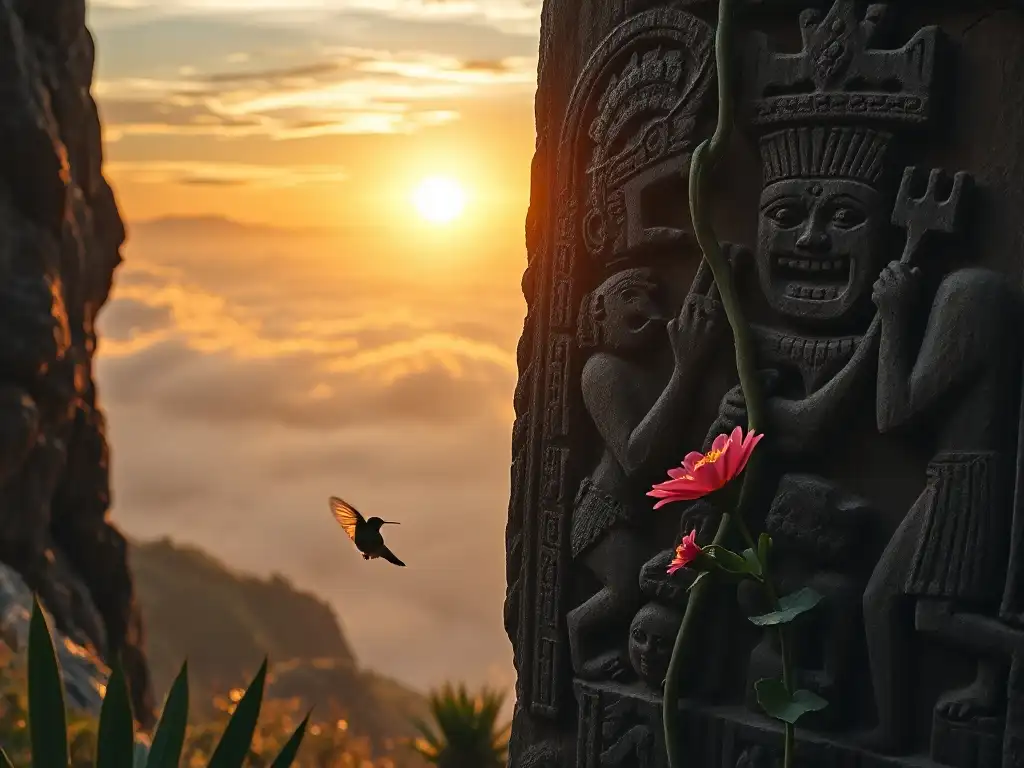
This section delves into the fascinating world of Andean myths, examining how modern scholarship reinterprets these ancient narratives. We will explore specific myths, analyzing their traditional meanings and contrasting them with contemporary perspectives, revealing how these stories continue to resonate and shape Andean cultures today. The analysis will focus on the evolution of meaning and the enduring cultural significance of these narratives in the face of modern interpretations, directly addressing the search term "Andean myths modern interpretations".
The Myth of Viracocha: A Case Study
Viracocha, the creator god in many Andean cosmologies, presents a rich case study for understanding the evolution of mythical interpretations. His story, passed down through generations, has been subject to various reinterpretations over time, offering valuable insights into the changing social and religious landscapes of the Andes.
Traditional Interpretations of Viracocha
Traditional interpretations of Viracocha portray him as a powerful, often ambivalent deity. Some accounts depict him as a benevolent creator, bringing forth the sun, moon, stars, and humanity. Other narratives emphasize his destructive power, associated with floods and earthquakes.
These contrasting portrayals reflect the complex relationship between humans and the powerful, sometimes unpredictable forces of nature in the Andean environment. The duality inherent in Viracocha's character underscores the inherent unpredictability of the Andean landscape and climate, an element crucial to understanding the myth's origins. His role as both creator and destroyer mirrors the cyclical nature of life and death, creation and destruction, deeply embedded in Andean worldview.
Modern Interpretations and Symbolism of Viracocha
Modern interpretations of Viracocha often move beyond simple creator/destroyer dichotomies. Scholars now explore the symbolism of Viracocha in relation to broader themes of power, authority, and social organization. For example, the depiction of Viracocha emerging from Lake Titicaca has been analyzed as a reflection of the importance of water resources in Andean societies.
His association with specific geographical locations also suggests a connection to territorial control and the legitimization of ruling elites. The appearance of Viracocha in various forms, sometimes as a bearded man, sometimes as a celestial being, highlights the complex and multifaceted nature of the myth and its potential for multiple interpretations across different Andean cultures and time periods.
Furthermore, the use of Viracocha iconography in contemporary Andean art and religious practices demonstrates the enduring relevance of this powerful figure in the modern era. Analyzing his symbolism unveils the enduring legacy of this ancient deity in shaping Andean identities and beliefs.
The Legend of the Amaru: Its Evolution
The Amaru, a serpentine deity frequently appearing in Andean mythology, represents another compelling example of how ancient narratives adapt to modern perspectives. The Amaru's symbolism, initially rooted in cosmological and agricultural concepts, has undergone significant transformations throughout history.
The Original Meaning of the Amaru
Originally, the Amaru was often associated with water, fertility, and the earth's life-giving forces. Its serpentine form reflected the winding paths of rivers, crucial for Andean agriculture. The Amaru's association with fertility is evident in its frequent depiction alongside agricultural deities and in contexts related to harvests and abundance.
The mythical narratives surrounding the Amaru often feature themes of transformation, rebirth, and the cyclical nature of life, mirroring the annual cycles of Andean agriculture and the ever-changing landscape. Many ancient artifacts, such as pottery and textiles, depict the Amaru in ways that emphasize its connection to these fundamental aspects of Andean life.
Contemporary Cultural Significance of the Amaru
The Amaru's contemporary cultural significance extends beyond its agricultural associations. It has become a potent symbol of Andean identity and resistance. In modern interpretations, the Amaru often represents the enduring strength and resilience of Andean peoples, capable of adapting and thriving despite historical challenges.
The Amaru's image is frequently incorporated into contemporary art, literature, and political activism, serving as a symbol of cultural pride and a reminder of the rich heritage of Andean civilizations. The enduring power of the Amaru's symbolism demonstrates its capacity to transcend its ancient origins and resonate powerfully within modern Andean societies. The serpent's enduring presence in contemporary Andean culture highlights the adaptability and enduring relevance of ancient myths in the modern world.
The Narrative of the Pachacuti: A Comparative View
The myth of Pachacuti, the Inca emperor credited with unifying the disparate Andean tribes and establishing the vast Inca Empire, offers a fascinating case study in the evolution of Andean myths through time. Understanding Pachacuti's narrative requires a careful comparison of pre-Columbian accounts, often fragmented and filtered through the lens of oral tradition, with the interpretations offered by modern scholars. The discrepancies highlight the challenges of reconstructing history from limited sources and the inherent biases that shape historical narratives. The very nature of "myth" versus "history" becomes blurred when examining this figure, as the line between legendary accounts and factual events is often indistinct. The story of Pachacuti, therefore, serves not only as a window into Inca cosmology and societal structure but also as a powerful example of how historical narratives are constructed and contested. The varying perspectives on Pachacuti ultimately reveal more about the interpreters than about the interpreted.
Pre-Columbian Accounts of the Pachacuti
Pre-Columbian accounts of Pachacuti are primarily found in scattered chronicles and oral traditions recorded after the Spanish conquest. These sources often portray Pachacuti as a divinely appointed leader, a figure chosen by the gods to bring order to a chaotic world. Descriptions of his military prowess are frequently embellished, emphasizing his strategic brilliance and supernatural abilities.
For example, many accounts describe his miraculous victories over enemies, highlighting a divine intervention that aided his conquests. These narratives, while valuable for understanding Inca worldview, are inherently biased toward celebrating the Inca's imperial power and legitimizing their rule. The lack of independent verification makes it difficult to separate fact from legend in these early accounts.
Furthermore, the oral nature of the traditions means that the stories may have been altered or adapted over time, reflecting the evolving social and political landscape. The limited access to these sources also poses a challenge for researchers today, as many are incomplete or fragmented.
Modern Scholarly Perspectives on the Pachacuti
Modern scholarly perspectives on Pachacuti are far more nuanced and critical than their pre-Columbian counterparts. Historians and anthropologists now approach the narrative with a critical eye, considering the possible biases inherent in the sources and acknowledging the limitations of the available evidence. Some scholars emphasize the role of Pachacuti in consolidating existing power structures rather than solely creating a unified empire from scratch.
They argue that the Inca expansion was a gradual process, building upon existing alliances and political structures. Other scholars focus on the socio-economic transformations that occurred during Pachacuti's reign, highlighting the development of sophisticated administrative systems, agricultural practices, and infrastructure projects. The debate continues as to the extent of Pachacuti's actual role in the Inca expansion, with some arguing that his contributions have been exaggerated by later Inca propaganda, while others maintain that his leadership was crucial to the empire's success.
These varied interpretations demonstrate the ongoing evolution of our understanding of Andean history, showing how new evidence and methodologies constantly reshape our perspective on ancient narratives. The modern approach to Pachacuti showcases a move towards a more critical and balanced interpretation, acknowledging the complexities of the past and the limitations of historical sources.
Andean Myths in Modern Culture
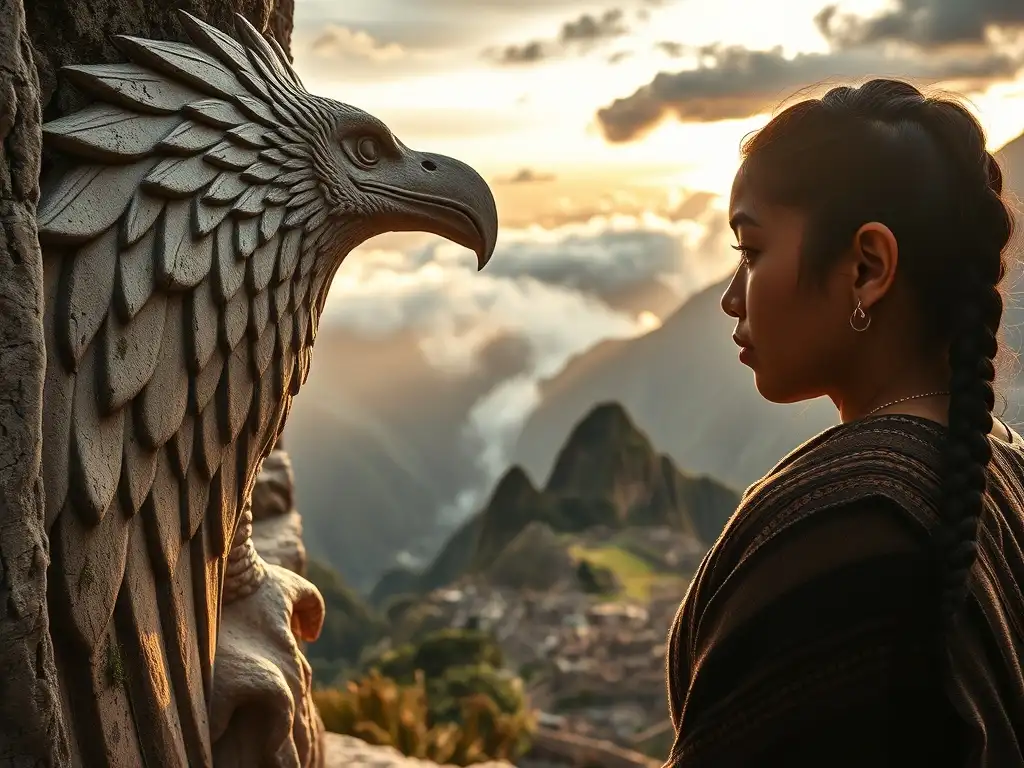
This section explores the enduring presence of Andean myths within contemporary society, demonstrating their continued relevance and influence on various aspects of modern life. We will examine how these ancient narratives are reinterpreted and reimagined in art, literature, spirituality, and other cultural expressions, highlighting the vibrant and evolving nature of Andean cultural heritage. The persistence of these myths underscores their deep-rooted connection to Andean identity and their capacity to resonate with modern audiences. Understanding these modern interpretations offers a crucial perspective on the ongoing legacy of Andean civilizations.
Influence of Andean Mythology on Contemporary Art
Andean mythology provides a rich tapestry of imagery and symbolism that continues to inspire contemporary artists. From the vibrant colors and intricate designs of pre-Columbian textiles to the powerful narratives of creation myths, artists draw upon a vast reservoir of visual and conceptual resources. Many contemporary artists explicitly engage with Andean iconography, incorporating elements like the khipu (knotted-string record-keeping system), depictions of Andean deities (e.g., Viracocha, Inti), and motifs from nature, such as condors and llamas. This engagement isn't simply imitation; it's a process of reinterpretation, often infusing traditional imagery with contemporary themes and perspectives.
For example, [Artist's name pending] uses [specific artistic technique pending] to depict [specific Andean deity or myth pending], reinterpreting the traditional imagery through a [specific artistic style or lens pending] perspective. This approach reveals a complex dialogue between past and present, tradition and innovation. Other artists explore the themes of resilience, resistance, and cultural survival present in Andean myths, using their art to address contemporary social and political issues.
The use of vibrant colors, intricate patterns, and symbolic imagery serves not only as an aesthetic choice but also as a powerful means of cultural affirmation and resistance. The enduring power of Andean visual culture is undeniable, shaping artistic expression across various mediums and contexts.
Andean Myths in Literature and Storytelling
Andean myths have found a new life in contemporary literature and storytelling, both through direct adaptations and indirect influences. Many authors weave Andean narratives into their works, exploring themes of cosmology, social structures, and human relationships as depicted in ancient myths. Some authors focus on reinterpreting classic myths, updating them for a modern audience while retaining their core essence. Others use Andean myths as a springboard for creating entirely new stories, exploring the potential of these narratives to resonate with contemporary concerns.
This reimagining often involves translating complex symbolism and ancient languages into accessible and engaging narratives. For instance, [Author's name pending] retells the myth of [specific Andean myth pending] in a [specific genre pending] novel, exploring themes of [specific themes pending] through a contemporary lens. This demonstrates the adaptability of Andean narratives and their capacity to speak to universal human experiences across time and cultures.
The incorporation of Andean mythology into contemporary literature enriches the storytelling landscape, offering readers a glimpse into a rich and complex cultural heritage, while simultaneously providing a platform for exploring modern concerns. The enduring power of these stories is evident in their continued ability to capture the imagination and inspire new creative works.
The Reinterpretation of Andean Beliefs in Modern Spirituality
The reinterpretation of Andean beliefs in modern spirituality reveals a complex interplay between tradition and contemporary practices. While some individuals and groups strive to maintain the authenticity of traditional Andean spiritual practices, others integrate aspects of Andean cosmology and ritual into broader spiritual frameworks. This often involves reinterpreting ancient beliefs and practices within a contemporary context, adapting them to the needs and concerns of modern life.
For example, the concept of Pachamama (Mother Earth) has gained considerable traction in modern environmental and spiritual movements. The reverence for nature and the interconnectedness of all living things, central to Andean cosmology, resonates deeply with contemporary ecological concerns. Similarly, [Specific Andean belief or practice pending] has been reinterpreted and adapted by [Specific group or movement pending], reflecting a growing interest in indigenous spiritualities and their relevance to contemporary issues. This integration, however, is not without its challenges and complexities.
The appropriation of Andean spiritual practices by non-Andean groups raises important questions regarding cultural sensitivity, authenticity, and the potential for misrepresentation. Careful consideration of these issues is crucial to ensure respectful and responsible engagement with Andean spiritual traditions. The ongoing evolution of Andean spirituality in the modern world highlights the adaptability and enduring relevance of these ancient beliefs.
The Importance of Preserving and Understanding Andean Myths
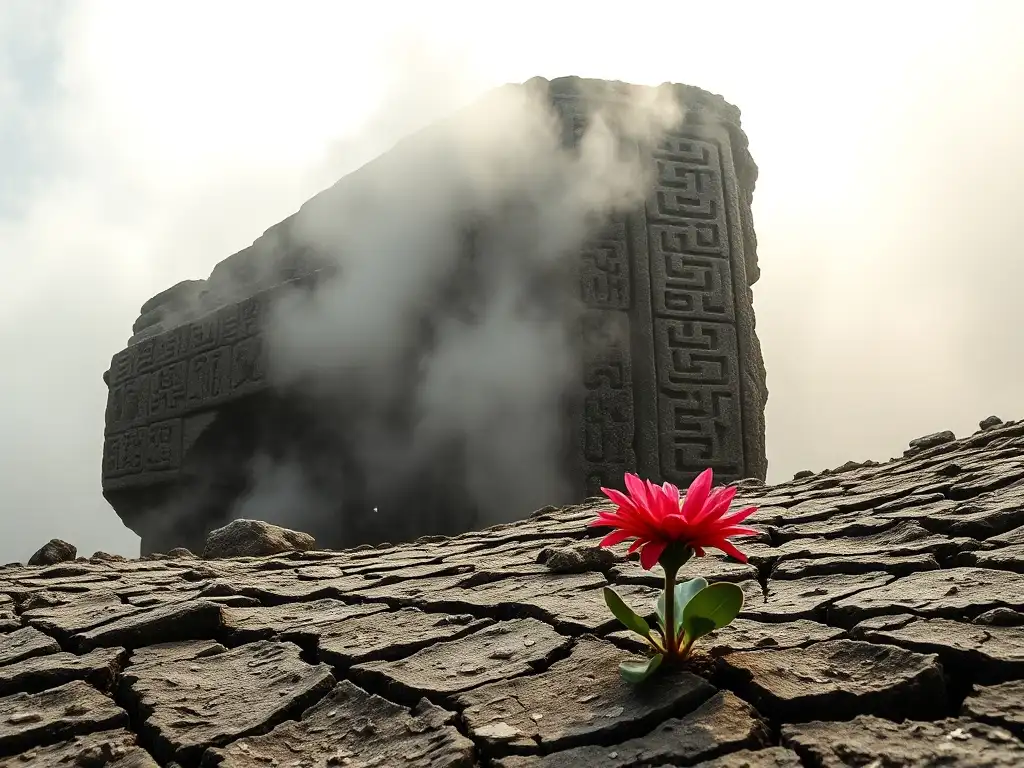
Preserving and understanding Andean myths is crucial for several reasons. These narratives aren't simply ancient stories; they are the bedrock of Andean cultural identity, offering invaluable insights into the worldview, social structures, and historical experiences of these fascinating civilizations. Their preservation ensures the continuity of a rich cultural heritage, preventing the loss of unique perspectives on the human experience.
Furthermore, studying these myths allows us to appreciate the sophisticated intellectual and philosophical frameworks that underpinned Andean societies. By analyzing the symbolism, cosmology, and narratives embedded within these myths, we gain a deeper understanding of the complex relationship between humans and their environment, and the intricate ways in which Andean peoples interacted with the natural world. The study of Andean myths also provides a powerful lens through which to examine themes of power, social organization, and spiritual belief – themes that resonate across cultures and time periods.
Ignoring or dismissing these narratives would be a significant loss to our collective understanding of human history and cultural diversity. The continued study and interpretation of Andean myths contribute significantly to a more complete and nuanced understanding of the Andean world, enriching our knowledge of global cultural heritage. Ignoring this rich tapestry of stories would be a disservice to both the past and the future.
The Cultural Heritage of Andean Narratives
Andean narratives, encompassing myths, legends, and folktales, represent a vital part of the cultural heritage of the Andes. They are not merely stories; they are living traditions that have been passed down through generations, shaping the identity and worldview of Andean communities. These narratives often feature powerful deities, mythical creatures, and heroic figures, reflecting the complex relationship between humans and the supernatural.
For example, the story of Viracocha, the creator god in Inca mythology, speaks to the Andean understanding of creation and the cosmos. Similarly, the myths surrounding Pachamama, the Earth Mother, highlight the deep connection between Andean peoples and their environment. These narratives are often intertwined with rituals, ceremonies, and artistic expressions, further reinforcing their significance within Andean culture.
The preservation and study of these narratives provide invaluable insights into the social, political, and religious structures of Andean societies, helping us understand the values, beliefs, and practices that shaped their lives. Their continued relevance highlights the enduring power of oral traditions in shaping cultural identity and transmitting knowledge across generations. The vibrant tapestry of Andean mythology continues to inspire artists, writers, and scholars alike, ensuring that these important stories remain relevant and accessible today.
Challenges in the Transmission of Andean Oral Traditions
The transmission of Andean oral traditions faces numerous challenges in the modern era. The encroachment of globalization, urbanization, and the dominance of Western cultural influences pose significant threats to the preservation of these invaluable narratives. Many younger generations are increasingly less familiar with their ancestral stories, leading to a decline in the knowledge and practice of traditional storytelling techniques.
Furthermore, the lack of formal documentation and the reliance on oral transmission makes these traditions vulnerable to loss and distortion. The increasing use of Spanish and other dominant languages in many Andean communities further marginalizes indigenous languages, which are often the vehicles for transmitting these rich oral traditions. Moreover, the rapid pace of social and economic change in the Andean region often disrupts the social structures that traditionally supported the transmission of these narratives.
This includes the loss of traditional roles and institutions responsible for preserving and sharing these stories. Addressing these challenges requires a multifaceted approach, including initiatives to promote indigenous language revitalization, support for community-based storytelling projects, and the development of educational programs that integrate Andean oral traditions into the curriculum. It also includes the crucial work of documenting and archiving these stories for future generations.
The Role of Education in Promoting Andean Cultural Awareness
Education plays a pivotal role in fostering Andean cultural awareness and preserving its rich heritage, including its myths and legends. By incorporating Andean oral traditions into school curricula, we can ensure that future generations understand and appreciate the significance of these narratives. This includes teaching about the cultural context, historical background, and the symbolism embedded within these stories.
Furthermore, educational initiatives can promote the revitalization of indigenous languages, creating opportunities for students to learn these languages and engage with Andean oral traditions in their original form. The use of innovative teaching methods, such as storytelling workshops, interactive multimedia resources, and community-based learning projects, can make the learning experience more engaging and effective. Educational programs can also highlight the interdisciplinary nature of Andean studies, connecting the study of myths and legends with other fields such as archaeology, anthropology, and art history.
By integrating Andean cultural awareness into educational settings, we can not only preserve a valuable cultural heritage but also promote intercultural understanding and respect. This ultimately contributes to a more inclusive and equitable society that values the richness and diversity of human experience. The successful integration of Andean myths into educational programs will help ensure that these powerful narratives continue to inspire and enlighten future generations.
Conclusion: The Enduring Legacy of Andean Myths
The study of Andean myths offers a captivating lens through which to examine the complexities of ancient Andean societies. Far from being mere folklore, these narratives provide invaluable insights into their cosmology, social structures, and daily lives. By analyzing these myths through a modern lens, we gain a deeper appreciation for the ingenuity, resilience, and profound spiritual understanding of these civilizations.
This process, however, necessitates a critical approach, acknowledging the limitations of interpreting ancient narratives within contemporary frameworks. The challenge lies in balancing respect for the original meaning with the need for fresh perspectives that incorporate modern anthropological, archaeological, and linguistic tools. The enduring power of Andean myths lies not only in their historical significance but also in their continued relevance to contemporary Andean cultures and their descendants.
Synthesis of Modern Interpretations
Modern interpretations of Andean myths reflect a significant shift away from earlier colonial perspectives that often dismissed them as superstitious or primitive. Instead, scholars now recognize the sophisticated symbolic systems embedded within these narratives. For example, the myth of Viracocha, the creator god, is no longer solely viewed as a simple creation myth.
Instead, it's analyzed as a complex reflection of Andean cosmology, encompassing concepts of duality, cyclical time, and the relationship between the human and divine realms. Similarly, the intricate iconography found in Nazca lines and Moche pottery, once considered purely decorative, is now understood as a visual representation of myths and rituals, offering vital clues to their beliefs and practices. This shift is fueled by advancements in interdisciplinary research, combining archaeological findings with anthropological analyses and linguistic studies to provide a more nuanced understanding of Andean mythology.
The collaborative efforts of researchers from diverse backgrounds—archaeologists, anthropologists, linguists, and historians—are crucial in building a more accurate and comprehensive picture of these ancient narratives. This collaborative approach helps to avoid the pitfalls of ethnocentric interpretations and fosters a more respectful and insightful understanding of Andean cultural heritage.
The Continued Relevance of Andean Mythology
Andean mythology continues to hold significant relevance in the 21st century. Many contemporary Andean communities maintain living traditions rooted in ancient myths and rituals. These traditions are not merely historical relics but vibrant expressions of cultural identity and spiritual practice. The stories of Pachamama (Mother Earth), Apu (mountain spirits), and other powerful deities continue to shape their worldview, influencing their agricultural practices, social structures, and artistic expressions.
Furthermore, Andean myths offer valuable lessons for contemporary society. Their emphasis on the interconnectedness of all living things, the importance of reciprocity with nature, and the cyclical nature of time resonate with growing global concerns about environmental sustainability and social justice. The themes of resilience, adaptation, and community found in Andean narratives provide inspiring examples for navigating the challenges of the modern world.
The continued study and appreciation of Andean mythology therefore serve not only to illuminate the past but also to enrich our understanding of the present and inspire a more sustainable and equitable future. The rich tapestry of Andean myths offers a powerful reminder of the enduring legacy of these ancient civilizations and their ongoing influence on contemporary society. 🌎
Frequently Asked Questions
How are ancient Andean myths being reinterpreted today?
Modern scholars are moving beyond Eurocentric biases in their interpretations, focusing on indigenous perspectives and incorporating insights from anthropology, archaeology, and social sciences. This allows for a richer, more nuanced understanding of the myths' original meanings.
What role do Andean myths play in modern Andean culture?
Andean myths remain integral to the cultural identity of many Andean communities. They continue to inform traditions, rituals, and worldviews, providing a sense of continuity with the past and shaping contemporary social structures. Many myths are being actively revived and reinterpreted.
Are there specific examples of myths receiving modern interpretations?
Yes, for instance, the myth of Pachamama (Mother Earth) is being reinterpreted through the lens of environmentalism and indigenous rights. Similarly, stories about mythical heroes are being used to promote social justice and cultural pride.
How do modern interpretations challenge previous understandings of Andean mythology?
Older interpretations often lacked indigenous voices and relied on colonial perspectives, misrepresenting or simplifying complex narratives. Modern approaches prioritize indigenous knowledge and challenge the imposition of external frameworks of understanding.
Where can I learn more about modern interpretations of Andean myths?
You can explore academic journals focusing on Andean studies, visit museums with exhibits on Andean cultures, and seek out books and documentaries that prioritize indigenous voices and perspectives. Many indigenous communities also share their interpretations through oral traditions and cultural events.
Final Reflection: Echoes of the Andes in a Modern World
The enduring power of Andean myths is not confined to dusty museum artifacts or forgotten texts; it resonates deeply within the contemporary socio-cultural fabric of the region and beyond. These ancient narratives, far from being relics of a bygone era, offer potent metaphors for understanding modern challenges, from environmental stewardship to social justice. Their continued relevance underscores the timeless wisdom embedded within these stories.
The exploration of Andean mythology reveals a profound connection between humanity and the natural world, a connection often lost in our increasingly urbanized and technologically driven societies. These myths, with their intricate tapestry of gods, spirits, and human struggles, provide a framework for understanding our place within the larger ecosystem. The mountains are not just stones, they are living beings, with their own spirits and stories,
a Quechua elder once told me, a sentiment echoing throughout these ancient narratives and highlighting their enduring spiritual significance.
Consider the lessons woven into these myths: the importance of community, the respect for nature, the cyclical nature of life and death. These are not merely abstract concepts; they are practical tools for navigating the complexities of the 21st century. You, the reader, are now equipped with a deeper understanding of these powerful narratives. How can you integrate these timeless wisdoms into your own life, your own community, and your own relationship with the world around you? Let the echoes of the Andes inspire you to build a more sustainable, equitable, and spiritually fulfilling future.
Unveil the Wisdom of Andean Myths Today!
Thank you for exploring the fascinating world of Andean myths! By delving into these ancient stories, you've gained valuable insights into their enduring relevance. Now, let's put that knowledge into practice.
- Attend a local cultural event or workshop celebrating Andean heritage and storytelling. This is a great way to connect with the living tradition.
- Share this article with friends and family, or post it on social media to encourage discussion about the importance of preserving these rich narratives.
- Expand your knowledge of Andean mythology by reading a book or taking an online course. There are many excellent resources available to deepen your understanding.
What Andean myth resonates most with you, and how do you see its wisdom influencing our world today?