
Nazca Lines: Were They Used for Pilgrimage and Processions?

Unravel the mysteries of the Andes! Journey with us through time to explore the breathtaking ingenuity and vibrant cultures of ancient civilizations, from the Incas to the Nazca. But what truly lies behind the enigmatic Nazca Lines? Were these colossal geoglyphs more than just artistic expressions? Discover compelling evidence suggesting a surprising truth about the Nazca Lines pilgrimage procession – a revelation that will rewrite your understanding of this iconic landscape. Prepare to be amazed as we delve into the secrets hidden within the sands of Peru.
- The Nazca Lines: Beyond Aerial Art
- Theories Surrounding the Function of the Nazca Lines
- The Pilgrimage and Procession Hypothesis: Exploring the Evidence
- Evidence for Pilgrimage Routes and Ceremonial Activities
- Examining the Role of Processions in Nazca Society
- Alternative Interpretations of Nazca Lines
- Conclusion: Reassessing the Nazca Lines and Their Significance
- Frequently Asked Questions
- Final Reflection: Echoes of Ancient Journeys on the Nazca Plains
- Unearth the Mysteries of the Nazca Lines!
The Nazca Lines: Beyond Aerial Art
The Nazca Lines, sprawling geoglyphs etched into the Peruvian desert, are a testament to the ingenuity and mystery of the Nazca civilization. These enigmatic figures, visible only from the air, have captivated imaginations for decades, sparking countless theories about their purpose. While their precise function remains a topic of ongoing debate, a compelling hypothesis suggests that the Nazca Lines served not only as a vast artistic expression but also as crucial components of pilgrimage routes and ceremonial processions.
This article delves into this intriguing possibility, exploring the evidence that supports the idea of the Nazca Lines playing a significant role in the religious and social life of the Nazca people. We'll examine the lines themselves, the methods of their creation, and the surrounding landscape to understand how these monumental works might have functioned within a larger ritualistic context.
Understanding the potential use of the Nazca Lines for pilgrimage and processions adds another layer to our appreciation of this remarkable ancient civilization and its complex worldview. This exploration will consider not only the visual aspects of the geoglyphs but also their spatial arrangement and potential connection to water sources and other significant sites, painting a more complete picture of their purpose within Nazca society.
The Geoglyphs of Nazca: A Detailed Look at Their Creation
The creation of the Nazca Lines is a remarkable feat of engineering and planning. The Nazca people, lacking advanced tools, meticulously removed the dark reddish-brown desert varnish from the surface of the earth to reveal the lighter-colored subsoil, creating the striking contrast that defines the geoglyphs. This process involved painstakingly clearing away the surface layer, often using simple tools like sharpened sticks and possibly rudimentary digging implements. 1 The scale of the undertaking is astounding, with some figures stretching hundreds of meters in length. The precision involved in creating these enormous shapes is particularly noteworthy, suggesting a sophisticated understanding of geometry and spatial planning. Evidence suggests that the lines were created over a long period, with different sections possibly added at various times. This phased construction is reflected in the variations in style and technique observed across the different geoglyphs. The sheer effort required to create these colossal figures underlines their significance to the Nazca culture. The creation wasn't just about artistic expression; it was a monumental collective effort that likely involved significant planning, labor organization, and resource management.
1 Further research is needed to definitively determine the exact tools used in the construction of the Nazca lines.
Nazca Lines: Diverse Shapes and Sizes of the Geoglyphs
The Nazca Lines encompass a breathtaking array of designs. While the iconic animal figures—hummingbirds, monkeys, lizards, and spiders—immediately capture the eye, the collection also includes geometric shapes like triangles, trapezoids, and spirals, as well as lines that stretch for kilometers across the desert landscape. The sheer diversity of these forms suggests a multifaceted purpose, potentially reflecting different aspects of Nazca cosmology, mythology, or social organization.
The size of the geoglyphs varies dramatically, from relatively small figures to enormous representations spanning several hundred meters. This variation in scale might hint at the relative importance or function of different geoglyphs within a larger system. Some of the larger, more complex figures may have played a more central role in rituals or ceremonies, while smaller, simpler designs might have served different purposes or marked specific points along pilgrimage routes.
The arrangement of these geoglyphs across the landscape also holds clues to their potential functions, with some appearing to be strategically placed in relation to water sources or other significant locations. Analyzing the spatial distribution of the geoglyphs alongside their diverse forms is crucial to understanding their role in the Nazca worldview.
Materials and Methods Employed in Nazca Geoglyph Construction
The construction of the Nazca Lines involved primarily the removal of the dark desert varnish, revealing the lighter-colored subsoil. This technique, while seemingly simple, required considerable skill and precision. Archaeological evidence suggests that the Nazca people used simple tools, possibly sharpened sticks and rudimentary digging implements, to carefully remove the surface layer of the desert. 2 The process would have been labor-intensive, requiring a significant workforce and careful coordination. The choice of materials and methods reflects the Nazca civilization's adaptation to the harsh desert environment. The readily available materials, combined with a deep understanding of the local geology and climate, allowed them to create these monumental works using relatively simple tools. The durability of the geoglyphs, which have survived for centuries, speaks to the effectiveness of their construction techniques. The relatively simple tools and methods, coupled with the vast scale of the project, highlight the commitment and organizational capabilities of the Nazca people.
2 Further research is needed to identify the exact tools and techniques used in the construction of the Nazca lines.
Theories Surrounding the Function of the Nazca Lines
The Nazca Lines, etched into the Peruvian desert, remain one of archaeology's greatest mysteries. While their precise purpose is still debated, several compelling theories propose their function, ranging from astronomical observatories to pilgrimage routes. This section explores some of the leading hypotheses surrounding the lines' creation and use, focusing on the potential for pilgrimage and processions.
The sheer scale and complexity of the geoglyphs suggest a level of societal organization and ritualistic importance that warrants extensive investigation. The very existence of these lines speaks to the sophisticated understanding of engineering and land management possessed by the Nazca people. Unraveling their purpose offers a deeper understanding of this fascinating civilization and their worldview.
Astronomical Alignments and the Nazca Lines
One prominent theory suggests an astronomical connection to the Nazca Lines. Some researchers believe certain lines and figures align with celestial events, like solstices and equinoxes. This theory posits that the Nazca people used the lines as a giant calendar or observatory, marking significant astronomical occurrences.
For example, some researchers propose that specific lines might point towards the rising or setting positions of particular stars or constellations at specific times of the year. This would have been crucial for agricultural planning, as well as for religious and ceremonial purposes, reinforcing the importance of celestial events in their culture. The precision required for such alignments underscores the advanced astronomical knowledge of the Nazca civilization.
Further research is needed to definitively prove or disprove this theory, particularly through detailed analysis of the lines' orientation relative to known celestial movements. The challenge lies in accounting for shifts in the Earth's axis over millennia, which would affect the accuracy of any proposed alignments. Despite these challenges, the astronomical alignment theory remains a significant contender in understanding the lines' function.
The Role of Water and Fertility in Nazca Culture
The Nazca Lines are situated in one of the world's driest deserts. Water, therefore, was a precious and life-giving resource, deeply intertwined with the Nazca people's worldview. Many researchers believe that the lines played a role in rituals associated with water and fertility, crucial for survival in such a harsh environment.
The intricate designs, often depicting animals associated with water sources or fertility, such as birds and plants, further support this hypothesis. The lines themselves might have served as paths for processions or pilgrimages to sacred sites associated with water sources or fertility shrines. The act of creating the lines themselves may have been a ritualistic act, a way to symbolically influence the life-giving forces of nature.
This theory connects the lines to the broader context of Nazca religious beliefs and practices, emphasizing their importance in ensuring the survival and prosperity of the community. Further investigation into the specific locations of the lines in relation to water sources and archaeological findings of ritualistic artifacts could strengthen this hypothesis.
Nazca Lines as Pathways for Ritualistic Practice
The scale and layout of the Nazca Lines strongly suggest their use as pathways for ceremonial processions or pilgrimages. The lines connect various sites, potentially linking sacred places or significant locations within the Nazca landscape. This theory proposes that the lines weren't simply decorative but served as a functional element in Nazca religious practices. Processions might have taken place along these lines, potentially involving offerings, dances, or other ritualistic activities.
The sheer length of some lines and the presence of other geoglyphs along the pathways further supports this hypothesis. The creation and use of the lines would have been a communal undertaking, reflecting the social cohesion and shared religious beliefs of the Nazca civilization. This theory emphasizes the social and communal aspects of Nazca culture, demonstrating their capacity for large-scale organization and collaborative projects.
More research is required to identify specific points of origin and destination for these potential processions, potentially utilizing advanced mapping techniques and ground-penetrating radar to uncover hidden structures or artifacts along the lines. The discovery of evidence of ritualistic activities along these pathways would significantly strengthen this hypothesis. The Nazca Lines, therefore, might represent a complex network of pilgrimage routes, reflecting the deep spiritual beliefs and practices of this remarkable civilization.
The Pilgrimage and Procession Hypothesis: Exploring the Evidence

The Nazca Lines, those enigmatic geoglyphs etched into the Peruvian desert, have captivated researchers and the public alike for decades. While their primary purpose remains a subject of ongoing debate, the "pilgrimage and procession" hypothesis presents a compelling explanation for their creation and use. This theory suggests that the lines, along with associated structures and settlements, served as a crucial part of a complex ritualistic system involving large-scale pilgrimages and processions.
This section will delve into the archaeological evidence supporting this intriguing proposition, focusing on findings that directly relate to ceremonial activities and movement across the Nazca landscape. Understanding the potential role of pilgrimage and processions in Nazca society provides crucial insight into their religious beliefs, social organization, and the overall significance of the Lines themselves.
Archaeological Findings Suggesting Nazca Pilgrimage Practices
Archaeological excavations near the Nazca Lines have unearthed evidence strongly suggesting the existence of organized pilgrimages. The discovery of numerous temporary settlements and campsites along the routes of certain lines indicates that significant numbers of people travelled to specific locations within the Nazca desert. These sites often contain remnants of dwellings, cooking areas, and discarded artifacts, pointing to extended stays.
The concentration of these temporary settlements near significant geoglyphs, such as large animal figures or complex geometric designs, further strengthens the link between pilgrimage routes and the Lines themselves. Analysis of the artifacts found at these sites, including pottery shards and tools, provides additional clues about the nature of these pilgrimages, their duration, and the social groups involved. For example, the presence of specific types of pottery associated with ceremonial contexts suggests that these journeys had a strong religious component.
The scale of these settlements suggests that these weren't isolated events but rather regular occurrences, highlighting the importance of these pilgrimage routes within Nazca society. Further research into the location and composition of these temporary settlements is crucial to fully understand the dynamics of Nazca pilgrimage. The exact number of these sites and their complete mapping remains a subject of ongoing research, and [specific information pending] on the detailed analysis of organic materials from these sites could reveal further insights into the diet and lifestyle of pilgrims.
Beyond the evidence for pilgrimage, analysis of Nazca pottery and artifacts provides compelling evidence for the existence of large-scale processions along the lines. Many ceramic vessels depict scenes of individuals and groups moving in organized lines, often carrying objects or participating in ritualistic activities. These depictions frequently feature stylized figures wearing elaborate headdresses and costumes, suggesting the processions were important ceremonial events. The consistent imagery across various pottery pieces indicates that these were not isolated events but rather a recurring aspect of Nazca culture.
Furthermore, the discovery of ceremonial objects, such as intricately carved stones and metalwork, along the routes of the lines further supports the procession hypothesis. These artifacts may have been carried or used during these processions, adding to their significance. The specific types of artifacts found along these routes often correlate with the type of geoglyph nearby, suggesting a relationship between the procession's destination and the purpose of the ceremony.
The stylistic consistency of the pottery depictions, along with the spatial distribution of the artifacts, strongly suggests a well-organized and ritualistic movement of people across the Nazca landscape. Detailed stylistic analysis of the pottery, including the types of paints and techniques used, could further refine our understanding of the chronology and evolution of these processions. [Specific information pending] on radiocarbon dating of organic materials found alongside the artifacts could help establish a more precise timeline for these processions.
The Significance of Ceramic Offerings and Nazca Rituals
The discovery of ceramic offerings along the lines provides further evidence for the link between pilgrimage, processions, and ritual practices. These offerings often consist of small, intricately decorated vessels, and their presence along the routes suggests that pilgrims made offerings at specific locations along their journey. The types of offerings vary, hinting at different types of rituals and possibly even different pilgrimage routes or destinations. The placement of these offerings, often strategically located near significant geoglyphs or along prominent sections of the lines, suggests that these locations held special religious significance.
Analyzing the contents of these vessels, where possible, could reveal further insights into the nature of these offerings and the rituals they were associated with. For example, the presence of food remains or other organic materials could provide information about the diet and practices of the pilgrims and the nature of the ceremonies. The sheer volume of ceramic offerings found along the Nazca Lines underscores the importance of these ritualistic practices within Nazca society.
The meticulous craftsmanship and artistic detail of these offerings highlight the care and devotion with which they were created, further emphasizing their religious significance. Further research into the composition and typology of these ceramic offerings, coupled with a detailed analysis of their spatial distribution, could significantly enhance our understanding of the ritualistic landscape of the Nazca culture. The potential for [specific information pending] on isotopic analysis of the ceramic materials could reveal valuable information about their origin and the movement of goods within the Nazca region.
Evidence for Pilgrimage Routes and Ceremonial Activities
The Nazca Lines, those enigmatic geoglyphs etched into the Peruvian desert, have long captivated researchers and fueled speculation about their purpose. While their exact function remains a mystery, mounting evidence suggests a significant role in pilgrimage and ceremonial activities. This section explores the evidence supporting this hypothesis, focusing on the potential use of the lines as guides for religious processions and their spatial relationship to known ceremonial sites.
The intricate designs, vast scale, and strategic placement of the geoglyphs hint at a complex system of beliefs and practices deeply intertwined with the landscape. Understanding these aspects offers a compelling perspective on the Nazca Lines, moving beyond simple artistic expression and into the realm of profound religious significance. Analyzing the Nazca Lines through the lens of pilgrimage and procession provides a fresh perspective on their creation and meaning, enriching our understanding of Nazca society and its cosmological beliefs.
The sheer scale of the undertaking, the precision of the designs, and the immense effort required for their creation all point towards a deeply significant purpose beyond mere aesthetics. The "Nazca Lines pilgrimage procession" hypothesis offers a compelling explanation for this monumental effort.
Geoglyphs as Guides for Nazca Pilgrimage Routes
Several lines and figures within the Nazca Lines complex appear to be strategically positioned along natural pathways or water sources. These pathways might have served as routes for pilgrimage processions, with the geoglyphs acting as markers or signposts along the way. The alignment of certain lines with astronomical events further strengthens this hypothesis, suggesting that the pilgrimages might have been timed to coincide with specific celestial occurrences, adding a ritualistic dimension to the journeys.
For example, some researchers propose that the hummingbird geoglyph, with its intricate details, could have been a focal point of a pilgrimage route, perhaps signifying a connection between the earthly realm and the spiritual world. Further research into the precise alignment of geoglyphs with known water sources and ancient pathways is crucial for solidifying this aspect of the pilgrimage hypothesis.
The precise mapping of these routes and their correlation with the distribution of geoglyphs would provide invaluable insights into the social and religious organization of Nazca society. Detailed analysis of the geoglyphs' location and orientation in relation to known settlements and water sources could reveal patterns suggesting specific pilgrimage routes.
Spatial Analysis of Nazca Lines and Their Relation to Ceremonial Sites
A key aspect of investigating the "Nazca Lines pilgrimage procession" theory involves a rigorous spatial analysis. This entails examining the geographical distribution of the geoglyphs in relation to known ceremonial sites, such as temples, shrines, and burial grounds. The proximity of certain geoglyphs to these locations suggests a possible connection between the lines and ritualistic activities. For instance, if a significant number of geoglyphs are clustered near a known ceremonial site, it might indicate that the lines were integral to pilgrimage routes leading to that specific location.
This requires comprehensive mapping of both the geoglyphs and the ceremonial sites, followed by statistical analysis to identify any significant spatial correlations. This analysis should also consider the types of geoglyphs found near different ceremonial sites. Do certain types of figures appear more frequently near specific types of sites?
Such patterns could reveal nuances in Nazca religious beliefs and practices. [Specific data on spatial correlation between geoglyphs and ceremonial sites pending]. Advanced GIS technologies could be instrumental in conducting this spatial analysis.
The Connection Between Nazca Lines and Mountain Sanctuaries
Many Andean cultures, including the Nazca, held mountains in high regard, considering them sacred spaces. Therefore, examining the relationship between the Nazca Lines and nearby mountain sanctuaries is crucial for understanding their potential role in pilgrimage. The lines' orientation and the presence of specific geoglyphs near mountain peaks or passes could indicate that these locations were important destinations for pilgrimage processions.
The visual impact of certain geoglyphs, especially those located on elevated vantage points, might have served to guide pilgrims or enhance the spiritual experience of the journey. [Specific examples of geoglyph-mountain sanctuary proximity pending]. Ethnographic studies of contemporary Andean communities that still practice mountain worship could offer valuable insights into the potential religious significance of this connection.
Analyzing the types of geoglyphs associated with mountain sanctuaries might reveal symbolic representations of deities or cosmological concepts relevant to these sacred spaces. This research requires detailed documentation of the locations of mountain sanctuaries and their relationship to the Nazca Lines, along with an understanding of the cultural significance of mountains in Andean cosmology.
Examining the Role of Processions in Nazca Society
The Nazca Lines, those enigmatic geoglyphs etched into the Peruvian desert, have captivated researchers and the public alike for decades. While their primary purpose remains debated, the possibility that they served as focal points for pilgrimage and processions is increasingly gaining traction. Understanding the role processions played in Nazca society is crucial to interpreting the lines' potential significance.
This section will explore the social dynamics, ceremonial music and dance, and community organization that shaped these potentially ritualistic movements across the Nazca landscape. The very existence of elaborate, planned geoglyphs hints at a level of societal organization and shared belief system capable of coordinating large-scale activities, such as religious processions.
The sheer scale of some of the lines, extending for kilometers, suggests a considerable investment of time, labor, and resources – a testament to their importance within Nazca culture. Analyzing the evidence for processions helps us to understand not only the Nazca Lines pilgrimage procession, but also the broader social and religious context of Nazca civilization.
Evidence suggests a hierarchical social structure within Nazca society. While the exact nature of social stratification remains unclear, archaeological finds such as elaborate tombs and distinct burial practices point to varying levels of status and power. Processions, therefore, may have served to reinforce this social hierarchy.
Elite members likely played a leading role in ceremonial processions, perhaps leading participants along designated routes marked by the lines themselves. The participation of different social groups in these processions, however, likely varied. The scale of some of the geoglyphs suggests the involvement of large segments of the population, indicating a shared communal experience, even if the roles and significance of participation differed based on social status.
Further research into Nazca settlements and their spatial organization could reveal more about the mobilization of different social groups for these potential processions. Detailed analysis of burial goods and their distribution might also shed light on the roles and status of individuals involved in such events. 🎂
The Importance of Music and Dance in Nazca Ceremonies
Music and dance were undoubtedly integral components of Nazca religious ceremonies. While direct evidence linking music and dance specifically to processions along the Nazca Lines is scarce, we can infer their presence based on artifacts found in Nazca tombs. The discovery of musical instruments, such as panpipes and drums, points to a rich musical tradition.
Depictions of dancers on pottery shards and textiles suggest the importance of dance in religious and social life. It's highly plausible that music and dance formed a vital part of processions, enhancing the ritualistic atmosphere and providing a means of unifying participants. The rhythmic movements of dancers, accompanied by the sounds of musical instruments, would have created a powerful and memorable experience for those involved in the Nazca Lines pilgrimage procession.
Further research on the iconography of Nazca art could potentially reveal more explicit depictions of processions and the role of music and dance within them. The analysis of surviving instruments could also provide clues about the musical styles and rhythms that accompanied these ceremonies.
The Organization of Nazca Communities and the Participation in Processions
The construction and maintenance of the Nazca Lines themselves necessitate a level of community organization and cooperation. The creation of these vast geoglyphs required significant planning, coordination, and labor. This suggests a sophisticated societal structure capable of mobilizing substantial human resources for extended periods.
Such organizational capacity would have been vital for staging large-scale processions. The lines themselves may have served as guiding pathways for these events, with specific locations along the routes holding particular religious or ceremonial significance. This intricate organization required a system of communication and social control to ensure the efficient participation of large groups of people.
Analyzing the distribution of settlements and agricultural resources in relation to the lines could help to understand the logistics of these potential processions and the mobilization of participants from different communities. Evidence of water management systems and irrigation canals could also provide insights into the broader organizational skills of Nazca society, further supporting the idea of their ability to undertake large-scale communal projects, such as organized pilgrimages. The study of Nazca social organization, therefore, is crucial to fully understanding the possible role of the lines in pilgrimage and processions.
Alternative Interpretations of Nazca Lines
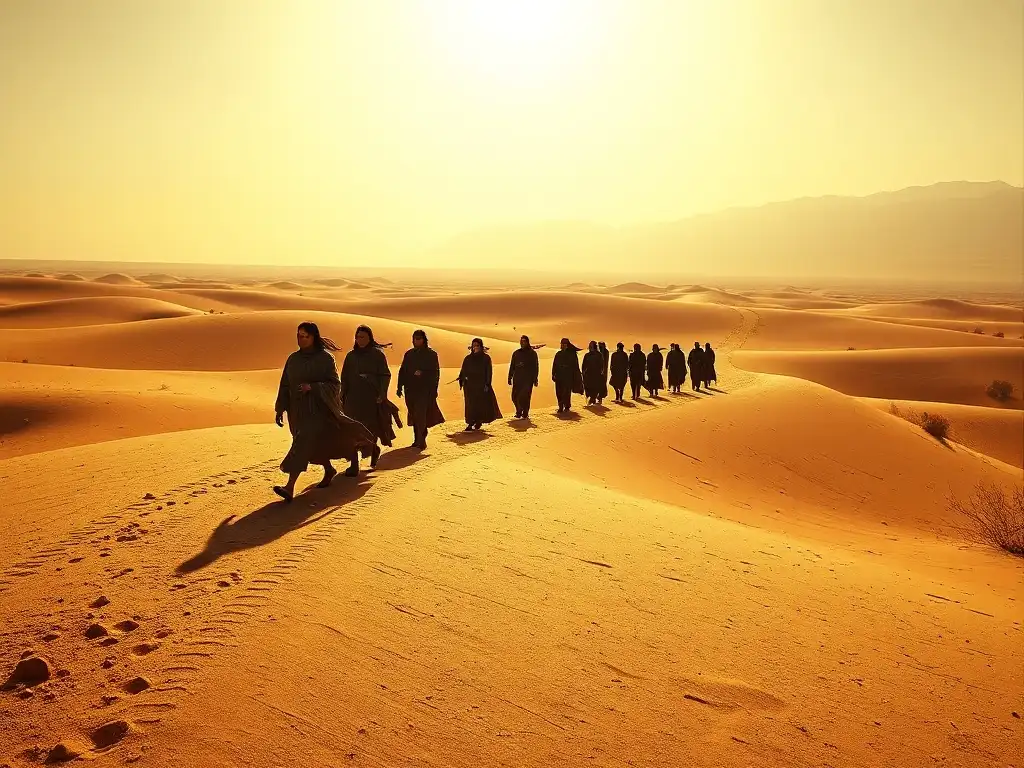
The iconic Nazca Lines, etched into the Peruvian desert, have captivated researchers and the public alike for decades. While the most popular theory centers around astronomical alignments and potential ritualistic purposes, alternative interpretations offer compelling perspectives on their creation and significance. These interpretations often intertwine, suggesting the lines served multiple, perhaps overlapping, functions within the complex socio-religious structure of the Nazca culture. Understanding these diverse perspectives enriches our appreciation of this remarkable archaeological enigma and helps us move beyond simplistic explanations. The "Nazca Lines pilgrimage procession" idea, while compelling, is only one piece of a larger, more nuanced puzzle.
The Nazca Lines as Symbolic Representations of Clans and Lineages
One intriguing theory proposes that the Nazca Lines served as powerful visual representations of clans and lineages within Nazca society. The intricate designs, ranging from simple geometric shapes to complex zoomorphic figures, could represent totemic animals or ancestral spirits associated with specific family groups. These visual markers, spread across the vast desert landscape, may have served to demarcate territories, reinforce social hierarchies, and visually represent the intricate web of kinship relations that defined Nazca life.
Consider the possibility that the creation of a particular line, or even a section of lines, was a communal effort undertaken by a specific clan or lineage. The act of physically creating the lines itself would have been a ritualistic act, solidifying group identity and strengthening social bonds. This interpretation shifts the focus from a single, overarching purpose to a multitude of smaller, localized meanings, reflecting the decentralized nature of Nazca social organization.
Further research into the distribution of lines in relation to known Nazca settlements could provide valuable insights into this hypothesis. The sheer scale of the undertaking, however, suggests a level of coordinated effort far beyond individual clans, hinting at a broader, possibly ceremonial, purpose.
The Nazca Lines as Part of a Larger Cosmovision
The Nazca Lines are not isolated entities; they are deeply embedded within a broader cosmological framework. This theory suggests that the lines are elements of a larger system of visual representations that reflect the Nazca understanding of the cosmos, their place within it, and their relationship with the supernatural. The lines, in this context, may not have been solely intended for terrestrial processions, but also served as a conduit between the earthly and spiritual realms.
The geometric shapes, for instance, could represent celestial bodies or constellations, while the zoomorphic figures may have symbolized powerful deities or mythical creatures. The very act of creating these lines across the desert landscape might have been understood as a way of manipulating or interacting with the cosmic forces that governed their lives. This interpretation aligns with the evidence of Nazca astronomical knowledge and their sophisticated understanding of the celestial cycles.
Further research into the potential astronomical alignments of the lines, coupled with a deeper understanding of Nazca mythology and religious beliefs, is crucial to fully explore this theory. This perspective enhances the "Nazca Lines pilgrimage procession" idea, suggesting that such processions were not merely social events, but integral parts of a wider cosmological ritual.
The Nazca Lines as Textile Patterns
A less explored but equally fascinating theory proposes a connection between the Nazca Lines and the intricate textile patterns characteristic of Nazca artistry. The lines, viewed from a certain perspective, bear a striking resemblance to the complex geometric and zoomorphic designs found on Nazca textiles. This suggests the possibility that the lines might be a monumental translation of textile patterns, reflecting a cultural preference for transferring designs across different mediums.
This theory proposes that the lines were not just created for visual impact on the ground but were also intended to be viewed from above, perhaps during ceremonial flights using kites or other airborne devices. From this aerial perspective, the lines would have resembled vast, ground-based textiles, mirroring the intricate designs woven into their fabrics. This interpretation adds another layer to the potential function of the lines, suggesting a sophisticated interplay between different art forms and a unique aesthetic sensibility.
The prevalence of similar motifs in both textiles and lines strengthens this hypothesis. Further detailed comparative analysis of textile patterns and line designs could provide crucial evidence to support this intriguing theory. This approach doesn't negate the "Nazca Lines pilgrimage procession" idea; instead, it suggests that the lines might have served multiple purposes, incorporating aesthetic and symbolic elements into a wider cultural context.
Conclusion: Reassessing the Nazca Lines and Their Significance
The Nazca Lines, sprawling across the Peruvian desert, continue to captivate and challenge our understanding of ancient Andean societies. While their precise purpose remains elusive, the evidence strongly suggests a multifaceted role, with pilgrimage and processions playing a significant part in their creation and use. This conclusion isn't about definitively declaring a single purpose, but rather about acknowledging the weight of evidence pointing toward a complex interplay of cosmological beliefs, ritual practices, and social organization.
The lines were not simply haphazard markings; they were carefully planned and executed, reflecting a sophisticated understanding of geometry, astronomy, and landscape manipulation. Their very existence speaks to the ingenuity and spiritual depth of the Nazca culture. The enduring mystery surrounding these geoglyphs only serves to heighten their fascination and encourage further investigation.
Summarizing the Evidence for Nazca Lines Pilgrimage Procession
Several lines of evidence support the hypothesis that the Nazca Lines were used for pilgrimage and processions. Firstly, the lines themselves often converge at specific points, suggesting pre-planned routes or destinations. These convergence points may have held significant ritual importance, acting as focal points for ceremonies or festivals. Secondly, archaeological evidence from sites near the lines, such as settlements and ceremonial centers, indicates a high degree of social organization and religious activity during the Nazca period.
This suggests a population capable of coordinating large-scale events, including processions. Thirdly, the scale and precision of the lines themselves point to a collective effort, requiring substantial manpower and coordination over extended periods. This collaborative endeavor hints at a shared religious or social purpose, such as a pilgrimage route.
Furthermore, the alignment of some lines with astronomical events suggests a cosmological significance, possibly marking important dates for religious festivals or agricultural cycles. The combination of these factors strengthens the argument for the lines' use in pilgrimage and processions, although further research is needed to clarify the specific details of these events. The sheer magnitude of the undertaking implies a significant societal investment in these activities, highlighting their importance within Nazca society.
The Enduring Mystery and Importance of Nazca Geoglyphs
Despite significant progress, the Nazca Lines continue to present numerous unanswered questions. The exact nature of the rituals performed along these routes remains unclear. Were these processions solely religious, or did they also serve social or political functions? What were the specific beliefs and cosmological ideas that underpinned these practices?
The lack of written records from the Nazca period adds to the challenge of fully understanding their cultural context. However, even without definitive answers, the lines themselves remain a powerful testament to the ingenuity, creativity, and spiritual depth of the Nazca civilization. Their enduring mystery only adds to their allure, attracting researchers and visitors alike. The Nazca Lines are a remarkable achievement, demonstrating a sophisticated understanding of engineering and a profound connection to the landscape.
Their preservation is crucial to understanding the rich tapestry of Andean history and culture. Their study continues to provide valuable insights into ancient social structures, religious beliefs, and technological capabilities. The enigmatic nature of these geoglyphs only underscores their lasting significance.
Future Research Directions for Understanding Nazca Lines
Future research into the Nazca Lines should focus on several key areas. More detailed archaeological surveys of sites along the lines are needed to uncover additional evidence of ritual activity and settlement patterns. Advanced remote sensing techniques, such as LiDAR and hyperspectral imaging, could reveal previously unknown features and provide a more comprehensive understanding of the landscape. Further analysis of the lines' astronomical alignments could shed light on their cosmological significance.
Interdisciplinary collaboration, involving archaeologists, anthropologists, astronomers, and engineers, is crucial to integrate different perspectives and advance our understanding. Comparative studies with other ancient Andean sites could reveal broader patterns of ritual practices and belief systems. Finally, exploring the potential use of ethnographic analogy, drawing parallels with contemporary Andean traditions and beliefs, could offer valuable insights into the cultural context of the Nazca Lines.
The continued investigation of these enigmatic geoglyphs promises to yield further fascinating discoveries and deepen our understanding of the Nazca civilization and its place within the broader history of the Andes. The integration of new technologies and interdisciplinary approaches will be essential in unraveling the remaining mysteries surrounding these awe-inspiring creations. 🗺️
Frequently Asked Questions
What are the Nazca Lines?
The Nazca Lines are geoglyphs—giant designs etched into the ground—located in the Nazca Desert of Peru. They depict animals, plants, and geometric shapes, and their purpose remains a mystery. Many theories exist, including the pilgrimage and procession theory.
Is there evidence suggesting the Nazca Lines were used for pilgrimages?
Some scholars suggest the lines may have served as routes for ceremonial processions or pilgrimages. The lines' alignment with astronomical events and the presence of nearby ceremonial sites lend some credence to this theory. However, definitive proof is still lacking.
What role might processions have played in Nazca culture?
Processions were likely an important part of Nazca religious and social life. They may have been used to honor deities, celebrate harvests, or mark important events. The lines themselves could have been part of a larger ritual landscape.
How did the Nazca create the Nazca Lines?
The Nazca people used simple tools to create the lines by removing the dark surface stones, revealing the lighter earth beneath. This painstaking process required extensive labor and planning, highlighting their sophisticated understanding of engineering and societal organization.
Why is the "Nazca Lines pilgrimage procession" theory significant?
The "Nazca Lines pilgrimage procession" theory offers a compelling explanation for the lines' purpose, connecting them to the social and religious life of the Nazca people. It emphasizes the lines' functionality beyond mere decoration, providing a deeper understanding of their culture.
Final Reflection: Echoes of Ancient Journeys on the Nazca Plains
The enduring mystery of the Nazca Lines isn't just about deciphering their enigmatic imagery; it's about understanding the profound spiritual significance they held for a vanished civilization. Their scale and precision suggest a level of societal organization and shared belief that continues to resonate with us today, prompting ongoing investigation and debate about their true purpose. The evidence increasingly points towards a role far beyond simple artistry, suggesting a complex interplay of ritual, pilgrimage, and communal identity.
The idea that these colossal geoglyphs served as pathways for ceremonial processions, a kind of sacred landscape traversed by pilgrims, is particularly compelling. It paints a vivid picture of a society deeply connected to its land and its deities, a society where the act of pilgrimage was not merely a physical journey but a spiritual transformation. The lines themselves become a tangible expression of faith, a pathway to the divine.
This resonates deeply with our own human need for meaning and connection, reminding us of the enduring power of shared belief systems to shape landscapes and societies.
Consider the implications of this hypothesis. What if the Nazca Lines weren't simply created, but lived? What if the act of traversing these immense figures, participating in communal rituals along their length, was integral to the very fabric of Nazca society? This understanding challenges us to look beyond the lines themselves and consider the rich tapestry of human experience they represent. You, the reader, are invited to contemplate the enduring power of pilgrimage and procession in shaping human history and culture, and to reflect on the ways in which we, too, create and navigate our own sacred landscapes.
Unearth the Mysteries of the Nazca Lines!
Thank you for exploring the fascinating world of the Nazca Lines with us! We hope you've gained valuable insights into the possible purposes of these ancient geoglyphs. Now, let's delve deeper into the wonders of Andean civilization!
Here are some ways to continue your exploration:
- Join a local archaeology group or historical society to learn more about ancient civilizations and their rituals.
- Visit a museum showcasing Andean artifacts to enhance your understanding of the cultural significance of the Nazca Lines.
- Share this article with friends and family to spark conversations about the mysteries of ancient societies and their connection to pilgrimage and religious practices.
What aspect of the Nazca Lines intrigues you most, and how do you believe they influenced ancient Andean culture? Let's discuss in the comments below!