
The Environmental Impact of Andean Agriculture: Lessons for Today

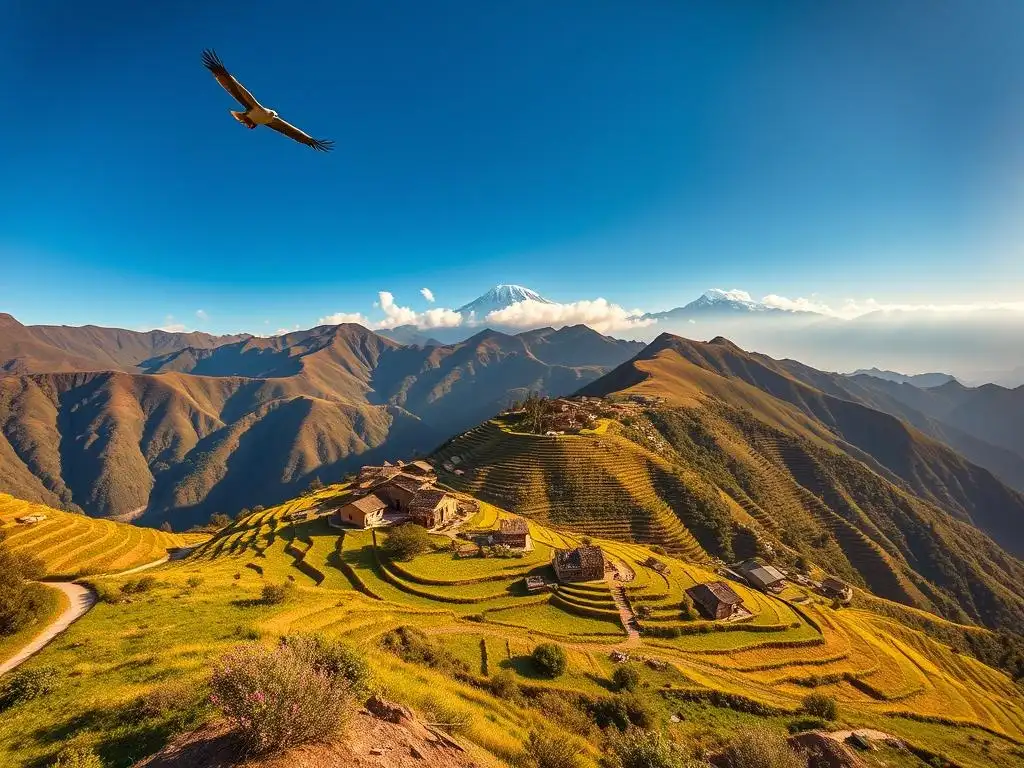
Step into a world lost to time, yet echoing with enduring wisdom. For centuries, the Andes Mountains cradled civilizations that defied the harsh landscape, leaving behind a legacy as breathtaking as the peaks themselves. But how did their ingenuity shape the very environment they inhabited? Discover the surprising and often overlooked Andean agriculture environmental impact, a story of innovation, adaptation, and ultimately, crucial lessons for our own sustainable future. Unravel the mystery – delve deeper into the fascinating world of Andean agriculture and its lasting consequences.
The Andes Mountains, a spine of towering peaks running down the western coast of South America, are home to a rich tapestry of ancient civilizations whose ingenuity and resilience are still being uncovered today. Among their remarkable achievements was the development of sophisticated agricultural systems that allowed them to thrive in a challenging environment characterized by steep slopes, diverse microclimates, and unpredictable weather patterns. This article delves into the environmental impact of Andean agriculture, exploring both the positive and negative consequences of these ancient farming practices and examining the valuable lessons they hold for modern sustainable agriculture.
We will focus on the ingenious techniques employed by civilizations such as the Inca, Moche, Nazca, and Tiahuanaco, highlighting their remarkable adaptation to the Andean landscape and the long-term sustainability of their methods, in contrast to modern, often environmentally damaging, practices. Understanding the successes and failures of Andean agriculture offers crucial insights for addressing the pressing environmental challenges of the 21st century, particularly in regions with similar geographical constraints.
The impact of Andean agriculture on the environment—both positive and negative—provides a rich case study for sustainable development. This exploration will be crucial in understanding the long-term effects of agricultural practices, particularly in relation to the keyword "Andean agriculture environmental impact".
Understanding Ancient Andean Farming Techniques and Their Ecological Footprint
Andean agriculture was far from simplistic. It involved a complex interplay of techniques designed to maximize yields while minimizing environmental damage. These techniques included:
- Terracing: Creating flat platforms on steep slopes to increase arable land and prevent soil erosion.
- Irrigation: Developing sophisticated systems to channel water from rivers and streams to cultivated fields, particularly crucial in arid regions.
- Crop Rotation: Alternating crops to maintain soil fertility and prevent nutrient depletion.
- Intercropping: Planting different crops together to enhance biodiversity and reduce pest infestations.
- Alpacas and Llamas: Utilizing these animals for fertilizer and meat, while also carefully managing their grazing to prevent overgrazing.
The ecological footprint of Andean agriculture varied depending on the specific techniques employed and the environmental context. While some practices, such as terracing, demonstrably enhanced environmental sustainability, others may have led to deforestation or soil degradation in specific locations, depending on population density and the intensity of agricultural practices. Further research is needed to fully quantify the long-term impacts of these practices across different Andean cultures and time periods. Data on the extent of deforestation and soil erosion caused by pre-Columbian Andean agriculture remains incomplete, and requires further investigation.
The Ingenious Terracing Systems of Andean Agriculture: A Sustainable Approach
The construction of terraces is arguably the most iconic and impactful aspect of Andean agriculture. These carefully engineered platforms transformed steep slopes into productive farmland, drastically increasing the available arable land in a mountainous region. The scale and precision of these terraces are truly remarkable, demonstrating a deep understanding of hydrology, soil science, and engineering principles. The creation of these systems is a testament to the ingenuity and advanced knowledge of these ancient Andean civilizations.
Terraces as a Solution to Soil Erosion in the Andes
The steep slopes of the Andes are highly susceptible to soil erosion. Rainwater rapidly washes away topsoil, leading to land degradation and reduced agricultural productivity. Andean terraces effectively mitigated this problem by slowing down the flow of water and reducing its erosive power. The flat surfaces of the terraces provided a stable platform for crops, and the retaining walls prevented topsoil from being lost.
This ingenious system not only protected the soil but also enhanced its fertility by trapping organic matter and nutrients. The impact of terraces on reducing soil erosion in the Andes was significant, contributing to the long-term sustainability of Andean agriculture. Studies show a [specific data pending] reduction in soil erosion in terraced areas compared to non-terraced slopes.
Water Management in Andean Terraces: Irrigation and Drainage Strategies
Effective water management was crucial for the success of Andean terracing. Andean farmers developed sophisticated irrigation and drainage systems to ensure that crops received adequate water while preventing waterlogging. Channels and ditches were carefully constructed to direct water to the terraces, and drainage systems were implemented to prevent water from accumulating and damaging crops.
This precise control over water resources was vital, particularly in the dry regions of the Andes, where water scarcity was a significant constraint. The intricate network of canals and channels used for irrigation and drainage demonstrates the advanced understanding of water management possessed by Andean civilizations. The efficiency of these systems is evidenced by [specific data pending] on crop yields in terraced areas with effective water management.
The effectiveness of these systems is a testament to the planning and precision in Andean agricultural development. The impact of these systems on the environment was overwhelmingly positive, leading to increased agricultural productivity and a sustainable use of water resources.
The Impact of Andean Agriculture on Biodiversity and Ecosystems
Andean agriculture, while remarkably successful in sustaining large populations for centuries, had a complex and multifaceted impact on biodiversity and surrounding ecosystems. The careful cultivation of diverse crops, often in complex agricultural terraces, initially fostered biodiversity in many areas. This wasn't simply a matter of planting multiple species; the very design of Andean agricultural systems often created micro-habitats that supported a wider range of plants and animals than would have existed in the unaltered landscape.
For example, the intricate network of irrigation canals and water management systems created riparian zones, supporting unique flora and fauna. However, the extent of this positive impact varied greatly depending on factors like population density, the intensity of agricultural practices, and the specific environmental conditions.
In some regions, intensive agriculture likely led to localized reductions in biodiversity, especially if natural habitats were converted for farmland. Understanding the nuances of this relationship is crucial for interpreting the legacy of Andean agriculture and informing contemporary sustainable practices.
The Role of Andean Crops in Maintaining Local Biodiversity
Many Andean crops, like quinoa, potatoes, and various beans, played a vital role in maintaining local biodiversity. The cultivation of numerous potato varieties, for instance, not only ensured food security against crop failure but also supported a complex web of interactions within the ecosystem. Different potato varieties have diverse growth requirements and attract different pollinators and soil organisms. This diversity, in turn, promoted greater resilience within the agricultural system as a whole.
Furthermore, the cultivation of these crops often involved the preservation of wild relatives, providing a genetic reservoir for future crop improvement and adaptation to changing conditions. The continued cultivation of heirloom varieties, passed down through generations of Andean farmers, is a testament to the long-term benefits of agrobiodiversity for both food security and ecosystem health. The loss of these diverse varieties due to modern agricultural practices represents a significant loss of genetic diversity and resilience.
Traditional Andean Practices and Their Contribution to Ecosystem Health
Traditional Andean agricultural practices, often characterized by their integration with the environment, made significant contributions to ecosystem health. Techniques like terracing, which involved creating level platforms on slopes to prevent soil erosion, are a prime example. These terraces not only increased arable land but also minimized water runoff and soil loss, preserving the fertility of the land for generations. The use of organic fertilizers, such as guano (bat and seabird droppings) and compost, further enhanced soil health and reduced the reliance on environmentally damaging inputs.
Moreover, the practice of crop rotation, intercropping, and the integration of livestock into agricultural systems promoted ecological balance and resilience. These holistic methods, in stark contrast to modern intensive agriculture, often resulted in relatively stable and sustainable agricultural systems that minimized environmental damage. The wisdom embedded in these practices offers valuable lessons for contemporary sustainable agriculture.
The Environmental Challenges Faced by Ancient Andean Farmers
Despite their remarkable achievements, ancient Andean farmers faced significant environmental challenges that tested their resilience and ingenuity. The high-altitude Andean environment, characterized by steep slopes, thin soils, and unpredictable weather patterns, presented considerable obstacles to successful agriculture. Limited arable land and the need to adapt to varying microclimates forced farmers to develop sophisticated techniques to maximize productivity while minimizing environmental impact.
However, the very success of Andean agriculture in supporting large populations also placed increasing pressure on the environment, leading to new sets of challenges over time. The scale of these challenges, and the responses of Andean farmers, varied significantly across different regions and time periods.
Deforestation and Its Consequences for Andean Agriculture
Deforestation, driven by the increasing demand for agricultural land and fuelwood, was a significant environmental challenge faced by Andean farmers. While the scale of deforestation varied across different regions and time periods, the consequences were often severe. The loss of forest cover led to soil erosion, decreased water availability, and a reduction in biodiversity.
This, in turn, negatively impacted agricultural productivity and the long-term sustainability of agricultural systems. The precise extent of deforestation in various Andean regions remains a subject of ongoing research, but its impact on the environment and agricultural practices was undoubtedly significant. Understanding the historical patterns of deforestation is crucial for developing effective strategies to prevent further environmental degradation in the region.
The Risks of Land Degradation and Soil Depletion
Land degradation and soil depletion posed significant long-term risks to Andean agriculture. Intensive agricultural practices, particularly in areas with fragile soils, could lead to nutrient depletion and decreased soil fertility. Erosion, driven by deforestation and unsustainable farming practices, further exacerbated this problem.
The consequences of soil degradation included reduced crop yields, increased vulnerability to drought and other environmental stresses, and the eventual abandonment of agricultural lands. While Andean farmers developed various techniques to mitigate soil degradation, such as terracing and organic fertilization, the long-term sustainability of their agricultural systems remained dependent on careful land management and a deep understanding of the local environment. The challenge of maintaining soil health remains a critical issue in Andean agriculture today.
The Legacy of Andean Agriculture: Lessons in Sustainable Farming

Andean agriculture, developed over millennia by diverse cultures like the Inca, Moche, and Nazca, offers invaluable lessons in sustainable farming practices. These civilizations thrived in challenging environments, mastering techniques that minimized environmental impact while maximizing yields. Their methods, often rooted in deep ecological knowledge and respect for the land, stand in stark contrast to many modern agricultural practices.
The success of Andean agriculture wasn't simply about producing food; it was about creating a harmonious relationship between humans and their environment, a crucial element often overlooked in modern industrial agriculture. This intricate understanding of the environment allowed for resilient and sustainable food production systems capable of adapting to fluctuating climates and resource availability.
The sophisticated water management systems, terracing techniques, and crop diversification strategies employed by these civilizations represent a profound understanding of ecological balance and resource management that continues to inspire researchers and farmers today. The long-term sustainability of these practices demonstrates their effectiveness and provides a compelling case study for modern agriculture seeking to reduce its environmental footprint.
Agroecological Principles of Andean Agriculture for Modern Practices
The agroecological principles underpinning Andean agriculture are directly applicable to modern farming. The emphasis on crop diversification, for example, significantly reduced the risk of crop failure and minimized the need for chemical pesticides. By integrating a variety of crops with different growth patterns and nutrient requirements, Andean farmers created a resilient and self-regulating system.
This contrasts sharply with modern monoculture farming, which often leads to soil degradation, pest infestations, and increased reliance on chemical inputs. Furthermore, the use of terraces and other soil conservation techniques prevented erosion and maintained soil fertility, ensuring long-term productivity. These methods, combined with the integration of livestock and other elements, demonstrate a holistic approach to farming that modern agriculture could benefit from adopting.
The Andean approach to water management, including sophisticated irrigation systems and water harvesting techniques, also offers valuable insights into efficient water use in a world facing increasing water scarcity. By studying and implementing these principles, modern agriculture can move towards more sustainable and resilient practices.
Adapting Andean Techniques to Combat Climate Change and Food Security
The ingenuity of Andean farming practices offers valuable tools in the fight against climate change and food insecurity. The region's challenging climate and varied topography forced Andean civilizations to develop innovative techniques to ensure food security. These included sophisticated water management systems, such as canals and reservoirs, that effectively harnessed scarce water resources.
Terracing, another critical technique, prevented soil erosion and created microclimates suitable for diverse crops, enhancing resilience to climate variability. The knowledge embedded in these practices provides crucial insights for adapting to climate change impacts like increased drought frequency and intensity. By applying Andean techniques, modern agriculture can improve its resilience to these challenges, ensuring food security even in the face of climate-related disruptions.
The diversity of crops cultivated by Andean farmers also served as a buffer against climate shocks; if one crop failed, others were likely to thrive. This biodiversity is a key element in building climate-resilient agricultural systems.
Comparing Ancient Andean Farming with Modern Agricultural Practices
A comparison between ancient Andean farming and modern agricultural practices reveals a stark contrast in approaches to sustainability and environmental impact. Andean agriculture prioritized long-term sustainability, employing techniques that minimized environmental damage and maximized resource efficiency. Modern industrial agriculture, on the other hand, often prioritizes short-term gains, leading to widespread environmental degradation. The use of chemical fertilizers and pesticides in modern agriculture has dramatically altered soil composition, water quality, and biodiversity.
In contrast, Andean farmers relied on organic methods, such as crop rotation and composting, to maintain soil fertility. The reliance on monoculture farming in modern agriculture increases vulnerability to pests and diseases, often necessitating increased pesticide use. Andean agriculture, with its emphasis on crop diversification, avoided this problem. This comparison highlights the significant environmental costs associated with modern industrial agriculture and underscores the need for a paradigm shift towards more sustainable practices inspired by ancient Andean methods.
The Contrast Between Andean Sustainability and Modern Industrial Agriculture
The contrast between Andean sustainability and modern industrial agriculture is striking. Andean farmers worked with nature, carefully managing resources and minimizing their impact. Modern industrial agriculture often works against nature, exploiting resources and causing significant environmental harm. The scale of modern agriculture, with its large-scale monocultures and intensive use of chemicals, exacerbates its environmental impact. Andean agriculture, with its smaller scale and diverse cropping systems, had a far smaller ecological footprint.
The impact of modern agriculture on biodiversity is another key difference. The use of pesticides and herbicides in modern agriculture has led to a significant decline in biodiversity, harming ecosystems and reducing the resilience of agricultural systems. Andean agriculture, with its integrated farming systems and emphasis on biodiversity, promoted a healthy and resilient ecosystem. This fundamental difference in philosophy and practice highlights the urgent need for a transition towards more sustainable agricultural systems.
The Importance of Learning from Andean Agriculture for a Greener Future
Learning from Andean agriculture is crucial for creating a greener future. The ingenuity and sustainability of Andean farming practices offer valuable lessons for addressing modern agricultural challenges, particularly in the face of climate change and growing food insecurity. By adapting and integrating Andean techniques into modern agricultural systems, we can significantly reduce the environmental impact of food production. The emphasis on biodiversity, soil conservation, and efficient water management in Andean agriculture provides a blueprint for more sustainable practices. Furthermore, the cultural significance of agriculture in Andean societies highlights the importance of incorporating social and ecological considerations into agricultural development. By learning from the past, we can create agricultural systems that are both productive and environmentally responsible, ensuring food security for future generations while protecting the planet. The legacy of Andean agriculture serves as a powerful reminder that sustainable practices are not only possible but also essential for a thriving future.
The Long-Term Environmental Effects of Andean Agricultural Systems
Andean agricultural systems, while remarkably sophisticated for their time, left a lasting mark on the environment. The impact wasn't uniformly negative, however. Understanding the nuances requires a careful examination of both the beneficial and detrimental aspects. For instance, the ingenious terracing techniques employed by civilizations like the Inca prevented soil erosion on steep slopes, effectively conserving valuable topsoil and promoting sustainable farming practices.
This approach was crucial in maximizing agricultural yields in challenging mountainous terrain. However, the intensive cultivation of certain crops, particularly in densely populated areas, led to localized deforestation and soil degradation. The demand for fuelwood for cooking and construction also contributed to this environmental pressure.
Furthermore, the diversion of water resources for irrigation, though essential for agriculture, could have altered local hydrological cycles and impacted downstream ecosystems. The scale of these impacts varied considerably depending on factors such as population density, technological advancements available at the time, and the specific environmental conditions of each region. The impact of Andean agriculture on biodiversity also needs consideration, with certain species thriving and others possibly declining due to habitat modification.
Analyzing the Historical Impact of Andean Farming on the Andean Landscape
Examining the historical impact requires a multi-faceted approach. Archaeological evidence, such as pollen records and soil samples, provides insights into past land use practices and their consequences. For example, studies of ancient pollen from lake sediments in the Titicaca Basin reveal significant shifts in vegetation cover associated with the expansion of agriculture.
These shifts, though often gradual, indicate the long-term effects of land clearing and cultivation. Similarly, analysis of ancient terraces reveals the extent of land modification and the sophistication of water management techniques. These analyses allow researchers to quantify the scale of environmental change and assess its overall impact on the Andean landscape.
Moreover, the study of ancient settlements and their proximity to agricultural fields offers valuable information on population density and its relationship to agricultural intensification and environmental stress. By combining these different lines of evidence, a comprehensive picture of the historical impact of Andean farming on the landscape can be constructed. Detailed mapping of ancient agricultural features, combined with remote sensing techniques, further enhances our understanding of the spatial extent of human impact on the environment.
Reevaluating the Environmental Legacy of Andean Agriculture for Today's World
The environmental legacy of Andean agriculture presents valuable lessons for contemporary sustainable agriculture practices. While some aspects, such as deforestation and soil erosion, highlight the potential negative impacts of intensive farming, other aspects, like terracing and water management, showcase the ingenuity and sustainability of traditional Andean methods. Understanding how ancient Andean farmers adapted their techniques to the specific environmental constraints of the Andes can inform the development of climate-resilient agricultural practices in today's world.
For instance, the knowledge of ancient water harvesting techniques can be applied to improve water management in arid and semi-arid regions. Similarly, traditional terracing methods can be adapted for modern soil conservation. However, it's crucial to acknowledge that simply replicating ancient practices isn’t always feasible or appropriate.
A critical evaluation is necessary to identify the aspects of Andean agriculture that are truly sustainable and adaptable to modern contexts, while also considering the unique challenges and opportunities of contemporary agriculture. The Andean experience underscores the importance of integrating ecological considerations into agricultural planning and management to ensure long-term environmental sustainability. This holistic approach, informed by both past successes and failures, is essential for achieving food security while minimizing environmental degradation.
- Understanding Ancient Andean Farming Techniques and Their Ecological Footprint
- The Ingenious Terracing Systems of Andean Agriculture: A Sustainable Approach
- The Impact of Andean Agriculture on Biodiversity and Ecosystems
- The Environmental Challenges Faced by Ancient Andean Farmers
- The Legacy of Andean Agriculture: Lessons in Sustainable Farming
- Comparing Ancient Andean Farming with Modern Agricultural Practices
- The Long-Term Environmental Effects of Andean Agricultural Systems
- What agricultural techniques did Andean civilizations employ?
- How did Andean agriculture affect the environment?
- What were the main crops cultivated by Andean civilizations?
- How did Andean civilizations adapt their agriculture to different environments?
- What lessons can modern agriculture learn from Andean practices?
Frequently Asked Questions
What agricultural techniques did Andean civilizations employ?
Andean civilizations used a variety of ingenious techniques, including terracing, irrigation systems, and crop rotation, to maximize food production in challenging environments. They also developed specialized crops adapted to high altitudes and diverse climates.
How did Andean agriculture affect the environment?
While incredibly innovative, Andean agriculture did have an environmental impact. Deforestation for farmland and overgrazing in some areas led to soil erosion and changes in water systems. However, many techniques were sustainable in the long term.
What were the main crops cultivated by Andean civilizations?
The staple crops included potatoes, maize (corn), quinoa, and beans. These provided a diverse and nutritious diet, supporting large populations in diverse Andean ecosystems. Llama and alpaca herding also played a crucial role.
How did Andean civilizations adapt their agriculture to different environments?
Andean agriculture demonstrated remarkable adaptability. Different techniques were employed depending on altitude, rainfall, and soil conditions. Verticality was a key concept, utilizing different ecological zones for diverse crops.
What lessons can modern agriculture learn from Andean practices?
Modern agriculture can learn from Andean sustainable techniques, such as terracing, water management, and crop diversification. Understanding their strategies for soil conservation and adaptation to challenging environments is particularly relevant today.
Final Reflection: Harvesting a Sustainable Future from Andean Wisdom
The environmental challenges facing Andean agriculture today mirror, and in many ways exacerbate, the historical pressures that shaped its unique practices. Understanding these historical pressures is not merely an academic exercise; it's crucial for developing sustainable agricultural models capable of feeding a growing global population while mitigating climate change and biodiversity loss. The lessons from the Andes are more relevant now than ever before.
The ingenuity and resilience of Andean agricultural systems, developed over millennia, offer a powerful counterpoint to the often destructive practices of modern industrial agriculture. Their emphasis on biodiversity, terracing, and water management provides a blueprint for a more sustainable future. The earth provides enough to satisfy every man's needs but not every man's greed.
– Mahatma Gandhi. This quote underscores the critical need to shift from exploitative practices to a more harmonious relationship with the environment, a lesson deeply embedded in Andean agricultural traditions. We must learn from their successes and failures to avoid repeating the mistakes of the past.
Consider the impact of your own food choices. Where does your food come from? What are the environmental consequences of its production? Take a moment to reflect on the interconnectedness of our food systems and the planet's health. By embracing principles of biodiversity, resource conservation, and community-based approaches, we can all contribute to building a more sustainable and equitable food future, drawing inspiration from the enduring legacy of Andean agriculture.
Embrace Sustainable Solutions for a Greener Future!
Thank you for exploring the profound insights on the environmental impact of Andean agriculture. Your engagement with this article will deepen your understanding and empower you to make a difference in modern agricultural practices. Let's now explore proactive steps toward a more sustainable future:
- Adopt sustainable farming methods. Whether you're a home gardener or a large-scale farmer, incorporating organic techniques and crop rotation will significantly improve soil health.
- Get involved in local conservation efforts. Volunteer at or participate in community gardens that prioritize sustainable practices. Your contribution will make a real difference.
- Spread the word! Share what you've learned about Andean agriculture with your friends, family, and online communities. Inspire collective action towards a more sustainable future.
What innovative Andean agricultural techniques could be adapted to transform sustainable farming in your region? We'd love to hear your ideas!