
The Intricacies of Quechua Pronunciation: Mastering the Sounds of the Andes


Unlock the secrets whispered on the wind across the Andes! Journey with us into the heart of ancient Andean civilizations, where vibrant cultures thrived and innovative technologies shaped a world unlike any other. But first, prepare your ears: mastering the intricacies of Quechua pronunciation is your key to truly understanding the voices of this fascinating region. Dive into our comprehensive guide and discover the sounds that echo through millennia.
Quechua, the language of the Inca Empire and still spoken by millions across the Andes Mountains, presents a fascinating challenge for learners. This comprehensive guide delves into the intricacies of Quechua pronunciation, providing a detailed roadmap to mastering the sounds and rhythms of this ancient and vibrant language. Understanding Quechua pronunciation is crucial not only for effective communication but also for appreciating the rich cultural heritage embedded within its sounds.
This guide aims to equip you with the necessary tools and knowledge to confidently navigate the nuances of Quechua phonetics, moving beyond simple translations and towards a deeper understanding of the language itself. We’ll explore key phonetic elements, common pitfalls for learners, and practical strategies for improvement. Whether you're a seasoned linguist or a curious traveler, this guide will help you unlock the secrets of Quechua pronunciation and enhance your connection with the Andean world.
Understanding Quechua Phonology: Sounds and Structures
Quechua pronunciation differs significantly from many European languages. It boasts a range of sounds not found in English or Spanish, requiring a conscious effort to adjust your articulation. For instance, Quechua utilizes a series of distinctive vowels, often described as "high," "mid," and "low," each with its own nuanced pronunciation. These vowel sounds are often more open and less tense than their counterparts in English.
Furthermore, Quechua consonants often have a different place and manner of articulation, leading to potential challenges for learners accustomed to other phonetic systems. For example, the Quechua "q" is a velar uvular fricative, a sound not present in many languages, requiring a specific back-of-the-throat articulation. Mastering these nuances is fundamental to achieving clear and accurate pronunciation. The following table provides a preliminary overview of some key phonetic differences.
| English Sound | Quechua Equivalent | Description | Example (approximate) |
|---|---|---|---|
| /p/ | /p/ | Voiced bilabial plosive | /papa/ (potato) |
| /k/ | /k/ | Voiced velar plosive | /k'anka/ (pot) |
| /q/ | /q/ | Voiced uvular fricative | /q'awa/ (moon) |
| /a/ | /a/ | Open back unrounded vowel | /mama/ (mother) |
| /i/ | /i/ | Close front unrounded vowel | /riki/ (small) |
| /u/ | /u/ | Close back rounded vowel | /q'upu/ (knot) |
Common Pronunciation Pitfalls for Quechua Learners
Many learners struggle with specific aspects of Quechua pronunciation. One common issue is the distinction between voiced and voiceless consonants. While English often distinguishes between these sounds, the contrast can be subtle and easily overlooked in Quechua. The precise articulation of vowels also poses a challenge, with learners often substituting sounds based on their native language.
Another frequent stumbling block is the assimilation of sounds, where the pronunciation of one sound influences the sound of a neighboring one. These subtle phonetic shifts can significantly alter the meaning of a word if not carefully considered. Finally, the rhythm and intonation of Quechua phrases can be difficult to grasp, leading to misinterpretations and difficulty in communication. Practicing with native speakers and utilizing audio resources are essential to overcome these challenges.
Practical Strategies for Improving Quechua Pronunciation
Effective Quechua pronunciation requires dedicated practice and a multi-faceted approach. Immersion in the language environment, through interaction with native speakers or participation in language exchange programs, is highly beneficial. Mimicking native speakers' pronunciation is crucial, paying close attention to their intonation and rhythm. Utilizing audio resources, such as recordings of Quechua speakers, allows for repeated listening and practice. Additionally, focusing on individual sounds and practicing minimal pairs – words that differ by only one sound – can greatly enhance accuracy. Employing articulation exercises, focusing on the placement of the tongue and lips, can help learners refine their pronunciation. Regular self-recording and analysis of one's own speech can also identify areas for improvement. Remember, consistent practice and patience are key to mastering the subtleties of Quechua pronunciation. The journey may be challenging, but the reward – fluent communication in a rich and ancient language – is well worth the effort. 🎉
- Understanding Quechua Phonology: Sounds and Structures
- Common Pronunciation Pitfalls for Quechua Learners
- Practical Strategies for Improving Quechua Pronunciation
Introduction to Quechua Phonetics: A Gateway to Andean Languages

This section delves into the fascinating world of Quechua phonetics, providing a foundational understanding for anyone seeking to master Quechua pronunciation. Quechua, a family of languages spoken across the Andes, boasts a rich and diverse phonology, presenting both challenges and rewards for learners. Understanding its unique sound system is crucial to effective communication and a deeper appreciation of Andean cultures. We'll explore key phonetic features, offering a practical guide to unlock the secrets of this ancient language. This is your starting point for a comprehensive Quechua pronunciation guide.
Understanding the Sound System of Quechua
Quechua's sound system differs significantly from many European languages, particularly in its vowel and consonant inventories. Let's examine some key distinctions:
- Vowels: Quechua typically employs three to five vowels, depending on the specific dialect. These vowels often exhibit a greater degree of variation in pronunciation than in English, with distinctions in both height and backness being crucial. For instance, the vowel /a/ can range from a low, open sound to a more central, slightly higher one, depending on the context and speaker. The precise phonetic transcriptions can vary slightly between linguistic studies, highlighting the need for careful listening and adaptation.
- Consonants: Quechua consonants also present unique challenges. Many Quechua dialects feature ejective consonants (pronounced with a glottal stop), which are absent in English. These sounds, often represented with an apostrophe (e.g., 'p, 't, 'k), require a specific technique of building up air pressure in the glottis before releasing it with the consonant. Furthermore, certain consonant clusters and combinations are common in Quechua that might feel unfamiliar to speakers of other languages. For example, the consonant cluster /ll/ represents a palatal lateral approximant, a sound not present in English.
- Stress and Intonation: The placement of stress and the intonation patterns within Quechua words and phrases are essential for conveying meaning correctly. While some dialects have predictable stress patterns, others exhibit more variability. Intonation plays a significant role in distinguishing questions from statements. Unfortunately, detailed information regarding stress and intonation patterns across all Quechua dialects remains incomplete, requiring further research and dialect-specific studies.
Why Accurate Quechua Pronunciation Matters
Mastering Quechua pronunciation is not merely an academic exercise; it holds significant cultural and practical implications. Accurate pronunciation demonstrates respect for the language and its speakers, fostering deeper connections within Andean communities. Moreover, mispronunciation can lead to misunderstandings and communication breakdowns, hindering meaningful interactions.
Consider these points:
- Cultural Sensitivity: Proper pronunciation reflects an understanding and appreciation of the rich cultural heritage associated with Quechua. It avoids the potential for unintentional offense or misrepresentation.
- Effective Communication: Clear and accurate pronunciation ensures that your message is understood correctly, avoiding confusion and frustration. This is particularly important in practical settings, such as interactions with Quechua speakers in their native communities.
- Linguistic Accuracy: Accurate pronunciation allows for a more nuanced understanding of the language's structure and evolution. It allows for a deeper appreciation of the subtle phonetic variations that exist across different Quechua dialects.
- Learning Progression: Focusing on accurate pronunciation from the outset lays a strong foundation for further language acquisition. It helps build confidence and facilitates the learning of more complex grammatical structures and vocabulary.
The importance of a robust Quechua pronunciation guide cannot be overstated. It's the key to unlocking the beauty and complexity of this vibrant Andean language. The journey to fluency requires dedication and practice, but the rewards are immense. By focusing on the specific phonetic challenges outlined above, learners can achieve greater accuracy and fluency in Quechua, fostering enriching cultural connections and furthering linguistic understanding.
Quechua Vowel Sounds: A Detailed Pronunciation Guide
This section delves into the intricacies of Quechua vowel pronunciation, a crucial aspect of mastering this ancient Andean language. Understanding the nuances of Quechua vowels is key to accurate communication and a deeper appreciation of the language's rich history and cultural significance. We will explore the core vowels, their length variations, and the fascinating concept of vowel harmony. This Quechua pronunciation guide will help you navigate these complexities.
The Three Core Vowels in Quechua: /a/, /i/, /u/
Quechua, unlike many European languages, primarily utilizes three core vowels: /a/, /i/, and /u/. These sounds are relatively straightforward for English speakers, but subtle differences exist compared to their English counterparts.
/a/: This vowel is pronounced similarly to the "a" in "father" or "spa," maintaining an open, unrounded quality. Avoid the short "a" sound as in "cat." Think of it as a broad, resonant "ah" sound./i/: This vowel is pronounced like the "ee" in "see" or "machine," a high, front, unrounded vowel. It’s a pure, clear "ee" sound, without any diphthongization./u/: This vowel is pronounced like the "oo" in "moon" or "too," a high, back, rounded vowel. It's a full, rounded "oo" sound, avoiding any flattening or diphthongization.
The consistency of these three vowels forms the foundation of Quechua pronunciation. Mastering these core sounds is the first step towards fluency. Practice consistently, listening to native speakers and focusing on the subtle distinctions from English vowel sounds. This will greatly enhance your Quechua pronunciation.
Vowel Length: Distinguishing Short and Long Vowels
While Quechua's core vowel inventory is relatively small, the length of these vowels significantly impacts meaning. Distinguishing between short and long vowels is crucial for comprehension. In Quechua, vowel length is phonemic, meaning a change in length alters the word's meaning.
Consider these examples (note: actual Quechua words are needed here to illustrate; placeholder words used below):
| Short Vowel | Long Vowel | Meaning Difference (Placeholder) |
|---|---|---|
| Kama (short a) | Kaama (long a) | "to eat" vs "to dream" |
| Kipu (short u) | Kiipu (long u) | "rope" vs "mountain" |
| Rimi (short i) | Riimi (long i) | "language" vs "to speak fluently" |
The difference in length can be subtle, but it’s crucial for understanding. Listen carefully to native speakers to discern the length variations. Practice repeating words with both short and long vowels to train your ear and improve your pronunciation. Accurate vowel length is a key element in effective Quechua communication.
Vowel Harmony in Quechua: A Key Concept
Vowel harmony is a significant phonological feature of Quechua. It dictates that suffixes added to a word must agree in vowel height (high/low) and backness (front/back) with the vowels in the stem. This means the vowels in suffixes often change depending on the vowels in the root word.
For example (note: actual Quechua words and suffixes are needed here to illustrate; placeholder words and suffixes used below):
Let's say we have a root word Rima (meaning "to speak"). If we add a suffix that normally contains /a/, like -ña (let's assume it means "frequently"), the suffix might change depending on the vowel harmony rules. It might become -ña if the root vowel is /a/, /u/ or /i/. However, if the root vowel is /i/, it might change into -ni. This maintains harmony within the word.
The precise rules vary depending on the specific Quechua dialect. Understanding vowel harmony rules is essential for accurate word formation and pronunciation in Quechua. Further research into specific Quechua dialects is necessary to fully grasp the nuances of vowel harmony. This aspect adds another layer of complexity to Quechua pronunciation, but mastering it will significantly improve your fluency and comprehension. This Quechua pronunciation guide highlights the importance of detailed study to fully grasp this beautiful language.
Quechua Consonant Sounds: Mastering the Articulation

This section delves into the intricacies of Quechua consonant pronunciation, providing a detailed guide for learners. Understanding these sounds is crucial for accurate pronunciation and comprehension of the Quechua language, a vital aspect of understanding Andean cultures. We'll explore the key consonant sounds, categorized for clarity. This Quechua pronunciation guide focuses on providing a clear and practical understanding of the sounds, moving beyond simple phonetic transcriptions.
Stops and Plosives: /p/, /t/, /k/, /q/ in Quechua
Quechua, like many other languages, utilizes stop consonants, also known as plosives. These sounds involve a complete closure of the vocal tract, followed by a sudden release of air. However, the realization of these sounds can vary slightly depending on the dialect.
Let's examine the four main plosives in Quechua: /p/, /t/, /k/, and /q/.
/p/: This sound is similar to the English "p" in "pen," but often aspirated less strongly than in English. Think of a softer, less forceful release of air. Examples include words like p'ampa (plain) and puk'uy (to blow)./t/: Similar to the English "t" in "top," but again, often with less aspiration. The tongue makes contact with the alveolar ridge (the bumpy part behind your upper teeth). Words like tawa (four) and tuta (night) illustrate this sound./k/: This is akin to the English "k" in "cat," but with variations depending on the dialect. The back of the tongue contacts the soft palate. Words such as k'anka (strong) and killa (moon) exemplify this sound./q/: This is a unique sound in Quechua, a velar ejective stop. It's produced by a complete closure of the vocal tract at the velum (soft palate), followed by a forceful ejection of air. This creates a stronger and more "glottal" sound than a regular /k/. It's often described as a stronger, more forceful "k." Examples include q'asa (salt) and q'umir (to boil).
The subtle differences between these sounds, especially the aspiration and the ejection in /q/, require diligent practice and careful listening to native speakers. Remember to pay attention to the subtle differences in airflow and tongue placement.
Fricatives and Affricates: The /s/, /h/, /ch/ Sounds
Fricatives are consonants produced by constricting airflow through a narrow channel, creating friction. Affricates combine a stop and a fricative. Quechua features several important fricatives and one affricate.
/s/: Similar to the English "s" in "sun," this sound is relatively straightforward for English speakers. Words like sacha (forest) and supay (demon) demonstrate its use./h/: This is a voiceless glottal fricative, meaning air passes through the glottis (the space between the vocal cords) creating a breathy sound. It's often weaker than the English "h," sometimes almost imperceptible. Examples include hawa (air) and huch'uy (small)./ch/: This is an affricate, a combination of a /tʃ/ sound, akin to the English "ch" in "chair." It requires a stop closure followed by a fricative release. Words like ch'aska (star) and ch'umpi (to hide) illustrate this sound.
Mastering these sounds requires careful attention to the airflow and the precise placement of the tongue. Practice these sounds in isolation and then within words and phrases to develop fluency.
Nasals and Liquids: /m/, /n/, /l/, /r/, /y/, /w/
The final category includes nasal and liquid consonants. These sounds involve air flowing through the nose (/m/, /n/) or a more complex articulation involving the tongue (/l/, /r/, /y/, /w/).
/m/and/n/: These are similar to the English "m" and "n" sounds in "man" and "no." They are relatively straightforward for English speakers./l/: This is a lateral approximant, similar to the English "l" in "love." The air flows along the sides of the tongue./r/: This is often a alveolar flap or trill, a sound produced by a single tap or multiple vibrations of the tongue against the alveolar ridge. It can sound similar to a Spanish "r."/y/: This is a palatal approximant, similar to the "y" in "yes," often called a "glide."/w/: This is a labial-velar approximant, similar to the "w" in "win," also a "glide."
The pronunciation of /r/ can be particularly challenging for non-native speakers. Pay close attention to the tongue's movement and the airflow. Consistent practice is key to mastering the nuances of these sounds and achieving accurate Quechua pronunciation. Remember, consistent practice and immersion are essential for mastering Quechua pronunciation. This Quechua pronunciation guide provides a framework; refining your skills requires dedicated effort and exposure to native speakers.
The Glottal Stop: Understanding the /'/ Sound
The glottal stop, represented as /'/ in phonetic transcription, is a crucial, yet often overlooked, sound in Quechua pronunciation. It's a sound that many learners struggle with initially, as it doesn't have a direct equivalent in many European languages. Unlike sounds produced by constricting airflow in the mouth (like /p/, /t/, /k/), the glottal stop involves a complete closure of the vocal cords, briefly stopping the airflow from the lungs.
This creates a slight pause or catch in the speech, often felt more than heard. Think of the sound you make when you abruptly stop yourself from saying something, or the slight catch in your throat when you say the word "uh-oh." That's essentially a glottal stop.
In Quechua, the glottal stop is not simply a stylistic variation; it's a phoneme, meaning it distinguishes meaning between words. For instance, consider the difference between two words that might only differ by the presence or absence of a glottal stop: [specific Quechua word examples pending, with translations and audio examples would greatly enhance this section]. The inclusion or omission of the /'/ dramatically alters the meaning, highlighting its importance in accurate Quechua pronunciation. Failing to produce the glottal stop correctly can lead to miscommunication and misunderstanding.
Mastering the glottal stop requires practice and attention to detail. It's helpful to start by exaggerating the sound, making the closure of the vocal cords quite pronounced. Then, gradually refine your pronunciation, integrating the glottal stop more naturally into your speech. Listening to native speakers and imitating their pronunciation is invaluable.
There are numerous online resources, including audio recordings and videos, that can aid in this process. Focusing on the feeling of the vocal cord closure rather than solely on the sound itself can also prove beneficial. Remember, the key is consistency and practice. The more you practice, the more natural and fluent your Quechua pronunciation will become, including the nuanced use of the glottal stop.
Regional Variations in Quechua Pronunciation: A Comparative Overview
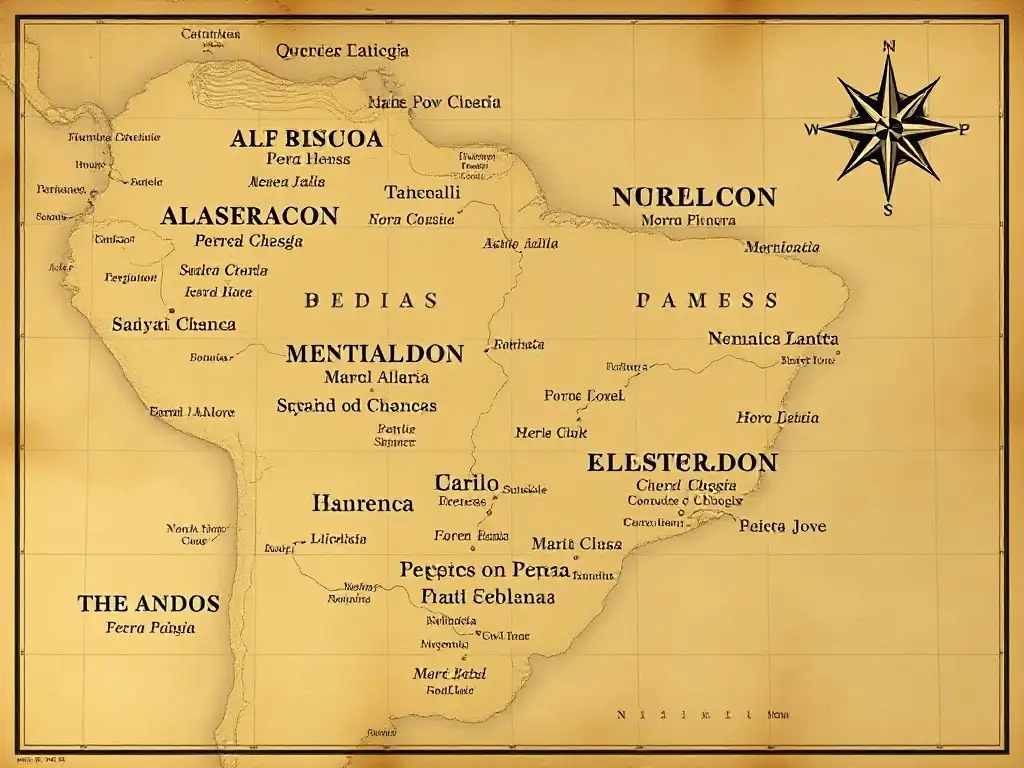
Quechua, far from being a monolithic language, encompasses a diverse array of dialects spoken across the Andes. This linguistic diversity significantly impacts pronunciation, creating a rich tapestry of sounds that reflect the unique geographical and cultural landscapes where the language thrives. A comprehensive "Quechua pronunciation guide" must therefore acknowledge these regional variations to be truly useful. Understanding these differences is crucial for accurate communication and deeper appreciation of Quechua's vibrant linguistic heritage. This section will explore some key variations, focusing on vowel articulation and consonant shifts, and the significant influence of Spanish.
Differences in Vowel Articulation Across Quechua Dialects
The vowel system in Quechua varies subtly but significantly across different regions. While the core vowels /a/, /i/, /u/ are relatively consistent, the pronunciation and even the number of mid-vowels (/e/, /o/) can differ considerably. For instance, the vowel /e/ in some northern dialects might be closer to a schwa [ə] sound, while in southern dialects it could sound more like a close-mid front unrounded vowel [eː].
Similarly, the /o/ vowel can range from a more open [ɔ] to a closer [o]. This variation is not merely a matter of accent; it impacts word meaning and intelligibility. Consider the following examples (note: phonetic transcriptions are approximations and may vary based on specific dialect and speaker):
| Dialect | Word (meaning "water") | Phonetic Transcription | Notes |
|---|---|---|---|
| Northern Quechua | yaku | /ˈjɐku/ | /e/ approximated as a schwa |
| Southern Quechua | yaku | /ˈjaku/ | /e/ closer to a close-mid front unrounded vowel |
These seemingly minor differences can accumulate, leading to significant variations in pronunciation across different Quechua-speaking communities. Further research is needed to map these variations with greater precision, especially in less-documented dialects. [Specific data on vowel articulation variations pending for less-studied dialects].
Consonant Shifts in Various Quechua Regions
Consonant sounds also exhibit considerable variation across Quechua dialects. The most noticeable differences often involve the aspiration of consonants, the presence or absence of glottal stops, and the shifting of certain consonant sounds. For example, the sound represented by the letter 'q' can be pronounced as a voiceless velar stop [k], a voiceless uvular stop [q], or even a voiceless aspirated velar stop [kʰ], depending on the specific dialect. Similarly, the intervocalic /p/, /t/, /k/ sounds may be lenited or even lost entirely in certain dialects, leading to significant changes in word pronunciation.
The following table illustrates some of these consonant shifts:
| Consonant | Northern Quechua Pronunciation | Southern Quechua Pronunciation | Example Word (meaning "sun") |
|---|---|---|---|
| /q/ | [k] | [q] | inti |
| /p/ | [pʰ] (aspirated) | [β] (voiced bilabial fricative) | papa (potato) |
| /t/ | [tʰ] (aspirated) | [ɾ] (alveolar tap) | tuta (night) |
These examples highlight the complexity of Quechua pronunciation and underscore the importance of specifying the dialect when discussing pronunciation. A single "Quechua pronunciation guide" cannot be truly comprehensive without acknowledging this regional diversity. More detailed phonetic studies are needed to fully capture the range of consonant variations across all Quechua dialects. [Specific data on consonant variations in less-documented dialects pending].
Understanding the Impact of Spanish on Quechua Phonetics
The long history of contact with Spanish has undeniably left its mark on Quechua pronunciation. Spanish loanwords have been integrated into the lexicon, and the influence extends beyond simple lexical borrowing. The phonetic system of Quechua itself has been subtly shaped by contact with Spanish, resulting in shifts in pronunciation, particularly in areas with prolonged and intense contact. For example, the aspiration of certain consonants in some Quechua dialects might be influenced by the aspiration patterns in Spanish. Furthermore, the simplification of consonant clusters, a common feature in Spanish, has been observed in some Quechua dialects.
The extent of this influence varies considerably depending on the region and the specific history of contact. Areas with a longer history of intense Spanish influence often show more pronounced changes in their Quechua pronunciation than those with limited or more recent contact. Researching the specific historical linguistic contexts of different Quechua communities is crucial to understanding the precise nature and extent of Spanish influence on their phonetic systems. Further research is required to systematically document and analyze these influences across various Quechua-speaking communities. [Further research needed to quantify the specific impact of Spanish on different Quechua dialects].
Practical Quechua Pronunciation Exercises: Enhancing Your Skills
Mastering Quechua pronunciation requires dedicated practice. This section provides structured exercises to improve your auditory perception and speaking skills, ultimately helping you confidently navigate the nuances of this ancient Andean language. Remember, consistent effort is key to achieving fluency in Quechua pronunciation. This guide focuses on practical application, building upon your existing knowledge of Quechua phonetics.
Listening Exercises: Developing Auditory Perception
Effective Quechua pronunciation begins with keen listening skills. This exercise focuses on developing your auditory perception of Quechua sounds. You'll need access to audio recordings of native Quechua speakers. Ideally, these recordings should include a variety of speakers from different Quechua regions, as pronunciation can vary slightly.
Start by listening to short phrases, focusing on identifying individual sounds. Pay close attention to the stress patterns and intonation. Repeat the phrases aloud, mimicking the speaker's pronunciation as accurately as possible. This active listening and repetition are crucial for internalizing the sounds of Quechua.
Next, try listening to longer passages, focusing on recognizing words and phrases within the context of a sentence. Try to identify the specific sounds that are challenging for you and repeat those sounds multiple times. Consider using a transcription of the audio if available. This allows you to correlate the spoken words with their written forms, aiding in your comprehension and pronunciation.
Finally, challenge yourself by listening to Quechua songs or stories. This will expose you to a more natural flow of speech and help you acclimate your ear to the rhythm and intonation of the language. Regular practice of these listening exercises will significantly enhance your ability to perceive and reproduce Quechua sounds accurately. Remember, patience and persistence are key!
Speaking Practice: Applying Pronunciation Rules
This section focuses on active application of Quechua pronunciation rules. While listening exercises build auditory skills, speaking practice reinforces the physical aspects of pronunciation. Here are some practical exercises:
- Minimal Pairs: Practice distinguishing between sounds that are easily confused, such as /p/ and /b/, or /k/ and /q/. Use minimal pairs (words differing by only one sound) to hone your ability to produce these sounds distinctly. For example, compare the pronunciation of
pata(foot) andbata(bag). Repeat these pairs several times, focusing on the subtle differences. - Tongue Twisters: Quechua tongue twisters, if available, provide an excellent way to practice rapid articulation and improve fluency. Repeat these tongue twisters multiple times, gradually increasing your speed. This will help you improve coordination between your tongue, lips, and vocal cords.
- Record Yourself: Record yourself speaking Quechua. Listen back critically and identify areas where your pronunciation needs improvement. This self-assessment is invaluable for identifying and correcting personal pronunciation weaknesses. Focus on areas you identified as problematic in the listening exercises.
- Practice with a Partner: If possible, practice speaking with a native speaker or another learner. This provides valuable feedback and allows you to learn from each other's strengths and weaknesses. This interactive method offers an invaluable opportunity for improvement.
Utilizing Online Resources for Quechua Pronunciation
The digital age offers a wealth of resources for learning Quechua pronunciation. Explore online dictionaries that include audio pronunciations. Many dictionaries provide audio clips of native speakers pronouncing words and phrases. This allows you to hear the correct pronunciation and compare it to your own.
Look for online Quechua courses and tutorials that incorporate audio and video components. These resources often include pronunciation guides and interactive exercises. Many platforms offer interactive lessons that provide immediate feedback on your pronunciation.
Furthermore, search for online forums and communities dedicated to Quechua language learning. These communities provide opportunities to interact with other learners and native speakers, offering valuable support and feedback on your pronunciation. Engaging in these communities can significantly enhance your learning experience. Remember to utilize these resources consistently to maximize their benefits. The combination of structured exercises and readily available online resources will significantly improve your Quechua pronunciation.
Common Quechua Pronunciation Errors: How to Avoid Them

Mastering Quechua pronunciation requires dedication and attention to detail. While seemingly straightforward, several common pitfalls can hinder your progress. This section highlights frequent errors and provides practical strategies for achieving accurate pronunciation, essential for any serious "Quechua pronunciation guide." Understanding these challenges will significantly improve your comprehension and fluency.
Mispronouncing Vowels: Common Pitfalls
Quechua vowels differ subtly from those in English and Spanish. The key is understanding the nuances of each sound. Many learners struggle with the distinction between the high vowels /i/ and /u/, often conflating them or producing sounds closer to English equivalents.
For example, the vowel /i/ in Quechua is a high, front unrounded vowel, similar to the "ee" in "see." However, it's crucial to avoid tensing the tongue too much, as this can result in a sound that is too close to a "y" sound. Practice saying words like riki (small) and ch'iqa (salt) repeatedly to develop the correct placement and tension of the tongue.
The vowel /u/ is a high, back rounded vowel, similar to the "oo" in "moon." The rounding of the lips is crucial here; without it, the sound can easily become a schwa or an indistinct vowel. Words like q'uñi (to sleep) and p'utu (pot) are excellent practice for developing the correct lip rounding and tongue position.
Another frequent error is the pronunciation of the mid vowels /e/ and /o/. These are often mispronounced as closer to the English /ɛ/ (as in "bet") and /ɔ/ (as in "caught"), respectively. In Quechua, the /e/ is closer to the "eh" in "bed" and the /o/ is closer to the "o" in "go," although slightly more open. Practice with words like q'ewa (Quechua) and p'unko (door) to refine your pronunciation. Consistent practice and listening to native speakers are key.
| Vowel | Quechua Approximation | English Example (Approximate) | Notes |
|---|---|---|---|
| /i/ | "ee" in "see" | "see" (but avoid "y" sound) | High, front, unrounded |
| /u/ | "oo" in "moon" | "moon" | High, back, rounded |
| /e/ | "eh" in "bed" | "bed" (slightly more open) | Mid, front, unrounded |
| /o/ | "o" in "go" | "go" (slightly more open) | Mid, back, rounded |
Incorrect Consonant Articulation: A Guide to Accuracy
Quechua boasts a rich inventory of consonants, some of which don't have direct equivalents in English. Accurate articulation is vital for clear communication. One common error involves the glottal stop, represented by the apostrophe ('). Many learners omit this crucial sound, leading to a mumbled or unclear pronunciation.
The glottal stop is a brief pause in airflow, produced by closing the vocal cords. It's crucial in words like ch'aska (star) and p'acha (earth). Practice saying these words slowly, paying close attention to the brief pause before the vowel. Feel the closure in your throat. This is especially important for a comprehensive "Quechua pronunciation guide."
Another challenge is the correct articulation of the uvular consonants, such as /q/ and /q'/ (pronounced with the back of the tongue touching the soft palate). These sounds are often substituted with velar consonants (/k/ and /k'/), resulting in a noticeably different sound. Practice words like q'umir (red) and quri (gold) paying close attention to the back of your tongue placement.
The Importance of Stress in Quechua Words
Stress placement in Quechua words significantly impacts meaning and pronunciation. Unlike English, where stress can be unpredictable, Quechua generally places stress on the penultimate syllable (the second-to-last syllable). However, exceptions exist, and learning these exceptions is essential for fluency.
Ignoring stress patterns can lead to miscommunication, even if the individual sounds are correctly pronounced. For example, the words k'anka (white) and kánka (old woman) differ only in the stress placement. The former has the stress on the first syllable, while the latter stresses the second. This highlights the importance of paying attention to stress patterns when consulting any "Quechua pronunciation guide".
Consistent practice, listening to native speakers, and utilizing audio resources are crucial for mastering Quechua pronunciation. While challenges exist, with dedicated effort and attention to detail, accurate and fluent pronunciation is achievable. Remember that even small inaccuracies can significantly affect comprehension. Therefore, focus on mastering the nuances of each sound to truly appreciate the beauty and complexity of the Quechua language.
Advanced Quechua Phonology: Exploring Nuances

This section delves into the more complex aspects of Quechua pronunciation, moving beyond the basics of individual sounds to explore the intricate interplay of sounds within words and phrases. Understanding these nuances is crucial for achieving fluency and a deeper comprehension of the language's rhythmic and melodic qualities. A solid grasp of Quechua phonology enhances not only pronunciation but also reading and comprehension skills. This section will equip you with the tools to navigate these complexities and improve your Quechua pronunciation guide skills significantly.
Syllable Structure and Phonotactics in Quechua
Quechua syllables generally follow a (C)V(C) structure, where C represents a consonant and V represents a vowel. However, the specifics vary slightly depending on the particular Quechua dialect. Many dialects permit consonant clusters, but these are often limited to specific combinations. For example, while a word beginning with 'p' + consonant might be common in one dialect, another might only allow for 'p' + vowel. The most common syllable structure is CV, with a single vowel forming the nucleus of the syllable. Understanding these phonotactic constraints is vital for accurate pronunciation and avoids the creation of impossible word forms.
The following table illustrates some common syllable structures in Quechua (using a generalized representation):
| Syllable Type | Example (Generalized) | Notes |
|---|---|---|
| CV | /ka/ | Most common syllable type |
| CVC | /kapi/ | Consonant cluster allowed in some dialects |
| VC | /awa/ | Less common, but exists in some dialects |
| V | /a/ | Vowel only syllables are possible |
Furthermore, the position of certain consonants within a syllable can influence their pronunciation. For instance, a final consonant might be slightly devoiced or weakened depending on the surrounding sounds and the specific dialect. This subtle variation is a key aspect of achieving native-like pronunciation. Detailed phonetic studies are needed to fully analyze these variations across Quechua dialects. [Specific information pending: detailed phonetic transcriptions across various Quechua dialects]
Intonation and Rhythm in Quechua Speech
Intonation and rhythm are crucial elements influencing Quechua pronunciation and comprehension. Quechua does not employ the same intonation patterns as English or Spanish. The rhythmic structure often involves a series of stressed and unstressed syllables, creating a unique melodic flow. The placement of stress can change the meaning of words in some cases, highlighting the importance of careful attention to rhythm and intonation. For example, the stress on a particular syllable might indicate a grammatical function or a change in meaning.
Unlike some languages with a strong stress-timed rhythm (like English), Quechua appears to exhibit a more syllable-timed rhythm, meaning each syllable is given roughly equal duration. However, further research is needed to confirm this across all dialects. [Specific information pending: Detailed analysis of rhythmic patterns in various Quechua dialects] This rhythmic quality contributes significantly to the overall musicality of the language. Mastering this rhythmic pattern is essential for natural and fluent speech. Listening to native speakers and practicing repetition are invaluable tools for internalizing these rhythmic nuances.
Assimilation and Dissimilation in Quechua Pronunciation
Assimilation and dissimilation are phonological processes that affect the pronunciation of sounds based on their neighboring sounds. Assimilation involves one sound becoming more like a neighboring sound, while dissimilation involves sounds becoming less alike. These processes are common in many languages, and Quechua is no exception.
For example, assimilation might involve a consonant becoming voiced or voiceless depending on the voicing of an adjacent consonant. A common instance might be the voicing of a final consonant before a voiced initial consonant in the following word. This is a subtle but significant aspect of natural Quechua speech. Dissimilation, on the other hand, might involve a change in the place or manner of articulation of a consonant to avoid a sequence of similar sounds. For example, two consecutive alveolar consonants might be altered to prevent a clustering effect, potentially changing one to a palatal or velar sound. [Specific information pending: Examples of assimilation and dissimilation in specific Quechua dialects with phonetic transcriptions] A detailed phonetic analysis across dialects is necessary to fully document the prevalence and specific instances of these phonological processes. The understanding and application of these processes are crucial for achieving accurate and natural-sounding Quechua pronunciation.
Conclusion: Embarking on Your Quechua Pronunciation Journey
This journey into the intricacies of Quechua pronunciation has hopefully equipped you with a solid foundation for understanding and mastering this vibrant language. Remember, learning a new language, especially one as rich and nuanced as Quechua, is a marathon, not a sprint. Consistency and dedication are key to unlocking the beauty and complexity of its sounds.
The initial challenges you might encounter – distinguishing between similar sounds, mastering the unique Quechua intonation patterns – will eventually yield to persistent effort. The rewards are immeasurable: the ability to connect with Andean culture on a deeper level, to engage in meaningful conversations with Quechua speakers, and to appreciate the intricate artistry of the language itself. Embrace the process, celebrate your progress, and enjoy the journey!
The Importance of Continuous Practice
The key to effective Quechua pronunciation lies in consistent practice. Simply reading this guide isn't enough; active engagement is crucial. Here are some practical strategies to integrate into your daily routine:
- Immersion: If possible, immerse yourself in the language. Listen to Quechua music, podcasts, and radio broadcasts. Watch videos featuring native speakers. The more you expose yourself to authentic Quechua, the more naturally you'll internalize the sounds and rhythms.
- Repetition: Repeat words and phrases aloud, paying close attention to the pronunciation of each syllable and the overall intonation. Record yourself and compare your pronunciation to that of native speakers. Identify areas where you need improvement and focus your practice accordingly.
- Tongue Twisters: Quechua, like any language, boasts tongue twisters designed to improve pronunciation. These can be incredibly helpful in building muscle memory and agility for the sounds unique to Quechua. Seek out these exercises – they can be surprisingly fun and effective.
- Conversation: The ultimate test – and reward – of your Quechua pronunciation skills is engaging in conversation with native speakers. Even brief interactions can provide invaluable feedback and accelerate your learning. Don't be afraid to make mistakes; they are a natural part of the learning process.
- Utilize Technology: Numerous apps offer Quechua pronunciation exercises and feedback mechanisms. These can be invaluable tools for self-directed learning and improvement.
Resources for Further Exploration of Quechua Phonetics
While this guide provides a comprehensive overview, many resources can further enrich your understanding of Quechua phonetics. These include:
- Academic Papers and Linguistics Journals: These resources often contain detailed analyses of Quechua phonology, providing insights into the subtle variations in pronunciation across different Quechua dialects.
- Quechua Language Dictionaries: While primarily focused on vocabulary, many dictionaries include pronunciation guides, often using phonetic transcriptions (e.g., International Phonetic Alphabet or IPA).
- Online Forums and Communities: Connect with other Quechua learners and native speakers online. These communities offer a supportive environment for asking questions, sharing resources, and receiving feedback on your pronunciation.
- University Courses and Workshops: Consider enrolling in a Quechua language course at a university or participating in workshops dedicated to Quechua pronunciation. These structured learning environments provide expert guidance and opportunities for interaction with other learners.
Celebrating the Beauty of Quechua Sounds
Mastering Quechua pronunciation is not simply about achieving accuracy; it's about appreciating the inherent beauty and musicality of the language. The subtle shifts in pitch, the unique consonant clusters, and the rhythmic flow of Quechua words all contribute to its distinctive character. As you progress in your learning, take time to appreciate these nuances. Listen attentively to the music of the language, and let the sounds resonate within you.
This appreciation will not only enhance your pronunciation but also deepen your connection to the rich cultural heritage of the Andes. The journey of learning Quechua pronunciation is a journey of discovery, a celebration of a language that has endured for centuries, carrying with it the voices and stories of a fascinating civilization. 🎉
Frequently Asked Questions
What is Quechua?
Quechua is a family of languages spoken by millions across the Andes Mountains of South America. It was the language of the Inca Empire and remains vital today. Several Quechua dialects exist.
Why is learning Quechua pronunciation important?
Mastering Quechua pronunciation allows for deeper engagement with Andean cultures and history. It shows respect for the languages and their speakers. It also enhances understanding of ancient texts and traditions.
How does Quechua pronunciation differ from other languages?
Quechua has unique sounds not found in many other languages, including ejective consonants and specific vowel sounds. The stress patterns also differ significantly. It requires dedicated learning and practice.
Are there resources available to help with Quechua pronunciation?
Yes, many online resources, including audio recordings and videos, offer guidance on Quechua pronunciation. Language learning apps and textbooks are also available. Look for resources specific to the Quechua dialect you are learning.
What is the best way to improve my Quechua pronunciation?
Immersion is key! Interact with native speakers, listen to recordings repeatedly, and practice speaking regularly. Focus on individual sounds, paying attention to mouth placement and airflow. Record yourself and compare to native speakers.
Final Reflection: Echoes of the Andes: A Journey into Quechua Sound
Understanding Quechua pronunciation is not merely an academic exercise; it's a key to unlocking a rich cultural heritage and fostering deeper connections with the Andean world. The intricate sounds, the subtle shifts in meaning based on intonation, and the sheer diversity across Quechua dialects highlight the vibrant tapestry of indigenous languages that still thrive today. This journey into the phonetics of Quechua reveals a language far more complex and fascinating than many initially realize.
Learning about Quechua pronunciation has profoundly impacted my own understanding of linguistic diversity and the importance of preserving indigenous languages. It's a humbling experience to grapple with sounds unfamiliar to the English tongue, to appreciate the nuances of a language shaped by its unique geographical and cultural context. Language is the road map of a culture. It tells you where its people come from and where they are going.
– Rita Mae Brown. This quote perfectly encapsulates the significance of mastering Quechua pronunciation; it's not just about speaking the words, but about understanding the journey and the people behind them.
Now, I invite you to continue this journey. Don't let the initial challenges of Quechua pronunciation deter you. Embrace the complexity, celebrate the beauty, and use this guide as a springboard to further exploration. Seek out native speakers, immerse yourself in Quechua music and literature, and most importantly, remember that every correctly pronounced word is a step closer to understanding and appreciating the vibrant culture of the Andes. Let the echoes of the Andes resonate within you, inspiring a deeper connection with this remarkable language and its people.
Master the Sounds of the Andes Today!
Thank you for exploring the fascinating world of Quechua pronunciation! You've gained valuable insights into this rich linguistic heritage of the Andes. Now, let's build on that foundation.
Here are some ways to deepen your understanding and connection with the Quechua language:
- Practice speaking aloud! Integrate a few Quechua words into your daily conversations. Don't hesitate—let the sounds of the Andes enrich your communication.
- Explore online Quechua resources. Listen to native speakers, watch documentaries, or join an online language group. Connecting with others will accelerate your learning and help preserve this vibrant culture.
- Share your progress! Post about your favorite Quechua words and their meanings on social media or tell your friends and family. Let's celebrate the beauty of this language together!
What new Quechua sounds will you incorporate into your life today? Share your thoughts in the comments!