
The Role of Women in Andean Agriculture: The Unsung Heroes of Food Production

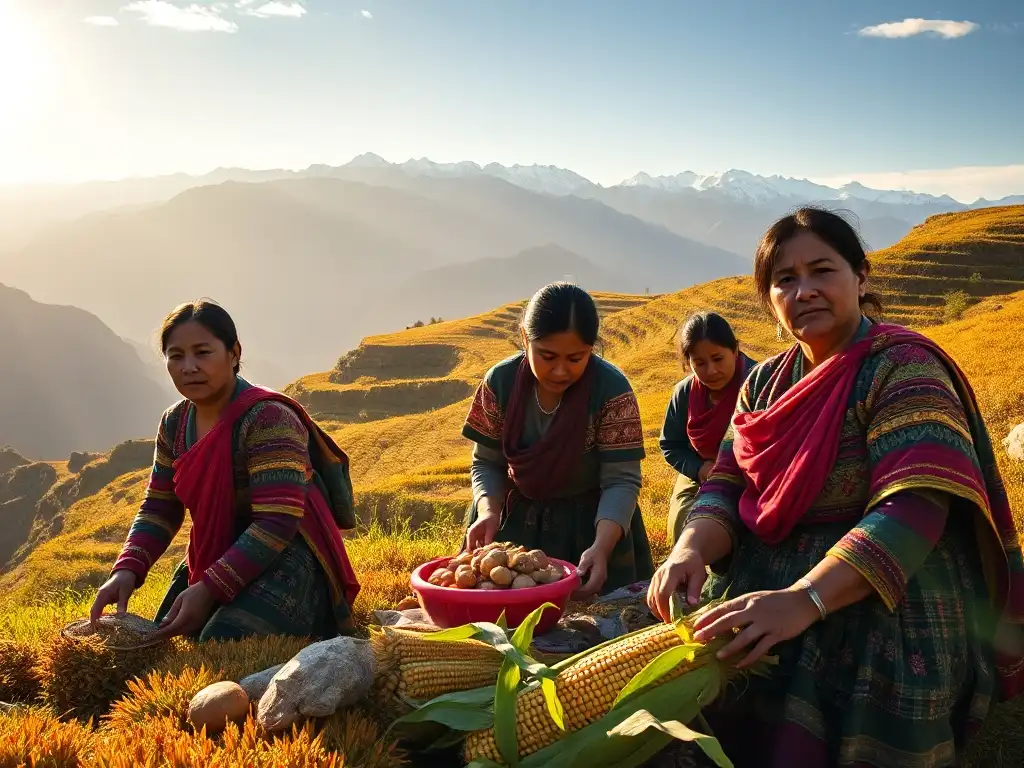
Step into a world lost to time, yet echoing with the strength and ingenuity of the Andean civilizations. For centuries, their breathtaking artistry and advanced technologies have captivated us, but what about the untold stories? Discover the crucial, often overlooked, Andean women agricultural role – a pivotal piece of the puzzle that redefined our understanding of ancient food production. Prepare to be amazed by their resilience and contribution to a society that thrived against the odds. Unravel the mysteries of their influence and the legacy they left behind...
The breathtaking landscapes of the Andes Mountains nurtured some of the most sophisticated pre-Columbian civilizations in the world. While we often focus on the monumental architecture and intricate social structures of the Incas, Moche, Nazca, and Tiahuanaco, a critical element frequently overlooked is the essential role women played in shaping Andean agriculture and ensuring food security. This article delves into the often-unsung contributions of Andean women to farming practices, revealing their significant influence on the development and sustenance of these remarkable societies.
We'll explore their diverse agricultural tasks, their deep knowledge of Andean ecosystems, and the lasting impact their work has had on the region's agricultural heritage. Understanding their role is crucial to a complete understanding of Andean civilizations and their remarkable achievements.
This exploration will illuminate the multifaceted contributions of Andean women, challenging traditional narratives and highlighting their vital position within the agricultural systems that sustained entire societies. The keyword "Andean women agricultural role" will be explored in detail throughout this analysis.
Introduction to Women's Crucial Role in Andean Farming
Andean agriculture was far from a simple matter of planting and harvesting. It involved a profound understanding of complex ecological systems, sophisticated irrigation techniques, and meticulous crop management. Women were not merely passive participants; they were central figures in every stage of the agricultural cycle.
Archaeological evidence, ethnohistorical accounts, and even contemporary Andean communities demonstrate the extensive involvement of women in tasks ranging from seed selection and planting to harvesting, processing, and storage of crops. Their knowledge of native plants, medicinal herbs, and soil management practices was invaluable, contributing significantly to the productivity and resilience of Andean farming systems. Their roles weren't limited to the fields; they also played crucial roles in managing livestock, processing food products such as textiles and pottery, and ensuring the preservation of food for the community.
This intricate web of responsibilities underscores the deep connection between Andean women and the land, a connection often underestimated in historical accounts. The diversity of their contributions highlights the fallacy of considering women solely as domestic figures, instead showcasing their integral role in the economic and social fabric of Andean societies.
Historical Context of Female Contribution to Andean Agriculture
Examining the historical context reveals a more nuanced picture of women's roles in Andean agriculture. While specific details vary across different Andean cultures and time periods, a recurring theme emerges: women held significant responsibility and expertise in agricultural production. For example, in the Inca Empire, women were involved in the mit'a system, a labor obligation that encompassed agricultural work alongside other crucial tasks.
However, the nature of their involvement within the mit'a system needs further detailed study to fully understand the extent of their contribution. [specific information pending] In pre-Inca societies like the Nazca and Moche, evidence suggests a similar pattern of substantial female participation in farming, evidenced by depictions in their art and artifacts. These portrayals, while not exhaustive, offer valuable insights into the daily lives and activities of Andean women, including their central role in agricultural labor.
The intricate knowledge of agricultural techniques, passed down through generations, demonstrates the vital role women played in ensuring the continuity of food production and the resilience of Andean communities in the face of environmental challenges. Further research is needed to fully quantify the specific contributions of women across various Andean cultures, but the available evidence strongly suggests their crucial and often overlooked role in the agricultural success of these remarkable civilizations.
- Introduction to Women's Crucial Role in Andean Farming
- Historical Context of Female Contribution to Andean Agriculture
- What was the overall role of women in Andean agriculture?
- What specific tasks did Andean women perform in agriculture?
- How did the environment influence the agricultural roles of Andean women?
- Were Andean women solely responsible for agricultural labor?
- How is the role of Andean women in agriculture viewed today?
Andean Women's Agricultural Practices and Techniques
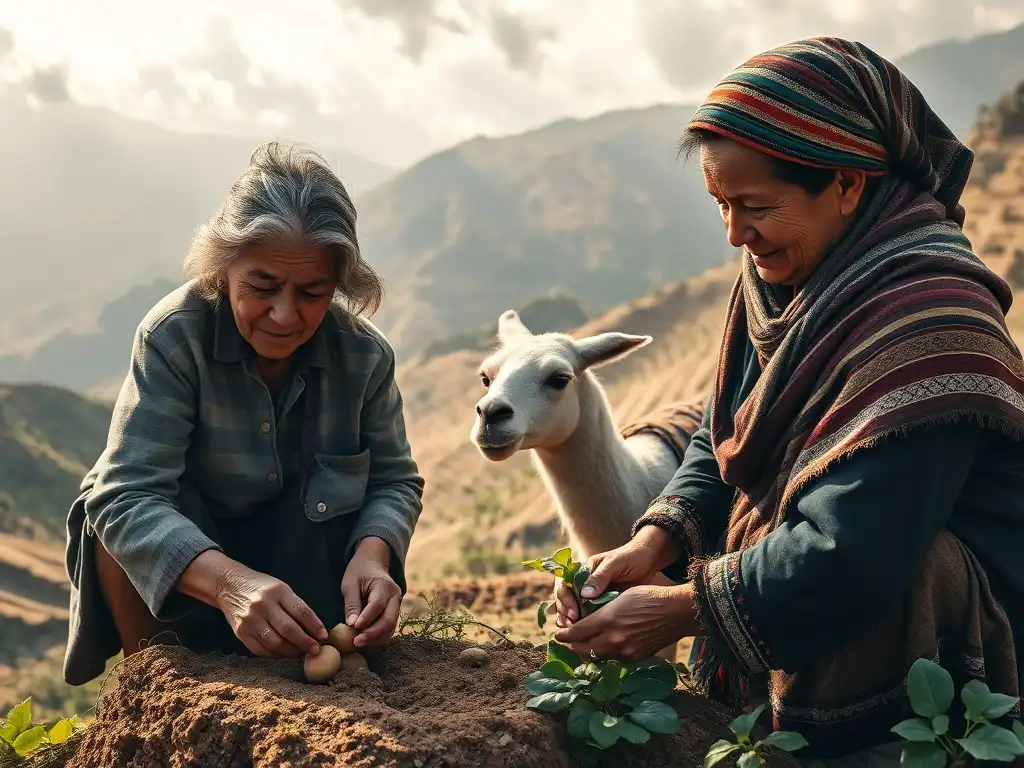
Andean women played, and continue to play, a crucial role in shaping agricultural practices across the diverse Andean landscape. Their contributions extend far beyond simple labor; they represent a deep understanding of ecological principles and sustainable farming techniques honed over millennia. The term "Andean women agricultural role" undersells their significant contributions, which are integral to the survival and prosperity of Andean communities. This section delves into the specific techniques and knowledge systems developed and maintained primarily by women.
Traditional Farming Methods Led by Women
The image of Andean agriculture often focuses on the monumental feats of engineering like terraced fields. While men certainly participated in these large-scale projects, the day-to-day management and implementation of many crucial farming techniques were largely the responsibility of women. Their intimate knowledge of the land, coupled with their meticulous attention to detail, ensured successful harvests year after year.
This expertise wasn't just passed down through generations; it was constantly refined and adapted to the ever-changing conditions of the Andean environment. The resilience of Andean agriculture is, in no small part, a testament to the ingenuity and adaptability of Andean women farmers.
Seed Selection and Preservation by Andean Women
Seed selection was—and remains—a critical aspect of Andean agriculture. Women carefully selected the best seeds from the previous harvest, ensuring the continuation of high-yielding, disease-resistant varieties. This wasn't a random process; it involved a deep understanding of plant genetics and the specific needs of different crops in diverse microclimates.
They employed various preservation techniques, including meticulous drying and storage in carefully chosen locations to maintain seed viability for the next planting season. This careful stewardship of genetic resources was essential for the long-term sustainability of Andean agriculture, showcasing the foresight and planning skills of Andean women. The knowledge of which seeds to select, based on factors such as size, shape, and color, was often passed down through families, highlighting the importance of female lineage in preserving agricultural biodiversity.
Terracing and Irrigation Techniques Developed and Maintained by Women
While large-scale terracing projects often involved communal efforts, women played a vital role in the day-to-day maintenance and repair of these intricate systems. Their intimate knowledge of water flow and soil conditions allowed them to identify potential problems and implement timely solutions. They were experts in managing irrigation channels, ensuring an even distribution of water across the terraced fields.
This involved cleaning channels, repairing breaches, and adjusting water flow according to the needs of the crops and the prevailing weather conditions. Their meticulous work contributed significantly to the success of terrace agriculture, a testament to their engineering skills and understanding of hydraulic principles.
Understanding of Crop Rotation and Soil Management
Andean women demonstrated a sophisticated understanding of crop rotation and soil management long before these practices became widely recognized in modern agriculture. They employed diverse crop combinations, understanding the symbiotic relationships between different plants and their impact on soil fertility. They incorporated fallowing periods, allowing the land to rest and regenerate, preventing soil degradation. Their knowledge of soil types and their ability to adapt cultivation techniques to specific soil conditions were crucial for maintaining the productivity of the land over extended periods. This holistic approach to agriculture, which prioritized long-term sustainability, underscores the depth of their ecological knowledge.
The Importance of Women's Knowledge in Andean Agriculture
The contribution of Andean women to agriculture is not merely a matter of labor; it represents a complex interplay of practical skills, ecological understanding, and cultural knowledge. Their traditional ecological knowledge (TEK) is a vital resource for understanding sustainable agricultural practices and adapting to the challenges of climate change. Their roles are not simply supportive; they are foundational to the success of Andean farming systems.
Traditional Ecological Knowledge Held by Women Farmers
Andean women's traditional ecological knowledge (TEK) encompasses a vast array of practices and beliefs related to agriculture. This knowledge is not simply a collection of techniques; it's an integrated system that connects agricultural practices with the broader ecological and social context. It includes detailed knowledge of plant species, their life cycles, and their interactions with the environment.
It also incorporates understanding of weather patterns, soil conditions, and the impact of human activities on the landscape. This rich body of knowledge, accumulated over generations, provides valuable insights into sustainable and resilient agricultural practices. The loss of this TEK would be a significant blow to Andean agriculture and broader ecological understanding.
Transmitting Agricultural Wisdom Across Generations
The transmission of agricultural knowledge across generations is crucial for the continuity of Andean farming traditions. Andean women played, and continue to play, a central role in this process. They pass on their knowledge through hands-on training, storytelling, and rituals that connect agricultural practices with cultural identity.
This intergenerational transmission ensures the survival and adaptation of traditional farming techniques in the face of changing environmental and social conditions. The preservation of this knowledge is essential not only for the future of Andean agriculture but also for the broader understanding of sustainable and resilient farming systems. The continued empowerment and recognition of Andean women's role in this transmission are critical for maintaining this invaluable agricultural heritage.
The Impact of Andean Women's Work on Food Security
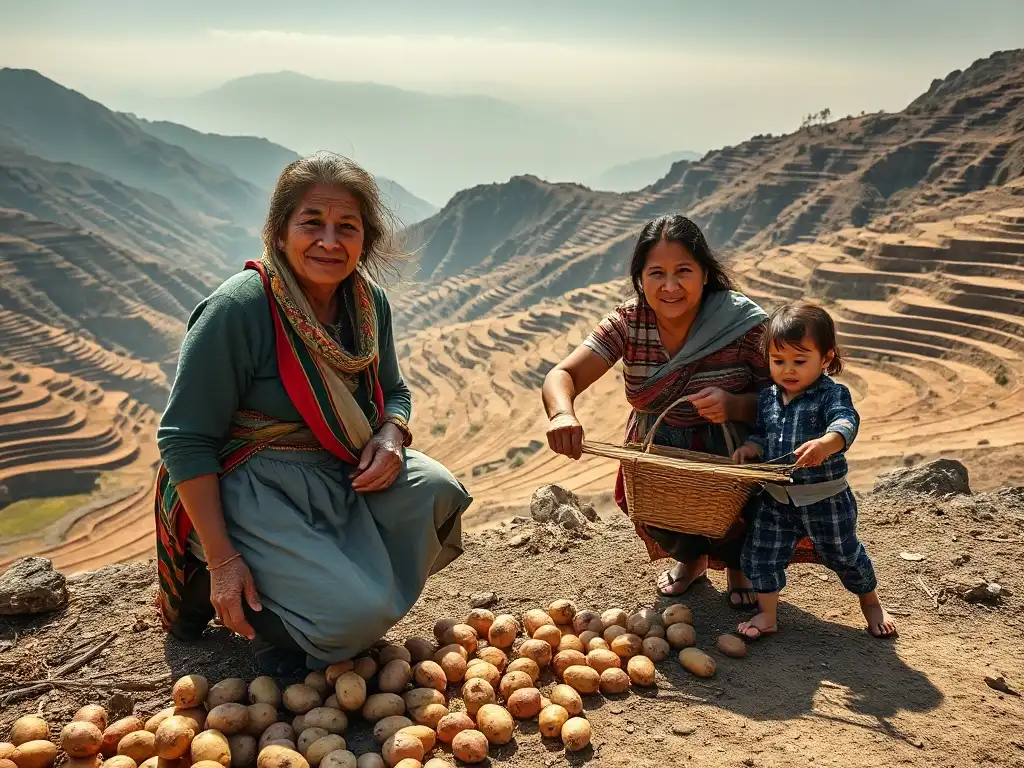
The role of Andean women in agriculture was, and continues to be, profoundly impactful on food security within their communities. Their contributions extended far beyond simple labor; they were crucial in shaping agricultural practices, ensuring diverse food sources, and fostering economic resilience. Understanding their pivotal role is essential to appreciating the complexities of Andean agricultural systems and their remarkable sustainability.
Ignoring their contributions paints an incomplete and inaccurate picture of Andean food production, a crucial aspect of Andean civilization's success. The term "Andean women agricultural role" itself undersells the multifaceted nature of their involvement. Their influence permeated every level of food production, from planting to market distribution, profoundly impacting the overall food security of their communities.
Women's Contributions to Food Production and Availability
Role in Cultivating Staple Crops Like Potatoes and Quinoa
Andean women were deeply involved in the cultivation of staple crops such as potatoes and quinoa. Their knowledge of diverse varieties, optimal planting techniques, and soil management practices was invaluable. They weren't simply laborers; they were agricultural experts, passing down generations of nuanced knowledge. For instance, they understood the specific needs of different potato varieties, adapting planting methods to altitude, soil type, and microclimate.
This intimate knowledge ensured optimal yields, contributing significantly to food availability. They also played a critical role in processing these crops, developing techniques for preservation and storage that ensured food security throughout the year. This included methods like freeze-drying potatoes (chuño) and storing quinoa in carefully sealed containers. Their detailed understanding of these crops, far exceeding the basic knowledge of planting and harvesting, represents a core component of Andean food security.
Management of Diverse Food Sources for Family Consumption
Beyond staple crops, Andean women managed a wide array of food sources to ensure dietary diversity and resilience against crop failure. This included cultivating a variety of vegetables, fruits, and medicinal plants. Their expertise extended to animal husbandry, managing livestock such as llamas and alpacas, crucial sources of meat, wool, and transportation. The management of these diverse food sources wasn't solely for sustenance; it was a strategic approach to risk mitigation.
If one crop failed, others were available to provide essential nutrients. Their understanding of ecological principles, including crop rotation and intercropping, further enhanced the productivity and resilience of their farming systems. This holistic approach to food production, guided by women's deep knowledge, significantly contributed to the long-term food security of Andean communities. Their ability to successfully manage diverse food sources showcases their crucial role within the complex Andean agricultural ecosystem.
Economic Empowerment Through Agricultural Activities
Women's Participation in Local Markets and Trade
Andean women were not confined to the domestic sphere; they actively participated in local markets and trade networks. They played a vital role in the exchange of agricultural products, often acting as both producers and traders. They weren't just selling surplus; they were managing complex economic exchanges, negotiating prices, and building relationships with buyers and other producers.
This active participation in market systems contributed to the economic well-being of their families and communities. Their expertise in specific crops and their ability to manage trade networks showcase their economic acumen. The extent of their involvement in local and regional markets needs further research, but existing evidence points to a significant and often overlooked contribution to Andean economies.
Generating Income from Agricultural Products
The agricultural activities of Andean women generated significant income, not only for their families but also for the broader community. The sale of surplus crops, processed foods, textiles (often made from alpaca or llama wool), and other agricultural products provided a crucial source of income. This income allowed them to purchase essential goods and services, enhancing their families' quality of life and contributing to the overall economic stability of their communities.
This economic empowerment, derived directly from their agricultural expertise, highlights their crucial role in the social and economic fabric of Andean societies. Further research into the specifics of their income generation and its impact on community economies would provide a richer understanding of their profound contribution to Andean societies. The economic independence achieved through agricultural activities underscores the significance of recognizing the full extent of Andean women's contributions.
Challenges Faced by Women in Andean Agriculture
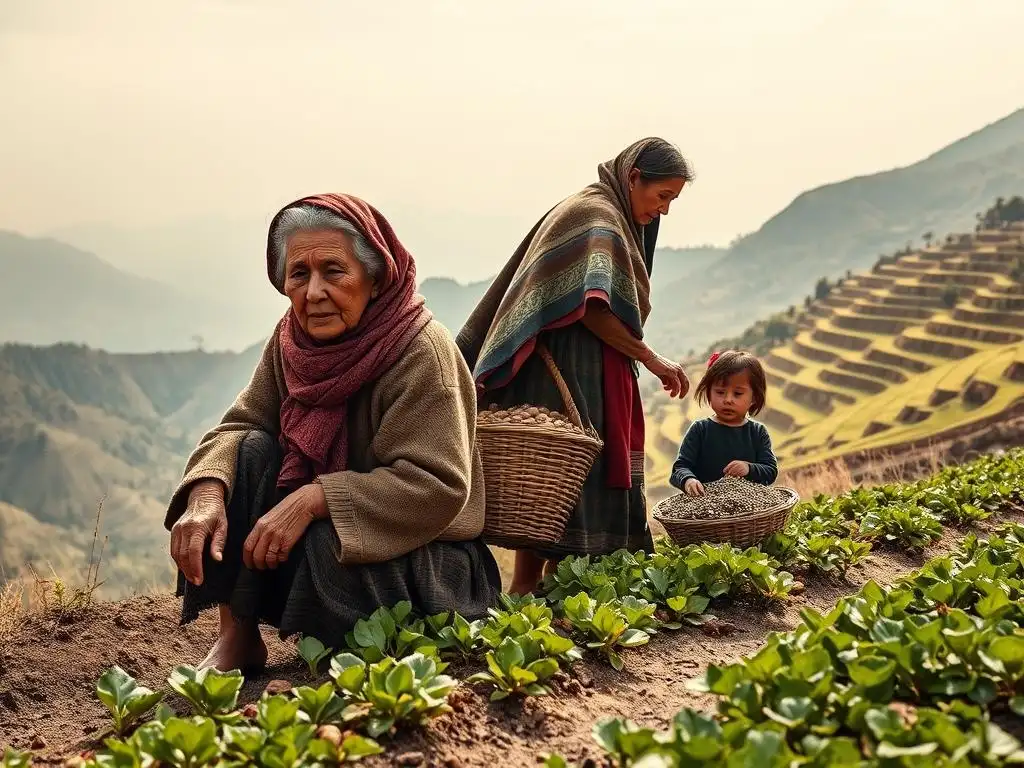
The Andean region's agricultural success throughout history owes much to the crucial role played by women. However, their contributions have often been overlooked, overshadowed by narratives focused primarily on male leadership. Understanding the challenges faced by Andean women in agriculture is essential to appreciating the full complexity of their historical and ongoing significance.
This section delves into the specific obstacles they encountered and continue to encounter, highlighting the need for greater recognition and support. The keyword, "Andean women agricultural role," underscores the importance of acknowledging their vital participation. Analyzing these challenges allows for a more nuanced and complete understanding of Andean agricultural practices and their evolution.
Limited Access to Resources and Land Ownership
Historically, and even today in some areas, Andean women faced, and continue to face, significant limitations in accessing crucial resources and land ownership. While they constituted the backbone of agricultural labor, they often lacked legal rights to own land or control its production. This disparity significantly hampered their ability to make independent decisions concerning farming practices, crop selection, and investment in improvements.
This inequitable access to resources extended beyond land to include credit, technology, and even seeds. For example, in many communities, women were often relegated to cultivating smaller, less fertile plots of land, resulting in lower yields and reduced economic independence. This systemic disadvantage created a cycle of poverty and limited opportunities for advancement, despite their immense contributions to food security.
The unequal distribution of resources directly impacted the efficiency and productivity of Andean agriculture, hindering the potential for greater output and economic growth. Understanding this limitation is crucial to appreciating the true extent of their contributions, given the constraints they worked under. The lack of formal land titles and secure property rights continues to be a significant barrier to their full participation in the agricultural sector.
The Impact of Modernization on Traditional Practices
The introduction of modern agricultural techniques and technologies has had a complex and often detrimental impact on the traditional practices and knowledge held by Andean women. While some advancements have increased productivity, many have marginalized traditional methods and the women who expertly employed them. The shift towards large-scale commercial farming often displaces small-scale farmers, disproportionately affecting women who may lack the resources or access to credit to compete in the modern market.
Furthermore, the adoption of new technologies, such as chemical fertilizers and pesticides, has sometimes led to environmental degradation and health risks, particularly impacting women who often bear the brunt of environmental damage and health consequences. The loss of traditional knowledge, passed down through generations of women, represents a significant loss of biodiversity and sustainable agricultural practices. For instance, the knowledge of diverse crop varieties, pest control techniques, and water management strategies developed over centuries has been undermined by the push towards standardized, industrial farming methods.
The preservation of this invaluable knowledge is crucial for ensuring the resilience and sustainability of Andean agriculture. The impact of modernization requires careful consideration to balance the benefits of technological advancement with the preservation of traditional expertise and the empowerment of women.
The Need for Support and Recognition of Women's Work
The substantial contributions of Andean women to agriculture have been historically underrecognized and undervalued. Addressing this requires a multi-pronged approach focused on providing support and recognition for their work. This includes implementing policies that guarantee equal access to land, credit, and technology, empowering women to participate fully in decision-making processes related to agricultural production. Furthermore, investing in education and training programs tailored to the needs of women farmers is essential.
These programs should focus on building capacity in modern techniques while also preserving and promoting traditional knowledge. Recognizing women’s contributions requires celebrating and documenting their expertise, promoting their leadership roles, and ensuring fair compensation for their labor. This includes acknowledging their crucial role in maintaining biodiversity, preserving traditional practices, and ensuring the sustainability of Andean agriculture.
The lack of recognition has resulted in a systemic undervaluing of their work, leading to economic hardship and limited opportunities. Addressing this imbalance requires a concerted effort from governments, NGOs, and international organizations to create a more equitable and sustainable agricultural system that fully embraces the contributions of Andean women. Supporting Andean women farmers is not only a matter of social justice but also a crucial step towards ensuring the long-term sustainability and resilience of Andean agriculture.
Modern Initiatives Supporting Andean Women Farmers
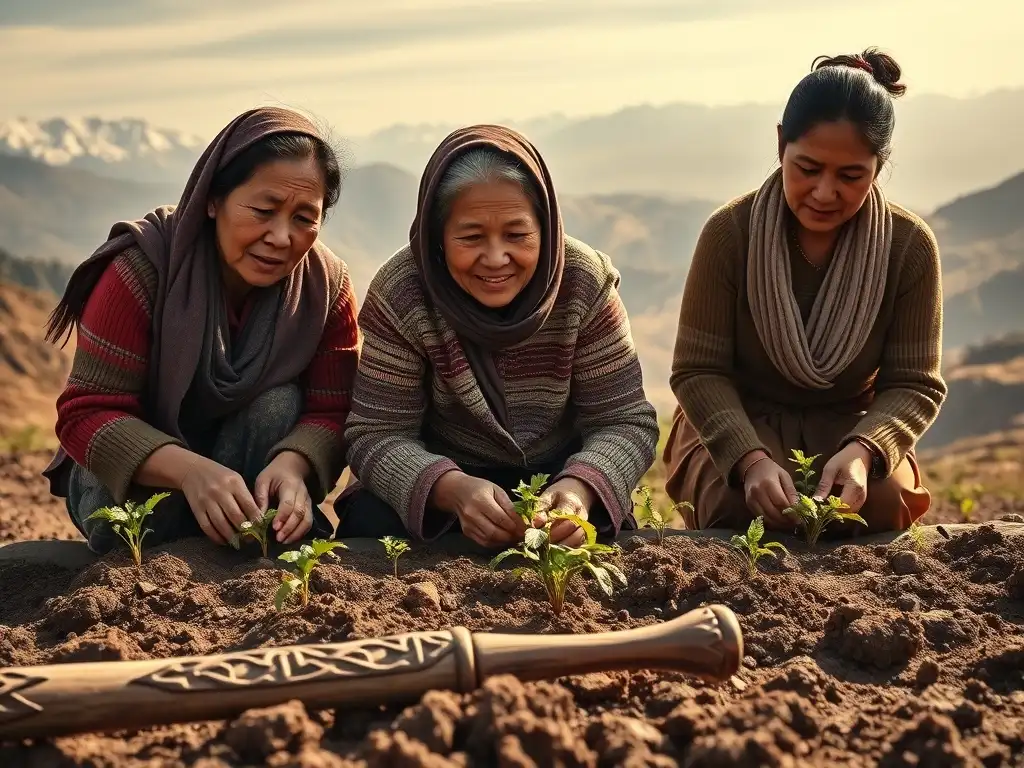
The crucial role of Andean women in agriculture, often overlooked historically, is increasingly recognized and supported by modern initiatives. These programs aim to empower women, enhance their farming practices, and improve their overall socioeconomic standing. This recognition is vital for ensuring the sustainability and future prosperity of Andean agriculture. The challenges faced by these women are multifaceted, ranging from limited access to resources like land ownership and credit to unequal access to education and technology.
Addressing these inequalities is paramount to fostering a more equitable and productive agricultural sector. Understanding the historical context of women's roles is essential, as it reveals the depth of the systemic challenges they continue to face. Modern initiatives are tackling these issues head-on, using various strategies to promote gender equality and sustainable agricultural practices.
Programs Focused on Empowering Women in Agriculture
Numerous organizations and government programs are actively working to empower Andean women farmers. These programs often involve a multifaceted approach, encompassing several key areas:
- Access to Credit and Microfinance: Many initiatives provide access to microloans and financial services specifically designed for women farmers, enabling them to invest in improved seeds, tools, and irrigation systems. This helps them increase their productivity and income, fostering economic independence. Successful examples include programs that offer group lending schemes, reducing the risk for individual borrowers and promoting peer support.
- Agricultural Training and Education: Specialized training programs equip women with advanced farming techniques, including sustainable practices and crop diversification strategies. This empowers them to make informed decisions, improve their yields, and adapt to changing climatic conditions. The focus is often on practical, hands-on training, making the knowledge easily transferable and applicable to their daily farming activities.
- Market Access and Value Chain Development: Initiatives are working to improve market access for women farmers, enabling them to sell their produce at fair prices. This includes support in developing marketing strategies, establishing farmer cooperatives, and facilitating connections with buyers. Improving their access to value-added processing techniques can also significantly increase their income.
- Land Rights and Ownership: Securing land rights for women is a critical component of empowerment. Many programs are working to ensure women have legal ownership of the land they cultivate, protecting their livelihoods and enabling them to access credit and other resources. This involves legal advocacy and awareness campaigns to promote secure land tenure for women. The impact of secure land ownership on women's economic independence cannot be overstated.
Sustainable Practices and Gender Equality in Andean Farming
Sustainable agricultural practices are crucial for the long-term viability of Andean farming, and their adoption is often intertwined with gender equality initiatives. Integrating sustainable farming methods empowers women by enhancing their resilience to climate change and improving their overall productivity. Some key areas of focus include:
- Water Management: Improved irrigation techniques, such as rainwater harvesting and efficient water distribution systems, are essential in water-scarce regions. Training women in these techniques not only enhances their crop yields but also promotes water conservation, a key element of sustainability.
- Soil Conservation: Techniques like terracing, contour farming, and agroforestry help prevent soil erosion and maintain soil fertility. By teaching these practices, programs ensure the long-term sustainability of Andean agricultural lands. Furthermore, the involvement of women in decision-making regarding land management is crucial for effective implementation.
- Organic Farming and Biodiversity: Promoting organic farming methods and maintaining biodiversity increases the resilience of agricultural systems to pests and diseases. This reduces reliance on chemical inputs, protecting the environment and the health of both farmers and consumers. Women's participation in seed saving and exchange networks is vital for maintaining biodiversity.
- Climate Change Adaptation: Addressing climate change impacts, such as drought and extreme weather events, is crucial for the future of Andean agriculture. Programs focus on teaching climate-resilient farming techniques and promoting drought-resistant crop varieties. Women's knowledge of local ecosystems and traditional farming practices plays a vital role in adaptation strategies.
The Future of Andean Agriculture with Women at the Forefront
The future of Andean agriculture hinges on recognizing and empowering the crucial role of women. Their deep knowledge of traditional farming practices, combined with access to modern technologies and sustainable techniques, holds the key to ensuring the sector's resilience and prosperity. Continuing to invest in programs that support Andean women farmers is not only a matter of social justice but also an economic imperative.
By fostering gender equality in agriculture, we can unlock the full potential of Andean farming systems, ensuring food security and sustainable development for generations to come. The sustained focus on integrating gender-sensitive approaches into agricultural policies and programs will be critical in achieving this vision.
The data clearly demonstrates that empowering women in agriculture leads to increased productivity, improved food security, and greater economic growth within Andean communities. The success of these initiatives will depend on continued collaboration between governmental bodies, NGOs, and the women farmers themselves.
Conclusion: Celebrating the Indispensable Role of Andean Women in Agriculture
This exploration of Andean women's agricultural roles reveals a complex and multifaceted picture, far removed from any simplistic narrative. Their contributions extended beyond mere labor; they were – and continue to be – key innovators, knowledge keepers, and managers of vital resources. From meticulously selecting seeds and cultivating diverse crops to developing sophisticated irrigation systems and preserving food for lean times, Andean women have consistently demonstrated remarkable agricultural prowess.
Their intimate understanding of the Andean ecosystem and their deep-rooted connection to the land are integral to the sustained productivity of Andean agriculture. Ignoring their crucial role is not only historically inaccurate but also detrimental to our understanding of the sophisticated agricultural practices that thrived in the Andes. The enduring legacy of Andean women in agriculture demands recognition and celebration.
Recognizing the Legacy of Female Farmers in the Andes
Understanding the historical role of Andean women in agriculture requires moving beyond generalized accounts and delving into specific examples. Archaeological evidence, though often limited in its ability to directly address gender roles, provides glimpses into women's participation in various stages of food production. For example, the discovery of female burials containing agricultural tools in various Andean sites suggests their active involvement in farming activities. Furthermore, ethnohistorical accounts from colonial times, while often biased, offer valuable insights into the continuation of traditional practices where women played central roles.
These accounts often detail women's involvement in textile production, which was intimately linked to agricultural cycles and the processing of crops like cotton and wool. The intricate knowledge of plant varieties, soil management, and water conservation passed down through generations of Andean women represents an invaluable cultural heritage. Preserving and celebrating this legacy is crucial for promoting sustainable agricultural practices in the region.
Further research is needed to uncover more detailed information about specific practices and technologies developed and employed by Andean women, enriching our understanding of their contributions. This includes exploring the specific roles of women in different Andean cultures, accounting for variations in practices across regions and time periods. The need for more inclusive and gender-sensitive research methodologies is paramount.
Promoting Gender Equality for a Sustainable Future in Andean Agriculture
The continued marginalization of Andean women in agriculture poses a significant threat to food security and sustainable development in the region. Despite their undeniable contributions, women often lack equal access to land ownership, credit, technology, and markets. Addressing these inequalities is crucial not only for achieving gender equality but also for enhancing agricultural productivity and resilience. Promoting gender-equitable policies that empower women farmers is essential for creating a more sustainable and prosperous future in the Andes.
This includes initiatives that provide women with access to education, training, and resources, enabling them to improve their farming practices and increase their income. Moreover, promoting women's leadership roles in agricultural organizations and decision-making processes will ensure that their voices and perspectives are heard and incorporated into development strategies. Supporting women-led agricultural cooperatives and enterprises can also have a significant positive impact on both economic empowerment and food security.
The future of Andean agriculture is inextricably linked to the empowerment of Andean women. Investing in their potential is an investment in the future of the region. 👩🌾 The success of any sustainable agricultural strategy in the Andes hinges on acknowledging and addressing the critical role of Andean women, ensuring their voices are heard and their contributions recognized.
Frequently Asked Questions
What was the overall role of women in Andean agriculture?
Andean women played a vital role in agriculture, participating in all stages of food production, from planting and harvesting to processing and storage. Their contributions were essential to the survival and prosperity of their communities.
What specific tasks did Andean women perform in agriculture?
Women were responsible for cultivating crops, such as potatoes, maize, and quinoa. They also managed irrigation systems, processed food, and were involved in textile production using agricultural products like cotton and wool.
How did the environment influence the agricultural roles of Andean women?
The challenging Andean environment, with its diverse altitudes and climates, required women to adapt their agricultural practices. Their knowledge of local ecosystems and sustainable techniques was crucial for success.
Were Andean women solely responsible for agricultural labor?
While women played a dominant role, men also participated in agriculture, often focusing on heavy labor like land clearing and large-scale irrigation projects. However, women's contributions were fundamental and extensive.
How is the role of Andean women in agriculture viewed today?
Today, there's a growing recognition of the historical significance and ongoing importance of Andean women's contributions to agriculture. Their knowledge and skills are increasingly valued and studied as crucial to food security and sustainability.
Final Reflection: Harvesting a Legacy of Resilience
The vital role of Andean women in agriculture is not merely a historical footnote; it is a cornerstone of food security and cultural preservation that remains critically relevant today. Their contributions, often overlooked, are essential to the sustainability of Andean communities and the global food system. Ignoring their expertise and agency is not only unjust but also profoundly detrimental to the future of food production in the region.
The enduring impact of Andean women's agricultural knowledge and practices is undeniable. Their deep connection to the land, passed down through generations, represents a wealth of wisdom and resilience in the face of climate change and economic instability. The earth is what we all have in common.
This simple truth underscores the profound interconnectedness between Andean women, their land, and the future of food security. Their traditional techniques, often more sustainable than modern industrial methods, offer invaluable lessons for a world grappling with environmental challenges. Their continued struggle for equal access to resources and recognition highlights the urgent need for systemic change.
You, the reader, are now equipped with a deeper understanding of the crucial role Andean women play in agriculture. Consider how you can contribute to amplifying their voices, supporting their initiatives, and advocating for policies that ensure their equal participation and recognition. Let us work together to ensure that the unsung heroes of Andean food production are finally heard, celebrated, and empowered to continue their vital work for generations to come. Their legacy is not just about food; it's about resilience, sustainability, and the preservation of invaluable cultural heritage.
**Celebrate and Empower the Unsung Heroes of Andean Agriculture! **
Thank you for learning about the incredible contributions of women in Andean agriculture. Your interest highlights their vital role and honors their strength and resilience in feeding the world. Now, let's take action to support these unsung heroes!
- **Support local organizations** that empower women farmers by volunteering your time or making a donation.
- **Share what you've learned** on social media to raise awareness about the crucial role of women in agriculture. Use the hashtag #AndeanWomenFarmers to help spread the word!
- **Explore traditional Andean recipes**, celebrating the local ingredients and the women who grow them. Share a delicious meal with friends and family to spread appreciation for their work!
What surprised you most about the contributions of Andean women farmers, and how does this new knowledge change your perspective on agriculture?