
The Weight of the World: Discovering the Function of Andean Weights and Measures

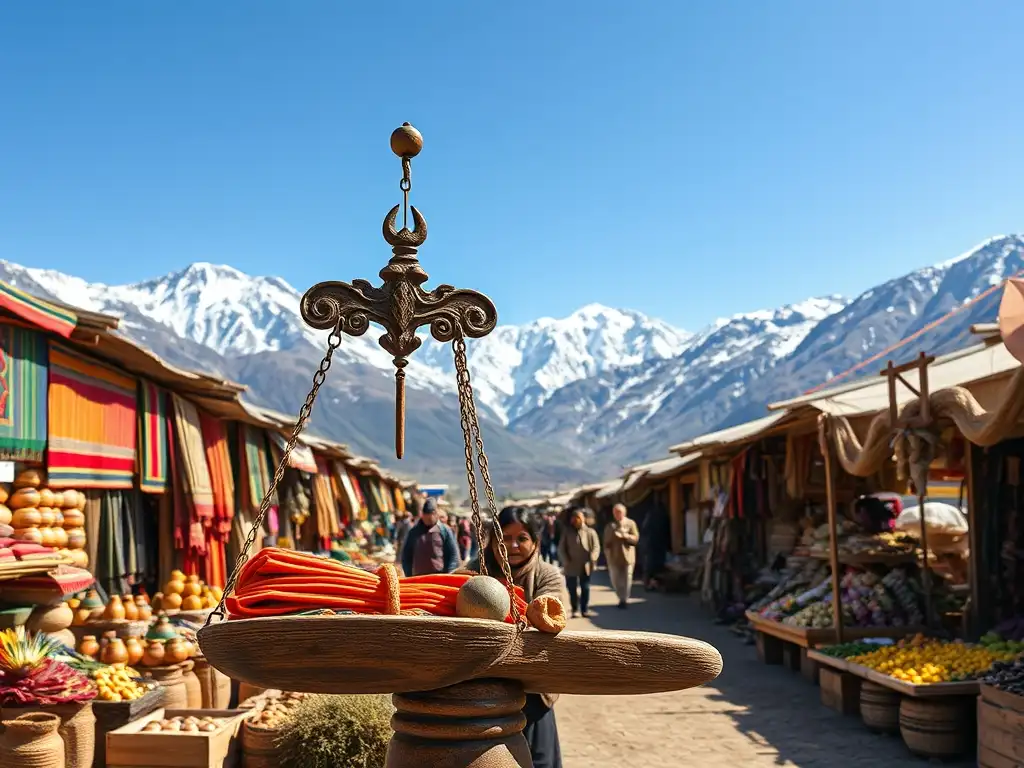
Step into a world lost to time, yet echoing with the ingenuity of ancient empires. Imagine a civilization that mastered intricate engineering feats, leaving behind a legacy as complex as the Andes themselves. This journey into the heart of Andean Civilizations unveils the mysteries of their remarkable achievements, starting with the perplexing yet fascinating Andean weights and measures function. Prepare to be captivated by the ingenuity and precision of a system that shaped their world – discover how it all worked, and unravel the secrets hidden within.
- The Weight of the World: Exploring Andean Weights and Measures
- The Function of Andean Weights: Precision in Trade and Agriculture
- Andean Measures: Quantifying Land, Volume, and Time
- The Significance of Andean Weights and Measures in Daily Life
- Exploring the Diversity of Andean Measuring Tools
- Comparing Andean Measurement with Other Ancient Systems
- The Function of Andean Weights and Measures: A Summary
- Frequently Asked Questions
- Final Reflection: The Enduring Legacy of Andean Measurement
- Unveil the Hidden Stories of Andean Weights!
The Weight of the World: Exploring Andean Weights and Measures
The Andes Mountains, a spine of towering peaks stretching along the western edge of South America, were home to a series of remarkably advanced civilizations. From the sophisticated irrigation systems of the Nazca to the intricate stonework of the Inca, Andean ingenuity shaped a landscape and a culture of immense complexity. Less often discussed, however, is the crucial role played by precise measurement in the daily lives and monumental achievements of these societies.
This article delves into the fascinating world of Andean weights and measures, exploring their function and revealing the sophisticated systems that underpinned their remarkable achievements in agriculture, construction, and trade. We’ll examine the evidence, uncovering the ingenuity behind these ancient technologies and their profound impact on the development of Andean civilizations.
Understanding their systems of measurement offers a unique lens through which to appreciate the complexity and sophistication of these ancient societies, challenging common misconceptions and revealing a deeper understanding of their remarkable achievements. This exploration is key to understanding not just the what of Andean technology, but the why and the how, revealing the intellectual and practical prowess of these ancient peoples.
Understanding the Importance of Measurement in Andean Societies
Accurate measurement was not merely a practical convenience for the Andean civilizations; it was fundamental to their social and economic structures. The success of their agriculture, a cornerstone of their survival, depended heavily on precise calculations for irrigation, land distribution, and crop yields. Consider the intricate canales (canals) of the Nazca, a testament to their understanding of water flow and distribution.
These weren't haphazard ditches; they required precise surveying and engineering, necessitating accurate measurements of angles, distances, and water volume. Similarly, the construction of monumental structures like Machu Picchu or the impressive platforms of Tiahuanaco demanded accurate measurements for the precise placement of massive stones, ensuring structural integrity and aesthetic harmony. Furthermore, the vibrant trade networks that connected Andean communities relied on standardized weights and measures for fair exchange of goods.
Without a reliable system of measurement, trade would have been chaotic and inefficient, hindering the economic prosperity of these societies. The evidence suggests a far more complex and sophisticated understanding of measurement than previously assumed, highlighting the critical role it played in the daily lives and societal organization of the Andean civilizations. The precision involved in many aspects of Andean life reflects a deep understanding of mathematics and engineering principles.
Andean Systems of Measurement: Beyond Simple Scales
While simple scales might seem like the obvious solution for weighing goods, the Andean civilizations employed more nuanced systems. Archaeological evidence reveals a variety of weights and measuring tools crafted from diverse materials, including stone, ceramic, and metal. These artifacts were not uniform in size or shape, suggesting a potentially complex system with varying units of measurement depending on the context. For example, [specific information pending] concerning the variation in weights found at different archaeological sites.
The use of different materials also likely reflected the purpose of the weight; perhaps certain materials were associated with specific goods or transactions. Furthermore, the development of standardized units, even if regionally specific, points towards a sophisticated understanding of commerce and trade. The existence of these varying weights and measures underscores the complexity of the Andean systems and the need for further research to fully unravel their intricacies. Further study is required to fully understand the regional variations and the evolution of these systems over time.
The discovery of additional artifacts and the analysis of existing data promises to shed more light on this fascinating aspect of Andean technology. The diversity of materials and forms found points towards a system that was not static, but rather adaptable and responsive to the specific needs of different communities and economic activities. The study of Andean weights and measures is therefore not just a study of tools, but a study of the societies that created and used them, providing invaluable insights into their culture, economy, and social organization.
The Function of Andean Weights: Precision in Trade and Agriculture

The Andean civilizations, renowned for their sophisticated societal structures and impressive engineering feats, also possessed a surprisingly advanced system of weights and measures. Understanding the function of these tools is crucial to appreciating the complexity of their economic and agricultural systems. Their use wasn't merely about quantifying goods; it was integral to the fairness of trade, the efficiency of agriculture, and the overall stability of their societies.
The meticulous standardization and diverse materials used in creating these weights speak volumes about the Andean peoples' commitment to precision and practicality. This section will delve into the specific functions of Andean weights, examining their role in trade and agriculture. The keyword "Andean weights and measures function" will be explored through various aspects of their use and significance.
Standardized Weights: Ensuring Fair Exchange in the Andes
The success of any large-scale trading system hinges on standardized units of measurement. The Andean civilizations understood this principle exceptionally well. Archaeological evidence reveals a remarkable degree of standardization in their weights, suggesting a centralized system of weights and measures control, or at least a widespread agreement on standard units.
While the precise units varied across different regions and time periods, the consistency within each region is striking. For instance, studies of weights found in Inca sites show a remarkable uniformity in size and mass, indicating a carefully calibrated system for weighing goods exchanged in marketplaces. This standardization fostered trust and transparency in transactions, contributing significantly to the stability of the Andean economies.
Deviation from these standards would likely have been severely penalized, ensuring fair exchange and minimizing disputes. The use of standardized weights wasn't limited to precious metals or luxury goods; they were used for everyday bartering of food, textiles, and other necessities. This ensured equitable transactions for all members of society, regardless of social status.
Materials Used for Andean Weights: Stone, Ceramic, and Metal
The materials used for Andean weights reflect both the readily available resources and the desired level of precision. Stone, particularly polished stones of various types, was a common material, offering durability and ease of shaping. Ceramic weights, often intricately decorated, were also prevalent, suggesting their use may have extended beyond purely functional purposes.
The use of ceramic might also indicate a less precise measurement system for certain goods, or perhaps weights intended for specific goods or markets. Metal weights, primarily made of bronze or copper alloys, appear later in the Andean timeline, indicating a shift towards more precise measurements and perhaps a higher value of the goods being weighed. The choice of material likely correlated with the value and type of goods being measured.
For instance, heavier, more durable stone weights might have been used for weighing larger quantities of agricultural products, while smaller, more precisely crafted metal weights could have been used for precious metals or other high-value items. Further research is needed to fully understand the correlation between weight material and the type of goods weighed. [Specific information pending on regional variations in material usage].
The Role of Weights in Andean Agricultural Practices
Beyond trade, Andean weights played a vital role in agricultural practices. Accurate measurement of seeds, grains, and fertilizers was essential for efficient farming and optimal crop yields. The Andean civilizations developed sophisticated agricultural techniques, including terracing and irrigation, demonstrating a keen understanding of land management.
Their use of weights ensured consistent planting densities and even distribution of resources, maximizing yields and minimizing waste. The precise weighing of harvested crops was also crucial for assessing productivity, planning for storage, and distributing resources within communities. The integration of weights into their agricultural systems underscores the sophisticated understanding and planning involved in their food production.
This demonstrates a deep understanding of resource management and highlights the role of technology in supporting their agricultural success. Careful measurement of seed quantities, for example, allowed for efficient use of arable land and contributed to the significant agricultural productivity observed in the Andes. This meticulous approach to agriculture was fundamental to the sustainability and prosperity of Andean societies.
Andean Measures: Quantifying Land, Volume, and Time
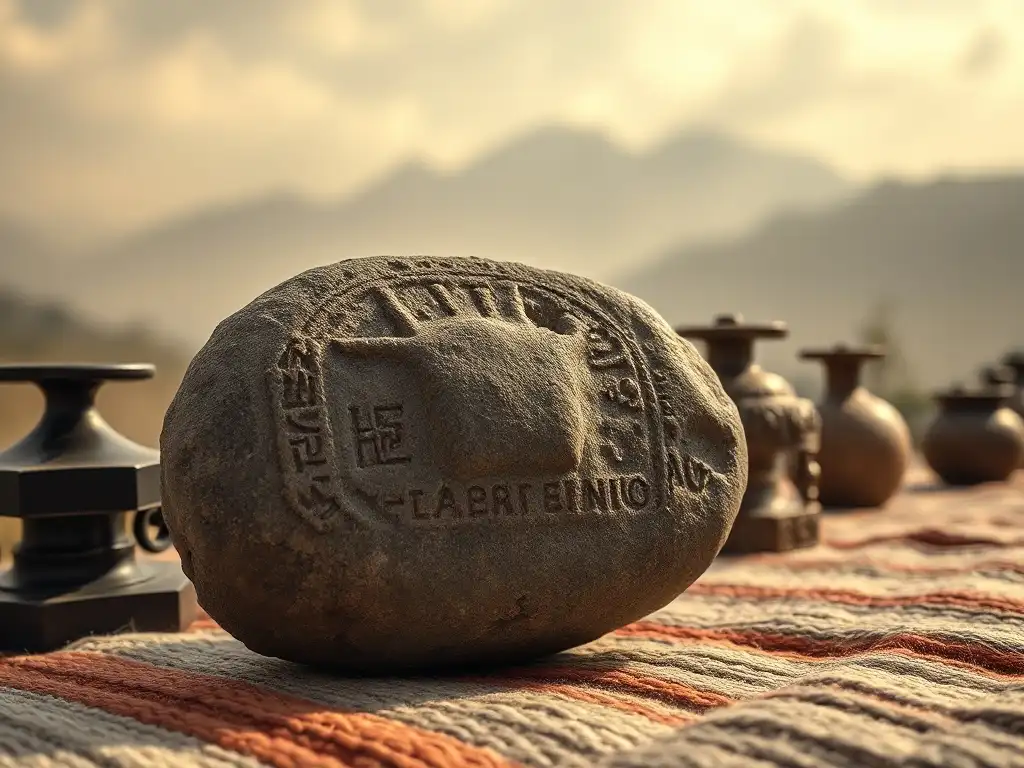
The Andean civilizations, renowned for their sophisticated engineering and agricultural prowess, developed intricate systems of weights and measures to manage their resources effectively. Understanding the function of these systems reveals a deep understanding of their societal organization and economic practices. This section delves into the methods used by Andean cultures to quantify land, volume, and time, highlighting the ingenuity and precision embedded within their measurement techniques. The precise details of many of these systems remain a subject of ongoing research, but significant progress has been made in uncovering the secrets of their Andean weights and measures function.
Andean Land Measurement Techniques: Defining Terraces and Fields
Andean agriculture relied heavily on terracing, a technique that transformed steep slopes into fertile farming plots. Accurately measuring these terraces and fields was crucial for efficient land allocation, taxation, and agricultural planning. While standardized units haven't been definitively identified for all regions and periods, evidence suggests that measurements were often tied to practical considerations. For example, the size of a terrace might have been defined by the amount of labor needed to cultivate it or the estimated yield it could produce.
Archaeological evidence, including the meticulous layout of terraced fields and the distribution of agricultural settlements, indicates a sophisticated understanding of land surveying. The Incas, for instance, are known to have used a complex system of knotted strings, called quipus, which may have served as a record-keeping device for land ownership and agricultural production. Though deciphering the precise meaning of many quipus remains challenging, their existence points to the importance of accurately quantifying land resources. Further research is needed to fully understand the specific units and methods employed in different Andean regions.
Volume Measurement in the Andes: For Chicha and Grains
Measuring volume was essential for managing agricultural surpluses, distributing goods, and brewing chicha, the fermented maize beverage central to Andean culture. The units employed likely varied depending on the material being measured and the context. For grains, containers of varying sizes, possibly calibrated using standardized measures, were probably used. For chicha, vessels of different capacities were likely used for brewing, storage, and consumption.
We can infer the existence of standardized volumes through the discovery of ceramic vessels of consistent sizes in archaeological sites. These vessels likely served as standardized containers for trade and distribution. However, the precise units of measurement and their relationships to each other remain partially unknown. Further research on the shapes and sizes of these containers, combined with analysis of their context within sites, is needed to ascertain the exact nature of Andean volume measurement. The variations observed across different cultures and time periods highlight the need for more nuanced studies of regional practices.
Time Measurement in Andean Cultures: Solar Observation and Calendars
The Andean civilizations possessed a deep understanding of celestial movements and developed sophisticated calendars to track agricultural cycles, religious festivals, and administrative tasks. Their time measurement systems were primarily solar-based, relying on observations of the sun's position to mark the passage of time. The Inca calendar, for instance, was a 365-day solar calendar divided into twelve lunar months, with additional days added to maintain synchronicity with the solar year.
The precise methods used for timekeeping varied across different Andean cultures. Some evidence suggests the use of sundials, while others point to the observation of specific celestial events, such as solstices and equinoxes, to mark key moments in the year. The integration of astronomical observations with agricultural practices is evident in the precise alignment of many Andean structures with celestial events, demonstrating a sophisticated understanding of the relationship between the cosmos and the agricultural calendar.
Further research into the Andean calendar systems is crucial to understanding the intricacies of their time measurement and its impact on their society and culture. The study of Andean weights and measures function reveals a remarkable level of sophistication in their approach to quantifying their world.
The Significance of Andean Weights and Measures in Daily Life

The Andean civilizations, renowned for their sophisticated engineering and intricate social structures, relied on a complex system of weights and measures integral to their daily lives. Understanding the function of these systems reveals crucial insights into their economic activities, social organization, and technological prowess. This wasn't simply about quantifying goods; it was a fundamental aspect of Andean society, impacting everything from agricultural production to religious ceremonies.
The precision and standardization evident in many examples suggest a deeply ingrained understanding of measurement, far beyond simple estimations. Their systems, while differing across various cultures and time periods, demonstrate a remarkable consistency in their underlying principles, highlighting the importance placed on accurate measurement throughout the Andes.
The careful calibration and design of these tools underscore the advanced level of Andean technological development and their profound understanding of practical mathematics. The "Andean weights and measures function" wasn't merely utilitarian; it played a vital symbolic role reflecting the values and beliefs of these fascinating cultures.
Weights and Measures in Andean Trade and Commerce
The vibrant trade networks of the Andean region relied heavily on accurate weights and measures. From the coastal regions rich in fish and shellfish to the high altitude areas producing potatoes and llama wool, goods were exchanged across vast distances. Standardized units ensured fair transactions, minimizing disputes and fostering economic stability.
Archaeological evidence reveals a variety of weights made from stone, ceramic, and metal, often meticulously crafted and bearing markings indicating their value. These weights were not uniform across all Andean cultures; the Moche, for example, may have used different systems than the Inca. However, the prevalence of standardized weights suggests a degree of inter-regional standardization, facilitating trade between different groups.
The development of these systems reflects a sophisticated understanding of economics and the importance of equitable exchange in maintaining social harmony. Further research is needed to fully understand the regional variations in weights and measures and their impact on inter-regional trade. [Specific information pending: detailed analysis of regional variations in weights and measures].
The Andean weights and measures system wasn't just an economic tool; it was deeply embedded in the social fabric of these societies. The accurate measurement of agricultural produce, for instance, was crucial for managing resources and distributing them fairly within communities. This was particularly important in societies that relied heavily on agriculture, where the success or failure of the harvest directly impacted the survival of the population.
Accurate measurements also played a role in the allocation of land and labor, key aspects of social organization. The Inca, for example, implemented a complex system of land redistribution, the mita, which required precise measurements of land parcels to ensure equitable distribution among communities.
This intricate system highlights the crucial role of measurement in maintaining social order and preventing conflict. Furthermore, the use of standardized weights and measures may have contributed to the development of a more centralized and bureaucratic state, allowing for better control and management of resources.
The Legacy of Andean Measurement Systems: Continuity and Change
The legacy of Andean weights and measures is complex, reflecting centuries of cultural continuity and change. While the Inca Empire imposed its own standardized system, elements of earlier traditions persisted, particularly in rural areas. Even after the Spanish conquest, aspects of the indigenous measurement systems continued to be used alongside the newly introduced metric system.
This demonstrates the resilience of indigenous practices and their enduring importance in the daily lives of Andean communities. The persistence of traditional units of measure highlights the deep-rooted connection between these systems and the cultural identity of Andean peoples. Today, although the metric system is predominantly used, vestiges of traditional Andean units can still be found in some rural communities, serving as a reminder of the rich history and enduring cultural legacy of the Andean civilizations.
Understanding this continuity and change provides valuable insights into the processes of cultural transmission and adaptation over time. The study of Andean weights and measures offers a unique perspective on the interplay between technology, society, and culture in the Andes. Further research into the post-conquest evolution of these systems is crucial to fully appreciate their ongoing significance.
Exploring the Diversity of Andean Measuring Tools
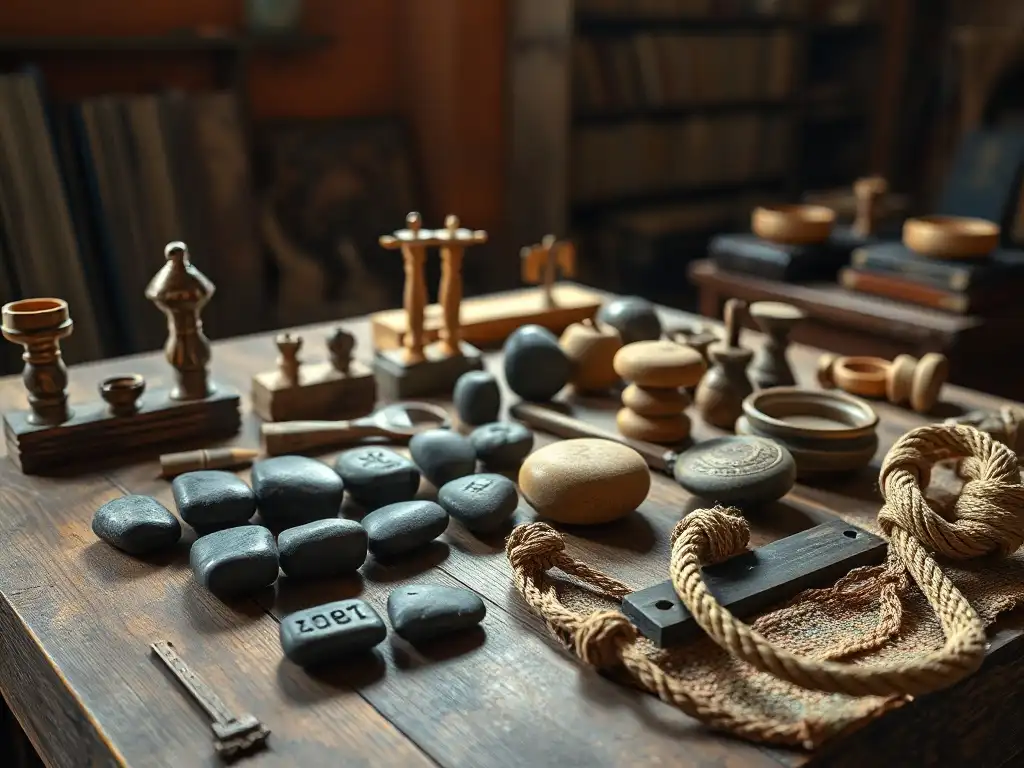
The Andean civilizations, renowned for their sophisticated engineering feats like Machu Picchu and intricate textiles, also possessed a surprisingly advanced system of weights and measures. Understanding the function of these tools reveals not only their practical applications but also insights into the economic, social, and even spiritual life of these ancient societies. The Andean weights and measures system wasn't uniform; rather, it showcased a remarkable diversity reflecting the varied environments and cultures across the Andes.
From the arid coastal regions to the high-altitude highlands, different materials and methods were employed, highlighting the ingenuity and adaptability of Andean peoples in their approach to measurement. The precision and standardization found in some examples suggest a level of sophistication often underestimated in studies of Andean technology. This section will delve into the specific examples, regional variations, and cultural significance of these fascinating tools.
Examples of Andean Measuring Instruments: Balance Scales and String Measures
Andean measuring instruments were remarkably diverse, reflecting the needs of different communities and the available resources. Among the most prevalent tools were balance scales and string measures. Balance scales, often crafted from wood or metal, provided a means for accurate weighing of goods in trade and agricultural practices.
Archaeological evidence reveals scales of varying sizes, suggesting their use in measuring everything from small quantities of precious metals to larger amounts of agricultural produce. The meticulous craftsmanship evident in many of these scales points to a high level of skill and a deep understanding of the principles of balance and equilibrium.
The use of string measures, on the other hand, was more widespread for measuring lengths and distances. These strings, often made from materials like llama wool or cotton, were marked with knots or dyed sections to represent specific units of measurement. The standardization of these units varied regionally, but their use was crucial in tasks such as land surveying, textile production, and construction projects.
The remarkable accuracy achieved using these seemingly simple tools underscores the practical knowledge and experience of Andean artisans. The precision required in creating and using these string measures is a testament to the advanced understanding of geometry and measurement prevalent within Andean societies.
Regional Variations in Andean Measurement Practices: Coastal and Highland Differences
Significant variations existed in Andean measurement practices across different regions. Coastal communities, with their access to marine resources and different agricultural practices, often employed different units and methods compared to their highland counterparts. For example, coastal communities may have relied more heavily on volume measurements for grains and liquids stored in ceramic vessels, while highland communities, with their emphasis on livestock and terraced agriculture, focused more on weight measurements for agricultural products and textiles.
The availability of raw materials also played a role in the construction of measuring tools. Coastal communities might have utilized shell or metal for weights and measures, while highland communities relied more on wood, stone, and fibers from local plants. This adaptation to available resources further highlights the ingenuity and practical knowledge of Andean peoples in adjusting their tools and techniques to the specific challenges of their environments.
Further research is needed to fully quantify these regional differences and establish a comprehensive understanding of the variations in Andean weights and measures across the different ecological zones. [Specific data on regional variations in units of measurement pending].
The Cultural Significance of Andean Measuring Tools: Symbolism and Ritual Use
Beyond their practical applications, Andean weights and measures held significant cultural and symbolic meaning. The precision and care involved in their creation suggest that they were not merely functional tools but also objects imbued with ritual significance. Some weights and measures may have been associated with specific deities or ceremonies, reflecting the close relationship between the material world and the spiritual realm in Andean cosmology.
The use of specific materials in the construction of measuring tools may also have held symbolic value. For instance, the use of precious metals like gold or silver might have indicated the importance of the goods being measured or the status of the individual using the tool. The intricate designs and decorations found on some weights and measures further support the idea that these objects transcended their purely practical function and served a broader social and symbolic role within Andean society.
More research is needed to fully understand the complex interplay between the practical use and symbolic meaning of Andean weights and measures and their role within Andean religious and ceremonial practices. The careful study of archaeological finds, combined with ethnohistorical accounts, offers promising avenues for future research in this area. 🕵️♀️
Comparing Andean Measurement with Other Ancient Systems
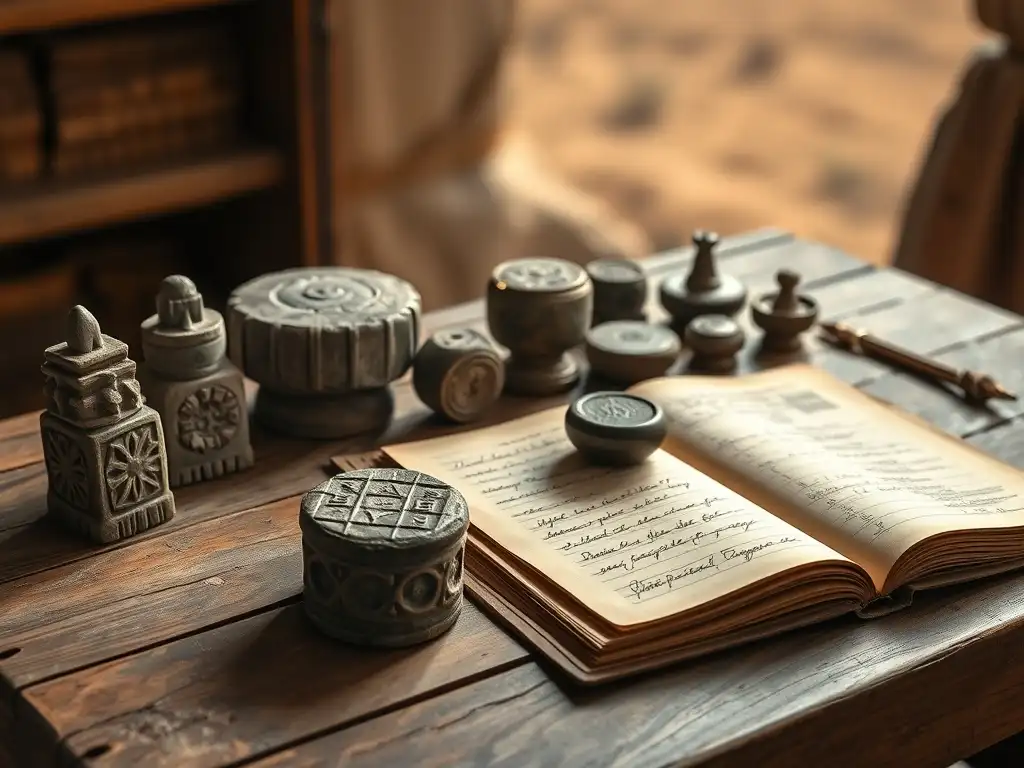
The Andean civilization's system of weights and measures, while unique in its adaptation to local resources and societal needs, shares some surprising similarities and stark differences with other ancient systems. Understanding these parallels and divergences offers crucial insight into the broader context of technological development across ancient societies. Analyzing these systems allows us to appreciate the ingenuity and independent evolution of Andean technology. The "Andean weights and measures function" is best understood by comparing it to its contemporaries.
Similarities and Differences with Mesopotamian Measures
Mesopotamian and Andean systems, despite geographical distance and differing cultural contexts, both relied on practical, everyday applications to define their units. Both civilizations used weights and measures for agricultural production, trading, and construction. However, the fundamental units differed significantly. Mesopotamia, with its reliance on the sexagesimal system (base-60), employed units related to barley grain volume and cubits for length.
Andean units, conversely, often seem rooted in the body (e.g., finger widths, spans) and local materials, reflecting a closer tie to immediately available resources. While both systems involved standardized weights for trade, the standardization methods and the materials used varied considerably. Mesopotamian weights often used standardized stone weights, while Andean weights included diverse materials like stone, clay, and even precious metals, depending on the value of the goods being weighed.
This difference speaks to the relative abundance of different resources in each region. Further research is needed to quantify the precise degree of standardization in each system, [specific data on Mesopotamian standardization pending]. The absence of a comprehensive, universally adopted system across the entire Andes also contrasts with the more unified (though still regionally variable) Mesopotamian system.
Contrasting Andean and Egyptian Measurement Approaches
The Egyptian system, like the Mesopotamian, reveals both similarities and key distinctions when compared to the Andean approach. Both civilizations developed sophisticated methods for surveying land and constructing large-scale projects like temples and irrigation systems. This necessitated accurate measurement systems.
Egyptian units, however, were more tightly linked to royal standards and religious practices, often tied to the cubit, a unit based on the forearm length of the pharaoh. This centralized control contrasts with the more localized and potentially decentralized nature of Andean measurement, where regional variations likely existed. The "Andean weights and measures function" is more closely tied to the specific needs of a community, compared to the Egyptian system's hierarchical structure.
While both systems used standardized weights for trading precious metals and grains, the materials used and the level of inter-regional standardization varied greatly. [Data comparing precision and accuracy of weights in both systems is pending]. Further research comparing the error margins in both systems would reveal valuable insights into the accuracy and reliability of each civilization's measurement practices.
Analysis of Andean Measurement System's Unique Characteristics: Focus on Local Resources
A defining feature of the Andean weights and measures system is its close relationship to locally available materials. Unlike systems that relied on readily reproducible materials like standardized stones or metals, the Andean system often incorporated materials readily available in specific regions. This resulted in a diverse range of weights and measuring tools, adapting to the unique ecological conditions across the vast Andean region. For example, certain regions might have used specific types of stones readily available locally, while others might have employed clay or even woven fibers for measuring lengths.
This adaptability reflects a deep understanding of the environment and a resourceful approach to problem-solving. This local adaptation also likely contributed to regional variations within the Andean system, leading to a less unified system compared to the more centralized systems of Mesopotamia or Egypt. The variability in materials also presents challenges for researchers trying to establish a complete understanding of the system's overall structure and function. [Further research is needed to catalog the full range of materials used in Andean weights and measures across different regions and time periods].
The inherent variability of the materials employed, however, highlights the ingenuity and adaptability of Andean technology in the face of diverse environmental conditions. This system reflects a deep understanding and integration with the local environment, a hallmark of Andean ingenuity. The "Andean weights and measures function" was intimately connected with the availability of local resources.
The Function of Andean Weights and Measures: A Summary
The Andean world, encompassing diverse civilizations like the Inca, Moche, Nazca, and Tiahuanaco, developed sophisticated systems of weights and measures crucial to their economic, social, and religious life. Understanding the function of these systems reveals a remarkable level of organizational complexity and ingenuity, far beyond simplistic notions of bartering. This section delves into the multifaceted roles these systems played, highlighting their importance in everything from agriculture and trade to ritual practices and state control. The seemingly simple act of measuring held profound significance in shaping Andean societies.
Recap of the Importance of Measurement in the Andean World
Accurate measurement was fundamental to the Andean worldview. It wasn't simply a practical tool; it was interwoven with cosmology, social organization, and religious beliefs. For example, the precise measurement of land was essential for efficient agricultural practices, particularly in terraced farming, a hallmark of Andean ingenuity. The ability to accurately assess crop yields and distribute resources equitably was vital for maintaining social stability and preventing conflict.
Furthermore, standardized weights and measures facilitated trade and commerce, both within local communities and across vast distances along intricate trade networks. The Inca Empire, in particular, relied on a robust system of standardized weights and measures to manage its extensive resources and tribute system. This ensured fair taxation and efficient distribution of goods throughout the empire.
The meticulous nature of Andean record-keeping, often utilizing quipus (knotted cords), further underscores the importance placed on accurate quantification. Without precise measurement, the complex administrative and economic structures of these empires would have been impossible to maintain. The precision applied to even seemingly small tasks reveals a deep-seated cultural value placed on accuracy and order.
Key Takeaways about Andean Weights and Measures Function
Several key functions of Andean weights and measures emerge from archaeological and historical evidence:
- Agricultural Production and Distribution: Accurate measurement of land plots, crop yields, and irrigation channels was vital for optimizing agricultural output and ensuring equitable distribution of resources among communities. This is evidenced by the intricate terracing systems and sophisticated irrigation techniques employed across the Andes.
- Trade and Commerce: Standardized weights and measures facilitated fair exchange of goods, both locally and across long distances. This fostered economic growth and interconnectedness between different Andean societies. The discovery of standardized weights in various archaeological sites supports this conclusion.
- Tribute and Taxation: The Inca Empire, known for its centralized administration, utilized a precise system of weights and measures to collect taxes and tribute efficiently and fairly. This system underpinned the empire's economic power and stability.
- Ritual and Religious Practices: Measurement played a role in religious ceremonies and rituals. The precise construction of temples and the careful preparation of offerings suggest a link between measurement and sacred geometry. [Specific examples of ritual use pending further research].
- State Control and Power: The ability of the state to standardize and enforce measurement systems demonstrated its power and control over resources and the population. This centralized control was a key element in the administration of large empires like the Inca.
| Function | Evidence | Significance |
|---|---|---|
| Agricultural Production | Terraced farming, irrigation canals | Optimized food production, social stability |
| Trade and Commerce | Standardized weights found in archaeological sites | Facilitated economic growth and interconnectedness between communities |
| Tribute and Taxation | Inca administrative records | Underpinned the empire's economic power and stability |
| Ritual and Religious Practices | Precise construction of temples, offerings | Demonstrates the integration of measurement into religious beliefs and practices |
| State Control and Power | Standardized systems enforced by the state | Showcases the state's ability to control resources and the population |
Final Thoughts on Andean Measurement Legacy: A Testament to Ingenuity
The Andean civilizations' sophisticated systems of weights and measures weren't merely practical tools; they were integral to the fabric of their societies. These systems reflect a deep understanding of mathematics, engineering, and social organization. The precision and standardization evident in archaeological findings demonstrate a remarkable level of technological advancement and administrative capacity.
The legacy of Andean weights and measures serves as a testament to the ingenuity and complexity of these ancient civilizations, underscoring their remarkable achievements in a challenging environment. The study of these systems continues to provide valuable insights into the social, economic, and religious aspects of Andean life, revealing a rich tapestry of human ingenuity and adaptation.
Further research into the specific materials used in creating these weights and measures, as well as a more detailed analysis of their regional variations, promises to further illuminate our understanding of the Andean world. The study of "Andean weights and measures function" continues to be a vibrant area of research, promising many more discoveries in the years to come.
Frequently Asked Questions
What was the purpose of Andean weights and measures?
Andean weights and measures served a crucial role in managing resources and facilitating trade. They ensured fair exchange and efficient distribution of goods within and between communities. Accurate measurement was vital for economic stability.
How did the Incas use weights and measures?
The Inca Empire implemented a sophisticated standardized system of weights and measures, crucial for taxation, tribute collection, and the distribution of goods throughout their vast empire. This system facilitated efficient administration and resource management.
Were Andean weights and measures consistent across different cultures?
While some common principles existed, Andean weights and measures varied across different cultures and time periods. Regional variations reflected unique needs and practices within each civilization.
What materials were used to create Andean weights and measures?
Andean weights and measures were crafted from various materials, including stone, metal, and ceramics. The choice of material likely depended on factors such as availability, durability, and cultural significance.
How accurate were the Andean weights and measures?
The accuracy of Andean weights and measures varied, but evidence suggests a surprising level of precision in many cases. This accuracy highlights the advanced understanding of mathematics and engineering within these ancient civilizations.
Final Reflection: The Enduring Legacy of Andean Measurement
The intricate systems of Andean weights and measures, far from being relics of a bygone era, offer a powerful lens through which to understand the enduring connection between culture, environment, and societal organization. Their sophisticated functionality continues to resonate today, reminding us of the ingenuity and deep understanding of their creators. Understanding these systems is not merely an academic exercise; it's a key to unlocking a richer appreciation of Andean civilizations and their lasting impact.
The meticulous precision evident in Andean weights and measures speaks volumes about the societal values that shaped their development. The emphasis on balance, reciprocity, and a deep respect for the natural world is palpable in these artifacts. The mountains are not just mountains, but living beings, sources of life and sustenance.
This sentiment, though perhaps not directly from an ancient Andean source, perfectly encapsulates the interconnectedness reflected in their measurement systems, highlighting the holistic worldview that informed their daily lives and economic practices. The enduring influence of this perspective continues to shape Andean communities today, influencing their relationship with the land and their social structures.
Consider, for a moment, the implications of this knowledge. How might a deeper understanding of these ancient systems inform our own approaches to measurement, resource management, and community building? You, the reader, are now equipped with a new perspective on the complexities of Andean civilization. Embrace this newfound knowledge, and let it inspire you to seek out the hidden stories embedded within seemingly mundane aspects of history. Let the weight of this knowledge inspire you to appreciate the ingenuity and wisdom of past cultures, and to build a future guided by similar principles of balance, respect, and sustainability.
Thank you for exploring the fascinating world of Andean weights and measures! Understanding their significance offers crucial insight into the rich history and culture of Andean civilizations. Let's build on your newfound knowledge—here's how you can get involved:
- Dive Deeper: Explore local museums and online collections featuring Andean artifacts to uncover the stories behind these captivating weights.
- Share Your Journey: Discuss your discoveries with friends, family, or online communities—let others learn about these intriguing cultural elements.
- Get Creative: Create a replica of an Andean weight using natural materials to better appreciate the craftsmanship and function of these ancient tools.
Reflecting on these activities, consider this: What aspect of Andean culture inspires you most, and why? Share your thoughts below—we'd love to hear from you!