
Walking in Two Worlds: The Challenges of Indigenous Identity in Urban Settings

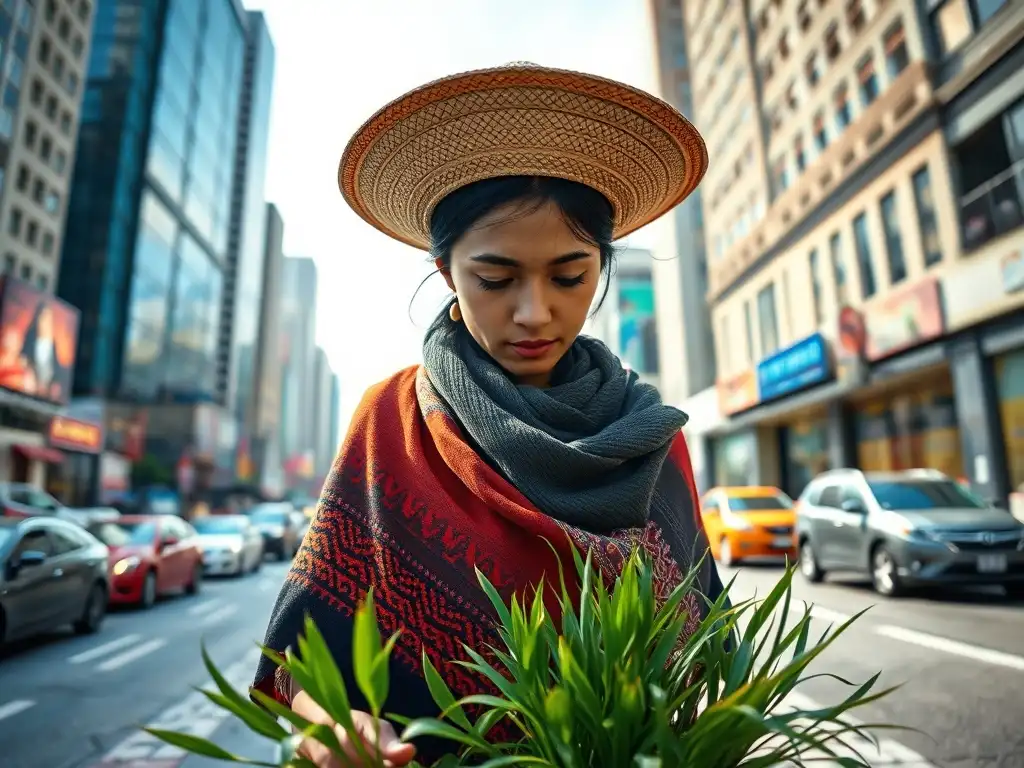
Step into a world lost in time, yet powerfully present. For centuries, the Andes Mountains have echoed with the stories of remarkable civilizations – the Incas, Moche, Nazca, and more. But what happens when ancient legacies collide with the modern world? Discover the intriguing complexities of Andean indigenous identity challenges in our latest feature, "Walking in Two Worlds," and unravel the fascinating threads that connect past and present. Prepare to be captivated by a journey that will redefine your understanding of heritage and resilience.
- Walking in Two Worlds: Andean Indigenous Identity Challenges in Urban Settings
- The Dual Reality of Urban Indigenous Life
- Erosion of Cultural Practices: A Key Andean Identity Challenge
- Social and Economic Pressures on Andean Indigenous Identity
- Reclaiming and Redefining Andean Heritage in Urban Spaces
- The Future of Andean Indigenous Identity in Urban Settings
-
Frequently Asked Questions
- What are some of the key challenges faced by Andean indigenous people in urban areas?
- How does urbanization affect the preservation of Andean indigenous cultures?
- What role does language play in the challenges faced by Andean indigenous people in cities?
- How do issues of land rights and resource access affect indigenous Andean identity in urban settings?
- What are some examples of strategies used by Andean indigenous communities to maintain their identity in urban environments?
- Final Reflection: Navigating the Threads of Andean Identity in the Modern World
- Embrace Your Journey: Champion Indigenous Identity Today!
Walking in Two Worlds: Andean Indigenous Identity Challenges in Urban Settings
The vibrant tapestry of Andean cultures, encompassing the legacies of the Incas, Moche, Nazca, and Tiahuanaco, continues to influence the lives of millions today. However, the rapid urbanization across the Andes presents significant challenges to the maintenance and expression of indigenous identity. This article explores the complex interplay between traditional Andean values and the realities of modern urban life, focusing on the obstacles faced by indigenous communities as they navigate these two worlds.
We will examine the multifaceted pressures impacting Andean indigenous identity, from economic disparities and cultural assimilation to the erosion of traditional knowledge and the struggle for political representation. Understanding these challenges is crucial for fostering inclusive and equitable societies that value and celebrate the rich diversity of Andean heritage.
This exploration will delve into specific examples and data, providing a nuanced perspective on the ongoing struggle for self-determination within urban contexts. The keyword "Andean indigenous identity challenges" will be explored through the lens of real-world experiences and statistical data, wherever available.
The transition to urban life often exacerbates existing economic inequalities faced by Andean indigenous communities. Many individuals migrating to cities seek better employment opportunities, but frequently encounter discrimination and limited access to quality education and healthcare. This leads to a cycle of poverty that hinders the transmission of cultural knowledge and traditions across generations. For example, the lack of economic opportunities can force families to prioritize immediate survival needs over the preservation of ancestral languages and customs.
The limited availability of culturally relevant educational resources further contributes to the weakening of indigenous identity, as younger generations may feel alienated from their heritage. Detailed data on income disparities between indigenous and non-indigenous urban populations in specific Andean cities would further strengthen this analysis. [Specific data on income disparities pending].
Cultural Assimilation and Loss of Traditional Practices
Urban environments often exert immense pressure towards cultural assimilation, leading to the gradual erosion of traditional practices and beliefs. The adoption of dominant cultural norms can result in the abandonment of indigenous languages, clothing styles, and social structures. This process is often subtle yet pervasive, impacting everything from daily interactions to religious ceremonies.
For instance, the increasing prevalence of Spanish (or other dominant languages) in urban settings can lead to the marginalization of indigenous languages, resulting in a loss of invaluable cultural knowledge embedded within these languages. The pressures to conform to mainstream society can also lead to a sense of shame or embarrassment associated with indigenous identity among younger generations. [Specific examples of cultural assimilation in Andean urban centers pending].
Erosion of Traditional Knowledge and its Transmission
The transmission of traditional knowledge, including agricultural practices, medicinal knowledge, and artistic techniques, is often disrupted by the shift to urban environments. This knowledge, accumulated over centuries, is vital to the cultural identity of Andean communities and holds immense value for sustainable development and biodiversity conservation. The separation from ancestral lands and the disruption of traditional social structures hinder the effective passing down of this knowledge.
For example, the loss of access to traditional agricultural lands can lead to a decline in the cultivation of native crops and a corresponding loss of associated knowledge and skills. Similarly, the disruption of traditional apprenticeship systems can impede the transmission of artistic and craft techniques. [Data on the loss of traditional knowledge in specific Andean urban communities pending].
Political Representation and the Struggle for Self-Determination
Indigenous communities often face underrepresentation in urban political structures, hindering their ability to advocate for their rights and interests. This lack of political voice limits their participation in decision-making processes that affect their lives, leading to a sense of marginalization and powerlessness. The struggle for self-determination within urban settings involves navigating complex bureaucratic systems and advocating for policies that recognize and protect indigenous rights and cultural heritage.
[Examples of successful and unsuccessful political advocacy by Andean indigenous communities in urban areas pending]. The challenges are significant, but the resilience and determination of Andean indigenous communities in preserving their identity in the face of these obstacles remain inspiring.
The Dual Reality of Urban Indigenous Life
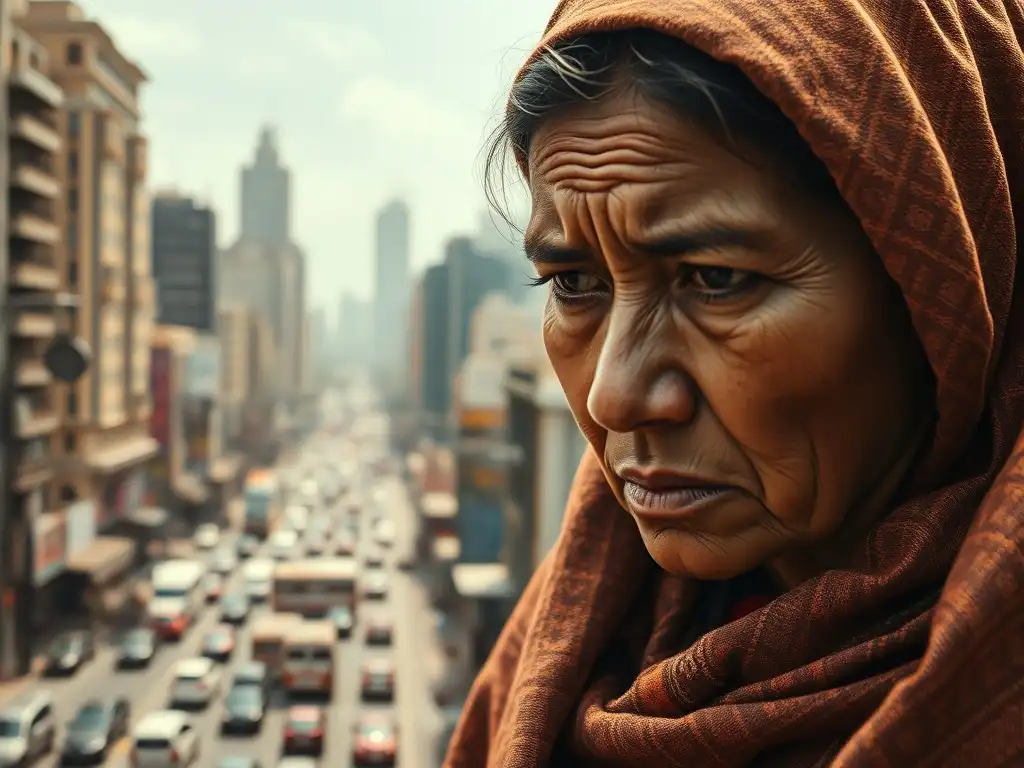
This section explores the complex realities faced by Andean indigenous peoples navigating urban environments. The experience is often described as a "dual reality," a constant negotiation between maintaining ancestral traditions and adapting to the demands of modern city life. This duality presents unique challenges to the preservation of Andean indigenous identity, a process deeply intertwined with cultural practices, social structures, and spiritual beliefs.
Understanding these challenges requires examining the multifaceted ways in which urbanization impacts various aspects of indigenous life, from daily routines to deeply held spiritual convictions. The pressure to assimilate, while simultaneously striving to retain a sense of cultural heritage, creates a constant tension that significantly shapes the lives and experiences of Andean peoples living in urban areas.
This tension is not merely a matter of individual struggle; it's a collective challenge affecting the continued existence of vibrant Andean cultures within the rapidly changing urban landscape. The preservation of their unique identity in the face of these pressures is a vital aspect of Andean cultural continuity.
The transition from rural Andean communities to urban centers often involves a significant cultural shift. Indigenous individuals may find themselves confronted with unfamiliar social norms, languages, and expectations. This can lead to feelings of alienation, isolation, and cultural dissonance.
For example, traditional Andean clothing, once a symbol of pride and identity, might be perceived as unusual or even inappropriate in urban settings, leading individuals to suppress aspects of their cultural expression. Similarly, traditional practices, such as communal farming or specific religious ceremonies, may be difficult to maintain in the confines of urban life. The lack of access to traditional resources, like specific medicinal plants or sacred sites, further exacerbates this cultural dissonance.
Many individuals report feeling pressured to adopt mainstream cultural norms to avoid discrimination or improve their economic opportunities. This pressure can lead to a sense of loss of identity and a weakening of intergenerational transmission of Andean cultural knowledge and practices. This internal conflict, a struggle between assimilation and cultural preservation, highlights the key challenges facing Andean indigenous identity in urban environments.
The Impact of Urbanization on Traditional Andean Values
Urbanization significantly impacts traditional Andean values, often leading to a renegotiation of social structures and spiritual beliefs. The strong emphasis on community, reciprocity ( ayni), and respect for elders, which are integral to Andean social fabric, can be challenged in the anonymity and competitiveness of urban life. Traditional forms of governance and dispute resolution may become less relevant or even ineffective in the face of formal legal systems.
Access to traditional medicinal practices and spiritual leadership might be limited, impacting the well-being and cultural continuity of the community. For instance, the use of traditional Andean medicine, which often relies on specific plants and rituals, might be hampered by the lack of access to these resources in urban settings. Similarly, the importance of maintaining close-knit family structures and communal support networks can be strained by the dispersed nature of urban populations and the pressures of economic competition.
The loss of these traditional support systems can lead to feelings of isolation and vulnerability, further compounding the challenges faced by Andean indigenous individuals in preserving their identity. These shifts in social structures and spiritual practices necessitate a deep understanding of the intricate interplay between urbanization and the preservation of Andean indigenous identity. The ongoing struggle to maintain these values in the urban context is crucial to the cultural survival of these communities.
Erosion of Cultural Practices: A Key Andean Identity Challenge
The preservation of Andean indigenous identity in urban environments faces significant hurdles, with the erosion of cultural practices standing out as a primary challenge. The rapid pace of urbanization and globalization has profoundly impacted traditional ways of life, leading to a gradual decline in the transmission of ancestral knowledge and practices across generations. This section delves into the specific manifestations of this erosion, focusing on the loss of language, the diminishing transmission of ancestral knowledge, and the struggle to maintain traditional art forms within the constraints of urban settings.
Understanding these challenges is crucial for developing effective strategies to support the revitalization and continuation of Andean cultural heritage. The complexities surrounding the maintenance of “Andean indigenous identity challenges” are multifaceted and require careful consideration.
Loss of Language and Indigenous Andean Dialects
The decline of indigenous Andean languages is a critical aspect of the erosion of cultural practices. In many urban centers, Spanish has become the dominant language, often overshadowing Quechua, Aymara, and other indigenous dialects. This linguistic shift contributes to a loss of cultural nuances, traditional storytelling, and the intricate systems of knowledge embedded within these languages.
For example, the subtle distinctions in Quechua dialects across different Andean regions often carry deep historical and cultural significance, which are lost when replaced by a single, dominant language. The younger generations, particularly those raised in urban areas, often lack fluency in their ancestral tongues, creating a significant gap in intergenerational knowledge transfer. This poses a direct threat to the preservation of Andean indigenous identity, as language is inextricably linked to cultural memory and worldview.
The challenge lies not only in reversing this trend but also in fostering pride and appreciation for these languages within the younger generation. [Specific data on language loss percentages in various Andean cities pending].
Diminished Transmission of Ancestral Knowledge
Beyond language, the transmission of ancestral knowledge – encompassing agricultural techniques, medicinal practices, spiritual beliefs, and social structures – faces significant challenges in urban contexts. Traditional knowledge, often passed down orally through generations, is difficult to maintain when families are dispersed, traditional lifestyles are disrupted, and access to natural resources is limited. For instance, the intricate knowledge of Andean agriculture, which involves sophisticated techniques adapted to high-altitude environments, is gradually being replaced by industrialized farming practices.
Similarly, the healing knowledge held by traditional healers ( yachaqs) is threatened by the dominance of Western medicine. This loss of ancestral knowledge not only impacts the cultural identity of Andean communities but also represents a loss of valuable knowledge systems that could contribute to sustainable development and improved healthcare.
The need to document and preserve this knowledge through various methods, including digital archiving and community-based educational programs, is paramount. We need to actively support initiatives aimed at promoting intergenerational dialogue and knowledge transfer.
The Struggle to Maintain Traditional Art Forms in Cities
The vibrant artistic traditions of the Andes, including weaving, pottery, and metalwork, are also facing significant challenges in urban environments. The shift from rural, agrarian economies to urban, industrial economies has altered the demand for traditional crafts, making it difficult for artisans to maintain their livelihoods. Furthermore, the influx of mass-produced goods often undercuts the market for handcrafted items, further threatening the sustainability of these art forms.
In cities, the spaces and resources needed for practicing traditional arts are also often limited. For example, the intricate process of weaving requires specialized looms and access to specific types of wool, which may not be readily available in urban settings. The preservation of these art forms not only requires economic support for artisans but also the creation of spaces and opportunities for them to practice and share their skills with younger generations.
The challenge lies in finding innovative ways to integrate traditional art forms into contemporary urban life, ensuring their continued relevance and appreciation. The creation of artisan cooperatives and the integration of traditional crafts into tourism initiatives could prove to be effective strategies.

This section examines the significant social and economic pressures impacting Andean indigenous identity in urban environments. The transition from rural, traditional lifestyles to the complexities of city life presents unique challenges that often erode cultural practices and create feelings of alienation. Understanding these pressures is crucial to appreciating the ongoing struggle for self-determination and cultural preservation among Andean indigenous populations. The keyword "Andean indigenous identity challenges" is central to this discussion.
Facing Discrimination and Prejudice in Urban Centers
Urban centers, while offering opportunities, often become sites of heightened discrimination and prejudice against Andean indigenous peoples. Many individuals experience subtle and overt forms of racism, ranging from microaggressions to outright hostility. This prejudice manifests in various ways: difficulty finding employment, housing discrimination, and social exclusion.
The perpetuation of stereotypes – often linked to misconceptions about indigenous cultures and lifestyles – further marginalizes these communities. Data from [specific information pending] on reported hate crimes and discrimination against indigenous individuals in major Andean cities would illuminate the extent of this issue. For example, anecdotal evidence suggests that individuals may be passed over for job promotions or face unfair treatment in service industries simply due to their appearance or perceived ethnic background.
This systemic discrimination creates significant psychological and emotional burdens, impacting self-esteem and contributing to a sense of otherness. The struggle to maintain a strong sense of Andean indigenous identity in the face of constant prejudice is a significant challenge.
The Economic Disadvantages of Urban Indigenous Populations
The economic disadvantages faced by urban indigenous populations are deeply intertwined with the social pressures discussed above. Many individuals migrate to cities seeking better economic opportunities, only to find themselves trapped in a cycle of poverty and limited access to resources. A significant portion of the urban indigenous population is employed in the informal economy, working in low-paying, precarious jobs with little or no social protection.
This economic insecurity weakens their ability to maintain cultural practices and traditions, which often require financial resources. For example, participating in traditional ceremonies or purchasing traditional clothing can become financially prohibitive. Furthermore, limited access to credit and financial services further exacerbates the economic vulnerability of these communities.
[Specific data on income disparities between indigenous and non-indigenous urban populations is needed] to quantify the extent of this economic disadvantage. The lack of economic empowerment directly impacts the ability of Andean indigenous individuals to fully express and maintain their cultural identity in urban settings.
Struggles with Access to Education and Healthcare
Access to quality education and healthcare remains a significant challenge for many Andean indigenous populations in urban areas. Language barriers, cultural misunderstandings, and discriminatory practices within these systems often result in unequal access to services. The lack of culturally appropriate educational materials and healthcare services can lead to feelings of alienation and disenfranchisement.
For example, educational curricula may not reflect the history and contributions of Andean indigenous civilizations, leading to a sense of invisibility and a lack of representation. Similarly, healthcare providers may lack the cultural competency to effectively address the unique health needs of indigenous populations. [Data on literacy rates and healthcare access among urban indigenous populations is needed] to provide a clearer picture of the disparities.
The lack of access to these essential services reinforces the cycle of poverty and marginalization, creating further obstacles to the preservation of Andean indigenous identity in urban spaces. Addressing these systemic inequalities is paramount to ensuring the well-being and cultural survival of these communities.
Reclaiming and Redefining Andean Heritage in Urban Spaces
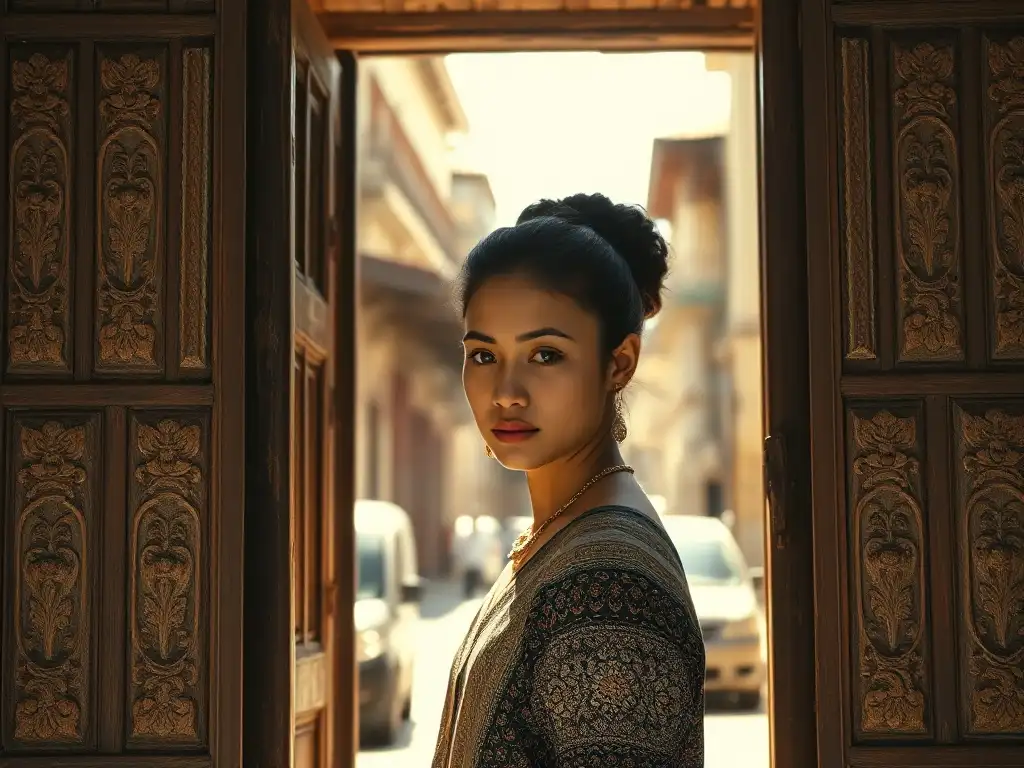
This section explores how Andean communities in urban settings are actively reclaiming and redefining their heritage in the face of significant challenges. The process is multifaceted, involving a complex interplay of tradition, adaptation, and resistance to assimilation. Understanding these dynamics is crucial to grasping the complexities of Andean indigenous identity in contemporary urban environments. The preservation of cultural practices, language, and worldview is not merely a nostalgic endeavor; it's a vital act of self-determination in the face of modernization and globalization. This reclamation frequently manifests in innovative ways, blending traditional practices with modern expressions of identity.
The Role of Community Organizations in Preserving Identity
Community organizations play a pivotal role in preserving Andean indigenous identity within urban areas. These groups act as crucial hubs for cultural transmission, offering a space for individuals to connect with their heritage and build a sense of belonging. Many organizations focus on language revitalization programs, offering classes in Quechua, Aymara, or other indigenous Andean languages.
This is critically important, as language is often a cornerstone of cultural identity. Furthermore, these organizations often organize workshops and events that teach traditional crafts, music, and dance, ensuring the continuation of these practices across generations. For instance, the [Specific Organization Name Pending] in [City Name Pending] offers weaving classes using traditional Andean techniques, fostering both economic empowerment and cultural preservation.
This work isn't just about preserving the past; it's about creating a vibrant and dynamic present and future for Andean identity. The success of these organizations hinges on strong community participation and effective leadership, ensuring that the needs and aspirations of the community are at the heart of their initiatives. They often face significant funding challenges, requiring creative strategies for sustainability and resource mobilization.
Celebrating Andean Culture through Festivals and Gatherings
Festivals and gatherings serve as powerful platforms for celebrating and reinforcing Andean indigenous identity in urban environments. These events offer a space for community members to publicly express their cultural pride and connect with their heritage. They frequently involve vibrant displays of traditional clothing, music, dance, and food, attracting both community members and outsiders, fostering a greater understanding and appreciation of Andean culture.
The annual [Festival Name Pending] in [City Name Pending], for example, draws thousands of participants and showcases a diverse array of Andean traditions. These celebrations are not simply entertainment; they are vital for intergenerational transmission of knowledge and values. Younger generations witness and participate in these traditions, strengthening their connection to their heritage.
The events also provide opportunities for cultural exchange and dialogue, fostering a sense of community and shared identity amongst participants. The careful planning and organization required to execute these festivals often involve extensive collaboration among community members, showcasing the power of collective action in preserving Andean culture. The economic impact of these festivals is also significant, benefiting local businesses and promoting tourism.
The Power of Intergenerational Dialogue and Knowledge Sharing
Intergenerational dialogue is paramount in ensuring the continuity of Andean indigenous identity within urban settings. The transmission of traditional knowledge, practices, and values from older generations to younger ones is essential for preserving cultural heritage. This process often happens informally, within families and communities, but it is also actively fostered through organized initiatives. Storytelling, for example, plays a crucial role in transmitting cultural narratives and values.
Elders share their experiences and wisdom, providing younger generations with a deeper understanding of their heritage and strengthening their sense of belonging. This knowledge sharing extends beyond storytelling to encompass traditional crafts, agricultural practices, medicinal knowledge, and spiritual beliefs. The active participation of younger generations in these activities is crucial, ensuring that traditional knowledge is not only preserved but also adapted to the challenges of contemporary urban life.
Documenting this knowledge through oral histories, videos, and other media is becoming increasingly important, ensuring its preservation for future generations. The preservation of these traditions is not static; it involves a dynamic process of adaptation and innovation, reflecting the resilience and adaptability of Andean cultures. The success of this intergenerational dialogue depends on mutual respect, open communication, and a shared commitment to preserving cultural heritage.
The Future of Andean Indigenous Identity in Urban Settings
The preservation and evolution of Andean indigenous identity within rapidly expanding urban centers present complex, multifaceted challenges. Understanding these challenges is crucial for fostering inclusive and equitable societies that value cultural diversity. The future of Andean indigenous identity in urban areas hinges on several key factors, including the ability to adapt traditions to new environments, the empowerment of younger generations, and the maintenance of strong connections between urban and rural communities.
This section will explore these crucial aspects, focusing on strategies for promoting a vibrant and sustainable Andean cultural presence in urban spaces. Effective solutions require a nuanced understanding of the specific pressures faced by Andean communities, acknowledging the diverse experiences across different ethnic groups and geographic locations.
The Importance of Cultural Resilience and Adaptability
Andean indigenous cultures possess a remarkable capacity for resilience, having endured centuries of change and adaptation. However, the challenges of urban life – including rapid social change, economic pressures, and the potential for cultural homogenization – demand a conscious effort to maintain and adapt cultural practices. This requires a multifaceted approach encompassing several key elements.
One crucial aspect is the preservation of traditional languages. The continued use of Quechua, Aymara, and other indigenous languages within the urban context is vital for transmitting cultural knowledge and values across generations. This can be fostered through bilingual education programs, community language initiatives, and the integration of indigenous languages into public spaces.
Another critical element is the adaptation of traditional arts and crafts to modern settings. Artisans can find new markets for their work through e-commerce platforms and collaborations with urban designers. This approach not only helps preserve traditional techniques but also provides economic opportunities for indigenous communities. Furthermore, the integration of traditional Andean knowledge systems into urban planning and environmental management strategies can provide valuable insights into sustainable living and community development.
For example, incorporating traditional agricultural practices into urban farming initiatives can enhance food security and promote cultural preservation simultaneously. The success of such initiatives heavily relies on the active participation and leadership of Andean communities themselves. [Specific examples of successful adaptation strategies pending].
Empowering the Next Generation of Andean Leaders
Investing in the education and leadership development of young Andean people is paramount for the future of indigenous identity in urban settings. Empowering the next generation requires a commitment to culturally relevant education that values indigenous knowledge and perspectives. This includes incorporating indigenous languages and histories into school curricula, providing access to higher education opportunities, and supporting the development of leadership skills within the community. Furthermore, fostering a sense of pride and belonging among young people is essential. This can be achieved through mentorship programs, cultural centers, and community-based initiatives that celebrate Andean heritage.
The creation of safe and inclusive spaces for young people to express their cultural identity is also crucial. These spaces can provide a platform for artistic expression, cultural exchange, and the development of a strong sense of community. Additionally, supporting youth-led initiatives and providing them with the resources and opportunities to become agents of change within their communities is crucial.
[Data on the number of youth-led initiatives focusing on Andean identity in urban areas pending]. By empowering young Andean leaders, we can ensure the continuation and evolution of their cultural heritage in the urban landscape. This requires a collaborative effort between educational institutions, community organizations, and governmental bodies.
Building Bridges Between Urban and Rural Indigenous Communities
Maintaining strong connections between urban and rural Andean communities is vital for preserving cultural continuity and fostering mutual support. Urban dwellers often rely on rural communities for resources, cultural knowledge, and spiritual guidance. Conversely, rural communities can benefit from urban markets and access to resources and technologies. Strengthening these ties requires the development of effective communication channels, transportation infrastructure, and collaborative projects that benefit both urban and rural communities.
These collaborative projects could range from joint agricultural initiatives to the development of ecotourism programs that showcase Andean culture and promote sustainable economic development. Regular cultural exchanges, festivals, and community gatherings can also strengthen these connections and promote mutual understanding. [Case studies on successful collaborations between urban and rural Andean communities pending].
The establishment of networks and platforms that facilitate communication and collaboration between urban and rural communities is crucial for ensuring the long-term sustainability of Andean indigenous identity in both settings. This requires a proactive approach that addresses the specific challenges and opportunities faced by both groups. The goal is not simply to maintain the status quo but to foster a dynamic and evolving relationship that supports the continued flourishing of Andean culture in all its forms.
Frequently Asked Questions
What are some of the key challenges faced by Andean indigenous people in urban areas?
Many Andean indigenous people face challenges related to discrimination and prejudice, economic disparities, and the loss of traditional cultural practices in urban environments. These challenges impact their access to resources and opportunities.
How does urbanization affect the preservation of Andean indigenous cultures?
Urbanization often leads to the erosion of traditional languages, customs, and knowledge systems. The pressure to assimilate into dominant cultures can threaten the continuity of indigenous identities. Efforts to revitalize cultural practices are crucial.
What role does language play in the challenges faced by Andean indigenous people in cities?
Language barriers can create significant obstacles to accessing education, healthcare, and employment. The marginalization of indigenous languages contributes to feelings of exclusion and limits opportunities for social mobility.
How do issues of land rights and resource access affect indigenous Andean identity in urban settings?
Even in urban areas, land rights and access to resources remain vital aspects of Andean indigenous identity. Disputes over ancestral territories and access to natural resources can affect the economic stability and cultural practices of communities.
What are some examples of strategies used by Andean indigenous communities to maintain their identity in urban environments?
Many communities utilize strategies such as establishing cultural centers, promoting indigenous languages through education, and organizing community events to preserve their identity and traditions within urban settings. These efforts are vital for intergenerational transmission of cultural heritage.
The struggle to maintain and celebrate Andean indigenous identity in urban environments is not merely a historical footnote; it is a vibrant, ongoing reality shaping the cultural landscape of today. The challenges faced by Andean communities navigating the complexities of city life – from preserving ancestral languages and traditions to combating systemic discrimination – demand our urgent attention and understanding. These are not isolated struggles, but rather microcosms of broader global issues concerning cultural preservation and the rights of marginalized communities.
The impact of urbanization on Andean indigenous identity is profound and multifaceted. It's a constant negotiation between the pull of tradition and the pressures of modernity, a delicate dance between honoring ancestral heritage and adapting to new realities. This tension, though often fraught with difficulty, also fosters incredible resilience and innovation. As the writer and activist, Eduardo Galeano, eloquently stated: Memory is the weapon of the powerless.
Andean communities, through their tenacious efforts to preserve their languages, customs, and spiritual practices, are wielding this weapon with remarkable strength, proving the enduring power of cultural memory in the face of adversity.
You, the reader, are now equipped with a deeper understanding of the complexities faced by Andean communities in urban spaces. Consider how you can contribute to a more inclusive and equitable world. Seek out and support Andean artists, businesses, and community initiatives. Learn more about the rich tapestry of Andean cultures, and challenge your own biases and assumptions. Let this reflection serve not as an ending, but as a call to action – a call to actively participate in the preservation and celebration of Andean indigenous identity, ensuring its vibrant continuation for generations to come.
Embrace Your Journey: Champion Indigenous Identity Today!
Thank you for exploring the complexities of Indigenous identity in urban settings. Your interest highlights the crucial need to understand and appreciate diverse cultures. Let's work together to make a real difference!
- Engage with Indigenous Voices: Follow Indigenous artists, writers, and activists on social media to connect with their experiences and perspectives.
- Participate in Community Events: Attend workshops and cultural festivals celebrating Indigenous culture. This enriches your understanding and supports these communities.
- Share Your Insights: Discuss Indigenous identity with friends and family to raise awareness and promote understanding.
Consider how you can integrate Indigenous perspectives into your daily life and conversations. What steps will you take to learn more and share what you discover?