
Sapa Inca's Divine Right: Power and Privilege in the Inca Empire


Uncover the mysteries of the Andes! Journey through millennia of breathtaking artistry, innovative engineering, and complex social structures. But what truly fueled the Inca Empire's rise to power? Delve into the captivating world of the Inca Sapa ruler, and discover the divine right that shaped an empire—a story of power, privilege, and enduring legacy that awaits you within. Explore the fascinating intricacies of Andean civilization and unlock the secrets of their reign.
- The Divine Mandate of the Sapa Inca: Unveiling Power and Privilege in the Inca Empire
- The Sapa Inca's Absolute Power and Privileges
- The Sapa Inca's Royal Lifestyle and Symbolism
- Maintaining the Sapa Inca's Power: Strategies and Challenges
- Legacy of the Sapa Inca's Rule
- Frequently Asked Questions
- Final Reflection: The Enduring Legacy of Inca Power
- Unlock the Secrets of Incan Power and Culture
The Divine Mandate of the Sapa Inca: Unveiling Power and Privilege in the Inca Empire
The Inca Empire, a marvel of pre-Columbian South America, was structured around a complex social hierarchy with the Sapa Inca at its zenith. This article delves into the intricate web of power and privilege surrounding the Sapa Inca, exploring the origins of his authority and the mechanisms that solidified his divine right to rule.
Understanding the Sapa Inca's power is crucial to grasping the very essence of Inca society, its organization, and its remarkable achievements. We will examine the Inca mythology that underpinned his authority, the rituals that reinforced his divine lineage, and the practical consequences of his absolute power on the lives of his subjects.
The keyword "Inca Sapa ruler power" will be explored through a detailed analysis of the Sapa Inca's role, highlighting the interplay between religious belief and political control in the vast Inca Empire. This exploration will reveal how the Inca cleverly intertwined religious beliefs with political power, ensuring the stability and longevity of their empire.
The Sapa Inca was not merely a king; he was considered a divine intermediary between the gods and the people. He held absolute power, controlling all aspects of Inca life, from religious ceremonies and military campaigns to agricultural production and infrastructure projects. His word was law, and his decisions were unquestioned.
His authority extended to every corner of the empire, influencing every facet of Inca society. The Sapa Inca's position was hereditary, typically passed down through the male line, although there were exceptions throughout history. This hereditary succession was not simply a matter of bloodline; it was presented as a continuation of the divine lineage, ensuring the uninterrupted flow of divine authority.
The Sapa Inca's power was absolute, but it was also carefully managed, maintained through a complex system of checks and balances, including a powerful bureaucracy and a loyal army. This intricate system ensured the stability and longevity of his reign and the empire itself. The Sapa Inca's daily life was meticulously structured, with elaborate ceremonies and rituals designed to reinforce his divine status.
The Sapa Inca's immense power stemmed from a carefully constructed narrative that intertwined political authority with religious belief. This divine right to rule was not simply a claim; it was a cornerstone of Inca ideology, deeply ingrained in the cultural fabric of the empire. This carefully cultivated image was essential for maintaining social order and ensuring the loyalty of the vast population under his rule. The intricate relationship between religion and politics was crucial to the success of the Inca empire.
Inca Mythology and the Sun God Inti
Inca mythology played a pivotal role in legitimizing the Sapa Inca's power. The most important deity was Inti, the Sun God, from whom the Inca believed the Sapa Inca was directly descended. This divine lineage was not just a symbolic connection; it was the bedrock of the Sapa Inca's authority. The Sun God Inti was seen as the source of life and prosperity, and the Sapa Inca, as his descendant, was considered responsible for maintaining this cosmic order.
Elaborate rituals and festivals were dedicated to Inti, further strengthening the link between the Sapa Inca and the divine realm. These ceremonies, often involving human sacrifice, served to reinforce the Sapa Inca's position as the supreme religious authority. The Inca cosmology provided a powerful justification for the Sapa Inca's absolute power, connecting his rule to the very fabric of the universe.
The Sapa Inca's Claim to Divine Lineage
The claim of divine lineage was not simply a matter of belief; it was actively reinforced through elaborate rituals, carefully crafted narratives, and meticulously controlled information. The Sapa Inca's ancestry was traced back to the Sun God Inti, creating a powerful symbol of legitimacy and authority. The Inca maintained detailed genealogical records, which were carefully preserved and passed down through generations.
These records served not only to trace the lineage but also to solidify the Sapa Inca's position as the rightful heir to the divine throne. The Inca state actively promoted this narrative through official histories, religious ceremonies, and artistic representations, ensuring that the population accepted the Sapa Inca's divine right to rule.
The carefully constructed image of the Sapa Inca as a divine ruler was crucial for maintaining social order and political stability within the vast and diverse Inca Empire. This carefully constructed and maintained image served as the foundation of the Inca Empire's power structure.
The Sapa Inca's Absolute Power and Privileges
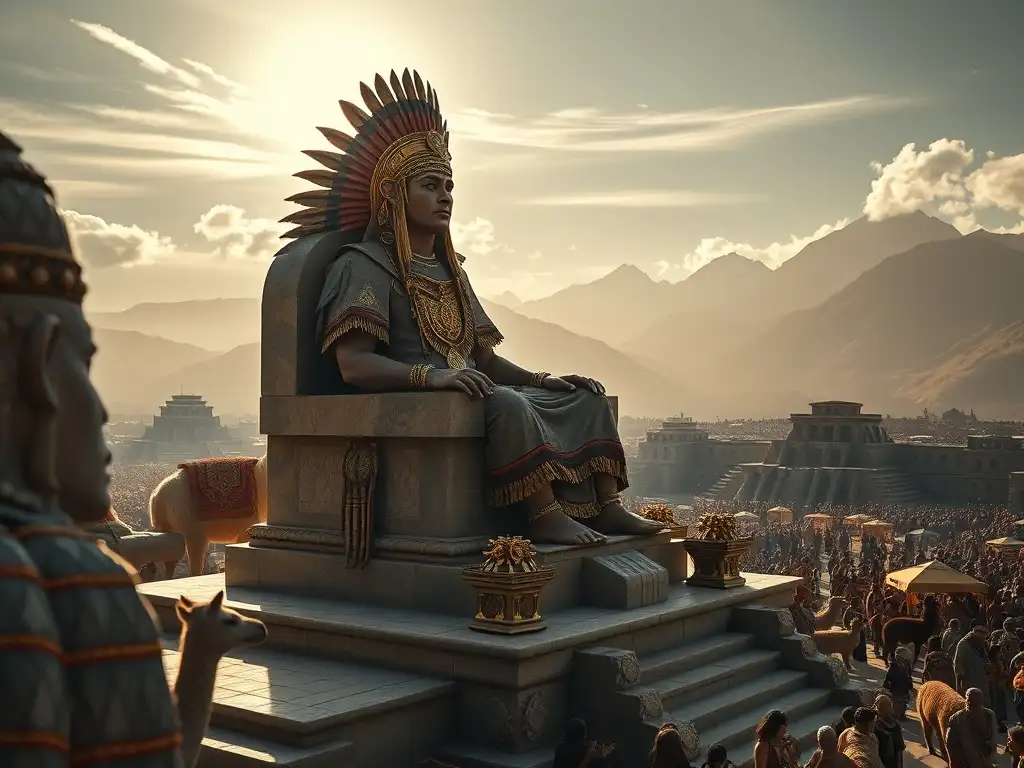
The Inca Sapa Inca, the emperor, held absolute power within the Tawantinsuyu Empire. His authority wasn't merely political; it was deeply intertwined with religious beliefs, solidifying his position as both a temporal and spiritual leader. This unique blend of power manifested in various aspects of Inca life, from governance and law to economic control and resource allocation.
Understanding the extent of the Sapa Inca's power is crucial to grasping the dynamics of Inca society and its remarkable achievements. The Inca Sapa ruler power was not simply a matter of military might; it was a carefully constructed system buttressed by ideology, ritual, and effective administration.
Control over the Tawantinsuyu Empire
The Sapa Inca's control over the vast Tawantinsuyu Empire was absolute. He appointed all high officials, including the apus (provincial governors) and kurakas (local chiefs). These officials were responsible for administering the empire's various regions and collecting taxes and tribute.
The Sapa Inca maintained a complex system of communication and surveillance, using a network of chasquis (runners) to relay messages and tambos (roadside inns) for lodging and provisions. This allowed him to quickly respond to any challenges or uprisings throughout the empire. His word was law, and disobedience was met with severe consequences.
The effective control the Sapa Inca exerted over the Tawantinsuyu, a territory spanning thousands of miles, is a testament to the sophisticated administrative capabilities of the Inca state. His power extended to all aspects of governance, ensuring the seamless functioning of this vast and diverse empire. This centralized control was a key factor in the Inca's success in maintaining order and stability across such a large and diverse territory.
Sapa Inca's Role in Law and Justice
The Sapa Inca served as the ultimate judge and lawgiver. While local authorities handled minor disputes, cases of major significance or those involving high-ranking officials were brought directly to the Sapa Inca for judgment. His decisions were final and unquestionable, reflecting the sacred nature of his authority.
Inca law emphasized social harmony and collective responsibility, with punishments often focusing on restitution and community service rather than solely on retribution. However, the Sapa Inca's power to mete out punishment, even death, was absolute, reinforcing his position at the apex of the social and political order. Detailed records of Inca laws and legal precedents are scarce, but accounts suggest a complex system designed to maintain order and social justice within the parameters of the Sapa Inca's absolute authority.
Economic Power and Resource Management
Ownership of Land and Resources
The Sapa Inca was the ultimate owner of all land and resources within the empire. All land belonged to the Inca state, and the Sapa Inca allocated land to various groups, including the nobility, the priesthood, and the commoners, according to a complex system of land tenure. This system ensured the distribution of resources and the support of the Inca state.
The Sapa Inca's control over land and resources provided the economic foundation for his power, allowing him to command labor, collect taxes, and maintain a vast standing army. This comprehensive control over resources fueled the Inca Empire's remarkable infrastructure projects, such as extensive road networks and sophisticated irrigation systems.
The Inca Taxation System and Tribute
The Inca taxation system was intricate and efficient. Taxes were primarily collected in the form of mita, a system of mandatory labor service. Commoners were obligated to work for a set period each year on state projects, such as building roads, temples, and irrigation canals.
They also paid tribute in the form of agricultural produce, textiles, and other goods. This tribute system ensured the Sapa Inca's access to a steady stream of resources, enabling him to maintain his lavish lifestyle and fund the administration and defense of the empire. The efficiency of the Inca taxation system was crucial in supporting the empire’s vast infrastructure and military power, further solidifying the Sapa Inca’s absolute authority.
The system's success lay in its ability to effectively mobilize resources across the vast empire, demonstrating the Inca's remarkable organizational and administrative skills. The distribution of resources was closely monitored, ensuring a balance between the needs of the state and the well-being of the population. This meticulous approach to resource management is a testament to the sophisticated administrative capabilities of the Inca state under the Sapa Inca's authority.
Religious Significance and Rituals
The Sapa Inca's power wasn't merely political; it was deeply intertwined with the Inca religion, solidifying his position as the supreme authority. The Inca worldview centered on a complex cosmology, with the Sapa Inca acting as the intermediary between the gods and the people. This religious dimension significantly enhanced his authority, making his commands not just laws, but divine pronouncements.
The elaborate rituals and ceremonies in which he participated weren't merely symbolic; they were essential to maintaining the cosmic order and ensuring the prosperity of the empire. Failure to perform these rituals properly was believed to invite misfortune and divine wrath, further emphasizing the Sapa Inca's crucial role. The intricate relationship between religious practices and political power ensured the Sapa Inca's absolute control, making rebellion unthinkable for many.
This divinely ordained authority permeated all aspects of Inca society, from agricultural practices to warfare, reinforcing the Sapa Inca's unparalleled status. Understanding this connection is key to grasping the true extent of the Sapa Inca's influence.
The Sapa Inca as a Living God
The Inca considered their Sapa Inca to be a direct descendant of Inti, the sun god, and thus, a living god himself. This wasn't a mere title; it was a deeply held belief that permeated every aspect of Inca society. The Sapa Inca wasn't simply a ruler; he was revered as a divine being, possessing supernatural powers and the ability to communicate with the gods.
This belief system bestowed upon him absolute authority, unquestionable obedience, and immense power. His words were considered divine pronouncements, his actions were interpreted as manifestations of the gods' will, and any act of defiance was seen as sacrilege. This elevated status granted the Sapa Inca unparalleled privileges and ensured that his commands were followed without question.
Images and representations of the Sapa Inca often depicted him with divine attributes, reinforcing his godlike status and solidifying his authority within the empire. The concept of the Sapa Inca as a living god was crucial in maintaining the social order and the stability of the Inca Empire.
Participation in Key Religious Ceremonies
The Sapa Inca's religious role wasn't passive; he actively participated in numerous key religious ceremonies, further solidifying his divine status and maintaining his authority. These ceremonies, often elaborate and spectacular affairs, involved complex rituals, sacrifices, and processions. The Sapa Inca's presence in these events was essential; he was the central figure, his actions dictating the course of the ceremony and its success.
His participation ensured the proper connection between the human and divine realms, guaranteeing the continued favor of the gods and the prosperity of the empire. For example, the Inti Raymi, the festival dedicated to the sun god, was a crucial event where the Sapa Inca played a central role, performing rituals to ensure a bountiful harvest and appease the gods.
His involvement in such crucial ceremonies cemented his power and reinforced his position as the intermediary between the divine and the human world. The meticulous nature of these ceremonies, and the Sapa Inca's pivotal role within them, underscores the profound connection between religion and political power in the Inca Empire.
The Sapa Inca and Ancestor Veneration
Ancestor veneration was a critical aspect of Inca religion, and the Sapa Inca played a key role in these practices. The Inca believed that their ancestors possessed immense power and could influence events in the living world. The Sapa Inca, as a descendant of the sun god and the supreme ruler, was responsible for maintaining proper communication with these powerful ancestors.
He participated in rituals and ceremonies designed to honor them, ensuring their continued favor and protection. The Sapa Inca's lineage was carefully documented and maintained, emphasizing his connection to these revered ancestors and further legitimizing his rule. Mummified remains of previous Sapa Incas were kept in specially constructed temples, and the Sapa Inca would consult with them for guidance and advice, demonstrating the importance of ancestral connection to his authority.
This practice reinforced the idea of a continuous divine lineage, strengthening his claim to power and solidifying his position as the legitimate ruler of the Inca Empire. The integration of ancestor veneration into the Sapa Inca's power structure highlights the deep-rooted religious beliefs that underpinned the Inca Empire's political organization.
The Sapa Inca's Royal Lifestyle and Symbolism
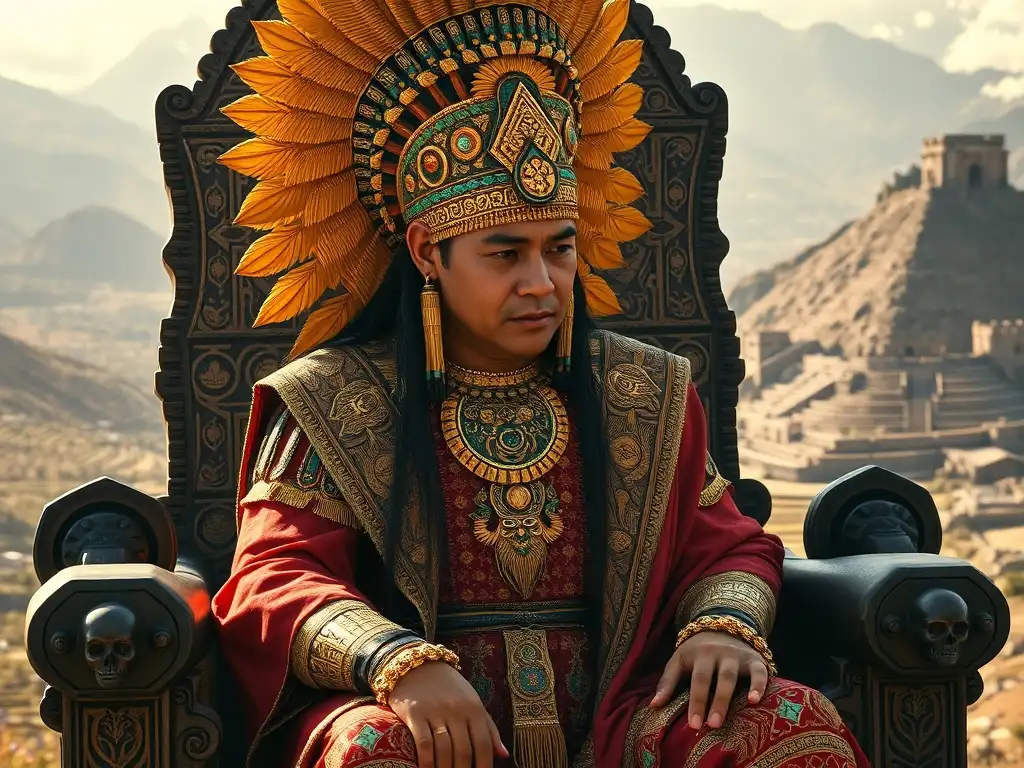
The Sapa Inca, the supreme ruler of the Inca Empire, enjoyed a lifestyle of unparalleled luxury and privilege, reflecting his divine status and absolute power. His life was meticulously orchestrated, every aspect designed to reinforce his position as the intermediary between the gods and the Inca people. This wasn't merely a matter of material wealth; it was a carefully constructed performance of power, meticulously designed to maintain control and inspire awe. Understanding the Sapa Inca's daily life reveals crucial insights into the dynamics of Inca imperial power.
The intricate details of his existence—from his opulent residences to the rituals he performed—all served to consolidate his authority and legitimize his rule. The very air he breathed was charged with the weight of his divine right to govern. This section will delve into the specifics of his daily life and the symbolism that surrounded it.
The Inca Emperor's Royal Court
The Sapa Inca's daily life revolved around his royal court, a complex network of individuals who served his every need and upheld the symbolic weight of his authority. The court wasn't just a collection of servants; it was a meticulously organized system reflecting the hierarchical structure of the Inca Empire itself. The individuals within the court, from high-ranking officials to personal attendants, played crucial roles in maintaining the emperor's image and ensuring the smooth functioning of the imperial administration.
The court's activities, from elaborate ceremonies to private audiences, were carefully choreographed to maintain the Sapa Inca's divine persona and reinforce his absolute authority. The meticulous organization of the court served as a microcosm of the empire itself, demonstrating the efficiency and control that characterized Inca governance. The sheer scale and complexity of the court itself served as a powerful visual representation of the Sapa Inca's overwhelming power.
The Sapa Inca's Personal Guard and Retinue
The Sapa Inca's personal safety was paramount, secured by a highly trained and elite personal guard. These warriors, often selected for their loyalty and prowess, formed a protective ring around the emperor at all times. Their presence was a constant visual reminder of the Sapa Inca's power and the empire's might. Beyond the guard, a large retinue of servants, artisans, and officials served the Sapa Inca's daily needs.
This retinue's size and diversity reflected the vast resources at the emperor's disposal and further highlighted his elevated status. The meticulous organization of this personal staff, with specific roles and responsibilities, mirrored the efficiency of the entire Inca administrative system. [Specific details on the composition and training of the guard pending].
The Role of Royal Advisors
The Sapa Inca, despite his absolute authority, relied on a council of advisors for guidance on matters of state. These advisors, usually drawn from the ranks of the nobility and priesthood, provided expert counsel on various issues, ranging from military strategy to religious ceremonies. Their role was crucial in ensuring the effective governance of the vast empire.
While the Sapa Inca made the final decisions, the input of these advisors helped him navigate complex political and economic challenges. The selection and influence of these advisors were critical factors in shaping the empire’s policies and maintaining the Sapa Inca’s power. [Further research needed on the selection process and specific influence of royal advisors].
Symbols of Inca Imperial Power
The Sapa Inca's power wasn't solely derived from his position; it was meticulously crafted and visually reinforced through a complex system of symbols and rituals. These symbols served not only to distinguish him from his subjects but also to legitimize his rule and inspire awe and reverence. The careful use of these symbols across all aspects of Inca life ensured that the Sapa Inca's authority was constantly present and undeniable. The symbolic power surrounding the Inca ruler is a key aspect of understanding the empire's structure and longevity.
The Mascaypacha and Royal Insignia
The mascaypacha, a richly adorned ceremonial cloth often depicted as a knotted fringe, was a powerful symbol of the Sapa Inca's authority. It represented the unity and interconnectedness of the empire, symbolizing his control over the land and its people. Other royal insignia, such as specific types of jewelry, headwear, and scepters, further reinforced his divine status and power.
These items weren't merely ornaments; they were potent symbols of his legitimacy and authority, carefully crafted and displayed to emphasize his position as the supreme ruler. The use of gold and other precious materials in these insignia highlighted the empire's wealth and the Sapa Inca's absolute command over its resources.
The Sapa Inca's Clothing and Adornments
The Sapa Inca's clothing was far from ordinary. He wore elaborate garments made from fine textiles, often adorned with gold, silver, and precious stones. These garments, along with specific headpieces and jewelry, visually distinguished him from the rest of the population, reinforcing his divine status. The intricate designs and materials used in his clothing held deep symbolic meaning, further enhancing the visual representation of his power.
The clothing wasn't merely for show; it was an integral part of the performance of imperial authority, carefully crafted to project an image of power, wealth, and divine connection. The specific styles and materials varied depending on the occasion, further emphasizing the ritualistic nature of his role. The Sapa Inca's attire served as a powerful visual reminder of his unique position within Inca society.
The Inca Royal Palaces and Residences
The Sapa Inca, the emperor of the Inca Empire, enjoyed a lifestyle of unparalleled luxury and privilege, reflected most prominently in his residences. These were not merely places of dwelling, but powerful symbols of his divine authority and the empire's might. The palaces were strategically located throughout the empire, often in key administrative centers or locations of spiritual significance.
Their construction was a massive undertaking, requiring the mobilization of vast resources and the expertise of countless skilled artisans. The sheer scale and grandeur of these structures served to reinforce the Sapa Inca's power and prestige in the eyes of his subjects. The use of meticulously cut stone, intricate designs, and the incorporation of sophisticated engineering techniques showcased the empire's advanced technological capabilities and further elevated the Sapa Inca's status.
Beyond their practical function as living spaces, the palaces acted as centers of political and religious power, hosting important ceremonies and receiving foreign dignitaries. Their opulence served as a constant reminder of the Sapa Inca's divine connection and his absolute rule.
Examples of Inca Royal Architecture
Several examples vividly illustrate the magnificence of Inca royal architecture. Sacsayhuamán, near Cusco, stands out as a breathtaking fortress-palace complex, its massive stone walls testament to the Inca's mastery of engineering. The precision with which the stones were cut and fitted, without the use of mortar, remains a marvel of ancient construction.
The sheer scale of the site, encompassing vast terraces and intricate structures, further emphasizes the Sapa Inca's power and control over resources and manpower. Similarly, the palaces at Ollantaytambo display a stunning blend of military architecture and royal residences, highlighting the intricate relationship between the Sapa Inca's power and the defense of the empire. The complex's intricate network of canals and water systems, meticulously integrated into the design, underscores the sophisticated engineering capabilities at the disposal of the Sapa Inca.
Finally, the ruins at Machu Picchu, though debated as a royal estate, showcase the elegance and sophistication of Inca design, with its stunning mountaintop location and breathtaking views. The carefully planned layout, incorporating residential areas, agricultural terraces, and religious sites, reflects the Sapa Inca's holistic approach to governance and his influence over all aspects of life within the empire. The carefully curated landscape itself served as a symbol of the Sapa Inca's power over nature.
The Sapa Inca's Private Quarters
Within these grand palaces, the Sapa Inca's private quarters were sanctuaries of power and seclusion. These areas were typically located in the most secluded and protected parts of the palaces, often featuring intricate designs and luxurious furnishings. Access was strictly controlled, reserved for only the most trusted members of the royal court.
The Sapa Inca's private chambers were likely decorated with fine textiles, precious metals, and other symbolic artifacts that underscored his divine status. While the exact layout and furnishings remain largely unknown due to the limited surviving evidence, archaeological findings suggest a level of comfort and luxury far exceeding that of the common citizen. The privacy afforded to the Sapa Inca within these quarters further reinforced the concept of his sacredness and his separation from the rest of society.
This separation was crucial in maintaining the aura of divine authority and ensuring the continued reverence of his subjects. The exclusive nature of these private spaces served as a potent symbol of the Sapa Inca's absolute power and his unique position within the Inca social structure. The level of comfort and the meticulous detail in these quarters served as a visual representation of the immense power and resources at the Sapa Inca's disposal, further solidifying his role as a divine ruler.
Maintaining the Sapa Inca's Power: Strategies and Challenges
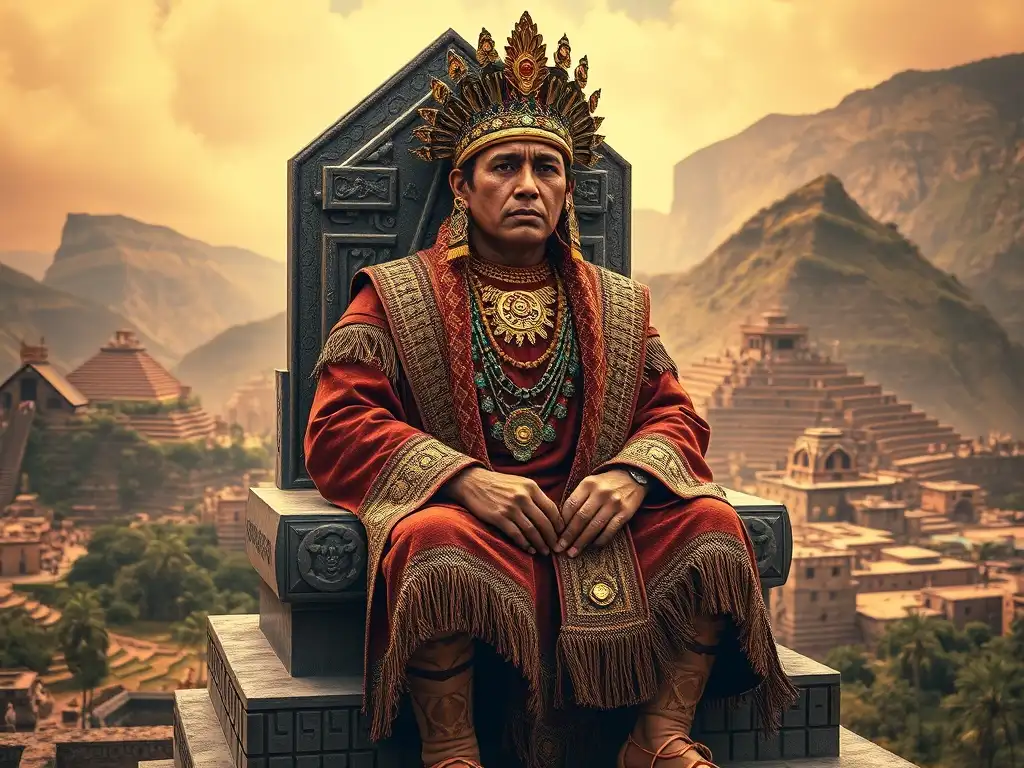
The Sapa Inca's absolute authority, considered divinely ordained, wasn't simply inherited; it was meticulously maintained through a complex interplay of military might, sophisticated administration, and carefully constructed religious ideology. The Inca Sapa ruler's power rested on a delicate balance, constantly challenged by internal dissent and external threats. Understanding these strategies and challenges provides crucial insight into the longevity and eventual downfall of the Inca Empire. The efficient and effective control over vast territories and diverse populations was a testament to the ingenuity of the Inca administrative system, supporting the Sapa Inca's absolute rule.
Inca Military Strength and Expansion
The Inca Empire's formidable military was a cornerstone of the Sapa Inca's power. A highly organized and disciplined fighting force, it not only defended existing territories but also fueled expansion, bringing new wealth and subjects under the Sapa Inca's control. This military strength, directly linked to the Sapa Inca as supreme commander, projected an image of invincibility, reinforcing his divine right to rule.
The Sapa Inca as Commander-in-Chief
The Sapa Inca wasn't merely a figurehead; he held the ultimate authority over the army. While experienced generals led campaigns, the Sapa Inca's approval was essential for all military decisions. His involvement, even symbolically, served to unify the troops and bolster morale. The successful campaigns directly enhanced the Sapa Inca's prestige and reinforced his image as a divinely appointed leader, capable of expanding the empire's borders and bringing prosperity to his people. This direct link between military success and the Sapa Inca's power was crucial in maintaining his authority.
Military Campaigns and Conquests
Inca military campaigns weren't simply about conquest; they were carefully orchestrated strategies for consolidating power. The incorporation of conquered territories into the empire involved establishing new administrative structures, relocating populations (mitigating rebellions), and integrating conquered elites into the Inca system. This process, while sometimes brutal, ultimately served to strengthen the Sapa Inca's rule by expanding his resources and extending his influence.
Notable campaigns, such as the conquest of the Chimú kingdom, significantly boosted the Sapa Inca's prestige and solidified his position as the supreme ruler. The systematic nature of these conquests, focusing on strategic locations and resources, demonstrates a sophisticated understanding of power projection and control.
Inca Administration and Governance
Beyond military might, the Sapa Inca's power relied heavily on a sophisticated administrative system. This intricate bureaucracy, extending across the vast empire, ensured the smooth flow of resources, the efficient collection of tribute, and the suppression of dissent. This intricate system, effectively run by loyal officials, allowed the Sapa Inca to maintain centralized control, even over distant provinces.
The Role of the Inca Bureaucracy
The Inca bureaucracy was a hierarchical system, with officials appointed by the Sapa Inca and responsible for specific tasks, from tax collection to infrastructure development. This system ensured accountability and prevented the accumulation of independent power bases. Regular inspections and rotations of officials further minimized the risk of rebellion or corruption. The efficiency of this system facilitated the Sapa Inca's ability to govern effectively, providing resources and ensuring loyalty across vast distances. This centralized control, a hallmark of Inca governance, was instrumental in maintaining the Sapa Inca's dominance.
Maintaining Control Over Diverse Populations
The Inca Empire encompassed a diverse range of ethnic groups, each with its own customs and traditions. The Sapa Inca's ability to maintain control over such a heterogeneous population was a testament to the effectiveness of Inca administrative strategies. These strategies included:
- Relocation of populations: Moving people from conquered territories to different regions helped to prevent rebellions and dilute the power of any single ethnic group.
- Integration of local elites: Incorporating local leaders into the Inca administrative structure fostered loyalty and cooperation.
- Religious Syncretism: The Inca cleverly integrated local deities into their own pantheon, mitigating religious resistance and fostering a sense of shared identity.
- Extensive road network: The famous Inca road system facilitated communication and the rapid movement of troops, enabling swift responses to any potential uprisings.
The success of these strategies highlights the Sapa Inca's sophisticated understanding of governance and his ability to adapt to the diverse needs of his subjects while maintaining absolute control. The meticulous balance of power and the efficient administration, directly tied to the Sapa Inca, contributed significantly to the empire's stability and longevity. The Inca Sapa ruler's power, therefore, wasn't simply a matter of divine right; it was a carefully cultivated reality, maintained through a combination of force, administration, and shrewd political maneuvering.
The seemingly absolute power of the Sapa Inca was, in reality, constantly subject to challenges. Maintaining control over a vast and diverse empire, stretching across varied terrains and encompassing numerous conquered peoples, presented significant difficulties. These challenges weren't solely external; internal power struggles and succession crises posed equally significant threats to the stability of the Inca state.
The intricate web of kinship ties, regional loyalties, and competing claims to power frequently created tensions that could easily erupt into open conflict. The system, while designed to ensure a smooth transfer of power, was not immune to manipulation and ambition. Indeed, the very mechanisms meant to solidify the Sapa Inca's authority – the intricate system of tribute, the deployment of loyal officials, and the control of religious practices – could be exploited by those seeking to undermine or overthrow the reigning emperor.
The constant need to manage these internal and external pressures significantly shaped the strategies employed by the Sapa Inca to maintain his authority. The weight of expectation and the ever-present threat of rebellion demanded constant vigilance and skillful political maneuvering. This constant tension between absolute power and the realities of governing a massive, diverse empire is a crucial aspect of understanding the Inca's rule.
Potential Conflicts and Succession Disputes
The Inca succession system, while seemingly straightforward – the heir apparent being chosen from among the Sapa Inca's sons – was often fraught with complexities. The absence of clear, codified rules led to ambiguity and potential for conflict. Favoritism, strategic alliances within the royal family, and the influence of powerful nobles could all sway the selection process. This ambiguity created fertile ground for rivalry and dissent, even before the death of the reigning Sapa Inca.
Brothers might vie for the throne, backed by their respective factions, leading to protracted power struggles that could destabilize the entire empire. These disputes weren't confined to the royal family; ambitious nobles and regional governors could also exploit the uncertainties surrounding succession, attempting to install their own preferred candidate or even seize power for themselves. Historical accounts, while sparse, hint at numerous instances of such rivalries and their destabilizing effects.
The potential for civil war, with its devastating consequences for the empire, was a constant threat. The careful management of these internal tensions was therefore a critical aspect of maintaining the Sapa Inca’s power, requiring diplomacy, strategic alliances, and, when necessary, forceful suppression of rebellion. The system, while designed to ensure continuity, often proved vulnerable to the ambitions of those vying for control.
The Vulnerability of the Inca Empire
Despite its apparent strength and impressive organization, the Inca Empire was inherently vulnerable. Its vast size and the diversity of its population created inherent challenges in governance. Maintaining control over distant provinces required extensive administrative networks and a loyal army, but even then, rebellions and uprisings were frequent occurrences. The empire's reliance on a centralized system of power meant that disruptions at the center could quickly cascade outwards, causing widespread instability.
The death of a Sapa Inca, particularly if followed by a disputed succession, could trigger widespread unrest and potentially lead to the fracturing of the empire. Furthermore, the empire’s economic system, based on a complex network of tribute and redistribution, was susceptible to disruption. Failures in harvests, natural disasters, or economic downturns could easily undermine the Sapa Inca’s authority, leading to widespread discontent and potential rebellion.
The Inca's relatively limited technological capabilities in warfare, compared to later European powers, also contributed to their vulnerability. Their sophisticated administrative system and military organization were effective in maintaining control, but they were not impervious to challenges from external forces or internal instability. The inherent fragility of the system, despite its outward show of power, highlights the precarious nature of the Sapa Inca’s authority.
Legacy of the Sapa Inca's Rule
Impact on Inca Society and Culture
The Sapa Inca's divine right to rule profoundly shaped Inca society and culture, leaving an indelible mark on its social fabric, religious practices, and artistic expressions. The emperor's authority, considered divinely ordained, permeated every aspect of life, from agricultural practices to elaborate religious ceremonies. This absolute power ensured centralized control and facilitated the empire's vast infrastructure projects, like the sophisticated road system and impressive agricultural terraces. The Inca Sapa ruler's power wasn't merely political; it was deeply intertwined with the spiritual realm, reinforcing his position as the intermediary between the gods and the people.
This influence is evident in the meticulous organization of Inca society. The mita system, a form of mandatory labor, was directly overseen by the Sapa Inca's administration, contributing to the construction of monumental structures and the efficient distribution of resources. Artistic expressions, including textiles, pottery, and monumental architecture, often depicted the Sapa Inca and his lineage, highlighting their divine status and reinforcing their authority.
The standardization of language (Quechua) and religious practices across the vast empire also served to unify the diverse populations under the Sapa Inca's rule, a testament to the power of centralized authority. The Inca Sapa ruler’s power was not only maintained through force, but also through a carefully constructed system of beliefs and practices.
The Lasting Influence of the Sapa Inca
The legacy of the Sapa Inca's absolute power continues to resonate in modern-day Andean cultures. Many traditional practices and beliefs, though adapted over time, still reflect the hierarchical structure and centralized authority that characterized the Inca Empire. The concept of a supreme leader, even in contemporary Andean communities, often carries echoes of the Sapa Inca's divine status.
Furthermore, the Inca's impressive architectural achievements and sophisticated engineering solutions, directly attributed to the Sapa Inca's powerful centralized control over resources and labor, remain iconic symbols of Andean heritage. The enduring impact of the Inca Sapa ruler's power on the landscape and the cultural memory of the region is undeniable. Studies of contemporary Andean communities reveal subtle yet significant traces of the Inca social structure, highlighting the long-lasting influence of the Sapa Inca's reign.
The Enduring Image of Inca Rulership
The image of the Sapa Inca as a powerful, divinely appointed ruler has persisted through centuries. From the grandeur of Machu Picchu to the intricate details of Inca textiles, the visual representation of the Sapa Inca consistently reinforced his authority and legitimacy. This carefully cultivated image, meticulously crafted through state-sponsored propaganda and religious rituals, effectively controlled the narrative surrounding the Inca Empire.
The symbolic power of the Sapa Inca's imagery, whether in the form of monumental architecture or finely woven textiles, served to unify the diverse populations under his rule and solidify his position as the ultimate authority. The enduring impact of Inca Sapa ruler's power is visible even in modern interpretations of their history.
The Sapa Inca in Historical Accounts
Colonial Chronicles and Interpretations
Colonial chronicles, written primarily by Spanish conquistadors and later missionaries, offer valuable – albeit often biased – insights into the Inca Sapa ruler's power. These accounts, while often colored by the Spanish perspective and their desire to legitimize their conquest, provide glimpses into the Inca political system and the emperor's role within it. Many chronicles describe the Sapa Inca's absolute authority, his control over resources, and the extensive network of officials that facilitated his rule.
However, it's crucial to critically examine these accounts, considering the potential for exaggeration and the inherent biases of the writers. For example, the Spanish often emphasized the Sapa Inca's despotism to justify their own actions. A careful analysis, comparing multiple accounts and considering other sources, is necessary to gain a more nuanced understanding of the Inca Sapa ruler's power.
Modern Understanding of Inca Power
Modern scholarship, drawing upon archaeological evidence, ethnohistorical research, and a critical analysis of colonial accounts, offers a more complex and nuanced understanding of the Sapa Inca's power. Recent research emphasizes the intricate interplay between the Sapa Inca's authority, the role of the nobility, and the influence of local leaders. While the Sapa Inca undoubtedly held ultimate power, the exercise of that power was often mediated through a complex network of relationships and obligations.
Modern interpretations acknowledge the limitations of the Sapa Inca's power, highlighting the importance of regional variations and the potential for resistance to centralized authority. The modern understanding of Inca Sapa ruler power is far more sophisticated than colonial interpretations, incorporating a wider range of evidence and perspectives. This allows for a more accurate, and less biased, picture of the Inca Empire's governance.
The Sapa Inca and Contemporary Studies
Contemporary studies of the Inca Sapa Inca's power often grapple with the limitations of the historical record. Much of our understanding is filtered through Spanish colonial accounts, which, while providing valuable insights, were often written with biases and agendas that shaped their interpretation of Inca society. Scholars are increasingly employing interdisciplinary approaches, combining archaeological findings with ethnohistorical research and linguistic analysis to reconstruct a more nuanced picture of the Sapa Inca's authority.
This involves careful scrutiny of surviving Inca textiles, ceramics, and architecture, seeking to decipher symbols and iconography that might reveal aspects of royal power and ideology not explicitly documented in written sources. For example, the intricate designs found on royal garments or the monumental scale of Inca constructions like Machu Picchu speak volumes about the Sapa Inca's ability to mobilize resources and command the labor of his vast empire.
The interpretation of Inca sources is also subject to ongoing debate. The limited number of surviving Inca texts, primarily knotted strings called quipus, presents significant challenges for researchers. While progress has been made in understanding the quipus, their precise meaning and the extent to which they reflect the Sapa Inca's control over information remain areas of active investigation.
The development of new techniques in digital humanities, such as the use of sophisticated imaging software to analyze textile patterns or the application of computational methods to decipher quipus, is gradually shedding new light on the complexities of Inca rule. These advancements offer the potential to move beyond simplistic narratives of absolute power and to explore the more subtle and dynamic ways in which the Sapa Inca maintained his authority.
The ongoing research emphasizes the evolving nature of our understanding of the Sapa Inca's power, highlighting the need for continuous critical reassessment and the incorporation of new evidence and analytical perspectives. This dynamic research landscape ensures that our comprehension of Inca "Sapa ruler power" continues to deepen and refine over time.
Frequently Asked Questions
What was the Sapa Inca's source of power?
The Sapa Inca's power stemmed from a belief in his divine right to rule. He was considered a descendant of the sun god Inti, giving him absolute authority over the Inca Empire. This divine status legitimized his control.
How did the Inca Sapa Inca maintain control over such a vast empire?
The Sapa Inca maintained control through a highly organized bureaucracy, a strong military, and a sophisticated road system. He also implemented effective strategies for resource management and population control.
What privileges did the Sapa Inca enjoy?
The Sapa Inca enjoyed immense privileges, including exclusive access to resources, luxurious living, and unquestioned obedience. He controlled all aspects of the empire, from religious ceremonies to economic policy.
Did the Inca Sapa Inca have any limitations to his power?
While possessing immense power, the Sapa Inca wasn't entirely unlimited. He was bound by traditional customs and the need to maintain social harmony. Challenges to his authority could arise from powerful nobles or widespread discontent.
How did the Sapa Inca's power influence Inca society?
The Sapa Inca's absolute power shaped every aspect of Inca society. His decisions dictated religious practices, economic policies, and even daily life. His image and authority permeated all levels of the empire.
Final Reflection: The Enduring Legacy of Inca Power
The divine right of the Sapa Inca resonates far beyond the crumbling stones of Machu Picchu; its echoes reverberate in modern discussions of power, authority, and the complex relationship between rulers and their subjects. The Inca Empire's sophisticated system of control, built upon a foundation of religious legitimacy and meticulously organized bureaucracy, offers a compelling case study for understanding how power structures are constructed and maintained, even in the face of immense societal challenges. The implications of this system continue to shape our understanding of ancient civilizations and the enduring nature of political power.
The Inca's masterful blend of religious authority and practical governance remains a fascinating and, at times, unsettling study. Their ability to unify such a vast and diverse empire, while simultaneously maintaining a highly stratified social hierarchy, speaks volumes about the effectiveness of their methods. The Inca state was not merely a political entity, but a cosmic order, reflecting the divine hierarchy of the Andes.
This quote highlights the deeply ingrained nature of the Sapa Inca's power, a power that extended beyond mere earthly dominion and into the spiritual realm, influencing every aspect of Inca life.
Consider the ways in which power dynamics still shape our own world. How do we, as individuals and as societies, grapple with questions of authority, legitimacy, and the equitable distribution of resources? Reflect on the Inca example; what lessons can we glean from their successes and failures?
What can the story of the Sapa Inca teach us about the responsibilities that come with power, and the importance of striving for a more just and equitable society? Let the legacy of the Inca Empire inspire you to critically examine the power structures that surround you and to actively participate in shaping a better future.
Unlock the Secrets of Incan Power and Culture
Thank you for exploring the fascinating world of the Inca Empire and the Sapa Inca's profound influence. You've gained valuable insights into how power and privilege shaped this remarkably advanced civilization. Now, let's put that knowledge to use!
Here are some ways you can continue your exploration and engage with this rich history:
- Delve Deeper: Read our in-depth articles on Inca social structures and religious practices to further your understanding of their civilization. These articles provide a comprehensive look at their complex society.
- Join the Conversation: Share this article with friends, family, or in online communities interested in ancient cultures. Discuss what aspects of Inca society you find most compelling.
- Experience the Culture: Consider visiting Inca historical sites. If travel isn't feasible, explore virtual tours and documentaries that showcase the majesty of Machu Picchu and other significant locations. Immerse yourself in the breathtaking architecture and intricate history.
What aspect of Inca power most captivates you, and how do you believe it continues to influence modern societies?