
Huari Expansion: Mapping the Reach of Their Influence

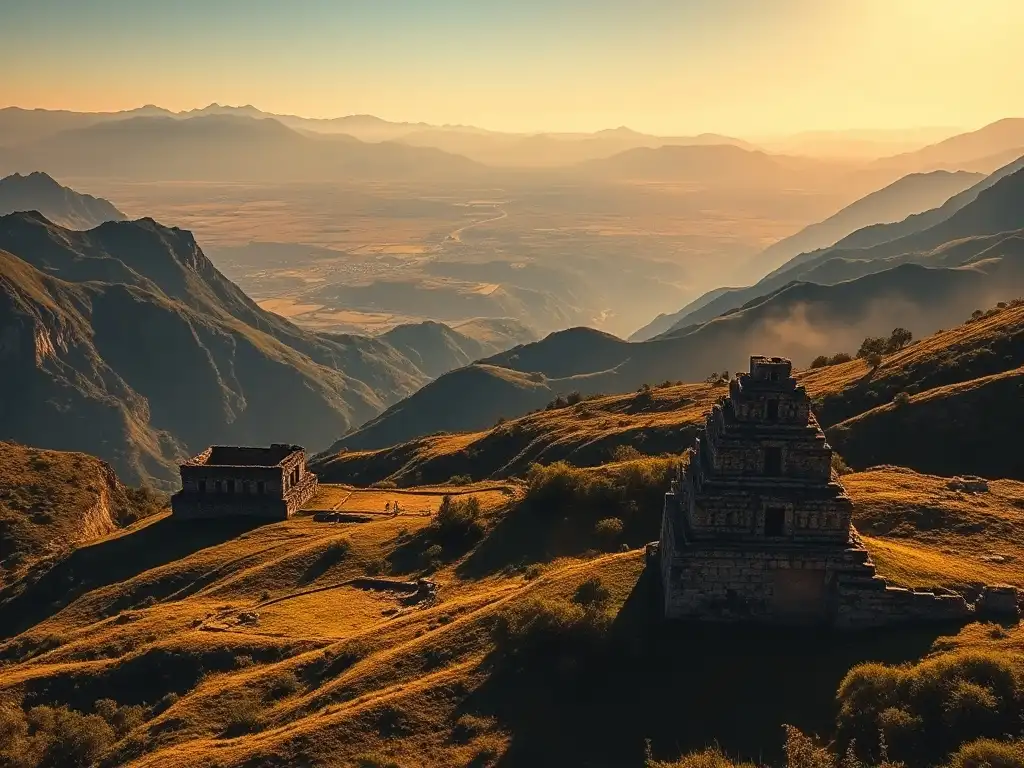
Step into a world lost to time, where towering mountain ranges cradled empires of breathtaking ingenuity. Discover the secrets of the Andes, a land that birthed civilizations as remarkable as the landscapes they inhabited. We delve into the fascinating tapestry of Andean history, art, and technology, exploring cultures like the Incas, Moche, and Nazca. But today, we unravel a particularly intriguing mystery: the Huari Empire's expansion extent. Prepare to be amazed as we map the astonishing reach of their influence – a journey that will challenge your understanding of Andean power and ambition.
The Huari Empire, a powerful pre-Columbian civilization that flourished in the Andes Mountains between approximately 600 and 1200 CE, remains a captivating subject for historical research. Its influence extended far beyond its core territory, leaving an indelible mark on the cultural landscape of the central Andes.
This article delves into the extent of Huari expansion, exploring its geographical reach and the mechanisms that facilitated such a widespread influence. Understanding the Huari Empire's expansion is crucial to comprehending the complex tapestry of Andean history, providing insights into the political, economic, and social dynamics of the region prior to the Inca Empire.
We will examine the geographical scope of Huari dominance, analyzing archaeological evidence and considering different interpretations of the available data to map the true extent of their power and influence, addressing the keyword "Huari Empire expansion extent" directly and comprehensively. The exploration will not only pinpoint the boundaries of the empire but also analyze the varied forms of control and interaction between Huari and neighboring societies.
Understanding the Huari Empire's Geographical Scope
The Huari Empire's geographical extent is a subject of ongoing debate among archaeologists. While the precise boundaries remain somewhat elusive due to the challenges inherent in interpreting archaeological data across vast and diverse terrains, a general consensus points towards a significant reach. The core of the Huari heartland centered around the Ayacucho region in modern-day Peru.
From this central hub, Huari influence radiated outwards, encompassing a considerable portion of the central Andes. Evidence suggests that Huari control extended northwards towards the coast, reaching areas such as the north-central coast. To the south, their influence reached into areas of modern-day Bolivia.
The eastern limits are less clearly defined, but evidence suggests a presence in the highlands and potentially reaching into the Amazonian foothills. However, the nature of Huari control varied across these regions. While some areas experienced direct political administration, others likely experienced more indirect forms of influence, such as trade relationships or cultural exchange.
The presence of Huari administrative centers, distinctive architectural styles, and the widespread distribution of Huari-style pottery provide crucial evidence for mapping the empire's reach. Archaeological excavations have uncovered numerous settlements exhibiting clear Huari influence, indicating a far-reaching network of control and communication. However, it's crucial to distinguish between direct political control and the more subtle forms of cultural influence that spread beyond the empire's core.
Further research and analysis of archaeological data are essential to refine our understanding of the Huari Empire’s true boundaries and the nuanced nature of its control over different regions. The complexity of the situation is highlighted by the fact that some regions may have experienced periods of both cooperation and conflict with the Huari.
The Origins of Huari Power and Expansion
The rise of the Huari Empire from its origins in the Ayacucho region is a fascinating story of political consolidation and military expansion. While the exact mechanisms of their expansion remain debated, several factors likely contributed to their success. A strong centralized government, a sophisticated military organization, and a well-developed infrastructure played crucial roles in their ability to conquer and control vast territories.
The Huari likely employed a combination of military conquest and diplomatic alliances to expand their influence. This strategy allowed them to bring a diverse range of Andean communities under their control, integrating them into a larger political and economic system.
The development of a sophisticated administrative system was essential for managing the vast empire. Evidence suggests that Huari implemented a system of regional administrative centers strategically placed throughout the conquered territories. These centers likely served as points of control, facilitating the collection of tribute and the enforcement of Huari rule.
The construction of elaborate infrastructure, including roads and irrigation systems, further consolidated Huari power, facilitating communication, trade, and the movement of troops across the empire. However, the nature of Huari control varied, with some regions experiencing a higher degree of direct administration than others.
This complex interplay of military might, political strategies, and administrative efficiency contributed to the remarkable expansion of the Huari Empire, leaving a lasting legacy on the Andean world. Further research is needed to fully understand the intricacies of their political and economic strategies, potentially revealing further details about the specific methods they employed to achieve such a wide-ranging influence.
Key Factors Driving Huari Territorial Expansion
The Huari Empire's remarkable expansion across the Andes wasn't a matter of chance. Several interconnected factors contributed to their success in establishing and maintaining control over such a vast and diverse territory. Understanding these factors is crucial to grasping the full extent of the Huari Empire's influence and its lasting impact on Andean civilizations.
The intricate interplay between military might, shrewd political strategies, and efficient economic management allowed the Huari to consolidate power and project their authority across a geographically challenging landscape. This comprehensive approach to expansion cemented their dominance and left an enduring legacy on the region's subsequent development. The Huari weren't simply conquerors; they were adept administrators and strategists who understood the importance of integrating conquered populations into their system.
Military Strength and Conquest
The Huari possessed a formidable military machine. Archaeological evidence suggests a well-organized army equipped with advanced weaponry for the time, including sophisticated projectile weapons and effective defensive tactics. The construction of strategically located military outposts and fortified settlements further demonstrates their commitment to projecting military power and maintaining control over distant territories.
While the specifics of their military campaigns remain a subject of ongoing research, the scale of their expansion strongly suggests a highly effective military apparatus capable of conquering and subduing diverse populations across various terrains. The widespread distribution of Huari-style architecture and artifacts across a vast geographical area stands as a testament to their military prowess and effective conquest strategies. Further research into military organization and specific battle tactics would shed more light on the mechanics of their expansion.
Political and Administrative Strategies
Military might alone could not have sustained the Huari Empire. Their success was also predicated on sophisticated political and administrative strategies. The Huari implemented a system of centralized control, establishing administrative centers in conquered regions. This involved the placement of Huari officials and the integration of local elites into the imperial system, a strategy that effectively minimized resistance and facilitated the smooth flow of resources and information.
Evidence suggests a hierarchical administrative structure, with power radiating outwards from the core regions. The implementation of standardized architectural styles and iconography across the empire served not only as a visual marker of Huari authority but also as a means of reinforcing cultural and political unity. The degree of administrative control varied across different regions, adapting to local conditions and power structures.
Economic Control and Resource Management
The Huari Empire’s expansion was inextricably linked to its economic strategies. Control over key resources, such as agricultural lands, mineral deposits, and trade routes, was essential for sustaining the empire's growth and power. The Huari implemented efficient systems for managing and distributing these resources, ensuring a steady flow of goods and services to support their expanding population and military. Their mastery of irrigation techniques allowed them to cultivate vast tracts of land, increasing agricultural productivity.
Control of key trade routes facilitated the exchange of goods and the movement of people within the empire. The economic strategies employed by the Huari were crucial in supporting their military campaigns and ensuring the stability of their vast empire. Further research is needed to fully understand the intricacies of their economic system and its role in their expansion.
Defining the Core Huari Territory
Identifying the geographic heartland of the Huari Empire is essential to understanding the dynamics of its expansion. While the empire's reach extended far beyond its core, the Ayacucho region undeniably served as the central hub from which the Huari exerted their power and influence.
The Ayacucho Region: The Heart of the Empire
The Ayacucho region, located in the south-central Andes of Peru, is widely considered the cradle of the Huari civilization. This fertile valley provided a rich agricultural base, abundant resources, and strategic geographic location, facilitating the empire's initial development and subsequent expansion. Evidence suggests that the region's dense population and advanced agricultural practices contributed significantly to the empire's economic strength.
The presence of numerous monumental sites and administrative centers in Ayacucho highlights its importance as the political and religious center of the Huari state. The sophisticated water management systems in the region demonstrate the Huari's advanced engineering skills and their ability to control and manage resources effectively. This mastery over their environment laid the foundation for their later territorial expansion.
Expansion into the Mantaro Valley
From their base in Ayacucho, the Huari expanded their influence northwards into the fertile Mantaro Valley. This region, known for its rich agricultural potential, offered valuable resources and strategic access to other important areas. The Huari likely established administrative centers and military outposts in the Mantaro Valley to solidify their control and ensure the flow of resources back to the core regions.
The presence of Huari-style architecture and artifacts in the Mantaro Valley indicates a significant Huari presence and influence. The exact nature and extent of their control in this region remain areas of ongoing research, but its strategic importance in the Huari expansion is undeniable. The conquest and integration of the Mantaro Valley into the Huari Empire significantly broadened their economic base and facilitated further expansion.
Control of the Moquegua Region
The Huari Empire's influence also extended southwards into the Moquegua region. This area was strategically important due to its proximity to the coast and its access to valuable resources, including minerals and marine products. The presence of Huari-style architecture and administrative centers in Moquegua indicates a significant Huari presence and control.
The integration of the Moquegua region into the Huari Empire likely provided access to valuable resources and facilitated trade along the coast. The exact nature and extent of Huari control in this region are still being investigated, but its inclusion within the broader Huari sphere of influence is evident, demonstrating the empire's reach and its ability to manage a diverse range of environments and resources. The control of Moquegua further strengthened the empire's economic and strategic position in the southern Andes.
Tracing the Huari Empire's Expansion Extent
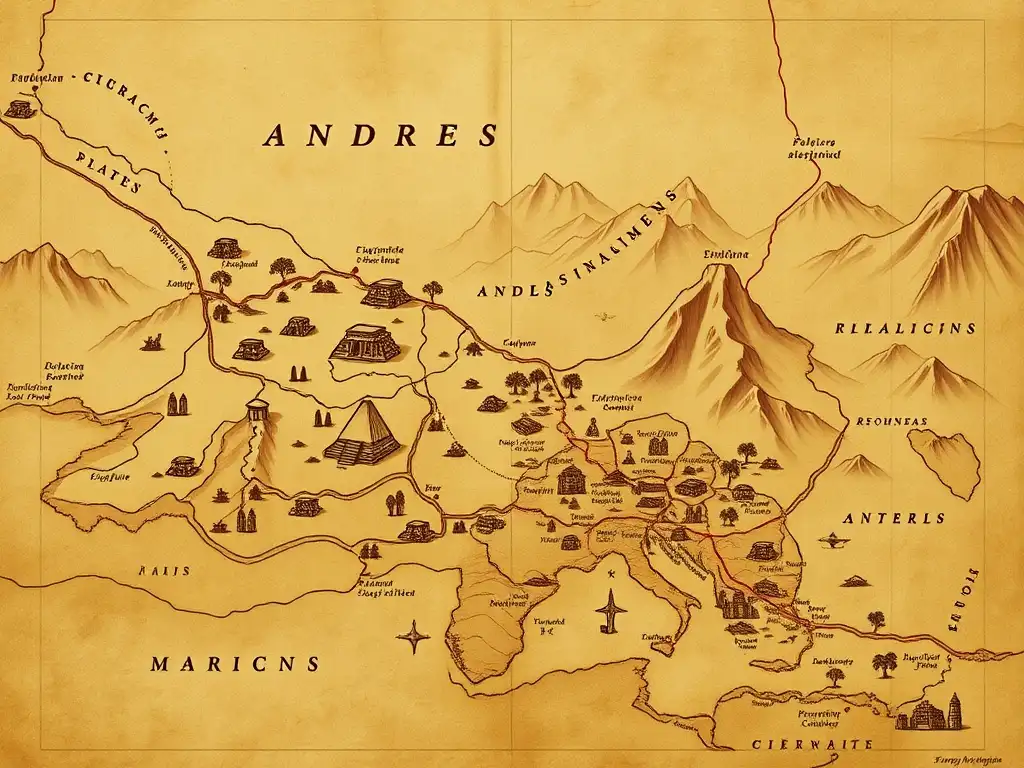
The Huari Empire, a powerful pre-Inca civilization flourishing in the central Andes between roughly 600 and 1000 CE, left an undeniable mark on the region. Pinpointing the precise extent of their influence, however, remains a complex task for archaeologists. The empire's reach wasn't defined by rigidly controlled borders in the modern sense, but rather by a network of political and economic control, exerted through a combination of military might, diplomatic alliances, and the dissemination of Huari culture and administrative practices. This meant that the intensity of Huari influence varied across the vast territory they impacted, ranging from direct administrative control in core regions to more subtle cultural exchange in peripheral zones. Understanding this nuanced approach is crucial to accurately mapping the Huari expansion and its impact on the Andean landscape. The following sections will explore the different directions of Huari expansion, analyzing the evidence supporting the extent of their reach.
Northern Reaches of the Huari Influence
The northernmost extent of significant Huari influence is still debated among scholars. While some evidence suggests a presence in parts of modern-day Ecuador, the degree of direct control versus cultural exchange remains a subject of ongoing research. Archaeological finds, such as specific ceramic styles and architectural features, hint at Huari presence in the northern coastal regions.
However, the lack of large-scale administrative centers comparable to those found in the core Huari region suggests that Huari influence in the north was likely more indirect, possibly achieved through trade networks and alliances with local elites. Further research, including detailed analysis of settlement patterns and radiocarbon dating, is needed to clarify the nature and extent of Huari presence in this northern periphery. The distribution of specific types of Huari pottery, for example, could provide crucial insights into trade routes and the spread of cultural influence.
Southern Expansion of the Huari Realm
Southward, the Huari expansion extended significantly, reaching into the southern highlands of Peru, impacting regions that later fell under Inca rule. Evidence for this expansion includes the presence of Huari-style architecture, ceramics, and administrative structures in areas such as Nazca and Ayacucho. Unlike the northern periphery, the southern expansion exhibits a stronger presence of large-scale administrative centers, indicating a more direct form of control.
The integration of local populations into the Huari system is also evidenced by the adoption of Huari administrative practices and the standardization of certain aspects of material culture. However, the southernmost limit of direct Huari control is still being investigated, with ongoing debates about the degree of integration and resistance from local groups.
Eastern Expansion: Huari Influence in the Andes
The eastern slopes of the Andes also experienced Huari influence, although the nature and extent of this expansion remain less well-understood compared to the north and south. The challenging terrain and the dispersed nature of settlements in this region make archaeological investigation more difficult. However, the discovery of Huari-style artifacts in certain valleys suggests that trade routes and possibly military expeditions reached into the Amazonian foothills.
This eastern expansion likely played a crucial role in securing access to resources and maintaining communication with other regions within the Huari realm. Further research involving remote sensing technologies and extensive fieldwork is necessary to fully understand the scope and dynamics of Huari influence in this challenging environment. The presence of certain types of crops, for instance, could provide clues as to the level of interaction between the Huari and the eastern populations.
Archaeological Evidence of Huari Expansion
The impressive reach of the Huari Empire is not a matter of speculation but is demonstrably supported by a wealth of archaeological findings. The careful analysis of these finds allows researchers to reconstruct the dynamics of Huari expansion, providing insights into their administrative strategies, economic networks, and cultural influence. The following sections delve into key types of evidence that illuminate the extent and nature of Huari expansion.
Huari Urban Centers and Administrative Sites
One of the most compelling pieces of evidence for Huari expansion is the presence of standardized urban centers and administrative sites throughout their territory. These sites, characterized by monumental architecture, intricate urban planning, and evidence of centralized administration, are found across the Huari core region and extend into areas of significant Huari influence. The uniformity in design and construction of these sites suggests a deliberate effort to establish a standardized administrative structure across the empire.
The sheer number and distribution of these centers provide strong evidence for the vast geographical reach of Huari political and economic control. The study of these sites, including their size, layout, and the artifacts found within them, offers valuable insights into the organization and functioning of the Huari state.
Huari Ceramics and Material Culture as Indicators of Expansion
Huari ceramics and other aspects of material culture serve as powerful indicators of the empire's expansion. The distinctive styles and designs of Huari pottery, textiles, and other artifacts have been found across a vast geographical area, suggesting the widespread distribution of these goods and the dissemination of Huari cultural influence. The presence of these artifacts in areas far from the core Huari region indicates economic and cultural exchange, providing a tangible link between the center and the periphery.
Furthermore, the analysis of stylistic variations in these artifacts allows researchers to trace the movement of people and goods, providing further insights into the dynamics of Huari expansion. The standardization of certain ceramic forms across vast distances strongly suggests a centralized production and distribution system.
Roads and Infrastructure Reflecting Huari Control
The construction of extensive road networks and other infrastructure projects played a vital role in facilitating Huari expansion and maintaining control over their vast territory. These infrastructure projects, such as paved roads and irrigation systems, provided efficient means of transportation and communication, connecting different parts of the empire and enabling the movement of people, goods, and military forces. The presence of these well-engineered infrastructure projects in various regions serves as strong evidence for the extent of Huari control and their ability to mobilize resources on a large scale.
The sheer scale of these projects underscores the power and organization of the Huari state and their capacity to manage extensive territories. The strategic placement of these roads, often connecting key administrative centers, further reveals the sophisticated planning and organization behind the Huari expansion.
The Decline of the Huari Empire and its Impact
The Huari Empire, a powerful Andean civilization, experienced a gradual decline beginning around the late 8th century CE. The exact causes remain a subject of ongoing scholarly debate, but the collapse had profound and lasting repercussions throughout the Andes. The disintegration wasn't a sudden cataclysm but rather a complex process involving internal weaknesses and external pressures. The once-unified empire fragmented into smaller, competing entities, leading to a period of instability and warfare.
This power vacuum created opportunities for other Andean groups to rise to prominence, ultimately shaping the political landscape of the region for centuries to come. The decline of Huari wasn't solely a political event; it also significantly impacted the cultural and economic systems that had flourished under its rule. Trade routes were disrupted, and the sophisticated administrative structures began to crumble, leaving a void that would take time to fill.
Factors Contributing to the Collapse of Huari Power
Several factors likely contributed to the Huari Empire's decline. Internal strife, possibly stemming from succession disputes or regional revolts, weakened the central government's authority. Overextension of its vast territory, coupled with the logistical challenges of maintaining control over distant provinces, placed a considerable strain on its resources and administrative capacity. Environmental factors, such as droughts or changes in climate patterns, may have also played a significant role in disrupting agricultural production and leading to food shortages.
Furthermore, the rise of new power centers, such as the early Inca settlements, challenged Huari’s dominance and contributed to its eventual disintegration. The precise weight of each of these factors is still being investigated, and the complexity of the situation makes it unlikely that a single cause can fully explain the collapse. Archaeological evidence continues to shed light on the intricacies of this pivotal period in Andean history.
Legacy of Huari Expansion in Andean Civilizations
Despite its collapse, the Huari Empire left an undeniable mark on the Andean world. Its vast network of roads and administrative structures facilitated communication and trade across the region, laying the groundwork for future empires. The Huari's sophisticated agricultural techniques, such as terracing and irrigation, continued to be utilized by subsequent Andean cultures, enhancing food production and supporting population growth.
More significantly, the Huari's administrative and organizational innovations influenced the structures and systems adopted by later Andean states, particularly the Inca Empire. The legacy of Huari's expansion is not merely a matter of physical infrastructure; it's also a legacy of ideas, technologies, and organizational principles that profoundly shaped the development of Andean societies for centuries. The Huari's influence can be seen as a crucial stepping stone in the evolution of Andean civilization.
The Lasting Impact of Huari Territorial Control
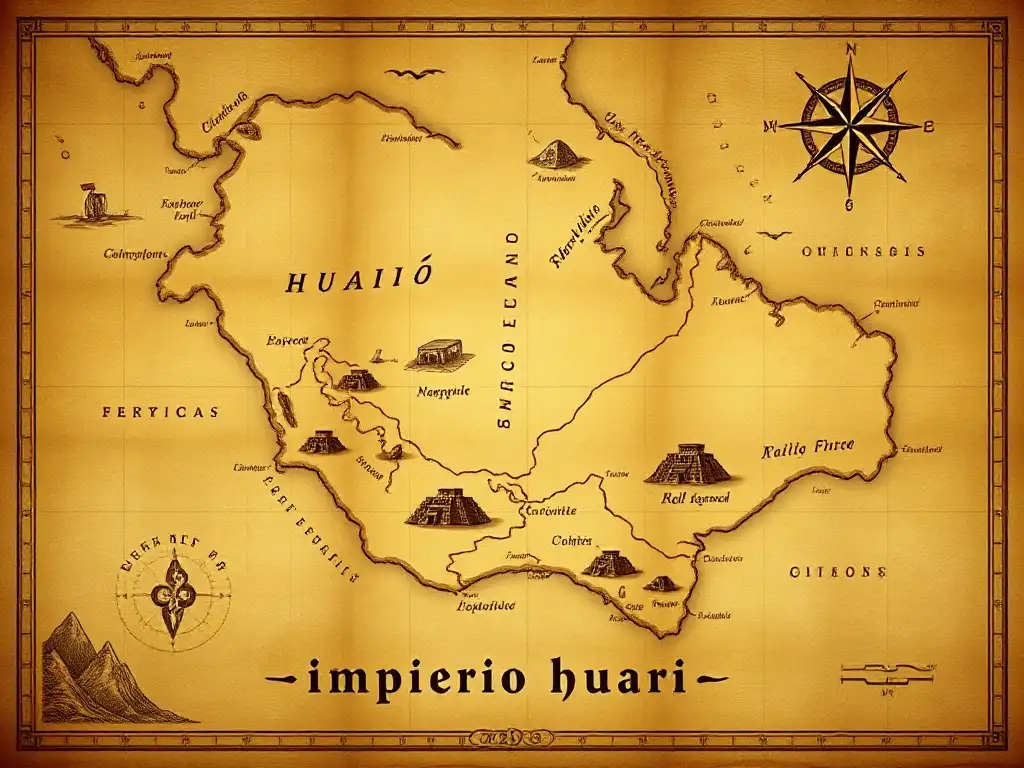
The Huari Empire's extensive territorial control had a profound and long-lasting impact on the Andean region. Their influence extended far beyond the immediate vicinity of their capital, reaching into diverse ecological zones and impacting a wide range of cultural groups. This widespread influence is evident in the archaeological record, revealing a remarkable degree of cultural standardization and exchange across vast distances.
The Huari's ability to integrate different regions into a single political entity fostered a degree of cultural homogenization, albeit with regional variations. This integration, however, wasn't simply imposed; it involved a complex interplay of political control, economic incentives, and cultural exchange. This process resulted in a more interconnected Andean world, paving the way for future large-scale political entities.
Huari Influence on Later Andean States
The Huari Empire's administrative and organizational structures significantly influenced later Andean states, particularly the Inca Empire. The Inca’s sophisticated road system, for example, bears a striking resemblance to the extensive network of roads constructed by the Huari. Similarly, the Inca’s system of provincial administration echoed Huari’s centralized control over vast territories.
However, the Inca also adapted and improved upon the Huari model, incorporating their own innovations and responding to the specific challenges of their own time. The continuity between Huari and Inca administrative practices underscores the lasting impact of the Huari’s political innovations. This inheritance demonstrates the enduring influence of Huari's organizational genius on subsequent Andean empires.
Huari Contributions to Andean Art and Architecture
Huari art and architecture are characterized by a distinctive style that spread across their vast empire. Their pottery, often featuring intricate designs and sophisticated techniques, is easily recognizable. The standardization of certain artistic motifs across geographically diverse regions reflects the empire's centralized control and influence. Huari architecture, characterized by monumental structures and sophisticated urban planning, showcases their advanced engineering skills.
The influence of Huari artistic styles can be seen in the work of later Andean cultures, demonstrating the enduring legacy of their artistic achievements. The distinctive Huari style, with its unique blend of regional variations and imperial standardization, continues to fascinate and inspire researchers today, offering valuable insights into the cultural dynamics of the Andean world. The legacy of Huari art and architecture is a testament to their creativity and innovation.
Reconstructing the Huari Empire's Geographic Reach
The Huari Empire's expansion presents a fascinating puzzle for archaeologists. Pinpointing the precise extent of their influence requires careful analysis of diverse evidence, ranging from monumental architecture and ceramic styles to the distribution of agricultural practices and administrative systems. Reconstructing this vast network necessitates a multi-faceted approach, combining meticulous fieldwork with sophisticated analytical techniques. The sheer scale of the empire, spanning a geographically diverse landscape across the Andes, presents unique challenges.
The mountainous terrain, varied climates, and the sheer distance between settlements make it difficult to establish clear boundaries of control. Furthermore, the nature of Huari power itself remains a subject of ongoing debate. Was it a centralized, highly organized state exerting direct control over vast territories, or a more fluid network of alliances and tributary relationships?
This question fundamentally impacts our understanding of the empire's geographic reach. The answers, we are finding, lie not only in grand palaces and administrative centers but also in the humbler settlements scattered across the Andes, reflecting the day-to-day lives of those who lived under Huari influence. Understanding the nuances of this influence is key to accurately mapping the empire's extent.
Using Archaeological Data to Map the Huari Expansion
Archaeological data plays a crucial role in defining the Huari Empire's boundaries. The distribution of diagnostic Huari pottery styles provides a significant indicator. Characteristic ceramic forms and decorative motifs, meticulously documented and analyzed from numerous sites, help archaeologists trace the spread of Huari influence across vast distances. The presence of these specific ceramic styles in a region doesn't automatically equate to direct political control, but it strongly suggests cultural and potentially economic interaction.
Beyond pottery, architectural styles also provide critical evidence. The distinctive architectural features of Huari administrative centers, such as their monumental platforms and intricate stonework, are identified across a wide area. However, it’s important to note that these features may be adapted or modified in peripheral regions, reflecting a blending of Huari and local traditions. This highlights the complexity of interpreting archaeological findings; the presence of Huari architectural features needs careful consideration of local context.
Furthermore, the analysis of skeletal remains and isotopic studies can illuminate population movements and dietary patterns, offering insights into the integration of different communities within the empire. The combination of these diverse lines of evidence allows archaeologists to build a more comprehensive and nuanced picture of Huari expansion. The process is iterative and requires constant reassessment as new data emerges.
The Limits of Huari Territorial Control: Areas of Influence vs. Direct Rule
Determining the precise limits of Huari control is difficult. While certain regions clearly show evidence of direct administration, reflected in the presence of large administrative centers and standardized architecture, other areas likely experienced a more indirect form of influence. This distinction between direct rule and areas of influence is crucial for understanding the empire's overall structure and reach. Areas under direct rule often exhibited a higher degree of standardization in architecture, pottery, and administrative practices.
Conversely, regions within the sphere of Huari influence might have maintained greater autonomy, adopting certain Huari cultural traits while retaining their own distinct identities. This is evident in the variation of architectural styles and pottery designs observed in different regions. The subtleties of this interaction are frequently debated, as the relationship between the core and periphery of the empire may have fluctuated over time.
Some regions might have been incorporated into the empire during periods of expansion and later experienced a decline in Huari influence. The nature of Huari power – whether coercive or persuasive – is also a critical factor in defining the extent of their control. Further research is needed to fully understand the dynamics of power and influence throughout the Huari Empire.
Conclusion: The Significance of Huari Empire Expansion
The Huari Empire's expansion represents a remarkable achievement in Andean pre-Columbian history. Its vast reach, encompassing diverse ecological zones and distinct cultural groups, reflects the empire's sophisticated administrative capabilities and its significant impact on the Andean region. The detailed mapping of this expansion, achieved through the careful analysis of archaeological data, provides crucial insights into the political, economic, and social dynamics of the time.
Understanding the mechanisms of Huari expansion – whether through conquest, alliance, or a combination of both – is vital for comprehending the broader trajectory of Andean civilization. The legacy of the Huari Empire continues to resonate in the cultural and architectural heritage of the region, underscoring the significance of this powerful and influential pre-Inca state. The extent of their influence, while still a topic of ongoing research and debate amongst experts, undeniably shaped the political landscape of the Andes for centuries to come.
The ongoing research into the Huari Empire expansion is not simply an academic exercise; it enriches our understanding of the complex processes of state formation and imperial expansion in a challenging and fascinating historical context. 🗺️
- Understanding the Huari Empire's Geographical Scope
- The Origins of Huari Power and Expansion
- Key Factors Driving Huari Territorial Expansion
- Defining the Core Huari Territory
- Tracing the Huari Empire's Expansion Extent
- Archaeological Evidence of Huari Expansion
- The Decline of the Huari Empire and its Impact
- The Lasting Impact of Huari Territorial Control
- Reconstructing the Huari Empire's Geographic Reach
- Conclusion: The Significance of Huari Empire Expansion
Frequently Asked Questions
How far did the Huari Empire expand?
The Huari Empire's expansion was significant, reaching its greatest extent during the Late Intermediate Period (ca. AD 600-1000). Their influence stretched across much of the central Andes, encompassing modern-day Peru and parts of Bolivia and Chile.
What were the key factors contributing to Huari expansion?
Several factors contributed, including military might, a well-organized administrative system, and the adoption of sophisticated agricultural techniques. Their control of vital resources likely also played a major role.
How did the Huari Empire maintain control over such a vast territory?
The Huari maintained control through a complex network of administrative centers and strategically placed outposts. They likely employed a system of local rulers and officials to govern conquered territories.
What evidence exists to support the extent of Huari influence?
Evidence includes archaeological finds, such as similar architectural styles and pottery designs across vast distances, and the presence of Huari administrative centers in distant regions. Written records are scarce, however.
What ultimately led to the decline and fall of the Huari Empire?
The exact causes of the Huari decline remain debated. However, factors such as internal rebellions, environmental changes, and overextension of their resources are often cited as contributing factors.
Final Reflection: The Enduring Legacy of Huari Expansion
The intricate web of Huari influence, meticulously mapped throughout this article, remains a potent reminder of the power of centralized organization and cultural exchange in pre-Columbian South America. The sophisticated administrative systems and far-reaching trade networks established by the Huari, despite their eventual decline, continue to shape our understanding of Andean civilization and the complexities of empire building. Their impact resonates even today, challenging our assumptions about the nature of power and societal development.
The Huari's legacy extends far beyond mere territorial control; it's a testament to the enduring power of cultural diffusion and the lasting impact of a unified vision. Their influence on pottery styles, agricultural techniques, and architectural designs is still evident in the archaeological record, a silent testament to their reach and ingenuity. The past is never dead. It's not even past.
– William Faulkner. This quote perfectly encapsulates the ongoing relevance of Huari expansion, reminding us that the echoes of their civilization continue to reverberate through the Andean landscape and inform our understanding of history.
Consider the implications of the Huari's success and eventual fragmentation. What can we learn from their strategies, their triumphs, and their ultimate downfall? You, the reader, are now equipped with a deeper understanding of this fascinating civilization. Use this knowledge to question established narratives, to appreciate the complexities of ancient societies, and to foster a more nuanced perspective on the forces that shape empires and civilizations. Let the story of Huari expansion inspire you to explore the interconnectedness of history and the enduring power of human ingenuity.
Unleash Your Curiosity: Explore the Huari Legacy!
Thank you for exploring the fascinating world of the Huari expansion! We hope you've gained valuable insights into their significant impact on Andean civilizations. Now, let's delve even deeper!
Here are some ways to further your understanding and engagement with the Huari legacy:
- Join a local archaeology group or online forum to connect with others passionate about Andean history and share resources.
- Visit a museum or historical site showcasing Huari artifacts – experiencing history firsthand is invaluable.
- Share this article with friends and family to spark conversations about the rich heritage of the Andes and the remarkable Huari people.
What aspect of the Huari expansion most captivates you, and how do you believe it informs our understanding of ancient civilizations today?