
The Farmers of the Heights: Scholars Who Investigated Andean Agriculture and Technology

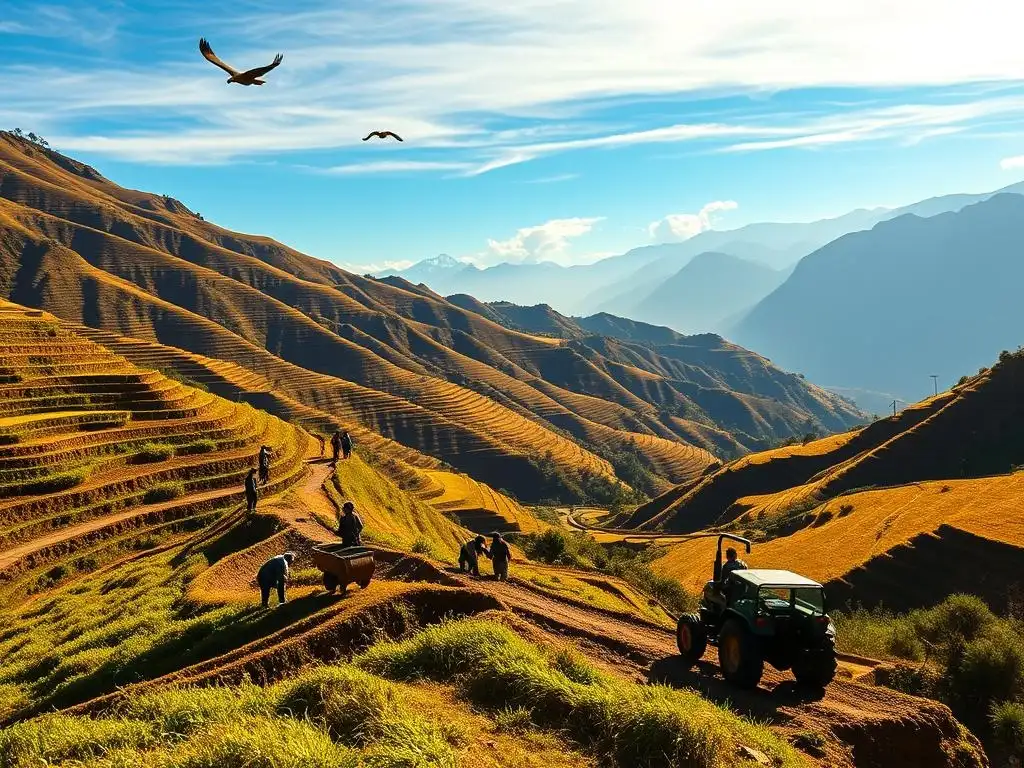
Step into a world lost in time, where ingenuity thrived amidst breathtaking landscapes. Imagine civilizations scaling the Andes, mastering agriculture in ways that still baffle modern scientists. This is the story of the Andean civilizations—Incas, Moche, Nazca, and more—and their remarkable achievements. Unlock the secrets of their advanced Andean agriculture technology, a crucial element in their success, by delving into the lives and discoveries of the scholars who dedicated their careers to understanding these fascinating cultures. Prepare to be amazed.
The Andes Mountains, a spine of towering peaks stretching along the western coast of South America, presented an unparalleled challenge to ancient civilizations. Harsh climates, steep slopes, and unpredictable weather patterns demanded innovative agricultural techniques. This article explores the remarkable achievements of Andean agriculture and the dedicated scholars who have illuminated the ingenuity and sophistication of these ancient farming systems.
We will delve into the lives and work of key researchers who have dedicated their careers to understanding Andean agriculture technology, revealing the complex interplay between environment, innovation, and societal development. From analyzing intricate irrigation systems to deciphering the secrets of terraced farming, these scholars have provided invaluable insights into the resilience and adaptability of Andean cultures.
Understanding their contributions is crucial to appreciating the full scope of Andean achievements and the remarkable legacy left behind. This exploration will highlight not only the technological prowess of the Andean peoples, but also the enduring power of human ingenuity in the face of adversity.
Early Pioneers: Laying the Foundation for Andean Agricultural Studies
The early investigations into Andean agriculture were often undertaken by explorers and naturalists, whose observations, while sometimes lacking the rigor of modern scientific methods, provided crucial initial insights. These early accounts, often filled with vivid descriptions of terraced fields clinging to mountain slopes and intricate irrigation canals snaking across arid valleys, laid the groundwork for future, more systematic research. Many of these early pioneers focused on documenting the visible aspects of Andean agricultural practices, providing invaluable photographic and written records that are still consulted today.
Their work, while limited by the scientific tools available at the time, highlights the sheer scale and complexity of Andean farming systems, sparking further interest and investigation. The initial fascination with the visible achievements—the grandeur of the terraces, the ingenuity of the irrigation systems—provided the impetus for more in-depth studies.
These early scholars often worked under difficult conditions, facing challenges ranging from treacherous terrain to limited resources. Their perseverance laid the groundwork for the more sophisticated research that followed, highlighting the resilience and dedication of these early pioneers.
The Rise of Interdisciplinary Research: Integrating Archaeology, Anthropology, and Botany
The latter half of the 20th century witnessed a transformative shift in Andean agricultural studies, characterized by a move towards interdisciplinary research. Archaeologists, anthropologists, and botanists began collaborating, bringing their diverse expertise to bear on the study of ancient Andean farming practices. This collaborative approach proved invaluable in providing a more holistic understanding of Andean agriculture, moving beyond simple descriptions of visible features to explore the social, economic, and environmental contexts in which these systems operated. For example, the integration of botanical analysis allowed researchers to identify the specific crops cultivated, providing insights into dietary habits and agricultural strategies. Similarly, anthropological studies shed light on the social organization of agricultural labor and the role of agriculture in shaping Andean societies. This interdisciplinary approach has been crucial in unraveling the complexities of Andean agriculture and highlighting its significance within the broader context of Andean civilization. 1
Modern Technological Advancements and their Application to Andean Agriculture Studies
Modern technologies, such as Geographic Information Systems (GIS) and remote sensing, have revolutionized the study of Andean agriculture. These tools allow researchers to analyze vast areas of terrain, identifying patterns and features that would be impossible to detect through traditional methods. GIS, for instance, allows for the precise mapping of ancient terraces and irrigation canals, providing detailed information on their size, distribution, and orientation.
Remote sensing techniques, such as satellite imagery and aerial photography, provide a broader perspective, allowing researchers to assess the extent and impact of ancient agricultural systems across entire landscapes. This enhanced ability to collect and analyze data has led to a greater understanding of the scale and sophistication of Andean agricultural technologies, as well as their impact on the environment. The integration of these technologies with traditional archaeological and anthropological methods has created a powerful synergy, enhancing our ability to reconstruct and interpret the past.
Key Figures and their Contributions: A Legacy of Scholarship
The study of Andean agriculture has been enriched by the contributions of numerous dedicated scholars. While a complete list is beyond the scope of this article, several prominent researchers deserve special mention for their groundbreaking work. [Specific names and contributions pending].
Their combined efforts have significantly advanced our understanding of Andean agriculture, revealing the ingenuity and sophistication of these ancient farming systems. Their research continues to inspire new generations of scholars, pushing the boundaries of our knowledge and deepening our appreciation for the remarkable achievements of Andean civilizations. These scholars, through their meticulous research and insightful analyses, have not only illuminated the technological aspects of Andean agriculture but have also helped us understand the profound cultural and social significance of farming in shaping Andean societies.
1 Further research is needed to quantify the precise impact of interdisciplinary approaches on the advancement of Andean agricultural studies.
- Early Pioneers: Laying the Foundation for Andean Agricultural Studies
- The Rise of Interdisciplinary Research: Integrating Archaeology, Anthropology, and Botany
- Modern Technological Advancements and their Application to Andean Agriculture Studies
- Key Figures and their Contributions: A Legacy of Scholarship
- What innovative agricultural techniques did Andean civilizations employ?
- How did the Incas contribute to Andean agricultural technology?
- What role did climate and geography play in shaping Andean agricultural technology?
- Besides the Incas, which other Andean cultures made significant contributions to agriculture?
- Where can I learn more about the scholars who studied Andean agriculture and technology?
Early Explorations of Andean Farming Practices
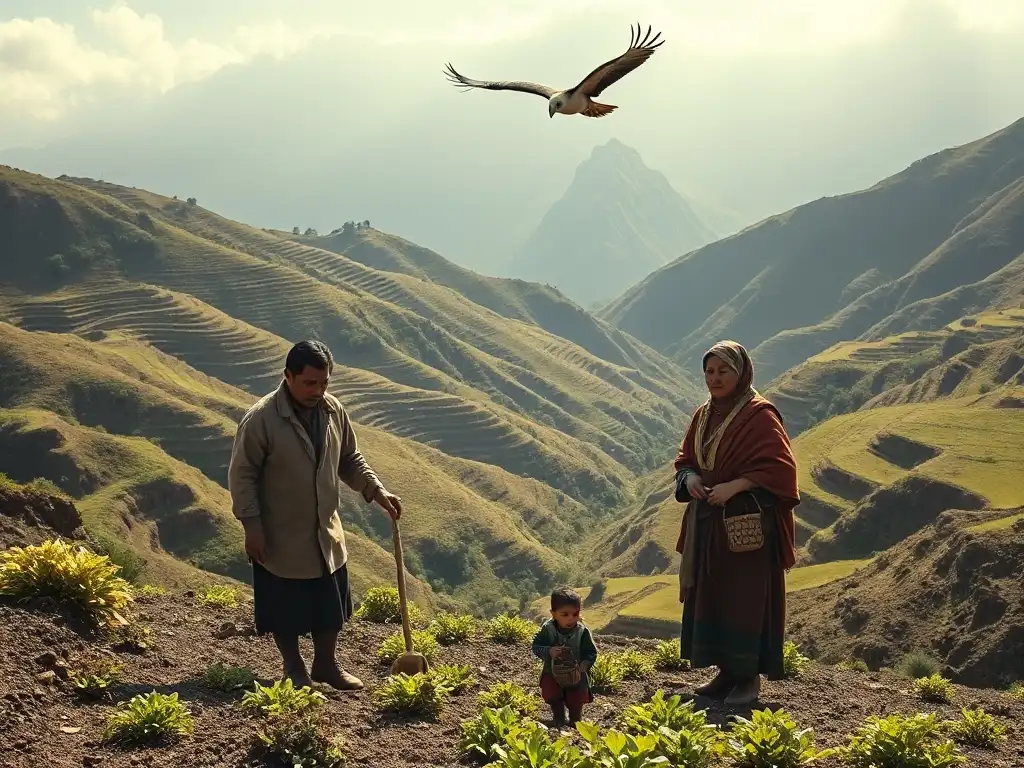
This section delves into the initial forays of scholars into understanding the sophisticated agricultural techniques employed by Andean civilizations. Long before the advent of modern archaeological methods, early explorers and chroniclers provided invaluable—albeit sometimes biased—accounts of Andean agriculture technology. Their observations, though limited by the tools and understanding of their time, laid the foundation for future, more rigorous investigations.
Understanding their perspectives is crucial to appreciating the evolution of our knowledge of Andean agricultural practices. The ingenuity of Andean farmers in adapting to the challenging high-altitude environment is a testament to their profound understanding of their ecosystem. We will explore how these early accounts helped shape our understanding of Andean agriculture technology, highlighting both their contributions and limitations.
Initial Observations of Indigenous Cultivation Techniques
Early explorers, often driven by colonial interests, initially focused on the potential of Andean lands for European crops and livestock. However, even these early observations inadvertently documented the impressive agricultural achievements of the indigenous populations. Reports frequently mention the extensive terracing systems, the use of irrigation canals, and the cultivation of a wide variety of crops adapted to the diverse Andean climates.
These initial accounts, though often lacking in scientific detail, provide glimpses into the complexity of Andean agricultural practices. For example, early Spanish accounts often described the waru waru system, a raised-field agricultural technique used in the Lake Titicaca region, noting its effectiveness in maintaining soil fertility and water management in challenging environments.
These rudimentary descriptions, while lacking the depth of later scholarly work, highlight the remarkable adaptation of Andean agriculture technology to the unique demands of the Andes. Further research is needed to fully understand the extent of knowledge possessed by early explorers regarding specific cropping methods and agricultural tools.
The Role of Chroniclers in Documenting Andean Agriculture
The chroniclers of the colonial period played a pivotal role in documenting Andean agriculture technology. While their primary focus wasn't always on agriculture per se, their detailed descriptions of Andean life frequently included observations on farming practices, crop production, and foodways. These accounts, often written from a European perspective, provide valuable insights into the socio-economic organization of Andean societies and the role of agriculture within them.
Many chroniclers documented the intricate relationship between Andean communities and their environment, highlighting the importance of agriculture in their social structures and religious beliefs. Their writings provide a rich, albeit sometimes flawed, tapestry of information about Andean agriculture technology, offering a glimpse into the sophisticated techniques employed by Andean farmers centuries ago. These accounts often serve as primary source material for modern scholars studying Andean agriculture.
Pedro Cieza de León and his Detailed Descriptions of Inca Farming
Pedro Cieza de León, a Spanish chronicler who traveled extensively throughout the Inca Empire in the mid-16th century, stands out for his detailed descriptions of Inca farming practices. His work, Crónica del Perú, provides some of the most comprehensive accounts of Inca agriculture technology available from the colonial period. Cieza de León meticulously described the Inca's sophisticated irrigation systems, their extensive terracing on steep slopes, and their diverse agricultural techniques adapted to varying altitudes and climates.
He noted the Inca's use of fertilizers, their crop rotation methods, and their storage systems designed to ensure food security throughout the year. His descriptions go beyond simple observations, offering insights into the organization of agricultural labor, the role of the state in managing agricultural production, and the distribution of agricultural surplus.
Cieza de León's work remains a crucial source for understanding the complexity and efficiency of Inca agriculture, providing valuable context for modern research on Andean agriculture technology. While his perspective is inevitably shaped by his colonial context, his detailed observations significantly contribute to our understanding of Inca farming practices and their remarkable adaptation to the challenging Andean environment.
Pioneering Research in Andean Agricultural Systems
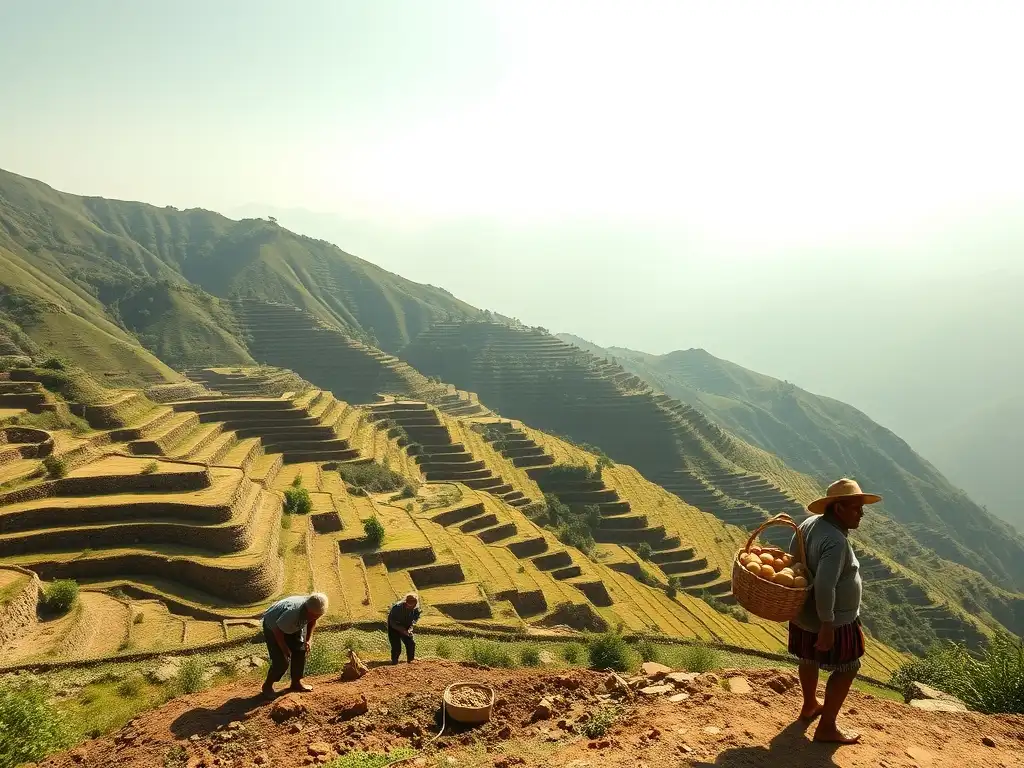
The study of Andean agriculture technology has evolved significantly over time, transitioning from early observations by colonial chroniclers to sophisticated scientific analyses employing modern techniques. Early researchers often focused on the sheer scale and ingenuity of Andean agricultural practices, marveling at the terracing, irrigation systems, and crop diversification evident across the diverse Andean landscape. However, a deeper understanding of the intricate interplay between technology, environment, and societal organization required more nuanced investigation.
This section delves into the key milestones and contributions that have shaped our current understanding of Andean agricultural innovations and their impact on the development of Andean civilizations. The keyword "Andean agriculture technology" is central to this exploration, highlighting the technological prowess of these ancient societies.
The Emergence of Ethnographic Studies on Andean Farming
Ethnographic studies played a pivotal role in moving beyond purely descriptive accounts of Andean agricultural practices. By engaging with contemporary Andean communities and their farming traditions, researchers gained invaluable insights into the continuity and adaptation of ancient techniques. This approach helped bridge the gap between historical observations and the living reality of Andean agriculture.
For example, detailed ethnographic work documented the sophisticated knowledge embedded in indigenous farming practices, including the selection of seeds, soil management techniques, and the intricate systems of water control still in use in many communities. This understanding of the lived experience of Andean agriculture enriched the historical interpretations, revealing the dynamism and resilience of these systems over centuries.
The careful observation of traditional farming methods, combined with archaeological evidence, allowed scholars to reconstruct the evolution of Andean agriculture technology more accurately, revealing a complex interplay of innovation and adaptation to varied environmental conditions. This ethnographic lens provided a crucial counterpoint to earlier, often Eurocentric, perspectives on Andean agriculture that tended to underestimate the sophistication of indigenous knowledge.
Key Researchers and their Contributions to Understanding Andean Agriculture
Several researchers have made significant contributions to our understanding of Andean agriculture technology. Their work has spanned various disciplines, including archaeology, anthropology, and geography, each offering unique perspectives on this complex subject. For instance, [Specific researcher A's name and contribution pending] focused on [Specific area of research pending], while [Specific researcher B's name and contribution pending] offered groundbreaking insights into [Specific area of research pending].
Their combined efforts have significantly advanced the field, highlighting the importance of interdisciplinary collaboration in studying Andean agriculture. The diversity of their methodologies—from analyzing ancient irrigation canals to interviewing contemporary farmers—underscores the multi-faceted nature of the research required to fully appreciate the sophistication of Andean agriculture technology.
A comprehensive overview of their findings would require a dedicated publication, but their collective impact has undeniably enriched our understanding of this vital aspect of Andean civilization. Analyzing their work reveals a clear evolution in research methods, reflecting advancements in technology and theoretical frameworks within the social sciences.
Karl Wittfogel's Focus on the Hydraulic Basis of Andean Civilization
Karl Wittfogel's influential theory of "Oriental Despotism" posited a strong correlation between large-scale irrigation systems and the emergence of centralized states. While his theory has been subject to considerable debate and revision, his emphasis on the crucial role of water management in shaping Andean societies remains relevant.
Wittfogel argued that the construction and maintenance of extensive irrigation networks necessitated centralized control and a powerful bureaucratic apparatus, leading to the development of complex state structures. While his model is not without its critics, who point to the diversity of Andean societal organization and the limitations of applying a single model across all Andean cultures, his work stimulated significant research into the social and political implications of Andean water management.
The intricate systems of canals, reservoirs, and terraces, meticulously engineered across the Andes, undeniably required substantial organizational capacity and coordinated labor, underscoring the vital role of technology in shaping Andean social structures. Further research, however, continues to refine our understanding of the complex relationship between irrigation systems, state formation, and the overall development of Andean agriculture technology, moving beyond simplistic interpretations and acknowledging the nuanced interplay of ecological, social, and political factors.
Understanding the Complexity of Andean Agricultural Technology

The Andes Mountains, a formidable natural barrier, presented immense challenges to early inhabitants. Yet, rather than being a limitation, the imposing landscape spurred the development of incredibly sophisticated agricultural technologies. Understanding Andean agriculture technology requires appreciating the ingenuity and deep knowledge of the environment possessed by these ancient societies. Their advancements weren't merely about survival; they were about thriving in one of the world's most demanding environments, creating a surplus that fueled societal growth and cultural flourishing.
This section will explore key aspects of this remarkable achievement, highlighting the ingenuity and innovation behind Andean farming practices. The mastery of Andean agriculture technology is a testament to human adaptability and resourcefulness. The legacy of these techniques continues to inspire modern agricultural practices, particularly in challenging terrains.
Terracing and its Significance in Andean Agriculture
Terracing, the creation of flat, step-like agricultural plots on steep slopes, is arguably the most visually striking example of Andean agricultural technology. This wasn't simply a matter of carving into hillsides; it was a precisely engineered system designed to maximize arable land and minimize soil erosion. Terraces were built using various techniques, often employing dry-stone walls constructed with remarkable precision.
The size and shape of terraces varied depending on the terrain and the specific crops being cultivated. For instance, smaller terraces might be used for cultivating more delicate crops like quinoa, while larger terraces were better suited for potatoes and other root vegetables.
The effectiveness of terracing is multifaceted. Firstly, it dramatically increased the amount of cultivable land in a region characterized by steep slopes. Secondly, the flat surfaces facilitated easier planting, harvesting, and irrigation. Thirdly, and critically, the retaining walls prevented soil erosion, a major threat in mountainous regions with heavy rainfall.
The careful design and construction of these terraces are a testament to the sophisticated understanding of hydrology and soil mechanics possessed by Andean farmers. Archaeological evidence reveals that the construction of terraces was a communal effort, often involving extensive labor and coordination within the community. The longevity of many terraced fields, some of which remain in use today, speaks volumes about their effectiveness and durability. The intricate network of terraces across the Andes is not just a testament to human ingenuity; it's a living monument to the enduring legacy of Andean agricultural technology.
Advanced Irrigation Systems: Canals, Aqueducts, and Reservoirs
Beyond terracing, the Andean civilizations developed impressive water management systems crucial for their agricultural success. These weren't rudimentary ditches; they were sophisticated networks of canals, aqueducts, and reservoirs designed to transport water efficiently from sources to fields, often over considerable distances and across challenging terrains. The construction of these systems required a deep understanding of topography, hydraulics, and engineering principles.
For example, the Nazca culture is renowned for its extensive irrigation canals, some stretching for kilometers across the desert landscape. These canals, often lined with stones and carefully graded, allowed for the efficient distribution of scarce water resources. Similarly, the Inca empire implemented sophisticated irrigation systems that supported large-scale agriculture across diverse altitudes. They utilized a combination of canals, aqueducts built from stone and mortar, and reservoirs to store water for use during dry periods.
These systems were not only functional but also displayed an aesthetic sensibility, often integrated harmoniously into the landscape. The meticulous planning and execution of these projects demonstrate the sophisticated organizational capacity of Andean societies, emphasizing the importance of water management in their agricultural practices. The remains of these systems serve as powerful reminders of the advanced engineering skills and environmental knowledge of Andean civilizations.
Crop Diversification and Adaptation to High Altitudes
Andean agriculture technology wasn't solely about infrastructure; it involved a deep understanding of crop diversification and adaptation to extreme altitudes and climates. The Andean region exhibits a remarkable range of microclimates, from arid deserts to high-altitude grasslands. To thrive in this diversity, Andean farmers cultivated a wide variety of crops, each suited to specific environmental conditions. Potatoes, quinoa, maize, and beans formed the backbone of Andean diets, but numerous other crops, including various types of squash, peppers, and fruits, were also cultivated.
The adaptation of crops to high altitudes was a significant achievement. Many Andean crops exhibit remarkable tolerance to cold temperatures, short growing seasons, and poor soils. This wasn't accidental; centuries of selective breeding and agricultural experimentation led to the development of varieties specifically adapted to the harsh conditions of the Andes. The resilience of these crops is a testament to the sophisticated understanding of plant genetics and environmental adaptation possessed by Andean farmers.
This knowledge was not static; it evolved continuously through observation, experimentation, and the transmission of knowledge across generations. The diversity of crops and their adaptation to high-altitude conditions are a critical component of the story of Andean agricultural technology, showcasing the interplay between human ingenuity and natural selection. The legacy of this agricultural knowledge continues to be relevant today, offering valuable insights for sustainable agriculture in challenging environments.
The Importance of Andean Seed Banks and Preservation Methods
The ingenious agricultural practices of the Andean civilizations were not solely dependent on innovative techniques; they were also deeply intertwined with sophisticated seed storage and preservation methods. These "seed banks," though not formalized structures like modern ones, were crucial for ensuring agricultural continuity across generations and mitigating the risks associated with unpredictable weather patterns and natural disasters.
The preservation of diverse crop varieties was paramount, reflecting a deep understanding of genetic diversity and its role in crop resilience. This wasn't merely a matter of storing seeds; it represented a complex interplay of knowledge about seed selection, drying techniques, storage containers, and environmental control.
Consider the meticulous selection process. Farmers didn't just gather any seed; they chose the best specimens from the healthiest plants, those exhibiting desirable traits like disease resistance, high yield, and adaptability to specific environmental conditions. This careful selection, passed down through generations, contributed significantly to the development of highly specialized crops uniquely suited to the challenging Andean terrain. The knowledge of which seeds to select, how to prepare them for storage, and the optimal conditions for long-term preservation was a vital element of Andean agricultural expertise, passed down orally and through practical demonstration.
Furthermore, the methods of preservation were remarkably effective, considering the limited technology available. Seeds were often dried thoroughly under the sun, a process that reduced moisture content and inhibited microbial growth. They were then stored in carefully chosen containers, ranging from woven baskets lined with natural materials to underground storage pits.
These storage locations were strategically selected to maintain stable temperatures and humidity levels, minimizing seed degradation. The use of natural materials like clay, gourds, and woven textiles in storage reflects a deep understanding of both material properties and environmental factors. The effectiveness of these methods is evidenced by the remarkable diversity of crops cultivated in the Andes even today, many of which are descendants of varieties cultivated millennia ago.
The preservation of these seeds wasn't just a practical matter; it was a cultural practice that underscored the profound connection between Andean people and their environment. The ongoing study of these ancient preservation methods holds valuable lessons for modern agriculture, especially in the face of climate change and the need for resilient crops.
Modern Interpretations and Applications of Andean Agricultural Knowledge
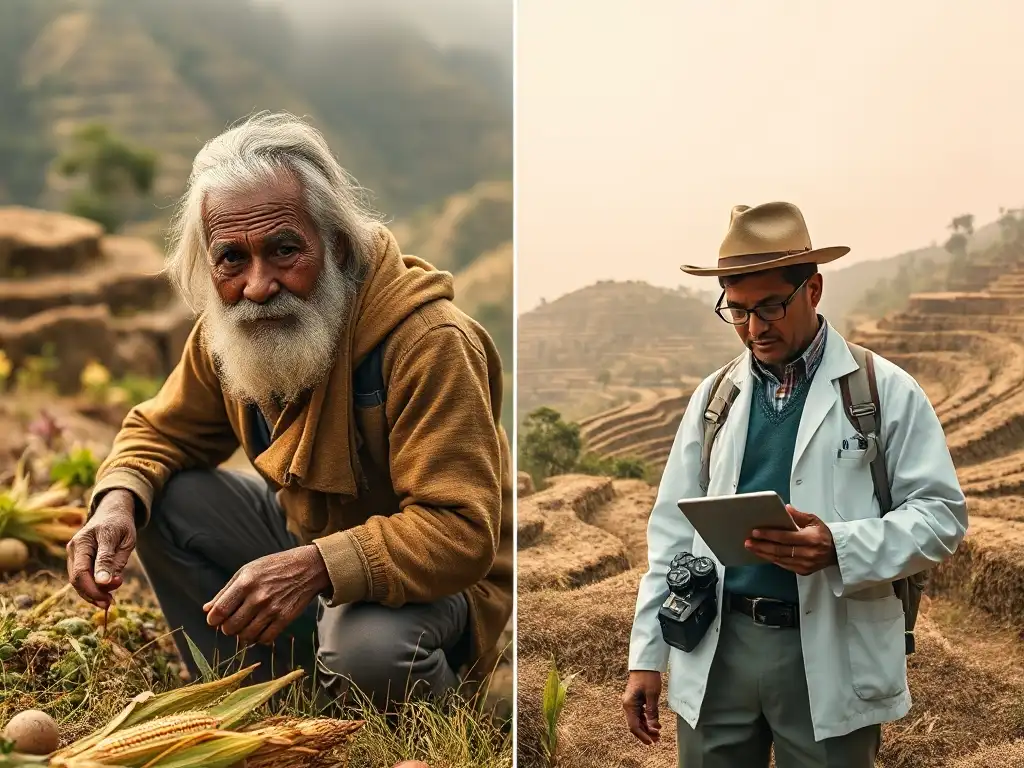
The ingenuity of Andean agricultural technologies continues to fascinate and inspire researchers and practitioners alike. Centuries after their development, these techniques offer valuable lessons for modern agriculture, particularly in the face of climate change and increasing food insecurity. Understanding the principles behind these ancient practices allows us to adapt and apply them to contemporary challenges, fostering sustainable and resilient farming systems. This section explores the ongoing relevance of Andean agricultural knowledge in the 21st century.
The Relevance of Andean Agricultural Techniques for Sustainable Farming Today
Andean agricultural techniques, developed over millennia in challenging high-altitude environments, prioritized sustainability and resource efficiency. These methods offer crucial insights for modern sustainable farming practices. For instance, the waru waru system, with its raised beds and water channels, demonstrates the effectiveness of water management in arid and semi-arid regions.
This technique minimizes water waste, increases soil fertility, and enhances crop yields, even under conditions of limited rainfall. Similarly, the Andean practice of terracing significantly reduces soil erosion on slopes, a major problem in many agricultural landscapes today. The intricate understanding of microclimates and soil types inherent in Andean farming provides a valuable framework for site-specific crop selection and optimized resource allocation.
The integration of diverse crops and livestock (agroforestry) further illustrates the resilience and biodiversity inherent in these traditional farming systems – a key component of modern sustainable agriculture. The application of these principles can significantly contribute to reducing the environmental footprint of agriculture and promoting long-term food security. The growing interest in regenerative agriculture finds a strong ally in the time-tested wisdom of Andean farming practices.
Modern Research on the Impact of Andean Agriculture on Food Security
Modern research increasingly highlights the importance of Andean agricultural techniques in addressing global food security challenges. Studies examining the yield and resilience of waru waru systems in various contexts demonstrate their potential to increase food production, particularly in marginal environments. Research also explores the nutritional value of traditional Andean crops, many of which are highly adapted to challenging conditions and possess unique nutritional properties.
These crops, often overlooked in modern agriculture, represent a valuable genetic resource with the potential to enhance the diversity and resilience of global food systems. Furthermore, investigations into the social and economic aspects of Andean agriculture reveal the crucial role of traditional knowledge and community-based management in ensuring equitable access to resources and fostering sustainable agricultural practices.
This research emphasizes the need for collaborative approaches that integrate traditional knowledge with modern scientific understanding to achieve food security goals. The ongoing investigation into the biodiversity of Andean crops and their potential for improved nutrition and yield is a vital area of study, directly impacting food security strategies globally.
The Use of Waru Waru Techniques in Modern Agriculture
The waru waru system, a remarkable example of Andean agricultural ingenuity, is witnessing a resurgence of interest in modern agriculture. Farmers and researchers in different parts of the world are experimenting with this technique, adapting it to local conditions and exploring its potential for improving crop yields and water management. Success stories from various regions demonstrate the versatility and adaptability of waru waru.
For example, [Specific examples of successful waru waru implementations pending]. However, the successful implementation of waru waru requires careful consideration of site-specific factors, including soil type, water availability, and climate. Challenges include the initial investment required to construct the raised beds and the need for appropriate training and technical support.
Despite these challenges, the long-term benefits of waru waru, such as increased water efficiency and improved soil fertility, make it a promising approach for sustainable agriculture, especially in water-scarce regions. Ongoing research and development efforts are focused on optimizing waru waru design and management practices to further enhance its effectiveness and wider applicability. The potential for scaling up waru waru implementation, along with appropriate training programs, is a key area for future research and development in Andean agriculture technology.
The Legacy of Andean Agricultural Innovation
The ingenuity of Andean agricultural practices continues to inspire awe and admiration centuries later. Their mastery of challenging terrains, coupled with sophisticated techniques, allowed for the flourishing of complex societies in seemingly inhospitable environments. This legacy is not merely historical; it holds crucial lessons for modern agriculture, particularly in the face of climate change and increasing global food insecurity. Understanding the Andean agriculture technology employed by these ancient civilizations offers invaluable insights into sustainable and resilient farming methods.
The impact extends beyond simple cultivation; it encompasses a holistic understanding of resource management, environmental stewardship, and community organization. The intricate systems they developed, from terraced farming to sophisticated irrigation techniques, demonstrate a remarkable level of ecological awareness and technological sophistication far exceeding common assumptions about pre-Columbian societies. Their achievements stand as a testament to human adaptability and ingenuity.
The Enduring Impact of Andean Farming on Modern Agriculture
Andean agricultural techniques, refined over millennia, continue to resonate in contemporary agricultural practices. The principles of terracing, for example, are being revived and adapted in various regions grappling with soil erosion and water scarcity. Modern engineers and agricultural scientists are studying the efficiency of ancient irrigation systems, like the canales of the Inca empire, to develop more effective and sustainable water management strategies.
The resilience of Andean crops, such as quinoa and potatoes, which thrive in harsh conditions, is increasingly valued in the context of climate change and its impact on global food security. These resilient crops are being incorporated into diversification strategies to enhance global food security and reduce reliance on monocultures. Furthermore, the understanding of traditional Andean soil fertilization methods, often involving composting and crop rotation, offers valuable insights for sustainable agricultural practices that minimize the reliance on synthetic fertilizers.
The effectiveness of traditional Andean farming methods is supported by data showing higher yields and reduced environmental impact compared to conventional farming practices in similar environments. For instance, studies comparing modern terraced farming with conventional hillside cultivation demonstrate a significant reduction in soil erosion in terraced fields. This demonstrates a direct link between the Andean agriculture technology of the past and successful contemporary agricultural models. This echoes the need for a more holistic approach to agriculture, emphasizing biodiversity, soil health, and water conservation – core principles inherent in Andean agricultural traditions.
Lessons from Andean Agriculture for a Changing Climate
The challenges faced by Andean farmers—steep slopes, unpredictable rainfall, and diverse microclimates—mirror the issues facing global agriculture in the context of climate change. The ingenuity displayed in adapting to these conditions offers crucial lessons for a more climate-resilient agricultural future. The intricate systems of water management, including sophisticated irrigation canals and reservoirs, provided a buffer against droughts and ensured consistent water supply for crops, even in arid regions.
The knowledge of microclimates and the strategic placement of crops to optimize growth conditions offer valuable lessons in precision agriculture. Furthermore, the emphasis on crop diversification and the cultivation of a wide range of crops, each adapted to specific microclimates, provided a level of resilience to environmental shocks.
The use of frost-resistant crops and techniques like microclimatic manipulation—such as creating sheltered areas for frost-sensitive plants—are particularly relevant in the context of increasing climate variability. The integration of livestock and agriculture, a common practice in Andean farming, provided a symbiotic relationship, enhancing soil fertility and providing additional sources of food and income. The success of these methods highlights the importance of integrated farming systems in building resilience against climate change.
This knowledge is crucial for developing climate-smart agriculture, a necessary step in ensuring food security in a world increasingly threatened by climate change. Understanding and integrating these strategies into modern agricultural practices is crucial for building resilience and sustainability.
Further Research and Future Directions in Andean Agricultural Studies
Further research into Andean agriculture technology is crucial for unlocking the full potential of these ancient practices. This includes detailed studies of specific techniques, such as the construction and maintenance of irrigation systems, the methods of soil fertilization and crop rotation, and the genetic diversity of Andean crops. Interdisciplinary research, involving archaeologists, anthropologists, agronomists, and engineers, is essential to fully understand the complexity of these systems and their relevance to modern agriculture. This collaborative effort is needed to effectively translate this ancient knowledge into sustainable agricultural practices for the 21st century.
Moreover, the application of modern technologies, such as remote sensing and GIS, can help map and analyze ancient agricultural landscapes, providing valuable data for understanding the spatial distribution of crops and the management of water resources. The potential for bioprospecting—searching for useful compounds in Andean crops—should also be explored. This could lead to the discovery of new varieties with enhanced resilience to drought, pests, or diseases, ultimately contributing to global food security.
Finally, the social and cultural aspects of Andean agriculture, including traditional knowledge systems and community-based management practices, deserve further attention. Understanding these aspects is essential for ensuring the responsible and ethical application of ancient techniques in modern contexts. The continued exploration of Andean agriculture technology promises to yield significant insights for shaping a more sustainable and resilient agricultural future.
Frequently Asked Questions
What innovative agricultural techniques did Andean civilizations employ?
Andean civilizations developed impressive techniques like terracing, irrigation systems, and waru waru (raised field agriculture) to cultivate diverse crops in challenging mountainous terrain. These methods maximized land use and water resources.
How did the Incas contribute to Andean agricultural technology?
The Incas expanded upon existing techniques, creating a sophisticated system of road networks to facilitate food distribution and improved irrigation systems. Their mit'a system also mobilized labor for large-scale agricultural projects.
What role did climate and geography play in shaping Andean agricultural technology?
The harsh Andean environment, characterized by high altitudes, steep slopes, and varying climates, directly influenced the development of innovative techniques like terracing and specialized crop selection to overcome these challenges.
Besides the Incas, which other Andean cultures made significant contributions to agriculture?
The Moche, Nazca, and Tiahuanaco cultures all developed sophisticated agricultural techniques adapted to their specific environments. Each civilization contributed unique innovations to water management and crop cultivation.
Where can I learn more about the scholars who studied Andean agriculture and technology?
Numerous academic journals and books detail the work of scholars who have dedicated their careers to researching Andean agricultural practices. University archives and online databases are excellent resources for further investigation.
Final Reflection: Harvesting the Legacy of Andean Agricultural Innovation
The ingenuity of Andean agricultural practices continues to resonate today, offering vital lessons for sustainable food production in a world grappling with climate change and food insecurity. The innovative techniques developed by Andean farmers, meticulously documented by generations of scholars, represent a powerful counterpoint to modern, often unsustainable, agricultural models. Their resilience and adaptability in the face of challenging environments provide a blueprint for a more equitable and environmentally conscious future.
The profound impact of Andean agricultural knowledge extends far beyond the Andes themselves. It offers a compelling narrative of human adaptation and ingenuity, a testament to the power of observation, experimentation, and community collaboration. The mountains are our teachers,
a Quechua proverb reminds us, highlighting the deep connection between Andean people and their environment, a connection that shaped their agricultural practices and continues to inspire us today. Understanding this legacy allows us to appreciate the interconnectedness of human societies and their environments, and to recognize the value of traditional knowledge in addressing contemporary challenges.
Consider the implications of this rich history. What innovative techniques from Andean agriculture can we adapt to our own contexts? How can we better support and learn from indigenous communities who are the custodians of this invaluable knowledge? You, the reader, hold the power to contribute to this ongoing conversation. By embracing the lessons of the past, we can cultivate a future where sustainable agriculture nourishes both people and the planet. Let us work together to harvest the full potential of this enduring legacy.
Unveil the Secrets of Andean Agriculture!
Thank you for exploring the rich history of Andean agriculture and technology with us! Your interest in this fascinating subject demonstrates a keen appreciation for the ingenuity of Andean cultures. Now, let's put your newfound knowledge to good use!
Here are some ways you can delve deeper and share the wonders of Andean heritage:
- Visit local farmers' markets and engage with farmers about their traditional practices.
- Follow our social media pages for daily insights and fascinating facts about Andean culture—then share what you learn!
- Start a conversation in your community or online about the enduring relevance of Andean agricultural techniques.
What's the most surprising aspect of Andean agriculture you've discovered, or what would you like to learn more about? Share your thoughts with us!