
Exploring the Materials of Andean Armor: From Cotton to Metal

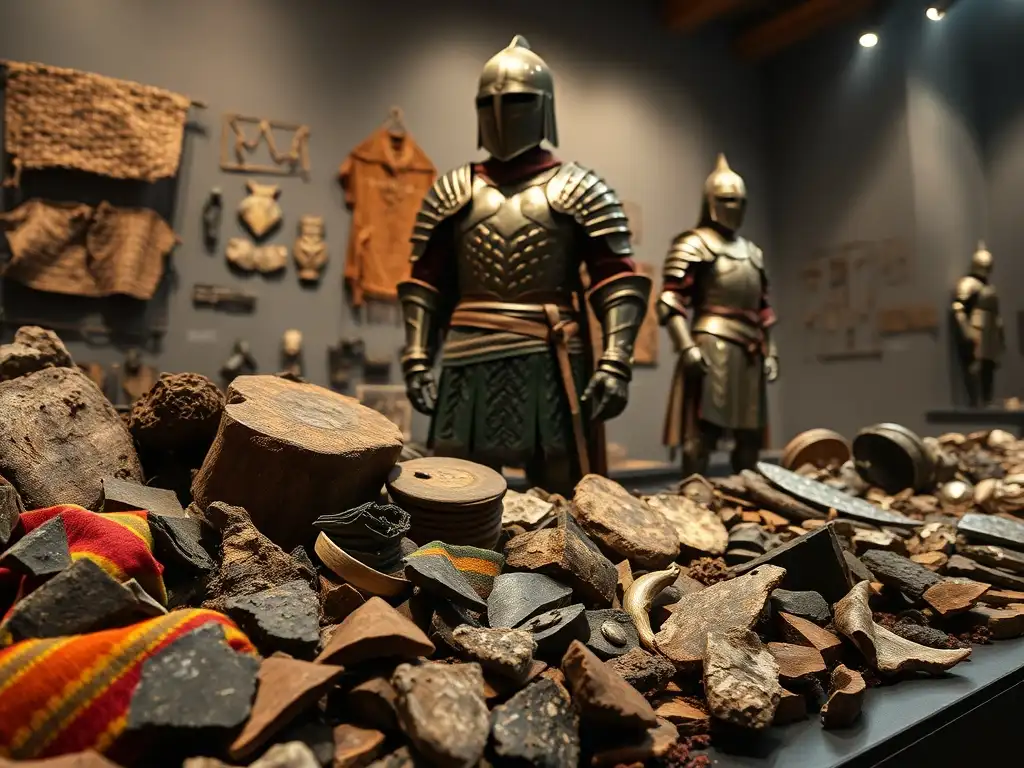
Uncover the secrets woven into the very fabric of Andean history! For centuries, the towering peaks of the Andes witnessed epic battles and ingenious strategies. But what protected these formidable warriors? Dive into the fascinating world of Andean armor materials, where you'll discover surprising innovations, from the surprisingly resilient strength of cotton to the intricate artistry of metalwork. Prepare to be amazed by the ingenuity and resilience of these ancient civilizations – their story awaits.
- Andean Armor Materials: A Journey Through Time
- The Earliest Forms of Andean Body Armor
- The Evolution of Andean Armor
- Metal Armor in the Andes: A Technological Leap
- The Inca Empire and its Armor Innovations
- Materials and Techniques in Andean Armor Construction
- Regional Variations in Andean Armor
- The Significance of Andean Armor in Warfare and Society
- Conclusion: The Legacy of Andean Armor Materials
- Frequently Asked Questions
- Final Reflection: The Enduring Legacy of Andean Armor
- **Unveil the Secrets of Andean Armor Today! **
Andean Armor Materials: A Journey Through Time
The Andes Mountains, a spine of towering peaks running down the western coast of South America, nurtured a rich tapestry of ancient civilizations. These cultures, including the Incas, Moche, Nazca, and Tiahuanaco, weren't just builders of impressive cities and creators of stunning artwork; they were also skilled warriors who developed sophisticated weaponry and armor.
This article delves into the fascinating world of Andean armor, exploring the diverse materials used to protect warriors in battle, from the humble cotton of early civilizations to the gleaming metals of later empires. We'll examine how the availability of resources, technological advancements, and evolving warfare tactics influenced the types of armor employed, providing a comprehensive overview of the ingenuity and resilience of Andean societies.
Understanding the materials used in Andean armor provides critical insight into their military strategies, social structures, and technological capabilities, enriching our understanding of these remarkable civilizations. This exploration of "Andean armor materials" will reveal the fascinating story of protection and prowess in the Andes.
Introduction to Andean Warfare and Protection
Andean warfare was far from monolithic. The strategies and the materials employed varied considerably across different cultures and time periods. Early Andean societies, lacking access to advanced metalworking techniques, relied heavily on readily available organic materials for protection.
Cotton, for instance, played a significant role, woven into thick layers to create padded armor that offered some protection against projectiles and melee weapons. This early form of armor, while less effective than later metal alternatives, was crucial in smaller-scale conflicts and skirmishes. The development of more advanced metalworking techniques, particularly among the later Inca and other advanced societies, drastically altered the landscape of Andean warfare, leading to the production of sophisticated metal armor, including helmets and breastplates.
The transition from organic to metallic armor reflects both technological advancement and the increasing scale and intensity of warfare. This shift also highlights the importance of resource control and metallurgical skills in determining military dominance within the Andean region. The following sections will explore specific materials and their evolution in greater detail.
Further Considerations: Early Andean Warfare Tactics
While the materials used in Andean armor are crucial, it's important to note that warfare tactics also played a significant role. Early Andean societies often relied on ambush tactics and guerilla warfare, utilizing the challenging terrain of the Andes to their advantage. This meant that the level of armor protection needed might have been less critical than other factors, such as mobility and surprise. Later, with larger-scale conflicts and more organized armies, the demand for better protection increased, leading to the adoption of more sophisticated armor materials and designs.
The Earliest Forms of Andean Body Armor
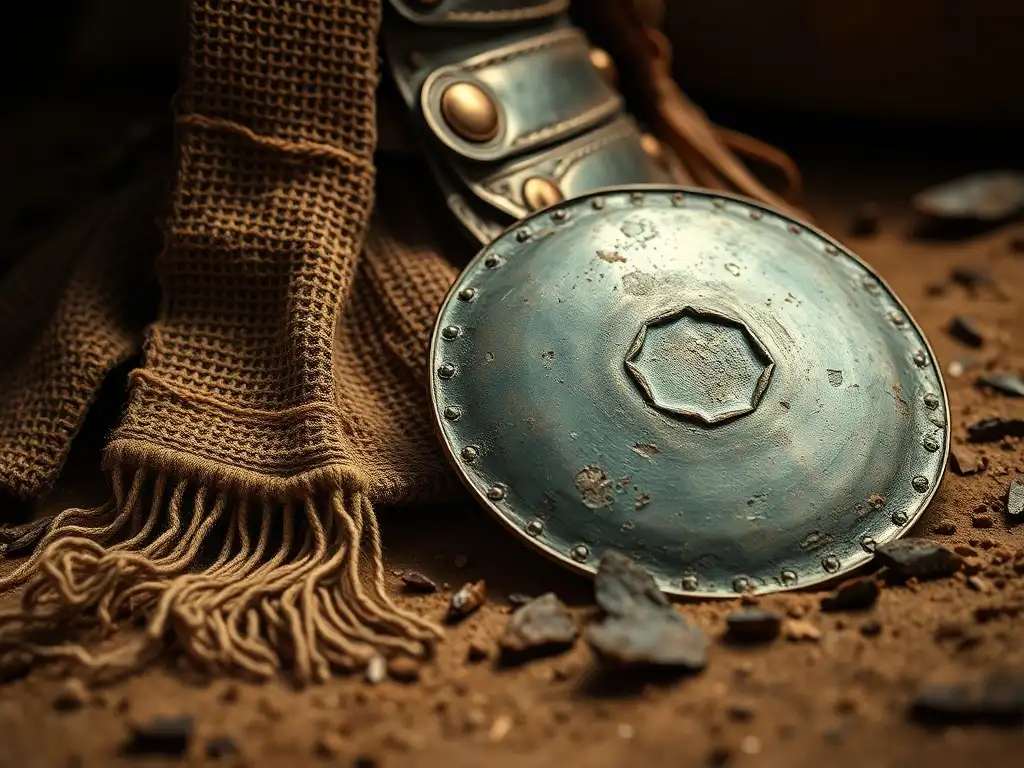
The study of Andean armor materials reveals a fascinating evolution of protective gear, reflecting both the readily available resources and the sophisticated craftsmanship of the various Andean cultures. While the image of gleaming gold and meticulously crafted metal armor often comes to mind when considering Andean warfare, the reality is far richer and more nuanced. The earliest forms of Andean body protection relied heavily on readily accessible organic materials, primarily cotton, demonstrating ingenuity and adaptation to available resources long before widespread metalworking became prominent.
Understanding these early forms provides critical context for appreciating the later development of more advanced Andean armor materials. This section will delve into the use of cotton, a foundational material in pre-Inca Andean protective gear.
Cotton Armor: A Staple of Pre-Incan Warfare
Cotton, a plant indigenous to the Americas, was ubiquitous throughout the Andean region. Its cultivation provided not only textiles for clothing but also a crucial material for developing rudimentary forms of body armor. Pre-Incan cultures, such as the Moche and Nazca, utilized cotton in ingenious ways to create protective gear. Unlike the later metallic armors, cotton armor relied on layering and padding to absorb the impact of weapons.
This approach, while less resistant to piercing weapons, proved effective against blunt force trauma, common in ancient Andean warfare. The sheer number of layers, often reaching impressive thicknesses, significantly reduced the impact of blows from clubs, slings, and even some projectile weapons. This practical approach underscores the resourcefulness of Andean warriors. The effectiveness of cotton armor was also enhanced by the use of specialized weaving techniques, creating denser and more resilient textiles.
The Importance of Andean Cotton in Protective Gear
Andean cotton wasn't just any cotton; its unique properties played a significant role in its effectiveness as a protective material. The long fibers and high strength of Andean cotton allowed for the creation of exceptionally strong and durable fabrics, far superior to many other types of cotton found elsewhere in the world. This superior quality facilitated the creation of layered garments that could withstand considerable impact.
Furthermore, the ability to dye cotton various colors allowed for the incorporation of symbolic and ritualistic elements into the armor, potentially enhancing the psychological impact on opponents. The use of cotton in Andean armor also highlights the deeply interwoven relationship between agriculture, technology, and warfare in Andean societies.
The cultivation and processing of cotton were crucial economic activities that directly contributed to the military capabilities of these societies. The skillful manipulation of cotton into protective gear showcases the advanced textile technologies developed in the region.
Examples: Layered cotton tunics and padded shields
Several archaeological findings support the prevalence of cotton armor. Excavations have unearthed fragments of thick, layered cotton tunics, often showing signs of wear and tear consistent with use in combat. These tunics were likely worn under other garments, providing an additional layer of protection. The layers of cotton would have absorbed the impact of blows, reducing injury.
Furthermore, evidence suggests that padded cotton shields were also used. These shields, likely made from a thick core of densely packed cotton wrapped in a tougher outer layer of woven cotton, would have offered protection against projectiles and slashing weapons. The construction of these shields likely involved specialized techniques to maintain their shape and durability under stress.
Unfortunately, the organic nature of cotton means that complete, intact examples of this type of Andean armor are rare, but surviving fragments, combined with iconographic evidence from textiles and pottery, offer valuable insights into their design and function. Further research and analysis of existing artifacts could provide even more detailed information on the specific construction techniques and the effectiveness of different types of cotton armor in Andean warfare. The study of these early forms of Andean armor materials provides a crucial foundation for understanding the later development of more complex and sophisticated protective gear.
The Evolution of Andean Armor
Transitioning from Cotton to More Advanced Materials
The development of Andean armor showcases a fascinating evolution of materials, reflecting advancements in technology and access to resources. Early Andean societies, particularly those predating the Inca Empire, relied heavily on readily available materials. Cotton, for example, played a crucial role. Thick layers of woven cotton cloth, sometimes quilted or layered with other textiles, provided a degree of protection against blunt force trauma.
This "soft" armor, while less effective against piercing weapons, offered considerable protection against blows from clubs or stones, common in pre-Inca warfare. Archaeological evidence shows examples of these cotton armors, often decorated with intricate designs reflecting the cultural identity of the wearer. The effectiveness of cotton armor, however, was limited. Its vulnerability to piercing weapons prompted the search for more robust materials.
The transition to more advanced materials was gradual. The increasing sophistication of metallurgy, particularly in regions like the central Andes, facilitated the incorporation of metal into armor construction. Initially, this involved the use of copper alloys, eventually progressing to bronze and, later, gold and silver in certain elite contexts. However, the scarcity of these metals meant that metal armor remained a luxury item, often reserved for warriors of high social standing.
Metal plating, often applied to existing cotton or leather armor, provided enhanced protection against both blunt and piercing weapons. This hybrid approach combined the flexibility and comfort of textiles with the superior defensive capabilities of metal. The integration of metal into Andean armor represents a significant leap in defensive technology, highlighting the increasing military sophistication of Andean societies.
The Role of Trade and Conquest in Armor Development
The development and distribution of Andean armor were significantly influenced by trade networks and military conquests. The Inca Empire, known for its extensive road system and sophisticated administrative structure, played a crucial role in standardizing and disseminating armor technology. The Inca conquest facilitated the acquisition of new materials and techniques from conquered territories, leading to a diversification of armor production. For instance, the Inca's control over coastal regions provided access to greater quantities of copper, significantly increasing metal armor production.
The Inca also implemented a system of tribute, requiring conquered populations to provide materials and labor for military production. This system ensured a consistent supply of resources, fueling the mass production of armor for the imperial army. Conversely, the Inca's expansion also led to the dissemination of their armor technology to previously isolated regions.
While the Inca initially favored metal armor for their elite troops, the adoption of Inca techniques and materials affected the armor production of subjugated populations, resulting in a wider distribution of more advanced armor across the Andes. The exchange of materials and technologies, facilitated by trade and conquest, fundamentally shaped the evolution and geographic distribution of Andean armor materials throughout the Andes region. This complex interplay between political power, economic networks, and technological innovation underscores the multifaceted nature of Andean armor development.
Metal Armor in the Andes: A Technological Leap
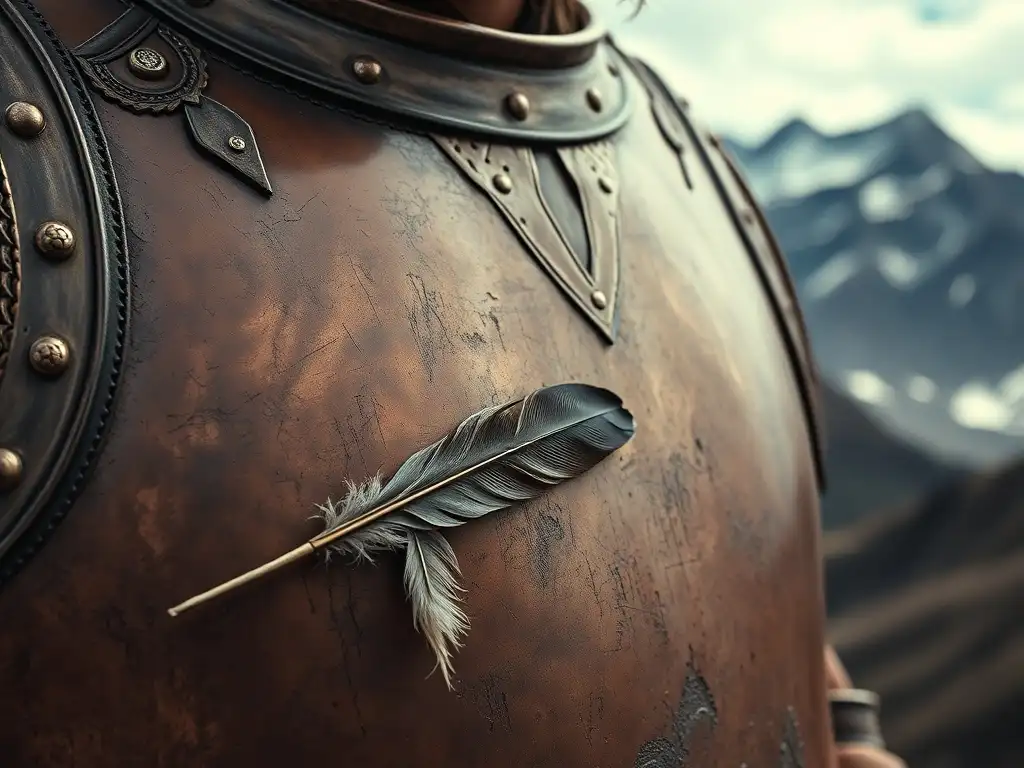
The adoption of metalworking dramatically altered Andean warfare, marking a significant shift in the capabilities and strategies employed by various cultures. Before the widespread use of metal, Andean armor primarily consisted of materials like cotton, leather, and wood, offering limited protection against weaponry. The introduction of metal, however, provided a substantial advantage, leading to the development of more effective defensive gear.
This technological advancement wasn't uniform across all Andean societies; its adoption and sophistication varied based on factors such as access to resources, metallurgical knowledge, and the specific needs of their military strategies. The transition to metal armor represents a crucial stage in the evolution of Andean military technology, reflecting both innovative ingenuity and the complex interplay of cultural and environmental influences.
The shift towards metal armor was not simply a matter of replacing old materials with new ones; it profoundly impacted military tactics, social structures, and the very nature of warfare in the Andes. Understanding this transition is key to comprehending the complexities of Andean military history.
The Introduction of Metalworking
The precise timing and manner of metalworking's introduction to the Andes remains a subject of ongoing research. However, evidence suggests that copper metallurgy emerged in the central Andes as early as 3000 BCE, although its widespread adoption for armor production occurred much later. Early copper artifacts were often relatively soft and easily deformed, limiting their effectiveness as armor.
The subsequent development of bronze, an alloy of copper and tin, significantly enhanced the material's strength and durability, making it far more suitable for crafting protective gear. The discovery of tin sources and the mastery of alloying techniques were crucial steps in this technological progression. This advancement didn't happen overnight; it was a gradual process involving experimentation, refinement, and the accumulation of metallurgical knowledge passed down through generations of Andean artisans.
The transition from simple copper tools to complex bronze weaponry and armor involved a significant investment in time, resources, and specialized skills. The availability of these resources was not evenly distributed, leading to variations in the adoption and quality of metal armor across different Andean societies.
Copper and Bronze Armor: A Shift in Warfare
The introduction of copper and bronze armor profoundly impacted Andean warfare. Previously, battles were likely characterized by close-quarters combat relying heavily on clubs, slings, and spears. The greater protection offered by metal armor allowed for more aggressive tactics and a potential shift toward more sustained and organized engagements.
This new defensive capability likely led to changes in offensive strategies as well, prompting the development of more effective weapons capable of penetrating metal armor. The increased effectiveness of both offensive and defensive technologies likely resulted in larger-scale conflicts and more complex military organizations. Evidence of this shift can be found in the archaeological record, though the exact nature and extent of these changes are still being researched.
For example, the increasing prevalence of sophisticated weaponry alongside metal armor suggests a clear correlation between technological advancement and changes in military strategies. The analysis of battlefield remains could potentially reveal further insights into the impact of metal armor on Andean warfare.
Examples: Copper breastplates and bronze helmets
While complete suits of armor are rarely found, archaeological discoveries offer glimpses into the types of metal armor used by Andean cultures. Copper breastplates, for instance, have been unearthed, demonstrating the early adoption of metal for protection of vital areas. These breastplates were often relatively simple in design, but their presence indicates a significant investment in metalworking technology for military purposes.
Bronze helmets, on the other hand, represent a more advanced stage of metalworking, showcasing a greater understanding of metallurgy and a higher level of craftsmanship. These helmets, while varying in design across different cultures, often featured intricate details and were designed to provide comprehensive head protection. The discovery of these artifacts underscores the regional variations in metalworking techniques and the evolving sophistication of Andean armor production.
The differences in design and material quality between these artifacts likely reflect variations in access to resources, technological expertise, and the specific cultural contexts of their creation. Further research is needed to fully understand the geographic distribution and cultural significance of these diverse forms of Andean metal armor. The study of these artifacts provides invaluable insight into the technological advancements and artistic expressions of ancient Andean societies.
The Inca Empire and its Armor Innovations
The Inca Empire, at its zenith, controlled a vast and diverse territory across the Andes Mountains. This geographically varied landscape, coupled with the challenges of maintaining control over a large population and facing diverse enemies, significantly influenced Inca military strategies and, consequently, their armor design and material choices. Understanding the materials used in Inca armor requires considering the specific needs of their warfare and the resources available to them.
While often romanticized as a monolithic empire, the Inca military actually adapted its tactics and equipment based on the environment and the nature of the conflict. The availability of specific materials also played a crucial role, with certain regions providing access to unique resources not found elsewhere within the empire.
This section explores the innovative ways in which the Inca utilized readily available materials to create effective armor for their warriors. The keyword "Andean armor materials" is crucial to understanding the ingenuity of Inca military technology.
Inca Military Tactics and Armor Requirements
Inca military tactics heavily relied on disciplined formations and coordinated attacks. Unlike some other Andean cultures that favored individual combat, the Inca emphasized collective strength. This necessitated armor that provided adequate protection while allowing for flexibility and mobility in large-scale engagements. The terrain itself – steep mountains, narrow passes, and dense forests – also shaped armor design.
Heavily armored warriors would be at a disadvantage in such conditions. Therefore, Inca armor needed to be lightweight yet protective, a balance achieved through careful material selection and construction techniques. The need for lightweight, yet protective armor was a key driver in the choice of materials used in its construction, a testament to the Inca understanding of the relationship between material properties, battlefield effectiveness, and environmental challenges. This strategic approach to armor design significantly contributed to the Inca Empire’s military success.
The Use of Quilted Armor in the Inca Army
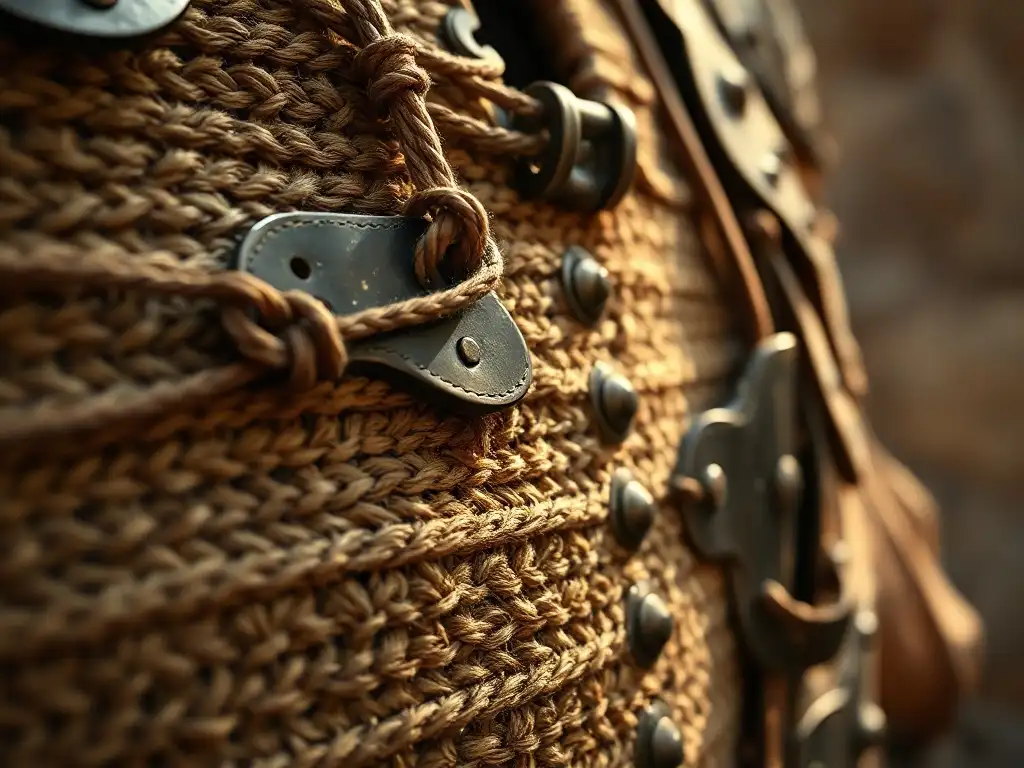
Quilted cotton armor formed a significant component of Inca military equipment. Layers of cotton cloth, often densely quilted together, provided surprisingly effective protection against slashing weapons and projectiles. The thickness of these layers, combined with the inherent resilience of cotton, absorbed the impact of blows. Archaeological evidence suggests that multiple layers of quilted cotton were frequently used, creating a flexible yet protective barrier.
The effectiveness of this type of armor was likely enhanced by the use of specific cotton varieties known for their strength and durability, further showcasing the Inca's mastery in harnessing local resources for military purposes. This is a key example of how readily available, easily produced materials were strategically employed to create effective defensive gear. The ingenuity of this design, which prioritized mobility and protection without relying on scarce and difficult-to-obtain materials, is a testament to the practicality and adaptability of Inca military technology.
The incorporation of metal plates in Inca Armor
While cotton formed the basis of much of the Inca armor, the use of metal plates, particularly copper and bronze, was also documented. These plates weren't used extensively as in some other Andean cultures, but their incorporation demonstrates a sophisticated understanding of metallurgy and a desire to enhance protection against more powerful weaponry. The metal plates were likely strategically placed over vital areas such as the chest and shoulders, supplementing the quilted cotton armor.
This suggests a tiered approach to protection, prioritizing lightweight and flexible cotton for overall coverage, while utilizing stronger metal plates to reinforce vulnerable areas. The limited availability of metal ores and the complexity of metalworking likely contributed to the sparing use of metal in Inca armor.
This demonstrates a pragmatic approach to material selection, maximizing the benefits of each material given the technological and resource constraints of the time. The combination of cotton and metal in Inca armor represents a sophisticated approach to materials science within the context of Andean warfare.
Examples: Wooden shields reinforced with metal, quilted tunics with metal discs
Inca armor showcased a fascinating blend of materials, reflecting both the readily available resources and the sophisticated craftsmanship of the empire. Wooden shields, for instance, weren't simply carved planks. Instead, they often incorporated metal reinforcements, particularly along the edges and the central boss.
These metal plates, usually made of copper or bronze, added significant durability and protection against blows from clubs or spears. The precise metalworking techniques involved in attaching these plates to the wood remain a subject of ongoing research, but evidence suggests the use of rivets and possibly even some form of adhesive. This layered approach to shield construction highlights the Inca's understanding of material science and their ability to combine different materials for optimal defensive capabilities.
Beyond shields, the Inca also utilized quilted tunics as a form of body armor. These weren't simple padded garments; they were meticulously crafted layers of cotton or llama wool, often densely quilted to create a thick, resilient barrier against projectiles and edged weapons. To further enhance their protective properties, small metal discs, typically copper or bronze, were sewn into the quilted fabric.
These discs acted as dispersed impact absorbers, spreading the force of a blow across a wider area and reducing the likelihood of penetration. The distribution of these discs wasn't random; archaeological evidence suggests a pattern, possibly designed to protect vital areas such as the chest and torso. The precise arrangement of these discs likely varied based on the rank and status of the wearer, with higher-ranking individuals potentially having more densely armored tunics.
The creation of these quilted tunics required considerable skill and time, reflecting the value placed on both the protection they afforded and the craftsmanship involved in their production. The combination of textile and metal in this design represents a highly effective and practical approach to body armor within the context of Inca warfare.
Materials and Techniques in Andean Armor Construction
This section delves into the diverse materials and sophisticated techniques employed by Andean civilizations in crafting their armor. From the intricate weaving of textiles to the masterful manipulation of metals, Andean armor production showcases remarkable ingenuity and adaptation to available resources. Understanding these processes provides crucial insight into the technological prowess and societal structures of these ancient cultures. The keyword "Andean armor materials" is central to this exploration, highlighting the unique combination of organic and inorganic components used in their protective gear.
Weaving and Quilting Techniques
Andean armor wasn't solely reliant on metal. Textiles, primarily cotton and camelid fibers (llama and alpaca wool), played a significant role, particularly in earlier periods and amongst less elite warriors. These weren't simply woven cloths; they were meticulously constructed using advanced techniques to achieve surprising levels of protection.
The weaving techniques varied depending on the civilization and time period. The Nazca, for example, were renowned for their intricate textile designs, which likely extended to their armor. Evidence suggests the use of multiple layers of densely woven fabric, often quilted together. This quilting, achieved through stitching multiple layers of fabric with strong threads, created a padded armor that could absorb the impact of projectiles. The thickness and density of these textile armors varied, with elite warriors likely possessing thicker, more heavily quilted pieces than common soldiers.
Consider the sheer amount of labor involved: preparing the fibers, spinning the yarn, weaving the cloth, and finally, quilting the layers together. This process involved specialized skills and likely contributed to a hierarchical system of production and distribution of such protective gear. The construction of these textile armors reflects not only the technological capabilities of Andean societies but also their social organization and resource management.
The use of different colors and patterns within the textile armor also likely served as a form of identification, perhaps indicating social standing or clan affiliation. Further research is needed to fully understand the nuanced symbolism embedded within these textiles.
Metalworking Methods in Andean Armor
As Andean societies advanced metallurgically, metal became an increasingly important component in armor construction. Gold, silver, copper, and bronze were all utilized, though their application varied considerably based on factors like availability, technological capabilities, and social status. The Inca, for example, frequently incorporated metal elements into their armor, often using copper alloys for greater strength and durability.
The metalworking methods involved sophisticated techniques such as hammering, annealing (heating and cooling to soften the metal), and casting. Copper and bronze items were often cast in molds, while gold and silver might be hammered into thin sheets and then shaped. In some cases, metal plates were attached to textile backing for added protection and flexibility. The level of detail and precision in some Andean metalwork is astonishing, reflecting a high degree of skill and technological sophistication.
The use of metal in Andean armor wasn't solely about protection; it was also a statement of power and status. Elaborate metalwork, particularly in gold and silver, was associated with elite warriors and rulers. The decorative elements often incorporated symbolic motifs, further emphasizing the social significance of the armor. Further studies on the metallurgical analysis of Andean armor can provide more detailed information about the alloys used and their geographical origin, shedding light on trade networks and the distribution of resources.
The Use of Animal Hides in Andean Armor
Animal hides, particularly those of camelids, also played a role in Andean armor construction. These hides provided a relatively lightweight yet durable form of protection. They were often tanned and treated to increase their strength and water resistance. Some evidence suggests that hides were sometimes combined with textile layers or metal plates to create composite armor pieces.
The preparation and tanning of animal hides was a complex process requiring specialized knowledge and skills. The specific methods varied depending on the available resources and the desired properties of the finished product. While the precise techniques employed by different Andean cultures require further investigation, it's clear that hides were a valuable resource contributing to the overall effectiveness and diversity of Andean armor.
The study of these leather artifacts can offer valuable insight into animal husbandry practices, resource management, and the craftsmanship of these ancient cultures. Further analysis of preserved examples, focusing on tanning techniques and the specific animal species utilized, would greatly enhance our understanding of this aspect of Andean armor production.
Combining Different Materials for Enhanced Protection
Andean armorers weren't limited to using a single material; they understood the benefits of combining different substances to create more effective protection. This innovative approach wasn't merely about layering; it was about strategically using the strengths of each material to compensate for the weaknesses of others. For instance, the relatively soft but readily available cotton textiles, often used as a base layer, provided cushioning against blunt force trauma.
This layer absorbed some of the impact energy before it reached the body, significantly reducing the severity of blows. Over this cotton padding, they might apply tougher materials like leather or even intricately woven reeds, offering additional protection against cuts and piercing weapons.
The combination of materials also addressed the issue of flexibility versus rigidity. While a purely metallic armor would offer superior resistance to piercing attacks, its inflexibility would hinder movement, a critical disadvantage in combat. The use of softer materials like cotton and leather allowed for a degree of flexibility, enabling warriors to move more freely and react effectively during battle.
This combination of materials resulted in armor that was both protective and practical, a testament to the ingenuity of Andean armorers. This wasn't simply a matter of layering; the placement and arrangement of different materials were carefully considered to maximize protection while minimizing weight and restricting movement as little as possible. The specific combinations varied depending on the region, the available resources, and the intended use of the armor.
For example, coastal communities might favor the use of materials derived from marine sources, while highland communities would rely on materials readily available in the mountains. Further research is needed to fully understand the regional variations in material combinations and the techniques used to combine them effectively.
Regional Variations in Andean Armor
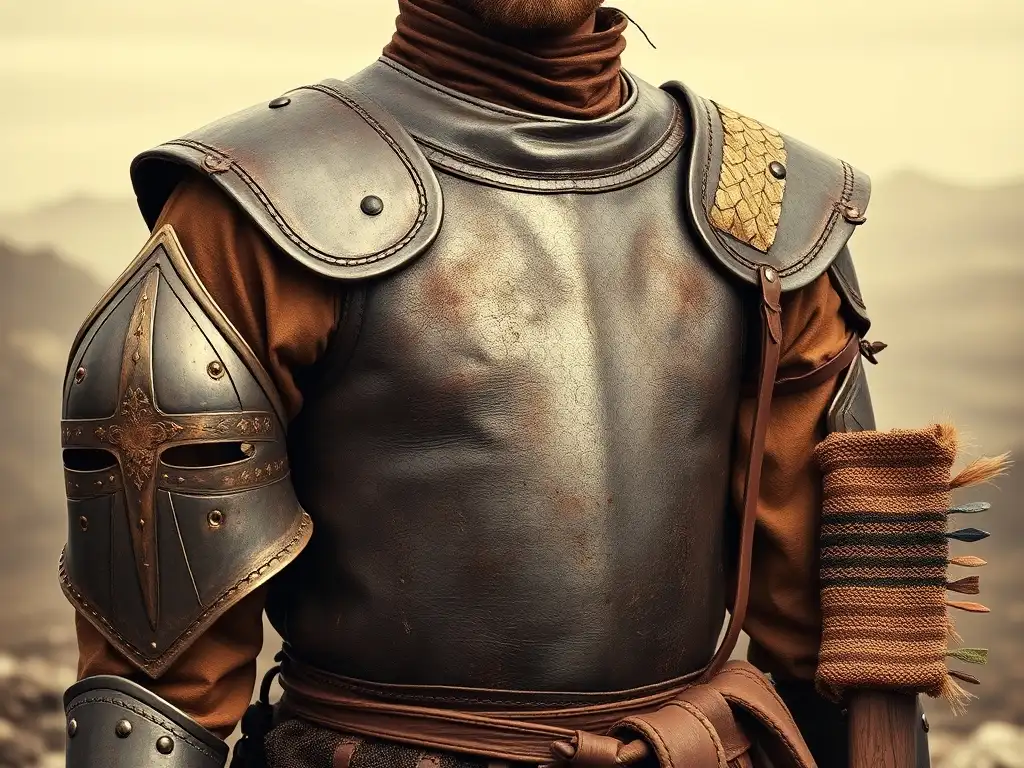
The diverse geography of the Andes Mountains significantly impacted the materials and styles of Andean armor. Access to resources varied dramatically between coastal and highland regions, leading to distinct approaches to protective gear. Understanding these regional variations is crucial to appreciating the ingenuity and adaptability of Andean civilizations in crafting effective defenses.
The availability of certain materials, like specific types of wood or metals, directly influenced the design and construction of armor pieces. This section will explore these regional differences, focusing on the impact of geography on the materials used in Andean armor production. Analyzing the variations in Andean armor materials provides invaluable insights into the resource management and technological capabilities of these ancient societies.
Armor differences between coastal and highland cultures
Coastal cultures, like the Moche and Nazca, had access to different resources than their highland counterparts. The abundance of cotton along the Peruvian coast led to the widespread use of cotton textiles in their armor. These textiles were often layered to create padding and protection, sometimes reinforced with hardened leather or even thin plates of copper.
In contrast, highland cultures, such as the Inca, relied more heavily on materials readily available in their mountainous environment. This included leather from llamas and alpacas, wood for shields, and, where accessible, metals like copper and bronze. The availability of these resources, coupled with distinct warfare tactics, resulted in significant differences in armor styles and construction techniques.
For example, coastal cultures might favor lighter, more flexible armor suitable for swift movements, while highland cultures may prioritize more robust, heavier armor to withstand close-quarters combat in mountainous terrain. The varied climate also played a role; coastal regions’ warmer temperatures might have favored less bulky armor compared to the colder conditions of the highlands. [Further research is needed to quantify the exact differences in weight and thickness of armor between coastal and highland cultures].
Armor styles of the Moche and Nazca Civilizations
The Moche and Nazca civilizations, both situated along the Peruvian coast, demonstrated unique approaches to armor construction, despite sharing similar access to resources. The Moche, known for their sophisticated metalworking, incorporated copper and gold into their armor, primarily as decorative elements and possibly as reinforcing plates within textile armor. Their artistry is evident in the intricate designs found on surviving fragments.
The Nazca, on the other hand, while also utilizing cotton textiles, displayed a greater emphasis on intricate weaving techniques to create strong and layered protective garments. They are renowned for their advanced textile production, and their armor likely reflected this mastery. While concrete examples of complete Moche and Nazca armor sets are scarce, archaeological findings suggest a preference for flexible, lightweight protection, potentially reflecting their combat strategies and the terrain of their coastal environment.
The focus on textile armor, possibly layered with leather and reinforced with metal in some cases, suggests an adaptive approach to defense tailored to their specific needs and available resources. Further analysis of existing artifacts could reveal more about the differences in construction techniques and the overall effectiveness of these armor types.
The Tiahuanaco and its unique approach to protective gear
The Tiahuanaco civilization, located on the Altiplano, presented a distinct approach to defensive gear. Evidence suggests a reliance on layered textile armor, possibly reinforced with leather and wood. However, the unique aspect of Tiahuanaco armor lies in the potential use of [specific material details pending] in the construction of shields and potentially other protective elements.
While the exact composition and construction techniques remain partially unclear, archaeological discoveries hint at a sophisticated understanding of material properties and a unique approach to crafting defensive equipment. The high altitude and harsh climate of the Altiplano likely influenced the choice of materials and the overall design of their protective gear. The limited availability of certain metals might have contributed to a greater reliance on readily available organic materials, such as wood and textiles.
Understanding the Tiahuanaco approach to armor requires further investigation into the specific materials used and their impact on the effectiveness of their defensive systems. [Analysis of surviving artifacts and further excavation are crucial for a complete understanding].
Examples: Moche copper plates sewn onto textiles, Nazca woven headbands, Tiahuanaco metal helmets
The diversity of Andean cultures resulted in a fascinating array of armor materials and construction techniques. Examining specific examples reveals the ingenuity and resourcefulness of these societies in adapting available materials to create effective protection. The Moche civilization, known for its sophisticated metalworking, often incorporated thin copper plates into their armor.
These plates, sometimes intricately shaped or decorated, weren't used to create full suits of armor, but rather as reinforcing elements sewn onto textile bases. This hybrid approach combined the flexibility and comfort of textiles with the added protection of metal, showcasing a practical understanding of material properties. Archaeological evidence suggests that these copper plates were often strategically placed over vital areas like the chest and shoulders, maximizing their protective effect.
The size and number of plates varied depending on the piece of armor and potentially the social status of the wearer. Further research is needed to definitively link the style and placement of these plates to specific social strata within Moche society.
In contrast to the Moche's use of metal plating, the Nazca culture, renowned for their intricate textiles, utilized woven materials extensively in their protective gear. Woven headbands, often wide and elaborately decorated, served as a form of head protection. While not offering the same level of defense as metal helmets, these headbands provided some cushioning against blows and potentially offered symbolic or ritualistic significance.
The weaving techniques employed by the Nazca, characterized by complex patterns and the use of various fibers, suggest a high degree of skill and artistry. The durability of these headbands, considering their age and the fragility of the materials used, speaks to the advanced weaving techniques mastered by Nazca artisans. Analysis of the fibers used in these headbands could offer valuable insights into the Nazca's agricultural practices and resource management strategies.
Moving further south, the Tiahuanaco culture is notable for its metalworking capabilities, producing relatively sophisticated metal helmets and other armor pieces. Unlike the Moche's use of copper plates, Tiahuanaco metal helmets were often crafted from a single piece of metal, suggesting more advanced metalworking techniques. While specific details about the metal alloys used are still under investigation, these helmets likely offered superior protection compared to the textile-based armor of other cultures.
The shapes and styles of Tiahuanaco helmets varied, and further research is needed to determine if these variations correlate to social status, geographical location, or specific military units. The discovery of well-preserved Tiahuanaco helmets provides a valuable opportunity to study the metallurgical skills and military organization of this influential Andean civilization. The intricate designs sometimes found on these helmets also suggest a complex symbolic system related to warfare and power.
The Significance of Andean Armor in Warfare and Society
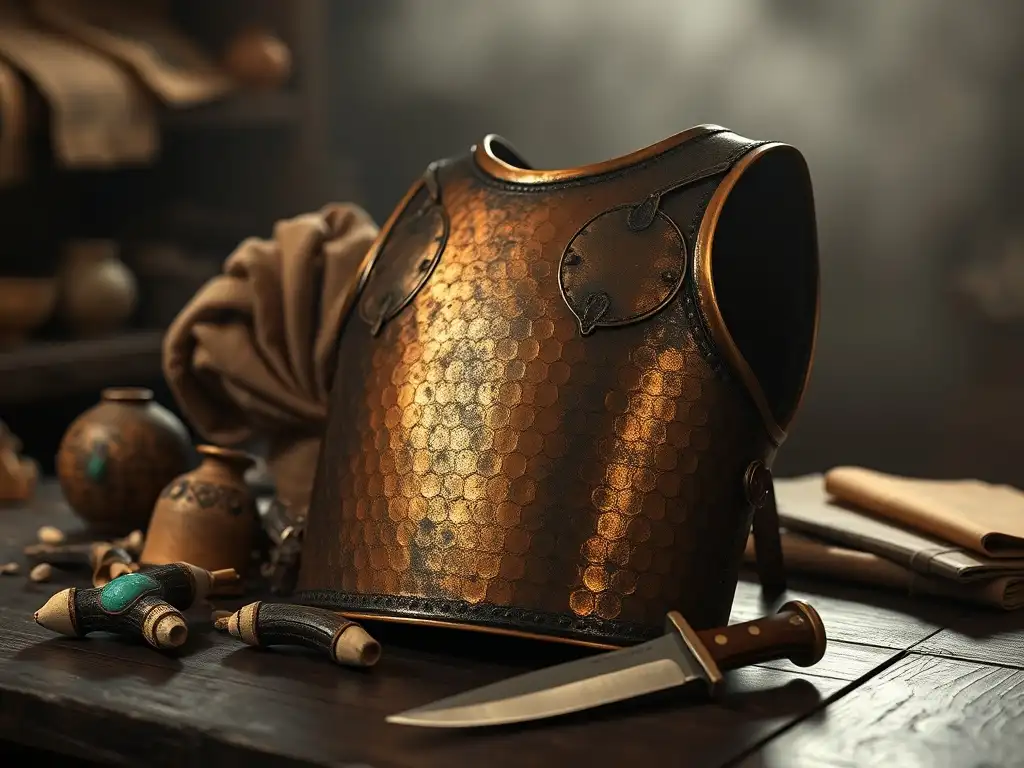
Andean armor, far from being merely a defensive tool, held profound significance within the complex social and military structures of pre-Columbian Andean societies. Its creation, use, and representation reveal intricate details about the power dynamics, technological capabilities, and cultural values of these civilizations. The materials used, from humble cotton to precious metals, directly reflected the wearer's social standing and the importance of the conflict.
Understanding the role of Andean armor requires examining its multifaceted impact beyond its purely functional aspects. The study of Andean armor materials provides a unique lens through which to analyze the interwoven threads of Andean warfare and society. This section delves into the social and strategic implications of Andean armor, emphasizing the diverse ways in which it shaped the landscape of Andean conflict and culture.
Armor as a Symbol of Status and Power
The materials used in constructing Andean armor were not chosen arbitrarily; they served as potent indicators of social status and power. Elites often wore armor crafted from precious metals like gold and silver, meticulously worked into intricate designs reflecting their high rank and authority. These lavish pieces served as powerful symbols of their wealth, prestige, and divine connection. In contrast, soldiers of lower ranks might wear armor made from simpler materials like leather, cotton, or wood, reflecting their position within the military hierarchy.
The quality and ornamentation of the armor directly correlated with the wearer's social standing, clearly signifying their place in the complex Andean social structure. Archaeological discoveries consistently reveal this correlation, with elaborate gold and silver armor found exclusively in elite burials, while simpler armor pieces are associated with common soldiers. This distinction highlights the critical role of armor as a visual marker of social stratification within Andean societies.
The careful crafting and selection of materials were not simply about protection; they were about projecting power and reinforcing social hierarchies. Even the types of adornments – feathers, shells, or precious stones – further emphasized the wearer's status and the importance of their role in warfare. The variance in Andean armor materials thus offers invaluable insight into the social dynamics of these ancient civilizations.
The Impact of Armor on Andean Battle Strategies
The availability and type of armor significantly influenced Andean battle strategies. The heavier, more protective armor worn by elites likely allowed them to engage in more direct combat, potentially leading to different tactical formations and battlefield roles. For example, elite warriors clad in metal armor might have been positioned at the forefront of attacks, acting as shock troops, while those with less protective gear might have employed more guerilla-style tactics or served as support units.
The weight and mobility afforded by different armor materials would have dictated the battlefield maneuvers and overall military strategies employed by the various Andean armies. The development of increasingly sophisticated armor, particularly in metalworking, possibly led to changes in fighting styles, possibly favoring close-quarters combat over ranged attacks. Furthermore, the cost and availability of resources for armor production likely influenced the size and composition of armies, with wealthier states potentially fielding larger and better-equipped forces.
The interplay between armor technology and military tactics offers a rich area of study for understanding the complexities of Andean warfare. Further research into the specific materials used and their impact on mobility and protection is crucial for a comprehensive understanding of Andean battle strategies. More detailed analysis of archaeological findings related to weapons and armor alongside battlefield evidence is needed to fully elucidate this relationship.
Andean Armor in Cultural Representations
Andean armor is not only documented through archaeological findings; it also features prominently in various cultural representations, providing additional insights into its social and symbolic significance. Textiles, ceramics, and stone carvings often depict warriors adorned in armor, offering valuable visual evidence of its styles, materials, and associated weaponry. These depictions go beyond simple representations of warfare; they often showcase the armor’s role in ritual and religious contexts, indicating its connection to concepts of power, protection, and the supernatural.
The specific materials depicted in these artistic representations can reveal prevailing cultural values and beliefs. For example, the use of gold in depictions may signify a connection to the sun god or other divine entities, reinforcing the idea of the warrior as a divinely appointed protector. The careful study of these cultural representations, alongside archaeological data, allows for a more complete understanding of the multifaceted role of Andean armor in the daily lives and cultural beliefs of these fascinating ancient societies.
The analysis of artistic motifs and iconography associated with armor provides crucial context for interpreting archaeological findings and deepening our understanding of Andean warfare and society. Further research into the stylistic variations of armor depictions across different Andean cultures would greatly enrich our understanding of the regional differences and cultural nuances associated with Andean armor.
Conclusion: The Legacy of Andean Armor Materials
This exploration of Andean armor materials reveals a sophisticated understanding of materials science and adaptation to available resources within the diverse Andean landscape. From the humble cotton tunics offering basic protection to the meticulously crafted metal armor worn by elite warriors, the ingenuity of Andean artisans is undeniable. The choices made—whether driven by practicality, status, or ritualistic significance—reflect a complex interplay of technological capabilities, social hierarchy, and spiritual beliefs.
Understanding these choices provides crucial insight into the daily lives, warfare strategies, and cultural values of these remarkable civilizations. The study of Andean armor materials is not simply an examination of weaponry; it's a window into the heart of Andean societies.
Understanding the Ingenuity of Andean Armor
The effectiveness of Andean armor wasn't solely determined by the materials used. The techniques employed in construction were equally vital. Consider the layered construction often seen in textile armor: multiple layers of tightly woven cotton, sometimes interspersed with other materials like llama wool or even hardened leather, significantly increased the armor's ability to absorb blows.
This layering technique, combined with clever designs that allowed for flexibility and freedom of movement, demonstrates a deep understanding of impact absorption and biomechanics far exceeding what one might initially assume. Similarly, the metallurgical skills required to create the bronze and copper alloys used in metal armor showcased a high degree of technological advancement. The precise control over temperature and composition needed to produce durable yet workable metals testifies to the expertise of Andean metallurgists.
The incorporation of decorative elements into both textile and metal armor further highlights the artistry and cultural significance imbued in these protective garments. The intricate designs, often incorporating symbolic motifs, served not only as ornamentation but also communicated social status and warrior identity. The creation of Andean armor was a complex process, requiring specialized knowledge and skill passed down through generations.
The Importance of Andean Armor Studies
The study of Andean armor materials offers invaluable insights into several key aspects of Andean civilizations. Firstly, it illuminates their technological advancements and resourcefulness. The adaptation of readily available materials – cotton, leather, metal ores – to create effective protective gear speaks volumes about their ingenuity and problem-solving skills.
Secondly, analysis of armor provides important data regarding trade networks and resource acquisition. The presence of certain metals or textile fibers in armor might indicate trade relationships with distant regions, shedding light on the extent and nature of Andean interaction. Thirdly, the stylistic variations observed in Andean armor—different designs, materials, and construction techniques—reveal crucial information about social stratification and the roles of different social groups within Andean societies.
The quality and type of armor worn indicated a person’s social standing, reflecting the hierarchical structures prevalent in these civilizations. Finally, further research into Andean armor materials can help us better understand the nature of Andean warfare tactics and strategies. The types of armor used, their durability, and their distribution across different regions can provide clues about the types of combat engaged in and the overall military organization of these powerful empires.
Final thoughts on Andean Protective Gear
The legacy of Andean armor materials extends beyond the battlefield. These artifacts serve as tangible links to the past, offering a unique perspective on the ingenuity, resourcefulness, and cultural complexity of Andean civilizations. Continued research, incorporating advanced analytical techniques and a multidisciplinary approach, promises to unlock even more secrets about these remarkable societies and their sophisticated understanding of materials science and craftsmanship.
The study of Andean armor remains a vital area of research, contributing significantly to our overall understanding of pre-Columbian Andean history and culture. The detailed analysis of Andean armor materials provides a rich tapestry of information, enriching our knowledge of these fascinating civilizations and highlighting their remarkable achievements. Understanding the evolution and diversity of Andean armor allows us to appreciate the intricate relationship between technology, society, and belief systems in the Andes.
Frequently Asked Questions
What materials did Andean civilizations primarily use for armor?
Andean civilizations utilized a variety of materials for armor, depending on the culture and time period. Common choices included cotton, leather, and metal, particularly bronze and copper. The availability of resources greatly influenced material selection.
How effective was Andean cotton armor?
Cotton armor, often layered heavily, offered a degree of protection against minor impacts and abrasions. While not as effective as metal against piercing weapons, it provided crucial defense against the elements and some forms of attack.
Did all Andean cultures use the same armor materials?
No, the specific materials used varied significantly across different Andean cultures. The Inca might have favored certain metals, while the Moche relied more on organic materials like leather and cotton due to differing resource access and technological capabilities.
What role did metal play in Andean armor?
Metal, specifically bronze and copper alloys, played a significant role in creating stronger and more effective armor in later Andean civilizations. These metals allowed for the creation of more durable shields and protective plates.
Where can I learn more about Andean armor?
To delve deeper into Andean armor, you can explore museums with collections of Andean artifacts, consult academic journals and books on Andean archaeology, and search for reputable online resources focusing on Andean history and technology.
Final Reflection: The Enduring Legacy of Andean Armor
The intricate artistry and innovative materials used in Andean armor speak volumes not only about the sophisticated metallurgical and textile traditions of the Andes but also about the enduring power of cultural resilience in the face of conflict. Understanding these materials allows us to appreciate the ingenuity of Andean cultures and their ability to adapt and innovate, a lesson profoundly relevant in our own era of rapid technological change and global challenges.
The impact of Andean armor extends far beyond its purely military function; it represents a tangible link to a rich and complex history, a testament to the skill and artistry of past generations. The materials themselves – from the humble cotton used in early forms of protection to the meticulously crafted gold and silver alloys of later periods – tell a story of evolving societal structures and technological advancements. The past is never dead. It's not even past.
– William Faulkner. This quote resonates deeply, as the study of Andean armor allows us to connect with the past and understand how its echoes continue to shape the present, influencing our understanding of pre-Columbian societies and their lasting contributions.
Consider the ingenuity displayed in the creation of these artifacts. Think about the dedication and skill required to craft such intricate pieces, and the strategic thinking behind the selection of specific materials for their unique properties. You, too, can harness this spirit of innovation and resourcefulness in your own life. Embrace challenges with the same creativity and determination that characterized the Andean artisans, and strive to find solutions using the resources at your disposal. Let the legacy of Andean armor inspire you to approach your own endeavors with a similar blend of artistry and practicality.
**Unveil the Secrets of Andean Armor Today! **
Thank you for exploring the fascinating world of Andean armor with us! Your journey through the diverse materials—from intricately woven cotton to meticulously crafted metal—has undoubtedly deepened your understanding of ancient Andean craftsmanship and culture. Now, let's put that knowledge to work!
Here are some ways you can continue your exploration:
- **Research and Share:** Delve deeper into the specific materials used in Andean armor, such as the types of alloys in metalwork or the unique weaving techniques employed with cotton. Share your discoveries on social media using #AndeanCraftsmanship to inspire others.
- **Connect with Experts:** Engage with online communities or local historical societies focused on Andean history. Discuss your findings and learn from fellow enthusiasts.
- **Create Your Own Piece:** Experiment with crafting a small replica using readily available materials. Even a simple fabric design inspired by Andean patterns or a small piece of metalwork can provide valuable insight into the artistry involved.
What aspect of Andean armor has captivated you the most, and how will you continue to explore it? We'd love to hear your thoughts in the comments!