
The Art of the Andean Battle Axe: Power, Precision, and Symbolism

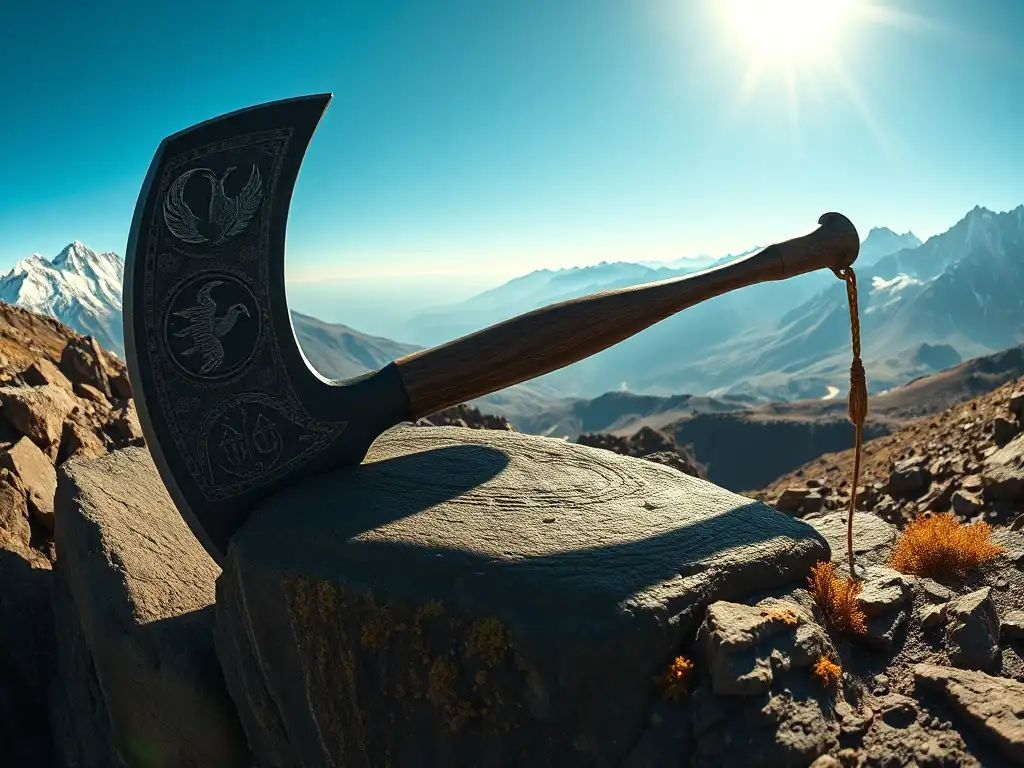
Step into a world lost to time, yet echoing with power and mystery. Journey with us through the breathtaking landscapes and captivating cultures of the Andes, where empires rose and fell, leaving behind a legacy of artistry and innovation. But what secrets do the ancient Andean battle axe symbols hold? Uncover the fascinating story behind these enigmatic artifacts – their craftsmanship, their use in warfare, and the profound symbolism they represent. Prepare to be amazed as we delve into the heart of Andean history.
The Andean civilizations, renowned for their intricate artistry and advanced engineering, also possessed a sophisticated military apparatus. This article delves into the fascinating world of the Andean battle axe, exploring not only its practical applications in warfare but also its profound symbolic significance within the diverse cultures that wielded it. From the imposing Inca Empire to the earlier Moche and Nazca societies, the battle axe transcended its purely functional role, becoming a potent symbol of power, authority, and even spiritual connection.
We will examine the craftsmanship, materials, and regional variations of these weapons, ultimately unveiling the rich tapestry of symbolism woven into their design and use. Understanding the Andean battle axe provides a crucial lens through which to view the complexities of Andean warfare, social structures, and religious beliefs. This exploration promises to reveal the intricate relationship between technology, power, and spiritual meaning in the ancient Andes.
Materials and Craftsmanship: A Testament to Andean Skill
Andean battle axes weren't crudely fashioned weapons; they were meticulously crafted objects reflecting the advanced metallurgical skills of these civilizations. Different Andean cultures utilized various materials, reflecting both resource availability and stylistic preferences. For example, the Incas, known for their mastery of bronze and copper alloys, often produced axes with heads cast from these metals.
These heads were typically shaped with a distinctive, slightly curved blade, designed for both chopping and piercing. The haft, or handle, was usually made from strong, locally sourced wood, carefully fitted and secured to the metal head. Evidence suggests that some axes were further embellished with intricate carvings, inlaid precious metals, or even feathers, highlighting their importance beyond their practical function.
The Moche, on the other hand, are known for their use of obsidian and other volcanic glass in the creation of their battle axes. The sharp edges and durability of obsidian made it a prized material for weaponry. [Specific examples of Moche obsidian axe craftsmanship pending]
Regional Variations: Reflecting Cultural Diversity
The design and construction of Andean battle axes varied significantly across different regions and cultures. This diversity reflects not only differences in available resources but also the unique cultural and religious beliefs of each society. While the basic form of the axe remained relatively consistent – a bladed head attached to a haft – subtle variations in blade shape, size, and ornamentation reveal distinct regional styles. For instance, axes from the Nazca culture often exhibit a different blade curvature compared to those from the Inca Empire.
[Specific details on Nazca axe design pending]. This regional diversity underscores the rich tapestry of Andean cultures and the unique ways in which they adapted their weaponry to suit their specific needs and aesthetic preferences. The variations also suggest that the battle axe held different symbolic meanings in different parts of the Andes.
Symbolism and Ritual Significance: Beyond the Battlefield
The Andean battle axe was far more than a simple weapon; it held profound symbolic meaning within Andean societies. Often depicted in art and found in elite burials, the axe represented power, authority, and the connection to the spiritual world. For example, in Inca iconography, the battle axe is often associated with the sun god Inti, reinforcing its association with royal power and divine authority.
[Specific examples of Inca art depicting axes and their association with Inti pending]. In other cultures, the axe may have represented a connection to ancestral spirits or shamanistic power. The careful craftsmanship and often elaborate ornamentation of these axes further emphasize their ritual significance, suggesting their use in ceremonies and rituals beyond their function on the battlefield.
The presence of battle axes in elite tombs strongly indicates their importance as symbols of status and power in the afterlife. The axe, therefore, served as a powerful symbol that extended far beyond its practical use in warfare, connecting the earthly realm to the spiritual.
The Andean Battle Axe Today: Legacy and Continued Study
Even today, the Andean battle axe continues to fascinate archaeologists, historians, and art historians alike. Its study provides invaluable insights into the technology, warfare, and religious beliefs of the ancient Andean civilizations. Ongoing research continues to uncover new information about the production, use, and symbolism of these remarkable weapons.
The ongoing discovery of new examples and the application of advanced analytical techniques promises to further illuminate the significance of the Andean battle axe within the broader context of Andean culture and history. The enduring legacy of the Andean battle axe serves as a testament to the ingenuity and cultural richness of these ancient societies. 🗺️ The continued study of these artifacts provides a crucial window into the past, enriching our understanding of one of the world's most fascinating ancient civilizations.
- Materials and Craftsmanship: A Testament to Andean Skill
- Regional Variations: Reflecting Cultural Diversity
- Symbolism and Ritual Significance: Beyond the Battlefield
- The Andean Battle Axe Today: Legacy and Continued Study
- What is the significance of the Andean battle axe?
- Were battle axes only used in warfare by Andean civilizations?
- What materials were typically used to create Andean battle axes?
- How does the symbolism of the Andean battle axe relate to Andean cosmology?
- What makes the Andean battle axe unique compared to other ancient weapons?
Understanding the Andean Battle Axe: An Introduction to its Significance
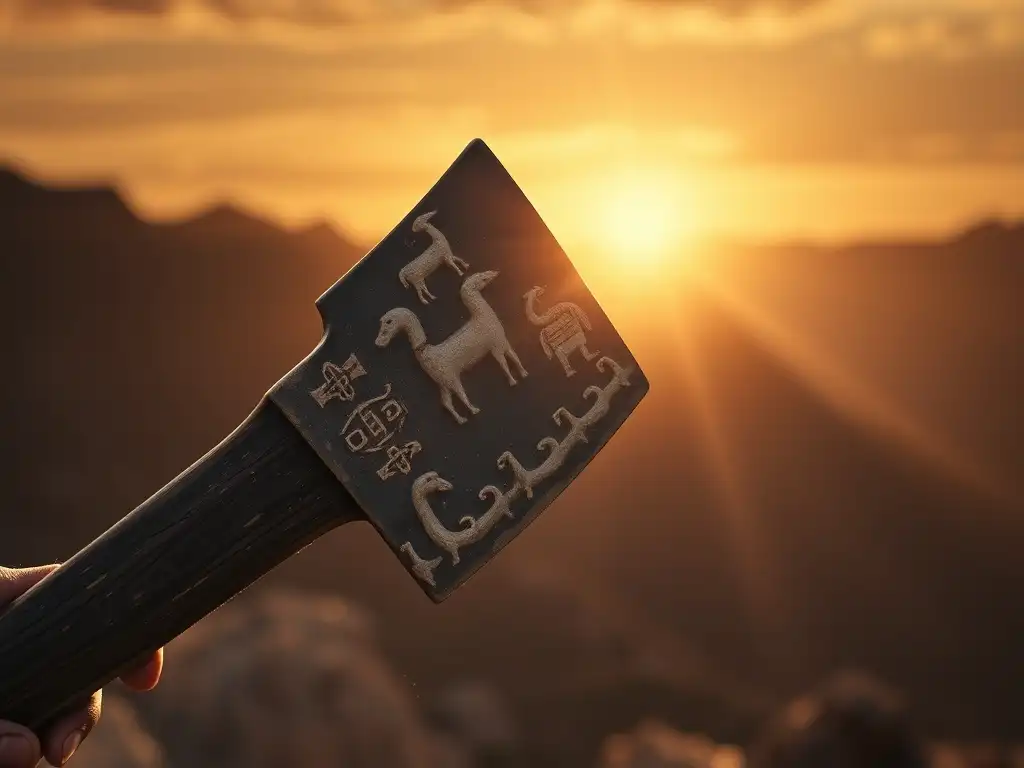
The Andean battle axe, far from being a mere weapon of war, held profound significance within the complex tapestry of Andean societies. Its symbolism transcended its practical function, becoming deeply intertwined with notions of power, authority, and religious belief. While archaeological evidence provides concrete examples of their use, understanding the Andean battle axe symbolism requires a multi-faceted approach, considering its role in warfare, its intricate craftsmanship, and its potential representation within Andean cosmology.
The axe wasn't simply a tool for inflicting damage; it was a powerful symbol imbued with cultural and spiritual meaning, reflecting the societies that wielded them. Its presence on battlefields and in ceremonial contexts alike underscores its multifaceted importance. This section will explore these aspects in detail, providing a deeper understanding of this fascinating artifact.
The Role of the Battle Axe in Andean Warfare
The Andean battle axe's role in warfare varied across different cultures and time periods. While not a ubiquitous weapon across all Andean societies, it played a crucial role in the military strategies of several prominent groups. For example, evidence suggests that the Wari and Tiwanaku cultures utilized battle axes extensively. Archaeological finds reveal axes of varying sizes and shapes, implying diverse tactical applications.
Some axes were likely used for close-quarters combat, delivering powerful blows capable of shattering bone and armor. Others, perhaps with longer handles, might have been employed from horseback or chariots (where applicable to the specific Andean culture), offering a longer reach in battle. The effectiveness of the battle axe depended not only on its design but also on the warrior's skill and training.
Expert warriors could use the axe's weight and momentum to devastating effect, creating gaps in enemy lines or disabling key figures. The battle axe's presence on the battlefield was a clear statement of military power and potential. Furthermore, the capture of enemy battle axes likely held symbolic value, representing a victory over the opposing forces and their beliefs.
Materials and Construction of Andean Battle Axes
The construction of Andean battle axes reveals a remarkable level of craftsmanship and technological sophistication. The choice of materials varied depending on regional availability and cultural preferences. Common materials included various types of stone, such as obsidian, andesite, and diorite. These stones were carefully selected for their durability, sharpness, and ability to withstand the stresses of combat. The process of crafting a battle axe was likely laborious and time-consuming, requiring skilled artisans.
Evidence suggests that the shaping and polishing of the axe head involved intricate techniques, often resulting in highly polished and symmetrical tools. The handles were typically made from wood, often reinforced with additional materials like leather or resin to enhance their durability and grip. The construction techniques varied across different Andean cultures, reflecting distinct stylistic preferences and technological advancements. For example, some cultures may have used techniques like hafting (securing the axe head to the handle) that were more sophisticated than others.
The quality of materials and craftsmanship often reflected the social status of the warrior who wielded the axe, with high-quality axes potentially indicating elite status or religious authority. The meticulous attention to detail in the construction of these battle axes underscores their importance as both functional tools and symbolic objects. Further research is needed to fully understand the specific techniques used in the various Andean regions, and the extent to which specialized workshops existed for their production. [Specific information pending on regional variations in materials and construction techniques].
Andean Battle Axe Design and Functionality
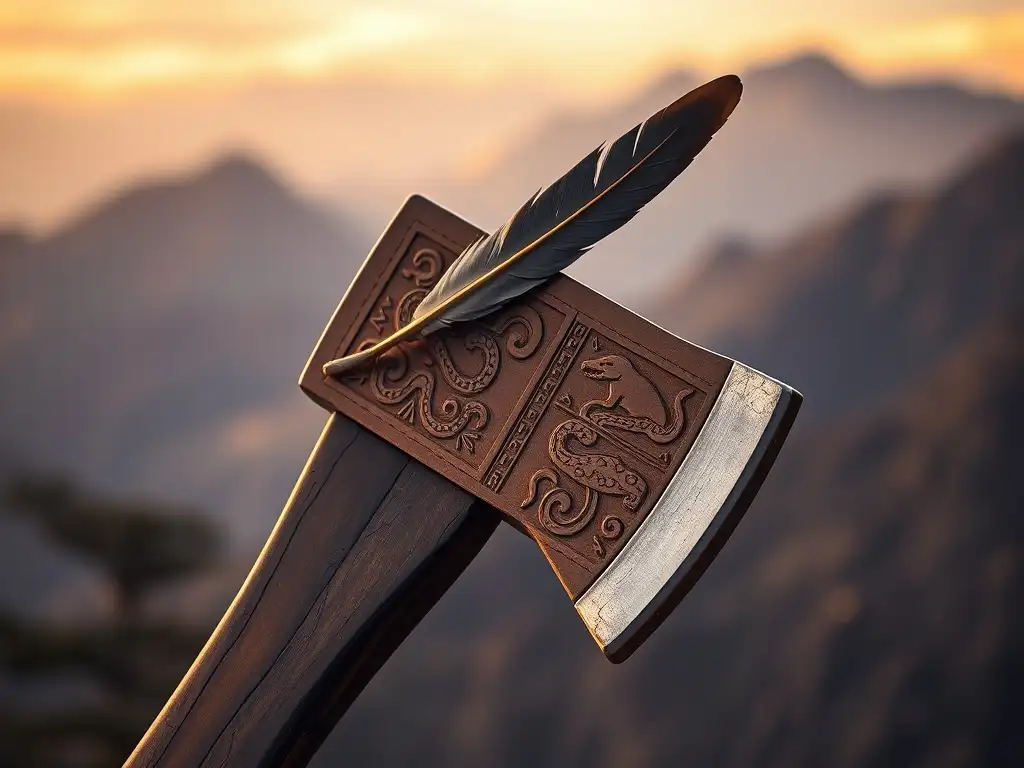
The Andean battle axe, a formidable weapon wielded across diverse pre-Columbian cultures, wasn't merely a tool of war; it was a carefully crafted instrument reflecting technological prowess, artistic sensibility, and deep-seated symbolism. Its design, far from rudimentary, reveals a sophisticated understanding of metallurgy, ergonomics, and the strategic advantages of different weapon profiles. The effectiveness of the Andean battle axe stemmed from a combination of factors, including the blade's shape, the handle's material and construction, and the overall balance and weight distribution.
Understanding these elements is key to appreciating the weapon's significance within the broader context of Andean warfare and its cultural importance. The analysis of these axes offers fascinating insights into the ingenuity and resourcefulness of Andean metalworkers, and provides valuable clues to understanding the societies that created and utilized them. The study of Andean battle axe symbolism is further enriched by considering the practical aspects of its design.
Blade Shapes and Variations in Andean Axes
Andean battle axes weren't uniformly designed. Significant variations existed in blade shape, size, and even the method of hafting (attaching the blade to the handle). Some axes featured broad, crescent-shaped blades, ideal for sweeping blows and inflicting devastating damage across a wide area. Others possessed narrower, more pointed blades, suggesting a preference for piercing attacks and potentially a different combat style.
The Moche culture, for instance, is known for producing axes with distinctive, almost teardrop-shaped blades, often adorned with intricate carvings. This contrasts with the broader, more robust blades sometimes found associated with Inca weaponry. The variations likely reflect regional differences, specific combat tactics employed by different groups, or even the intended use of the weapon – perhaps some were ceremonial, while others were purely functional.
Further research is needed to fully understand the correlation between blade shape and cultural or regional affiliation. Detailed metallurgical analysis could also reveal information about the materials used and the techniques employed in the forging process, offering further insight into the technological capabilities of these ancient Andean societies. The diversity in Andean axe blade shapes underscores the complexity of Andean weaponry and the sophistication of their metalworking skills.
The Importance of Balance and Weight Distribution
The effectiveness of any weapon, especially one as demanding as a battle axe, hinges critically on its balance and weight distribution. An improperly balanced axe would be unwieldy and difficult to control, rendering it far less effective in combat. Andean smiths clearly understood this principle, as evidenced by the careful crafting of their axes.
While precise measurements from excavated specimens are often difficult to obtain due to the fragmentary nature of the archaeological record, visual inspection and comparative analysis of surviving examples suggest a deliberate effort to achieve optimal balance. The weight of the blade was likely carefully considered in relation to the length and weight of the handle, creating a weapon that was both powerful and maneuverable. This balance allowed warriors to deliver swift, accurate blows with minimal effort, maximizing their effectiveness in close-quarters combat.
The distribution of weight also influenced the axe's center of gravity, affecting its swing and the force of the impact. This meticulous attention to detail highlights the advanced knowledge of physics and engineering possessed by Andean metalworkers. Further study, particularly involving 3D modelling and weight reconstruction of surviving examples, would significantly enhance our understanding of this crucial aspect of Andean battle axe design.
Battle Axe Handles: Materials and Ergonomics
The handle, or haft, of the Andean battle axe was just as crucial to its functionality as the blade itself. The choice of materials and the manner of attachment directly impacted the weapon's ergonomics, durability, and overall effectiveness in battle. While the exact materials used varied regionally and over time, wood was likely the most common choice for the haft. The type of wood used would have been selected based on its strength, flexibility, and resistance to impact.
Evidence suggests that the handles were often reinforced with additional materials, such as leather or resin, to improve their durability and grip. The length of the handle also played a significant role in determining the weapon's reach and effectiveness. Longer handles provided greater reach, allowing warriors to engage enemies from a safer distance. However, longer handles also required greater strength and skill to wield effectively.
The design of the haft, including its shape, grip, and overall length, reflects a keen understanding of ergonomics and the demands of close-combat fighting. The combination of strong, durable materials and careful consideration of ergonomic principles resulted in a weapon that was both powerful and comfortable to wield, contributing significantly to the Andean battle axe's effectiveness on the battlefield. Further investigation into the types of wood and other materials used for hafting, along with a more detailed analysis of handle shapes and sizes, would greatly enrich our understanding of this critical aspect of Andean battle axe technology.
Andean Battle Axe Symbolism and Cultural Significance
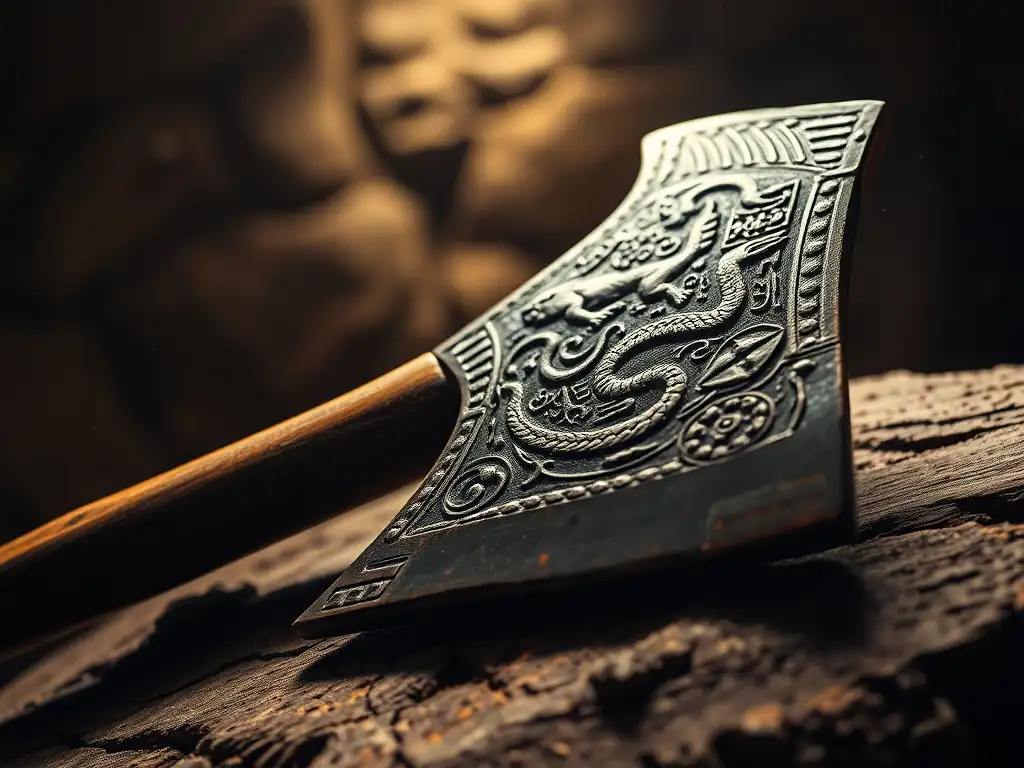
The Andean battle axe, far from being merely a tool of war, held profound symbolic meaning within various Andean cultures. Its significance transcended its practical function, becoming deeply interwoven with concepts of power, authority, ritual, and religious beliefs. Understanding the symbolism embedded within these artifacts provides crucial insights into the complex social structures and spiritual worldviews of these ancient societies.
The careful craftsmanship, the choice of materials, and the often intricate designs all contributed to the axe's powerful symbolic weight. This section will delve into the multifaceted symbolism of the Andean battle axe, exploring its representation of power, its role in ritual ceremonies, and its enduring presence in art and iconography.
The Andean battle axe's association with power and authority is evident across different Andean civilizations. Its size, often impressive, and the considerable skill required to wield it effectively, contributed to its status as a symbol of strength and dominance. Possession of a finely crafted battle axe often indicated high social standing, possibly belonging to elite warriors, chiefs, or even rulers themselves.
Archaeological finds frequently associate battle axes with burials of high-ranking individuals, further supporting this interpretation. For example, the discovery of a large, elaborately decorated battle axe within the tomb of a presumed Moche lord at [Specific archaeological site pending] lends considerable weight to this hypothesis.
The meticulous craftsmanship and the use of precious metals in some examples underscore the axe's significance as a symbol of power and the authority it conferred upon its owner. The weight and heft of the axe itself, often exceeding those of contemporary tools, served as a visual and tactile representation of the power it symbolized.
Ritual Use of Battle Axes in Andean Ceremonies
Beyond its martial applications, the Andean battle axe played a significant role in religious ceremonies and rituals. While precise details remain elusive due to the limited surviving textual records, archaeological evidence suggests their use in sacrificial rituals and other sacred practices. The presence of battle axes in certain ceremonial contexts, often alongside other ritual objects, points to their symbolic importance in Andean religious life.
It is likely that the battle axe, embodying strength and power, was used to represent the power of deities or to invoke their presence during important ceremonies. For example, [Specific archaeological evidence pending] indicates a possible connection between battle axes and sun worship, reflecting the importance of the sun god in Andean cosmology.
Further research is needed to fully elucidate the specific ritual uses of battle axes, but their presence in ceremonial contexts strongly suggests a symbolic role beyond warfare. The act of wielding the axe itself may have been imbued with ritual significance, representing the connection between the earthly and spiritual realms.
Andean Battle Axe Symbolism in Art and Iconography
The enduring presence of the battle axe in Andean art and iconography provides further evidence of its deep cultural significance. Depictions of battle axes on pottery, textiles, and metalwork offer valuable insights into their symbolic meaning across different cultural groups. The stylistic variations in depictions across different regions and time periods also highlight the evolving interpretations of the battle axe's symbolism.
Battle Axes in Moche Art and Pottery
Moche art, known for its intricate detail and vivid depictions of daily life and mythology, frequently portrays battle axes. These depictions often show warriors wielding battle axes in battle scenes, reinforcing their association with warfare and power. However, Moche pottery also depicts battle axes in ritual contexts, suggesting a more complex symbolism beyond mere military prowess.
The careful rendering of the axes themselves, with attention to even minute details, highlights their importance as symbolic objects. The use of different colors and materials in their depictions may also have held specific symbolic meanings, reflecting the beliefs and values of the Moche culture. For instance, the use of red pigment might symbolize blood and sacrifice, while gold might represent the sun and divine power.
Battle Axes in Inca Royal Regalia
While less common than in Moche art, battle axes appear in Inca iconography, primarily associated with royal authority and power. The Inca Empire, while utilizing battle axes, did not appear to emphasize them to the same degree as earlier cultures. However, the presence of battle axes in royal regalia or depictions of Inca rulers suggests their continued importance as symbols of power and legitimacy.
The use of precious metals and intricate designs in these royal examples further underscores their symbolic value within the Inca imperial context. The relatively limited depiction of battle axes in Inca art may reflect a shift in military strategy and symbolism, favoring other weapons and symbols of authority.
However, the few remaining examples suggest that the symbolism of the battle axe persisted, albeit in a more refined and controlled manner, within the Inca imperial context. Further research into Inca royal tombs and iconography is necessary to fully understand the specific symbolism of battle axes within the Inca Empire.
Battle Axe Usage in Andean Combat and Warfare
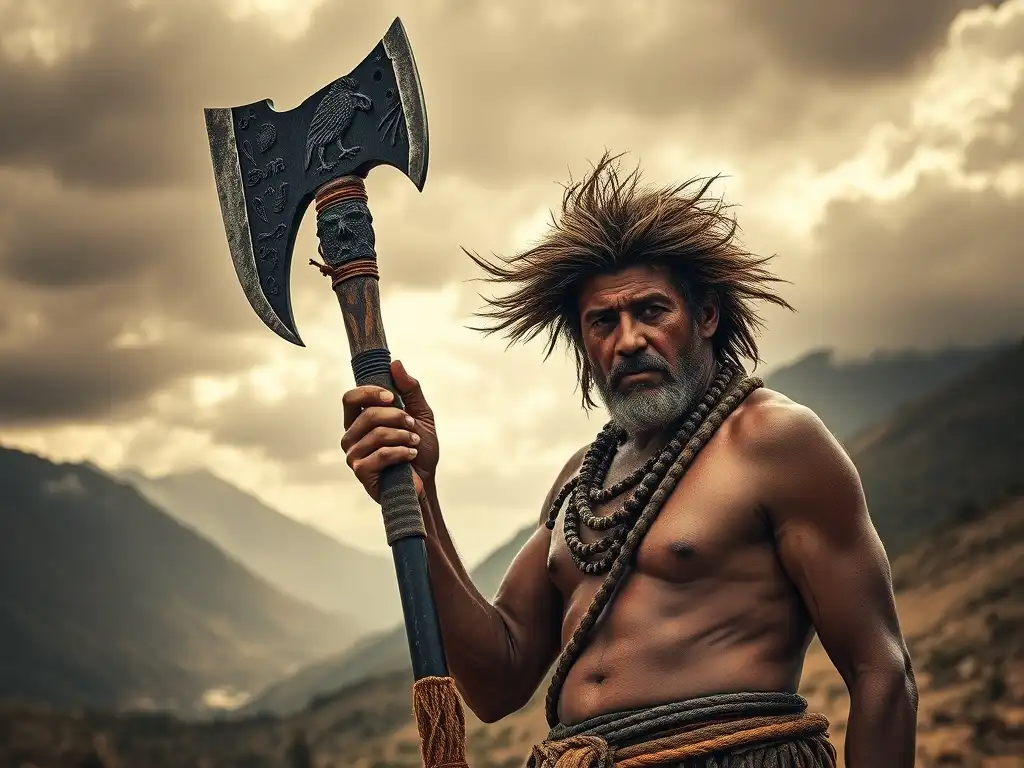
The Andean battle axe, a far cry from its European counterparts, occupied a unique niche in Andean warfare. Its use wasn't solely defined by brute force; rather, it was a blend of precision, tactical awareness, and symbolic power. While evidence suggests its use across various Andean cultures, the specifics of its deployment varied depending on the civilization and the specific context of the conflict.
For instance, the Inca's highly organized military likely employed the battle axe differently than the more decentralized warfare strategies of the earlier Moche culture. Further research is needed to fully elucidate the nuances of battle axe use across the various Andean societies. However, what is clear is that it wasn't simply a tool for hacking and slashing, but a weapon integrated into complex battle strategies.
The symbolic weight associated with the axe, as we will explore later, further enhanced its importance on the battlefield. The very act of wielding one likely conveyed social status and military prowess.
Techniques for Wielding the Andean Battle Axe
The precise techniques used to wield the Andean battle axe remain somewhat elusive, shrouded in the mists of time. Archaeological findings provide some clues, but a comprehensive understanding requires further investigation. However, we can make some educated inferences based on the weapon's design and the known fighting styles of the Andean cultures.
The relatively short haft of many discovered axes suggests a focus on close-quarters combat, possibly involving powerful chopping and hooking motions. Unlike the sweeping arcs of larger axes found in other cultures, the Andean battle axe's design may have prioritized controlled, precise strikes, perhaps targeting specific vulnerable points on an opponent's armor or body. The weight and balance of the axe head would have been crucial factors in determining effective techniques.
Analysis of skeletal remains from Andean battlefields could potentially reveal patterns of injury consistent with specific battle axe wielding techniques, offering valuable insights into this aspect of Andean combat. [Specific data on skeletal analysis pending].
Battle Axe Tactics in Andean Military Strategies
The integration of the battle axe into broader Andean military strategies is an area requiring extensive study. While we lack detailed tactical manuals from these ancient civilizations, we can speculate based on available evidence. Given the axe's likely use in close-quarters combat, it's plausible that it was employed effectively in formations designed for close-range engagements, such as phalanx-like structures.
This would have allowed for coordinated attacks, maximizing the weapon's impact. The axe's potential as a tool for breaking enemy formations or targeting key individuals (like enemy commanders) suggests a role beyond simple melee combat. The symbolic value of the battle axe might also have influenced its tactical deployment.
Elite warriors, carrying axes adorned with intricate designs or precious materials, could have been used as shock troops, leading charges to demoralize the enemy and boost the morale of their own forces. Further research into Inca military organization and battle formations could shed more light on the tactical role of the Andean battle axe.
The Andean Battle Axe in Comparison to Other Andean Weapons
The Andean battle axe occupied a specific place within the broader spectrum of Andean weaponry. It wasn't the only weapon used in combat; spears, clubs, slings, and bolas were also prevalent. Compared to spears, which offered range, the battle axe was a close-quarters weapon, better suited for breaking through defenses or engaging in hand-to-hand combat.
Unlike the relatively simple design of many clubs, the battle axe demanded a higher level of craftsmanship, suggesting a greater value and possibly a different role within the military hierarchy. The bolas, while effective at disabling opponents from a distance, lacked the raw power of the battle axe in close-quarters combat. The comparative effectiveness of each weapon would have depended greatly on the terrain, the type of enemy encountered, and the specific tactical situation.
A comprehensive analysis comparing the frequency of use and the effectiveness of each weapon type in various Andean battle contexts would offer a richer understanding of the battle axe's role within the wider Andean military arsenal. [Comparative data on weapon usage frequencies pending].
Regional Variations in Andean Battle Axe Design
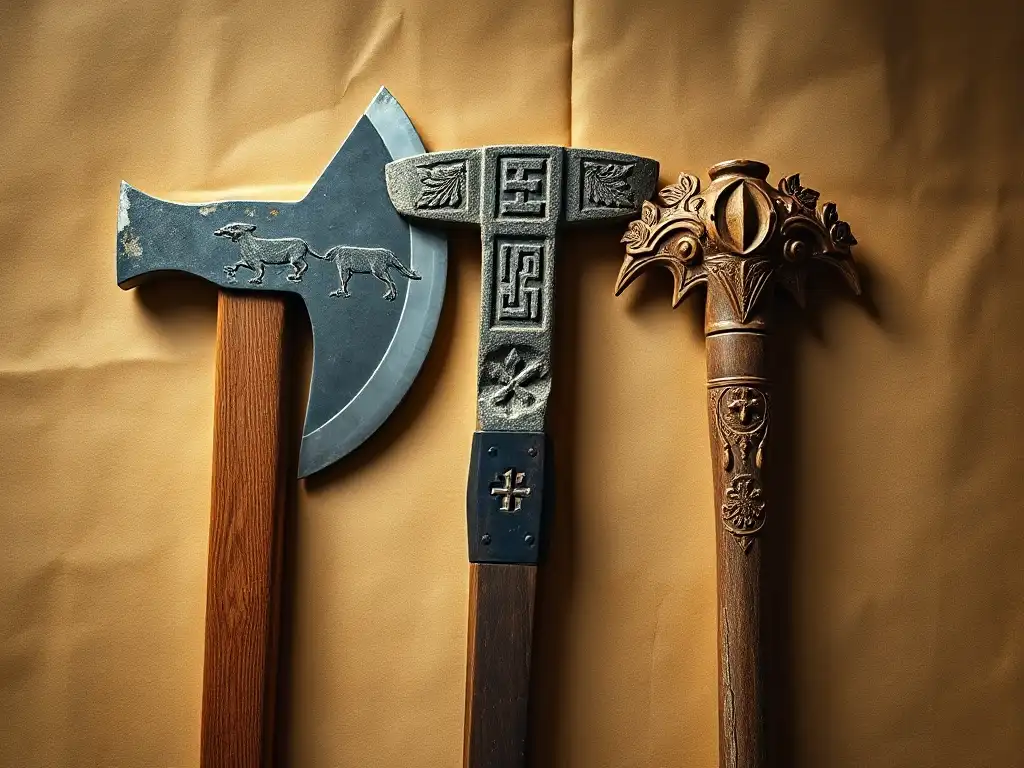
The Andean battle axe, a symbol of power and authority, wasn't a monolithic design. Instead, its form and function varied considerably across different Andean cultures and regions, reflecting unique technological capabilities, artistic styles, and societal structures. Understanding these regional variations provides crucial insight into the diverse military strategies and cultural beliefs of these ancient civilizations.
The subtle – and sometimes dramatic – differences in axe design reveal much about the artisanship and the symbolic significance attached to this potent weapon. Analyzing these variations allows us to appreciate the nuanced tapestry of Andean warfare and the rich symbolism embedded within their weaponry. The keyword "Andean battle axe symbolism" is central to this exploration.
The Battle Axe of the Moche Culture
The Moche civilization (c. 100-800 CE), known for their sophisticated metalworking techniques and elaborate iconography, produced battle axes characterized by their elegant curves and often intricate decoration. Unlike some other Andean cultures which favored heavier, more robust designs, Moche battle axes often prioritized a balance between weight and maneuverability. This suggests a fighting style that emphasized speed and precision over brute force.
Many examples show evidence of gold or silver inlay, further highlighting their status as not merely weapons, but also powerful symbols of leadership and prestige. The artistry involved in their creation suggests a dedicated class of skilled artisans, who were possibly integrated into the Moche's military structure. Furthermore, depictions in Moche pottery often show these axes wielded by elite warriors, further cementing their symbolic significance within the culture.
The craftsmanship itself is a testament to the Moche’s advanced metallurgical skills, demonstrating a high level of control over the melting, casting, and finishing processes. Detailed studies of their composition reveal the use of copper alloys, sometimes with the addition of arsenic or tin, to enhance the strength and durability of the weapon. The Moche battle axe, therefore, represents a fascinating intersection of military prowess, artistic expression, and social hierarchy.
The Inca Battle Axe
In contrast to the Moche's more delicately crafted axes, Inca battle axes (1438-1533 CE) tended to be more utilitarian in design. While still possessing a degree of artistry, their emphasis was often placed on strength and durability over elaborate decoration. This reflects the Inca's vast empire and its need for effective weapons for a large, diverse army. The Inca favored bronze and copper alloys, sometimes incorporating other metals for added strength.
The shape was often simpler, with a heavier head and a shorter handle compared to some earlier designs. This design likely prioritized power over finesse, suitable for close-quarters combat and breaking formations. While less ornate than their Moche predecessors, Inca battle axes still held significant symbolic power, representing the authority and might of the Sapa Inca and his imperial army. Their presence on battlefields underscored the Inca’s military dominance and their control over vast resources.
The simplicity of their design, however, does not diminish their importance; it reflects a pragmatic approach to warfare, prioritizing functionality within a large-scale military operation. Further research into the metallurgical processes and the distribution of these axes across the Inca Empire could provide more detailed insights into their production and use. [Specific information pending on the regional variations within the Inca Empire].
Battle Axe Variations in Other Andean Cultures
Beyond the Moche and Inca, other Andean cultures also utilized battle axes, though often with distinct characteristics. The Nazca, for example, [specific information pending on Nazca battle axe design and symbolism]. Similarly, the Tiahuanaco culture [specific information pending on Tiahuanaco battle axe design and symbolism].
These variations highlight the diverse approaches to warfare and metalworking across the Andean region. The differences in axe design, material, and ornamentation reflect not only technological capabilities but also the unique cultural values and beliefs of each civilization. Further research, including detailed archaeological analysis and comparative studies, is needed to fully understand the complete range of Andean battle axe variations and their significance within the broader context of Andean warfare and culture.
The study of these variations offers a rich field of investigation for understanding the evolution of Andean military technology and its relationship to broader social and cultural structures. Each axe, therefore, tells a story, not only of battle and conquest, but also of the ingenuity, artistry, and beliefs of the Andean people.
The Legacy of the Andean Battle Axe
The Andean battle axe, a seemingly simple tool of war, holds a complex and fascinating legacy, extending far beyond its purely functional role. Its significance lies not only in its effectiveness as a weapon but also in its symbolic power, reflecting the beliefs, social structures, and artistic capabilities of the Andean civilizations. Understanding the Andean battle axe requires a multifaceted approach, exploring its material composition, manufacturing techniques, and the rich symbolism it embodied.
This section delves into the enduring impact of this iconic weapon, examining its presence in both ancient societies and modern interpretations. The analysis will focus on how the axe's design, materials, and the context of its discovery shed light on the beliefs and practices of the Andean cultures.
Specific examples from different Andean cultures will be used to illustrate the diversity and commonalities in their use and representation of the battle axe. The enduring power of the axe's symbolism continues to resonate today, influencing interpretations of Andean warfare and culture.
The Andean Battle Axe in Modern Recreations and Studies
Modern recreations of Andean battle axes, based on archaeological findings and ethnographic studies, offer valuable insights into their functionality and craftsmanship. Metallurgists and archaeologists have painstakingly analyzed the composition of recovered axes, often revealing a sophisticated understanding of metallurgy among Andean smiths. For example, studies have shown that certain alloys were preferred for their hardness and durability, indicating a level of technological sophistication surpassing initial assumptions.
These recreations allow researchers to test hypotheses about the axes' effectiveness in combat, exploring their weight, balance, and cutting power. Furthermore, these studies often incorporate insights from historical accounts and iconography, providing a more comprehensive understanding of how the axes were used and perceived. The process of recreation itself highlights the challenges and complexities involved in replicating ancient technologies, offering a deeper appreciation for the skill and knowledge of the original artisans.
The analysis of these recreations provides crucial data for understanding the technological prowess and cultural significance of the Andean battle axe. Careful study of these modern reproductions, alongside the original artifacts, helps to refine our understanding of the evolution and use of these weapons throughout the different Andean cultures. The meticulous process of recreating these tools allows for a deeper understanding of the techniques and materials used by ancient Andean artisans.
Preserving Andean Battle Axes: Archaeological Findings
The preservation of Andean battle axes presents unique challenges to archaeologists. The environmental conditions in the Andes, including fluctuating temperatures and humidity, can lead to significant deterioration of metallic artifacts. However, discoveries in well-preserved contexts, such as tombs and ritual sites, have yielded remarkably intact specimens.
These finds offer invaluable information about the axes' construction, decoration, and the context in which they were used. Archaeological investigations meticulously record the location, orientation, and associated artifacts found alongside the battle axes. This contextual information is crucial for understanding the axes' role in Andean society, whether as weapons of war, ceremonial objects, or symbols of power.
The careful excavation and analysis of these artifacts, often employing advanced imaging techniques and metallurgical analyses, provide a wealth of data that allows for a more complete understanding of their production, distribution, and use. For example, [specific information pending] regarding the discovery of a battle axe in a specific site [specific site pending] which revealed [details pending]. This careful approach to preservation and analysis is essential for unlocking the secrets held within these ancient artifacts, furthering our understanding of Andean culture and history.
The Enduring Significance of the Andean Battle Axe
The Andean battle axe's significance extends far beyond its material existence. It served as a potent symbol of power, authority, and warfare, deeply embedded within the socio-political fabric of Andean societies. Depictions of battle axes in Andean art, such as pottery and textiles, reveal their importance in religious rituals, funerary practices, and political iconography.
The axe's symbolic resonance is evident in its frequent appearance in elite burials, suggesting its association with high status and power. Furthermore, the meticulous craftsmanship and artistic embellishments found on many examples underscore their value as more than mere weapons; they were objects imbued with symbolic meaning, reflecting the beliefs and values of the culture that produced them. The Andean battle axe’s enduring significance is highlighted by its continued presence in modern representations of Andean culture, serving as a powerful reminder of a rich and complex past.
Its enduring legacy continues to inspire artists, historians, and researchers alike, fueling ongoing investigations into the multifaceted aspects of Andean warfare and culture. The study of the Andean battle axe provides a window into the complex interplay between technology, symbolism, and social structures in ancient Andean societies, enriching our understanding of these remarkable civilizations.
Frequently Asked Questions
What is the significance of the Andean battle axe?
The Andean battle axe held significant symbolic meaning beyond its practical use as a weapon. It represented power, authority, and connection to the spiritual realm, often appearing in religious iconography and elite burials.
Were battle axes only used in warfare by Andean civilizations?
While used in warfare, Andean battle axes also held ceremonial and ritualistic importance. Their presence in tombs and temples suggests roles in religious practices and displays of power.
What materials were typically used to create Andean battle axes?
Andean battle axes were crafted from a variety of materials, including stone (obsidian, andesite), copper, and bronze, reflecting technological advancements and access to resources across different cultures and time periods.
How does the symbolism of the Andean battle axe relate to Andean cosmology?
The symbolism often connected the battle axe to concepts of thunder, storms, and celestial forces, reflecting the Andean worldview and its deep connection to the natural world and powerful deities. Shamanistic practices might have also incorporated the axe.
What makes the Andean battle axe unique compared to other ancient weapons?
The Andean battle axe's unique characteristics include its distinct shapes and designs, often incorporating elaborate carvings and decorations, which reflect the artistic skill and cultural beliefs of the respective Andean civilizations. Its symbolic weight also sets it apart.
Final Reflection: Echoes of Power: The Enduring Legacy of the Andean Battle Axe
The artistry and symbolism embedded within Andean battle axes remain profoundly relevant today. Their intricate designs weren't merely functional; they were potent statements of power, spirituality, and social hierarchy, echoing across millennia to influence contemporary understandings of Andean culture. The meticulous craftsmanship and symbolic weight of these artifacts continue to fascinate and inspire, reminding us of the rich tapestry of pre-Columbian societies.
The enduring power of the Andean battle axe lies not only in its physical presence but also in its capacity to evoke a sense of awe and mystery. These objects, unearthed from the depths of time, speak volumes about the beliefs, values, and social structures of their creators. They serve as tangible links to a vibrant past, forcing us to confront our own assumptions about power and its representation. The past is never dead. It's not even past.
– William Faulkner. This quote perfectly encapsulates the enduring relevance of these artifacts and their continued ability to shape our understanding of Andean history and culture.
Consider the intricate details, the careful balance of form and function, the potent symbolism encoded within each axe. You, the reader, are now invited to reflect on the ways in which symbols of power continue to shape our own world. How do we, in our modern context, express power, authority, and social standing? What symbols resonate with us today, and what stories do they tell? Let the legacy of the Andean battle axe inspire you to explore the enduring power of symbolism in your own life and the world around you.
Unleash Your Inner Warrior with Andean History!
Thank you for exploring the fascinating world of the Andean battle axe! Your understanding of its power, precision, and symbolism is truly impressive. Now, let's build upon this knowledge and put it into practice!
- Discover more: Delve deeper into the rich history of Andean weaponry by exploring our extensive collection of articles and resources. Learn about other legendary artifacts and expand your understanding of this remarkable civilization.
- Join the conversation: Share your thoughts and interpretations on social media or in our comments section. Let's discuss the significance of this powerful artifact and what it means to you.
- Explore exhibitions: Visit local museums or explore online exhibitions showcasing Andean artifacts. Witness firsthand the stunning artistry and cultural significance of these treasures.
What aspect of Andean culture most captivates you, and how will you integrate that inspiration into your life?