
Moche Diet and Cuisine: Sustaining Life in the Andes

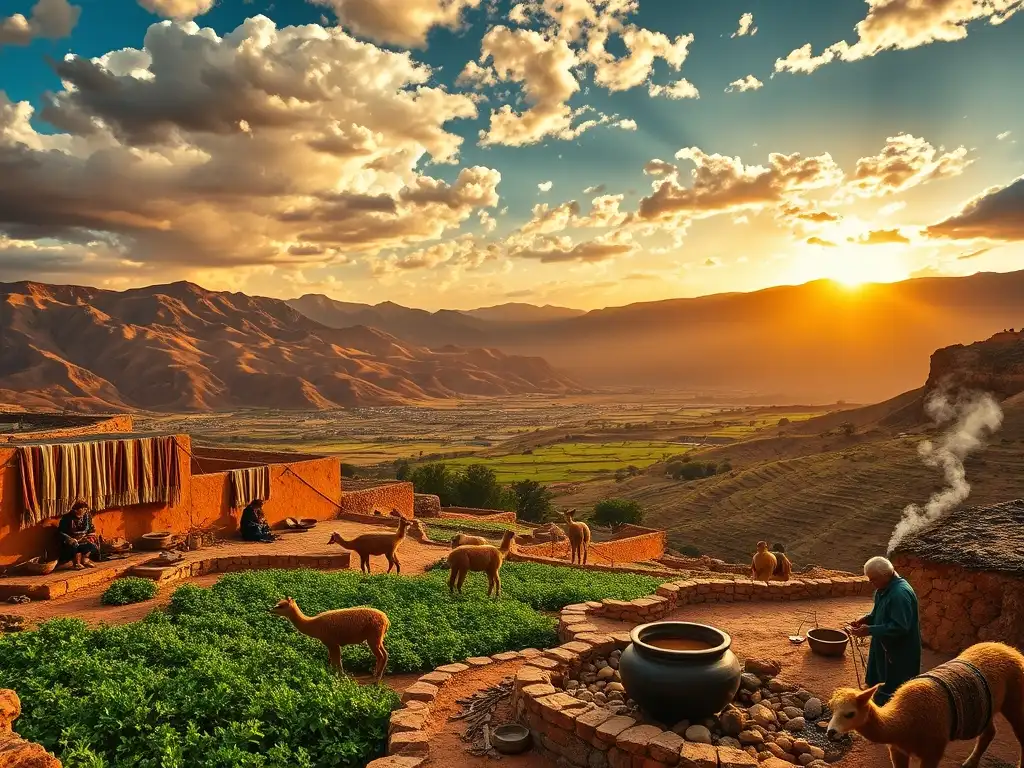
Uncover the secrets of a lost world! Journey back in time to the heart of the Andes and discover the fascinating Moche food practices that sustained one of history's most enigmatic civilizations. From intricate agricultural techniques to surprising culinary delights, prepare to be amazed by the ingenuity of the Moche. Their remarkable story, intertwined with the very landscape of the Andes, awaits you. Dive into the details of their diet and uncover how they thrived in this challenging environment.
The Moche civilization, flourishing along the northern coast of Peru from approximately 100 to 800 CE, developed sophisticated agricultural techniques and a complex social structure reflected in their unique culinary practices. Understanding Moche food practices provides crucial insights into their societal organization, resource management, and overall adaptation to the challenging Andean environment. This exploration delves into the diverse ingredients, preparation methods, and the significance of food within the Moche worldview, revealing how their diet sustained life in the harsh yet fertile landscapes of the Andes.
We will examine the evidence from archaeological findings, revealing a surprisingly varied and resourceful approach to sustenance that shaped their culture and daily lives. The keyword "Moche food practices Andes" will be explored throughout this analysis, providing a comprehensive understanding of this fascinating aspect of Moche society.
Agricultural Practices and Staple Crops
The Moche were masterful agriculturalists, utilizing complex irrigation systems to cultivate a variety of crops in the arid coastal region. Their ingenuity allowed them to overcome the challenges of a desert environment, ensuring a reliable food supply. Archaeological evidence points to maize (corn) as a staple crop, alongside beans, squash, and other vegetables.
These crops formed the foundation of the Moche diet, providing essential carbohydrates, proteins, and vitamins. The Moche also cultivated cotton, which was not only used for textiles but also potentially incorporated into their cuisine in various forms, perhaps as a thickening agent or flavor enhancer. Further research is needed to fully understand the extent of cotton's role in their culinary traditions.
Detailed studies of Moche agricultural remains reveal sophisticated terracing techniques and evidence of crop rotation, indicating a deep understanding of sustainable farming practices. This meticulous approach to agriculture was crucial for supporting a large and complex population.
Animal Husbandry and Protein Sources
Beyond agriculture, the Moche also relied on animal husbandry and fishing for protein sources. Camelids, such as llamas and alpacas, played a significant role in their economy, providing meat, wool, and transportation. Evidence suggests that these animals were selectively bred and managed, indicating a sophisticated understanding of animal husbandry. Fish and shellfish were also vital components of the Moche diet, particularly for coastal communities.
Archaeological sites have yielded numerous fish bones and shellfish remains, highlighting the importance of marine resources. The variety of animal protein sources suggests a varied and adaptable diet, capable of supporting a population with diverse needs. Furthermore, the presence of certain types of fish bones indicates that the Moche may have engaged in specialized fishing techniques targeting specific species.
Culinary Techniques and Food Preparation
While the exact methods of Moche food preparation remain partially unknown, archaeological evidence offers some clues. The discovery of various cooking implements, including pottery vessels and hearths, suggests that boiling, stewing, and roasting were common techniques. The presence of mortars and pestles indicates that grinding and pounding of ingredients were also integral parts of their culinary practices.
Considering the available ingredients, it is plausible that the Moche prepared stews, porridges, and roasted meats. Furthermore, the intricate designs on their pottery hint at possible ceremonial or ritualistic uses of certain foods, suggesting a deeper symbolic connection between food and their culture. The lack of written records presents a challenge to fully reconstruct their culinary techniques, but the archaeological record offers valuable insights into their ingenuity and resourcefulness.
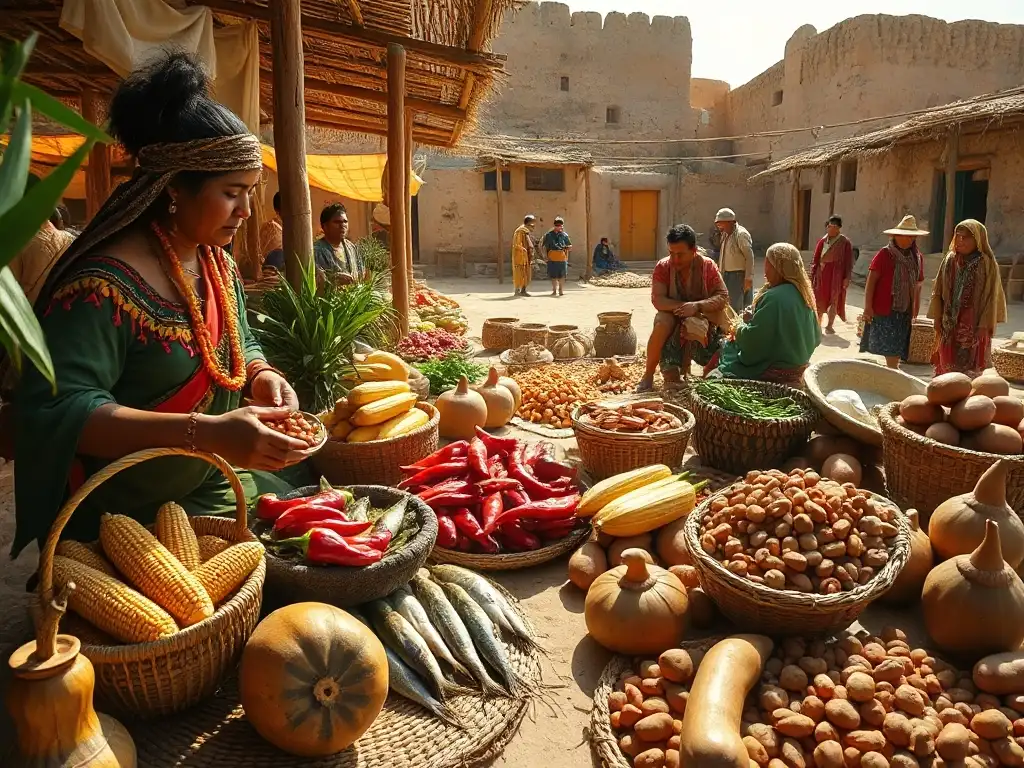
The distribution of food resources and the consumption patterns within the Moche society likely reflected their social hierarchy. Elites likely enjoyed a more diverse and abundant diet, with access to rarer ingredients and more elaborate preparations. Evidence from Moche tombs suggests that food offerings were part of burial rituals, reflecting the cultural significance of food and its role in the afterlife. The study of food remains in different contexts—elite tombs versus commoner settlements—can shed light on the social stratification of the Moche civilization and the unequal distribution of resources.
Further research into the isotopic analysis of human remains could provide further insights into dietary differences between social classes. This analysis is crucial to understanding the social dynamics and power structures within the Moche society. The study of Moche food practices thus offers a unique window into their social complexities.
Conclusion: A Resilient Culinary Tradition
The Moche diet, a testament to their adaptability and ingenuity, showcases a remarkable ability to thrive in a challenging environment. Their mastery of agriculture, animal husbandry, and food preparation allowed them to sustain a large and complex society. By studying their food practices, we gain a deeper appreciation for the resilience and resourcefulness of this remarkable Andean civilization, further enhancing our understanding of their rich cultural heritage.
The insights gained from exploring Moche food practices in the Andes offer a compelling glimpse into the daily lives, social structures, and overall success of this fascinating ancient culture. Further research and analysis of newly discovered archaeological sites will continue to refine our understanding of Moche foodways and its significance within their society.
- Agricultural Practices and Staple Crops
- Animal Husbandry and Protein Sources
- Culinary Techniques and Food Preparation
- Social Implications of Food and Diet
- Conclusion: A Resilient Culinary Tradition
The Foundation of Moche Food Practices in the Andes
The Moche civilization, flourishing along the northern coast of Peru between 100 and 800 CE, developed sophisticated food practices intricately linked to their environment and crucial for their societal success. Understanding Moche food practices offers a fascinating glimpse into their ingenuity and adaptability in the challenging Andean landscape. Their agricultural innovations, coupled with a diverse diet based on key crops, allowed them to sustain a large and complex society.
The Moche's relationship with their food wasn't merely sustenance; it was deeply embedded in their religious beliefs and artistic expressions, reflected in their elaborate pottery and iconography. This section explores the foundations of Moche food practices, emphasizing their agricultural prowess and the core components of their diet. The keyword "Moche food practices Andes" is central to understanding their remarkable achievements in food production and consumption within the harsh but fertile environment of the Andes Mountains.
Agricultural Innovations of the Moche Civilization
The Moche weren't simply passive consumers of what nature provided; they actively shaped their environment to maximize agricultural output. Their ingenuity is evident in their sophisticated irrigation systems, which harnessed water from rivers and streams to irrigate vast stretches of land along the arid coastal plains. These weren't simple canals; they were complex networks of channels, reservoirs, and aqueducts, showcasing impressive engineering skills.
The Moche mastered techniques like camellones, raised fields that helped retain moisture and improve soil fertility, particularly crucial in a desert environment. These agricultural innovations allowed them to cultivate crops on a scale previously unimaginable, supporting a densely populated society. Evidence suggests the Moche also employed techniques like terracing on hillsides to increase arable land, further demonstrating their commitment to agricultural intensification.
The effectiveness of these methods is evidenced by the abundance of agricultural remains found in Moche archaeological sites, highlighting the success of their innovative approaches to food production. This allowed for surplus production, contributing to social stability and the development of a complex social hierarchy. The sophistication of their agricultural techniques played a critical role in shaping the broader Moche food practices within the Andes.
Key Crops in the Moche Diet: A Basis for Andean Sustenance
The Moche diet was remarkably diverse, reflecting their agricultural achievements and access to marine resources. Key crops included maize (corn), beans, squash, and various tubers like potatoes and sweet potatoes. Maize, in particular, was a staple, forming the basis of many of their dishes. Archaeological evidence shows extensive maize cultivation, with different varieties adapted to various microclimates. Beans provided crucial protein, complementing the carbohydrate-rich maize.
Squash, in various forms, offered additional nutrients and flavor. The abundance of tubers—a hallmark of Andean agriculture—provided essential carbohydrates and vitamins. The Moche also cultivated cotton, not just for textiles but also for its edible seeds. Evidence from Moche burials reveals the importance of these crops, with food offerings often included alongside the deceased. This highlights the centrality of food in their culture and beliefs.
Furthermore, the Moche diet was complemented by access to abundant marine resources, including fish, shellfish, and seabirds. This coastal proximity provided a crucial source of protein and other essential nutrients, diversifying their food supply and enhancing their dietary quality. The interplay between agriculture and marine resources formed the cornerstone of Moche food practices, securing their sustenance and shaping their cultural identity within the Andes. The combination of these agricultural and marine resources enabled the Moche to develop a sustainable and varied diet, a key factor in their societal development and longevity.
Moche Culinary Techniques and Food Processing
The Moche civilization, flourishing along the arid northern coast of Peru from approximately 100 CE to 800 CE, developed sophisticated agricultural practices and ingenious culinary techniques to thrive in a challenging environment. Their food practices, a testament to their adaptability and ingenuity, are reflected in their art and archaeological findings, offering valuable insights into their daily lives and societal structures. Understanding Moche food practices in the Andes requires examining both their methods of food preparation and their innovative preservation techniques.
This section delves into the intricacies of Moche cuisine, revealing a complex system of food production and consumption shaped by the unique geography and resources of their coastal habitat. The keyword "Moche food practices Andes" is central to understanding this remarkable civilization's ability to flourish.
Methods of Food Preparation in Ancient Moche Society
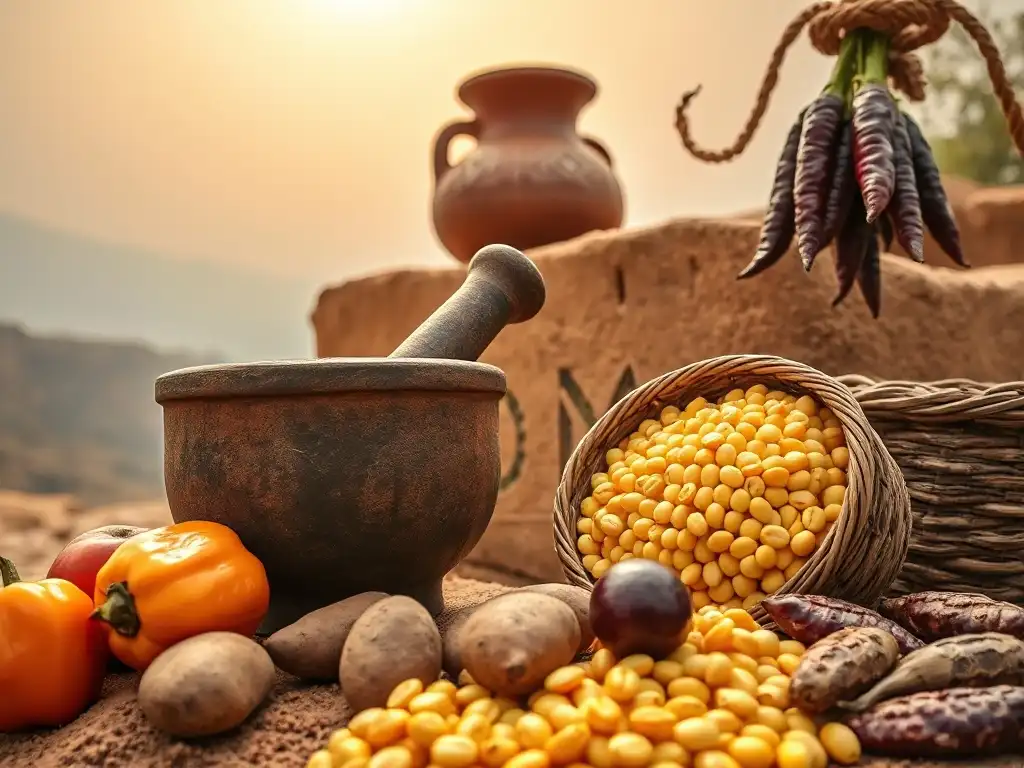
Moche food preparation involved a diverse range of methods, reflecting the variety of ingredients available. Archaeological evidence suggests the extensive use of grinding stones for preparing grains like maize and beans, fundamental components of their diet. These were likely ground into flour for making various breads, porridges, and other staple foods. Furthermore, evidence points to the use of mortars and pestles for crushing spices and other ingredients, indicating a sophisticated understanding of flavor enhancement. The Moche also likely used techniques like boiling and roasting, as evidenced by the remains of cooking vessels found in their sites.
The preparation of seafood, a crucial part of the Moche diet, likely involved simple methods like grilling and sun-drying, preserving the catch for later consumption. The abundance of fish bones and shellfish remains in Moche settlements underscores the importance of these resources in their daily sustenance. Moreover, the meticulous preparation of chicha, a fermented maize beverage, highlights their advanced knowledge of fermentation processes.
This drink played a significant social and ritual role in Moche society, further emphasizing the importance of food in their cultural practices. The complexity of Moche food preparation, ranging from simple grinding to sophisticated fermentation, showcases their culinary expertise and resourcefulness within the constraints of their environment. Their meticulous approach to food preparation reveals a deep understanding of both the nutritional and cultural value of their food.
Preserving Food: Ensuring Availability in the Moche World
Given the arid climate and the unpredictability of harvests, preserving food was crucial for the Moche. They employed a variety of ingenious methods to ensure year-round food security. Sun-drying was a prevalent technique for preserving fish and other perishable foods. This simple yet effective method extended the shelf life of food, making it available during lean periods. Archaeological findings reveal extensive evidence of sun-dried fish remains, suggesting its widespread use across different Moche communities.
Beyond sun-drying, the Moche likely utilized other preservation techniques, though direct evidence is less abundant. Fermentation, as seen in the production of chicha, also had a preserving effect, extending the usability of maize beyond its fresh state. Furthermore, it's plausible that they employed methods like salting and smoking to preserve certain foods, although further research is needed to confirm these practices definitively.
The scarcity of direct evidence regarding specific preservation methods highlights the need for further investigation into this crucial aspect of Moche food practices. However, the success of the Moche civilization, sustained over centuries in a challenging environment, stands as a testament to their effective strategies for ensuring food security through innovative preservation techniques.
The ingenuity displayed in their food preservation methods speaks volumes about their adaptation to the demanding conditions of the Andean coastal region, solidifying their place as a remarkable civilization in the history of the Andes. Further research into the specifics of their preservation methods could provide even more insight into their ingenuity and resilience.
The Moche Diet: An Overview of Staple Foods
The Moche civilization, flourishing along the northern coast of Peru from approximately 100 CE to 800 CE, developed sophisticated agricultural techniques to support a complex society. Their diet, a testament to their ingenuity and adaptation to the challenging Andean environment, was diverse and nutritious, providing the energy and sustenance necessary for their thriving culture. Understanding Moche food practices in the Andes reveals crucial insights into their social organization, economic systems, and overall way of life.
Analyzing their dietary habits allows us to reconstruct a picture of daily life, revealing not just what they ate, but how they obtained, prepared, and shared their food. This section focuses on the core components of the Moche diet, highlighting the staple foods that formed the foundation of their sustenance. The abundance and variety of these staples underscore the Moche's agricultural prowess and their ability to thrive in a demanding landscape.
Moche Staple Foods: Maize, Potatoes, Quinoa
Maize (corn), potatoes, and quinoa formed the trinity of staple crops for the Moche. These three provided a substantial portion of their caloric intake and essential nutrients. Archaeological evidence, including the discovery of maize cobs and potato remains in Moche sites, provides concrete proof of their importance. The Moche cultivated diverse varieties of each crop, adapted to the varying microclimates along the coast and in the Andean valleys.
- Maize: Used in various forms – ground into flour for tortillas, boiled as a porridge, or fermented into chicha, a vital alcoholic beverage with significant social and ritualistic importance. The discovery of sophisticated irrigation systems testifies to the Moche's commitment to maize cultivation, ensuring a reliable harvest even in arid conditions. Different varieties of maize likely provided varying nutritional profiles, potentially offering a diverse range of vitamins and minerals.
- Potatoes: The Andes are renowned for their incredible potato biodiversity, and the Moche certainly took advantage of this. They cultivated numerous potato varieties, each with unique characteristics suited to different altitudes and soil conditions. Potatoes provided carbohydrates and essential nutrients, forming a significant portion of the Moche diet. They were likely prepared in a variety of ways, boiled, roasted, or possibly even freeze-dried for preservation.
- Quinoa: A highly nutritious grain, quinoa provided a complete protein source, essential for a balanced diet. Its adaptability to diverse environmental conditions made it a valuable addition to the Moche's agricultural repertoire. Its versatility in cooking likely made it a staple in many Moche meals, contributing significantly to their overall nutritional intake. The cultivation of quinoa further showcases the Moche's understanding of sustainable agricultural practices, maximizing their use of available resources.
Protein Sources in the Moche Diet: Llamas, Guinea Pigs, Fish
Beyond the carbohydrate-rich staples, the Moche diet included a variety of protein sources. These sources reflected their diverse environment and their mastery of animal husbandry and fishing techniques.
- Llamas and Alpacas: These camelids provided meat, wool, and transportation, playing a crucial role in the Moche economy and lifestyle. Llamas, in particular, were likely a significant source of protein, particularly in the higher Andean regions. The evidence suggests that llama herding was an important aspect of Moche life, with sophisticated animal management practices developed to ensure a sustainable supply of meat and other resources.
- Guinea Pigs (Cuy): A staple in Andean cuisine for centuries, guinea pigs were a readily available and important source of protein for the Moche. Their relatively small size and ease of breeding made them a practical choice for domestication. Archaeological evidence suggests that guinea pigs were raised in significant numbers, indicating their importance in the Moche diet. They were likely prepared in a variety of ways, roasted or stewed.
- Fish and Shellfish: The Moche's proximity to the Pacific Ocean provided access to abundant marine resources. Fish and shellfish were crucial components of their diet, especially along the coast. Evidence suggests sophisticated fishing techniques, with various types of fish and shellfish incorporated into their meals. The coastal regions likely had a diet significantly different from those living in the higher elevations, highlighting regional dietary variations within the Moche culture.
Fruits and Vegetables: Beans, Squash, Avocados
The Moche diet also included a range of fruits and vegetables that provided essential vitamins and minerals, adding flavor and diversity to their meals.
- Beans: Various types of beans, including common beans and lima beans, were cultivated and consumed by the Moche. Beans were an excellent source of protein and fiber, complementing the other components of their diet. Their relatively easy cultivation and high nutritional value made them a valuable addition to their agricultural practices. They were likely prepared in various ways, boiled, stewed, or possibly even incorporated into other dishes.
- Squash: Different varieties of squash, likely including pumpkins and gourds, were cultivated by the Moche. Squash provided carbohydrates and essential nutrients, and their versatility in cooking made them a staple in many Moche meals. Their storage capabilities also made them a valuable food source during leaner times.
- Avocados: Avocados, rich in healthy fats and nutrients, were another important component of the Moche diet. Their cultivation and consumption highlight the Moche's ability to exploit the diverse agricultural potential of their environment. They were likely eaten fresh or incorporated into various dishes. The avocado's nutritional value added to the overall health and well-being of the Moche population.
The Moche diet, a reflection of their sophisticated agricultural practices and adaptation to the Andean environment, was far from simplistic. It was a balanced and nutritious diet, providing the sustenance necessary to support a thriving and complex civilization. Further research and analysis of archaeological data will undoubtedly reveal even more details about the nuances and complexities of Moche food practices in the Andes.
Ritual and Symbolic Significance of Food in Moche Culture
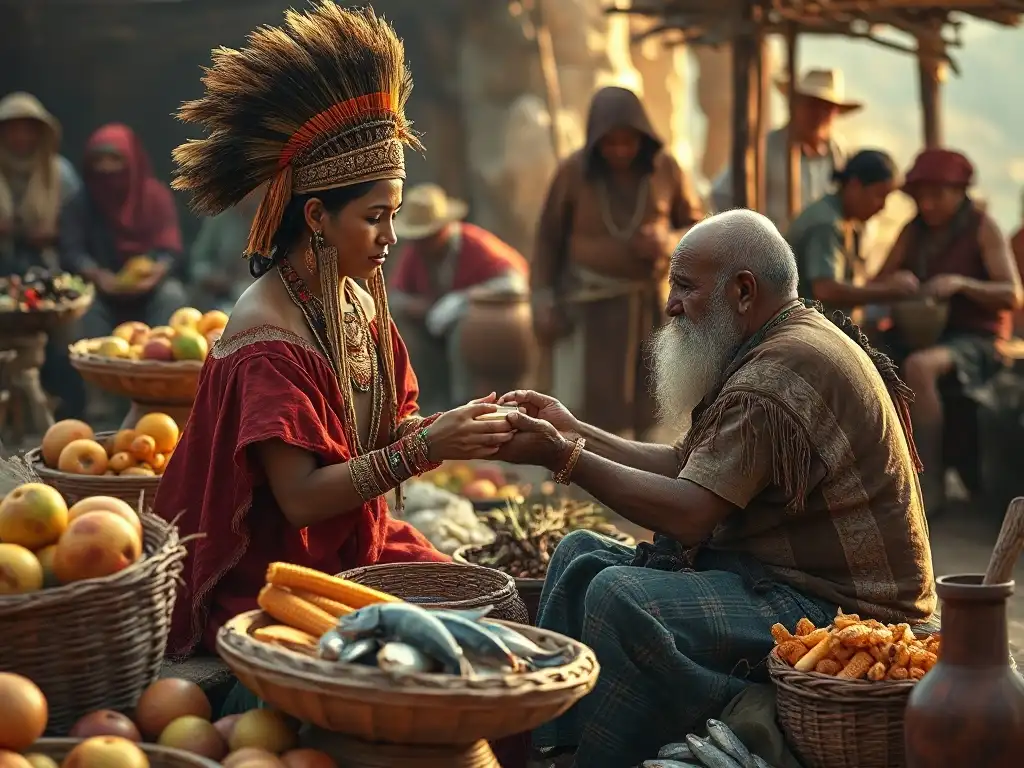
The Moche people, inhabiting the arid northern coast of Peru between 100 and 800 CE, didn't simply view food as sustenance; it held profound ritual and symbolic significance deeply intertwined with their religious beliefs and social structures. Their sophisticated irrigation systems and agricultural practices, while crucial for survival, also fueled elaborate ceremonies and feasts. Understanding Moche food practices requires appreciating this intricate relationship between the practical and the spiritual.
The abundance of food wasn't just a sign of prosperity but also a reflection of the power of their gods and the successful maintenance of cosmic balance. Depictions in their intricate pottery provide invaluable insights into these practices, showcasing the reverence given to various foods and their symbolic meaning within the Moche worldview.
Analyzing these visual representations, alongside archaeological evidence from burial sites and ceremonial contexts, allows us to reconstruct a more complete picture of Moche food's multifaceted role in their society. The importance of specific food items varied depending on the context and the specific deity being honored.
Food Offerings and Moche Religious Practices
Moche religious practices were heavily reliant on food offerings. Archaeological excavations of Moche temples and elite tombs consistently reveal evidence of elaborate food offerings, including maize, beans, squash, seafood, and various fruits. These weren't simply discarded remnants; the careful arrangement and presentation of these foods suggest a deliberate ritualistic purpose. The quality and quantity of the offerings likely reflected the social status of the individual or the importance of the ceremony.
For example, the burial of high-ranking individuals often included vast quantities of food, reflecting their power and connection to the supernatural realm. Furthermore, the specific types of food presented might have held symbolic meanings related to particular deities or agricultural cycles. Consider, for instance, the prevalence of maize in many offerings—maize, being a staple crop, likely symbolized abundance, fertility, and the life-giving power of the gods. The meticulous preservation of some food items also points to their importance in the afterlife.
The Moche believed that food continued to serve a purpose even after death, sustaining the deceased in their journey to the underworld. Detailed analysis of the chemical composition of preserved food remains could further clarify the selection criteria and potential symbolic meanings associated with different offerings. 🔎 Analyzing these patterns can help us better understand the complex relationship between the Moche cosmology and their dietary practices.
Moche Feasts and Communal Dining
Moche feasts were not merely occasions for consuming food; they were integral social events that reinforced social hierarchies and strengthened community bonds. Pottery depicting lavish feasts shows individuals—likely elites—seated around tables laden with food and drink. These scenes offer a glimpse into the social dynamics of Moche society, highlighting the role of food in expressing power and status. The distribution of food during these feasts was not random; it likely followed established social protocols, reflecting the hierarchical structure of Moche society.
The types of food and the manner in which they were presented would have served as visual indicators of social standing. The consumption of specific foods might have been restricted to particular social groups or occasions, highlighting the importance of food as a symbol of social stratification. Furthermore, communal dining likely played a crucial role in fostering social cohesion and reinforcing group identity. Sharing food during feasts could have strengthened social bonds and helped maintain social order within the community.
Further research into the distribution of food remains at different Moche sites could provide valuable insights into the social dynamics of these gatherings and their contribution to Moche social organization. The presence or absence of certain foods at different sites could help clarify the role of food in expressing social status and maintaining social order within the Moche civilization. 🎉 Understanding these aspects is vital to understanding the complete picture of Moche food practices in the Andes.
Archaeological Evidence of Moche Food Consumption
The Moche civilization, flourishing along the northern coast of Peru from approximately 100 to 800 CE, left behind a remarkable archaeological record that offers invaluable insights into their food practices. Understanding Moche food practices in the Andes requires a multi-faceted approach, drawing evidence from various sources. This section focuses on the tangible remains unearthed by archaeologists, providing a glimpse into the daily sustenance and ceremonial feasts of this sophisticated society.
The Moche people, adept at harnessing the resources of their arid environment, developed sophisticated agricultural techniques and fishing practices to support their population. Their dietary habits, reflected in their skeletal remains and the imagery depicted on their pottery, reveal a nuanced understanding of their environment and their ability to thrive within its constraints.
Analysis of these remains, coupled with careful interpretation of their artistic representations, unveils a detailed picture of Moche food consumption. The keyword "Moche food practices Andes" is central to understanding their unique relationship with their environment.
Analyzing Moche Remains: Insights into Dietary Habits
Analysis of Moche human remains provides direct evidence of their diet. Isotopic analysis of bones, for example, can reveal the proportion of marine and terrestrial foods in their diet. Studies have shown a significant reliance on marine resources, reflecting the proximity of the Moche heartland to the Pacific Ocean. Fish, shellfish, and marine mammals likely formed a crucial part of their diet, providing essential proteins and nutrients.
However, the isotopic data also indicates a substantial contribution of plant-based foods. The Moche were skilled agriculturalists, utilizing irrigation systems to cultivate maize, beans, squash, and other crops in the often-challenging desert environment. This combination of marine and terrestrial resources provided a well-rounded diet capable of sustaining a relatively large population. Further research is needed to fully quantify the precise proportions of different food sources in the Moche diet, but existing studies suggest a diverse and adaptable food system.
The presence of certain isotopes in bones can even help researchers identify seasonal variations in their diet, reflecting the changing availability of different food sources throughout the year. This highlights the Moche's adaptive strategies for food security. Analyzing Moche remains provides a concrete foundation for understanding their "Moche food practices Andes".
Ceramic Vessels and Their Role in Moche Food Culture
Moche ceramic vessels are not merely utilitarian objects; they are vibrant windows into the society's culinary practices and cultural beliefs. The meticulous craftsmanship and detailed iconography displayed on these vessels offer a wealth of information on the types of food consumed, food preparation techniques, and the social context of eating. Many vessels depict scenes of food preparation, such as grinding maize or cooking fish, providing visual documentation of Moche culinary techniques. Others depict feasts and ritualistic offerings, showcasing the importance of food in social and religious life.
The variety of shapes and sizes of vessels further suggests a complex system of food storage and distribution. Some vessels are designed for specific foods, like large jars for storing grains or smaller bowls for serving sauces. The presence of residues on some vessels can also be analyzed to identify specific foods that were stored or consumed in them. This interdisciplinary approach, combining visual analysis with chemical analysis of residues, provides a comprehensive understanding of the role of pottery in Moche food culture.
The depiction of various foods on ceramic vessels, along with the evidence from bone analysis, paints a rich and detailed picture of "Moche food practices Andes". The artistry of the vessels not only reflects their practical function but also reveals the cultural significance of food within Moche society. The meticulous detail in the depictions suggests a deep appreciation for the bounty of their environment and the skillful mastery of its resources.
The Impact of Environmental Factors on Moche Food Resources
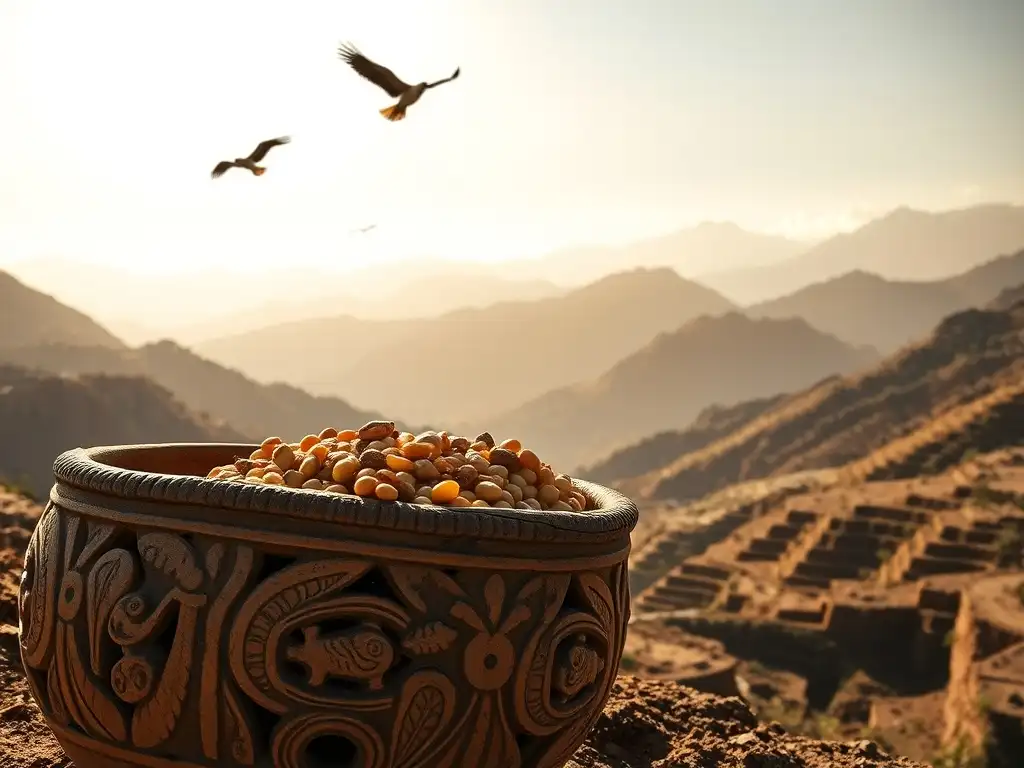
The Moche civilization, flourishing along the arid northern coast of Peru between 100 and 800 CE, developed sophisticated food practices intricately linked to the challenging Andean environment. Understanding their dietary habits requires acknowledging the significant influence of environmental factors, particularly the desert climate and limited freshwater resources. The Moche weren't simply passive consumers of what nature provided; they actively shaped their environment to ensure food security, showcasing remarkable ingenuity in agriculture and resource management. Their success is a testament to their deep understanding of and adaptation to their surroundings. The scarcity of rainfall and fertile land significantly impacted the types of crops they cultivated and the strategies employed for successful harvests. Their food practices were a direct response to the limitations and opportunities presented by their environment, a delicate balance between adaptation and innovation. The "Moche food practices Andes" were a reflection of this constant negotiation with the natural world.
Moche Adaptation to the Andean Environment for Food Production
The Moche people were masters of adapting to the harsh realities of the Andean desert. Their agricultural practices were far from rudimentary; they involved complex irrigation systems, terracing techniques, and carefully selected crops suited to the arid climate. The coastal desert, though seemingly barren, offered fertile pockets along river valleys.
The Moche cleverly harnessed these resources, developing intricate canal systems that diverted water from rivers to irrigate their fields. This allowed them to cultivate crops like maize (corn), beans, squash, and cotton – staples of their diet. Evidence of their agricultural prowess is found in the extensive remains of irrigation canals and terraced fields still visible today.
Furthermore, they utilized waru waru, a sophisticated raised-field agricultural system, which allowed them to maximize water retention and create microclimates favorable for crop growth. This system, still practiced in some regions, demonstrates the advanced understanding of hydrology and soil management possessed by the Moche. Their ingenuity in manipulating their environment for food production ensured the sustenance of their large population.
Managing Water Resources for Agriculture in Moche Society
Water management was paramount to Moche survival. Their society was structured around the availability and control of water resources. The construction and maintenance of elaborate irrigation systems were likely communal endeavors, requiring significant coordination and labor. This suggests a highly organized social structure with specialized roles in water management.
Archaeological evidence reveals sophisticated techniques for water storage, including reservoirs and underground cisterns, allowing them to cope with periods of drought. These systems were not merely functional; they were also symbolic, reflecting the importance of water in their worldview. The control of water likely played a significant role in social power dynamics, with elites potentially controlling access to vital resources.
The intricate network of canals and reservoirs represented a complex engineering feat, showcasing their remarkable technological capabilities and adaptive strategies. The efficient management of water was pivotal to their agricultural success and the overall prosperity of the Moche civilization, directly impacting the availability and variety of foods within their diet. Further research into the specifics of their water management techniques could offer valuable insights into the societal organization and technological advancements of the Moche civilization.
Comparing Moche Diet with Other Andean Cultures
The Moche civilization, flourishing along the northern coast of Peru from approximately 100 CE to 800 CE, developed unique food practices shaped by their environment and agricultural innovations. Understanding their diet requires comparing it to that of other contemporaneous Andean cultures, highlighting both convergences and divergences in culinary traditions and agricultural strategies. This comparative analysis reveals the nuanced relationship between geography, technology, and dietary habits across the Andean region. The keyword "Moche food practices Andes" is central to this understanding.
Contrasting Moche Food Practices with other Andean societies
While several Andean cultures relied heavily on agriculture, the Moche's coastal location significantly differentiated their diet from those of highland societies like the Tiwanaku. The Tiwanaku, situated in the high Altiplano, focused on crops adapted to cold, dry conditions such as potatoes, quinoa, and beans. Their diet was supplemented by camelids (llamas and alpacas). The Moche, on the other hand, benefited from a warmer climate and access to marine resources. This is reflected in their art, which frequently depicts abundant seafood, including fish, shellfish, and marine mammals. [Specific data on Tiwanaku dietary composition pending].
The Nazca, located south of the Moche on the coastal desert, shared some dietary similarities, with both cultures exhibiting a reliance on marine resources. However, the Nazca also cultivated cotton extensively, a crop less prominent in Moche agricultural practices. [Further analysis required on comparative crop yields and agricultural techniques between Moche and Nazca].
The differences reflect not only environmental factors but also distinct cultural preferences and technological advancements in agriculture and food preservation. For example, the Moche were masters of irrigation systems, allowing them to cultivate maize and other crops in the arid coastal valleys, a technology not as developed in some other Andean societies at the time.
Similarities and differences in food patterns across Andean civilizations
Despite regional variations, certain common threads unite Andean food patterns. The widespread cultivation of maize (corn) stands out as a significant similarity across various Andean cultures, including the Moche, Nazca, and Tiwanaku. Maize formed a staple in many Andean diets, serving as a crucial carbohydrate source. However, the ways in which maize was prepared and incorporated into meals varied considerably. [Further research needed on specific maize preparation techniques across different Andean cultures].
Another similarity was the importance of protein sources. While the Moche relied heavily on seafood, inland communities like the Tiwanaku relied on camelids and other livestock. This difference highlights the adaptation of dietary practices to available resources. However, the reliance on protein sources, whether animal or plant-based, is a consistent factor across various Andean civilizations. The use of beans and other legumes, rich in protein and nutrients, also served as a common dietary element across the Andean region.
| Andean Culture | Primary Protein Source | Primary Carbohydrate Source | Other Significant Foods |
|---|---|---|---|
| Moche | Seafood (fish, shellfish) | Maize | Beans, squash, chili peppers |
| Nazca | Seafood, some camelids | Maize | Cotton, beans |
| Tiwanaku | Camelids (llamas, alpacas) | Potatoes, quinoa | Beans, various tubers |
The Moche diet, therefore, represents a specific adaptation within a broader Andean culinary landscape. While sharing some commonalities with other cultures in terms of staple crops and the importance of protein, the Moche's unique coastal environment and technological advancements led to a distinctive dietary profile rich in marine resources and sophisticated agricultural practices. Understanding these nuances provides a richer appreciation of the diverse culinary traditions that flourished across the Andes. The influence of "Moche food practices Andes" on later Peruvian cuisine should also be further investigated.
Legacy of Moche Food Practices in the Andes
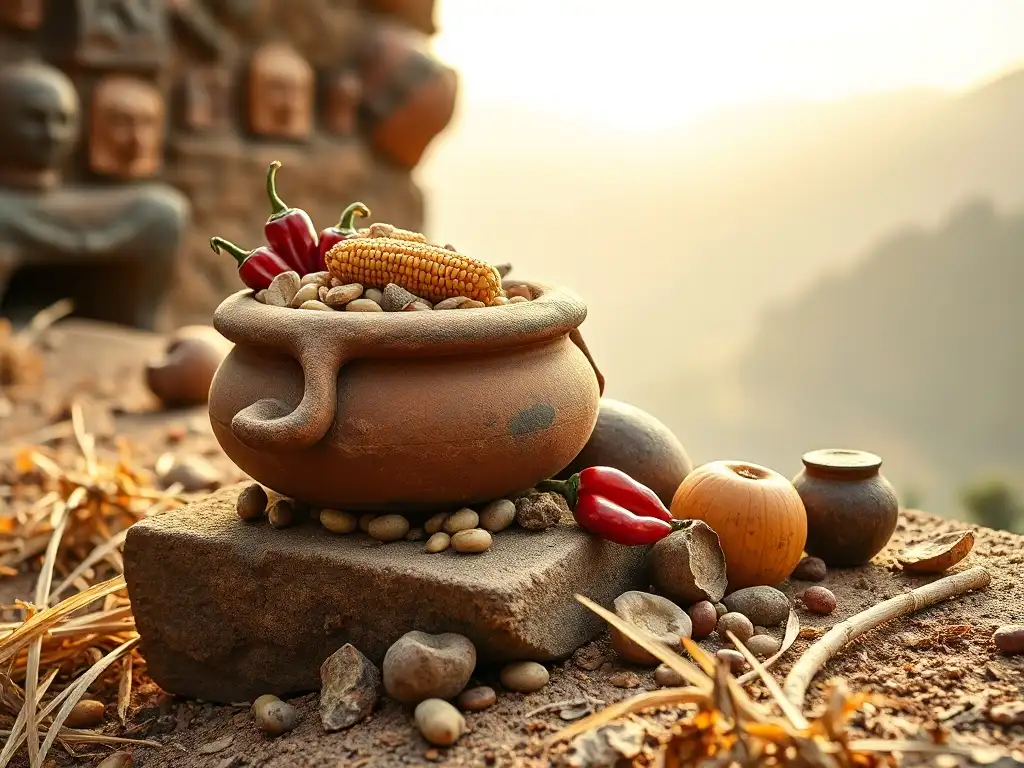
The Moche civilization, flourishing along the northern coast of Peru from approximately 100 to 800 CE, developed sophisticated agricultural and culinary practices that left a lasting impact on the Andes region. Their innovative techniques for irrigation, crop diversification, and food preservation shaped not only their own society but also influenced subsequent Andean cultures. Understanding their food practices provides crucial insights into their social structure, economic organization, and relationship with their environment. The keyword phrase "Moche food practices Andes" encapsulates the central theme of this enduring legacy.
The enduring influence of Moche agriculture and culinary traditions
Moche agricultural ingenuity is evident in their extensive irrigation systems, which allowed them to cultivate crops in the arid coastal desert. They constructed intricate canals and reservoirs, harnessing water from rivers and streams to irrigate vast expanses of land. This mastery of water management allowed them to cultivate a diverse range of crops, including maize, beans, squash, cotton, and chili peppers – staples that continue to form the foundation of Andean cuisine today.
The Moche also developed advanced techniques for terracing hillsides, maximizing arable land and preventing soil erosion. These techniques, refined over generations, are still employed in modified forms throughout the Andes mountains.
The Moche's mastery extended beyond simple cultivation. They developed sophisticated methods of food preservation, essential in a region prone to droughts. Evidence suggests they used techniques such as sun-drying, fermentation, and storage in underground cellars to preserve their harvests for extended periods. These practices ensured food security throughout the year, mitigating the risks associated with fluctuating weather patterns. The resilience of their food systems reflects their deep understanding of their environment and their capacity for adaptation. This knowledge, passed down through generations, continues to inform modern Andean agricultural practices.
Modern Andean food traditions and Moche influences
Many modern Andean food traditions bear the unmistakable mark of Moche culinary heritage. The ubiquitous use of maize, beans, and squash in contemporary Andean dishes reflects the Moche's emphasis on these crops. The diverse varieties of chili peppers, a staple in Moche cuisine, remain central to modern Andean cooking, adding distinctive flavors to countless dishes. Furthermore, the Moche's emphasis on seafood, given their coastal location, is still reflected in coastal Andean diets. Dishes featuring fish, shellfish, and other marine ingredients are common throughout the region.
The enduring legacy of Moche food practices is not merely a matter of culinary continuity; it represents a cultural inheritance. Traditional Andean cooking techniques, such as preparing chicha (a fermented maize beverage) and employing specific methods of grinding grains, often have roots in Moche practices. Moreover, the symbolic significance of certain foods, such as maize, which was often associated with deities and fertility in Moche culture, persists in contemporary Andean societies. The continued use of these foods and techniques underscores the deep-seated connection between modern Andean communities and their pre-Columbian ancestors.
The study of Moche food practices thus offers a powerful lens through which to understand the complexities of Andean cultural continuity and adaptation over centuries. The impact of Moche food practices on the Andes is undeniable, a testament to their ingenuity and the lasting influence of their civilization. 🍜
Conclusion: Understanding Moche Food Practices
The Moche civilization, flourishing along the arid northern coast of Peru, developed sophisticated food practices that were crucial to their societal success and left a lasting impact on Andean history. Their ability to thrive in a challenging environment demonstrates remarkable ingenuity and adaptation. Understanding their dietary habits provides invaluable insights into their social structures, technological advancements, and overall worldview.
The Moche weren't simply surviving; they were constructing a complex and vibrant culture, deeply intertwined with their relationship to food and the land. Their legacy continues to resonate, influencing culinary traditions and agricultural practices in the region even today. Further research into their agricultural techniques, particularly irrigation systems and specialized crops, would further illuminate the intricacies of their food production and consumption.
The importance of Moche food practices for their society
Moche food practices were fundamental to their social organization and stability. Their mastery of irrigation, evidenced by the extensive canal systems discovered at archaeological sites, allowed them to cultivate diverse crops, including maize, beans, squash, and cotton. This agricultural surplus not only sustained the population but also supported a complex social hierarchy.
Elite members of society likely enjoyed a more varied and abundant diet, possibly including seafood, exotic fruits, and imported goods, reflecting their privileged status. Evidence suggests specialized food preparation techniques and the use of sophisticated pottery for storage and cooking. The presence of elaborate tombs containing food offerings indicates the importance of food in religious ceremonies and funerary practices, reinforcing the social and spiritual significance of food within Moche society.
Analyzing the isotopic composition of human remains can provide further insight into the dietary differences between social classes, offering a clearer picture of the Moche social structure as reflected in their food consumption patterns. Furthermore, the development of specialized tools and techniques for fishing and hunting supplemented their agricultural output, ensuring a diverse and resilient food supply.
The contribution of Moche food practices to Andean history
The Moche's innovative food practices significantly impacted the broader Andean cultural landscape. Their advancements in irrigation technology, for example, became a model for later Andean civilizations, influencing agricultural development across the region. The Moche's cultivation of diverse crops, including those adapted to the challenging coastal environment, contributed to the diversification of Andean agriculture. Their sophisticated pottery, specifically designed for food storage and preparation, showcases their technological prowess and aesthetic sensibilities, leaving a lasting mark on Andean artistic traditions.
The Moche's culinary practices, including the use of specific ingredients and cooking methods, likely influenced subsequent culinary traditions along the Peruvian coast. Their sophisticated understanding of resource management and adaptation to their environment offers valuable lessons for sustainable agriculture and resource management strategies in contemporary Andean communities. The study of Moche food practices provides a critical lens through which to understand the broader trajectory of Andean agricultural innovation and cultural exchange.
Further research comparing Moche food practices with those of neighboring cultures would illuminate the extent of their influence and the unique characteristics of their foodways within the broader Andean context. The Moche legacy in food practices continues to inspire and inform our understanding of Andean history and civilization. 🥕
Frequently Asked Questions
What did the Moche people eat?
The Moche diet was diverse and depended heavily on agriculture. They consumed corn, beans, squash, potatoes, and fruits, supplemented by fish, seafood, and camelids (llamas and alpacas). Seafood was particularly important in coastal regions.
How did the Moche obtain their food?
The Moche employed sophisticated irrigation systems to cultivate crops in the arid Andes. They were also skilled fishermen and hunters, utilizing various techniques to acquire their protein sources. Specialized labor played a key role in food production and distribution.
What role did food play in Moche society?
Food was central to Moche religious beliefs and rituals. Evidence suggests that feasts and offerings were common, with food used to honor deities and ancestors. Elite classes likely had greater access to certain foods.
What are some unique aspects of Moche cuisine?
The Moche developed unique techniques for food preparation and preservation. They utilized fermentation and drying to store food for later use. Their ceramic vessels often featured depictions of food and food preparation, providing insights into their culinary practices.
How did the Moche's environment impact their diet?
The arid coastal and mountainous terrain of the Andes significantly shaped Moche food practices. Their reliance on irrigation and their diverse food sources reflect their adaptability to the challenging environment. Access to both marine and terrestrial resources was crucial for survival.
Final Reflection: Echoes of the Andes: A Legacy of Moche Ingenuity
The ingenuity of the Moche people in cultivating a thriving civilization amidst the challenging Andean landscape remains a powerful testament to human adaptability and resourcefulness. Their sophisticated understanding of agriculture, coupled with innovative food preservation techniques, offers valuable lessons for sustainable food systems in the face of modern challenges like climate change and food insecurity. Their story is not just a historical account; it's a blueprint for resilience.
The Moche's deep connection to their environment, evident in their diverse and carefully managed food practices, continues to resonate today. Their ability to harness the harsh yet fertile environment of the Andes serves as a powerful reminder of the importance of respecting and understanding the delicate balance of nature. The land provides, but only if we respect its limits.
This unspoken principle, guiding the Moche's agricultural practices, holds a profound truth for our modern world, urging us to reconsider our own relationship with the environment and the sustainability of our food systems.
Consider the Moche's innovative solutions: their intricate irrigation systems, their diverse crops, and their mastery of preservation techniques. These weren't simply methods of survival; they were expressions of a deep cultural understanding and respect for the land. You too can cultivate a deeper appreciation for the food you consume, understanding its origins and the impact of your choices on the environment. Embrace mindful eating, support sustainable agriculture, and learn from the enduring legacy of the Moche—a legacy that whispers of resilience, ingenuity, and the enduring power of human connection to the land.
Unveil the Secrets of the Moche Diet!
Thank you for joining us on this flavorful journey through the remarkable world of Moche cuisine! You've uncovered essential insights into how this ancient civilization thrived. Now, let's put that knowledge into practice and explore the rich culinary heritage of the Andes.
Here's how you can delve deeper into the essence of Moche cuisine:
- Recreate traditional Moche dishes: Gather ingredients like corn, beans, and seafood, and try making the delicious meals that sustained the Moche people. Discover the vibrant flavors of the Andes in your own kitchen!
- Share your culinary creations: Post pictures of your Moche-inspired dishes on social media and tag us @AndeanCivilizations — let's celebrate the richness of Andean heritage together!
- Participate in Andean cooking classes: Look for local workshops or classes focusing on Andean cooking. It's a fantastic way to connect with others who share your passion for history and cuisine.
As you explore these options, we'd love to hear your thoughts: Which Moche dish are you most excited to try recreating at home? Let's uncover the flavors of the past together!