
Inca Roads and the Movement of Armies: The Military Might of the Empire

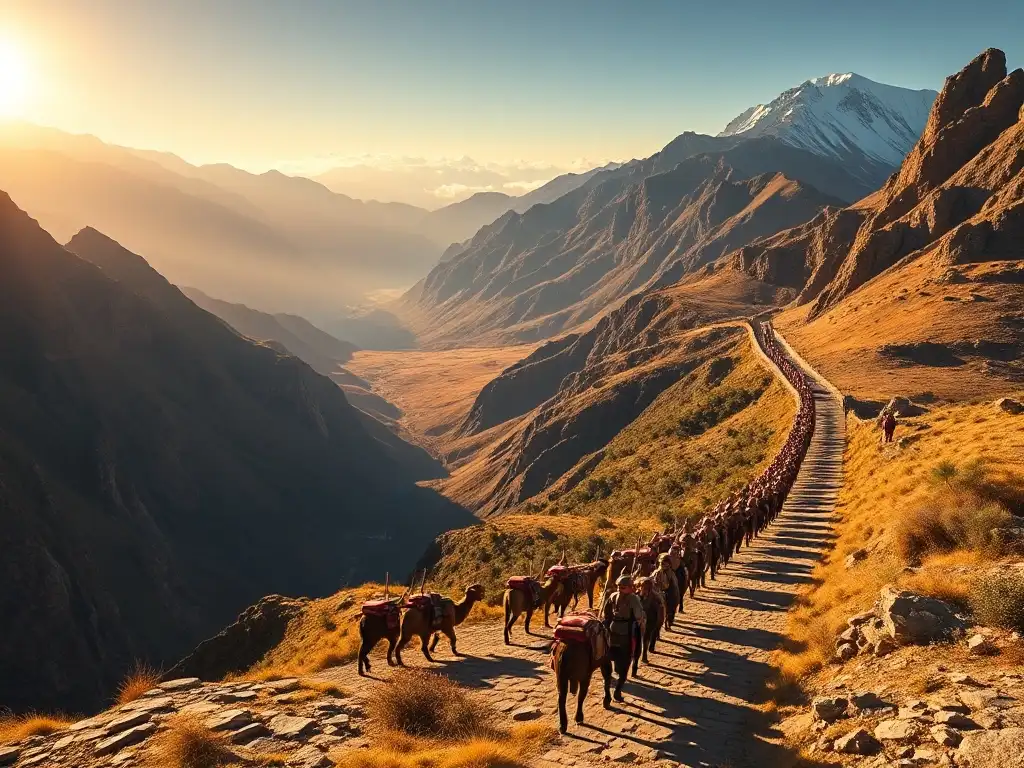
Step into a world lost to time, yet echoing with the power of empires. Uncover the secrets of the Andes, a land sculpted by ancient civilizations and their breathtaking ingenuity. For centuries, the Inca Empire dominated this rugged landscape, their success inextricably linked to their mastery of logistics. But how did they achieve such feats? Prepare to be amazed as we delve into the intriguing world of Inca army movement strategies, exploring the ingenious road networks and military prowess that defined their reign. Discover the answers – and far more – within.
The Inca Empire, sprawling across the Andes Mountains, was a marvel of engineering and military organization. Its success wasn't solely due to its sophisticated weaponry or fierce warriors, but also, and perhaps most importantly, to its incredibly efficient system of roads and the strategies employed for the rapid movement of its armies.
This article delves into the intricate relationship between the Inca road network and the empire's military might, exploring how this infrastructure facilitated the conquest, control, and defense of a vast and challenging terrain. We'll examine the strategic placement of roads, the logistical capabilities they enabled, and the impact on the Inca army's movement strategies, ultimately revealing the crucial role played by infrastructure in the empire's enduring power.
Understanding the Inca army's movement strategies provides crucial insight into the sophisticated planning and execution that underpinned the Inca empire's remarkable expansion and longevity. The effectiveness of their logistical systems is a testament to their advanced understanding of engineering, administration, and military tactics.
The Inca Road Network: A Backbone of Military Power
The Inca road system, the Qhapaq Ñan, was not merely a network of pathways; it was a meticulously planned and constructed artery that pulsed with the lifeblood of the empire. Spanning thousands of miles across diverse and challenging landscapes, from high Andean plateaus to coastal deserts, this network facilitated the rapid movement of troops, messengers, and supplies. The roads were remarkably well-engineered, incorporating features like suspension bridges, retaining walls, and carefully graded surfaces to navigate steep inclines and treacherous terrain.
Their strategic placement, often connecting key administrative centers, military outposts, and resource-rich regions, ensured efficient communication and troop deployment. This wasn't a haphazard collection of trails; it was a strategically designed system reflecting a deep understanding of geography and military logistics.
The construction itself represented a massive feat of engineering, requiring the mobilization of significant labor resources and advanced knowledge of construction techniques. Detailed records, though limited, suggest meticulous planning and execution, emphasizing the importance the Inca placed on this critical infrastructure.
Rapid Deployment of Troops: Speed and Surprise as Tactical Advantages
The Inca road system provided a significant advantage in terms of troop deployment speed. The ability to rapidly move armies across vast distances allowed the Inca to respond swiftly to rebellions, quell uprisings, and launch surprise attacks against their enemies. This speed was crucial in maintaining control over such a large and diverse empire. The roads also enabled the Inca to concentrate their forces quickly at strategic locations, overwhelming opponents before they could organize effective resistance.
This element of surprise, facilitated by the efficient road network, was a key component of their military successes. Imagine the impact of a swift, unexpected attack on a relatively isolated community, compared to the predictable movements of an army limited by slower, less efficient routes. The speed and efficiency of the Inca army's movement, directly enabled by their road system, significantly altered the balance of power within their vast empire.
Logistics and Supply: Sustaining a Mobile Army
Maintaining a large, mobile army requires a robust logistical system, and the Inca roads were essential in this regard. The roads facilitated the transportation of food, weapons, and other essential supplies to troops deployed throughout the empire. The system of tambos, strategically located waystations along the roads, provided rest stops, shelter, and supplies for travelers and soldiers alike.
This intricate network ensured that armies could remain supplied and effective, even during prolonged campaigns. The tambos weren't simply resting places; they were vital logistical hubs, managed and stocked to support the continuous movement and operation of military forces. The efficient supply lines, in turn, allowed for longer campaigns and more sustained military operations, enhancing the Inca's ability to conquer and control territories.
Control and Communication: Maintaining Order Across the Empire
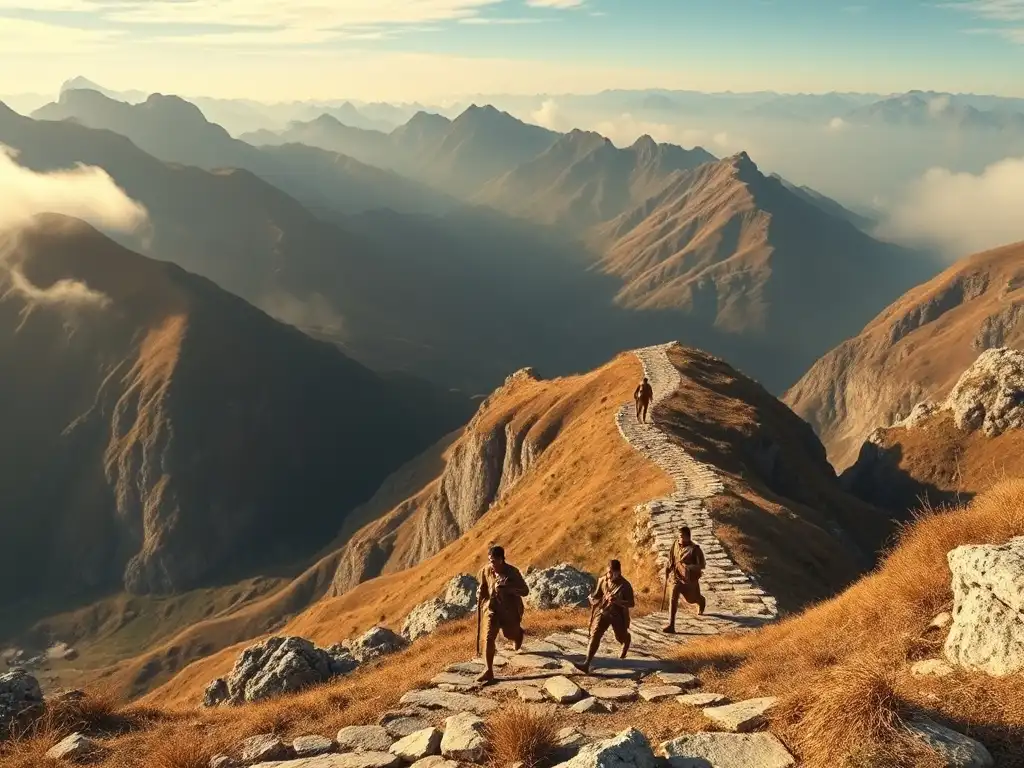
Beyond troop movement and supply, the Inca road network was crucial for maintaining control and communication across the vast empire. Messengers, known as chasquis, could traverse the roads at remarkable speed, relaying information and orders between distant provinces. This rapid communication system allowed the Inca rulers to maintain order, respond swiftly to crises, and effectively govern their far-flung territories.
The chasquis relay system, combined with the road network, formed a sophisticated communication infrastructure that was vital for both military and administrative purposes. The ability to quickly disseminate information and orders was paramount in maintaining the stability and unity of the sprawling Inca Empire. This efficient communication further supported their military operations, allowing for coordinated strategies and timely responses to any threats.
Conclusion: The Strategic Significance of Inca Roads
The Inca road system wasn't simply a feat of engineering; it was a cornerstone of the empire's military power. Its strategic design, coupled with efficient logistical support and rapid communication networks, allowed the Inca army to move swiftly, maintain control, and conquer vast territories. By understanding the intricacies of the Inca road network and its impact on their army's movement strategies, we gain invaluable insights into the sophisticated planning and execution that underpinned the Inca empire's remarkable success.
The legacy of the Qhapaq Ñan stands as a testament to the Inca's innovative approach to infrastructure and its crucial role in shaping the empire's military prowess. 🗺️💪
- The Inca Road Network: A Backbone of Military Power
- Rapid Deployment of Troops: Speed and Surprise as Tactical Advantages
- Logistics and Supply: Sustaining a Mobile Army
- Control and Communication: Maintaining Order Across the Empire
- Conclusion: The Strategic Significance of Inca Roads
The Strategic Importance of Inca Roads for Military Logistics
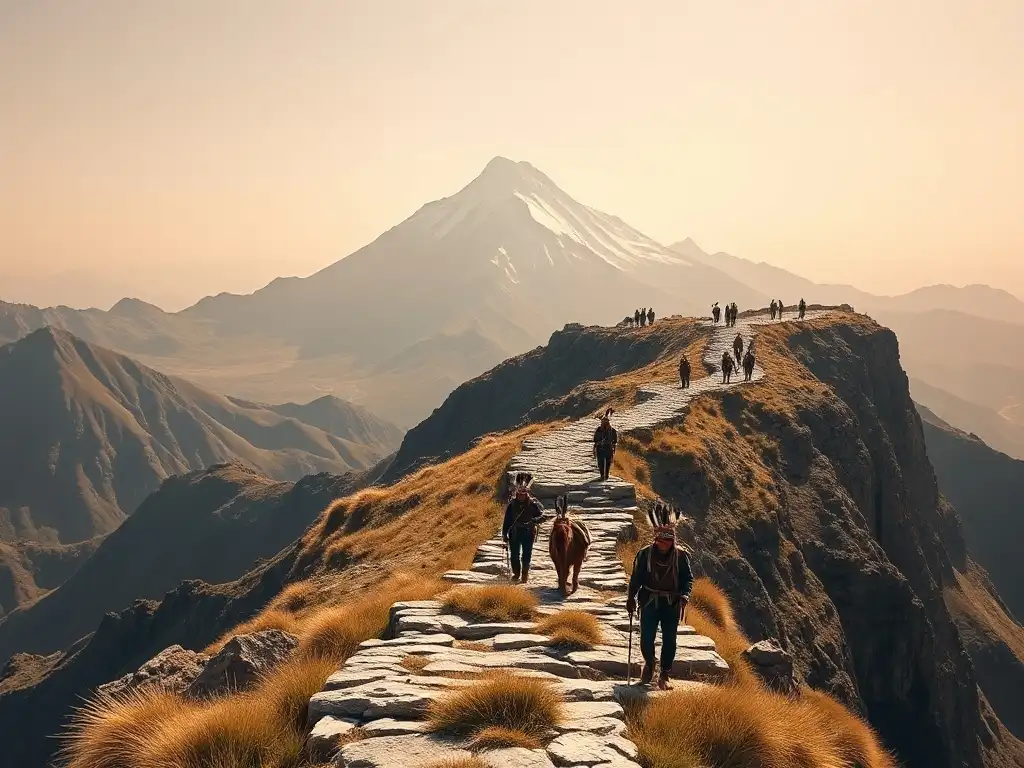
The Inca Empire, renowned for its expansive reach and sophisticated governance, relied heavily on its extensive road network, the Qhapaq Ñan, for military success. Understanding the Inca army movement strategies requires acknowledging the crucial role this infrastructure played in enabling rapid troop deployment, efficient supply chain management, and overall military dominance.
The Qhapaq Ñan wasn't merely a collection of paths; it was a strategically designed system that directly contributed to the empire's military might and facilitated its control over a vast and diverse territory. This intricate network of roads, strategically placed bridges, and waystations allowed the Inca army to move with unprecedented speed and efficiency, swiftly suppressing rebellions, responding to threats, and projecting power across the Andes.
The strategic placement of roads also allowed for the rapid movement of reinforcements, crucial in maintaining control over conquered territories. This section will delve into the specific ways the Qhapaq Ñan supported Inca military operations.
The Qhapaq Ñan: A Network Designed for Inca Army Deployment
The Qhapaq Ñan, meaning "Royal Road" in Quechua, wasn't a single road but a complex network spanning approximately 40,000 kilometers. This impressive feat of engineering facilitated the movement of Inca armies across diverse and challenging terrains, including high-altitude mountain passes, dense forests, and arid deserts. The roads themselves were remarkably well-constructed, often paved with stone and featuring sophisticated drainage systems to withstand the harsh Andean climate.
The design incorporated strategic features specifically tailored to military needs. For example, the roads were built to accommodate the passage of large numbers of troops and pack animals, carrying supplies and equipment. The construction included:
- Strategic placement of bridges: Suspension bridges, often made of woven fibers, spanned rivers and ravines, enabling continuous movement even in difficult terrain. The locations of these bridges were carefully chosen to ensure efficient access to key areas.
- Waystations (Tambos): These rest stops provided shelter, food, and supplies for soldiers and messengers, ensuring that troops could maintain their strength and efficiency during long marches. The spacing between tambos was calculated to allow for daily travel distances, optimized for army movements.
- Strategic road junctions: These junctions acted as vital hubs for troop deployment and allowed for the rapid redirection of forces to respond to emergencies or new military situations. The design allowed for efficient convergence and divergence of military units.
How Inca Roads Facilitated Troop Movement and Supply Lines
The Inca army's effectiveness wasn't solely dependent on its size; it also rested on its remarkable logistical capabilities. The Qhapaq Ñan was instrumental in ensuring that troops were adequately supplied with food, weapons, and other essential materials. The efficient movement of supplies along these roads was facilitated by:
- Efficient organization: The Inca state employed a highly organized system of storage and distribution, using qollqas (storehouses) strategically located along the roads to store surplus food and goods. This ensured that troops never lacked for necessities, even during extended campaigns. The system was incredibly efficient, minimizing waste and maximizing resource utilization.
- Use of pack animals: Llamas and alpacas were extensively used to transport supplies and equipment along the roads. Their endurance and adaptability to high-altitude conditions made them ideal for this purpose. Their use was carefully managed, with the support of a specialized corps responsible for their care and management.
- Relay runners (chasquis): These messengers played a critical role in communicating information across the empire. Their ability to traverse the road network rapidly enabled the swift transmission of military orders and intelligence, allowing for rapid response to changing situations. The speed of these communication networks was vital to the efficiency of the Inca army.
The combination of well-engineered roads, strategically placed infrastructure, and efficient organizational systems enabled the Inca army to achieve remarkable mobility and logistical prowess. This sophisticated approach to military movement played a pivotal role in the empire's expansion and long-term stability, demonstrating a deep understanding of the relationship between infrastructure and military power. The Inca army movement strategies, inextricably linked to the Qhapaq Ñan, represent a fascinating case study in ancient military logistics and engineering.
Inca Army Movement Strategies: Tactics and Organization
The Inca Empire's military prowess wasn't solely reliant on sheer numbers; their success stemmed from sophisticated strategies for army movement and deployment, intimately linked to their remarkable road network. Understanding their tactics reveals a highly organized and adaptable fighting force capable of swift, decisive action across diverse and challenging Andean terrains. Effective "Inca army movement strategies" were crucial for maintaining control over a vast and geographically complex empire.
Inca Military Formations and Their Adaptability to Terrain
Inca military formations were remarkably flexible, adapting to the varied landscapes they encountered. While precise details remain scarce, archaeological evidence and Spanish chronicles suggest a highly structured approach. The pikunaku (warriors) likely utilized a combination of formations, ranging from dense, shield-wall formations in open areas to more dispersed, skirmish-style tactics in mountainous regions. This adaptability was key to their success, allowing them to effectively engage enemies in diverse environments.
The Inca army wasn't a monolithic force. Different units, possibly based on regional origin or specialization, likely possessed unique tactical roles. For example, some units might have been trained in siege warfare, using specialized equipment to overcome fortified positions, while others excelled in close-quarters combat or ranged attacks.
This specialization allowed for a more nuanced and effective response to different types of threats and environments. Their ability to adjust formations and employ diverse tactics based on terrain and enemy capabilities is a testament to their advanced military understanding. We can imagine, for example, a swift flanking maneuver on a mountain pass, or a disciplined defensive line along a river valley – their flexibility was unmatched.
Efficient Inca Army Logistics: Food, Equipment, and Reinforcements
The efficient movement of an Inca army relied heavily on a well-organized logistical system. The vast network of Qhapaq Ñan (Inca roads) played a critical role in transporting supplies, including food, weapons, and equipment, to remote locations. This was not a simple feat; the high altitude, rugged terrain, and varying climates presented significant challenges. The Inca system likely involved a combination of techniques, including the use of llamas for carrying goods, human porters, and strategically placed storage facilities along the roads.
Evidence suggests a highly structured system for food provision. Agricultural surplus from conquered regions was likely channeled to support military campaigns. Furthermore, the Inca's mastery of agriculture allowed them to cultivate crops at high altitudes, providing sustenance even in remote areas. The system of mit'a (labor service) also played a crucial part.
Local communities were obliged to provide porters, supplies, and other forms of support for passing armies. This ensured that the movement of large armies was not hampered by logistical bottlenecks. The seamless integration of agriculture, infrastructure, and labor ensured the sustained supply of the Inca army, a crucial element of their effective "Inca army movement strategies."
Utilizing Inca Roads for Rapid Troop Deployment and Conquest
The Inca road system was not merely a network of paths; it was a strategic asset that facilitated rapid troop deployment and played a pivotal role in the empire's expansion. The roads, with their strategically placed bridges, resting places, and storage facilities, allowed for the swift movement of armies across vast distances. This capability enabled the Inca to respond quickly to rebellions, quell uprisings, and launch swift, decisive attacks against neighboring territories.
The strategic placement of roads and fortifications along key routes further enhanced their military effectiveness. These roads weren't just transportation routes; they were integral parts of a broader military strategy. By controlling these routes, the Inca could effectively control the flow of information and resources, as well as restrict the movement of their enemies.
The speed and efficiency of troop deployment allowed the Inca to maintain control over their vast empire and effectively project their military power. The combination of superior road infrastructure and sophisticated military organization constitutes a prime example of effective "Inca army movement strategies," allowing for the swift and decisive conquest and control of a massive empire. This system allowed for a level of military mobility unparalleled in the pre-Columbian Americas.
The Role of Inca Infrastructure in Military Campaigns
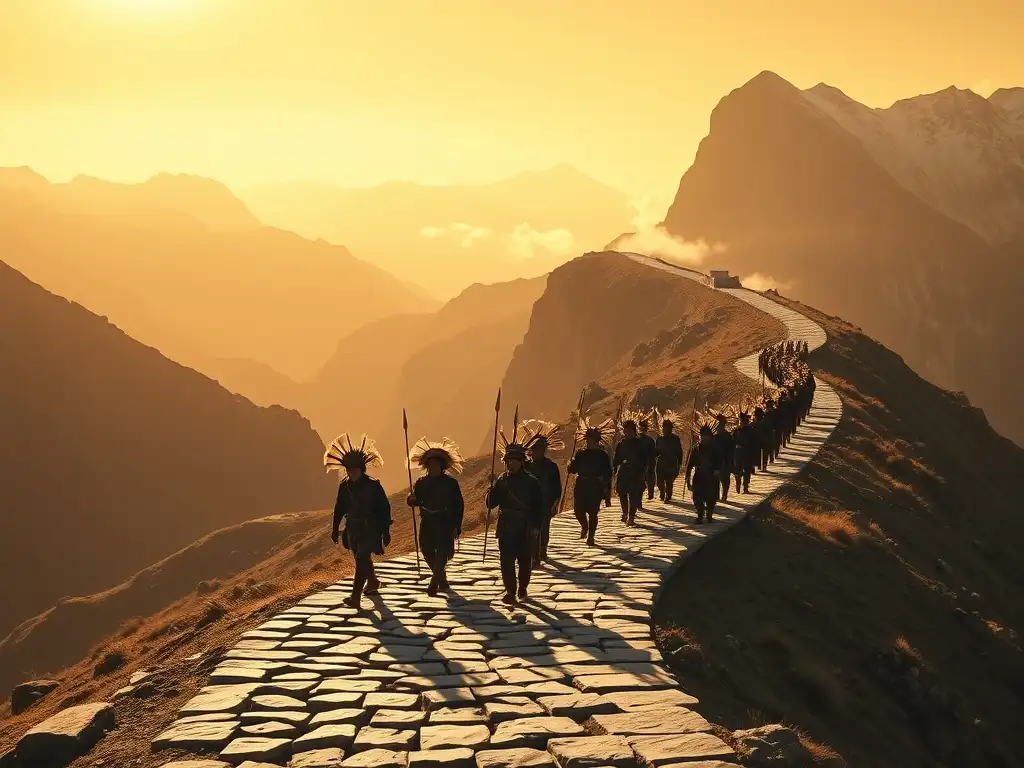
The Inca Empire, renowned for its expansive territory and sophisticated governance, relied heavily on its meticulously planned infrastructure to maintain control and project military power. The famed Inca road system, a marvel of ancient engineering, wasn't merely a network for trade and communication; it was the very backbone of the empire's military might. Understanding the Inca army movement strategies requires appreciating the integral role played by this infrastructure in facilitating rapid troop deployment, efficient supply lines, and the swift suppression of rebellions.
The strategic placement of fortifications and communication relays along these routes enabled the Inca military to respond effectively to threats across the vast empire, showcasing a level of logistical sophistication rarely seen in other ancient civilizations. This section delves into the specific ways the Inca road network supported their military operations, highlighting the synergy between engineering prowess and military strategy.
Inca Fortresses and Strategic Points Along the Road System
Inca army movement strategies were intrinsically linked to the strategic placement of tampus (rest houses) and qollqas (storehouses) along the road network. These weren't simply places for weary travelers to rest; they served crucial military functions. Many tampus were fortified, capable of housing and supplying significant numbers of soldiers. Their locations were carefully chosen to control passes, dominate valleys, and offer strategic defensive positions.
For example, the tampus situated along the high-altitude passes of the Andes acted as chokepoints, allowing a relatively small force to control the movement of larger armies. This efficient use of defensive infrastructure minimized the need for large standing armies, a significant factor in maintaining control over such a vast and diverse empire. The qollqas, meanwhile, ensured a consistent supply of food, weapons, and other necessities, allowing Inca armies to operate far from their home bases for extended periods. These strategically positioned storage facilities represented a crucial element of Inca logistical planning, ensuring the sustained effectiveness of their military operations.
The precise number of fortified tampus is still under investigation, but archaeological evidence continues to reveal their strategic importance in Inca military control. Analysis of their distribution reveals a pattern suggesting a deliberate approach to controlling key geographical locations. The integration of these fortifications into the road system ensured rapid mobilization and effective defense, showcasing a sophisticated understanding of military logistics.
Inca Communication System: Relay Runners and Military Messaging
The Inca Empire lacked a written language in the conventional sense. However, they possessed an incredibly efficient communication system based on a network of chasquis, relay runners, who used the road system to transmit messages across vast distances with remarkable speed. This system was crucial for Inca army movement strategies.
The chasquis, stationed at regular intervals along the roads, could relay urgent military information, orders, and intelligence with astonishing efficiency. Their ability to rapidly transmit news of rebellions, enemy movements, or logistical needs allowed the Inca military to respond swiftly and decisively. While the exact speed of these runners is debated, estimates suggest that messages could travel hundreds of kilometers in a single day.
This rapid communication system provided the Inca leadership with a crucial advantage, enabling them to anticipate and counter threats effectively. The organization and discipline of the chasqui network were essential components of the empire's military effectiveness, highlighting the Inca's understanding of the importance of information in warfare. The system's reliability demonstrates a level of logistical planning and execution that was far ahead of its time, a testament to the ingenuity of Inca engineering and organizational skills.
How Inca Roads Aided in the Control of Conquered Territories
The Inca road system played a pivotal role in the effective governance and control of conquered territories. By establishing a network of roads, the Inca empire could quickly deploy troops to quell rebellions, enforce tribute payments, and maintain order across its vast domains. The strategic placement of military outposts along these routes ensured a constant presence in even the most remote regions, acting as a deterrent to potential uprisings. The ability to move troops and supplies rapidly along the roads also facilitated the integration of conquered populations into the Inca system.
The roads not only served military purposes but also facilitated the movement of goods, people, and ideas, contributing to the stability and cohesion of the empire. This efficient transportation network allowed for the centralized administration of resources and personnel, strengthening the empire’s grip on its territories. The control of conquered territories wasn’t just about military might; it required efficient administration, and the Inca roads were essential in facilitating this.
The construction and maintenance of the roads themselves also served as a form of control, providing employment and demonstrating the power of the imperial state. The intricate network of roads, therefore, served as a powerful symbol of Inca dominance and a crucial instrument in maintaining the stability and longevity of their vast empire. The impact of this infrastructure on the long-term stability of the Inca state is a significant factor in understanding the success of their military and political strategies.
Challenges and Limitations of Inca Military Road Usage
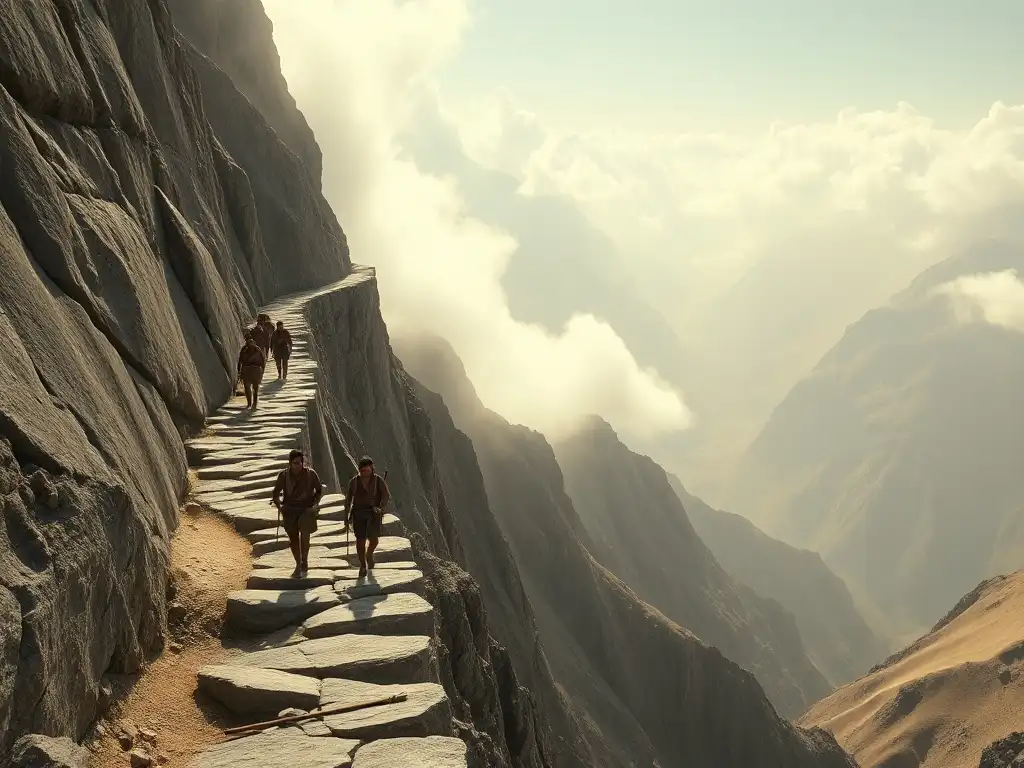
The Inca road system, while impressive in its scope and engineering, presented significant challenges to the efficient movement of the Inca army. Its effectiveness wasn't absolute, and several factors limited its military utility. Understanding these limitations provides a more nuanced view of Inca military logistics and strategic planning, moving beyond simplistic notions of effortless troop deployment.
Analyzing these challenges reveals the ingenuity and adaptability of Inca military strategies in the face of significant environmental and logistical obstacles. The sheer scale of the empire, coupled with the varied terrain, necessitated flexible and robust solutions to ensure the timely arrival of reinforcements and the swift suppression of rebellions.
The Inca army's mobility wasn't solely reliant on the quality of the roads; rather, it was a complex interplay between infrastructure, environmental conditions, and strategic planning. This section will delve into three key areas of limitation: geographical obstacles, maintenance requirements, and the impact of weather.
Geographical Obstacles and Their Impact on Inca Army Transit
The Andes Mountains, with their dramatic peaks, deep canyons, and treacherous passes, posed considerable hurdles to Inca army movement. While the qhapaq ñan (main road) cleverly navigated many difficult terrains, it couldn't entirely eliminate the challenges. Steep inclines, narrow paths carved into cliffsides, and the sheer altitude presented considerable logistical problems. Transporting supplies, especially heavy weaponry and provisions for large armies, across these challenging landscapes was a significant undertaking. The movement of troops, particularly heavily laden soldiers, was slow and strenuous, making rapid deployment difficult.
For example, the passage through the high Andes, crossing passes above 14,000 feet (4,267 meters), required careful planning and acclimatization of troops. Altitude sickness was a real threat, potentially crippling the effectiveness of an army. The presence of deep ravines and fast-flowing rivers also necessitated the construction of bridges and other crossing points, which, while impressive feats of engineering, could be vulnerable to damage or destruction, disrupting troop movements.
The Inca engineers were masterful in their ability to overcome many of these challenges, but the inherent limitations of the geography remained a significant factor in military operations. The use of relay runners and strategically positioned supply depots helped mitigate some of these problems, but they couldn't entirely negate the inherent difficulties of traversing such challenging terrain.
Maintenance and Repair of Inca Roads for Military Operations
Maintaining the extensive Inca road network required a substantial workforce and constant effort. The roads were subjected to significant wear and tear from regular traffic, particularly during military mobilizations. Landslides, rockfalls, and flooding frequently damaged sections of the road, requiring immediate repair to ensure uninterrupted troop movement. The effectiveness of Inca army movement strategies was directly dependent upon the condition of these roads. A damaged road could delay troop deployments, potentially impacting the outcome of military campaigns.
The Inca system involved a highly organized network of labor conscription ( mita ), which provided the manpower for road construction and maintenance. However, even this organized system struggled to keep pace with the damage caused by extreme weather events and the sheer volume of traffic during major military operations. The need for swift repairs during wartime likely necessitated the prioritization of specific road sections over others, potentially leading to imbalances in the network's overall condition.
Further research is needed to quantify the scale of maintenance efforts required to support military movements. [Specific data on maintenance workforce size and repair frequency pending]. The challenges of maintaining such a vast network highlight the logistical complexity of managing an empire spread across such diverse and challenging terrain.
The Impact of Weather Conditions on Inca Troop Movement
The Andean climate is notoriously unpredictable, characterized by extreme variations in temperature and precipitation. These weather patterns significantly impacted Inca army movement strategies. Heavy rains could turn roads into impassable mudslides, while snowstorms and freezing temperatures could halt troop movements altogether. The Inca army’s ability to adapt to these conditions was crucial for successful campaigns. Understanding the seasonal variations and their impact on the road network was vital for military planning.
The timing of military campaigns was often strategically chosen to avoid the worst of the weather. Dry seasons offered more favorable conditions for troop movement. However, even during optimal periods, unexpected weather events could still disrupt operations. The Inca army likely employed various techniques to mitigate the effects of adverse weather, such as utilizing shelters along the road network and employing specialized clothing and equipment suited to the harsh conditions.
However, the unpredictability of the weather remained a significant variable influencing the success or failure of military expeditions. The impact of weather on Inca military logistics underscores the importance of adaptability and contingency planning in their military doctrine. Accurate weather forecasting, even in its rudimentary form, would have been a crucial element of successful Inca army movement strategies.
Case Studies: Inca Military Campaigns and the Use of Roads

This section delves into specific Inca military campaigns, highlighting the crucial role their extensive road network played in their logistical success and, in some cases, failure. Analyzing these case studies provides valuable insights into the intricacies of Inca army movement strategies and their impact on the expansion and control of the empire. The effectiveness of the Inca military wasn't solely dependent on their fighting prowess; it was intrinsically linked to their mastery of infrastructure and logistical planning. Understanding this connection is key to comprehending the true extent of their military might.
The Inca Conquest of the Chimu and Road Logistics
The conquest of the Chimu kingdom, a powerful coastal civilization, stands as a prime example of how the Inca road system facilitated military success. The Chimu, centered around present-day Chan Chan, possessed a strong military and sophisticated defenses. However, the Inca, under the leadership of Topa Inca Yupanqui, exploited their superior logistical capabilities enabled by the Qhapaq Ñan. The vast network of roads allowed for the rapid movement of troops and supplies across diverse terrain, circumventing the Chimu's defensive positions.
The Inca army wasn't simply marching along; they were employing a sophisticated system of relay runners ( chasquis) to transmit information and coordinate movements. This allowed for a fluid and responsive military strategy, adapting to Chimu tactics and exploiting weaknesses as they emerged. The ability to quickly resupply their troops with food, weapons, and reinforcements played a vital role in sustaining a prolonged siege and ultimately securing victory.
The efficient movement of provisions along the network significantly reduced the risk of famine and desertion within the Inca ranks, a critical factor in maintaining morale and combat effectiveness during extended campaigns. Evidence suggests that strategic placement of storage facilities along the Qhapaq Ñan played a significant role in supporting these prolonged operations.
The Inca Campaign Against the Quito Region and Supply Lines
In contrast to the Chimu conquest, the Inca campaign against the Quito region presents a more nuanced picture. While the Qhapaq Ñan again proved vital for troop movement, the challenging geography of the Andean highlands posed significant logistical hurdles. The Quito region, characterized by steep mountains and dense forests, presented obstacles that tested the Inca's logistical capabilities. The construction and maintenance of roads in this challenging terrain required considerable effort and resources.
The Inca army faced challenges in transporting heavy equipment and provisions across treacherous mountain passes. While the existing road network provided a framework, it needed adaptation and extension to effectively support the campaign. The prolonged nature of the campaign, coupled with the difficulties in supplying the army, likely contributed to slower progress than witnessed in other conquests.
This highlights that while the Qhapaq Ñan was a powerful tool, its effectiveness was contingent upon the specific geographical context and the adaptability of Inca logistical strategies. Further research is needed to fully quantify the impact of these logistical challenges on the duration and outcome of the Quito campaign. [Specific data on the Quito campaign's duration and casualties pending].
Analyzing the Successes and Failures of Inca Military Road Strategies
The Inca army movement strategies, intrinsically linked to the Qhapaq Ñan, demonstrated remarkable success in many campaigns. Their ability to rapidly deploy troops and maintain consistent supply lines provided a decisive advantage over many opponents. The efficient use of relay runners and strategically placed storage facilities minimized delays and disruptions. However, the Quito campaign highlights that even the most sophisticated infrastructure could face limitations when confronted with extreme geographical challenges.
The success of Inca military operations was not solely determined by the Qhapaq Ñan, but also by the skillful adaptation of their strategies to the specific conditions of each campaign. The Inca's ability to innovate and overcome logistical hurdles, while often successful, also showed limitations when confronted with particularly difficult terrains. This suggests a complex interplay between infrastructure, strategy, and environmental factors in shaping the outcome of Inca military endeavors.
Further research is needed to fully understand the nuances of these interactions and the extent to which Inca military success was contingent upon the effectiveness of their road network. The impact of climate, terrain, and local resistance on the effectiveness of Inca army movement strategies remains an area ripe for further investigation. Analyzing these factors will provide a more comprehensive understanding of Inca military capabilities and their role in shaping the history of the Andean region.
Legacy of the Inca Roads: Military Lessons for Future Generations
The Lasting Impact of Inca Engineering on Military Strategy
The Inca road system wasn't merely a feat of engineering; it was the backbone of their military dominance. Its strategic design facilitated rapid troop deployment, logistical support, and efficient communication across a vast and challenging terrain. This sophisticated infrastructure allowed the Inca army to react swiftly to rebellions, quell internal conflicts, and expand their empire with remarkable speed.
The impact resonates even today. Modern military strategists continue to study the Inca road network, analyzing its efficiency in resource distribution and its adaptability to diverse geographical challenges. The Inca's ability to move large armies across the Andes, a region notorious for its difficult terrain, remains a testament to their innovative approach to military logistics.
This legacy continues to inform modern military planning, emphasizing the crucial role of infrastructure in achieving strategic objectives. Consider the challenges faced by modern armies in mountainous or jungle regions – the Inca experience provides valuable insights into overcoming similar obstacles. The speed and efficiency with which the Inca army could respond to threats across their empire serves as a model for effective military response systems even in the 21st century.
How the Inca Road Network Shaped the Military History of the Andes
The Inca road network fundamentally altered the military landscape of the Andes. Before the Inca, warfare was largely confined to smaller, localized conflicts. The Inca, however, leveraged their infrastructure to project power across previously insurmountable distances. This allowed them to unify diverse Andean communities under a single rule, not through sheer force alone, but also through efficient mobilization and swift suppression of dissent.
The roads facilitated the movement of not only soldiers but also supplies, reinforcements, and messengers. This logistical superiority was crucial in their conquests and in maintaining control over their vast empire. The ability to rapidly move troops to quell rebellions in distant provinces prevented the fragmentation of the empire and ensured its stability.
Furthermore, the strategic placement of tambos (roadside inns) along the network provided vital rest stops and supply depots, enabling sustained military campaigns across extended periods. Analysis of Inca military campaigns reveals a clear correlation between the road network's reach and the empire's ability to conquer and control new territories. The network's impact transcended mere military dominance; it facilitated economic integration and cultural exchange, solidifying Inca rule and its lasting influence on Andean history.
Lessons Learned from Inca Army Movement Strategies
Studying Inca army movement strategies reveals several key lessons applicable to modern military planning. Firstly, the importance of adaptable infrastructure is paramount. The Inca roads were not merely straight paths; they cleverly navigated challenging terrain, utilizing bridges, tunnels, and switchbacks to overcome obstacles. This adaptability in infrastructure design is a crucial lesson for modern military strategists facing diverse and unpredictable environments. Secondly, the strategic placement of supply depots and communication points along the network ensured the sustained movement of armies.
Modern logistics strategies can learn from the Inca system of tambos, emphasizing the necessity of strategically located support systems for effective troop deployment and prolonged operations. Thirdly, the Inca's ability to integrate local knowledge into their infrastructure projects is noteworthy. They employed local expertise in construction and navigation, which enhanced the effectiveness and sustainability of their road system. This highlights the value of collaboration and cultural sensitivity in military operations.
Finally, the Inca road network's integration of military and civilian use underscores the importance of dual-purpose infrastructure. This efficient approach minimized resource expenditure while maximizing functionality, a valuable lesson for modern military engineering. The Inca example demonstrates that effective military strategy necessitates a holistic approach that considers logistics, communication, and the integration of local knowledge. Analyzing their successes and failures provides invaluable insights for modern military planning and infrastructure development.
Frequently Asked Questions
How did the Inca road system support their military?
The Inca's extensive road network was crucial for rapid army movement. It allowed for the swift deployment of troops across the vast empire, enabling them to respond quickly to threats or rebellions. This speed and efficiency were vital to their military success.
What were some key strategies employed by the Inca army?
Inca military strategies included ambush tactics, utilizing their knowledge of the terrain, and superior logistics thanks to their road system. They also relied on psychological warfare to demoralize their enemies before engaging in direct combat.
What role did the chasquis play in Inca military operations?
Chasquis, a relay runner system, provided rapid communication across the empire. This allowed for the swift transmission of vital military information, enabling coordinated troop movements and responses to changing situations on the battlefield.
How did the Inca's infrastructure contribute to their army's effectiveness?
Beyond roads, Inca infrastructure like storehouses (qollqas) ensured reliable supplies for their armies. This logistical support was essential for sustaining prolonged campaigns and maintaining troop morale during extended military operations.
Were the Inca armies solely focused on conquest?
While conquest was a significant aspect, the Inca army also played a vital role in maintaining order and suppressing rebellions within the empire. They also acted as a construction force, building infrastructure projects across the vast Andean landscape.
Final Reflection: The Enduring Legacy of Inca Logistics
The Inca Empire's mastery of road construction and logistical planning wasn't merely a feat of engineering; it was the very backbone of their military dominance. Their ability to rapidly deploy troops across vast and challenging terrain remains a testament to the power of strategic infrastructure and efficient resource management, a lesson that resonates deeply even in our modern, technologically advanced world.
The impact of the Inca road system extends far beyond its military applications; it fundamentally shaped the social and cultural fabric of the empire. It fostered trade, facilitated communication, and connected disparate communities in a way unprecedented for its time. The very idea of a unified empire, stretching thousands of miles across the Andes, would have been impossible without this intricate network. A road is a ribbon of dreams,
– a sentiment that perfectly captures the ambition and vision embodied in the Inca road system, and its lasting influence on the Andean world.
Consider the challenges faced by modern militaries and logistical operations. The principles of efficient resource allocation, strategic planning, and the importance of robust infrastructure remain paramount. You, the reader, are now equipped with a deeper understanding of the Inca's logistical genius. Reflect on how these ancient strategies can inform contemporary approaches to problem-solving, whether in your professional life, community engagement, or personal endeavors. Embrace the enduring wisdom of the past to build a more connected and efficient future.
**Unveil the Legacy of the Inca Empire! **
Thank you for exploring the incredible story of the Inca road system and their military achievements. You've gained valuable insights into how this sophisticated infrastructure supported one of history's greatest empires. Now, let's put that knowledge to use!
- **Embark on a Journey:** Plan a visit to a site like Machu Picchu or Ollantaytambo to walk along the remaining sections of Inca roads and witness their remarkable engineering firsthand. Experience the scale and ingenuity of their construction.
- **Dive Deeper:** Expand your understanding of the Inca Empire by exploring our curated list of books and documentaries. We've compiled resources to enrich your knowledge and deepen your appreciation of this fascinating civilization.
- **Share the Knowledge:** Share the captivating story of Inca military strategies with a friend. Start a conversation about their innovative tactics or host a movie night featuring documentaries about the empire's impressive military might.
What aspect of the Inca road system or their military prowess most surprises you? Share your thoughts in the comments!