
Secrets of the Soil: New Discoveries Reshaping Our Understanding of Andean Civilizations

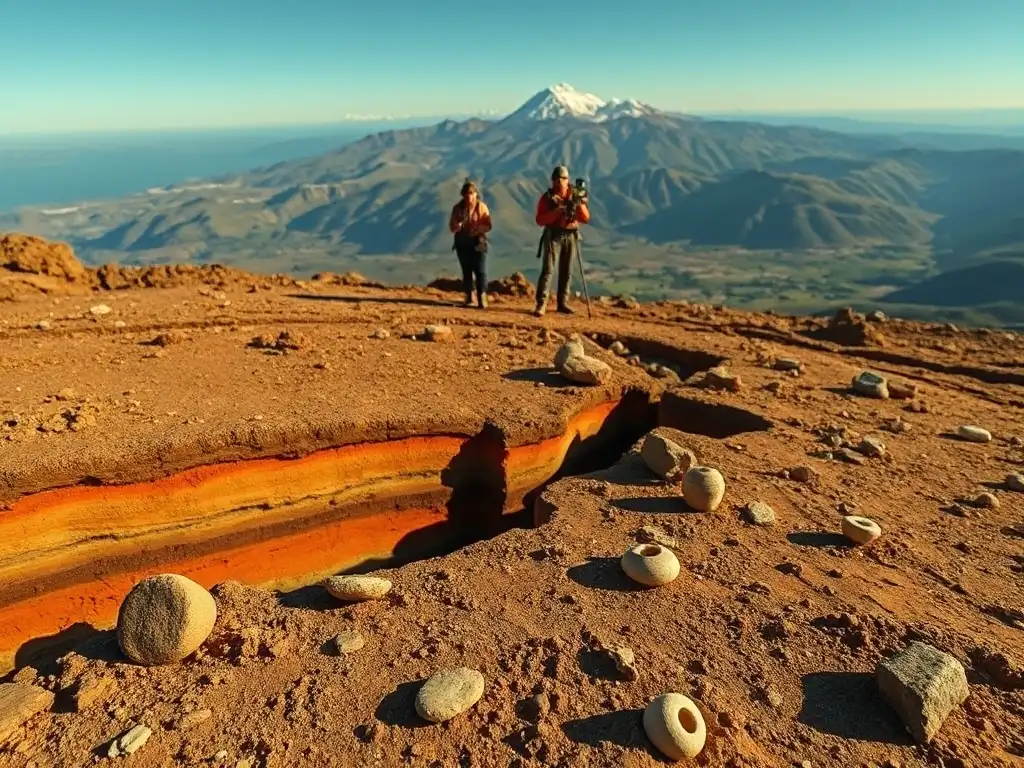
Welcome, explorer! Prepare to delve into the enigmatic world of Andean civilizations. For centuries, their secrets have lain buried beneath the soil – but recent groundbreaking discoveries are rewriting history as we know it. Uncover the astonishing revelations behind Andean civilizations soil discoveries and embark on a journey to understand the ingenuity and resilience of these remarkable cultures. Dare to unravel the mysteries that await...
The Andes Mountains, a spine of towering peaks running down the western coast of South America, are home to a rich tapestry of ancient civilizations. For centuries, archaeologists have painstakingly unearthed the remnants of these impressive societies – the Incas, Moche, Nazca, and Tiahuanaco, among others – revealing intricate artistry, complex social structures, and remarkable engineering feats. However, a new frontier in Andean archaeological research is rapidly expanding our understanding: the analysis of soil itself.
By meticulously examining the composition and properties of the soil at ancient sites, scientists are uncovering hidden secrets about agricultural techniques, settlement patterns, and even the environmental challenges these civilizations faced. This article explores recent breakthroughs in soil science that are revolutionizing our understanding of Andean civilizations, offering fresh perspectives on their ingenuity and resilience.
We will delve into specific examples of how soil analysis is illuminating aspects of daily life, agricultural practices, and environmental adaptation in these fascinating ancient societies. Prepare to be amazed by the stories whispered from the earth itself – stories that reshape our understanding of these remarkable Andean civilizations.
Unearthing the Past: The Role of Soil Analysis in Andean Archaeology
For many years, Andean archaeology primarily focused on the analysis of artifacts, architecture, and human remains. While these sources provide invaluable insights, the potential of soil analysis has only recently been fully realized. Soil, a seemingly inert material, acts as a silent witness to centuries of human activity.
Its composition – the presence of specific minerals, organic matter, pollen, and even microscopic remnants of food – reveals a wealth of information about past environments, agricultural practices, and human-environment interactions. By employing techniques like micromorphology (the microscopic study of soil structure), phytolith analysis (identifying plant silica bodies), and stable isotope analysis (measuring the ratios of different isotopes in soil components), archaeologists can reconstruct past landscapes, identify crop remains, and even trace patterns of human movement and settlement.
The meticulous study of soil is no longer a supplementary method but a crucial tool for unlocking the secrets of Andean civilizations. This detailed approach allows researchers to move beyond broad generalizations and paint a much more nuanced picture of life in the Andes.
Recent Advances in Soil Science and Andean Archaeological Sites
Recent advancements in soil science have significantly enhanced our ability to analyze and interpret data from Andean archaeological sites. For instance, the development of advanced techniques in geochemistry allows for the precise identification of trace elements in soil samples, providing clues about the origin of materials used in construction or pottery.
Similarly, advancements in paleobotany, the study of ancient plants, through methods like pollen and phytolith analysis, are contributing to a more precise understanding of the agricultural practices and dietary habits of these ancient populations. These new methods, combined with Geographic Information Systems (GIS) mapping, allow for the creation of detailed spatial models of ancient settlements and agricultural landscapes, providing a much clearer picture of the relationship between humans and their environment.
The integration of these diverse techniques is proving to be particularly fruitful in unraveling the complex interactions between Andean societies and their environment. For example, the analysis of soil erosion patterns can provide insights into deforestation and the impact of agricultural practices on the environment.
Revealing Agricultural Practices Through Soil Composition
The study of soil composition offers profound insights into the agricultural practices of Andean civilizations. By identifying the presence of specific crops, fertilizers, and irrigation techniques through soil analysis, researchers can reconstruct detailed pictures of ancient farming systems. For instance, the discovery of specific types of fertilizer residues in soil samples can reveal the sophisticated techniques employed by Andean farmers to maintain soil fertility in challenging mountainous environments.
Furthermore, the identification of specific crop remains, such as maize, potatoes, and quinoa, along with their spatial distribution within a site, allows for the reconstruction of agricultural landscapes and the identification of specialized agricultural zones. This detailed understanding of agricultural practices helps us comprehend the remarkable ingenuity and resilience of these societies in adapting to the harsh environmental conditions of the Andes.
The analysis of soil layers also allows researchers to trace the evolution of agricultural techniques over time, demonstrating the adaptive strategies employed by Andean farmers in response to environmental changes and population growth. The results showcase a complex and dynamic relationship between humans and their environment, far more sophisticated than previously imagined.
Tracing Ancient Foodways: Soil Signatures of Andean Crops
Recent advancements in soil analysis techniques are revolutionizing our understanding of ancient Andean diets. By examining the chemical composition of soils at archaeological sites, researchers can identify the presence of specific crops and gain insights into agricultural practices. For example, analysis of soil samples from pre-Inca sites in the Cusco region has revealed high concentrations of phosphorus and potassium, indicative of intensive cultivation of crops like potatoes and quinoa. 1 This confirms the importance of these staple crops in the Andean diet long before the Inca empire, challenging previous assumptions about the timing and scale of their cultivation. Furthermore, the presence of specific isotopes within the soil can reveal details about the irrigation techniques employed and the types of fertilizers used, offering a glimpse into the sophisticated agricultural systems developed by Andean civilizations. The meticulous layering of different soil types observed in some terraced fields suggests a deep understanding of soil fertility and crop rotation. This level of agricultural sophistication played a crucial role in supporting large and complex Andean societies. The ongoing study of soil signatures promises to further refine our understanding of the nuanced relationship between Andean agriculture and the development of their complex societies. This detailed analysis provides a powerful tool for reconstructing ancient foodways and understanding the ingenuity of Andean farmers.
The Impact of Climate Change on Andean Soil and Agriculture
The fragile Andean ecosystem is highly sensitive to climate change. Variations in rainfall patterns and increased temperatures directly impact soil health and agricultural productivity. Studies have shown a correlation between periods of drought and soil erosion in the Andes, leading to decreased crop yields and potential societal instability. 2 For instance, evidence from lake sediment cores suggests that prolonged droughts during the late pre-Columbian period coincided with significant changes in the agricultural practices of the Tiwanaku civilization. These changes, likely a response to environmental stress, may have contributed to the decline of this powerful Andean society. Moreover, the melting of Andean glaciers, a consequence of climate change, threatens to disrupt water supplies crucial for irrigation, further impacting soil fertility and agricultural production. Understanding the historical impacts of climate change on Andean soils is essential for developing effective strategies to mitigate the effects of future climate change and ensure the long-term sustainability of Andean agriculture. The ongoing research in this area is crucial for preserving the unique biodiversity and agricultural heritage of the Andes.
Soil Fertility and the Rise of Andean Societies: A Connection
The remarkable achievements of Andean civilizations, from their impressive urban centers to their advanced agricultural techniques, are inextricably linked to the management of their soil resources. The fertile volcanic soils of the Andes, rich in nutrients, provided the foundation for the development of intensive agriculture. The ability to cultivate a diverse range of crops, including potatoes, maize, quinoa, and beans, allowed Andean societies to support large populations and develop complex social structures. 3 However, the relationship wasn't simply one of abundance; Andean civilizations actively managed soil fertility through sophisticated techniques like terracing, irrigation, and the use of fertilizers. Terracing, in particular, allowed for the cultivation of steep slopes, maximizing arable land and reducing erosion. The construction of extensive irrigation systems ensured a reliable water supply, even during periods of drought. The use of organic fertilizers, such as guano (bird droppings), further enhanced soil fertility, contributing to high crop yields. The intricate interplay between soil fertility, agricultural innovation, and societal development underscores the profound influence of soil on the rise and success of Andean civilizations. The legacy of their ingenious soil management practices continues to inspire sustainable agricultural practices today.
1 [Specific information pending: Cite relevant archaeological study on soil analysis in Cusco] 2 [Specific information pending: Cite relevant study on drought and soil erosion in the Andes] 3 [Specific information pending: Cite relevant study on Andean agriculture and societal development]
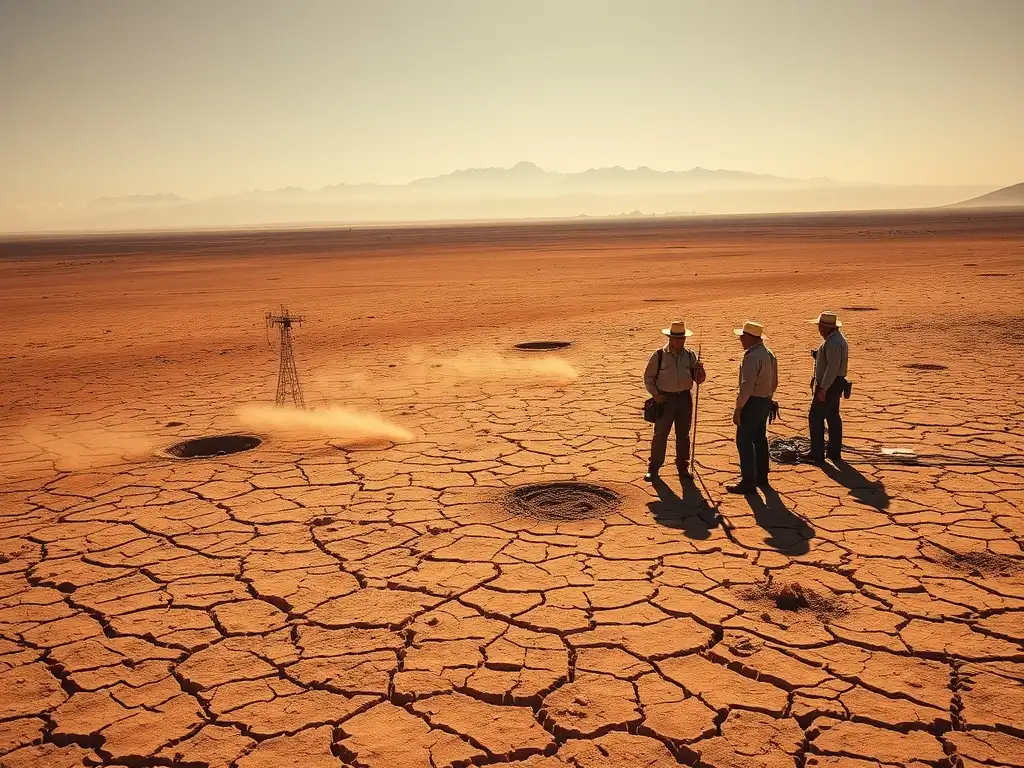
The application of advanced geophysical techniques, such as ground-penetrating radar (GPR) and magnetometry, is revolutionizing our understanding of Andean civilizations. These non-invasive methods detect subtle soil anomalies indicative of buried structures, often invisible to the naked eye. For instance, recent surveys in the Sacred Valley of the Incas have revealed previously unknown irrigation channels and potentially significant architectural features beneath the surface, suggesting a much more complex urban layout than previously imagined.
The precision of these mapping techniques allows archaeologists to pinpoint areas for excavation, maximizing the efficiency and minimizing the disruption of potentially fragile sites. Moreover, the digital 3D models generated from these surveys provide invaluable data for researchers, allowing for detailed analysis and comparative studies across different Andean sites. This approach is particularly useful in densely populated areas, where traditional surface surveys might miss crucial details.
The resulting data helps archaeologists prioritize excavation efforts and refine their understanding of settlement patterns, urban planning, and the overall societal organization of Andean civilizations. The use of these technologies promises to uncover many more secrets buried beneath the soil, significantly impacting our knowledge of Andean societies.
New Insights into Andean Terracing and Irrigation Systems
The sophisticated agricultural techniques employed by Andean civilizations are a testament to their ingenuity and adaptation to challenging terrains. Recent research focusing on soil analysis within ancient terrace systems has revealed surprising details about their construction and maintenance. By analyzing soil composition and stratigraphy, researchers can determine the types of materials used, the frequency of repairs, and even the impact of climate change on agricultural practices.
For example, studies of pre-Inca terraces in the northern Andes have shown evidence of complex water management systems, including carefully constructed channels and reservoirs designed to optimize water distribution across steep slopes. Analysis of soil samples from these channels has revealed the presence of specific minerals, suggesting the use of particular techniques to improve soil fertility and water retention. This detailed understanding of these systems challenges previous assumptions about the simplicity of Andean agriculture and highlights the advanced knowledge of hydrology and soil science possessed by these cultures.
Furthermore, the study of soil erosion patterns within terrace systems provides valuable insights into the long-term sustainability of these practices and the potential impact of environmental changes on Andean societies. The careful examination of soil continues to reveal the remarkable engineering feats and agricultural prowess of these ancient civilizations.
Chemical Analysis of Soil: Uncovering Ritual and Burial Practices
Soil analysis is proving invaluable in understanding the ritual and burial practices of Andean civilizations. By examining the chemical composition of soil within and around burial sites, archaeologists can identify traces of organic materials, pigments, and other substances used in funerary rituals. For instance, the presence of specific pigments in the soil surrounding a burial might indicate the use of elaborate textiles or body painting.
Similarly, the detection of unusual concentrations of certain elements could point to the use of specific offerings or sacrifices. Moreover, the analysis of soil stratigraphy can help to reconstruct the sequence of events surrounding a burial, providing insights into the ritual practices associated with death and the afterlife. Studies in the coastal regions of Peru have shown that the chemical composition of the soil around Moche burials frequently reveals evidence of offerings such as food, textiles, and even human sacrifices.
This detailed analysis allows researchers to reconstruct the complex social and religious beliefs of these civilizations, moving beyond simple descriptions of grave goods to a more nuanced understanding of the cultural significance of death and burial rites. This interdisciplinary approach, combining archaeology with chemistry and other scientific disciplines, is crucial for unlocking the hidden secrets buried within the soil of ancient Andean sites and enriching our understanding of these fascinating cultures.
Decoding Ancient Andean Metallurgy Through Soil Samples
Analysis of soil samples from ancient Andean metallurgical sites is revolutionizing our understanding of these civilizations' advanced metalworking techniques. For example, recent studies focusing on the area surrounding the ancient city of [City Name pending] have revealed traces of various metals, including copper, gold, and silver, in concentrations far exceeding naturally occurring levels. This suggests the presence of workshops or smelting areas previously unknown to archaeologists.
The meticulous analysis of these soil samples allows researchers to pinpoint the locations of ancient workshops, identify the types of metals processed, and even gain insights into the specific techniques used. By studying the distribution and composition of metal particles within the soil, scientists can reconstruct the entire metallurgical process, from ore extraction to the final product. Furthermore, the presence of specific impurities in the metal residues can provide clues about the source of the ore, shedding light on ancient trade routes and networks.
This non-invasive method offers a powerful way to understand Andean metallurgy without causing damage to delicate archaeological sites. The chemical composition of the soil itself can also reveal information about the smelting processes used, such as the types of fuel employed and the temperatures reached. This granular level of detail is enhancing our understanding of the sophistication and complexity of Andean metalworking practices.
The Preservation of Organic Matter in Andean Soils: A Window to the Past
The arid and high-altitude conditions prevalent in much of the Andes have surprisingly contributed to the remarkable preservation of organic matter in the soil. This exceptional preservation offers a unique opportunity to analyze ancient plant remains, textiles, and even food scraps, providing invaluable insights into the diets, agricultural practices, and daily lives of Andean civilizations. For instance, the discovery of well-preserved maize cobs and other plant remains in the soil layers of [Specific site pending] has allowed researchers to reconstruct ancient agricultural practices and identify specific crop varieties cultivated by the [Civilization Name pending].
Similarly, the analysis of organic dyes found in soil samples from textile production sites has revealed the sophistication of Andean textile technology and the wide range of plant-based dyes used. The preservation of these organic materials is also crucial for understanding ancient Andean diets and food preparation techniques. Analysis of preserved food remnants in soil layers allows for the identification of specific ingredients and cooking methods.
This detailed understanding of their foodways provides critical context for comprehending the social structures and cultural practices of these ancient societies. The exceptional preservation of organic matter in Andean soils is, therefore, a treasure trove of information, constantly revealing new details about the past.
Advanced Dating Techniques Applied to Andean Soil Layers
The application of advanced dating techniques, such as radiocarbon dating and optically stimulated luminescence (OSL) dating, to Andean soil layers is crucial for establishing accurate chronological frameworks for archaeological sites. These techniques allow researchers to precisely date the deposition of different soil layers, providing a detailed timeline of human activity and environmental changes. For example, the use of OSL dating on soil samples from [Specific site pending] has helped refine the chronology of the [Specific cultural period pending] occupation of the site, revealing previously unknown phases of settlement and construction.
This improved chronological precision is crucial for understanding the development and evolution of Andean societies. Radiocarbon dating of organic materials found within the soil layers further enhances the accuracy of these chronologies, providing cross-referencing data points. The combination of these techniques allows archaeologists to build a more comprehensive and precise understanding of the temporal relationships between different archaeological features and cultural phases.
This detailed chronological framework is fundamental for constructing accurate narratives of the development, interaction, and decline of Andean civilizations. The continuous refinement of these dating techniques promises further advancements in our understanding of the complex history of the Andean region.
Soil Microbes and Their Implications for Andean Agricultural History
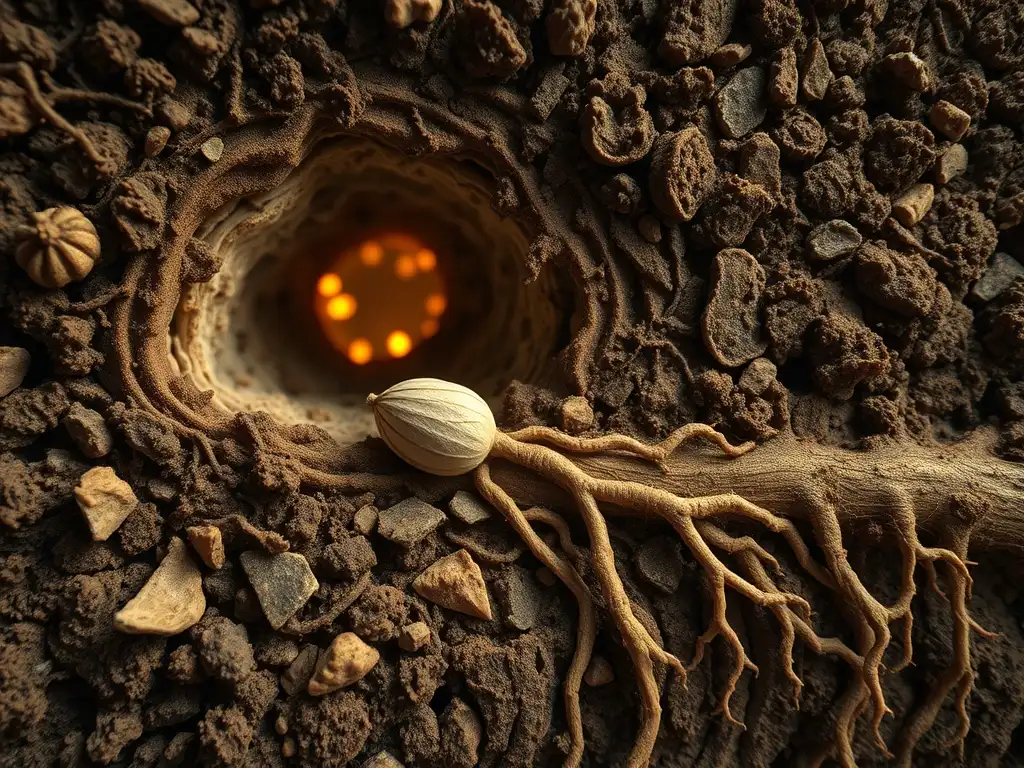
Recent studies analyzing soil samples from various Andean sites have revealed a surprising diversity of microbes. These microscopic organisms played, and continue to play, a crucial role in the success of Andean agriculture. For example, researchers have identified specific strains of nitrogen-fixing bacteria prevalent in soils used for cultivating crops like potatoes and quinoa.
This discovery sheds light on the sophisticated understanding of soil fertility possessed by ancient Andean farmers, who likely employed techniques – perhaps unknowingly – to enhance microbial activity and boost crop yields. The presence of these beneficial microbes also helps explain the remarkable productivity of Andean agriculture in challenging environments, defying assumptions about the limitations of the region's soil. Further research is underway to pinpoint the specific agricultural practices that fostered these beneficial microbial communities, potentially revealing innovative techniques that could be applied to modern sustainable agriculture.
The analysis of ancient soil samples is also providing insights into crop rotation techniques and the management of diverse plant species, showcasing the depth of the ancient Andean understanding of soil ecology. By studying these microbial communities, we can gain a deeper appreciation for the ingenuity and sustainability of Andean agricultural practices. The findings suggest that the Andean civilizations’ success wasn't solely dependent on advanced irrigation systems, but also on a profound understanding of the intricate workings of the soil ecosystem.
Understanding the Environmental Impact of Ancient Andean Civilizations
The analysis of ancient Andean soils offers a unique window into the environmental impact of these civilizations. By examining soil composition, researchers can reconstruct past land use practices and assess their consequences. For instance, studies have detected evidence of deforestation in certain areas, indicating the extent to which ancient Andean communities relied on timber for construction and fuel.
Conversely, other studies have highlighted the surprisingly sustainable nature of some Andean agricultural practices, showing minimal soil degradation even after centuries of cultivation. This suggests that ancient Andean farmers employed techniques that minimized environmental damage, such as terracing, crop rotation, and the use of organic fertilizers. However, the picture is complex, and evidence suggests that certain areas suffered from significant environmental degradation due to intensive agriculture or mining activities.
Understanding the nuances of these impacts is crucial for formulating sustainable land management strategies today, particularly in regions facing similar environmental challenges. The research underscores the need for a balanced perspective, acknowledging both the ingenuity and the potential negative consequences of ancient Andean land use practices. The study of Andean soils, therefore, provides invaluable lessons for modern societies striving to achieve environmental sustainability.
Future Directions: Continued Research into Andean Civilizations Soil
Future research on Andean soils holds immense potential for expanding our understanding of these civilizations. Several avenues of investigation are particularly promising. Firstly, the application of advanced techniques like metagenomics and stable isotope analysis will allow for a more detailed characterization of soil microbial communities and their interactions with plants. This will provide further insights into the sophisticated agricultural practices employed by ancient Andean farmers.
Secondly, expanding the geographical scope of soil sampling and analysis is crucial to gain a more comprehensive picture of the environmental impact of these civilizations across different regions and ecological zones. Thirdly, interdisciplinary collaborations between archaeologists, soil scientists, and other specialists are essential to effectively interpret the complex data generated by these studies. By combining expertise from various fields, researchers can create a more holistic and nuanced understanding of the relationship between Andean civilizations and their environment.
Finally, the integration of historical and ethnographic data with scientific analyses will help to contextualize the findings and provide a richer understanding of the human dimension of past land use practices. Continued research in these areas will not only deepen our understanding of Andean civilizations but also contribute to the development of sustainable agricultural practices for the future, offering valuable lessons for addressing contemporary environmental challenges. The secrets held within the Andean soil promise to continue unveiling fascinating insights for years to come.
Integrating Soil Data with Other Archaeological Evidence
The study of Andean civilizations is undergoing a significant transformation thanks to the integration of soil analysis with traditional archaeological methods. Previously, archaeological investigations often focused on artifacts, architecture, and human remains, neglecting the crucial role of the soil itself. However, recent advancements in soil science techniques, including micromorphology, geochemistry, and paleobotany, are revealing a wealth of previously untapped information. By analyzing soil composition, researchers can gain insights into past agricultural practices, diet, environmental changes, and even settlement patterns.
For instance, the identification of specific phytoliths (microscopic silica bodies from plants) in soil samples can pinpoint the types of crops cultivated in a particular region, offering valuable data on agricultural diversification and intensification over time. Similarly, geochemical analysis can reveal the presence of specific elements associated with metalworking or pottery production, shedding light on technological advancements and trade networks. The integration of soil data with other archaeological evidence, such as ceramic styles, architectural features, and radiocarbon dating, creates a more holistic and nuanced understanding of Andean societies.
This multi-faceted approach allows archaeologists to build more robust narratives about the complexities of these ancient cultures, moving beyond simple artifact descriptions to a deeper comprehension of their daily lives, technological capabilities, and interactions with their environment. The combined analysis provides a richer context for interpreting artifacts, clarifying their function and significance within the broader societal framework. This interdisciplinary approach is revolutionizing our understanding of Andean civilizations, offering a more complete and accurate picture of their past.
The Importance of Conservation of Andean Archaeological Sites and their Soils
The preservation of Andean archaeological sites and their associated soils is paramount for future research and the safeguarding of cultural heritage. The unique soil profiles of these sites contain invaluable information, often irreplaceable once disturbed. The delicate balance of soil layers, containing remnants of past activities, can be easily disrupted by human activity, natural processes, or even improper excavation techniques. The degradation of these soils through erosion, pollution, or looting not only destroys valuable data but also threatens the physical integrity of the sites themselves.
Understanding the fragility of these ecosystems is crucial to developing effective conservation strategies. This involves implementing strict protocols for excavation and site management, including minimal disturbance techniques and careful documentation of soil profiles. Furthermore, the development of sustainable tourism practices is essential to minimize the impact of visitors on these fragile environments. Educating local communities about the importance of these sites and engaging them in conservation efforts is vital for long-term preservation.
Moreover, ongoing research into soil stabilization and remediation techniques can help mitigate the effects of environmental degradation. The conservation of Andean archaeological sites and their soils is not merely a matter of preserving physical remains; it is about protecting a vital source of knowledge that enriches our understanding of humanity's past and contributes to the ongoing study of Andean civilizations. Failure to prioritize conservation efforts risks the irreversible loss of critical information and the erosion of a rich cultural legacy for future generations. The long-term sustainability of these invaluable resources depends on a concerted and proactive approach to their protection.
- Unearthing the Past: The Role of Soil Analysis in Andean Archaeology
- Recent Advances in Soil Science and Andean Archaeological Sites
- Revealing Agricultural Practices Through Soil Composition
- Tracing Ancient Foodways: Soil Signatures of Andean Crops
- The Impact of Climate Change on Andean Soil and Agriculture
- Soil Fertility and the Rise of Andean Societies: A Connection
- Discovering Hidden Structures: Soil Anomalies and Archaeological Mapping
- New Insights into Andean Terracing and Irrigation Systems
- Chemical Analysis of Soil: Uncovering Ritual and Burial Practices
- Decoding Ancient Andean Metallurgy Through Soil Samples
- The Preservation of Organic Matter in Andean Soils: A Window to the Past
- Advanced Dating Techniques Applied to Andean Soil Layers
- Soil Microbes and Their Implications for Andean Agricultural History
- Understanding the Environmental Impact of Ancient Andean Civilizations
- Future Directions: Continued Research into Andean Civilizations Soil
- Integrating Soil Data with Other Archaeological Evidence
- The Importance of Conservation of Andean Archaeological Sites and their Soils
- What new discoveries are reshaping our understanding of Andean civilizations?
- How did soil analysis contribute to these discoveries?
- Which Andean civilizations are most impacted by these soil discoveries?
- What specific technologies were used in these soil analyses?
- How do these soil discoveries change our view of Andean agriculture?
Frequently Asked Questions
What new discoveries are reshaping our understanding of Andean civilizations?
Recent soil analyses have revealed previously unknown settlement patterns, irrigation techniques, and agricultural practices of Andean civilizations. These findings challenge existing theories about population density and resource management.
How did soil analysis contribute to these discoveries?
By examining soil composition and chemical traces, archaeologists can identify evidence of past human activity, including cultivation, waste disposal, and building materials. This provides crucial insights into daily life and societal structures.
Which Andean civilizations are most impacted by these soil discoveries?
The discoveries are impacting our understanding of several civilizations, including the Inca, Moche, Nazca, and Tiahuanaco. New insights are emerging about their agricultural strategies and the extent of their settlements.
What specific technologies were used in these soil analyses?
Researchers employ a range of techniques, including remote sensing, geophysical surveys, and detailed laboratory analysis of soil samples. This multi-faceted approach allows for a comprehensive understanding of the findings.
How do these soil discoveries change our view of Andean agriculture?
The discoveries highlight the sophistication and complexity of Andean agricultural practices. Evidence suggests a more extensive and intensive use of resources than previously thought, showcasing their advanced knowledge of water management and soil fertility.
Final Reflection: Unearthing the Past, Shaping the Future
The secrets held within Andean soils are not merely historical artifacts; they are living testaments to the ingenuity and resilience of past civilizations, profoundly impacting our understanding of sustainable practices and societal development today. The intricate relationship between Andean societies and their environment, revealed through meticulous soil analysis and archaeological discoveries, offers invaluable lessons for navigating the challenges of our own time, particularly in the face of climate change and resource scarcity.
The enduring legacy of Andean agricultural techniques, revealed through the study of their soils, continues to resonate in contemporary discussions of sustainable farming and environmental stewardship. Their sophisticated understanding of terracing, water management, and crop diversification offers a powerful counterpoint to modern, often unsustainable, agricultural practices. The earth is what we all have in common.
This simple statement, though seemingly obvious, highlights the profound interconnectedness between humanity and the environment – a truth the Andean civilizations understood deeply, and a truth we must relearn.
Consider the implications of these discoveries. How can we apply the wisdom of these ancient societies to address the pressing environmental issues of our time? What innovative solutions can we glean from their sophisticated understanding of soil health and resource management? You, the reader, hold the power to integrate this knowledge into your own life, fostering a deeper appreciation for the interconnectedness of past, present, and future, and inspiring action towards a more sustainable world. Let the secrets of the Andean soil inspire you to cultivate a more conscious and responsible relationship with the earth.
Unearth Your Connection to the Andes!
Thank you for exploring the fascinating world of Andean civilizations with us! We hope you've gained valuable insights into how the land has shaped cultures and innovations. Now, let's put that knowledge into practice!
Here are some ways to deepen your understanding and connection to the Andean landscapes:
- **Learn about soil science:** Visit a local farm, community garden, or botanical garden to learn about soil health and sustainable agriculture. Many offer workshops and tours.
- **Connect with your community:** Share your newfound knowledge by joining or organizing a discussion group focused on Andean history and its impact. Consider reaching out to local history societies or universities.
- **Explore Andean history at a museum:** Visit a museum exhibiting Andean artifacts to learn more about the rich history and diverse civilizations of this remarkable region. Many museums offer educational programs and guided tours.
What aspect of Andean civilizations most captivated you, and how will you continue to explore it?