
Sacred Ground: Understanding the Spiritual Significance of Andean Sites

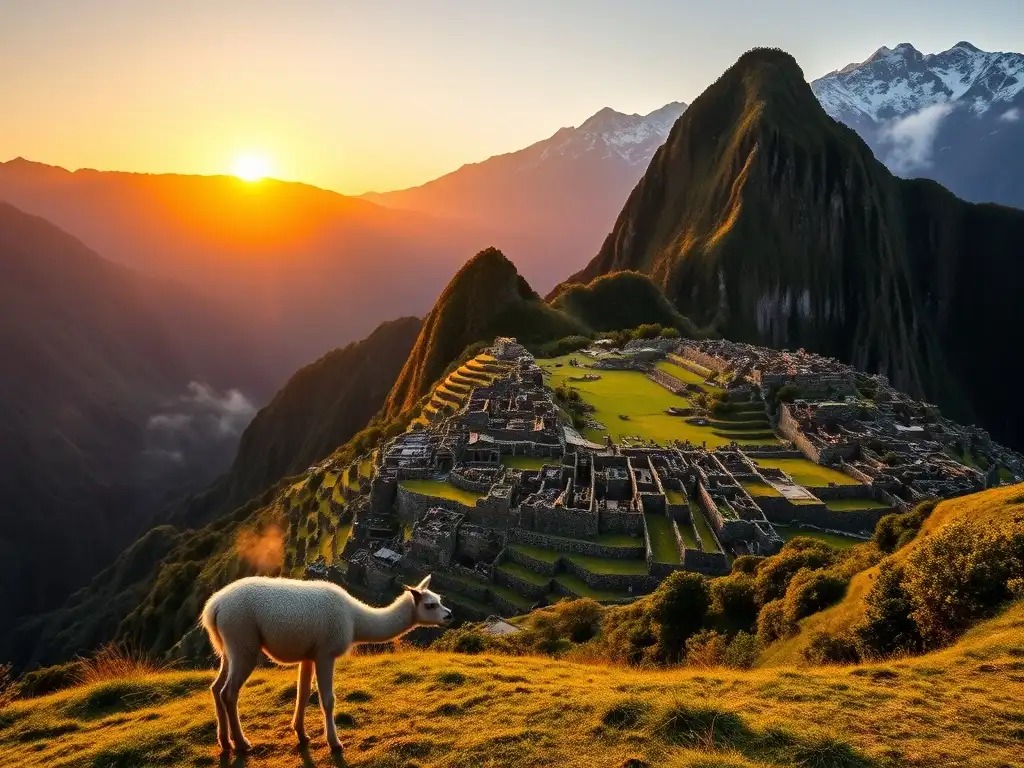
Uncover the mysteries woven into the very fabric of the Andes Mountains. For centuries, these majestic peaks have witnessed the rise and fall of incredible civilizations, leaving behind a legacy of breathtaking artistry and profound spiritual beliefs. But what truly lies behind the enigmatic power attributed to Andean spiritual sites? Journey with us as we delve into the captivating significance of these sacred places, exploring the enduring impact of ancient Andean cultures and their connection to the cosmos. Prepare to be amazed.
The Andes Mountains, a spine of rock and ice running down the western edge of South America, are more than just a geographical feature; they are a living tapestry woven with threads of ancient spirituality. For millennia, diverse Andean cultures – from the Inca to the Moche, Nazca, and Tiahuanaco – have imbued these landscapes with profound religious meaning. This article delves into the significance of Andean spiritual sites, exploring the intricate relationship between these civilizations and their sacred geography, a connection that continues to resonate even today.
We'll examine how these sites served as focal points for rituals, ceremonies, and the expression of complex cosmological beliefs, and how understanding their spiritual importance enhances our appreciation for the richness and complexity of Andean cultural heritage. Understanding the Andean spiritual sites' significance is key to unlocking a deeper understanding of these fascinating civilizations and their enduring legacy.
Cosmovision and the Sacred Landscape
The Andean worldview, or cosmovision, deeply intertwined the physical world with the spiritual realm. Mountains were not merely geological formations but were considered apu, powerful deities who influenced the lives of the people below. Water sources, such as springs and rivers, were similarly revered as sacred, representing life-giving energy and connection to the supernatural. This perspective shaped the selection and use of sites for religious practices.
Specific geographical features, like caves, mountain peaks, and fertile valleys, were chosen for their perceived spiritual potency, becoming places of pilgrimage and ritual activity. The precise location of these sites often held astronomical significance, aligning with solstices or equinoxes, reflecting a sophisticated understanding of celestial cycles and their impact on earthly life. Evidence suggests that many sites were carefully chosen to maximize their connection to both terrestrial and celestial energies.
Rituals and Ceremonies at Sacred Sites
Andean spiritual sites were not just passive locations; they were dynamic spaces where rituals and ceremonies played a central role in maintaining cosmic balance and ensuring community well-being. These practices varied across different cultures and time periods but often involved offerings, prayers, and symbolic actions aimed at appeasing the apu and other deities. Archaeological findings reveal evidence of elaborate rituals, including the use of sacrificial offerings such as llamas, ceramics, and precious metals.
These offerings weren't simply acts of appeasement; they were acts of communication, a way of maintaining a reciprocal relationship between the human and spiritual worlds. The remains of these rituals, discovered at sites across the Andes, offer invaluable insights into the beliefs and practices of these ancient civilizations. For example, [specific information pending] regarding the Moche culture's sacrificial practices at their coastal temples.
Architectural Marvels and Spiritual Expression
The architectural achievements of Andean civilizations are a testament to their ingenuity and spiritual beliefs. Sites like Machu Picchu, Ollantaytambo, and Sacsayhuamán, while impressive feats of engineering, also served as powerful expressions of religious and cosmological ideas. The precise placement of buildings, the use of specific materials, and the intricate designs all reflect a deep understanding of the relationship between the built environment and the spiritual world.
For instance, the intricate stonework of Sacsayhuamán, with its massive stones seemingly impossibly fitted together, is not only a testament to engineering prowess but also suggests a connection to the earth's powerful energies. Similarly, the terraces of Machu Picchu, carefully carved into the mountainside, reflect a harmony between human activity and the natural landscape, emphasizing the interconnectedness of the physical and spiritual realms. The architecture itself, therefore, becomes a powerful medium for expressing and reinforcing spiritual beliefs.
The Enduring Legacy of Andean Spiritual Sites
The spiritual significance of Andean sites extends far beyond their historical context. Many of these places continue to hold spiritual importance for indigenous communities today, serving as pilgrimage sites and locations for ongoing religious practices. This enduring connection highlights the resilience of Andean culture and the lasting impact of their ancient beliefs.
Understanding this continuity provides a crucial link between the past and the present, fostering a deeper appreciation for the living heritage of the Andes. The preservation and protection of these sites are not just historical imperatives but also essential for upholding the cultural and spiritual identities of Andean communities. Furthermore, the tourism industry's approach to these sites needs to be mindful and respectful of their ongoing spiritual significance.
Further Research Areas
- The role of astronomical alignments in the selection of sacred sites.
- The impact of Spanish colonization on Andean spiritual practices.
- The contemporary significance of Andean sacred sites for indigenous communities.
- Cosmovision and the Sacred Landscape
- Rituals and Ceremonies at Sacred Sites
- Architectural Marvels and Spiritual Expression
- The Enduring Legacy of Andean Spiritual Sites
- Machu Picchu: More Than Just a Lost City
- The Sacred Valley of the Incas: A Spiritual Hub
- Ollantaytambo: Ancient Temple and Fortress
- Sacsayhuamán: A Ceremonial Center of Power
- Lake Titicaca: The Cradle of Andean Civilizations and Spiritual Beliefs
- Tiwanaku: The Center of an Ancient Andean Empire and its Ritualistic Significance
- Nazca Lines: Astronomical and Ritual Purposes
The Deep Roots of Andean Spirituality and Sacred Places
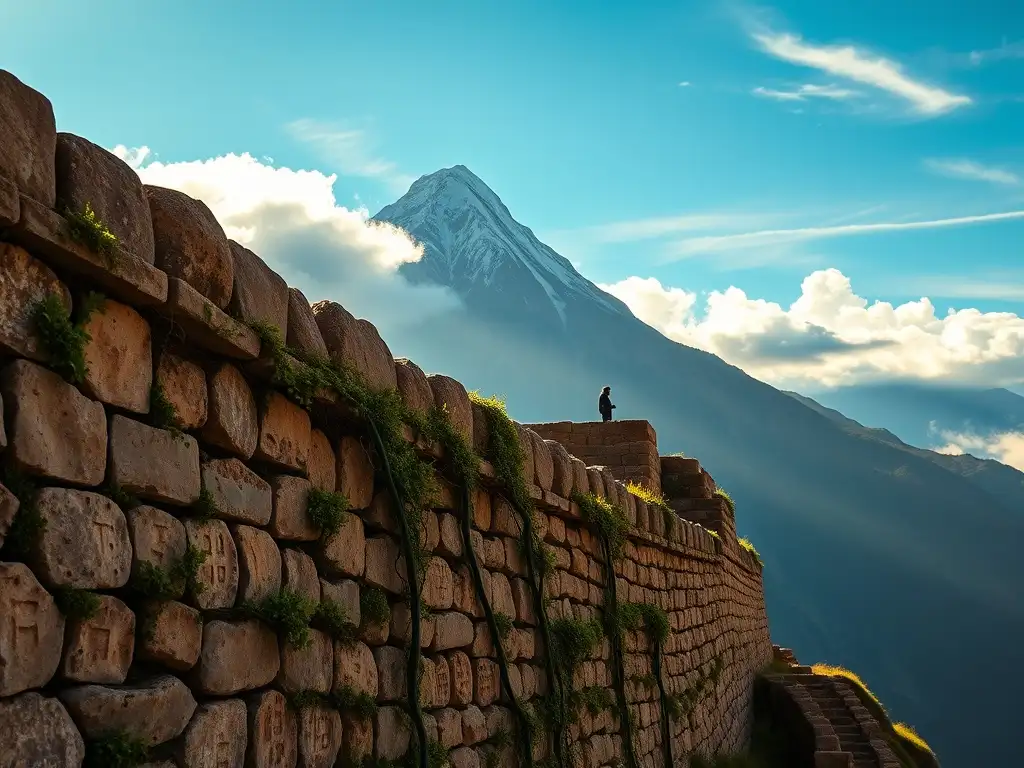
The Andean region boasts a rich tapestry of spiritual beliefs deeply intertwined with its geography and history. Understanding the significance of Andean spiritual sites requires delving into the core tenets of Andean cosmovision, a worldview that permeates every aspect of life, from daily routines to monumental constructions. This complex system of beliefs, far from being a monolithic entity, evolved and diversified across different Andean cultures, resulting in a fascinating array of sacred spaces and practices.
The enduring legacy of these beliefs continues to resonate today, shaping the cultural identity of Andean communities and inspiring awe in visitors from around the globe. The enduring power of these sites highlights the deep connection between the Andean people and their environment, a relationship that transcends time and continues to influence modern Andean culture. Understanding this connection is key to appreciating the profound significance of these "Andean spiritual sites."
Andean Cosmovision: A Foundation for Sacred Spaces
Andean cosmovision is characterized by a holistic view of the universe, where the physical and spiritual realms are inextricably linked. The concept of Pachamama, or Mother Earth, is central to this worldview. Pachamama is not merely the physical earth but a living entity, a powerful deity providing sustenance and demanding respect.
This reverence for nature extends to mountains, rivers, and other geographical features, many of which were considered sacred and imbued with spiritual power. The Andean worldview also incorporates a complex understanding of the celestial sphere, with the sun, moon, and stars playing significant roles in religious rituals and agricultural cycles. This intricate interplay between the terrestrial and celestial realms shaped the selection and design of sacred spaces, often aligning them with specific astronomical events or geographical features believed to possess special energy.
For instance, many sites were carefully positioned to align with solstices or equinoxes, emphasizing the close relationship between the cosmos and the human experience. The careful study of these alignments provides significant insights into the sophisticated astronomical knowledge of Andean cultures.
The Concept of "Huaca" in Andean Culture
The term "huaca" encompasses a broad range of sacred objects and places in Andean culture. Huacas could be anything from natural formations like mountains and springs to man-made structures such as pyramids and temples. They were considered manifestations of supernatural power and served as focal points for religious rituals and offerings.
The reverence for huacas varied depending on the specific culture and the nature of the huaca itself. Some huacas were venerated by entire communities, while others held significance for specific lineages or individuals. The concept of huaca highlights the deeply spiritual nature of the Andean landscape, where every element, both natural and man-made, could be imbued with sacred significance.
The construction and maintenance of huacas involved significant labor and resources, reflecting the importance of these sites in Andean society. Archaeological evidence reveals a wide range of offerings left at huacas, including textiles, ceramics, and precious metals, offering a glimpse into the beliefs and practices of the people who revered them. The continued presence of these sites and their enduring significance underscore the lasting impact of Andean spirituality on the region.
Connection Between Nature and Spirituality in the Andes
The relationship between nature and spirituality in the Andes is profoundly symbiotic. Mountains, considered the abode of deities, were not merely geographical features but living entities demanding respect and veneration. Rivers, vital sources of water and life, were also considered sacred, their flow symbolizing the continuous cycle of life and death.
The agricultural practices of Andean civilizations were deeply intertwined with their spiritual beliefs, with rituals and offerings performed to ensure bountiful harvests. This intimate connection between humans and nature is reflected in the design and location of sacred sites, many of which were integrated seamlessly into the landscape. The careful selection of sites often took into account the surrounding environment, leveraging the natural features to enhance the spiritual significance of the place.
This holistic approach to spirituality, where humans are seen as an integral part of the natural world, is a defining characteristic of Andean cosmovision and a key element in understanding the significance of Andean spiritual sites. The enduring respect for Pachamama and the natural world continues to be a powerful force shaping Andean culture and the preservation of its sacred heritage.
Exploring Key Andean Spiritual Sites and Their Meanings
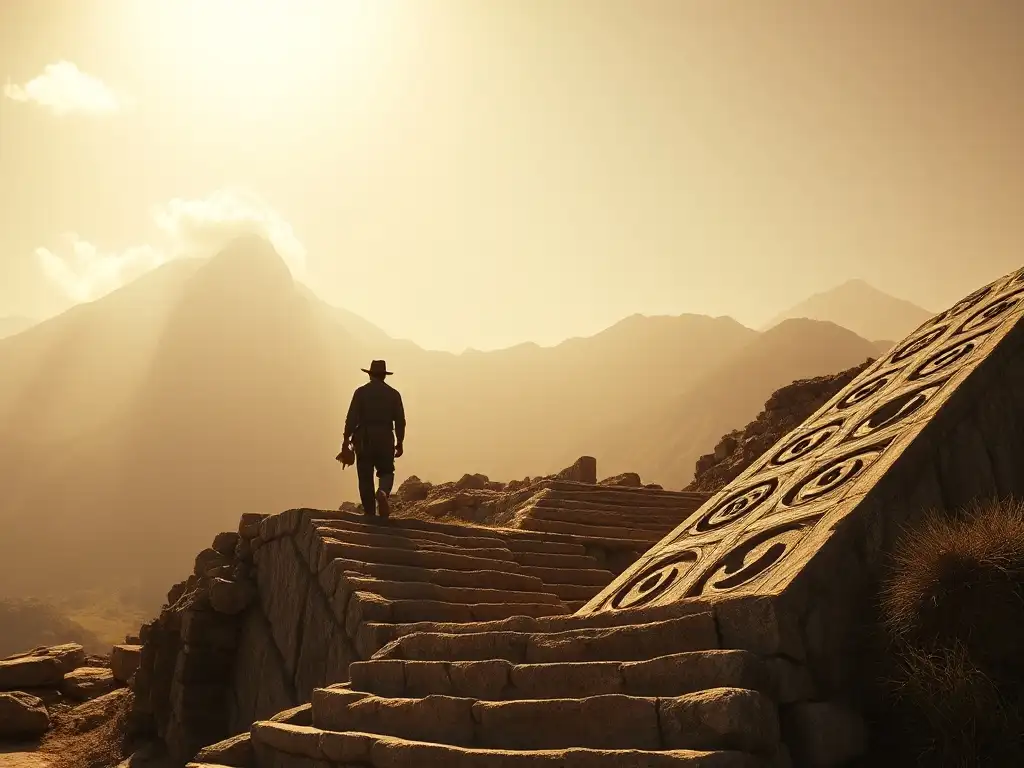
This section delves into the profound spiritual significance of several key Andean sites, exploring their roles in the cosmology and religious practices of ancient civilizations. We will examine how these locations were not merely practical settlements, but integral parts of a complex spiritual landscape, reflecting a deep connection between the Andean people and their environment. Understanding the significance of these sites provides crucial insight into the Andean worldview and their sophisticated understanding of the cosmos. The term "Andean spiritual sites significance" encapsulates the core theme of this exploration.
Machu Picchu: More Than Just a Lost City
Machu Picchu, often dubbed the "Lost City of the Incas," transcends its architectural marvel to represent a powerful nexus of Andean spirituality. While its precise function remains debated, evidence strongly suggests a significant religious component. The meticulous alignment of structures with celestial bodies, particularly the sun and stars, points to sophisticated astronomical knowledge interwoven with religious practices.
The intricate agricultural terraces, strategically positioned across the mountainside, weren't just for food production; they likely held symbolic meaning, reflecting the Andean worldview that linked the earthly realm with the celestial. The presence of ritual baths and potentially sacred spaces further reinforces the site's spiritual importance. The carefully selected location, nestled high in the Andes, also hints at its significance as a place of communion between the human and divine realms.
Scholars believe that Machu Picchu may have served as a royal retreat, a religious center, or perhaps both, demonstrating the intertwined nature of Andean power and spirituality. Further research is needed to fully uncover the extent of its spiritual significance, but the existing evidence undeniably points towards a place imbued with profound religious meaning. The inherent "Andean spiritual sites significance" of Machu Picchu continues to fascinate and inspire researchers and visitors alike.
The Sacred Valley of the Incas: A Spiritual Hub
The Sacred Valley, located in the Andes Mountains of Peru, wasn't just a geographically strategic region; it served as a vibrant spiritual hub for the Inca civilization and its predecessors. Numerous sites within the valley, such as Pisac, Ollantaytambo, and Moray, demonstrate the multifaceted nature of Andean spirituality. The valley's fertile lands, crisscrossed by rivers and surrounded by towering mountains, were perceived as a microcosm of the cosmos, mirroring the Andean worldview that saw the interconnectedness of all elements.
Many sites, including the agricultural terraces of Moray, were designed with a focus on both practicality and symbolic representation. The intricate network of canals and irrigation systems, meticulously built to optimize agricultural production, also held spiritual significance, reflecting the Andean reverence for water as a life-giving force. The presence of numerous Inca ruins, temples, and agricultural terraces throughout the valley illustrates the widespread integration of spirituality into daily life.
The Valley’s significance transcends mere geographic location; it represents a holistic Andean spiritual landscape, deeply ingrained in their cosmology and worldview. The term "Andean spiritual sites significance" is perfectly embodied by the Sacred Valley’s rich tapestry of religious and agricultural spaces.
Ollantaytambo: Ancient Temple and Fortress
Ollantaytambo stands as a remarkable example of the complex interplay between spiritual and practical aspects within Andean architecture. This impressive site, located in the Sacred Valley, served both as a formidable fortress and a significant religious center. The massive stone structures, meticulously carved and fitted together without mortar, demonstrate the Inca’s mastery of engineering and their reverence for precision. However, the layout of the site suggests a deeper spiritual significance.
The presence of several temples, ritual baths, and potentially sacred spaces within the fortress complex suggests that religious practices were integral to the site's overall function. The imposing architecture itself may have been intended to symbolize the power of the Inca state and its connection to the divine. The intricate water channels and agricultural terraces around Ollantaytambo further illustrate the integration of practical and spiritual elements.
These features weren't merely functional; they were also symbolic representations of the Andean worldview, reflecting the interconnectedness of the natural world and the divine realm. The careful integration of religious and defensive elements within Ollantaytambo highlights the deep-seated spiritual beliefs that permeated all aspects of Inca life. This makes Ollantaytambo a prime example of the "Andean spiritual sites significance" in Inca culture.
Sacsayhuamán: A Ceremonial Center of Power
Sacsayhuamán, located near Cusco, Peru, stands as a powerful testament to Inca ingenuity and spiritual beliefs. More than just a fortress, as some believe, its massive, precisely-cut stone structures served as a vital ceremonial center, a place where the Inca worldview intersected with the physical world. The imposing cyclopean walls, defying modern engineering understanding, were not merely defensive; they were carefully oriented to align with astronomical events, reflecting the Inca's deep understanding of celestial cycles and their significance in their spiritual calendar.
The three terraces, each with its own unique architectural features and possibly dedicated to specific deities or rituals, demonstrate a sophisticated understanding of spatial planning and symbolic representation. Archaeological evidence, such as the discovery of ritual objects and human remains within the complex, further supports its ceremonial function. The vastness of the site itself, its commanding position overlooking Cusco, and the sheer scale of the stonework all contribute to the palpable sense of power and awe that still resonates today.
Scholars continue to debate the exact nature of the rituals performed at Sacsayhuamán, but the site undoubtedly served as a crucial nexus of Inca religious and political authority, a place where the earthly and the divine intertwined. The intricate carvings and the deliberate placement of stones suggest a profound understanding of cosmology and a deep connection between the Inca rulers and the spiritual realm.
Lake Titicaca: The Cradle of Andean Civilizations and Spiritual Beliefs
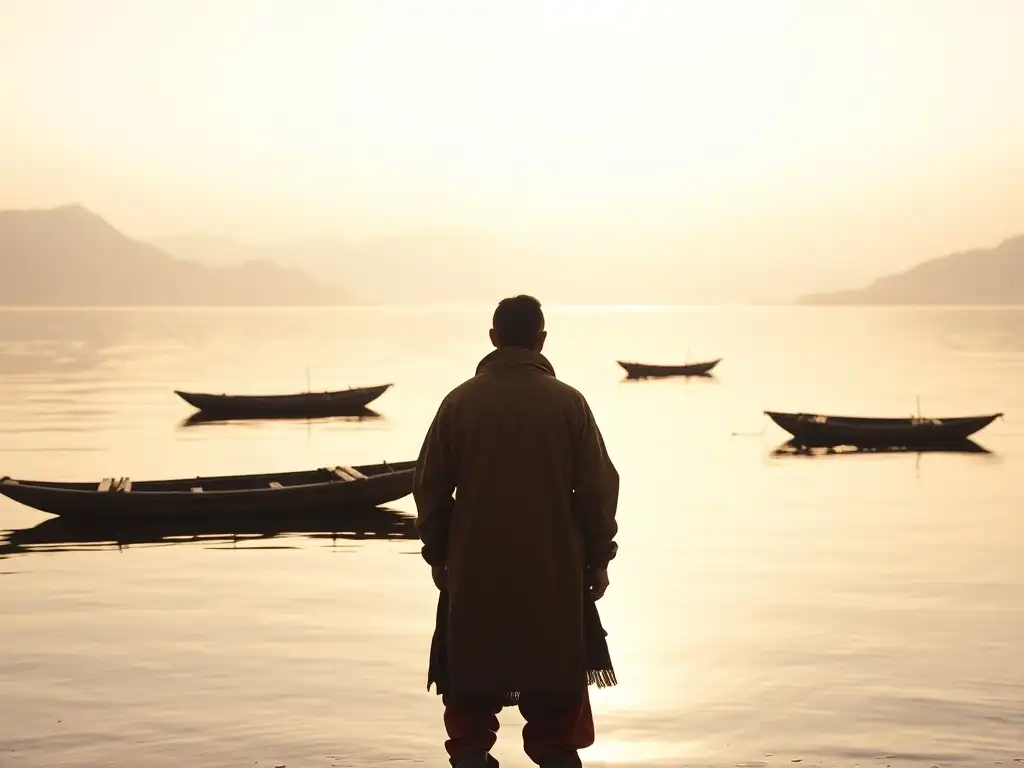
Lake Titicaca, the highest navigable lake in the world, holds a deeply significant place in Andean cosmology. Considered the birthplace of the Inca civilization and a sacred site for numerous pre-Inca cultures, it represents a powerful source of life, fertility, and spiritual energy. For centuries, indigenous communities have revered the lake as the home of the apus (mountain spirits) and other powerful deities, viewing its waters as a gateway to the spiritual world.
The Uros people, with their iconic floating islands made of totora reeds, exemplify this enduring connection, maintaining traditional practices that reflect their deep spiritual relationship with the lake. The legends associated with Lake Titicaca, such as those surrounding the emergence of Manco Cápac and Mama Ocllo, the founders of the Inca Empire, demonstrate the lake's central role in Andean creation myths and its enduring importance as a source of cultural and spiritual identity. The lake's unique ecosystem, with its diverse flora and fauna, further enhances its sacred status, reflecting the interconnectedness of life in the Andean worldview.
Many pilgrimage sites and ceremonial centers are found along its shores, emphasizing the ongoing importance of this site as a place of spiritual renewal and connection with the ancestral past. The profound spiritual significance of Lake Titicaca continues to resonate strongly in contemporary Andean societies, inspiring artistic expression, religious practices, and a profound respect for the natural environment.
Tiwanaku: The Center of an Ancient Andean Empire and its Ritualistic Significance
Tiwanaku, located on the shores of Lake Titicaca in present-day Bolivia, stands as one of the most enigmatic and influential pre-Columbian sites in the Andes. This ancient city, which flourished between 500 and 1000 CE, served as the center of a powerful empire and was a crucial hub for religious and ceremonial activities. The monumental architecture, including the iconic Gate of the Sun and the Kalasasaya Temple, exhibits a sophisticated understanding of astronomy, mathematics, and engineering.
The intricate carvings on these structures depict powerful deities and cosmological symbols, reflecting a complex belief system that integrated the worship of nature spirits with a sophisticated understanding of the cosmos. Archaeological excavations have unearthed evidence of large-scale ritual activities, including human sacrifice and elaborate offerings, suggesting that Tiwanaku served as a major religious pilgrimage site for a vast region. The city's strategic location, its impressive architecture, and its evident cosmological symbolism all contributed to its significance as a powerful center of Andean spirituality and political authority.
The influence of Tiwanaku's religious and artistic styles spread across a wide area, impacting subsequent Andean cultures and demonstrating the enduring legacy of this remarkable city as a pivotal site in the development of Andean spirituality and civilization. The ongoing research and study of Tiwanaku continue to reveal new insights into the complex religious beliefs and practices of this influential ancient Andean civilization. The mysteries surrounding Tiwanaku's sudden decline only add to its enduring fascination and its importance as a site of significant Andean spiritual significance.
Nazca Lines: Astronomical and Ritual Purposes
The Nazca Lines, etched into the Peruvian desert, represent one of the most enigmatic and captivating archaeological mysteries of the Andean world. Far from being mere artistic expressions, these geoglyphs—giant figures and lines stretching for miles—are increasingly understood to have held profound spiritual significance for the Nazca culture (c. 100 BCE – 800 CE).
Their creation involved immense labor and planning, suggesting a deeply held societal belief in their importance. The sheer scale of the undertaking, requiring meticulous surveying and execution across vast expanses of arid land, points to a level of societal organization and shared purpose rarely seen in pre-Columbian societies.
While their exact meaning remains debated, a strong case exists for their astronomical and ritual functions. Many lines and figures are aligned with celestial events, such as solstices and equinoxes. This astronomical alignment suggests a sophisticated understanding of the cosmos and a desire to mark significant celestial occurrences. The lines may have served as a giant calendar, or perhaps a means of tracking seasonal changes crucial for agriculture in the harsh desert environment. This understanding of celestial cycles would have been intrinsically linked to the Nazca people's spiritual beliefs, impacting their agricultural practices, religious ceremonies, and worldview.
Furthermore, the presence of elaborate ceremonial sites near some of the geoglyphs strengthens the argument for ritualistic purposes. Evidence suggests that pilgrimages were undertaken to these sites, potentially involving offerings and ceremonies linked to the figures depicted in the lines. The combination of astronomical alignments and nearby ceremonial centers suggests a complex interplay between cosmological understanding and ritual practice within the Nazca worldview.
Specific figures, such as the hummingbird or the monkey, might have represented deities or spirits important to their beliefs. The act of creating the lines themselves could have been a ritualistic act, a collective endeavor reinforcing social bonds and spiritual devotion.
Further research, including detailed analysis of associated artifacts and settlements, promises to unveil more about the intricate relationship between the Nazca Lines and their spiritual significance. The mystery surrounding these remarkable geoglyphs continues to captivate researchers and visitors alike, underscoring the enduring power of Andean spiritual traditions.
The Significance of Rituals and Ceremonies at Andean Sites
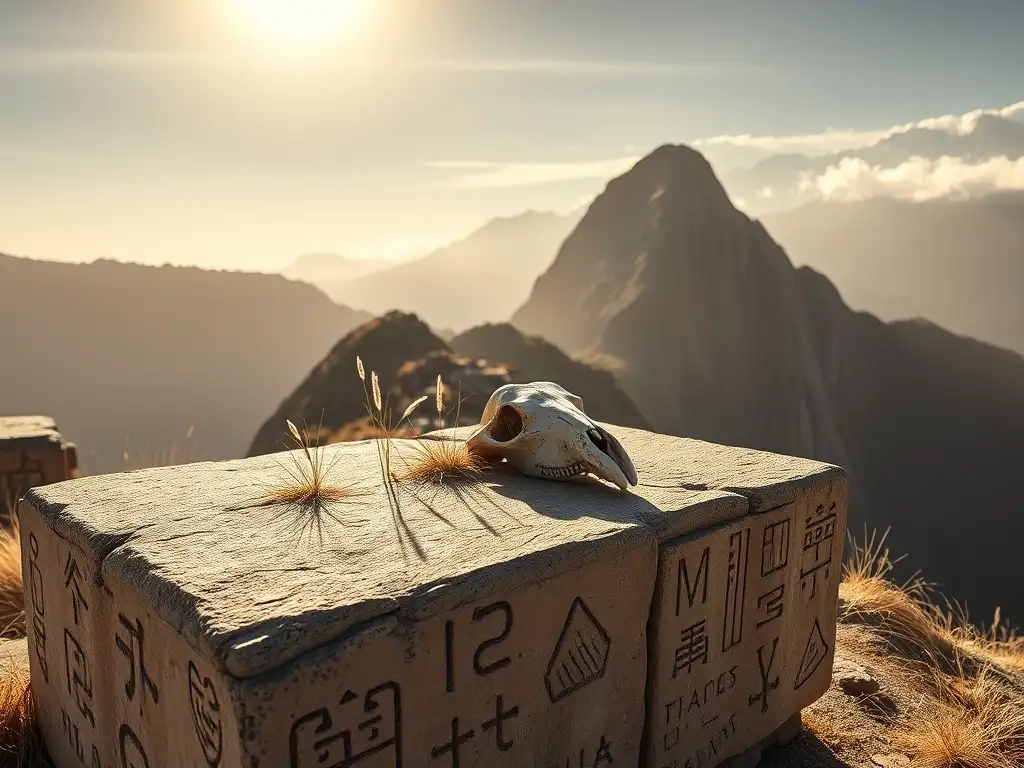
Andean spiritual sites weren't merely geographical locations; they were dynamic centers of ritual and ceremony, profoundly shaping the lives and beliefs of ancient Andean peoples. Understanding the significance of these practices is crucial to grasping the depth of their spiritual world.
The intricate relationship between the physical landscape and the spiritual realm was expressed through carefully orchestrated rituals, imbued with symbolic meaning and designed to maintain cosmic balance and ensure prosperity. These ceremonies, often involving elaborate costumes, music, dance, and offerings, were not mere performances but powerful acts of communication with the supernatural world, reflecting a sophisticated understanding of the cosmos and their place within it.
The frequency and intensity of these rituals varied across different Andean cultures and periods, but their underlying purpose remained consistent: to connect with the divine and maintain harmony in the world. The enduring legacy of these rituals is evident in the archaeological record, revealing a complex and vibrant spiritual tradition.
Sun Worship and Its Importance in Andean Spirituality
Sun worship was central to the Andean worldview, with the sun god, Inti, holding supreme importance. Inti was not just a deity; he was considered the source of life, energy, and prosperity. Many Andean sites were strategically positioned to align with the sun's movements, reflecting a deep understanding of celestial cycles and their influence on agriculture and daily life.
The solstices and equinoxes were particularly significant occasions, marked by grand ceremonies involving processions, sacrifices, and feasting. For example, at Machu Picchu, the Intihuatana stone, a prominent feature, is believed to have been used for solar observations and rituals related to the sun's annual journey. The precise astronomical knowledge incorporated into the design and orientation of numerous Andean sites underscores the sophisticated level of their astronomical understanding and its integration into their spiritual practices.
The reverence for Inti permeated all aspects of Andean life, shaping their calendar, agriculture, and social structure. The sun's power and its cyclical nature represented the life force itself, a concept deeply embedded in their spiritual beliefs. The importance of sun worship is also reflected in the iconography found in Andean art and textiles, where the sun is often depicted as a powerful and benevolent deity.
Offerings and Sacrifices: Communicating with the Gods
Offerings and sacrifices formed an integral part of Andean religious practices, serving as a means of communicating with the gods and ensuring their favor. These offerings weren't simply acts of appeasement; they were carefully chosen items representing the community's gratitude and their desire to maintain a harmonious relationship with the supernatural world. Offerings ranged from everyday objects like food and textiles to precious metals, jewels, and even human sacrifices in some cases.
The nature of the offering often depended on the specific deity or occasion. For instance, agricultural offerings were common during planting and harvesting seasons, while more elaborate sacrifices might accompany important state events or to appease powerful deities during times of crisis. Archaeological excavations at various Andean sites, such as Pachacamac, have unearthed vast quantities of offerings, providing valuable insights into the types of objects used and the scale of these rituals.
Analyzing these materials allows researchers to reconstruct the socio-political landscape and understand the significance of these offerings within the broader context of Andean society. The practice of sacrifice, while often perceived negatively through a modern lens, was deeply ingrained in the Andean worldview and served a crucial role in maintaining the cosmic order.
The Role of Shamans and Priests in Andean Rituals
Shamans and priests played a vital role in mediating between the human and spiritual worlds. They were highly respected figures, possessing specialized knowledge of rituals, herbal medicine, and divination. Shamans, often believed to have access to the supernatural through altered states of consciousness, performed healing ceremonies and guided spiritual journeys.
Priests, on the other hand, typically held positions of authority within the community, overseeing temple rituals and maintaining the sacred calendar. Their roles were intertwined, with both contributing to the maintenance of social order and the preservation of religious traditions. The elaborate costumes and paraphernalia associated with these religious figures further emphasize their importance and the sacred nature of their duties.
The expertise of these individuals in interpreting omens, predicting the future, and mediating between the human and divine worlds underscored their central role in Andean society. Their influence extended beyond the purely religious sphere, shaping political decisions and influencing social interactions. The legacy of their knowledge and practices continues to fascinate and inspire researchers today, offering a glimpse into the complex and layered spiritual world of the ancient Andes.
Sacred Calendar and Festivities at Andean Sites
The Andean world was deeply structured around a complex and sophisticated calendar system, far beyond a simple tracking of days and years. This calendar, intricately linked to astronomical observations, dictated the timing of crucial agricultural activities and, most importantly, religious festivals. These weren't merely social gatherings; they were vital rituals believed to maintain the cosmic balance and ensure the prosperity of the community. The precise details of these calendars varied across different Andean cultures—the Inca, for example, had a highly developed system based on a combination of solar and lunar cycles—but the underlying principle of cosmic harmony remained constant.
The agricultural cycle heavily influenced the calendar and the associated festivities. The planting and harvesting of crops, particularly maize, potatoes, and quinoa, were marked by elaborate ceremonies designed to appease the gods and ensure bountiful yields. These ceremonies often involved offerings of food, drink, and precious objects, presented to mountain deities or other powerful spiritual entities.
Evidence suggests that specific deities were associated with particular crops or stages of the agricultural cycle, highlighting the intimate connection between the spiritual and the material aspects of Andean life. For instance, the Inca revered the deity Inti, the sun god, whose influence was crucial for the success of their agricultural endeavors. Festivals dedicated to Inti involved elaborate processions, sacrifices, and public displays of devotion.
Beyond the agricultural calendar, other celestial events held significant spiritual meaning. The solstices and equinoxes, for example, were marked by major festivals, often involving pilgrimages to sacred sites located at strategic points along mountain ranges or within impressive archaeological complexes. These locations were carefully chosen for their astronomical alignment, allowing for precise observation of celestial events.
The positioning of structures within these sites further underscores the importance of celestial observation in Andean spirituality. For example, the precise orientation of some Inca structures towards specific rising or setting points of the sun during solstices suggests a sophisticated understanding of astronomy and its integration into their religious practices. These weren't simply random placements; they were deliberate acts designed to reinforce the connection between the earthly and the heavenly realms.
The precise dates and specific rituals associated with these events are still being researched, and new discoveries regularly illuminate the complexity of the Andean sacred calendar. The surviving accounts from Spanish chronicles, while sometimes biased, provide valuable, albeit incomplete, insights into these rich traditions.
The Impact of Andean Spiritual Sites on Modern Culture
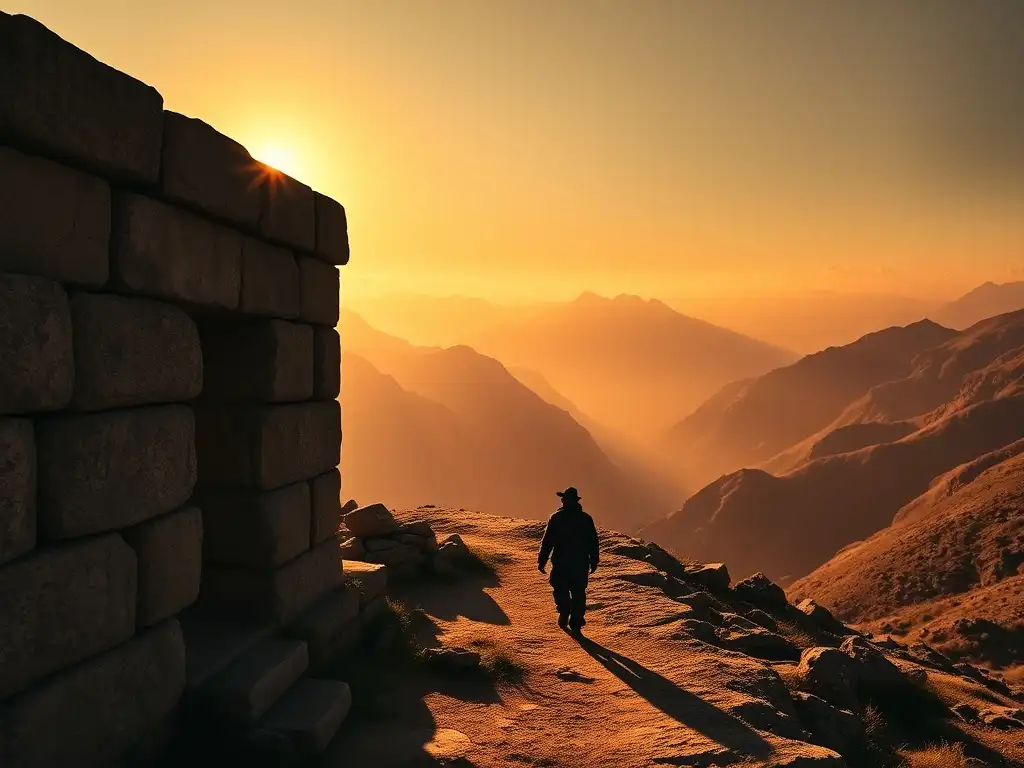
The enduring legacy of Andean spiritual sites extends far beyond their archaeological significance. These locations, imbued with centuries of ritual and belief, continue to profoundly shape modern Andean culture and identity. Understanding this impact requires examining the multifaceted ways in which these sites are integrated into contemporary life, from influencing artistic expression to informing social and political movements. The spiritual energy associated with places like Machu Picchu, Sacsayhuamán, and the Nazca Lines isn't simply a relic of the past; it's a living force that resonates in the present.
The Preservation of Andean Spiritual Heritage
The preservation of Andean spiritual heritage is intrinsically linked to the safeguarding of these sacred sites. Efforts range from archaeological excavations and meticulous restoration projects to community-based initiatives that involve local populations in protecting and interpreting these significant locations. Many communities actively participate in maintaining traditional practices and ceremonies at these sites, ensuring the continuity of ancestral knowledge and beliefs. This active involvement is crucial, as it prevents the commodification of spiritual heritage and ensures that the sites are understood and respected within their proper cultural context.
For example, the Quechua communities surrounding Machu Picchu play a vital role in guiding tourists and sharing their knowledge of the site's spiritual importance, fostering a more respectful and nuanced understanding. However, challenges remain, including balancing preservation with the needs of local populations and mitigating the impact of tourism. [Specific data on successful preservation initiatives pending].
The burgeoning tourism industry surrounding Andean spiritual sites presents a complex dilemma. While tourism can generate economic opportunities for local communities and raise awareness of Andean heritage, it also poses significant risks. Irresponsible tourism practices can lead to environmental damage, cultural appropriation, and the erosion of the sacredness of these places. Finding a balance between sustainable tourism and the preservation of cultural integrity is paramount.
This requires a shift towards responsible tourism models that prioritize the well-being of local communities and the protection of the environment. [Data on the economic impact of tourism on local communities near specific Andean sites pending]. Strategies include implementing strict regulations, educating tourists about respectful behavior, and empowering local communities to manage tourism development within their own territories. The goal is to foster a respectful and authentic interaction between visitors and these sacred spaces.
The Revival of Andean Spirituality in Contemporary Society
In recent decades, there's been a noticeable revival of Andean spirituality in contemporary society. This resurgence isn't simply a nostalgic return to the past, but rather a dynamic process of reinterpretation and adaptation. Many indigenous communities are actively reclaiming and revitalizing their ancestral traditions, often incorporating elements of Andean cosmology and spirituality into their daily lives and social movements. This revival is manifested in various ways, including the resurgence of traditional ceremonies, the creation of new artistic expressions inspired by Andean symbolism, and the growing interest in Andean medicinal practices. This renewed interest in Andean spirituality is not limited to indigenous communities; it's also influencing broader societal trends, reflecting a growing global interest in indigenous knowledge systems and alternative spiritual practices. [Data on the growth of interest in Andean spirituality in recent years pending]. This revitalization underscores the enduring power and relevance of Andean spiritual beliefs in the 21st century.
Inti Raymi Festival: A Modern Celebration of the Sun God
The Inti Raymi festival, meaning "Fiesta del Sol" or "Festival of the Sun" in Spanish, stands as a powerful testament to the enduring legacy of Andean spirituality. While its roots lie deep within Inca traditions, Inti Raymi continues to thrive as a vibrant modern celebration, attracting thousands of participants and spectators each year. More than just a spectacle, it's a living embodiment of the reverence for the sun god, Inti, a central deity in Inca cosmology. The festival’s enduring popularity reflects the ongoing connection between modern Andean communities and their ancestral beliefs.
The modern Inti Raymi, held annually on June 24th, recreates aspects of the Inca imperial ritual. It involves elaborate processions, dramatic performances depicting Inca myths and legends, and symbolic offerings to the sun. These events, often staged in Cusco and Sacsayhuamán, re-enact the ancient ceremonies, showcasing traditional Andean music, dance, and clothing. The participation of local communities ensures that the festival is not merely a tourist attraction, but a genuine expression of cultural identity and spiritual continuity. The meticulous attention to detail in costumes, music, and choreography underscores the deep-seated respect for Inca heritage.
The festival's impact extends beyond Cusco. Many smaller communities throughout the Andes hold their own versions of Inti Raymi, adapting the celebrations to their specific local traditions and beliefs. This decentralized approach demonstrates the pervasive influence of the sun god's worship and its integration into the fabric of daily life in modern Andean society. While the scale may differ, the underlying spiritual significance remains constant, reinforcing the cultural importance of Inti Raymi across a wide geographical area.
The festival’s longevity and continued evolution showcase its resilience and adaptability, proving its relevance in a changing world. It's not simply a historical reenactment; it is a living tradition that continuously evolves while staying true to its spiritual core. The vibrant colors, the rhythmic music, and the emotional intensity of the performances collectively create a powerful and unforgettable experience, underscoring the enduring power of Andean spirituality.
The Enduring Legacy of Andean Sacred Places
The Andean region, encompassing the vast mountainous landscape of South America, is steeped in a rich tapestry of spiritual beliefs and practices that have endured for millennia. Understanding the significance of Andean spiritual sites requires acknowledging their deep connection to the indigenous cultures that thrived—and continue to thrive—in this remarkable environment. These sites weren't simply places of worship; they were integral to the daily lives, social structures, and cosmological understanding of these civilizations.
From the imposing ruins of Machu Picchu to the enigmatic lines of Nazca, these locations served as powerful conduits between the earthly and spiritual realms, reflecting a complex interplay between humans and the natural world. The enduring legacy of these places lies not only in their architectural marvels but also in the enduring spiritual traditions they represent, traditions that continue to shape the identities and beliefs of contemporary Andean communities.
This deep-rooted connection underscores the importance of preserving these sites not just as historical artifacts, but as living expressions of cultural heritage. The spiritual significance of these places is intrinsically linked to the ongoing cultural practices and beliefs of descendant communities, making their preservation vital for understanding and respecting Andean cultural continuity.
Understanding the Past to Appreciate the Present
To truly grasp the significance of Andean spiritual sites, we must move beyond a purely archaeological perspective. While the impressive stonework and intricate designs of sites like Sacsayhuamán in Cusco offer undeniable evidence of advanced engineering and artistry, their true meaning lies in understanding the cosmology and worldview they reflect. The Inca, for instance, viewed mountains as sacred entities, apu, imbued with spiritual power and directly connected to the gods.
Their temples and ceremonial centers were strategically placed in relation to these mountains, reflecting a profound understanding of the landscape's spiritual geography. This spatial arrangement was not arbitrary; it was meticulously planned to harness the perceived energies and power emanating from these sacred peaks. Similarly, the Nazca Lines, while their purpose remains debated, likely held significant ceremonial importance, possibly representing astronomical alignments or acting as pathways for ritual processions.
Understanding these ancient beliefs allows us to appreciate the sites not just as historical relics, but as tangible expressions of a complex spiritual worldview that continues to resonate today. The intricate relationship between the Inca and their environment, for example, is mirrored in contemporary Andean communities' reverence for nature and their sustainable practices.
The Importance of Protecting Andean Spiritual Sites for Future Generations
The preservation of Andean spiritual sites is paramount, not only for historical and archaeological reasons, but also for the ongoing cultural and spiritual well-being of Andean communities. These sites are not static monuments; they are living repositories of cultural memory, continuing to play a vital role in contemporary Andean spiritual practices. The degradation or destruction of these sites represents a profound loss, not just of physical structures, but also of invaluable cultural knowledge and spiritual heritage.
This loss extends beyond the immediate community, impacting our collective understanding of human history and spiritual diversity. Effective protection requires a multi-faceted approach, combining archaeological preservation techniques with community engagement and sustainable tourism practices. This ensures that future generations can experience and learn from these incredible places while safeguarding their integrity for years to come.
For example, initiatives focusing on community-based tourism can empower local populations to protect their heritage while benefiting economically from its preservation. A balanced approach that respects both the historical significance and the ongoing spiritual importance of these sites is crucial for their long-term survival.
The Timeless Wisdom Encoded Within Andean Sacred Sites
Beyond their architectural achievements and spiritual significance, Andean sacred sites offer a wealth of knowledge about ancient Andean societies, their understanding of the cosmos, and their relationship with the natural world. These sites are not simply places of worship; they are repositories of wisdom, technological innovation, and social organization. The sophisticated astronomical knowledge reflected in many sites, for instance, showcases the advanced understanding of celestial cycles and their influence on agricultural practices and social life.
The precise engineering and construction techniques employed in sites like Ollantaytambo highlight the advanced capabilities of Andean builders and their deep understanding of materials and structural integrity. Furthermore, the intricate iconography and symbolism found in many sites provide valuable insights into Andean mythology, cosmology, and social structures. By studying these sites, we gain a deeper understanding of the resilience, innovation, and spiritual depth of Andean civilizations, a legacy that continues to inspire and inform us today.
This timeless wisdom, encoded within the stones and landscapes of these sacred places, offers valuable lessons for sustainable living, harmonious coexistence with nature, and the preservation of cultural heritage in the face of modernization. The ongoing research and interpretation of these sites continue to unveil new layers of understanding, enriching our appreciation of Andean culture and its enduring contribution to human civilization.
Frequently Asked Questions
What is the significance of Andean spiritual sites?
Andean spiritual sites held immense religious and cosmological importance. They were places of worship, pilgrimage, and connection to the ancestors and the gods. These sites reflect a deep understanding of the natural world and their place within it.
How did the Incas use spiritual sites?
The Inca Empire integrated sacred sites into their imperial infrastructure, using them for rituals, ceremonies, and maintaining control. Sites like Machu Picchu served both practical and spiritual purposes, demonstrating the interconnectedness of these aspects.
What role did mountains play in Andean spirituality?
Mountains were considered sacred apus, or deities, embodying power and influence. Rituals and offerings were made to appease the apus and ensure good fortune, reflecting a deep respect for the Andean landscape.
How did Andean spiritual beliefs influence their art and architecture?
Andean art and architecture are deeply intertwined with their spiritual beliefs. Religious iconography is prevalent, with temples, sculptures, and textiles reflecting their cosmology and worldview. This is evident in the intricate designs and monumental structures.
What is the enduring legacy of Andean spiritual sites today?
Andean spiritual sites continue to hold cultural and spiritual significance for indigenous communities. These sites are important for preserving traditions, fostering identity, and maintaining a connection to the past. Many are now protected as archaeological sites and tourist destinations.
Final Reflection: Echoes of the Andes: A Legacy of Spirit and Place
The enduring spiritual significance of Andean sites resonates deeply with contemporary concerns about environmental stewardship and cultural preservation. These ancient landscapes, imbued with millennia of ritual and reverence, offer a powerful counterpoint to the often-destructive forces of modern development and globalization. Their continued existence is a testament to the resilience of indigenous cultures and a vital reminder of humanity's interconnectedness with the natural world.
The profound impact of Andean spirituality on the region's cultural identity is undeniable, shaping everything from artistic expression to social structures. Its influence continues to ripple outwards, inspiring contemporary artists, activists, and spiritual seekers alike. The echoes of ancient practices can be heard in modern ceremonies and celebrations, a living testament to the enduring power of tradition. The mountains are not simply stones, but living beings, filled with spirits and ancestors.
This sentiment, often expressed by Andean communities, encapsulates the deep spiritual connection that underpins their relationship with the land.
Consider, for a moment, the weight of history held within these sacred spaces. The stories etched into the stone, the whispers of ancient prayers carried on the wind – these are not mere relics of the past, but powerful forces shaping the present and future. You, the reader, are now part of this ongoing conversation.
Engage with the legacy of Andean spirituality; learn from its wisdom, respect its traditions, and advocate for the preservation of these invaluable sites for generations to come. Let the echoes of the Andes inspire you to connect more deeply with the sacredness of your own world.
Explore the Spiritual Depths of the Andes!
Thank you for beginning your exploration of the rich tapestry of Andean spirituality! You've already uncovered the profound significance of these sacred sites, and now it's time to delve even deeper. Embrace the journey and discover how to connect with this vibrant culture on a more personal level.
Here are a few suggestions to enrich your understanding:
- Join a guided tour of significant archaeological sites and sacred landscapes to experience the spiritual ambience firsthand and learn from expert local guides. These guided experiences often offer unique insights into the history and traditions of the region.
- Share your experiences on social media using the hashtag #AndeanSpirituality to inspire others to discover the spiritual heritage of the Andes. Your personal reflections can be a valuable contribution to a wider understanding of this rich culture.
- Participate in a local cultural event or workshop focusing on Andean traditions to engage with enthusiasts and practitioners. These events offer a chance to learn directly from those who carry on these ancient traditions.
Are you ready to embark on your own spiritual journey through the sacred landscapes of the Andes? What will you discover along the way?