
Moche Astronomy: Observing the Heavens and the Cosmos

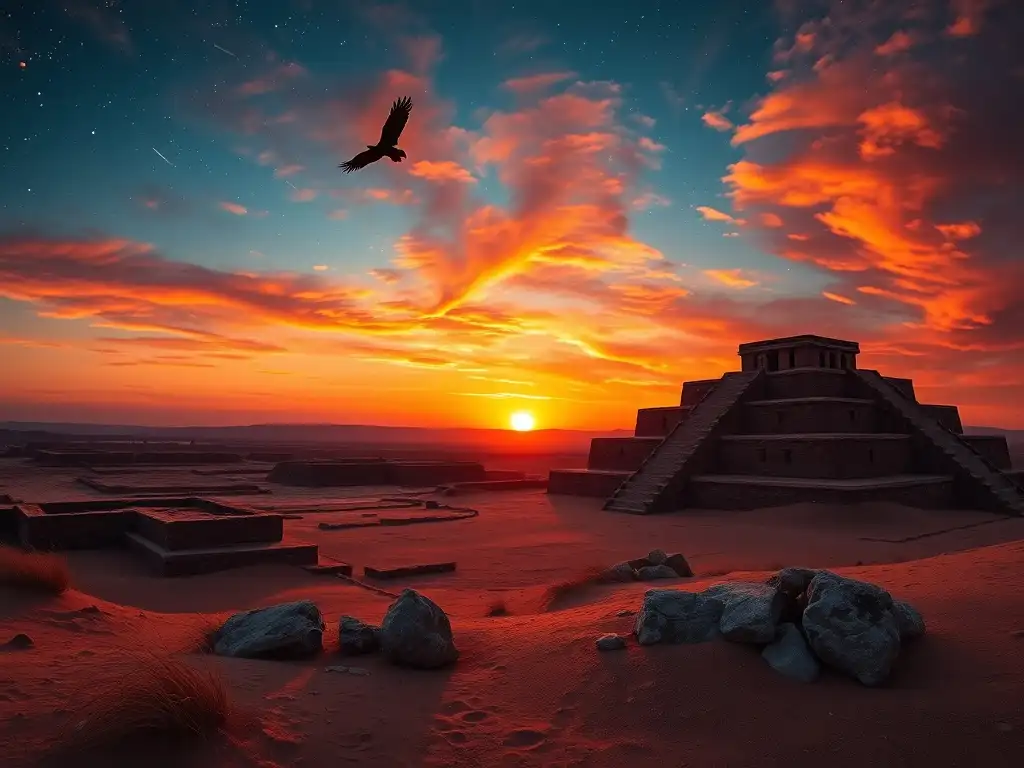
Step into a world lost to time, yet echoing with the whispers of a brilliant civilization. The Andes hold secrets whispered on the wind, secrets etched into the very landscape. Prepare to be captivated by the ingenuity of the Moche, a people whose mastery extended beyond artistry and engineering to encompass the celestial sphere. Their astronomical observations, far more advanced than previously imagined, await your discovery. Dare to unravel the mysteries hidden within the stars... and unlock the secrets of the Moche.
- Moche Astronomical Observations: Understanding the Cosmos in Ancient Peru
- Moche Sky Mapping and Constellations
- Moche Astronomical Alignments and Sacred Sites
- Moche Astronomy and Agricultural Practices
- Moche Artistic Representations of Celestial Bodies
- Moche Astronomers and Their Role in Society
- Legacy of Moche Astronomical Understanding
-
Frequently Asked Questions
- What were the Moche people's astronomical observations primarily used for?
- What evidence exists to support the claim that the Moche studied astronomy?
- How accurate were the Moche's astronomical observations?
- Did the Moche have any specific astronomical instruments?
- How does Moche astronomy compare to that of other Andean cultures?
- Final Reflection: Stargazing Across Millennia: The Enduring Legacy of Moche Astronomy
- Unveil the Mysteries of the Cosmos!
Moche Astronomical Observations: Understanding the Cosmos in Ancient Peru
The Moche civilization, flourishing along the northern coast of Peru from approximately 100 CE to 800 CE, left behind a remarkable legacy of art, architecture, and engineering. However, beyond their iconic pottery and impressive irrigation systems, evidence suggests a sophisticated understanding of astronomy that profoundly influenced their culture and daily life.
This article delves into the fascinating world of Moche astronomical observations, exploring the available evidence and its implications for our understanding of this remarkable ancient society. We will examine the significance of celestial events in their worldview and the ways in which their astronomical knowledge might have shaped their societal structures, religious practices, and agricultural cycles.
Understanding the Moche's connection to the cosmos offers a deeper appreciation for the complexity and ingenuity of this pre-Columbian civilization and provides valuable insights into their unique perspective on the world around them. We will explore how their astronomical observations, though not explicitly documented in written records, are subtly yet powerfully revealed through their art, architecture, and the careful planning evident in their settlements.
The Significance of Astronomy in Moche Culture
The Moche people, like many ancient cultures, likely viewed the cosmos as a powerful and influential force shaping their lives. The sun, moon, and stars were not merely celestial bodies; they were likely perceived as deities or powerful intermediaries between the earthly and spiritual realms. The regular cycles of the sun and moon governed their agricultural practices, dictating planting and harvesting times crucial for survival in their arid coastal environment.
The precise timing of these cycles would have required careful observation and a deep understanding of celestial movements. Furthermore, astronomical events such as eclipses and the appearance of specific constellations might have held profound religious significance, potentially influencing ritualistic practices and leadership decisions. Evidence suggests that the Moche elite likely held a privileged position in interpreting celestial phenomena, further solidifying their power and influence within the society.
The intricate details and recurring motifs found in Moche pottery – often depicting celestial events or deities associated with the cosmos – hint at the central role astronomy played in their worldview. Detailed analysis of these artistic representations reveals a level of astronomical awareness far beyond simple observation, suggesting a deeper understanding of celestial mechanics. The cyclical nature of many Moche artistic motifs, mirroring the cyclical nature of the cosmos, reinforces this connection.
Evidence of Moche Astronomical Knowledge
While the Moche left no written astronomical texts, the evidence for their astronomical knowledge is compelling and multifaceted. One significant source of information is their remarkable pottery. Many Moche ceramics depict celestial bodies, such as the sun and moon, often in conjunction with deities and mythological scenes. These depictions are not random; careful analysis reveals a possible correlation between certain pottery designs and astronomical events.
For example, some scholars suggest that certain pottery motifs represent constellations or specific celestial alignments. Furthermore, the precise orientation of some Moche structures, such as temples and ceremonial platforms, might reflect an understanding of solstices or equinoxes. This architectural alignment, though requiring further investigation, hints at a deliberate attempt to integrate astronomical knowledge into their built environment. The precise layout of Moche cities and agricultural fields also suggests a sophisticated understanding of geography and the seasonal movements of the sun, which were essential for successful irrigation and agriculture.
[Specific examples of pottery motifs and architectural alignments pending further research]. Further investigation is needed to conclusively determine the extent of their astronomical understanding and its impact on their society, including analysis of additional archaeological sites and a deeper study of their artistic representations. The potential connection between Moche astronomical observations and their complex social structures remains a fascinating area of ongoing research.
Moche Sky Mapping and Constellations
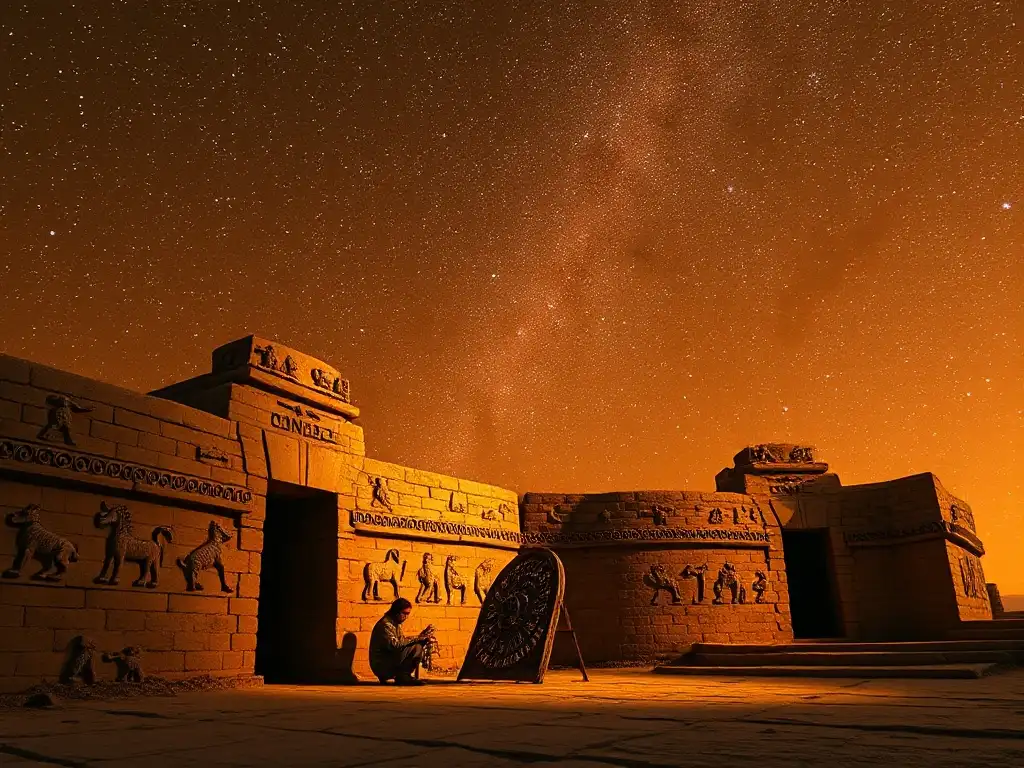
The Moche civilization, renowned for its intricate metalwork, elaborate ceramics, and impressive architecture, also possessed a sophisticated understanding of astronomy. While lacking a written language that directly translates their celestial observations, archaeological evidence strongly suggests a deep engagement with the cosmos. Their astronomical knowledge wasn't merely theoretical; it was deeply interwoven with their religious beliefs, agricultural practices, and social structure. The Moche meticulously tracked celestial events, likely using a combination of observation and possibly rudimentary instruments, to create a complex system of celestial mapping.
This system, though not fully deciphered, is gradually being revealed through the careful analysis of their art and architecture. The precision and detail evident in their depictions of celestial bodies indicate a level of astronomical sophistication comparable to other contemporary civilizations. The study of Moche astronomical observations provides invaluable insights into their worldview and their relationship with the natural world.
Further research, including advanced imaging techniques applied to their artifacts, promises to unveil even more about their astronomical achievements. Understanding their methods of observation allows us to better appreciate the depth of their cosmological understanding and its influence on their culture. The precision of their astronomical observations highlights their keen observation skills and dedication to understanding the night sky, a testament to their advanced knowledge for the time.
Identifying Moche Constellations
Identifying specific Moche constellations presents a significant challenge due to the absence of written records. However, careful examination of Moche pottery, textiles, and metalwork reveals recurring motifs that strongly suggest the representation of constellations. These motifs, often depicted as stylized animals or figures, frequently appear in specific combinations, hinting at a structured system of celestial organization. For example, a recurring motif shows a feline figure alongside a serpentine design. These could represent constellations like the puma and the milky way river, though this is purely speculative at this time.
Further analysis is needed to confirm these interpretations. The relative positions of these motifs within the artwork might reflect the actual positions of the corresponding celestial bodies. This requires a detailed comparative study of multiple artifacts, cross-referencing their designs and identifying potential correlations with known constellations visible from the Moche region. Detailed astronomical modeling can help determine the time of year or specific celestial events that might correspond to the depicted constellations.
This interdisciplinary approach, combining archaeological analysis with astronomical modeling, is crucial for unlocking the secrets of Moche celestial mapping. The work is ongoing, and new discoveries constantly refine our understanding of these enigmatic representations. Careful study of Moche art allows for the identification of recurring celestial motifs, but further work is needed to definitively decode their meaning. The process of identifying Moche constellations requires a careful examination of their art and further astronomical modeling.
The Moche Interpretation of the Milky Way
The Milky Way, a prominent feature of the night sky, likely held significant importance for the Moche. While direct depictions of the entire Milky Way are rare, several artifacts suggest an awareness of its existence and possibly its significance within their cosmology. The serpentine designs frequently found in Moche artwork—often associated with water sources and life-giving forces—could represent the Milky Way as a celestial river flowing across the heavens. This interpretation aligns with the Moche's strong connection to water and agriculture.
Their dependence on the cyclical nature of the seasons, heavily influenced by celestial events, further suggests a deep understanding of the Milky Way's role in their worldview. The association of the Milky Way with water and life could also be linked to their religious beliefs and rituals. Further research is needed to fully understand the symbolic meaning of the Milky Way within the Moche culture. Many of the theories currently proposed require further testing and corroboration.
The ongoing research into Moche cosmology is gradually revealing more about their understanding and interpretation of the Milky Way and its place in their world. The Moche’s agricultural practices and religious beliefs were likely deeply intertwined with their observations of the Milky Way and other celestial phenomena, highlighting the interconnectedness of their society and the cosmos. Analyzing the context of these motifs within their art and architecture is crucial for a more complete understanding.
Moche Astronomical Alignments and Sacred Sites

The Moche civilization, renowned for its sophisticated artistry and engineering prowess, also displayed a keen understanding of astronomy. Their astronomical observations weren't merely scientific pursuits; they were deeply intertwined with their religious beliefs and societal practices. Evidence suggests that the Moche carefully planned and constructed many of their sacred sites to align with celestial events, particularly the solstices and equinoxes.
This deliberate alignment highlights the importance of astronomical phenomena in shaping their worldview and influencing their daily lives. Understanding these alignments offers valuable insights into Moche cosmology and their relationship with the cosmos. The precision with which these alignments were achieved speaks to their advanced knowledge of astronomy and surveying techniques.
Moche Temples and Sun Alignments
Many Moche temples exhibit remarkable solar alignments. For example, the Huaca del Sol, a massive adobe pyramid, is believed to have been designed with the summer solstice in mind. While further research is needed to definitively confirm this [specific data on sun angle at solstice pending], preliminary studies suggest that on the summer solstice, the rising sun would cast a specific shadow over a particular area of the temple complex.
This alignment may have held significant ceremonial importance, perhaps marking the beginning of the agricultural cycle or signifying a time of renewal and rebirth. Similar alignments have been observed in other Moche structures, indicating a conscious effort to incorporate solar events into their architecture and religious ceremonies.
This deliberate integration of astronomical events into their sacred spaces underscores the importance of the sun in Moche culture and reinforces the idea that their astronomical observations weren't simply casual observations but rather integral components of their belief system. The precision involved also suggests specialized knowledge within Moche society, perhaps a priestly class responsible for tracking celestial movements and advising on ritual timing.
Lunar Cycles and Moche Religious Practices
The Moche also demonstrated a deep understanding of lunar cycles, which heavily influenced their agricultural practices and religious rituals. The phases of the moon, with their predictable patterns, likely provided a crucial calendar system for planning planting and harvesting. Evidence suggests that the Moche incorporated lunar observations into their religious calendar, associating specific lunar phases with various deities and ceremonies.
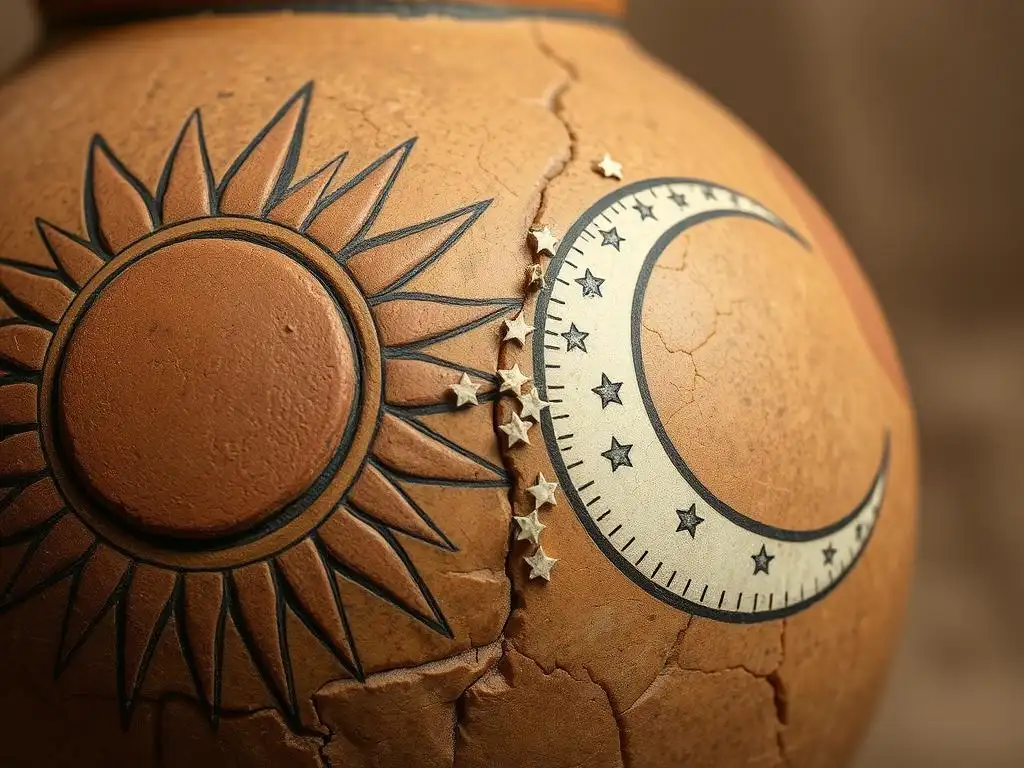
Further research is needed to fully understand the extent of Moche lunar observations [specific details on lunar calendar correlations pending], however, artifacts such as pottery depicting celestial bodies and symbols strongly suggest a comprehensive understanding of the moon's influence. The depiction of crescent moons and full moons on Moche pottery, often alongside other symbolic imagery, suggests their importance in the Moche worldview. These lunar observations, combined with solar alignments, likely formed a complex system for organizing their society and guiding their religious practices, highlighting the interwoven nature of astronomy and religion in Moche culture.
The complexity of these observations points towards a sophisticated knowledge of astronomy that was essential to their societal structure and spiritual beliefs. The meticulous records, albeit indirectly preserved through their art, demonstrate a level of astronomical understanding comparable to other contemporary civilizations.
Moche Astronomy and Agricultural Practices
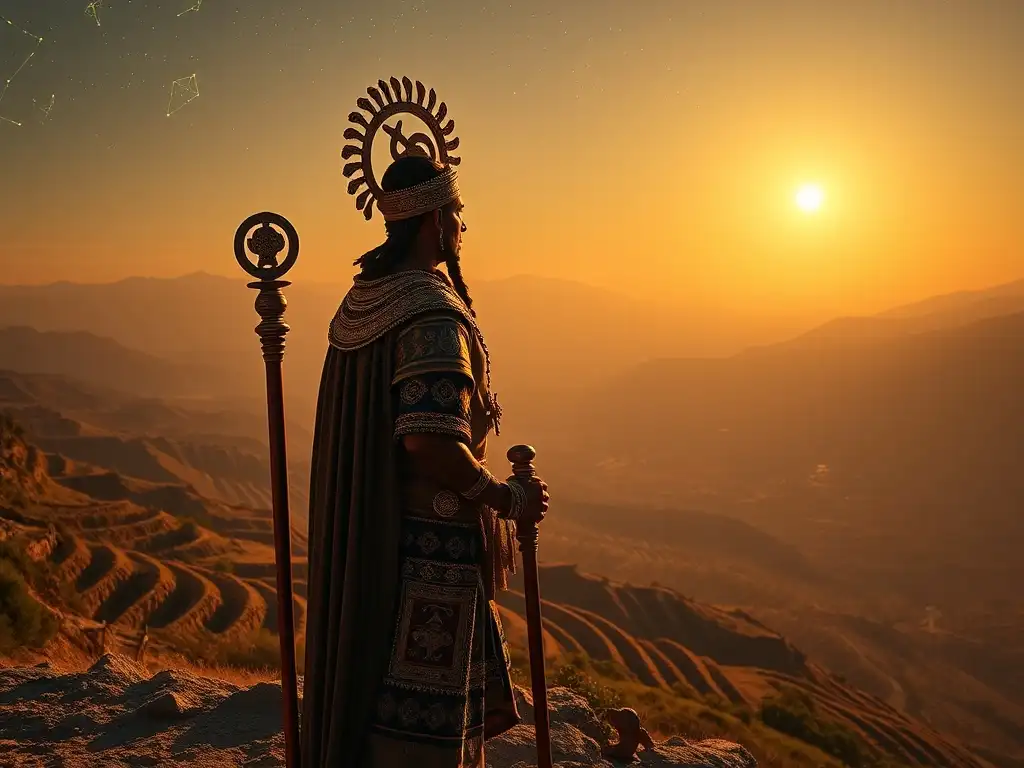
The Moche civilization, flourishing along the arid northern coast of Peru between 100 and 800 CE, developed a sophisticated understanding of astronomy deeply intertwined with their agricultural practices. Their survival depended heavily on the unpredictable nature of the coastal desert climate, making precise knowledge of seasonal changes crucial for successful harvests. Moche astronomical observations weren't merely intellectual exercises; they were vital tools for managing their resources and ensuring the prosperity of their society.
This close relationship between celestial events and agricultural cycles is evidenced in their art, architecture, and the meticulous organization of their agricultural systems. The accuracy of their observations, inferred from archaeological discoveries and artistic representations, reveals a surprising level of astronomical sophistication for a pre-Columbian culture.
Analyzing the Moche's understanding of the cosmos allows us to appreciate the intricate connection between their worldview and their practical needs. The study of "Moche astronomical observations" reveals a civilization deeply attuned to the rhythms of nature.
The Role of Moche Astronomical Observations in Agriculture
The Moche people relied heavily on irrigation systems to cultivate crops in the otherwise arid coastal region. The timing of planting and harvesting was critical, and deviations could result in crop failure. Evidence suggests that Moche priests and astronomers meticulously tracked the movements of the sun, moon, and stars to predict the onset of the rainy season (albeit short and intense) and the optimal times for planting and harvesting. This intricate knowledge likely involved observing specific constellations, the heliacal rising and setting of stars, and the lunar cycles.
For instance, the appearance of certain constellations might have signaled the beginning of the planting season, indicating the arrival of sufficient moisture for successful germination. Similarly, the changing position of the sun throughout the year, meticulously observed, would have informed the timing of irrigation and other agricultural practices.
The Moche’s mastery of irrigation systems, combined with their astronomical expertise, allowed them to maximize crop yields in a challenging environment. Detailed analysis of agricultural remnants and the arrangement of irrigation canals could further illuminate the precise correlation between astronomical events and agricultural practices, offering a more complete picture of their sophisticated agricultural calendar.
Seasonal Changes and the Moche Calendar
The Moche calendar, though not fully understood, likely incorporated astronomical observations to mark seasonal changes. While no written records exist, their sophisticated art provides valuable clues. Many Moche ceramics depict celestial phenomena, including the sun, moon, and stars, often in connection with agricultural activities or deities associated with fertility and harvest. These depictions, while symbolic, hint at a structured calendar system based on astronomical cycles.
The Moche calendar likely incorporated both solar and lunar cycles, reflecting the dual importance of the sun for agriculture and the moon for regulating the tides (relevant for fishing). The precision of their irrigation systems suggests a highly organized societal structure capable of coordinating agricultural efforts based on a well-defined calendar. Further research into the iconography and arrangement of Moche settlements could reveal more specific details about their calendar system, its subdivisions, and its relationship to astronomical cycles.
Analyzing the frequency and distribution of specific motifs in Moche pottery, for example, might provide insights into the length of their agricultural cycles and the timing of major seasonal events. The challenge lies in deciphering the symbolic language of their art to extract precise astronomical information. The ongoing research on "Moche astronomical observations" continuously reveals more about their sophisticated calendar system and its influence on Moche life.
Moche Artistic Representations of Celestial Bodies
The Moche, a pre-Columbian civilization flourishing on the northern coast of Peru from approximately 100 CE to 800 CE, left behind a rich legacy of art that offers invaluable insights into their worldview and understanding of the cosmos. Their sophisticated astronomical observations, though not explicitly documented in written texts (as the Moche lacked a writing system comparable to that of the later Incas), are subtly yet powerfully revealed through their artistic expressions. By carefully analyzing Moche ceramics, metalwork, and textiles, researchers have pieced together a fascinating picture of their celestial awareness, revealing a deep connection between their daily lives and the movements of the sun, moon, and stars.
This intricate relationship suggests a highly developed understanding of astronomy, far exceeding what was previously assumed for this technologically advanced culture. The precision and detail in their depictions indicate a keen observational capacity and a profound reverence for the celestial sphere. The placement and configuration of celestial elements within their art often hold symbolic meaning, pointing to a cosmology tightly interwoven with their social structures and religious beliefs.
Further research in this area promises to unlock even more of the secrets hidden within their artistic masterpieces. The study of Moche astronomical observations through their art offers a unique window into the minds of this remarkable civilization.
Depictions of the Sun and Moon in Moche Art
Moche artists frequently depicted the sun and moon, often imbuing them with symbolic significance beyond their purely astronomical representation. The sun, a vital source of life in the arid coastal region, is frequently portrayed as a powerful deity, often anthropomorphized with human features and regalia. These representations are not mere copies of what they saw in the sky; rather, they are imbued with cultural and religious meaning.
For example, the sun's rays may be depicted as stylized serpents, reflecting the Moche's symbolic association of the sun with power and fertility. Conversely, the moon, often represented as a stylized disk or a female deity, is frequently shown alongside the sun, suggesting a complementary, perhaps even dualistic, relationship between these two celestial bodies within their cosmology. Detailed analysis of the size, position, and accompanying iconography within these depictions could reveal further insights into the Moche understanding of the solar and lunar cycles and their influence on agriculture and societal rituals.
The dynamic interplay between the sun and moon in Moche art—sometimes presented as a harmonious pairing, other times seemingly engaged in a celestial dance—offers a rich tapestry of symbolic interpretations awaiting further scholarly examination. The prevalence of these motifs in different artistic mediums underscores their importance in Moche culture and their deep connection to the celestial realm.
Moche Ceramics and Astronomical Symbolism
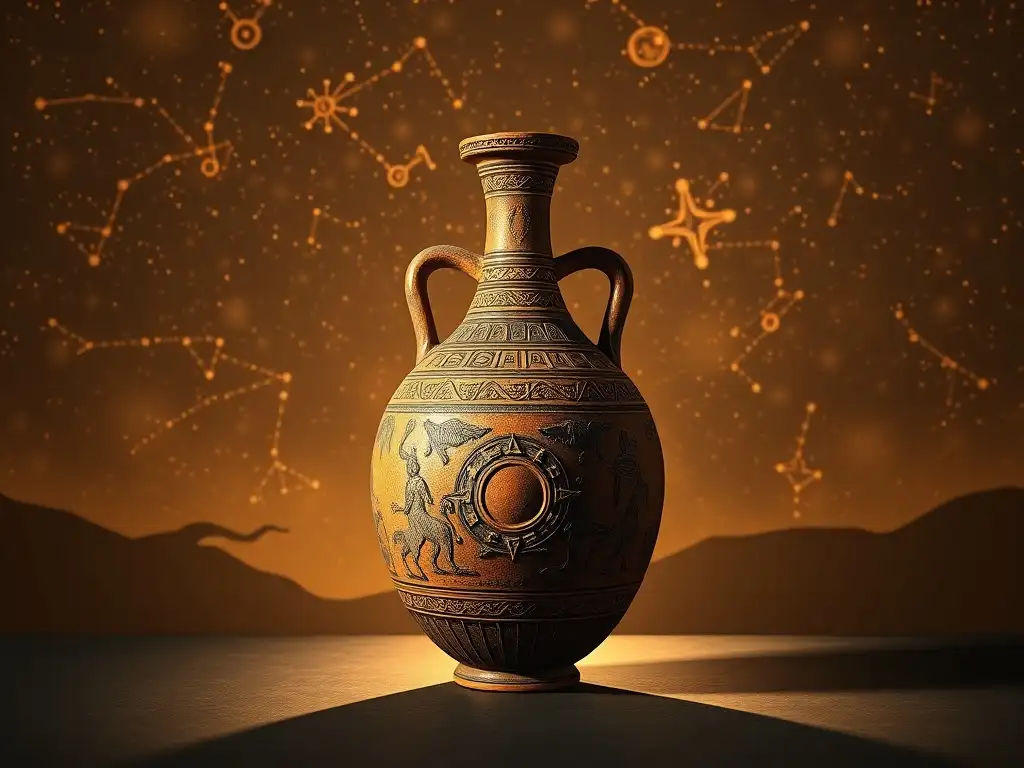
Moche ceramics are a particularly rich source of information regarding their astronomical observations. The intricate detail and craftsmanship evident in these vessels often incorporate celestial motifs woven into narratives depicting ritual scenes, mythological figures, and daily life. Many ceramics display representations of constellations, planets, or other celestial phenomena, suggesting that these astronomical observations were integral to their religious and social practices.
For example, certain motifs repeatedly appearing on ceramics have been tentatively linked to specific constellations visible in the Andean night sky, suggesting a calendrical or ritual significance. Furthermore, the use of specific colors and patterns in these depictions might correlate with the phases of the moon or the seasonal changes, hinting at a sophisticated understanding of celestial cycles and their impact on their environment. The study of Moche ceramics, therefore, offers a crucial avenue for exploring their astronomical knowledge and its role in shaping their society.
Careful cataloging and cross-referencing of existing ceramic collections, coupled with advanced astronomical modeling, could unlock a wealth of information about their astronomical practices and beliefs. The detailed depictions on Moche pottery provide compelling evidence of a civilization with a nuanced understanding of the cosmos and its influence on their lives. Further research into the specific iconography and patterns found on these ceramics promises to reveal more about the sophisticated astronomical knowledge of the Moche civilization.
Moche Astronomers and Their Role in Society
The Moche civilization, flourishing along the northern coast of Peru between 100 and 800 CE, possessed a sophisticated understanding of astronomy, far surpassing what was previously assumed. Their astronomical observations weren't merely academic pursuits; they were deeply interwoven with their social structure, religious beliefs, and agricultural practices. Understanding the Moche's relationship with the cosmos is key to deciphering their complex society.
Evidence suggests specialized individuals, likely priests or a priestly class, were responsible for carrying out these observations and interpreting their significance. This wasn't a solitary endeavor; the knowledge and practices were likely passed down through generations, playing a crucial role in maintaining social order and ensuring agricultural success.
The level of precision and the scale of their astronomical endeavors point to a highly organized and dedicated group within Moche society. The precise methods they employed remain a subject of ongoing research, but the impact of their astronomical knowledge is undeniable.
The Importance of Moche Priests and Astronomers
The role of Moche priests and astronomers was paramount. They acted as intermediaries between the earthly realm and the celestial sphere, interpreting the movements of the stars and planets as divine messages. This interpretation directly influenced crucial decisions affecting the entire community. For example, the timing of agricultural cycles, a cornerstone of Moche society, was likely determined through careful observation of celestial events.
The precision needed for successful planting and harvesting would have necessitated a deep understanding of the movements of the sun, moon, and possibly even stars associated with seasonal changes. Furthermore, these priestly astronomers likely played a significant role in religious ceremonies and rituals, using their knowledge to enhance the spiritual power and efficacy of these events. Their expertise commanded respect and influence, solidifying their position as key figures within the Moche social hierarchy.
The intricate iconography found on Moche pottery and metalwork often depicts celestial events, further supporting the significance of astronomy in their religious beliefs and practices. The detailed representations suggest a level of astronomical understanding that was not merely practical, but also deeply symbolic and ritualistic. Analysis of these artifacts provides invaluable insights into their cosmology and the importance of astronomical observations in their spiritual lives.
The Moche's advanced astronomical knowledge had profound social implications. Their ability to predict celestial events, particularly those related to agriculture, ensured the stability and prosperity of their communities. Successful harvests were directly linked to the accuracy of astronomical predictions, which in turn, reinforced the authority and prestige of the priestly astronomers. This expertise likely translated into significant social and political power, allowing them to influence decisions related to resource allocation, conflict resolution, and even leadership succession.
Moreover, the shared understanding of the cosmos fostered a sense of unity and collective identity within Moche society. The common interpretation of celestial phenomena likely served as a powerful unifying force, strengthening social bonds and promoting cooperation within communities. The construction of large-scale public works, such as irrigation canals and monumental architecture, might have also been guided by astronomical observations.
Alignment of structures with specific celestial bodies suggests a sophisticated understanding of engineering and surveying, further highlighting the significant role that astronomy played in shaping the Moche landscape and their societal structures. The intricate interplay between astronomy, religion, and social organization in Moche society remains a fascinating area of study, revealing the complexity and sophistication of this ancient civilization. Further research into Moche astronomical observations will undoubtedly shed more light on this remarkable aspect of their culture.
Legacy of Moche Astronomical Understanding
The Moche civilization, flourishing along the northern coast of Peru from approximately 100 to 800 CE, left behind a remarkable legacy extending far beyond their intricate pottery and impressive architecture. Their sophisticated understanding of astronomy, evidenced through various archaeological findings, significantly impacted later Andean cultures and continues to fascinate modern researchers. The Moche weren't simply passive observers of the cosmos; their astronomical knowledge was deeply interwoven with their religious beliefs, agricultural practices, and social organization, shaping their worldview and influencing their daily lives.
Understanding their astronomical observations provides crucial insights into the complexity and ingenuity of this remarkable civilization. This deep understanding of celestial events wasn't merely theoretical; it was practical, informing crucial aspects of their society.
Influence of Moche Astronomical Practices on Later Andean Cultures
The impact of Moche astronomical practices reverberated through subsequent Andean cultures, notably the Chimú and Inca civilizations. While the specific methods and interpretations might have evolved, the fundamental importance of celestial observations persisted. For instance, the meticulous record-keeping evident in Moche iconography, possibly representing astronomical events like solstices and equinoxes, likely influenced later Andean calendar systems. The precision of Moche architecture, aligned with astronomical phenomena in some cases, suggests a continuity of astronomical knowledge transfer.
Evidence suggests that the Chimú, who succeeded the Moche, built upon existing astronomical knowledge, potentially refining and expanding upon techniques inherited from their predecessors. The Inca, known for their advanced astronomical observatories, may have also drawn inspiration, albeit indirectly, from the Moche's earlier astronomical achievements. This continuity underscores the enduring significance of Moche astronomical observations within the broader Andean cultural context.
Further research is needed to fully elucidate the specific mechanisms of this knowledge transmission, but the influence is undeniable. The legacy of Moche astronomical understanding represents a significant thread in the rich tapestry of Andean cultural history. We can hypothesize that the shared Andean environment and the importance of agriculture likely facilitated the transmission of astronomical knowledge between these societies.
Modern Research on Moche Astronomical Knowledge
Modern research on Moche astronomical knowledge is a vibrant field, employing a multidisciplinary approach combining archaeology, anthropology, and astronomy. Researchers analyze Moche iconography, architecture, and artifacts to decipher their astronomical observations. For example, studies focusing on specific Moche sites have revealed potential alignments of structures with significant celestial events, such as the rising and setting of the sun during solstices. Detailed analysis of Moche pottery often depicts celestial bodies and constellations, offering valuable clues about their cosmological beliefs and astronomical understanding.
Furthermore, advanced digital imaging techniques and sophisticated astronomical software are used to simulate past celestial events and validate interpretations based on archaeological evidence. This allows researchers to test hypotheses regarding the Moche's astronomical knowledge with greater precision. The integration of various disciplines is key to unlocking the secrets of Moche astronomical observations.
While some aspects remain debated, ongoing research continues to illuminate the sophisticated astronomical knowledge possessed by the Moche, revealing a civilization deeply connected to the rhythms of the cosmos. The potential for new discoveries using advanced technologies is substantial, promising further insights into this fascinating aspect of Moche culture. 💻 The study of Moche astronomical observations is a dynamic field, constantly evolving with new discoveries and interpretations.
Frequently Asked Questions
What were the Moche people's astronomical observations primarily used for?
The Moche used astronomical observations for a variety of purposes, including agricultural planning, religious ceremonies, and potentially navigational guidance. Their understanding of the cosmos deeply influenced their society.
What evidence exists to support the claim that the Moche studied astronomy?
Evidence includes iconography on their pottery and textiles depicting celestial events and constellations, as well as the potential alignment of some structures with significant astronomical points, like solstices and equinoxes.
How accurate were the Moche's astronomical observations?
The accuracy of their observations is still being researched, but evidence suggests a sophisticated understanding. Their ability to predict events like seasons and floods indicates a level of precision relevant to their survival.
Did the Moche have any specific astronomical instruments?
While no direct evidence of sophisticated instruments survives, the precise alignments of some structures and the detailed astronomical representations on pottery suggest an understanding of celestial cycles and the use of simple observational tools.
How does Moche astronomy compare to that of other Andean cultures?
While further research is needed, Moche astronomy shows unique characteristics in its iconography and possible applications. Comparisons with other Andean cultures like the Inca reveal both similarities and differences in their astronomical knowledge and practices, reflecting the diverse approaches to celestial observation within the region.
Final Reflection: Stargazing Across Millennia: The Enduring Legacy of Moche Astronomy
The intricate astronomical observations of the Moche civilization remain profoundly relevant today, reminding us of humanity's enduring fascination with the cosmos and the power of observation to shape our understanding of the universe. Their sophisticated understanding of celestial cycles, far from being a relic of the past, offers a compelling counterpoint to our modern, technologically-driven approach to astronomy, highlighting the ingenuity and deep connection with nature that characterized their worldview.
The Moche's meticulous charting of the stars and planets wasn't merely a scientific pursuit; it was deeply interwoven with their religious beliefs, social structures, and agricultural practices. Their astronomical knowledge informed their calendar systems, agricultural cycles, and even their artistic expressions. The heavens were not just something to be observed, but a living, breathing entity that dictated the rhythm of life on Earth.
This understanding underscores the interconnectedness of all aspects of Moche society and their profound respect for the natural world, a lesson we could benefit from re-embracing in our increasingly fragmented modern world.
Consider the implications of the Moche's achievements. Their dedication to observation, their ability to extract meaning from the celestial dance, and their integration of astronomy into the fabric of their lives offers a powerful example for us today. You too can cultivate a deeper appreciation for the cosmos, not just through technological advancements, but through mindful observation and a renewed connection with the natural world around you. Look up at the night sky, and let the enduring legacy of the Moche inspire you to explore the wonders of the universe, both ancient and modern.
Unveil the Mysteries of the Cosmos!
Thank you for joining us on this celestial journey through the astronomy of the Moche civilization! We hope you've gained a deeper understanding of how these ancient people observed and interpreted the cosmos. Their insights are not just relics of the past; they offer valuable perspectives that can inspire our own exploration of the universe today. Ready to continue your journey of discovery?
- Attend a stargazing event in your area, or organize one with friends to connect with the traditions of the past. This is a wonderful way to appreciate the night sky and learn more about astronomy.
- Visit a local planetarium or science center to delve deeper into astronomy and its rich history. Many offer fascinating exhibits and educational programs.
- Share your newfound knowledge with your community—discuss the fascinating world of Moche astronomy on social media or in local gatherings. Spark conversations about our enduring connection to the stars and the wonders of the universe.
What celestial wonders have captivated your imagination and inspired you to learn more about our universe?