
Geometric Mysteries: Unveiling the Symbolic Significance of Andean Patterns

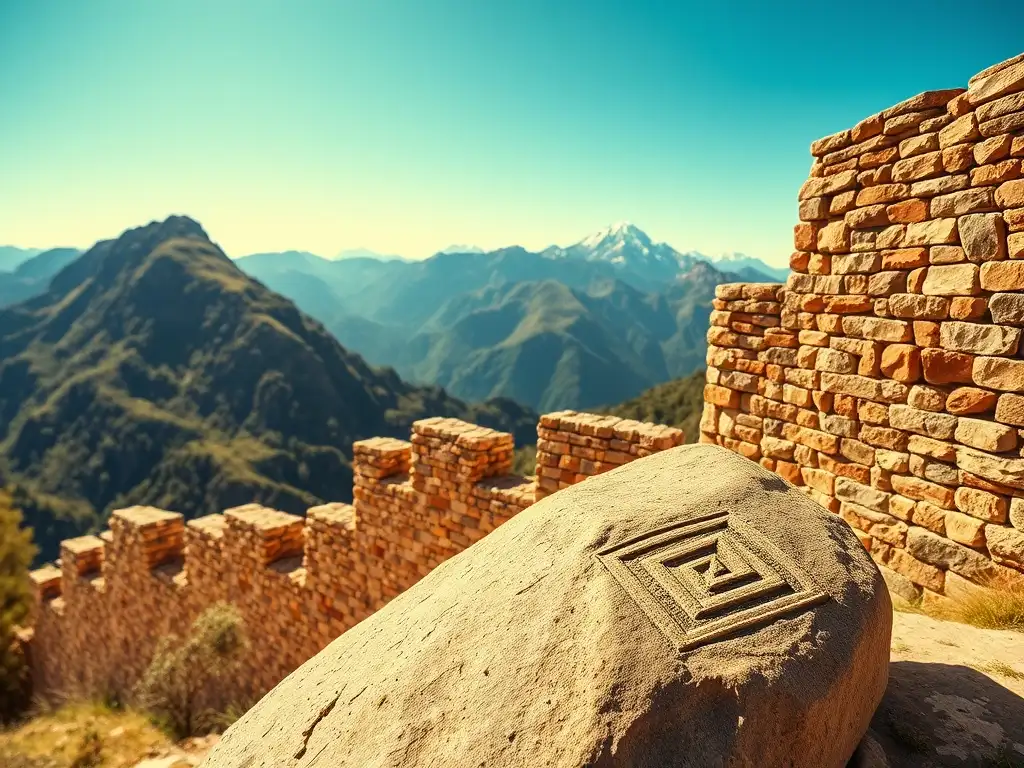
Unravel the enigmatic tapestry of the Andes! Journey through millennia of breathtaking artistry and discover a world where vibrant colors and intricate designs hold the keys to understanding ancient Andean societies. Prepare to be captivated by the mysterious symbolism woven into the very fabric of their existence, beginning with our exploration of Andean geometric patterns. Dare to decipher their secrets and unlock the stories hidden within these mesmerizing works of art?
The Andes Mountains, a spine of colossal peaks running down the western coast of South America, are not only a geographical marvel but also the cradle of some of the most fascinating and enigmatic civilizations the world has ever known. For millennia, these cultures—the Incas, Moche, Nazca, Tiahuanaco, and many others—flourished in this challenging terrain, leaving behind a legacy of breathtaking artistry and intricate social structures.
Central to their cultural expression is the pervasive use of geometric patterns, woven into textiles, carved into ceramics, and painted onto monumental structures. This article delves into the captivating world of Andean geometric patterns, exploring their underlying symbolism and revealing the profound insights they offer into the beliefs, values, and worldview of these remarkable ancient societies.
We will uncover the hidden meanings encoded within these seemingly simple shapes, demonstrating how they served as powerful tools for communication, social organization, and spiritual expression. Understanding Andean geometric patterns is key to unlocking a deeper appreciation of the rich tapestry of Andean civilization.
Introduction to Andean Geometric Design and its Cultural Importance
Andean geometric designs are far more than mere aesthetic embellishments; they are integral components of a complex system of symbolic representation. These patterns, often characterized by their precision and repetition, were not randomly chosen. Instead, they were carefully selected and arranged to convey specific meanings, reflecting the close relationship between the Andean peoples and their environment, their social structures, and their spiritual beliefs.
The use of geometric motifs was widespread, appearing across a variety of mediums including textiles, pottery, architecture, and metalwork. The intricate designs found on textiles, for example, often served not only decorative purposes but also indicated social status, clan affiliation, or even specific events or rituals. Similarly, the geometric patterns adorning ceramics provided clues about the function of the vessel and its significance within the culture.
Consider the ubiquitous use of stepped patterns, often found in architecture such as the terraces of Machu Picchu. These designs clearly reflect the adaptation of the Andean cultures to the mountainous terrain, a symbolic representation of their mastery over the environment. The repetition of motifs, whether it be a simple triangle or a complex interlocking design, suggests a cyclical view of time, reflecting the importance of agricultural cycles and the cyclical nature of life and death in Andean cosmology.
The careful craftsmanship and precision evident in these patterns highlight the high value placed on skill and artistry within these societies. Furthermore, the use of specific colors and their combinations added another layer of symbolic meaning, furthering the complexity of this visual language. The vibrant hues of Andean textiles and ceramics were not arbitrarily chosen but rather held symbolic significance related to specific deities, events, or natural elements.
The Foundations of Andean Geometric Patterns: From Nature to Abstraction
The origins of Andean geometric patterns are deeply rooted in the observation and interpretation of the natural world. Many designs are clearly inspired by the shapes and forms found in the Andean landscape: the sharp peaks of the mountains, the winding paths of rivers, the intricate network of veins in a leaf, or the celestial movements of the sun and stars.
These natural forms were then abstracted and stylized, transformed into geometric representations that served as a powerful means of communicating complex ideas and beliefs. The process of abstraction was not arbitrary; it reflected a profound understanding of the interconnectedness between the human world and the natural world.
For instance, the recurring use of triangles, squares, and stepped patterns likely reflects the Andean peoples' understanding of the geometry of the landscape and their ability to harness its resources. The triangle, a fundamental shape in Andean art, often symbolizes mountains, while stepped patterns represent the terraces used for agriculture, a testament to their ingenuity in adapting to the challenging terrain.
The careful observation of the natural world is also evident in the use of zoomorphic and anthropomorphic motifs, often incorporated within, or alongside, geometric patterns. These figures, often stylized and abstracted, represent animals and human figures that held significant symbolic importance within the Andean worldview.
The integration of these elements further enriches the complexity and multi-layered meaning embedded within the geometric designs. The meticulous study of these patterns reveals a profound connection between the Andean peoples and their environment, a connection that informs their art, their beliefs, and their worldview.
Exploring the Core Motifs in Andean Geometric Art
Andean geometric art, a vibrant tapestry woven across millennia, boasts a captivating repertoire of recurring motifs. These aren't merely decorative elements; they are potent symbols deeply embedded within the cosmological beliefs and social structures of the various Andean cultures. Understanding these core motifs is crucial to unlocking the rich symbolism inherent in Andean textiles, ceramics, and architecture.
The consistent reappearance of certain patterns across different cultures and time periods suggests a shared understanding of their significance, a common visual language transcending geographical and temporal boundaries. The meticulous precision and intricate detail evident in these designs highlight the profound importance attributed to these symbolic representations.
The study of these patterns offers a unique window into the Andean worldview and the deep connection between art and spirituality in these societies. Further research into the specific techniques used to create these patterns—from weaving and dyeing to pottery and stone carving—can provide additional insights into the cultural contexts in which they were produced.
The Significance of the Step Pattern in Andean Cultures
The step pattern, a ubiquitous motif in Andean art, often appears as a series of ascending or descending steps, sometimes forming a staircase or ziggurat-like structure. This motif is strongly linked to the Andean concept of ayllu, the communal organization of society, representing social hierarchy, ascent to the spiritual realm, and the cyclical nature of life and death.
In some interpretations, the steps symbolize the journey to the afterlife or the ascent to the celestial realm, mirroring the sacred mountains that were so central to Andean cosmology. The number of steps can also hold symbolic meaning, potentially representing specific deities, levels of the cosmos, or stages in a ritual.
Examples of this pattern can be found across various Andean cultures, from the textiles of the Nazca to the stonework of the Inca, emphasizing its widespread significance and enduring cultural relevance. Detailed analyses of the step pattern's variations across different cultures and time periods offer valuable clues to understanding its evolving meaning and its connection to broader Andean beliefs and practices.
The Diamond Motif: Meaning and Variations Across Andean Societies
The diamond, a powerful symbol in many cultures, takes on unique meanings within the Andean context. Frequently appearing in textiles and ceramics, the diamond often represents duality, the interplay of opposing forces, and the interconnectedness of the cosmos. Its symmetrical form can symbolize balance and harmony, while its pointed ends may represent the mountains or the connection between the earthly and celestial realms.
Variations in the diamond's depiction—such as its size, orientation, and the presence of internal designs—can further modulate its symbolic meaning, offering a nuanced system of visual communication. For instance, a diamond enclosed within a square might represent the integration of earthly and celestial energies, while a diamond surrounded by other geometric forms could represent a more complex cosmological interaction. The diversity of its representations across different Andean societies highlights the adaptability and complexity of this seemingly simple geometric shape.
Spirals and Their Representation of Andean Cosmovision
Spirals, another common motif in Andean art, are often interpreted as representations of the cyclical nature of time, the cosmos, and life itself. The continuous, evolving form of the spiral visually embodies the endless cycle of creation, destruction, and renewal central to Andean cosmology. Spirals are frequently found in textiles, ceramics, and metalwork, often integrated with other geometric patterns to create complex symbolic narratives.
The direction of the spiral—clockwise or counterclockwise—may also hold symbolic significance, potentially representing different aspects of the cosmological cycle or different deities. The spiral’s association with water, fertility, and the generative power of nature further underscores its importance in understanding Andean beliefs and practices. The varying sizes and complexities of spiral patterns across different Andean cultures provide further evidence of their rich symbolic depth.
The Checkerboard Pattern: Its Symbolic Uses in Andean Textiles and Ceramics
The checkerboard pattern, with its alternating squares of contrasting colors, appears frequently in Andean textiles and ceramics. This seemingly simple pattern often represents duality, the balance between opposing forces, and the interconnectedness of the cosmos. The contrasting colors can symbolize the interplay of light and darkness, male and female principles, or the celestial and terrestrial realms. In some contexts, the checkerboard pattern might represent the agricultural landscape, with the squares representing cultivated fields or the organization of the ayllu.
The precise interpretation often depends on the specific context and the accompanying motifs. A deeper analysis of the color choices and the overall composition of the design can reveal further layers of meaning. The checkerboard pattern's persistence across various Andean cultures highlights its enduring significance as a potent visual symbol.
The intricate geometric patterns adorning Andean artifacts are far more than mere decorations; they are complex visual codes carrying profound symbolic weight. These patterns provide invaluable insights into the worldview, beliefs, and social structures of the ancient Andean civilizations. Understanding their meaning requires a multidisciplinary approach, drawing on archaeology, anthropology, and art history to decipher the hidden meanings embedded within these intricate designs.
The recurring motifs and their variations across different cultures and time periods reveal a rich tapestry of shared symbols and unique cultural expressions. This section explores the deeper symbolic significance of Andean geometric patterns, examining their connection to cosmology, social organization, and the natural world.
Geometric Shapes and Their Connection to Andean Cosmology
Andean cosmology viewed the universe as a dynamic and interconnected system, with the celestial and terrestrial realms intimately linked. Geometric shapes, particularly those found in their art, served as visual representations of this cosmic order. The square, for instance, often symbolized the earth or the stability of the terrestrial realm, while the circle represented the sun, the moon, or the cyclical nature of time.
Triangles, often found in conjunction with other shapes, could signify mountains, the connection between the earth and sky, or the passage between different realms. The combination of these shapes in complex patterns created powerful visual metaphors for the Andean worldview, expressing the intricate relationship between the human world and the cosmos. The careful consideration of the spatial relationships between these shapes within a given design can unlock further layers of meaning.
Understanding the Role of Repetition and Symmetry in Andean Art
Repetition and symmetry are defining characteristics of Andean geometric art. These principles are not simply aesthetic choices; they hold profound symbolic significance, reflecting the Andean worldview's emphasis on balance, harmony, and order. Repetition emphasizes the cyclical nature of time and the cosmos, while symmetry reflects the balance between opposing forces.
The careful arrangement of repeated motifs creates a sense of rhythm and visual coherence, enhancing the overall impact of the design. The degree of symmetry or asymmetry, as well as the specific types of repetition employed, can offer clues to the intended meaning and the cultural context of the artwork. Analyzing the subtle variations in repetition and symmetry across different Andean cultures reveals further nuances in their symbolic language.
The Use of Color in Andean Geometric Designs and Their Symbolic Weight
Color played a crucial role in Andean geometric designs, adding another layer of symbolic meaning to the patterns. Specific colors were associated with particular deities, events, or natural elements. For example, red might represent blood, fertility, or the earth, while yellow could symbolize the sun or gold. The combination of colors in a specific pattern could create complex symbolic narratives.
The use of contrasting colors, such as red and white, could represent duality or the interplay of opposing forces. The subtle variations in color intensity and hue could also hold symbolic meaning, adding further complexity to the overall design. A thorough understanding of the color symbolism within specific Andean cultures is essential to fully appreciate the depth and richness of their geometric art. Further research is needed to fully document the specific color palettes and their associated meanings across different Andean societies.
Andean Geometric Patterns in Different Art Forms
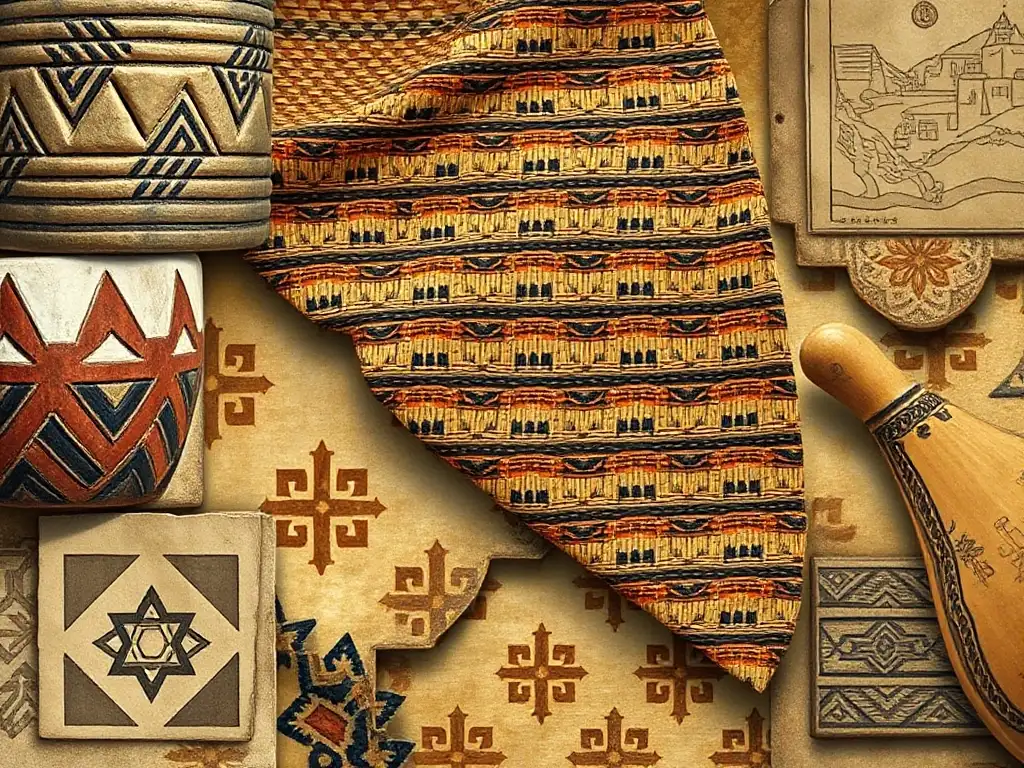
Andean geometric patterns weren't confined to a single medium; they permeated various art forms, reflecting a deep-seated cultural significance. The consistent use of these motifs across textiles, ceramics, architecture, and metalwork suggests a shared symbolic language understood across different Andean societies and throughout various periods. The prevalence of these patterns underscores their importance in Andean cosmology, social structures, and daily life. The intricate designs weren't merely decorative; they encoded complex narratives, beliefs, and social hierarchies.
This widespread usage allows researchers to trace the evolution and diffusion of specific motifs and their associated meanings across different cultures and time periods. The study of Andean geometric patterns across diverse art forms reveals a sophisticated system of visual communication that continues to fascinate and intrigue scholars today. Understanding these patterns requires analyzing them within their specific cultural context, considering the materials used, the techniques employed, and the social function of the object.
Geometric Patterns in Andean Textiles: Weaving Stories and Beliefs
Andean textiles are renowned for their vibrant colors and intricate geometric designs. These patterns weren't randomly chosen; they often conveyed specific meanings related to cosmology, social status, and shamanistic practices. For example, certain patterns might represent celestial bodies, agricultural cycles, or ancestral spirits.
The techniques used – such as backstrap weaving, which required immense skill and precision – further emphasized the significance of the designs. The use of specific colors also held symbolic value, with certain dyes being associated with particular deities or events. The intricate weaving itself could be seen as a ritualistic act, connecting the weaver to the spiritual realm.
Analysis of textile fragments reveals a complex system of symbolic representation, with variations in design reflecting regional differences and stylistic changes over time. The study of Andean textiles offers a unique window into the worldview and beliefs of the ancient Andean civilizations. The patterns woven into these textiles are not simply aesthetic; they are a tangible representation of their rich cultural heritage.
Geometric Designs on Andean Ceramics: Functionality and Symbolism
Andean ceramics, often adorned with geometric designs, served both functional and symbolic purposes. While some pottery was purely utilitarian, much of it was decorated with elaborate patterns that reflected the beliefs and values of the society. The geometric designs on ceramics often mirrored those found in textiles and architecture, suggesting a shared symbolic system. These designs could represent deities, animals, or natural phenomena, with specific shapes and colors carrying particular meanings.
For example, stepped pyramids, frequently depicted, likely symbolized the sacred mountains and their connection to the cosmos. The precision and detail of the geometric designs, even on everyday pottery, highlight the importance placed on these visual representations. Studying the evolution of these designs across different periods and regions helps to understand cultural exchange and the development of artistic styles. The careful examination of ceramic fragments provides invaluable clues about the beliefs and practices of ancient Andean communities.
Geometric Art in Andean Architecture: A Reflection of Cosmic Order
Andean architecture, particularly that of the Inca, is characterized by its precise geometric forms. The use of meticulously cut stones, fitted together without mortar, reflects a sophisticated understanding of engineering and a deep connection to the natural world. Structures like Machu Picchu exemplify the integration of geometric principles into monumental architecture. The carefully planned layouts, the alignment of buildings with celestial bodies, and the use of geometric patterns in stonework all point to a cosmology that emphasized order and harmony.
The intricate designs weren't just aesthetic choices; they were a reflection of the Andean worldview, which saw the universe as a structured and interconnected system. The geometric precision of Andean architecture reflects a deep understanding of mathematics and astronomy, and their application to the creation of sacred spaces. These structures serve as powerful reminders of the sophisticated knowledge and artistic abilities of the ancient Andean people.
The Presence of Geometric Patterns in Andean Metalwork
Andean metalworking, particularly during the pre-Columbian era, showcases remarkable artistry and technical skill. Gold, silver, and copper were skillfully crafted into intricate objects, many adorned with geometric patterns. These patterns, often incorporating zoomorphic and anthropomorphic elements, reflect a sophisticated understanding of metallurgy and a profound symbolic language. The geometric designs found in metalwork often relate to themes of power, wealth, and religious beliefs.
The use of precious metals further emphasizes the importance and sacredness of these objects. The careful study of Andean metalwork, including techniques like repoussé and casting, offers insights into the artistic processes and the symbolic significance of the geometric motifs employed. The intricacy and precision of these metallic artifacts underscore the advanced skills and cultural sophistication of the Andean civilizations.
Case Studies: Specific Examples of Andean Geometric Symbolism
Analysis of the Paracas Textile Mantle and its Geometric Motifs
The Paracas textiles, known for their elaborate designs and vibrant colors, offer a rich source of information on Andean geometric symbolism. One notable example is the Paracas textile mantle, featuring a complex arrangement of geometric motifs, including stepped pyramids, zigzags, and concentric circles. These motifs are not randomly arranged; their placement and combination likely hold specific symbolic meanings related to Andean cosmology and social structure.
[Specific information pending: Detailed description of the specific geometric motifs and their potential interpretations based on scholarly research]. The study of this textile provides valuable insight into the symbolic language of the Paracas culture and the complexity of their artistic expression.
Interpretation of the Moche Ceramic Vessels and their Geometric Decoration
Moche pottery is characterized by its realistic depictions of figures and scenes, often accompanied by geometric designs. These geometric patterns frequently appear alongside narrative scenes, suggesting a connection between the narrative and the symbolic meaning of the patterns. [Specific information pending: Examples of specific Moche ceramic vessels and a detailed analysis of the geometric patterns found on them, including their potential interpretations]. The study of these vessels reveals the intricate relationship between narrative and symbolic expression in Moche art.
Examination of the Geometric Elements at the Tiwanaku Kalasasaya Temple
The Tiwanaku Kalasasaya Temple, a significant archaeological site, showcases impressive geometric elements in its architecture. The precise stonework, the alignment of structures, and the use of geometric patterns in the stone carvings all suggest a sophisticated understanding of astronomy and cosmology. [Specific information pending: Detailed description of the geometric elements at the Kalasasaya Temple and their possible interpretations based on current archaeological research]. The analysis of these elements offers insight into the worldview and architectural practices of the Tiwanaku civilization. The temple's geometric precision and astronomical alignments highlight the advanced knowledge and cultural complexity of this Andean society.
The Legacy of Andean Geometric Patterns: Continuity and Modern Interpretations
Andean geometric patterns, far from being relics of a bygone era, continue to resonate deeply within contemporary Andean societies and beyond. Their enduring presence is a testament to their cultural significance and aesthetic appeal. The intricate designs, passed down through generations, are not merely decorative; they carry profound symbolic meaning that continues to inform artistic expression and cultural identity.
We see this legacy expressed in textiles, ceramics, and even architecture, where traditional motifs are reinterpreted and reimagined for modern contexts. The vibrant colors and complex geometries found in ancient artifacts are mirrored in contemporary crafts, demonstrating a powerful link between the past and the present. This continuity ensures that the rich symbolism of these patterns remains relevant and understood within Andean communities.
The patterns themselves act as a living archive, preserving stories and beliefs across centuries. The transmission of knowledge, often oral and through apprenticeship, ensures the survival of these intricate designs and the cultural narratives they embody.
The Influence of Ancient Andean Geometry on Contemporary Art
The influence of ancient Andean geometry extends far beyond the Andean region itself. Contemporary artists worldwide draw inspiration from these captivating designs, incorporating them into their own works and reinterpreting them through a modern lens. The bold lines, striking symmetry, and symbolic depth of Andean patterns offer a unique aesthetic vocabulary that appeals to artists across various disciplines.
For example, many contemporary textile artists meticulously recreate ancient techniques and motifs, while others incorporate elements of Andean geometry into paintings, sculptures, and installations. This cross-cultural exchange enriches both Andean artistic traditions and the global art world, fostering a deeper understanding and appreciation of the cultural heritage embedded within these geometric forms.
The unique visual language of Andean art continues to inspire new creative expressions, demonstrating its timeless relevance and enduring appeal. The geometric precision and symbolic richness are readily adaptable to a variety of artistic mediums, ensuring that their influence will continue to shape future artistic endeavors.
Preserving Andean Geometric Traditions: Challenges and Opportunities
Preserving the knowledge and practice surrounding Andean geometric patterns presents both significant challenges and exciting opportunities. The rapid pace of globalization and modernization threatens traditional crafts and artistic practices. Younger generations may be less inclined to learn these intricate techniques, leading to a potential loss of invaluable cultural heritage.
However, there is a growing awareness of the importance of cultural preservation, leading to initiatives aimed at promoting and supporting traditional Andean arts. These initiatives include workshops, apprenticeships, and collaborations between artisans and researchers. Documenting the patterns and their associated meanings through detailed studies and digital archives is crucial for future generations.
Furthermore, integrating these traditions into educational curricula and promoting them through tourism can help raise awareness and generate economic opportunities for Andean communities. The challenge lies in balancing the preservation of authenticity with the adaptation to modern contexts to ensure the continued vitality of these artistic traditions. The future of Andean geometric patterns depends on a collaborative effort between communities, researchers, and policymakers.
The Enduring Power of Andean Geometric Patterns Symbolism
The enduring power of Andean geometric patterns lies in their ability to transcend time and communicate profound cultural meanings. These patterns are not merely decorative; they represent a complex system of beliefs, social structures, and cosmological understandings. The symbols encoded within these designs offer glimpses into the worldview of ancient Andean societies, revealing their intricate relationship with the natural world and their spiritual beliefs.
The repetition of motifs, the use of specific colors, and the arrangement of geometric shapes all carry symbolic weight, providing insights into the social organization, religious practices, and cosmological perspectives of these civilizations. Understanding the symbolism requires a multidisciplinary approach, drawing on archaeological findings, ethnographic studies, and the knowledge of contemporary Andean communities.
The enduring power of these patterns is their ability to continue to convey meaning and connect us to the rich cultural heritage of the Andes. The ongoing research and interpretation of these patterns continue to unveil new layers of meaning and deepen our appreciation for Andean artistry and culture.
Conclusion: The Timeless Language of Andean Geometric Art
Andean geometric patterns represent a timeless language, communicating across centuries and cultures. Their enduring presence in contemporary Andean art demonstrates the resilience and adaptability of these traditions. From the intricate textiles of ancient civilizations to the vibrant designs of modern crafts, these patterns serve as powerful symbols of cultural identity and continuity.
Understanding their symbolic significance provides a deeper appreciation for the rich history, beliefs, and artistic achievements of Andean societies. The ongoing research and preservation efforts ensure that the language of Andean geometric art will continue to speak to future generations, offering valuable insights into the human experience and the enduring power of artistic expression. The legacy of these patterns is a testament to the creativity, ingenuity, and spiritual depth of Andean civilizations.
Their continued relevance underscores the universal appeal of geometric art and its capacity to transcend temporal and geographical boundaries. The study of Andean geometric patterns remains a dynamic and rewarding field, promising further discoveries and a deeper understanding of this captivating cultural heritage.
- Introduction to Andean Geometric Design and its Cultural Importance
- The Foundations of Andean Geometric Patterns: From Nature to Abstraction
- Exploring the Core Motifs in Andean Geometric Art
- Andean Geometric Patterns Symbolism: Deciphering the Hidden Meanings
- Andean Geometric Patterns in Different Art Forms
- Case Studies: Specific Examples of Andean Geometric Symbolism
- The Legacy of Andean Geometric Patterns: Continuity and Modern Interpretations
- Conclusion: The Timeless Language of Andean Geometric Art
Frequently Asked Questions
What is the significance of geometric patterns in Andean cultures?
Andean geometric patterns held deep symbolic meaning, often representing cosmological beliefs, social structures, and spiritual concepts. They were integral to their worldview and daily life.
How did the Incas use geometric patterns?
The Incas utilized geometric designs extensively in textiles, pottery, and architecture. These patterns frequently symbolized power, status, and lineage, varying based on location and context.
Did different Andean cultures have unique geometric styles?
Yes, each Andean civilization—like the Nazca, Moche, and Tiahuanaco—developed its own distinctive geometric style. These differences reflect unique cultural values and artistic traditions. Regional variations are also evident.
What are some common symbols found in Andean geometric patterns?
Common symbols include spirals, triangles, squares, and zigzags. These basic shapes often combined to create complex designs expressing abstract ideas about the cosmos, nature, and society.
Where can I learn more about Andean geometric pattern symbolism?
Further research can be conducted through academic journals, museum exhibits, and books focused on Andean art and archaeology. Many online resources also offer valuable information on this fascinating subject.
Final Reflection: Weaving the Threads of Andean Legacy
The intricate geometric patterns adorning Andean textiles are not mere decorations; they are living tapestries that continue to resonate with profound meaning in our modern world. These ancient symbols, passed down through generations, offer a powerful lens through which to understand the enduring connection between humanity and the natural world, a connection increasingly vital in our rapidly changing times. Their enduring presence challenges us to reconsider our own relationship with tradition and the environment.
The enduring power of these patterns lies in their ability to transcend time and language, speaking directly to our shared human experience. They remind us of the importance of storytelling, of preserving cultural heritage, and of finding meaning in the seemingly simple. The past is never dead. It's not even past.
– William Faulkner. This quote perfectly encapsulates the ongoing relevance of Andean geometric patterns, their continued presence a testament to the enduring power of cultural memory and its ability to inform the present. Their intricate designs continue to inspire artists, designers, and scholars alike, prompting new interpretations and applications while simultaneously preserving their ancient significance.
Consider the stories woven into these patterns. Consider the hands that created them, the lives they represent. You, too, are a weaver of your own life's tapestry. Take a moment to reflect on the symbols that shape your own narrative, the patterns that define your journey. Embrace the power of symbolism to connect with your heritage, your community, and the world around you. Let the enduring wisdom of the Andes inspire you to create your own meaningful designs, to weave your own unique and lasting legacy.
Unveil the Rich Tapestry of Andean Patterns!
Thank you for exploring the fascinating world of Andean geometric designs! Your investigation into their symbolic meaning has provided a deeper understanding of Andean civilizations. Let's build on this knowledge and further engage with this vibrant culture.
Here are some ways to continue your journey:
- Explore the rich history of Andean art firsthand by visiting museums or cultural exhibits featuring Andean textiles and designs.
- Share your newfound appreciation with friends and family, or on social media, inspiring others to discover the beauty and complexity of Andean patterns.
- Engage with online communities and forums dedicated to Andean art and culture to connect with fellow enthusiasts and learn more about the stories behind each unique design.
Which pattern resonates most with you, and how do you believe it reflects the values of Andean society? Share your thoughts—let's discuss!