
Shadows of the Incas: Exploring the Majesty of Andean Architecture

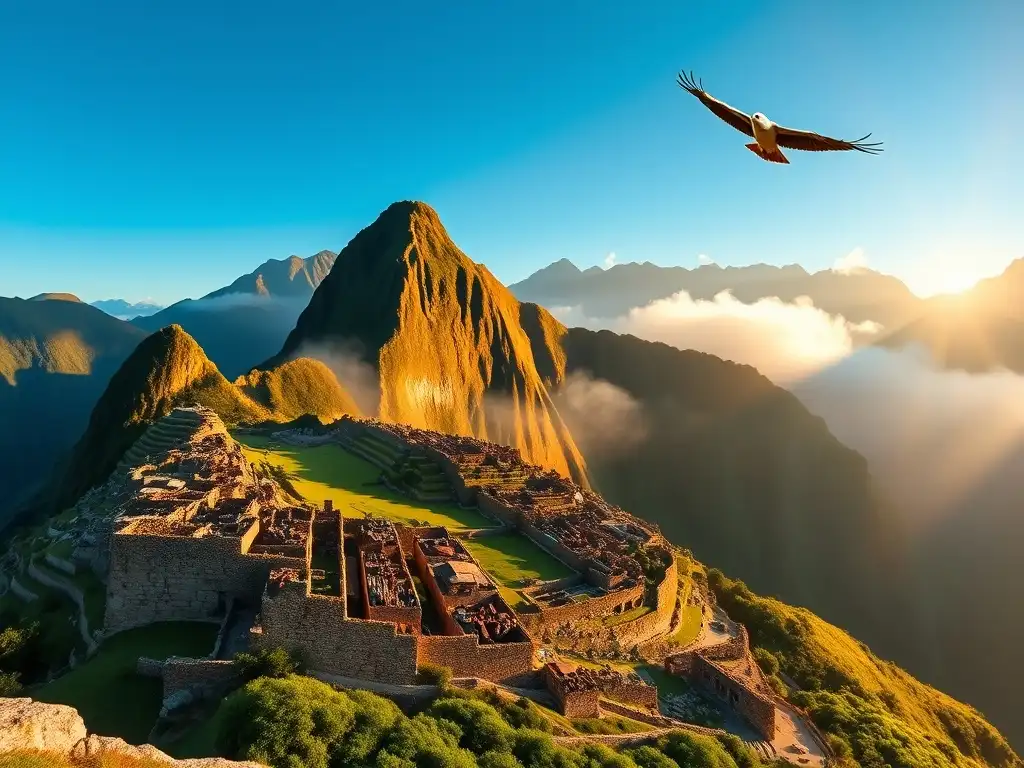
Step into a world lost to time, yet echoing with the whispers of a magnificent past. Andean Civilizations unveils the secrets of empires carved into the very mountains, revealing the ingenuity and artistry of cultures that thrived for millennia. Prepare to be captivated by the breathtaking legacy of the Andes, and delve into the intricate details of Inca architecture history, a testament to human achievement that continues to inspire awe. Discover how these towering structures were built, and what stories they hold—the answers await within.
The Andes Mountains, a spine of rock and ice running down the western edge of South America, are not just a geographical feature; they are a testament to human ingenuity and resilience. For centuries, various Andean civilizations, including the impressive Inca Empire, carved their existence into this challenging landscape, leaving behind a legacy of breathtaking architecture that continues to fascinate and inspire. This article delves into the captivating world of Inca architecture, exploring its history, techniques, and enduring significance, offering a journey through the remarkable ingenuity of a civilization that mastered stonework and built cities that defied the harsh Andean environment.
We will uncover the secrets behind their iconic structures, examining the innovative methods they employed and the cultural beliefs that shaped their architectural masterpieces. Understanding Inca architecture is crucial to appreciating the sophisticated society that created it, and its lasting impact on the cultural heritage of the region.
This exploration of "Inca architecture history" will reveal not only the impressive scale of their constructions but also the intricate details that speak volumes about their worldview and technological prowess. Prepare to be amazed by the enduring power of Inca ingenuity.
Unveiling the Secrets of Inca Architectural History
The Inca Empire, flourishing from roughly 1438 to 1533 CE, inherited a rich architectural tradition from previous Andean cultures. However, they elevated stonework to an unparalleled level of precision and complexity. Their mastery of dry-stone construction, a technique that uses no mortar, is particularly remarkable. Inca builders achieved an astonishing level of fit between stones, creating structures that have withstood centuries of earthquakes and weathering.
This wasn't mere craftsmanship; it was a reflection of their deep understanding of engineering principles and their profound connection to the landscape. The precision of their work is evident in the incredibly tight joints between stones, often so seamless that a knife blade cannot be inserted. This meticulous attention to detail is a hallmark of Inca architecture, and a testament to their dedication to creating enduring structures.
The precise methods used to quarry, transport, and place these massive stones remain partially shrouded in mystery, fueling ongoing research and debate among archaeologists and historians. The sheer scale of some projects, like the impressive walls of Sacsayhuamán, speaks volumes about the Inca's organizational capabilities and their ability to mobilize vast numbers of workers. The story of Inca architecture is one of innovation, community, and a profound respect for the natural world.
Iconic Structures: From Machu Picchu to Sacsayhuamán
The Inca Empire left behind a stunning array of architectural marvels, each reflecting the unique characteristics of its location and purpose. Machu Picchu, the iconic "Lost City of the Incas," perched high in the Andes, exemplifies the harmonious integration of architecture and landscape. Its terraces, intricately carved into the mountainside, demonstrate a deep understanding of agriculture and water management.
The city's stone buildings, with their precisely fitted walls and stunning views, showcase the Inca's ability to create aesthetically pleasing and functional structures within a challenging environment. In contrast, Sacsayhuamán, located near Cusco, is a monumental fortress that displays the Inca's mastery of massive stonework. Its cyclopean walls, constructed from enormous stones, are a testament to their engineering prowess and their ability to shape the landscape to their needs.
These structures, along with countless others throughout the Andes, demonstrate the remarkable diversity and sophistication of Inca architecture. The design and construction of these sites were deeply intertwined with Inca cosmology and religious beliefs, further enriching our understanding of their culture and society. The use of specific stones, orientations, and spatial arrangements within these structures is telling of their worldview and their relationship with the spiritual realm.
Beyond the Stones: The Cultural Significance of Inca Architecture
Inca architecture was not merely a practical endeavor; it was deeply intertwined with their cosmology, religious beliefs, and social organization. The precise orientation of buildings and the use of specific materials often held symbolic meaning, reflecting their worldview and their connection to the cosmos. Temples, palaces, and residential structures were not simply places to live or worship; they were carefully designed spaces that reinforced Inca social hierarchy and cosmological beliefs.
The intricate designs and patterns found in Inca textiles, pottery, and other artifacts offer further clues to understanding the cultural context of their architecture. Many structures were aligned with astronomical events, suggesting a sophisticated understanding of the celestial movements and their importance in the Inca calendar. This connection between architecture, astronomy, and religion highlights the holistic nature of Inca culture and the profound meaning embedded within their built environment.
Further research into these aspects is crucial to fully appreciating the rich cultural significance of Inca architecture. The legacy of Inca architecture extends far beyond the physical structures themselves; it continues to shape our understanding of this remarkable civilization and its enduring influence on the Andes region.
Enduring Legacy: Inca Architecture's Influence on Modern Peru
The legacy of Inca architecture continues to resonate in modern Peru. Not only are many Inca sites preserved and celebrated as tourist attractions, but their architectural principles and techniques have also inspired contemporary building practices. The use of locally sourced materials, sustainable building techniques, and the harmonious integration of structures into the landscape are all aspects of Inca architecture that continue to be relevant today.
Furthermore, the study of Inca architecture provides valuable insights into engineering and construction methods, offering lessons that can be applied to modern challenges. The enduring appeal of Inca architecture lies not only in its aesthetic beauty but also in its profound cultural significance and its enduring relevance to contemporary society.
Understanding the history and impact of Inca architecture is essential to appreciating the rich cultural heritage of Peru and the ingenuity of the Inca civilization. The study of Inca architecture continues to inspire architects, engineers, and historians, offering valuable lessons in sustainable design, engineering innovation, and the power of cultural heritage.
- Unveiling the Secrets of Inca Architectural History
- Iconic Structures: From Machu Picchu to Sacsayhuamán
- Beyond the Stones: The Cultural Significance of Inca Architecture
- Enduring Legacy: Inca Architecture's Influence on Modern Peru
The Foundations of Inca Construction Techniques
The Inca Empire, renowned for its breathtaking architectural achievements, didn't rely on advanced machinery or sophisticated tools. Their mastery lay in meticulous planning, innovative techniques, and a deep understanding of their environment. The impressive structures that still stand today are a testament to their ingenuity and the enduring nature of their building methods.
This section delves into the core principles underpinning Inca construction, highlighting the precision and resourcefulness that characterized their approach to architecture. The history of Inca architecture is deeply intertwined with these foundational techniques, making their study crucial to understanding the Empire's remarkable legacy. Understanding the "Inca architecture history" requires acknowledging the ingenuity embedded in their fundamental building processes.
Inca Stone Masonry: Precision and Durability
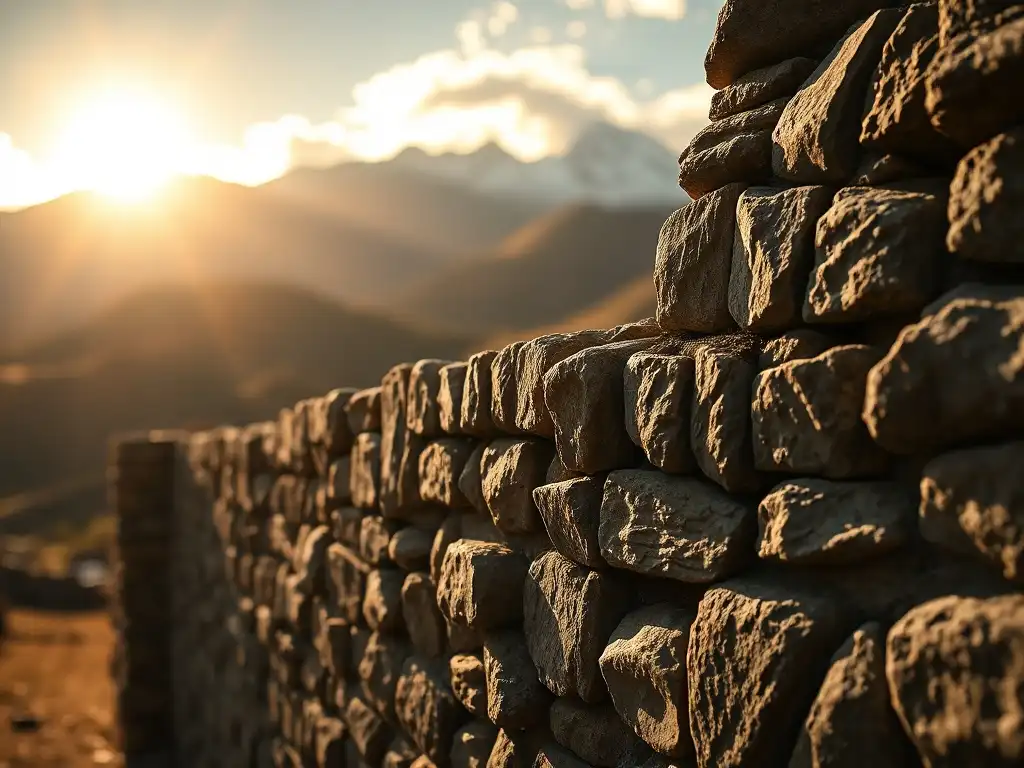
Inca stone masonry is legendary for its precision and durability. Unlike many other ancient civilizations that relied heavily on mortar, the Incas perfected the art of dry-stone construction. This involved fitting stones together so precisely that even a knife blade couldn't be inserted between them. This wasn't merely an aesthetic choice; the absence of mortar increased the seismic resilience of the structures, crucial given the Andean region's susceptibility to earthquakes.
The stones themselves, carefully selected and shaped, often interlocked in complex patterns, further enhancing stability. Different types of stone were used depending on availability and intended purpose, showcasing a deep understanding of material properties. For example, harder, more resistant stones were used for foundational elements and load-bearing walls, while softer stones might be employed for decorative purposes.
The precision involved is staggering; some joints are so fine that they are virtually invisible, a testament to the skill and patience of Inca masons. This precision is a hallmark of Inca architecture history and a key element in their enduring legacy. The techniques employed were passed down through generations, ensuring the continuity of this remarkable architectural tradition.
The Use of Terraces in Inca Architecture
The Incan Empire's success was inextricably linked to its mastery of agriculture. Steep, mountainous terrain presented significant challenges to farming, but the Incas ingeniously overcame them through the widespread use of agricultural terraces. These weren't merely simple steps cut into hillsides; they were carefully engineered systems incorporating sophisticated water management techniques. Terraces significantly increased cultivable land, allowing for intensive farming and supporting a large population.
The construction of these terraces involved meticulous planning and considerable labor. Stones were precisely fitted to create retaining walls, often reinforced with additional structures to prevent erosion and landslides. Irrigation channels were integrated into the terrace system, ensuring a consistent water supply to crops. The design and construction of these terraces were adaptable to the local topography, demonstrating a remarkable understanding of both engineering and environmental factors.
The terraces themselves became a defining feature of the Inca landscape, a testament to their agricultural prowess and architectural skill. Their impact on Inca architecture history is profound, demonstrating the symbiotic relationship between construction and sustenance. Careful analysis reveals a sophisticated understanding of water flow, soil composition, and sun exposure, all meticulously incorporated into the terrace design.
Understanding Inca Urban Planning and Design
Inca urban planning reveals a sophisticated understanding of social organization and environmental considerations. Cities like Cusco, the imperial capital, were meticulously planned, with streets laid out in a grid pattern and buildings strategically positioned to maximize sunlight and ventilation. The integration of religious sites, residential areas, and administrative centers reflects a hierarchical social structure. The use of plazas as central gathering points facilitated social interaction and community life.
Furthermore, the Inca's understanding of water management extended beyond agriculture; sophisticated aqueducts and fountains provided clean water to urban centers. These aqueducts, often carved into rock faces, showcase a remarkable understanding of hydraulic engineering. The design and construction of Inca cities demonstrate a keen awareness of both practical and symbolic considerations. The layout of Cusco, for instance, is often interpreted as reflecting the Inca cosmology, with streets and buildings aligned with celestial bodies.
This blend of practical functionality and symbolic meaning is a defining characteristic of Inca urban design and a significant aspect of Inca architecture history. The meticulous planning and execution are evident in the enduring legacy of these remarkable urban centers. The careful integration of various elements – residential areas, religious sites, administrative buildings, and water systems – created not only functional cities but also powerful symbols of Inca power and ingenuity. The study of Inca urban planning provides invaluable insights into the social, political, and religious life of the empire.
Iconic Examples of Inca Architectural Mastery
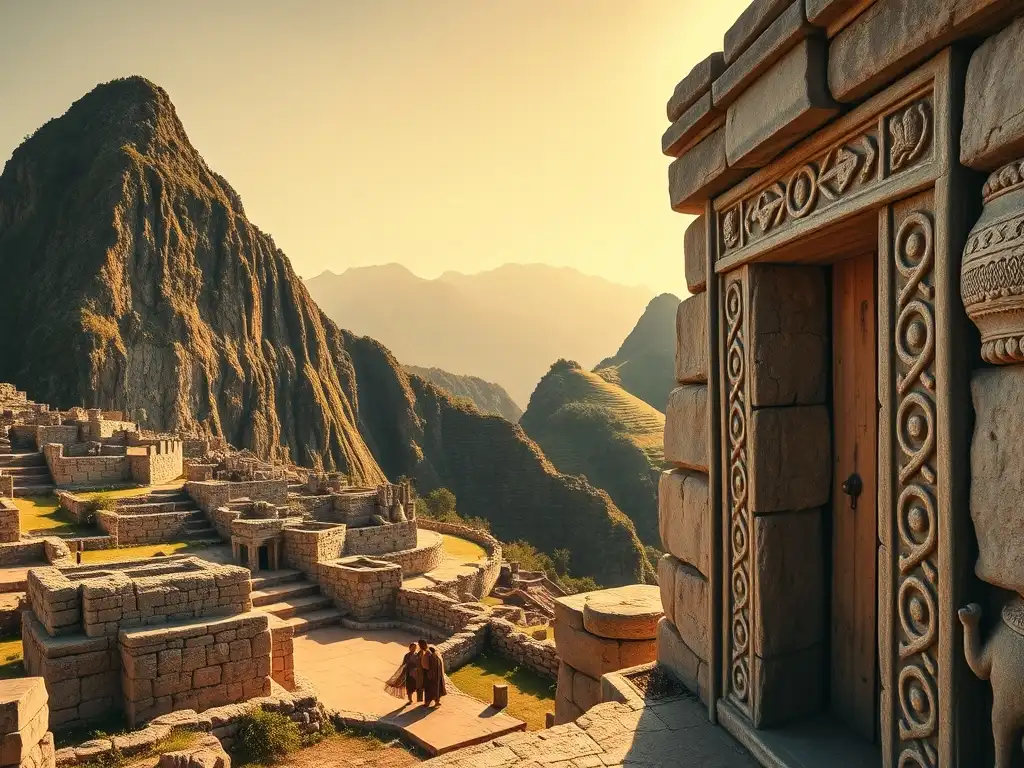
This section delves into the breathtaking architectural achievements of the Inca civilization, showcasing their mastery of stonework, engineering, and urban planning. We will explore three iconic examples that highlight the ingenuity and sophistication of Inca architecture, contributing significantly to our understanding of Inca architecture history. These structures stand as testaments to the Inca's advanced knowledge of construction techniques and their profound connection to their environment.
The Inca's architectural legacy continues to inspire awe and wonder, even centuries after their empire's decline. Understanding their building practices allows us to appreciate the complexity and beauty of their achievements within the broader context of Andean architecture history.
Machu Picchu: A Masterpiece of Inca Engineering
Machu Picchu, often dubbed the "Lost City of the Incas," is perhaps the most iconic example of Inca architectural prowess. Nestled high in the Andes Mountains, this impressive citadel showcases remarkable engineering feats. Its construction, likely dating back to the 15th century, involved meticulous planning and execution. The city's layout, expertly integrated into the surrounding landscape, demonstrates a deep understanding of topography and environmental factors.
The precise fitting of massive stones without mortar, a hallmark of Inca architecture, is particularly evident in Machu Picchu. These stones, often perfectly shaped and seamlessly joined, demonstrate an advanced level of craftsmanship and engineering skill. The intricate network of terraces, carved into the mountainside, served both agricultural and structural purposes, optimizing land use and preventing erosion.
The integration of water management systems, including ingenious irrigation channels and fountains, further highlights the sophistication of Inca engineering. Studying Machu Picchu provides invaluable insights into Inca architecture history, revealing the complexity and precision of their building methods. The city's survival through centuries of exposure to the elements also speaks to the durability and resilience of Inca construction techniques.
Sacsayhuaman: The Fortress of Colossal Stones
Sacsayhuaman, located near Cusco, is a colossal fortress that exemplifies the Inca's mastery of stonework on a grand scale. Its imposing walls, constructed from massive, precisely fitted stones, are a testament to the Inca's organizational abilities and engineering capabilities. Some of these stones weigh many tons, and their placement required immense manpower and sophisticated techniques. The sheer scale of Sacsayhuaman, combined with its strategic location overlooking Cusco, underscores its importance as a military and ceremonial center.
The construction techniques employed at Sacsayhuaman are particularly noteworthy. The precise fitting of the stones, without the use of mortar, is a feat of engineering that continues to baffle researchers. The seemingly impossible precision of the stonework suggests a deep understanding of geometry and engineering principles.
The zigzag pattern of the walls, along with their impressive height, created a formidable defense system. Analyzing the construction methods and the materials used at Sacsayhuaman offers crucial information for understanding Inca architecture history and its contribution to military strategies. The monumental scale of the project underscores the Inca's ability to mobilize resources and manage large-scale construction projects.
Ollantaytambo: A Living Example of Inca Town Planning
Ollantaytambo stands out as a remarkable example of Inca town planning, showcasing the integration of architecture, agriculture, and urban design. This ancient town, located in the Sacred Valley, retains much of its original Inca layout, offering a unique glimpse into Inca urban life. The intricate network of streets, plazas, and buildings demonstrates a sophisticated understanding of urban planning principles.
Ollantaytambo's agricultural terraces, carved into the mountainside, were crucial to the town's sustainability. These terraces, expertly engineered to maximize land use and prevent erosion, provided fertile land for cultivation. The integration of water management systems, including irrigation channels and fountains, further ensured the town's self-sufficiency. The precise alignment of buildings with astronomical events suggests a deep connection between Inca architecture and their cosmology.
Studying Ollantaytambo offers a unique perspective on Inca architecture history, revealing the close relationship between urban design, agricultural practices, and religious beliefs. The town’s enduring presence demonstrates the effectiveness and resilience of Inca urban planning. The surviving structures provide tangible evidence of Inca town planning principles, offering valuable insights into their societal organization and daily life, contributing to our understanding of Inca architecture history.
Coricancha: The Temple of the Sun and Inca Spirituality
Coricancha, also known as the Temple of the Sun, stands as a powerful testament to Inca architectural prowess and spiritual beliefs. Located in present-day Cusco, Peru, its ruins whisper tales of a bygone era, a time when the Inca civilization flourished and revered the sun as their primary deity. The temple's construction, believed to have begun in the 13th century, showcases the sophisticated understanding of stonework that characterized Inca engineering.
The precision with which massive stones were cut and fitted together, without the use of mortar, is truly remarkable, reflecting a deep knowledge of geometry and engineering principles far advanced for their time. The walls, originally plated with gold, shimmered under the Andean sun, further emphasizing the sun's significance in Inca cosmology.
The temple's design itself held profound spiritual meaning. Its rectangular shape, oriented towards the sunrise, symbolized the Inca worldview, where the sun's daily journey across the sky mirrored the cyclical nature of life and death. The intricate carvings and decorations adorning the interior walls, though largely lost to time and subsequent Spanish conquest, likely depicted scenes from Inca mythology and religious rituals.
Archaeological evidence suggests the presence of elaborate gold and silver ornaments, further highlighting the temple's sacred character and the immense wealth of the Inca empire. The use of gold, a material associated with the sun's brilliance, reinforced the temple's role as the central hub of Inca religious life.
Beyond its role as a temple dedicated to the sun god Inti, Coricancha also served as a ceremonial center for other deities and held significant political importance. The Inca emperor resided nearby, reinforcing the close connection between religious and political power. The temple's complex layout, with its multiple courtyards and chambers, suggests a sophisticated organization of religious practices and rituals.
The careful placement of structures within the complex, and the orientation of these structures relative to astronomical events, reveals a deep understanding of both astronomy and sacred geometry, reflecting the Inca's advanced knowledge of the cosmos. The surviving remnants of Coricancha, even in their ruined state, continue to inspire awe and wonder, offering a glimpse into the sophisticated religious beliefs and architectural skills of the Inca civilization.
The meticulous craftsmanship and the profound spiritual significance embedded within the temple's design serve as a powerful reminder of the Inca's lasting legacy. The meticulous planning and execution of the temple's construction, along with its symbolic importance, make Coricancha a prime example of Inca architecture history and their sophisticated understanding of both engineering and spirituality.
Analyzing the Impact of Inca Architecture
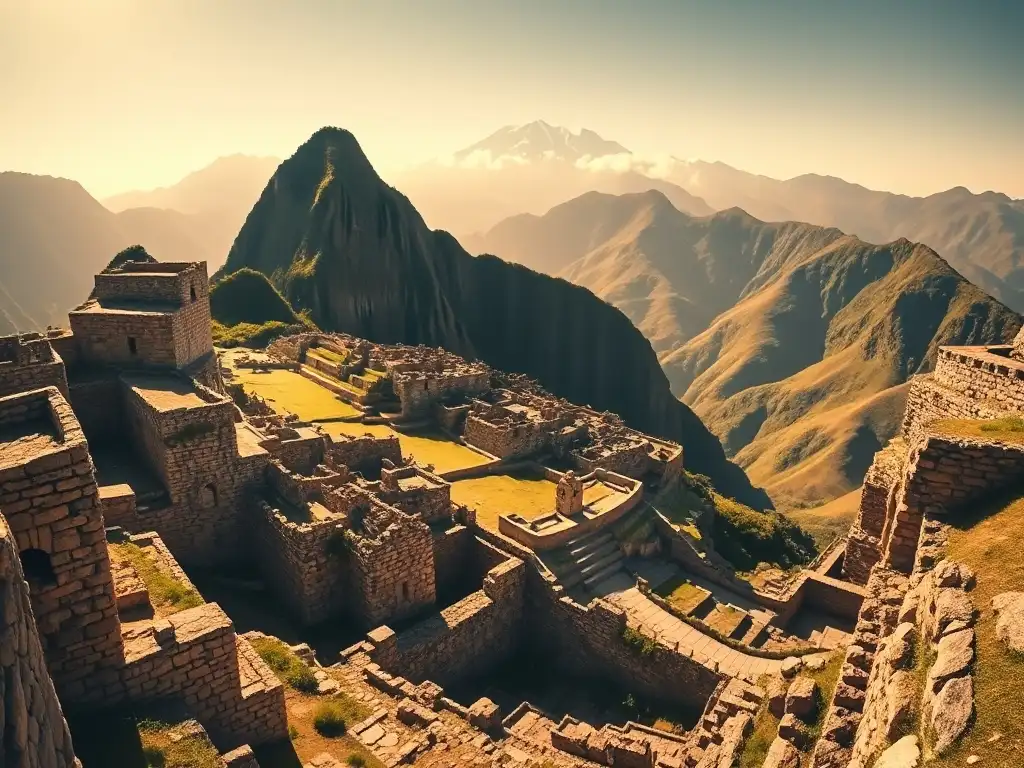
Inca architecture, a testament to the ingenuity and organizational prowess of the Inca Empire, left an indelible mark on the Andean region. Its influence extended far beyond the empire's geographical boundaries and temporal lifespan, shaping subsequent architectural styles and cultural practices. Understanding this impact requires examining not just the structures themselves, but also the underlying principles and techniques that defined Inca building traditions.
The mastery of stonework, for instance, became a benchmark for later Andean cultures, influencing construction methods and aesthetic preferences for centuries. The strategic placement of structures, often integrated seamlessly with the natural landscape, also served as a model for future settlements and urban planning.
This legacy is evident in the continued use of Inca-inspired techniques in modern Andean construction, highlighting the enduring power and relevance of this architectural heritage. The precise methods employed in the construction of iconic sites like Machu Picchu continue to fascinate and inspire architects and engineers, prompting ongoing research and analysis.
Inca Architectural Influence on Later Andean Cultures
The Inca Empire's collapse didn't signal the end of its architectural legacy. Instead, its influence permeated subsequent Andean cultures, shaping their building styles and urban planning. For example, the use of precisely cut stones, a hallmark of Inca architecture, continued to be employed by later civilizations in the region, albeit with variations reflective of their own cultural expressions.
The concept of qhapaq ñan, the vast Inca road network, also inspired subsequent transportation infrastructure projects. While the scale and sophistication might have differed, the fundamental principles of connecting communities through strategically placed pathways remained a key element in Andean societal development. The integration of architecture with the environment, a key feature of Inca design, also persisted.
Later cultures continued to build structures that harmonized with the surrounding landscape, demonstrating a continuity in design philosophy that speaks volumes about the lasting impact of Inca architectural traditions. Even today, many Andean communities continue to incorporate elements of Inca architectural principles in their construction practices, signifying a living legacy that connects the past to the present. The enduring presence of Inca-inspired motifs in modern Andean architecture underscores the deep and lasting influence of this imperial style.
The Significance of Inca Architecture in Cultural Heritage
Inca architecture holds immense significance in the broader context of Andean cultural heritage. The structures themselves are not merely buildings; they are powerful symbols of a civilization's achievements, reflecting its social organization, religious beliefs, and technological prowess. Sites like Machu Picchu, Ollantaytambo, and Sacsayhuamán stand as powerful testaments to the Inca's ability to harness human resources and natural materials to create awe-inspiring structures.
Their survival, despite the passage of centuries and the ravages of time and nature, underscores their robustness and the skill of the builders. Moreover, Inca architecture serves as a crucial link to understanding the Inca worldview, revealing insights into their cosmology, social hierarchy, and relationship with their environment. The precise alignment of some structures with astronomical events, for instance, suggests a sophisticated understanding of celestial movements and a deep connection between the earthly and the divine.
This rich tapestry of cultural, historical, and scientific significance makes Inca architecture a cornerstone of Andean cultural heritage, attracting researchers, scholars, and tourists alike. The preservation and study of Inca architecture are thus crucial for understanding not only the Inca civilization but also the broader trajectory of Andean history and culture. The ongoing efforts to protect and restore these sites are essential for ensuring that future generations can appreciate and learn from this remarkable legacy.
Exploring the Connection between Inca Architecture and Astronomy
The precise alignment of many Inca structures with celestial events suggests a sophisticated understanding of astronomy and its integration into their architectural design. This is not merely a coincidence; it reflects a deeply ingrained cosmological worldview that intertwined the earthly and the heavenly realms. For example, the orientation of certain buildings at Machu Picchu aligns with the solstices and equinoxes, suggesting that these astronomical events played a significant role in Inca religious practices and calendar systems.
The incorporation of astronomical principles into architectural design underscores the Inca's ability to integrate scientific knowledge into their cultural practices. The careful planning and execution required for such precise alignments showcase their advanced understanding of mathematics, engineering, and astronomy. This intricate relationship between Inca architecture and astronomy offers a compelling window into their worldview, revealing a civilization that possessed a profound understanding of the cosmos and its influence on their lives.
Further research into these astronomical alignments promises to uncover even more insights into Inca beliefs and practices, further enriching our understanding of their sophisticated civilization. The legacy of this astronomical integration in Inca architecture continues to inspire awe and wonder, highlighting the deep connection between their culture and the celestial world.
Preserving Inca Architectural Heritage
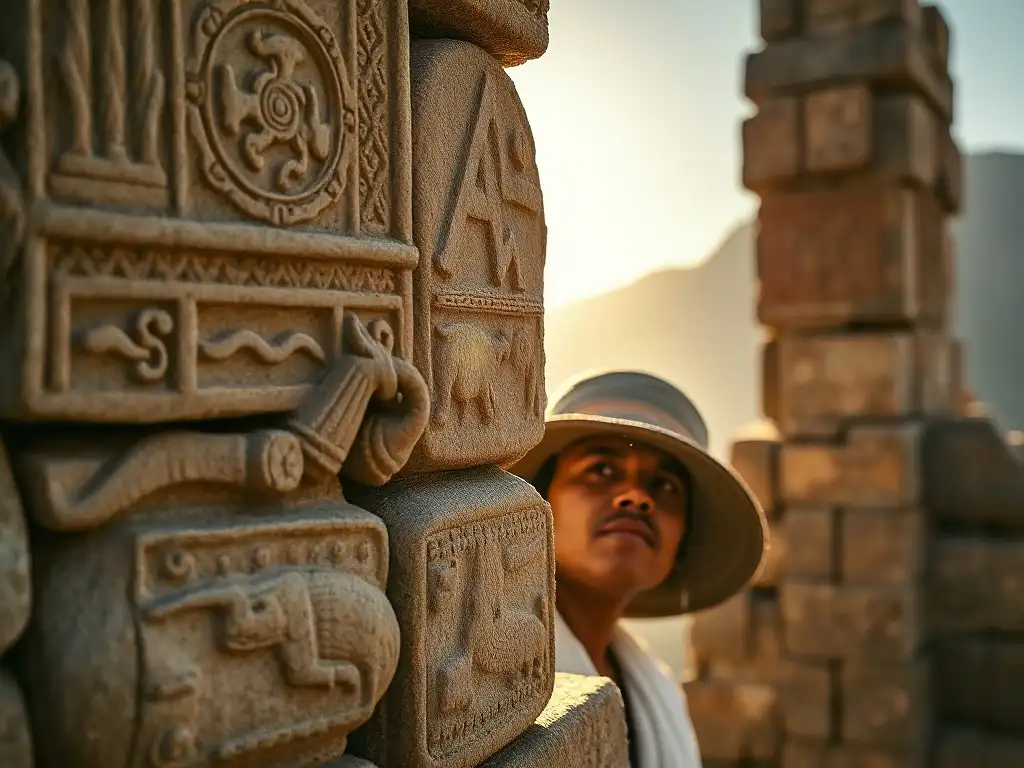
The preservation of Inca architectural heritage presents a complex interplay of environmental factors, human intervention, and the inherent fragility of ancient structures. Understanding these challenges is crucial to ensuring the longevity of these remarkable sites for future generations. The intricate stonework, often fitted without mortar, is vulnerable to seismic activity, erosion from wind and rain, and the relentless effects of time.
Furthermore, the very popularity of these sites contributes to their degradation, as increased tourism leads to wear and tear on the structures and surrounding environment. The delicate balance between accessibility and preservation is a constant struggle faced by archaeologists and preservationists alike. Careful monitoring and preventative measures are paramount in mitigating these risks.
In addition to the physical challenges, there are significant ethical considerations surrounding the ownership and interpretation of Inca sites. Balancing the needs of local communities with the demands of global heritage preservation requires sensitive and collaborative approaches.
Challenges in Conserving Inca Sites
One of the most significant challenges in conserving Inca sites is the susceptibility of the stonework to natural weathering. The Andes are a region of high seismic activity, and earthquakes can cause significant damage to even the most robust structures. Furthermore, the unique climate, characterized by intense sun, rain, and freezing temperatures, contributes to the erosion of stone. This is particularly problematic in areas with poorly drained soil, where water can seep into the stonework, causing cracks and further weakening the structures.
Another major challenge is the impact of human activity. Illegal looting and the removal of artifacts pose a constant threat, not only to individual pieces but also to the structural integrity of the sites themselves. Unsustainable tourism practices, such as improper walking paths and excessive foot traffic, can also accelerate the deterioration of the stonework.
Even seemingly minor actions, like touching the stones or leaving behind litter, can contribute to long-term damage. Moreover, the construction of modern infrastructure around Inca sites can disrupt the delicate balance of the ecosystem and contribute to further erosion and instability. The interaction between these factors creates a complex web of challenges that requires a multi-faceted approach to mitigation.
Data on the rate of deterioration varies greatly depending on the specific site and the environmental conditions. However, studies have shown that even seemingly minor weathering can significantly impact the long-term stability of Inca structures. [Specific data on deterioration rates pending further research]. The lack of comprehensive, site-specific data highlights the urgent need for more robust monitoring and assessment programs.
Modern Efforts to Protect Inca Architectural Legacy
Modern efforts to protect Inca architectural legacies involve a combination of technological advancements, improved conservation techniques, and strengthened legal frameworks. Advanced surveying methods, including LiDAR and drone technology, are used to create detailed 3D models of sites, allowing for precise monitoring of structural changes over time. This data is crucial in identifying areas at high risk of collapse and informing targeted conservation efforts.
In addition, the use of specialized materials and techniques in restoration minimizes further damage while preserving the authenticity of the structures. The development of sustainable tourism practices, including the implementation of controlled access and guided tours, helps to mitigate the negative impacts of human activity. These efforts are complemented by stricter legal frameworks that criminalize the looting of artifacts and the unauthorized alteration of Inca sites.
Furthermore, international collaborations and funding initiatives play a vital role in supporting these conservation efforts. The sharing of knowledge and resources between different countries and organizations helps to ensure the adoption of best practices and the efficient allocation of resources. The establishment of research centers and training programs helps to build capacity in the field of Inca archaeology and conservation, fostering the development of skilled professionals capable of addressing the complex challenges involved in preserving this invaluable heritage.
The integration of local communities in these preservation efforts is also crucial, as their knowledge and participation is essential in ensuring the long-term sustainability of these initiatives. This collaborative approach is vital for safeguarding Inca heritage for future generations.
The Role of Tourism in Inca Heritage Preservation
Tourism, while a potential threat to Inca architectural heritage, can also play a significant role in its preservation. Responsible tourism, guided by sustainable practices and ethical considerations, can generate much-needed revenue for conservation efforts. The revenue generated can fund research, restoration projects, and the implementation of protective measures.
However, it is crucial to carefully manage the influx of tourists to avoid overcrowding and damage to sites. This requires the implementation of effective visitor management strategies, including controlled access, guided tours, and educational programs. These strategies are designed to ensure that tourists can experience the majesty of Inca architecture while minimizing their impact on the environment and the structures themselves.
Moreover, tourism can raise awareness about the importance of preserving Inca heritage. By showcasing the beauty and significance of these sites to a global audience, tourism can inspire a sense of responsibility and encourage support for conservation initiatives. Educational programs and interpretive displays at Inca sites can further enhance visitor understanding and appreciation of the cultural significance of these structures.
This increased awareness can translate into greater public support for funding and policy changes that promote the long-term preservation of Inca architectural heritage. The challenge lies in finding the right balance—maximizing the benefits of tourism while mitigating its potential negative effects, ensuring that the economic benefits generated contribute directly to the preservation and protection of these irreplaceable cultural treasures. The careful planning and implementation of sustainable tourism strategies are therefore essential for the long-term survival of Inca architectural wonders.
Conclusion: The Enduring Legacy of Inca Architecture
The legacy of Inca architecture continues to resonate deeply within the cultural heritage of the Andes and beyond. More than just impressive structures, these buildings represent a sophisticated understanding of engineering, a deep connection to their environment, and a remarkable social organization. The precise stonework, the innovative use of materials like adobe and volcanic rock, and the masterful integration of structures into the landscape all speak to the ingenuity and skill of Inca builders.
Even today, the resilience of these structures—withstanding centuries of earthquakes and weathering—is a testament to their exceptional construction techniques. The study of Inca architecture provides invaluable insights into the Inca worldview, their social hierarchy, and their remarkable ability to adapt and innovate. Understanding this architectural heritage is crucial to appreciating the complexity and richness of Inca civilization and its lasting impact on the world.
Reflecting on the Grandeur of Inca Engineering
The grandeur of Inca engineering is perhaps best exemplified by sites like Machu Picchu. The sheer scale of the undertaking, the precision of the stonework, and the integration of the city into its mountainous surroundings are awe-inspiring. Consider the meticulous fitting of stones, often without mortar, achieving a level of precision that remains unmatched in many aspects. This wasn't simply a matter of brute force; it demanded a profound understanding of physics, geometry, and materials science.
The Inca's ability to transport massive stones across challenging terrain, often using only basic tools, is a feat of logistical brilliance. Their mastery of water management systems, evident in the intricate irrigation channels and fountains found throughout their cities, further underscores their advanced understanding of hydraulic engineering. The ingenuity displayed in their architectural solutions—from the ingenious use of terraces to combat erosion to the earthquake-resistant design of many structures—demonstrates a level of sophistication that continues to fascinate and inspire researchers today.
The integration of astronomy into their city planning, evident in the alignment of structures with celestial events, adds another layer of complexity to their achievements. Studying these aspects reveals the deep interplay between practical needs, spiritual beliefs, and advanced engineering capabilities within Inca society. The precision and scale of Inca engineering projects serve as a powerful reminder of the advanced capabilities of pre-Columbian Andean civilizations.
The Importance of Understanding Inca Construction Skills
Understanding Inca construction skills is not merely an academic pursuit; it holds practical value for modern engineering and construction practices. Analyzing their techniques offers potential insights into sustainable building methods, earthquake-resistant designs, and efficient resource management. Their use of locally sourced materials, minimizing environmental impact, provides a valuable lesson in sustainable construction.
The precision of their stonework, achieved without modern tools, challenges contemporary methods and inspires innovative approaches to construction. Moreover, understanding their methods can help in the preservation and restoration of existing Inca sites. By carefully studying their techniques, we can develop more effective strategies for maintaining these invaluable historical landmarks for future generations.
This knowledge is vital for ensuring the long-term preservation of these significant cultural heritage sites and for understanding how to apply similar principles in modern construction. Furthermore, understanding the social organization and labor practices involved in Inca construction sheds light on the effectiveness of their societal structures and the ingenuity of their resource management. Researchers continue to discover new details about Inca building techniques, further highlighting the need for ongoing research and collaboration.
Future Research and Exploration of Inca Sites
Future research and exploration of Inca sites promise to unveil further details about their architectural achievements and the complexities of Inca civilization. Advanced technologies like LiDAR and ground-penetrating radar can reveal hidden structures and provide a more comprehensive understanding of Inca city planning and infrastructure. Continued archaeological excavations are likely to uncover new sites and artifacts, enriching our understanding of their building techniques and social practices.
The ongoing study of the chemical composition of Inca building materials can provide insights into their sourcing, transportation, and construction methods. Furthermore, interdisciplinary research, involving archaeologists, engineers, and historians, is crucial to unlocking the full potential of this rich architectural heritage. Collaborative projects involving local communities can ensure the sustainable management and preservation of Inca sites, promoting cultural tourism and protecting this invaluable cultural heritage for future generations.
The potential for new discoveries and a deeper understanding of Inca architecture remains significant, promising exciting breakthroughs in our understanding of this remarkable civilization. The ongoing research will undoubtedly reshape our understanding of Inca architecture history for years to come.
Frequently Asked Questions
What makes Inca architecture so unique?
Inca architecture is renowned for its precise stonework, innovative construction techniques, and adaptation to diverse terrains. They masterfully integrated their buildings into the landscape, using local materials effectively.
How did the Incas cut and fit stones so precisely?
The Incas employed sophisticated techniques, likely using copper tools and a deep understanding of stone properties. Their dry-stone masonry required minimal mortar, showcasing exceptional skill and precision.
What are some of the most impressive examples of Inca architecture?
Machu Picchu, Sacsayhuamán, and Ollantaytambo are among the most famous examples. These sites showcase the scale and complexity of Inca engineering and architectural prowess.
What role did religion play in Inca architecture?
Religious beliefs heavily influenced Inca architecture. Temples and other sacred structures were carefully positioned and designed to align with astronomical events and spiritual beliefs. They often incorporated religious iconography into their designs.
How did the Inca's architectural style differ from other Andean civilizations?
While sharing some similarities, Inca architecture is distinguished by its massive scale, precise stonework, and extensive use of terraces for agriculture and settlement. Other Andean civilizations, like the Nazca, had distinct styles and building practices.
Final Reflection: Echoes of Empire in Stone
The breathtaking artistry of Inca architecture continues to resonate today, a testament to ingenuity and a profound connection to the natural world. More than just impressive structures, these sites represent a sophisticated understanding of engineering, social organization, and a deep spiritual relationship with their environment. Their enduring presence challenges us to reconsider our own relationship with the land and the legacy we leave behind.
The impact of Inca architectural achievements extends far beyond the Andes, influencing architectural styles and inspiring awe in generations. Their mastery of stonework, their integration of structures into the landscape, and the sheer scale of their projects remain unparalleled. The Inca civilization was not merely a collection of buildings, but a living organism, its architecture a reflection of its vibrant culture and its intricate social fabric.
This quote encapsulates the profound interconnectedness of Inca architecture and their society, a lesson we can still learn from today as we grapple with issues of sustainability and community building.
Consider the ingenuity of their construction techniques, the precision of their stone fitting, and the enduring strength of their structures. Now, consider your own life, your own impact on the world. What legacy will you leave behind? What structures, both literal and metaphorical, will stand as testaments to your time on this earth? Let the echoes of the Inca Empire inspire you to build something lasting, something meaningful, something that connects you to the world around you, just as their architecture connected them to the mountains and the sky.
Unveil the Wonders of Andean Architecture Today!
Thank you for exploring the awe-inspiring world of Andean architecture with us! We hope you've discovered the majesty of these structures, reflecting the brilliance of Inca civilization. But your journey doesn't end here!
To further connect with Andean heritage, consider these suggestions:
- Visit a local museum or cultural center to experience Andean art and architecture firsthand.
- Share your passion for the Andes' architectural wonders with friends on social media.
- Plan a trip to a renowned site like Machu Picchu or Sacsayhuamán, immersing yourself in the rich history.
What aspect of Andean architecture captivates you most, and how will you share your newfound appreciation with others?