
The Stories in the Goods: Uncovering the History Behind Andean Barter Items

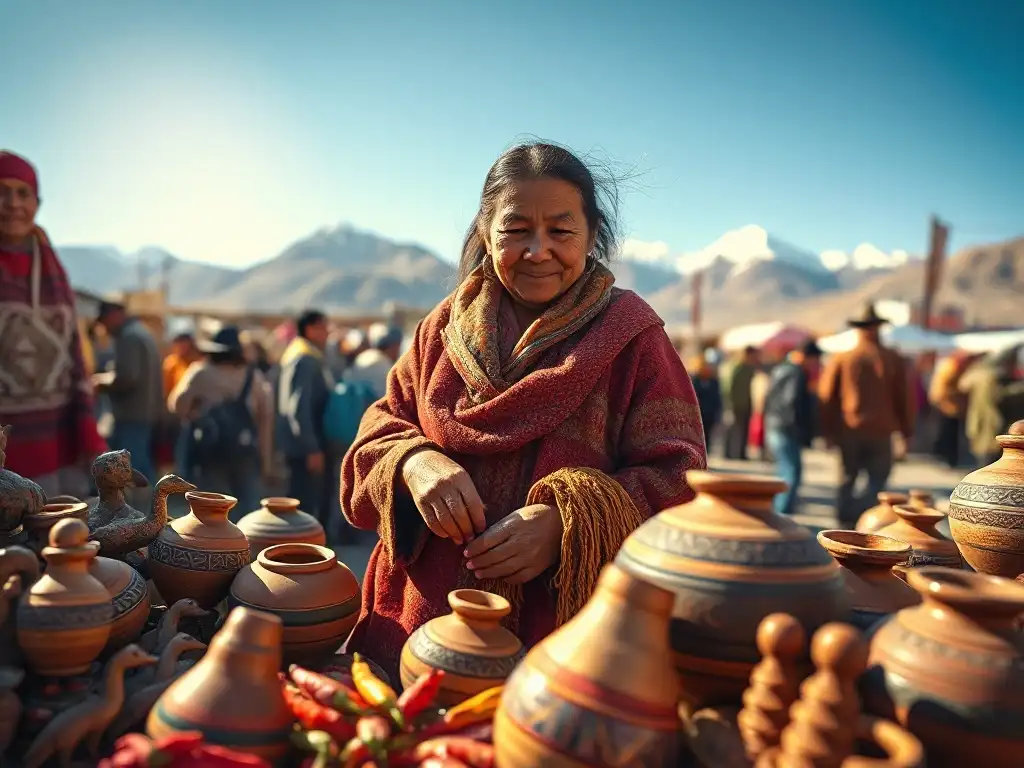
Step into a world lost to time, yet echoing with vibrant life. Imagine bustling marketplaces brimming with exotic goods, where the intricate artistry of the Andean civilizations unfolded through the silent exchange of unique barter items. This is more than just history; it's the unraveling of a complex society revealed through the objects they traded. Discover the captivating story behind Andean barter items history and uncover the secrets held within these ancient treasures. Prepare to be amazed.
The vast and complex tapestry of Andean civilizations, encompassing cultures like the Inca, Moche, Nazca, and Tiahuanaco, is not solely woven with threads of conquest and empire. A crucial, often overlooked, element in understanding these societies lies in their intricate systems of exchange. This article delves into the fascinating world of Andean barter items, exploring the history embedded within these seemingly simple goods.
By examining the types of items traded, their distribution networks, and the social and economic implications of barter, we gain invaluable insights into the daily lives, beliefs, and power structures of these remarkable ancient societies. We will uncover how seemingly mundane objects—from intricately crafted textiles to precious metals—reveal compelling narratives about Andean ingenuity, social organization, and the enduring human drive for connection and exchange.
Understanding the history behind Andean barter items provides a unique perspective on the complexities of these civilizations, enriching our comprehension of their achievements and legacies. This exploration promises to illuminate how the seemingly simple act of bartering played a pivotal role in shaping the course of Andean history.
Introduction to Andean Barter and Exchange
Andean societies, despite varying levels of political organization and technological advancement, relied heavily on barter systems for centuries. Unlike later systems involving formalized currencies, Andean exchange was predominantly a direct exchange of goods and services. This involved a complex interplay of factors, including geographical location, resource availability, and social hierarchies.
The absence of a standardized monetary system meant that the value of goods was determined by a combination of factors: the perceived utility of the item, the effort involved in its production, and the social standing of both the giver and receiver. This system fostered intricate networks of exchange, connecting communities across vast distances and contributing significantly to the cultural exchange and integration across the Andes.
The sheer diversity of items traded—from agricultural products like quinoa and potatoes to finely crafted ceramics and textiles—reflects the richness and complexity of Andean economies. The scale of these exchanges, evident in archaeological discoveries of widespread distribution of specific goods, highlights the sophisticated organizational skills and logistical capabilities of these pre-Columbian societies.
The Significance of Barter in Andean Civilizations
The significance of barter in Andean civilizations extends far beyond mere economic transactions. It served as a crucial mechanism for social interaction, reinforcing alliances, establishing relationships, and solidifying power structures. The exchange of prestigious goods, such as finely worked gold ornaments or elaborately woven textiles, often played a key role in diplomatic exchanges and ritual ceremonies.
These items were not merely commodities; they served as powerful symbols of status, wealth, and political authority. For example, the distribution of specific types of ceramics or textiles across vast geographical areas suggests the existence of well-established trade routes and complex social networks. Moreover, the presence of exotic materials in certain regions indicates the extent to which Andean societies were interconnected through long-distance trade.
The study of these exchange networks helps us understand how power and influence were distributed, how social hierarchies were maintained, and how cultural ideas were disseminated across the Andes. The intricate interplay between economic exchange, social interaction, and political power makes the study of Andean barter systems a crucial endeavor in understanding the complexities of these fascinating civilizations.
Pre-Inca Barter Systems: A Foundation of Andean Trade
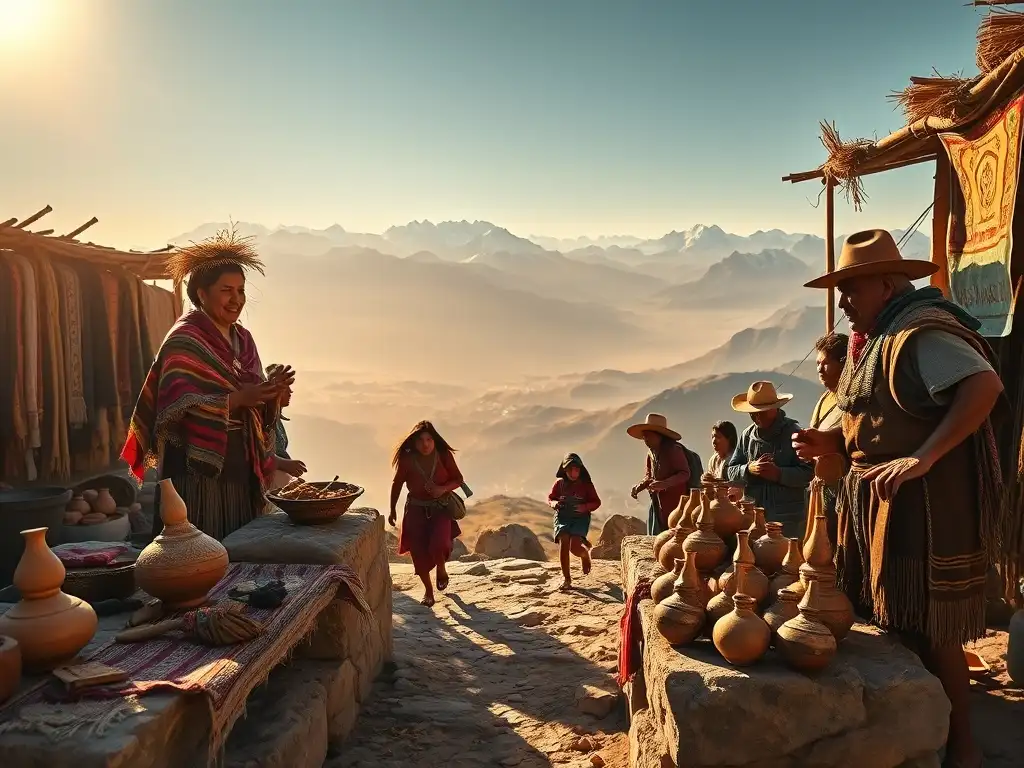
The vibrant tapestry of Andean trade didn't begin with the Inca Empire. Long before the Inca rose to prominence, sophisticated barter systems crisscrossed the Andes Mountains, laying the groundwork for the extensive exchange networks that characterized later Andean societies. Understanding these pre-Inca systems is crucial to comprehending the full scope of Andean "Andean barter items history".
These early economies, though lacking a unified currency, fostered complex social interactions and technological advancements, reflecting the ingenuity and resourcefulness of the Andean peoples. The movement of goods wasn't merely economic; it represented a flow of cultural influence and symbolic power, weaving together disparate communities across vast distances. The scale and sophistication of these pre-Columbian networks often surpass modern expectations of "primitive" economies.
Early Andean Exchange Networks: The Chavín Culture
The Chavín culture (900-200 BCE), though not a unified empire in the traditional sense, exerted considerable cultural influence across the central Andes. Their iconic religious iconography, disseminated through elaborate ceremonial centers and associated artifacts, suggests a robust network of exchange. While direct evidence of barter transactions is scarce, the widespread distribution of Chavín-style pottery, textiles, and other goods points towards a complex system of reciprocal gift-giving and trade.
The highly specialized craftsmanship evident in Chavín artifacts suggests the existence of specialized producers who likely relied on trade to distribute their goods. This highlights the importance of understanding the nuances of "Andean barter items history" in the context of cultural exchange and the spread of religious beliefs.
The movement of these prestige goods likely reinforced social hierarchies and political relationships, building a foundation for future Andean trade networks. Further research into Chavín settlements and burial sites could provide more concrete evidence of the specific goods exchanged and the routes they travelled.
Common Barter Goods in Pre-Inca Societies: Obsidian, Shells, and Coca Leaves
Several commodities consistently appear in archaeological contexts associated with pre-Inca barter systems, highlighting their importance in the Andean economies. Obsidian, a volcanic glass prized for its sharpness, was a key resource, traded over vast distances for tool-making. Its presence in sites far from obsidian sources underscores the extensive networks connecting Andean communities.
Similarly, marine shells, sourced from the Pacific coast, were highly valued for ornamentation and ceremonial use. Their presence inland demonstrates the reach of coastal trade networks and the importance of these shells as symbols of status and power. Finally, coca leaves, with their stimulating and medicinal properties, played a crucial role in Andean social life.
Their wide distribution points towards their importance in both ritual and everyday life, and underlines their role as a significant barter commodity. The presence of these diverse goods in archaeological sites, often in association with other artifacts, suggests complex exchange systems that went beyond simple bartering. Further analysis, including isotopic studies, could shed light on the exact origins of these materials and the routes they took.
Regional Variations in Pre-Inca Barter Practices
While certain goods were widely traded across the Andes, regional variations in barter practices also existed. Geographical factors, such as access to specific resources and the presence of natural barriers like mountain ranges, influenced the types of goods exchanged and the routes they took. Coastal communities, for instance, focused on marine resources and specialized crafts, while highland communities traded agricultural products and minerals.
These regional differences are reflected in the archaeological record, with distinct styles of pottery, textiles, and other goods indicative of localized production and exchange. The complexity of Andean barter systems, as reflected in the varied goods and regional patterns, challenges simplistic notions of ancient economies.
Analyzing these variations helps us understand how different Andean communities interacted and exchanged resources, enriching our understanding of "Andean barter items history". A more detailed comparative study of archaeological sites across different Andean regions would enhance our understanding of these regional variations and their implications for the broader Andean economy.
The Inca Empire and the Expansion of Barter Networks
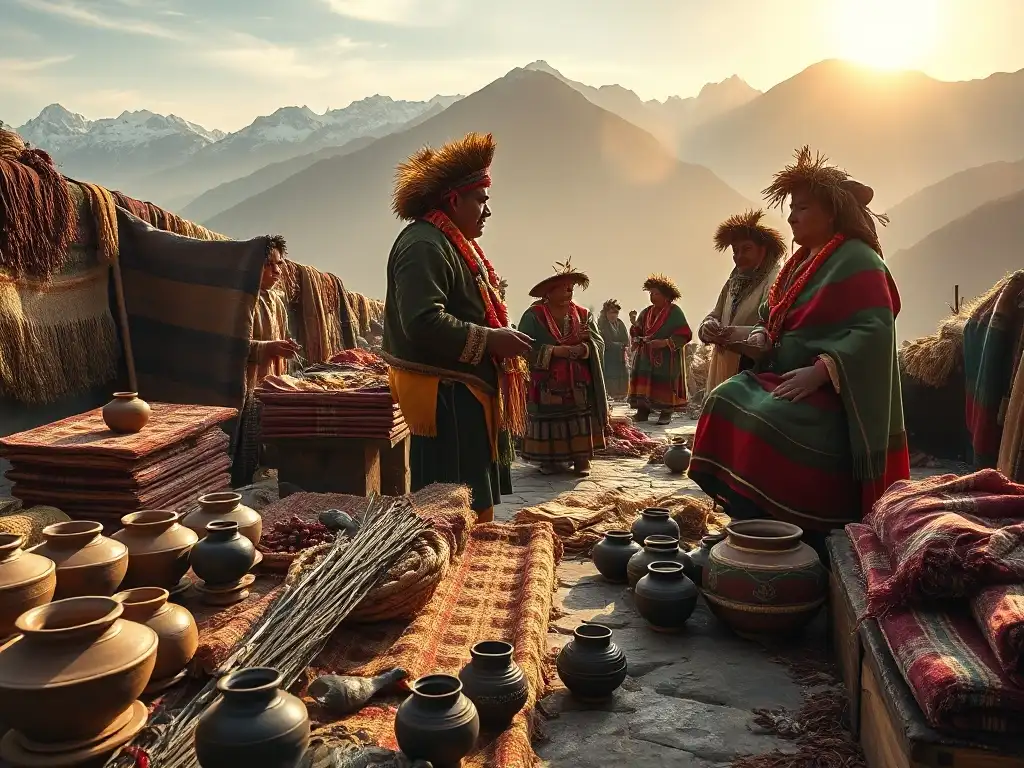
The Inca Empire's vast territorial control fundamentally reshaped Andean barter networks. Prior to Inca dominance, exchange systems were often localized, restricted by geographical barriers and the influence of smaller, independent polities. The Inca, however, implemented sophisticated administrative strategies that facilitated trade across immense distances, transforming the very nature of Andean barter.
This wasn't simply a matter of conquering and exploiting; the Inca understood the importance of integrating conquered populations into their economic system. This integration, while often coercive, also facilitated a more extensive and efficient exchange of goods. The standardization of weights and measures, though imperfectly applied across the empire, represented a significant step towards a more formalized barter system.
This standardization, alongside the construction of the Qhapaq Ñan, the extensive Inca road system, dramatically reduced transaction costs and enabled the movement of goods across previously impassable terrain. The impact of this infrastructure on the volume and variety of Andean barter items traded is undeniable. The empire's efficient administration allowed for the effective redistribution of resources, fostering a system where even remote communities could access goods not locally produced.
Inca Economic Policies and Their Influence on Barter
Inca economic policies directly impacted the prevalence and nature of barter. The mita system, a form of labor tribute, played a crucial role. While primarily focused on public works projects, the mita also contributed to the production of goods intended for exchange.
Communities obligated to fulfill mita obligations often produced surplus goods, which were then channeled into the state-controlled redistribution network. This network, while not a purely market-based system, facilitated a significant volume of barter transactions. Furthermore, the Inca state actively managed the production of certain key goods, such as textiles and coca leaves, creating standardized products that became highly valued barter items.
This state control, while limiting individual autonomy, provided a degree of stability and predictability to the barter system, reducing uncertainty and facilitating larger-scale exchanges. The Inca's emphasis on storage and redistribution also mitigated the impact of fluctuations in agricultural production, ensuring a more consistent flow of goods into the barter networks, even during times of scarcity. This state intervention significantly altered the pre-existing patterns of Andean barter, making it a more centralized and regulated system.
The Role of 'Ayni' and Reciprocity in Inca Trade
The concept of ayni, a system of reciprocal labor exchange, was deeply ingrained in Inca society and significantly influenced barter practices. Ayni wasn't simply about bartering goods; it encompassed a broader social obligation of mutual assistance and support within communities. The performance of ayni often involved the exchange of labor, but this labor frequently resulted in the production of goods that were subsequently bartered or redistributed.
This complex interplay between ayni and barter created a network of social and economic obligations that reinforced community cohesion and facilitated the flow of goods. The ethical dimensions of ayni – the emphasis on reciprocity and mutual benefit – contrasted with purely transactional approaches to exchange found in other systems. This ethical framework shaped the nature of barter interactions, promoting trust and cooperation among participants.
However, understanding the precise interplay between ayni and formal barter requires further research, as the distinction between reciprocal labor and commodity exchange can sometimes be blurred in the historical record. The significance of ayni in shaping the social and economic landscape of the Inca Empire, and its influence on Andean barter items history, cannot be overstated.
Key Barter Items During the Inca Period: Textiles, Potatoes, and Dried Fish
Several key commodities dominated Inca-era barter. Textiles, particularly cumbi (a type of finely woven cloth), held immense value, reflecting both their practical utility and symbolic significance. Their production was often highly specialized, with different regions renowned for particular textiles, creating a diverse and valuable exchange commodity. The Inca state actively controlled the production and distribution of high-quality textiles, using them not only for clothing but also for ceremonial purposes and as tribute payments.
Potatoes, a staple crop, were another crucial barter item. The Inca cultivated a vast array of potato varieties, each suited to specific ecological conditions. This diversity provided resilience against crop failure and ensured a consistent supply for both consumption and exchange. Dried potatoes, easily stored and transported, were particularly important for long-distance trade.
Dried fish, especially from the coastal regions, also played a vital role in the Inca barter system. This non-perishable food source was highly valued in the highlands, where access to fresh fish was limited. The Inca road system facilitated the movement of dried fish inland, making it a significant commodity in regional exchanges.
These three items – textiles, potatoes, and dried fish – represent only a fraction of the goods exchanged within the Inca barter system, but they highlight the diversity and importance of these exchanges in sustaining the empire's vast population and complex economy. Further research is needed to fully document the complete range of Andean barter items traded during the Inca period.
Unveiling the History of Specific Andean Barter Items
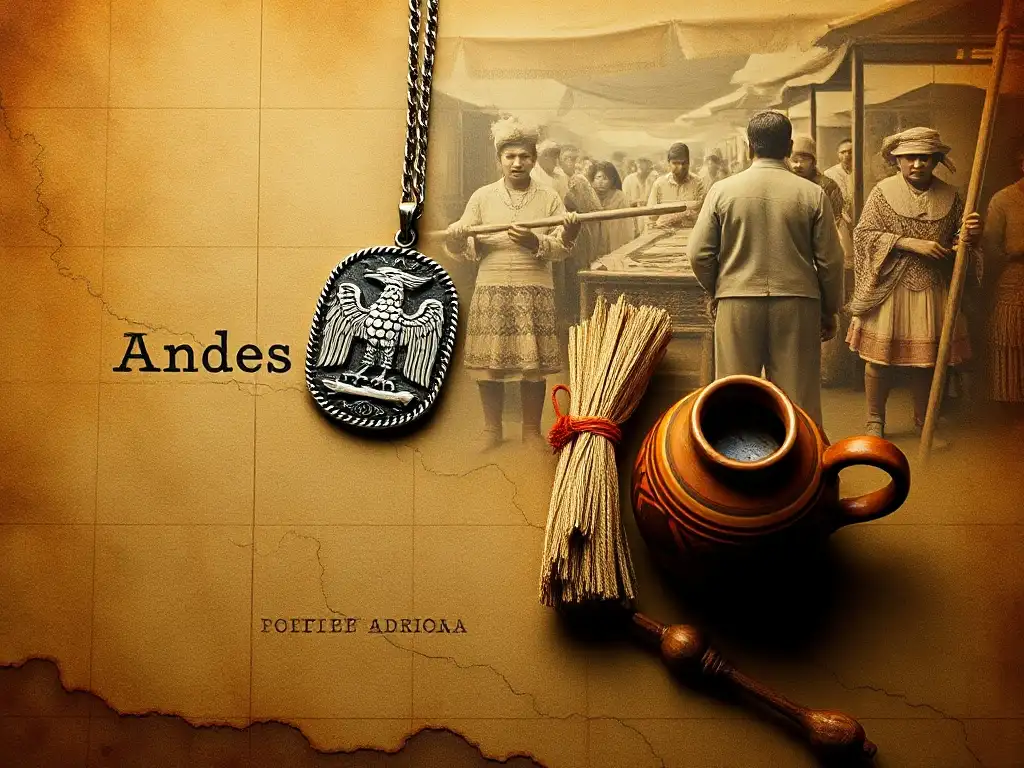
This section delves into the fascinating histories of specific goods exchanged within the intricate Andean barter systems. Understanding the significance of these items provides crucial insights into the social structures, technological advancements, and economic networks of these ancient civilizations. We will explore the rich histories embedded within seemingly simple objects, revealing the complex stories they tell about Andean life. The analysis of these "Andean barter items" illuminates the sophisticated economic strategies employed across diverse Andean cultures.
The Story Behind Llama Wool Textiles
Llama wool textiles represent a cornerstone of Andean barter systems, spanning centuries and cultures. Their significance extended far beyond mere clothing; they served as powerful symbols of status, wealth, and social identity. The quality of the wool, the intricacy of the weaving techniques, and the specific designs all contributed to the value of these textiles in exchange networks.
The production of llama wool textiles involved a complex process, from shearing the llamas to the final stages of weaving. Evidence suggests specialized artisans existed, creating highly valued pieces for elite members of society. Different Andean cultures developed distinct weaving styles and patterns, reflecting their unique artistic traditions and cultural identities. For example, the intricate tapestry weaving of the Paracas culture stands in stark contrast to the simpler, but equally functional, textiles produced by the Wari.
The use of natural dyes, sourced from plants and minerals, further enhanced the value of these textiles. These dyes were not only aesthetically pleasing but also held symbolic meaning, with specific colors associated with particular deities, social groups, or ceremonies. The vibrant hues, often achieved through laborious processes, added to the prestige and economic value of the finished products within the broader Andean barter items market.
Analyzing the dyes and weaving techniques allows researchers to trace the origins and trade routes of these valuable goods. Further research into specific dye compositions and their geographic distribution would reveal a more complete picture of Andean trade networks.
The Significance of Quinoa
Quinoa, a highly nutritious grain, played a vital role in the Andean diet and economy. Its resilience to harsh environmental conditions made it a staple crop across diverse altitudes and climates, contributing to the sustainability of Andean societies. Beyond its nutritional value, quinoa's significance in barter systems stemmed from its ability to be stored for extended periods and transported relatively easily, making it an ideal commodity for exchange.
The cultivation and processing of quinoa involved communal labor in many Andean societies, highlighting the importance of cooperation and social organization. The surplus production of quinoa, beyond immediate consumption needs, fueled its role as a valuable trade item. Its presence in archaeological sites across vast distances testifies to its importance in regional and even inter-regional exchange networks.
Moreover, the varying types and qualities of quinoa likely influenced its value in barter transactions, with certain varieties commanding higher prices due to factors such as taste, yield, and ease of cultivation. More research is needed to fully understand the regional variations in quinoa cultivation and its impact on the dynamics of Andean barter systems. [Specific data on quinoa varieties and their relative value in different regions pending].
Tracing the Origins of Copper
Copper, a readily available metal in the Andes, held immense significance in Andean societies, serving as both a utilitarian material and a symbol of power and prestige. Its malleability allowed for the creation of tools, weapons, ornaments, and ceremonial objects, all valuable commodities in barter exchanges.
The mining and processing of copper involved sophisticated techniques, including smelting and casting. Archaeological evidence reveals the existence of extensive copper mines and workshops, suggesting specialized labor and organized production. The quality of the copper artifacts—their purity, craftsmanship, and aesthetic appeal—directly impacted their value in trade. Highly skilled artisans created intricate copper objects, such as ceremonial axes, ornaments, and tools, which were highly prized and traded across vast distances.
The stylistic variations in copper artifacts reflect regional differences and provide valuable clues about the movements of goods and people within the Andean exchange networks. Further isotopic analysis of copper artifacts could pinpoint the precise origins of the metal and its trade routes, offering a more detailed understanding of the extent and complexity of Andean copper trade within the broader context of Andean barter items. [Specific data on isotopic analysis of copper artifacts pending].
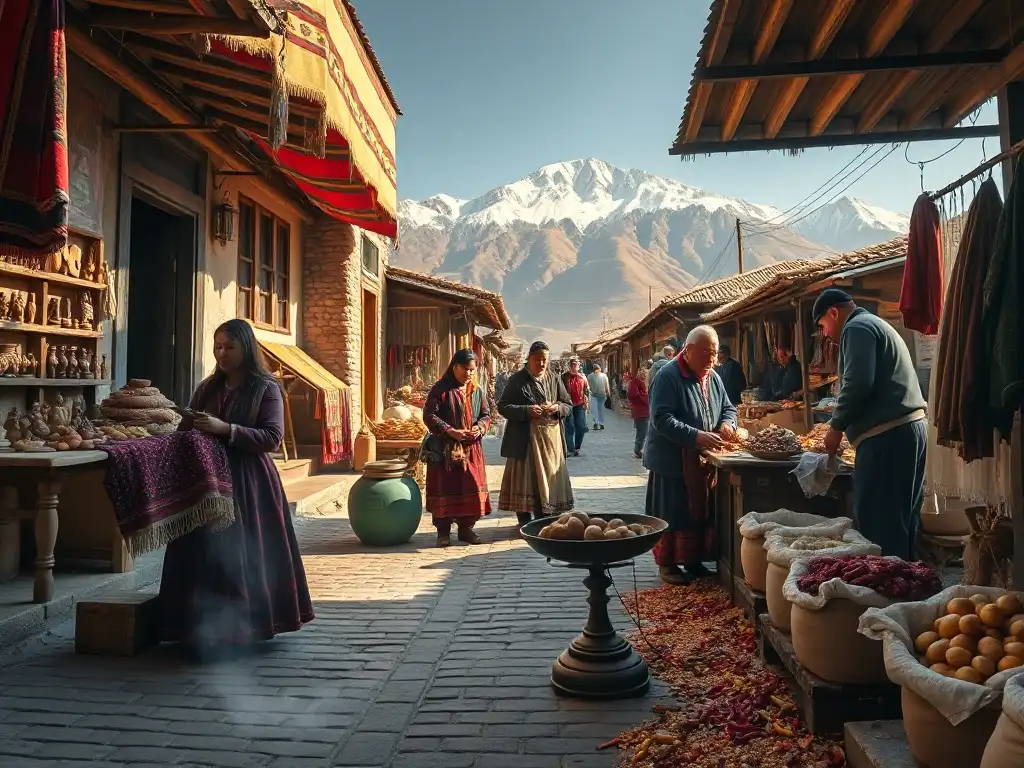
The Andean barter system wasn't simply a transactional process; it was deeply interwoven with the social fabric of these ancient societies. Understanding the cultural and social impact of these exchanges reveals a complex interplay of power dynamics, social hierarchies, and the preservation of cultural identity. The exchange of goods facilitated communication and interaction between different groups, fostering a sense of community and shared identity across vast geographical distances.
The meticulous craftsmanship evident in many barter items underscores the significance placed on these exchanges, showcasing not just material value but also the social and symbolic capital embedded within them. Analyzing the types of goods exchanged – textiles, ceramics, metalwork, agricultural products – reveals much about the social structure and economic organization of each civilization. For instance, the exchange of high-quality textiles might indicate the elevated social status of the producers and the importance of weaving traditions within their society.
Similarly, the exchange of rare metals or exotic goods points to established trade networks and the power dynamics associated with controlling access to these resources. The study of "Andean barter items history" therefore requires a holistic approach, considering both the materiality of the objects and the socio-cultural context in which they were exchanged.
Barter in the Andes wasn't a purely impersonal transaction. It served as a crucial mechanism for building and maintaining social relationships. The act of exchanging goods created opportunities for interaction, negotiation, and the establishment of trust between individuals and groups. These interactions were not limited to simply the exchange itself; they often involved feasts, ceremonies, and reciprocal obligations, further strengthening social bonds.
The frequency and nature of these exchanges could reflect the strength of existing relationships or the desire to forge new alliances. For example, the exchange of prestige goods, such as finely crafted pottery or elaborate textiles, might signify a deepening of a relationship or the sealing of a significant alliance. Moreover, the process of bartering itself fostered communication and mutual understanding, facilitating the exchange of not just material goods but also information, ideas, and cultural practices.
This social dimension of barter is crucial to understanding its role in shaping Andean societies and their complex networks of interaction. The intricate designs on many ceramic vessels, for instance, might have served as markers of social identity, further emphasizing the social function of barter in the Andean world. The social aspect of "Andean barter items history" isn't always apparent, but is crucial to a full understanding.
The Value of Goods Beyond Their Material Use
The value of Andean barter items extended far beyond their immediate practical use. Many objects held significant symbolic or ritualistic meaning, representing social status, religious beliefs, or cosmological ideas. Elaborate textiles, for instance, could depict mythical figures or cosmological events, reflecting the worldview and beliefs of the culture that produced them. Ceramics were often decorated with intricate designs that served as visual narratives, conveying stories, histories, or religious beliefs.
The exchange of these objects wasn't simply about acquiring material goods; it was about exchanging cultural capital and strengthening social ties through shared meaning. Even seemingly mundane goods like agricultural products could hold symbolic significance, depending on their type, quality, and the context of the exchange. The careful selection and presentation of goods in barter transactions highlight the importance of symbolic value in these interactions.
For example, the choice to exchange a particular type of corn might indicate a specific social relationship or a desire to emphasize a particular aspect of the relationship. The study of "Andean barter items history" must therefore consider the many layers of meaning embedded in these objects, going beyond a purely economic interpretation. The value assigned to these items was often multifaceted, incorporating material, social, and spiritual dimensions.
The Preservation of Andean Traditions Through Barter
The Andean barter system played a critical role in the transmission and preservation of cultural traditions across generations. The exchange of goods often involved the transfer of knowledge and skills related to their production. Apprenticeships and knowledge sharing were likely integral parts of the barter process, ensuring the continuity of traditional craft techniques and artistic styles. The exchange of specialized tools or raw materials further facilitated the preservation of these traditions.
For example, the exchange of specific types of clay or dyes might have been essential for maintaining the quality and consistency of ceramic or textile production across different communities. The intricate designs and techniques evident in many Andean artifacts testify to the effective transmission of knowledge and skills through these networks of exchange. The continuity of artistic styles and production techniques across vast geographical areas underscores the importance of barter in preserving cultural heritage.
Therefore, understanding "Andean barter items history" provides invaluable insights into the mechanisms through which Andean traditions were maintained and passed down through generations. The long-lasting impact of these barter networks is evident in the rich cultural heritage that survives to this day. The study of these items allows us to reconstruct the pathways of cultural transmission and the remarkable resilience of Andean traditions.
The Legacy of Andean Barter Systems in Modern Times
The intricate barter systems of the Andean civilizations, while largely superseded by monetary economies, haven't entirely vanished. Their echoes resonate in contemporary Andean communities, revealing a fascinating blend of ancient traditions and modern adaptations. Understanding this continuity provides crucial insight into the enduring influence of these pre-Columbian practices on the region's cultural identity and economic realities. The resilience of these systems highlights their adaptability and inherent value, even in a globalized world. Analyzing these contemporary practices allows us to better appreciate the sophisticated nature of ancient Andean trade and its lasting impact.
Continuing Barter Practices in Some Andean Communities
Even today, in remote Andean communities with limited access to formal market economies, forms of barter persist. These aren't simply isolated instances; they represent a vital part of the local economic fabric. For example, in certain highland communities, farmers might exchange potatoes for textiles, or alpaca wool for tools. This exchange isn't haphazard; it's often governed by intricate social networks and established exchange rates based on perceived value within the community.
These rates are not fixed, fluctuating with factors such as seasonal crop yields and demand for specific goods. This dynamic system demonstrates the inherent flexibility of barter, allowing it to adapt to the changing needs of the community. The practice reflects a deep-rooted cultural understanding of reciprocity and community interdependence, a legacy directly linked to the ancient Andean barter systems.
Anthropological studies consistently reveal the social cohesion fostered by this continued practice, highlighting its significance beyond mere economic exchange. The continuation of these practices offers a powerful lens through which to interpret the historical records and archaeological findings related to ancient Andean trade. Documenting these contemporary practices is crucial for preserving this invaluable cultural heritage and understanding the evolution of Andean economies.
Understanding the Historical Significance of Andean Barter
The historical significance of Andean barter extends far beyond simple economic transactions. It represents a complex interplay of social, political, and religious factors. Archaeological evidence, such as the discovery of diverse artifacts in far-flung sites, points to extensive trade networks spanning vast distances.
These networks facilitated the exchange not only of essential goods like food and textiles but also of prestigious items like precious metals and feathers, signifying social status and power. The distribution of these “Andean barter items” reveals intricate patterns of interaction and influence between different Andean cultures. For instance, the presence of coastal ceramics in highland settlements indicates established trade routes and a level of sophisticated organization.
Analysis of these items, considering their material composition, craftsmanship, and decorative motifs, provides invaluable data regarding the social and political landscape of ancient Andean societies. The sheer diversity of goods traded highlights the interconnectedness of different Andean communities and the sophistication of their exchange networks. The study of these items offers a window into the beliefs and values of these ancient cultures, providing insight into their worldview and social structures.
The Lessons We Can Learn From Ancient Andean Trade
The study of ancient Andean barter systems offers valuable lessons for contemporary societies. Their resilience and adaptability in the face of challenges provide insights into sustainable economic models. The emphasis on reciprocity and community interdependence inherent in Andean barter highlights the importance of social cohesion and trust in economic transactions. Understanding the intricacies of their exchange networks can inform modern approaches to sustainable development and equitable trade practices.
The emphasis on local production and resource management found in ancient Andean economies offers a contrast to the often unsustainable practices of modern globalization. Furthermore, the study of ancient Andean trade can teach us about the importance of cultural preservation and the value of understanding diverse economic systems. By studying the sophisticated networks and practices of the past, we can better understand and address the economic challenges of the present.
The lessons learned can inform policy decisions and promote more equitable and sustainable economic practices globally. The intricate systems developed by Andean civilizations serve as a powerful reminder of the potential for human ingenuity and cooperation in addressing economic complexities. The legacy of these ancient systems continues to inform and inspire our understanding of trade and economic development.
Frequently Asked Questions
What were some common Andean barter items?
Andean civilizations used a wide variety of goods for barter, including textiles, pottery, metals (like gold and silver), foodstuffs (such as maize and coca), and exotic feathers. The specific items varied depending on the region and the time period.
How did the Inca Empire influence Andean trade and barter?
The Inca Empire standardized weights and measures, facilitating trade across its vast territory. They also established a complex system of state-controlled warehouses (called qollqas) to store and redistribute goods, impacting barter practices significantly.
Did the Andean civilizations use currency alongside barter?
While some forms of standardized currency existed in certain Andean cultures, barter remained the primary system of exchange throughout most of the Andean region's history. Specialized items sometimes acted as a medium of exchange, but not as true currency.
How did geography affect Andean barter systems?
The diverse geography of the Andes influenced trade routes and the types of goods exchanged. Coastal communities, for example, traded sea-based products for goods from the highlands, creating complex barter networks across varied environments.
What can Andean barter items tell us about their society?
Analyzing the materials, craftsmanship, and distribution of barter items reveals much about Andean societies. They provide insights into social hierarchies, religious beliefs, technological capabilities, and the extent of trade networks across different groups.
Final Reflection: Weaving the Threads of Andean History
The intricate history embedded within Andean barter items continues to resonate today, offering a powerful testament to the enduring strength of cultural exchange and adaptation. These seemingly simple objects—from intricately woven textiles to meticulously crafted pottery—speak volumes about the ingenuity, resilience, and interconnectedness of Andean communities across centuries. Their silent narratives challenge us to reconsider our own relationship with material culture and the stories we choose to tell and preserve.
The enduring legacy of Andean barter systems profoundly shapes our understanding of pre-Columbian societies and their complex social structures. These items weren't merely commodities; they were vessels of cultural identity, carrying within them the knowledge, beliefs, and artistic expressions of entire generations. Their continued presence in museums and private collections serves as a constant reminder of the rich tapestry of Andean history. The past is never dead. It's not even past.
– William Faulkner. This quote perfectly encapsulates the ongoing relevance of these artifacts, their stories echoing through time and influencing our present understanding.
Consider the stories held within the objects you own. What narratives do they whisper? I encourage you to look beyond the surface of everyday items and to seek the hidden histories they hold. By engaging with the past, by appreciating the craftsmanship and cultural significance of objects like Andean barter items, we enrich our own lives and foster a deeper connection to the human experience across time and cultures. Let us continue to uncover, preserve, and share these invaluable stories, ensuring that the voices of the Andes continue to be heard.
**Unveil the Rich Tapestry of Andean Barter Traditions! **
Thank you for exploring the fascinating history of Andean barter. You've uncovered the connections between us and ancient civilizations, and now we can delve deeper into this rich cultural heritage.
Here are some engaging ways to learn more:
- **Experience Barter firsthand:** Visit local farmers' markets or community swap meets to witness bartering in action. Exchange goods with neighbors—it's a fun way to bring a taste of Andean tradition into your life!
- **Deepen Your Understanding:** Research the historical significance of various items traditionally bartered in the Andes. Consider how modern bartering reflects and adapts these ancient practices.
- **Share Your Knowledge:** Spread the word! Share your newfound appreciation for the cultural stories behind bartered goods on social media or within your community. Inspire others to explore this rich tradition.
Have you ever participated in a barter? What did you trade, and what was its story? We'd love to hear your experiences!