
The Spirit of Innovation: How Ancient Andean Inventions Inspire Modern Solutions

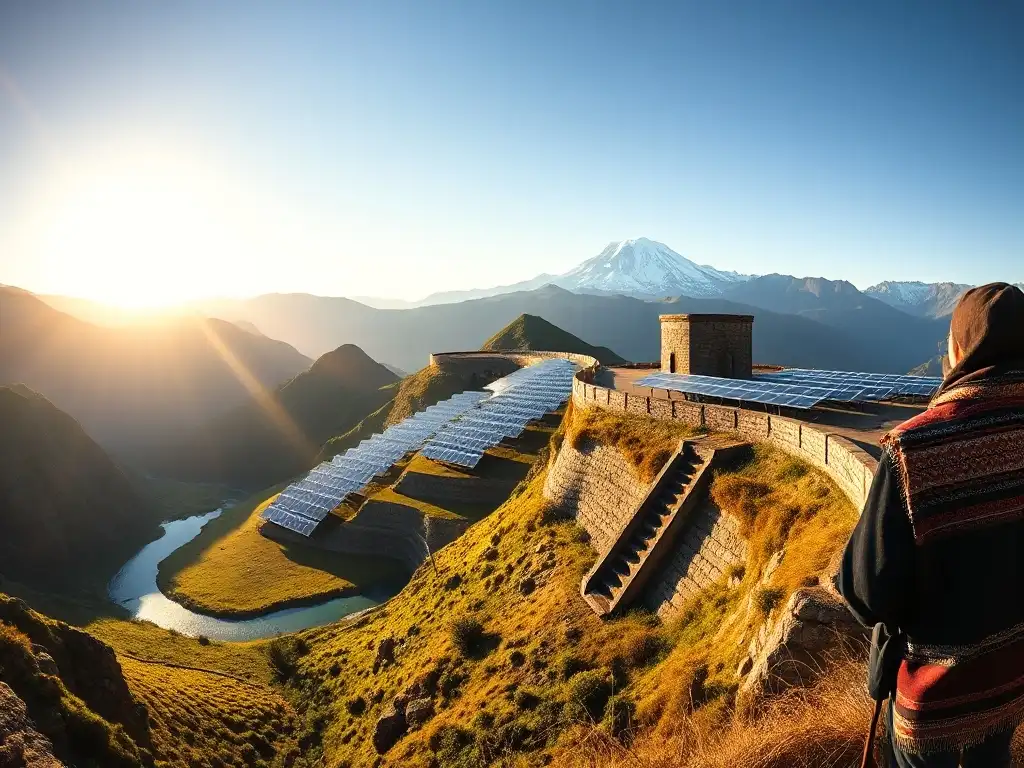
Step into a world lost to time, yet echoing with brilliance. Imagine a civilization that harnessed the power of the Andes, crafting ingenious solutions centuries ahead of their time. Ancient Andean inventions weren't just relics of the past; they were the seeds of innovation that continue to inspire us today. Discover how these remarkable achievements – from sophisticated agricultural techniques to breathtaking architectural feats – hold the key to solving modern challenges. Unravel the mysteries and unlock the legacy – your journey into the heart of Andean ingenuity begins now.
The Andes Mountains, a spine of towering peaks running along the western edge of South America, have been home to a succession of remarkable civilizations for millennia. From the sophisticated irrigation systems of the Nazca to the intricate textiles of the Inca, these cultures displayed an astonishing level of ingenuity and innovation, often adapting to their challenging environment with remarkable solutions.
This article delves into the fascinating world of Ancient Andean inventions, exploring how their ingenious creations continue to inspire modern solutions and demonstrating the enduring legacy of their technological prowess. We will examine specific examples of how pre-Columbian Andean technology not only shaped the culture of the region but also offers valuable insights for contemporary challenges in engineering, agriculture, and sustainable living.
Understanding these ancient achievements provides a unique perspective on human resilience and the power of adaptive innovation, demonstrating that even in the face of adversity, remarkable progress is possible. The keyword "Ancient Andean inventions modern solutions" will be explored throughout this article, highlighting the direct links between past ingenuity and present-day applications.
Unveiling the Technological Prowess of Pre-Columbian Andes
The pre-Columbian Andes were a crucible of innovation, necessitating clever solutions to survive the harsh realities of high altitude, diverse terrains, and unpredictable weather patterns. These challenges spurred the development of technologies that were, for their time, remarkably advanced. Let's consider some key examples:
- Advanced Irrigation Systems: The Nazca civilization, famous for its enigmatic geoglyphs, also possessed sophisticated irrigation techniques. They developed complex canal systems that harnessed water from rivers and streams, allowing them to cultivate crops in arid regions. These systems, often incorporating intricate aqueducts and reservoirs, demonstrate a deep understanding of hydrology and engineering principles that are still relevant today. Modern engineers are studying these ancient systems to improve water management in arid and semi-arid regions, facing similar challenges in water scarcity. The ingenuity of the Nazca in maximizing water resources in a challenging environment is a testament to their problem-solving skills.
- Terracing and Agriculture: The Inca, known for their vast empire, mastered the art of terracing. They carved terraces into steep mountain slopes, creating level platforms for agriculture. This technique not only increased arable land but also helped to prevent soil erosion and conserve water. Modern agricultural practices still utilize terracing techniques, particularly in mountainous regions, showcasing the enduring relevance of this ancient Andean innovation. The impact of Inca agricultural techniques on modern sustainable farming practices is significant, highlighting the importance of adapting to challenging terrain.
- Textile Production: The Andean civilizations were renowned for their intricate textiles, using a variety of techniques to create incredibly durable and beautiful fabrics. Their mastery of spinning, weaving, and dyeing techniques resulted in textiles that are still admired for their quality and artistry. The intricate designs and the use of natural dyes are a source of inspiration for modern textile designers, demonstrating the enduring aesthetic and technological appeal of Andean textile production. The resilience and durability of these ancient textiles are also being studied to learn about sustainable material production techniques.
The Enduring Legacy of Andean Innovation in Contemporary Times
The ingenuity of the ancient Andean civilizations continues to inspire modern solutions across a range of fields. Their innovations, born from necessity and a deep understanding of their environment, offer valuable lessons for contemporary challenges.
- Sustainable Agriculture: The Andean emphasis on terracing, water management, and crop diversification provides valuable insights for modern sustainable agriculture practices. Their methods, honed over centuries, offer a blueprint for environmentally responsible food production, especially in challenging climates. The application of ancient Andean agricultural principles in modern sustainable farming is increasingly recognized as a key to food security.
- Engineering and Infrastructure: The construction of impressive structures like Machu Picchu and the intricate canal systems of the Nazca demonstrate a sophisticated understanding of engineering principles. These achievements, accomplished with limited technology, inspire modern engineers to find innovative and sustainable solutions for building and infrastructure projects. The study of Inca stonework, for instance, reveals impressive techniques in precision and stability, inspiring modern construction methods.
- Resilience and Adaptation: The ability of the ancient Andean civilizations to adapt to a challenging environment provides a powerful lesson in resilience. Their innovations were not merely technological; they were also social and cultural adaptations that allowed them to thrive in difficult circumstances. This adaptability offers valuable insights for addressing modern challenges such as climate change and resource scarcity. The resilience of Andean cultures in the face of environmental challenges serves as a powerful example for modern societies.
The study of Ancient Andean inventions offers a compelling narrative of human ingenuity and adaptation. Their lasting contributions continue to inspire modern solutions, underscoring the importance of learning from the past to build a more sustainable and innovative future. The legacy of these civilizations is not merely historical; it is a vibrant source of inspiration for addressing the challenges of the 21st century.
- Unveiling the Technological Prowess of Pre-Columbian Andes
- The Enduring Legacy of Andean Innovation in Contemporary Times
- What ancient Andean inventions are discussed in the article?
- How did ancient Andean agricultural techniques inspire modern solutions?
- What is the connection between ancient Andean textiles and modern innovations?
- How did ancient Andean architecture influence modern engineering?
- What modern problems can be solved by studying ancient Andean inventions?
Ancient Andean Agricultural Techniques and Their Modern Applications
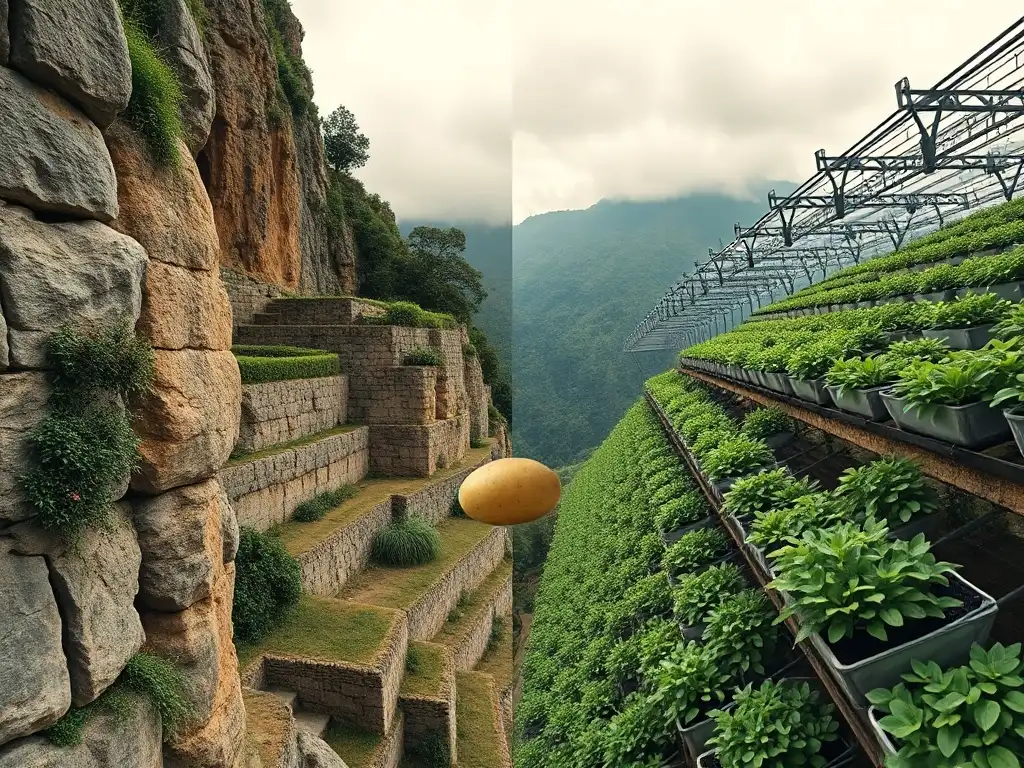
The ingenuity of ancient Andean civilizations in adapting to their challenging environment is strikingly evident in their agricultural practices. Their innovative techniques, honed over millennia, offer valuable lessons and inspiration for addressing contemporary challenges in food security and sustainable agriculture. Understanding these "Ancient Andean inventions" and their potential for modern solutions is crucial for a more resilient and equitable future. The keyword phrase "Ancient Andean inventions modern solutions" perfectly encapsulates this vital connection between past innovations and present-day needs. Let's delve into some specific examples.
Terraced Farming: Sustainable Agriculture from the Andes
Andean terraced farming, a hallmark of civilizations like the Inca, is a testament to their mastery of landscape engineering. These meticulously constructed terraces, carved into steep mountain slopes, dramatically increased cultivable land, preventing soil erosion, and optimizing water usage. The terraces' design incorporated intricate drainage systems, ensuring that excess water flowed away, preventing waterlogging and maximizing crop yields. This ingenious system minimized the impact of the mountainous terrain, transforming near-vertical slopes into productive farmland.
Modern applications of terraced farming are gaining traction globally as a sustainable agricultural practice. In regions with steep slopes and limited arable land, terraced agriculture offers a viable solution for increasing food production while protecting the environment. Furthermore, the principles of terracing, such as contour plowing and the creation of level platforms, can be adapted to various terrains, making them relevant far beyond the Andes.
The ancient Andean approach to soil conservation, a critical component of terraced farming, provides a powerful model for reducing soil degradation and preserving biodiversity. We see modern agriculturalists actively reviving and refining these ancient techniques to address issues of soil erosion and land degradation in diverse regions across the world. This highlights the enduring relevance of “Ancient Andean inventions” in solving modern agricultural challenges.
The Wisdom of Andean Irrigation Systems: Lessons for Modern Water Management
The arid and semi-arid conditions of the Andes necessitated the development of sophisticated irrigation systems. Ancient Andean societies, such as the Nazca, constructed elaborate canals and aqueducts to channel water from rivers and springs to their fields. These systems, often involving complex engineering feats, allowed for the cultivation of crops in otherwise unsuitable areas. The Nazca lines, while famous for their enigmatic nature, are also thought to have played a role in these irrigation systems, potentially acting as markers or alignments for water management.
Modern water management faces significant challenges, including water scarcity, drought, and inefficient irrigation practices. The ingenuity of the ancient Andean irrigation systems offers valuable insights into sustainable water use. For instance, the understanding of water flow dynamics and the creation of efficient distribution networks are crucial lessons for modern agricultural water management.
The sustainable use of water resources, a critical aspect of Andean techniques, is becoming increasingly important in a world facing water stress. Modern engineers are studying these ancient systems to develop more efficient and resilient irrigation techniques, adapting the principles of water conservation and distribution for modern needs. Indeed, the enduring legacy of “Ancient Andean inventions” in water management is a testament to their foresight and understanding of ecological balance.
Andean Crop Diversification: Strategies for Food Security Today
Andean civilizations cultivated a remarkable diversity of crops, adapting their agricultural practices to the varied ecological zones of the Andes. This diversification, involving potatoes, maize, quinoa, beans, and many other crops, provided resilience against crop failures and ensured food security. The “Ancient Andean inventions” in crop diversification were not merely about growing a wide variety of plants; it was also about understanding and managing the complex interplay between different crops and their environment. Intercropping, crop rotation, and the use of diverse varieties within a single crop species all contributed to this resilience.
The modern world faces the significant challenge of ensuring global food security in the face of climate change and increasing population. The wisdom of Andean crop diversification offers crucial lessons for building more resilient and sustainable food systems. Modern agricultural practices often prioritize monoculture farming, which can be highly vulnerable to pests, diseases, and climate variability.
The Andean model of diversifying crops, including the cultivation of native and underutilized species, offers a pathway to enhance food security and reduce reliance on a limited number of crops. This approach not only promotes biodiversity but also enhances the nutritional value of diets. The principles of Andean agricultural diversity, therefore, provide a powerful framework for addressing modern challenges in food security, demonstrating the continuing relevance of “Ancient Andean inventions” in building more sustainable food systems for the future.
Ancient Andean Engineering Marvels: Echoes in Modern Construction

The ingenuity of ancient Andean civilizations is strikingly evident in their remarkable engineering feats. Their solutions to logistical, environmental, and structural challenges continue to inspire modern engineers and architects, demonstrating the timeless relevance of their innovations. From intricate road networks to earthquake-resistant structures, their mastery of materials and techniques offers valuable lessons for sustainable and resilient construction practices in the 21st century. The phrase "Ancient Andean inventions modern solutions" perfectly encapsulates this enduring legacy. Understanding these ancient achievements allows us to appreciate the sophistication of Andean engineering and potentially adapt their principles to address contemporary challenges.
Inca Road Network: Principles of Efficient Infrastructure Design
The Inca road network, Qhapaq Ñan, is a testament to the Inca's organizational prowess and engineering skill. Spanning thousands of kilometers across diverse terrains, this extensive system facilitated communication, trade, and military movement throughout their vast empire. Key to its success was a sophisticated understanding of topography and materials. The Incas expertly adapted their road construction techniques to the specific challenges of each environment, utilizing different materials such as stone, earth, and wood where appropriate. This adaptability is a crucial lesson for modern infrastructure projects, emphasizing the need for context-specific solutions.
For example, the Incas' use of suspension bridges across deep gorges prefigures modern suspension bridge design. Though their materials differed, the fundamental principles of weight distribution and tension remain strikingly similar. Furthermore, the strategic placement of waystations along the Qhapaq Ñan provided essential rest stops and logistical support, mirroring modern highway rest areas and service stations.
The Inca's focus on efficient infrastructure design, integrating considerations of both engineering and logistical needs, provides a valuable model for modern infrastructure planning, particularly in challenging terrains. Analysis of the Qhapaq Ñan's design could inspire improvements in our own road networks, making them more resilient, efficient, and environmentally sustainable.
Andean Earthquake-Resistant Architecture: Techniques for Building Resilience
The Andes are a seismically active region, yet ancient Andean civilizations constructed remarkably resilient structures. Their success stemmed from a deep understanding of seismic forces and the development of innovative construction techniques. One crucial element was the use of interlocking stones, creating structures that could absorb seismic energy rather than collapsing under stress. This principle of flexibility, which contrasts sharply with rigid modern structures, is now being re-examined in modern earthquake-resistant design. The incorporation of techniques like the use of lighter materials and flexible joints are gaining popularity, echoing the ingenuity of ancient Andean builders.
Consider the impressive stonework of the Sacsayhuamán fortress near Cusco. The massive stones, precisely fitted together without mortar, demonstrate an advanced understanding of structural mechanics. Their ability to withstand centuries of earthquakes highlights the effectiveness of their techniques. Modern engineers are now studying these ancient structures to extract valuable insights into the creation of more earthquake-resilient buildings, particularly in earthquake-prone regions. The study of ancient Andean architecture presents a fascinating opportunity to investigate these techniques and their potential application in modern construction, contributing to the development of safer and more sustainable buildings.
Stone Masonry Techniques: Inspiration for Modern Construction Materials
Ancient Andean civilizations achieved remarkable feats of stone masonry, creating structures that have endured for centuries. Their mastery of stone cutting, shaping, and fitting, often without the use of mortar, continues to inspire awe and wonder. The precision and intricacy of their work demonstrate a profound understanding of material properties and structural integrity. These skills are relevant today, particularly as we seek more sustainable and durable building materials. The ability to create complex stone structures without relying on large amounts of cement or other modern materials is a testament to their ingenuity.
The Incas, for instance, utilized a sophisticated understanding of stone properties to create incredibly strong and durable buildings. Their techniques, which involved precise cutting and fitting of stones, resulted in structures that are remarkably resistant to both earthquakes and the passage of time. This precision and attention to detail are important factors that modern construction could benefit from incorporating.
The use of local materials, often readily available stone, also points towards a more environmentally conscious approach to construction. This environmentally friendly approach, combined with the structural integrity and durability of their techniques, makes the study of ancient Andean stone masonry vital for modern construction practices. The analysis of these techniques could lead to the creation of more sustainable and resilient construction materials and methods.
Ancient Andean Textiles and Their Impact on Modern Design
The ingenuity of ancient Andean civilizations is vividly reflected in their textiles, masterpieces of craftsmanship that continue to inspire modern designers and artisans. These weren't merely garments; they were expressions of social status, religious beliefs, and intricate narratives woven into the very fabric of their society. Understanding the techniques and materials used by the Incas, Nazca, and other Andean cultures reveals a deep understanding of sustainability and artistry that remains remarkably relevant today.
The legacy of these Ancient Andean inventions continues to provide modern solutions in textile design and production, offering both aesthetic inspiration and practical approaches to sustainable manufacturing. The enduring appeal of these textiles lies in their unique blend of artistry and functionality, a testament to the innovative spirit of their creators. Their influence permeates modern design, demonstrating the timeless quality of Andean craftsmanship.
Andean Dyeing Techniques: A Sustainable Approach to Textile Coloring
Andean dyeing techniques, renowned for their vibrant and long-lasting colors, offer a compelling example of sustainable practices. Instead of relying on harsh chemicals, ancient Andean artisans utilized natural dyes derived from plants, insects, and minerals found in their environment. Cochineal insects, for instance, provided a rich crimson hue, while various plants yielded yellows, oranges, browns, and greens.
This approach minimized environmental impact, showcasing an understanding of ecological balance far ahead of its time. The precise recipes and methods varied across different cultures and regions, contributing to the remarkable diversity of Andean textile colors. Modern designers are increasingly looking to these Ancient Andean inventions for environmentally friendly alternatives to synthetic dyes, embracing the vibrant palette and inherent sustainability of natural pigments.
This resurgence of interest in natural dyes represents a powerful modern solution to the environmental concerns associated with conventional textile production. The detailed knowledge of these techniques is still being researched and documented, revealing even more nuanced approaches to sustainable textile coloring. The use of natural dyes, therefore, is not only aesthetically pleasing but also represents a significant step towards environmentally responsible practices in the textile industry.
Weaving Traditions: Patterns and Motifs that Influence Modern Fashion
The intricate weaving traditions of the Andes are characterized by complex patterns and motifs that tell stories, represent deities, and reflect the social structures of the time. From the geometric designs of the Nazca to the intricate zoomorphic representations of the Paracas, each culture developed a unique visual language in their textiles. These patterns, often imbued with symbolic meaning, are now finding their way into contemporary fashion, inspiring designers to create unique and culturally rich garments.
The use of traditional Andean patterns in modern clothing and accessories adds a layer of authenticity and sophistication, demonstrating the enduring appeal of these Ancient Andean inventions. For example, the iconic stepped fret pattern, seen in many Andean textiles, has been adapted and reinterpreted in countless modern designs. This demonstrates the adaptability and enduring relevance of ancient Andean artistic expressions.
The detailed study of these patterns reveals not only aesthetic elements but also provides insights into the cultural beliefs and social structures of the Andean civilizations. The continued use and adaptation of these patterns represent a vital way to preserve cultural heritage and inspire innovative modern designs.
Andean Textile Materials: Natural Fibers for Sustainable Production
The ancient Andean civilizations skillfully utilized natural fibers like alpaca, llama, vicuña, and cotton to create their textiles. These materials, renowned for their softness, durability, and warmth, are now experiencing a revival in the fashion industry. The use of these natural fibers aligns perfectly with the growing demand for sustainable and ethically sourced materials. Alpaca and vicuña, in particular, are prized for their luxurious softness and exceptional insulation properties.
The sustainable nature of these fibers, combined with their inherent quality, makes them an attractive alternative to synthetic materials. This return to natural fibers represents a modern solution to the environmental and ethical concerns associated with mass-produced textiles. The ancient Andean understanding of animal husbandry and fiber processing offers valuable lessons for contemporary sustainable practices.
The knowledge of how these fibers were processed, spun, and woven provides valuable insights for modern textile production, promoting more ethical and sustainable approaches. The growing interest in these Ancient Andean inventions highlights a renewed appreciation for the quality, sustainability, and cultural significance of natural fibers. The use of these materials in modern textiles is not only aesthetically pleasing but also signifies a commitment to environmentally and ethically responsible practices.
Ancient Andean Medicine and its Relevance Today

The ingenuity of Ancient Andean civilizations extended beyond impressive architecture and sophisticated agricultural techniques; their understanding of medicine and healing offers a fascinating case study in natural remedies and holistic approaches that continue to inspire modern solutions. While much of their knowledge was passed down orally and remains partially undocumented, archaeological evidence and ethnobotanical studies reveal a sophisticated system rooted in deep observation of the natural world and a profound respect for its healing properties. The study of "Ancient Andean inventions modern solutions" often overlooks this crucial aspect of their legacy, focusing primarily on engineering feats.
However, the enduring impact of their medical practices deserves significant attention. This section explores how their medical knowledge continues to resonate in contemporary approaches to healthcare.
Traditional Andean Herbal Remedies: Exploring Natural Healing Methods
Ancient Andean cultures utilized a vast pharmacopoeia derived from the diverse flora of the Andes Mountains. Coca leaves, for example, weren't merely a recreational substance; they held significant medicinal value, used as a stimulant, analgesic, and even a treatment for altitude sickness. Similarly, quinine, derived from the cinchona tree, provided a crucial weapon against malaria, saving countless lives for centuries.
These weren't simply isolated instances; detailed records, albeit fragmented, suggest a complex understanding of plant properties and their interactions. Herbal remedies were often combined in carefully balanced formulations to address specific ailments. The effectiveness of many of these remedies is being scientifically validated today, leading to renewed interest in their potential for modern pharmaceutical applications.
Many contemporary researchers are actively investigating the chemical composition and potential therapeutic applications of these traditional remedies, seeking to isolate active compounds and develop new drugs. This represents a crucial intersection of "Ancient Andean inventions modern solutions," showcasing how past knowledge can inform present-day innovations.
Ethnobotany of the Andes: Discovering Medicinal Plants
Ethnobotany, the study of the relationship between people and plants, is crucial to understanding Ancient Andean medicine. The Andes boast incredible biodiversity, providing a rich source of medicinal plants. Indigenous communities maintained extensive knowledge of these plants, their properties, and their appropriate use. This knowledge was often passed down through generations, both orally and through ritualistic practices.
Detailed studies of ancient Andean textiles, pottery, and even mummified remains reveal the wide range of plants used for medicinal purposes. The discovery of new medicinal plants within the Andes continues to this day, highlighting the untapped potential of this rich biodiversity. For example, recent research has identified novel compounds in Andean plants with promising anti-cancer and anti-inflammatory properties. The ongoing exploration of the Andean ethnobotanical landscape offers a valuable resource for developing new treatments and therapies, aligning perfectly with the theme of "Ancient Andean inventions modern solutions".
Holistic Health Practices of Ancient Andean Cultures: A Model for Modern Wellness
Ancient Andean medical practices weren't solely focused on treating individual ailments; they embraced a holistic approach to health and well-being. This integrated approach considered the interconnectedness of physical, mental, and spiritual health. Concepts such as balance (equilibrio) and harmony with nature were central to their worldview.
This emphasis on preventative care and lifestyle choices resonates strongly with contemporary wellness movements that advocate for mindful living, stress reduction, and healthy diets. The integration of physical activity, proper nutrition, and spiritual practices formed the basis of their health regimen, resulting in a remarkable level of well-being within their communities. Many modern wellness practices, such as yoga and meditation, share conceptual similarities with ancient Andean traditions, highlighting the enduring relevance of their holistic approach.
The study of their holistic practices offers valuable insights for developing more effective and humane healthcare systems in the modern world, further strengthening the connection between "Ancient Andean inventions modern solutions". The holistic approach, coupled with the use of natural remedies, presents a compelling model for a more sustainable and effective healthcare system in the 21st century.
Ancient Andean Astronomical Knowledge and its Modern Significance
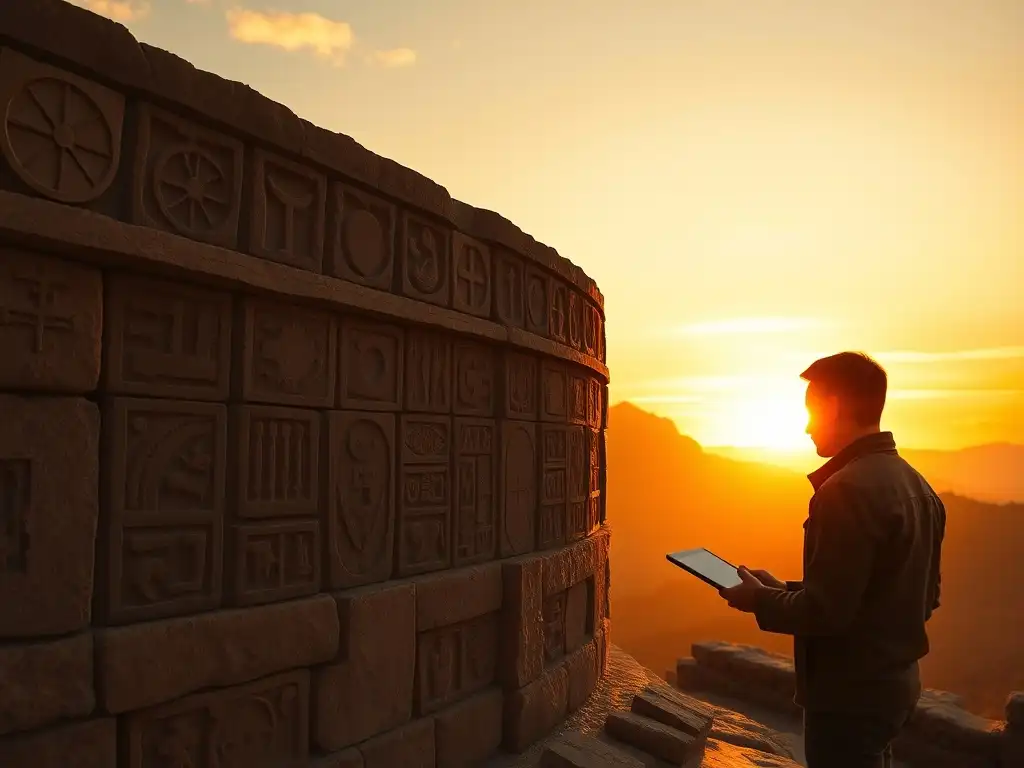
The ingenuity of Ancient Andean civilizations extended far beyond their impressive architectural feats and sophisticated agricultural techniques. Their profound understanding of astronomy, evidenced by meticulously constructed observatories and intricate calendar systems, offers invaluable insights into their worldview and provides a surprising source of inspiration for modern solutions. This deep connection to the cosmos shaped their daily lives, influencing everything from agriculture and societal organization to religious practices and artistic expression.
Understanding their astronomical knowledge allows us to appreciate the sophistication of their culture and potentially glean valuable lessons for contemporary challenges. The study of Ancient Andean astronomy reveals a remarkable blend of practical application and spiritual significance, a holistic approach that modern societies are increasingly recognizing as crucial for sustainable development. The keyword "Ancient Andean inventions modern solutions" is directly relevant here, as their astronomical understanding is an invention with lasting influence.
Andean Observatories: Ancient Astronomy and its Relevance
Andean observatories, often integrated seamlessly into the landscape, served as crucial tools for observing celestial events. These weren't merely places of observation; they were integral parts of a complex system of knowledge and belief. Sites like Machu Picchu, with its precisely positioned structures aligning with solstices and equinoxes, are prime examples.
The intricate design of these observatories allowed for accurate tracking of solar and lunar cycles, crucial for agricultural planning and religious ceremonies. The accuracy of their observations, achieved without modern technology, is truly remarkable. For instance, the Intihuatana stones, found at various Andean sites, are believed to have been used to mark the solstices and equinoxes with surprising precision.
This level of astronomical understanding demonstrates a sophisticated grasp of geometry and celestial mechanics. Modern astronomers and archaeologists continue to study these sites, uncovering new details about their construction and functionality, contributing to our understanding of ancient Andean culture and potentially inspiring new approaches to astronomical observation and data analysis. The sophisticated understanding and application of astronomy in the Andes serves as a powerful example of how "Ancient Andean inventions modern solutions" can be interconnected.
The Andean Calendar: Understanding Time and Cycles in Nature
The Andean calendar wasn't a rigid, fixed system like the Gregorian calendar. Instead, it was a sophisticated interplay of solar and lunar cycles, intricately woven with agricultural practices and religious beliefs. This calendar system allowed the Andean people to precisely predict seasonal changes, optimizing planting and harvesting cycles.
The ability to accurately predict the timing of rains, droughts, and other climatic events was essential for their survival. Archaeological evidence reveals the use of knotted cords, known as quipus, which may have served as a sophisticated record-keeping system, potentially including astronomical data and calendar information. While the exact methods of using quipus are still being deciphered, their existence highlights the Andean people's advanced understanding of data management and information storage.
The Andean calendar's flexibility, adaptability, and deep connection to the natural world offer valuable lessons for modern societies grappling with climate change and the need for sustainable resource management. Understanding how the Andean people integrated their calendar system with their environment is directly relevant to how we approach "Ancient Andean inventions modern solutions" today.
While less extensively documented than their calendar systems or observatories, evidence suggests the Andean people possessed a sophisticated understanding of celestial navigation. Their mastery of the terrain, coupled with their astronomical knowledge, allowed them to travel vast distances across the Andes, traversing challenging landscapes with remarkable efficiency. This understanding likely involved observing the positions of stars and constellations to determine direction and location.
This knowledge, combined with their intimate understanding of the geography, allowed them to create intricate road systems and establish trade routes across the Andes. Although the specifics of their navigational techniques remain partly unknown, the impressive achievements of the Inca road system stand as testament to their navigational prowess. Studying their methods could inform modern approaches to navigation, particularly in challenging environments or situations where traditional technologies are unavailable.
The Andean approach to navigation offers a compelling example of how "Ancient Andean inventions modern solutions" can be applied to contemporary navigational challenges. Their intuitive understanding of the interplay between celestial bodies and terrestrial features provides valuable insights into the development of more sustainable and effective navigational strategies.
The Adaptability of Ancient Andean Solutions: A Path to a Sustainable Future

The ingenuity of Ancient Andean civilizations shines through in their remarkable adaptations to challenging environments. Their innovations weren't mere technological feats; they were deeply intertwined with a profound understanding of their ecosystems and a commitment to sustainable practices. This holistic approach to problem-solving offers valuable lessons for addressing modern challenges, particularly in the face of climate change and resource scarcity. Analyzing these Ancient Andean inventions reveals a wealth of knowledge applicable to modern solutions.
Understanding how these societies thrived for centuries provides a blueprint for building more resilient and sustainable communities today. Their innovations, born out of necessity, now offer inspiration for a more environmentally conscious future. This section will explore how specific Andean solutions can be adapted to contemporary contexts.
Applying Andean Principles of Resource Management
Ancient Andean societies, including the Incas, Nazca, and Moche, demonstrated exceptional resource management skills. Their agricultural practices, for instance, were meticulously designed to optimize water usage and soil fertility in often arid and challenging terrains. Techniques like waru waru (raised bed agriculture) and andenes (terracing) maximized crop yields while minimizing environmental impact. These methods show a remarkable understanding of water conservation and soil management, principles that are increasingly crucial in today's world.
For example, the intricate canal systems used by the Nazca civilization for irrigation are a testament to their ability to harness limited water resources effectively. Modern agricultural practices could greatly benefit from re-evaluating and implementing these ancient principles to enhance water use efficiency and soil health. The sustainable agriculture movement is already incorporating some of these techniques, demonstrating the continuing relevance of Ancient Andean inventions.
The Importance of Indigenous Knowledge in Addressing Modern Challenges
The success of Ancient Andean societies rested heavily on their deep understanding of their environment and the accumulated wisdom passed down through generations. This indigenous knowledge, often overlooked in modern approaches to problem-solving, holds invaluable insights for addressing contemporary challenges. Ignoring this vast repository of practical knowledge is a significant oversight. The integration of indigenous knowledge with modern scientific methods offers a powerful synergy, leading to more effective and culturally appropriate solutions. For example, understanding traditional Andean medicinal practices could lead to the discovery of new drugs and treatments. Similarly, incorporating traditional Andean agricultural techniques into modern farming practices could enhance food security and environmental sustainability. This collaborative approach, respecting the value of both traditional and modern knowledge, is essential for achieving truly sustainable development. The power of Ancient Andean inventions lies not just in the technology itself, but also in the underlying philosophy of respect for nature and community.
The Use of Raised Beds in Modern Urban Farming Inspired by Waru Waru
Waru waru, a sophisticated raised-bed agricultural system developed by Andean cultures, offers significant potential for modern urban farming. This technique, characterized by raised beds separated by irrigation canals, provides several advantages. It improves drainage, reduces water evaporation, and enhances soil fertility.
In urban settings where space is limited, waru waru allows for increased yields in a smaller footprint. Furthermore, the raised beds provide better accessibility for elderly or disabled farmers. Studies have shown that waru waru can increase crop yields by up to 30% compared to traditional methods.
The integration of this ancient technique into modern urban agriculture represents a practical application of Ancient Andean inventions to address food security challenges in densely populated areas. The versatility and adaptability of waru waru make it a promising solution for sustainable urban food production worldwide. The revival of this ancient technique demonstrates the enduring relevance of Ancient Andean inventions in addressing modern problems.
Conclusion: Celebrating the Innovative Spirit of the Ancient Andes
The ingenuity of the ancient Andean civilizations continues to resonate powerfully in the modern world. Their remarkable achievements, born from necessity and a deep understanding of their environment, offer valuable lessons and inspiration for contemporary challenges. From sophisticated agricultural techniques to intricate textile production and advanced architectural designs, the Andean legacy serves as a testament to human adaptability and problem-solving capabilities.
Understanding these "Ancient Andean inventions modern solutions" isn't merely an academic exercise; it's a key to unlocking innovative potential for future generations. By studying their successes and failures, we can gain a deeper appreciation for sustainable practices, resource management, and the power of community collaboration.
The spirit of innovation that thrived in the Andes thousands of years ago remains a vital source of inspiration today, urging us to find creative solutions to the complex issues facing our world. The echoes of their ingenuity continue to shape our present and hold the promise of a more sustainable future.
The Timeless Relevance of Andean Ingenuity
The ancient Andean peoples weren't just building impressive structures; they were developing sophisticated systems for survival and prosperity. Their mastery of terracing, for example, allowed them to cultivate crops on steep, mountainous terrain, a technique still relevant in modern hillside agriculture. This ingenious system not only increased arable land but also minimized soil erosion and water runoff. Similarly, their intricate irrigation systems, complete with canals, aqueducts, and reservoirs, demonstrate an advanced understanding of water management, a crucial skill in today's world facing water scarcity.
These "Ancient Andean inventions modern solutions" are not merely historical artifacts; they are practical models for sustainable agriculture and water resource management. Analyzing their effectiveness and adapting their principles to modern contexts could significantly improve agricultural yields and water conservation efforts globally. The Andes' legacy in this area provides a powerful argument for revisiting and reimagining ancient techniques within the framework of modern challenges.
Honoring the Legacy of Ancient Andean Inventions
Preserving and celebrating the legacy of ancient Andean inventions is not just about acknowledging the past; it's about actively applying those lessons to shape a better future. This involves supporting research into Andean technologies, promoting educational initiatives that highlight their significance, and encouraging the integration of sustainable practices inspired by Andean ingenuity.
We can achieve this through a multi-faceted approach: funding archaeological research to uncover further details about ancient Andean techniques; developing educational programs that incorporate Andean innovations into science and engineering curricula; and fostering collaborations between archaeologists, engineers, and agricultural scientists to explore the potential applications of ancient Andean knowledge in addressing contemporary challenges. By actively engaging with this rich heritage, we honor the ingenuity of past generations and empower ourselves to build a more sustainable and innovative future.
The "Ancient Andean inventions modern solutions" narrative is not one of simple imitation, but of inspired adaptation and innovative application. It's a legacy of resilience, innovation, and a deep connection to the land – a legacy worth celebrating and actively building upon.
Frequently Asked Questions
What ancient Andean inventions are discussed in the article?
The article explores a range of ancient Andean inventions, highlighting their ingenuity and impact. Examples include advanced agricultural techniques, sophisticated textile production, and remarkable architectural feats. These are examined for their relevance to modern solutions.
How did ancient Andean agricultural techniques inspire modern solutions?
Ancient Andean civilizations developed terracing, irrigation systems, and fertilizer techniques to cultivate challenging terrains. These methods offer sustainable agricultural solutions today, particularly in mountainous or arid regions, addressing issues of food security and land management.
What is the connection between ancient Andean textiles and modern innovations?
The article showcases the complex weaving techniques and dyeing processes of Andean cultures. These inspire modern textile innovations in terms of material science, sustainability, and design, demonstrating the enduring relevance of Andean craftsmanship.
How did ancient Andean architecture influence modern engineering?
The sturdy and innovative construction methods used in Andean architecture, such as stonework and earthquake-resistant designs, provide valuable insights for modern engineering. These techniques can inform the development of more resilient and sustainable structures in challenging environments.
What modern problems can be solved by studying ancient Andean inventions?
Studying ancient Andean inventions offers solutions to contemporary challenges in agriculture, engineering, textile production, and resource management. By understanding their ingenuity, we can develop sustainable and innovative solutions for the future, drawing inspiration from the past.
Final Reflection: Echoes of the Andes: Inspiring Innovation for Tomorrow
The ingenuity of the ancient Andean civilizations continues to resonate today, offering powerful lessons in sustainability and problem-solving that are more relevant than ever in our current climate crisis. Their innovative solutions to challenges of altitude, climate, and resource scarcity provide a blueprint for a more resilient and equitable future, reminding us that human creativity can overcome seemingly insurmountable obstacles.
The enduring legacy of Andean innovation is not merely historical; it's a living testament to the power of human ingenuity to adapt and thrive. Their mastery of complex irrigation systems, their sophisticated understanding of medicinal plants, and their remarkable architectural feats continue to inspire scientists, engineers, and designers worldwide. The past is never dead. It's not even past.
- William Faulkner. This quote perfectly encapsulates the ongoing influence of Andean ingenuity, showing how their achievements continue to shape our present and inform our future. Their innovations weren't just about survival; they were about creating a harmonious relationship with their environment, a lesson we desperately need to relearn.
Consider the ingenuity of the ancient Andean people, their resourcefulness in the face of adversity. Now, consider your own life, your own challenges. What innovative solutions can you bring to bear on the problems you face? How can you draw inspiration from the past to create a more sustainable and equitable future? Embrace the spirit of innovation that echoes from the Andes, and let it guide you towards a world where ingenuity and resilience are the cornerstones of progress.
Ignite Your Innovative Spark!
Thank you for exploring the fascinating world of ancient Andean innovations! You've discovered how these remarkable inventions offer valuable insights for solving modern problems. Now, let's put that inspiration into action!
Here are some ways to embrace this innovative spirit:
- **Observe your surroundings:** Identify everyday challenges and consider how the ingenuity of Andean inventions might inspire creative solutions.
- **Share your discoveries:** Discuss your insights with friends, family, or online communities. Inspiring others to appreciate the wisdom of the past can foster widespread innovation.
- **Get involved:** Participate in local workshops or online groups focused on sustainable practices, applying ancient principles to contemporary issues.
Which ancient Andean invention do you believe holds the greatest potential for addressing today's challenges? Share your thoughts in the comments below!