
The Moche's Representation of Animals in Ceramics

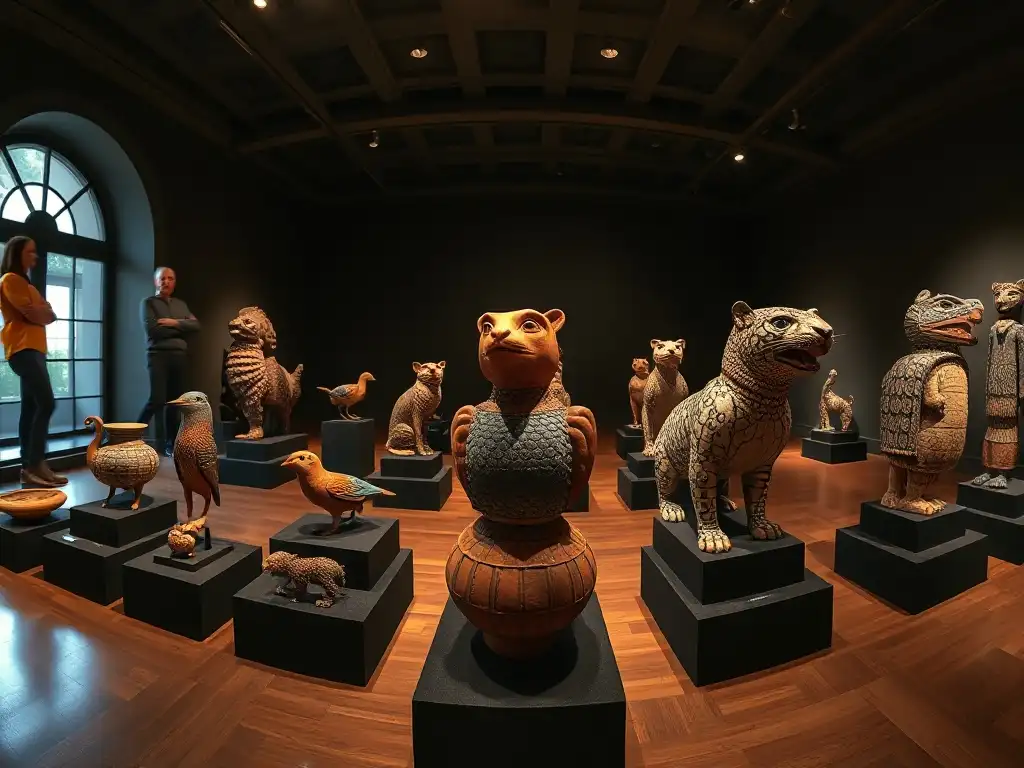
Step into a world lost to time, yet vibrantly alive in its artistry. Imagine a civilization where clay became canvas, and animals transcended mere representation to become powerful symbols of their beliefs. Uncover the secrets held within the extraordinary Moche pottery animal depictions, a testament to the ingenuity and spiritual depth of the Moche people. Prepare to be amazed by their intricate craftsmanship and the enigmatic stories they tell – a journey into the heart of Andean artistry awaits.
- The Moche's Representation of Animals in Ceramics: A Deep Dive into Andean Iconography
- Moche Pottery Animal Depictions: An Overview
- Key Animals Depicted in Moche Ceramics
- Techniques and Styles of Animal Depictions in Moche Ceramics
- Interpreting Moche Animal Iconography
- Moche Animal Pottery: Regional Variations and Styles
- The Legacy of Moche Animal Depictions
- Frequently Asked Questions
- Final Reflection: The Enduring Legacy of Moche Animal Imagery
- Unveil the Wonder of Moche Artistry!
The Moche's Representation of Animals in Ceramics: A Deep Dive into Andean Iconography
The Moche civilization (circa 100-800 CE), a pre-Columbian society flourishing along the northern coast of Peru, left behind a remarkable legacy of artistic expression. Their mastery of ceramics is particularly striking, with intricate and lifelike depictions of animals forming a significant portion of their artistic output. This article delves into the fascinating world of Moche pottery, focusing specifically on their representations of animals, exploring the techniques, symbolism, and cultural significance embedded within these captivating artifacts. We will examine how these animal depictions provide invaluable insights into Moche worldview, religious beliefs, and daily life, offering a glimpse into the rich tapestry of this ancient Andean culture. Understanding the nuances of Moche pottery animal depictions is crucial for appreciating the complexity and sophistication of their artistic achievements and their profound connection to the natural world. This exploration will illuminate the artistry and the cultural significance behind the keyword "Moche pottery animal depictions".
Techniques and Styles in Moche Animal Pottery
Moche artisans displayed exceptional skill in creating their ceramic masterpieces. They employed a variety of techniques, including modeling, molding, and the use of slip and paint, to achieve astonishing realism in their animal depictions. The pottery was typically created using a wheel-thrown method, followed by meticulous hand-finishing.
The level of detail is astounding; from the texture of fur and feathers to the subtle nuances of muscle definition, the artisans captured the essence of their subjects with remarkable accuracy. Different styles emerged throughout the various phases of the Moche culture. Early Moche pottery often features simpler, more stylized representations, while later pieces showcase a greater degree of realism and complexity.
For instance, some pieces display highly polished surfaces, while others feature intricate painted designs. The use of different colors, often vibrant and striking, further enhanced the visual impact of these pieces. The variety in technique and style reflects the evolving artistic sensibilities within the Moche society, showcasing a dynamic and innovative approach to ceramic production.
Common Animal Depictions and Their Symbolic Meaning
The Moche frequently depicted a wide range of animals in their pottery, reflecting the diverse fauna of their coastal environment. Some of the most commonly represented animals include:
- Birds: Often depicted in flight or perched, showcasing remarkable attention to detail in plumage and posture. These representations likely held symbolic significance related to the spiritual world or shamanistic practices.
- Fish: Depicted with exceptional accuracy, revealing the Moche's intimate knowledge of the marine ecosystem. Fish frequently appear in scenes of fishing or feasting, reflecting their importance as a food source.
- Mammals: Camelids, such as llamas and alpacas, were frequently represented, highlighting their importance in Moche economy and daily life. Other mammals, such as felines and canids, often appeared in more symbolic contexts.
- Reptiles: Snakes and lizards were frequently depicted, potentially representing symbols of fertility, power, or the underworld. The detailed rendering of scales and textures is particularly impressive.
The symbolic meaning attributed to these animals was likely complex and multifaceted, varying depending on the specific context and the accompanying iconography. Further research is needed to fully understand the nuanced interpretations of these animal representations within Moche culture. Unfortunately, [specific information pending] regarding the exact interpretations of certain animal combinations.
The Role of Animals in Moche Religion and Mythology
The prominent role of animals in Moche art strongly suggests their importance within the religious and mythological framework of the civilization. Animals likely served as intermediaries between the human and spiritual realms, embodying powerful forces of nature and possessing significant symbolic weight. Certain animals might have been associated with specific deities or represented aspects of the Moche cosmology. For example, [specific information pending] on the connection between specific animals and the Moche pantheon.
The presence of animals in funerary contexts further underscores their importance in the afterlife beliefs of the Moche. The careful placement of ceramic vessels depicting animals within tombs suggests their role in ensuring a successful transition to the next world. The study of Moche iconography, particularly the recurring motifs of animals, offers crucial clues to deciphering their complex religious beliefs and understanding their worldview.
Moche Pottery Animal Depictions: A Window into Their Society
The meticulous detail and artistic skill evident in Moche pottery animal depictions offer a unique and invaluable window into the society that created them. These artifacts not only showcase the advanced technological capabilities of the Moche but also reveal the intricate relationship between humans and the natural world. The careful observation of animal behavior and anatomy reflected in the ceramics underscores the Moche's deep connection to their environment.
Furthermore, the prevalence of certain animal motifs in different contexts provides insight into their social structures, economic activities, and religious practices. The study of "Moche pottery animal depictions" continues to unveil new layers of understanding regarding this fascinating and complex ancient Andean civilization. The enduring legacy of their ceramic artistry provides a compelling testament to their creativity, skill, and profound connection to the natural world.
Moche Pottery Animal Depictions: An Overview
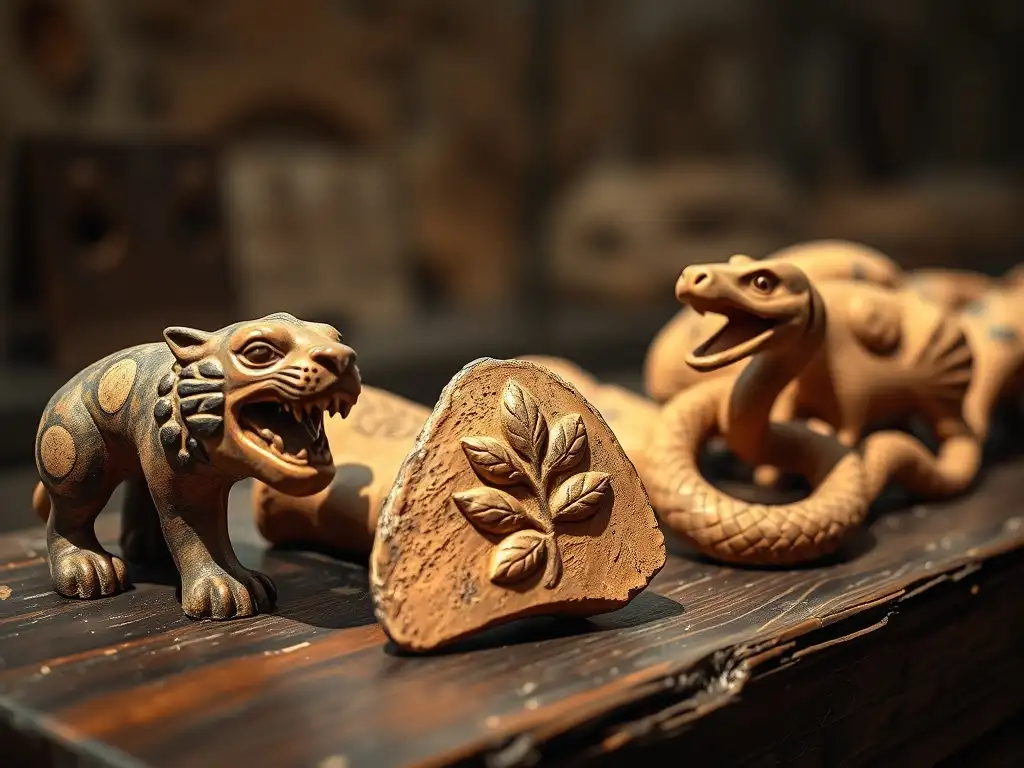
The Moche civilization (c. 100 – 800 CE), renowned for its sophisticated artistry, left behind a remarkable legacy in the form of intricately decorated ceramics. Among the most striking aspects of Moche pottery is the prolific and detailed depiction of animals. These aren't simply decorative elements; they provide invaluable insights into the Moche worldview, their relationship with the natural environment, and their complex social structures.
The sheer variety of animals represented – from majestic jaguars and soaring condors to humble insects and marine life – showcases a deep understanding and appreciation of the Andean ecosystem. Analyzing these "Moche pottery animal depictions" allows us to reconstruct a vibrant picture of their society and its beliefs. The precision and realism of the depictions are astonishing, often capturing subtle details of animal anatomy and behavior.
This section will explore the significance of these animal representations, examining their symbolic meaning and the techniques employed by Moche artisans to create these enduring masterpieces. The study of Moche pottery offers a unique lens through which to understand the intricate relationship between humans and nature within this fascinating civilization. Understanding these depictions is crucial to grasping the nuances of Moche culture and its lasting impact.
The Significance of Animals in Moche Culture
Animals held profound symbolic importance within Moche society. They weren't merely observed; they were integrated into the fabric of Moche life, appearing in mythology, rituals, and daily existence. Many animals represented powerful forces of nature or embodied specific qualities admired by the Moche. For example:
- The Jaguar: Often depicted as a fierce predator, the jaguar symbolized power, strength, and possibly even shamanic abilities. Its presence in Moche iconography suggests a connection to the underworld and the supernatural realm.
- The Condor: This majestic bird, soaring high above the Andes, likely represented the sky, freedom, and perhaps even a connection to the gods. Its inclusion in Moche art might reflect a reverence for the heights and the celestial world.
- Marine Life: The Moche’s proximity to the Pacific Ocean is reflected in their frequent depiction of marine animals like fish, seabirds, and marine mammals. These representations may symbolize abundance, fertility, and the importance of the ocean to their sustenance.
- Insects: Even seemingly insignificant insects were depicted, sometimes with remarkable detail. These representations might reflect the Moche's understanding of the interconnectedness of the ecosystem and the importance of even the smallest creatures.
The presence of specific animals in particular contexts within Moche pottery further enhances their symbolic meaning. For instance, the combination of a jaguar and a particular type of bird might signify a specific myth or ritual. More research is needed to fully decipher the complex interplay of symbolism within Moche ceramic art, but the initial findings are incredibly illuminating. Further investigation into specific motifs and their contextual placement within different types of Moche vessels would provide even greater insight into their significance. [Specific research studies pending]
Moche Ceramics as a Window into their Worldview
The meticulous detail and realism in Moche pottery animal depictions reveal a deep understanding of the natural world. The artisans' skill in capturing the anatomy, posture, and even the expressions of animals is breathtaking. This level of artistry suggests a profound connection between the Moche people and their environment. It wasn't simply a matter of representation; it was a form of engagement, an attempt to capture the essence of the animal's being.
Consider the differences in the portrayal of animals across various Moche ceramic types. For example, the depiction of a jaguar on a large stirrup-spout vessel might differ significantly from its portrayal on a smaller, more utilitarian piece. This variation could reflect different social contexts, ritual purposes, or even the stylistic preferences of individual artisans.
The study of these variations provides additional layers of information about Moche society and artistic practices. Further analysis of the specific types of clay used, the painting techniques employed, and the overall style of the vessels could reveal even more subtle nuances in the Moche worldview.
The prevalence of certain animal depictions also reveals insights into Moche values and beliefs. The frequent appearance of certain animals might indicate their importance in Moche mythology, religious practices, or daily life. Conversely, the absence of certain animals could also be meaningful.
The meticulous attention to detail and the realism of these depictions suggest a sophisticated understanding of the natural world and a deep respect for the animals that inhabited it. The study of "Moche pottery animal depictions" provides a compelling window into the Moche worldview, illustrating their deep connection to the natural environment and their profound understanding of the animal kingdom. This detailed approach to animal representation is a testament to the Moche's artistic skill and their profound understanding of the world around them.
Key Animals Depicted in Moche Ceramics
The Moche civilization, renowned for its sophisticated artistry, left behind a remarkable legacy in the form of intricately decorated ceramics. These aren't simply vessels; they are vibrant canvases showcasing the Moche worldview, with animal depictions playing a central role. Analyzing these Moche pottery animal depictions reveals deep insights into their beliefs, social structures, and relationship with the natural world.
The Moche artists meticulously portrayed a diverse range of animals, each imbued with symbolic meaning and often linked to specific myths and rituals. The precision and detail in these representations demonstrate a profound understanding of animal anatomy and behavior, highlighting the advanced artistic skills of the Moche potters.
We'll explore some of the most prominent animal motifs in their ceramic art, examining their significance within the broader context of Moche culture. The frequency and prominence of certain animals in the pottery strongly suggest their importance in Moche society, influencing their religious beliefs, social hierarchies, and even their daily lives.
Feline Imagery: Jaguars and Pumas in Moche Art
Jaguars and pumas, apex predators of the Andean ecosystem, feature prominently in Moche ceramic art. Their representation transcends simple aesthetic appreciation; these powerful felines often symbolize power, ferocity, and shamanistic abilities. Many Moche vessels depict jaguars in dynamic poses, their muscular bodies and sharp claws vividly rendered. These depictions are not always straightforward; sometimes the jaguar is shown in a more stylized, almost supernatural manner, suggesting its connection to the spirit world.
The portrayal of pumas is equally significant. Unlike the often aggressive depictions of jaguars, pumas are sometimes shown in more serene or even playful contexts. This variation in depiction suggests a nuanced understanding of these animals' roles within the Moche cosmology, with their symbolic meanings shifting depending on the context of the artwork.
Analysis of numerous Moche ceramics reveals a consistent pattern: the size and prominence given to the feline imagery often correlates with the status of the individual or group depicted alongside the animal. This strongly suggests that the felines served as powerful visual metaphors for social hierarchy and power within Moche society.
The detailed rendering of fur, muscles, and expressions showcases the Moche potters' mastery of their craft and their keen observation of the natural world. Further research into the specific contexts of these depictions—such as accompanying human figures or ritual scenes—is crucial for a more complete understanding of their symbolic significance.
The Importance of the Serpent in Moche Iconography
Serpents, ubiquitous in many ancient cultures, hold a similarly significant place in Moche iconography. Their frequent appearance in Moche pottery animal depictions points to their profound symbolic importance within the Moche belief system. These representations are not merely decorative; they often intertwine with other motifs, forming complex narratives that reflect Moche mythology and religious practices.
Often, serpents are depicted intertwined with other symbols, such as plants or deities, further enriching their complex symbolism. Sometimes they are shown devouring other creatures, highlighting their role as powerful predators within the ecosystem and, by extension, their symbolic representation of power and control. In other instances, the serpents are portrayed more calmly, perhaps suggesting a connection to fertility or the underworld.
The variety of styles and contexts in which serpents appear in Moche pottery indicates a multifaceted understanding of their significance. More research is needed to definitively link specific serpent depictions to particular Moche myths or rituals. However, the sheer frequency of their appearance in the archaeological record undeniably highlights their importance in the Moche worldview.
The detailed scales, sinuous bodies, and expressive eyes rendered by the Moche artists demonstrate their keen observation and mastery of artistic techniques. The stylistic variations in serpent depictions across different Moche pottery pieces also offer valuable insights into regional differences and artistic evolution within the civilization.
Avian Representations: Birds of Prey and Coastal Birds
The Moche's artistic repertoire extends to a diverse range of avian species, from majestic birds of prey to coastal birds reflecting their proximity to the Pacific Ocean. These avian Moche pottery animal depictions often convey symbolic meanings related to power, fertility, and the spirit world. Birds of prey, like the Andean condor, frequently appear in Moche ceramics. Their powerful presence and predatory nature likely symbolized dominance, control, and perhaps even shamanistic abilities, connecting the earthly and spiritual realms. The detailed rendering of feathers, beaks, and talons demonstrates the Moche artists' keen observation of these creatures.
Coastal birds, such as pelicans and gulls, are also frequent motifs. Their presence likely reflects the Moche's dependence on marine resources and their deep connection to the coastal environment. These birds, in contrast to birds of prey, might symbolize abundance, fertility, or the interconnectedness of life in the coastal ecosystem.
The depiction of these birds often involves intricate detailing of their plumage and posture, showcasing the Moche's remarkable ability to capture the essence of these creatures in ceramic form. Further research into the specific types of birds depicted and the contexts in which they appear could reveal more nuanced interpretations of their symbolic meanings within the broader context of Moche culture and beliefs. The careful observation of the natural world reflected in these artistic representations showcases the Moche's deep understanding of their environment and their ability to creatively integrate these observations into their artistic expressions.
Marine Life: Fish, Crabs, and Shells in Moche Ceramics
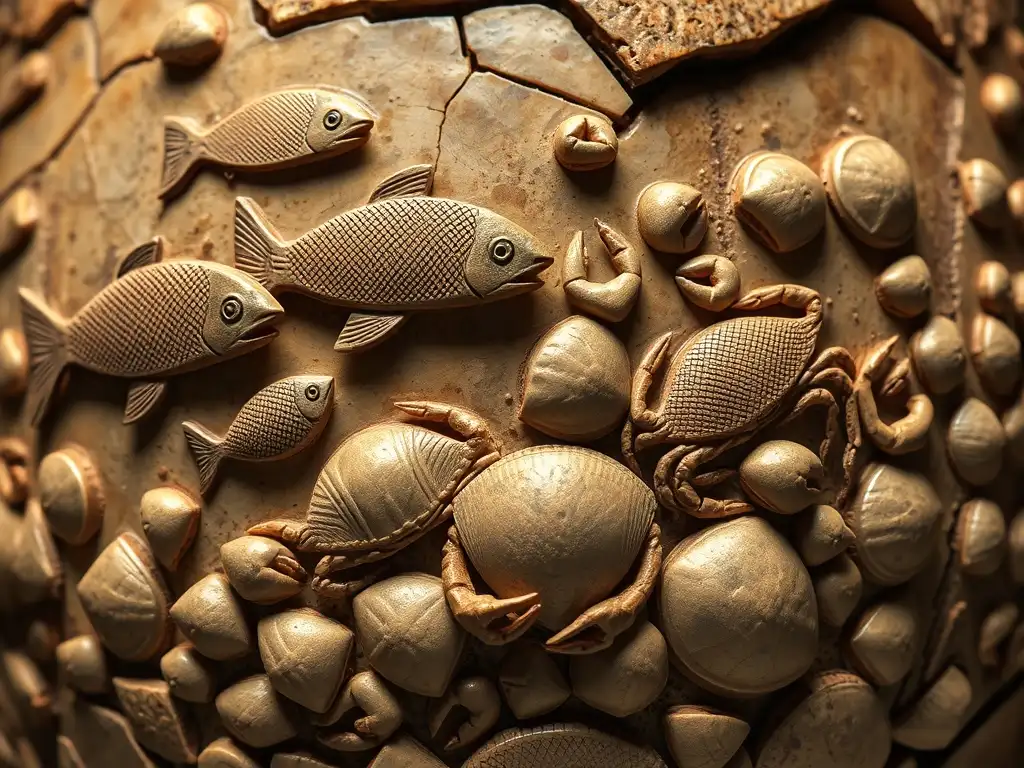
The Moche people, renowned for their intricate pottery, didn't limit their artistic expressions to terrestrial creatures. The abundance of marine life along the Peruvian coast heavily influenced their ceramic artwork, resulting in stunning depictions of fish, crabs, and shells. These representations weren't merely decorative; they often held symbolic meaning within the Moche worldview. The detailed rendering of scales on fish, the delicate articulation of crab legs, and the precise curvature of shells showcase the Moche potters' exceptional skill and keen observation of the natural world. Many pieces feature fish depicted mid-swim, with dynamic poses that capture the movement of the ocean currents.
The inclusion of marine life in Moche pottery highlights the importance of the sea to their economy and spirituality. Fish, in particular, were a crucial food source, and their depiction might symbolize prosperity and abundance. Similarly, crabs, with their hard shells, could represent protection or resilience. The variety of marine species portrayed reflects the biodiversity of the coastal ecosystem and the Moche's deep understanding of their environment. Some scholars suggest that specific types of fish or shellfish might have held particular religious significance, potentially linked to rituals or ceremonies.
Further research into the context of discovery and associated artifacts could help unravel these deeper symbolic meanings. The intricate details in these ceramic depictions, from the subtle variations in coloration to the precise anatomical accuracy, are testament to the Moche's artistic mastery and their profound connection to the ocean. Studying these ceramic representations provides invaluable insight into the Moche's relationship with their environment and their sophisticated understanding of marine ecosystems. The careful observation of Moche pottery depicting marine life provides a unique window into their culture and beliefs.
Other Notable Animals: Deer, Lizards, and Foxes
Beyond marine life, Moche pottery also showcases a remarkable diversity of terrestrial animals. Deer, lizards, and foxes are among the notable creatures frequently depicted. The representation of deer, often portrayed gracefully in profile or in dynamic action, likely reflects their importance as both a food source and a symbol of power and grace within Moche society. The artists' ability to capture the animal's musculature and movement is particularly striking, demonstrating an advanced understanding of animal anatomy.
Lizards, with their intricate scales and varied postures, are often depicted with remarkable accuracy, showcasing the keen observation skills of the Moche artisans. The inclusion of lizards may have held symbolic meanings connected to fertility, transformation, or the spirit world, reflecting the diverse interpretations found within Moche iconography. Foxes, with their cunning and elusive nature, are less frequently depicted than deer or lizards, but their presence still adds to the rich tapestry of Moche animal representations. These depictions often highlight the fox's characteristic features, such as its pointed snout and bushy tail, showcasing the artist's skill in capturing the essence of the animal.
The careful consideration given to the portrayal of these creatures suggests that they held cultural or symbolic significance beyond mere aesthetic appeal. These animals, along with many others, contribute to the vibrant and diverse world of Moche animal depictions in ceramics, adding depth and complexity to our understanding of their culture and worldview. The study of these representations in Moche pottery provides further evidence of their advanced artistic skills and deep understanding of their environment and its inhabitants. Analyzing the context of these depictions within larger ceramic scenes can offer further clues to their specific meaning and significance within Moche society.
Techniques and Styles of Animal Depictions in Moche Ceramics
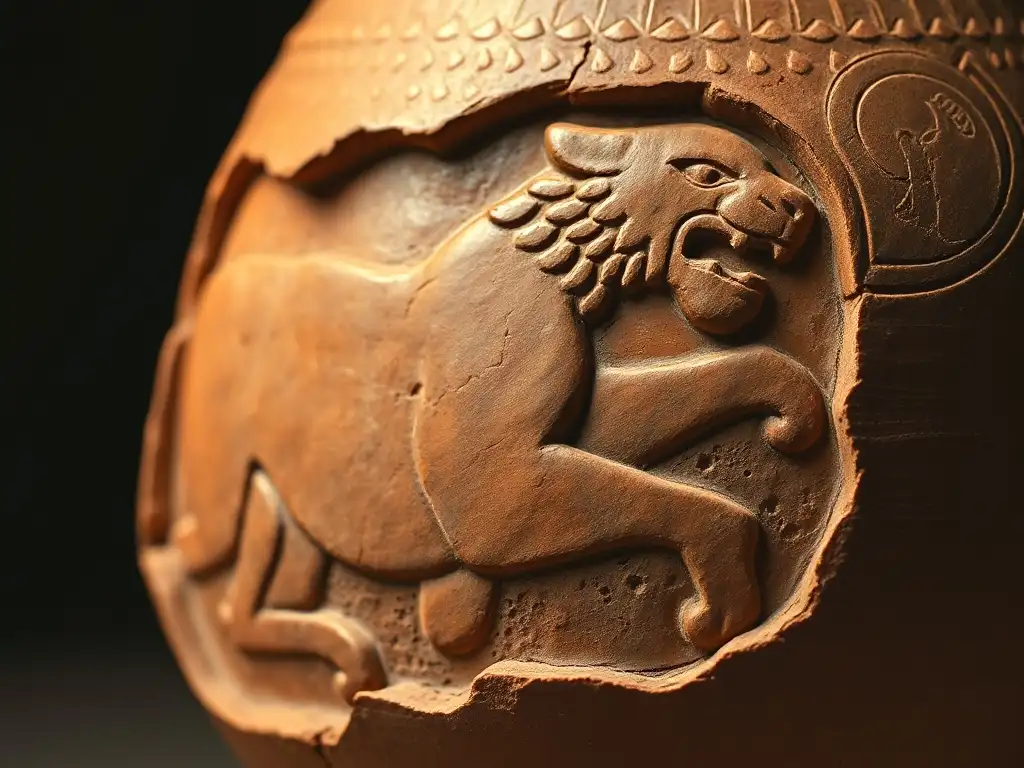
The Moche, renowned for their mastery of pottery, created incredibly detailed and lifelike representations of animals in their ceramics. These depictions weren't merely decorative; they often held significant religious, social, and symbolic meaning within their culture. Understanding the techniques employed by Moche artisans provides crucial insight into their artistic skill and worldview. The vibrant and diverse animal kingdom of the Andean coastal region served as a rich source of inspiration, leading to a wide array of styles and techniques used in their pottery.
Analyzing these methods reveals not only artistic prowess but also a deep connection between the Moche and their environment. The meticulous detail and expressive forms found in Moche pottery animal depictions solidify their place as masterpieces of ancient American art. This section will explore some of the key techniques used by the Moche in their remarkable animal representations.
The Use of Molded Forms in Animal Representations
Moche potters frequently utilized molds to create the basic shapes of their animal figures. This technique allowed for efficient production, particularly for larger pieces or those with complex forms. Evidence suggests they employed both one-piece and sectional molds, depending on the intricacy of the design.
For example, a large depiction of a feline might be created using a multi-part mold, ensuring accuracy and consistency. The use of molds didn't diminish the artistry; rather, it provided a foundation upon which the artists could further refine their creations through painting and other decorative techniques. The precision achieved through molding is evident in the seamless integration of body parts and the overall anatomical accuracy of many Moche animal figures.
Furthermore, the use of molds allowed for mass production of certain popular motifs, suggesting the potential for standardized religious or ceremonial objects. Careful examination of surviving examples reveals subtle variations in the molds themselves, indicating adjustments and refinements over time, showcasing the evolution of their techniques. This speaks to the dynamic nature of Moche artistic practices.
Painted Motifs: Detailing Animal Features in Moche Art
Beyond molding, the Moche employed masterful painting techniques to add intricate details and bring their animal representations to life. They utilized a range of pigments, derived from natural sources like minerals and plants, to create a striking palette of colors. These colors were often applied in multiple layers to achieve depth and luminosity. For example, a depiction of a hummingbird might feature subtly blended shades of green and blue to capture the iridescent quality of its plumage.
The precision with which they rendered fine details, such as scales, feathers, and fur, is truly remarkable. In some cases, the artists employed fine lines and stippling techniques to create a sense of texture and movement. The use of contrasting colors further enhanced the three-dimensionality of their creations.
The painted motifs were not just decorative; they often served to emphasize specific anatomical features or symbolic elements related to the depicted animal. For instance, a prominent depiction of a jaguar's teeth or claws might have held particular significance within Moche cosmology. The sophistication of their painting techniques underlines the high level of artistic skill and knowledge within Moche society.
Relief Decoration: Adding Depth to Animal Figures
In addition to molding and painting, the Moche employed relief decoration to add further depth and dynamism to their animal figures. This involved sculpting raised elements onto the surface of the pottery, creating a three-dimensional effect. This technique allowed for a more expressive rendering of animal anatomy, particularly in capturing the musculature and movement of the creatures. Relief decoration is often combined with painting, with the raised elements serving as a base for further embellishment.
This combined approach resulted in incredibly detailed and realistic representations. For instance, a sculpted representation of a serpent might incorporate raised scales, highlighted with contrasting paint, to create a lifelike texture and movement. The skillful execution of relief decoration showcases the Moche potters’ mastery of different artistic techniques and their understanding of form and space.
The use of relief often served to enhance the symbolic or narrative elements of the depicted animal, adding another layer of meaning to the piece. The complexity and artistry of the relief decoration found in Moche pottery animal depictions underscore the significance of these objects within their cultural context. The combination of techniques—molding, painting, and relief—demonstrates the Moche’s innovative approach to ceramic art and their deep engagement with the natural world.
Color Palette and Symbolism in Moche Animal Ceramics
The Moche artisans displayed a remarkable mastery of color in their pottery, using a limited palette to create vibrant and evocative depictions of animals. Their color choices weren't arbitrary; they held deep symbolic meaning within the Moche worldview. The most common colors included reds, yellows, whites, and blacks, often achieved through the use of natural pigments derived from minerals and plants found in the region.
Red, for instance, frequently symbolized blood, power, and perhaps even the life force itself, often used to highlight crucial features of animals like the jaguar's spots or the blood-red plumage of certain birds. Yellow, on the other hand, might have represented the sun, fertility, or gold – a precious metal highly valued by the Moche.
White, often used as a background or to accentuate details, could symbolize purity or the sacred. Black, sometimes used sparingly to create contrast or define shadows, might have represented night, the underworld, or perhaps even aspects of death and rebirth.
The application of these colors was far from haphazard. The careful layering and blending of pigments, sometimes with the addition of slip (a clay suspension), allowed the Moche artists to achieve subtle gradations of color and create a sense of depth and realism in their animal depictions. For example, the depiction of a hummingbird's iridescent feathers might involve multiple layers of subtly different shades of green, blue, and red, mimicking the shimmering effect of the bird's plumage in sunlight.
This sophisticated use of color wasn't merely aesthetic; it was a crucial element in conveying the spiritual and symbolic meaning of the depicted animal. The combination of colors used, their placement, and their intensity all contributed to the overall message the artist intended to convey, potentially relating to specific Moche myths, rituals, or societal structures. Further research is needed to fully understand the nuances of Moche color symbolism, but the existing evidence clearly shows a sophisticated understanding of color's power to communicate complex ideas.
The meticulousness of their work reveals a deep respect for both the animals they depicted and the symbolic significance they held within their culture. Analyzing the color palettes of different Moche ceramics offers valuable insights into their beliefs and understanding of the natural world.
Modeling Techniques and Three-Dimensionality in Moche Animal Pottery
Moche potters were renowned for their ability to create remarkably realistic and three-dimensional representations of animals on their ceramics. They employed a variety of modeling techniques to achieve this effect, going beyond simple painting to create sculptures in the round, almost as if the animals were breaking free from the vessel's surface. One common technique involved adding appendages, like legs, tails, and wings, separately to the main body of the vessel, then carefully attaching and blending them seamlessly.
This allowed for a greater degree of anatomical accuracy and movement, making the animals appear more lifelike. Examples of this approach are abundant in depictions of birds, reptiles, and mammals, where individual feathers, scales, or fur are meticulously rendered.
Another key technique was the use of mold-making. While many pieces demonstrate the skill of hand-modeling, the repetition of certain motifs suggests the use of molds, particularly for smaller or more standardized elements. This allowed for mass production while still maintaining a high level of detail.
However, even within mold-made elements, individual artists often added unique touches, such as hand-painted details or slight variations in posture, suggesting a system where standardization and individual artistry coexisted. The Moche potters were also masters of using negative space, skillfully shaping the vessel itself to contribute to the overall form of the animal. For example, a bird's outstretched wings might be partially formed by the shape of the pot's body, creating a sense of dynamism and flow.
The combination of these techniques allowed the Moche to create remarkably realistic and dynamic representations of animals, exceeding the capabilities of many other contemporaneous cultures. The level of skill and attention to detail is breathtaking, testifying to the Moche's profound understanding of both ceramics and animal anatomy. Further study into the tools and techniques used, especially through analysis of surviving pottery fragments and workshops, could shed more light on these sophisticated artistic practices.
Interpreting Moche Animal Iconography
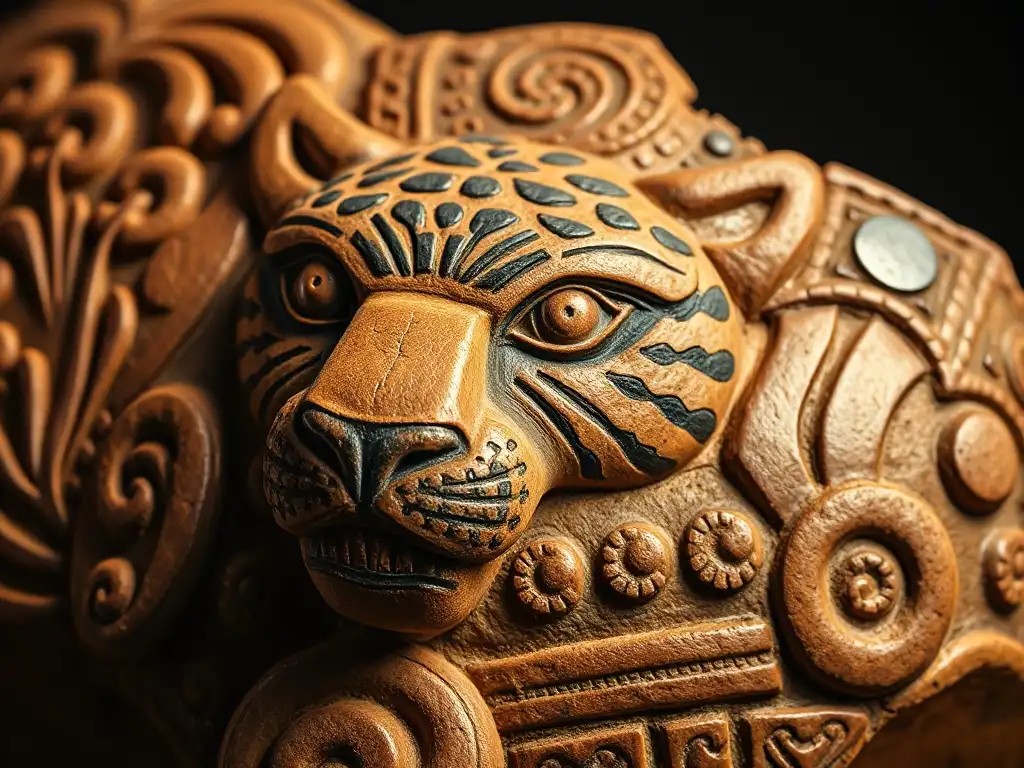
The Moche civilization, flourishing along the northern coast of Peru from approximately 100 to 800 CE, left behind a remarkable legacy of ceramic art. Their pottery, renowned for its intricate detail and vibrant colors, frequently features depictions of animals. These Moche pottery animal depictions are not merely decorative; they offer invaluable insights into the Moche worldview, social structures, and religious beliefs.
Understanding these representations requires careful consideration of their context within the broader Moche cultural landscape. Analyzing the style, position, and accompanying elements within each piece provides clues to their meaning and significance within Moche society. This section will explore the multifaceted interpretations of animal iconography in Moche ceramics, focusing on their roles in religious beliefs, social hierarchy, and ritual practices.
Zoomorphic Deities and Mythological Figures
Many Moche ceramic animals represent more than just naturalistic portrayals; they are often imbued with religious significance, acting as representations of deities or mythological figures. The Moche pottery animal depictions frequently show animals with human-like characteristics, such as anthropomorphic features or engaging in human activities.
For example, depictions of jaguars often show them wearing elaborate headdresses or holding ceremonial objects, suggesting their connection to the supernatural realm and their role as powerful intermediaries between the human and spiritual worlds. Similarly, representations of birds, particularly raptors like eagles and condors, often appear in scenes involving ritual sacrifices or shamanistic practices, indicating their association with celestial powers and the ability to communicate with the gods.
The detailed craftsmanship evident in these pieces, with their finely rendered features and dynamic poses, underscores the importance these animals held in Moche cosmology. The use of specific colors and symbolic elements further enhances the sacred nature of these representations. For instance, the use of red might indicate blood or sacrifice, while the presence of specific plants or other symbols might allude to specific deities or myths. More research into the specific iconographic elements accompanying these zoomorphic figures is needed to fully elucidate their complex meanings. [Specific information pending on detailed analysis of color symbolism in Moche pottery].
Animals as Symbols of Power and Status
Beyond their religious significance, Moche pottery animal depictions also served as powerful symbols of power and status within Moche society. Certain animals, particularly those associated with hunting, warfare, or agricultural fertility, were frequently depicted in the ceramics of the elite class. These depictions often appeared on large, elaborate vessels, further emphasizing their importance. For instance, the jaguar, a powerful predator, was often associated with warrior elites, symbolizing strength, ferocity, and dominance. Its inclusion in Moche pottery suggests a connection between the animal's attributes and the social standing of the vessel's owner.
Conversely, the depiction of more docile animals, such as camelids (llamas and alpacas), might symbolize wealth and prosperity, reflecting the importance of these animals in the Moche economy. The size and quality of the ceramic vessel, coupled with the specific animal depicted, provided a visual indicator of the owner's social rank and economic standing within the community. Analysis of burial contexts where these ceramics were found further supports this interpretation. [Data on specific burial sites and associated pottery findings pending].
Animals and Ritual Practices in Moche Society
The presence of animals in Moche ceramics is inextricably linked to their ritual practices. Many depictions show animals involved in ceremonial scenes, sacrifices, or shamanistic rituals. These scenes provide insights into the religious beliefs and practices of the Moche people. The Moche pottery animal depictions often show animals in conjunction with human figures, suggesting a close relationship between humans and animals in their religious worldview. These representations frequently depict animals being sacrificed or consumed in ritual contexts, revealing the importance of these practices in their culture.
Furthermore, the specific animals depicted and their contexts within the scenes can reveal aspects of Moche religious beliefs. For example, the depiction of a specific bird species in a ritual context might suggest its association with a particular deity or supernatural power. Careful study of the arrangement of elements within these scenes, along with the analysis of similar motifs across multiple pieces, is crucial for understanding the nuances of Moche ritual practices.
[Further research is needed on the correlation between specific animal depictions and identified Moche deities]. The intricate detail and dynamic compositions of these scenes serve as powerful visual narratives of Moche religious life, emphasizing the profound connection between the natural and supernatural worlds in their culture. These scenes, therefore, provide a window into the complex spiritual world of the Moche people, highlighting the central role of animals in their beliefs and practices.
The Symbolic Meaning of Specific Animal Combinations
The Moche weren't content with simply depicting individual animals; they frequently combined them in intricate compositions, creating complex narratives and symbolic meanings. Understanding these combinations requires a nuanced approach, acknowledging the limitations of our current knowledge. Many interpretations remain speculative, relying on contextual clues from other artifacts and archaeological findings. However, some recurring patterns have emerged, offering intriguing possibilities.
For instance, the frequent pairing of a feline (often a jaguar or puma, representing power and the underworld) with a bird of prey (like a condor, symbolizing the heights and the sun) could represent the duality of the Moche worldview, the balance between earthly and celestial realms, or perhaps even the cyclical nature of life and death. The juxtaposition of these seemingly opposing forces might suggest a harmonious interaction, or a struggle for dominance reflecting the dynamic forces of nature.
Further research into the specific contexts in which these pairings appear—the type of vessel, accompanying imagery, and the location of the find—is crucial to refining these interpretations.
Another common combination involves marine animals such as fish and seabirds with terrestrial creatures like lizards or snakes. This could represent the interconnectedness of different ecosystems within the Moche environment, highlighting the importance of both coastal and inland resources to their survival.
Alternatively, the combination might symbolize the Moche's mastery over diverse environments, reflecting their sophisticated agricultural practices and their ability to exploit resources across varied terrains. The specific species of animals involved within these combinations could further refine our understanding; for example, a particular type of fish might have held a specific cultural significance, linked to specific ceremonies or beliefs.
Sadly, a comprehensive catalog of all animal combinations and their proposed meanings is currently unavailable. Further research and collaborative efforts among archaeologists and art historians are needed to unlock the full symbolic potential of these complex ceramic representations. The challenge lies in the fragmentary nature of the surviving artifacts and the lack of direct written evidence from the Moche themselves.
However, by carefully examining the surviving pottery and comparing patterns across different pieces, we can gradually piece together a richer and more nuanced understanding of Moche symbolism. The meticulous documentation and analysis of each ceramic piece, coupled with advancements in archaeological techniques, hold the key to unlocking the secrets held within these fascinating combinations.
Moche Animal Pottery: Regional Variations and Styles
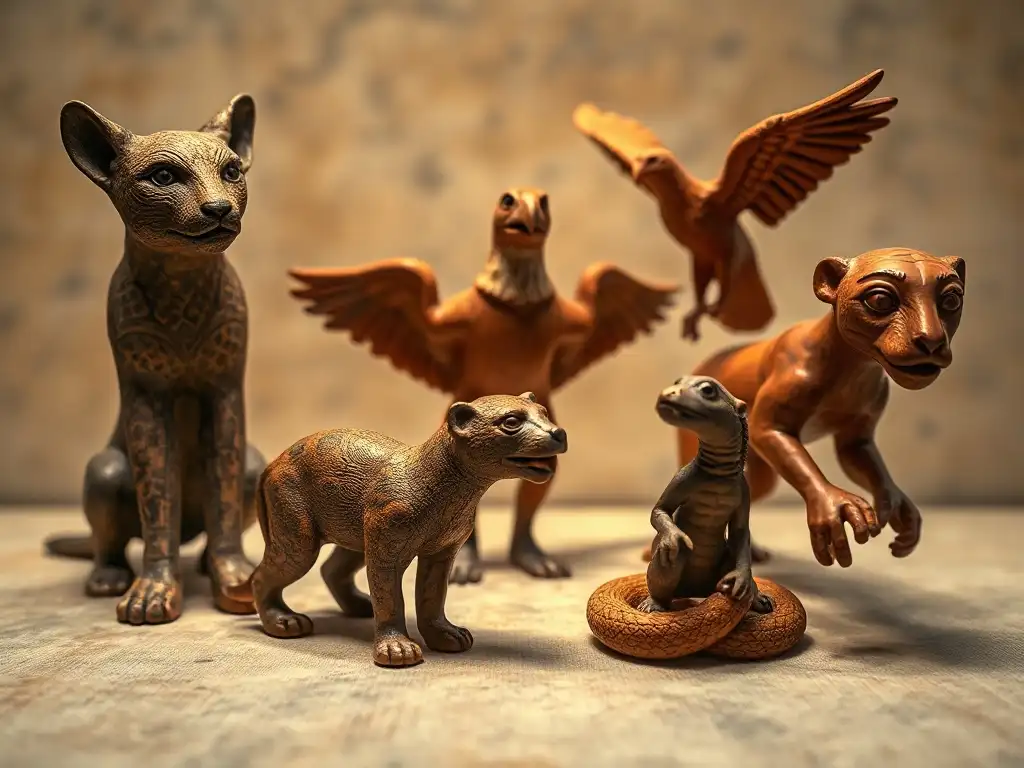
The Moche civilization, renowned for its exquisite pottery, didn't produce a monolithic artistic style. Instead, regional variations in Moche pottery animal depictions are evident, reflecting diverse artistic traditions and perhaps even distinct belief systems. Analyzing these differences provides valuable insights into the social and geographic complexities of this fascinating culture.
The stylistic variations in animal representations aren't simply aesthetic choices; they offer clues to understanding the nuanced worldview of different Moche communities. Careful study of the pottery reveals not just artistic skill but also a rich tapestry of local customs and beliefs. The sheer diversity of Moche pottery animal depictions underscores the dynamism and complexity of this ancient society.
Differences in Animal Depictions Across Moche Regions
Significant differences exist in the types of animals depicted and the artistic styles employed across various Moche regions. For instance, northern Moche pottery frequently showcases stylized felines and birds, often associated with deities or supernatural beings. In contrast, southern Moche ceramics tend to focus on marine life and depictions of everyday animals, suggesting variations in local environments and cultural priorities.
This geographic variation in Moche pottery animal depictions is a key area of study for archaeologists trying to understand the internal dynamics of the Moche state. The distribution of specific animal motifs across different regions allows researchers to map potential trade routes and cultural exchanges. Furthermore, the stylistic differences can provide insight into the level of autonomy different Moche communities enjoyed.
| Region | Predominant Animal Depictions | Artistic Style Characteristics | Potential Interpretations |
|---|---|---|---|
| Northern Moche | Feline deities, birds of prey | Highly stylized, often abstract | Emphasis on religious iconography and shamanistic practices |
| Central Moche | Diverse fauna, including mammals | More naturalistic representation | Possibly reflecting a more balanced ecological perspective |
| Southern Moche | Marine life, terrestrial mammals | Detailed, realistic depictions | Focus on everyday life and environmental resources |
Northern Moche Style: Emphasis on Feline and Bird Deities
Northern Moche pottery is characterized by a strong emphasis on feline and bird deities. These animals are often depicted in powerful, stylized forms, often with exaggerated features and vibrant colors. The felines, frequently jaguars or pumas, are frequently linked to shamanistic practices and represent power, strength, and supernatural abilities. The birds, often birds of prey like eagles or condors, symbolize dominion, speed, and connection to the celestial realm.
Many scholars believe these depictions reflect the religious beliefs and practices prevalent in northern Moche communities. The frequent use of these motifs in funerary contexts further supports this interpretation. The level of detail and the masterful execution of these animal forms in northern Moche pottery highlight the high artistic skill of the region's artisans. Further research is needed to fully understand the symbolic significance of specific postures and attributes of these animal figures.
Southern Moche Style: Focus on Marine and Everyday Animals
In contrast to the northern region, southern Moche pottery displays a greater focus on marine life and everyday animals. While stylized representations are present, a greater level of realism is often observed. This difference may reflect the proximity to the Pacific Ocean and the importance of marine resources in the southern Moche economy and diet.
Depictions of fish, crustaceans, and other marine creatures are abundant, often depicted with remarkable accuracy. Alongside these marine animals, we find representations of common terrestrial animals like monkeys, lizards, and rodents, suggesting a more balanced portrayal of the natural world. The detailed rendering of scales, feathers, and fur in these depictions demonstrates the artisans’ keen observation of nature and their sophisticated artistic skills.
This realism contrasts with the often more abstract and symbolic representations found in the north, suggesting a difference in artistic priorities or perhaps a different understanding of the relationship between humans and the natural world. The careful study of these differences provides a valuable glimpse into the rich cultural tapestry of the Moche civilization.
The Evolution of Animal Motifs in Moche Ceramics
The Moche's masterful depictions of animals in their pottery didn't spring forth fully formed. Instead, the representation of animals in Moche ceramics evolved significantly throughout their roughly 800-year occupation of the northern Peruvian coast (c. 100-800 CE). Early Moche pottery, belonging to the Early Moche period (Phase I, roughly 100-200 CE), often featured simpler, more stylized animal representations. These early depictions frequently lacked the intricate detail and realism that would characterize later periods.
Animals were often shown in profile, with limited shading or textural detail. Think of a simplified representation of a hummingbird, perhaps focusing on its long beak and elongated body, rather than the minute details of its feathers. The focus was on conveying the essence of the animal rather than a photorealistic portrayal.
The evolution is most clearly seen in the increased realism and intricacy of the animal depictions in the Middle and Late Moche periods (Phases II-V, roughly 200-800 CE). As Moche artists’ skills developed, so did their ability to capture the nuances of animal anatomy. We see a dramatic shift towards more natural postures, detailed musculature, and a greater understanding of animal behavior.
For example, the depictions of predatory birds like the Andean condor, show a clear understanding of the bird's powerful physique and predatory nature, often shown mid-flight or poised to attack. The representation of marine life, such as fish and seabirds, also became increasingly sophisticated, showcasing a detailed understanding of their morphology and habitat. This refinement speaks volumes about the Moche's keen observation skills and their ability to translate those observations into compelling artistic expressions on their ceramic vessels.
The later Moche periods (Phases IV and V) saw the pinnacle of this artistic development. This era showcases an exceptional level of detail in the portrayal of animals. The rendering of feathers, scales, and fur became incredibly realistic, suggesting a deep understanding of animal physiology and a keen eye for detail. The use of color also became more sophisticated, adding depth and realism to the animal depictions. Beyond simple representation, the animals often appear within complex narrative scenes, interacting with humans or other animals, illustrating a rich tapestry of the Moche worldview and their intricate relationship with the natural world. This advanced level of detail helped to contribute to the enduring appeal of Moche pottery, making it a testament to their artistic prowess and understanding of the environment. The evolution demonstrates not just artistic improvement, but a deepening understanding of the natural world and its importance to the Moche culture.
The Legacy of Moche Animal Depictions
Influence on Later Andean Art and Iconography
The Moche's masterful depictions of animals in their pottery weren't simply artistic expressions; they profoundly influenced subsequent Andean art and iconography. The stylistic choices—the dynamic poses, the detailed rendering of feathers and scales, the vibrant colors—became touchstones for later cultures. While the specific iconography might shift, the Moche pottery animal depictions established a visual language that resonated for centuries.
For instance, the representation of powerful felines, such as jaguars and pumas, continued to appear in the art of the Chimú and Inca civilizations, albeit with evolving stylistic interpretations reflecting their own cultural contexts. The Moche's emphasis on realism and anatomical accuracy also set a precedent for later ceramic traditions, impacting the way artists approached animal representations in their work.
This continuity underscores the enduring legacy of Moche artistry and its pervasive influence on the visual culture of the Andes. The legacy is not merely stylistic; it also reflects a shared Andean worldview that revered animals and their symbolic significance.
The impact of Moche animal depictions can be observed in:
- Ceramics: Subsequent Andean cultures adopted similar techniques and stylistic elements in their own pottery, demonstrating a clear lineage and influence.
- Textiles: Animal motifs found in Moche ceramics also appear in textiles from later periods, suggesting a cross-cultural exchange of artistic ideas and symbolic meanings.
- Metalwork: The detailed rendering of animals in Moche pottery likely influenced the meticulous detail found in later Andean metalwork, particularly in the representation of animal forms.
The Importance of Moche Ceramics for Understanding Andean Culture
Moche ceramics, particularly those featuring animal depictions, are invaluable for understanding Moche culture and society. These artifacts provide crucial insights into their religious beliefs, social structures, and daily life. The Moche pottery animal depictions, often integrated into elaborate scenes, reveal much about their worldview.
For example, the frequent depiction of predatory animals, like jaguars and birds of prey, alongside human figures suggests a complex relationship between humans and the natural world, potentially reflecting shamanistic practices or beliefs about the power of these creatures. The meticulous detail in the representations—the individual feathers on a bird, the scales on a reptile—indicates a deep understanding of the natural world and a remarkable artistic skill.
Furthermore, the variety of animals depicted, from commonplace creatures to mythical beings, reflects the diversity of the Moche environment and the richness of their cosmology. Analysis of these ceramic pieces, coupled with archaeological evidence from Moche sites, offers a comprehensive understanding of their culture.
Analyzing the context of these depictions is key:
- Ritual Contexts: Many ceramic vessels were found in burial sites or ritual settings, suggesting their significance in religious ceremonies.
- Social Status: The size, quality, and complexity of the pottery could indicate the social status of the individuals associated with them.
- Narrative Scenes: Some ceramics depict elaborate narratives, often involving animals, humans, and supernatural beings, providing glimpses into Moche mythology and beliefs.
Recent Archaeological Finds and Interpretations of Moche Animal Depictions
Recent archaeological excavations have yielded exciting new discoveries that shed further light on the significance of Moche pottery animal depictions. New finds, including previously unknown species represented in ceramic art and contextual evidence from newly discovered sites, are reshaping our understanding of Moche iconography. For instance, the discovery of a ceramic vessel depicting a previously unidentified species of bird has prompted a re-evaluation of Moche ecological knowledge and their interaction with the environment.
Moreover, the discovery of ceramic fragments in unusual contexts, such as within the foundations of major structures, suggests these artifacts played a more significant role in Moche society than previously thought. These ongoing discoveries, coupled with advancements in analytical techniques like 3D imaging and material analysis, promise to unlock even more secrets hidden within these remarkable pieces of art. The ongoing research and analysis of these artifacts continually refine our interpretations and enhance our understanding of Moche culture, adding new layers of complexity to the existing knowledge.
Further research is needed to fully understand the nuances of these depictions, particularly concerning [specific information pending] regarding the symbolism associated with certain animal representations. The field is dynamic, with new interpretations continually emerging as more data becomes available.
Frequently Asked Questions
What is the article about?
This article explores the Moche civilization's remarkable skill in depicting animals in their pottery. It delves into the styles, techniques, and significance of these artistic representations. We'll examine the variety of animals portrayed and what they might symbolize.
Why were animals so important in Moche pottery?
Animals held significant cultural and religious meaning for the Moche. Depictions in pottery likely served ritualistic, narrative, or symbolic purposes, reflecting their worldview and relationship with the natural world. They may have also reflected social status or power.
What types of animals are commonly depicted in Moche pottery?
The Moche depicted a wide range of animals, including birds, felines, reptiles, and marine creatures. Mythical creatures also feature prominently, demonstrating the Moche's rich imagination and creativity. The level of detail is astonishing.
What techniques did the Moche use to create these animal depictions?
Moche artisans used highly skilled techniques, including modeling, molding, and painting, to create incredibly lifelike and detailed animal representations. They utilized a variety of colors and styles, showcasing their mastery of ceramic art.
Where can I learn more about Moche pottery animal depictions?
This article provides a starting point. You can delve deeper by researching Moche archaeology, visiting museums with Moche collections, and exploring academic publications on Andean art and archaeology. Many online resources are also available.
Final Reflection: The Enduring Legacy of Moche Animal Imagery
The vibrant artistry of Moche ceramics, particularly their depictions of animals, continues to resonate today, offering a powerful window into a sophisticated and complex ancient civilization. These aren't merely decorative pieces; they are intricate narratives, revealing insights into Moche cosmology, social structures, and their profound connection to the natural world. Their enduring appeal speaks volumes about the timeless power of artistic expression and its ability to transcend the boundaries of time and culture.
The Moche's masterful representation of animals in their pottery continues to inspire awe and wonder, influencing contemporary art, archaeology, and our understanding of ancient Andean cultures. Their work serves as a testament to the human capacity for creative expression and the enduring power of storytelling through visual media. Art washes away from the soul the dust of everyday life.
– Pablo Picasso. This quote perfectly encapsulates the enduring impact of Moche pottery, cleansing our understanding of the past and enriching our present. The meticulous detail and symbolic richness of these pieces continue to fuel scholarly debate and inspire new interpretations, ensuring their relevance for generations to come.
Consider, for a moment, the intricate details of a Moche ceramic depicting a jaguar or a hummingbird. Imagine the skill and dedication required to create such a piece, the stories it might have told, and the beliefs it might have reflected. You, too, can become a part of this ongoing conversation.
Explore the online resources available, visit museums showcasing Moche pottery, and allow yourself to be captivated by the artistry and the stories these ancient objects whisper across the millennia. Let their enduring legacy inspire your own creative spirit and deepen your appreciation for the rich tapestry of human history.
Unveil the Wonder of Moche Artistry!
Thank you for joining us on this exploration of the captivating world of Moche ceramics and their intricate animal representations. We hope you've gained a deeper understanding of how these masterpieces reflect the culture and artistry of the Moche people. Now, let's continue your journey of discovery!
Here are some ways to delve deeper into the rich tapestry of Andean civilization:
- Visit a local museum to see authentic Moche artifacts and gain a richer understanding of their cultural context. The beauty and craftsmanship of these pieces will leave a lasting impression.
- Connect with fellow enthusiasts by joining an online forum or community dedicated to ancient Andean art. Sharing your thoughts and insights with others can deepen your appreciation.
- Consider expressing your own creativity by making a ceramic piece inspired by Moche styles. Experiment with animal motifs and patterns to create your own unique interpretation.
Which animal symbolism in Moche ceramics captivates you the most, and how do you think it reflects their relationship with nature and spirituality? We'd love to hear your thoughts!