
Inca Woodworking: Crafting Functional and Artistic Pieces


Step into a world lost to time, yet echoing with the skill and artistry of the ancient Andes. For centuries, civilizations thrived in these majestic mountains, leaving behind a legacy of breathtaking ingenuity. But have you ever wondered about the secrets behind their remarkable achievements? Prepare to be amazed as we delve into the intricate world of Inca woodworking techniques, uncovering the masterful craftsmanship that shaped their functional and artistic masterpieces. Discover how these ancient builders transformed humble wood into breathtaking works of art – a journey awaits!
The Inca Empire, renowned for its sophisticated engineering and intricate artistry, also possessed a highly developed tradition of woodworking. This article delves into the fascinating world of Inca woodworking techniques, exploring the tools, processes, and artistry behind the creation of their functional and aesthetically pleasing wooden objects.
From everyday tools and utensils to elaborate religious artifacts, Inca woodworking played a crucial role in Inca society, reflecting their deep understanding of their environment and their remarkable ability to transform natural resources into objects of both practical and spiritual significance. We will examine the importance of wood within Inca society, the specific techniques employed, and the lasting legacy of this remarkable craft.
Understanding Inca woodworking provides a unique window into the ingenuity and resourcefulness of this remarkable civilization, offering valuable insights into their daily lives, religious beliefs, and artistic expression. This exploration of "Inca woodworking techniques" will reveal the intricacies of a lost art form and highlight its contribution to the overall richness of Inca culture.
Introduction to Inca Woodworking and its Significance
Inca woodworking was not merely a craft; it was an integral part of their daily lives and spiritual practices. The Andes Mountains, while providing challenging terrain, also offered a variety of wood types suitable for crafting diverse objects. The Incas skillfully utilized these resources, developing sophisticated techniques to work with various hardwoods and softwoods.
Their expertise extended beyond simply shaping wood; they mastered techniques like joinery, carving, polishing, and inlaying to create objects of exceptional quality and beauty. These objects ranged from practical items like agricultural tools, weaponry, and household utensils to elaborate ceremonial objects, sculptures, and architectural components. The level of skill and artistry demonstrated in Inca woodworking is a testament to their advanced understanding of materials and their dedication to craftsmanship.
The techniques they employed were passed down through generations, ensuring the continuity of this important tradition. Evidence of their skills can be seen in the surviving artifacts, many of which are remarkably well-preserved, showcasing the durability and artistry of Inca woodworking. Understanding these techniques allows us to appreciate the ingenuity and skill of Inca artisans and gain a deeper understanding of their society.
The Importance of Wood in Inca Society
Wood held a position of significant importance within Inca society, extending far beyond its practical applications. It served as a fundamental building material for houses, temples, and other structures, demonstrating its crucial role in the construction of Inca settlements. Beyond construction, wood played a vital role in agriculture, with tools such as plows, digging sticks, and irrigation implements being crafted from various types of wood chosen for their specific properties, such as strength, flexibility, or water resistance.
Furthermore, wood was essential in the creation of everyday objects, from cooking utensils and storage containers to textiles and weaving tools. The spiritual significance of wood is also evident in the creation of religious artifacts and ceremonial objects used in Inca rituals and ceremonies. These objects often featured intricate carvings and designs, showcasing the high level of artistic skill and symbolic representation within Inca woodworking.
The careful selection of specific wood types for different purposes highlights the Incas' deep understanding of the properties of various woods and their ability to adapt their techniques to suit the desired outcome. The abundance and variety of wood types available, combined with their advanced woodworking techniques, allowed the Incas to create a wide range of objects that were both functional and aesthetically pleasing, reflecting the integral role of wood in their daily lives and spiritual beliefs. The careful consideration given to the selection and use of wood underscores the holistic approach of the Inca civilization to resource management and craftsmanship.
Inca Woodworking Tools and Materials
The Inca's mastery of woodworking was deeply intertwined with their access to diverse materials and the ingenuity of their toolmaking. Understanding their techniques requires appreciating the resources available and the tools employed to transform them into functional and beautiful objects. The Andean region provided a variety of woods, each chosen based on its properties and intended use.
Hardwoods, like those from the Polylepis genus (known as queuña), were favored for their durability and strength, ideal for constructing sturdy structures and tools. Softer woods, however, were selected for carving intricate designs and creating smaller, more delicate items. The availability of specific wood types varied geographically, influencing regional styles and preferences in Inca woodworking.
For example, coastal regions might have utilized different species compared to those found in the high Andes. This regional variation contributed to the rich diversity observed in Inca woodworking across the empire. Careful selection of wood was crucial to the success of their projects, ensuring both functionality and aesthetic appeal.
Sourcing Wood in the Inca Empire
The procurement of wood within the Inca Empire was a well-organized process, reflecting the sophisticated administrative capabilities of the Inca state. Extensive networks of roads and trails facilitated the transport of timber from distant forests to urban centers and construction sites. The Inca's understanding of forest management is evident in the evidence of sustainable forestry practices.
They likely employed selective logging techniques, focusing on mature trees and leaving younger ones to grow, ensuring a continuous supply of wood. This suggests a level of environmental awareness and resource management that was unusual for the time. Furthermore, the Inca likely had specialized teams responsible for overseeing the felling, processing, and transportation of wood.
These teams would have possessed significant knowledge of forestry, carpentry, and logistics, highlighting the importance of wood as a crucial resource for the empire. The organization behind the sourcing of wood underscores the scale and complexity of Inca woodworking projects.
Inca Tools for Carving and Shaping Wood
Inca woodworking tools were remarkably sophisticated for their time, demonstrating a deep understanding of material science and engineering. While metal tools were used, many tools were crafted from stone, bone, and shell. Obsidian blades, renowned for their sharpness, were used for intricate carving and detail work. Adzes, made from polished stone or shell, were essential for shaping and smoothing wood. These tools were often hafted onto wooden handles, providing leverage and control.
The precise shaping of these tools suggests a high level of skill and craftsmanship in their production. Furthermore, the Inca likely employed specialized workshops where tools were manufactured and maintained. The quality and variety of tools available played a significant role in the precision and artistry evident in Inca woodworking. The design and manufacture of these tools themselves represent a significant technological achievement.
Inca Woodworking Techniques: An Overview
Inca woodworking was characterized by a combination of precision and artistry. The techniques employed ranged from basic joining methods to highly sophisticated carving and decoration. Their work demonstrates a remarkable understanding of wood properties and the ability to manipulate them to create both functional and aesthetically pleasing objects.
The Inca's understanding of wood grain and its impact on the strength and durability of their creations is apparent in the construction of their buildings and artifacts. They adapted their techniques to the specific requirements of different projects, ranging from simple household items to grand architectural feats. The longevity of many surviving pieces is a testament to the quality and effectiveness of their woodworking techniques, demonstrating their mastery of the craft.
Basic Inca Wood Joining Methods
Basic Inca wood joining methods demonstrate simplicity and functionality. Common techniques included mortise and tenon joints, where a projecting piece of wood (the tenon) fits into a hole (the mortise) in another piece. This method, still used today, provides a strong and stable connection. Other methods involved using pegs or dowels to secure wooden pieces together.
These joints, often reinforced with resin or other adhesives, were remarkably strong and resistant to weathering. The precision and fit of these joints reveal the carpenters’ skill and attention to detail. The simplicity of these joining methods belies their effectiveness in creating durable and long-lasting structures and objects. The widespread use of these techniques across the Inca Empire highlights their practicality and efficiency.
Advanced Carving and Decoration Techniques
Beyond basic joining, Inca woodworking incorporated advanced carving and decoration techniques. Intricate designs, both geometric and figurative, were meticulously carved into wooden objects. The use of obsidian blades allowed for incredibly fine detail, creating stunningly realistic representations of animals, humans, and mythological figures. Inlays of other materials, such as shell, bone, or metal, were often used to enhance the aesthetic appeal of carvings.
These techniques required significant skill and patience, reflecting the high level of artistry among Inca woodworkers. The ability to create such intricate designs showcases the advanced capabilities of Inca woodworking. The surviving examples of these advanced techniques offer a glimpse into the sophistication and artistry of Inca culture. The precision and artistry involved underscore the importance of woodworking as both a craft and an art form within the Inca Empire.
Functional Inca Wood Objects: Daily Life and Utility
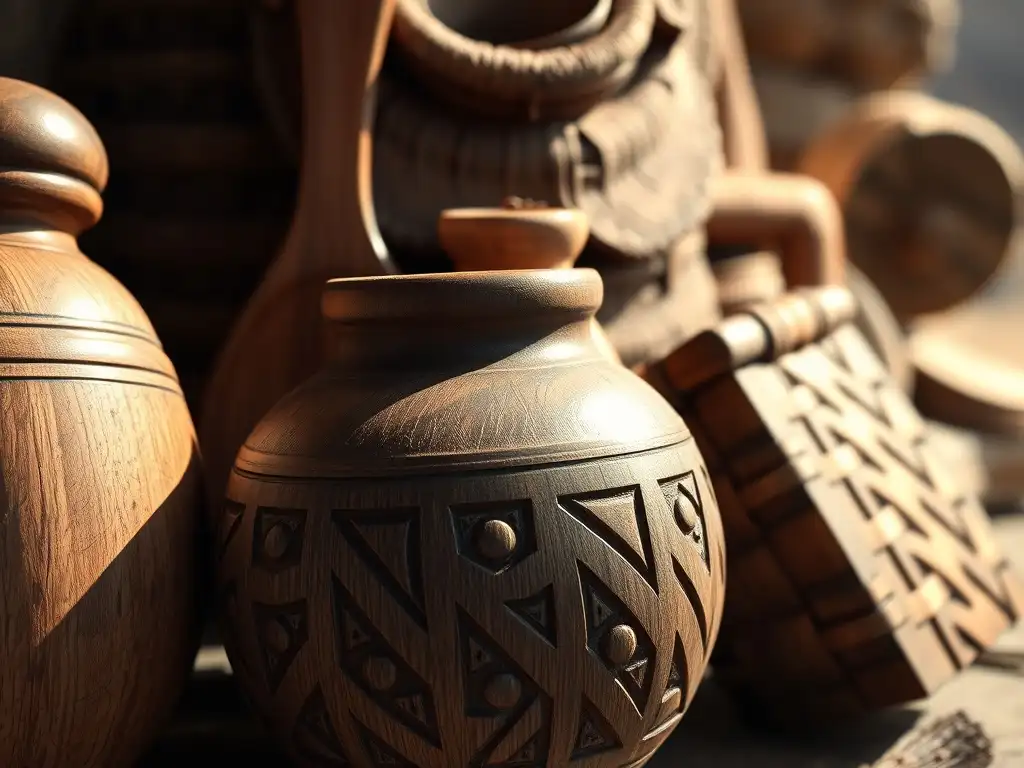
Inca woodworking wasn't solely about aesthetics; it played a crucial role in daily life, providing essential tools and containers. The ingenuity of Inca artisans is evident in the diverse range of functional objects they crafted from wood. Their mastery of woodworking techniques allowed them to create durable and practical items that facilitated various aspects of their daily routines, from food preparation to agriculture and construction.
The readily available resources in the Andean region, combined with advanced techniques, enabled the creation of a wide array of functional pieces that are testament to the practicality and resourcefulness of the Inca civilization. The quality and longevity of these objects suggest a deep understanding of wood properties and a commitment to craftsmanship. Careful selection of wood types, based on their strength, durability, and workability, was essential in ensuring the effectiveness of these tools and containers.
Inca Wooden Bowls and Containers
Wooden bowls and containers were ubiquitous in Inca households. These weren't merely simple vessels; their designs often reflected regional variations and artistic preferences. Some were intricately carved, while others were more utilitarian in style. The size and shape of these containers varied greatly, depending on their intended use.
Smaller bowls might have been used for individual meals, while larger ones served as storage containers for grains, seeds, or other foodstuffs. The choice of wood likely depended on factors such as availability and the intended use of the container. Hardwoods, known for their durability, were likely favored for storage containers, while softer woods may have been used for bowls meant for daily use. Archaeological evidence suggests a wide variety of sizes and styles, highlighting the importance of these objects in daily life.
Inca Wooden Agricultural Tools
Agriculture was the backbone of the Inca economy, and wooden tools were essential for cultivating the land. Plows, spades, and other implements were crafted from durable woods capable of withstanding the rigors of farming. The design of these tools often reflected the unique challenges of the Andean terrain, adapted to the varied slopes and soil conditions. The specific types of wood used likely varied depending on the tool's function and the regional resources available.
For example, harder woods might have been used for plowshares to withstand abrasion, while softer woods might have been suitable for handles. The effectiveness of these tools contributed significantly to the Inca's agricultural success, enabling them to support a large population. The precision and skill evident in these tools speak to the advanced knowledge of Inca artisans in both woodworking and agriculture.
Inca Wooden Architectural Elements
Beyond tools and containers, Inca artisans also used wood extensively in construction. While stone was the dominant building material, wood played a crucial supporting role. Beams, rafters, and other structural elements were essential in supporting roofs and other architectural features. The selection of wood for these structural elements would have been based on strength and durability, and the construction techniques employed would have been sophisticated enough to ensure stability in diverse environments.
The use of wood in Inca architecture highlights the integration of different materials and techniques to create impressive structures. While stone is often associated with Inca architecture, the skillful use of wood was equally important in creating functional and aesthetically pleasing buildings. The intricate joinery techniques employed in Inca woodwork, often without the use of metal fasteners, are a testament to their advanced understanding of structural engineering.
Artistic Inca Woodwork: Decoration and Symbolism
Inca woodworking was not limited to functional objects; it also served as a powerful medium for artistic expression. Intricate carvings, vibrant colors, and symbolic designs adorned many wooden objects, reflecting the rich cultural and religious beliefs of the Inca people. These artistic creations served not only as decorative items but also as powerful symbols of status, power, and religious significance. The integration of art and function is a key characteristic of Inca woodworking, highlighting the holistic approach to craft and design. The skill and artistry involved in these pieces showcase the high level of craftsmanship within Inca society.
Inca Wood Carvings and Sculptures
Inca wood carvings and sculptures are renowned for their intricate detail and expressive style. Figurative carvings often depicted deities, animals, and human figures, reflecting the rich mythology and cosmology of the Inca civilization. The use of different techniques, such as relief carving and in-the-round sculpting, demonstrates the versatility of Inca artisans.
The choice of wood likely depended on the size and complexity of the sculpture. Harder woods were probably used for smaller, more intricate carvings, while softer woods might have been used for larger sculptures. Many examples demonstrate a high level of skill and artistic sensitivity, showcasing the ability of Inca artisans to capture movement and emotion in wood.
Inca Wooden Ceremonial Objects
Ceremonial objects played a significant role in Inca religious practices. Elaborately carved staffs, masks, and other ritual items were often made of wood, adorned with feathers, precious metals, and other decorative elements. These objects were imbued with spiritual significance and used in religious ceremonies and rituals.
The craftsmanship evident in these pieces highlights the importance of religion in Inca society. The artistry and skill involved in creating these ceremonial objects likely required specialized training and expertise, suggesting the existence of a dedicated class of religious artisans. The symbolic representations on these objects offer valuable insights into Inca religious beliefs and practices.
Inca Woodworking and Religious Beliefs
Inca religious beliefs deeply influenced their woodworking practices. The selection of wood types, the designs chosen, and the techniques employed often held symbolic meaning. Specific woods might have been associated with particular deities or spirits, and certain designs could have represented specific cosmological concepts or religious narratives.
The connection between woodworking and religious beliefs is evident in the ceremonial objects and the artistic motifs used in Inca woodwork. This integration of religious beliefs into the craft underscores the importance of woodworking in the social and spiritual life of the Inca people. The careful consideration given to the selection and use of wood in religious contexts highlights the profound spiritual significance of this craft within the Inca civilization.
The Legacy of Inca Woodworking: Influences and Modern Day Echoes
Inca woodworking techniques, while sophisticated for their time, weren't solely confined to the Inca Empire's existence. Their mastery of woodworking significantly influenced subsequent Andean cultures, leaving an indelible mark on crafting traditions that persist to this day. The intricate joinery, precise carving, and understanding of wood properties passed down through generations, shaping the artistic expressions of later Andean communities.
We see echoes of Inca techniques in the furniture, tools, and ceremonial objects created by artisans in the Andes even today. Many modern craftspeople still employ similar methods, though perhaps with slightly adapted tools, showcasing the enduring legacy of Inca ingenuity.
This continuity highlights the remarkable adaptability and inherent value of Inca woodworking knowledge, proving its resilience across centuries and its continued relevance in contemporary Andean life. The use of specific woods, like the highly prized Ceibo (Erythrina edulis) or Tara (Caesalpinia spinosa), also continues, demonstrating a connection to traditional materials and practices.
Inca Woodworking Techniques in Modern Andean Crafts
The legacy of Inca woodworking is strikingly evident in the continued use of their techniques in modern Andean crafts. For example, the intricate mortise and tenon joints, a hallmark of Inca carpentry, are still employed in the construction of furniture and other wooden items. The skill of carving intricate designs into wood, a characteristic of Inca artistry, is also maintained, albeit often adapted to reflect contemporary aesthetics.
While power tools may now supplement traditional hand tools, the fundamental principles and approaches remain remarkably similar. Artisans in communities across the Andes continue to utilize the knowledge gleaned from their ancestors, adapting and refining Inca woodworking techniques to create functional and artistic pieces.
This living tradition is a testament to the enduring value and practicality of Inca craftsmanship. Detailed studies comparing modern Andean woodworking with pre-Columbian examples could further illuminate the precise evolution of these techniques, providing invaluable insights into cultural transmission and adaptation.
The Impact of Climate on Preservation of Inca Wooden Artifacts
The climate of the Andes presents significant challenges to the preservation of Inca wooden artifacts. The high altitude, fluctuating temperatures, and varying humidity levels contribute to the degradation of wood over time. Exposure to the elements, particularly sunlight and moisture, accelerates the decomposition process, leading to significant deterioration.
Insects and fungi also play a crucial role in the breakdown of wooden objects, further hindering preservation efforts. The arid conditions in certain regions offer some protection, but even in these areas, the passage of centuries inevitably takes its toll. Consequently, a limited number of well-preserved Inca wooden artifacts have survived, making each discovery all the more significant for understanding Inca woodworking techniques and artistry.
Further research into effective preservation methods for these fragile objects is crucial to safeguard this invaluable cultural heritage for future generations. Studies on the chemical composition of the woods used and the effects of different environmental factors could provide key insights for improved conservation strategies.
Conclusion: The Enduring Artistry of Inca Woodworking
Inca woodworking stands as a testament to the ingenuity and artistic capabilities of this remarkable civilization. Their mastery of techniques, combined with their artistic sensibilities, resulted in the creation of functional and aesthetically pleasing objects that continue to inspire awe. The legacy of Inca woodworking is not merely confined to museums and archaeological sites; it lives on in the hands of modern Andean craftspeople who continue to utilize and adapt these ancient techniques.
Understanding the details of Inca woodworking, from the selection of materials to the precision of the joinery, provides a deeper appreciation for the complexity and sophistication of Inca society. The challenges of preserving these fragile artifacts highlight the importance of ongoing research and conservation efforts.
The enduring artistry of Inca woodworking serves as a powerful reminder of the enduring connection between past and present, and the vital role of cultural preservation in safeguarding our shared heritage. The study of Inca woodworking techniques continues to reveal new insights into the ingenuity and artistry of this remarkable civilization, enriching our understanding of the Inca Empire and its enduring legacy.
- Introduction to Inca Woodworking and its Significance
- The Importance of Wood in Inca Society
- Inca Woodworking Tools and Materials
- Inca Woodworking Techniques: An Overview
- Functional Inca Wood Objects: Daily Life and Utility
- Artistic Inca Woodwork: Decoration and Symbolism
- The Legacy of Inca Woodworking: Influences and Modern Day Echoes
- Conclusion: The Enduring Artistry of Inca Woodworking
Frequently Asked Questions
What types of wood did the Inca use for woodworking?
The Inca utilized a variety of woods readily available in their environment, including queuña, aliso, and cedro. The choice of wood depended on the intended use of the final product, considering factors like durability and aesthetic qualities.
How did Inca woodworking techniques differ from those of other Andean cultures?
While sharing some similarities with other Andean cultures, Inca woodworking demonstrated a higher level of sophistication in joinery and finishing. They excelled in intricate carving and the creation of large-scale projects like bridges and temples.
What were some of the tools used by Inca woodworkers?
Inca woodworkers employed a range of tools, including stone axes, chisels, adzes, and drills, often crafted from stone or metal. They also used simple hand tools made from bone or wood.
What were the primary purposes of Inca woodworking?
Inca woodworking served both functional and artistic purposes. Products ranged from everyday household items like bowls and tools to elaborate religious artifacts and architectural elements.
Where can I learn more about Inca woodworking techniques?
Further information on Inca woodworking techniques can be found in academic journals, museum exhibits, and books specializing in Andean archaeology and art history. You can also explore online resources dedicated to ancient Andean civilizations.
Final Reflection: The Enduring Legacy of Inca Woodworking
The intricate artistry and ingenious techniques of Inca woodworking remain remarkably relevant today, a testament to the enduring power of human ingenuity and a profound connection to nature. While the Inca civilization may be long gone, their legacy in woodworking continues to inspire contemporary artisans and designers, reminding us of the potential for both functionality and breathtaking beauty in handcrafted objects. The precision and skill demonstrated in their work serve as a powerful counterpoint to the often mass-produced and disposable nature of modern manufacturing.
The impact of Inca woodworking extends far beyond mere craftsmanship; it speaks to a deep cultural understanding of the natural world and a profound respect for the materials used. Their techniques, often employing simple tools and readily available resources, resulted in objects of exceptional quality and lasting beauty. The Inca understood that true artistry lies not in the complexity of tools, but in the skill and intention of the craftsman.
This philosophy resonates deeply with the growing movement towards sustainable and ethical practices in contemporary design and craft. The enduring appeal of Inca woodworking lies in its ability to connect us to a rich history and a timeless aesthetic.
Consider, for a moment, the intricate details and the sheer dedication required to create the pieces showcased in this article. Now, imagine applying that same level of intention and care to your own creative endeavors, whatever they may be. Let the spirit of Inca woodworking inspire you to approach your work with a renewed sense of purpose, valuing both the process and the product. Embrace the challenge of creating something beautiful and functional, something that will stand the test of time, just as the remarkable woodworking of the Inca continues to do.
Unleash Your Creativity: Dive into Inca Woodworking!
Thank you for exploring the rich world of Inca woodworking with us! We hope this article has inspired you to appreciate the craftsmanship and artistic beauty of these unique pieces. Now, let's put that inspiration into action!
Here are a few ways you can get started:
- Create your own wooden masterpiece: Gather your woodworking tools and try crafting a simple piece inspired by Inca designs. Even a small project can be a rewarding first step.
- Explore local artisans: Visit a local craft fair or gallery to discover artisans specializing in woodworking. Supporting local creators is a wonderful way to discover new ideas and gain a deeper appreciation for traditional techniques.
- Join a woodworking community: Connect with other woodworking enthusiasts online or in person. Sharing techniques and learning from others' experiences, whether through online forums or local clubs, can significantly enhance your skills and enjoyment.
What aspect of Inca woodworking most captivates you, and how can you translate that inspiration into your own work?