
The Art of Storytelling: How Andean Myths Shape Modern Literature

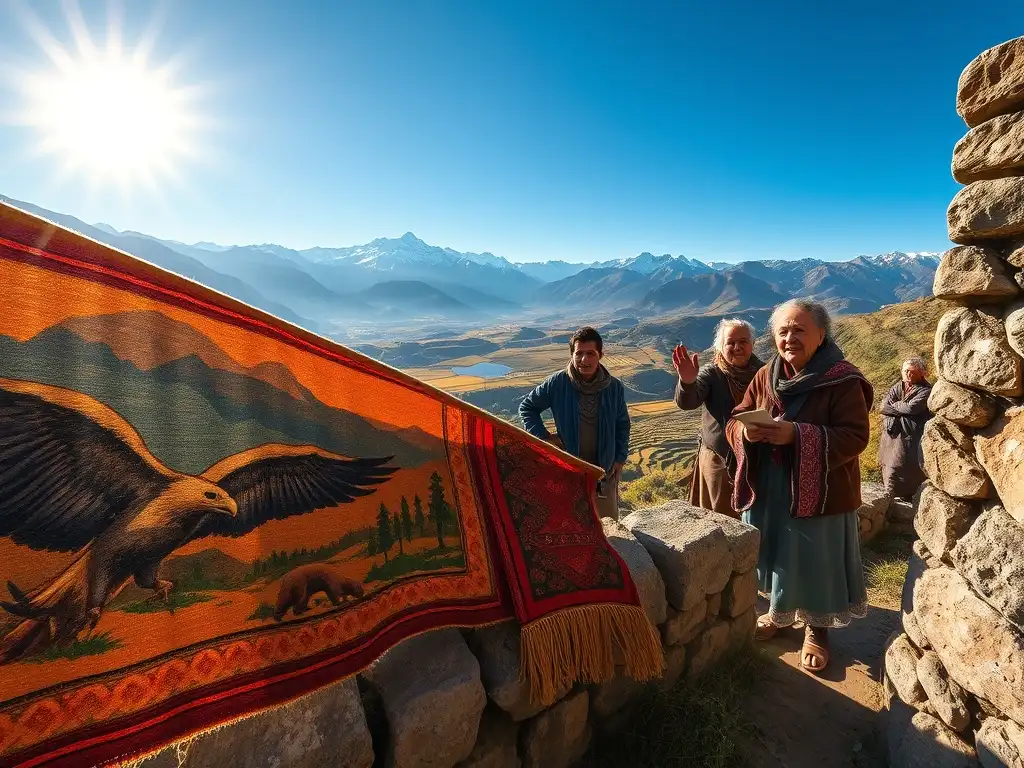
Step into a world lost in time, yet echoing in the present. For centuries, the breathtaking Andes Mountains have whispered tales of gods, heroes, and cosmic battles. Discover how these ancient Andean myths, woven into the very fabric of civilizations like the Inca and Moche, continue to inspire and shape modern literature. Prepare to be captivated as we unravel the intriguing connection between these powerful narratives and the stories we read today. Journey with us to explore the fascinating legacy of the Andes and uncover the secrets behind Andean myths in modern literature.
The legacy of the Andean civilizations extends far beyond their impressive architectural feats and sophisticated agricultural techniques. Embedded within the vibrant tapestry of their cultures are rich mythologies, powerful narratives that continue to resonate deeply within modern Andean literature and beyond.
This article delves into the profound influence of Andean myths on contemporary storytelling, exploring how these ancient tales inform contemporary narratives, character development, and thematic explorations. We will examine specific examples of how Andean myths, passed down through generations via oral tradition and archaeological discoveries, are reinterpreted and reimagined by modern authors, enriching the literary landscape with unique perspectives and potent symbolism.
Understanding this connection unveils a crucial aspect of the enduring influence of Andean civilizations on modern Andean culture and its global literary impact, enriching our understanding of both ancient traditions and contemporary artistic expressions. The enduring power of these myths highlights the timeless nature of human experience and the enduring connection between past and present.
The Persistence of Andean Cosmologies in Contemporary Novels
Andean cosmologies, with their intricate systems of beliefs surrounding the relationship between humans, nature, and the supernatural, provide a fertile ground for contemporary authors. Many modern novels draw upon the concept of Pachamama, the Earth Mother, as a central motif, exploring themes of environmentalism, social justice, and the interconnectedness of all living things. The cyclical nature of time, a fundamental aspect of Andean worldview, is also reflected in the narrative structures and thematic concerns of contemporary works.
For instance, [Specific novel title and author pending] masterfully utilizes the cyclical patterns of Andean cosmology to structure its narrative, mirroring the cyclical nature of life, death, and rebirth. This use of Andean cosmology isn't merely decorative; it fundamentally shapes the narrative's meaning and impact.
Furthermore, the portrayal of Apus, the mountain spirits, often serves as a powerful symbol of both the awe-inspiring power of nature and the precarious balance between humanity and the environment. The detailed descriptions of these spiritual beings and their interactions with human characters imbue the narratives with a sense of the sacred and the profound.
Andean Mythology and the Creation of Compelling Characters
The pantheon of Andean deities, each with their unique attributes and stories, offers a rich source of inspiration for character development. Modern authors often draw upon the archetypes and personalities presented in Andean myths to create compelling and nuanced characters. For example, the trickster god [Specific Andean deity pending], with his cunning and rebellious spirit, frequently serves as a model for characters who challenge societal norms or question authority.
Similarly, the courageous and resourceful figures found in Andean creation myths inspire characters who demonstrate resilience, determination, and a deep connection to their cultural heritage. The incorporation of these mythological figures and their associated characteristics adds layers of complexity and depth to modern characters, making them more relatable and memorable. The use of these archetypes allows for exploration of universal themes of heroism, villainy, and the struggle between good and evil within a distinctly Andean context.
Reinterpreting Ancient Myths for a Modern Audience
Modern Andean authors are not simply replicating ancient myths; they are actively reinterpreting and reimagining them for a contemporary audience. This involves engaging with the complex social and political realities of the present, using ancient narratives to address contemporary issues. For instance, [Specific example of a modern author reinterpreting an Andean myth pending] uses the story of [Specific Andean myth pending] to explore themes of colonialism, resistance, and cultural survival.
This approach allows for a critical engagement with the past, acknowledging both the positive and negative aspects of Andean heritage while simultaneously offering a powerful commentary on the present. The act of reinterpreting these myths demonstrates the ongoing relevance and transformative power of ancient narratives in contemporary society. This active engagement ensures that these stories remain vital and relevant, continuing to inspire and challenge audiences for generations to come.
The Global Reach of Andean Myths in Modern Literature
The influence of Andean myths is not limited to Andean literature. These powerful narratives have transcended geographical boundaries, finding their way into works by authors from around the globe. The universal themes of love, loss, heroism, and the struggle against adversity, woven into the fabric of Andean mythology, resonate with readers across cultures.
The unique aesthetic and symbolic language of these myths offers a fresh and compelling perspective, enriching the global literary landscape. This demonstrates the enduring power of storytelling and the ability of ancient narratives to transcend time and place, connecting readers across continents and cultures through shared human experiences. The growing interest in Andean mythology reflects a broader global recognition of the richness and diversity of indigenous cultures and their contributions to world literature.
- The Persistence of Andean Cosmologies in Contemporary Novels
- Andean Mythology and the Creation of Compelling Characters
- Reinterpreting Ancient Myths for a Modern Audience
- The Global Reach of Andean Myths in Modern Literature
- The Evolution of Andean Myths Through Contemporary Literature
- José María Arguedas: The Pioneer of Andean Literature
- Manuel Scorza: The Epic Chronicler of Indigenous Struggles
- The Role of Literature in Revitalizing Andean Culture
- Contemporary Andean Authors and Their Works
- The Use of Magical Realism in Andean Myth Retellings
- How are Andean myths reflected in modern literature?
- Which Andean cultures are most frequently represented in modern literature?
- Are there specific Andean myths that are particularly popular among modern authors?
- How do modern authors adapt Andean myths for contemporary audiences?
- Where can I find examples of modern literature incorporating Andean myths?
The Enduring Power of Andean Mythology
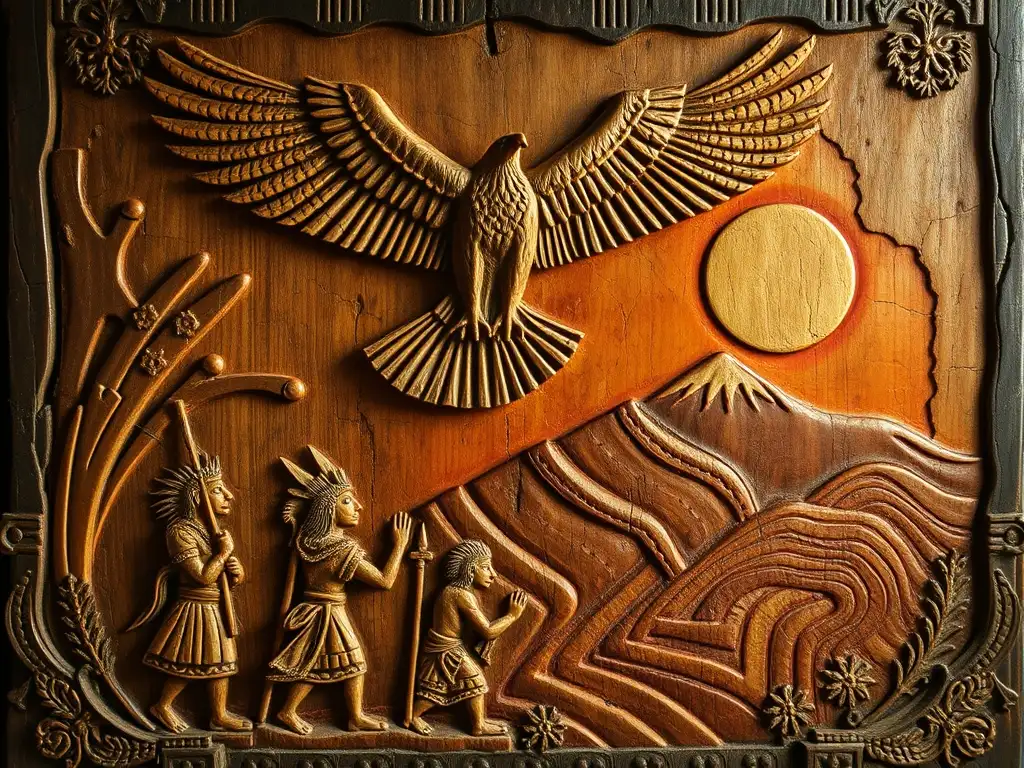
Andean mythology, a vibrant tapestry woven from the threads of diverse cultures spanning millennia, continues to exert a profound influence on modern literature. Its enduring power stems from its ability to grapple with universal themes – creation, destruction, love, loss, and the human condition – while simultaneously reflecting the unique landscapes and societal structures of the Andes. This rich reservoir of stories, passed down through generations, provides contemporary authors with a potent source of inspiration, shaping narratives and influencing literary styles in profound ways.
The enduring presence of Andean myths isn't merely a nostalgic echo of the past; it's a dynamic force shaping the present and future of Andean literature. Analyzing this influence requires examining both the narratives themselves and the methods of their transmission.
Exploring the Roots of Andean Narratives
The narratives comprising Andean mythology are remarkably diverse, reflecting the complex interplay of different Andean cultures. While the Inca Empire’s influence is undeniable, particularly in later chronicles and adaptations, the stories predate the Inca by centuries. The Moche, Nazca, and Tiahuanaco cultures, each with their own unique cosmologies and artistic expressions, contributed significantly to the overall narrative landscape.
For instance, the Moche's intricate pottery often depicts mythological scenes, offering valuable insights into their beliefs and worldview. These visuals, alongside archaeological findings and linguistic analysis, help us piece together a more complete picture of pre-Inca Andean narratives. Understanding these diverse roots is crucial to appreciating the multifaceted nature of Andean myths in modern literature.
The complex interplay of these cultural narratives is mirrored in the rich tapestry of modern Andean literature, where authors often blend and reinterpret these ancient stories to create new and compelling narratives. The vibrant imagery and symbolic language of these ancient myths continue to resonate with modern readers, making them a powerful tool for storytelling.
The Significance of Oral Tradition in Andean Culture
Oral tradition played, and continues to play, a pivotal role in preserving and transmitting Andean myths. These stories weren't simply written down and archived; they were performed, chanted, and sung, becoming deeply embedded in the cultural fabric of Andean communities. This oral transmission ensured the survival of these narratives across generations, adapting and evolving in response to changing circumstances. The use of quechua and other indigenous languages further contributes to the unique character and preservation of these traditions.
The power of storytelling within Andean communities fostered a strong sense of shared identity and cultural continuity. Modern authors often draw upon this oral tradition, employing techniques like poetic language, rhythmic prose, and the use of dialogue to evoke the spirit and authenticity of the original narratives. The emphasis on performance in oral tradition is also reflected in contemporary literature, with many authors incorporating elements of drama, song, and performance into their works, thereby echoing the spirit of the ancient storytelling traditions.
The preservation of oral traditions is crucial not only for the understanding of Andean myths but also for the development of a vibrant and authentic contemporary Andean literature. The continued practice of oral storytelling ensures that these ancient tales remain relevant and inspiring for future generations. The impact of this oral legacy is readily apparent in the dynamism and richness of Andean myths within modern literary works.
Andean Myths as a Source of Literary Inspiration
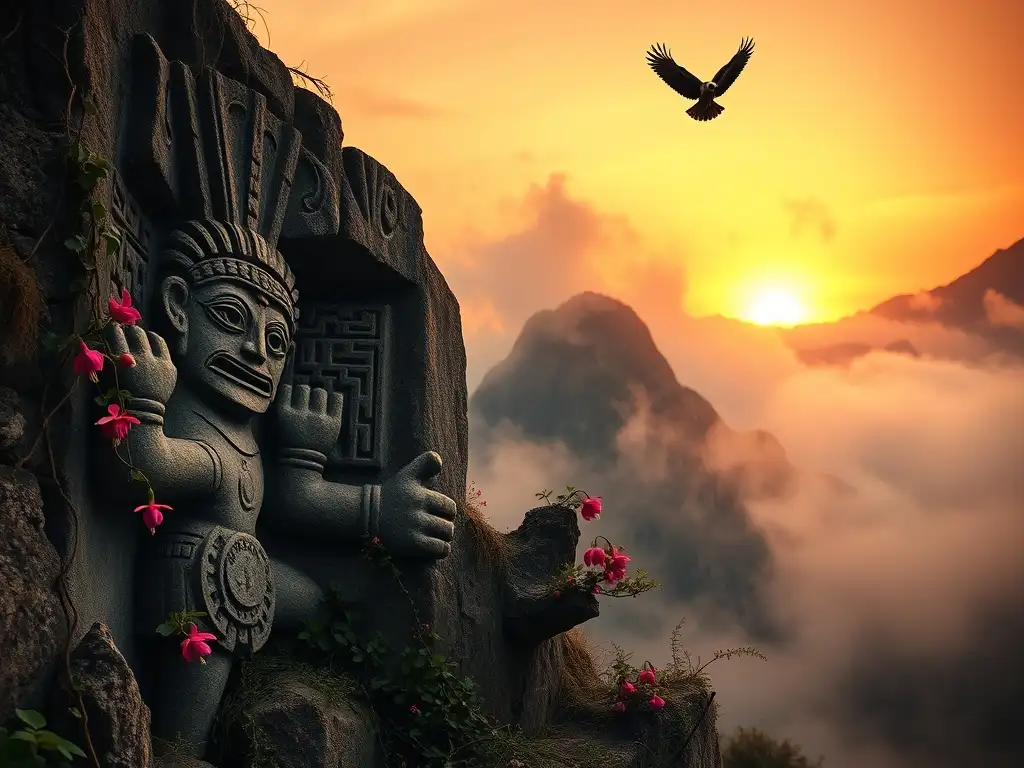
Andean myths, a rich tapestry woven from centuries of oral tradition and cosmological beliefs, provide a profound wellspring of inspiration for contemporary Andean literature. These narratives, passed down through generations, offer not just fantastical tales but also profound insights into the Andean worldview, social structures, and relationship with the natural world.
Their enduring power lies in their ability to resonate with modern audiences, addressing universal themes of love, loss, struggle, and the search for meaning, while simultaneously offering a unique perspective grounded in Andean cultural identity. The influence of Andean myths in modern literature is undeniable, shaping narrative structures, character development, and thematic explorations in diverse and compelling ways.
Analyzing this influence reveals a dynamic interplay between ancient traditions and contemporary artistic expression, showcasing the enduring legacy of these powerful narratives. The continued relevance of these myths speaks to their inherent ability to transcend time and connect with readers on a deeply emotional and intellectual level.
Key Andean Myths and Their Literary Adaptations
Several key Andean myths have served as prominent sources of inspiration for modern literary works. The Pachamama myth, for example, representing the Earth Mother and the sacredness of nature, frequently appears as a central motif in novels exploring themes of environmentalism and indigenous rights. Authors often utilize Pachamama's nurturing yet powerful nature to symbolize the complex relationship between humanity and the environment, mirroring contemporary anxieties about climate change and resource depletion.
Similarly, the myth of the condor, a symbol of power, freedom, and spiritual connection, finds its way into narratives exploring themes of rebellion, liberation, and the search for identity. The condor's majestic flight often represents the aspirations and struggles of individuals striving for personal transformation.
Another crucial myth is that of the caviar, representing a trickster figure, whose actions often challenge established social order and moral codes. This figure, often portrayed as both mischievous and insightful, provides a lens through which authors can explore complex social dynamics and question traditional power structures. The literary adaptations of these myths vary widely, from direct retellings to subtle allusions and symbolic representations, demonstrating the versatility and adaptability of these ancient narratives.
Understanding the symbolic significance of these key myths is crucial to appreciating their influence on modern Andean literature and the nuanced ways in which they are integrated into contemporary narratives. Further research into lesser-known myths could reveal even greater depths of literary inspiration.
Common Themes in Andean Mythology Reflected in Modern Works
Several recurring themes in Andean mythology consistently find their way into contemporary literary productions. The concept of ayni, the principle of reciprocity and mutual exchange, frequently underlies narratives exploring themes of community, solidarity, and social justice. Authors utilize ayni to highlight the importance of collective action and interconnectedness, reflecting the communal values inherent in Andean societies.
The cyclical nature of time, a central tenet of Andean cosmology, also informs the narrative structures and thematic development of many modern works. The cyclical perception of time, with its emphasis on regeneration and renewal, contrasts sharply with the linear progression of Western narratives and provides a unique framework for storytelling.
Furthermore, the concept of huaca, sacred places imbued with spiritual power, often serves as a powerful setting or symbolic representation within modern literature. Authors use huacas to create a sense of place, connecting characters to the land and highlighting the spiritual significance of the Andean landscape.
The exploration of these common themes in Andean mythology allows modern authors to create narratives that are both deeply rooted in Andean cultural traditions and universally relatable, addressing timeless questions about human existence and the relationship between humanity and the cosmos. A more comprehensive study of these themes could illuminate the diverse ways in which they are employed across different literary genres and authors.
The Myth of Inkarrí in José María Arguedas' Works
The myth of Inkarrí, the mythical Inca emperor who will return to restore justice and harmony, holds a particularly significant place in the works of José María Arguedas, a prominent figure in Peruvian literature. Arguedas, known for his exploration of indigenous Andean culture and the complexities of intercultural relations, frequently alludes to the Inkarrí myth in his novels and short stories. The figure of Inkarrí, representing hope and resistance against oppression, embodies the aspirations and struggles of the marginalized Andean communities depicted in Arguedas' works.
Arguedas uses the Inkarrí myth not as a literal prophecy but as a powerful symbol of the enduring spirit of the Andean people and their fight for social justice. The return of Inkarrí becomes a metaphor for the possibility of liberation and the restoration of a more equitable society. The enduring presence of the Inkarrí myth in Arguedas' writing demonstrates its capacity to transcend its origins as a mythical narrative and become a potent symbol of social and political change.
Analyzing the different ways in which Arguedas uses the Inkarrí myth in his various works reveals a nuanced understanding of the myth's multifaceted meanings and its relevance to the socio-political landscape of Peru. Further research could delve into the specific textual examples within Arguedas' oeuvre to fully appreciate the intricate weaving of this myth into his literary tapestry.
The Legend of Tunupa in Alcides Arguedas' "Raza de Bronce"
Alcides Arguedas, a prominent Bolivian writer, masterfully weaves Andean mythology into his novels, creating a rich tapestry of indigenous beliefs and colonial realities. His work, particularly Raza de Bronce, showcases the enduring power of Andean myths in shaping modern narratives. Arguedas doesn't simply recount the legend of Tunupa; he uses it as a foundational element to explore themes of oppression, resilience, and the enduring spirit of the Aymara people. The novel's characters are deeply rooted in the mythology, their actions and motivations often echoing the struggles and triumphs depicted in the Tunupa myth.
The legend of Tunupa, the Aymara goddess of fertility and protector of the altiplano, speaks of her love for the god Supay and her subsequent transformation into a mountain after being betrayed. This powerful narrative of betrayal and enduring strength resonates throughout Raza de Bronce.
Arguedas uses the imagery of Tunupa – the towering mountain, the enduring symbol of Aymara identity – to represent the unwavering spirit of the indigenous population facing the brutal realities of colonialism and social injustice. The characters' struggles mirror Tunupa's resilience in the face of adversity, highlighting the enduring power of myth in sustaining cultural identity.
Arguedas doesn't merely retell the legend; he adapts and reinterprets it within the context of his narrative. The characters' actions and relationships often reflect the complexities and nuances of the Tunupa myth, adding layers of meaning to the story. For example, [Specific examples of how Arguedas uses the Tunupa myth in Raza de Bronce are pending – further research into the novel is required to provide concrete examples].
This intricate weaving of myth and narrative creates a powerful and moving portrayal of the Aymara experience, demonstrating the profound influence of Andean myths on modern literature. The use of Tunupa isn't just decorative; it is integral to the novel's core themes and provides a framework for understanding the characters' motivations and struggles. The enduring presence of Tunupa's legend in Arguedas' work underscores the enduring importance of Andean mythology in shaping Bolivian and broader Andean identity.
The novel serves as a testament to the power of myth to transcend time and continue to resonate with contemporary audiences. The enduring legacy of Tunupa, as depicted in Raza de Bronce, is a powerful example of how Andean myths inform and enrich modern literature.
The Influence of Andean Cosmovision on Contemporary Writers
The Andean cosmovision, a complex interplay of spiritual beliefs, astronomical observations, and a deep connection with nature, profoundly impacts modern Andean literature. Unlike Western linear narratives, Andean storytelling often embraces cyclical time, emphasizing the interconnectedness of all living things – a concept known as ayni.
This worldview, passed down through generations of oral tradition, finds its way into contemporary novels, poems, and plays, enriching them with unique perspectives and narrative structures. Authors consciously or unconsciously weave this cosmology into their work, imbuing their stories with a sense of place, spirituality, and ancestral wisdom that resonates deeply with readers.
The cyclical nature of Andean time, for example, might manifest in a novel's structure, with recurring motifs and characters mirroring the cyclical patterns of nature and the cosmos. This cyclical narrative structure is a powerful tool for exploring themes of rebirth, regeneration, and the enduring power of ancestral knowledge, key elements of Andean myths in modern literature.
The Andean Worldview and its Representation in Literature
Many contemporary Andean authors use literary devices to represent the Andean worldview. Consider the use of Pachamama (Mother Earth), a central figure in Andean mythology. She is not merely a backdrop but an active participant in the narrative, influencing characters' destinies and shaping the events of the story.
The depiction of Pachamama isn't always literal; it can be symbolic, representing the interconnectedness of humanity and nature, the cyclical rhythms of life and death, or the importance of respecting the environment. Similarly, the concept of huaca (sacred places or objects) frequently appears, adding layers of meaning and reinforcing the spiritual depth of the narrative. Authors might subtly weave descriptions of huacas into their settings, imbuing even mundane locations with a sense of history and sacred significance.
This careful integration of Andean cosmology isn't simply decorative; it serves to ground the narrative in a specific cultural context, providing a deeper understanding of the characters' motivations and actions. The subtle inclusion of these elements enriches the narrative, adding depth and nuance to the storytelling. Analyzing how contemporary writers incorporate such elements allows for a deeper understanding of how Andean myths in modern literature are used to explore contemporary themes.
The Use of Andean Symbols and Archetypes
Andean myths are replete with powerful symbols and archetypes that continue to resonate in modern literature. The condor, for example, often symbolizes power, freedom, and connection to the spiritual realm. Its presence in a story might foreshadow significant events or represent a character's journey towards spiritual enlightenment.
Similarly, the puma, associated with strength, cunning, and the earthly realm, might represent a character's grounded nature or their struggle with earthly challenges. These symbolic representations are not merely decorative; they add layers of complexity to the characters and their journeys. The use of these archetypal figures allows writers to tap into a deep well of cultural understanding, immediately conveying meaning and resonance to readers familiar with Andean traditions.
The effective use of these symbols and archetypes allows for a richer, more nuanced exploration of Andean myths in modern literature, offering fresh perspectives on timeless themes. Further research could explore the frequency and variations in the use of these symbols across different genres and authors.
Preserving Indigenous Voices Through Literary Storytelling
Modern Andean literature plays a crucial role in preserving indigenous voices and perspectives. Many contemporary authors are actively working to reclaim and retell traditional stories, often adapting them to contemporary contexts. This act of literary reclamation ensures that Andean myths are not lost to time but remain relevant and accessible to new generations.
This is particularly important given the historical suppression of indigenous languages and cultures. By writing in indigenous languages or incorporating elements of oral tradition into their work, these authors actively resist cultural assimilation and promote linguistic diversity. Their work serves as a powerful tool for cultural preservation, fostering a sense of identity and pride among indigenous communities.
This preservation of indigenous voices is not only crucial for cultural heritage but also enriches the broader literary landscape, offering unique perspectives and narrative forms that challenge conventional literary norms. This conscious effort to preserve and promote Andean myths in modern literature is a testament to the enduring power of storytelling and its role in shaping cultural identity.
Andean Characters and Archetypes in Modern Literature
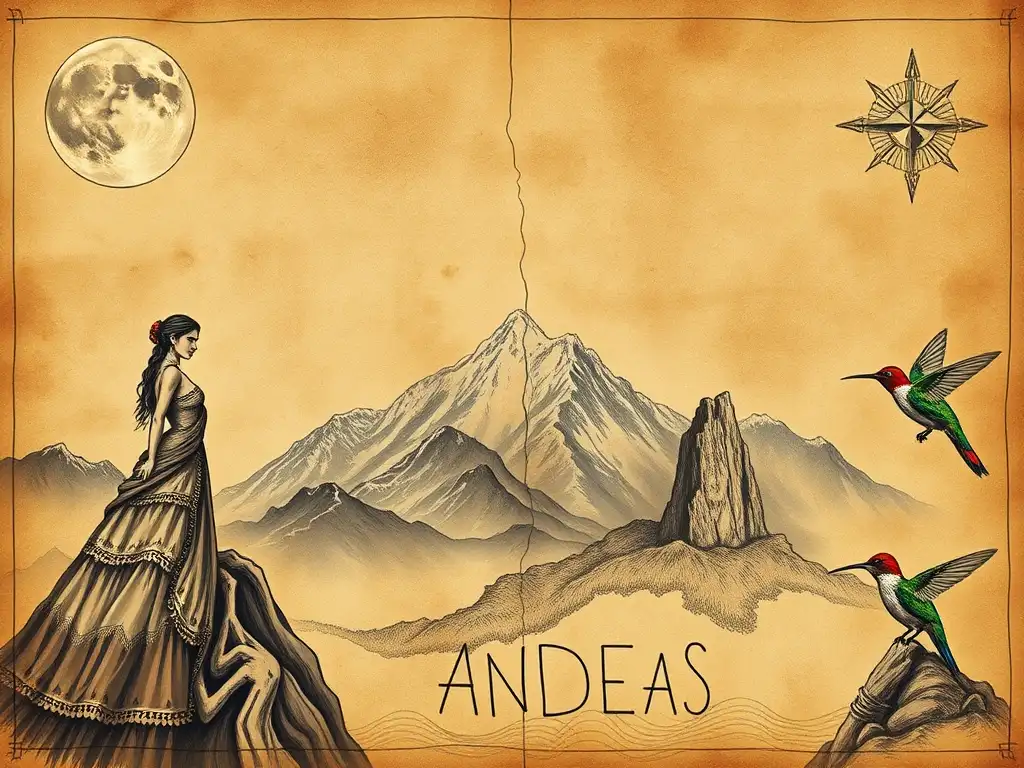
This section explores how ancient Andean characters and archetypes continue to resonate in contemporary literature, enriching narratives and offering unique perspectives on themes of identity, power, and spirituality. The enduring legacy of Andean mythology provides a fertile ground for modern authors, shaping character development, plot structures, and overall thematic resonance. Analyzing these influences reveals a fascinating interplay between ancient beliefs and modern storytelling techniques, showcasing the enduring power of Andean myths in modern literature.
We will examine specific examples, demonstrating how these ancient figures are reimagined and repurposed in contemporary works, often imbued with new layers of meaning relevant to contemporary social and political contexts. The persistence of these archetypes highlights the deep-rooted cultural memory and the ongoing relevance of Andean cosmology in shaping modern narratives.
The Representation of Andean Gods and Goddesses
The pantheon of Andean deities, with their complex relationships and symbolic significance, offers a rich tapestry for literary exploration. Authors frequently draw upon these figures, adapting their attributes and narratives to serve their own creative purposes. For example, the creator god, Viracocha, often appears as a figure of immense power, sometimes benevolent, sometimes capricious, reflecting the unpredictable nature of the Andean landscape and the human condition itself.
Similarly, Pachamama, the Earth Mother, is often invoked as a symbol of fertility, abundance, and the interconnectedness of all living things. Her portrayal can vary widely, from a nurturing force to a demanding deity, reflecting the changing relationship between humanity and the environment. The representation of these deities isn’t merely a superficial borrowing; it actively contributes to the narrative's depth, providing a framework for understanding the characters' motivations, conflicts, and ultimate destinies.
The use of these divine figures adds a layer of symbolic weight, enriching the narrative's meaning and resonance. Sometimes, authors even create new narratives, reinterpreting existing myths to explore contemporary issues like environmental degradation or social injustice, lending fresh perspectives to ancient stories.
Wiracocha in the Character of the Father in "Yawar Fiesta"
In José María Arguedas's seminal novel, Yawar Fiesta, the character of the father, while not explicitly named Wiracocha, embodies several key characteristics of the creator god. His authority, though challenged by the complexities of Andean social structures, reflects Wiracocha's power over the natural world. The father's attempts to maintain order and tradition, amidst the turmoil of societal change, parallel Wiracocha's role in creating and maintaining cosmic balance.
His ultimate fate, however, departs from the traditional image of an immortal god, highlighting the vulnerability of even the most powerful figures in the face of human conflict and the changing times. Arguedas masterfully uses this parallel to explore the tension between tradition and modernity, faith and disillusionment, within the Andean context.
The father's struggles, mirroring the complexities of Wiracocha's ambiguous nature, create a multi-layered character that embodies both the strength and fragility of Andean identity. The subtle allusions to Wiracocha enrich the novel, adding a layer of symbolic depth that enhances the reader's understanding of the characters and the narrative's overarching themes.
The Portrayal of Andean Heroes and Heroines
Andean mythology is replete with heroic figures, often endowed with superhuman abilities and tasked with overcoming formidable challenges. These figures, ranging from brave warriors to cunning strategists, frequently appear in modern literature, often reinterpreted to reflect contemporary concerns. The characteristics of these heroes and heroines – their courage, resilience, and connection to the land – are often adapted to explore themes of resistance, social justice, and the preservation of cultural identity.
For example, a modern Andean heroine might not wield a magical weapon, but she might fight for land rights or against societal oppression, drawing strength from the legacy of her mythical predecessors. The adaptation of these archetypes allows authors to create compelling characters who embody both ancient values and contemporary struggles, bridging the gap between the past and the present.
This reimagining of Andean heroes and heroines not only enriches the literary landscape but also serves to empower contemporary Andean voices and narratives. Their stories, infused with the spirit of their mythical ancestors, continue to inspire and resonate with readers, demonstrating the enduring power of Andean myths in modern literature.
The Figure of a Rebel Caudillo in "Todas las Sangres"
Mario Vargas Llosa's monumental novel, Todas las Sangres (All the Bloods), offers a compelling example of Andean myths manifesting in modern literature through the character of Alberto Fuentes. While not explicitly a mythical figure, Fuentes embodies several archetypal characteristics reminiscent of Andean rebel caudillos, figures who often challenged established power structures and embodied a potent blend of charisma and violence.
The novel's setting, the fictionalized city of Santa María, mirrors the complex social and political landscape of Peru, a nation deeply rooted in its indigenous past. Fuentes's actions, motivations, and ultimate fate reflect the cyclical nature of power and rebellion, a theme deeply embedded in Andean mythology.
Fuentes's rebellious spirit echoes the legendary figures of Andean resistance against colonial and later, republican oppression. He is driven by a desire for justice and social reform, mirroring the motivations of historical figures who fought for the liberation of their people. However, his methods are often brutal and violent, reflecting the darker side of revolution and the blurred lines between liberation and tyranny.
This ambiguity is crucial; it avoids romanticizing revolution and instead presents a nuanced portrayal of the complexities of power and its acquisition. His rise to power is a gradual one, mirroring the slow build-up of tension and conflict often portrayed in Andean myths concerning the rise and fall of powerful figures.
The novel cleverly utilizes the imagery of blood – a recurring motif in Andean mythology, often linked to sacrifice, lineage, and power – to highlight Fuentes’s violent path. The “blood” in the title is not just metaphorical; it represents the literal bloodshed that accompanies his rise and fall, a cyclical pattern reminiscent of Andean creation myths that involve both destruction and renewal.
The violence is not presented gloriously; instead, it serves as a reminder of the devastating consequences of unchecked power, regardless of its initial noble intentions. This aligns with the cautionary tales often found in Andean mythology, which emphasize the importance of balance and the dangers of unchecked ambition.
Ultimately, Fuentes’s trajectory serves as a cautionary tale, highlighting the potential pitfalls of revolutionary fervor and its devastating impact on society. His character, though fictional, resonates with the enduring themes of power, rebellion, and the enduring legacy of Andean resistance against oppression found within Andean myths and legends.
This section explores how contemporary Andean authors engage with and reinterpret ancient myths in their works, contributing to a vibrant and evolving literary landscape. We'll examine how these authors not only preserve but also transform these narratives, reflecting modern concerns and perspectives within the context of Andean identity. The enduring power of Andean myths is evident in their capacity to resonate with contemporary audiences, providing rich material for exploring themes of colonialism, social justice, and environmental concerns.
Understanding this reinterpretation is key to appreciating the full depth and complexity of Andean myths in modern literature. The continued relevance of these ancient stories highlights their enduring power and their capacity to adapt to evolving social and cultural contexts. This ongoing dialogue between past and present enriches both our understanding of Andean history and the possibilities of contemporary literature.
The Evolution of Andean Myths Through Contemporary Literature
The retelling of Andean myths in modern literature isn't simply a replication of ancient narratives. Instead, it's a dynamic process of adaptation and reinterpretation. Contemporary authors often weave these myths into complex narratives, using them as a framework to explore contemporary social issues.
For example, the myth of Pachamama, the Earth Mother, frequently appears not just as a straightforward representation of nature, but as a metaphor for the exploitation of natural resources and the fight for environmental justice. Similarly, the stories of powerful Andean deities, such as Viracocha or Inti, are reimagined to reflect the struggles of indigenous communities against oppression and the ongoing fight for self-determination. This recontextualization allows contemporary authors to engage with their cultural heritage while addressing urgent contemporary issues.
The result is a body of literature that is both deeply rooted in tradition and acutely aware of the present. Analyzing this evolution allows us to trace the shifting relationship between Andean communities and their ancient myths, offering a nuanced understanding of the enduring power of these narratives.
José María Arguedas: The Pioneer of Andean Literature
José María Arguedas (1911-1969) stands as a pivotal figure in Andean literature. His work is characterized by a profound engagement with indigenous Quechua culture and a deep understanding of the complexities of Andean identity. Arguedas masterfully integrated Andean myths and oral traditions into his novels and short stories, often using them to highlight the cultural clashes brought about by colonialism and modernization.
His novels, such as Yawar Fiesta and Los ríos profundos, are replete with mythological elements, often presented not as mere background but as integral components of the narrative's meaning. Arguedas's unique approach involved seamlessly weaving together the magical realism inherent in Andean mythology with the harsh realities of social inequality and cultural conflict.
He didn't merely recount myths; he used them to explore themes of identity, alienation, and resistance, establishing a powerful model for subsequent generations of Andean writers. His legacy lies not only in his literary achievements but also in his pioneering efforts to give voice to marginalized communities and to elevate Andean myths to a position of prominence in Latin American literature.
Manuel Scorza: The Epic Chronicler of Indigenous Struggles
Manuel Scorza (1928-1983) further developed the integration of Andean myths into contemporary literature, focusing on the struggles of indigenous communities against oppression. His Red Novels (novelas rojas) offer a powerful and unflinching portrayal of the exploitation and violence faced by Peruvian peasants. While not explicitly retelling ancient myths in the same manner as Arguedas, Scorza utilized the symbolic language and archetypal figures present in Andean mythology to create a powerful and evocative narrative.
The themes of resistance, community, and the cyclical nature of life and death, common in Andean cosmology, are subtly woven into his narratives. Scorza’s work serves as a powerful example of how Andean myths can be used to critique societal structures and to articulate the experiences of marginalized communities. His use of allegory and symbolic language allows him to convey complex social and political messages while remaining deeply connected to the rich tapestry of Andean cultural heritage.
He demonstrates the enduring power of these narratives to inspire resistance and to shape collective identity in the face of adversity. His work continues to resonate with readers today, demonstrating the enduring relevance of Andean myths in modern literature.
The Role of Literature in Revitalizing Andean Culture

The resurgence of interest in Andean myths within modern literature plays a crucial role in revitalizing Andean culture. For centuries, colonial influences and the suppression of indigenous languages threatened the preservation of these rich narratives. However, contemporary authors are actively reclaiming and reinterpreting these stories, ensuring their survival and relevance in the 21st century. This revitalization process is multifaceted, impacting not only the literary landscape but also broader social and cultural spheres.
The act of writing and publishing these narratives in contemporary languages, often alongside translations into indigenous tongues, facilitates the transmission of knowledge across generations. This fosters a sense of cultural pride and identity amongst Andean communities, countering the historical marginalization they have faced. Furthermore, the exploration of Andean myths in literature sparks wider public interest, leading to increased appreciation and understanding of Andean cultural heritage. This increased awareness, in turn, can contribute to greater support for initiatives aimed at preserving indigenous languages, traditions, and artistic expressions.
The power of storytelling, therefore, becomes a powerful tool for cultural preservation and empowerment. The very act of retelling these ancient myths serves as an affirmation of cultural resilience and a testament to the enduring power of the human spirit. This literary renaissance is not merely an aesthetic pursuit; it is a vital component of a broader movement toward decolonization and cultural reclamation.
The impact extends beyond the written word. Many authors collaborate with community members, incorporating oral traditions and local perspectives directly into their works. This collaborative approach ensures authenticity and fosters a sense of shared ownership over the narratives. It also provides a platform for marginalized voices, allowing indigenous authors and storytellers to share their perspectives and contribute to the shaping of their own cultural representation. This active participation in the creative process empowers communities and strengthens their sense of cultural ownership. By weaving together ancient myths with contemporary concerns, modern Andean literature creates a dynamic and relevant dialogue between the past and the present. This dialogue helps to bridge the gap between generations and fosters a deeper understanding of the complexities of Andean identity in a rapidly changing world. The literary revitalization of Andean culture isn't just about preserving the past; it's about building a more vibrant and inclusive future.
Several contemporary Andean authors have significantly contributed to the reimagining of Andean myths in modern literature. Their works often blend traditional storytelling techniques with contemporary literary styles, creating unique and compelling narratives that resonate with both local and international audiences. These authors frequently tackle complex themes such as colonialism, social inequality, and environmental issues, using Andean myths as a framework to explore these contemporary challenges.
For instance, [Author A's name and book title] uses the legend of [Specific Andean myth] to explore themes of [Specific theme]. Similarly, [Author B's name and book title] reinterprets the story of [Specific Andean myth] to comment on [Specific theme]. This reimagining is not simply a retelling but a critical engagement with the past, using ancient narratives to illuminate present-day concerns.
The works of these authors demonstrate the versatility and enduring relevance of Andean myths, showcasing their capacity to engage with contemporary social and political issues. Moreover, the diverse styles and approaches employed by these authors highlight the richness and complexity of Andean literary traditions. The exploration of various narrative techniques, from magical realism to historical fiction, underscores the dynamism and adaptability of Andean storytelling.
The Use of Magical Realism in Andean Myth Retellings
Magical realism, a literary genre characterized by the integration of fantastical elements into realistic settings, is particularly well-suited to retellings of Andean myths. The inherent magical and spiritual dimensions of many Andean myths lend themselves naturally to this style. Authors often utilize magical realism to create a sense of wonder and enchantment, drawing readers into the rich tapestry of Andean folklore.
This technique allows for a more nuanced exploration of the spiritual and cosmological beliefs of Andean cultures, adding depth and complexity to the narratives. Furthermore, magical realism can serve as a powerful tool for decolonizing the representation of Andean cultures. By embracing the fantastical elements inherent in Andean myths, authors challenge the dominant Western narratives that often depict indigenous cultures as simplistic or primitive.
The incorporation of magical realism allows for a more authentic and respectful portrayal of Andean worldviews, highlighting their sophisticated cosmological systems and rich spiritual traditions. Examples include [Specific examples of books using magical realism and Andean myths, including author names and titles], which beautifully illustrate the power of magical realism in conveying the essence of Andean myths. The use of this literary technique not only entertains but also educates and empowers, fostering a deeper understanding and appreciation of Andean cultural heritage.
Conclusion: The Lasting Legacy of Andean Myths in Modern Storytelling
The enduring power of Andean myths is undeniable. Their influence resonates not only within the cultural fabric of the Andean region but also profoundly impacts modern literature globally. From subtle allusions to direct adaptations, these ancient narratives continue to inspire and inform contemporary storytelling, enriching the literary landscape with unique perspectives and potent symbolism.
The vibrant tapestry of Andean mythology, woven with threads of cosmology, heroism, and the intricate relationship between humanity and nature, offers a wellspring of creative inspiration for writers seeking to explore universal themes through a distinctly Andean lens. Understanding this legacy is crucial to appreciating the depth and complexity of modern literature informed by these powerful narratives.
The Importance of Understanding Andean Mythology
To fully grasp the impact of Andean myths in modern literature, a foundational understanding of the mythology itself is essential. This isn't simply about recounting tales; it's about recognizing the underlying worldview they represent. For instance, the concept of Pachamama, the Earth Mother, is not merely a deity but a fundamental principle reflecting the Andean reverence for nature and its interconnectedness.
Similarly, the narratives surrounding Viracocha, the creator god, offer insights into Andean cosmology and beliefs about the origins of the world and humanity. Comprehending these core beliefs allows us to better interpret the ways in which modern authors utilize and reinterpret these elements in their works. Analyzing contemporary novels, poems, and plays through this lens reveals how writers subtly weave these ancient beliefs into their narratives, adding layers of meaning and depth to their stories.
Ignoring this context risks misinterpreting the symbolism and thematic resonance intended by the authors. This deeper understanding, therefore, is crucial for a complete appreciation of Andean myths' contribution to modern literature. Consider, for example, the recurring motifs of duality, sacrifice, and the cyclical nature of time – all central themes within Andean mythology and frequently echoed in contemporary Andean literature.
The Future of Andean Narratives in the Literary Landscape
The future of Andean narratives in literature looks bright. With a growing interest in indigenous voices and perspectives, there is a renewed focus on reclaiming and reinterpreting these ancient stories. This resurgence is not merely a matter of historical preservation; it's a dynamic process of creative adaptation and reimagining.
We are witnessing the emergence of new narratives that build upon the foundation of existing Andean myths, blending them with contemporary social and political realities. This fusion creates a powerful and relevant literature that engages with current issues while honoring the rich cultural heritage of the Andes. Moreover, the accessibility of these stories is constantly expanding.
Translations and scholarly works are making Andean myths available to a wider audience, fostering cross-cultural dialogue and inspiring new interpretations. This evolving landscape promises a vibrant future for Andean narratives, ensuring their continued relevance and influence on the global literary stage. The potential for innovative storytelling using these powerful narratives is virtually limitless.
Andean Myths in Modern Literature: A Continuing Dialogue
The relationship between Andean myths and modern literature isn't a one-way street; it's a dynamic, ongoing conversation. Modern authors don't merely borrow from these myths; they engage in a dialogue, reinterpreting, challenging, and expanding upon their meaning. This process leads to the creation of new narratives that are both rooted in tradition and deeply relevant to contemporary concerns.
For example, themes of environmentalism and social justice find powerful resonance in the ancient Andean reverence for Pachamama and the cyclical understanding of time. Modern writers utilize these themes to explore contemporary issues, creating compelling narratives that speak to universal human experiences while grounding them in a specific cultural context. This ongoing dialogue ensures that Andean myths remain not merely relics of the past but vibrant, living elements shaping the future of literature.
The study of this interaction provides valuable insights into the transformative power of storytelling across cultures and time. The evolution of these myths in contemporary literature demonstrates their enduring relevance and their ability to adapt to changing social and political landscapes. This adaptability ensures their continued presence and influence in the global literary conversation.
Frequently Asked Questions
How are Andean myths reflected in modern literature?
Many contemporary authors draw inspiration from Andean cosmology, mythology, and folklore, weaving these elements into their narratives to explore themes of identity, colonialism, and environmentalism. This often involves reimagining traditional stories within a modern context.
Which Andean cultures are most frequently represented in modern literature?
While Inca mythology is prominent, modern literature also draws significantly from the myths and legends of the Moche, Nazca, and Tiahuanaco cultures. The specific focus varies depending on the author and their chosen themes.
Myths surrounding creation, deities like Viracocha, and stories of heroes and monsters frequently appear. These provide rich symbolic potential and opportunities for exploring universal themes through a unique cultural lens.
Authors often blend traditional storytelling techniques with modern literary styles, sometimes incorporating magical realism or reinterpreting ancient narratives to resonate with contemporary social and political issues. This adaptation allows for a fresh perspective.
Where can I find examples of modern literature incorporating Andean myths?
Look for works by Latin American authors, particularly those from Andean regions. Search for books and articles specifically mentioning Andean mythology, folklore, or specific cultures like the Inca, Moche, or Nazca in their descriptions or reviews.
Final Reflection: Echoes of the Andes in Modern Narratives
The enduring power of Andean myths is not a relic of the past; it's a vibrant, living force shaping the literary landscape of today. These ancient stories, passed down through generations, continue to resonate deeply, offering rich tapestries of symbolism and narrative structure that modern authors draw upon to explore universal themes of identity, nature, and the human condition. Their influence is undeniable, a testament to the timeless quality of compelling storytelling.
The exploration of Andean mythology in contemporary literature reveals a profound connection to our shared human experience. These myths, with their intricate cosmology and vibrant characters, offer a powerful lens through which to examine our own struggles and triumphs. They challenge us to reconsider our relationship with the natural world and to appreciate the diverse perspectives that enrich our understanding of the human spirit. Myth is a powerful instrument of culture, and the myths of the Andes, with their profound insights into the human condition, continue to inspire and inform our understanding of ourselves and the world around us.
This quote encapsulates the enduring relevance of these ancient narratives, highlighting their ability to transcend time and culture.
Consider the echoes of these ancient narratives in your own life. How do the themes of resilience, community, and the interconnectedness of all things, so prevalent in Andean myths, resonate with your own experiences? I urge you to seek out these stories, to delve into their rich tapestry of symbolism and meaning, and to discover the enduring power of the Andean narrative tradition. Let the wisdom of these ancient myths illuminate your own path, inspiring you to connect with the world and your own inner landscape in new and meaningful ways.
**Unleash the Power of Storytelling Today! **
Thank you for exploring the rich tapestry of Andean myths and their influence on modern literature! You've taken a significant step toward understanding how these enduring narratives can inspire creativity and deepen our appreciation for storytelling. Now, let's put that inspiration to work!
- **Dive deeper** into Andean folklore by reading a classic myth. Consider selecting one that resonates with you personally and reflecting on its underlying themes.
- **Share your insights** with friends, family, or online communities. Spark a conversation about how these stories influence your writing or worldview.
- **Explore creative exercises** that help you weave your own stories inspired by Andean traditions. Use the local landscapes, characters, or mythical figures as a springboard for your imagination.
Which Andean myth resonates most strongly with you, and how could you adapt its core message or imagery into your own narrative?