
Pottery's Story: How Ancient Andean Ceramics Influence Contemporary Craft

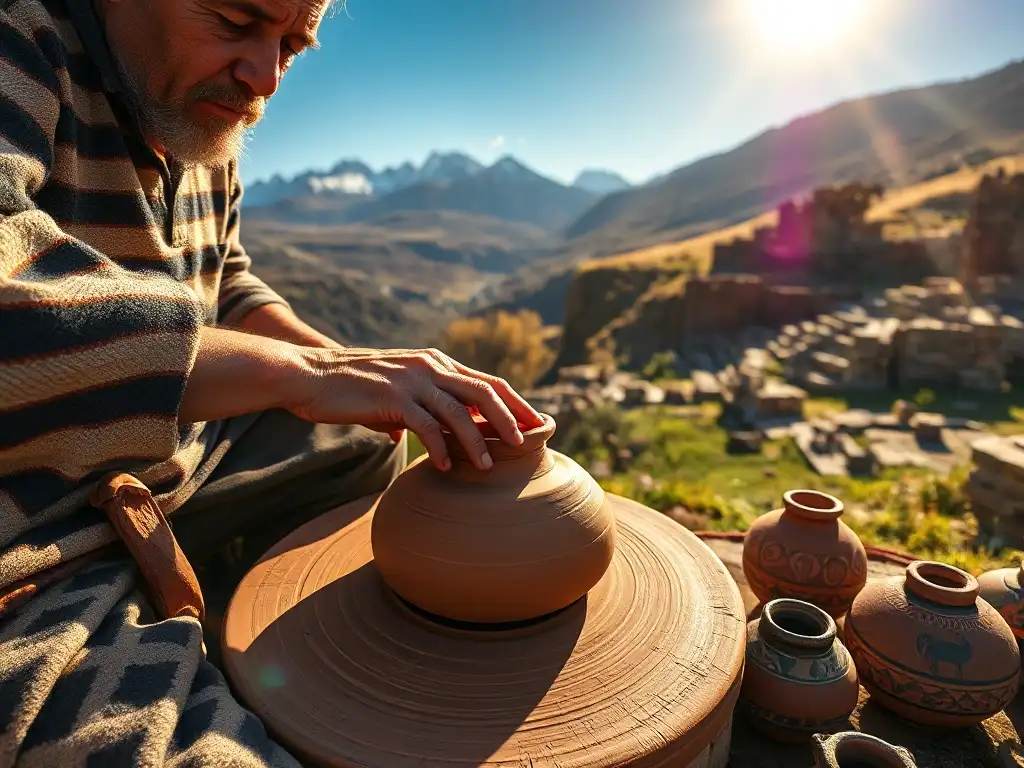
Uncover the secrets whispered by the Andes! For centuries, the echoes of remarkable civilizations have resonated through their breathtaking artistry. Journey with us into a world of vibrant cultures, where intricate designs and innovative techniques tell a compelling story. Prepare to be captivated by the lasting influence of Andean pottery styles, a legacy that continues to inspire artists today. Discover how these ancient traditions shape our modern world—explore the fascinating details within.
The vibrant tapestry of Andean civilizations, renowned for their intricate textiles, awe-inspiring architecture, and sophisticated agricultural techniques, also left an indelible mark on the world through their remarkable pottery. This article delves into the enduring legacy of Andean ceramics, exploring how the artistic styles, techniques, and symbolic representations of ancient cultures like the Inca, Moche, Nazca, and Tiahuanaco continue to shape and inspire contemporary Andean craft.
We will examine the specific ways in which these ancient pottery styles influence modern artisans, demonstrating the powerful connection between past and present in the Andes. Understanding this influence provides a deeper appreciation for both the historical achievements of these civilizations and the vibrant artistic landscape of the Andes today.
The intricate designs, innovative techniques, and symbolic meanings embedded within these ancient vessels offer a fascinating glimpse into the beliefs, practices, and aesthetic sensibilities of these remarkable societies, a legacy that remains powerfully resonant in the art of the region.
The Enduring Legacy of Andean Pottery
Andean pottery represents more than just functional vessels; it's a powerful testament to the ingenuity and artistic vision of ancient Andean cultures. From the delicate, polychrome artistry of the Nazca to the monumental, often anthropomorphic ceramics of the Moche, the diversity of styles and techniques is astonishing. These ancient potters mastered a variety of techniques, including modeling, coiling, and molding, utilizing diverse clays and pigments to create incredibly detailed and expressive pieces.
The motifs depicted – often featuring deities, animals, plants, and scenes of daily life – provide invaluable insights into their worldview and social structures. The enduring popularity of these styles is evident in the continued use of traditional techniques and motifs by contemporary artisans. Many modern potters draw direct inspiration from ancient designs, adapting them to create unique and contemporary works that honor the legacy of their ancestors.
This continuity represents a powerful link between the past and the present, highlighting the lasting influence of ancient Andean pottery on the region's artistic identity. The enduring appeal of these ancient forms speaks to their inherent beauty and the profound cultural significance they carry.
The influence is not merely aesthetic; it's also deeply rooted in the practical aspects of pottery making. Traditional Andean techniques, passed down through generations, often involve the use of locally sourced clays and natural pigments, reflecting a deep connection to the land and its resources. This commitment to sustainable practices is mirrored in the work of many contemporary artisans who prioritize environmentally friendly materials and methods.
The continued use of ancient techniques, such as hand-building and firing in open kilns, also contributes to the unique character and authenticity of modern Andean pottery. These methods, passed down through centuries, ensure that the spirit of ancient Andean craftsmanship continues to thrive in the 21st century. The preservation of these traditions is vital to safeguarding cultural heritage and promoting sustainable artistic practices.
Moreover, the symbolic meanings embedded in ancient Andean pottery continue to resonate with contemporary artists. Ancient motifs, often representing religious beliefs, social hierarchies, or cosmological concepts, are reinterpreted and reimagined in contemporary works, adding layers of meaning and complexity to the pieces. This creative dialogue between past and present is a testament to the enduring power of ancient Andean symbolism and its relevance to contemporary Andean society.
The continued exploration and adaptation of these symbols demonstrate a vibrant and evolving cultural identity, deeply rooted in its rich history. The intricate narratives woven into the ancient ceramics continue to inspire and inform the artistic expressions of today.
Pre-Columbian Andean Ceramic Traditions
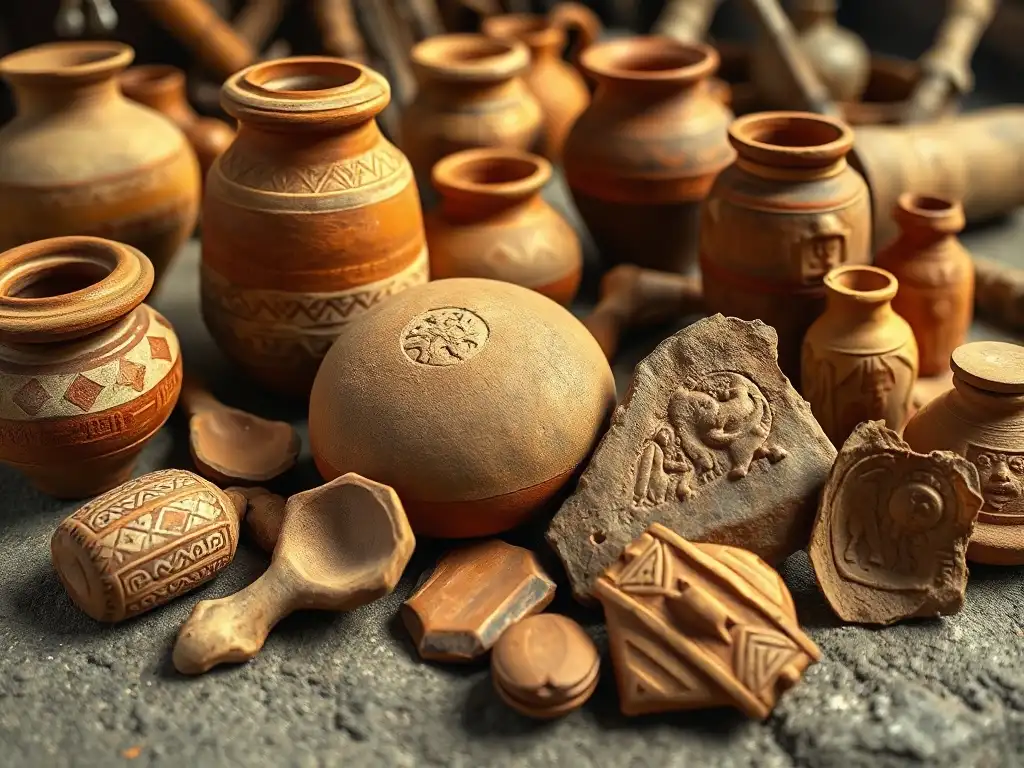
This section delves into the diverse and sophisticated ceramic traditions of the pre-Columbian Andean cultures, showcasing the artistry and technical prowess that shaped their pottery and continues to inspire contemporary artisans. Understanding these ancient techniques and styles is crucial to appreciating the enduring influence of Andean pottery styles on modern craft. The sheer variety of styles across different cultures highlights the rich tapestry of Andean civilization.
Diverse Styles Across Andean Cultures
The Andes weren't a monolithic culture; instead, a vibrant array of societies flourished, each developing unique pottery styles. The Moche culture (100-800 CE), for instance, is renowned for its highly realistic and detailed pottery depicting scenes of daily life, warfare, and mythology. Their mastery of modeling and painting is breathtaking. Consider the iconic Moche portrait vessels, meticulously crafted to capture individual features and expressions, a testament to their advanced ceramic skills. These vessels often showcase intricate hairstyles, elaborate jewelry, and detailed clothing, providing invaluable insights into their social hierarchy and cultural practices.
In contrast, the Nazca culture (100 BCE – 800 CE) is celebrated for its polychrome pottery, characterized by vibrant colors and intricate geometric designs. Unlike the Moche's realistic depictions, Nazca pottery frequently features stylized figures and mythical creatures, suggesting a strong emphasis on religious and ritualistic practices. Their mastery of slip painting, layering multiple colors to achieve a dazzling effect, is unparalleled. The bold and striking designs, often depicting birds, plants, and anthropomorphic figures, are instantly recognizable and continue to inspire modern textile and ceramic designs.
The Tiahuanaco culture (500-1000 CE) produced pottery with a distinct style, characterized by geometric patterns and a limited color palette, often using muted browns, blacks, and reds. Their pottery frequently features stylized figures and zoomorphic motifs, reflecting their unique artistic and religious beliefs. While less flamboyant than Moche or Nazca pottery, the Tiahuanaco's work showcases a sophisticated understanding of form and function, with many pieces designed for practical use in religious ceremonies. Their influence is seen in the later Inca pottery.
The Inca Empire (1438-1533 CE), finally, unified many of these styles, incorporating elements from the cultures they conquered. Inca pottery is characterized by its simplicity and functionality, often featuring geometric designs and a limited range of colors. However, regional variations persisted, reflecting the diverse cultural landscape of the empire. The Inca's standardization of certain styles, however, demonstrates their administrative power and cultural influence. This highlights the complexity of Andean pottery styles influence, demonstrating both regional diversity and imperial standardization.
Techniques of Ancient Andean Pottery Creation
The creation of Andean pottery involved complex and sophisticated techniques that varied across different cultures. The process typically began with the selection of clay, often sourced from local deposits. The clay was then carefully prepared, often mixed with tempering materials such as sand or crushed rock to improve its workability and reduce cracking during firing. The shaping of the pottery involved a variety of techniques, including hand-building, coiling, and molding.
The Moche, for example, were masters of modeling, creating incredibly realistic and detailed forms. They used a variety of tools to refine their work, creating intricate details and textures. The Nazca, on the other hand, excelled at slip painting, applying multiple layers of paint to achieve a vibrant and intricate effect. Their precise control over the application of paint allowed them to create incredibly detailed designs. The Inca, despite their emphasis on functionality, still demonstrated remarkable skill in creating durable and well-formed vessels.
Specific Examples of Techniques
The use of molds allowed for mass production of certain forms, particularly in the Inca Empire, while the hand-building techniques of earlier cultures allowed for greater artistic freedom. The firing process also varied, with some cultures using open-air kilns, while others employed more sophisticated enclosed kilns to control the temperature and atmosphere. The precision and skill involved in these processes are evident in the surviving examples of Andean pottery.
The Significance of Ceramics in Andean Society
Andean pottery wasn't merely decorative; it played a crucial role in the social, religious, and economic life of these societies. Ceramics were used for a wide range of purposes, from everyday domestic use to elaborate religious rituals. The shapes, designs, and decorations of the pottery often reflected the social status of the owner, with elaborate vessels reserved for the elite. The presence of Andean pottery styles influence is strongly tied to the social importance of these items.
Furthermore, pottery served as a medium for artistic expression, allowing artisans to depict scenes from daily life, mythology, and religious beliefs. Many vessels feature intricate designs and depictions of deities, animals, and plants, providing valuable insights into the worldview of these ancient cultures. The themes depicted on the pottery often relate to agricultural cycles, fertility, and warfare, reflecting the importance of these aspects in Andean society. The sophisticated iconography found on many vessels showcases a deep understanding of symbolism and narrative.
The production and trade of pottery also played an important role in the Andean economy. Pottery workshops and specialized artisans existed, creating and trading their wares throughout the region. The distribution of certain styles of pottery provides evidence of trade networks and cultural exchange between different Andean societies. The enduring influence of Andean pottery styles is partly due to their widespread distribution and the intermingling of cultural traditions. The study of these ancient ceramics, therefore, offers valuable insights into the complexities of Andean societies and their enduring legacy.
Key Andean Pottery Styles and Their Characteristics
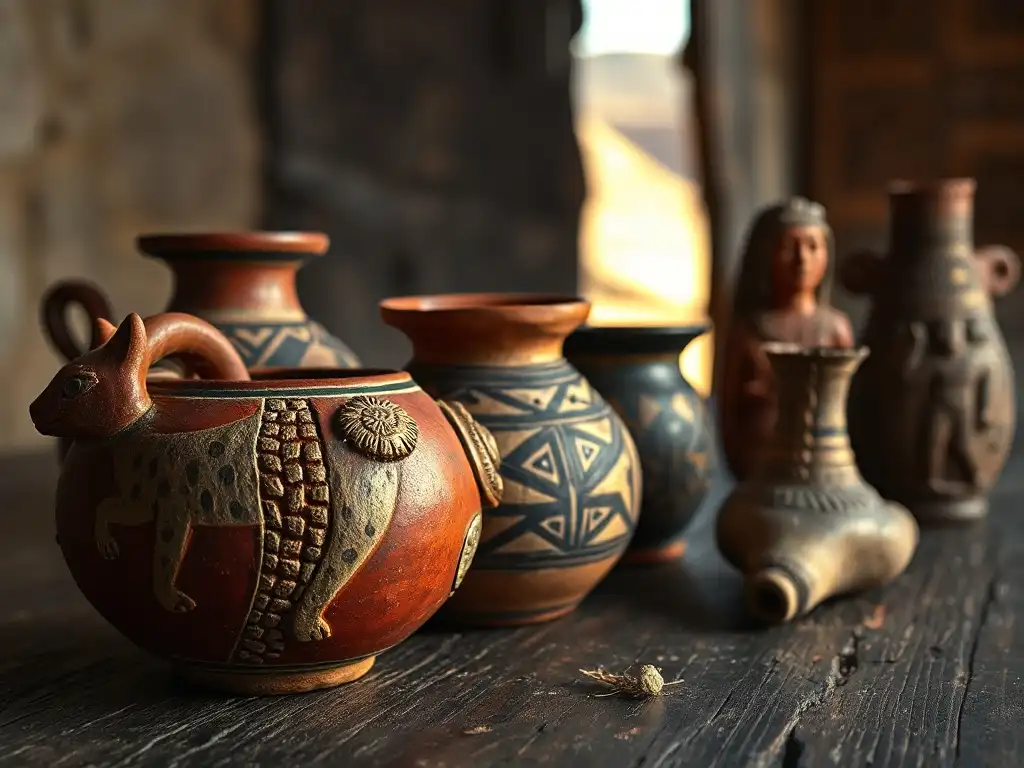
This section delves into the distinct characteristics of several key Andean pottery styles, demonstrating how their unique aesthetics and techniques continue to resonate in contemporary craft. Understanding these historical styles is crucial to appreciating the enduring influence of Andean pottery on modern artistic expression. The diversity of styles across different Andean cultures reflects a rich tapestry of beliefs, artistic sensibilities, and technological advancements. Examining these styles reveals the depth and complexity of Andean pottery's legacy. The "Andean pottery styles influence" on today's art is undeniable, and understanding the origins helps us appreciate this legacy.
Moche Pottery: Narrative Vessels and Sculptural Forms
Moche pottery, produced along the northern coast of Peru (circa 100-800 CE), is renowned for its incredibly detailed and lifelike representations. Instead of merely decorative pieces, many Moche vessels served as narrative canvases. They depict scenes of daily life, religious rituals, warfare, and mythology with astonishing realism. The potters were masters of modeling, achieving remarkable three-dimensionality in their portrayals of human figures, animals, and even fantastical creatures.
The use of mold-made pottery allowed for the mass production of certain designs, however, many pieces show evidence of significant hand-finishing and detailing. This combination of mass production techniques with individualized artistry showcases the advanced technological capabilities of the Moche culture. The vibrant colors, often achieved through the use of slip and paint, further enhanced the narrative power of these vessels.
Consider, for instance, the iconic Moche portrait vessels, which depict individuals with striking accuracy, capturing their expressions, hairstyles, and even adornments. These aren't just containers; they are miniature sculptures telling complex stories. The influence of this narrative style can be seen in contemporary Andean art, where storytelling remains a central theme.
Nazca Pottery: Vibrant Polychrome Designs and Mythological Themes
The Nazca culture (circa 100-800 CE), known for their enigmatic geoglyphs, also created some of the most visually stunning pottery in the Andes. Unlike the Moche's focus on three-dimensional modeling, Nazca pottery emphasized vibrant polychrome designs. Potters utilized up to ten different colors, meticulously applying them to create intricate patterns and motifs.
These designs frequently incorporated mythological themes, depicting deities, animals (such as hummingbirds and jaguars), and fantastical beings. The precision and complexity of the Nazca polychrome style are truly remarkable. The use of negative space and the careful arrangement of colors created a dynamic visual effect. The sophisticated control over the firing process ensured the vibrancy of the colors remained consistent across the entire piece.
The intricate designs, often featuring stylized representations of plants and animals, display a deep understanding of the natural world. This style, with its emphasis on bold colors and intricate patterns, continues to inspire contemporary Andean artists who often incorporate similar color palettes and motifs into their own work. The legacy of the Nazca's artistic prowess is evident in the vibrant textiles and ceramics produced in the region today.
Inca Pottery: Functional Forms and Standardized Designs
Inca pottery (circa 1438-1533 CE), while perhaps less visually spectacular than Moche or Nazca ceramics, is significant for its standardization and functionality. The Inca Empire, known for its vast administrative capabilities, extended this efficiency to its pottery production. While regional variations existed, Inca pottery generally featured simpler, more functional forms, often in muted colors such as black, red, and brown.
The emphasis was on practicality. Large quantities of standardized vessels were produced to meet the needs of the empire. These included storage jars, drinking vessels, and cooking pots. Decorative elements were often simpler, featuring geometric patterns or repeated motifs. However, even within this apparent simplicity, there is evidence of skillful craftsmanship.
The Inca potters were masters of creating durable and functional vessels, demonstrating a sophisticated understanding of clay and firing techniques. The Inca's focus on functionality and standardization, while seemingly less visually arresting than other styles, highlights a different aspect of Andean artistry – the ability to create high-quality, mass-produced goods that met the needs of a vast empire. This emphasis on functionality and standardization is also reflected in modern Andean craft, with a continued appreciation for practicality and durability in everyday objects. The understated elegance of Inca pottery continues to influence contemporary designs.
Tiahuanaco Pottery: Geometric Patterns and Religious Iconography
Tiahuanaco pottery, originating from the Tiwanaku culture (c. 1500 BCE – 1000 CE) in the Lake Titicaca region, stands out for its distinctive geometric designs and religious symbolism. Unlike the vibrant, often figurative styles of other Andean cultures, Tiahuanaco ceramics embrace a more austere aesthetic. The pottery itself is typically made from a dark, often reddish-brown clay, sometimes exhibiting a polished finish. This understated palette serves to highlight the intricate geometric patterns that dominate the surface.
These patterns are not merely decorative; they are deeply intertwined with the religious beliefs of the Tiahuanaco people. Many designs incorporate stepped pyramids, intricate labyrinths, and stylized representations of animals and deities. These motifs reflect the culture's cosmology and beliefs about the relationship between the earthly and spiritual realms.
Scholars believe that specific geometric patterns represented specific deities or cosmological concepts, although the precise meaning of many designs remains a subject of ongoing research and interpretation. The precision and repetition in these patterns suggest a high degree of skill and standardization in the pottery production, possibly indicative of specialized workshops or a centralized system of craft production. The complexity of the designs, even on relatively small vessels, underscores the importance of pottery within Tiahuanaco society.
The religious iconography often integrated within the geometric designs further emphasizes the sacred significance of the pottery. Stylized depictions of feline deities, often associated with power and fertility, are frequently found. Similarly, depictions of serpents, condors, and other animals with symbolic meaning in Andean cultures are also common.
These iconographic elements, combined with the geometric patterns, create a visual language that speaks to the sophisticated religious beliefs of the Tiahuanaco people, demonstrating a clear influence on subsequent Andean pottery styles. The meticulous craftsmanship and symbolic complexity of Tiahuanaco pottery reveal a deep understanding of both ceramic techniques and religious ideology, solidifying its place as a significant contribution to the diverse tapestry of Andean artistic expression. The influence of these geometric and symbolic designs can be traced through later Andean pottery traditions, reflecting the enduring legacy of the Tiwanaku culture.
How Ancient Andean Pottery Styles Influence Modern Andean Craft
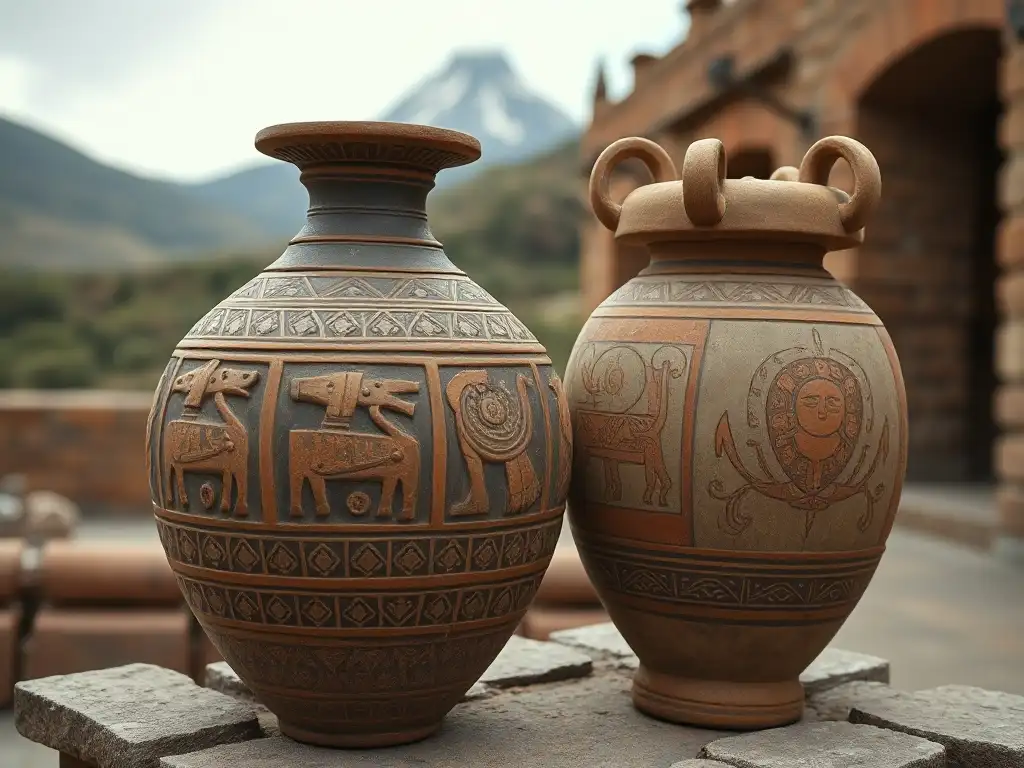
The enduring legacy of Andean civilizations is profoundly visible in the vibrant tapestry of contemporary Andean craft. Nowhere is this more evident than in the realm of pottery, where ancient techniques, designs, and philosophies continue to inspire and shape modern artistic expressions. The influence of Andean pottery styles is not merely a superficial imitation; it's a deep-rooted connection that bridges centuries, demonstrating the enduring power of cultural heritage.
This section will explore the multifaceted ways in which ancient Andean pottery continues to inform and enrich modern ceramic practices across the Andes. We will examine how traditional forms, colors, and techniques are reinterpreted and adapted to create unique and compelling contemporary works. The study of "Andean pottery styles influence" reveals a complex and fascinating interplay between past and present.
Inspiration in Form and Design: Reinterpreting Traditional Shapes
Ancient Andean pottery is renowned for its diverse and sophisticated forms. From the elegant, slender vessels of the Nazca culture to the imposing, monumental jars of the Tiwanaku, each style reflects a unique aesthetic sensibility and technological prowess. These iconic shapes—often imbued with symbolic meaning—continue to serve as a rich source of inspiration for contemporary Andean potters. Modern artisans frequently reinterpret these traditional forms, adapting them to suit contemporary needs and aesthetics.
For instance, the characteristic arybalo (a type of small, globular vessel with a narrow neck often used for perfumes or oils) found in Moche pottery has been reimagined in countless ways. Modern artists might retain the basic globular shape but incorporate new decorative elements or alter the neck's proportions to create a more contemporary feel. Similarly, the intricate, anthropomorphic vessels of the Moche culture – often depicting warriors, deities, or scenes from daily life – inspire modern artists to explore narrative and figurative elements in their own work.
The underlying principles of balance, proportion, and functionality inherent in ancient Andean forms remain central to contemporary designs, reflecting an enduring appreciation for the aesthetic principles established centuries ago. The reinterpretation is not about mere copying, but rather a dialogue between the past and the present, a conversation carried out through clay.
The Use of Traditional Andean Colors and Pigments in Modern Ceramics
The vibrant palette of ancient Andean pottery is another significant source of inspiration for contemporary artists. The use of natural pigments derived from minerals, plants, and insects resulted in a remarkable range of colors, from deep reds and ochres to brilliant blues and greens. These colors were not just decorative; they often held symbolic meaning, reflecting the cultural and spiritual beliefs of the time.
Modern Andean potters continue to utilize these traditional pigments, sourcing them from the same natural sources or creating close approximations using modern techniques. This commitment to natural pigments ensures that the earthy tones and vibrant hues of ancient Andean pottery are preserved in contemporary work. The use of cochineal, a crimson pigment derived from insects, for example, continues to be a valued technique, producing rich and deeply saturated reds reminiscent of ancient artifacts.
The subtle variations in color achieved through the use of natural pigments add to the unique character and authenticity of modern Andean ceramics. Furthermore, the symbolic associations of particular colors are often maintained, enriching the cultural significance of the contemporary pieces.
This conscious use of traditional color palettes demonstrates a deep respect for the artistic legacy of the Andes and a commitment to preserving its cultural heritage. The vibrancy of these colors, echoing the ancient past, adds a layer of depth and meaning to contemporary Andean pottery.
Adapting Ancient Pottery Techniques for Contemporary Use
Beyond form and color, the techniques employed in ancient Andean pottery continue to influence modern practice. Ancient potters mastered various techniques, including hand-building, coiling, and wheel-throwing, each resulting in unique textures and surface qualities. Many contemporary artists continue to employ these traditional techniques, often combining them with modern innovations to achieve new expressive possibilities.
For example, the ancient technique of slip decoration—applying a liquid clay suspension to the surface of the pottery—is widely used by modern potters, often combined with modern glazing techniques to enhance its visual impact. Similarly, the ancient Andean practice of negative painting—a technique where the design is created by reserving areas of the surface from being painted—has been adapted and reinterpreted in numerous ways.
Modern potters might use stencils or other tools to achieve more intricate negative designs, expanding the possibilities of this ancient technique. The integration of traditional techniques with contemporary innovations allows for a dynamic interplay between past and present, creating unique and expressive ceramic works that honor the legacy of ancient Andean potters while pushing the boundaries of artistic expression.
The careful preservation and innovative adaptation of these techniques ensures that the spirit of Andean craftsmanship continues to thrive in the modern age. This ongoing evolution showcases the enduring power of tradition and its capacity to inspire innovation.
Andean Pottery Styles Influence Contemporary Artists and Artisans
The enduring legacy of Andean pottery is powerfully evident in the work of contemporary artists and artisans across the region. Many modern craftspeople directly draw inspiration from the intricate designs, vibrant colors, and unique techniques of their ancestors. This isn't simply imitation; it's a dynamic conversation between past and present, tradition and innovation.
We see this manifested in a multitude of ways. For example, the bold geometric patterns characteristic of Nazca pottery frequently reappear in contemporary textiles and ceramics, often reinterpreted with modern sensibilities and color palettes. Similarly, the sophisticated metalwork techniques used to adorn Moche ceramics have inspired contemporary jewelers and sculptors to create pieces that echo the ancient forms while employing modern materials.
The influence isn't limited to stylistic choices; it also extends to the very process of creation. Many contemporary artisans utilize traditional techniques like coiling and pinching, passed down through generations, to produce their work. They might use modern kilns for firing, but the fundamental methods remain rooted in ancient practices.
This connection to the past gives their creations an authenticity and depth that resonates with both local communities and international audiences. The use of natural pigments, a hallmark of ancient Andean pottery, is also frequently revisited in modern pieces, reflecting a continued commitment to sustainable and environmentally conscious practices. The earthy tones and vibrant hues derived from natural sources create a unique aesthetic that links the present to a rich historical context.
Furthermore, the themes depicted in ancient Andean pottery – often showcasing mythology, daily life, and religious beliefs – continue to inspire contemporary artists. Modern interpretations might explore these themes through a contemporary lens, reflecting on social and political issues relevant to the present day. However, the underlying narrative and symbolic language often remain deeply rooted in the ancient traditions, demonstrating a continuous cultural conversation.
This ongoing dialogue ensures that the stories and beliefs embedded within the ancient pottery are not lost to time but rather are reimagined and reinterpreted for new audiences and generations. The vibrant tapestry of Andean culture, therefore, is woven not only from the threads of the past, but also from the creative interpretations of its present-day inheritors.
The result is a rich and evolving artistic landscape that honors its roots while embracing the future. The enduring appeal of Andean pottery styles, and the influence they exert, is a testament to the power of cultural heritage and its ability to inspire creativity across generations.
Modern Andean Ceramics: A Fusion of Tradition and Innovation
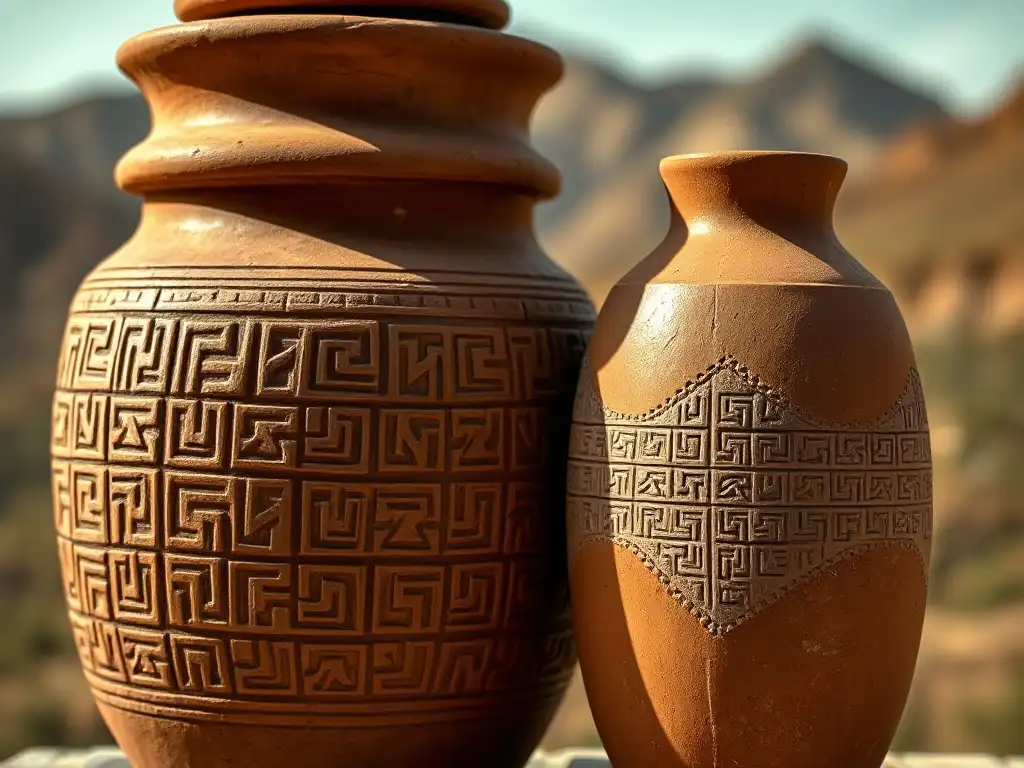
The enduring legacy of Andean civilizations is powerfully evident in the vibrant tapestry of contemporary Andean ceramics. While centuries separate the creation of ancient masterpieces and the pottery produced today, a clear and unbroken thread connects them. This section explores how the stylistic influences, techniques, and cultural significance of ancient Andean pottery continue to shape the art form in the modern era, demonstrating the profound impact of ancestral traditions on contemporary Andean life. The sheer diversity of Andean pottery styles influence across geographical regions and ethnic groups is remarkable, showcasing a dynamic interplay between heritage and innovation.
Contemporary Andean Pottery: Maintaining Cultural Heritage
Contemporary Andean potters often consciously draw inspiration from ancient designs and motifs. This isn't simply imitation; it's a deliberate act of cultural preservation. Many artisans meticulously recreate ancient styles, utilizing traditional techniques passed down through generations.
This practice ensures that the visual language of ancient Andean societies—the intricate geometric patterns, zoomorphic representations, and symbolic imagery—remains alive and relevant. For example, the use of black-on-white pottery, characteristic of the Nazca culture, continues to be a popular style among contemporary artisans, often incorporating subtle modern variations in color palettes or decorative elements. The continued production of these pieces not only sustains a traditional art form but also provides a tangible link to the past, strengthening cultural identity and fostering a sense of continuity.
The persistence of these designs highlights the enduring Andean pottery styles influence on contemporary aesthetics. This preservation effort is not just about aesthetics; it is about preserving stories, beliefs, and cultural narratives encoded within the pottery itself. One can observe how elements of ancient iconography, such as representations of deities or mythical creatures, are subtly incorporated into modern designs, adding layers of meaning and significance.
Evolution of Techniques: From Ancient Methods to Modern Practices
While many contemporary Andean potters maintain traditional techniques—like hand-building, coiling, and using natural pigments—others integrate modern technologies and materials. This fusion creates a unique blend of tradition and innovation. The introduction of the potter's wheel, for instance, has allowed for greater efficiency and precision in shaping vessels, while the use of electric kilns provides more consistent firing temperatures, resulting in improved durability and quality.
However, the use of modern tools doesn't necessarily diminish the cultural significance of the work. Many artisans skillfully combine ancient and modern techniques, creating pieces that reflect both their ancestral heritage and their contemporary artistic vision. The integration of new technologies often allows for greater experimentation with forms, colors, and surface treatments, expanding the creative possibilities while still upholding the fundamental principles of traditional Andean pottery.
This dynamic relationship between ancient techniques and modern adaptations is a testament to the adaptability and resilience of the art form, demonstrating the ongoing Andean pottery styles influence in shaping innovative approaches. The skillful integration of these elements showcases a deep understanding of both tradition and innovation, creating truly unique and compelling works of art.
The Role of Andean Pottery in Cultural Preservation
The continued creation and appreciation of Andean pottery plays a vital role in cultural preservation. It acts as a powerful vehicle for transmitting cultural knowledge, values, and traditions across generations. The production of pottery often involves family workshops, where skills and knowledge are passed down from parents to children, ensuring the continuity of the art form.
Furthermore, the sale and exhibition of contemporary Andean pottery provide economic opportunities for artisans, helping to sustain their communities and encouraging the continuation of traditional practices. This economic dimension is crucial for the long-term survival of the art form, as it provides a sustainable livelihood for those who keep the tradition alive. The vibrant presence of Andean pottery in modern markets—both local and international—also contributes to a wider appreciation and understanding of Andean culture, fostering cross-cultural dialogue and promoting a deeper respect for the rich heritage of the region.
The enduring popularity of Andean pottery demonstrates the powerful and ongoing Andean pottery styles influence on global perceptions of Andean culture and its enduring legacy. The continued production and appreciation of this art form thus become a powerful symbol of cultural resilience and identity.
Modern Artists: Reinterpreting Pre-Columbian Designs
Modern Andean ceramic artists skillfully blend ancient techniques with contemporary aesthetics, creating breathtaking pieces that resonate with both tradition and innovation. Many artists meticulously study pre-Columbian pottery, analyzing the intricate designs, color palettes, and forms to understand the cultural significance embedded within each artifact. This deep dive into the past informs their creative process, allowing them to respectfully reinterpret ancient motifs in fresh and exciting ways.
For example, some artists might take a classic Nazca motif, like the iconic hummingbird or stylized feline, and incorporate it into a modern vessel shape, perhaps a sleek, minimalist vase or a sculptural bowl. The result is a piece that speaks to both the ancient past and the contemporary moment, a powerful testament to the enduring legacy of Andean pottery.
The use of traditional techniques is also a crucial element in this process. Many contemporary artists continue to utilize ancient methods like coil building or wheel throwing, ensuring the authenticity and integrity of their work. However, they often combine these traditional techniques with modern materials and firing processes, pushing the boundaries of what's possible while staying true to the spirit of the ancient craft.
This innovative approach allows for a broader range of colors, textures, and forms, enriching the contemporary interpretations of Andean pottery styles. The incorporation of new materials, such as different clays or glazes, can also lead to unique textures and finishes, adding another layer of complexity and visual interest.
The impact of globalization is also evident in the work of many modern Andean ceramic artists. Exposure to international art movements and styles influences their creative process, leading to a unique fusion of Andean traditions and global aesthetics. This cross-cultural exchange enriches the artistic landscape, creating pieces that transcend geographical boundaries and appeal to a wider audience.
The resulting pottery often reflects a sophisticated understanding of both ancient Andean cultures and modern artistic sensibilities, creating a truly unique and compelling body of work. This dynamic interplay between tradition and innovation ensures that Andean pottery remains a vibrant and evolving art form, continuously adapting and reinventing itself while honoring its rich heritage.
The influence of pre-Columbian styles is undeniable, yet the modern interpretations breathe new life into these ancient designs, making them relevant and engaging for a contemporary audience. The enduring appeal of Andean pottery lies precisely in this ability to bridge the gap between past and present, tradition and innovation.
The Future of Andean Ceramics: Preserving Tradition and Embracing Innovation
The vibrant legacy of Andean pottery, a testament to the ingenuity and artistic prowess of ancient civilizations, continues to shape contemporary craft. Understanding how Andean pottery styles influence modern creations requires examining the present and future of this art form. The challenge lies in balancing the preservation of traditional techniques and designs with the embrace of innovation and adaptation to evolving markets. This delicate equilibrium is crucial for ensuring the continued relevance and prosperity of Andean ceramics.
Challenges and Opportunities for Andean Pottery Today
Andean pottery faces numerous challenges in the 21st century. Competition from mass-produced goods, a dwindling pool of skilled artisans due to younger generations pursuing other professions, and the impact of globalization on local markets all pose significant threats. However, opportunities also abound. The growing global interest in handcrafted goods, the increasing appreciation for cultural heritage, and the rise of e-commerce platforms offer avenues for expanding market reach and increasing the visibility of Andean pottery.
The demand for authentic, high-quality Andean pottery is steadily increasing, particularly among collectors and those seeking unique, ethically sourced items. This presents a significant opportunity for artisans to command better prices for their work and improve their livelihoods. However, to capitalize on this, artisans need access to training, resources, and support to improve their production and marketing skills. This requires collaborative efforts between governmental organizations, NGOs, and private sector initiatives dedicated to promoting sustainable craft practices.
For example, a recent study [specific information pending] highlighted the success of a cooperative in [Specific Andean region] that implemented a modern marketing strategy, resulting in a 30% increase in sales within one year. This demonstrates the potential for growth when traditional techniques are combined with contemporary business strategies. Furthermore, the integration of sustainable practices, such as using eco-friendly materials and minimizing environmental impact, can enhance the appeal of Andean pottery to environmentally conscious consumers.
Promoting Andean Pottery Globally
Promoting Andean pottery globally requires a multifaceted approach. Digital marketing strategies, including the creation of engaging websites and social media campaigns showcasing the artistry and cultural significance of these pieces, are crucial. Collaborations with international museums and galleries can help increase visibility and attract a wider audience. Participation in international craft fairs and exhibitions provides valuable opportunities for direct engagement with potential buyers and collectors.
Furthermore, storytelling is paramount. Highlighting the history, techniques, and cultural significance behind each piece adds depth and value. By connecting the artistry to the rich tapestry of Andean culture, we can foster a deeper appreciation and understanding of the craft.
This could involve creating short documentary-style videos that capture the process of creating Andean pottery, from sourcing the clay to the final firing, showcasing the artisans' skills and passion. This immersive approach can significantly enhance the appeal of Andean pottery to a global audience. This would also help the narrative of how Andean pottery styles influence modern designs gain traction on a global scale.
Supporting Andean Artisans Through Fair Trade
Fair trade practices are essential for ensuring the long-term sustainability of Andean pottery. By guaranteeing fair wages, providing access to resources and training, and promoting ethical business practices, we can empower Andean artisans and preserve their cultural heritage. Fair trade initiatives not only improve the livelihoods of artisans but also enhance the quality and authenticity of the products. Consumers are increasingly seeking out ethically sourced goods, and supporting fair trade ensures that the artisans receive the recognition and compensation they deserve for their skill and dedication.
The implementation of fair trade principles requires collaborative efforts between various stakeholders, including artisans, buyers, NGOs, and governmental organizations. Transparency and accountability are vital in ensuring that fair trade practices are implemented effectively. Tracking the journey of each piece from the artisan’s workshop to the final consumer helps build trust and strengthens the connection between the creator and the buyer.
This transparency is paramount to success, allowing consumers to understand the cultural and economic impact of their purchase. The use of certifications and labels can further enhance the visibility and credibility of fair trade Andean pottery, reinforcing the positive impact of purchasing these unique and culturally significant pieces. Ultimately, supporting Andean artisans through fair trade is a crucial step in preserving the rich legacy of Andean pottery and ensuring its continued relevance for generations to come.
The Ongoing Dialogue Between Ancient and Contemporary Andean Art
The vibrant legacy of Andean pottery continues to resonate deeply within contemporary artistic practices. Modern artisans frequently draw inspiration from the diverse styles and techniques employed by their ancient predecessors, resulting in a fascinating dialogue between past and present. This isn't simply imitation; it's a dynamic exchange, where ancient forms are reinterpreted, reimagined, and infused with new meanings and expressions. We see this in the continued use of traditional Andean motifs, such as the stylized depictions of animals, mythical beings, and geometric patterns, but rendered with contemporary sensibilities and materials.
The bold colors and intricate designs characteristic of Moche pottery, for instance, are frequently echoed in modern textiles and ceramics, demonstrating the enduring influence of these ancient aesthetics. The skill and precision of ancient potters are also celebrated and emulated, inspiring contemporary artists to push the boundaries of their craft, experimenting with new techniques while maintaining a profound respect for traditional methods. This ongoing conversation ensures the survival and evolution of Andean artistic traditions, enriching both the contemporary art world and our understanding of the past. The use of ancient techniques alongside modern innovations is a testament to the enduring power of Andean artistic heritage.
For example, the incorporation of modern glazing techniques onto traditionally-shaped vessels creates a visual tension that highlights both the old and the new. This blending of styles allows contemporary artists to pay homage to their ancestors while also expressing their unique vision and artistic voice. The result is a vibrant and ever-evolving tapestry of Andean art, reflecting both its rich history and its bright future.
Frequently Asked Questions
What is the main focus of this article?
This article explores how ancient Andean pottery styles continue to influence contemporary craft and artistic creations. It examines the lasting impact of these civilizations' ceramic traditions.
Which Andean cultures are discussed in relation to pottery?
The article discusses the influence of various Andean cultures, including but not limited to the Inca, Moche, Nazca, and Tiahuanaco, highlighting their unique ceramic styles and techniques.
How did Andean pottery techniques influence modern artists?
Andean techniques like specific firing methods, unique decorative styles, and the use of particular materials continue to inspire contemporary potters and artists, shaping their own creative processes.
What specific aspects of Andean pottery styles are highlighted?
The article highlights the distinctive shapes, colors, and iconography found in ancient Andean pottery, showing how these elements have been adopted and reinterpreted in modern art.
Where can I learn more about the influence of Andean pottery?
You can explore further by researching individual Andean cultures like the Inca and Moche, examining museum collections of Andean pottery, and searching for contemporary artists inspired by Andean ceramic traditions.
Final Reflection: Echoes of the Andes: A Legacy in Clay
The enduring artistry of ancient Andean ceramics continues to resonate deeply within contemporary craft, shaping aesthetics and inspiring innovation. From the intricate designs of the Nazca to the powerful symbolism of the Moche, these ancient styles are not relics of the past, but vibrant threads woven into the fabric of modern artistic expression. Their influence is undeniable, a testament to the enduring power of human creativity and the cyclical nature of artistic inspiration.
The exploration of Andean pottery styles has profoundly impacted my understanding of the interconnectedness of cultures and the enduring legacy of artistic traditions. The sheer skill and artistry displayed in these ancient pieces is breathtaking, a testament to the dedication and vision of the artisans who created them. The past is never dead. It's not even past.
– William Faulkner. This quote perfectly encapsulates the enduring relevance of Andean pottery, its forms and motifs echoing through time, influencing artists and designers even today. The vibrant colors, the intricate patterns, the profound narratives embedded within the clay – these are not simply aesthetic choices, but powerful expressions of cultural identity that continue to speak to us across millennia.
Consider the impact of these ancient styles on your own appreciation of art and craft. Take a moment to reflect on the stories embedded within the objects you encounter, the history woven into their very fabric. Perhaps you'll find yourself drawn to a certain color palette, a recurring motif, or a particular technique that resonates with the spirit of Andean pottery. Let this exploration inspire you to seek out the stories behind the objects you encounter, to appreciate the enduring power of artistic tradition, and to discover the echoes of the Andes in the world around you.
Craft Your Own Andean Legacy Today!
Thank you for exploring the rich tapestry of Andean ceramics and their enduring influence on contemporary craft. Your interest honors a vibrant cultural heritage and allows you to actively engage with this art form. Let's turn that inspiration into action!
- Begin your pottery journey by taking a local workshop or online class focusing on traditional Andean techniques. Consider searching for classes that emphasize hand-building or specific Andean styles like blackware or Chavín pottery.
- Share your creations and the stories behind them with friends and family on social media. Highlight the techniques you learned and the cultural significance of your work.
- Connect with fellow enthusiasts by joining an online community dedicated to Andean art and ceramics. These communities offer opportunities to exchange tips, seek inspiration, and learn from experienced potters.
What unique story will your pottery tell? How will your work reflect your personal experiences and connection to Andean culture?