
The Language of Cloth: How Ancient Andean Textiles Communicated


Unravel the mysteries woven into the very fabric of history. For centuries, the Andes Mountains held secrets whispered only through intricate designs. Discover the captivating world of Ancient Andean textile communication, a language richer than words, expressed in vibrant hues and symbolic patterns. Dive into the fascinating story of how these textiles conveyed complex messages, revealing insights into the beliefs, power structures, and daily lives of civilizations like the Incas, Moche, and Nazca. Prepare to be amazed by the artistry and ingenuity of a lost language found only in the threads of time.
The vibrant tapestry of Andean history is woven not only through monumental architecture and intricate pottery, but also through the remarkably preserved textiles unearthed from the region. For centuries, the ancient Andean civilizations—including the Incas, Moche, Nazca, and Tiahuanaco—utilized textiles as a sophisticated form of communication, far surpassing mere decoration. This article delves into the fascinating world of ancient Andean textile communication, exploring how intricate designs, vibrant colors, and unique weaving techniques conveyed complex social messages, religious beliefs, and historical narratives.
We will uncover the secrets embedded within these threads, revealing how the seemingly simple act of weaving became a powerful tool for expressing identity, status, and belief in the ancient Andes. Understanding this "language of cloth" provides invaluable insight into the rich cultural tapestry of these remarkable civilizations and offers a unique perspective on "Ancient Andean textile communication."
Unveiling the Secrets of Ancient Andean Textile Communication
The study of ancient Andean textiles offers a unique window into the past. Unlike written languages that may be lost or fragmented, textile designs often remained remarkably consistent across generations, preserving cultural knowledge and traditions over centuries. Researchers utilize a multidisciplinary approach, combining archaeological findings with anthropological analyses and textile expertise to decipher the meanings encoded within these artifacts.
For example, the analysis of color pigments reveals access to specific resources and trade routes, while the intricate weaving techniques point towards specialized craftsmanship and social organization. The iconography itself—the symbolic representations of animals, plants, and human figures—is deciphered through careful comparison with other artistic expressions from the same period and region. This process of “reading” the textiles is a continuous process of discovery, with new interpretations and understandings emerging as more artifacts are uncovered and analytical techniques improve.
The complexity of the designs, which often incorporate multiple layers of symbolic meaning, highlights the sophisticated communication system employed by ancient Andean societies. Understanding this "Ancient Andean textile communication" requires a careful and nuanced approach, combining scientific analysis with cultural sensitivity.
The Role of Textiles in Ancient Andean Society
Textiles played a pivotal role in the social fabric of ancient Andean societies. They were not merely decorative items; they were integral to daily life, religious ceremonies, and political power. From simple clothing to elaborate ceremonial garments, textiles served to mark social status, identify group affiliation, and commemorate significant events. The quality of the textile, the intricacy of the design, and the type of fibers used all contributed to signaling an individual's position within the social hierarchy.
For instance, the use of rare or imported dyes, like the vibrant purples derived from mollusks, often indicated high social standing. Furthermore, specific designs and motifs were associated with particular clans, lineages, or religious groups, functioning as visual markers of identity and belonging. The creation of textiles also involved specialized labor, with skilled weavers holding respected positions within their communities.
The production of textiles was often a communal activity, with women playing a central role in its creation and transmission of knowledge across generations. This communal aspect further reinforces the textiles' importance as a means of social cohesion and cultural continuity. The role of textiles in the social dynamics of these ancient societies underscores their significance as a powerful communication tool.
Beyond Decoration: Understanding Textile Function
While the aesthetic beauty of ancient Andean textiles is undeniable, it is crucial to move beyond simple appreciation and delve into their functional aspects. Many textiles served practical purposes alongside their symbolic ones. For example, textiles were used to create sturdy bags for carrying goods, intricate nets for fishing, and robust ropes for building and construction. These practical applications highlight the versatility and ingenuity of Andean textile production.
Furthermore, the use of textiles in religious ceremonies demonstrates their profound spiritual significance. Textiles were used to adorn idols, create ceremonial garments for priests and shamans, and to construct sacred objects. The designs and colors used in these contexts often held specific religious meanings, conveying messages related to cosmology, mythology, and the supernatural.
The intricate tapestries, often featuring depictions of deities and mythical creatures, served as visual representations of religious beliefs and rituals. By exploring both the aesthetic and practical functions of ancient Andean textiles, we gain a deeper understanding of their multifaceted role in the lives of these civilizations. The intertwining of practical and symbolic functions within "Ancient Andean textile communication" is a key factor in appreciating their true significance.
- Unveiling the Secrets of Ancient Andean Textile Communication
- The Role of Textiles in Ancient Andean Society
- Beyond Decoration: Understanding Textile Function
- What role did textiles play in Ancient Andean societies?
- How did Andean weavers communicate messages through textiles?
- What specific techniques did Andean textile artists use for communication?
- Were textiles only used for elite communication in the Andean region?
- How can we study ancient Andean textile communication today?
Decoding the Iconography of Andean Textiles
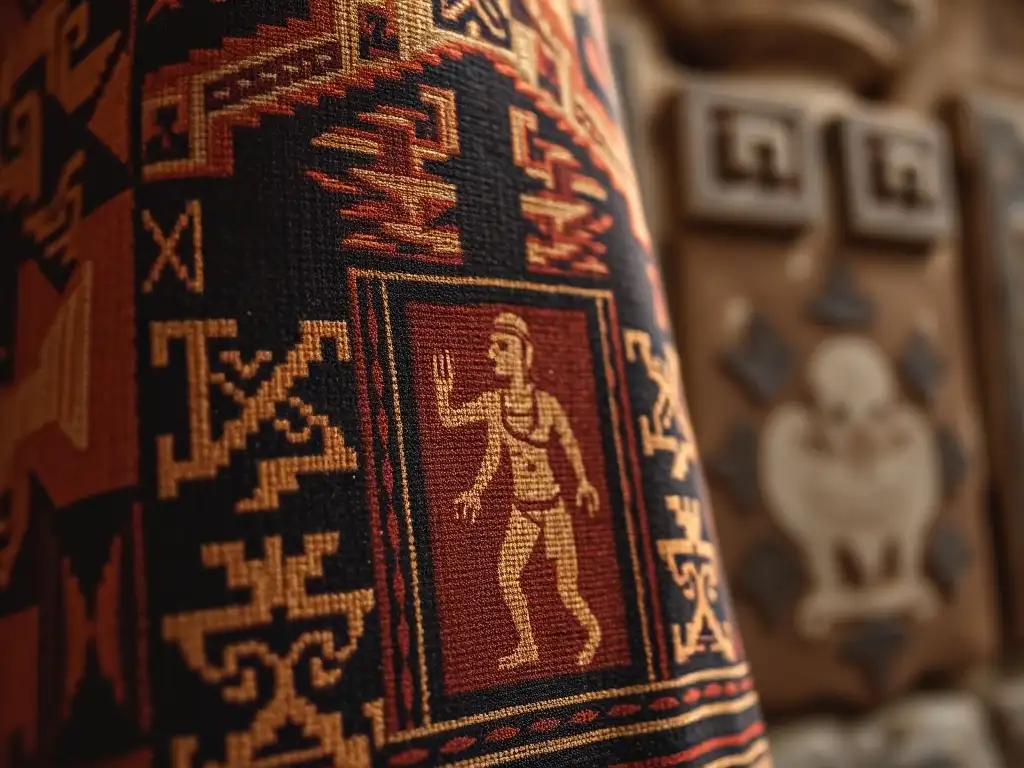
The vibrant and intricate textiles of the Ancient Andean civilizations weren't merely decorative; they served as powerful mediums of communication, conveying complex social, religious, and political messages across generations. Understanding the iconography woven into these fabrics requires a nuanced approach, acknowledging the rich symbolism embedded within each motif and considering the context of its creation. The "Ancient Andean textile communication" wasn't a written language, but a visual one, expertly crafted through color, texture, and design.
Master weavers meticulously planned their compositions, using a vocabulary of symbols readily understood within their communities. This section delves into the symbolic language employed, exploring key motifs and regional variations in their representation. Analyzing these textiles provides invaluable insights into the beliefs, values, and societal structures of these remarkable cultures.
Symbolic Motifs in Ancient Andean Weaving
Ancient Andean weaving incorporated a vast repertoire of symbolic motifs, each carrying specific meanings and often layered with multiple interpretations. These motifs weren't randomly placed; their arrangement and combination contributed to the overall narrative of the textile. Common symbols included stylized representations of animals (condors, llamas, snakes), plants (corn, coca), and celestial bodies (the sun, moon, stars). Geometric patterns, like stepped frets and zigzags, also held significant meaning, possibly representing agricultural terraces, mountains, or even cosmic forces.
For example, the representation of a condor, a powerful bird revered in Andean mythology, could symbolize strength, leadership, or a connection to the spiritual realm. Similarly, the depiction of llamas, crucial to the Andean economy, could signify wealth, prosperity, or social status. The meticulous detail and precision in rendering these motifs highlight the sophisticated understanding of symbolism prevalent in Andean societies. The use of color further enhanced the symbolic language.
Specific colors were associated with particular deities, events, or social groups. Red, for instance, was often linked to blood, fertility, and power, while white represented purity and spirituality. The skillful blending of colors and motifs created a complex visual tapestry that communicated a wealth of information. The careful study of these visual narratives allows modern researchers to piece together a more complete understanding of the Andean worldview.
The Serpent Motif: Symbol of Fertility and Water
Among the most prevalent and significant motifs in Ancient Andean textiles is the serpent. This symbol transcended mere representation, carrying deep cultural and religious significance across various Andean cultures. The serpent was often associated with water sources, fertility, and the earth's life-giving power. In some interpretations, it represented the underworld or the cyclical nature of life and death. The specific depiction of the serpent varied regionally, with some cultures emphasizing its sinuous form, while others focused on its head or scales.
The size and placement of the serpent motif within the textile also contributed to its meaning. A large, prominently displayed serpent might indicate a high social status or a connection to powerful religious figures. Conversely, smaller, more subtly incorporated serpents could represent a different aspect of the serpent's symbolism, perhaps reflecting a more personal or spiritual connection.
The use of different colors further modified the meaning; a green serpent might emphasize its association with vegetation and fertility, while a black serpent could symbolize the mysteries of the underworld. Further research into specific regional variations of the serpent motif is crucial to fully understand its multifaceted symbolic significance within the context of Ancient Andean textile communication.
Regional Variations in Textile Imagery
The iconography found in Ancient Andean textiles wasn't uniform across all cultures and regions. Significant regional variations existed, reflecting the unique traditions, beliefs, and environments of different Andean communities. For example, coastal cultures, such as the Moche and Nazca, often incorporated marine motifs into their textiles, reflecting their dependence on the ocean. Their textiles frequently featured depictions of fish, birds, and marine mammals, alongside geometric patterns that may have represented ocean currents or waves.
In contrast, highland cultures, like the Inca and Tiahuanaco, incorporated more terrestrial motifs, such as llamas, vicuñas, and agricultural symbols. Their textiles often featured intricate geometric patterns representing agricultural terraces or mountain landscapes. These regional differences highlight the diversity within the Andean world and underscore the importance of considering the geographical and cultural context when interpreting Ancient Andean textile communication.
Further investigation into specific regional styles and iconography is essential to gain a complete understanding of the rich tapestry of Andean visual language. The subtle differences in color palettes, weaving techniques, and symbolic motifs provide crucial clues to understanding the unique cultural identities and interactions within the broader Andean context.
Techniques and Materials of Andean Textile Art
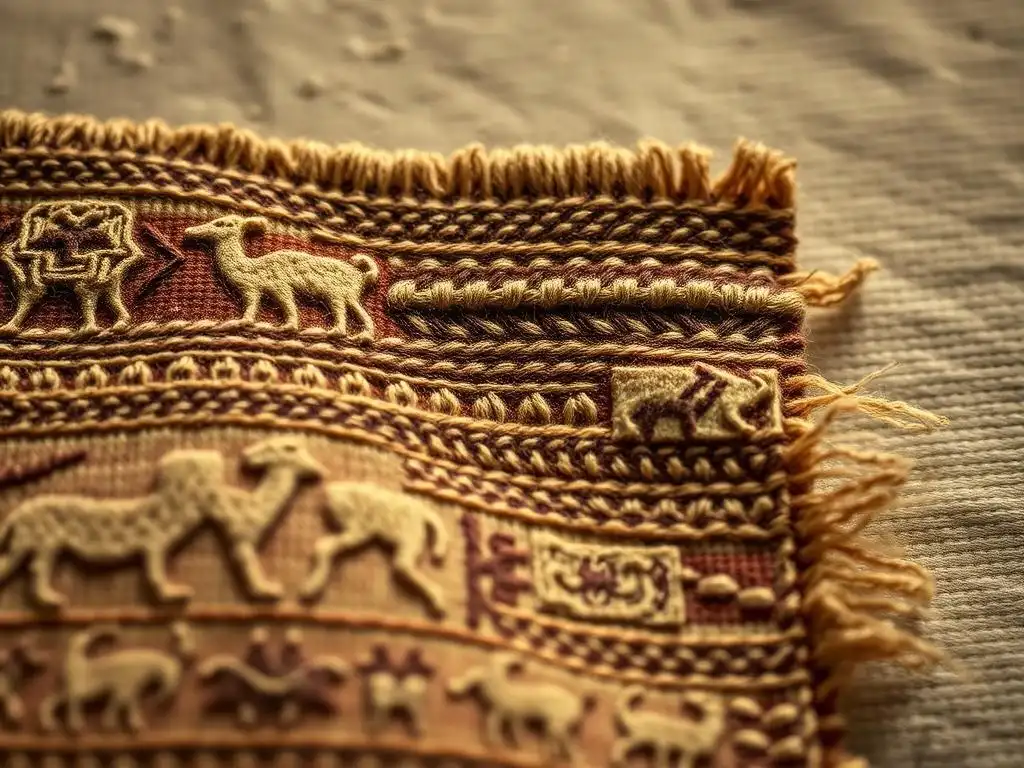
This section delves into the sophisticated techniques and materials employed by ancient Andean cultures to create their remarkable textiles. Mastering these methods was crucial not only for producing durable and aesthetically pleasing cloth but also for encoding complex social, religious, and political messages within the very fabric of their society. The artistry involved was a testament to their advanced understanding of both technology and symbolic representation, showcasing the intricate relationship between craftsmanship and communication in Ancient Andean textile communication.
The Art of Spinning and Weaving in the Andes
The Andean peoples were masters of spinning and weaving, utilizing a variety of techniques to produce textiles of exceptional quality and complexity. The process began with the careful selection and preparation of fibers. Camelid fibers, primarily alpaca and llama wool, were favored for their softness, warmth, and durability. Cotton, grown in lower altitudes, provided a lighter and more breathable alternative. These fibers were meticulously cleaned, carded, and spun using hand spindles, a process that required considerable skill and patience. The resulting yarn, often incredibly fine and strong, was then ready for weaving.
The looms used by Andean weavers were highly sophisticated, varying in size and complexity depending on the desired outcome. Backstrap looms, commonly used for smaller projects, allowed for intricate patterns and designs. Larger, more complex looms facilitated the creation of larger textiles, such as mantles and tapestries.
Weaving techniques included plain weave, tapestry weave, and supplementary weft techniques, allowing for a wide range of textures and patterns. The precision and control demonstrated in these textiles are striking, reflecting a deep understanding of textile production. The intricate detail achieved, even in very fine threads, suggests extensive training and generational knowledge transfer, vital components of Ancient Andean textile communication.
The remarkable durability of many surviving textiles is a testament to the quality of the materials and the skill of the artisans. Many examples, despite centuries of exposure to the elements, retain their vibrant colors and intricate designs, highlighting the lasting legacy of Andean weaving traditions.
Natural Dyes and Their Significance
Color played a vital role in Ancient Andean textile communication. The vibrant hues used were not simply decorative; they carried deep symbolic meanings and often conveyed social status, religious beliefs, and political affiliations. Andean artisans utilized a wide range of natural dyes derived from plants, insects, and minerals. These included:
- Plant-based dyes: Cochineal insects yielded rich reds, while various plants provided yellows, oranges, browns, and greens. The specific plant used could subtly alter the shade, further enriching the complexity of the color palette.
- Mineral-based dyes: Minerals such as ochre provided earthy tones, while other sources offered blues and blacks.
- Insects: The cochineal insect, for example, was a prized source of crimson and scarlet dyes, requiring considerable effort to harvest and process. The intensity of the color often signified high social status.
The process of dyeing was as intricate as the weaving itself. Mordants, substances that help the dye bind to the fiber, were carefully selected to ensure the vibrancy and longevity of the colors. The knowledge of dye sources and mordants was passed down through generations, becoming an integral part of Andean cultural heritage.
The strategic use of color in Andean textiles functioned as a sophisticated visual language, capable of conveying nuanced messages. The symbolic meanings of these colors were deeply embedded within Andean cosmology and social structures, making the study of Ancient Andean textile communication a fascinating exploration of their worldview.
The Technique of Double Weave
Double weave is a particularly advanced textile technique that showcases the remarkable skill of Andean weavers. This method involves the creation of two separate layers of cloth interwoven simultaneously on a single loom. The result is a complex textile with distinct patterns and textures on both sides. This process is incredibly demanding, requiring meticulous planning and exceptional dexterity. The use of double weave allowed for the creation of textiles with intricate designs and reversible patterns, adding another layer of complexity to Ancient Andean textile communication.
The precision required to create double weave textiles is truly remarkable. The weaver must carefully control the warp threads to create the desired pattern in both layers simultaneously. Any mistake could unravel the entire piece, underscoring the high level of skill and concentration required.
The complexity of the technique allowed for the creation of more elaborate designs and the inclusion of greater symbolic detail, making them important pieces for ceremonial purposes and marking social standing. The existence of these highly complex pieces speaks to the sophisticated organization and training required for their production within the communities, significantly contributing to the overall sophistication of Ancient Andean textile communication.
Ancient Andean Textiles as a Form of Record Keeping
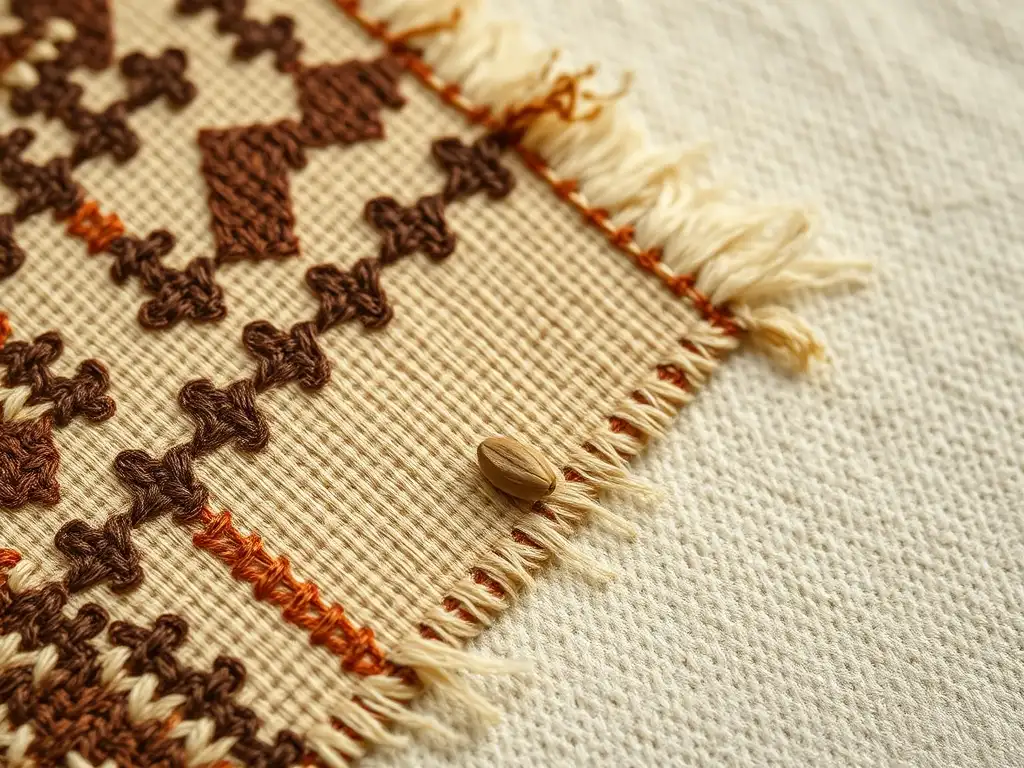
Ancient Andean societies, far from being illiterate, developed sophisticated systems of record-keeping that went beyond the use of knotted cords (quipus). Textiles played a crucial role in this system, acting as visual archives preserving historical narratives, genealogies, and even astronomical observations. The intricate designs, vibrant colors, and specific techniques employed in weaving weren't merely aesthetic choices; they were carefully chosen elements conveying complex information.
Think of these textiles not simply as beautiful fabrics, but as sophisticated forms of Ancient Andean textile communication, a visual language understood by the elite and possibly the wider population. The sheer complexity and diversity of surviving examples demonstrate the depth and sophistication of this system, a testament to the ingenuity of Andean cultures. Analysis of these textiles reveals a rich tapestry of information, patiently woven into the very fabric of Andean society.
The precision and consistency in design across various regions and time periods suggest the existence of standardized symbols and motifs, further supporting the idea of a codified visual language. Further research into the specific meanings of these symbols and the context in which they were created is crucial to unlocking the full potential of these remarkable artifacts.
Textile Codices: Narratives Woven in Cloth
Some scholars believe that certain large, intricately woven textiles functioned as "codices," analogous to written books. These weren't simple tapestries but rather complex narratives told through a carefully arranged sequence of visual motifs. Imagine these textiles as scrolls, unfurling to reveal a story. The arrangement of figures, symbols, and patterns likely followed a specific order, creating a visual narrative that unfolded as the viewer's eye moved across the surface.
For example, a textile might depict a sequence of events, a historical account of a battle or a royal lineage. The use of specific colors may have indicated different characters or time periods. Unfortunately, the precise interpretation of these "woven narratives" remains a challenge due to the lack of accompanying texts and the complexities of deciphering the visual language.
Detailed studies using comparative analysis of similar textiles and cross-referencing with other archaeological findings are ongoing, promising to reveal further insights into this fascinating aspect of Ancient Andean textile communication. This research requires careful consideration of contextual factors, including the textile’s discovery location, associated artifacts, and stylistic similarities with other known pieces. The potential for uncovering detailed historical accounts woven into these textiles is immense.
Khipu-Textiles: Knotted Cords and Woven Cloth
The relationship between khipus (knotted cords used for record-keeping) and textiles is a complex and fascinating one. While khipus are often studied separately, evidence suggests a strong interconnection between these knotted records and woven cloth. Some khipus were actually incorporated into textiles, with the cords woven into the fabric itself.
This suggests that the information encoded in the khipus might have been visually reinforced or supplemented by the imagery woven into the cloth. Think of it as a combined system of data storage: the numerical data in the khipus complemented by the visual narrative in the textile. The exact nature of this interaction remains a subject of ongoing debate, with researchers exploring the possibility of complementary information encoded in both mediums.
Perhaps the khipus provided a numerical framework while the textiles offered a visual representation, creating a powerful and multifaceted system of Ancient Andean textile communication. Further research is needed to better understand the relationship between these two forms of record-keeping and their combined role in preserving and transmitting information. Perhaps future discoveries will uncover more examples of khipus integrated directly into textiles, offering clearer insights into this fascinating interplay.
The Importance of Textiles in Andean Rituals and Ceremonies
Textiles held immense significance in Andean rituals and ceremonies, functioning not only as decorative items but as integral components of religious practices. The use of specific colors, patterns, and techniques in ceremonial textiles conveyed meanings related to the divine, the cosmos, and the social order. For instance, particular colors might have been associated with specific deities or cosmic forces.
The intricate designs could represent mythological figures, celestial events, or abstract concepts relating to Andean cosmology. Furthermore, the act of weaving itself was often imbued with ritual significance, with specific ceremonies performed during the creation of sacred textiles. These textiles were not merely worn; they were offered as gifts to the deities, used in shamanistic rituals, and incorporated into burial practices, demonstrating their profound spiritual importance.
The quality and intricacy of the textiles often reflected the status of the individual or group involved in the ritual, highlighting the social and political dimensions of Ancient Andean textile communication. The persistence of certain motifs and patterns across different regions and time periods speaks to the enduring power of these religious symbols within Andean culture. The study of these textiles offers invaluable insights into the spiritual beliefs and practices of these ancient societies, painting a vivid picture of their worldview.
The Legacy of Ancient Andean Textile Communication
The legacy of Ancient Andean textile communication extends far beyond the physical remnants of intricately woven fabrics. These textiles served as powerful mediums, conveying complex social, political, and religious messages across generations. Their enduring influence is palpable in contemporary Andean cultures, where traditional weaving practices continue to thrive, albeit often adapted to modern contexts. Understanding this legacy requires appreciating the multifaceted nature of these textiles – not just as beautiful objects, but as potent symbols imbued with deep cultural significance.
The vibrant colors, intricate patterns, and the very fibers used all contributed to a rich tapestry of meaning, a visual language understood by those within the Andean world. The sophistication of this visual language, evident in the highly stylized representations of animals, deities, and cosmological concepts, speaks to the advanced level of symbolic thought within these societies. The techniques themselves, passed down through generations, became integral to the narrative, reflecting both continuity and adaptation within Andean cultures.
The continued study of these textiles offers invaluable insight into the social structures, beliefs, and artistic practices of these remarkable civilizations. Analysis of surviving textiles reveals a complex interplay between aesthetics, functionality, and symbolic meaning. For example, the use of specific dyes, sourced from natural materials, could indicate social status or ritual significance.
The Enduring Influence of Andean Textile Art
The enduring influence of Andean textile art is undeniable. From the intricate designs adorning ceremonial garments to the practical functionality of everyday textiles, their impact resonates in modern-day Andean communities. Many traditional weaving techniques persist, albeit often incorporating modern materials and adapting to contemporary aesthetics.
The knowledge and skills involved in creating these textiles are often passed down through family lineages, representing a continuous link to the past. This transmission of knowledge ensures that the artistic traditions remain alive, albeit in a dynamic and evolving form. We see this in the continued production of llicllas (shawls), chumpis (belts), and other traditional textiles, which are not only functional but also serve as powerful symbols of cultural identity.
The vibrant colors and intricate patterns continue to be inspired by ancient designs, demonstrating a profound connection to the rich heritage of Andean textile traditions. Furthermore, the economic value of these textiles plays a significant role in their continued production, providing livelihoods for many Andean communities and contributing to the preservation of cultural heritage. The integration of traditional techniques with contemporary designs also fosters innovation while respecting the historical context.
Modern Interpretations and Revivals of Traditional Techniques
Modern interpretations and revivals of traditional Andean weaving techniques demonstrate a fascinating interplay between heritage and innovation. While many artisans maintain the traditional methods and designs, others are experimenting with new materials and incorporating contemporary aesthetics. This fusion of old and new results in unique and captivating textile creations that capture the essence of Andean artistic traditions while reflecting modern sensibilities.
For instance, contemporary artists are often incorporating elements of ancient designs into contemporary clothing, accessories, and home décor, creating a bridge between the past and the present. This revitalization not only breathes new life into ancient techniques but also contributes to the economic empowerment of Andean communities. The blending of traditional and modern aesthetics has also led to the creation of new markets for these textiles, expanding their reach and appreciation globally.
This process of adaptation and innovation ensures the ongoing relevance of Andean textile art in the 21st century. Moreover, museums and educational institutions are playing a vital role in preserving and promoting these traditions, often collaborating with Andean communities to ensure the accurate representation and understanding of their cultural heritage.
Preserving the Heritage of Ancient Andean Weaving
Preserving the heritage of ancient Andean weaving requires a multifaceted approach that encompasses documentation, education, and community engagement. Detailed studies of surviving textiles, combined with ethnographic research, are crucial for understanding the techniques, symbolism, and cultural significance of these artifacts. Careful preservation efforts within museums and archives are equally vital in safeguarding these fragile pieces for future generations.
Furthermore, educational initiatives that promote the understanding and appreciation of Andean textile art are necessary to cultivate a sense of cultural pride and responsibility. This includes supporting programs that teach traditional weaving techniques to younger generations, ensuring the continuation of these invaluable skills. Community-based initiatives focused on sustainable practices and fair trade are also essential for the economic viability of traditional weaving, empowering Andean communities to safeguard their cultural heritage.
The collaborative efforts of researchers, artisans, museums, and government agencies are critical to effectively preserving the rich tapestry of Andean weaving traditions for years to come. Protecting this heritage is not merely about preserving artifacts; it is about protecting a living culture and its profound connection to the past.
Frequently Asked Questions
What role did textiles play in Ancient Andean societies?
Textiles were far more than just clothing; they served as crucial forms of communication, conveying social status, religious beliefs, and historical narratives. Their intricate designs acted as a visual language understood across vast distances.
How did Andean weavers communicate messages through textiles?
Through complex iconography, symbols, and colors, weavers encoded information into their textiles. These designs depicted mythological figures, ceremonial events, and everyday life, transmitting stories and knowledge across generations.
What specific techniques did Andean textile artists use for communication?
Andean weavers employed diverse techniques, including unique knotting styles, specific dyeing processes, and intricate weaving patterns, each carrying symbolic meaning. The choice of materials also held significant cultural value.
Were textiles only used for elite communication in the Andean region?
While elite members certainly commissioned elaborate textiles, all levels of Andean society used textiles for communication. Everyday garments and household textiles carried symbolic meaning relevant to their makers and users.
How can we study ancient Andean textile communication today?
Scholars analyze surviving textiles, studying their iconography, techniques, and materials to decipher their meanings. By comparing different textiles, researchers can reconstruct social structures, religious practices, and historical events.
Final Reflection: Unraveling the Threads of Andean Communication
The vibrant narratives woven into ancient Andean textiles remain powerfully relevant today, reminding us of the enduring capacity of art to transcend time and communicate profound truths. These intricate designs, far from mere decoration, served as potent vehicles for storytelling, social commentary, and the transmission of cultural knowledge across generations. Their continued study offers invaluable insights into a complex and fascinating civilization, challenging our modern assumptions about communication and its power.
The enduring legacy of Andean textile artistry continues to resonate in contemporary society, influencing fashion, art, and our understanding of pre-Columbian cultures. Their sophisticated techniques and symbolic imagery inspire awe and wonder, prompting us to reconsider the limitations we often place on non-verbal communication. The textiles are not simply objects; they are living documents, whispering stories of a world long past.
This sentiment encapsulates the profound impact these artifacts have had on my own understanding of human expression and the enduring power of visual language.
Consider the intricate patterns, the carefully chosen colors, the symbolic representations woven into each thread. These weren't simply decorative choices; they were deliberate acts of communication, conveying complex ideas and beliefs across vast distances and generations. You too can unlock the power of visual communication, finding new ways to express your own stories and connect with others through creative expression. Let the legacy of the Andean weavers inspire you to explore the rich tapestry of human communication, and to find your own voice within its vibrant threads.
Uncover the Stories Woven in Time!
Thank you for exploring the fascinating world of Andean textiles with us! You've discovered how these ancient fabrics tell rich cultural stories, and now let's delve even deeper.
Here are some ways to continue your journey:
- **Visit a local artisan:** Seek out a nearby textile workshop or gallery showcasing traditional Andean crafts. This will enrich your understanding of the artistry and skill involved in creating these pieces.
- **Keep a textile journal:** Record your thoughts and create sketches of patterns that captivate you. Reflecting on these designs will strengthen your connection to the narratives they embody.
- **Share your passion:** Discuss your discoveries with friends or family, or share your insights on social media. Inspire others to appreciate the importance of these textile traditions!
Which textile story has captivated you the most, and how will you share its beauty with others?