
The Preservation of the Past: The Challenges of Conserving Andean Metal Artifacts

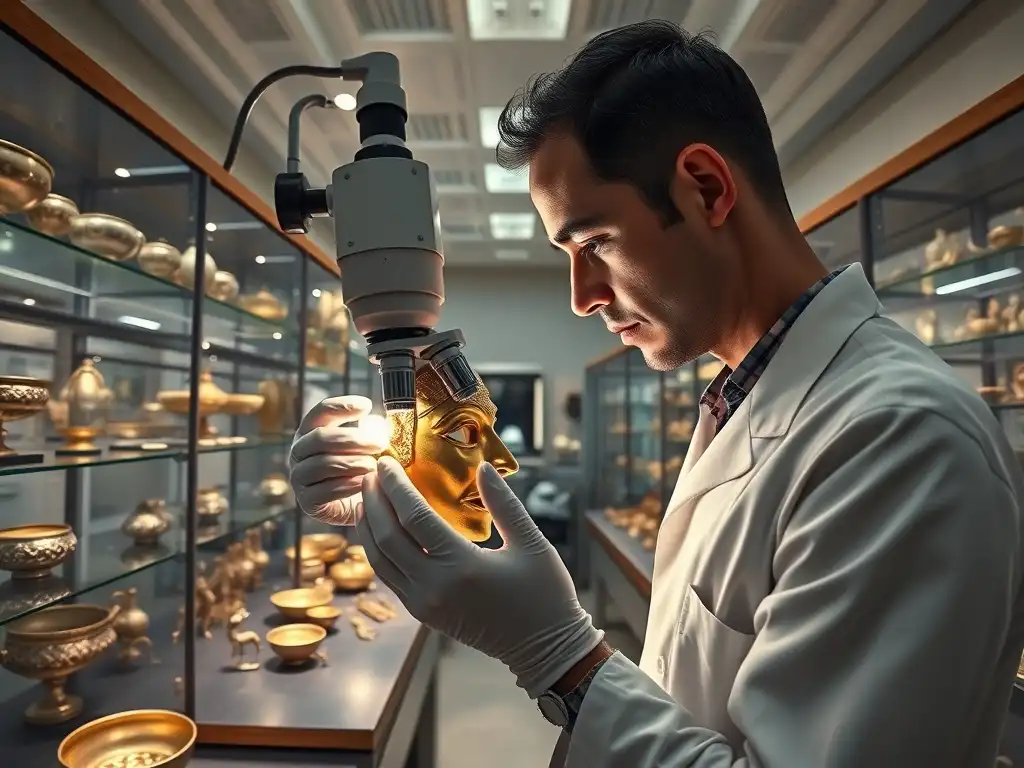
Uncover the secrets whispered by the Andes! For centuries, the breathtaking artistry of ancient Andean civilizations has captivated the world. But what happens when time and the elements threaten to erase their legacy? Dive into the fascinating world of Andean metal artifact preservation, a critical challenge facing archaeologists and conservators today. Discover the ingenious techniques and ongoing battles to safeguard these irreplaceable treasures, and learn how we can ensure their survival for generations to come. The story is more intricate than you might imagine...
The Andes Mountains, a spine of towering peaks running down the western coast of South America, are not only a breathtaking natural wonder but also the cradle of some of the most sophisticated ancient civilizations on Earth. From the intricate artistry of the Nazca Lines to the complex engineering of Machu Picchu, the ingenuity of Andean cultures continues to fascinate and inspire.
A particularly captivating aspect of this rich heritage lies in their mastery of metallurgy, producing stunning gold, silver, copper, and bronze artifacts that offer invaluable insights into their beliefs, societal structures, and technological advancements. However, the preservation of these delicate and historically significant Andean metal artifacts presents a formidable challenge, demanding specialized knowledge, advanced techniques, and dedicated conservation efforts.
This article delves into the intricacies of preserving these treasures, exploring the materials, the deterioration processes, and the ongoing efforts to safeguard this irreplaceable legacy for future generations. We will examine the complexities involved in Andean metal artifact preservation, focusing on the scientific understanding and practical approaches needed to ensure their long-term survival.
Introduction to Andean Metalwork and its Significance
Andean metalworking represents a remarkable achievement in ancient technology. Starting with the initial use of hammered copper in the early centuries BCE, Andean metallurgists progressively developed sophisticated techniques, including alloying, casting, repoussé, and filigree. The resulting artifacts—from intricate gold masks and ceremonial vessels to finely crafted tools and weapons—were not merely functional objects but held deep symbolic and ritualistic importance.
The mastery of metallurgy was closely tied to the political and religious power structures of the various Andean societies. For example, the Inca Empire's vast gold and silver treasures served as a potent symbol of imperial authority and divine connection. The sheer artistry and technical skill displayed in these objects demonstrate a profound understanding of material properties and metallurgical processes far exceeding what was previously believed possible for the time period.
The survival of these artifacts provides invaluable evidence for reconstructing the history, culture, and societal organization of these remarkable civilizations. Their preservation is therefore crucial not only for our understanding of Andean history but also for appreciating the skill and artistry of these ancient cultures. The rich symbolism embedded within many pieces adds another layer of complexity to the conservation challenge, as the careful preservation of delicate details is paramount.
Understanding the Composition of Ancient Andean Metal Artifacts
The composition of Andean metal artifacts is highly variable, reflecting both the availability of raw materials and the specific technological capabilities of different cultures and time periods. While gold and silver were highly prized and often used for ceremonial objects, copper and its alloys (such as bronze) were more commonly employed for tools and weapons. The precise alloying techniques varied considerably.
For instance, some bronze artifacts contain significant amounts of tin, arsenic, or other elements, suggesting different smelting and alloying practices across different regions and time periods. Furthermore, the presence of other metals, such as lead, bismuth, or zinc, might indicate deliberate additions to modify the properties of the metal or create specific aesthetic effects. Analyzing the precise composition of these artifacts through techniques like X-ray fluorescence (XRF) and electron microscopy is crucial for understanding the metallurgical knowledge and practices of the ancient Andean metallurgists and, crucially, for informing appropriate conservation strategies.
Understanding the variations in composition is key to predicting and mitigating potential deterioration pathways. For example, the presence of certain impurities can increase susceptibility to corrosion, necessitating specific conservation treatments.
The Diverse Materials Used in Andean Metallurgy
Andean metallurgy was remarkably sophisticated, employing a diverse range of materials to create everything from intricate jewelry to powerful weapons. The artisans of the Andes weren't limited to a single metal; instead, they expertly worked with a variety of materials, demonstrating a deep understanding of their properties and potential. This mastery allowed them to produce objects of exceptional beauty and functionality, reflecting the ingenuity and technical prowess of these ancient civilizations. The choice of metal often reflected its intended use and symbolic significance.
For instance, precious metals were reserved for elite contexts, while more readily available metals were used for everyday tools and implements. The skillful manipulation of these materials continues to fascinate and inspire researchers and conservators alike. The sheer variety of techniques and the artistry involved highlight the advanced nature of Andean metallurgical practices. Understanding this diversity is crucial to effective preservation strategies.
Gold and Silver in Andean Ritual and Power
Gold and silver, symbols of wealth and power in many cultures, held especially significant meaning in the Andes. These precious metals were not merely decorative; they were integral to ritual practices and expressions of authority. Elaborate gold and silver objects—including masks, jewelry, and ceremonial vessels—were often associated with elite individuals and religious ceremonies. The intricate craftsmanship, featuring techniques like hammering, repoussé, and soldering, showcases the high level of skill and artistic sophistication achieved by Andean goldsmiths.
The sheer quantity of gold and silver artifacts unearthed at sites like Sipán and the Royal Tombs of Sipán underscores the importance of these metals in Andean society. Preserving these delicate objects requires specialized techniques due to their susceptibility to corrosion and theft. The challenge lies in balancing the need for conservation with the desire to share these invaluable artifacts with the public.
Copper and its Alloys in Andean Tools and Weapons
Copper, more readily available than gold or silver, formed the basis of many practical Andean objects. However, its use extended far beyond simple tools. Andean metallurgists skillfully created copper alloys, such as bronze (copper and tin) and arsenical copper, to enhance the metal's strength, durability, and appearance. These alloys were used to produce a wide range of tools and weapons, from axes and knives to spear points and ceremonial mace heads.
The quality and sophistication of these objects demonstrate a deep understanding of metallurgical processes. The discovery of sophisticated casting techniques, like the lost-wax method, highlights the advanced technological capabilities of Andean societies. Preserving copper artifacts presents its own set of challenges, as these objects are susceptible to corrosion and environmental damage. Understanding the specific alloy composition is key to developing effective preservation strategies.
The Use of Platinum and Other Less Common Metals
While gold, silver, and copper dominated Andean metallurgy, the use of less common metals like platinum, and even meteoric iron, reveals the extensive knowledge and resourcefulness of Andean artisans. Platinum, a highly resistant and valuable metal, was employed in small quantities, often incorporated into gold alloys to enhance their durability and aesthetic appeal. The use of meteoric iron, a rare resource, demonstrates the ability of Andean metallurgists to identify and work with unusual materials.
These discoveries highlight the breadth of Andean metallurgical expertise and the advanced level of their technological understanding. The scarcity of these materials necessitates particularly cautious preservation methods, often involving minimal intervention and careful environmental control. Further research is needed to fully understand the significance and widespread application of these less-common metals in Andean societies.
The Environmental Factors Affecting Andean Metal Artifacts
The preservation of Andean metal artifacts is significantly impacted by environmental factors. The Andes' diverse climate and varied geological conditions present a range of challenges to the long-term stability of these objects. Understanding these environmental influences is crucial to developing effective preservation strategies. Failure to account for these factors can lead to irreversible damage and the loss of valuable cultural heritage. Conservation efforts must therefore focus on controlling these environmental variables to ensure the longevity of these irreplaceable artifacts.
Humidity and its Impact on Metal Corrosion
Humidity is a significant factor contributing to the corrosion of Andean metal artifacts. High humidity levels accelerate the oxidation process, leading to the formation of corrosion products that can damage the underlying metal. This is particularly problematic for copper and its alloys, which are susceptible to various forms of corrosion depending on the specific alloy composition and environmental conditions.
The presence of chlorides in the environment further exacerbates corrosion. Effective preservation requires controlling humidity levels within museum storage and display environments to minimize the risk of corrosion. This often involves the use of climate control systems and specialized packaging materials.
Temperature Fluctuations and Material Degradation
Temperature fluctuations can also significantly affect the stability of Andean metal artifacts. Rapid changes in temperature can cause stress on the metal, leading to cracking and other forms of physical damage. Extreme temperatures can exacerbate corrosion processes and contribute to the deterioration of organic materials, such as textiles and resins, sometimes associated with the artifacts. Maintaining stable temperature conditions is crucial for long-term preservation. This often involves the use of climate-controlled storage facilities and careful monitoring of temperature levels.
The Effects of Soil Composition and Burial Conditions
The composition of the soil and the burial conditions significantly impact the preservation of Andean metal artifacts unearthed from archaeological sites. Acidic soils, for example, can accelerate corrosion processes, while alkaline soils can lead to the formation of protective patinas. The presence of salts and other chemicals in the soil can also affect the metal's stability.
The level of oxygen and moisture in the burial environment also plays a crucial role. Understanding the specific soil conditions and burial environments is essential for developing appropriate conservation strategies. This includes careful excavation techniques and post-excavation treatment to stabilize the artifacts and prevent further deterioration.
Challenges in the Conservation of Andean Metal Artifacts
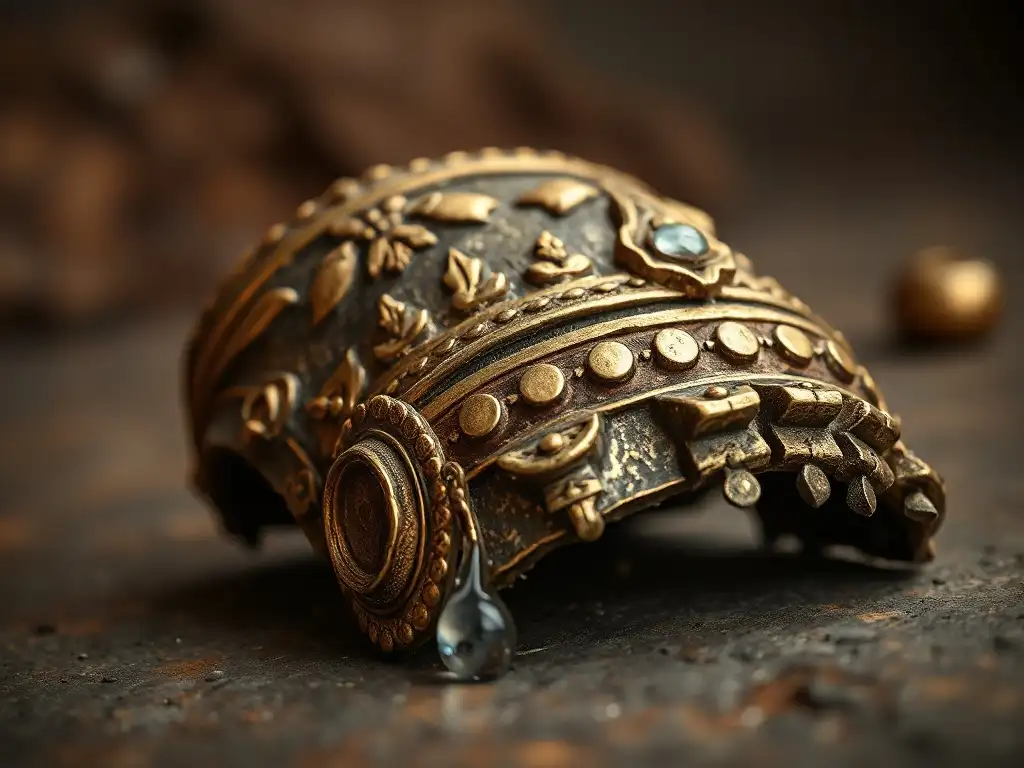
The preservation of Andean metal artifacts presents a unique set of challenges due to the materials used, the environmental conditions of discovery, and the often-fragile nature of the objects themselves. These challenges are multifaceted and require a highly specialized and nuanced approach to conservation. The delicate balance between preserving the historical integrity of these artifacts and ensuring their long-term survival requires constant research and adaptation of existing techniques. Failure to address these complexities can lead to irreparable damage, resulting in the loss of invaluable historical and cultural information.
The sheer diversity of alloys and techniques employed by ancient Andean metalworkers further complicates the process, demanding a careful, case-by-case approach to conservation. Each artifact presents a unique puzzle that must be solved with precision and care. Furthermore, the ethical considerations of intervening in these objects, which are often sacred or imbued with significant cultural meaning, must also be carefully weighed.
The Delicate Nature of Thin Metal Sheets
Many Andean metal artifacts, particularly those from cultures like the Moche, are characterized by incredibly thin sheets of hammered gold, silver, copper, and alloys. These thin sheets are exceptionally vulnerable to damage from handling, environmental factors, and even the slightest vibrations. Their delicate nature makes them highly susceptible to creasing, tearing, and warping. The thinness of the metal also makes them particularly prone to corrosion, as the protective outer layer is minimal and easily compromised.
Conserving these artifacts requires extremely gentle handling and specialized support structures to prevent deformation. The slightest pressure can cause permanent damage, highlighting the need for meticulous care and advanced conservation techniques. The challenge lies in developing methods that provide adequate support without compromising the artifact's aesthetic integrity or causing further damage. This often requires a multi-disciplinary approach, incorporating expertise from metallurgy, archaeology, and art conservation.
The Problem of Salt Accumulation
The arid and coastal environments where many Andean artifacts are unearthed often contribute to the problem of salt accumulation. Salts, both naturally occurring and introduced through burial environments, can cause significant damage to metals through crystallization. As the salts migrate through the metal, they expand and contract with changes in temperature and humidity, leading to cracking, flaking, and overall degradation of the material. Removing these salts without harming the artifact is a significant challenge.
Traditional cleaning methods can inadvertently remove original material along with the corrosive salts, leading to a loss of detail and historical information. This necessitates the development of highly controlled and precise cleaning techniques, often involving specialized solutions and careful monitoring of environmental conditions during the cleaning process. The long-term effects of salt removal also need to be considered, as residual salts can remain and continue to cause damage.
Difficulty in Identifying Original Techniques and Materials
Another major challenge lies in the difficulty of accurately identifying the original techniques and materials used in the creation of Andean metal artifacts. The alloys used often contain a complex mixture of metals, which can be difficult to analyze without using destructive methods. Understanding the original manufacturing processes is crucial for informed conservation decisions. The lack of detailed documentation from the ancient Andean cultures further complicates this task.
Researchers must rely on careful observation, scientific analysis, and comparative studies of similar artifacts to deduce the original techniques and materials. This process is both time-consuming and requires significant expertise in metallurgy, archaeology, and material science. Accurate identification is essential to develop appropriate conservation strategies, as different alloys and manufacturing techniques will react differently to various environmental conditions and cleaning methods.
Current Methods for Andean Metal Artifact Conservation
Modern conservation science has made significant strides in developing effective methods for preserving Andean metal artifacts. These methods are constantly evolving as new technologies and materials become available. A multi-pronged approach, combining mechanical and chemical techniques with careful environmental control, is typically employed. The selection of methods depends on the specific artifact, its condition, and the nature of the damage.
Mechanical Cleaning Techniques and their Applications
Mechanical cleaning techniques play a crucial role in the removal of loose corrosion products and surface contaminants. These techniques range from the use of soft brushes and scalpels for delicate cleaning to more advanced methods like micro-abrasive blasting and ultrasonic cleaning. The selection of the appropriate technique depends heavily on the material of the artifact and the type of corrosion present.
For instance, ultrasonic cleaning may be used to remove loose corrosion from intricate details, while micro-abrasive blasting can be used for more stubborn deposits, but with careful control to avoid damage. The effectiveness and safety of these methods rely heavily on the skill and experience of the conservator. Careful monitoring and documentation are essential to ensure that the cleaning process does not cause further damage to the artifact.
Chemical Treatments for Corrosion Removal and Stabilization
Chemical treatments are frequently employed to remove corrosion and stabilize the metal. This involves the use of various solutions and techniques to dissolve corrosion products without damaging the underlying metal. The choice of chemical treatment depends on the type of corrosion and the metal involved. For example, chelating agents may be used to remove chlorides, while other solutions may be employed to neutralize acids or remove oxides.
These treatments require careful control of parameters such as pH, temperature, and concentration to prevent damage to the artifact. The use of electrochemical methods, such as electro-cleaning, may also be employed in some cases. The effectiveness and safety of chemical treatments require rigorous testing and careful monitoring.
The Use of Protective Coatings and Storage Solutions
Once the cleaning and stabilization processes are complete, protective coatings are often applied to prevent further corrosion and degradation. These coatings can range from simple waxes and lacquers to more sophisticated polymers. The selection of a suitable coating depends on the material of the artifact and the environmental conditions it will be exposed to. Appropriate storage conditions are equally critical for long-term preservation.
This involves maintaining stable temperature and humidity levels to minimize environmental stress on the artifacts. The use of inert atmospheres, such as nitrogen, may also be employed to further reduce the risk of corrosion. Proper storage and handling procedures are essential to prevent accidental damage and ensure the long-term survival of these invaluable cultural treasures.
Case Studies in Andean Metal Artifact Preservation
The preservation of Andean metal artifacts presents unique challenges due to the variety of metals used, the often-delicate nature of the objects, and the environmental conditions of their discovery. Successful preservation requires a multifaceted approach, combining careful excavation techniques, appropriate storage conditions, and targeted conservation treatments. Let's examine specific examples to illustrate these challenges and successes.
Case Study 1: Preservation of a Moche Gold Mask from Sipán
The Moche civilization (100-800 CE) is renowned for its exquisite goldwork. The discovery of the Lord of Sipán tomb yielded a treasure trove of artifacts, including several remarkably preserved gold masks. The preservation of these masks presented significant challenges. The thin gold sheets, often intricately worked with repoussé and filigree techniques, were susceptible to damage from handling, corrosion, and environmental factors.
Conservators employed meticulous cleaning techniques, removing accumulated dirt and corrosion products using specialized tools and solutions. Furthermore, they stabilized the fragile gold by applying appropriate consolidants to strengthen the metal and prevent further deterioration. The masks were then carefully stored in climate-controlled environments to minimize environmental damage.
This involved maintaining specific temperature and humidity levels to prevent oxidation and other forms of degradation. The entire process was meticulously documented, providing valuable information for future conservation efforts and research. The success in preserving these masks showcases the importance of careful planning, precise techniques, and ongoing monitoring.
Case Study 2: Conservation of a Tiwanaku Copper Tool from Pumapunku
The Tiwanaku culture (c. 300-1100 CE) produced a wide range of copper tools and artifacts. However, copper is particularly susceptible to corrosion, especially in the presence of moisture and certain salts. A case study focusing on a copper tool from Pumapunku illustrates the complexities of conserving such artifacts. The tool, a meticulously crafted axe head, was found heavily corroded.
The initial steps involved careful cleaning to remove loose corrosion products. This was followed by the application of a consolidant to stabilize the remaining copper. Advanced techniques like electrochemical treatments were likely employed to remove deeply embedded corrosion without damaging the underlying metal. The use of specialized imaging techniques like X-ray fluorescence (XRF) helped determine the composition of the corrosion products and inform the choice of conservation treatments.
The final step involved storing the axe head in a controlled environment to prevent further corrosion. The successful conservation of this tool highlights the need for advanced analytical techniques and a nuanced understanding of the corrosion processes impacting copper artifacts. The long-term preservation of such artifacts requires ongoing monitoring and potential re-treatment as needed.
The Role of Technology in Modern Andean Metal Artifact Preservation
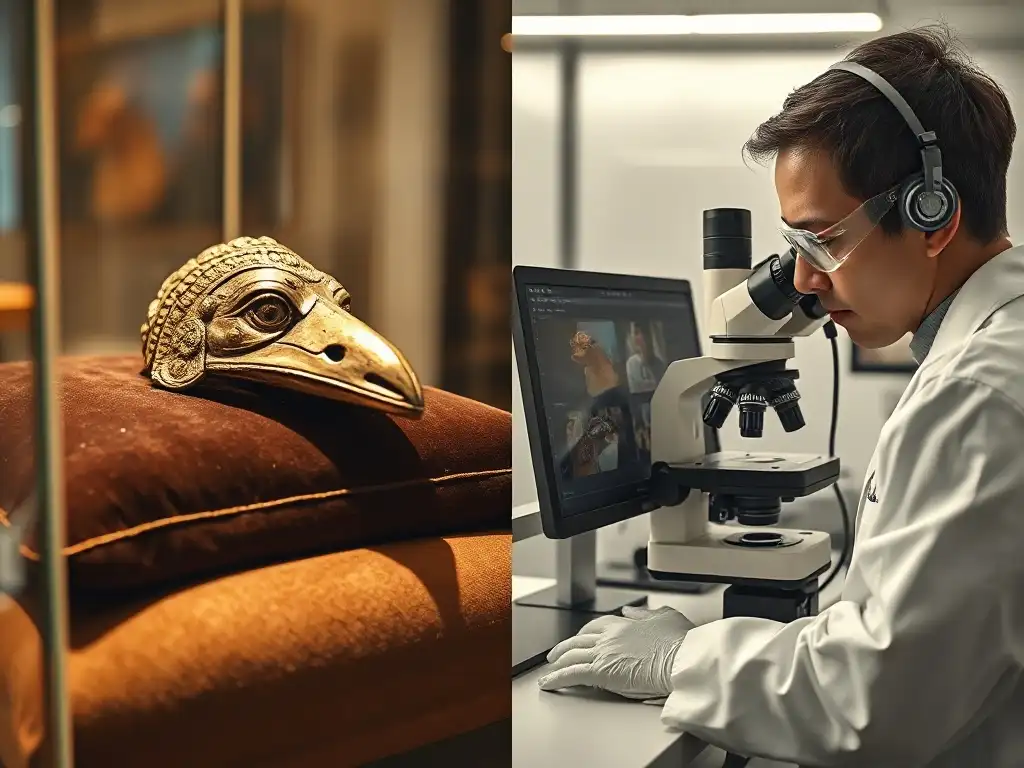
Technological advancements have revolutionized the field of Andean metal artifact preservation. New techniques allow for more effective analysis, conservation, and long-term preservation of these invaluable pieces of history.
Advances in Non-Destructive Analysis Techniques
Non-destructive analysis (NDA) techniques play a crucial role in understanding the composition, structure, and condition of Andean metal artifacts without causing damage. Techniques such as X-ray fluorescence (XRF) spectroscopy provide detailed information on the elemental composition of the artifacts, helping researchers understand the alloys used and the manufacturing techniques. X-ray diffraction (XRD) analysis helps determine the crystalline structure of the metals and corrosion products, providing insights into the degradation processes.
Other techniques, such as infrared spectroscopy (IR) and Raman spectroscopy, offer complementary information about the chemical composition and molecular structure of the artifacts and corrosion layers. These NDA techniques are essential for making informed decisions about appropriate conservation strategies, preventing irreversible damage during treatment. The information gathered helps conservators tailor treatments specifically to the needs of individual artifacts.
3D Scanning and Digital Preservation
The advent of 3D scanning technology has transformed the way Andean metal artifacts are documented and preserved. High-resolution 3D scans create detailed digital replicas of the artifacts, providing valuable records for research, education, and future restoration. These digital models allow researchers to study the artifacts in detail without handling the originals, minimizing the risk of damage.
Furthermore, 3D printing technology can be used to create accurate replicas, allowing for the creation of museum exhibits and educational materials without putting the original artifacts at risk. Digital preservation is crucial for long-term safeguarding of these precious objects, ensuring their accessibility to future generations. The creation of comprehensive digital archives is becoming increasingly important for the preservation of cultural heritage.
The Importance of Interdisciplinary Collaboration
Successful Andean metal artifact preservation requires a collaborative effort involving specialists from various fields. Archaeologists, metallurgists, chemists, conservators, and museum professionals work together to ensure the long-term survival of these objects. Archaeologists provide crucial context about the artifacts' origins and use, while metallurgists contribute expertise on the properties and behavior of different metals. Chemists help develop and implement appropriate conservation treatments, and conservators carry out the delicate work of cleaning, stabilizing, and preserving the artifacts.
Museum professionals provide the necessary infrastructure and expertise for long-term storage and display. This interdisciplinary approach is essential for developing effective preservation strategies that address the unique challenges presented by each artifact. Effective communication and collaboration amongst these experts are critical to ensuring the best possible preservation outcomes.
The Future of Andean Metal Artifact Preservation and Research
The future of Andean metal artifact preservation hinges on a multi-pronged approach that integrates cutting-edge scientific techniques with traditional knowledge and community engagement. Advancements in materials science, particularly in the development of new, less-invasive cleaning and stabilization methods, are crucial. Researchers are exploring the use of advanced imaging techniques, such as X-ray fluorescence (XRF) and micro-computed tomography (micro-CT), to analyze artifacts without causing further damage.
These technologies allow for a more detailed understanding of the metal alloys used, the manufacturing processes employed, and the deterioration processes affecting the artifacts. This non-destructive analysis is paramount for informed conservation decisions. Furthermore, the development of sophisticated environmental monitoring systems within museums and storage facilities will be vital in mitigating the effects of fluctuating temperature, humidity, and light exposure, all of which contribute to the degradation of these delicate objects.
The integration of these advanced technologies with traditional conservation methods, which often involve knowledge passed down through generations of artisans, promises a more holistic and effective approach to preservation. This synergy between modern science and ancestral wisdom will be instrumental in ensuring the long-term survival of these invaluable pieces of Andean heritage.
The Need for More Specialized Training
A significant obstacle to effective Andean metal artifact preservation is the shortage of trained professionals. Preserving these artifacts requires a highly specialized skill set encompassing metallurgy, chemistry, archaeology, and conservation techniques. The training programs currently available often lack the specific focus needed to address the unique challenges posed by Andean metalwork, which frequently involves alloys and techniques unlike those found elsewhere in the world.
Therefore, there's an urgent need for more specialized training programs, workshops, and apprenticeships that equip conservators with the necessary expertise to handle these delicate objects. These programs should incorporate both theoretical knowledge and hands-on experience, allowing trainees to develop the practical skills essential for effective preservation. International collaborations between universities, museums, and cultural institutions can play a vital role in developing and delivering these specialized training opportunities.
Furthermore, establishing standardized preservation protocols and guidelines specific to Andean metal artifacts will ensure consistency and best practices across institutions. Investing in specialized training is not merely an expense; it is an investment in the future of Andean cultural heritage.
The Crucial Role of Community Involvement
The preservation of Andean metal artifacts cannot be solely the responsibility of museums and academic institutions. The local communities, who often possess invaluable traditional knowledge about the artifacts' origins, significance, and appropriate care, must be actively involved in the preservation process. Their participation ensures that the preservation efforts are culturally sensitive and respectful of the artifacts' heritage.
Involving communities in the planning, execution, and monitoring of preservation projects fosters a sense of ownership and responsibility, ensuring the long-term sustainability of conservation initiatives. Collaborative projects that combine the expertise of scientists and conservators with the knowledge and skills of local artisans and community members are particularly effective.
This collaborative approach not only ensures better preservation but also contributes to the revitalization of traditional metalworking techniques and the empowerment of local communities. For example, training programs that integrate traditional knowledge with modern conservation methods can empower local communities to actively participate in the preservation and restoration of their cultural heritage.
The Importance of Long-Term Preservation Strategies
Long-term preservation strategies for Andean metal artifacts require a holistic and proactive approach that considers all aspects of the artifacts’ lifecycle, from excavation and initial stabilization to long-term storage and display. This includes developing comprehensive preventative conservation plans that address environmental factors such as temperature, humidity, and light exposure. Regular monitoring of the artifacts’ condition is crucial, allowing for early detection and treatment of any deterioration.
Establishing detailed documentation of the artifacts, including their provenance, composition, and conservation history, is essential for future research and informed decision-making. Furthermore, developing robust disaster preparedness plans to protect the artifacts from natural disasters and other unforeseen events is vital. The creation of dedicated storage facilities with climate-controlled environments will also safeguard the artifacts for future generations.
This long-term perspective is critical, ensuring that these invaluable pieces of Andean heritage are preserved for centuries to come. Failing to adopt these comprehensive and proactive measures risks irreversible damage and the loss of irreplaceable cultural treasures.
Conclusion: Ensuring the Legacy of Andean Metalwork
The preservation of Andean metal artifacts is not merely a matter of conserving objects; it is about safeguarding a vital part of human history and cultural heritage. The challenges are significant, requiring a multifaceted approach that combines scientific advancements with traditional knowledge, community involvement, and long-term planning. By investing in specialized training, fostering community partnerships, and implementing comprehensive preservation strategies, we can ensure the legacy of Andean metalwork for generations to come.
The rich artistic expression and technological sophistication represented in these artifacts deserve our utmost care and attention, guaranteeing that future generations can appreciate and learn from the ingenuity and artistry of Andean civilizations. The future of Andean metal artifact preservation depends on our collective commitment to preserving this invaluable part of our shared heritage. The continued study and preservation of these artifacts are vital for a complete understanding of Andean history and technological advancements.
- Introduction to Andean Metalwork and its Significance
- Understanding the Composition of Ancient Andean Metal Artifacts
- The Diverse Materials Used in Andean Metallurgy
- The Environmental Factors Affecting Andean Metal Artifacts
- Challenges in the Conservation of Andean Metal Artifacts
- Current Methods for Andean Metal Artifact Conservation
- Case Studies in Andean Metal Artifact Preservation
- The Role of Technology in Modern Andean Metal Artifact Preservation
- The Future of Andean Metal Artifact Preservation and Research
- Conclusion: Ensuring the Legacy of Andean Metalwork
- What are the biggest challenges in preserving Andean metal artifacts?
- What materials were commonly used by Andean civilizations for metalworking?
- What are some common preservation techniques used for Andean metal artifacts?
- How does the Andean climate affect the preservation of metal artifacts?
- Where can I learn more about Andean metal artifact preservation techniques and research?
Frequently Asked Questions
What are the biggest challenges in preserving Andean metal artifacts?
The biggest challenges include environmental factors like humidity and temperature fluctuations, which cause corrosion and deterioration. Human interaction, such as improper handling and looting, also significantly damages these artifacts.
What materials were commonly used by Andean civilizations for metalworking?
Andean civilizations extensively used gold, silver, copper, and their alloys (like bronze and tumbaga) to create sophisticated metal artifacts. They also utilized platinum and meteorite iron in some instances.
What are some common preservation techniques used for Andean metal artifacts?
Cleaning and stabilization are crucial initial steps. This often involves electrochemical methods to remove corrosion products and applying protective coatings to prevent further damage. Controlled environmental storage is also essential.
How does the Andean climate affect the preservation of metal artifacts?
The Andean climate's high altitude, humidity variations, and temperature fluctuations drastically accelerate corrosion processes in metal artifacts. Soil conditions also play a significant role in deterioration.
Where can I learn more about Andean metal artifact preservation techniques and research?
You can explore academic journals focusing on archaeology and conservation, as well as museum websites and research institutions dedicated to Andean studies. Many online databases also contain relevant scholarly articles.
Final Reflection: Echoes of the Andes: A Legacy Worth Protecting
The delicate balance between preserving our shared past and the relentless march of time is nowhere more acutely felt than in the ongoing struggle to conserve Andean metal artifacts. These breathtaking objects, testaments to a rich and sophisticated culture, are constantly threatened by the ravages of environmental degradation and the passage of time. Their preservation is not merely an academic pursuit; it is a vital act of cultural stewardship, ensuring that future generations can connect with the ingenuity and artistry of their ancestors.
The impact of these preservation efforts extends far beyond the museum walls. The very act of studying and safeguarding these artifacts forces us to confront our own relationship with history and heritage. Understanding the challenges faced in preserving these objects – from corrosion to looting – highlights the fragility of our cultural legacy and the urgent need for proactive conservation strategies. The past is never dead. It's not even past.
– William Faulkner. This quote resonates deeply, reminding us that the stories embedded within these artifacts continue to speak to us, shaping our understanding of the human experience and the enduring power of cultural expression.
Consider the intricate details, the masterful craftsmanship, the stories whispered by these ancient metals. You, the reader, hold the power to contribute to their ongoing survival. By supporting museums, advocating for responsible archaeological practices, and simply raising awareness about the importance of cultural heritage, you become a vital part of this ongoing conversation. Let us ensure that the echoes of the Andes continue to resonate for centuries to come, a testament to the enduring power of human creativity and the importance of preserving our shared past.
**Embrace and Protect Andean Cultural Heritage! **
Thank you for exploring the fascinating world of Andean metal artifacts. Your interest is crucial to understanding the challenges of preserving this remarkable aspect of our shared history. Now, let's take action to protect this invaluable cultural heritage!
Here are some ways you can make a difference:
- **Support local preservation efforts:** Join organizations dedicated to conserving Andean artifacts and participate in their events or volunteer programs.
- **Spread the word:** Share information about the importance of preserving Andean history with your friends, family, and online networks.
- **Engage your community:** Discuss ways to promote Andean cultural heritage with your community and consider organizing an event showcasing Andean arts and crafts.
How can you uniquely contribute to preserving Andean culture in your community? We'd love to hear your ideas!