
The Magic of the Andes: How Ancient Shamanic Practices Still Exist

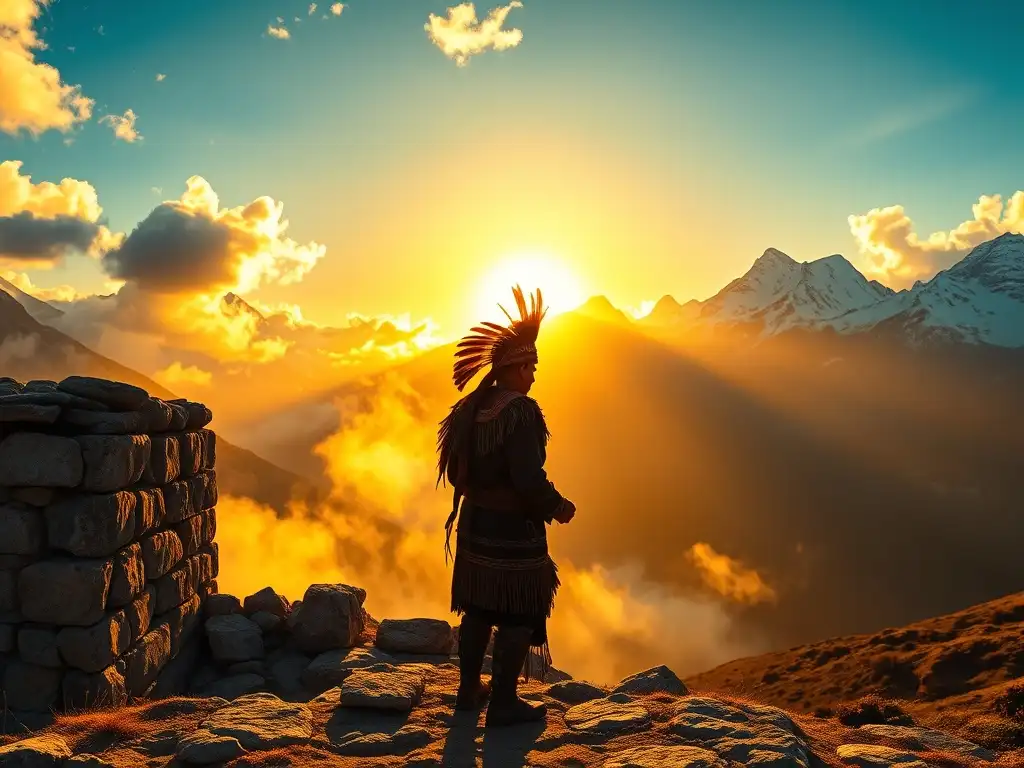
Step into a world lost in time, yet vibrantly alive. Discover the echoes of ancient power resonating through the Andes Mountains—a legacy far richer than gold and silver. From the Incas to the Nazca, their influence endures, most notably in the mysterious and powerful Andean shamanic practices today. Dare to uncover the secrets woven into the very fabric of this breathtaking landscape and unravel the enduring magic of these remarkable civilizations. Explore the Legacy of Andean Civilizations and learn more.
The Andes Mountains, a spine of towering peaks running down the western coast of South America, are not just a geographical feature; they are a cradle of civilization, a landscape imbued with spiritual significance for millennia. From the sophisticated Inca Empire to the earlier cultures of the Moche, Nazca, and Tiahuanaco, Andean societies developed intricate belief systems deeply intertwined with nature, ancestor veneration, and shamanic practices.
This article explores the enduring legacy of these ancient shamanic traditions, examining how their influence permeates modern Andean culture and continues to shape the lives of Andean communities today. We will delve into the specific practices, their evolution, and their continued relevance in a rapidly changing world.
Understanding these practices offers a fascinating glimpse into the resilience and adaptability of Andean spirituality, demonstrating how ancient traditions can not only survive but thrive in contemporary society. The persistence of Andean shamanic practices provides a powerful testament to the enduring connection between people and the land, a connection forged over centuries and passed down through generations.
The Role of the Shaman in Andean Society
The shaman, or paqo in Quechua (the language of the Inca and many other Andean groups), held – and continues to hold – a central position in Andean communities. Unlike many Western conceptions of shamanism, the Andean paqo wasn't simply a healer; they were spiritual leaders, intermediaries between the human and spirit worlds, deeply knowledgeable in herbal medicine, astronomy, and ritual practices. Their roles encompassed healing the sick, conducting ceremonies for important life events (births, marriages, deaths), predicting the future through divination, and maintaining the balance of the cosmos.
Detailed accounts from Spanish chronicles, alongside contemporary ethnographic studies, reveal the profound respect and authority afforded to these spiritual guides. Even today, many communities rely on the paqo for guidance and healing, demonstrating the enduring importance of this role. Their knowledge, passed down orally through generations, represents a living archive of ancient wisdom.
Ancient Practices and Their Modern Manifestations
Many ancient Andean shamanic practices persist in modern forms. For example, the use of medicinal plants, a cornerstone of traditional Andean healing, remains prevalent. Specific plants like coca leaves, ayahuasca, and various cacti are still used in ceremonies and for their purported therapeutic properties. However, it's crucial to note that the responsible and ethical use of these plants requires deep knowledge and understanding, often learned through years of apprenticeship with experienced practitioners.
Additionally, ancient rituals, adapted and modified over time, continue to be performed during festivals and important community events. These rituals often involve music, dance, offerings to the apus (mountain spirits), and prayers to the ancestors. The continuity of these practices underscores the enduring power of tradition and its ability to adapt to changing circumstances.
Challenges and Preservation of Andean Shamanic Practices
Despite their resilience, Andean shamanic practices face challenges in the modern world. The encroachment of Western medicine and religious beliefs, coupled with economic pressures and social changes, pose significant threats. The transmission of knowledge, traditionally passed down orally within families, is also threatened by migration and the breakdown of traditional social structures. However, a growing interest in indigenous knowledge and spiritual traditions, both within and outside Andean communities, is fostering efforts to preserve and revitalize these practices.
Organizations and individuals are working to document traditional practices, train new practitioners, and raise awareness about the importance of preserving this valuable cultural heritage. The future of Andean shamanic practices depends on a delicate balance between adaptation and preservation. Finding ways to reconcile tradition with modernity is crucial for ensuring the continued flourishing of this rich spiritual legacy.
- The Role of the Shaman in Andean Society
- Ancient Practices and Their Modern Manifestations
- Challenges and Preservation of Andean Shamanic Practices
- Challenges and Transformations in Modern Andean Shamanism
- The Role of Andean Shamans in Community Well-being
- Shamanic Practices in Urban Settings: Adapting to Modern Life
- The Transmission of Knowledge: Keeping the Tradition Alive
- Modern Expressions of Andean Shamanism: Blending Tradition and Contemporary Life
- Challenges and Threats to Andean Shamanic Practices: Preserving Authenticity
- What are some examples of Andean shamanic practices that continue today?
- How does modern Andean shamanism differ from ancient practices?
- Where can I experience or learn about Andean shamanic practices today?
- Are Andean shamanic practices safe for tourists to participate in?
- How can I learn more about the history and significance of Andean shamanism?
Understanding Andean Shamanism: A Legacy of Ancient Wisdom
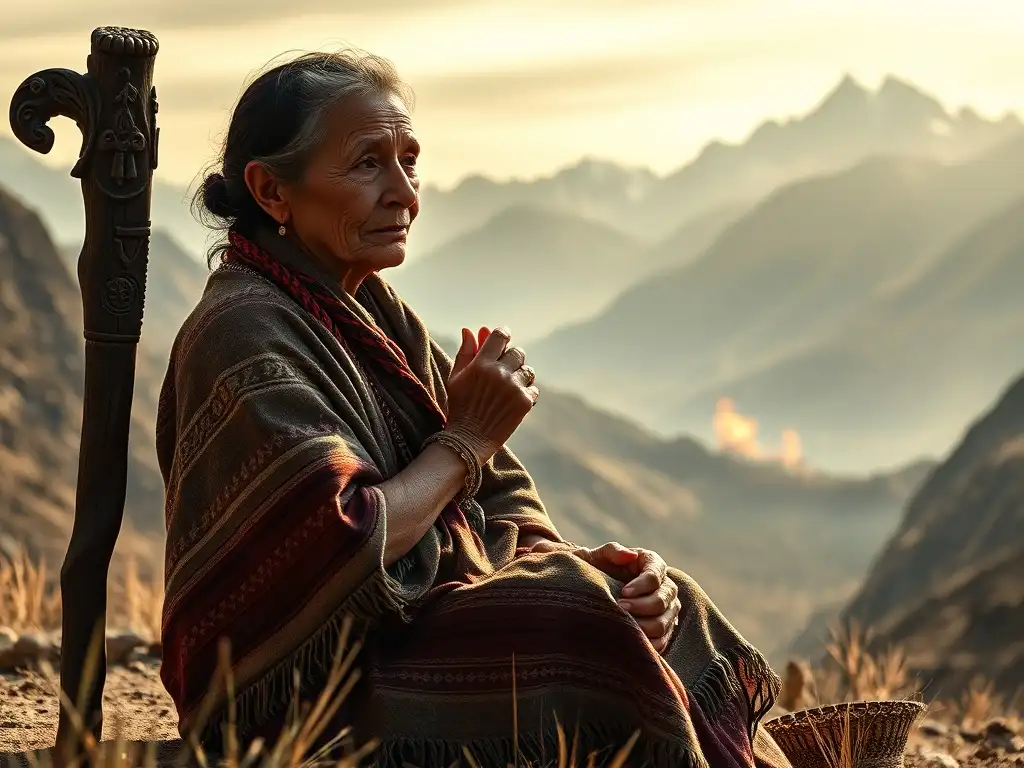
This section delves into the enduring influence of Andean shamanic practices, exploring their historical roots and continuing relevance in contemporary Andean culture. We will examine the core beliefs, the role of the shaman, and how these traditions have adapted and persisted through time, demonstrating the profound impact of Andean spirituality on modern Andean life. Understanding the nuances of Andean shamanism offers a crucial perspective on the region's rich cultural heritage and its ongoing evolution. The term "Andean shamanic practices today" reflects the vibrant continuation of these ancient traditions.
The Roots of Andean Spirituality: Pre-Incan Shamanic Traditions
Andean shamanism didn't emerge fully formed with the Inca Empire. Its origins lie deep within pre-Inca societies, stretching back millennia. Archaeological evidence, such as intricate textiles depicting ritual scenes and the discovery of ceremonial objects in ancient burial sites, suggests sophisticated spiritual practices existed long before the Inca. These early traditions, diverse across different Andean cultures like the Moche, Nazca, and Tiahuanaco, laid the groundwork for the later, more unified forms of Andean shamanism.
The reverence for nature, the belief in interconnectedness between the physical and spiritual realms, and the use of hallucinogenic plants for ritual purposes were all likely present in these early forms. These pre-Inca practices provided a rich tapestry upon which later Andean shamanic traditions were woven. The continuity of these core beliefs highlights the deep-seated nature of Andean spirituality and its enduring power.
Key Elements of Andean Shamanic Beliefs: Connecting with Nature and Spirits
Central to Andean shamanic beliefs is a profound connection with the Pachamama, Mother Earth, and the Apus, the mountain spirits. This animistic worldview sees spirits inhabiting all aspects of the natural world – mountains, rivers, animals, plants – and emphasizes the interconnectedness of all living things. Shamans act as intermediaries between the human world and these spiritual forces, using rituals and ceremonies to maintain balance and harmony within the Pacha.
The use of plantas sagradas (sacred plants), such as ayahuasca and San Pedro cactus, plays a vital role in these practices, facilitating altered states of consciousness and enabling communication with the spirit world. These plants are not merely recreational drugs; they are considered sacred tools used for healing, divination, and spiritual growth.
The careful and respectful use of these plants underscores the profound spiritual significance attributed to the natural world within Andean shamanic beliefs. Understanding this deep connection to nature is key to understanding the essence of Andean shamanic practices today.
The Role of the Andean Shaman: Healers, Guides, and Spiritual Leaders
Andean shamans, often referred to as paqos or yatiri, are not simply religious figures; they are multifaceted spiritual leaders within their communities. Their roles encompass healing physical and spiritual ailments, guiding individuals through rites of passage, and maintaining the balance of the Pacha. They often possess extensive knowledge of herbal medicine, astronomy, and divination techniques.
Their ability to diagnose illnesses and prescribe remedies, often combining traditional medicine with spiritual practices, makes them vital members of Andean communities. Furthermore, their role extends beyond healing to encompass spiritual guidance, offering support and counsel to individuals facing life challenges. The paqo acts as a bridge between the visible and invisible worlds, ensuring the well-being of the community and maintaining the harmony between humans and the spirit world.
Their continued presence highlights the enduring importance of Andean shamanic practices today, demonstrating their relevance in addressing both physical and spiritual needs within contemporary Andean society. The role of the Andean shaman remains a cornerstone of Andean culture, demonstrating the resilience and adaptability of these ancient traditions in the modern world.
Andean Shamanic Practices Today: Preserving Ancient Traditions
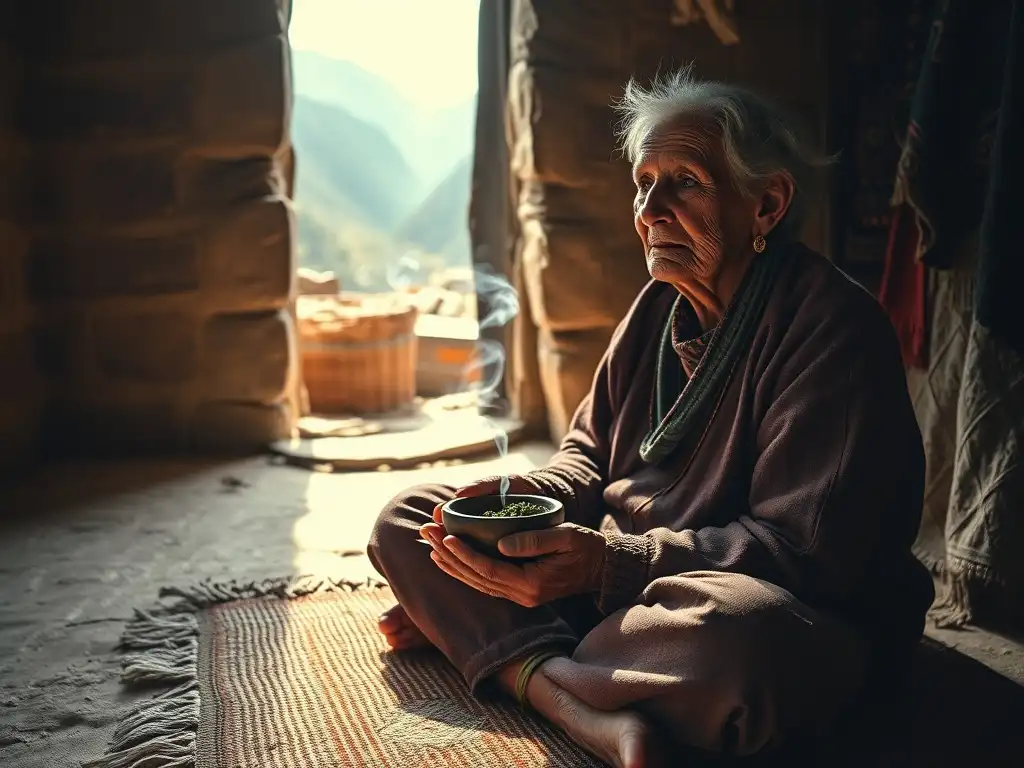
The Andes Mountains, a spine of towering peaks stretching along the western edge of South America, have been home to vibrant cultures for millennia. These cultures, including the Incas, Moche, Nazca, and Tiahuanaco, developed complex spiritual systems deeply intertwined with the natural world. While empires rose and fell, the core beliefs and practices of Andean shamanism persisted, adapting and evolving to the present day.
Understanding Andean shamanic practices today requires recognizing their enduring legacy and their remarkable ability to integrate with modern life. The survival of these traditions is a testament to their resilience and the profound connection Andean communities maintain with their ancestral heritage. This section delves into the contemporary manifestations of these practices, highlighting their continued relevance in modern Andean society.
Contemporary Manifestations of Andean Shamanism: Rituals and Ceremonies
Andean shamanism isn't a monolithic entity; its expressions vary across different communities and regions. However, several common threads weave through contemporary practices. Many rituals and ceremonies center around the pachamama, or Mother Earth, reflecting a deep reverence for nature and its cyclical rhythms. These ceremonies often involve offerings of coca leaves, chicha (a fermented corn beverage), and other sacred items, all presented as expressions of gratitude and respect. Shamans, or paqos, act as intermediaries between the human and spiritual worlds, guiding ceremonies and interpreting the messages of the apus (mountain spirits) and other supernatural beings.
The use of music and dance is also integral to many rituals. Traditional instruments like the zampoña (panpipes) and tinku (a type of Andean drum) accompany ceremonies, creating a powerful atmosphere conducive to spiritual connection. These ceremonies are not merely historical reenactments; they are living, breathing traditions that continue to shape the lives of Andean communities, addressing concerns ranging from healing and agricultural success to navigating personal challenges and maintaining social harmony. The vibrant colors of traditional clothing, often seen during these ceremonies, further emphasize the cultural richness and enduring spirit of Andean shamanism.
The Use of Sacred Plants in Modern Andean Healing Practices
Sacred plants play a central role in Andean healing practices, both past and present. Plants like coca, ayahuasca, and various medicinal herbs are viewed not merely as botanical entities but as powerful spiritual allies. The use of these plants is often guided by paqos, who possess deep knowledge of their properties and applications. These practitioners employ a holistic approach to healing, addressing physical, emotional, and spiritual imbalances simultaneously.
The preparation and administration of these sacred plants are often accompanied by intricate rituals and prayers, underscoring the sacred context of their use. For example, coca leaves are chewed not only for their stimulating effects but also for their purported spiritual benefits, facilitating communication with the spirit world and enhancing clarity of thought. While the use of some plants is regulated and even restricted in certain contexts, their continued importance in Andean healing underscores the enduring power of traditional knowledge systems.
The precise methods and preparations vary widely, reflecting the diversity of Andean cultures and their unique relationships with the plant world. Further research is needed to fully document the range of applications and the detailed knowledge embedded within these practices. The detailed processes and specific plants used often remain closely guarded secrets, passed down through generations within families of healers.
The Pachamama Ceremony: Honoring Mother Earth
The Pachamama ceremony stands as a cornerstone of Andean shamanic practices. This ritual, dedicated to honoring Mother Earth, is performed throughout the Andean region, albeit with regional variations in specific practices. It typically involves offerings of food, drink, coca leaves, and other items placed directly into the earth as a sign of respect and gratitude for the bounty provided. The ceremony is often accompanied by prayers and songs, invoking the pachamama's blessings for good harvests, health, and prosperity.
The timing of the Pachamama ceremony is often linked to agricultural cycles, with significant celebrations occurring during planting and harvest seasons. Many communities also hold Pachamama ceremonies on specific dates throughout the year, reinforcing the ongoing connection between the community and the earth. This enduring tradition reflects the deep-seated belief in the interconnectedness of all living things and the importance of maintaining a harmonious relationship with the natural world.
The Pachamama ceremony is not simply a religious observance; it is a vital social event that strengthens community bonds and reinforces cultural identity. The vibrant energy and communal participation highlight its enduring significance in contemporary Andean life. The offerings themselves represent a tangible manifestation of gratitude, a reciprocal relationship between humanity and the earth that sustains them.
The Importance of the Apus: Mountain Spirits in Andean Shamanism Today
The Apus, the majestic mountain spirits of the Andes, remain central to Andean shamanic practices today. These aren't merely geographical features; they are powerful, sentient beings deeply revered and interacted with by contemporary Andean communities. The relationship with the Apus is not simply spiritual; it's deeply intertwined with the practicalities of life, influencing everything from agriculture and weather patterns to community well-being and individual prosperity. Shamans act as intermediaries, facilitating communication and offerings to ensure the continued favor of these powerful entities.
Many Andean communities still perform paqos, ceremonies involving offerings and prayers to the Apus. These rituals, often involving coca leaves, alcohol, and other sacred objects, are designed to maintain harmony between the human world and the mountain spirits. Failure to appease the Apus is believed to result in misfortune, ranging from crop failure and illness to natural disasters and social unrest.
The specific rituals and offerings vary across different Andean regions and communities, reflecting the unique relationship each group has established with their local Apus. For example, in some communities, specific trails leading to the mountain peaks are maintained and considered sacred pathways for communicating with the mountain spirits.
The significance of the Apus extends beyond ritualistic practices. The mountains themselves are considered sacred spaces, often holding archaeological sites and ancient ceremonial centers that continue to be places of pilgrimage and spiritual reflection. Modern-day Andean communities often integrate traditional knowledge of medicinal plants and healing practices with their reverence for the Apus, viewing the mountains as sources of both physical and spiritual healing.
This interconnectedness between the spiritual realm and the natural world is a cornerstone of Andean shamanism and continues to shape the lives of many Andean people today. The deep respect and ongoing interaction with the Apus represent a living testament to the enduring power of ancient Andean traditions. The vitality of these practices speaks to the resilience and adaptability of Andean spirituality in the face of modernization.
The Continuity of Andean Shamanic Practices: Adapting to Modernity
Andean shamanic practices, far from being relics of the past, continue to thrive in contemporary Andean communities. While significantly transformed by globalization and modernization, the core principles and many traditional methods persist, demonstrating a remarkable resilience. This continuity is not simply a matter of tradition; it's an active, evolving process of adaptation and reinterpretation, reflecting the dynamic relationship between ancient beliefs and modern realities.
The enduring power of these practices lies in their ability to address both spiritual and practical needs within rapidly changing social landscapes. The continued relevance of Andean shamanism in the 21st century highlights its deep-seated integration into the cultural fabric of the Andes.
Understanding this continuity requires examining the ways in which these practices have adapted and the challenges they face in the modern world. This section will explore these aspects, focusing specifically on the challenges, transformations, and the crucial role shamans play in their communities, even in urban environments.
Challenges and Transformations in Modern Andean Shamanism
The practice of Andean shamanism faces numerous challenges in the modern era. One significant hurdle is the encroachment of Western medicine and its often-conflicting worldview. Many Andean communities now have access to conventional healthcare, leading some to prioritize Western medical treatments over traditional shamanic healing. This isn't necessarily a rejection of ancestral practices; rather, it often reflects a pragmatic approach to healthcare, utilizing both systems depending on the perceived need.
Another challenge stems from the increasing influence of globalized culture, which can dilute traditional practices through the adoption of foreign religious beliefs and practices. The commercialization of shamanism, with some practitioners focusing on tourism rather than genuine healing, poses a further threat to the authenticity and integrity of the tradition. However, these challenges haven't led to the demise of Andean shamanism. Instead, they've spurred innovation and adaptation.
For instance, some shamans are integrating elements of Western psychology and counseling into their practices, creating a blended approach to healing that resonates with modern sensibilities. Others are actively working to protect and preserve their traditions through community education and the training of new generations of practitioners. The ongoing negotiation between tradition and modernity is a defining characteristic of Andean shamanic practices today.
The Role of Andean Shamans in Community Well-being
Andean shamans continue to play a vital role in the well-being of their communities, extending far beyond the realm of physical healing. They serve as spiritual leaders, advisors, and mediators, offering guidance on a wide range of issues impacting community life. Their expertise extends to agricultural practices, conflict resolution, and environmental stewardship.
For example, they might conduct rituals to ensure a successful harvest, mediate disputes between families, or lead ceremonies to protect sacred sites and natural resources. Their knowledge of medicinal plants and traditional healing methods remains crucial in many rural communities where access to modern healthcare is limited. The shaman's role is not simply to cure illness; it's to maintain the balance and harmony of the community and its relationship with the natural world.
This holistic approach to well-being highlights the deeply interwoven nature of spiritual and physical health within Andean culture. The deep trust placed in shamans reflects their importance as custodians of traditional knowledge and spiritual guides within their communities. Their ongoing contributions are indispensable for preserving cultural identity and promoting community cohesion.
Shamanic Practices in Urban Settings: Adapting to Modern Life
While traditionally associated with rural communities, Andean shamanic practices are increasingly finding their way into urban settings. Migrants from rural areas often bring their traditions with them, creating pockets of Andean spirituality in cities. This adaptation requires significant adjustments. Urban shamans often face challenges in finding suitable spaces for ceremonies and accessing traditional medicinal plants.
They may also need to navigate complex social and legal frameworks that don't always recognize or accommodate traditional practices. However, urban Andean shamanism is not simply a transplantation of rural practices; it’s a dynamic process of reimagining and reinterpreting traditions within a new context. Urban shamans may adapt their ceremonies to accommodate smaller spaces and incorporate elements of modern technology, such as using social media to connect with clients and communities.
This adaptation demonstrates the remarkable flexibility and resilience of Andean shamanism, highlighting its capacity to thrive even in environments vastly different from its origins. The continued presence of Andean shamanic practices in urban areas underscores its enduring relevance and adaptability in the face of rapid social and environmental change. The vibrant continuation of these practices in urban centers represents a testament to the enduring power of Andean spirituality.
The Transmission of Knowledge: Keeping the Tradition Alive
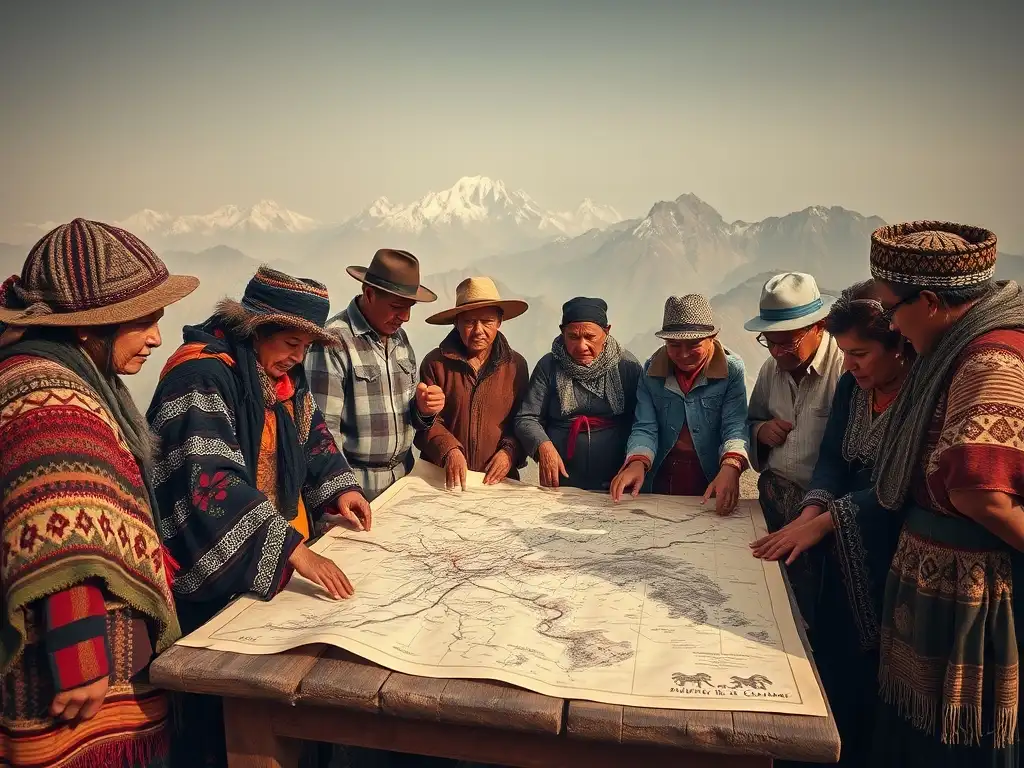
The enduring presence of Andean shamanic practices in the modern era is fundamentally linked to the meticulous transmission of knowledge across generations. This isn't a simple handing down of recipes or rituals; it's a complex process involving apprenticeship, oral traditions, and a deep commitment to preserving a cultural heritage. Unlike many Western traditions where knowledge is often codified in books and institutions, Andean shamanism relies heavily on direct, personal instruction.
Aspiring paqos (Andean shamans) typically undergo years, sometimes decades, of rigorous training under the tutelage of a master. This apprenticeship isn't just about learning specific techniques; it's a holistic immersion in the worldview and philosophy underpinning the practice. The student learns not only the rituals and medicinal plant knowledge but also the ethical considerations, the spiritual discipline, and the profound responsibility that comes with wielding such powerful energies.
The oral tradition plays a crucial role in this transmission. Ancient chants, prayers, and stories – often passed down through families for centuries – form the bedrock of shamanic knowledge. These narratives don't just convey practical information; they embody the very essence of the Andean cosmology, explaining the relationship between humans, nature, and the spirit world.
Memorization, repetition, and ritual performance are key elements of this process, ensuring that the knowledge is not only retained but also deeply ingrained in the practitioner's being. This oral tradition is vibrant and dynamic, adapting to modern contexts while retaining its core principles. For example, while the use of traditional instruments remains central, some paqos may incorporate modern technology, like recording devices, to aid in the preservation and dissemination of these sacred chants and prayers.
This highlights the adaptability and resilience of Andean shamanic traditions in the face of globalization and technological advancements. The commitment to oral transmission ensures the continuity of a living tradition, constantly evolving yet firmly rooted in its ancient origins. It's a testament to the power of community and the enduring importance of preserving cultural heritage.
Modern Expressions of Andean Shamanism: Blending Tradition and Contemporary Life
Andean shamanic practices haven't remained static; they've adapted and evolved to navigate the complexities of modern life. While core principles and rituals remain intact, their expression has diversified to engage with contemporary realities. One notable shift is the increasing integration of Andean shamanism into broader wellness practices.
Many people seek out paqos not just for traditional healing but also for spiritual guidance, stress reduction, and personal growth. This reflects a growing global interest in alternative healing modalities and a recognition of the holistic approach inherent in Andean shamanism. Furthermore, the accessibility of information through the internet and social media has broadened the reach of these practices.
While raising concerns about cultural appropriation, it has also facilitated a greater understanding and appreciation of Andean spirituality among a wider audience. However, it's crucial to note that this increased accessibility necessitates a responsible engagement with these traditions, respecting their sacred nature and avoiding superficial interpretations.
Another important adaptation is the emergence of urban shamanism. As Andean populations migrate to cities, their traditions have followed, finding new expressions within urban environments. While the connection to the land remains vital, paqos have adapted their practices to fit the constraints and opportunities of urban settings.
This might involve modifying rituals to accommodate smaller spaces, using readily available materials, or adapting their teachings to address the unique challenges faced by urban communities. Moreover, the increased interaction between different Andean cultures and ethnic groups within urban centers has led to a fascinating cross-pollination of shamanic practices, creating hybrid forms that reflect the fluidity and adaptability of the tradition. These modern expressions demonstrate the resilience and dynamism of Andean shamanism, highlighting its capacity to adapt to changing circumstances while maintaining its core values and spiritual essence.
The integration of these practices into contemporary society underscores their enduring relevance and their continued capacity to provide spiritual solace and healing in the modern world. The blending of tradition and contemporary life ensures the survival and evolution of these ancient practices, securing their place in the future.
Challenges and Threats to Andean Shamanic Practices: Preserving Authenticity
Despite their resilience, Andean shamanic practices face significant challenges in the modern era. One major concern is the potential for cultural appropriation, where elements of the tradition are adopted and commodified without proper understanding or respect. This often leads to a superficial and inaccurate representation of the practices, stripping them of their spiritual depth and cultural significance.
Additionally, the pressure of globalization and modernization can erode traditional knowledge, leading to the loss of ancient rituals, medicinal plant knowledge, and oral traditions. The encroachment of Western medicine and healthcare systems can also diminish the role of traditional healers, leading to a decline in the practice and the transmission of knowledge. Furthermore, economic disparities and social inequalities can limit access to these practices, particularly for marginalized communities who have traditionally relied on them.
Another important challenge is the preservation of authenticity. As Andean shamanism gains popularity, there's a risk of dilution and commercialization. The desire for quick results and simplified practices can lead to a loss of the intricate details and nuanced understanding that underpin authentic shamanic work. This can result in practices that are ineffective or even harmful.
Balancing the desire to share these practices with a wider audience with the need to protect their integrity is a crucial task. The ethical considerations involved in teaching and practicing Andean shamanism must be carefully addressed to prevent exploitation and ensure the responsible transmission of knowledge. Protecting the sacredness of these practices and upholding their ethical framework is essential for their continued survival and preservation.
Addressing these challenges requires a collaborative approach involving community members, researchers, and policymakers to ensure the sustainable and responsible preservation of this rich cultural heritage. The future of Andean shamanism depends on addressing these threats and preserving the authenticity of its practices for generations to come. The careful safeguarding of this tradition is vital to maintain its integrity and effectiveness.
The Influence of Andean Shamanism on Contemporary Andean Culture
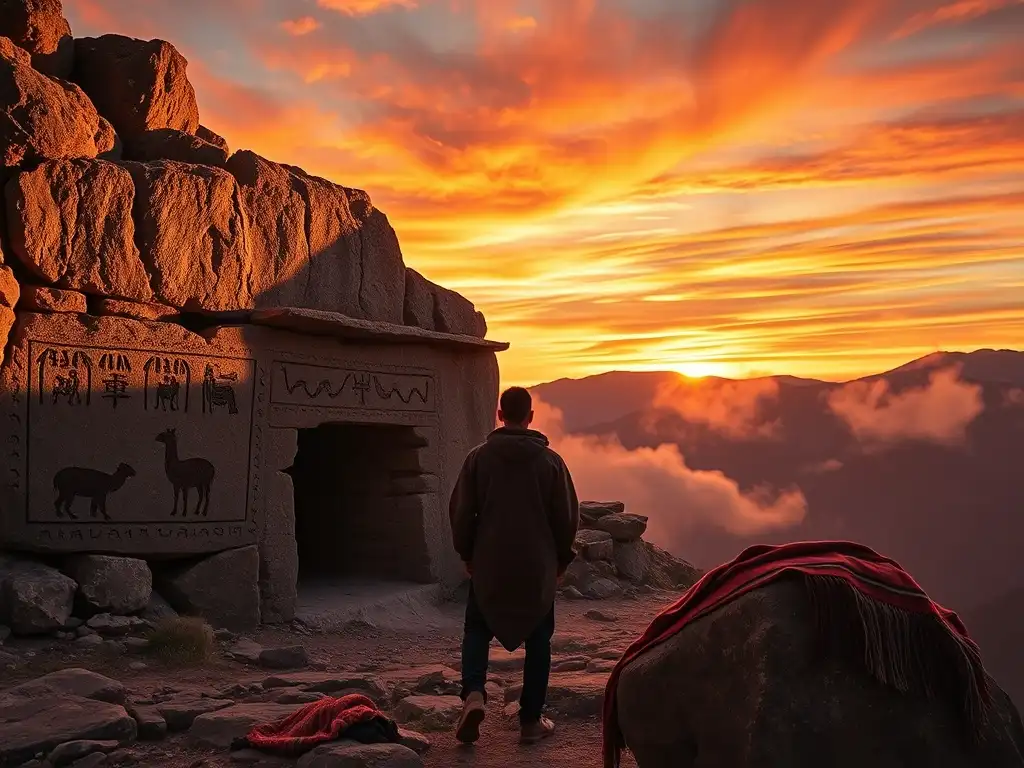
This section explores the enduring legacy of Andean shamanic practices on the daily lives and cultural expressions of modern Andean communities. While the grandeur of Inca cities and the artistry of Nazca lines captivate our imaginations, the spiritual heart of Andean culture continues to beat strongly through its shamanic traditions. These practices, far from being relics of the past, are vibrant and integral to the social fabric of many Andean communities today.
Understanding this enduring influence offers a deeper appreciation for the complexity and richness of Andean civilization's legacy. The persistence of Andean shamanic practices today is a testament to their adaptability and enduring relevance.
The Impact of Andean Shamanic Beliefs on Daily Life
Andean shamanic beliefs profoundly shape daily life in numerous communities. These beliefs are not confined to formal rituals; instead, they permeate everyday routines, decisions, and interactions. For example, the concept of Pachamama, the Earth Mother, is not merely a deity to be worshipped in ceremonies but a fundamental force shaping agricultural practices, resource management, and even social interactions. Farmers consult Pachamama before planting, offering prayers and coca leaves to ensure a bountiful harvest. Decisions about land use, water allocation, and community projects often involve considering the wishes and balance of Pachamama.
Furthermore, the belief in spirits and energies, both benevolent and malevolent, influences daily routines. Individuals might avoid specific areas considered spiritually sensitive or perform small rituals to protect themselves from negative energies. This deep-seated spiritual awareness guides decision-making in various aspects of life, from daily chores to major life events. The intricate system of Andean cosmology, with its layered understanding of the physical and spiritual worlds, continues to provide a framework for navigating life's complexities. This deeply ingrained spiritual worldview underpins the social order and individual conduct in many Andean communities.
The coca leaf holds a central place in Andean shamanic practices and daily life, far beyond its recreational use in other contexts. It is not simply a stimulant but a sacred plant imbued with spiritual significance. In rituals, coca leaves are offered to deities, ancestors, and spirits as a form of communication and appeasement. Shamans use coca leaves during divination, seeking guidance from the spiritual realm. The act of chewing coca leaves is not merely a habit but a ritualistic practice, often accompanied by prayer and reflection.
Beyond formal rituals, coca leaves play a vital role in social interactions. Offering coca leaves is a gesture of respect, hospitality, and friendship. It signifies a connection to shared Andean traditions and a recognition of spiritual realities.
The sharing of coca leaves solidifies social bonds and fosters a sense of community. The coca leaf, therefore, serves as a tangible link between the spiritual and social realms, a constant reminder of the enduring power of Andean shamanic traditions in contemporary Andean society. The economic and social importance of coca, carefully managed and regulated in many communities, further highlights its central role in Andean life.
The Connection Between Andean Shamanism and Traditional Medicine
Andean shamanic practices are deeply intertwined with traditional medicine. Shamans often act as healers, diagnosing illnesses not only as physical ailments but also as imbalances in the spiritual realm. Their treatments involve a combination of herbal remedies, rituals, and spiritual interventions aimed at restoring harmony within the individual and their relationship with the surrounding world. Knowledge of medicinal plants and their properties is passed down through generations, reflecting a sophisticated understanding of botany and its therapeutic applications.
The integration of spiritual and physical healing in Andean traditional medicine demonstrates the holistic approach inherent in Andean shamanic worldview. Illness is not simply a biological dysfunction but a disruption of the balance between the individual, the community, and the spiritual world. The shaman's role is to restore this balance through a multifaceted approach that encompasses spiritual cleansing, herbal remedies, and the manipulation of spiritual energies.
This approach underscores the enduring relevance of Andean shamanic practices in healthcare, providing an alternative or complementary approach to Western medicine in many Andean communities. The preservation and study of these traditional healing methods is crucial for maintaining cultural heritage and exploring potential therapeutic applications.
Andean Shamanism and the Preservation of Cultural Identity
Andean shamanism plays a vital role in preserving the cultural identity of Andean communities today. For centuries, these practices have transmitted knowledge, beliefs, and traditions across generations, fostering a strong sense of continuity and belonging. The intricate rituals, ceremonies, and healing practices are not merely spiritual exercises; they are the very heart of Andean cultural expression. They represent a living connection to ancestral wisdom, a powerful force that binds communities together and distinguishes them from external influences.
The continued practice of shamanism ensures that ancient languages, cosmologies, and social structures are maintained, resisting the homogenizing pressures of globalization. This preservation is crucial for the mental and emotional well-being of Andean peoples, grounding them in their heritage and providing a sense of stability and purpose in a rapidly changing world. The vibrant tapestry of Andean culture would be significantly diminished without the active role of its shamans.
The transmission of these practices is often a deeply personal and familial affair. Knowledge is passed down through lineages, with apprenticeships lasting many years and involving rigorous training and initiation rites. This intricate process ensures that the complex knowledge, including herbal remedies, spiritual techniques, and interpretations of Andean cosmology, are accurately preserved.
The specificity of this transmission is vital; it's not simply about memorizing rituals but understanding their nuanced meaning and application within specific community contexts. This deep understanding allows shamans to adapt ancient practices to address the contemporary challenges faced by their communities, demonstrating the enduring relevance of Andean shamanism. The preservation of this knowledge is not merely a cultural endeavor; it is a living, breathing testament to the resilience and enduring spirit of Andean civilization.
The continued practice of Andean shamanic traditions also acts as a powerful counter-narrative to the often destructive forces of colonialism and modernization. By actively maintaining their spiritual practices, Andean communities assert their cultural autonomy and resist the imposition of external values and beliefs. The persistence of shamanic traditions represents a powerful form of cultural resistance, demonstrating the enduring strength and vitality of Andean cultures in the face of considerable historical and contemporary pressures.
This resistance is not passive; it's an active and dynamic process of reclaiming and reinterpreting cultural heritage in the face of globalization, ensuring that Andean voices and perspectives are heard and respected. This vibrant cultural resistance is a testament to the enduring power of Andean shamanism in shaping and preserving cultural identity in the modern era.
The Future of Andean Shamanic Practices: Maintaining the Connection to the Past
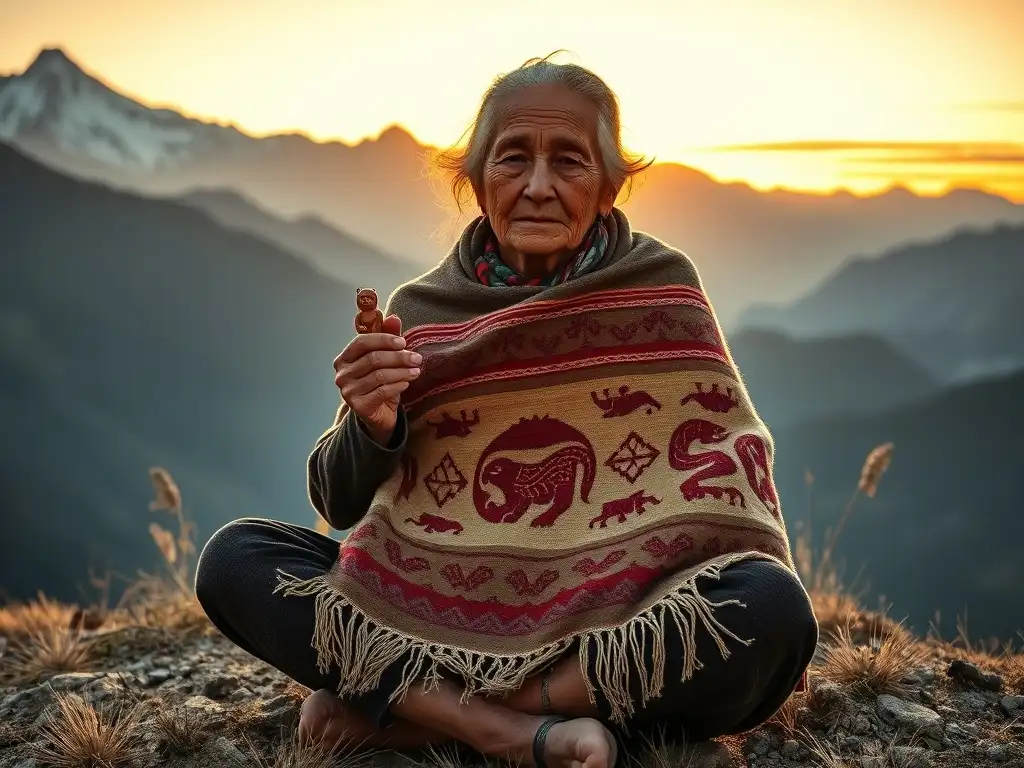
The enduring legacy of Andean shamanic practices is a testament to their resilience and adaptability. While facing the pressures of modernization and globalization, these traditions continue to thrive, albeit in evolving forms. Understanding the future of Andean shamanism requires a nuanced perspective, acknowledging both the challenges and opportunities that lie ahead.
The key to preserving these practices lies in a delicate balance: respecting the sanctity of ancient traditions while adapting to the contemporary world. This involves fostering a deep understanding and appreciation for the cultural context within which these practices exist, ensuring their continuation without exploitation or misrepresentation. The continued existence of Andean shamanic practices is intricately linked to the well-being of the Andean communities themselves.
The Growing Interest in Andean Shamanism: A Global Perspective
The rise of alternative medicine and spirituality has fueled a global interest in Andean shamanism. This growing fascination presents both a boon and a burden. On one hand, increased awareness can lead to greater financial support for indigenous communities and the preservation of their cultural heritage. Many seek out Andean shamanic healing practices for their unique approach to physical and spiritual well-being.
This increased demand can provide economic opportunities for practitioners, helping sustain their traditions. However, this increased interest also carries significant risks. The potential for cultural appropriation and commodification is substantial. There's a danger of superficial engagement, stripping the practices of their profound spiritual meaning and reducing them to mere tourist attractions.
Data suggests a significant increase in the number of workshops and retreats offering "Andean shamanic experiences," many of which lack authenticity and ethical considerations. This necessitates a critical examination of the motivations and methods employed in these endeavors. The commercialization of sacred practices can lead to the dilution and ultimately, the erosion of their cultural significance.
Ethical Considerations in Exploring Andean Shamanic Traditions
Ethical considerations are paramount when engaging with Andean shamanic traditions. Respect for indigenous knowledge and intellectual property rights is crucial. Appropriation, where outsiders profit from cultural practices without proper acknowledgment or compensation to the originating communities, is a serious concern.
It is vital to engage with these practices with humility, recognizing the deep spiritual significance they hold for indigenous peoples. This means prioritizing respectful learning, avoiding the commodification of sacred rituals, and ensuring that the benefits of any research or engagement directly benefit the communities involved. This includes obtaining informed consent from community members before conducting any research or offering any services related to Andean shamanic practices.
Furthermore, it's essential to avoid perpetuating harmful stereotypes and misconceptions about Andean culture and spirituality. A responsible approach demands careful consideration of the potential impact of any interaction, ensuring that it contributes positively to the preservation and continuity of these valuable traditions. Ignoring these ethical considerations can cause irreparable damage to the cultural heritage and spiritual well-being of Andean communities.
The Role of Indigenous Communities in Protecting Spiritual Practices
The ultimate responsibility for the protection and preservation of Andean shamanic practices rests with the indigenous communities themselves. They are the custodians of this knowledge and the inheritors of a rich spiritual legacy. Supporting their efforts is crucial for the long-term survival of these traditions. This involves empowering indigenous communities to control the narrative surrounding their practices, ensuring that their voices are heard and their perspectives are respected.
This includes providing access to education, resources, and opportunities for economic development that allow them to maintain their cultural heritage. Furthermore, active collaboration with indigenous communities is essential. Research and educational initiatives should be conducted in partnership with them, ensuring that their perspectives are central to the process and that they benefit directly from any outcomes.
This collaborative approach is vital to avoid the pitfalls of exploitation and cultural appropriation, ensuring the continued vitality of Andean shamanic practices for generations to come. The future of Andean shamanic practices depends on the active engagement and empowerment of the indigenous communities who hold these traditions sacred. Their knowledge, wisdom, and continued practice are essential for the preservation of this unique and valuable cultural heritage.
The Importance of Respect and Understanding in Engaging with Andean Shamanism
Engaging with Andean shamanic practices today requires a profound level of respect and understanding. It's crucial to remember that these aren't simply tourist attractions or esoteric curiosities; they are living, breathing traditions deeply interwoven with the spiritual and cultural fabric of Andean communities. Approaching these practices with an attitude of reverence is paramount. This means recognizing the deep spiritual significance of the ceremonies, rituals, and practices involved, and treating them with the utmost solemnity they deserve. Ignoring this fundamental aspect can lead to cultural appropriation and a disrespectful distortion of deeply held beliefs.
Furthermore, understanding the context is vital. Andean shamanism isn't a monolithic entity. It varies significantly across different Andean communities, reflecting the diverse cultural landscapes and unique histories of the region. What might be considered acceptable practice in one community could be highly inappropriate in another.
Therefore, thorough research and a willingness to learn from indigenous communities themselves are essential. This involves seeking guidance from knowledgeable members of the community, actively listening to their perspectives, and avoiding any attempt to impose external interpretations or expectations. Respectful engagement necessitates humility and a genuine desire to learn, rather than an approach driven by personal gain or curiosity alone.
The importance of reciprocity also cannot be overstated. Participating in Andean shamanic practices should not be a purely extractive experience. It's vital to offer something back to the community, whether through respectful donations, active participation in community projects, or simply by sharing the knowledge and appreciation gained through respectful engagement. This reciprocal relationship underscores the ethical considerations inherent in engaging with such deeply rooted traditions.
Ignoring this aspect reduces the interaction to a transactional one, undermining the spiritual significance and community ties at the heart of Andean shamanism. Authentic engagement requires a commitment to mutual respect and a long-term relationship built on trust and reciprocal benefit, not fleeting curiosity. Ultimately, respectful engagement ensures the preservation and continuation of these vital traditions for future generations.
Conclusion: The Enduring Power of Andean Shamanic Practices
The legacy of Andean civilizations extends far beyond impressive architectural feats like Machu Picchu or intricate textiles. A vital, and often overlooked, aspect of this legacy is the enduring power of Andean shamanic practices. While much has changed across the Andes since the height of the Inca Empire and earlier civilizations, the core principles and practices of shamanism continue to thrive, adapting and evolving within contemporary Andean society.
This enduring presence speaks volumes about the deep-rooted connection between the Andean people and their spiritual world, a connection forged over millennia and sustained through generations. Understanding this enduring influence allows us to appreciate the complexity and richness of Andean culture in its entirety, moving beyond a superficial understanding of its historical achievements.
The persistence of these practices offers a unique window into the resilience and adaptability of Andean spiritual traditions in the face of modernization and globalization. Understanding their continued relevance is key to comprehending the vibrant cultural tapestry of the Andes today.
The Relevance of Ancient Wisdom in the Modern World
The continued practice of Andean shamanic traditions isn't merely a historical curiosity; it holds significant relevance in the modern world. Many indigenous communities across the Andes continue to rely on paqos (shamans) for healing, spiritual guidance, and connection to the apus (mountain spirits). These practices offer valuable insights into alternative healing modalities, emphasizing the interconnectedness of mind, body, and spirit.
For example, the use of medicinal plants, a cornerstone of Andean shamanic healing, is gaining increasing recognition in Western medicine for its potential therapeutic benefits. 🌿 Furthermore, the emphasis on community and harmony with nature, central tenets of Andean shamanism, offers a powerful counterpoint to the often isolating and environmentally damaging aspects of modern life.
The wisdom embedded in these ancient practices offers valuable lessons in sustainable living and community building, promoting holistic well-being that extends beyond the individual to encompass the entire ecosystem. This holistic approach contrasts sharply with the often fragmented and reductionist approaches found in modern Western societies.
The spiritual practices, often involving intricate ceremonies and rituals, maintain a strong connection to the ancestral past. These rituals are not simply historical reenactments; they are living traditions that serve to reinforce cultural identity and social cohesion within Andean communities. They provide a sense of continuity and belonging, particularly crucial in the face of ongoing social and economic challenges.
The preservation of these traditions is vital for maintaining the cultural heritage of the Andes and fostering a sense of pride and identity amongst its people. The intricate knowledge of herbal remedies and spiritual practices is passed down through generations, ensuring the continuation of these invaluable traditions.
The Enduring Significance of Andean Shamanic Traditions
The enduring significance of Andean shamanic traditions lies in their ability to adapt and evolve while retaining their core essence. While the specific practices might vary across different Andean communities, the underlying principles of connection to nature, reverence for ancestral spirits, and the pursuit of spiritual harmony remain constant. This adaptability is key to their survival and continued relevance in the modern world. The integration of modern technologies and perspectives hasn't diluted the power of these traditions; instead, it has often enriched them, allowing for a dynamic interplay between ancient wisdom and contemporary understanding.
For example, some paqos now utilize modern communication technologies to reach a wider audience and share their knowledge, bridging the gap between traditional practices and contemporary accessibility. This demonstrates the inherent flexibility of Andean shamanism and its capacity to adapt to the changing sociocultural landscape without compromising its core values.
The ongoing evolution of these traditions underscores their dynamism and resilience, ensuring their continued relevance for generations to come. The preservation and understanding of these practices are not only crucial for the Andean people but also offer valuable lessons and perspectives for the rest of the world.
Their enduring presence is a testament to the power of spiritual traditions to adapt, evolve, and remain relevant in a constantly changing world. The study and appreciation of Andean shamanic practices today offer a unique opportunity to understand the profound connection between humanity and the natural world, a connection that transcends time and cultural boundaries.
Frequently Asked Questions
What are some examples of Andean shamanic practices that continue today?
Many Andean communities still practice traditional healing ceremonies involving plantas medicinales (medicinal plants), rituals to connect with Apus (mountain spirits), and the use of spiritual divination techniques like pako (reading coca leaves).
How does modern Andean shamanism differ from ancient practices?
While the core principles remain, modern Andean shamanism has adapted to the influences of Christianity and globalization. Some practices are now blended with other spiritual traditions, while others are kept secret within families or communities.
Where can I experience or learn about Andean shamanic practices today?
Experiences can be found in rural communities across the Andes, particularly in Peru, Bolivia, Ecuador, and Colombia. Responsible tourism that respects local customs and traditions is crucial. Consider seeking guidance from reputable organizations.
Are Andean shamanic practices safe for tourists to participate in?
Participation should be approached with respect and caution. It's vital to find reputable guides and communities who prioritize ethical and safe practices. Avoid exploitative situations and always seek informed consent.
How can I learn more about the history and significance of Andean shamanism?
Research academic works on Andean anthropology and spirituality. Explore museums exhibiting Andean artifacts and textiles that illustrate shamanic beliefs and rituals. Remember to respect the cultural sensitivity surrounding these practices.
Final Reflection: Echoes of the Andes in a Modern World
The enduring legacy of Andean shamanic practices resonates powerfully in today's world, a testament to the timeless wisdom embedded within these ancient traditions. These practices, far from being relics of the past, offer a potent counterpoint to the frenetic pace of modern life, reminding us of the deep connection between humanity and the natural world. Their continued existence is a beacon of hope, demonstrating the resilience of spiritual traditions in the face of globalization and modernization.
The profound impact of Andean shamanism extends far beyond the Andes themselves, influencing contemporary spiritual movements and inspiring a renewed interest in holistic healing and interconnectedness. The emphasis on community, respect for nature, and the integration of spiritual and physical well-being offers a valuable alternative to the often isolating and materialistic aspects of modern society. The earth is what we all have in common.
– Wendell Berry. This simple yet profound statement encapsulates the core philosophy underpinning many Andean shamanic practices, a philosophy that urgently needs to be re-examined in our increasingly disconnected world.
Consider the wisdom woven into these ancient practices. How can you incorporate the principles of balance, harmony, and respect for the natural world into your own life? Embrace the opportunity to connect with something larger than yourself, to find solace in the rhythms of nature, and to cultivate a deeper understanding of your place within the intricate web of life. Let the echoes of the Andes inspire you to live a more meaningful, connected, and fulfilling existence.
**Unveil the Power of Ancient Andean Wisdom! **
Thank you for exploring the captivating world of Andean shamanic practices! We hope you've gained valuable insights into how these ancient traditions continue to shape our lives today. Now, let's embark on the next stage of your journey.
Here are some empowering steps you can take:
- **Explore** local workshops or online courses focusing on Andean shamanism to begin your journey into these rich traditions.
- **Engage** with a community interested in indigenous wisdom. Join online forums or social media groups to share your experiences and learn from others.
- **Read** books by authentic Andean shamans or listen to podcasts featuring their insights to deepen your understanding.
Which practice resonates most with you, and how will you integrate it into your life? Share your thoughts in the comments!