
Inca Metal Objects: From Ritual Artifacts to Functional Tools

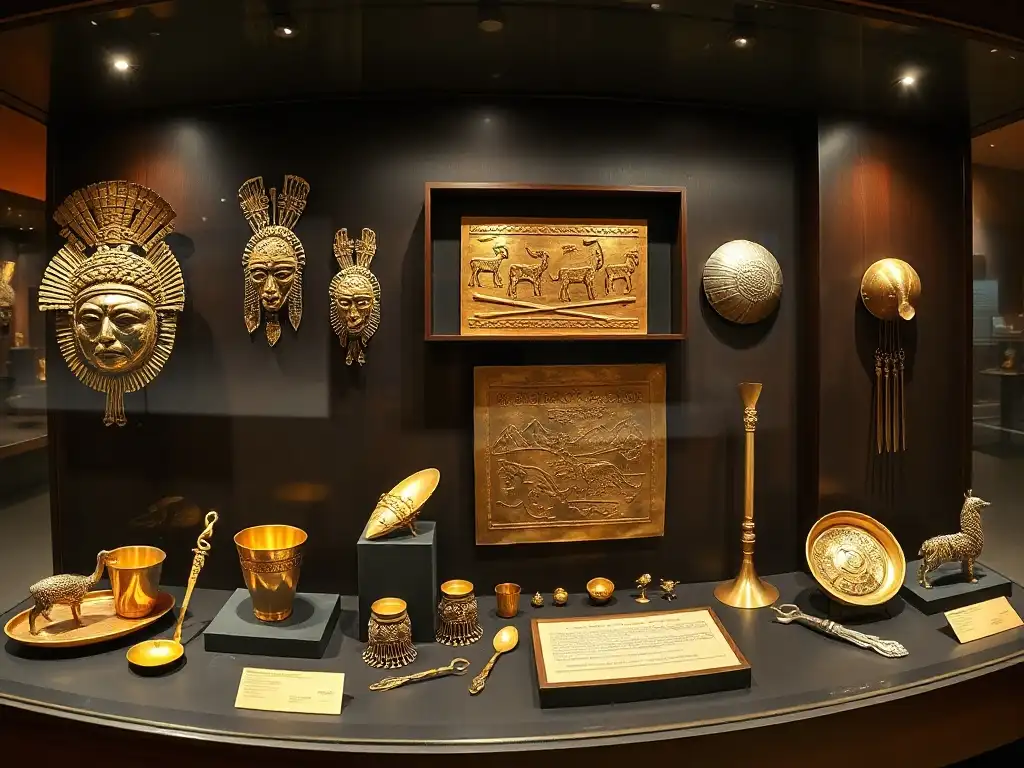
Step into a world lost to time, where the echoes of ancient empires still resonate. Discover the breathtaking artistry and ingenuity of the Andean civilizations, from the towering heights of the Inca Empire to the mysterious artistry of the Nazca. But prepare to be amazed by the intricate details of Inca metalwork artifacts, objects that whisper tales of ritual, power, and everyday life. Their secrets await— dare you uncover them?
- Inca Metalwork Artifacts: Rituals, Tools, and Technological Prowess
- The Significance of Metal in Inca Society
- Inca Ritual Metal Objects: Beyond Decoration
- Inca Functional Metal Tools and Implements
- The Art of Inca Metalworking: Techniques and Styles
- Preservation and Study of Inca Metalwork Artifacts
- Conclusion: Inca Metalwork – A Window into a Rich Civilization
- Frequently Asked Questions
- Final Reflection: The Enduring Legacy of Inca Metalwork
- Unveil the Legacy of Inca Metalwork Today!
Inca Metalwork Artifacts: Rituals, Tools, and Technological Prowess
The Inca Empire, renowned for its sophisticated engineering and intricate artistry, left behind a legacy of remarkable metalwork. This article delves into the fascinating world of Inca metal objects, exploring their diverse functions, from sacred ritual artifacts to everyday tools, and highlighting the impressive metallurgical techniques employed by Inca artisans. We will examine how these artifacts reflect the Inca worldview, their social structures, and their advanced technological capabilities, providing insights into the rich cultural tapestry of this remarkable civilization.
Understanding Inca metalwork provides a crucial lens through which we can appreciate the complexity and sophistication of their society, shedding light on their beliefs, practices, and mastery over materials. This exploration of Inca metalwork artifacts will uncover the ingenuity and artistry that defined this pivotal period in Andean history, solidifying their place as masters of metalworking in the ancient world.
The sheer variety and quality of surviving pieces provides unparalleled insight into Inca life and beliefs. This examination will specifically focus on the keyword "Inca metalwork artifacts" to provide a comprehensive overview of the subject.
The Significance of Gold, Silver, and Copper in Inca Culture
Inca metalworking wasn't merely a craft; it was deeply intertwined with their religious beliefs and social hierarchy. Gold, symbolizing the sun god Inti, held immense spiritual significance. It was used primarily in the creation of ritual objects, often adorning religious figures and ceremonial vessels.
Silver, associated with the moon, was also highly valued, frequently employed in the production of both religious and practical items. Copper, while less precious, played a vital role in the creation of tools and weapons, demonstrating a practical application of their metallurgical expertise. The Inca's meticulous attention to detail, evident in the intricate designs and high-quality craftsmanship, reflects the cultural importance placed upon these metal objects.
The use of these metals varied depending on the intended purpose of the artifact, with gold reserved for the elite and sacred contexts. Even the alloys used were carefully considered, leading to unique colors and properties that further enhanced the significance of these items.
Techniques and Processes: A Masterclass in Andean Metallurgy
The Inca's mastery of metallurgy was truly remarkable. They developed sophisticated techniques for extracting, refining, and working metals, including sophisticated alloying processes to achieve specific colors and properties. These techniques involved several steps, from mining the raw materials to the final stages of shaping and decoration. Evidence suggests they employed techniques like hammering, casting, repoussé (hammering from the back to create raised designs), and gilding.
The precision and detail achieved in many pieces, particularly those made of gold and silver, are a testament to their skill and patience. For example, the incredibly thin sheets of gold used in some artifacts required an advanced understanding of metal manipulation and annealing. Furthermore, the creation of complex alloys required precise measurements and control over the smelting process, showing a high degree of technical knowledge. These techniques were passed down through generations, ensuring the continuity of this important craft.
Types of Inca Metalwork Artifacts: From Ceremonial to Everyday Use
Inca metalwork artifacts encompassed a wide range of objects, reflecting both ceremonial and practical functions. Ceremonial objects included intricately crafted figurines of deities, ceremonial vessels ( kero ), and ornate ornaments like ear spools and nose rings, often reserved for the elite. These items were frequently used in religious rituals and ceremonies, demonstrating the Inca's belief in the power and symbolism of metal.
On the other hand, functional tools included knives, axes, and chisels, used in agriculture and construction, showing a pragmatic approach to metalworking. The diversity of these artifacts highlights the versatility of Inca metalworking techniques and their ability to adapt these skills to a wide range of applications. Even seemingly simple tools often displayed a level of craftsmanship that surpassed mere functionality, suggesting a cultural appreciation for even the most mundane objects.
The Legacy of Inca Metalwork: Influence and Preservation
The legacy of Inca metalwork extends far beyond the empire's demise. The intricate designs, sophisticated techniques, and the sheer artistry displayed in these artifacts continue to inspire awe and admiration. Many of these objects are preserved in museums worldwide, serving as tangible testaments to the ingenuity and cultural richness of the Inca civilization. Their influence can be seen in subsequent Andean cultures, demonstrating the enduring impact of Inca metallurgical traditions.
The study of these artifacts continues to provide valuable insights into Inca society, beliefs, and technological advancements. Moreover, ongoing research and preservation efforts are crucial to safeguarding this invaluable part of Andean heritage for future generations. The ongoing study of Inca metalwork artifacts remains a key area of research for understanding the Inca civilization.
The Significance of Metal in Inca Society
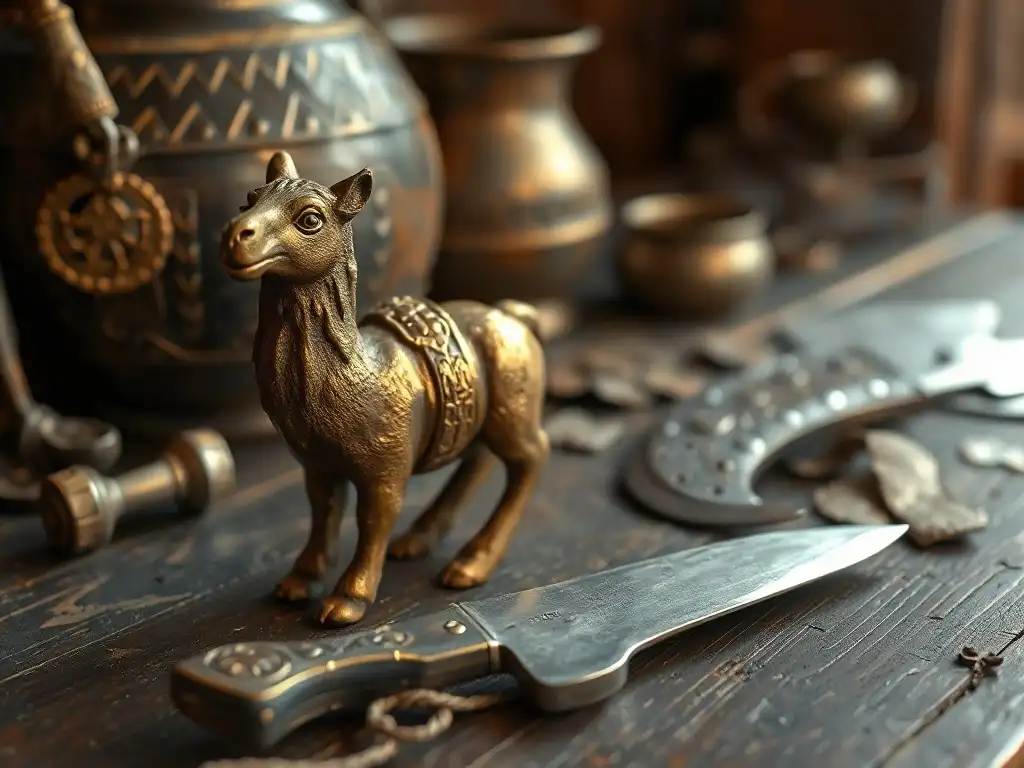
The Inca Empire, renowned for its sophisticated engineering and intricate artistry, placed significant value on metalwork. Unlike many other ancient civilizations that primarily used metal for weaponry, the Inca incorporated metal into nearly every facet of their lives, from elaborate ritual objects to everyday tools. This widespread use reflects not only their advanced metallurgical skills but also the profound symbolic meaning imbued in metal itself.
The rarity of metallic ores in the Andean region further elevated the status of metal objects, making them highly prized possessions. The meticulous craftsmanship evident in Inca metalwork artifacts speaks to the high level of skill and artistry achieved by Inca artisans, showcasing a deep understanding of metal properties and techniques. Understanding the significance of metal in Inca society is crucial to appreciating the full scope of their culture and achievements.
The prevalence of Inca metalwork artifacts across various social strata underscores its importance, demonstrating its role in both religious practices and daily life. The sheer number of surviving examples, despite the passage of centuries, attests to the durability and enduring quality of their metalworking techniques.
Metal as a Symbol of Power and Status
Metal, particularly gold and silver, served as potent symbols of power and status within Inca society. Gold, associated with the sun god Inti, was reserved for the elite, adorning royal regalia, religious objects, and the tombs of Inca rulers. The sheer quantity of gold used in Inca artifacts underscores its importance as a marker of royal authority.
For example, the elaborate gold ornaments found in the tomb of Pachacuti, the ninth Sapa Inca, showcase the immense wealth and power concentrated in the hands of the ruling class. Silver, though less prestigious than gold, still held considerable value and was used in a wider range of objects, including ceremonial vessels, jewelry, and decorative elements in palaces. The intricate designs and high-quality craftsmanship of these metal objects served not only as a display of wealth but also as a visual representation of the Inca's sophisticated artistic abilities and technological prowess.
This careful control over the production and distribution of metal objects ensured that only the elite could access and display these prestigious items, reinforcing the social hierarchy and the power of the Inca state. The presence of gold and silver in Inca metalwork artifacts is thus not merely decorative; it is a powerful statement of social and political hierarchy.
Inca Metallurgy: A Blend of Art and Function
Inca metallurgy represents a remarkable fusion of artistic skill and functional practicality. While gold and silver were primarily used for ceremonial and decorative purposes, other metals like copper, bronze, and tumbaga (a gold-copper alloy) were employed in the creation of tools essential for daily life. These included agricultural implements such as axes, chisels, and knives, alongside items used in textile production and construction.
The craftsmanship evident in these functional objects is noteworthy, demonstrating the Inca's ability to combine aesthetic beauty with practical functionality. The design and construction of these tools reflect a deep understanding of material properties and engineering principles. For example, the precise casting techniques used in the creation of bronze bells or the hammered and repoussé techniques used in the shaping of copper sheets display an advanced level of metallurgical expertise.
The Inca's ability to produce high-quality tools from readily available materials highlights their ingenuity and resourcefulness. The seamless integration of art and function in Inca metalwork artifacts showcases their holistic approach to craftsmanship, where beauty and utility were not mutually exclusive but rather complementary aspects of their cultural expression.
Sources of Metal for Inca Craftsmanship
The Inca Empire's access to metallic ores played a crucial role in the development of their sophisticated metalworking traditions. While gold and silver were relatively scarce, their presence in various regions of the empire facilitated the development of distinct metalworking styles. Copper, however, was more widely available, particularly in the central Andes, and formed the basis for many tools and weapons. The Inca established a vast network of mines and workshops to extract and process these metals.
This network ensured a consistent supply of raw materials for their artisans, allowing for large-scale production of metal objects. Evidence suggests that the Inca employed sophisticated mining techniques, including the use of tunnels and shafts to reach deep ore deposits. The transport of these metals across the vast Inca Empire was a logistical feat, requiring well-organized systems of transportation and storage.
The specific locations of many Inca mines remain a subject of ongoing research, but archaeological discoveries continue to shed light on the scale and organization of their mining operations. The distribution and control of these precious metals were closely monitored by the Inca state, reflecting their importance in both economic and social life. The mastery of metalworking techniques, coupled with access to a wide range of metallic ores, allowed the Inca to create a rich and diverse body of metalwork artifacts that continues to fascinate and inspire today.
Inca Ritual Metal Objects: Beyond Decoration
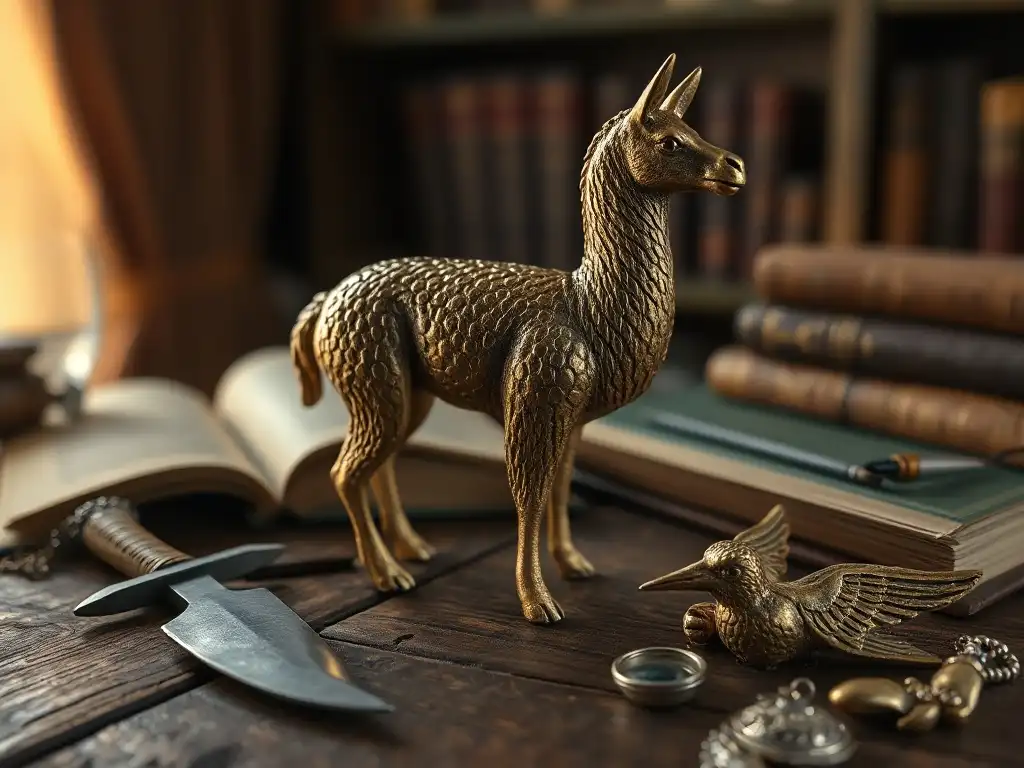
Inca metalwork artifacts, particularly those crafted from gold and silver, held immense religious significance, transcending mere decorative purposes. These precious metals were believed to possess spiritual power, connecting the earthly realm with the celestial. The meticulous craftsmanship and symbolic imagery embedded within these objects reveal a complex cosmology and intricate understanding of the relationship between humans and the divine.
The scarcity of these metals further amplified their sacred status, reserving their use primarily for elite contexts and religious rituals. Analyzing these artifacts offers invaluable insights into Inca beliefs, rituals, and social structures. The sheer artistry involved also highlights the advanced metallurgical skills of Inca artisans.
Gold and Silver in Inca Religious Ceremonies
Gold, known as qori in Quechua, was associated with the sun god, Inti, and symbolized royalty, power, and divine authority. Silver, or qilla, was linked to the moon and held a slightly less prominent, yet still significant, religious role. Both metals were extensively used in religious ceremonies, adorning statues of deities, creating ceremonial vessels for offerings, and crafting intricate jewelry worn by priests and rulers.
The use of gold and silver wasn't arbitrary; specific alloys and techniques were employed to achieve particular colors and textures, further enhancing their symbolic meaning. For example, tumbaga, an alloy of gold and copper, produced a distinctive reddish hue, potentially representing blood or the earth.
The intricate designs often featured stylized representations of animals, plants, and celestial bodies, all imbued with symbolic meaning within the Inca worldview. Detailed records, while scarce, suggest that these objects were often melted down and re-used in subsequent ceremonies, reflecting a cyclical view of time and the ongoing relationship with the divine.
Inca Metal Figurines: Representations of Deities and Ancestors
Many Inca metalwork artifacts take the form of small figurines, meticulously crafted representations of deities, ancestors, and other important figures. These figurines, often made from gold, silver, or copper alloys, varied considerably in size and detail, ranging from miniature representations to larger, more elaborate pieces. Some figurines depict clearly identifiable deities, such as Inti (the sun god) or Viracocha (the creator god), while others are more ambiguous, possibly representing lesser deities or ancestral spirits.
The poses and attributes of these figurines provide valuable clues to their identity and function. For example, a figurine holding a staff might represent a high-ranking priest or a powerful ancestor. The stylistic choices, such as the use of specific headdresses or clothing, further reinforce the symbolic meaning.
Analyzing the iconography of these figurines allows researchers to piece together a more complete understanding of Inca religious beliefs and social hierarchy. The preservation of these delicate pieces is a testament to the skill of Inca metalworkers and their understanding of material properties.
Sacred Inca Metal Vessels and Offerings
Inca metal vessels, ranging from small bowls to large ceremonial containers, played a crucial role in religious rituals. These vessels were used to present offerings to the gods, often containing liquids such as chicha (fermented maize beer) or coca leaves. The intricate designs adorning these vessels often reflect the themes found in other Inca metalwork artifacts: celestial bodies, animals, and stylized human figures. The materials used—gold, silver, copper alloys—further underscore their sacred function.
Some vessels were remarkably large and elaborate, suggesting they were used in major state ceremonies or festivals. The discovery of such vessels in royal tombs provides evidence of their importance in funerary rites, where they likely held offerings intended to accompany the deceased into the afterlife. The sheer variety in size, shape, and decoration of these vessels indicates the complexity and diversity of Inca religious practices.
Furthermore, the presence of residue within some vessels offers potential for chemical analysis, providing further insight into the contents of these sacred offerings. Analysis of these residues could illuminate details about Inca diets and ritual practices. More research into the chemical composition and the typology of the different forms of vessels is needed to fully understand the intricate details of Inca rituals.
The Role of Metal in Inca Funerary Practices
The Inca's reverence for their ancestors deeply influenced their funerary practices, and metal played a significant role in these rituals. Metal objects weren't merely grave goods; they were integral components of the complex belief system surrounding death and the afterlife. Elaborate gold and silver adornments, often depicting deities or symbolic animals, were frequently interred with elite individuals.
These weren't simply decorative items; they represented the deceased's status and their continued connection to the spiritual realm. The careful placement of these objects within the tomb, alongside other offerings, suggests a deliberate intention to equip the deceased for their journey into the afterlife.
The use of gold, in particular, held immense symbolic power. Associated with the sun god Inti, gold represented power, divinity, and immortality. Gold objects found in Inca tombs, such as intricately crafted masks and breastplates, served as powerful visual statements of the deceased's connection to the divine. The sheer quantity of gold used in some burials underscores the importance of metal in securing a favorable passage for the deceased into the spirit world. Archaeological evidence suggests that the amount of gold used in a burial directly correlated with the social status of the deceased.
Beyond gold, other metals like silver and copper were also employed in funerary contexts, though often in lesser quantities than gold. Silver, perhaps reflecting its lunar associations, might have represented different aspects of the spiritual world or perhaps a connection to the feminine principle. Copper, with its practical applications in everyday life, could have signified continuity and the earthly realm even within the context of death.
The combination of different metals within a single burial, a common practice among the Inca elite, further strengthens the idea that metalwork served a complex symbolic function in their funerary rituals, enriching the deceased's journey to the afterlife. Understanding these nuances requires careful analysis of both the types of metals used and their spatial arrangement within the burial site. Further research into the specific contexts of these burials is needed to fully unveil the intricacies of Inca funerary metalwork.
Inca Functional Metal Tools and Implements
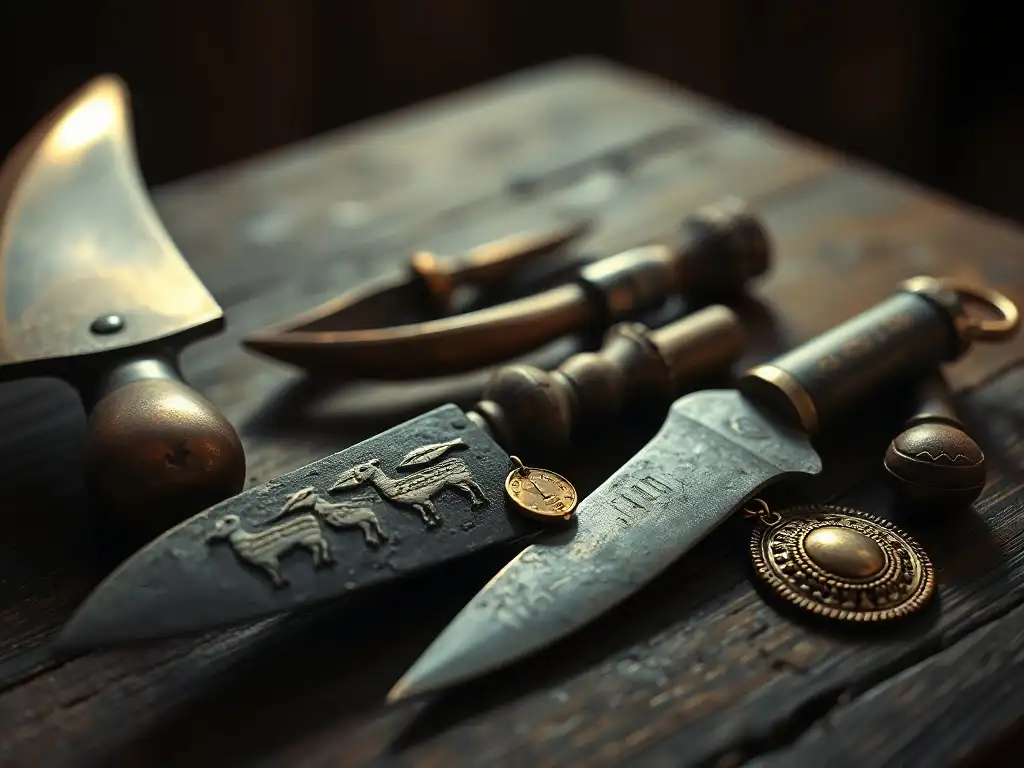
The Inca Empire, renowned for its sophisticated artistry, also demonstrated remarkable ingenuity in crafting functional metal tools and implements. While gold and silver held significant ritualistic value, the Inca's mastery extended to the practical application of metals like copper and bronze, shaping daily life and contributing to the empire's agricultural and military success. This section will explore specific examples of these functional metal objects, showcasing the Inca's innovative use of metallurgy beyond purely ceremonial contexts. The term "Inca metalwork artifacts," while often associated with ornate gold pieces, encompasses this broader range of practical tools.
Inca Copper and Bronze Tools for Agriculture
Agriculture formed the bedrock of the Inca economy. Their mastery of terracing and irrigation systems is well-documented, but less frequently discussed is the role of metal tools in these endeavors. Copper and bronze, less precious than gold and silver, were more readily available and thus ideal for creating durable, long-lasting agricultural implements.
Evidence suggests widespread use of copper and bronze hoes, used for tilling the land, and sickles, for harvesting crops like maize and quinoa. These tools, while simpler in design than their ceremonial counterparts, were crucial for efficient farming and food production, supporting the vast Inca population. The durability of bronze, a copper-tin alloy, provided superior performance compared to stone tools, allowing for greater efficiency and increased yields.
Detailed analysis of surviving Inca agricultural tools reveals sophisticated craftsmanship. The metal was carefully shaped and hardened, often with a reinforced edge to resist wear and tear. While many examples have degraded over time due to oxidation and environmental factors, archaeological finds continue to unearth new evidence of the importance of Inca metalworking in agriculture.
The precise techniques employed in crafting these tools, including annealing and hammering, are still being studied, providing valuable insights into Inca metallurgical practices and their impact on the empire's agricultural output. The impact of these metal tools on Inca agricultural productivity cannot be overstated; they represent a significant technological advancement that underpinned the empire's growth and stability.
Metal Weapons in the Inca Army
Inca metalwork artifacts also played a significant role in military capabilities. While the Inca army primarily relied on clubs, slings, and spears, metal weapons, particularly those made of bronze, were highly valued and utilized by elite warriors. These weapons, often intricately decorated, served not only as instruments of warfare but also as symbols of status and power. Surviving examples include mace heads, knives, and spear points, showcasing the Inca's ability to forge sharp, durable weapons.
The production of these metal weapons required specialized knowledge and skilled artisans. Bronze, with its superior hardness and sharpness compared to copper, was the preferred material. The casting process, involving creating molds and pouring molten metal, was a complex undertaking, demanding a high level of technical expertise.
The design of the weapons often incorporated decorative elements, reflecting the Inca aesthetic preferences and the symbolic importance of warfare within the empire. The presence of these metal weapons in Inca tombs further emphasizes their status as elite possessions and their importance in the military hierarchy. The strategic use of bronze weapons, alongside other military technologies, contributed significantly to the Inca's ability to conquer and control a vast territory.
Inca Metalworking Techniques for Everyday Objects
Beyond agriculture and warfare, Inca metalworking extended to the creation of a wide array of everyday objects. These artifacts, while often less visually striking than ceremonial pieces, provide valuable insights into Inca technology and daily life. Examples include simple tools like needles, pins, and shears, used in textile production and clothing construction. These smaller objects, while seemingly insignificant, demonstrate the versatility and precision of Inca metalworking techniques. The ability to create such small, intricately shaped objects highlights the advanced level of skill possessed by Inca artisans.
The Inca employed a variety of techniques, including hammering, casting, and annealing, to shape metal into functional objects. Archaeological evidence suggests that they utilized various types of molds, both simple and complex, to create consistent forms. The use of alloys, like bronze, allowed for the creation of tools with specific properties, such as hardness and durability.
The production of these everyday metal objects was likely decentralized, with artisans working within communities to meet local needs. The widespread presence of these metal artifacts underscores the integration of metalworking into the fabric of Inca society, contributing to both economic productivity and daily life. The study of these objects offers a more nuanced understanding of Inca metalwork, extending beyond the grandeur of gold and silver to the practical application of metallurgy in everyday life.
Mining and Processing of Metals in the Inca Empire
The Inca Empire's mastery of metalwork was deeply intertwined with their sophisticated understanding of mining and metallurgy. Their metalworking prowess wasn't simply about artistic expression; it was fundamentally linked to their ability to extract and process ores efficiently. The Inca controlled vast mining operations across their empire, utilizing a complex system of labor organization and resource management.
Evidence suggests they employed a combination of open-pit mining, shaft mining, and even rudimentary techniques for underground extraction, adapting their methods to the specific geological conditions of each site. The scale of these operations is impressive, indicating a highly organized and centralized system of resource control. For example, the mines at Cerro Rico de Potosí, though exploited more extensively during the colonial period, show clear evidence of pre-Columbian Inca mining activity, demonstrating the empire's reach and influence in metal extraction.
The processing of metals involved multiple stages, beginning with the extraction of the ore. Once mined, the ore underwent a complex process of crushing, grinding, and washing to separate the valuable metal from the surrounding rock. This was often achieved using hand tools, such as stone hammers and mortars, and involved significant manual labor. The Inca likely utilized water-powered techniques in certain locations to aid in the grinding and separation processes, leveraging the natural resources available to them. This initial processing step was crucial for preparing the ore for smelting.
Smelting, the process of extracting the metal from the ore by heating it to high temperatures, was a highly skilled and specialized task. Inca metallurgists employed various techniques, including the use of charcoal-fueled furnaces, to reach the necessary temperatures for smelting. They developed sophisticated methods for controlling the airflow and temperature within the furnace, achieving a remarkable level of control over the smelting process.
The specific techniques employed varied depending on the metal being processed, with different ores requiring different temperatures and conditions. The resulting metal, often copper, bronze, or gold, was then further refined and shaped into the desired forms. The quality of Inca smelting is evidenced by the purity and consistency of the metal found in their artifacts.
Their mastery of this process allowed them to create objects of exceptional quality and durability, reflecting their advanced metallurgical knowledge and skills. The intricate designs and precise castings found in Inca metalwork are testament to their expertise in metal processing.
The Art of Inca Metalworking: Techniques and Styles
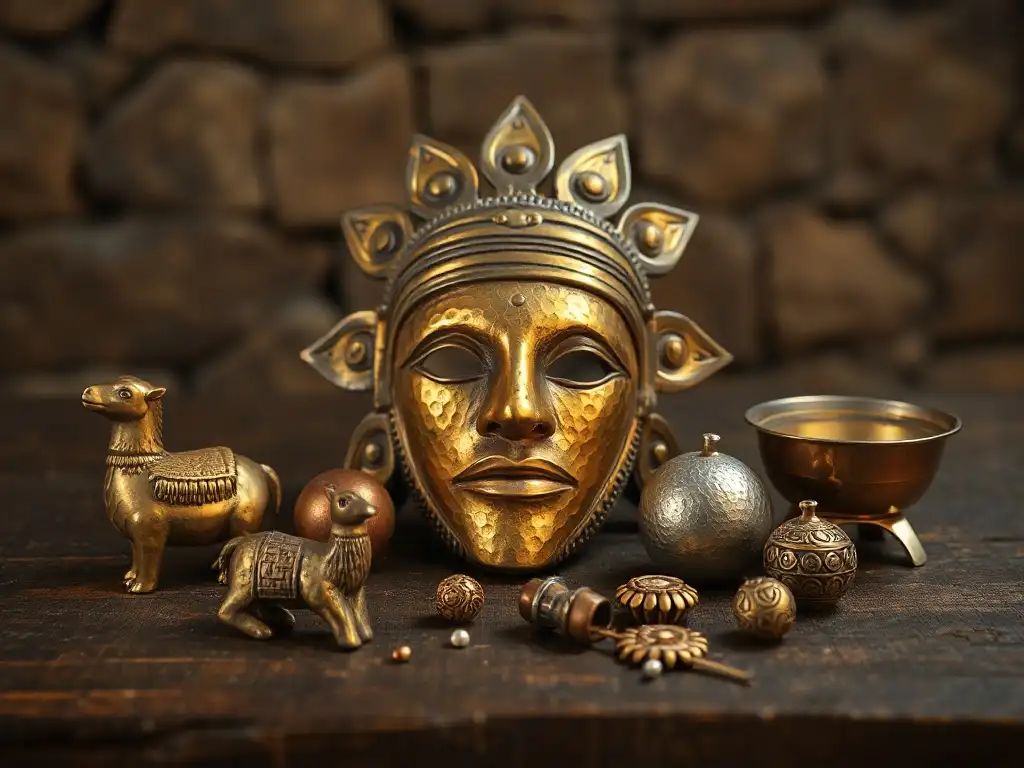
The mastery of Inca metalworking is a testament to their advanced technological capabilities and artistic sensibilities. Their artisans skillfully transformed copper, gold, silver, and bronze into an array of objects, ranging from intricately designed ceremonial vessels to practical tools for everyday life. This expertise, passed down through generations, resulted in a unique style characterized by precise craftsmanship, intricate detail, and the symbolic use of precious metals.
Understanding the techniques employed by Inca metallurgists allows us to appreciate the immense skill and artistry involved in creating these remarkable "Inca metalwork artifacts". The Inca's approach to metalworking wasn't just about functionality; it was deeply intertwined with their religious beliefs and social structures, imbuing their creations with profound cultural significance. The prevalence of gold and silver, for instance, reflected the Inca's belief in the divine nature of these metals, often associating them with the sun and moon.
Inca Metal Casting Methods: From Simple to Complex
Inca metalworkers employed a variety of casting methods, evolving from simpler techniques to more sophisticated processes over time. Early casting likely involved the use of lost-wax casting, a method where a wax model of the desired object was covered in clay, heated to melt the wax, and then molten metal was poured into the resulting mold. This technique allowed for the creation of intricate shapes and detailed designs.
Later, Inca artisans developed more advanced methods, potentially incorporating investment casting, a more precise technique that enabled them to produce larger and more complex objects with finer details. Evidence suggests they also mastered techniques like sand casting, using sand molds to create multiple copies of an object. The remarkable precision and consistency observed in many Inca metal artifacts point to a highly developed understanding of metallurgy and a sophisticated level of control over the casting process.
The ability to create thin, delicate sheets of metal, often seen in their finely crafted ornaments and jewelry, showcases their advanced skills in manipulating molten metal. Further research is needed to fully document the precise nuances of their advanced casting techniques, but existing evidence strongly suggests a high level of sophistication.
Repoussé and Chasing Techniques in Inca Metalwork
Beyond casting, Inca metalworkers were masters of repoussé and chasing, techniques used to shape and decorate metal sheets. Repoussé involved hammering from the back of a metal sheet to create a raised design on the surface. Chasing, on the other hand, involved smoothing and refining the raised design from the front, using specialized tools to create incredibly fine details.
The combination of these techniques allowed Inca artisans to produce incredibly detailed and three-dimensional imagery on objects like ceremonial vessels, plates, and decorative ornaments. These techniques required not only exceptional skill but also a deep understanding of the metal's properties and the ability to control the force and direction of each hammer blow.
The resulting pieces often display a remarkable combination of strength, delicacy, and intricate detailing, highlighting the artisans' mastery of their craft. Consider the delicate, almost feather-light quality of some gold sheets used in Inca jewelry; this was only possible through a profound understanding and skillful application of repoussé and chasing.
Inca Decorative Motifs and Symbolism on Metal Objects
Inca metalwork artifacts are frequently adorned with intricate decorative motifs and symbols that carry deep cultural and religious significance. Common motifs include stylized depictions of animals, such as jaguars, condors, and snakes, which often held symbolic power within Inca cosmology. Geometric patterns, such as stepped frets, spirals, and zigzags, were also frequently employed, likely representing concepts related to order, fertility, and the cosmos.
The use of specific metals also held symbolic meaning. Gold, associated with the sun god Inti, was often reserved for elite objects and religious ceremonies, while silver, linked to the moon, was used more widely. The careful selection of motifs and metals reflected the Inca’s belief system and their hierarchical social structure.
For example, the use of gold in a particular artifact could indicate its importance in a religious ritual or its association with the Inca ruler. Analyzing these decorative elements provides valuable insights into Inca beliefs, values, and artistic expression. The intricate combination of stylistic elements and the careful selection of materials underscore the deep symbolic layer embedded within these seemingly simple "Inca metalwork artifacts".
The Legacy of Inca Metalworking in Andean Art
The legacy of Inca metalworking extends far beyond the impressive artifacts themselves. It represents a pinnacle of Andean artistic achievement, influencing subsequent artistic styles and inspiring awe even today. The mastery of techniques like hammering, casting, and repoussé, coupled with the sophisticated use of alloys and decorative elements, established a standard of excellence rarely matched in the pre-Columbian world.
This sophisticated metalwork wasn't merely decorative; it held profound religious and social significance, reflecting the Inca worldview and their intricate social hierarchy. The use of gold, silver, and copper, often combined, symbolized power, divinity, and the connection between the earthly and spiritual realms. The intricate designs, often featuring stylized animals, plants, and human figures, tell stories of Inca mythology and cosmology, providing invaluable insights into their beliefs and practices.
The impact of Inca metalworking is evident in the artistic traditions of later Andean cultures. Even after the Spanish conquest, the skills and aesthetic sensibilities developed during the Inca period continued to influence artisans. While the scale and grandeur of Inca metalwork might not have been replicated, the techniques and stylistic elements persisted, adapted and reinterpreted by succeeding generations.
The enduring appeal of Inca metalwork is a testament to its artistic merit and its ability to communicate the richness and complexity of Inca culture across centuries. Museums worldwide proudly display examples of Inca metalwork, representing a cornerstone of pre-Columbian art history and a powerful symbol of the Inca's advanced technological and artistic capabilities. The legacy is not merely aesthetic; it's a historical record, a cultural treasure, and a continuous source of inspiration for artists and scholars alike.
Studying Inca metalwork offers a window into the heart of a civilization and its enduring impact on Andean artistic heritage. The precision, the artistry, the profound symbolism – all contribute to the lasting legacy of Inca metalworking in Andean art.
Preservation and Study of Inca Metalwork Artifacts
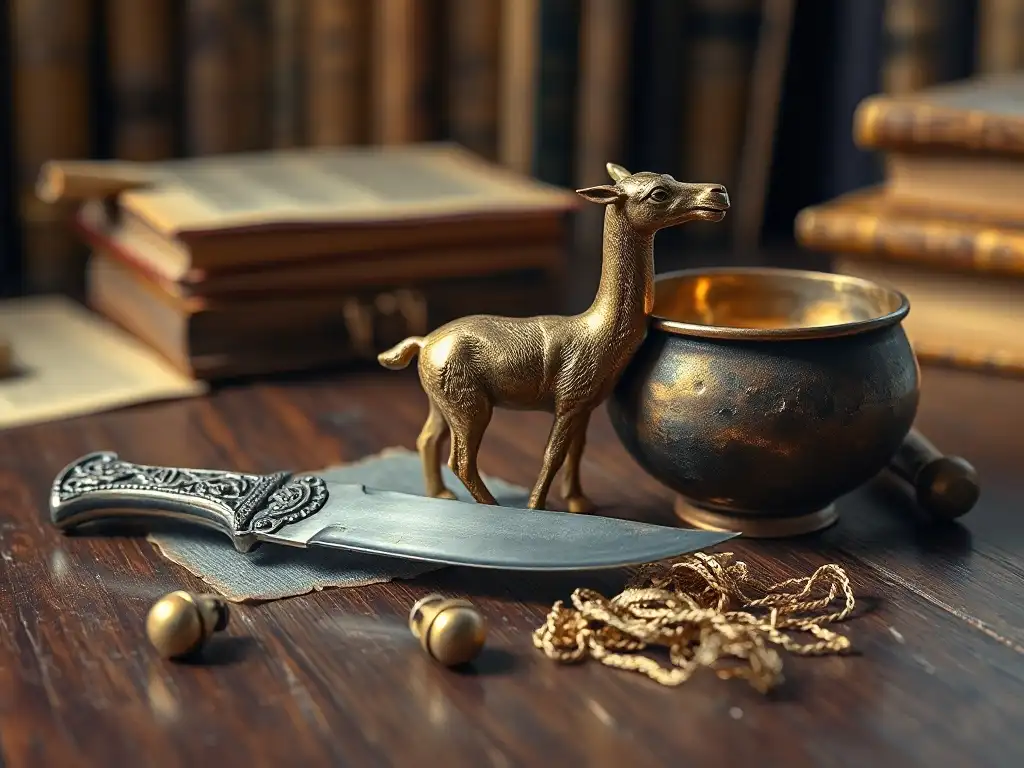
The study and preservation of Inca metalwork artifacts present unique challenges and rewards for archaeologists and conservators. These objects, often imbued with significant cultural and ritual meaning, offer invaluable insights into the technological prowess and artistic sensibilities of the Inca civilization. Their delicate nature, however, necessitates careful handling and advanced preservation techniques to ensure their survival for future generations.
Understanding the methods employed in their preservation is crucial to appreciating the legacy of Inca metalwork. The sheer artistry and technical skill involved in creating these objects, from intricate gold jewelry to finely crafted bronze tools, continues to fascinate and inspire researchers today. The keyword "Inca metalwork artifacts" is central to this ongoing scholarly endeavor.
Archaeological Discoveries of Inca Metal Objects
Archaeological discoveries of Inca metal objects have significantly advanced our understanding of Inca culture and technology. Many significant finds have been unearthed from royal tombs, temples, and elite residences, revealing a sophisticated system of metalworking that involved a diverse range of techniques and materials. For example, the discovery of a large hoard of gold and silver objects in the royal tombs at Sipán provided invaluable insights into the Moche civilization's metalworking skills, which influenced later Inca techniques.
These discoveries often include not only finished products but also tools and waste materials, offering clues to the processes involved in the creation of these artifacts. The careful excavation and documentation of these sites are crucial for preserving the context of these finds and understanding their significance within the broader Inca cultural landscape.
Analysis of these objects often reveals intricate details of their creation, including the types of alloys used, the tools employed, and the level of skill involved. The sheer volume and variety of discovered Inca metalwork artifacts underscore the importance of metalworking in Inca society.
Challenges in Preserving Ancient Inca Metalwork
Preserving ancient Inca metalwork presents numerous challenges. The passage of time, exposure to the elements, and even the original burial conditions contribute to deterioration. Corrosion, particularly of copper and bronze alloys, is a significant issue. The interaction of these metals with the surrounding environment can lead to the formation of patinas, which, while sometimes aesthetically pleasing, can also cause further damage if not carefully managed.
Furthermore, the delicate nature of many Inca metal objects, such as thin gold sheets used in adornments or intricate silver filigree work, makes them susceptible to damage during handling, cleaning, or transportation. The development of effective and minimally invasive preservation techniques is therefore crucial for ensuring the long-term survival of these irreplaceable artifacts. Careful environmental control, including stable temperature and humidity levels, is essential for minimizing further deterioration.
The use of specialized cleaning and stabilization methods is also critical, with the selection of techniques heavily dependent on the specific metal and the nature of the deterioration. The ongoing study and refinement of preservation techniques are essential in safeguarding Inca metalwork for future generations. This is a vital aspect of responsible stewardship of our cultural heritage.
Ongoing Research and Analysis of Inca Metal Artifacts
Ongoing research into Inca metal artifacts employs a variety of techniques to uncover new insights into their creation, use, and significance. Advanced imaging techniques, such as X-ray fluorescence (XRF) and X-ray diffraction (XRD), allow for non-destructive analysis of the metallic composition and structure of the objects. This information can reveal the sources of the metals used, the manufacturing processes employed, and the potential presence of trace elements that might indicate the geographical origin of the materials.
Furthermore, isotopic analysis can help determine the provenance of the metals, providing clues to the trade networks and exchange systems that existed within the Inca Empire. Metallurgical analysis provides insights into the technical skills and knowledge of Inca artisans, revealing a sophisticated understanding of alloying and metalworking techniques. This research not only contributes to our understanding of Inca technology but also enhances our appreciation of the artistic achievements of this remarkable civilization.
Continued research and technological advancements will undoubtedly lead to further discoveries and a more comprehensive understanding of Inca metalwork artifacts and their place within the broader context of Inca culture. The meticulous documentation and analysis of these artifacts are critical for preserving and interpreting this invaluable aspect of Andean cultural heritage.
Notable Museums and Collections Showcasing Inca Metalwork
Several prestigious museums around the globe house significant collections of Inca metalwork artifacts, offering invaluable insights into the techniques and artistry of these ancient Andean masters. These institutions play a crucial role in preserving these delicate objects for future generations and making them accessible to researchers and the public alike.
The careful curation and display of these artifacts allow us to appreciate the sophistication and skill involved in Inca metalworking, from the intricate designs to the mastery of techniques like hammering, casting, and gilding. The sheer variety of objects – from ceremonial vessels and ornaments to functional tools – highlights the multifaceted role of metalwork in Inca society.
The study of Inca metalwork artifacts housed in these museums often involves advanced techniques like X-ray fluorescence spectroscopy (XRF) and other non-destructive methods. These methods allow researchers to analyze the metallic composition of the objects, providing information about the sources of the raw materials and the techniques used in their creation.
This detailed analysis contributes significantly to our understanding of Inca trade networks, metallurgical practices, and the social and economic context in which these objects were produced and used. Furthermore, the careful documentation and cataloging of these artifacts, coupled with ongoing research, help us to better understand the cultural significance of Inca metalwork and its place within the broader context of Andean civilization.
The preservation efforts undertaken by these museums are vital in safeguarding this irreplaceable legacy for posterity. The ongoing research and exhibitions also help educate the public about the importance of protecting cultural heritage and the value of studying these extraordinary artifacts.
The sheer volume and quality of Inca metalwork preserved in these museums is a testament to the enduring legacy of Inca artistry and technological prowess. The meticulous work of conservators and researchers ensures that these objects continue to tell their stories, enriching our understanding of Inca culture and society for years to come. Many of these institutions also actively engage in educational outreach programs, sharing their knowledge and collections with a wider audience, fostering appreciation for Inca metalwork and its significance within the broader context of Andean history and civilization.
This commitment to education and research is crucial in preserving not only the physical artifacts but also the knowledge and appreciation of this remarkable cultural heritage. The ongoing efforts of these museums ensure that the legacy of Inca metalwork continues to inspire and educate future generations.
Conclusion: Inca Metalwork – A Window into a Rich Civilization
Inca metalwork artifacts offer a compelling glimpse into the sophisticated technology, intricate artistry, and deeply ingrained spiritual beliefs of the Inca Empire. From the meticulously crafted gold and silver adornments of the elite to the practical, yet beautifully designed, tools used in daily life, these objects reveal a civilization that mastered metallurgy to an impressive degree. The sheer variety of techniques employed—hammering, casting, repoussé, soldering, and gilding—demonstrates a remarkable level of skill and innovation.
The enduring legacy of Inca metalwork is not merely aesthetic; it provides invaluable insights into the social structures, religious practices, and economic systems of this remarkable civilization. The careful study of these artifacts allows us to reconstruct a more complete and nuanced understanding of Inca society and its place within the broader Andean cultural landscape. The intricate designs, often incorporating symbolic motifs related to nature, deities, and power, reflect a complex worldview and a highly developed artistic sensibility.
Analyzing the distribution and context of these artifacts further illuminates trade networks, political power dynamics, and the symbolic significance of precious metals within the Inca worldview. The survival of so many exceptional examples of Inca metalwork is a testament to the skill and dedication of both the artisans who created them and the individuals who preserved them for posterity. The study of Inca metalwork continues to yield new discoveries and interpretations, enriching our understanding of this fascinating civilization.
The Enduring Significance of Inca Metal Artifacts
The significance of Inca metalwork artifacts extends far beyond their material value. These objects serve as potent symbols of Inca power, prestige, and religious beliefs. The use of gold and silver, both highly valued materials, underscores the importance of these metals in Inca society, reflecting their association with the sun god Inti and the divine realm. The intricate designs and symbolic imagery found on many artifacts often allude to specific deities, cosmological beliefs, and important events in Inca history.
For example, the recurring motifs of condors, jaguars, and snakes reflect the Inca worldview and their connection to the natural world. Furthermore, the careful preservation and burial of these objects with elite individuals highlights their importance in the afterlife. The study of these artifacts allows researchers to delve into the complex religious beliefs and funerary practices of the Inca, providing crucial insights into their cosmology and worldview. The enduring appeal of Inca metalwork also lies in its aesthetic qualities.
The high level of craftsmanship, the intricate detail, and the masterful use of precious metals create objects of remarkable beauty and sophistication. These pieces continue to inspire awe and admiration, serving as a testament to the ingenuity and artistic skill of Inca metalworkers. The preservation and study of these artifacts are essential for understanding not only the Inca but also the broader context of Andean art and culture, offering a window into a rich and complex past.
Future Research Directions in Inca Metallurgy
Future research on Inca metalwork should focus on several key areas. First, a more comprehensive analysis of the metallurgical techniques employed by Inca artisans is needed. This includes a detailed examination of the sourcing of raw materials, the specific processes used in the creation of different artifacts, and the technological innovations that enabled the Inca to achieve such remarkable results. Isotopic analysis of metal artifacts can shed light on the origin of metals and trade routes, providing insights into the economic and political networks of the Inca Empire. Furthermore, advanced imaging techniques, such as X-ray fluorescence (XRF) and computed tomography (CT) scanning, can be employed to investigate the internal structure of artifacts and reveal hidden details of their construction.
Secondly, further research is required to clarify the social organization of Inca metalworkers. Were they specialized craftspeople organized into guilds or workshops? What was the relationship between the metalworkers and the Inca elite? Archaeological excavations and analysis of workshop remains could provide valuable information on the organization and social status of Inca metalworkers. Thirdly, a deeper understanding of the symbolic meaning embedded within Inca metalwork is needed.
Ethnohistorical sources, combined with careful analysis of iconography and context, can help to decipher the meaning of the various motifs and designs found on these artifacts. This interdisciplinary approach will enhance our understanding of Inca cosmology, religious beliefs, and social structures. Finally, more detailed studies of the distribution and circulation of Inca metalwork artifacts are needed to better understand the processes of exchange, gift-giving, and redistribution within the empire. This will provide valuable insights into the economic and political dynamics of Inca society.
Appreciating the Artistry and Skill of Inca Metalworkers
The artistry and skill of Inca metalworkers are truly remarkable. They demonstrated an exceptional mastery of various techniques, including casting, hammering, repoussé, and soldering, to create intricate and visually stunning objects. The precision and detail evident in many Inca metal artifacts are a testament to the high level of training and expertise of these artisans. For example, the intricate designs found on gold and silver sheets, often depicting human figures, animals, and mythological creatures, showcase the metalworkers’ ability to manipulate these materials with remarkable precision.
Many artifacts also demonstrate a sophisticated understanding of metallurgy, with the use of alloys and different techniques to achieve specific aesthetic and functional results. The Inca's ability to create incredibly thin sheets of gold and silver, often decorated with delicate filigree work, is a testament to their advanced metallurgical knowledge. Moreover, the Inca metalworkers' ability to seamlessly join different pieces of metal, often using sophisticated soldering techniques, resulted in durable and aesthetically pleasing objects.
The mastery of these techniques, combined with the creative use of symbolic imagery, resulted in the production of truly exceptional metalwork that continues to inspire awe and admiration today. The surviving examples of Inca metalwork are a powerful reminder of the ingenuity, skill, and artistic vision of the artisans who created them, offering a unique and invaluable perspective on the rich cultural heritage of the Inca Empire. The precision, creativity, and technical skill involved in producing these artifacts underscore the high value placed on craftsmanship within Inca society.
Frequently Asked Questions
What makes Inca metalwork so unique?
Inca metalwork is renowned for its exceptional craftsmanship, sophisticated techniques like hammering, casting, and alloying, and the use of precious metals like gold and silver. The artistry reflects a deep understanding of metallurgy and a rich cultural heritage.
What types of Inca metal artifacts exist?
A wide variety of Inca metal artifacts survive, including ritual objects like masks and figurines, functional tools such as knives and needles, and ornate jewelry. Many pieces showcase intricate designs and high levels of detail.
Where can I see examples of Inca metalwork?
Many museums worldwide house impressive collections of Inca metal artifacts. You can find examples in museums in Peru, the United States, and Europe. Check online museum databases for specific locations and exhibits.
What were the primary metals used in Inca metalwork?
The Incas primarily used gold, silver, copper, and bronze in their metalwork. They expertly combined these metals to create alloys with varying colors and properties, demonstrating their advanced metallurgical skills.
How did the Incas create such intricate designs in their metalwork?
Inca artisans employed a range of techniques, including hammering, casting, repoussé (hammering from the back), and inlay, to achieve intricate designs. They also used molds to create standardized shapes and designs.
Final Reflection: The Enduring Legacy of Inca Metalwork
The intricate artistry of Inca metal objects continues to resonate today, a testament to the ingenuity and spiritual depth of a civilization lost to time. These artifacts, far from being mere historical relics, offer a powerful window into a sophisticated society that mastered metallurgy and imbued its creations with profound symbolic meaning. Their enduring appeal speaks to our own fascination with craftsmanship, artistry, and the enduring power of human creativity.
The impact of Inca metalwork extends beyond the museum walls, shaping our understanding of pre-Columbian cultures and challenging Eurocentric narratives of history. These objects force us to confront the richness and complexity of Andean civilizations, revealing a level of technological and artistic achievement that often goes unacknowledged. Their continued study and appreciation are vital to fostering a more inclusive and accurate understanding of world history. The past is never dead. It's not even past.
– William Faulkner. This quote perfectly encapsulates the ongoing relevance of Inca metalwork, reminding us that these artifacts continue to speak to us across the centuries.
Consider the meticulous detail, the innovative techniques, the spiritual significance woven into each piece. You, the reader, are now part of this ongoing conversation. Reflect on the artistry and ingenuity displayed in these objects. How can we, in our own lives, strive for such dedication to craft and meaning? Let the legacy of Inca metalwork inspire you to appreciate the beauty and power of human creation, and to seek out the stories hidden within the objects that surround us.
Unveil the Legacy of Inca Metalwork Today!
Thank you for exploring the fascinating world of Inca metalwork with us! We hope you've gained valuable insights into how these stunning creations served both spiritual and practical purposes within Andean culture. Now, let's delve deeper into the legacy of these remarkable artifacts.
- Discover more: Visit local museums or online exhibits showcasing Inca metalwork to further explore their history and significance. Consider researching specific pieces that particularly intrigue you, such as intricately crafted jewelry or ceremonial tools.
- Share your passion: Connect with fellow history enthusiasts online—join forums or social media groups dedicated to Andean history and archaeology—and share your newfound knowledge about Inca artifacts. Discussions with others can spark new perspectives and further your understanding.
- Create a tribute: Inspired by Inca metalwork, create your own artwork using readily available materials. This creative exercise is a wonderful way to celebrate the ingenuity and artistry of the ancient Andean civilizations.
What Inca metal artifact resonates most with you, and how could you use it to tell a compelling story about Inca culture and its impact on the world?