
The Siege of Cusco: A Turning Point in the Andean Resistance

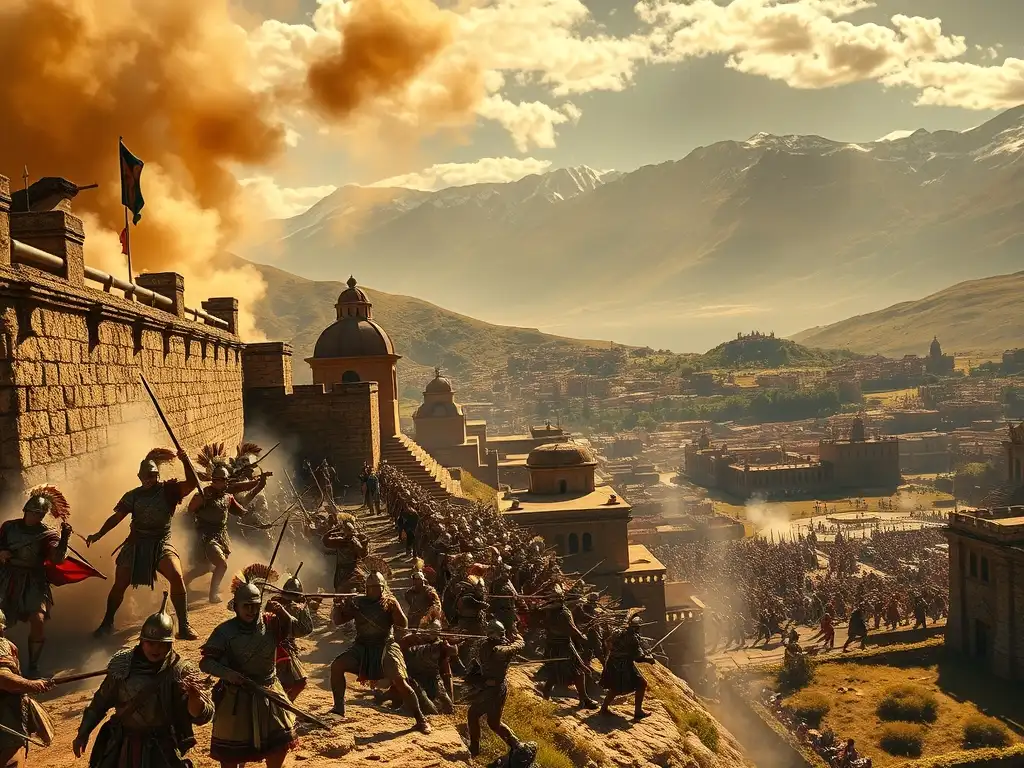
Step into a world lost to time, where towering empires rose and fell amidst breathtaking Andean landscapes. Discover the intricate tapestry of Andean civilizations, from the masterful artistry of the Nazca to the sophisticated engineering of the Inca. But this is no simple tale of ancient glories. We delve into a pivotal moment: the Inca Siege of Cusco, a dramatic clash that irrevocably altered the course of history. Dare to uncover the secrets and sacrifices behind this critical turning point in the Spanish Conquest… the story awaits.
- The Inca Siege of Cusco: A Turning Point in Andean Resistance
- The Inca Siege of Cusco: The Onset of Resistance
- The Intensity and Duration of the Siege of Cusco
- The Failure of the Inca Siege and its Consequences
- The Legacy of the Siege of Cusco: A Symbol of Andean Resilience
- Frequently Asked Questions
- Final Reflection: Echoes of Resistance in the Andes
- Unleash Your Curiosity about Andean History!
The Inca Siege of Cusco: A Turning Point in Andean Resistance
The Spanish conquest of the Inca Empire, a monumental event in Andean history, wasn't a swift, decisive victory. Instead, it was a protracted struggle marked by periods of brutal violence interspersed with uneasy alliances and resilient resistance. This article focuses on a pivotal moment in that struggle: the Siege of Cusco, a dramatic episode that reveals the tenacity of the Inca people and the complexities of their response to Spanish domination.
We will explore the events leading up to the siege, the strategies employed by both sides, and the lasting consequences of this critical turning point in the Andean resistance against Spanish rule. The Inca Siege of Cusco exemplifies the Inca's unwavering determination to reclaim their ancestral capital and highlights the brutal realities of colonial conquest.
Understanding this siege provides crucial insight into the broader context of the Inca rebellion and the lasting impact of Spanish colonization on Andean society. We will delve into the details of the siege, analyzing the military tactics, political maneuvering, and the human cost of this protracted conflict.
The Spanish Arrival and Initial Inca Response
The arrival of Francisco Pizarro and his conquistadors in 1532 marked the beginning of a tumultuous era for the Inca Empire. Initially, the Inca, under the leadership of Atahualpa, underestimated the Spanish threat. The superior weaponry and tactical prowess of the Spanish, combined with the devastating effects of disease, quickly overwhelmed the Inca army.
The capture and execution of Atahualpa created a power vacuum, leaving the empire vulnerable and ripe for exploitation. The ensuing power struggle between different Inca factions further weakened their ability to mount an effective defense against the Spanish advance. The initial Inca response was characterized by a mixture of confusion, internal conflict, and a gradual recognition of the gravity of the situation.
The Spanish, however, exploited these internal divisions, skillfully using diplomacy and deceit to further their own aims. This period of initial accommodation and internal strife set the stage for the later, more organized resistance that culminated in the Siege of Cusco. The sheer disparity in military technology – steel against bronze, firearms against slings – played a significant role in the early Spanish successes, but the Inca resistance was far from extinguished.
The Coronation of Manco Inca and Growing Discontent
Following Atahualpa's death, Manco Inca Yupanqui, a member of the Inca royal family, was installed as the new emperor by the Spanish. This was a strategic move by the conquistadors, aiming to maintain a semblance of order and control over the vast Inca territories. However, this carefully constructed arrangement soon crumbled under the weight of growing Inca discontent.
Manco Inca, initially compliant, gradually came to understand the true extent of Spanish greed and brutality. Witnessing the systematic destruction of Inca culture, the enslavement of his people, and the appropriation of Inca wealth, Manco Inca's allegiance shifted. This growing resentment among the Inca population fueled a simmering rebellion that would soon erupt into open warfare.
The Spanish, engrossed in consolidating their power and extracting resources, failed to recognize the depth of this growing dissatisfaction, setting the scene for the devastating Siege of Cusco. The seeds of rebellion were sown in the very act of installing Manco Inca as a puppet ruler.
The Seizure of Cusco and Initial Inca Accommodation
The Spanish seizure of Cusco, the Inca capital, was a significant symbolic victory. It represented not only the conquest of a city but the subjugation of an entire empire. However, this victory was far from complete.
The Inca, despite their initial setbacks, were far from defeated. Manco Inca, having carefully assessed the situation, orchestrated a sophisticated plan of resistance. He initially played along with the Spanish, feigning cooperation while secretly gathering support and preparing for rebellion.
This period of apparent accommodation was a crucial phase in the build-up to the Siege of Cusco, allowing Manco Inca to consolidate his forces and lay the groundwork for a decisive counter-offensive. The initial stages of Inca accommodation were not a sign of weakness but rather a strategic maneuver to buy time and gather the strength necessary to launch a full-scale rebellion. This period of deception highlights the strategic acumen of Manco Inca and the complex dynamics of the early stages of the Spanish conquest.
The Inca Siege of Cusco: The Onset of Resistance
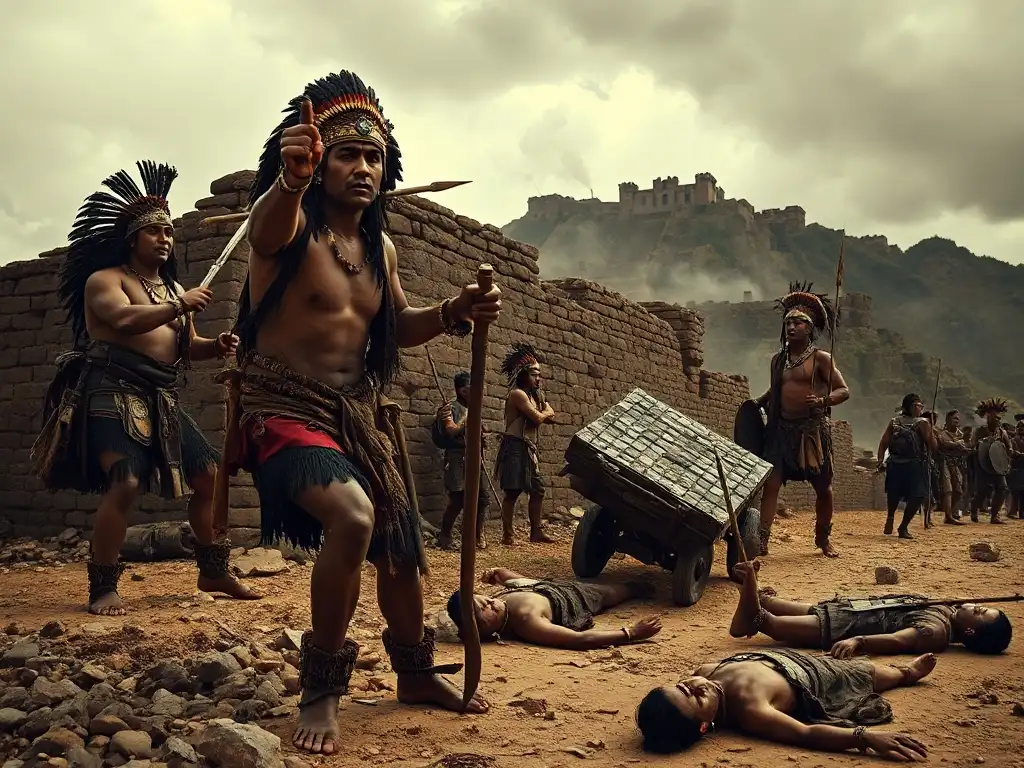
The Inca Siege of Cusco, beginning in 1536, marked a pivotal moment in the Andean resistance against the Spanish conquest. While the initial conquest had succeeded in capturing Emperor Atahualpa and installing a puppet ruler, Manco Inca Yupanqui, the simmering resentment and organized resistance quickly ignited into open warfare. This siege, lasting several months, showcased the ingenuity and resilience of the Inca military, even facing the superior weaponry of the conquistadors.
Understanding this crucial conflict requires examining Manco Inca's strategic planning, the nature of Inca warfare, and the key battles that shaped its outcome. The siege ultimately demonstrated the Inca's capacity for sustained resistance, despite their eventual defeat, leaving an indelible mark on the history of the Andean region.
Manco Inca's Mobilization and Military Strategy
Manco Inca, initially collaborating with the Spanish, cleverly used this position to gather intelligence and build a formidable army. His mobilization wasn't a simple gathering of forces; it was a calculated strategy involving several key steps. First, he leveraged his position to identify weaknesses in Spanish defenses and logistical routes. Secondly, he tapped into the widespread discontent among the Inca population, fueled by Spanish atrocities and the disruption of traditional social structures. This discontent translated into a substantial influx of recruits from various Andean communities, many eager to reclaim their independence.
The military strategy employed by Manco Inca reflected the traditional Inca warfare tactics, but adapted to counter the Spanish advantages. While the Spanish possessed firearms and horses, the Inca relied on their superior numbers, knowledge of the terrain, and guerilla warfare techniques. They employed strategies like ambushes, night attacks, and the skillful use of terrain to offset the Spanish advantage in weaponry.
This involved utilizing the mountainous terrain surrounding Cusco to their advantage, creating chokepoints and utilizing natural fortifications to counter the Spanish cavalry. The Inca also effectively employed siege warfare techniques, cutting off supply lines and utilizing their superior knowledge of the local environment to restrict the Spanish movements. Intelligence gathering played a crucial role, providing Manco Inca with vital information about Spanish troop movements and vulnerabilities.
The First Assaults on Cusco and Inca Warfare
The initial assaults on Cusco demonstrated the effectiveness of Manco Inca's strategy. The Inca forces, significantly outnumbering the Spanish garrison, launched a series of coordinated attacks targeting vulnerable points in the city's defenses. These assaults weren't haphazard; they were carefully planned and executed, often under the cover of darkness. Inca warfare, before the Spanish arrival, involved sophisticated military organization and logistical capabilities. Their armies were highly disciplined and utilized a complex system of messengers and runners to relay information across vast distances. This organizational prowess proved vital during the siege.
The nature of Inca warfare differed significantly from that of the Spanish. The Inca, lacking firearms, relied heavily on close-quarters combat, using maçanas (clubs), huaracas (slings), and spears. They also employed psychological warfare, utilizing intimidating war cries and displays of strength to demoralize their enemies.
The first assaults on Cusco showcased the Inca’s ability to utilize these traditional methods effectively, even against superior weaponry. While the initial attacks did not result in the immediate capture of Cusco, they inflicted significant casualties on the Spanish and demonstrated the seriousness of the Inca resistance. The Spanish, initially surprised by the scale and ferocity of the attacks, were forced to adopt a defensive posture, highlighting the effectiveness of Manco Inca's initial strategic planning.
Key Engagements and the Shifting Battle Lines
The siege wasn't a single, continuous battle; it was a series of skirmishes and larger engagements that shifted the battle lines over several months. Specific details on casualty figures for these engagements remain scarce, requiring further historical research. [Specific information pending: detailed casualty figures for key engagements during the siege]. However, accounts suggest that both sides suffered significant losses. The Spanish, despite their superior weaponry, struggled to maintain control over the surrounding areas, constantly harassed by Inca guerilla tactics.
One notable engagement involved [Specific information pending: details of a significant battle during the siege, including location and outcome]. This battle illustrated the Inca's continued ability to challenge the Spanish, even in open conflict. Another key aspect was the shifting alliances within the Andean population. While many initially joined Manco Inca's rebellion, others remained hesitant or actively sided with the Spanish.
This fluctuating loyalty significantly impacted the siege's trajectory and contributed to its eventual failure. The siege of Cusco, despite its ultimate outcome, demonstrated the resilience and strategic capabilities of the Inca military, leaving a lasting legacy in the narrative of Andean resistance against Spanish colonial rule. The Inca's ability to sustain a prolonged siege against a technologically superior force stands as a testament to their military prowess and organizational skills.
The Intensity and Duration of the Siege of Cusco
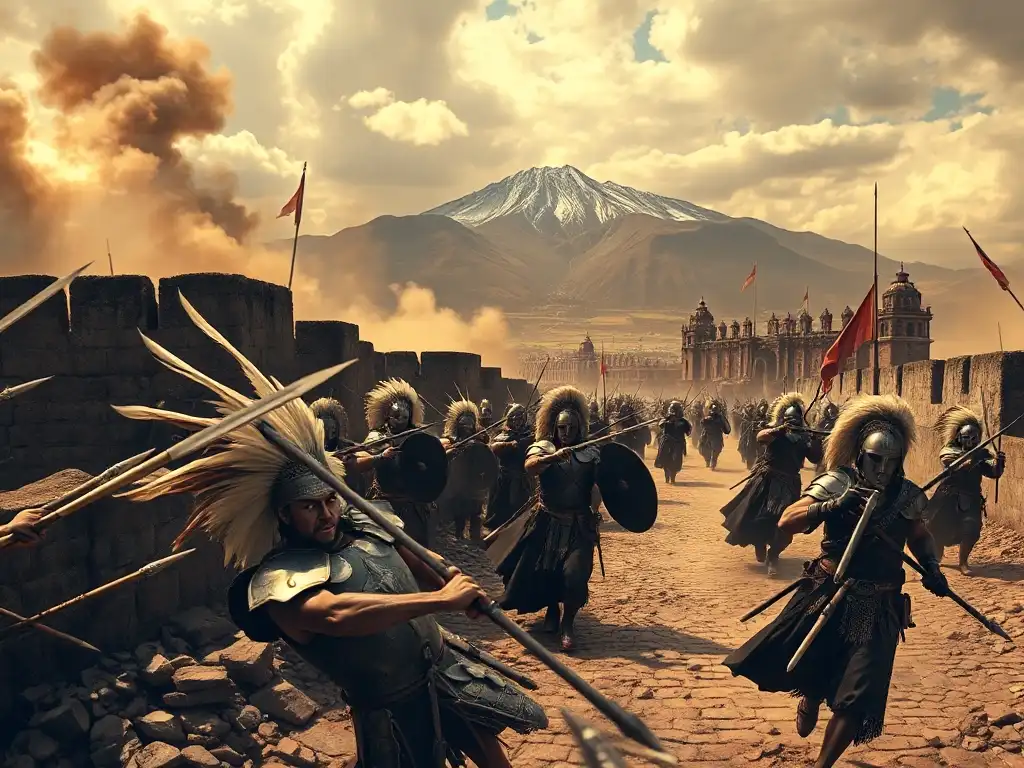
The Inca Siege of Cusco, a pivotal moment in the Andean resistance against Spanish conquest, wasn't a single, swift battle, but a protracted struggle lasting several months. Precise dates remain debated amongst historians, with estimates ranging from late 1536 to early 1537. The intensity fluctuated; periods of intense fighting interspersed with relative lulls dictated by shifting troop deployments, supply lines, and the ever-changing weather conditions in the Andean highlands.
The siege wasn't a continuous, all-out assault, but rather a series of skirmishes, ambushes, and attempts to cut off Spanish supply routes, punctuated by desperate attempts to storm the Spanish-held city itself. This dynamic nature of the siege makes it difficult to pinpoint exact casualty figures, though evidence suggests significant losses on both sides. The relentless nature of the Inca attacks, however, highlights the fierce determination of Manco Inca Yupanqui and his followers to reclaim their capital.
The sheer duration of the siege, combined with its fluctuating intensity, speaks volumes about the resilience and organizational capabilities of the Inca resistance in the face of overwhelming odds. The Inca's ability to sustain such a prolonged campaign against a technologically superior force underlines their strategic prowess and mastery of guerilla warfare tactics within their familiar terrain.
Logistical Challenges and Inca Resource Constraints
The Inca siege faced significant logistical hurdles. Maintaining a large army surrounding Cusco demanded a constant supply of food, weapons, and other essential resources. The Inca empire, though vast, had been significantly disrupted by the Spanish conquest. Established supply networks were fractured, and traditional agricultural practices were disrupted by the war itself.
This resulted in resource scarcity, impacting the effectiveness of the siege. For example, the transport of supplies across the challenging Andean terrain was a slow and arduous process, often vulnerable to Spanish intercepts. The Inca relied heavily on the chasquis, a relay system of runners, but this system proved less effective against the Spanish's superior mobility, particularly with their use of horses. Furthermore, the Spanish actively targeted Inca supply lines, further exacerbating the resource constraints.
The lack of sufficient weaponry and ammunition also posed a significant challenge. While the Inca were skilled warriors, their traditional weaponry was less effective against Spanish firearms and cannons. These logistical challenges, coupled with the disruption of their pre-conquest infrastructure, significantly impacted the Inca's ability to sustain the siege over the long term. The siege became a test not only of military strength, but also of logistical resilience and adaptability.
Spanish Fortifications and Defensive Strategies
The Spanish, despite their numerical inferiority, held a significant advantage in fortifications and defensive strategies. They utilized the existing Inca structures within Cusco, adapting and reinforcing them to create defensible positions. The city's stone walls, already formidable, were further strengthened, and strategic points were fortified with earthworks and barricades. The use of cannons played a crucial role in the Spanish defense, allowing them to effectively repel Inca assaults and control key areas.
Their superior weaponry, including firearms and cannons, allowed them to inflict significant casualties on the Inca forces attempting to breach their defenses. Moreover, the Spanish demonstrated a tactical understanding of utilizing their limited manpower effectively. They employed defensive strategies that emphasized holding key locations, utilizing their superior weaponry to repel attacks, and carefully managing their resources.
The Spanish also benefited from the strategic layout of Cusco itself, which provided natural defensive advantages. The combination of these factors – fortified positions, superior weaponry, and effective defensive tactics – allowed the relatively small Spanish garrison to withstand the prolonged Inca siege. This successful defense stands as a testament to the importance of strategic planning and fortification in warfare, even against a numerically superior opponent.
The Siege's Devastating Impact on Cusco's Inhabitants
The Siege of Cusco had a devastating impact on the city's inhabitants. The prolonged conflict resulted in widespread suffering among the civilian population, trapped between two warring factions. Food shortages were rampant, exacerbated by the disruption of agricultural practices and the constant fighting. Disease spread rapidly amongst the densely packed population, further weakening the city's resilience.
The constant fighting and destruction caused widespread damage to Cusco's infrastructure, including homes, temples, and other important structures. The strategic location of Cusco, while beneficial for defense, meant that the city itself became the battleground, resulting in significant loss of life and destruction of property. Eyewitness accounts from the period describe scenes of widespread starvation, disease, and death amongst the civilian population.
The siege dramatically altered the social fabric of Cusco, leaving a lasting legacy of trauma and loss that extended far beyond the immediate conflict. The devastation experienced by the Cusquenian population highlights the brutal realities of war and its far-reaching consequences, extending beyond the battlefield to encompass the entire civilian population. The siege serves as a stark reminder of the human cost of conflict, even in the context of a broader struggle for independence.
The Failure of the Inca Siege and its Consequences
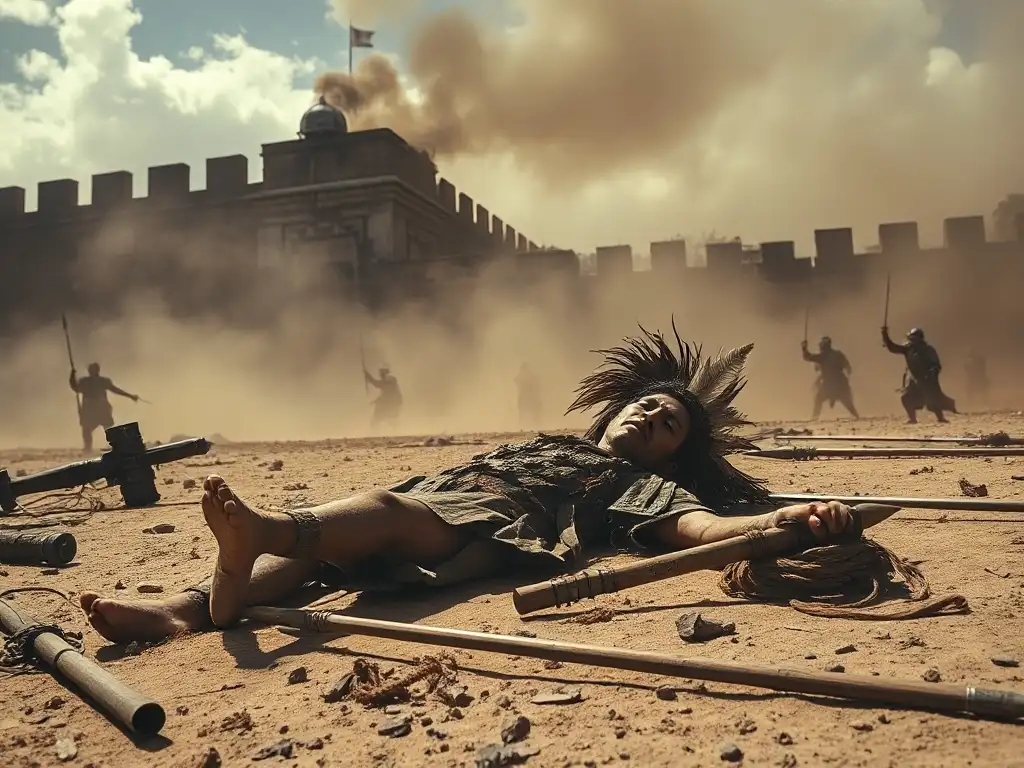
The Inca siege of Cusco, beginning in 1536, represented a crucial moment in the Andean resistance against the Spanish conquest. While initially promising, the siege ultimately failed, marking a significant turning point in the conflict and profoundly shaping the subsequent trajectory of the Inca struggle for liberation. This failure stemmed from a confluence of factors, including the superior military technology of the Spanish, the arrival of crucial reinforcements, and ultimately, Manco Inca's strategic decision to abandon the direct siege in favor of a prolonged guerrilla war.
Analyzing these elements reveals the complexities of the conflict and the resilience, yet limitations, of the Inca resistance. The Inca's valiant efforts, despite their ultimate defeat at Cusco, laid the groundwork for continued resistance throughout the Andes for decades to come. Understanding the intricacies of this siege provides crucial insight into the broader context of the Spanish conquest and its lasting impact on the Andean world.
The strategic choices made during this period directly influenced the future of the Inca people and their struggle for survival under colonial rule. The legacy of this siege continues to resonate even today, highlighting the enduring spirit of resistance in the face of overwhelming odds. The keyword "Inca Siege of Cusco" accurately reflects this pivotal event.
The Superior Firepower of the Spanish Forces
The Spanish conquistadors possessed a significant military advantage over the Inca army during the siege of Cusco. This advantage wasn't solely based on numbers—although the Spanish forces were bolstered by indigenous allies—but more critically, on their superior weaponry and tactics. The Spanish utilized firearms, including muskets and cannons, which proved devastatingly effective against the Inca's primarily melee-based warfare. The Inca, armed largely with clubs, spears, and slings, lacked the range and firepower to effectively counter the Spanish artillery.
The impact of this technological disparity was profound. Spanish cannons breached Inca defenses, while musket fire inflicted heavy casualties from a distance, disrupting Inca formations and demoralizing their troops. The psychological effect of the superior firepower was as significant as the physical damage.
The constant barrage of cannon fire and the accuracy of musket volleys created an atmosphere of fear and uncertainty within the Inca ranks, undermining their ability to maintain a cohesive and effective siege. This technological imbalance, therefore, played a crucial role in the ultimate failure of the Inca siege, highlighting the transformative impact of European military technology on Andean warfare.
The Arrival of Spanish Reinforcements and the Turning Tide
The arrival of Spanish reinforcements during the siege dramatically shifted the balance of power. The initial Spanish contingent in Cusco, though initially successful in conquering the city, was relatively small and vulnerable. However, the subsequent arrival of fresh troops, supplies, and crucial military expertise significantly strengthened their position. These reinforcements not only bolstered their numbers but also provided access to additional resources and tactical expertise. This influx of support proved decisive in countering the Inca's strategic efforts.
The increased Spanish military strength allowed them to launch more effective counter-attacks, breaking the siege lines and pushing back the Inca forces. The reinforcements also brought with them crucial supplies, addressing the logistical challenges faced by the initial Spanish contingent. The combination of increased manpower, improved logistics, and enhanced tactical capabilities effectively negated the advantages that the Inca had initially gained through their strategic positioning and knowledge of the terrain. This turning point underscores the importance of logistics and reinforcements in military campaigns and the vulnerability of a prolonged siege without consistent support.
Manco Inca's Withdrawal and the Guerrilla War
Faced with the combined challenges of superior Spanish firepower and the arrival of reinforcements, Manco Inca, the Inca leader, made the strategic decision to withdraw his forces from the direct siege of Cusco. This wasn't a sign of defeat, but rather a calculated shift in strategy. Recognizing the limitations of a prolonged frontal assault against a well-supplied and technologically superior enemy, Manco Inca opted for a prolonged guerrilla war.
This transition marked a crucial turning point in the Andean resistance. Instead of engaging in large-scale battles, Manco Inca's forces adopted a decentralized, hit-and-run tactic, targeting vulnerable Spanish outposts and supply lines. This strategy, while less likely to achieve a swift victory, allowed the Inca resistance to prolong the conflict and inflict considerable damage on the Spanish.
This shift in tactics showcased the Inca's adaptability and resilience, even in the face of overwhelming odds. The guerrilla war continued for years, demonstrating the enduring spirit of resistance against Spanish rule and the continued relevance of the keyword "Inca Siege of Cusco" in understanding this protracted conflict. The legacy of Manco Inca's strategic decision continues to be studied today as a prime example of effective resistance in asymmetric warfare.
The Legacy of the Siege of Cusco: A Symbol of Andean Resilience
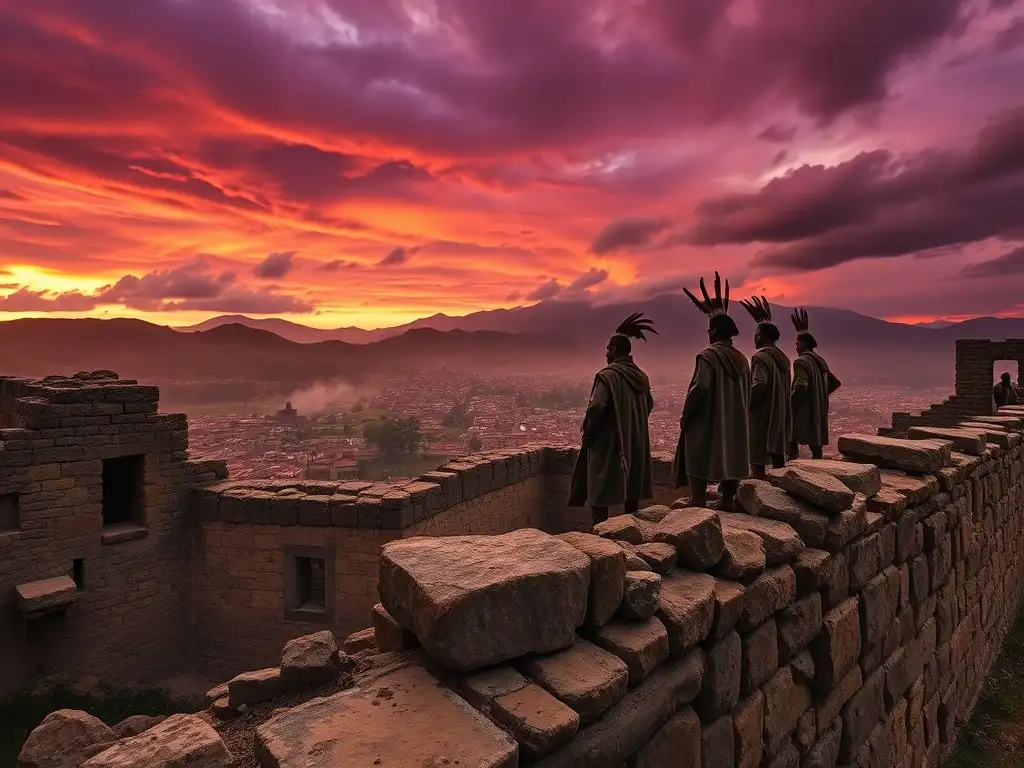
The Inca Siege of Cusco, while ultimately unsuccessful in preventing the Spanish conquest, left an indelible mark on the Andean world. It wasn't simply a military defeat; it became a potent symbol of resistance, shaping the collective memory and influencing the cultural landscape for centuries to come. The sheer determination displayed by the Inca forces, despite overwhelming odds, fostered a sense of enduring defiance that echoed through subsequent rebellions and uprisings against Spanish rule. Understanding this legacy requires examining its multifaceted impact on the Andean people.
The Siege of Cusco as a Catalyst for Further Resistance
The brutal siege of Cusco didn't extinguish the flame of Inca resistance; instead, it fueled it. The desperate struggle, witnessed firsthand by countless Andean people, ignited a spirit of defiance that manifested in numerous subsequent uprisings across the vast Inca empire. The siege served as a powerful example of what was possible, even against a seemingly unstoppable force.
Many smaller-scale rebellions, often led by local chiefs and nobles who had witnessed the siege firsthand, erupted in the years following the Spanish victory. These localized conflicts, though often suppressed, consistently challenged Spanish control and demonstrated the enduring resilience of Andean communities. The memory of the siege acted as a rallying cry, inspiring future generations to resist colonial oppression.
The tenacity displayed by Manco Inca Yupanqui and his followers during the siege became legendary, inspiring narratives and songs that were passed down through oral tradition for generations. These stories served to maintain a sense of cultural identity and resistance in the face of colonial attempts to suppress Inca traditions.
The Siege of Cusco profoundly impacted Inca culture and social structure, even beyond the immediate loss of life and territory. The destruction of Cusco's infrastructure and the disruption of its social hierarchy had lasting consequences. While the Spanish sought to dismantle the Inca administrative system, the siege inadvertently strengthened certain aspects of Andean resistance.
The forced dispersal of Inca communities, for example, facilitated the preservation of certain traditions and knowledge in more remote and isolated locations. Furthermore, the siege led to a reassessment of Inca military strategies and tactics, influencing future resistance efforts. The Spanish victory was not a complete cultural annihilation; instead, many aspects of Inca culture survived and adapted, partially fueled by the memory and inspiration drawn from the siege.
The trauma of the siege, however, undoubtedly contributed to the significant cultural shifts and losses experienced by the Andean people. The loss of life and the destruction of sacred sites had a profound psychological impact, the effects of which are still felt today.
The Siege's Place in the Collective Memory of the Andes
The Siege of Cusco remains a pivotal event in the collective memory of the Andes. It's not just a historical fact; it's a living memory, woven into the fabric of Andean identity. The siege is remembered in various forms, from oral traditions and songs to place names and archaeological remains.
These diverse forms of remembrance highlight the enduring significance of the event and its lasting influence on Andean cultures. The struggle against the Spanish is often represented through symbolic imagery and narratives, linking the siege to broader themes of resistance and cultural survival. The stories of the siege are not simply tales of the past; they are used to educate younger generations about their heritage and the importance of cultural preservation.
The memory of the siege continues to inspire contemporary Andean movements advocating for social justice and cultural revitalization. The resilience demonstrated during the Inca Siege of Cusco serves as a powerful reminder of the enduring spirit of the Andean people and their persistent fight for self-determination. The legacy of this pivotal moment continues to shape Andean identity and inspires ongoing efforts to reclaim and preserve their rich cultural heritage.
The Enduring Lessons of Inca Resistance and Warfare
The Siege of Cusco, while ultimately a defeat for the Inca, offers invaluable lessons about Inca military strategies and their capacity for resistance. The Inca army, despite facing superior weaponry and tactics from the Spanish, demonstrated remarkable resilience and ingenuity. Their use of guerilla warfare, ambushes, and knowledge of the terrain proved effective in inflicting significant casualties on the Spanish conquistadors. The siege highlighted the importance of logistics and supply lines in warfare, a crucial aspect often overlooked.
The Inca's sophisticated system of chasquis (runners) for communication and their extensive road network, while ultimately unable to fully counter the Spanish advantage, showcase their advanced organizational abilities. Furthermore, the siege demonstrates the crucial role of leadership and morale in prolonged conflict. Though Manco Inca Yupanqui's initial successes were ultimately reversed, his leadership inspired fierce loyalty and prolonged resistance among his followers. Studying the siege provides insights into the strengths and weaknesses of Inca military doctrines, offering a unique perspective on pre-Columbian warfare in the Andes.
The Inca's resourcefulness and strategic thinking, even in the face of overwhelming odds, remain a testament to their military prowess and enduring legacy. Analyzing their tactics offers valuable insights into the complexities of Andean warfare and provides a richer understanding of the Inca civilization's sophisticated organizational structure. The siege's impact extended beyond the immediate military conflict, influencing subsequent indigenous resistance movements throughout the Andes.
The Persistence of Andean Identity and Culture
Despite the devastating impact of the Spanish conquest, the Siege of Cusco and the subsequent resistance movements played a crucial role in preserving Andean identity and culture. The siege became a powerful symbol of defiance against foreign domination, fueling a sense of shared identity among various Andean groups. While the Inca Empire fell, the cultural traditions, beliefs, and social structures of the Andean people were not entirely eradicated. The resistance against the Spanish, exemplified by the siege, fostered the continued practice of indigenous languages, religious rituals, and agricultural techniques.
Many aspects of Inca culture, though adapted and modified, survived through the generations, finding expression in various forms, such as weaving, pottery, and oral traditions. The resilience displayed during the siege directly contributed to the preservation of a unique cultural heritage that continues to thrive today. The ongoing presence of Quechua, the Inca language, in many parts of the Andes is a direct testament to this cultural persistence. Furthermore, the fusion of Andean and European cultures that resulted from the conquest did not erase indigenous traditions but rather created a unique syncretism.
The legacy of the siege, therefore, is not just one of military resistance but also of cultural survival and adaptation in the face of overwhelming challenges. The Andean people's ability to maintain their cultural identity despite colonization is a powerful example of cultural resilience and a continuing legacy of the struggle during the Siege of Cusco. This enduring cultural heritage serves as a vital link to the past, reminding us of the strength and vitality of Andean civilizations.
Frequently Asked Questions
What was the Inca Siege of Cusco?
The Inca Siege of Cusco was a critical event in the Andean resistance against the Spanish conquistadors. It represented a desperate attempt to reclaim the Inca capital after the capture of Emperor Atahualpa. The siege ultimately failed.
How long did the Siege of Cusco last?
The siege lasted for a significant period, though the exact duration is debated by historians. Estimates generally place it between several months to a year. Sources vary on the precise timeframe.
Who were the key players in the Siege of Cusco?
Key players included Manco Inca Yupanqui, the last legitimate Inca emperor who led the resistance, and various Andean leaders and warriors who fought alongside him against the Spanish. Hernando Pizarro led the Spanish forces.
What were the main causes of the Siege of Cusco?
The siege stemmed from Inca resentment towards the Spanish conquest, the execution of Atahualpa, and the Spanish attempts to impose their rule and control over the Inca Empire. The desire for independence fueled the resistance.
What was the outcome of the Siege of Cusco and its significance?
The siege ended with the failure of the Inca forces. This marked a turning point, weakening the Andean resistance and paving the way for more complete Spanish control over the Inca Empire. It solidified Spanish dominance.
Final Reflection: Echoes of Resistance in the Andes
The Inca Siege of Cusco remains a potent symbol of defiance against overwhelming odds, a stark reminder that even in the face of seemingly insurmountable power, the human spirit can ignite a powerful flame of resistance. The echoes of this struggle resonate even today, shaping our understanding of colonialism, resilience, and the enduring legacy of Andean cultures. The strategic brilliance and desperate courage displayed by the Inca warriors continue to inspire awe and admiration, reminding us of the human capacity for both brutality and unwavering determination.
The siege's impact transcends the historical record; it continues to inform narratives of indigenous resistance worldwide, serving as a powerful counter-narrative to the often-sanitized versions of colonial conquest. The past is never dead. It's not even past.
- William Faulkner. This quote perfectly encapsulates the enduring relevance of the Siege of Cusco, its story woven into the very fabric of Andean identity and a constant reminder of the ongoing struggle for self-determination and cultural preservation. The fight for land, autonomy, and cultural survival continues in many forms, echoing the desperate battles fought within the walls of Cusco centuries ago.
Consider the implications of this history. How does the story of the Siege of Cusco challenge your understanding of power dynamics and the resilience of the human spirit? You, too, possess the capacity for unwavering determination in the face of adversity.
Let the courage of the Inca warriors inspire you to confront challenges with similar fortitude, to champion the causes you believe in, and to never underestimate the power of collective action in the pursuit of justice and equality. The legacy of Cusco calls to us, urging us to learn from the past and build a more just and equitable future.
Unleash Your Curiosity about Andean History!
Thank you for exploring the compelling story of the Siege of Cusco! Your engagement reveals a growing understanding of Andean resilience and the vibrant heritage of these remarkable cultures. Let's build on this!
Here are some next steps:
- Join the discussion! Share your thoughts on the Siege of Cusco's impact on Andean identity in the comments below.
- Continue your exploration! Discover related articles detailing other pivotal events that shaped Andean culture.
- Connect with our community! Follow us on social media to engage with fellow history enthusiasts and expand your knowledge collaboratively.
What aspect of Andean resistance most captivates you, and why is preserving these narratives vital today?