
Rituals of Renewal: Connecting with the Past and Future in the Andes

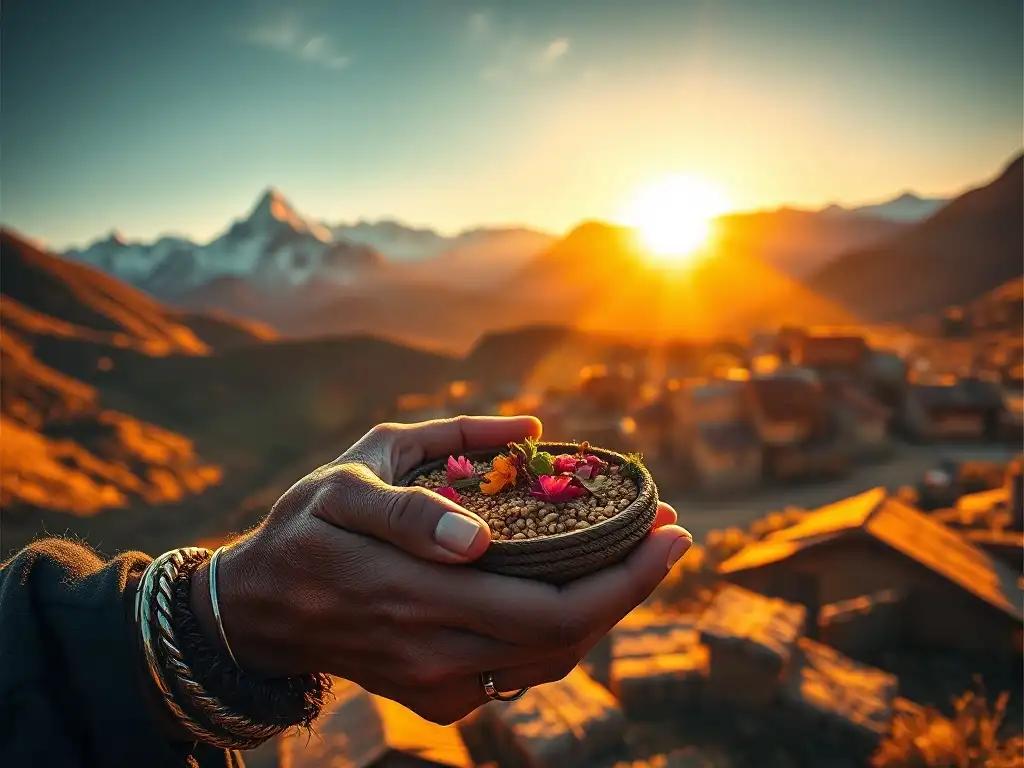
Welcome to Andean Civilizations, where the echoes of a magnificent past resonate with the present. Prepare to journey through a world of breathtaking artistry, ingenious engineering, and profound spiritual beliefs. But what secrets do the Andean renewal rituals hold? Discover how these ancient practices connected the Andean people to the cosmos, revealing a profound understanding of life, death, and the cyclical nature of existence. Uncover the mysteries and immerse yourself in the captivating story of a civilization that continues to inspire awe and wonder.
- Andean Renewal Rituals: Connecting with the Past and Future
- Ancient Andean Rituals of Rebirth and Transformation
- The Role of Ancestors in Andean Renewal Ceremonies
- Modern Andean Practices of Renewal and Continuity
- The Symbolism and Meaning Behind Andean Renewal Practices
- Impact of Andean Renewal Rituals on Individuals and Communities
- Preserving Andean Renewal Traditions for Future Generations
- Conclusion: The Enduring Power of Andean Renewal
- Frequently Asked Questions
- Final Reflection: Echoes of the Andes, Whispers of the Future
- Embrace Your Journey: Connect with the Rituals of Renewal
Andean Renewal Rituals: Connecting with the Past and Future
The Andes Mountains, a majestic spine running down the western edge of South America, are not merely a geographical feature; they are the very foundation of a rich tapestry of ancient civilizations and a complex cosmology deeply intertwined with cyclical time and renewal. This article delves into the fascinating world of Andean renewal rituals, exploring how these practices connected past, present, and future within the Andean worldview.
We will examine the unique understanding of time and the profound significance placed on cyclical processes of renewal, revealing how these beliefs shaped daily life and continue to resonate in contemporary Andean communities. From the intricate agricultural cycles mirroring celestial movements to elaborate ceremonies designed to ensure the continued prosperity of the land and its people, we will uncover the enduring power of Andean renewal rituals and their relevance to our understanding of human connection with the natural world.
Understanding these practices offers a unique perspective on how different cultures perceive time, nature, and the very essence of existence. This exploration will focus primarily on the Incan, Moche, Nazca, and Tiahuanaco cultures, highlighting the common threads and unique expressions of this vital aspect of Andean spirituality.
Understanding Andean Concepts of Time and Cyclicality
Unlike linear Western conceptions of time, Andean cultures viewed time as cyclical, a continuous flow between life and death, creation and destruction, abundance and scarcity. This cyclical perspective is deeply rooted in the agricultural practices that sustained these societies. The annual cycle of planting, growing, and harvesting mirrored the celestial movements observed in the sky, creating a profound connection between the earthly and the cosmic realms.
The changing seasons were not merely meteorological events but integral components of a larger cosmic rhythm. This understanding is reflected in numerous archaeological findings, including intricate astronomical observatories and calendar systems that meticulously tracked the movements of the sun, moon, and stars. For example, the Nazca Lines, though their exact purpose remains debated, are often interpreted as reflecting a complex understanding of astronomical cycles and their influence on the agricultural calendar.
The intricate designs and their alignment with celestial bodies suggest a sophisticated knowledge of astronomy used to predict and prepare for the cyclical changes essential to survival and prosperity. This deep connection between the celestial and the terrestrial realms formed the basis for many Andean renewal rituals, ensuring the harmonious continuation of life’s cycle. 📅
The Significance of Renewal in Andean Cosmology
Renewal in Andean cosmology wasn’t merely a seasonal event; it was a fundamental principle underpinning the entire worldview. It represented the continuous regeneration of life, the restoration of balance, and the reaffirmation of the cosmic order. Rituals were crucial in maintaining this balance, ensuring the continued fertility of the land, the health of the community, and the prosperity of the people.
These rituals, often involving elaborate ceremonies, offerings, and symbolic acts, aimed to appease the deities, honor the ancestors, and ensure the cyclical renewal of life. The Inca, for instance, performed elaborate ceremonies involving the capacocha, a ritual sacrifice often involving children, who were considered to be messengers to the gods. While the practice is viewed today with ethical concerns, it highlights the significance placed upon the maintenance of cosmic balance within the Incan worldview.
The Moche, known for their exquisite pottery depicting scenes of daily life and religious practices, also showcased rituals related to agricultural cycles and the worship of deities associated with fertility and renewal. These rituals, whether large-scale public events or smaller, more intimate family practices, were vital aspects of Andean life, demonstrating a profound respect for the interconnectedness of all things and a deep understanding of the cyclical nature of existence. 🌎
Ancient Andean Rituals of Rebirth and Transformation
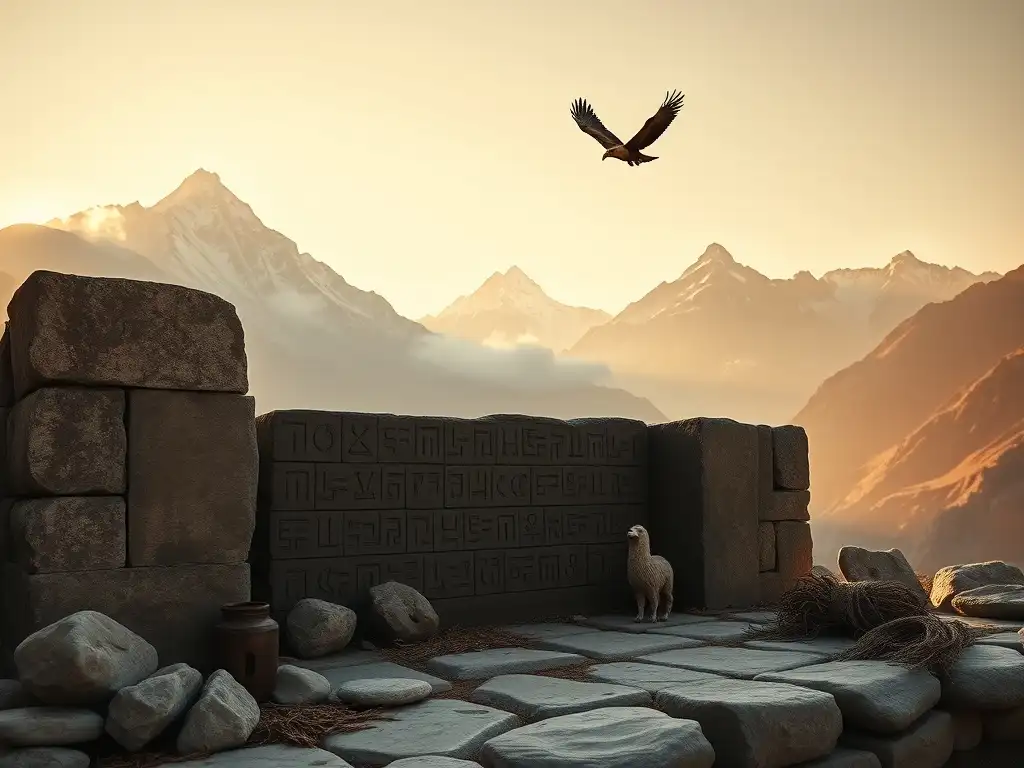
The Andes Mountains, a spine of towering peaks piercing the sky, have witnessed millennia of human civilization deeply intertwined with the rhythms of nature. Andean cultures developed intricate systems of belief and practice centered around renewal, reflecting a profound understanding of cyclical time and the interconnectedness of all living things. This section explores several key Andean renewal rituals, highlighting their significance in maintaining cosmic balance and ensuring the prosperity of communities. Understanding these Andean renewal rituals offers a powerful lens through which to appreciate the sophisticated cosmology and worldview of these ancient societies.
The Inti Raymi: Celebrating the Sun's Renewal
Inti Raymi, meaning "Festival of the Sun" in Quechua, was the most important annual festival for the Inca Empire. More than a mere celebration, it was a complex ritual reaffirming the Inca's divine connection to the sun god, Inti, and ensuring the continuation of life-giving solar energy. Held on the solstice in June, the festival involved elaborate processions, sacrifices, and feasts. The Inca emperor, considered a direct descendant of the sun, played a central role, performing sacred rites to ensure the sun's continued strength and the fertility of the land.
The Inti Raymi wasn't simply a one-day event; preparations began weeks in advance. Artisans crafted intricate gold and silver ornaments, while farmers prepared offerings of coca leaves, maize, and other agricultural products. The festivities culminated in a grand ceremony at the Sacsayhuamán fortress near Cusco, involving thousands of participants.
The precise details of the rituals remain somewhat shrouded in mystery, lost to the passage of time and the destruction of Inca records by the Spanish conquistadors. However, surviving accounts suggest a captivating spectacle of music, dance, and religious fervor, aimed at revitalizing the sun's power and securing a bountiful harvest. The significance of the Inti Raymi extended beyond the immediate celebration; it served as a powerful symbol of Andean renewal, reinforcing the Inca’s imperial authority and the cyclical nature of time and life.
Pachamama Rituals: Honoring the Earth's Cycles
Pachamama, meaning "Mother Earth," is a central figure in Andean cosmology, representing the fertile earth and the life-giving forces of nature. Rituals dedicated to Pachamama are deeply ingrained in Andean traditions and continue to be practiced today. These Andean renewal rituals focus on maintaining a harmonious relationship between humanity and the natural world, ensuring the earth's continued productivity and the well-being of the communities that depend on it.
These rituals vary across different Andean communities, but common practices include offerings of coca leaves, chicha (a fermented corn beverage), food, and other gifts placed in the earth as a sign of respect and gratitude. These offerings are not mere gifts; they are acts of reciprocity, acknowledging Pachamama's generosity and seeking her continued favor. Specific rituals are often performed at significant times of the year, such as planting and harvesting seasons, or during times of drought or other natural challenges.
The act of offering is itself a form of renewal, symbolically replenishing the earth's energy and ensuring its continued bounty. The deep connection between humans and Pachamama highlights the Andean understanding of the interconnectedness of life and the importance of respecting the natural world. Failure to honor Pachamama was believed to bring misfortune, highlighting the centrality of these rituals in Andean life.
Ritual Cleansing: Purifying the Body and Spirit
Ritual cleansing plays a crucial role in Andean spirituality, symbolizing the purification of both the physical body and the spiritual self. These Andean renewal rituals aim to remove negative energies, illness, and bad luck, restoring balance and harmony. Various methods are employed, often involving water, herbs, and specific incantations.
One common practice involves using copas, small vessels filled with water and coca leaves, to cleanse a person's aura. The water is then poured over the individual or splashed around them, symbolically washing away negativity. Other rituals involve the use of medicinal plants and herbal baths, believed to have purifying and healing properties. The use of saumerios, bundles of burning herbs like coca, are also common, their smoke believed to dispel negative energies and purify spaces.
These cleansing rituals are not solely individual practices; they often occur within a community context, reinforcing social bonds and collective well-being. The emphasis on purification underscores the Andean belief in the interconnectedness of the physical and spiritual realms and the importance of maintaining a state of balance and harmony to ensure overall well-being. These rituals represent a vital aspect of Andean renewal, ensuring spiritual and physical vitality within the community.
Aymara Renewal Practices
The Aymara people, inhabiting the Altiplano region of the Andes, possess a rich tapestry of rituals focused on renewal and maintaining harmony with the Pachamama (Mother Earth) and the cosmos. Their worldview deeply intertwines the cyclical nature of life, death, and rebirth, reflected in their agricultural practices and spiritual ceremonies. Aymara renewal rituals are not isolated events but rather an ongoing process, woven into the fabric of daily life.
One crucial aspect of Aymara renewal revolves around the agricultural calendar. The planting and harvesting seasons are marked by significant ceremonies, often involving offerings to the apus (mountain spirits) and the Pachamama. These offerings, typically consisting of coca leaves, alcohol, and food, are seen as a way to express gratitude and ensure a bountiful harvest. The act of offering itself is a form of renewal – a symbolic exchange that reaffirms the relationship between the Aymara people and the natural world. Failure to properly honor the Pachamama is believed to result in poor harvests and misfortune.
Furthermore, the Aymara practice ch’alla, a ritual sprinkling of alcohol and other offerings. This isn't just a simple act; it's a sacred act of purification and renewal, cleansing both objects and individuals from negative energies. Ch’alla is performed on various occasions, from the inauguration of a new home to the blessing of livestock. It symbolizes a washing away of the old, making way for the new and revitalized. The vibrant colors of the coca leaves and the intoxicating aroma of the alcohol contribute to the ritual's sensory richness, creating a powerful experience of connection with the Andean spirit world.
Beyond agricultural cycles, Aymara renewal also manifests in personal rituals. Illness, for example, is often seen as an imbalance within the individual or their relationship with the cosmos. Healing ceremonies, often involving traditional healers ( yatiri), aim to restore this balance through prayer, herbal remedies, and the use of sacred objects.
These ceremonies are not merely physical treatments; they are spiritual acts of renewal, seeking to reconnect the individual with their spiritual essence and the harmony of the Pachamama. The rhythmic chanting and the use of sacred instruments further contribute to the transformative power of these healing rituals, emphasizing the interconnectedness of the physical and spiritual realms within the Aymara worldview.
These practices underscore the importance of maintaining a harmonious relationship with the natural world for individual and community well-being, emphasizing the cyclical nature of Andean renewal rituals. The continuous cycle of renewal is fundamental to the Aymara understanding of life and their enduring connection to the Andean landscape.
The Role of Ancestors in Andean Renewal Ceremonies
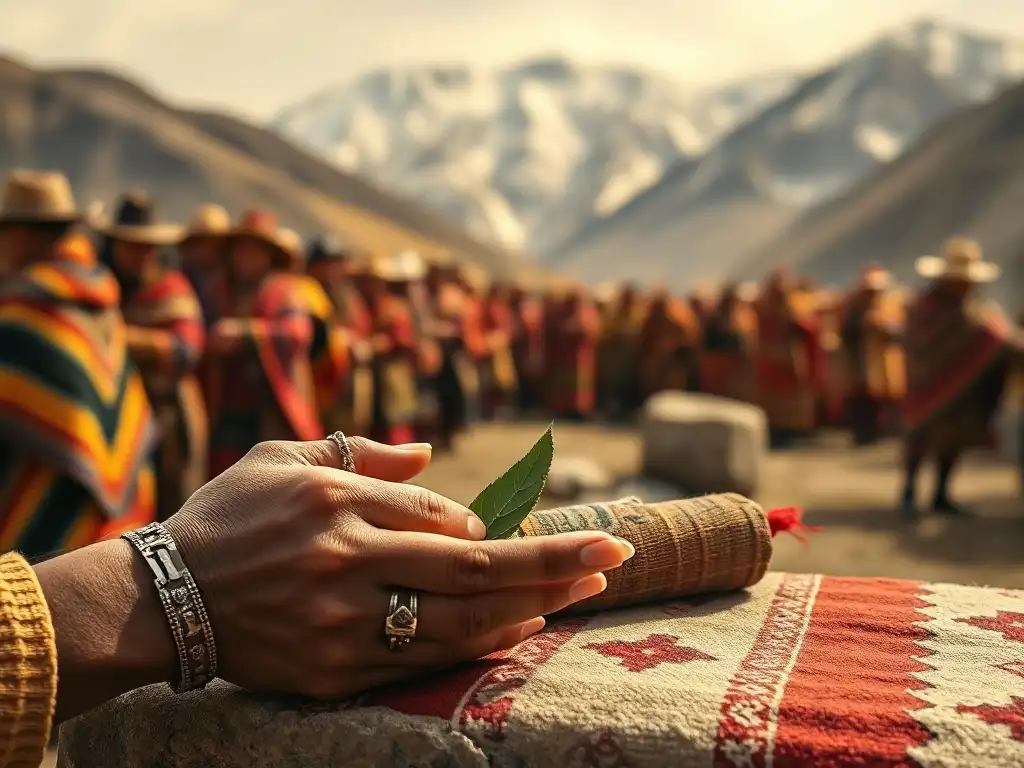
The Andean worldview deeply emphasizes the interconnectedness between the living and the deceased. Renewal rituals aren't simply about cyclical changes in the natural world; they are profoundly shaped by the belief in the continued presence and influence of ancestors. These ceremonies aren't merely commemorative acts; they are active engagements, reinforcing the vital link between generations and ensuring the ongoing flow of energy and prosperity.
The concept of ayni, reciprocal exchange, extends beyond human interactions to encompass a relationship with the ancestral realm. By honoring and appeasing ancestors through offerings and rituals, the living secure their continued support and blessings, fostering a sense of continuity and renewal. This belief is not passive; it's a dynamic force shaping daily life and influencing the very structure of Andean renewal ceremonies.
Connecting with the Past Through Rituals
Andean renewal rituals often involve specific practices designed to facilitate communication with ancestors. These might include the preparation and offering of chicha (a fermented corn beverage), the burning of copal incense to cleanse and purify the space, and the presentation of carefully selected gifts representing the bounty of the land. These offerings are not simply discarded; they are seen as a means of nourishing the ancestral spirits and strengthening the bond between the living and the dead.
The rituals themselves are often accompanied by music, dance, and storytelling, all contributing to the creation of a sacred atmosphere conducive to communication with the spirit world. For example, the Capac Raymi, a major Inca festival, involved elaborate ceremonies aimed at ensuring the continued fertility of the land and the well-being of the empire, heavily reliant on the participation and symbolic presence of revered ancestors.
The precise rituals varied across different Andean cultures, but the central theme of ancestor veneration remained constant. Detailed ethnographic studies reveal striking similarities in the fundamental principles underlying these practices, highlighting the deep-rooted importance of this belief system.
The Importance of Lineage in Andean Traditions
The concept of lineage is inextricably linked to Andean renewal rituals. Ancestral lines are not merely genealogical records; they represent a continuous flow of energy and spiritual power. Each individual is seen as part of a larger, unbroken chain connecting them to their forebears and future generations.
This understanding shapes family structures, social hierarchies, and the very fabric of Andean society. The preservation of ancestral knowledge, traditions, and practices is considered paramount, ensuring the continuity of the community and its connection to the sacred. Lineage is not just a matter of biological descent; it's a spiritual inheritance, passed down through generations through oral traditions, rituals, and the careful safeguarding of sacred objects.
Maintaining this lineage is crucial for maintaining the balance and harmony necessary for renewal and prosperity. The failure to honor ancestors and maintain the integrity of the lineage was believed to disrupt this balance, leading to misfortune and hardship.
Remembering and Honoring the Dead
The act of remembering and honoring the dead is not a somber occasion in Andean traditions; rather, it is a vibrant affirmation of life and continuity. The deceased are not simply forgotten; they are actively integrated into the life of the community. Grave sites are often maintained and visited regularly, serving as places of pilgrimage and communion with the ancestors.
Offerings of food, drink, and other precious items are made to appease and honor the spirits, ensuring their continued benevolence. The Pachamama, the Earth Mother, is also closely associated with the deceased, as the earth itself is seen as a repository of ancestral energy. The very act of tilling the soil is imbued with spiritual significance, connecting the living to their ancestors through the land that sustains them.
This profound connection with the earth and the deceased fosters a cyclical understanding of life and death, where renewal is not merely a seasonal process but a continuous flow of energy between the living and the dead, reinforcing the importance of Andean renewal rituals. The vibrant tapestry of Andean culture is indelibly woven with this profound respect for ancestors, shaping their worldview and their approach to life's cyclical processes.
Modern Andean Practices of Renewal and Continuity
This section explores how ancient Andean concepts of renewal, deeply rooted in their cosmology and worldview, continue to manifest in contemporary Andean society. We'll examine how traditional rituals are reinterpreted and adapted to modern life, demonstrating the enduring power of these beliefs and practices. The resilience of Andean spiritual traditions highlights a fascinating interplay between ancient wisdom and modern realities. Understanding these contemporary expressions of Andean renewal rituals offers a unique lens through which to appreciate the living legacy of these vibrant cultures.
Contemporary Interpretations of Traditional Rituals
While the exact forms of ancient Andean renewal rituals remain partially shrouded in the mists of time, archaeological evidence and ethnohistorical accounts offer glimpses into their significance. These ancient practices, often involving offerings, sacrifices, and elaborate ceremonies tied to agricultural cycles and celestial events, have profoundly shaped modern Andean spiritual practices. Many contemporary Andean communities continue to perform rituals that echo these ancient traditions, albeit adapted to suit their present circumstances.
For example, the offering of coca leaves, a practice deeply ingrained in Inca traditions, persists as a gesture of respect and appeasement to the apus (mountain spirits) and pachamama (Mother Earth). However, the context and meaning might be subtly different, reflecting the integration of Catholic beliefs and other influences. The use of traditional Andean instruments, such as panpipes and drums, in contemporary ceremonies also speaks to the enduring power of these cultural symbols.
This continuity underscores the deep-seated connection between the past and present for Andean communities. The adaptation of ancient rituals is not a betrayal of tradition, but rather a testament to its flexibility and enduring relevance. The core values of reciprocity, respect for nature, and communal harmony remain central to these adapted practices.
The Persistence of Andean Beliefs in Modern Society
The influence of Andean cosmology extends beyond ritual practice; it permeates daily life in many Andean communities. The concept of ayni (reciprocity) – a fundamental principle in Andean worldview – continues to shape social interactions and economic exchanges. This principle emphasizes mutual support and cooperation, fostering strong community bonds and a sense of collective responsibility. The belief in pachamama, the Earth Mother, is also deeply ingrained in modern Andean society, influencing agricultural practices, environmental stewardship, and even political discourse.
Many Andean communities still hold ceremonies to honor pachamama, seeking her blessings for a bountiful harvest and overall well-being. The integration of Andean beliefs with Catholicism is another significant aspect of the persistence of these traditions. Syncretism, the blending of different religious beliefs and practices, has resulted in unique forms of worship that combine elements of both Andean and Catholic traditions.
This fascinating fusion showcases the adaptability and resilience of Andean spiritual systems in the face of external influences. The continued observance of traditional festivals and celebrations, often incorporating elements of both Andean and Catholic traditions, further highlights the enduring influence of these beliefs on modern Andean life. Understanding this enduring influence is crucial to appreciating the multifaceted nature of Andean culture and its ongoing evolution.
The Andean New Year Celebration in Cusco
The Andean New Year, celebrated annually in Cusco and other Andean regions, provides a powerful example of the enduring relevance of Andean renewal rituals. This vibrant celebration, often coinciding with the Inti Raymi (Festival of the Sun), involves a complex interplay of ancient traditions and modern interpretations. The celebration is not merely a historical reenactment; it’s a living tradition that engages the community in acts of renewal and reflection.
Participants engage in various activities, including cleansing rituals, offerings to pachamama, and communal feasts. The use of traditional attire, music, and dance underscores the deep cultural significance of the event. The celebration offers a powerful opportunity to reflect on the past year, express gratitude for blessings received, and seek positive energy for the year ahead.
While the scale and specific practices might vary across different communities, the underlying themes of renewal, community, and connection with the natural world remain consistent. The celebration serves as a potent symbol of the enduring power of Andean traditions in the face of modernization, demonstrating the ongoing relevance of these ancient practices in shaping contemporary Andean identity. Detailed accounts of specific rituals and their symbolic meanings would require further research, but the broad strokes of this celebration clearly demonstrate the enduring presence of "Andean renewal rituals" within contemporary society.
The Symbolism and Meaning Behind Andean Renewal Practices
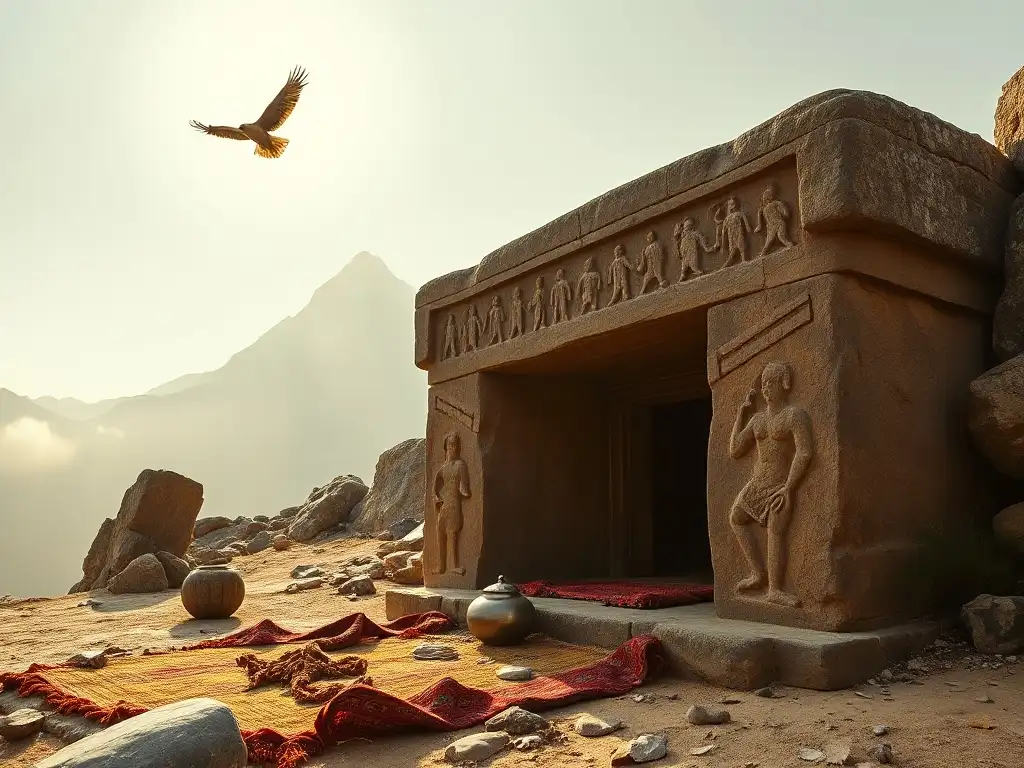
Andean renewal rituals weren't simply cyclical events; they were deeply symbolic acts reflecting a profound connection between the human world and the cosmos. These ceremonies, often tied to agricultural cycles and astronomical events, aimed to restore balance and ensure the continued prosperity of the community. Understanding their symbolism is key to appreciating their significance within the broader Andean worldview.
The core belief underpinning these rituals was the interconnectedness of all things – humans, animals, plants, and the elements – and the need to maintain harmony within this intricate web of life. Disruptions to this harmony, whether through natural disasters, social conflict, or illness, were addressed through carefully orchestrated rituals designed to appease the gods and restore equilibrium. The effectiveness of the ritual wasn't solely dependent on the procedure itself, but also on the collective faith and participation of the community, reinforcing social bonds and reaffirming shared beliefs.
The very act of engaging in the ritual was a form of renewal, strengthening community ties and reinforcing cultural identity. This is a powerful demonstration of how Andean renewal rituals were not merely religious practices but also crucial social and cultural events.
The Significance of Water, Fire, and Earth in Rituals
Water, fire, and earth held paramount importance in Andean renewal rituals, representing fundamental forces of nature and embodying essential aspects of life itself. Water, symbolizing fertility, purification, and life-giving energy, played a crucial role in many ceremonies. Ritual cleansing with water was a common practice, aimed at removing negative energies and restoring spiritual purity. The use of springs, rivers, and lakes in rituals highlighted their sacredness and their connection to the supernatural world.
Fire, on the other hand, represented transformation, purification, and the power of the sun. Bonfires were often central to ceremonies, their flames consuming negative energies and symbolically renewing the spirit. The offering of coca leaves to the fire was a common practice, their burning representing a direct communication with the divine. Finally, earth, the source of life and sustenance, represented stability, grounding, and the cyclical nature of existence.
Rituals often involved offerings of food and other materials placed directly into the earth, symbolically returning them to their source and ensuring fertility for the coming season. The intricate interplay of these three elements within Andean renewal rituals underscored the interconnectedness of life and the cosmos, emphasizing the importance of maintaining balance between these fundamental forces. The careful selection and placement of these elements within the rituals were not arbitrary; rather, they followed deeply ingrained cultural patterns and beliefs passed down through generations.
The Role of Music and Dance in Renewal Ceremonies
Music and dance were integral components of Andean renewal rituals, serving not only as forms of entertainment but also as powerful tools for achieving spiritual connection and promoting social cohesion. The rhythmic beats of drums, the haunting melodies of panpipes, and the vibrant movements of dancers all contributed to creating a trance-like atmosphere conducive to spiritual communication. Music was believed to have the power to influence the supernatural world, attracting benevolent spirits and appeasing malevolent ones.
The intricate steps and patterns of the dances often mirrored agricultural cycles or astronomical events, symbolically enacting the renewal process. For example, dances mimicking the movements of the sun or the planting and harvesting of crops were common. Participation in these ceremonies was not merely passive observation; it was an active engagement in the renewal process, with each participant playing a vital role in ensuring the success of the ritual.
The collective energy generated through music and dance served to amplify the spiritual power of the ceremony, creating a powerful and transformative experience for all involved. Furthermore, the shared experience of music and dance strengthened community bonds, reinforcing social cohesion and reaffirming shared cultural identity. The legacy of these musical and dance traditions continues to this day, demonstrating their enduring power and cultural significance.
The Colors and Materials Used in Andean Rituals
The careful selection of colors and materials in Andean renewal rituals was far from arbitrary; it held profound symbolic meaning, reflecting the beliefs and values of the Andean worldview. Specific colors were associated with different deities, natural forces, and spiritual energies. For instance, red often symbolized blood, life force, and the sun, while white represented purity and spirituality. The use of specific materials, such as feathers, coca leaves, and precious metals, also carried significant symbolic weight.
Feathers, often from sacred birds, represented communication with the supernatural world, while coca leaves were associated with offerings and acts of propitiation. Precious metals like gold and silver, often associated with the sun and moon, were used in ceremonial objects to further enhance their sacred power. The intricate craftsmanship evident in many ceremonial objects speaks to the high value placed on these materials and the deep symbolic meaning they held within the Andean culture.
The careful preparation and presentation of these materials were crucial aspects of the rituals, reflecting the reverence and respect held for the divine and the natural world. This attention to detail underscores the importance of these rituals in maintaining harmony between the human and spiritual realms. The careful combination of these elements—colors and materials—was essential to the effectiveness of the ritual, creating a powerful visual representation of the desired outcome: renewal and balance.
Impact of Andean Renewal Rituals on Individuals and Communities
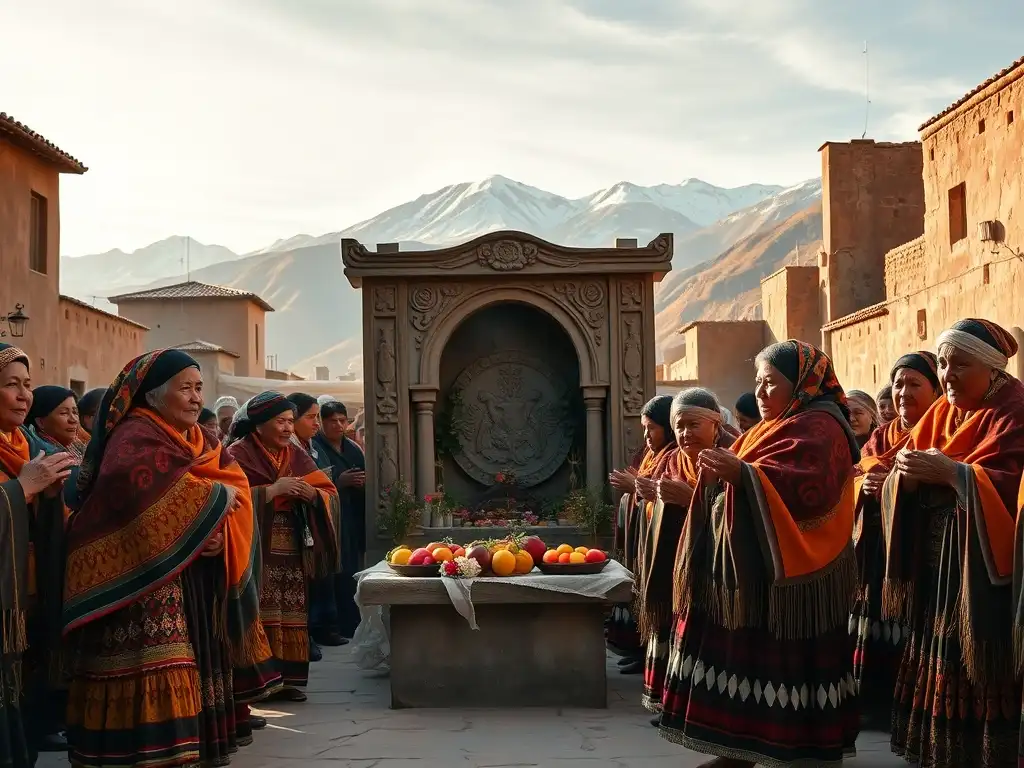
Andean renewal rituals, deeply intertwined with the cyclical understanding of time and the reverence for the Pachamama (Mother Earth), profoundly impacted both individuals and their communities. These weren't merely religious observances; they were integral to the social fabric, influencing personal well-being, community cohesion, and the preservation of cultural heritage. The rituals' effectiveness stemmed from their holistic approach, addressing spiritual, emotional, and social needs simultaneously. Understanding this multifaceted impact is key to appreciating their enduring legacy.
Fostering a Sense of Community and Belonging
Participation in Andean renewal rituals fostered a strong sense of community and belonging. These ceremonies, often involving large-scale participation, provided opportunities for social interaction and the reinforcement of shared values. The collective performance of rituals, such as the Capacocha (child sacrifice, though interpretations vary significantly), or the various agricultural celebrations marking the sowing and harvesting seasons, created a powerful sense of unity.
The shared experience transcended individual differences, forging bonds based on collective identity and a common purpose. For example, the intricate preparations leading up to a significant festival often involved the entire community, from the elders responsible for the ceremonial aspects to the younger members contributing in various ways. This collaborative effort strengthened social ties and reinforced community bonds.
Even seemingly smaller rituals, like the daily offerings to the apus (mountain spirits), fostered a sense of shared responsibility towards the natural world and the spirits that inhabited it. This collective engagement helped maintain social harmony and stability within the community.
Promoting Personal Growth and Transformation
Beyond the communal benefits, Andean renewal rituals played a crucial role in individual growth and transformation. These ceremonies often involved periods of fasting, meditation, or pilgrimage, designed to promote self-reflection and spiritual cleansing. Participants sought to purify themselves, both physically and spiritually, preparing for a renewed cycle. The rituals provided a framework for individuals to confront their inner demons, seek guidance from spiritual leaders, and ultimately emerge transformed.
The symbolism embedded within the rituals, such as the use of specific colors, offerings, and dances, served as powerful tools for personal growth. For instance, the use of coca leaves, a sacred plant in Andean culture, during rituals facilitated altered states of consciousness, potentially allowing for deeper introspection and spiritual connection. Evidence suggests that individual experiences during these rituals were often deeply personal and transformative, contributing to an individual's sense of purpose and well-being within the community.
Maintaining Cultural Identity and Heritage
The continuity of Andean renewal rituals played a vital role in maintaining cultural identity and heritage across generations. These rituals served as a powerful mechanism for transmitting cultural knowledge, beliefs, and traditions. The ceremonies themselves were not simply performed; they were actively taught, with elders guiding younger generations through the intricate processes and symbolism involved.
This intergenerational transmission ensured that the cultural heritage was preserved and adapted to changing circumstances. The stories, songs, and dances associated with these rituals served as repositories of historical memory and cultural values. The continuity of these traditions reinforced group identity and provided a sense of connection to the past, strengthening the community's resilience and ability to navigate the challenges of the present.
The deliberate preservation of these rituals speaks volumes about the importance of cultural continuity to Andean societies. Their survival, even in the face of colonization and modernization, is a testament to their enduring significance. Understanding the connection between ritual practice and cultural preservation is crucial for appreciating the lasting influence of these traditions.
Preserving Andean Renewal Traditions for Future Generations
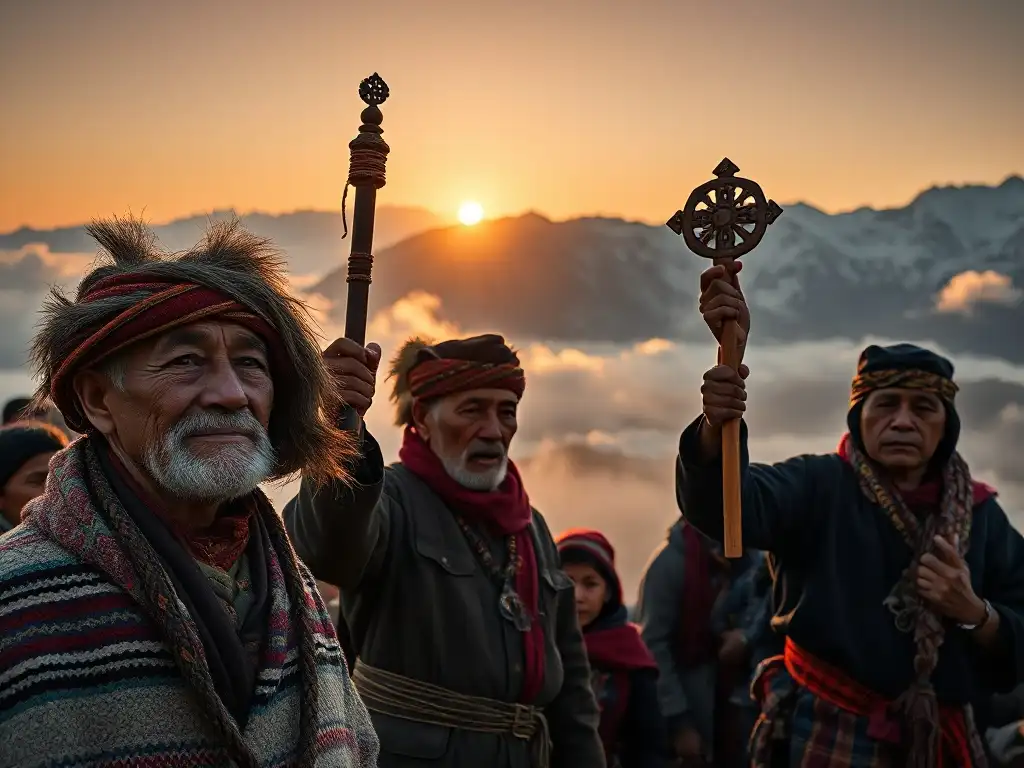
The vibrant tapestry of Andean renewal rituals, deeply interwoven with the fabric of Andean cosmology, faces significant challenges in the modern world. These rituals, often involving intricate ceremonies, agricultural practices tied to the cycles of nature, and profound spiritual connections to the apus (mountain spirits) and pachamama (Mother Earth), are not merely historical relics; they are living traditions that hold immense cultural and ecological significance. Their preservation is crucial not only for understanding the past but also for ensuring a sustainable future.
The continuation of these practices is intrinsically linked to the well-being of Andean communities and the preservation of unique cultural heritage. Understanding the pressures these traditions face is the first step towards effective preservation strategies.
Challenges to the Preservation of Andean Rituals
Several factors contribute to the erosion of Andean renewal rituals. The relentless march of globalization, with its accompanying homogenizing forces, threatens to dilute unique cultural expressions. Urbanization and migration draw individuals away from traditional practices and ancestral lands, weakening the transmission of knowledge across generations. Furthermore, the imposition of external religious and philosophical systems can lead to the abandonment of indigenous beliefs and rituals. This is particularly acute in regions experiencing rapid societal change.
The economic pressures faced by many Andean communities also contribute to the decline. The pursuit of economic opportunities often necessitates a shift away from traditional agricultural practices, which are intimately linked to many renewal ceremonies. The lack of economic incentives for maintaining these traditions further exacerbates the problem. For example, the younger generation might find it more appealing to pursue more lucrative jobs in urban centers rather than engaging in time-consuming agricultural practices that are essential for many Andean renewal rituals.
Finally, the lack of adequate documentation and research on many rituals poses a significant challenge. Many practices are passed down orally, making them vulnerable to loss or misinterpretation. The absence of comprehensive records makes it difficult to understand the full scope and complexity of these traditions, hindering effective preservation efforts. This underscores the urgent need for systematic documentation and research to safeguard this invaluable cultural heritage.
Efforts to Revitalize and Promote Andean Culture
Despite the challenges, there are encouraging efforts underway to revitalize and promote Andean culture, including its renewal rituals. Many community-based initiatives focus on educating younger generations about the significance of these traditions, often incorporating them into school curricula and community events. These programs emphasize the importance of understanding the deeper meaning and symbolism behind the rituals, fostering a renewed sense of pride and ownership. This active participation is key to the long-term survival of these practices.
Furthermore, some organizations are working to provide economic incentives for the continuation of traditional agricultural practices and craft production associated with Andean renewal rituals. By creating sustainable livelihoods linked to these traditions, they help to ensure their long-term viability. This approach recognizes the crucial link between economic well-being and cultural preservation. Support for indigenous-led initiatives is also paramount, ensuring that preservation efforts are community-driven and respect traditional knowledge systems.
The increasing awareness and interest in Andean culture from both within and outside the region also provide opportunities for preservation. Tourism, when managed responsibly, can generate revenue that supports cultural preservation projects and provides economic incentives for communities to maintain their traditions. This approach requires careful planning to avoid commodifying cultural practices and ensure that local communities benefit directly from tourism initiatives.
The Importance of Passing Down Knowledge and Practices
The transmission of knowledge and practices related to Andean renewal rituals is paramount for their survival. This involves a multi-generational effort, encompassing both formal and informal learning processes. Elderly members of the community play a crucial role in mentoring younger generations, sharing their knowledge and skills through storytelling, demonstrations, and direct participation in rituals. This intergenerational transfer of knowledge is fundamental to maintaining the authenticity and continuity of these traditions.
Moreover, fostering a supportive environment where young people feel empowered to participate in and learn these rituals is essential. This requires creating spaces for intergenerational dialogue and collaboration, where traditional knowledge can be shared and adapted to the changing circumstances of modern life. The integration of traditional practices into contemporary contexts is key to ensuring their relevance and appeal to future generations.
The active involvement of youth in the planning and execution of rituals ensures the sustainability of these vital traditions for years to come. The preservation of Andean renewal rituals is not simply a matter of historical preservation; it is about safeguarding a living culture that holds profound spiritual, ecological, and social significance. It requires a concerted and sustained effort from communities, organizations, and governments to ensure that these traditions continue to flourish for generations to come.
Conclusion: The Enduring Power of Andean Renewal
The study of Andean renewal rituals offers a captivating glimpse into the sophisticated cosmology and worldview of ancient Andean societies. These weren't simply isolated ceremonies; they were integral parts of a complex system that intertwined the spiritual and material realms, reflecting a profound understanding of cyclical time and the interconnectedness of all living things. By examining these practices, we gain a deeper appreciation for the ingenuity and resilience of these civilizations, and how their beliefs continue to resonate today.
The enduring power of these rituals lies not only in their historical significance but also in their potential to inspire contemporary approaches to environmental sustainability and community building. Understanding the intricate details of these rituals allows us to appreciate the depth of Andean thought and its relevance to modern challenges.
The Relevance of Andean Renewal Rituals Today
Many Andean renewal rituals focused on agricultural cycles, ensuring bountiful harvests and the prosperity of the community. This emphasis on reciprocity between humans and the natural world holds significant contemporary relevance. In a time of increasing environmental concern, the Andean worldview, with its focus on harmonious coexistence with nature, offers a powerful counterpoint to exploitative practices.
The rituals’ emphasis on communal participation underscores the importance of collaborative efforts in addressing environmental challenges. For example, the capac hucha (a type of Inca ritual offering) highlights the importance of giving back to the earth, a concept that resonates strongly with contemporary discussions of sustainable resource management. The intricate understanding of Andean agricultural techniques, often deeply intertwined with their rituals, could also inspire innovative approaches to modern farming practices.
The wisdom embedded within these ancient traditions provides valuable lessons for modern society grappling with environmental issues. Understanding the underlying principles of Andean renewal rituals can help us develop more sustainable and equitable practices.
The Timeless Wisdom of the Andean Worldview
The Andean worldview, deeply embedded within their renewal rituals, was characterized by a cyclical understanding of time, unlike the linear perception prevalent in many Western cultures. This cyclical perspective emphasized renewal, regeneration, and the continuous interplay between life, death, and rebirth. This concept is beautifully illustrated in the capacocha ceremonies, where selected individuals were offered as sacrifices, not as a brutal act, but as a way to maintain cosmic balance and ensure the continuation of life.
This isn't to romanticize the practice, but to understand the cultural context and the worldview that informed it. The Andean understanding of time as a continuous cycle, with periods of growth and decay, offers a valuable perspective for navigating the complexities of modern life, reminding us of the transient nature of things and the importance of adaptation and renewal.
This timeless wisdom emphasizes the inherent interconnectedness of all things and the necessity for maintaining harmony within the ecosystem. The cyclical perspective also encourages a more sustainable approach to life, promoting responsible stewardship of resources and a deeper appreciation for the natural world.
The Legacy of Andean Traditions
The legacy of Andean renewal rituals extends far beyond the archaeological record. Many contemporary Andean communities continue to practice adapted versions of these traditions, integrating them with modern beliefs and practices. These living traditions demonstrate the enduring power of these rituals and their continued relevance in shaping Andean identities and cultural practices.
The vibrant continuation of these practices highlights the resilience of Andean culture and its ability to adapt to changing circumstances while preserving its core values. Studying these contemporary manifestations allows us to gain a deeper understanding of the evolving nature of Andean traditions and their ongoing influence on Andean societies. The persistence of these traditions serves as a powerful testament to the enduring spiritual and cultural significance of Andean renewal rituals, proving their lasting impact on the Andean worldview and offering valuable insights into the human experience across time and cultures.
The study of these ongoing practices offers a dynamic and evolving understanding of Andean renewal rituals and their continued importance. Further research into specific communities and their adaptations of these rituals is crucial for a more complete picture.
Frequently Asked Questions
What were Andean renewal rituals?
Andean renewal rituals were ceremonies and practices aimed at ensuring the continuation of life and prosperity. These involved offerings to deities, agricultural practices, and community celebrations to maintain balance and harmony with the natural world.
Why were these rituals important to Andean civilizations?
These rituals were crucial for maintaining cosmic order and ensuring agricultural success. They were believed to influence the weather, fertility, and the overall well-being of the community, connecting the past, present, and future.
What types of offerings were common in Andean renewal rituals?
Offerings varied widely depending on the specific culture and ritual, but often included food, drink, textiles, and precious metals. These were presented to deities or placed in sacred sites to express gratitude and seek favor.
How did Andean renewal rituals connect to agriculture?
Many rituals were directly tied to the agricultural cycle, such as planting and harvesting festivals. These ceremonies sought to ensure bountiful harvests and appease the spirits influencing the land’s fertility.
Are Andean renewal rituals still practiced today?
While many ancient practices have evolved, elements of Andean renewal rituals persist in modern Andean communities. These traditions often blend ancient beliefs with contemporary expressions of faith and community.
Final Reflection: Echoes of the Andes, Whispers of the Future
The ancient rituals of Andean renewal, far from being relics of a bygone era, offer a potent framework for navigating the complexities of the modern world. Their emphasis on interconnectedness—with nature, community, and the spiritual realm—provides a powerful antidote to the isolating forces of contemporary life. These practices, deeply rooted in the landscape and the collective memory of the Andean people, continue to resonate with a profound and timely urgency.
The enduring power of these rituals lies in their ability to foster a sense of belonging and purpose, a feeling increasingly scarce in our fragmented society. They remind us of the cyclical nature of life, death, and rebirth, offering solace and hope in the face of uncertainty. As the Inca proverb states, The mountain does not move, but the river changes its course.
This highlights the constant adaptation and renewal inherent in Andean traditions, a lesson we can all benefit from embracing in our own lives.
Consider the profound wisdom embedded within these practices. How can you incorporate elements of mindful connection with nature, community engagement, and a cyclical perspective into your own life? Embrace the spirit of renewal; find your own rituals, your own mountains and rivers, and allow them to guide you towards a more fulfilling and meaningful existence. Let the echoes of the Andes inspire you to create your own path towards a brighter future.
Embrace Your Journey: Connect with the Rituals of Renewal
Thank you for exploring the profound rituals of renewal from the Andes with us! We hope you gained valuable insights into the rich interplay between past and future.
Now, it's your turn to deepen your understanding and engagement:
- Join an online community dedicated to Andean culture to connect with like-minded individuals and share your experiences.
- Participate in a local workshop or event focused on Andean traditions to immerse yourself in this vibrant cultural heritage.
- Create your own personal renewal ritual, drawing inspiration from Andean practices to foster personal growth and transformation.
As you reflect on these suggestions, consider how you can integrate the spirit of Andean renewal into your life. We'd love to hear your thoughts!