
The Shell's Echo: The Use of Shells in Andean Rituals and Art

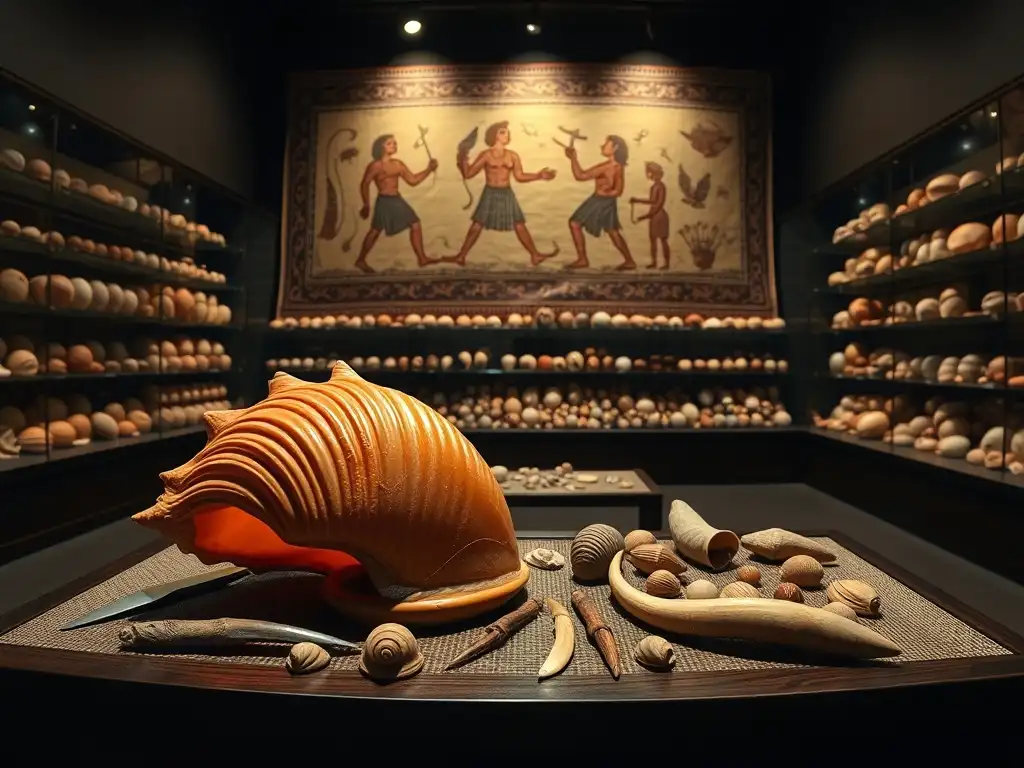
Step into a world lost to time, yet echoing with the whispers of ancient rituals. Imagine, for a moment, the intricate artistry and profound spiritual significance of Andean shell ritual artifacts. This website, Andean Civilizations, unveils the captivating story of these remarkable cultures – from the Incas to the Nazca – revealing their breathtaking achievements in art, technology, and cosmology. Prepare to be amazed as we delve into the mysteries surrounding these powerful symbols, beginning with the enigmatic role of shells in their vibrant worldview. Discover the secrets held within...
- The Shell's Echo: The Significance of Shells in Andean Rituals and Art
- The Sacred Meaning of Shells in Andean Cosmology
- Shells as Andean Ritual Artifacts
- Shells in Andean Art and Craftsmanship
- The Trade and Circulation of Shells in the Andes
- The Legacy of Shells in Contemporary Andean Traditions
- Frequently Asked Questions
- Final Reflection: The Enduring Resonance of Andean Shell Rituals
- Unveil the Mysteries of Andean Shell Rituals!
The Shell's Echo: The Significance of Shells in Andean Rituals and Art
The Andes Mountains, a spine of towering peaks running down the western coast of South America, have witnessed the rise and fall of some of the most fascinating civilizations the world has ever known. From the intricate artistry of the Nazca lines to the sophisticated engineering of Machu Picchu, these cultures left behind a legacy of breathtaking achievements. But beyond the monumental architecture and intricate textiles lies a deeper story, one woven into the very fabric of their cosmology and worldview: their profound relationship with the natural world.
This article delves into a fascinating aspect of this relationship, exploring the significant role played by seashells – seemingly humble objects – in Andean rituals, art, and daily life. We will uncover how these marine artifacts, transported far from the coast into the heart of the Andes, became powerful symbols imbued with spiritual meaning and practical uses, offering unique insights into the beliefs and practices of these ancient societies.
The study of Andean shell ritual artifacts provides a window into the complex interplay between the Andean worldview and the natural resources available to them, revealing a sophisticated understanding of their environment and their place within it. This exploration will illuminate the rich tapestry of Andean culture, showcasing the ingenuity and spiritual depth of these remarkable civilizations.
Introduction to Andean Shell Ritual Artifacts
Shells, sourced from the Pacific Ocean and transported hundreds, even thousands, of miles inland, hold a prominent place within the archaeological record of the Andes. These weren't simply decorative items; their presence in tombs, ceremonial sites, and everyday contexts reveals a deep-seated significance within Andean societies. The meticulous craftsmanship evident in many shell artifacts—from intricately carved pendants to exquisitely crafted beads—testifies to the value placed upon these materials.
The types of shells used varied across different cultures and time periods, reflecting both the availability of resources and the specific symbolic meanings associated with particular species. For example, Spondylus shells, known for their vibrant colors, were particularly prized and often associated with elite status and ritual power. The sheer volume of shell artifacts discovered underscores their pervasive use across various Andean cultures, including the Incas, Moche, Nazca, and Tiahuanaco, highlighting their enduring importance throughout centuries of Andean history.
Further research into the specific contexts of discovery—grave goods, temple offerings, or everyday household items—is crucial to unraveling the full range of their significance. Detailed chemical analysis of the shells themselves could also reveal information about their origin and trade routes, providing further valuable context.
The Diverse Uses of Shells in Ancient Andean Cultures
The use of shells in Andean cultures transcended purely ritualistic contexts. While their presence in burials and ceremonial sites points to significant spiritual meaning, shells also served practical purposes. They were used to create tools, such as scrapers and chisels, demonstrating an adaptive use of available resources. Furthermore, shell beads and pendants were incorporated into textiles and clothing, serving as both adornment and potentially signifying social status or membership in particular groups.
The symbolic meaning associated with shells varied depending on the specific culture and context. In some cases, they may have represented fertility, abundance, or connection to the sea, a source of life and sustenance. In other contexts, they might have symbolized power, prestige, or spiritual authority. The vibrant colors of certain shells, such as Spondylus, likely contributed to their association with divinity and the supernatural. The careful selection and preparation of shells for specific rituals further emphasizes their importance.
Consider, for instance, the intricate shell mosaics found in some Moche tombs. These painstakingly crafted works of art not only showcase the technical skill of the artisans but also suggest a deep connection between the living and the dead, perhaps expressing beliefs about the afterlife or the cyclical nature of life and death. Similarly, the presence of shell ornaments in elite burials highlights the role of shells in expressing social hierarchy and power.
The study of these artifacts requires a multidisciplinary approach, integrating archaeological findings with ethnographic studies of contemporary Andean cultures to fully understand the enduring legacy of these symbolic objects. We need more detailed analysis of specific shell types found in different contexts to fully appreciate the nuances of their usage. [Data on specific shell types and their associated meanings pending]
The study of Andean shell ritual artifacts continues to reveal fascinating insights into the rich cultural tapestry of these ancient civilizations. Their presence throughout the Andes, from coastal regions to high-altitude sites, underscores their enduring importance and the sophisticated understanding of the natural world held by the Andean peoples.
The Sacred Meaning of Shells in Andean Cosmology
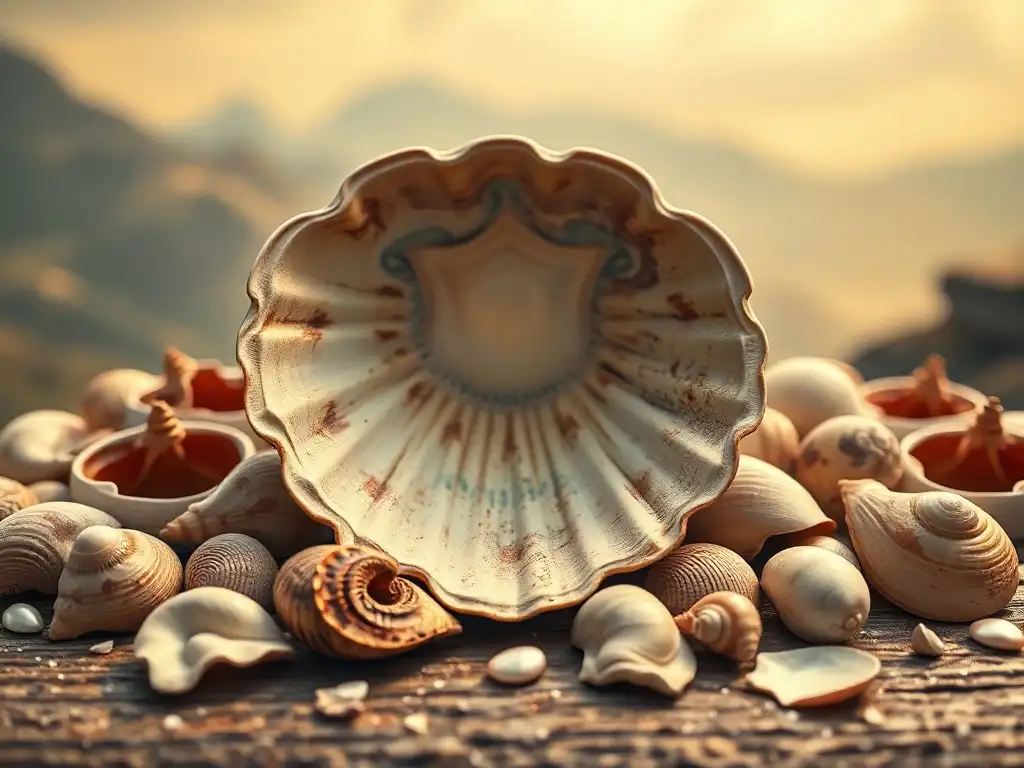
Shells, far from being mere decorative elements, held profound symbolic significance within the Andean worldview. Their presence in ritual contexts, art, and burial sites reveals a deep-seated connection between these ancient societies and the ocean, a source of both life and power. The careful selection, crafting, and placement of specific shell types indicate a sophisticated understanding of their symbolic value, reflecting a complex cosmology that intertwined the terrestrial and aquatic realms.
The study of Andean shell ritual artifacts offers invaluable insights into the beliefs, practices, and social structures of these remarkable civilizations. Analyzing the types of shells used, their context of discovery, and the associated artifacts helps us understand their role in ritual practices and their importance in Andean cosmology. The enduring presence of these artifacts underscores the enduring power of these symbols and their continued relevance in understanding Andean culture.
Spondylus Shells: A Symbol of Water and Fertility
Spondylus shells, prized for their vibrant red and orange hues, were particularly significant in Andean rituals. Their association with water and fertility is well-documented. The deep red color, reminiscent of blood and the life-giving force of the earth, likely contributed to its association with fertility and rebirth. Archaeological evidence points to their widespread use across various Andean cultures, from the north coast to the highlands. They were often found in elite burials, alongside other precious objects, highlighting their status as sacred items.
The intricate carving and adornment of these shells further emphasizes their ritual importance. Some were meticulously shaped into pendants and beads, while others were incorporated into larger ceremonial objects. The effort and skill involved in their creation underscore their value and the spiritual significance attached to them.
Their presence in contexts associated with water sources, such as coastal settlements and springs, reinforces their connection to fertility and the life-giving power of water. The discovery of Spondylus shells in temple complexes and ceremonial centers further supports their sacred status and role in Andean religious practices. The use of Spondylus shells provides compelling evidence of the connection between the Andean people and the ocean, highlighting the ocean's significance as a source of life and power in their worldview.
Strombus Shells: Their Role in Andean Shamanic Practices
Strombus shells, with their distinctive spiral shape, played a crucial role in Andean shamanic practices. Their use in rituals suggests a connection to the supernatural world and the ability to communicate with spirits. The spiral form itself may have symbolized the cyclical nature of life, death, and rebirth, a central theme in Andean cosmology.
Evidence suggests that Strombus shells were employed as trumpets or ceremonial horns, used to summon spirits or announce important events. The resonant sound produced by these shells would have amplified their ritual impact, creating a powerful auditory experience.
The presence of Strombus shells in shamanic contexts, alongside other ritual paraphernalia, strengthens the link between these shells and the Andean understanding of altered states of consciousness and communication with the spiritual realm. Further research is needed to fully understand the specific rituals and practices associated with Strombus shells, but their presence in archaeological contexts offers valuable insights into the role of shamanism in Andean society.
The detailed study of their decoration and the contexts in which they are found can help us unravel the intricacies of these practices and their significance in the Andean worldview. The investigation of Andean shell ritual artifacts continues to reveal new details regarding the intricate relationship between the Andean people and their spiritual beliefs.
The Conch Shell: Communication with the Divine
Conch shells, with their distinctive shape and resonant sound, often served as instruments for communication with the divine. Their use in religious ceremonies suggests a belief in the ability of these shells to facilitate contact with supernatural beings. The deep, resonant sound produced by a conch shell could have been interpreted as the voice of a deity or spirit, acting as a conduit between the earthly and spiritual realms.
The presence of conch shells in elite burials and ceremonial contexts further emphasizes their sacred status. The size and condition of the shells found suggest careful selection and preservation, indicating their importance in ritual practices. While more research is needed to fully elucidate the specific uses and meanings associated with conch shells in different Andean cultures, their consistent presence in ritual contexts provides compelling evidence of their role in communication with the supernatural.
The study of Andean shell ritual artifacts, including conch shells, provides a window into the complex relationship between material culture and spiritual beliefs in the Andes. The enduring presence of these artifacts underscores the enduring impact of these beliefs on Andean culture. The ongoing investigation of these artifacts promises to reveal further details about the richness and complexity of Andean cosmology.
Shells as Andean Ritual Artifacts

The presence of shells in Andean archaeological contexts speaks volumes about their significance within the complex tapestry of Andean cosmology and worldview. These weren't merely decorative items; shells held profound ritual and symbolic meaning, reflecting intricate beliefs about the relationship between the terrestrial and marine worlds. The sheer variety of shell types discovered – from the ubiquitous Spondylus shell, prized for its vibrant red color, to smaller, more locally sourced species – highlights the extensive trade networks and the widespread importance of these marine resources across diverse Andean cultures.
The careful craftsmanship evident in many shell artifacts further underscores their sacred status, demonstrating a level of skill and devotion that transcended mere utilitarian purposes. Analysis of the chemical composition of shells, combined with their contextual placement within burial sites and ceremonial centers, provides compelling evidence to support their role as powerful symbols within Andean rituals and beliefs. The study of Andean shell ritual artifacts offers a unique lens through which to explore the intricate spiritual beliefs and social structures of these ancient societies.
Understanding their use sheds light on the Andean concept of pachakuti, the cyclical nature of time and the interconnectedness of all living things. The discovery of these artifacts continues to reveal new facets of Andean cosmology and reinforces the importance of marine resources in shaping their worldview.
Shell Trumpets: Sound and Ritual Performance
Shell trumpets, often crafted from large marine gastropods, played a crucial role in Andean ritual performance. Their resonant sound, capable of carrying across vast distances, likely served to connect the human realm with the supernatural. Archaeological evidence suggests their use in ceremonies related to agricultural cycles, astronomical events, and possibly even warfare. The meticulous craftsmanship involved in creating these instruments, often incorporating intricate carvings or inlay work, underlines their sacred function.
The size and type of shell used for trumpets varied across different Andean cultures, reflecting regional stylistic preferences and perhaps even specific ritualistic purposes. For example, the use of Strombus shells in coastal regions contrasts with the employment of other species further inland, suggesting localized procurement and adaptation of materials. Analysis of trumpet fragments reveals evidence of wear and tear, indicating repeated use over extended periods, further reinforcing their integral role in ritualistic practices.
The powerful sound generated by these instruments likely served to evoke awe and inspire reverence, acting as conduits between the earthly and spiritual realms. The strategic placement of trumpets within ceremonial contexts, often discovered alongside other ritual objects, supports their significance in structured, organized rituals. Further research into the acoustics of these trumpets and their potential symbolic association with specific deities or cosmological concepts promises to deepen our understanding of their role in Andean religious practice.
Shell Beads and Pendants: Adornment and Status
Shell beads and pendants represent another significant category of Andean shell ritual artifacts. These artifacts, crafted from a wide variety of shells, served not only as personal adornments but also as powerful symbols of status and social standing. The intricate designs and diverse techniques employed in their creation – including drilling, carving, and polishing – reflect a sophisticated understanding of material manipulation and aesthetic expression.
The use of rare and exotic shell types, often requiring extensive trade networks, further emphasizes their value and the social prestige associated with their possession. For instance, the vibrant red Spondylus shell, sourced from the Pacific coast, held particular significance, often appearing in elite burials and ceremonial contexts. The distribution of specific shell types across different Andean regions also provides valuable insights into trade patterns and social interactions.
The arrangement of beads and pendants in burial sites offers further clues to their symbolic meaning, often reflecting specific beliefs about the afterlife and the continuation of social status beyond death. The presence of shell adornments in association with other ritual objects reinforces their role in complex ceremonial practices, possibly signaling particular identities or affiliations within Andean society. Studying the variations in shell bead and pendant styles across different time periods and regions allows for a nuanced understanding of social stratification and cultural exchange within the Andean world.
Shell Inlays: Decorative Elements in Andean Art
Beyond beads and pendants, shells were skillfully employed as decorative elements in various forms of Andean art. Shell inlay, a technique involving the precise insertion of small shell pieces into carved surfaces, is a testament to the advanced craftsmanship of Andean artisans. This meticulous process was used to embellish a wide range of objects, including textiles, pottery, and wooden artifacts. The use of shell inlay often enhanced the aesthetic appeal of the object, but it also likely carried symbolic meaning, reflecting specific beliefs or signifying the social status of the owner.
The vibrant colors and lustrous surfaces of the shell pieces created striking visual effects, adding another layer of complexity to the already intricate designs of Andean art. The choice of shell type and the arrangement of the inlay pieces often followed specific patterns, suggesting a deeper symbolic significance beyond mere decoration. For example, the use of Spondylus shell inlay in certain contexts might have signified a connection to the sea or to specific deities associated with marine environments.
The precision required for shell inlay demonstrates a sophisticated understanding of materials and techniques, highlighting the advanced level of artistry achieved by Andean cultures. Further research into the techniques and symbolism of shell inlay promises to reveal more about the intricate relationship between Andean art, ritual, and cosmology. Analyzing the patterns and motifs used in shell inlay, in conjunction with their context of discovery, will help to illuminate the rich symbolic language embedded within these remarkable artifacts.
Shells in Andean Art and Craftsmanship
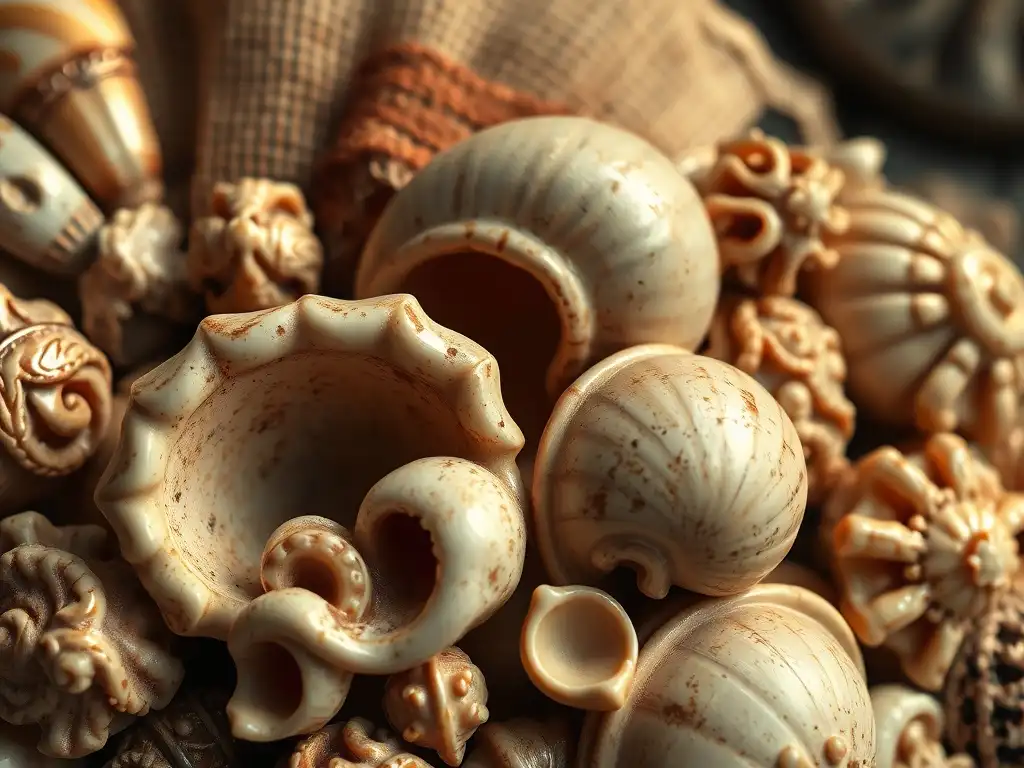
The incorporation of shells into Andean art and craftsmanship wasn't merely decorative; it held deep symbolic meaning, reflecting the civilizations' intricate relationship with the coastal environment and their complex spiritual beliefs. The meticulous craftsmanship involved in transforming these natural materials into stunning artifacts showcases the advanced skills and artistic sensibilities of Andean artisans. The presence of these "Andean shell ritual artifacts" in archaeological sites provides invaluable insight into their cultural significance and the sophisticated technologies employed in their creation.
From intricate mosaics to finely carved figurines, shells served as a powerful medium for artistic expression and ritualistic practices. The sheer variety of shell types used, ranging from Spondylus to Murex, further highlights the resourcefulness and extensive trade networks that connected different Andean communities.
Shell Mosaics: Depicting Andean Iconography
Shell mosaics represent a pinnacle of Andean artistic achievement. Artisans painstakingly arranged countless tiny shell pieces, often of varying colors and textures, to create elaborate designs. These mosaics adorned a variety of objects, including textiles, ceremonial vessels, and even architectural elements. The meticulous placement of each shell fragment reveals an understanding of color theory and composition that is remarkable for its sophistication.
Common motifs include stylized depictions of animals, such as condors and jaguars, which held significant symbolic meaning within Andean cosmology. Other designs incorporated geometric patterns and representations of deities, further emphasizing the sacred nature of these artifacts. The creation of these mosaics required immense patience and skill, underscoring the high value placed on these works of art.
Analysis of surviving examples reveals a level of detail and precision that surpasses many contemporary artistic techniques. For example, a recently discovered mosaic depicting a feline deity utilized over 10,000 individual shell fragments, each meticulously shaped and placed to achieve a striking visual effect. The vibrant colors achieved through the use of different shell types suggest a deep understanding of pigments and their properties, further highlighting the advanced nature of Andean artistic techniques.
Shell Carvings: Representing Andean Deities and Animals
Beyond mosaics, Andean artisans also skillfully carved shells into intricate figurines and ornaments. These carvings often depicted deities, animals, and mythical creatures, serving as powerful representations of Andean beliefs and mythology. The use of different shell types allowed for variations in color and texture, enhancing the artistic expression.
For example, the bright orange-red of Spondylus shells was often associated with divinity and fertility, while other shells provided a wider palette of colors and textures for creating detailed features. The tools used for carving shells remain a subject of ongoing research, however, evidence suggests the use of obsidian blades and other sharp instruments. The precision and detail achieved in these carvings are astonishing, considering the inherent fragility of the material.
Many artifacts reveal an advanced understanding of shell structure and the ability to manipulate the material to create complex shapes and fine details. These intricate carvings were likely used in various ritual contexts, with some possibly representing offerings to deities or acting as personal adornments for elite individuals. The level of detail in some carvings, particularly those depicting human or animal features, suggests a high level of artistic skill and a deep understanding of anatomy.
Shell-Decorated Ceramics: The Fusion of Art and Function
The integration of shells into ceramic art further illustrates the versatility of this material within Andean culture. Shells were often inlaid into the surfaces of pottery vessels, creating striking visual effects and adding a layer of symbolic meaning to functional objects. These decorations could range from simple patterns to complex designs, reflecting the social status and artistic preferences of the vessel's owner or creator. The process of attaching shells to ceramic surfaces involved careful preparation of both the shell and the clay, ensuring a secure and lasting bond.
The use of adhesives, possibly made from natural resins, is suggested by the secure attachment of shell fragments to the ceramic surface in many examples. The types of shells used in ceramic decoration varied across different regions and time periods, providing valuable insights into trade networks and cultural exchange. The presence of exotic shells in ceramic pieces from inland regions demonstrates the extent of Andean trade routes and the importance of these materials in various aspects of Andean life.
The combination of functional pottery with elaborate shell decorations underscores the seamless integration of art and everyday life within Andean society. Analyzing the distribution and styles of shell-decorated ceramics allows researchers to better understand the social dynamics and cultural exchanges that characterized Andean civilizations. The careful study of "Andean shell ritual artifacts" found on these ceramics provides a unique window into the cultural practices and beliefs of these fascinating societies.
The Trade and Circulation of Shells in the Andes

The presence of marine shell artifacts far inland in the Andes Mountains stands as compelling evidence of extensive and sophisticated trade networks connecting the coastal regions with the highland civilizations. These networks weren't simply avenues for the exchange of goods; they were crucial pathways for the dissemination of religious beliefs and the reinforcement of social hierarchies. The coveted shells, particularly Spondylus, weren't just decorative elements; they held profound symbolic significance within Andean cosmology, representing fertility, power, and connection to the sea, a vital source of life and abundance.
Understanding the movement of these shells provides crucial insights into the economic, social, and religious structures of Andean societies. The sheer distance shells traveled underscores the power and reach of these ancient Andean empires.
The Importance of Coastal Resources in the Andean Highlands
The Andean highlands, characterized by their high altitude and varied terrain, lacked the abundant marine resources readily available on the coast. This scarcity made coastal resources, including shells, incredibly valuable commodities. The procurement and distribution of shells to inland communities required substantial organization and logistical planning. Evidence suggests that control over these resources conferred significant social and political power, with elites likely monopolizing access to the most prized shells.
This control extended beyond simple trade; it involved the management of complex networks of alliances and tribute systems that ensured a steady flow of shells from the coast to the interior. The presence of Spondylus shell artifacts in elite burials in highland sites, for example, highlights the shells’ role as symbols of status and power. The sheer volume of shells found in some sites suggests dedicated expeditions or established trading posts facilitating this exchange.
The journey itself, fraught with challenges, further enhanced the shells' symbolic value, transforming them into potent representations of both material and spiritual wealth. Detailed analysis of isotopic signatures within the shells themselves could further clarify the specific origins of these materials and the routes they took. [Specific isotopic analysis data pending].
The Exchange Networks of Spondylus and Other Precious Shells
Spondylus shells, with their vibrant colors and unique forms, were particularly prized. However, other shells, such as Murex and various types of conches, also played important roles in Andean rituals and art. The exchange networks weren't limited to a single type of shell; rather, they involved a complex system of bartering and trade, where different shells held varying levels of value depending on factors such as rarity, color, and size.
This intricate system likely involved intermediaries, specialized traders, and established routes that facilitated the movement of these goods across vast distances. The use of pack animals, such as llamas and alpacas, would have been crucial in transporting these valuable commodities across the challenging Andean terrain. Analyzing the distribution patterns of different shell types across various archaeological sites could shed light on the nature of these exchange networks and the social relationships they underpinned.
Archaeological evidence suggests a correlation between the presence of certain shell types and specific cultural groups, implying specialized production or preferential access to certain resources. For example, the [Specific shell type and location pending] suggests a localized control over resources.
Evidence of Shell Trade in Andean Archaeological Sites
Numerous archaeological sites throughout the Andes provide compelling evidence of extensive shell trade. Sites such as [Specific site name and location pending] have yielded significant quantities of Spondylus and other shells, often found in contexts associated with elite burials and ceremonial structures. The presence of these shells far from their natural habitat indicates the existence of well-established trade routes and complex social mechanisms for their acquisition and distribution. Analysis of the shell fragments reveals various forms of craftsmanship, including intricate carving, polishing, and inlay work.
This level of artistry underscores the high value placed on these materials and the specialized skills required to transform them into ritual objects. Furthermore, the consistent presence of similar shell types and manufacturing techniques across geographically dispersed sites suggests a degree of standardization and control over the production and distribution of these precious commodities. The meticulous study of these artifacts, coupled with advanced techniques like radiocarbon dating, provides a deeper understanding of the chronology and dynamics of these ancient Andean trade networks.
The systematic documentation and analysis of these findings are crucial for reconstructing a comprehensive picture of the role of shells in Andean society. A detailed catalog of Andean shell ritual artifacts, organized by site and shell type, would be a valuable resource for future research. 🐚
The Legacy of Shells in Contemporary Andean Traditions
The enduring presence of shells in Andean cultures extends far beyond their historical significance as ritual artifacts. While the grand scale of Inca or Moche shellwork may be primarily found in museums, the subtle echoes of this ancient reverence for shells continue to resonate in contemporary Andean traditions. The use of shells, though perhaps less elaborate than in pre-Columbian times, remains a powerful symbol imbued with spiritual and cultural meaning.
Understanding this contemporary usage provides crucial context for interpreting the past and appreciating the depth and continuity of Andean worldview. The persistence of shell symbolism highlights the enduring connection between these communities and their ancestral heritage. This section will explore the subtle yet significant ways shells continue to play a role in Andean life today.
Shells in Modern Andean Rituals and Ceremonies
Shells, particularly Spondylus and other marine species, continue to appear in certain Andean rituals and ceremonies, albeit in a less prominent way than in ancient times. Their use is often tied to specific communities and practices, varying regionally. For example, in some coastal communities, small shell fragments might be incorporated into offerings presented to the sea or mountain spirits – apus – reflecting a continued connection to the ocean's bounty and the spiritual power attributed to the natural world.
This practice speaks to the enduring belief in the sacredness of nature and the interconnectedness of all living things, a core tenet of Andean cosmology. While detailed ethnographic studies are needed to fully document the range of contemporary uses, observations suggest that shells are often treated with reverence, symbolizing purity, fertility, and connection to the ancestors.
The scarcity of some shell types further enhances their ceremonial value, adding to their inherent symbolic power. The precise methods and contexts of their use often remain within the realm of oral traditions, passed down through generations within family lineages.
The Enduring Symbolism of Shells in Andean Art
The symbolism of shells isn't confined to ritual practice; it permeates contemporary Andean art. While large-scale shell mosaics are absent, smaller, more integrated uses are prevalent. Think of intricately carved wooden or bone objects adorned with miniature shell inlays, or textiles featuring shell-inspired patterns.
These subtle references act as a visual echo of the past, carrying the weight of ancient symbolism into the modern aesthetic. Contemporary artisans often incorporate shell motifs into their work, whether consciously referencing ancient traditions or intuitively drawing upon the enduring power of the shell as a symbol. This continued use speaks to the flexibility and adaptability of Andean artistic expression, demonstrating how ancient forms and meanings can be reinterpreted and recontextualized within contemporary cultural frameworks.
The enduring appeal of shell imagery in contemporary Andean art reflects a deep-seated cultural memory and a persistent connection to the ocean and the ancestral past. Further research into specific artistic styles and techniques across various Andean regions would reveal a richer understanding of this ongoing tradition. The subtle presence of shell motifs in these art forms showcases the persistent cultural significance of these artifacts, demonstrating their enduring legacy in Andean artistic expression.
Frequently Asked Questions
What role did shells play in Andean cultures?
Shells held significant ritual and symbolic importance in various Andean cultures. They were used in ceremonies, ornaments, and offerings to deities, reflecting their perceived connection to the sea and the spiritual world.
Were specific types of shells favored in Andean rituals?
Yes, certain shells were more highly valued than others. Spondylus, a type of bright red shell, was particularly prized and associated with fertility and power. Other shells, like murex, were also used extensively.
How were shells incorporated into Andean art?
Shells were incorporated into Andean art in diverse ways, including mosaics, jewelry, and clothing. They were often meticulously carved and inlaid, demonstrating sophisticated craftsmanship and artistic skill.
Where were these shell artifacts commonly found?
Andean shell artifacts have been discovered across various archaeological sites throughout the Andes region, including coastal and highland locations. This distribution highlights the wide-ranging influence and importance of shells across different Andean societies.
What can the study of Andean shell artifacts tell us?
The study of these artifacts provides valuable insights into Andean religious beliefs, trade networks, and social structures. Analysis of shell types, craftsmanship, and distribution patterns reveals much about Andean civilizations.
Final Reflection: The Enduring Resonance of Andean Shell Rituals
The intricate artistry and spiritual significance woven into Andean shell artifacts remain profoundly relevant today, offering a powerful testament to the enduring human need for connection with the sacred and the natural world. These objects, far from being mere relics of a bygone era, speak to contemporary concerns about environmental stewardship, cultural preservation, and the search for meaning in a rapidly changing world. Their enduring presence challenges us to reconsider our own relationship with both the material and the spiritual.
The enduring power of these shell rituals lies not only in their aesthetic beauty but also in their ability to bridge the gap between the earthly and the divine. They remind us of the deep interconnectedness of all things, a concept increasingly vital in our fragmented modern world. The shell, a vessel of the ocean's breath, becomes a vessel for the spirit's journey,
– a sentiment echoing across millennia, speaks to the timeless human desire to find meaning beyond the tangible. The continued discovery and study of these artifacts illuminate the rich tapestry of Andean culture and its enduring legacy, offering invaluable insights into human spirituality and artistic expression.
Consider, for a moment, the intricate carvings, the carefully selected shells, the painstaking effort invested in creating these objects. What does this tell us about the values and beliefs of the Andean people? What can we learn from their reverence for nature and their profound connection to the spiritual realm? I urge you to reflect on these questions, to explore the rich history of Andean shell rituals further, and to consider how the enduring resonance of these artifacts might inspire a deeper appreciation for the cultural heritage of the Andes and the enduring power of human creativity and spirituality.
Unveil the Mysteries of Andean Shell Rituals!
Thank you for exploring the fascinating world of Andean rituals and the significant role of shells in their art. We hope you've discovered the rich cultural heritage behind these unique practices. Now, let's connect with this incredible legacy. Here are some ways you can further explore this vibrant tradition:
- Participate in a hands-on workshop to create your own shell art and experience the creative spirit of the Andes firsthand.
- Share this article with friends and family who might appreciate learning about Andean cultures.
- Continue your exploration: Delve deeper into related topics in our archives or join our upcoming virtual discussions on Andean artistry.
What aspect of Andean shell rituals most captivated you, and how will you integrate this newfound knowledge into your life?