
The Economic Power of Andean Elites: Manifested Through Trade Networks

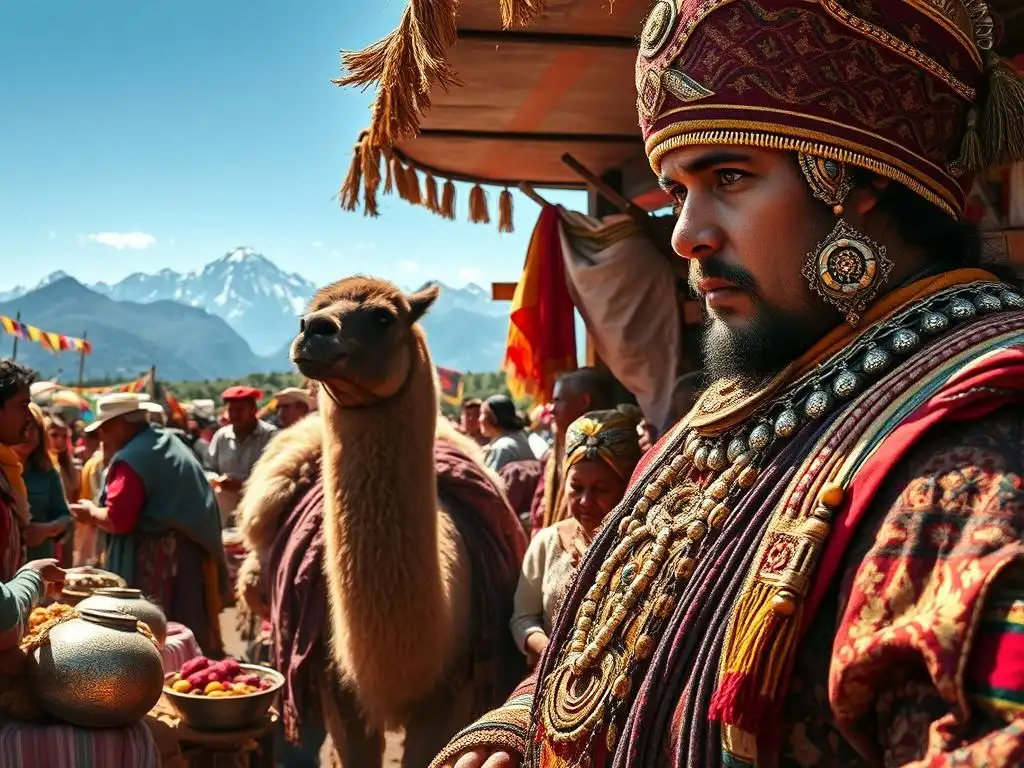
Unravel the mysteries of the Andes! Journey back in time to a world of breathtaking artistry, sophisticated engineering, and complex societies. For centuries, the Andean elite wielded immense power, a power intricately woven into the fabric of their vast trade networks. But how did these networks function, and what secrets do they hold about the rise and fall of these incredible civilizations? Discover the answers – and much more – as we delve into the fascinating world of Andean elite trade networks.
The economic dominance of Andean elites wasn't solely based on agricultural surplus or control of labor. A crucial element of their power stemmed from their strategic manipulation and control of extensive trade networks that crisscrossed the Andes Mountains and beyond. This article delves into the intricate systems of exchange that enriched Andean elites, highlighting the diverse goods traded, the routes they followed, and the socio-political implications of this economic power.
We will examine how the control of trade routes and valuable commodities solidified the power of the ruling classes in various Andean cultures, including the Inca, Moche, Nazca, and Tiahuanaco, ultimately shaping the very fabric of Andean society. Understanding these trade networks is key to comprehending the sustained prosperity and influence of Andean elites throughout pre-Columbian history. The keyword "Andean elite trade networks" will be explored throughout, revealing the complex interplay between economic power, political control, and social stratification.
Key Commodities Driving Andean Elite Trade Networks
The economic power of Andean elites was fueled by access to and control over a variety of highly valued commodities. These weren't simply necessities; they represented symbols of status, power, and religious significance. Several key goods dominated the trade:
- Precious Metals: Gold, silver, and copper were prized not only for their inherent value but also for their symbolic association with divinity and power. Elites often adorned themselves with elaborate gold and silver jewelry, and these metals were incorporated into religious artifacts and ceremonial objects. The intricate craftsmanship involved in working these metals further enhanced their value and prestige.
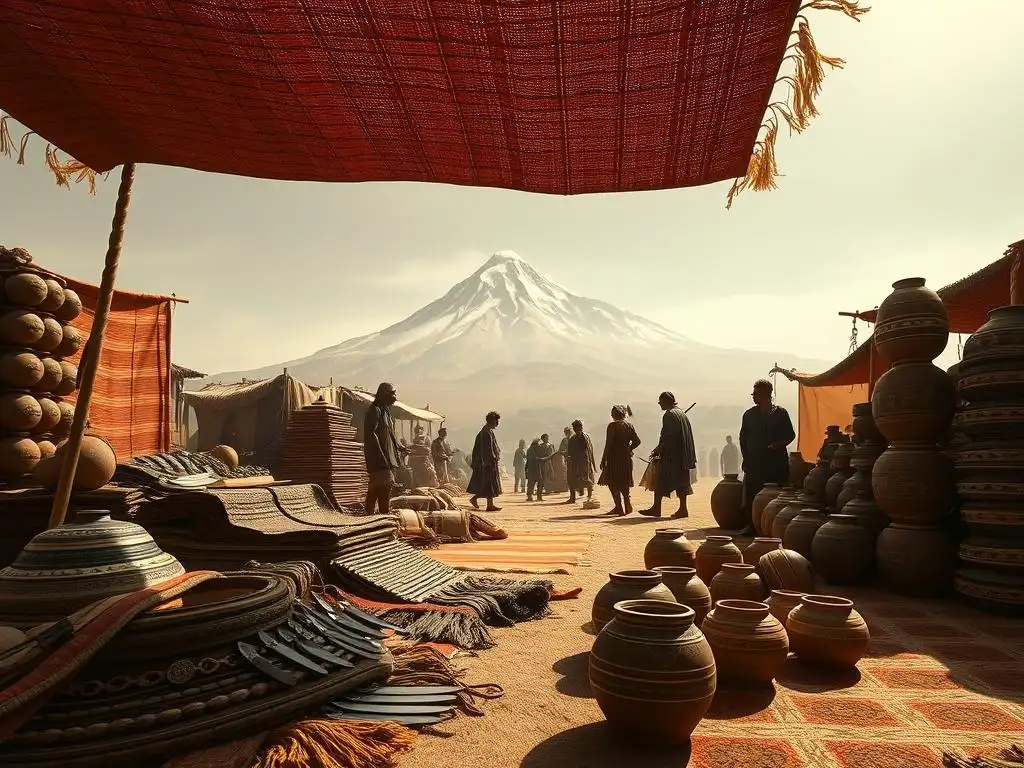
- Textiles: Fine textiles, particularly those made from alpaca and vicuña wool, were highly valued for their softness, warmth, and intricate designs. These textiles were often used as clothing for elites, ceremonial adornments, and prestigious gifts, signifying social status and power. The production of these textiles required skilled labor and access to specialized resources, reinforcing the elite's control over production and distribution.
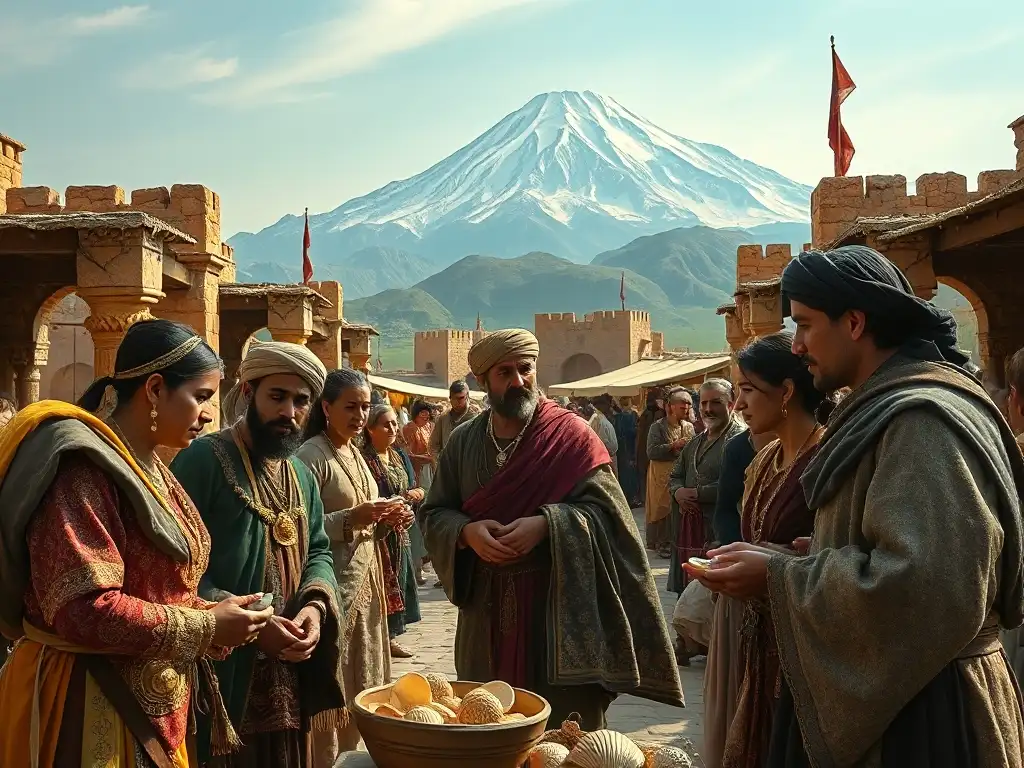
- Exotic Goods: The Andean trade networks also facilitated the exchange of exotic goods from distant regions. These included feathers from tropical birds, shells from coastal areas, and coca leaves, all holding significant cultural and religious value. Control over these exotic goods further consolidated the power and prestige of the Andean elites.
- Spices and Narcotics: Certain spices and coca leaves, used in religious rituals and as stimulants, were highly sought after and controlled by elites. Their scarcity and potent effects made them valuable commodities within the trade networks. [Specific data on the volume of coca leaf trade pending]
Andean Trade Routes: Pathways to Power
The Andean trade networks weren't haphazard; they followed established routes, often traversing challenging terrain. These routes were carefully maintained and controlled, giving elites a significant advantage:
- Coastal Routes: The Pacific coast provided an important trade route, facilitating the exchange of goods between coastal and highland communities. [Specific details on coastal trade routes and their significance pending]
- Highland Trails: Challenging mountain passes and high-altitude trails connected different regions of the Andes, requiring significant organization and infrastructure. These routes were often controlled by strategically placed settlements and fortified points, ensuring the safe passage of valuable goods and reinforcing the power of the elites. [Details on specific highland trails and their strategic importance pending]
- Inter-Regional Networks: The trade networks extended beyond regional boundaries, connecting different Andean cultures and even reaching distant areas like the Amazon basin and the Amazon rainforest. This inter-regional exchange further enhanced the power and influence of those who controlled the routes. [Examples of inter-regional trade connections pending]
Socio-Political Implications of Andean Elite Trade Networks
The control of trade networks had profound socio-political implications for Andean societies:
- Wealth Accumulation: The control of trade routes and valuable commodities generated immense wealth for Andean elites, enabling them to build impressive infrastructure, support large retinues, and maintain their power. This wealth disparity contributed to social stratification and reinforced the elite's dominance.
- Political Control: Control over trade routes translated into political control. Elites could influence alliances, levy taxes, and exert power over distant communities by controlling the flow of goods and resources.
- Religious Significance: Many traded goods held religious significance, further enhancing the power and prestige of elites who controlled their distribution. This connection between trade, religion, and power strengthened the elites' legitimacy and authority.
The economic power of Andean elites, deeply intertwined with their control of trade networks, is a complex and fascinating subject. Further research and analysis are needed to fully uncover the nuances of this system and its impact on Andean societies. The sheer scale and sophistication of these networks underscore the advanced organizational capabilities and economic acumen of these pre-Columbian civilizations. The study of "Andean elite trade networks" continues to reveal new insights into the remarkable achievements of Andean cultures.
- Key Commodities Driving Andean Elite Trade Networks
- Andean Trade Routes: Pathways to Power
- Socio-Political Implications of Andean Elite Trade Networks
- What role did trade networks play in the power of Andean elites?
- How did the geography of the Andes influence trade networks?
- What types of goods were exchanged in Andean trade networks?
- Were there any specific technologies used to facilitate Andean trade?
- How did Andean elite trade networks compare to those of other ancient civilizations?
Understanding the Foundations of Andean Elite Economic Control
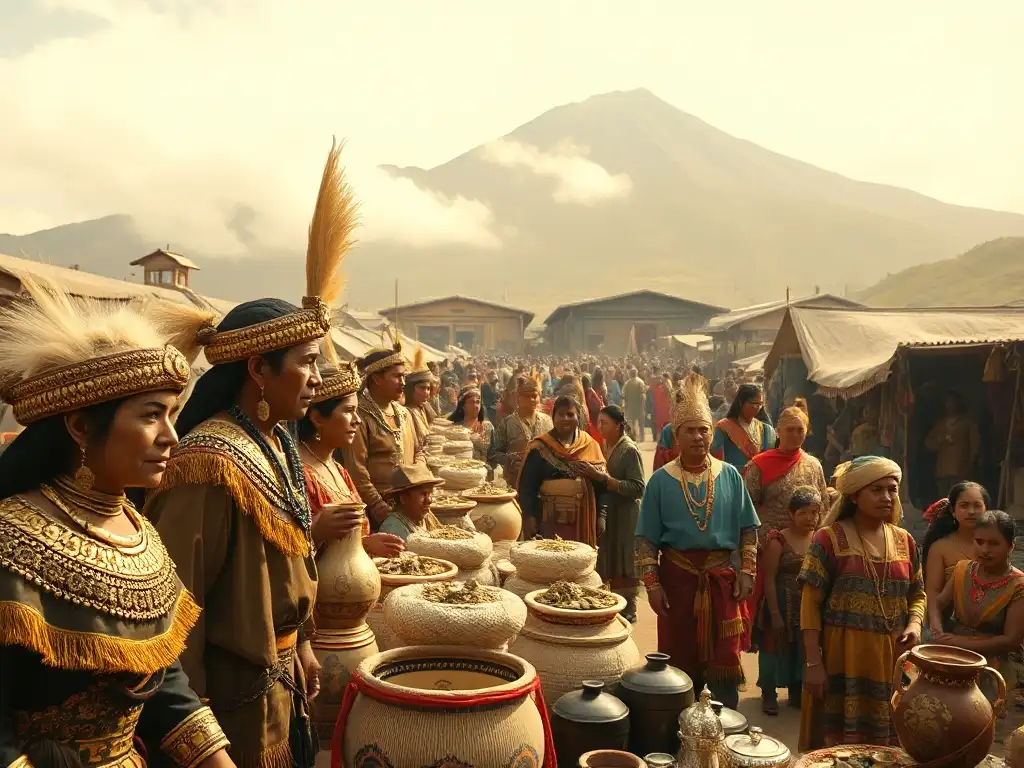
This section delves into the intricate relationship between the Andean elite and their control over economic resources, primarily achieved through extensive and sophisticated trade networks. Understanding this control requires examining the foundational elements that allowed for the accumulation and maintenance of power, wealth, and influence. The Andean elites weren't simply wealthy; their wealth was intrinsically linked to their political and social dominance, a dynamic that shaped the very fabric of Andean societies.
This wasn't a passive accumulation of goods, but an active, strategic process involving control over production, distribution, and access to vital resources. The sheer scale and complexity of these trade networks, spanning vast distances across challenging terrains, highlight the organizational prowess and advanced logistical capabilities of these ancient civilizations. The very existence of these networks speaks volumes about their level of social organization, technological advancement, and political stability.
Analyzing the specifics of these networks allows us to understand not just what was traded, but how the elite maintained their grip on economic power. The following sections will unpack this further, exploring the role of trade in societal development and the specific mechanisms by which the Andean elite wielded their economic influence.
The Role of Trade in Andean Civilization Development
Trade wasn't merely a secondary activity in Andean societies; it was the very engine driving their development and growth. The exchange of goods fostered specialization, innovation, and the growth of urban centers. Coastal communities, for instance, specialized in fishing and the production of textiles using cotton and camelids' wool, while highland communities focused on agriculture, particularly potatoes and maize. This division of labor, facilitated by robust trade routes, allowed for a surplus of goods and a more complex societal structure.
The movement of goods wasn't random; it followed established pathways, often controlled by the elite. These routes weren't just paths; they were conduits of power, allowing the elite to regulate the flow of resources and consolidate their control. This control extended beyond mere physical access to goods; it encompassed the control of information, technology, and skilled labor.
For example, the elite often controlled access to valuable metals like gold and silver, using them not just for adornment, but as symbols of their authority and power. The sheer volume of goods traded, as evidenced by archaeological findings, illustrates the scale of this economic activity and the significant role it played in shaping Andean societies. The development of sophisticated agricultural techniques, advanced metallurgy, and complex social structures all depended, in part, on the efficient functioning of these trade networks.
Defining the Andean Elite and Their Economic Influence
Defining the "Andean elite" requires acknowledging the diversity of Andean civilizations. While the Inca Empire presents a relatively centralized system, other societies, such as the Moche and Nazca, possessed different power structures. However, a common thread throughout these societies was the concentration of economic power in the hands of a relatively small group. This elite controlled land ownership, access to resources, and the labor force.
Their influence extended to religious practices, political decision-making, and the control of trade routes. Archaeological evidence, such as elaborate tombs filled with precious artifacts and the monumental architecture of elite centers, clearly demonstrates their accumulated wealth and power. The elite’s economic influence wasn't solely based on ownership; it also involved the control of production processes and the manipulation of markets. They often controlled specialized craft production, such as pottery, textiles, and metalwork, ensuring a steady supply of high-quality goods for their own consumption and for use in ritual and political activities.
Their control over trade routes enabled them to tax goods, extract tribute, and maintain a steady flow of resources into their own hands. This control was vital for maintaining their social standing and political dominance, creating a self-perpetuating system where economic power translated directly into political power, and vice versa. The Andean elite's economic influence was thus a multifaceted phenomenon, encompassing ownership, production, distribution, and the strategic manipulation of trade networks to consolidate and maintain their power. This intricate system ensured the continued dominance of the elite, shaping the social, political, and economic landscape of the Andean world.
Key Features of Andean Elite Trade Networks
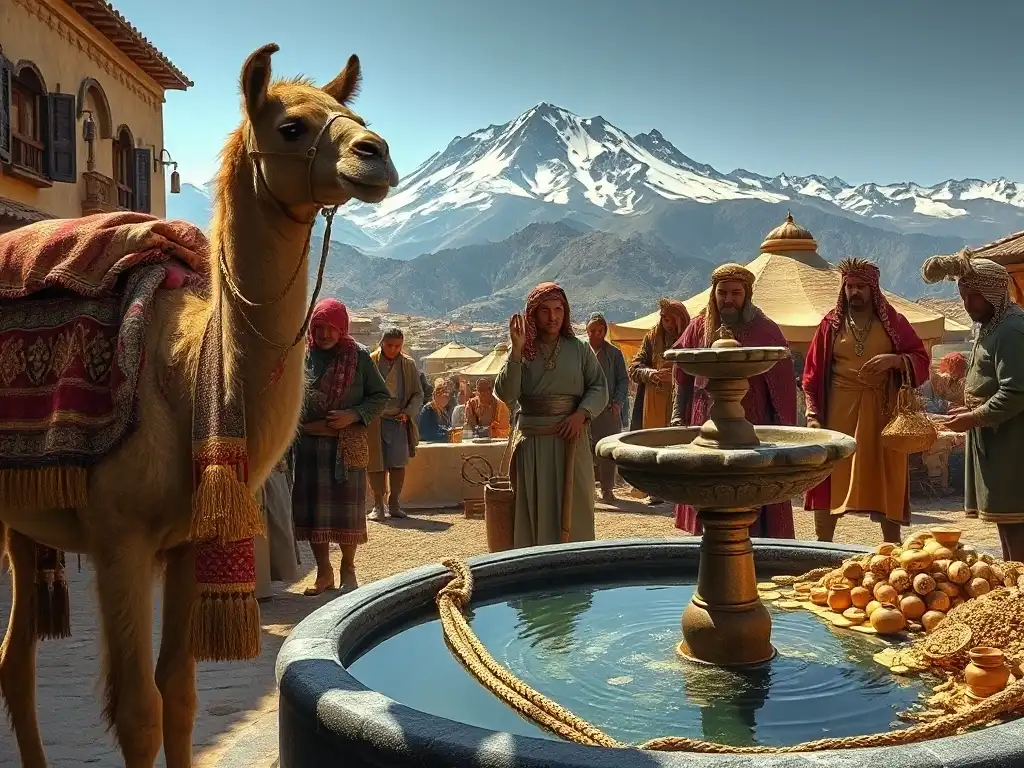
This section delves into the defining characteristics of the trade networks controlled by Andean elites, exploring how they consolidated power and wealth through strategic control of resources and routes. Understanding these features is crucial to grasping the full extent of their economic dominance and influence across the Andes. The analysis focuses on the intricate interplay between political power, economic control, and social structures. The term "Andean elite trade networks" itself highlights the central role of powerful individuals and groups in shaping and benefiting from these extensive systems.
Control Over Long-Distance Trade Routes in the Andes
Andean elites didn't simply participate in trade; they controlled it. Their power stemmed from their ability to manage and regulate the movement of goods across vast distances, often traversing treacherous mountain passes and diverse ecological zones. This control wasn't merely about physical access to routes; it involved establishing checkpoints, securing safe passage, and potentially levying taxes or tributes along the way.
For example, the Inca empire famously implemented a sophisticated system of chasquis, relay runners, to facilitate rapid communication and monitor trade along their extensive road network. This control extended to both land and water routes, with elite families often owning or controlling access to crucial river crossings and coastal ports. The strategic placement of settlements and infrastructure further reinforced their dominance.
The evidence suggests a clear correlation between the location of elite residences and the control points along major trade routes. This spatial distribution highlights the deliberate strategy employed by elites to maximize their economic benefits from trade.
Monopoly Over Valuable Goods and Resources
Control over trade routes inevitably translated into a monopoly, or near-monopoly, over valuable goods and resources. Andean elites accumulated wealth by controlling the flow of items such as precious metals (gold, silver), textiles (especially fine cottons and camelid wools), exotic feathers, coca leaves, and ceramics. These goods were not only sources of personal wealth but also crucial for ritual practices, political alliances, and maintaining social hierarchy.
The elite's access to these resources allowed them to command high prices or exchange them for labor, tribute, and political loyalty. The creation of specialized workshops and craft centers, often located near elite residences, further solidified their control over production and distribution. We can see this reflected in the high-quality craftsmanship and unique styles associated with elite-produced goods, which were distinctly different from those made for commoners.
The sheer volume of luxury goods found in elite tombs provides compelling evidence for this economic dominance. Analysis of these materials often reveals the extensive networks involved in procuring and distributing these items, further demonstrating the elite's reach and influence.
The Importance of Reciprocity and Redistribution in Elite Trade
While the focus on control and monopoly might suggest a purely exploitative system, Andean elite trade networks also involved complex systems of reciprocity and redistribution. This wasn't simply charity; it was a strategic tool for maintaining social order and consolidating power. Elites would receive tribute and goods from lower-ranking individuals and communities, but they would also redistribute these resources during festivals, religious ceremonies, and times of need. This practice, often described as ayni (reciprocal labor) or mit'a (labor service) in the Inca context, fostered loyalty and dependency, solidifying the elites' position within the social structure.
The redistribution of goods also served to demonstrate the elite's power and generosity, reinforcing their legitimacy and authority. Analysis of archaeological sites reveals evidence of large-scale feasting and public ceremonies, suggesting the redistribution of significant quantities of food and other resources. While the exact mechanisms and scales of redistribution varied across different Andean societies and time periods, the importance of this reciprocal dynamic in maintaining the elite’s economic and political power cannot be understated.
The system served as a powerful tool for both consolidating power and mitigating potential social unrest. Further research is needed to fully quantify the scale of this redistribution and its impact on different social groups. However, it's clear that reciprocity and redistribution were essential components of the Andean elite trade networks, shaping not only the economic landscape but also the very fabric of Andean societies.
Major Trade Goods Controlled by the Andean Elite
The economic power of Andean elites was profoundly intertwined with their control over extensive trade networks. These networks, spanning vast distances across the Andes mountains and coastal regions, facilitated the flow of goods that solidified the elites' social standing and political dominance. Their ability to acquire, control, and redistribute these valuable commodities was a cornerstone of their power, shaping the social, political, and economic landscape of the Andean world.
Understanding the types of goods traded and their significance provides crucial insight into the dynamics of Andean societies and the strategies employed by their ruling classes to maintain their privileged positions. The term "Andean elite trade networks" accurately reflects this intricate relationship between power and commerce.
Precious Metals: Gold, Silver, and Their Significance
Precious metals, particularly gold and silver, held immense symbolic and economic value in Andean societies. Gold, often associated with the sun god Inti, was considered sacred and was used to create elaborate ornaments, religious artifacts, and prestigious objects for elite consumption. Silver, while less revered than gold, was still a highly valued commodity used in similar ways. The control over mines and the production of these metals allowed Andean elites to accumulate wealth and display their power.
The distribution of gold and silver wasn't uniform. Elites in different regions controlled access to specific mines and possessed unique metallurgical skills. For instance, the Moche culture is known for its sophisticated goldwork, while the Incas controlled vast silver mines in the highlands. This regional specialization further strengthened the elite's control over the trade networks, as they controlled both the source and the final products.
The sheer quantity of gold and silver artifacts discovered in elite tombs and ceremonial centers underscores their significance as symbols of power and status. The intricate craftsmanship further emphasizes the specialized skills and labor dedicated to their production, showcasing the level of control exerted by the elite over artisans and resources. The exchange of these precious metals often involved reciprocal gift-giving, reinforcing alliances and solidifying social hierarchies. This system effectively cemented the economic dominance of the Andean elite.
Textiles, particularly those made from fine fibers like alpaca and vicuña wool, were another crucial element in Andean elite trade networks. The production of these luxurious fabrics required specialized skills and significant labor, making them markers of social status and power. Elite individuals and officials wore garments made from these materials, distinguishing them from the common population. The intricacy of the designs and the quality of the materials were often indicators of an individual's social standing within the hierarchy.
The production of textiles wasn't solely a matter of economic value; it was deeply intertwined with religious and symbolic meanings. Specific patterns and colors held ritual significance, and certain types of textiles were reserved exclusively for elite use. For example, the cumbi – a type of fine cloth – was reserved for Inca royalty and religious figures.
The control over the production and distribution of these textiles allowed the Andean elite to maintain social stratification and reinforce their authority. The trade in these textiles extended across vast distances, connecting different regions and cultures, further solidifying the elite's influence. The Andean elites effectively used textiles as a powerful tool to consolidate their economic and social power.
Exotic Goods: Feathers, Spices, and Ritual Items
Beyond precious metals and textiles, Andean elite trade networks also involved the circulation of exotic goods that held significant cultural and religious importance. Feathers, particularly those from brightly colored birds like macaws and parrots, were highly valued for their aesthetic appeal and symbolic meaning. They were used to decorate ceremonial garments, headdresses, and other ritual objects, signifying power and prestige. The acquisition of these feathers often involved long-distance trade, connecting Andean societies with distant regions.
Spices such as chili peppers and aji amarillo played important roles in both daily life and religious ceremonies. Their use in food and ritual offerings made them valuable commodities in the trade networks. Similarly, ritual items like coca leaves, used in religious ceremonies and as a stimulant, were also traded extensively. The control over the supply and distribution of these exotic goods further enhanced the power and influence of the Andean elite.
The movement of these objects across vast distances highlights the sophisticated organization and reach of the Andean elite trade networks. The control of these goods, often sourced from remote and ecologically diverse regions, solidified the elite's power and prestige, showcasing their command over resources and their ability to maintain far-reaching trade connections. The exchange of these goods wasn't just a matter of commerce; it was a way to reinforce social hierarchy and solidify political alliances.
Agricultural Products: Control Over Food Supply and Trade
The Andean elite's economic power was deeply intertwined with their control over agricultural production and trade. Their mastery of sophisticated irrigation systems, terraced farming techniques, and the cultivation of diverse crops gave them a significant advantage. This wasn't merely about subsistence; it was about strategic control over essential resources and the ability to leverage surpluses for trade and political influence. The elite's control extended beyond the simple cultivation of crops; it encompassed the entire agricultural value chain, from land ownership and water rights to processing, storage, and distribution of goods.
For instance, the Inca Empire’s mit'a system, while ostensibly a labor tax, served to consolidate control over agricultural production. Communities were obligated to provide labor for state-sponsored projects, including the construction and maintenance of irrigation canals and the cultivation of state-owned lands. This ensured a steady supply of agricultural goods for the elite and the army, while simultaneously reinforcing the empire's power structure.
The surplus produced through the mit'a system was then utilized for trade, bolstering the Inca's economic influence throughout their vast empire. This control over food production also allowed the Inca elite to maintain social order; by controlling the flow of essential food supplies, they could effectively manage potential unrest or rebellion.
Beyond the Inca, other Andean societies also demonstrated impressive agricultural prowess and control. The Nazca, for example, developed incredibly intricate irrigation systems in a desert environment, allowing them to cultivate a variety of crops and generate significant surpluses. These surpluses weren't just consumed locally; evidence suggests extensive trade networks facilitated by these agricultural products.
Similarly, the Moche, known for their sophisticated agricultural practices including raised fields and extensive canal networks, likely used their agricultural surpluses to fuel their powerful state and establish extensive trade relationships with neighboring communities. The elite's ability to manage and control these resources was crucial to maintaining their power and influence within their societies.
The control over the food supply was not only an economic advantage but also a key element in maintaining political stability and social hierarchy. The ability to feed the population and reward loyal subjects with agricultural goods was a powerful tool for the elite, securing their position at the top of the social pyramid.
Case Studies of Andean Elite Trade Networks
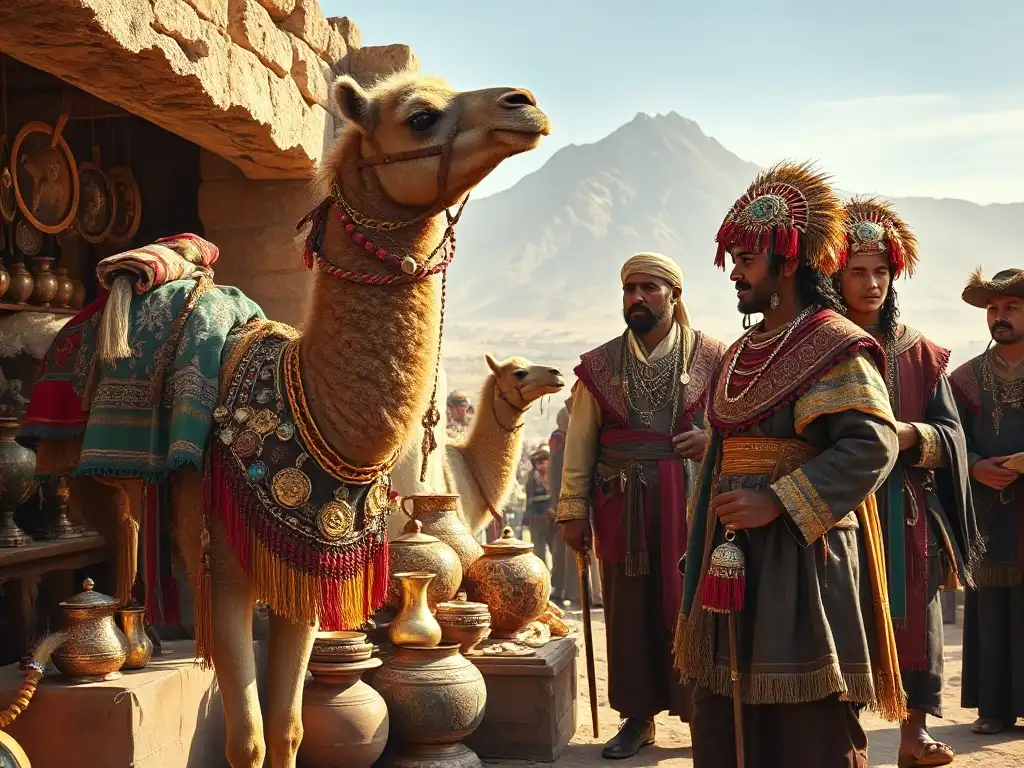
This section delves into specific examples of how Andean elite trade networks functioned, highlighting the mechanisms of control and the resulting economic power wielded by ruling classes. We will examine the Inca, Moche, and Tiahuanaco civilizations, showcasing the diverse strategies employed to manage trade and consolidate power. The intricate interplay between political authority and economic dominance is a key theme throughout these case studies, demonstrating the crucial role of trade in shaping Andean societies. Understanding these historical examples provides valuable insight into the complexities of "Andean elite trade networks" and their lasting impact.
The Inca Empire's Trade System and Elite Control
The Inca Empire, at its zenith, controlled a vast territory stretching along the Andes Mountains. Their economic power was significantly bolstered by a meticulously organized and centrally controlled trade system. This wasn't simply free-market exchange; the Inca state actively participated, regulating production, distribution, and consumption. Elite control was paramount.
The mit'a system, a form of labor tribute, played a critical role. Communities were obligated to provide labor for state projects, including the construction of roads (the Qhapaq Ñan)—the backbone of the Inca trade network—and the production of goods for the elite and the state. This ensured a steady flow of resources to the imperial centers. The tambos, strategically placed waystations along the Qhapaq Ñan, served not only as rest stops for travelers but also as important points for the storage and redistribution of goods.
The Inca elite also benefited from a system of yanaconas, specialized laborers who worked directly for the state or the nobility. These individuals were often involved in crafting luxury goods, such as textiles, ceramics, and metalwork, which were traded within the empire or given as gifts to solidify political alliances. This system created a clear hierarchy, with the elite controlling access to both resources and specialized labor, further solidifying their economic and political dominance. The control over the production and distribution of these high-value goods cemented the Inca elite's power within the "Andean elite trade networks."
The Moche Civilization's Trade Networks and Power Structures
The Moche civilization (c. 100-800 CE), known for its impressive artistry and sophisticated irrigation systems, also relied heavily on trade networks to consolidate their power. Unlike the Inca's centralized system, the Moche's trade networks were more decentralized, though still firmly under elite control.
Evidence suggests a robust coastal trade, facilitated by their mastery of navigation and boat-building. They traded goods such as cotton textiles, ceramics, and fish products along the coast, and exchanged these for obsidian and other resources from the highlands. The elites likely controlled access to key resources, such as high-quality cotton, and monopolized the production of prestigious goods, like intricately decorated ceramics and gold artifacts.
The Moche elite's power was visibly displayed through monumental architecture and elaborate burial practices. The construction of massive pyramids and the lavish burial goods found in elite tombs clearly indicate the concentration of wealth and resources in the hands of a powerful ruling class. These elite controlled access to resources and controlled the production of luxury goods, resulting in their dominance within the "Andean elite trade networks". Further research is needed to fully understand the precise mechanisms of trade control within this society. [Specific information pending: More detailed analysis of Moche trade routes and associated documentation].
Tiahuanaco's Trade and Its Regional Influence
The Tiahuanaco civilization (c. 500-1000 CE), located on the shores of Lake Titicaca, exerted considerable influence over a wide area through its sophisticated trade networks. Their economic power stemmed from the control of essential resources, their advanced agricultural techniques, and their ability to forge alliances through trade.
Tiahuanaco's mastery of agriculture allowed them to produce surplus food, which became a key commodity in their trade networks. They also controlled access to valuable resources like obsidian, which was used in toolmaking, and coca leaves, a significant psychoactive substance. The control over these resources allowed them to establish economic dependency and exert influence in surrounding regions.
The distinctive Tiahuanaco style of pottery and textiles, found throughout the Andes, suggests a wide-reaching trade network that extended far beyond their immediate vicinity. The dissemination of these artistic styles, coupled with the distribution of agricultural products and other resources, served to establish Tiahuanaco as a powerful center within "Andean elite trade networks", demonstrating the crucial role of trade in shaping regional power dynamics. The extent of their control over the trade itself, however, remains a subject of ongoing scholarly debate. [Specific information pending: Quantitative data on the volume and types of goods traded by the Tiahuanaco].
The flourishing of Andean elite trade networks profoundly shaped the social fabric of ancient Andean societies. Control over these networks wasn't merely a matter of economic dominance; it was a cornerstone of social stratification and political power. Access to, and control of, valuable goods and resources directly translated into social status and influence, creating a complex interplay between economic power and social hierarchy. This section will explore how Andean elite trade networks impacted the social structure, examining the creation of hierarchies, the maintenance of elite power, and the relationship between trade and political control.
The Creation of Hierarchies Through Trade Access
Access to the lucrative Andean elite trade networks directly contributed to the creation and perpetuation of social hierarchies. Elite classes, often comprised of priests, rulers, and nobles, monopolized control over the most valuable trade goods, like precious metals (gold, silver), exotic feathers, textiles, and coca leaves. This exclusive access cemented their elevated social standing.
The commoners, involved in the production of these goods or acting as porters and intermediaries in the trade routes, received significantly less economic benefit, creating a stark contrast in wealth and status. For example, artisans specializing in the production of fine textiles for the elite enjoyed a relatively higher status than agricultural workers, but still remained far below the ruling class in terms of power and influence.
This system wasn't static; social mobility was possible, though limited, often tied to demonstrating exceptional skills or loyalty to the elite, potentially gaining access to better trade opportunities. However, the inherent structure heavily favored the existing elite, reinforcing the hierarchical system.
The Role of Trade in Maintaining Elite Power
The Andean elite didn't simply benefit from trade; they actively used it to maintain their power. Control over trade routes allowed elites to regulate the flow of essential goods, creating dependencies amongst the population and strengthening their authority. The strategic placement of warehouses and marketplaces along these routes, often controlled by elite officials, further solidified their grip on the economy and, by extension, society.
The accumulation of wealth through trade allowed the elites to fund large-scale public works projects – like irrigation systems or monumental architecture – which further reinforced their legitimacy and power. The distribution of goods, both as rewards and as forms of taxation, served as a powerful tool for maintaining social control and loyalty within the empire.
For instance, the Inca's mit'a system, a form of labor tax, could be partially understood as a system where access to trade goods and resources was granted in exchange for labor and loyalty to the state. These intricate systems ensured the continued dominance of the elite.
The Relationship Between Trade and Political Control
The relationship between Andean elite trade networks and political control was symbiotic. Political power facilitated the expansion and control of trade routes, while trade itself generated the wealth necessary to maintain and expand political influence. The Inca empire, for example, implemented a highly sophisticated system of roads and relay runners to facilitate trade and communication across vast distances.
This efficient infrastructure, carefully managed by appointed officials, allowed for the rapid movement of goods and information, consolidating Inca control. Conversely, the wealth derived from the controlled trade networks funded the Inca army, enabling further territorial expansion and the subjugation of other groups. The acquisition of new territories provided access to new resources and expanded trade networks, creating a self-reinforcing cycle.
The collapse of these trade networks often coincided with the weakening of political power, demonstrating the critical interdependence between the two. The control, or lack thereof, over vital trade routes was a pivotal factor in the rise and fall of numerous Andean civilizations. This intricate relationship highlights the profound and enduring impact of Andean elite trade networks on the political landscape of the region.
The Legacy of Andean Elite Trade Networks
The enduring legacy of Andean elite trade networks is deeply woven into the fabric of the region's history and culture. Understanding these networks requires acknowledging the sophisticated systems of production, distribution, and consumption that characterized Andean societies, particularly those of the Inca, Moche, Nazca, and Tiahuanaco. These weren't simply economic systems; they were powerful instruments of political control, social stratification, and cultural dissemination.
The elite's control over these networks solidified their power, enabling them to accumulate wealth and influence, leaving a lasting imprint on the Andean landscape and its inhabitants. The sheer scale and complexity of these networks, spanning vast distances across challenging terrain, stand as a testament to the organizational prowess and technological innovation of Andean civilizations.
Analyzing the remnants of these systems offers invaluable insights into the intricacies of Andean societies and their remarkable capacity for economic organization and political maneuvering. The impact of these networks extends far beyond simple economic transactions; they represent a fundamental aspect of Andean identity and a crucial element in understanding their rise and fall.
Trade Routes and Their Impact on Cultural Exchange
Andean elite trade networks facilitated significant cultural exchange across vast geographical distances. The movement of goods wasn't simply a matter of economic transactions; it was a vehicle for the dissemination of ideas, religious beliefs, artistic styles, and technological innovations. For example, the spread of pottery styles, weaving techniques, and agricultural practices across the Andes can be directly attributed to these trade routes. The elite often controlled the flow of these goods and ideas, using them to consolidate their power and influence.
Consider the intricate designs found on Moche pottery, which are often depicted in the context of trade and exchange. These designs, combined with the presence of Moche artifacts found far from their core territory, highlight the reach of their trade networks and their role in spreading cultural influence. Similarly, the Inca's extensive road system, Qhapaq Ñan, not only facilitated the efficient movement of goods but also played a vital role in the dissemination of Inca culture and ideology throughout their empire.
This cultural exchange, driven by the elite's control over trade, created a complex and dynamic cultural landscape across the Andes. The standardization of certain goods, like textiles or specific types of ceramics, across disparate regions further supports the idea of elite-directed trade influencing cultural homogeneity. This wasn't always a one-way street; the exchange also involved the adoption and adaptation of local traditions by the elite, resulting in a vibrant and evolving cultural synthesis.
The Enduring Influence of Elite Trade Practices
The influence of Andean elite trade practices extends beyond the historical period of these civilizations. Many of the logistical and organizational strategies employed by Andean elites remain relevant in modern contexts. Their mastery of resource management, efficient transportation systems (consider the ingenuity of llama caravans navigating treacherous mountain passes), and sophisticated record-keeping techniques, all point to advanced administrative capabilities.
The elite’s ability to establish and maintain control over vast and complex networks provides valuable insights for contemporary supply chain management and global trade studies. For example, the intricate systems of mit'a, a form of labor taxation used by the Inca, offer lessons in labor organization and resource allocation. Analyzing the ways in which the Inca elite managed and coordinated this system can inform modern approaches to project management and workforce deployment.
Further, the Inca's use of standardized weights and measures reflects an understanding of the importance of efficient and transparent trade practices, a concept that remains central to modern economic systems. Studying these historical practices offers valuable lessons for contemporary businesses and policymakers, highlighting the enduring relevance of Andean elite economic strategies.
Lessons Learned from Andean Elite Economic Strategies
Studying Andean elite economic strategies offers valuable lessons for modern-day economic development. The success of these civilizations in managing vast territories and complex trade networks highlights the importance of infrastructure development, efficient resource management, and effective communication systems. The Inca's qhapaq ñan road network, for instance, serves as a prime example of the strategic importance of transportation infrastructure in supporting economic growth and integration.
Their advanced agricultural techniques, including terracing and irrigation, allowed them to maximize food production and support a large population, demonstrating the importance of sustainable resource management. Furthermore, the Inca's sophisticated system of record-keeping, utilizing quipus (knotted cords), demonstrates the importance of accurate data collection and analysis in effective economic planning. The ability of the Andean elites to manage these complex systems effectively suggests that a combination of strong central authority, efficient bureaucratic structures, and a flexible approach to adapting to changing circumstances are crucial for successful economic development.
The fall of these civilizations also offers cautionary tales, highlighting the risks associated with over-reliance on specific resources, unchecked power, and environmental degradation. Understanding both the successes and failures of these past societies can inform and guide contemporary economic policies and practices, offering valuable insights into building sustainable and equitable economic systems.
The Significance of Studying Andean Elite Trade Networks
Understanding the economic power of Andean elites requires a deep dive into their intricate trade networks. These networks weren't simply conduits for goods; they were instruments of power, shaping social hierarchies, political alliances, and the very fabric of Andean societies. Studying these networks provides crucial insights into the complexities of pre-Columbian economies and the sophisticated strategies employed by elites to maintain their dominance.
By analyzing the types of goods traded, the distances covered, and the infrastructure supporting these exchanges, we gain a nuanced understanding of how these societies functioned and thrived. The sheer scale of some of these operations, involving the movement of massive quantities of goods across challenging terrains, highlights the impressive organizational capabilities of the Andean elites. This wasn't just about bartering; it was about strategic resource management, political maneuvering, and the construction of a powerful, centralized economy.
Analyzing the remnants of these networks – from the remains of roads and storage facilities to the distribution of luxury goods – allows us to reconstruct a vibrant and complex picture of Andean economic life. This research is not merely an academic exercise; it has significant implications for our understanding of economic systems and power dynamics in both historical and contemporary contexts.
Understanding Andean Economic History
The study of Andean elite trade networks is fundamental to understanding the broader economic history of the region. It allows us to move beyond simplistic notions of subsistence economies and reveal the sophisticated mechanisms of wealth accumulation and distribution that characterized these civilizations. For example, the Inca Empire's mit'a system, while often framed as a labor tax, also functioned as a crucial element of their trade network.
The labor mobilized through mit'a contributed to the construction and maintenance of infrastructure vital for transporting goods across vast distances, facilitating the movement of everything from agricultural products to precious metals. Similarly, the elaborate systems of record-keeping employed by the Inca, using quipus (knotted strings), allowed for meticulous tracking of goods and resources, demonstrating a level of economic sophistication rarely acknowledged in historical narratives. Analyzing these systems reveals not just the movement of goods but also the intricate web of relationships and obligations that underpinned Andean economic structures.
The distribution of luxury goods like textiles, ceramics, and precious metals among elite members further illuminates the hierarchical structure of Andean societies and the ways in which trade reinforced social inequalities. The absence of a formal currency didn't diminish the sophistication of the Andean economic systems; rather, it highlights the reliance on complex systems of reciprocal exchange and tribute. Understanding these nuances is crucial for avoiding anachronistic interpretations of Andean economies.
The Relevance to Contemporary Trade Systems
The insights gained from studying Andean elite trade networks possess remarkable relevance to contemporary trade systems. The challenges of traversing difficult terrain, managing large-scale logistics, and coordinating the movement of goods across vast distances resonate with contemporary global supply chains. The Inca's road system, for example, demonstrates the importance of infrastructure investment in facilitating trade.
Its scale and efficiency serve as a compelling case study for modern infrastructure projects, highlighting the long-term economic benefits of strategically planned and well-maintained transportation networks. Furthermore, the Andean elites' sophisticated understanding of resource management and distribution offers valuable lessons for sustainable development practices. Their ability to manage scarce resources effectively, even in challenging environmental conditions, is a testament to their adaptability and foresight.
The intricate networks of reciprocal exchange, although vastly different in scale and context, offer interesting parallels to modern collaborative economic models and the importance of balanced trade relationships. By studying the successes and failures of past systems, we can gain valuable insights into optimizing contemporary trade practices and developing more equitable and sustainable economic models. The study of Andean trade networks provides a rich historical lens through which to examine issues of globalization, resource management, and economic inequality.
Future Research Directions in Andean Trade
Future research on Andean elite trade networks should focus on several key areas. Firstly, further interdisciplinary research is needed, integrating archaeological findings with ethnographic studies and historical analyses to create a more holistic understanding. This will involve incorporating advanced technologies such as Geographic Information Systems (GIS) to map trade routes with greater precision and analyze spatial patterns of exchange. Secondly, more research is needed on the role of women in Andean trade networks, which remains relatively understudied.
Their contributions to textile production, agricultural practices, and local exchange systems were undoubtedly crucial, and their exclusion from traditional narratives skews our understanding of Andean economic realities. Thirdly, more detailed analysis is needed on the impact of climate change and environmental factors on Andean trade routes and the resilience of these systems in the face of natural disasters. This will require a deeper understanding of the ecological context within which these trade networks operated.
Finally, further investigation into the specific goods traded, their provenance, and their symbolic meaning will provide richer insights into the social and political dimensions of Andean trade. By addressing these research questions, we can substantially enhance our understanding of Andean elite trade networks and their lasting legacy. The ongoing excavation and analysis of sites along major trade routes, coupled with advancements in analytical techniques, promise to unlock even more secrets about these remarkable civilizations and their economic prowess.
Frequently Asked Questions
What role did trade networks play in the power of Andean elites?
Andean elites leveraged extensive trade networks to amass wealth and power. Control over crucial resources and trade routes solidified their dominance and influence across vast territories. This control allowed them to accumulate prestige goods and maintain their social standing.
How did the geography of the Andes influence trade networks?
The challenging Andean geography, with its high altitudes and diverse ecosystems, shaped trade routes. Elites controlled access to vital resources found in different ecological zones, facilitating interregional exchange and reinforcing their power. This control over access to resources was key.
What types of goods were exchanged in Andean trade networks?
Trade involved a wide range of goods, including luxury items like textiles, gold, silver, and precious stones, as well as essential resources like food, coca leaves, and building materials. The exchange of these goods strengthened political and economic ties.
Were there any specific technologies used to facilitate Andean trade?
Yes, advanced technologies like llama herding for transport and sophisticated road systems facilitated efficient trade. Specialized storage facilities and sophisticated accounting systems also played crucial roles in managing the flow of goods.
How did Andean elite trade networks compare to those of other ancient civilizations?
While differing in specifics, Andean trade networks show parallels with other ancient civilizations. The control of resources and strategic routes, the accumulation of prestige goods, and the use of specialized technologies are common features found in many ancient trade systems.
Final Reflection: The Enduring Legacy of Andean Elite Trade Networks
The intricate web of Andean elite trade networks, meticulously constructed centuries ago, continues to resonate in the economic realities of the region today. The enduring power of these networks, built on sophisticated systems of exchange and control, serves as a powerful reminder of the enduring influence of historical structures on modern economies. Understanding this legacy is crucial to navigating the complexities of contemporary development and inequality in the Andes.
The impact of these elite-controlled trade routes is not merely historical; it continues to shape access to resources, influence political power dynamics, and even inform cultural identities. The echoes of these ancient systems are palpable in modern-day economic disparities and the persistent challenges faced by marginalized communities. The past is never dead. It's not even past.
– William Faulkner. This quote perfectly encapsulates the ongoing relevance of understanding these historical trade networks and their lasting impact on the social and economic fabric of Andean societies.
Consider the implications of this historical context for your own understanding of global economics and inequality. How can we learn from the successes and failures of past trade systems to build more equitable and sustainable economic models for the future? Take a moment to reflect on the power dynamics inherent in trade, and how these dynamics, rooted in history, continue to shape the present. Let the legacy of the Andean elites inspire you to critically examine the structures that govern our own economic systems, and to work towards a more just and equitable future for all.
Unleash the Secrets of Andean Trade Networks!
Thank you for exploring the fascinating world of Andean elites and their sophisticated trade networks! We hope you've gained valuable insights into how their economic strategies shaped these ancient civilizations. Now, let's explore the lasting impact of the Andean trade legacy together!
- Join our community: Stay up-to-date on the latest discoveries and participate in discussions about Andean history and culture by subscribing to our newsletter.
- Share your thoughts: Join the conversation on social media and share your perspectives on the broader impact of Andean trade on neighboring cultures. Let's expand our understanding together!
- Dive deeper: Explore a specific Andean trade route, such as the Inca road system or the pre-Inca coastal networks, and share your research. You might uncover fascinating new perspectives!
What aspects of Andean trade networks intrigue you most, and how do you believe they influenced the economies of neighboring societies? Share your thoughts below!