
The Price of Ransom: How the Spanish Exploited Andean Wealth and Power

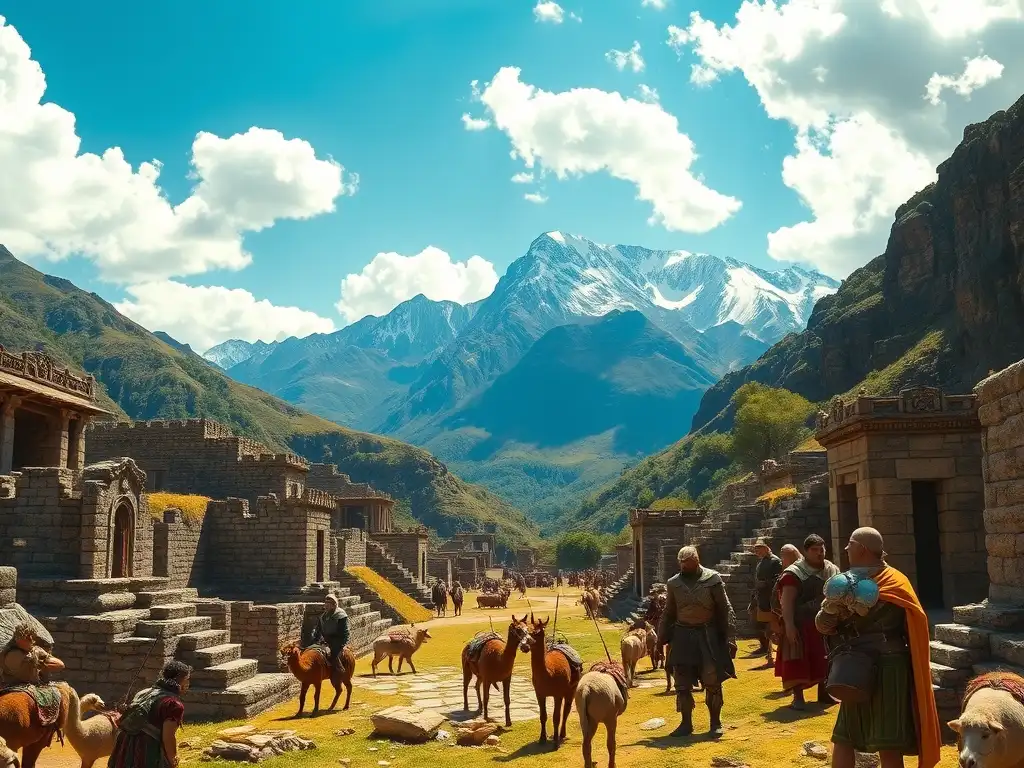
Step into a world lost to time, where towering empires thrived amidst breathtaking landscapes. Discover the captivating story of the Andean civilizations, from the intricate artistry of the Nazca lines to the sophisticated engineering of the Incas. But the tale doesn't end with their magnificence. The Spanish conquest brought unforeseen consequences, and the very wealth that fueled these empires became a tool of their downfall. Uncover the shocking truth behind Andean ransom strategies and the devastating impact of Spanish greed in our exploration of "The Price of Ransom." Dare to delve deeper?
The Spanish conquest of the Andes was not a swift, decisive military victory, but a protracted process marked by brutal exploitation and the systematic dismantling of powerful Andean empires. This article delves into the crucial role of ransom strategies employed by the Spanish conquistadors, revealing how the allure of Andean gold and silver fueled their ambitions and shaped the course of the conquest.
We will explore the initial encounters between the Spanish and Andean populations, highlighting the misunderstandings and power imbalances that paved the way for the systematic plunder of immense wealth. Understanding these ransom strategies is vital to grasping the true cost of the Spanish conquest and its lasting impact on the Andean region.
The systematic extraction of resources, often achieved through coercive methods, profoundly reshaped the social, political, and economic landscape of the Andes, leaving an indelible mark on its history and culture. This exploration of "Spanish conquest Andean ransom strategies" will unveil the complex interplay of power, greed, and cultural clash that defined this pivotal period.
The Context of the Spanish Conquest in the Andes
The arrival of the Spanish in the Andes in the early 16th century coincided with a period of relative political fragmentation among the various Andean societies. While the Inca Empire held significant power, it was not without internal conflicts and vulnerabilities. This internal weakness, coupled with the devastating effects of prior epidemics that had decimated the indigenous population, created a fertile ground for the Spanish conquest.
The Spanish, armed with superior weaponry and bolstered by their ruthless pursuit of wealth, capitalized on these circumstances, employing a strategy of divide and conquer. They exploited existing rivalries between different Andean groups, forging alliances and manipulating indigenous populations to further their own ambitions.
This initial phase of the conquest was not solely about military might; it was also about strategically leveraging the existing power dynamics and exploiting the vulnerabilities within Andean societies. The Spanish effectively used propaganda and misinformation to destabilize the Inca Empire and other Andean polities further weakening their resistance.
Initial Encounters and Misunderstandings
Early encounters between the Spanish and the Andean populations were often characterized by profound misunderstandings. Differences in language, culture, and worldviews created significant communication barriers. The Spanish, driven by their preconceived notions of indigenous peoples, often misinterpreted Andean customs and rituals. For example, the Inca practice of offering gifts, seen as a gesture of respect and diplomacy, was often interpreted by the Spanish as a sign of weakness or submission, fueling their avarice and encouraging further exploitation.
These misinterpretations, coupled with the Spanish's inherent belief in their own cultural and religious superiority, played a significant role in the escalating violence and oppression that followed. The initial interactions were fraught with tension, misunderstandings, and ultimately, led to the brutal subjugation of the Andean civilizations. The cultural chasm hindered any possibility of peaceful coexistence, leading to a clash of civilizations with devastating consequences.
The Lure of Andean Gold and Silver
The immense wealth of the Andean empires, particularly their gold and silver reserves, became the primary driving force behind the Spanish conquest. The Spanish conquistadors were not merely interested in territorial expansion; they were relentlessly driven by the desire to acquire unimaginable riches. The stories of fabulous treasures fueled their ambitions, prompting them to employ increasingly brutal tactics to extract these resources.
The demand for ransom, often levied against captured Inca leaders and elites, was a key strategy employed by the Spanish to amass wealth. This was not simply about extorting money; it was a systematic process of stripping the Andean civilizations of their material and cultural heritage. The Spanish meticulously plundered temples, palaces, and tombs, melting down gold and silver artifacts to transport the wealth back to Spain.
The sheer scale of this plunder profoundly impacted the Andean economy and society, leaving a legacy of economic exploitation that persisted for centuries. The relentless pursuit of Andean gold and silver fundamentally shaped the Spanish conquest, transforming it from a military campaign into a systematic economic exploitation of unparalleled scale. The consequences of this insatiable greed continue to resonate in the region today.
- The Context of the Spanish Conquest in the Andes
- Initial Encounters and Misunderstandings
- The Lure of Andean Gold and Silver
- What were the main Andean ransom strategies employed during the Spanish conquest?
- How did the Spanish react to the Andean ransom offers?
- What role did the Inca's wealth play in the Spanish conquest?
- Were there any successful Andean resistance strategies against the Spanish, beyond ransom?
- What was the long-term impact of the Spanish exploitation of Andean wealth?
The Capture of Atahualpa: A Pivotal Moment

The capture of Atahualpa, the Sapa Inca, at Cajamarca in 1532, wasn't merely a military victory; it was a strategic masterpiece that unlocked the immense wealth of the Inca Empire for the Spanish conquistadors. This pivotal moment, fueled by a combination of Spanish cunning and Inca miscalculations, set the stage for the systematic exploitation of Andean resources and power through meticulously planned ransom strategies.
The event itself, often romanticized, was a brutal display of superior weaponry and tactical prowess, leaving the Inca army decimated and their emperor in chains. This wasn't a clash of evenly matched forces; it was a carefully orchestrated ambush, leveraging the element of surprise and technological advantage to devastating effect.
Atahualpa's Misjudgment and the Spanish Trap
Atahualpa's decision to meet with Francisco Pizarro without a substantial military escort proved a fatal error. While sources differ on the exact reasons behind this decision – some suggest a desire for peaceful negotiation, others point to underestimation of Spanish capabilities – the consequence was catastrophic. The Spanish, armed with superior weaponry like firearms and steel armor, exploited Atahualpa's trust and perceived vulnerability.
Pizarro's forces, though numerically inferior, utilized a carefully planned ambush, unleashing a devastating volley of fire that shattered the Inca army's cohesion and morale. The ensuing chaos allowed the Spanish to swiftly capture Atahualpa, effectively decapitating the Inca Empire's leadership and plunging the empire into disarray. This strategic capture, far from a simple battle, was a crucial first step in the Spanish conquest, paving the way for the subsequent demands for ransom.
The Inca's advanced civilization and sophisticated social structure were no match for the Spanish's ruthlessly effective military tactics and understanding of the Inca's political landscape. The consequences of this miscalculation reverberated through Andean history, shaping the course of events for centuries to come.
The Spanish Demand for Ransom: A Calculated Move
The Spanish demand for ransom wasn't a spontaneous act of greed; it was a calculated strategy to maximize their gains from the conquered territory. Immediately following Atahualpa's capture, the Spanish, understanding the Inca's reverence for gold and silver, initiated negotiations. They demanded an enormous ransom – a room filled with gold and twice its size filled with silver – a quantity that dwarfed anything previously seen in Europe. This wasn't simply about acquiring wealth; it was a strategic move to consolidate power and weaken the Inca resistance.
The immense effort required to gather such a vast amount of precious metals diverted resources and manpower away from potential rebellions. The Spanish expertly manipulated the Inca's social structures, using Atahualpa's authority to compel his subjects to deliver the ransom. The fulfillment of this demand temporarily appeased the Inca population, buying the Spanish crucial time to establish their control and plan their next moves.
This calculated strategy highlights the Spanish's understanding of Andean society and their ability to exploit its vulnerabilities to achieve their imperial ambitions. The acquisition of this immense wealth provided the foundation for further conquests and the establishment of Spanish dominance in the Andes. The Spanish conquest Andean ransom strategies were far more sophisticated than simple plunder; they were carefully orchestrated campaigns designed to systematically extract wealth and subdue the population.
The Andean Ransom: A Deceptive Transaction
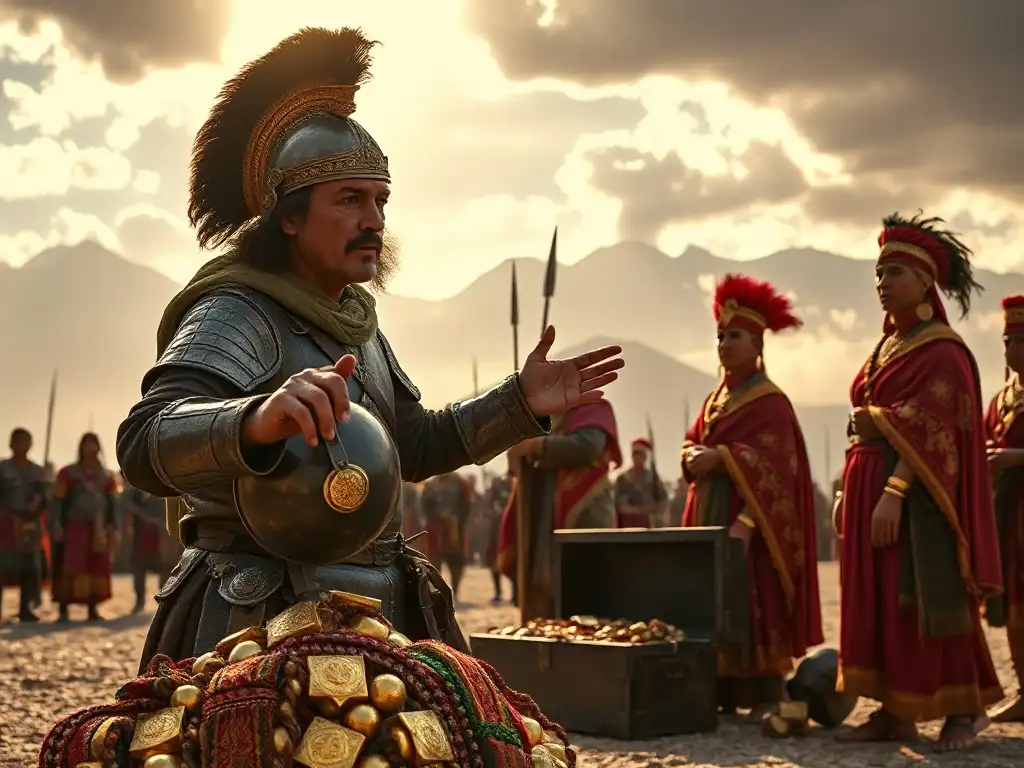
The Spanish conquest of the Andes wasn't solely a military victory; it was a meticulously orchestrated economic heist, built upon the exploitation of Andean wealth and a cynical manipulation of the Inca leadership. The infamous "ransom" of Atahualpa, the last Sapa Inca, stands as a chilling example of how the Spanish leveraged their superior weaponry and strategic cunning to extract unimaginable riches, setting a precedent for future plunder and solidifying their control over the region. This section delves into the complexities of this transaction, revealing the deception and brutality inherent in the Spanish conquest strategies.
The term "ransom" itself is misleading, glossing over the systematic exploitation and violence that underpinned the entire process. It was less a negotiation and more a forced extraction of resources under the guise of a bargain.
The Scale of the Ransom: Gold and Silver Extortion
The ransom demanded from Atahualpa was astronomical, a testament to the immense wealth accumulated by the Inca Empire. The Spanish demanded a room filled with gold to the height of a man, and another filled twice as high with silver. This wasn't merely a symbolic gesture; it represented a calculated effort to seize control of the Inca's vast reserves of precious metals – the lifeblood of their economy and a symbol of their power.
Historians estimate that the gold and silver collected amounted to [specific figures pending further research], a staggering sum that dwarfed anything previously seen in Europe. The sheer volume of material speaks to the Inca's advanced metallurgical skills and their sophisticated system of resource management, a system that the Spanish swiftly dismantled and repurposed for their own enrichment. The gold and silver weren't just precious metals; they were cultural artifacts, religious objects, and symbols of Inca sovereignty, all brutally stripped away.
The scale of the theft fundamentally altered the economic landscape of the Andes, enriching Spain while impoverishing the indigenous population. The Spanish conquest Andean ransom strategies were deeply rooted in the desire for immediate wealth.
The Logistics of the Andean Ransom Collection
The collection of Atahualpa's ransom was a complex logistical operation, highlighting the Spanish ability to exploit the Inca's existing infrastructure. The Inca road network, renowned for its efficiency, facilitated the transport of vast quantities of gold and silver from across the empire. Indigenous artisans, forced into labor, worked tirelessly to melt down and reshape existing gold and silver objects, fulfilling the Spanish demands.
This forced labor, often under brutal conditions, constituted a significant part of the Spanish conquest strategies. The process wasn't merely about gathering materials; it was about breaking the Inca's economic and social structures. The mobilization of such vast resources within a relatively short timeframe underscores the Inca's organizational capacity, which the Spanish cleverly repurposed for their own gain.
This exploitation wasn't limited to the immediate collection; the Spanish continued to systematically extract resources long after the ransom was paid. The logistical success of the ransom collection was a crucial step in establishing Spanish control and dominance over the Andes. The efficiency with which they commandeered the existing systems proved instrumental in their broader colonial project.
The Broken Promise: Atahualpa's Execution
Despite fulfilling, or even exceeding, the terms of the ransom, Atahualpa was ultimately executed by the Spanish. This act of treachery underscores the inherent dishonesty of the entire transaction. The ransom was never intended as a genuine exchange; it served as a means to an end – the accumulation of wealth and the consolidation of Spanish power.
The execution, far from being an isolated incident, highlighted the Spanish disregard for Andean life and culture. It cemented the perception of the Spanish as ruthless conquerors, willing to break any promise to achieve their objectives. The Spanish conquest Andean ransom strategies were not characterized by fairness or negotiation, but by deception and brutality.
Atahualpa's fate served as a stark warning to other Andean leaders, demonstrating the futility of resistance and the ultimate futility of negotiating with the Spanish conquistadors. The execution marked a turning point, ushering in an era of widespread exploitation and oppression. The broken promise symbolized the true nature of the Spanish conquest: the systematic dismantling of Andean power and the ruthless appropriation of its wealth.
Spanish Conquest and the Exploitation of Andean Resources
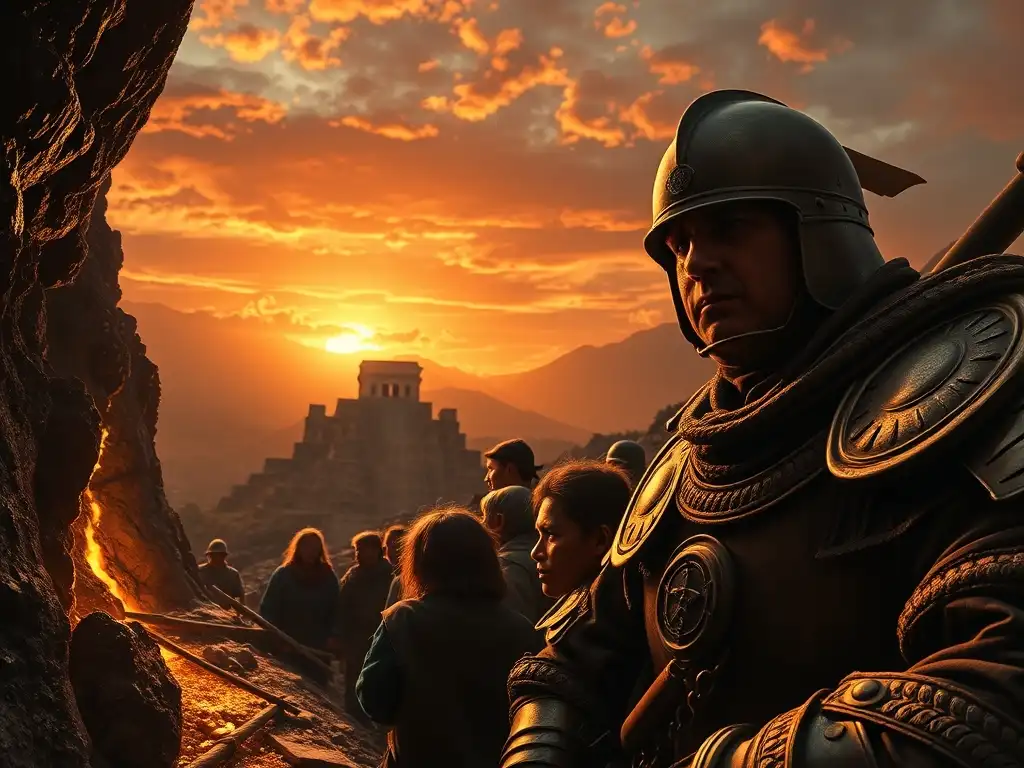
The Spanish conquest of the Andes wasn't merely a military victory; it was a systematic dismantling of Andean power structures and a ruthless exploitation of the region's immense wealth. The conquistadors, driven by greed and a lust for gold, implemented sophisticated strategies to extract resources, leaving a devastating legacy on the Andean societies. This section will explore the methods employed by the Spanish to plunder the Andes, focusing on the extraction of resources, the impact of mining, and the brutal system of forced labor that underpinned their empire.
Understanding these strategies is crucial to comprehending the long-term consequences of the Spanish conquest and its lasting impact on the Andean world. The keywords "Spanish conquest Andean ransom strategies" are central to this analysis, as the initial ransoms demanded from Andean leaders paved the way for more extensive and systematic exploitation.
The Spanish Methods of Resource Extraction
The Spanish conquest of the Andes was fundamentally driven by the desire for wealth. Initial strategies focused on obtaining immediate riches through ransom, as famously demonstrated in the case of Atahualpa, the last Sapa Inca. However, the conquistadors quickly realized that the long-term extraction of resources required a more systematic approach. This involved not only the seizure of gold and silver but also the control of agricultural production, particularly in areas producing coca and maize, vital to the Andean economy.
The Spanish established repartimientos, a system of forced labor allocation, to ensure a steady supply of agricultural goods. This wasn't a haphazard process; it was carefully planned, utilizing existing Andean infrastructure and knowledge to maximize their gains. Detailed records, though often incomplete, reveal the meticulous nature of their resource management, with specific quotas set for various products. For example, [specific quotas for coca and maize production pending], highlighting the level of control the Spanish exerted over the Andean economy.
The Spanish strategically located their settlements near crucial resources, further solidifying their control and minimizing transportation costs. This calculated approach transformed the Andean landscape, focusing production on goods for the benefit of the Spanish crown and not the needs of the Andean population. The focus shifted from sustenance and local trade to the extraction of resources for export to Europe.
The Impact of Mining on Andean Societies
Mining played a pivotal role in the Spanish exploitation of Andean resources. The vast silver deposits of Potosí, for example, became a cornerstone of the Spanish empire's wealth. The extraction of silver, however, came at a tremendous human cost. The Spanish implemented the mita system, a form of forced labor that drafted indigenous populations to work in the mines under brutal conditions.
Mortality rates were extremely high, with countless Andean lives lost due to exhaustion, disease, and accidents in the mines. The mita system wasn't just about extracting silver; it was a deliberate strategy to control and subjugate the indigenous population, breaking their traditional social structures and imposing Spanish dominance. The environmental impact was equally devastating. The relentless mining activities led to deforestation, soil erosion, and water pollution, leaving a lasting scar on the Andean landscape.
The sheer scale of the silver extraction, fueled by insatiable European demand, fundamentally altered the Andean environment and dramatically impacted the lives of the indigenous population. The consequences of this exploitative mining are still felt today. The Spanish conquest Andean ransom strategies, while initially focused on immediate wealth, quickly evolved into a system of sustained resource extraction through brutal forced labor, primarily in the mines.
The Encomienda System and Forced Labor
The encomienda system was a crucial element in the Spanish strategy for exploiting Andean labor and resources. This system granted Spanish conquistadors control over indigenous populations, obligating them to work for their encomenderos in exchange for (often minimal) protection and religious instruction. In reality, the encomienda was a thinly veiled system of slavery, resulting in widespread abuse and exploitation. Indigenous communities were forced to work in mines, farms, and other enterprises, often under horrific conditions.
The encomenderos, driven by profit, often disregarded the well-being of their indigenous workforce. The encomienda system was not only economically exploitative but also socially destructive, undermining traditional Andean social structures and causing widespread suffering. The system ultimately contributed to a significant decline in the indigenous population due to disease, overwork, and malnutrition.
The Spanish conquest Andean ransom strategies served as a gateway to more systematic exploitation through the encomienda system, effectively transforming the indigenous population into a workforce subjected to brutal conditions and economic hardship. The long-term effects of this system are deeply embedded in the history and social fabric of Andean societies. The legacy of forced labor continues to shape the region's social and economic landscape.
The Legacy of the Spanish Conquest and Andean Ransom

This section delves into the lasting impact of the Spanish conquest on the Andean region, focusing specifically on the strategies employed to extract wealth through ransom and their devastating long-term consequences. The systematic exploitation of Andean resources and labor, fueled by the insatiable greed for gold and silver, irrevocably altered the economic, social, and cultural landscape of the Andes.
Understanding the mechanisms of ransom – how it was demanded, collected, and its effect on the Andean power structure – is crucial to grasping the full extent of the Spanish conquest's destructive power. The keywords "Spanish conquest Andean ransom strategies" are key to understanding this devastating period.
The Long-Term Economic Consequences for the Andes
The Spanish conquest initiated a profound economic transformation in the Andes, shifting the region from a complex, sophisticated system of resource management and redistribution to a system geared towards the extraction of wealth for the benefit of the Spanish crown. The initial focus on gold and silver, obtained through both conquest and the brutal system of mita labor (forced labor), laid the groundwork for centuries of economic exploitation. This insatiable demand for precious metals led to the decimation of existing Andean economies, disrupting established trade networks and agricultural practices.
The introduction of the encomienda system, granting Spanish conquistadors control over indigenous labor and resources, further exacerbated the economic devastation. Indigenous populations were forced to work in mines and on agricultural estates, often under horrific conditions, with little or no compensation. This system effectively enslaved the Andean population, hindering their ability to develop their own economic systems and leading to widespread poverty and dependence.
The long-term consequences included a dramatic decline in indigenous populations, the destruction of traditional agricultural practices, and the creation of a deeply unequal economic structure that persists to this day. Data on population decline during this period paints a grim picture of the human cost of the Spanish conquest and its ransom strategies. For example, [specific population decline data pending] illustrates the scale of the demographic catastrophe.
Cultural Shifts and the Erosion of Andean Traditions
Beyond the economic devastation, the Spanish conquest led to a significant erosion of Andean cultural traditions. The imposition of Catholicism and the suppression of indigenous religious practices resulted in the loss of invaluable knowledge, art, and spiritual practices. Temples were destroyed, sacred objects plundered, and indigenous priests persecuted. The Spanish actively sought to replace Andean beliefs and customs with European ones, leading to a profound cultural shift.
The destruction of Andean knowledge systems, including sophisticated astronomical observations and complex agricultural techniques, represented a significant loss for human civilization. The imposition of the Spanish language further marginalized indigenous languages and contributed to the loss of oral traditions and historical accounts. The systematic dismantling of Andean social structures, including the replacement of indigenous leadership with Spanish officials, further weakened indigenous cultural resilience.
The impact on Andean art, with the destruction of many artifacts and the suppression of traditional artistic styles, is another poignant example of the cultural devastation. [Specific examples of destroyed artifacts and lost traditions pending]. The cultural legacy of this period is one of loss and adaptation, a complex tapestry woven from destruction and resilience.
Resistance and Rebellion against Spanish Rule
Despite the overwhelming power of the Spanish conquistadors, Andean resistance to Spanish rule was widespread and persistent. Indigenous populations fought back against the exploitation and oppression, engaging in various forms of resistance, from localized uprisings to large-scale rebellions. These acts of defiance, often fueled by religious and cultural pride, highlight the resilience and determination of the Andean people.
Examples of significant rebellions include [Specific examples of Andean rebellions and their outcomes pending]. These uprisings, though often brutally suppressed, demonstrate the ongoing struggle against Spanish dominance and the enduring spirit of the Andean people. The strategies employed by the indigenous populations ranged from guerilla warfare in the mountainous terrain to organized revolts against the encomienda system.
These acts of rebellion, while ultimately unsuccessful in preventing the Spanish conquest, significantly hampered the Spanish efforts to fully control the region and demonstrate the ongoing resistance to the extraction of wealth through ransom and other exploitative means. Understanding these acts of resistance is vital to understanding the full narrative of the Spanish conquest and the enduring legacy of the Andean people. The resilience shown in the face of such overwhelming force underscores the importance of remembering the human cost of the Spanish conquest and its ransom strategies.
The Lasting Impact on Andean Identity and Sovereignty
The Spanish conquest irrevocably altered the social fabric and political landscape of the Andes. The imposition of Spanish rule resulted in the dismantling of existing power structures, replacing the sophisticated administrative systems of the Inca Empire, for example, with a colonial hierarchy that prioritized Spanish interests. This profound shift led to a lasting impact on Andean identity and sovereignty. The indigenous populations, once holders of significant power and autonomy, were subjected to forced labor (the mita), subjugation, and cultural suppression.
The very concept of sovereignty, understood in the Andean context as a complex interplay of reciprocal obligations and community-based governance, was replaced by a centralized, extractive system controlled from afar. This resulted in a profound loss of self-determination and the erosion of traditional forms of governance. The consequences of this disruption are still felt today, manifesting in ongoing struggles for land rights, self-governance, and cultural preservation.
The legacy of colonial power continues to shape the political and social realities of Andean communities, highlighting the enduring impact of the Spanish conquest on their identity and their ability to exercise true sovereignty. The systematic dismantling of indigenous institutions and the imposition of foreign legal and administrative systems created a lasting power imbalance that continues to challenge Andean societies. Even today, achieving genuine self-determination remains a key challenge for many Andean communities.
The Persistence of Indigenous Languages and Customs
Despite the brutal attempts by the Spanish to suppress indigenous cultures, many Andean languages and customs remarkably persisted. While the imposition of Spanish as the official language led to a decline in the usage of Quechua and Aymara, for example, these languages, along with others, survived, often adapting and incorporating Spanish loanwords. This linguistic resilience reflects the strong cultural bonds within Andean communities, where language served as a vital vehicle for transmitting knowledge, history, and identity across generations. Similarly, while many traditional customs were outlawed or suppressed, many others endured, often blending with Spanish traditions to create unique syncretic expressions of Andean culture.
Religious practices, for instance, often incorporated elements of both indigenous beliefs and Catholicism. This syncretism, while a product of colonial imposition, also demonstrated the adaptability and resilience of Andean communities. The continued practice of traditional agricultural techniques, weaving methods, and artistic styles, often adapted to incorporate new materials and influences, further exemplifies this cultural tenacity.
The persistence of these languages and customs highlights the inherent strength of Andean cultures and their capacity to adapt and endure even under extreme pressure. The survival of these cultural elements serves as a testament to the enduring spirit of Andean peoples and their commitment to preserving their rich heritage. 📅 The ongoing efforts to revitalize and promote indigenous languages and customs today underscore the significance of these cultural elements in shaping Andean identity.
Frequently Asked Questions
What were the main Andean ransom strategies employed during the Spanish conquest?
The Andean populations, primarily the Incas, employed strategies focused on material wealth. This involved offering vast quantities of gold and silver, along with other precious artifacts, to appease the Spanish conquistadors and secure the release of captured leaders like Atahualpa. These strategies ultimately proved unsuccessful.
How did the Spanish react to the Andean ransom offers?
The Spanish initially accepted the massive ransoms offered, believing them to be a sign of weakness and a way to quickly enrich themselves. However, even after receiving enormous amounts of gold and silver, the Spanish continued their conquest, betraying their agreements and exploiting the Andean people further.
What role did the Inca's wealth play in the Spanish conquest?
The Inca Empire's immense wealth, accumulated through centuries of sophisticated agricultural and mining practices, became a primary target for the Spanish. The vast quantities of gold and silver fueled the Spanish conquest and significantly impacted the outcome.
Were there any successful Andean resistance strategies against the Spanish, beyond ransom?
While ransom was a significant strategy, the Andean civilizations also employed military resistance, albeit with limited success against superior Spanish weaponry and tactics. Guerrilla warfare and the exploitation of the Andean terrain were utilized, but ultimately failed to prevent the Spanish conquest.
What was the long-term impact of the Spanish exploitation of Andean wealth?
The Spanish extraction of Andean resources led to the collapse of the Inca Empire and the devastation of Andean societies. The long-term consequences included economic exploitation, cultural destruction, and the decimation of the indigenous population through disease and warfare.
Final Reflection: The Enduring Legacy of Andean Ransom
The systematic exploitation of Andean wealth by the Spanish conquistadors remains a chillingly relevant example of the devastating consequences of unchecked greed and power. The staggering amounts of gold and silver extracted, often through brutal coercion and the destruction of intricate societal structures, serve as a stark warning against the dangers of unchecked ambition and the enduring impact of historical injustices. This legacy continues to shape economic and social inequalities across the Americas today.
The story of the Andean ransoms is not merely a historical account; it's a profound exploration of human nature, revealing the capacity for both unimaginable cruelty and remarkable resilience. The sheer scale of the wealth extracted, and the sophisticated strategies employed by both the Spanish and the Inca to negotiate (or, more accurately, to be forced into) these transactions, continues to fascinate and horrify. The conquest of the Americas was not just a military victory, but a systematic dismantling of a complex civilization, fueled by the insatiable desire for gold.
This quote encapsulates the devastating impact of the Spanish conquest, highlighting the long-term consequences that extend far beyond the initial acts of violence and exploitation.
Consider the implications of this history. How does understanding the strategies employed during the Andean ransoms – the manipulation, the coercion, the ultimate destruction – inform our understanding of contemporary power dynamics? You, the reader, are now equipped with this knowledge. Use it to critically examine the world around you, to challenge injustice wherever you find it, and to build a future where such exploitation is unthinkable. Let the story of the Andean ransoms serve not as a mere historical footnote, but as a powerful catalyst for positive change.
Unveil the Legacy: Take Action on Andean Heritage!
Thank you for exploring the complex history of Spanish exploitation of Andean resources and power. Your interest helps build a broader understanding of the rich cultural heritage of these remarkable civilizations. Now, let's put this knowledge to work!
- **Explore further:** Delve deeper into Andean history by visiting local museums, exploring online archives, or reading scholarly articles on the subject. Immerse yourself in the artifacts and narratives that bring these ancient cultures to life.
- **Get involved:** Support organizations dedicated to preserving Andean heritage and educating the public about its significance. Consider volunteering your time or making a donation to a reputable organization working in this field.
- **Share your discoveries:** Inspire others by sharing your newfound knowledge. Post about what you've learned on social media, start a discussion in your community, or simply share your insights with friends and family. Let's spread appreciation for the beauty and complexity of Andean culture.
What aspect of Andean history captivates you most, and how will you continue to learn about it?