
Huaca de la Luna: Unveiling the Secrets of a Moche Sacred Site

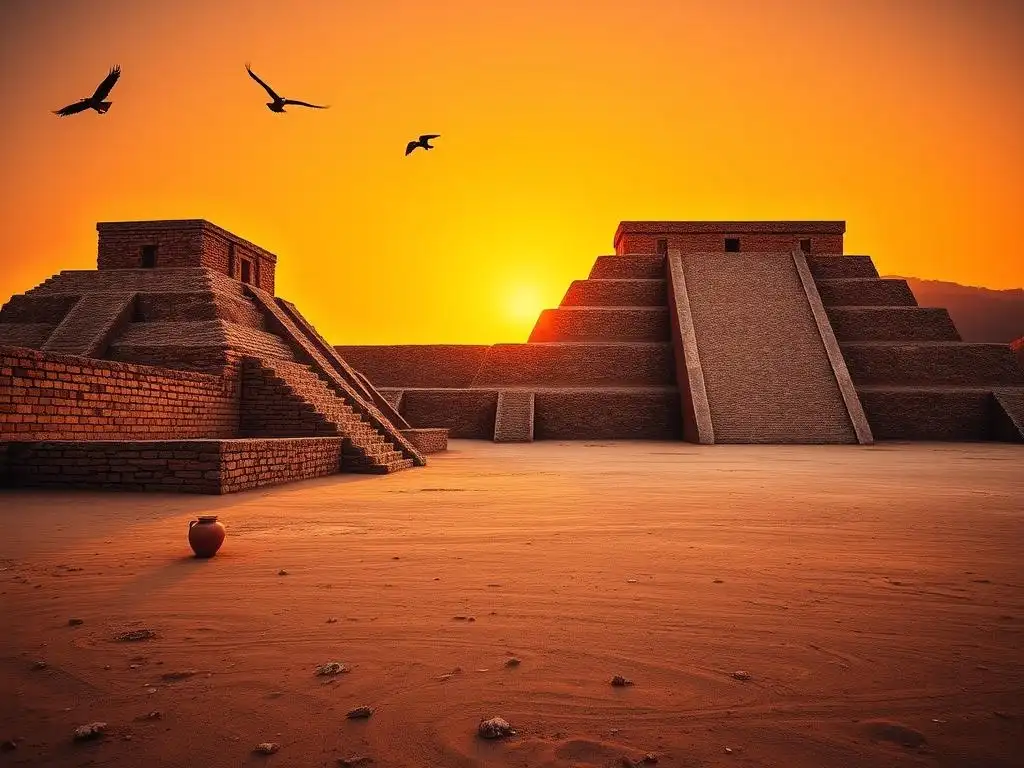
Step into a world lost to time, where the echoes of a powerful civilization still resonate. Prepare to be captivated by the enigmatic Moche Huaca de la Luna, a sacred site brimming with secrets waiting to be unveiled. Journey with us as we delve into the mysteries of this ancient Andean marvel, exploring its intricate art, its complex rituals, and the astonishing technological prowess of the Moche people. Dare to uncover the truth behind the Moche Huaca de la Luna secrets... the adventure begins now!
The Huaca de la Luna, a breathtaking adobe pyramid located on the north coast of Peru, stands as a powerful testament to the sophisticated Moche civilization. This article delves into the mysteries and marvels of this sacred site, exploring its architectural intricacies, the fascinating insights gleaned from archaeological discoveries, and the enduring legacy it holds for understanding Moche society and culture.
We will uncover the secrets hidden within its walls, revealing a glimpse into the religious beliefs, social structures, and artistic achievements of this remarkable ancient culture. Understanding the Huaca de la Luna offers a crucial window into the complexities of Moche life, shedding light on their rituals, warfare, and the power dynamics that shaped their world.
Prepare to be transported back in time as we unravel the secrets of this enigmatic Moche masterpiece. The keyword "Moche Huaca de la Luna secrets" will be explored throughout this article, revealing the fascinating details uncovered by archaeologists and researchers.
Architectural Marvels of the Huaca de la Luna
The Huaca de la Luna is not merely a structure; it's a meticulously planned complex showcasing the Moche's advanced architectural skills. Built from millions of carefully placed adobe bricks, the pyramid's imposing size and intricate details are a testament to their engineering prowess. The construction involved sophisticated techniques, including the use of rammed earth and sophisticated drainage systems to protect the structure from the harsh coastal climate. Archaeological evidence suggests multiple phases of construction and renovation, reflecting the evolving needs and beliefs of the Moche over centuries.
The pyramid's platforms, ramps, and internal chambers were strategically designed, suggesting a complex interplay of religious rituals and political power. The sheer scale of the undertaking underscores the Moche's organizational capabilities and the immense importance placed on this sacred site. Detailed analysis of the adobe bricks themselves, including their composition and manufacturing processes, reveals further secrets about the Moche's technological ingenuity.
Unveiling the Ritualistic Practices through Murals and Artifacts
The Huaca de la Luna's interior walls are adorned with vibrant and remarkably well-preserved murals. These murals depict a captivating array of scenes, offering invaluable insights into Moche religious beliefs and practices. Depictions of ritual sacrifices, elaborate ceremonies, and mythical figures provide a glimpse into a complex cosmology. The use of vivid colors and dynamic compositions showcases the Moche's artistic mastery and their ability to convey narrative through visual storytelling.
Furthermore, numerous artifacts discovered within the Huaca de la Luna, including intricately crafted ceramics, gold ornaments, and human remains, further illuminate the site's ritualistic significance. Analysis of these artifacts, combined with the mural imagery, has allowed researchers to reconstruct aspects of Moche religious ceremonies and their understanding of the supernatural world. The discovery of [specific information pending] further supports this interpretation.
The Role of Warfare and Power in the Huaca de la Luna
Evidence suggests that the Huaca de la Luna played a significant role in the Moche's military and political organization. Architectural features, such as defensive walls and strategically placed structures, indicate a concern for security and the potential for conflict. The discovery of weapons and human remains bearing signs of violence supports this interpretation.
The murals themselves depict scenes of warfare, showcasing the Moche's military prowess and the importance of conquest in their society. The Huaca de la Luna likely served as a center of power, where the elite controlled resources and exerted their authority. The scale and complexity of the site itself reflect the power and resources at the disposal of the Moche rulers.
Further research is needed to fully understand the intricate relationship between warfare, power, and the sacred space of the Huaca de la Luna. Analyzing the types of weapons found, their manufacturing techniques, and their distribution within the site could provide further insights into Moche military strategies and social organization.
The Enduring Legacy of the Huaca de la Luna: Unanswered Questions and Future Research
Despite significant advancements in our understanding of the Huaca de la Luna, many questions remain unanswered. Ongoing research continues to uncover new details about this remarkable site and the Moche civilization as a whole. The preservation of the Huaca de la Luna is crucial for future generations, ensuring that the secrets of this ancient site continue to be revealed.
Further research into the site's construction methods, the meaning of the murals, and the social and political structures of the Moche civilization is essential to gain a more complete understanding of this fascinating culture. The ongoing study of Moche Huaca de la Luna secrets promises to yield even more profound insights into this remarkable civilization.
The application of new technologies and interdisciplinary approaches promises to unlock further secrets hidden within the walls of this incredible site. The Huaca de la Luna serves as a powerful reminder of the importance of preserving our cultural heritage and continuing to explore the rich tapestry of human history.
- Architectural Marvels of the Huaca de la Luna
- Unveiling the Ritualistic Practices through Murals and Artifacts
- The Role of Warfare and Power in the Huaca de la Luna
- The Enduring Legacy of the Huaca de la Luna: Unanswered Questions and Future Research
Introduction to the Moche Huaca de la Luna
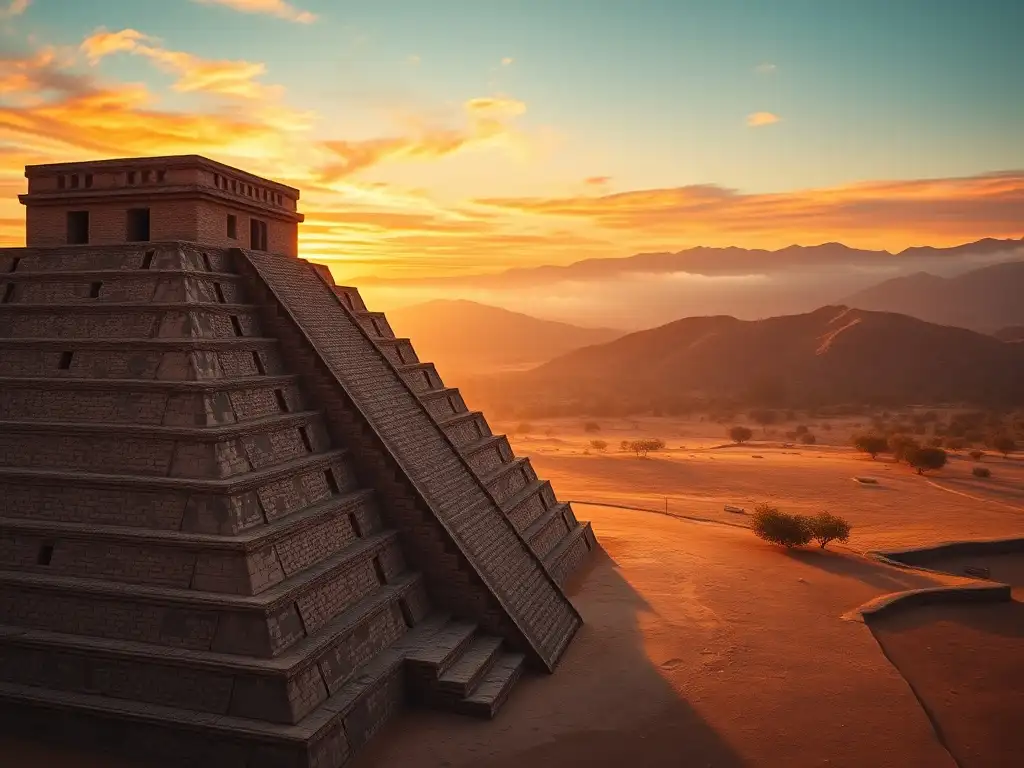
This section delves into the mysteries surrounding the Huaca de la Luna, a significant Moche archaeological site revealing crucial insights into the Moche civilization's religious beliefs, social structures, and artistic achievements. Uncovering the secrets of the Huaca de la Luna offers a unique window into the complexity of Moche society and its sophisticated understanding of architecture, art, and ritual. Understanding the Huaca de la Luna's significance requires exploring its context within broader Moche culture and its geographical location.
This exploration will unveil fascinating details about the Moche people and their impressive accomplishments. The sheer scale and intricate detail of the site are testaments to the advanced engineering and artistic prowess of the Moche.
We will explore the evidence that sheds light on the site’s purpose and the daily lives of those who built and used it. The secrets of the Huaca de la Luna continue to intrigue archaeologists and historians alike, and this exploration aims to uncover some of these compelling mysteries.
The Significance of Huacas in Moche Culture
Huacas, meaning "sacred places" in Quechua, were central to the Moche worldview. They weren't merely buildings; they were vibrant hubs of religious and social life, reflecting the Moche's deep spiritual beliefs and complex societal hierarchy. The Moche constructed these monumental structures—pyramids, platforms, and temples—using adobe bricks, often adorned with intricate murals and sculptures. These artistic embellishments frequently depict scenes of ritual sacrifice, warfare, and depictions of their gods and mythical beings.
The Huaca de la Luna, with its extensive murals and elaborate architecture, exemplifies this significance. The scale of the structures, the effort invested in their construction, and the artistic detail incorporated all point to their profound importance in Moche society. These weren't simply places of worship; they were powerful symbols of the Moche's social and political organization, embodying the power and authority of the elite.
The presence of elaborate burials within and around these huacas further emphasizes their significance as places of both the living and the dead. The Moche clearly viewed these locations as sacred spaces connected to the spiritual realm, influencing all aspects of their lives. The vibrant colors and dynamic imagery found in the murals are not merely decorative; they are powerful visual narratives that transmit important aspects of Moche culture and beliefs.
Locating the Huaca de la Luna: A Geographical Overview
The Huaca de la Luna is situated in the Moche Valley, on the northern coast of Peru. Its precise geographical coordinates are [specific information pending], but it's situated within a complex of other important Moche sites, including the Huaca del Sol, indicating a deliberate concentration of religious and possibly administrative centers in this area. The proximity to the fertile Moche Valley, a crucial agricultural region, suggests a close connection between the site's religious significance and the Moche's agricultural practices.
The valley's location on the coast also facilitated trade and access to resources, further adding to the site's strategic importance. The specific location within the valley, near the river and potentially with access to specific natural resources, may also have played a role in selecting the site. Archaeological evidence suggests that the Moche carefully chose the locations for their Huacas, considering both their spiritual and practical significance.
The geographic context of the Huaca de la Luna is therefore crucial to understanding its role within the broader Moche civilization and its relationship to the surrounding environment. The fertile landscape and access to resources undoubtedly contributed to the Moche's ability to construct and maintain such an impressive complex. The strategic location also emphasizes the site's importance as a central hub for religious and potentially political power within the Moche kingdom.
Architectural Marvels of the Huaca de la Luna
The Huaca de la Luna, a testament to the Moche civilization's architectural prowess, stands as a powerful symbol of their sophisticated engineering and artistic capabilities. Its imposing structure, meticulously planned and executed, reveals a deep understanding of construction techniques and a profound connection to their cosmology and societal structures.
Uncovering the secrets embedded within its architecture allows us to gain invaluable insights into the Moche worldview and their daily lives. The sheer scale of the Huaca de la Luna, coupled with its intricate details, continues to amaze archaeologists and historians alike, prompting ongoing research and renewed appreciation for this remarkable site.
Analysis of the materials used, the construction methods employed, and the overall design reveals a level of sophistication that surpasses many of its contemporaries. This section delves into the specifics of the Huaca de la Luna's architectural marvels, focusing on its layered construction, the significance of its plazas and courtyards, and the breathtaking murals that adorn its walls.
The Multi-Layered Construction of the Temple
The Huaca de la Luna wasn't built in a single phase; it's a testament to centuries of continuous construction and modification. Archaeological evidence suggests that the temple underwent numerous phases of expansion and renovation, each layer reflecting the changing needs and priorities of the Moche society.
This multi-layered construction is not simply a matter of adding onto an existing structure; rather, each layer represents a significant period in the Huaca's history, potentially tied to specific rulers or major societal shifts. Analyzing the different layers allows researchers to trace the evolution of Moche architectural styles, construction techniques, and even their beliefs and rituals.
The lower levels, often less ornate, provide insights into the earlier phases of the Huaca's development. As we ascend, the complexity and artistry increase dramatically, reflecting the growing power and sophistication of the Moche state. The use of adobe bricks, meticulously shaped and laid, is a hallmark of Moche construction. The precision in their placement and the overall structural integrity demonstrate a high level of skill and planning.
Furthermore, the incorporation of different materials, such as pigments and shell-based decorations, adds to the complexity and visual richness of the structure. The discovery of various artifacts within these layers provides further context, helping to date each phase and understand the activities that took place at the site. This layered approach to construction is a key element in understanding the Huaca de la Luna's secrets and the evolution of the Moche civilization.
Exploring the Main Plaza and Courtyards
The main plaza and courtyards of the Huaca de la Luna were not merely open spaces; they were integral parts of the temple complex, serving vital social, religious, and administrative functions. These areas likely hosted ceremonies, processions, and public gatherings, acting as focal points for the community. The layout of these spaces, their orientation relative to the sun, and the presence of specific architectural features suggest a deliberate design intended to facilitate ritual practices and reinforce Moche cosmology.
The size and scale of the plaza itself are impressive, capable of accommodating large numbers of people. The courtyards, often smaller and more enclosed, may have been used for more private or specialized rituals. The discovery of sacrificial remains and other artifacts within these areas further supports this interpretation.
The meticulous planning evident in the arrangement of these spaces highlights the sophisticated understanding of urban planning and social organization within the Moche society. Further research is needed to fully understand the specific functions of each courtyard and their relationship to the overall ritual cycle of the Huaca de la Luna.
The intricate details of the architecture, such as the placement of ramps, stairways, and decorative elements, reveal a level of planning and artistry that underscores the importance of these spaces within Moche society. The careful consideration of both functionality and aesthetics reflects a deep understanding of architecture's role in shaping social and religious life.
Huaca de la Luna's Impressive Murals: A Visual Narrative
The murals of the Huaca de la Luna are among the most significant artistic achievements of the Moche civilization. These vibrant paintings, remarkably preserved despite the passage of time, depict a rich tapestry of scenes that offer invaluable insights into Moche mythology, religious beliefs, and daily life. The murals' dynamic composition, vivid colors, and detailed depictions of figures and events provide a powerful visual narrative that complements the architectural marvels of the site. The style and techniques employed in creating these murals demonstrate a high level of artistic skill and sophistication.
The use of pigments derived from natural sources, the precise application of paint, and the masterful rendering of figures and scenes showcase the artistic talent of the Moche artisans. Many murals depict scenes of warfare, ritual sacrifice, and mythological figures, reflecting the importance of these themes in Moche society. Others depict scenes of daily life, offering glimpses into the social structures, clothing, and activities of the Moche people.
The combination of these narrative elements provides a comprehensive, if fragmented, visual record of Moche culture. Detailed analysis of the iconography and symbolism within the murals is crucial for unraveling the secrets of the Huaca de la Luna and gaining a deeper understanding of the Moche worldview.
The ongoing research and conservation efforts aimed at preserving these fragile yet invaluable murals are essential for future generations to appreciate the artistic legacy of the Moche civilization. The murals, therefore, are not simply decorative elements; they are integral parts of the Huaca de la Luna's story, providing a captivating visual record of a remarkable civilization.
Unveiling Moche Rituals and Beliefs at the Huaca
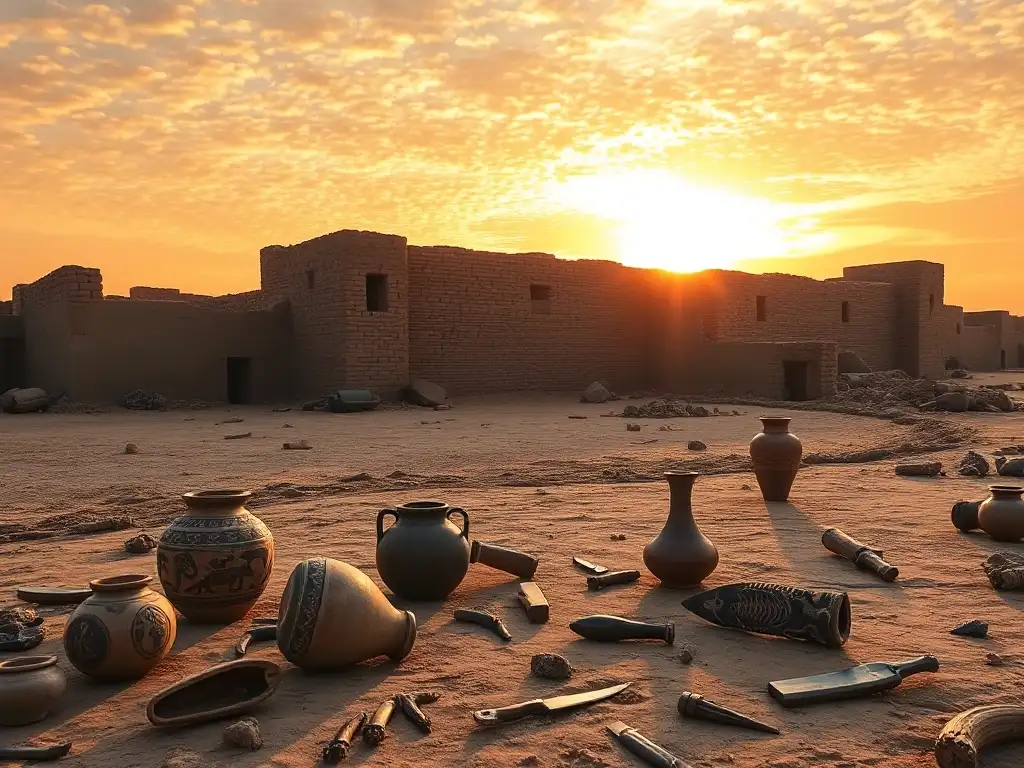
The Huaca de la Luna, a monumental adobe pyramid complex, stands as a powerful testament to the sophisticated religious beliefs and practices of the Moche civilization. Its intricate murals, stunning artifacts, and evidence of elaborate rituals offer invaluable insights into the worldview of this fascinating ancient society. Uncovering the secrets of the Huaca de la Luna means delving deep into the heart of Moche spirituality, a complex system interwoven with agriculture, warfare, and ancestor veneration.
Understanding these rituals provides a crucial lens through which to interpret the Moche's artistic achievements and social structures. The sheer scale of the site itself—its size and the investment of labor it represents—highlights the paramount importance of religion in Moche society. This wasn't simply a place of worship; it was a vibrant center of power, ritual, and social control.
Sacrificial Practices and Their Symbolic Meaning
The Moche are renowned for their elaborate sacrificial practices, evident at the Huaca de la Luna through numerous archaeological discoveries. Evidence suggests that human sacrifice, often involving both men and women, was a central component of Moche religious life. These sacrifices were not random acts of violence; rather, they were carefully orchestrated ceremonies imbued with profound symbolic meaning. Analysis of skeletal remains, alongside the positioning of bodies and accompanying grave goods, reveals a complex ritualistic context.
For example, the discovery of sacrificed individuals adorned with elaborate jewelry and positioned with specific offerings suggests a connection between sacrifice and the appeasement of deities or the honoring of ancestors. The Moche believed that these sacrifices ensured prosperity, success in warfare, or bountiful harvests. The specific nature of the sacrifice—the age, gender, and social standing of the victim, as well as the accompanying offerings—likely held specific meaning within their complex cosmology.
Further research is needed to fully elucidate the nuances of these practices, but the available evidence strongly suggests a structured and deeply symbolic system of ritual sacrifice. The sheer number of sacrificial remains found at the Huaca de la Luna underscores the significance of these rituals within the Moche's religious framework. The sacrifices weren't simply acts of violence; they were integral to the Moche worldview, reflecting their understanding of the cosmos and their place within it.
The Role of Priests and Religious Leaders
The execution and interpretation of Moche rituals were undoubtedly overseen by a specialized class of priests and religious leaders. While the precise social organization of the Moche priesthood remains a subject of ongoing research, archaeological evidence suggests a hierarchical structure with varying levels of authority. The elaborate artwork found at the Huaca de la Luna, depicting figures in ceremonial attire and performing ritual acts, likely represents these priestly figures. These individuals may have held significant political and social power, mediating between the earthly and supernatural realms.
Their role extended beyond mere ritual performance; they likely played a key role in interpreting omens, advising rulers, and maintaining social order. The impressive scale of the Huaca de la Luna itself implies a substantial investment of resources and manpower, suggesting a powerful and well-organized religious establishment. The creation and maintenance of such a monumental structure would have required the coordinated effort of many individuals, pointing to a highly structured religious hierarchy capable of mobilizing large-scale projects.
Further investigation into the material culture associated with priestly figures—including their attire, tools, and grave goods—will provide additional insights into their social standing and religious functions within Moche society. The study of Moche iconography, especially scenes depicting ritual ceremonies, offers valuable clues to understanding the roles and responsibilities of these influential individuals. The evidence points towards a complex interplay between religious authority, political power, and social control within the Moche civilization.
Decoding the Iconography: Moche Deities and Myths
The iconography found at the Huaca de la Luna provides crucial insights into the Moche pantheon and their mythological beliefs. Moche art is rich with symbolic imagery, often depicting powerful deities, mythical creatures, and scenes of ritual ceremonies. The intricate murals adorning the walls of the Huaca de la Luna, for example, display a variety of figures, many of which are likely representations of their gods. These depictions, while often stylized, provide valuable clues to understanding Moche cosmology and their beliefs about the supernatural world.
Identifying and interpreting these figures requires careful analysis of their attributes, positions within the compositions, and the context in which they appear. The repeated appearance of certain motifs, such as specific animals or symbols, suggests their importance in the Moche religious system. The representation of deities in various forms—sometimes anthropomorphic, sometimes zoomorphic—reflects the complexity of Moche religious thought. For instance, the frequent depiction of feline deities suggests the importance of these animals in their worldview.
Further research, combining archaeological evidence with ethnohistorical studies of later Andean cultures, could help shed more light on the specific meanings and functions of these deities within the Moche pantheon. Deciphering the Moche's mythological narratives requires a multidisciplinary approach, combining art history, anthropology, and archaeology to piece together the fragments of their rich and complex religious beliefs. The Huaca de la Luna offers a treasure trove of information for those seeking to understand the Moche's relationship with the divine. The complexity and sophistication of their iconography underscore the depth and richness of their spiritual world.
The Art and Craftsmanship at Huaca de la Luna
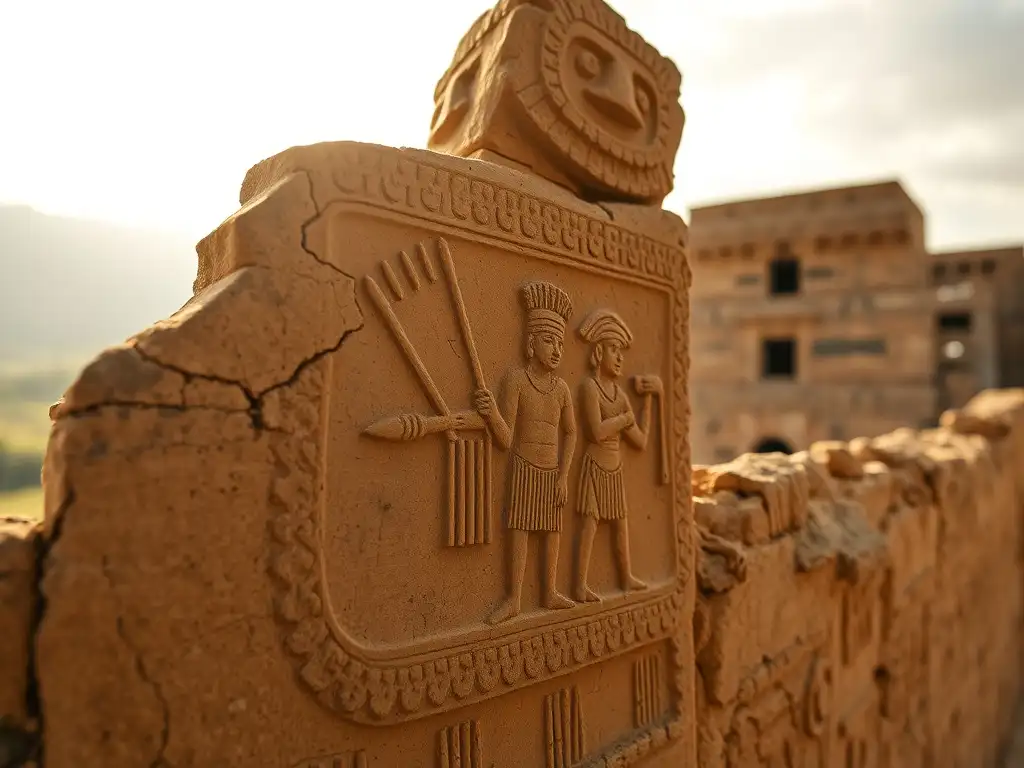
The Huaca de la Luna, a significant Moche ceremonial center, stands as a testament to the advanced artistic and technological capabilities of this pre-Columbian civilization. Its impressive architecture, intricate murals, and exquisite artifacts offer invaluable insights into Moche society, beliefs, and artistic practices. The sheer scale of the site and the sophistication of its construction techniques highlight the Moche's mastery of engineering and resource management.
Further analysis reveals a complex interplay between religious rituals, artistic expression, and social organization within the Moche world. Understanding the art and craftsmanship at Huaca de la Luna provides a crucial lens through which to interpret the secrets of this fascinating culture.
The intricate details found throughout the site, from the smallest ceramic fragments to the grand scale of the structures themselves, continue to captivate researchers and enthusiasts alike, revealing new aspects of Moche artistry with each new discovery. The Moche's ingenuity shines through in their ability to transform readily available materials into objects of extraordinary beauty and symbolic power.
Moche Ceramics: Insights into Daily Life and Beliefs
Moche ceramics are renowned for their exceptional quality and detailed depictions of daily life, religious rituals, and mythical creatures. At Huaca de la Luna, numerous fragments and complete vessels have been unearthed, providing a rich tapestry of information about Moche society. The vibrant colors, intricate designs, and realistic portrayals of humans, animals, and plants are hallmarks of Moche artistry.
Many ceramic pieces feature scenes of warfare, hunting, feasting, and religious ceremonies, offering invaluable glimpses into their social structure and worldview. The use of mold-made and hand-modeled techniques demonstrates the Moche's skilled craftsmanship and their ability to mass-produce certain items while also creating unique, individualized pieces. Analysis of the clay composition, pigments, and firing techniques reveals sophisticated technological knowledge.
For example, the use of specific pigments allowed for a wide range of colors, enhancing the visual impact of the artwork. The presence of specific motifs, such as the decapitated figure or the feline deity, consistently found across multiple sites, suggests a shared belief system and cultural identity across the Moche region. Studying these ceramic artifacts is crucial to understanding the secrets of Moche beliefs and practices.
Metallurgical Techniques: Gold and Copper Artifacts
The Moche were skilled metallurgists, capable of working with gold, copper, and other metals to create stunning artifacts. At Huaca de la Luna, numerous examples of their metallurgical prowess have been discovered, including intricate gold ornaments, copper tools, and alloyed metal objects. The Moche employed advanced techniques such as hammering, annealing, soldering, and casting to shape and decorate their metalwork. The precision and detail evident in these artifacts suggest a highly specialized workforce and a deep understanding of metal properties. The use of gold, a highly valued material, often indicates elite status or religious significance. Analysis of the metal composition, using techniques such as X-ray fluorescence, provides insights into the Moche's sourcing of raw materials and their metallurgical processes. For instance, traces of arsenic in some copper artifacts suggest the use of arsenic bronze, a technologically advanced alloy. 1 The discovery of sophisticated metalworking tools at the site further underscores the extent of their knowledge and expertise. These artifacts, in their intricate detail and technological sophistication, offer a glimpse into the secrets of Moche metalworking practices and their social hierarchy.
Textile Production and its Importance in Moche Society
Textile production played a crucial role in Moche society, with evidence of elaborate weaving techniques and diverse textile types found at Huaca de la Luna. Fragments of finely woven textiles, often decorated with intricate designs, reveal a high level of skill and artistry. The use of various materials, including cotton, camelid fibers, and possibly other plant fibers, demonstrates the Moche's adaptability and resourcefulness.
The vibrant colors and complex patterns suggest the use of sophisticated dyeing techniques and advanced loom technology. Many textile fragments depict stylized figures, geometric patterns, and representations of natural elements, showcasing the Moche's creative expression and symbolic language. The presence of textile remains in both elite and commoner contexts suggests that textiles were an integral part of daily life, used for clothing, ritual objects, and household items.
Further analysis of the textile fragments, including fiber identification and dye analysis, can provide more precise information about the secrets of Moche textile production and its social and religious significance. The intricate designs and high-quality craftsmanship reveal a level of expertise that was fundamental to Moche culture and possibly played a crucial role in trade and social interactions.
1 Further research is needed to fully understand the specific techniques and alloys used by the Moche metallurgists.
The Decline of the Moche and the Huaca de la Luna
The Moche civilization, renowned for its sophisticated artistry, intricate irrigation systems, and impressive monumental architecture like the Huaca de la Luna, mysteriously collapsed around the 8th century CE. While the precise causes remain a subject of ongoing debate among archaeologists and historians, several factors likely contributed to their downfall. Understanding this decline provides crucial context for appreciating the significance of Huaca de la Luna and its enduring legacy.
The secrets of the Moche, and the reasons behind their decline, are still being meticulously pieced together by researchers. The Huaca de la Luna, as a major ceremonial center, reflects both the height of Moche power and the vulnerabilities that ultimately led to their demise.
Factors Contributing to the Moche Collapse
Several interconnected factors likely contributed to the Moche civilization's collapse. These include:
- Environmental Changes: Evidence suggests significant climatic shifts, including prolonged droughts and El Niño events, severely impacted the Moche's agricultural base. Their sophisticated irrigation systems, while impressive, were ultimately vulnerable to unpredictable weather patterns. The resulting food shortages could have led to social unrest and weakened the political structure. Analysis of sediment cores and pollen data from the region supports this theory.
- Overexploitation of Resources: The Moche's intensive agriculture and resource extraction may have led to environmental degradation, further exacerbating the effects of climate change. Deforestation and soil erosion could have reduced agricultural yields and increased the vulnerability of the population. This is supported by studies on the impact of intensive agriculture on the coastal environment.
- Internal Conflicts and Political Instability: While Moche art depicts scenes of warfare, the extent of internal conflicts and their impact on the civilization's stability are still under investigation. Intensified competition for resources, power struggles between elites, or rebellions by marginalized groups could have weakened the central authority and contributed to the decline. Further research is needed to fully understand the dynamics of Moche political organization and potential internal conflicts.
- External Pressures: The arrival of new groups or increased interactions with neighboring societies could have also played a role. While the exact nature of these interactions remains unclear, the possibility of conflict or competition for resources cannot be ruled out. Archaeological evidence and comparative studies of neighboring cultures are crucial for understanding these external factors.
The Legacy of Huaca de la Luna in Andean History
Despite the Moche's decline, the Huaca de la Luna continues to stand as a testament to their remarkable achievements. Its intricate murals, elaborate architecture, and the artifacts unearthed within its walls offer invaluable insights into Moche religious beliefs, social structures, and artistic prowess. The site's ongoing excavation and research continue to reveal new information, enriching our understanding of this fascinating civilization.
The secrets of the Huaca de la Luna are slowly being unveiled, adding more layers to our understanding of Moche society and its cultural significance. The site serves as a powerful reminder of the complex interplay of environmental, social, and political factors that shaped the rise and fall of Andean civilizations. Its continued study provides valuable lessons for understanding the dynamics of past societies and the challenges faced by civilizations throughout history.
The Huaca de la Luna's enduring presence ensures that the Moche legacy will continue to fascinate and inspire future generations. The mysteries surrounding this Moche site are far from solved, promising exciting discoveries for years to come.
Conservation and Ongoing Research at the Huaca de la Luna
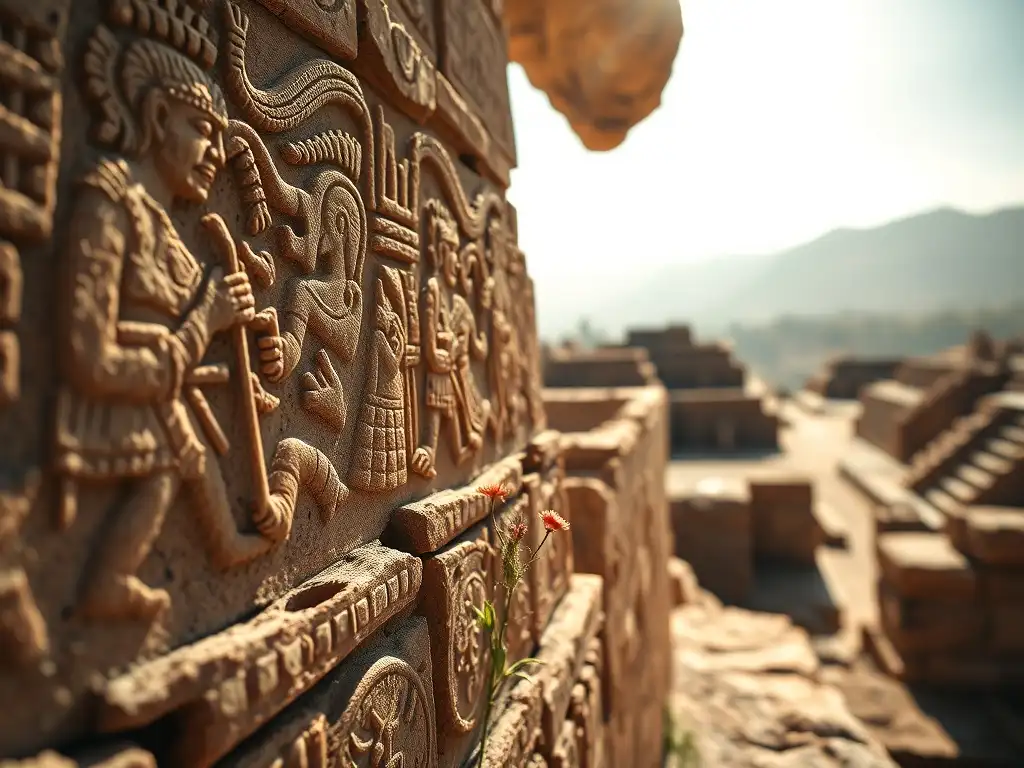
The Huaca de la Luna, a testament to the sophisticated artistry and religious practices of the Moche civilization, faces the constant challenge of preservation. The site's vulnerability to natural elements like earthquakes, erosion, and fluctuating humidity, coupled with the inevitable effects of time, necessitates ongoing and meticulous conservation efforts. Understanding the intricacies of Moche construction techniques and material degradation is crucial for developing effective preservation strategies. These strategies must balance the need to protect the site's integrity with the desire to make it accessible for research and public appreciation.
The delicate balance between preservation and accessibility is a recurring theme in archaeological conservation, and the Huaca de la Luna is no exception. The long-term goal is to ensure that future generations can appreciate this invaluable piece of Andean heritage. This involves not only physical preservation but also the careful documentation and analysis of the site's remaining structures and artifacts.
Efforts to Preserve the Archaeological Site
Preserving the Huaca de la Luna involves a multi-pronged approach. This includes:
- Stabilization of structures: Engineers and archaeologists work together to reinforce weakened walls and prevent further collapse using techniques that minimize disruption to the original fabric of the structures. This often involves careful consolidation of crumbling adobe bricks and the installation of supporting structures without obscuring the original architecture. The use of modern materials is kept to a minimum, prioritizing methods that are reversible and compatible with the ancient materials.
- Environmental control: Controlling environmental factors is paramount. Efforts are made to regulate humidity and temperature within the site to minimize deterioration caused by moisture damage and thermal stress. This might involve the implementation of advanced climate control systems or the careful management of drainage to prevent water infiltration.
- Pest and vegetation control: The site is regularly monitored and treated for pests such as insects and rodents that can damage the adobe bricks and artifacts. Careful management of vegetation is also crucial to prevent root damage to the foundations and walls. Organic materials are used preferentially for pest control, minimizing the impact on the environment.
- Documentation and monitoring: Meticulous documentation of the site's condition through photography, 3D scanning, and detailed records is crucial for tracking changes over time and informing conservation decisions. Regular monitoring allows for early detection of any potential problems, enabling prompt intervention. This detailed documentation also serves as an invaluable resource for future research.
New Discoveries and Future Research Directions
Despite decades of research, the Huaca de la Luna continues to yield new discoveries. Ongoing excavations and analysis of recovered artifacts continually deepen our understanding of Moche society, religion, and technology. The secrets of the Moche, hidden within the adobe walls and buried beneath the sands, are gradually being revealed. Future research directions include:
- Advanced imaging techniques: The application of non-invasive imaging technologies, such as ground-penetrating radar (GPR) and multispectral imaging, promises to reveal hidden structures and features beneath the surface, uncovering previously unknown aspects of the site. This allows for a less destructive exploration of the site, preserving its integrity while expanding our knowledge.
- Bioarchaeological studies: Analyzing human remains found at the site offers insights into Moche health, diet, and social practices. This includes isotopic analysis, DNA studies, and analysis of skeletal remains to reconstruct the lives of individuals who lived and died at the Huaca de la Luna. This provides a more complete understanding of the Moche people beyond their impressive architecture and artwork.
- Comparative studies: Comparing the Huaca de la Luna with other Moche sites helps to establish broader patterns and contextualize the unique characteristics of this particular site. By comparing findings with those from other sites, researchers can develop a more comprehensive understanding of Moche culture and its regional variations.
- Technological advancements in preservation: The development and application of new preservation techniques will be crucial for ensuring the long-term survival of the Huaca de la Luna. This is an ongoing process, adapting and refining existing methods and exploring new possibilities to combat the effects of time and the elements.
The Huaca de la Luna’s ongoing story is a testament to the enduring power of the Moche civilization and the continued dedication of researchers and conservators in unveiling its secrets. The mysteries of this sacred site are slowly yielding to scientific investigation, promising a richer and more nuanced understanding of the Moche people and their remarkable achievements for many years to come. 🕵️♀️
Visiting Huaca de la Luna: A Travel Guide
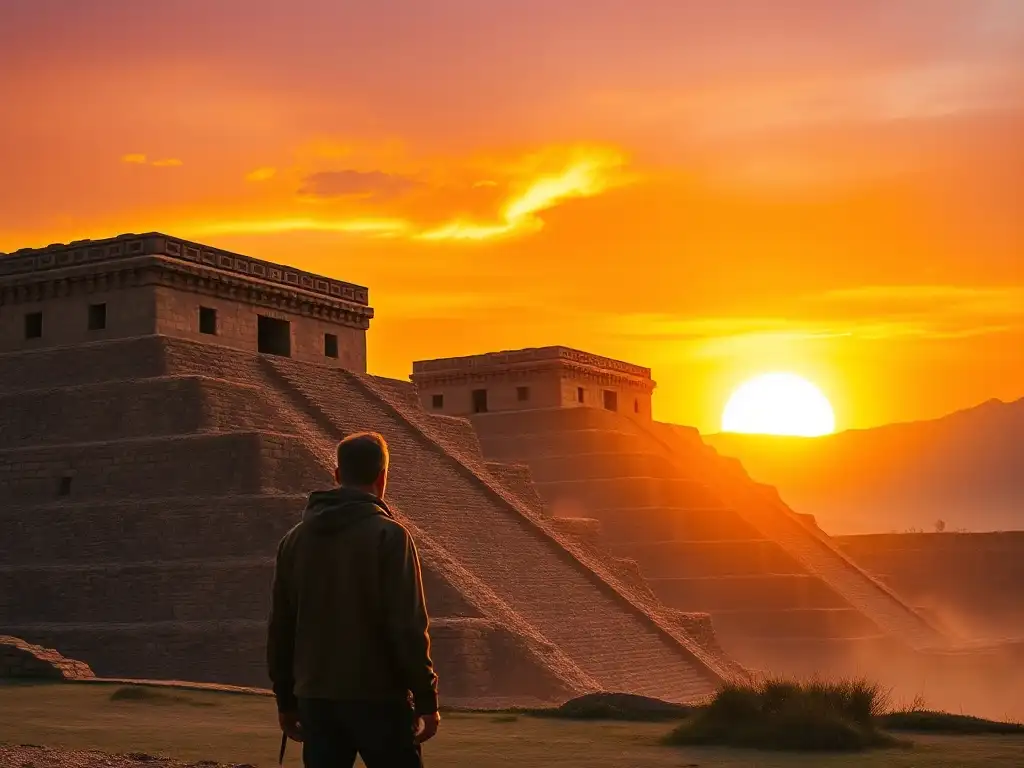
This section provides practical information for those planning a visit to the fascinating Huaca de la Luna, a crucial site for understanding Moche secrets. We'll cover planning your trip, what to expect on-site, and crucial etiquette for respectful exploration. Remember, responsible tourism helps preserve these invaluable historical treasures for future generations.
Planning Your Trip: Best Times and Access
Planning a trip to Huaca de la Luna requires considering the climate and accessibility. The best time to visit is during the dry season, from May to October, when the weather is sunny and warm, ideal for exploring the site's extensive grounds. Rainfall during the wet season (November to April) can make the site muddy and difficult to navigate. Furthermore, the intense sun during the midday hours can be quite harsh, so consider visiting during the cooler morning or late afternoon.
Access to Huaca de la Luna is straightforward. It's located near the city of Trujillo, Peru, and is readily accessible by taxi or organized tours. Many tour operators offer combined visits to Huaca de la Luna and its sister site, Huaca del Sol, providing a comprehensive understanding of Moche architecture and societal structure.
Independent travelers can easily reach the site by taxi, but pre-arranged transportation is often more convenient and cost-effective. Remember to confirm opening hours and any potential closures before your visit, as these may vary depending on the time of year or special events. Checking the official tourism websites for updated information is always recommended.
What to Expect During Your Visit
Upon arrival at Huaca de la Luna, you'll be greeted by the imposing scale of the site. Expect to see the remnants of impressive adobe brick structures, intricately decorated murals depicting Moche mythology and daily life, and evidence of the sophisticated engineering techniques employed by this ancient civilization. A guided tour is highly recommended to fully appreciate the historical significance and uncover the hidden secrets embedded within the site's architecture and artwork. Guides can provide invaluable insights into the Moche culture, rituals, and the symbolism present in the murals and artifacts unearthed.
The visit itself typically lasts a few hours, depending on the depth of your exploration and the pace of your tour. Wear comfortable shoes, as you will be doing a fair amount of walking on uneven terrain. Sunscreen, a hat, and water are essential, especially during the hotter months. Also remember that photography is usually permitted, allowing you to capture the grandeur of the site and share your experience. However, be mindful of any restrictions or designated areas where photography might be prohibited to preserve the integrity of the site. Remember to bring your camera! 📸
Tips for Respecting the Site and its History
Visiting Huaca de la Luna is a privilege, and it's crucial to behave respectfully towards this significant archaeological site and its history. Refrain from touching any structures or artifacts; doing so could cause damage and compromise the preservation efforts. Stay on marked paths to avoid accidental damage to the fragile adobe structures. Loud noises and disruptive behavior should be avoided, allowing others to enjoy the peaceful atmosphere and contemplate the site's significance.
The Moche civilization left behind a rich legacy, and respecting their historical heritage is paramount. By following these guidelines, you contribute to the preservation of Huaca de la Luna and its invaluable secrets for future generations to explore and appreciate. Remember, you are a visitor to a sacred place, a site of immense historical and cultural significance. Your responsible behavior ensures that others can also experience the wonder of Huaca de la Luna and learn about the secrets of the Moche civilization. Let's protect this invaluable part of Peru's heritage together! 🇵🇪
Moche Huaca de la Luna Secrets: A Summary
The Huaca de la Luna, a majestic adobe pyramid located in the Moche Valley of Peru, stands as a powerful testament to the sophisticated artistry, complex social structures, and intriguing religious beliefs of the Moche civilization. This enigmatic site, alongside its sister pyramid Huaca del Sol, continues to yield secrets that reshape our understanding of this fascinating Andean culture.
Uncovering these "Moche Huaca de la Luna secrets" requires a careful examination of archaeological findings and their implications for our interpretation of Moche society. The sheer scale of the site and the intricate details of its ornamentation hint at a level of organizational prowess and artistic skill far exceeding previous assumptions.
The ongoing research at Huaca de la Luna promises further revelations, pushing the boundaries of our knowledge about this remarkable civilization. The intricate murals, the sacrificial offerings, and the architectural grandeur all contribute to a compelling narrative of a society deeply invested in elaborate rituals and powerful religious beliefs.
Key Discoveries and Their Implications
Excavations at Huaca de la Luna have unearthed a wealth of artifacts and architectural features that provide invaluable insights into Moche life. Among the most significant discoveries are the remarkably preserved murals depicting scenes of ritual sacrifice, warfare, and daily life. These vibrant paintings offer a glimpse into the Moche worldview and societal hierarchy.
For example, the depiction of elaborate ceremonies with high-ranking individuals suggests a complex social structure with clearly defined roles and power dynamics. The discovery of numerous human remains, often associated with grave goods and ritual artifacts, provides evidence of human sacrifice, a practice that seems to have played a central role in Moche religious rituals.
Analysis of these remains, including isotopic studies, can shed light on the individuals sacrificed, their origins, and their status within society. The presence of sophisticated irrigation systems near the Huaca further highlights the Moche's advanced engineering capabilities and their mastery over water management, essential for their agricultural success.
The sheer scale of Huaca de la Luna itself is a testament to the Moche's organizational capabilities. The construction of such a massive structure required significant manpower and logistical planning, indicating a highly organized and centralized society capable of mobilizing large-scale labor forces. Furthermore, the discovery of intricate stucco reliefs and painted surfaces demonstrates the advanced artistic skills of the Moche artisans. The precision and detail of these works suggest a highly specialized workforce dedicated to creating these stunning works of art, further emphasizing the societal complexity.
The careful layering and construction techniques employed in building Huaca de la Luna also provide insights into Moche engineering prowess. The use of adobe bricks and the strategic placement of supporting structures demonstrate a sophisticated understanding of structural mechanics. The preservation of these features, despite the passage of centuries, is a testament to the quality of Moche construction methods.
The Enduring Mystery of the Moche Civilization
Despite the significant discoveries at Huaca de la Luna, many mysteries surrounding the Moche civilization remain unsolved. The exact nature of the Moche religion and its role in shaping societal structures continues to be a subject of ongoing debate. The interpretation of the murals and sacrificial offerings is complex and often open to multiple interpretations. While the evidence points to a hierarchical society with distinct social classes, the exact mechanisms of social mobility and the dynamics of power remain unclear.
Furthermore, the reasons behind the apparent collapse of the Moche civilization around the 8th century CE are still under investigation. Climate change, internal conflicts, or external pressures are among the potential factors that could have contributed to their decline. The absence of a written language poses a significant challenge to researchers, making the interpretation of archaeological evidence even more crucial.
This lack of written records forces scholars to rely heavily on iconography, architecture, and material culture to reconstruct the Moche narrative. The careful analysis of these elements, however, continues to unlock valuable pieces of the puzzle, slowly unraveling the intricacies of this fascinating and enigmatic civilization. Future research, combining advanced scientific techniques with meticulous archaeological excavation, will hopefully shed more light on these enduring mysteries, revealing more "Moche Huaca de la Luna secrets" and further enriching our understanding of the Moche civilization.
Frequently Asked Questions
What is Huaca de la Luna?
Huaca de la Luna is a sacred Moche site located on the north coast of Peru. It's a massive adobe pyramid complex, renowned for its elaborate murals and evidence of ritual sacrifices. It is part of a larger complex with Huaca del Sol.
What secrets does Huaca de la Luna hold?
The site reveals secrets about Moche religious practices, social structures, and artistic achievements. Archaeological finds, including elaborate murals depicting rituals and warfare, continue to unveil new information about their civilization. The purpose of certain structures remains a subject of ongoing study.
How did the Moche people build Huaca de la Luna?
The Moche constructed Huaca de la Luna using adobe bricks, a technique that involved sun-drying mud bricks. The massive scale of the structure speaks to their advanced engineering skills and organized labor system.
What kind of rituals were performed at Huaca de la Luna?
Evidence suggests a variety of ritual sacrifices, including human sacrifice, were performed at Huaca de la Luna. These rituals likely played a significant role in Moche religious beliefs and political power. Murals depict scenes of these ceremonies.
What makes Huaca de la Luna significant to the study of Andean civilizations?
Huaca de la Luna provides invaluable insights into the Moche civilization, a powerful and sophisticated society that flourished on the Peruvian coast. Its exceptionally well-preserved art and architecture offer crucial information about their culture and beliefs within the broader context of Andean history.
Final Reflection: Echoes of the Moche: A Legacy Unearthed
The secrets whispered from the Huaca de la Luna continue to resonate today, a powerful testament to the ingenuity and spiritual depth of the Moche civilization. Their intricate artistry, complex social structures, and profound understanding of the natural world challenge our modern perspectives and offer a compelling glimpse into a society far removed from our own. The ongoing archaeological discoveries at the site continually rewrite our understanding of this fascinating culture, proving that the past is far from static.
The enduring power of the Huaca de la Luna lies not just in its architectural grandeur, but in its ability to connect us to a rich and vibrant past. It serves as a powerful reminder of the ephemeral nature of human civilizations and the importance of preserving our cultural heritage. The past is never dead. It's not even past.
– William Faulkner. This quote rings especially true when considering the ongoing revelations emerging from the Huaca de la Luna, constantly reshaping our narrative of the Moche people and their beliefs. The site's enduring influence on our understanding of pre-Columbian Peru is undeniable, and its mysteries continue to inspire generations of researchers and visitors alike.
Consider the echoes of the Moche. Their dedication to artistry, their complex societal structures, and their profound connection to the natural world offer valuable lessons for us today. Take a moment to reflect on the enduring power of human creativity and the importance of preserving the stories of those who came before us. Let the Huaca de la Luna inspire you to explore your own cultural heritage, to appreciate the richness of human history, and to strive to leave your own mark on the world, a mark as enduring and awe-inspiring as the Moche left on theirs.
Unveil the Mysteries of Huaca de la Luna Today!
Thank you for exploring the fascinating world of the Moche civilization and the wonders of Huaca de la Luna. You've uncovered the rich history and cultural significance of this sacred site—now let's continue your journey!
Here are some ways to deepen your understanding and engagement with this incredible history:
- Plan a Visit: Experience the awe-inspiring Huaca de la Luna firsthand! Immerse yourself in its beauty and mystery with a trip to Peru.
- Join a Community: Connect with fellow history enthusiasts! Share your insights and learn from others by joining online forums or local archaeological societies dedicated to Andean civilizations.
- Spread the Word: Share your newfound knowledge! Write a blog post, create social media content, or tell your friends and family about the remarkable Huaca de la Luna and its significance.
Where will your exploration of the Moche civilization lead you next?