
Ancient Migrations: Following the Paths of the First Andean Inhabitants

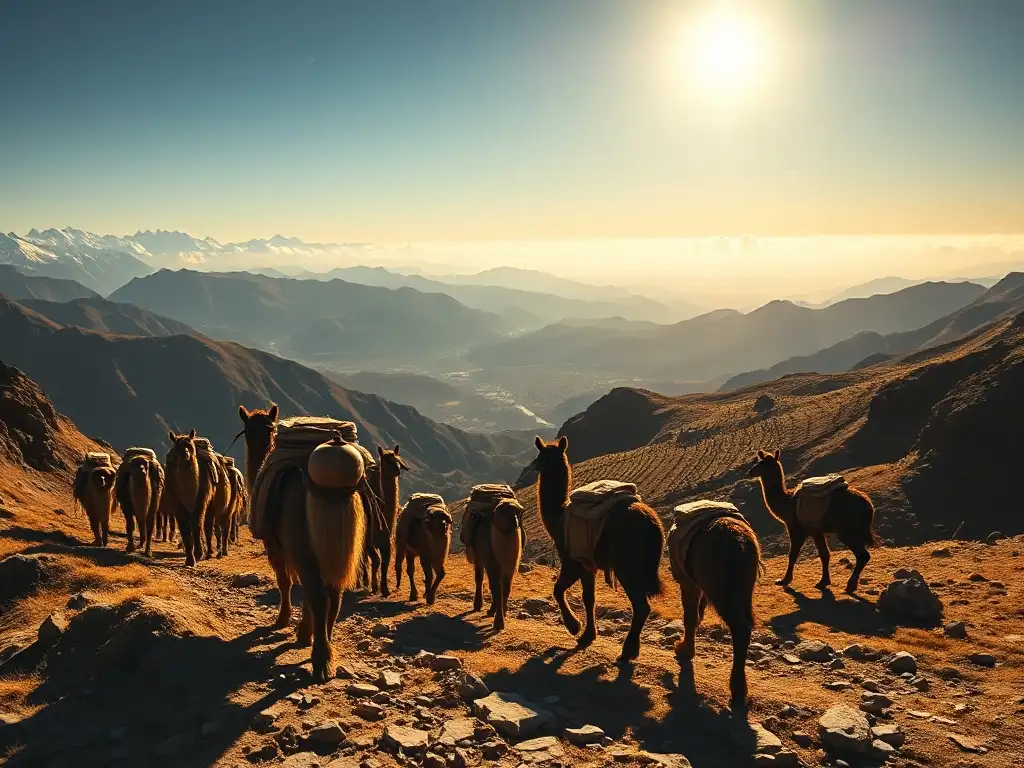
Unravel the mysteries of the Andes! For centuries, their towering peaks have guarded secrets of breathtaking civilizations. But how did these magnificent cultures, from the Incas to the Nazca, rise to prominence? Journey with us as we explore the fascinating Andean civilizations migration patterns, tracing the epic movements that shaped a continent and left behind a legacy of unparalleled artistry and ingenuity. Prepare to be amazed by the stories waiting to be discovered.
The Andes Mountains, a colossal spine running down the western coast of South America, have witnessed millennia of human history. This dramatic landscape, with its diverse ecosystems ranging from arid coastal deserts to lush cloud forests and snow-capped peaks, shaped the lives and migration patterns of the first Andean inhabitants.
Understanding these ancient movements is crucial to comprehending the development of the sophisticated Andean civilizations we know today, from the Incas to the Moche, Nazca, and Tiahuanaco. This article delves into the complex tapestry of Andean civilizations migration patterns, exploring the routes, motivations, and impacts of these early migrations, focusing on the evidence uncovered by archaeologists and anthropologists.
We will examine the challenges faced by these pioneering groups and uncover the ingenious strategies they employed to thrive in such a varied and often unforgiving environment. Understanding their journeys provides a vital foundation for appreciating the rich cultural heritage of the Andean region.
Early Human Arrival in the Andes: Theories and Evidence
The precise timeline of human arrival in the Andes remains a subject of ongoing research and debate amongst scholars. However, current archaeological evidence suggests that the first human settlements appeared in the Andes sometime between 15,000 and 12,000 years ago. These early inhabitants were likely hunter-gatherers, adapting to the diverse environments of the region.
Their migration routes are still being pieced together, but evidence suggests movement along both coastal and highland pathways. Analysis of ancient tools, pottery shards, and even genetic data contributes to a slowly evolving understanding of their origins and dispersal. The discovery of early settlements in various ecological niches across the Andes Mountains provides clues about the adaptability and resilience of these early populations.
Furthermore, the study of ancient plant and animal remains found at these sites sheds light on their subsistence strategies and resource management techniques. The complexity of this early period highlights the need for further investigation and interdisciplinary collaboration to fully reconstruct the story of these pioneering Andean communities.
Coastal vs. Highland Migrations: Different Paths, Similar Challenges
The Andean landscape presented distinct challenges to early migrants. The coastal regions, characterized by deserts and limited freshwater resources, offered a different set of opportunities and obstacles compared to the high-altitude highlands. Coastal migrations often followed the Pacific coastline, utilizing marine resources as a primary food source.
This required sophisticated knowledge of navigation and fishing techniques. Highland migrations, on the other hand, involved navigating treacherous terrain, adapting to varying altitudes, and developing strategies for surviving in colder climates with limited arable land. Both groups faced the challenge of finding suitable water sources and establishing sustainable food production systems.
Evidence suggests that the development of agriculture played a critical role in enabling larger, more settled populations in both regions, leading to further societal developments and influencing future migration patterns within the Andes. The interplay between coastal and highland groups, and the exchange of goods and ideas between them, contributed significantly to the overall cultural development of the region.
The Role of Climate Change and Environmental Factors
Environmental factors played a significant role in shaping Andean migration patterns. Fluctuations in climate, such as periods of drought or increased rainfall, likely influenced the availability of resources and forced populations to relocate in search of better conditions.
The impact of El Niño events, which cause significant shifts in weather patterns, is also believed to have played a part in shaping the movements of these early communities. Archaeological evidence, such as the abandonment of certain settlements and the emergence of new ones in different locations, supports the theory that environmental shifts significantly affected population distribution and migration routes throughout the Andean region.
Further research into paleoclimatology and its correlation with archaeological findings is crucial to fully understanding the extent of the environment's impact on the lives and movements of these early Andean people. The ability of these communities to adapt to changing environmental conditions is a testament to their resilience and ingenuity.
Tracing the Legacy: Connecting Ancient Migrations to Later Civilizations
Understanding the migration patterns of the first Andean inhabitants is crucial for interpreting the development of later civilizations. The routes and settlements established by these early groups laid the groundwork for the rise of complex societies such as the Incas, Moche, Nazca, and Tiahuanaco. The cultural exchange and the sharing of agricultural techniques, technologies, and beliefs across different groups influenced the development of unique regional identities while also fostering connections throughout the Andes.
By studying the movements of these early populations, we can gain a deeper appreciation for the interconnectedness of Andean cultures and the long-term consequences of these ancient migrations. The legacy of these early migrations continues to shape the cultural landscape of the Andes today. Further research into the genetic and linguistic connections between different Andean groups promises to shed even more light on the lasting impact of these ancient journeys.
- Early Human Arrival in the Andes: Theories and Evidence
- Coastal vs. Highland Migrations: Different Paths, Similar Challenges
- The Role of Climate Change and Environmental Factors
- Tracing the Legacy: Connecting Ancient Migrations to Later Civilizations
- What were the main migration patterns of the early Andean inhabitants?
- How did geography influence Andean migration patterns?
- What evidence is used to understand these ancient migrations?
- Did the Incas have a significant impact on Andean migration patterns?
- How did climate change affect migration in the Andes?
Understanding the Initial Andean Settlements and Their Migration Routes
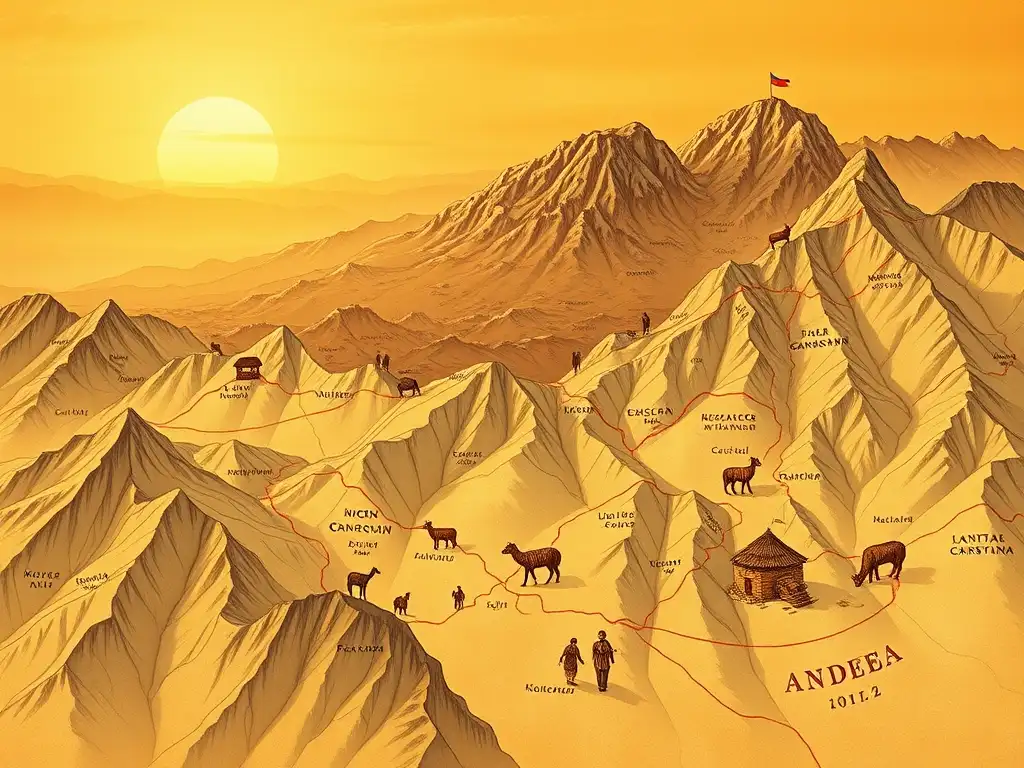
This section delves into the complexities of understanding the initial settlements and migration patterns of the first Andean inhabitants. Unraveling this history requires piecing together fragmented archaeological evidence, analyzing genetic data, and considering diverse theoretical frameworks. The challenge lies in the vastness and diversity of the Andean region, with its varied ecosystems and resulting diverse settlement strategies. Understanding the Andean civilizations migration patterns is crucial to comprehending the development of sophisticated cultures that emerged later.
Early Human Presence in the Andes: A Timeline of Arrival
Establishing a precise timeline for the initial human presence in the Andes remains a subject of ongoing research and debate. However, current archaeological evidence suggests a gradual process of migration and adaptation spanning millennia.
The earliest evidence points towards the arrival of humans in the Andes sometime between 14,000 and 12,000 years ago. This is supported by findings of early lithic tools and evidence of hunting and gathering practices in various locations across the Andean highlands and coastal regions. These early inhabitants were likely small, dispersed groups adapting to the challenging environment.
- 14,000 - 12,000 years ago: Initial human presence, primarily hunter-gatherer societies. Evidence includes rudimentary stone tools and evidence of early campsites.
- 10,000 - 8,000 years ago: Development of more sophisticated tool technologies. Evidence of increased sedentism in some areas, possibly due to the exploitation of specific resources.
- 8,000 - 5,000 years ago: The beginnings of agriculture and domestication of plants. This marks a significant shift towards a more settled lifestyle and the development of early village communities. This period saw the cultivation of crops like potatoes and quinoa, which played a vital role in the development of Andean societies.
The timeline above is a simplified representation, and the actual processes were undoubtedly more nuanced and varied across different ecological zones. Further research and discoveries are continually refining our understanding of these early migrations and settlements. The precise dating of sites and artifacts remains a challenge, and new evidence is constantly emerging that necessitates revisions to existing timelines. For instance, [specific information pending] regarding the dating of certain sites in the northern Andes.
Theories on the First Migration Patterns into the Andean Region
Several competing theories attempt to explain the migration patterns of the first Andean inhabitants. These theories often incorporate different lines of evidence, including genetic studies, linguistic analysis, and archaeological findings.
One prominent theory suggests a coastal migration route, with early inhabitants arriving from the Pacific coast and gradually moving inland. This is supported by the presence of early coastal settlements and the importance of marine resources in early Andean diets. However, this theory doesn't fully account for the evidence of early settlements in the highlands.
Another theory proposes a more complex pattern of migration, involving multiple waves of migration from different regions, potentially including Central America and the Amazon basin. This theory aligns with the genetic diversity observed in modern Andean populations. The diversity suggests that the initial settlement of the Andes wasn't a single event, but rather a series of migrations from multiple source populations.
A third theory focuses on the role of environmental changes in shaping migration patterns. Fluctuations in climate and sea levels could have influenced the availability of resources and forced migrations across the Andean landscape. This highlights the dynamic interplay between human adaptation and environmental pressures in shaping the history of Andean settlements.
The influence of the El Niño Southern Oscillation (ENSO) on rainfall patterns and resource availability is also a key factor in understanding these early migrations. The impact of ENSO on migration patterns is a topic that requires further investigation, with [specific information pending] on the long-term effects of ENSO events on early Andean settlements.
The study of Andean civilizations migration patterns is a complex and fascinating field of research. Further investigation using advanced technologies and methodologies will continue to reveal new insights into the lives and movements of the first Andean inhabitants. 🗺️
Tracing the Movement of Early Andean Peoples
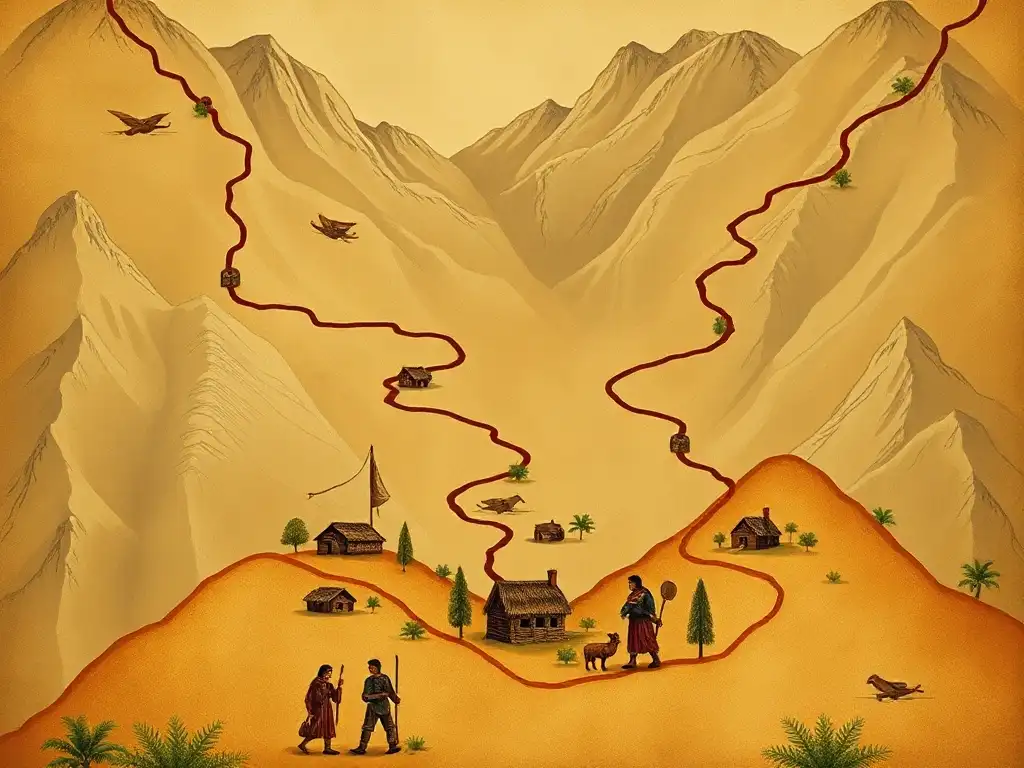
This section delves into the fascinating complexities of early Andean migrations, focusing on the routes and environmental adaptations that shaped the development of these remarkable civilizations. Understanding these migration patterns is crucial to grasping the diverse cultural landscapes that eventually emerged across the Andes. The movement of people wasn't a single event, but a continuous process spanning millennia, influenced by factors like resource availability, climate change, and inter-group interactions. Analyzing these ancient movements provides valuable insights into the ingenuity and resilience of Andean peoples. The keyword phrase "Andean civilizations migration patterns" is central to this analysis.
Coastal Migration Routes and the Exploration of the Pacific Littoral
The Pacific coast played a significant role in early Andean migration. The littoral, with its rich marine resources, attracted and supported substantial populations. Evidence suggests that coastal migration often followed the easily navigable coastline, allowing for the exploitation of abundant seafood and the development of sophisticated fishing techniques. Archaeological findings along the Peruvian coast, such as the remains of early fishing settlements and evidence of maritime technology, support this hypothesis. These early coastal communities likely developed unique cultural practices centered around their marine-based subsistence strategies, significantly differing from those in the Andean highlands.
The movement along the coast wasn't solely a north-south progression. Evidence suggests a complex interplay of migrations, with coastal communities interacting and exchanging goods and ideas over considerable distances. This created a dynamic network of coastal settlements, each with its own unique character, yet connected through shared maritime traditions and trade routes.
The presence of similar pottery styles and architectural features in geographically distant coastal sites indicates significant cultural exchange and potentially shared ancestry among these communities. Furthermore, the development of advanced navigation techniques, including the use of rafts and boats, facilitated both exploration and migration along the extensive Pacific coastline. This maritime prowess is a key element in understanding the "Andean civilizations migration patterns" along the coast.
Highland Incursions: Adapting to the Andean Mountain Environment
Moving inland presented a significant challenge: the harsh, high-altitude Andean environment. The migration into the highlands required substantial adaptation, both technologically and culturally. The steep slopes, unpredictable weather patterns, and limited arable land necessitated the development of innovative agricultural techniques, such as terracing and irrigation systems. These innovations allowed Andean peoples to cultivate crops like potatoes and maize at high altitudes, forming the basis of their highland societies.
Archaeological evidence reveals the gradual expansion of human settlements into increasingly higher altitudes. The discovery of early highland sites with evidence of sophisticated agricultural practices underscores the adaptability and resilience of these pioneering migrants. The development of specialized tools for highland agriculture, along with changes in housing styles to cope with the colder climate, demonstrates a clear process of adaptation to the unique demands of the Andean mountain environment. This process of adaptation is a critical factor in understanding the complexities of "Andean civilizations migration patterns" and the interplay between humans and their environment.
Evidence of Inland Migration: River Systems as Pathways
River systems acted as natural pathways, facilitating inland migration and the establishment of settlements throughout the Andean region. Rivers provided access to fresh water, fertile land for agriculture, and routes for transportation and trade. The major river valleys, such as those of the Rimac, Moche, and Nazca rivers, became centers of population and cultural development. Following these waterways, early Andean peoples were able to expand their reach far inland, establishing communities connected through trade and shared resources.
The presence of similar cultural artifacts and architectural styles along the river valleys suggests a degree of interconnectedness between these settlements. The flow of goods and ideas along these waterways played a crucial role in shaping the cultural landscape of the Andes. Evidence of irrigation systems and agricultural practices adapted to the specific characteristics of each river valley further highlights the importance of these water sources in shaping settlement patterns and ultimately contributing to the intricate tapestry of "Andean civilizations migration patterns".
Further research is needed to fully understand the complexities of these movements and the diverse factors that influenced them. [Specific information pending] regarding the exact timing and scale of these migrations along specific river systems.
Key Archaeological Sites and Their Significance in Understanding Andean Migration
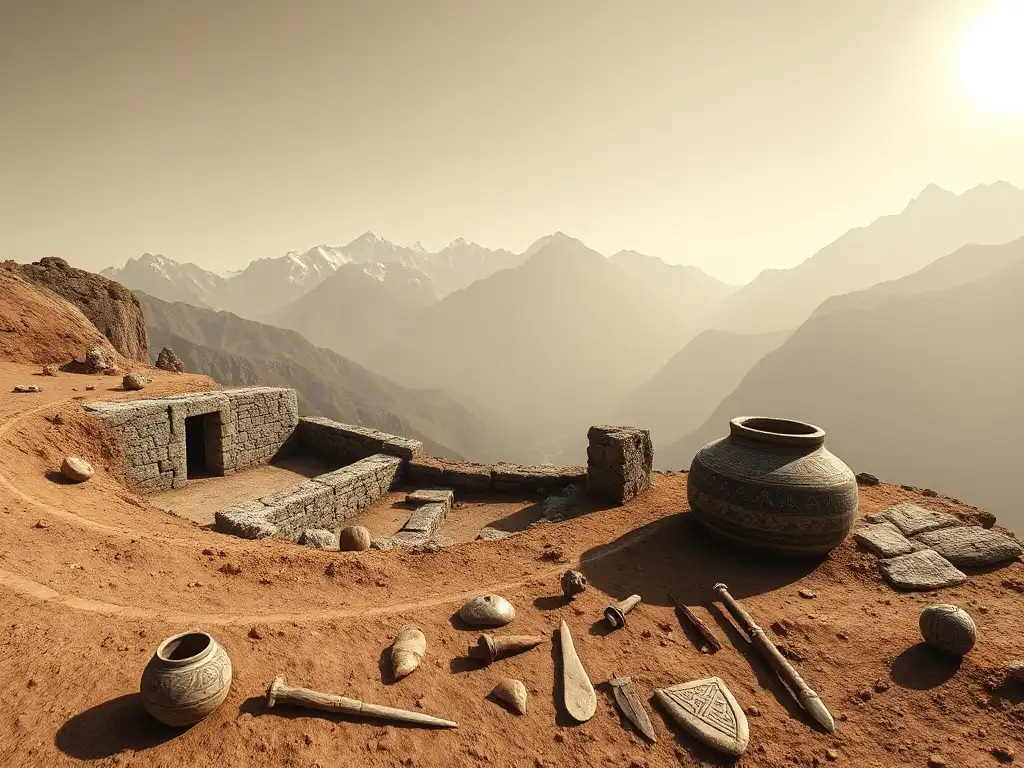
This section delves into the crucial role specific archaeological sites play in illuminating the complex migration patterns of early Andean civilizations. Understanding these patterns requires analyzing the evidence left behind by these early inhabitants, providing crucial insights into their movements, adaptations, and cultural exchanges. The analysis of artifacts, settlement structures, and human remains offers a window into the lives and journeys of these pioneering groups, enriching our understanding of the development of Andean societies. The study of Andean civilizations migration patterns is a complex and ongoing endeavor, but these sites offer invaluable pieces of the puzzle.
Monte Verde: Unveiling Early Settlement Patterns
Monte Verde, located in southern Chile, challenges traditional narratives about the peopling of the Americas. Unlike many sites associated with the Clovis culture, Monte Verde's evidence suggests human presence dating back to at least 14,800 years ago—significantly predating the previously accepted timeline. This pushes the timeframe for human habitation in South America much further back, suggesting earlier and more widespread migration routes than previously imagined.
The site's remarkably well-preserved organic materials, including plant remains, tools, and even footprints, provide detailed information about the daily life and subsistence strategies of its inhabitants. Analysis of these materials points to a sophisticated understanding of their environment and a diverse diet, including both terrestrial and aquatic resources. The presence of sophisticated tools and structures indicates a level of social organization and technological advancement unexpected for such an early date.
These findings suggest a more complex and nuanced picture of early Andean migration, with groups potentially arriving via coastal routes and adapting rapidly to diverse environments. The discovery of Monte Verde significantly impacts our understanding of Andean civilizations migration patterns, demonstrating the early establishment of human settlements in the southern cone and challenging previously held assumptions about the timing and routes of initial migrations.
Pikimachay Cave: Insights into Adaptation and Cultural Diffusion
Located in Ayacucho, Peru, Pikimachay Cave provides compelling evidence of early human occupation in the Andes, extending back to approximately 20,000 years ago. The cave's archaeological record reveals a long sequence of human activity, showcasing the gradual adaptation of early inhabitants to the high-altitude Andean environment. Stone tools found at the site reflect a developing technological tradition, with evidence of evolving techniques and material choices over time.
The presence of diverse tool types suggests a range of activities, from hunting and gathering to the processing of plant materials. Furthermore, analysis of the artifacts reveals potential connections with other early sites in South America, suggesting patterns of cultural exchange and diffusion across significant distances. The discovery of projectile points and other hunting implements indicates a reliance on hunting large and small game.
The study of the faunal remains found in the cave provides additional information on the environmental conditions and the subsistence strategies of the inhabitants, further enriching our understanding of their adaptation to the challenging Andean landscape. This contributes significantly to our understanding of Andean civilizations migration patterns and the processes of cultural adaptation and exchange in the early Andean region.
Lauricocha Cave: Tracing the Movement of Specific Groups
Lauricocha Cave, situated in the Peruvian Andes, offers a unique perspective on early Andean migration through the preservation of remarkably well-preserved human remains. These remains, dating back approximately 10,000 years, provide valuable genetic and isotopic data that can be used to trace the movement and origins of specific groups. Analysis of the skeletal remains reveals information about diet, health, and lifestyle, painting a vivid picture of the lives of these early Andean inhabitants.
Isotopic analysis of the bones can help determine the geographic origins of these individuals and their migration routes. The presence of specific tool types and cultural artifacts associated with the remains further enhances our ability to track the movement of particular groups and their interactions with neighboring populations. The study of these remains helps to reconstruct the demographic patterns of early Andean populations, illuminating the complexities of population movements, genetic diversity, and cultural interactions within the Andean region.
This research significantly contributes to our understanding of Andean civilizations migration patterns by providing tangible evidence of the movement of specific groups and their impact on the development of Andean societies. The ongoing analysis of these materials continues to refine our understanding of the complex history of human migration in the Andes.
Factors Influencing Ancient Andean Migrations
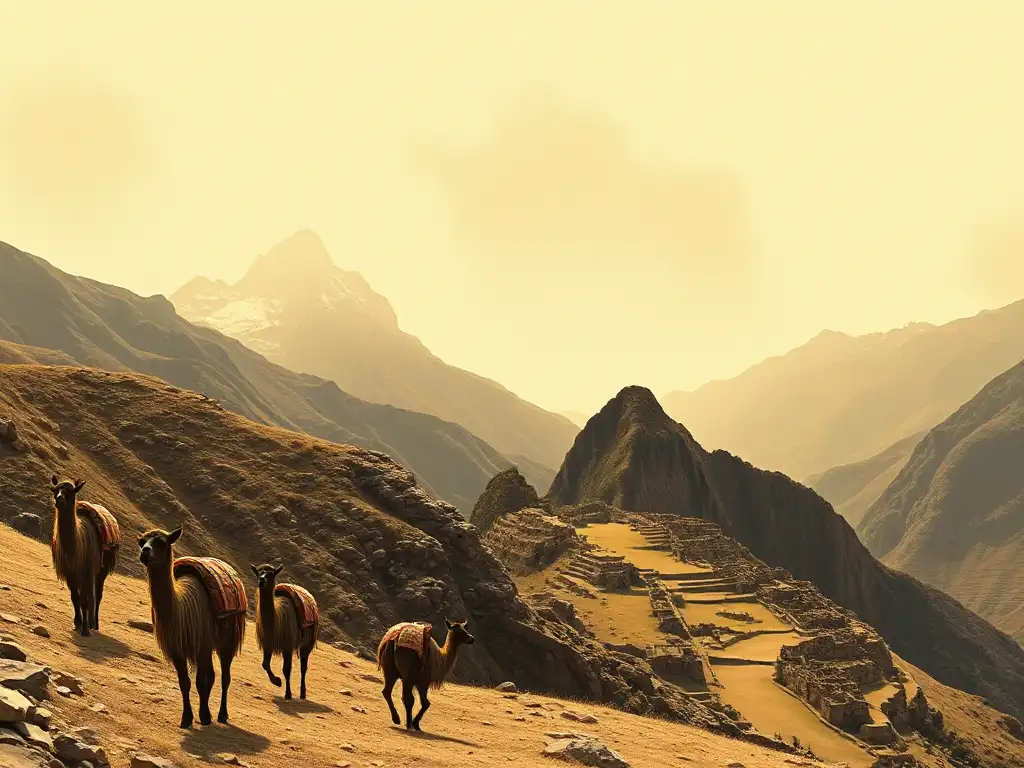
The complex tapestry of Andean civilizations wasn't woven in a single location. Understanding the rise and spread of these remarkable societies requires examining the intricate interplay of factors that shaped ancient Andean migration patterns. These patterns, often subtle and difficult to trace, reveal much about the ingenuity and resilience of the early inhabitants of the Andes. Analyzing the available archaeological evidence, combined with environmental reconstructions and anthropological insights, allows us to piece together a more complete picture of these pivotal movements. This section will explore some key factors influencing these migrations.
Climate Change and its Impact on Population Movements
Climate change significantly impacted ancient Andean migration patterns. Fluctuations in temperature and precipitation, often dramatic and abrupt, forced populations to adapt and relocate. For example, periods of prolonged drought in the coastal regions, evidenced by the analysis of ancient lake sediments and pollen records, likely triggered mass migrations inland towards the more stable, higher-altitude valleys.
Conversely, periods of increased rainfall could have opened up new areas for agriculture, encouraging expansion and the establishment of new settlements. The archaeological record shows evidence of shifting settlement patterns coinciding with identified climatic shifts. Analysis of ancient agricultural practices further supports this, revealing adaptations to different climatic conditions – from techniques suitable for arid coastal environments to those designed for the higher altitudes with their unique challenges.
Understanding these climatic oscillations is crucial for interpreting the dispersal of early Andean cultures and their subsequent development. The timing of these migrations often correlates directly with periods of significant climatic change, highlighting the profound influence of the environment on human settlement. Further research into paleoclimatology is vital to refining our understanding of these population movements.
Resource Availability and the Search for Fertile Lands
The quest for fertile lands and abundant resources was a powerful driver of ancient Andean migrations. The availability of water, suitable land for agriculture (particularly for cultivating staple crops like potatoes and maize), and access to essential minerals and building materials shaped settlement patterns. Evidence suggests that early Andean societies followed the availability of specific resources.
For instance, the discovery of obsidian tools originating from specific volcanic regions across wide geographical areas indicates extensive trade networks and population movement driven by access to this crucial material. Similarly, the distribution of certain types of pottery and other artifacts points to interconnectedness and the exchange of goods and ideas, suggesting migrations both for trade and for access to resources.
The location of early settlements often correlates closely with access to water sources and fertile valleys, emphasizing the vital role of resource availability in shaping migration routes. Further investigation into the distribution of different resources and their correlation with settlement patterns will enhance our knowledge of these early migrations.
Social dynamics played a crucial role in shaping ancient Andean migration patterns. Internal conflicts, competition for resources, and the desire for expansion and conquest all contributed to population movements. The formation of larger, more complex societies often involved the integration of different groups through migration, leading to cultural exchange and the development of new traditions.
Archaeological evidence suggests that some migrations were peaceful, driven by the search for alliances or new opportunities, while others were likely more forceful, involving conquest and displacement. The development of hierarchical social structures in some Andean societies may have been influenced by migratory processes, with certain groups gaining dominance over others. Analyzing the social structures of different Andean groups and comparing their origins and development can provide insights into the social factors that underpinned these migrations.
The interplay of cultural exchange and conflict is a key area of ongoing research which holds the key to understanding the intricate social mechanisms behind ancient Andean migrations. More detailed studies are required to fully illuminate the social complexities of these movements.
The Legacy of Ancient Migrations on Andean Civilizations
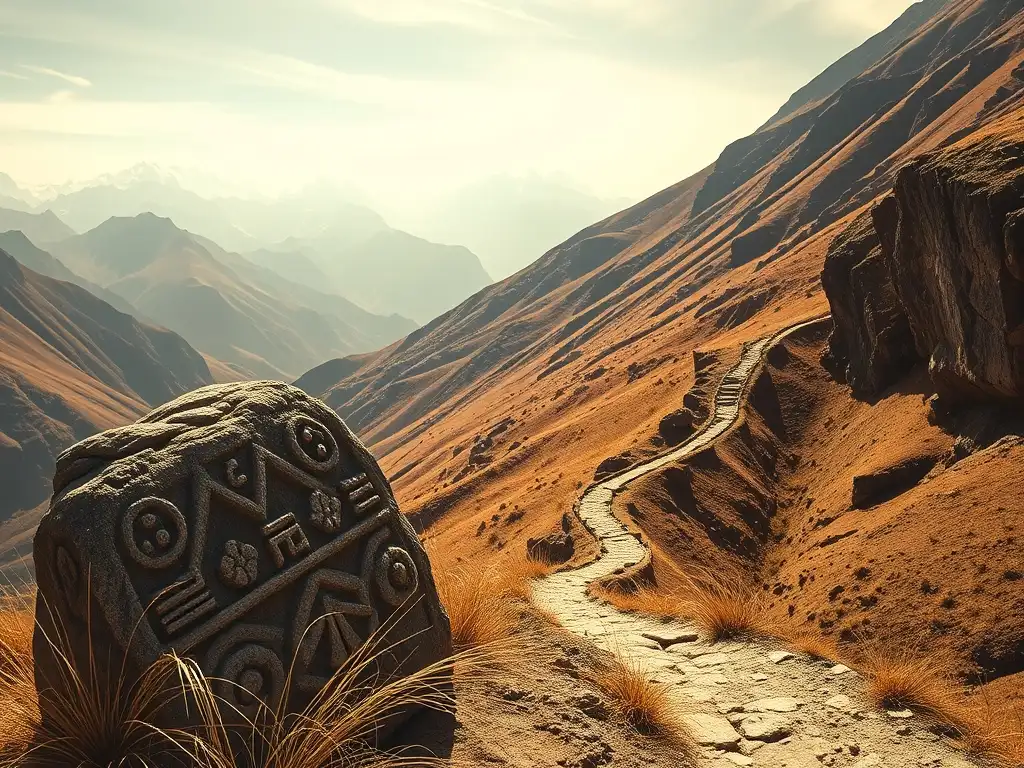
The study of Andean civilizations migration patterns reveals a complex tapestry of movements across millennia, profoundly shaping the cultural landscape and the trajectory of these remarkable societies. Understanding these migrations is key to unlocking the secrets of their achievements and understanding the roots of their diversity. The impact of these movements resonates even today, influencing the genetic makeup, languages, and traditions of modern Andean populations.
This section will delve into specific aspects of this legacy, demonstrating the lasting influence of ancient migrations on the development of Andean societies. We will explore how early migrations contributed to cultural and linguistic diversity, influenced technological advancement, and laid the groundwork for the rise of powerful Andean empires. The sheer scale and complexity of these population shifts highlight the dynamic nature of Andean history, challenging simplistic narratives of isolated development.
How Early Migration Shaped Cultural and Linguistic Diversity
The rich cultural diversity of the Andes is not a product of isolated development, but rather a testament to the continuous influx of people and ideas through migration. Early migrations introduced new agricultural techniques, religious beliefs, and artistic styles, enriching the existing cultural fabric. For instance, the spread of maize cultivation from Mesoamerica significantly altered subsistence strategies and social structures across the Andes, leading to the development of sophisticated agricultural systems like terraced farming.
Similarly, the introduction of new pottery styles and weaving techniques, often traceable to specific migratory groups, enriched the artistic traditions of the region. The linguistic landscape of the Andes also reflects the legacy of migration. The Quechua language family, for example, showcases the spread of a single linguistic root across vast geographical areas, a direct consequence of population movement and cultural exchange.
The presence of numerous language families across the Andes highlights the multiple waves of migration that shaped the region's cultural mosaic. The ongoing research into ancient DNA and linguistic analysis continues to refine our understanding of these complex migratory patterns and their lasting impact on Andean cultural diversity. These studies are providing increasingly detailed insights into the origins and intermingling of various groups, illuminating the processes of cultural exchange and adaptation that characterized Andean history.
The Influence of Migration on Andean Technological Development
Ancient Andean technological advancements were not solely the product of indigenous innovation, but also benefited significantly from the introduction of new knowledge and skills through migration. The arrival of new groups often brought with them specialized technologies, which were then adapted and integrated into the existing technological repertoire. For example, the spread of metallurgy, possibly originating from coastal regions, revolutionized Andean societies.
The ability to work with metals like copper, gold, and silver enabled the creation of sophisticated tools, weapons, and ornaments, impacting agriculture, warfare, and social status. Similarly, advancements in textile production, pottery making, and stonework were often facilitated by the exchange of ideas and techniques between different migrating groups. The intricate designs and high-quality craftsmanship found in many Andean artifacts are a clear testament to the cumulative effect of technological advancements spurred by migration.
Analysis of archaeological finds frequently reveals evidence of technological diffusion, with artifacts exhibiting stylistic and technical features indicative of multiple origins and cultural influences. This exchange of knowledge and skills, facilitated by migration, was crucial in driving technological innovation and shaping the development of distinct regional styles within the Andes.
The Connection between Migration Patterns and Later Andean Empires
The rise of powerful Andean empires like the Inca was not a spontaneous event, but rather the culmination of centuries of migration and cultural interaction. The expansion of these empires was facilitated by existing networks established through earlier migrations. These networks provided crucial infrastructure, including established trade routes and communication channels, which were then utilized and expanded upon by the expanding empires.
The Inca, for example, leveraged pre-existing regional connections to consolidate their power and administer their vast territory. The presence of diverse ethnic groups within the Inca empire reflects the legacy of earlier migrations, demonstrating how the empire integrated and adapted to pre-existing social structures and cultural practices. The administrative systems, religious beliefs, and even architectural styles of the Inca empire incorporated elements from various groups, highlighting the continuity between earlier migration patterns and the development of the empire.
In essence, the Inca empire built upon the foundations laid by centuries of population movements, demonstrating the profound and lasting impact of migration on the political and social organization of the Andes. Analyzing the spatial distribution of archaeological sites and the patterns of cultural exchange reveals the intricate interplay between migration and the formation of these powerful Andean societies.
The Importance of Studying Andean Civilizations Migration Patterns
Understanding the movement and settlement of early Andean populations is crucial for a comprehensive understanding of the development of Andean civilizations. Analyzing migration patterns provides invaluable insights into several key aspects of their history, culture, and societal structures. These patterns reveal not only where people moved, but why, offering a deeper understanding of their adaptive strategies, social interactions, and the spread of ideas and technologies. By meticulously reconstructing these ancient journeys, we gain a richer appreciation for the complexity and dynamism of Andean societies.
The study of Andean civilizations migration patterns is not merely an academic exercise; it is essential for preserving and interpreting the legacy of these remarkable cultures. The data gleaned from these studies informs our understanding of everything from agricultural practices to religious beliefs, offering a holistic view of Andean development. Without this understanding, our knowledge of Andean civilizations would remain incomplete and fragmented.
Understanding the Roots of Andean Heritage
The study of Andean migration patterns helps us unravel the complex tapestry of Andean heritage. By tracing the movements of early inhabitants, we can identify the origins of various cultural traits, including language families, agricultural techniques, and artistic styles. For example, the spread of potato cultivation across the Andes provides a fascinating case study.
Analysis of ancient potato varieties and their distribution reveals intricate migration networks and the adaptation of agricultural practices to diverse ecological zones. This understanding allows us to appreciate the ingenuity and resilience of Andean farmers in shaping their environment and ensuring food security across varied terrains. Further, the movement of people facilitated the exchange of ideas and beliefs, leading to the fusion of different cultural traditions and the emergence of unique Andean identities.
The rich diversity of Andean cultures today is a direct result of these complex migratory processes, highlighting the importance of understanding their origins. The genetic legacy of these movements is also being explored, providing further insight into population dynamics and the relationships between different Andean groups.
Preserving the Memory of Early Andean Inhabitants
Understanding migration patterns is inherently linked to preserving the memory and legacy of early Andean inhabitants. Many archaeological sites, scattered across the Andes, bear silent witness to these ancient journeys. The careful excavation and analysis of these sites, coupled with the study of ancient artifacts and skeletal remains, provide vital clues about the lives and movements of past populations.
However, the preservation of this invaluable heritage is threatened by factors such as climate change, looting, and urban development. Therefore, the meticulous documentation of migration patterns is not only crucial for understanding the past, but also for protecting the tangible and intangible heritage of Andean civilizations for future generations.
This preservation effort involves not only archaeological research but also community engagement, ensuring that local knowledge and traditions are integrated into the process. This collaborative approach respects the ancestral ties of contemporary communities to their past, fostering a sense of ownership and responsibility in preserving their heritage.
Future Research and the Ongoing Quest to Understand Andean Migrations
Future research on Andean civilizations migration patterns will benefit from advancements in various fields. Genetic analysis, for instance, offers the potential to trace migratory routes with unprecedented precision. By comparing the DNA of ancient and modern populations, researchers can reconstruct population movements and identify genetic markers associated with specific cultural groups.
Moreover, the application of Geographic Information Systems (GIS) technology will allow for the creation of detailed maps and models of migration routes, providing a visual representation of these ancient journeys. This interdisciplinary approach, combining archaeological data, genetic analysis, and GIS technology, holds immense promise for a more comprehensive understanding of Andean migrations. Further research is needed to address specific gaps in our knowledge, such as the precise timing and motivations behind certain migrations, as well as the impact of environmental changes on population movements.
The ongoing quest to understand Andean migrations is a testament to our enduring fascination with these remarkable cultures and our commitment to preserving their rich history. The continuous refinement of research methodologies ensures that our understanding of Andean civilizations will continue to evolve and deepen in the years to come.
Frequently Asked Questions
What were the main migration patterns of the early Andean inhabitants?
Early Andean migration was complex, with movements both along the coastal regions and into the highlands. Groups moved in search of resources and better agricultural lands, influenced by environmental changes and internal conflicts.
How did geography influence Andean migration patterns?
The Andean geography, characterized by diverse ecosystems and challenging terrain, significantly shaped migration. People adapted to different altitudes and environments, resulting in localized cultures and trade networks connecting various regions.
What evidence is used to understand these ancient migrations?
Archaeological evidence, including settlement patterns, ceramic styles, and genetic studies, provides crucial insights. Linguistic analysis also helps trace the movement and interaction of different groups.
Did the Incas have a significant impact on Andean migration patterns?
The Inca Empire's expansion drastically altered migration patterns, leading to population displacement and the integration of various groups. The construction of roads facilitated movement and communication across the empire.
How did climate change affect migration in the Andes?
Climate fluctuations, such as droughts and El Niño events, significantly impacted food availability and resource distribution. These changes often triggered large-scale migrations and population shifts in search of better conditions.
Final Reflection: Echoes of the Andes: A Legacy in Motion
The intricate migration patterns of the early Andean inhabitants are not merely historical footnotes; they are a living testament to human resilience and adaptability, profoundly shaping the cultural landscape we see today. Understanding these movements offers crucial insights into the development of complex societies, resource management, and the enduring power of human connection across vast distances and challenging terrains. The echoes of these journeys resonate even now, influencing everything from genetic diversity to the rich tapestry of Andean traditions.
The enduring impact of these ancient migrations is undeniable, shaping not only the genetic makeup of modern Andean populations but also their cultural identities and social structures. The ingenuity and perseverance demonstrated by these early peoples continue to inspire awe. The past is never dead. It's not even past.
– William Faulkner. This quote perfectly encapsulates the ongoing relevance of understanding these migrations; their legacy continues to inform the present and will undoubtedly shape the future. The stories woven into the very fabric of Andean society are a powerful reminder of our shared human history and the interconnectedness of our world.
Consider the profound implications of these journeys. What can we learn from the resourcefulness and collaborative spirit of these early Andean communities? How can we apply their strategies for adaptation and resilience to the challenges we face today?
You, the reader, hold the power to carry this legacy forward. By engaging with the history of Andean migrations, you not only expand your understanding of the past but also gain valuable perspectives for navigating the complexities of the present and building a more sustainable and interconnected future. Let the echoes of these ancient paths inspire your own journey of discovery and understanding.
**Unveil Your Journey into Andean History! **
Thank you for exploring the fascinating history of the first Andean inhabitants! You've uncovered the rich tapestry of ancient migrations that shaped the remarkable cultures of this high-altitude region. Let's deepen your connection to Andean heritage with these suggestions:
- **Explore Further:** Delve deeper into Andean history by visiting a local museum showcasing Andean artifacts and stories, or exploring online archives dedicated to the region's ancient civilizations.
- **Join the Conversation:** Share your insights and engage with other history enthusiasts on social media or online forums dedicated to Andean history. Your perspective is valuable!
- **Experiment with Recipes:** Immerse yourself in Andean culture by preparing a traditional dish using native ingredients. This is a delicious way to connect with the region's culinary heritage.
What aspect of Andean civilizations has surprised you the most? I'd love to hear your thoughts!