
Beyond the Nuclear Family: Exploring Diverse Household Structures

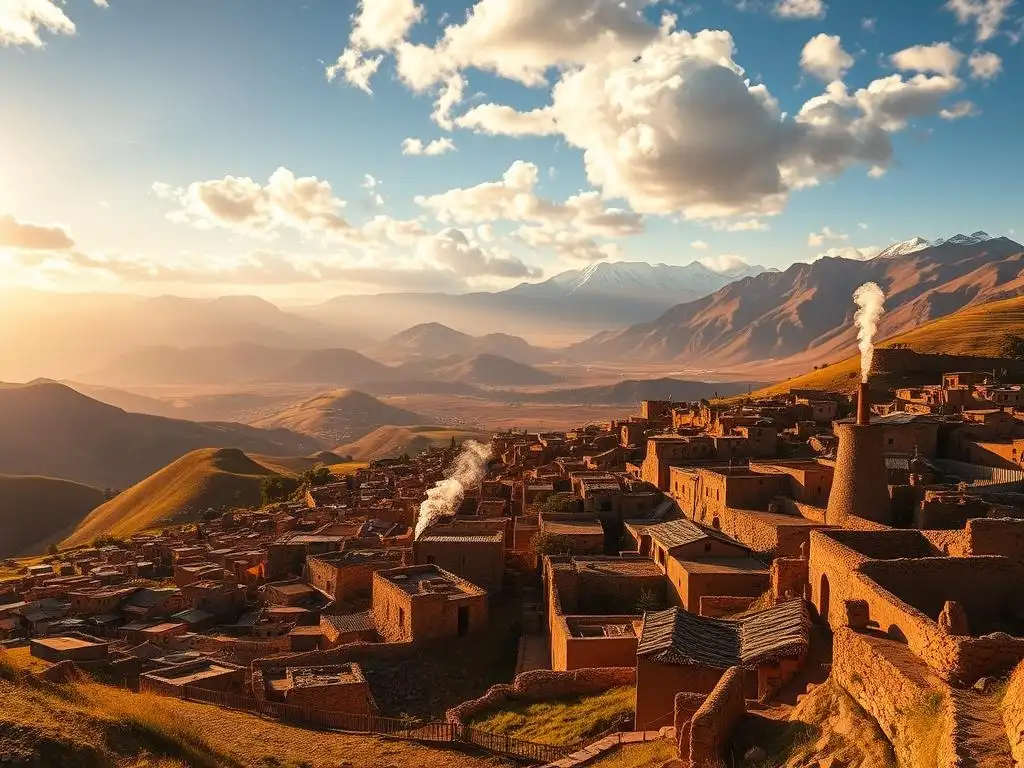
Step into a world lost to time, yet echoing with vibrant life. Imagine societies flourishing high in the Andes, their ingenuity shaping not only breathtaking landscapes but also remarkably diverse family structures. Forget everything you think you know about the nuclear family; the story of Andean civilizations household structures is far more complex and fascinating than you can imagine. Prepare to unravel the secrets of these ancient communities and discover how their homes reflected their unique social fabric. Dive in and explore!
-
Andean Civilizations Household Structures: Beyond the Nuclear Family
- Understanding Family Units in Ancient Andean Societies
- The Diversity of Andean Family Arrangements
- Extended Family Systems in the Andes
- Non-Nuclear Family Models in Andean Civilizations
- Communal Living and Shared Spaces
- Kinship and Social Organization in the Andes
- Family Dynamics and Roles within Andean Households
- Case Studies: Examples of Diverse Andean Households
- The Legacy of Andean Household Structures
- Comparing Traditional and Modern Family Structures in the Andes
- Frequently Asked Questions
- Final Reflection: Reimagining Family: From Andean Roots to Modern Realities
- Embrace Diverse Household Structures
Andean Civilizations Household Structures: Beyond the Nuclear Family
The image of a nuclear family—a mother, father, and their children—is a relatively recent Western construct. When exploring Andean civilizations, this model proves insufficient to capture the rich tapestry of family and kinship arrangements that characterized these complex societies.
From the towering heights of the Inca Empire to the coastal settlements of the Moche and the enigmatic Nazca lines, Andean societies exhibited a remarkable diversity in their household structures, reflecting intricate social hierarchies, economic strategies, and spiritual beliefs. This article delves into the fascinating world of Andean family life, challenging conventional notions of family units and revealing the nuanced complexities of household organization across various Andean cultures.
Understanding these structures is crucial to comprehending the social fabric of these remarkable civilizations and their lasting impact on the region. We will examine the evidence from archaeological findings, ethnohistorical accounts, and anthropological interpretations to paint a vibrant picture of life within Andean households, focusing on the key differences and similarities across different Andean groups, ultimately demonstrating that the concept of the “family” in the Andes was far more fluid and multifaceted than simplistic models suggest.
Understanding Family Units in Ancient Andean Societies
Understanding Andean family structures requires moving beyond the simplistic nuclear family model. Archaeological evidence, such as the layout of houses and the distribution of artifacts within them, reveals that household composition varied significantly depending on factors like geographic location, altitude, and societal status. For instance, in some communities, extended families, including multiple generations and collateral relatives (aunts, uncles, cousins), lived together in large compounds. This arrangement often reflected a strong emphasis on collective labor and resource management, crucial for survival in challenging Andean environments.
The presence of multiple hearths or cooking areas within a single dwelling further supports the idea of multi-family households. Additionally, the discovery of specialized workshops or craft areas within some compounds suggests a division of labor based on age and gender, with specific tasks assigned to different members of the extended family. Furthermore, the social status of the family unit influenced the size and complexity of their dwelling. Elite households were often significantly larger and more elaborate than those of commoners, reflecting their greater access to resources and social power.
The Inca Empire, for example, exhibited a hierarchical system where the emperor's household was an expansive complex, while commoner households were smaller and more modest. However, even within these hierarchical structures, variations in household composition existed, showcasing a level of flexibility and adaptation to different circumstances. The complexities of Andean family life require careful consideration of both the social and environmental factors that shaped their organization.
The Diversity of Andean Family Arrangements
The diversity of Andean family structures is striking. While extended families were common, other forms of household organization existed. Some communities practiced forms of polygamy, with men having multiple wives, a practice often linked to social status and the need for increased agricultural labor. Conversely, evidence suggests some instances of polyandry, with women marrying multiple brothers, particularly in highland communities where land ownership and inheritance patterns favored this arrangement.
The precise frequency and social implications of these practices remain a subject of ongoing research, and vary significantly across different Andean groups and time periods. Moreover, the concept of kinship extended beyond blood relations. Fictive kinship, where individuals formed close bonds with non-relatives who became considered as family, played a significant role in Andean societies. This practice fostered social cohesion and mutual support networks, particularly important in times of hardship or crisis.
Furthermore, adoption was a common practice, further complicating straightforward models of family structure. The adoption of children, orphans, or individuals from other communities integrated them into existing family networks, highlighting the flexibility and adaptive nature of Andean kinship systems. Understanding the complexities of Andean family life requires recognizing the dynamic interplay between biological kinship, social ties, and economic necessities. The absence of standardized written records for many Andean cultures necessitates the careful interpretation of archaeological and ethnohistorical data to fully appreciate the richness and diversity of their household structures.
Extended Family Systems in the Andes
Extended family systems were, and in some cases still are, the cornerstone of Andean social organization. Unlike the nuclear family model prevalent in many Western societies, Andean households frequently incorporated multiple generations and collateral relatives under one roof or within close proximity. This wasn't merely a matter of convenience; it was deeply intertwined with the economic realities, social structures, and spiritual beliefs of these cultures.
The collective nature of Andean life prioritized shared resources, mutual support, and the transmission of knowledge and traditions across generations. This intricate web of kinship ties provided crucial social security, especially in agricultural societies where labor and resource management were vital for survival. The strength of these extended family networks ensured resilience against hardship and fostered a strong sense of community.
Evidence from archaeological digs and ethnographic studies consistently highlights the importance of these extended family structures in shaping Andean societies. The intricate network of relationships within these extended families formed the basis for social and political organization, influencing everything from land ownership and inheritance to conflict resolution and ritual practices. The strength of these bonds is reflected in the numerous surviving accounts from colonial-era chroniclers who noted the prevalence of extended families in the Andes.
The Role of Kinship in Andean Communities
Kinship in Andean communities wasn't simply a matter of blood relations; it was a complex system that encompassed a wide range of social bonds. Ayllu, a term often used to describe Andean kinship groups, encompassed not only blood relatives but also individuals linked through fictive kinship ties, fostering a sense of shared identity and obligation. These ties extended beyond immediate family to encompass broader networks of community members, creating a strong sense of collective responsibility and mutual support.
This intricate web of kinship relations played a crucial role in shaping social organization, economic activities, and political structures. For instance, the allocation of land and resources was often based on kinship ties, with responsibilities and privileges distributed amongst members of the ayllu. This system ensured equitable access to resources and fostered cooperation within the community.
The importance of kinship is further highlighted by the prominent role it played in ritual practices and ceremonies, where family members collaborated to perform sacred rites and maintain social harmony. The strength of these kinship bonds was instrumental in providing stability and cohesion within Andean communities.
Multi-Generational Households in Andean Culture
Multi-generational households were a common feature of Andean life, reflecting the importance placed on the continuity of family traditions and the transmission of knowledge and skills across generations. Elderly family members, respected for their wisdom and experience, often played key roles in decision-making and the education of younger generations. Their presence provided guidance and support, ensuring the preservation of cultural heritage and the maintenance of social order.
The economic benefits were also significant. Older generations often contributed to household labor, while younger members cared for their elders, creating a reciprocal system of support. This arrangement ensured efficient resource allocation and reduced the burden on individual households.
The co-residence of multiple generations fostered strong familial bonds and promoted social cohesion. Archaeological evidence, such as the layout of ancient Andean settlements and the size of dwelling structures, supports the prevalence of multi-generational households. The arrangement allowed for shared responsibilities and the effective transmission of valuable skills and knowledge, contributing to the overall well-being of the community.
Non-Nuclear Family Models in Andean Civilizations
The Andean worldview significantly diverged from the Western-centric nuclear family model. While nuclear families existed, they were often embedded within larger, more complex kinship networks. The emphasis was on collective responsibility and shared resources rather than the individualistic focus of the nuclear family. Different Andean societies exhibited variations in household composition, reflecting the diversity of their social structures and environmental adaptations.
For example, some communities emphasized patrilineal descent, while others followed matrilineal lines. In certain cases, households might include individuals unrelated by blood, reflecting the importance of fictive kinship ties and adoption. Understanding these alternative family structures is crucial to comprehending the complexities of Andean social organization and the diverse ways in which Andean peoples structured their lives. These variations highlight the adaptability and resilience of Andean societies in the face of diverse environmental and social challenges.
Variations in Household Composition
The composition of Andean households varied considerably across different regions and time periods. Factors such as altitude, climate, and economic activities influenced household size and structure. In agricultural communities, households often included extended family members who contributed to farming and other essential tasks. In contrast, households in more urban settings might have a different structure, reflecting the specialization of labor and the different social dynamics of urban life.
The presence of servants or apprentices in some households further added to the complexity of household composition. Archaeological studies reveal a wide range of household sizes and configurations, indicating a lack of uniformity in Andean family structures. This diversity reflects the richness and complexity of Andean societies and their capacity for adaptation to various environmental and social conditions. Further research is necessary to fully understand the nuances of these variations and their significance in the context of Andean social organization.
Exploring Alternative Family Structures
Beyond the extended family model, Andean societies also exhibited other forms of family structures. Polygamy, both polygyny (one man, multiple wives) and polyandry (one woman, multiple husbands), was practiced in certain contexts, though the prevalence varied across different groups and periods. These practices often reflected economic and social considerations, such as the need for additional labor or the maintenance of alliances between families.
Furthermore, the concept of fictive kinship played a significant role in Andean social life. Individuals unrelated by blood could form strong social bonds, creating a sense of community and mutual support. Adoption was also practiced, further diversifying household composition and kinship networks.
These alternative family structures highlight the flexibility and adaptability of Andean social systems and provide valuable insights into the diverse ways in which Andean people organized their lives and maintained social cohesion. A deeper exploration of these variations is crucial for a comprehensive understanding of Andean family and kinship systems.
Collective Housing in Andean Societies
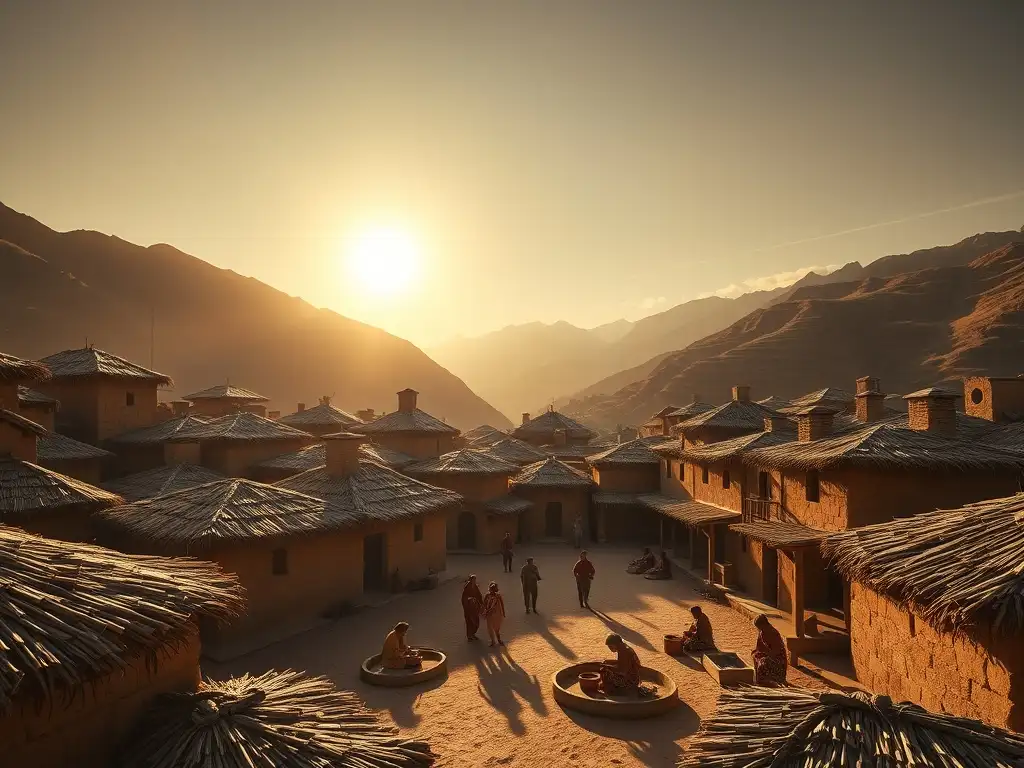
Andean civilizations, particularly those preceding the Inca Empire, often exhibited a strong preference for communal living arrangements. Archaeological evidence reveals the existence of large, multi-family dwellings, sometimes encompassing extended kin groups and even unrelated individuals who shared resources and responsibilities. These structures weren't simply clustered houses; they were meticulously planned, reflecting a sophisticated understanding of community organization and resource management.
For instance, the layout of some Moche settlements indicates a deliberate integration of residential areas with communal spaces dedicated to activities like pottery production, textile weaving, or religious ceremonies. This spatial arrangement suggests a high degree of social interaction and interdependence.
The precise nature of these living arrangements and the decision-making processes within them remain areas of ongoing research, but the physical evidence clearly points to a departure from the nuclear family model prevalent in many other societies. Studies of preserved building materials and the distribution of artifacts within these communal dwellings continue to reveal new insights into the social dynamics of Andean communities.
The Significance of Community in Andean Family Life
The emphasis on communal living in Andean societies extended beyond the physical structures. Community played a central role in family life, shaping social norms and providing crucial support networks. Family units were embedded within a broader web of kinship ties, obligations, and reciprocal exchanges. This meant that childcare, elder care, and economic activities were frequently shared responsibilities, reducing the burden on individual households.
The concept of individual privacy, as understood in many modern societies, may have been less pronounced. Instead, a sense of collective well-being and shared identity likely defined family life. This communal ethos fostered a strong sense of social cohesion and mutual support, contributing to the resilience of Andean societies in the face of environmental challenges and external pressures. The concept of ayni—reciprocal exchange of labor and resources—further highlights the importance of community in the daily lives of Andean families.
How Kinship Shaped Andean Society
Kinship systems in the Andes were incredibly complex and varied across different cultures and time periods. However, a common thread was the importance of lineage and extended family networks. These networks played a crucial role in determining social status, access to resources, and political power.
In many Andean societies, descent was traced through both the mother's and the father's lines, a system known as bilateral descent. This differs from the patrilineal or matrilineal systems found in other cultures, emphasizing the importance of both maternal and paternal relatives. The complexity of Andean kinship systems is reflected in their elaborate terminologies, with distinct terms for different types of relatives and varying degrees of kinship distance.
This indicates a sophisticated understanding of social relationships and the importance of maintaining these ties. The Inca Empire, for example, utilized a highly structured kinship system to consolidate power and administer its vast territory. Royal lineage was meticulously documented, and marriage alliances played a key role in maintaining political stability.
The Importance of Lineage and Ancestry
Lineage and ancestry were paramount in Andean societies, providing a sense of identity, belonging, and continuity across generations. Knowledge of one's ancestors was not merely a matter of historical interest; it was integral to social standing and access to privileges. In many cases, individuals' rights and obligations were directly linked to their lineage. This is particularly evident in the Inca Empire, where the royal lineage held supreme authority and controlled access to resources.
However, even in smaller, less centralized societies, lineage played a significant role in social organization. Ancestor veneration was a common practice throughout the Andes, with rituals and ceremonies designed to honor and maintain connections with deceased relatives. These practices served not only to reinforce familial bonds but also to provide a sense of continuity and stability within the community.
The meticulous record-keeping of Inca genealogies, though impressive, was not unique. Many other Andean cultures demonstrated a similar, though often less formalized, emphasis on tracing ancestry and maintaining connections to past generations. This deep-rooted respect for ancestral heritage played a fundamental role in shaping Andean social structures and cultural values.
Family Dynamics and Roles within Andean Households
Andean civilizations exhibited diverse family structures, far exceeding the simplistic "nuclear family" model. Understanding these structures requires examining the complex interplay of kinship, social hierarchy, and economic factors. Family wasn't just a biological unit; it was a crucial social and economic building block, influencing everything from resource allocation to religious practices.
The strength of familial bonds varied across different Andean cultures and time periods, but the fundamental importance of kinship remained constant. For example, extended family networks often played a significant role in daily life, with multiple generations living together and collaborating on tasks. This communal living arrangement fostered a strong sense of collective responsibility and mutual support, crucial in challenging environments.
The concept of individual autonomy, as understood in many modern societies, was less pronounced; the needs of the family unit often superseded individual desires. This collective approach is reflected in the economic systems and social structures of many Andean societies, where community well-being was prioritized over individual gain. Further research into specific Andean groups reveals a rich tapestry of family dynamics, highlighting the variability and complexity of kinship networks across time and geographic location.
Gender Roles and Responsibilities
Gender roles were clearly defined, but the extent of their rigidity varied across different Andean societies and historical periods. While men often held positions of authority in public life and warfare, women played vital economic roles, particularly in agriculture and textile production. In many Andean communities, women were responsible for cultivating crops, processing food, and creating textiles—activities crucial for the survival of the household and broader community.
The production of textiles, for instance, went beyond mere practicality; it was a highly valued skill, with intricate weaving techniques reflecting social status and artistry. The division of labor wasn't always rigidly enforced; the specific tasks performed by men and women often depended on factors such as age, social status, and the specific needs of the household or community. Archaeological evidence suggests a level of female agency and influence within the household and sometimes even beyond, challenging the simplistic notion of a patriarchal structure.
The nuances of gender roles in Andean societies require further investigation, considering the diversity of cultural practices and the limitations of available historical records. The interpretation of archaeological findings continues to refine our understanding of the complex dynamics between men and women in these ancient societies.
The Influence of Age and Status
Age and social status significantly influenced an individual's role and responsibilities within the Andean household. Elderly members often held positions of authority and respect, their knowledge and experience highly valued. Their wisdom guided decision-making processes, particularly regarding agricultural practices, religious rituals, and social conflicts. The respect accorded to elders wasn't simply a matter of tradition; it was a practical acknowledgment of their crucial contributions to the family's well-being.
Younger members, in turn, were expected to contribute to the household through labor and obedience. Social status, often linked to lineage and access to resources, also played a crucial role. Members of elite families enjoyed greater privileges and responsibilities, often holding positions of power within the community.
However, even within elite households, hierarchical structures existed, reflecting the importance of age and experience. The interplay between age, status, and gender shaped the daily dynamics of Andean households, creating a complex social landscape characterized by both cooperation and hierarchy. The degree of this influence varied based on specific cultural practices and historical context.
Case Studies: Examples of Diverse Andean Households
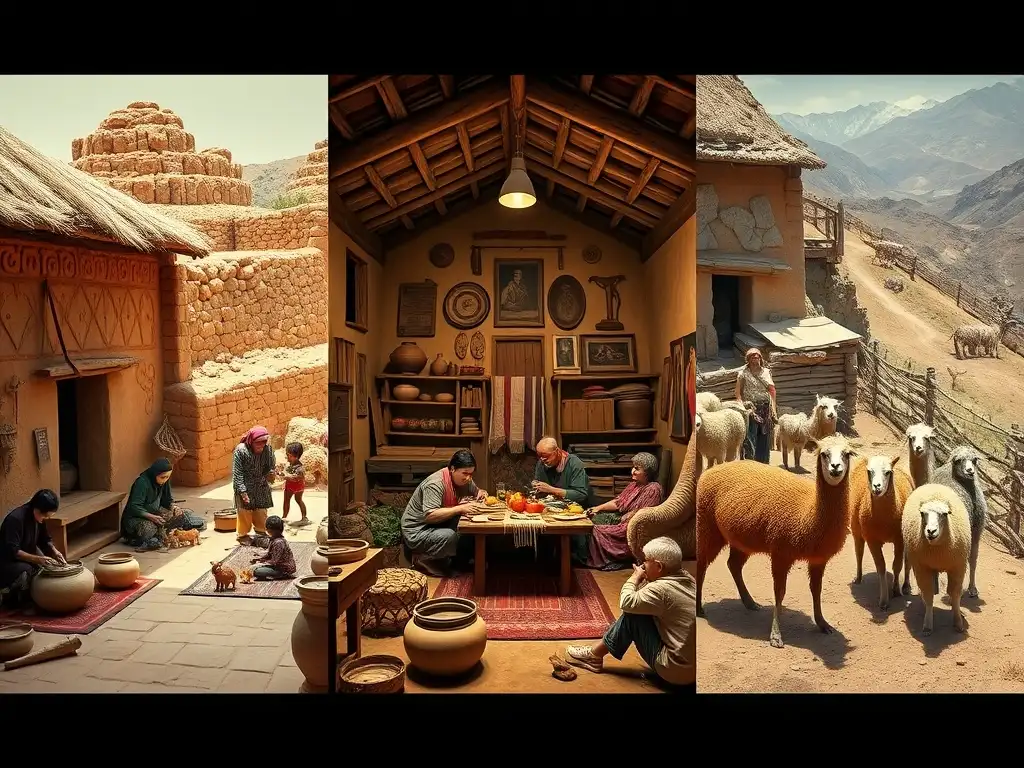
Examining specific Andean cultures reveals the remarkable diversity in household structures. While generalizations about Andean family life can be made, it's crucial to remember that individual societies had unique characteristics.
The Ayllu System in Inca Society
The Inca Empire's social organization revolved around the ayllu, a complex kinship-based community. The ayllu wasn't simply a household; it was a crucial social and economic unit encompassing extended families, sharing land, resources, and responsibilities. Membership was determined by lineage, and individuals owed reciprocal obligations to the group. This communal structure ensured social stability and efficient resource management.
The ayllu system played a significant role in Inca agriculture, with collective labor contributing to the success of large-scale agricultural projects. The ayllu also functioned as a social safety net, providing support for its members during times of hardship. The Inca state exerted control over the ayllus, mobilizing their labor for public works and demanding tribute. Nevertheless, the ayllu retained its importance as a fundamental social and economic unit, highlighting the enduring strength of kinship ties within Inca society.
Household Structures in the Moche Civilization
The Moche civilization, known for its sophisticated art and complex social organization, also exhibited diverse household structures. While large, elite compounds have been discovered, indicating a hierarchical social structure, evidence suggests a significant population lived in smaller, simpler dwellings. The Moche economy was based on agriculture and fishing, with households likely involved in both activities. The evidence suggests a level of social stratification, with elite households enjoying greater access to resources and prestige.
However, the exact nature of household structures and family dynamics within Moche society remains a topic of ongoing research and debate. Further archaeological investigations are needed to fully understand the complexities of Moche family life. The limited surviving textual evidence and the challenges of interpreting archaeological remains make definitive statements difficult, highlighting the need for continued research and interdisciplinary collaboration.
The Legacy of Andean Household Structures
The legacy of Andean household structures is profound and far-reaching, impacting not only the historical understanding of these civilizations but also shaping contemporary Andean communities. The diverse family structures observed in pre-Columbian societies, ranging from extended families to complex kinship networks, reveal a sophisticated social organization deeply intertwined with agricultural practices, resource management, and spiritual beliefs. Understanding these ancient systems offers valuable insights into the resilience and adaptability of Andean cultures.
The intricate web of reciprocal obligations and shared responsibilities within these households fostered social cohesion and ensured the survival of communities in challenging environments. The importance placed on kinship ties and community support continues to resonate in modern Andean societies, shaping social interactions and influencing community development initiatives. This enduring legacy underscores the significance of studying ancient household structures to comprehend the complexities of Andean societies, both past and present.
Influence on Contemporary Andean Communities
The influence of traditional Andean household structures on contemporary communities is undeniable. Many Andean communities still maintain extended family structures, where multiple generations live together, sharing resources and responsibilities. This practice is rooted in the long-standing tradition of ayni, a system of reciprocal exchange and mutual support that strengthened social bonds and facilitated communal tasks like agriculture and construction. The concept of minka, communal labor, also reflects the historical emphasis on collective effort and shared responsibility.
While modernization and urbanization have introduced changes, the core values of kinship, reciprocity, and community support remain deeply ingrained in Andean culture. These traditional values continue to influence social norms, conflict resolution, and economic strategies in many Andean communities today. The persistence of these practices highlights the resilience and adaptability of Andean social structures in the face of external pressures.
Lessons Learned from Ancient Andean Family Systems
Ancient Andean family systems offer valuable lessons for contemporary society. Their emphasis on collective responsibility and mutual support provides a stark contrast to the often-individualistic focus of modern Western societies. The intricate kinship networks and reciprocal obligations fostered strong community bonds and promoted social stability. The ability of these societies to manage resources efficiently and sustainably, through communal ownership and equitable distribution, provides a model for addressing modern challenges like environmental degradation and social inequality.
Studying the successes and challenges of ancient Andean family structures can inform contemporary approaches to community development, resource management, and social welfare. By understanding the strengths of these systems, we can develop strategies to foster stronger communities and more equitable societies. The emphasis on collective well-being and sustainable practices offers valuable insights for a world increasingly grappling with social and environmental issues.
Comparing Traditional and Modern Family Structures in the Andes
Comparing traditional and modern family structures in the Andes reveals a complex interplay of continuity and change. While extended family households remain common in many rural areas, urbanization and globalization have led to a gradual shift towards smaller, nuclear family units in urban centers. Traditional practices like ayni and minka, once integral to daily life, are now often practiced on a smaller scale or within specific contexts.
The increased mobility of individuals and the influence of Western ideals have also impacted family roles and dynamics. However, the core values of kinship and community support continue to play a significant role, even within smaller family units. Many Andean families maintain strong ties with extended family members, offering support and assistance across geographical distances.
This resilience of traditional values suggests a dynamic adaptation rather than a complete abandonment of traditional structures. The transition reflects the ongoing negotiation between tradition and modernity in the Andean region.
Changes in Family Dynamics over Time
Changes in Andean family dynamics over time have been influenced by a multitude of factors, including economic shifts, migration patterns, and the impact of government policies. The introduction of cash-based economies and the opportunities presented by urban centers have led to increased migration from rural areas, impacting the traditional extended family structures. Changes in agricultural practices and land ownership have also altered the dynamics of family labor and resource distribution.
Furthermore, the influence of globalization and exposure to different cultural values have brought about shifts in family roles and expectations. While some traditional practices have been modified or adapted, the enduring importance of kinship and family support continues to shape the lives of Andean families. Documenting these changes requires a nuanced understanding of the complex interplay of historical, economic, and socio-cultural forces.
The Impact of Globalization on Andean Families
Globalization has had a significant and multifaceted impact on Andean families. Increased exposure to global media and international migration have exposed Andean families to diverse cultural values and lifestyles, leading to changes in attitudes towards family roles, gender equality, and education. Economic opportunities presented by globalization have also influenced family structures, with some families opting for smaller nuclear families to pursue urban employment. However, globalization has also presented challenges, including the disruption of traditional economic activities, increased social inequality, and the potential erosion of traditional cultural values.
The impact of globalization on Andean families is a complex and ongoing process, with both positive and negative consequences. Further research is needed to fully understand the long-term effects of globalization on family structures and social dynamics in the Andean region. The adaptive capacity of Andean families will be key in navigating these complex changes.
Frequently Asked Questions
What types of household structures existed in Andean civilizations?
Andean civilizations exhibited diverse household structures, ranging from nuclear families to extended family groups living together. The specific structure varied greatly depending on the civilization and social status.
How did the Incas organize their households?
Inca households were often organized around ayllus, which were kinship-based communities. These ayllus provided social support and collective labor, with households contributing to the community's needs.
Did the size of Andean households vary significantly?
Yes, household size varied considerably based on several factors, including social status, economic resources, and geographical location. Some households were quite small while others comprised many extended family members.
What roles did women play in Andean household structures?
Women played vital roles in Andean households, contributing to agriculture, textile production, and childcare. Their contributions were essential to the household's economic and social well-being.
Andean household structures were deeply intertwined with their broader social organization. The kinship ties and community-based systems within households formed the foundation of their social hierarchies and political structures.
Final Reflection: Reimagining Family: From Andean Roots to Modern Realities
The traditional nuclear family model, once considered the universal standard, is increasingly being challenged by the diverse realities of modern life, mirroring the complex household structures found in ancient Andean civilizations. Understanding these diverse structures, both past and present, is not merely an academic exercise; it's crucial for building more inclusive and supportive communities that reflect the rich tapestry of human relationships.
The legacy of Andean civilizations' varied household structures, from extended families to communal living arrangements, continues to resonate today. Their emphasis on collective responsibility and shared resources offers a powerful counterpoint to the often isolating nature of contemporary individualism. The family is not an accident but a social necessity,
a sentiment that rings true across cultures and time periods, highlighting the enduring importance of kinship and community. The flexibility and adaptability of Andean family structures provide valuable lessons for navigating the complexities of modern life, where single-parent families, blended families, and chosen families are becoming increasingly common.
Consider the implications of this for your own life. How can we move beyond outdated notions of "family" to create supportive networks that prioritize well-being and mutual respect? Embrace the richness of diverse household structures, challenge societal norms that limit our understanding of family, and actively build communities that celebrate the many ways we connect and support one another. Let the wisdom of past civilizations guide us towards a future where all forms of family are valued and celebrated.
Embrace Diverse Household Structures
Thank you for exploring the fascinating world of diverse household structures with us! You've discovered the richness and variety that extends beyond the traditional nuclear family model, gaining valuable insights into community and belonging. Now, let's put this knowledge into practice.
Here are some ways you can further engage with this topic:
- **Reflect on your own family structure:** Consider how your family's unique composition shapes your daily life and relationships. What are its particular strengths and challenges?
- **Host a discussion with friends and family:** Share personal experiences and perspectives on diverse household structures. Explore ways to support one another and learn from each other's journeys.
- **Share your insights online:** Use social media to discuss the importance of diverse family structures. You might inspire others with your story and experiences.
Having broadened your understanding, how will you celebrate and support the diverse families within your community?