
Nazca Lines: The Significance of the Desert Environment

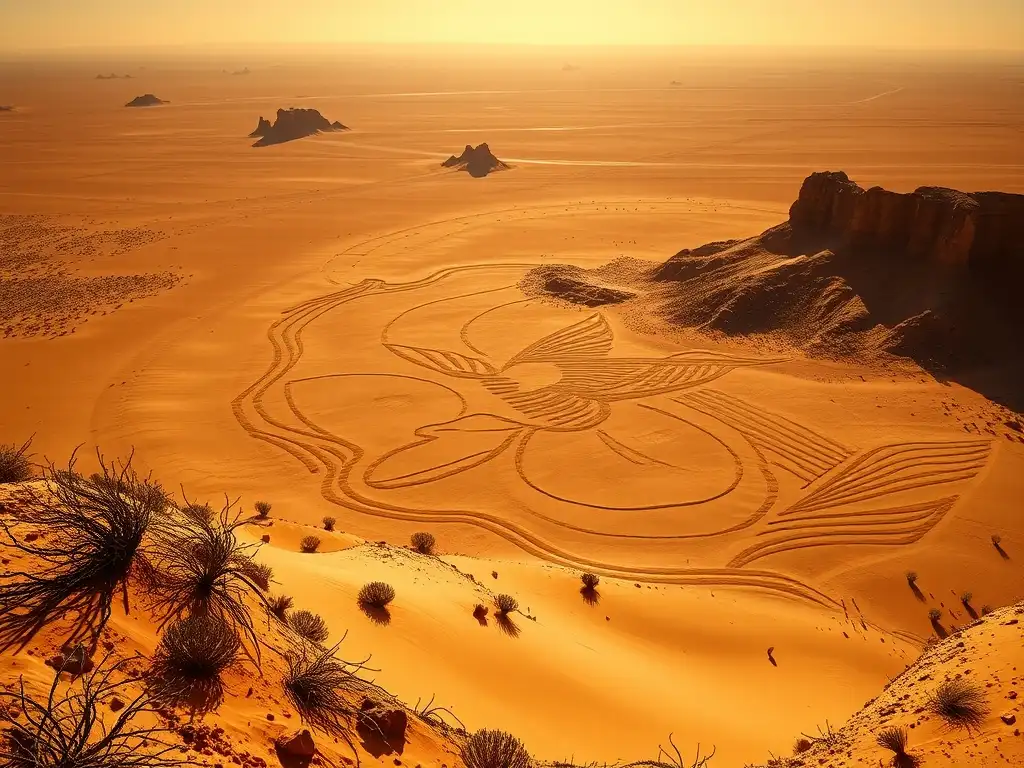
Step into a world of ancient mysteries and breathtaking landscapes. For centuries, the Nazca Lines have captivated imaginations, their immense scale and enigmatic purpose defying easy explanation. But what role did the harsh desert environment play in their creation and enduring legacy? Discover the surprising significance of this unique setting and unlock the secrets behind one of the world's most intriguing archaeological wonders. Unravel the story of the Nazca Lines – delve deeper now!
- Nazca Lines: Unveiling the Significance of the Desert Environment
- The Nazca Desert: Environmental Conditions and Preservation
- The Nazca Lines and Their Relationship with the Environment
- The Significance of the Nazca Lines Desert Environment
- Nazca Lines and the Environment: Beyond the Geoglyphs
- The Impact of the Desert Environment on Nazca Culture and Beliefs
- Conclusion: The Enduring Legacy of the Nazca Lines and their Desert Context
-
Frequently Asked Questions
- What are the Nazca Lines?
- Why were the Nazca Lines created in the desert?
- What is the significance of the Nazca Lines' desert environment in their preservation?
- How did the Nazca people create the lines in such a harsh environment?
- What is the cultural significance of the Nazca Lines in relation to their desert setting?
- Final Reflection: Echoes Across the Desert Sands
- **Unveil the Mysteries of the Nazca Lines! **
Nazca Lines: Unveiling the Significance of the Desert Environment
The Nazca Lines, a collection of geoglyphs etched into the Peruvian desert, stand as one of the world's most enduring enigmas. These colossal figures and intricate designs, sprawling across hundreds of square kilometers, have captivated researchers and the public alike for decades. Understanding their significance requires a deep dive into their unique setting – the arid coastal plains of southern Peru.
This article explores the crucial role the Nazca desert environment played in the creation, preservation, and potential meaning of these remarkable works, examining how the climate, geology, and ecology shaped this extraordinary cultural phenomenon. We will delve into the specific ways the desert environment contributed to the creation and longevity of these impressive geoglyphs, highlighting its significance in understanding the Nazca culture and their sophisticated understanding of their environment.
The aridity, soil composition, and even the wind patterns of the Nazca desert are all key factors in unraveling the mystery of the Nazca Lines and their enduring legacy. This exploration will reveal how the desert environment wasn't just a backdrop, but an integral component of the Nazca Lines themselves.
Introduction to the Nazca Lines and Their Unique Setting
The Nazca Lines are not simply drawings; they are massive geoglyphs, some stretching over 300 meters in length. These immense figures, depicting animals, plants, geometric shapes, and humanoids, were created by the Nazca culture between 500 BC and 500 AD. Unlike many other ancient artworks found in more temperate climates, the Nazca Lines are uniquely situated in an extremely arid environment.
This aridity, characterized by minimal rainfall and intense sunshine, is not a mere coincidence; it is a fundamental factor in both their creation and their astonishing preservation over centuries. The specific location along the southern coast of Peru, characterized by its unique combination of soil composition and climatic conditions, played a critical role in the longevity of these impressive works. The Nazca people, with their advanced understanding of their environment, clearly chose this location for reasons that are still being investigated.
The lines themselves were created by removing the dark reddish-brown surface layer of the desert, exposing the lighter-colored subsoil underneath. This process, which required significant labor and planning, resulted in striking contrasts visible from above. Early theories suggested astronomical significance, while others proposed ritualistic or ceremonial purposes.
However, the unique desert environment itself plays a pivotal role in understanding how these lines were created and why they have endured for so long. The factors that enabled the Nazca to create these massive works, and the factors that have preserved them, are intrinsically linked to the characteristics of the Nazca desert.
The Arid Landscape: A Crucial Element for Nazca Geoglyphs
The extremely arid climate of the Nazca desert is paramount to the preservation of the geoglyphs. The lack of rainfall prevents erosion, a process that would quickly obliterate such delicate features in a wetter climate. The low humidity also minimizes the growth of vegetation, which could obscure or damage the lines. The specific type of soil, a well-compacted and relatively stable surface, further contributes to their longevity.
The strong winds that occasionally sweep across the Nazca plains, while potentially abrasive, have paradoxically helped to keep the lines clean by removing loose sediments that might otherwise accumulate and obscure the designs. The absence of significant weathering, combined with the stable soil and the infrequent heavy rains, has allowed these monumental works to survive for millennia, a testament to both the skill of the Nazca artisans and the protective nature of their desert environment. The aridity itself acts as a form of natural preservation, a key factor in our ability to study and appreciate these enigmatic works today.
Furthermore, the clear skies and lack of cloud cover often provide excellent visibility, further highlighting the lines' remarkable scale and complexity. The combination of these environmental factors—minimal rainfall, stable soil, strong winds, and clear skies—makes the Nazca desert an almost ideal location for the creation and preservation of such large-scale artwork. It truly is a symbiotic relationship between the art and the environment.
The Nazca Desert: Environmental Conditions and Preservation
The Nazca Lines' remarkable preservation is intrinsically linked to the unique environmental conditions of the Nazca Desert in southern Peru. Understanding the desert's climate, soil composition, and overall aridity is crucial to appreciating the longevity of these enigmatic geoglyphs. The "Nazca Lines desert environment significance" is not merely coincidental; it's fundamental to their existence. The harsh, seemingly inhospitable environment has paradoxically acted as a powerful preservative, shielding these ancient works from the ravages of time and the elements.
Climate and Soil Composition: Factors Contributing to Geoglyph Longevity
The Nazca Desert boasts an extremely arid climate, characterized by minimal rainfall and intense solar radiation. Annual precipitation averages less than 15 mm, creating an exceptionally dry environment that inhibits the growth of vegetation and significantly slows down erosion processes. This aridity is a primary factor in the geoglyphs' preservation.
The soil itself plays a vital role. It's primarily composed of fine-grained sediments, often described as a light-colored, silty sand. This type of soil is relatively stable and resistant to wind erosion, further contributing to the lines' longevity.
The lack of significant weathering, both chemical and physical, is a testament to this unique combination of climate and soil. The absence of significant rainfall minimizes the leaching of minerals and the breakdown of the soil structure, a crucial factor in preserving the subtle details of the geoglyphs. Furthermore, the intense solar radiation, while potentially damaging to other materials, ironically helps to sterilize the soil, preventing the growth of vegetation that could obscure or damage the lines.
The stability of the desert floor is further enhanced by the relatively flat topography of the Nazca Pampa. This lack of significant elevation changes reduces the impact of water runoff, which could otherwise erode the fragile lines. The subtle undulations of the landscape actually contribute to the lines' visibility, as the slight changes in elevation create shadows that enhance their definition, especially during sunrise and sunset. This natural interplay of light and shadow is a critical aspect of the visual impact of the Nazca Lines.
The Role of the Desert's Aridity in Geoglyph Preservation
The extreme aridity of the Nazca Desert is arguably the most significant factor in the preservation of the geoglyphs. The lack of moisture prevents the soil from being easily eroded by wind or water. In wetter climates, the lines would have likely been obliterated by natural processes within centuries, if not decades.
The absence of significant rainfall minimizes the chemical weathering of the underlying soil, preserving the integrity of the markings. Moreover, the aridity inhibits the growth of vegetation, which could otherwise destabilize the soil and obscure the lines. We can contrast this with other ancient sites around the world, where the effects of moisture and vegetation have significantly degraded or destroyed similar works.
The Nazca Lines stand as a testament to the power of a harsh, seemingly unforgiving environment to act as a powerful preservative. Detailed studies comparing the rate of erosion in the Nazca Desert with other arid and semi-arid regions further emphasize the unique role of this specific desert environment in ensuring the remarkable preservation of these ancient marvels. The aridity, combined with the specific soil composition and the flat topography, has created a near-perfect environment for the long-term preservation of the Nazca Lines, a striking example of the "Nazca Lines desert environment significance."
The Nazca Lines and Their Relationship with the Environment
The Nazca Lines, etched into the Peruvian desert, are not merely enigmatic geoglyphs; they are a profound testament to the Nazca civilization's intricate relationship with its arid environment. Understanding the significance of the Nazca Lines necessitates a deep dive into the desert's influence on their creation, purpose, and enduring legacy.
The very act of creating these massive figures across the Pampa de San José, a coastal plain characterized by its extreme dryness and unique geological composition, speaks volumes about the Nazca people's adaptation and ingenuity. The desert, far from being a barrier, served as a canvas, a source of materials, and a backdrop for a complex cultural expression deeply rooted in the realities of their environment.
The significance of the Nazca Lines desert environment is undeniable, shaping not only their physical manifestation but also their cultural and spiritual meaning. Analyzing this relationship allows us to gain a more complete understanding of this fascinating pre-Columbian culture.
Geometric Figures and their Contextual Meaning within the Desert
The Nazca Lines feature a variety of geometric figures, including triangles, trapezoids, and spirals, alongside the more famous animal and plant representations. These seemingly simple shapes, however, hold a deeper significance when considered within the context of the desert environment. Some scholars propose that these geometric forms represent a form of land surveying or astronomical observation, reflecting the Nazca's practical understanding of their surroundings. For example, the precise angles and measurements of some geometric figures might correspond to celestial events or the layout of water sources, crucial for survival in the harsh desert.
The use of the desert itself as a canvas for these geometric designs further emphasizes this connection. The flat, expansive nature of the Pampa de San José provided the ideal surface for creating large-scale patterns, while the unique color variations of the desert soil allowed for visual contrast, making the geoglyphs clearly visible from above. The very act of carving these figures into the desert floor was a monumental undertaking, requiring a sophisticated understanding of the land, its composition, and its limitations.
The precision of the geometric designs suggests a level of planning and technical expertise far beyond what was previously assumed for the Nazca civilization. Further research into the precise alignment of these figures with celestial bodies could reveal even more about their astronomical significance and their connection to the Nazca's understanding of the desert environment.
Animal Representations: Reflecting the Nazca's Understanding of their Surroundings
The Nazca Lines' iconic animal representations—hummingbirds, monkeys, spiders, lizards, and many more—are striking in their detail and scale. These depictions aren't merely artistic expressions; they offer valuable insights into the Nazca's intimate knowledge of their desert ecosystem. The animals portrayed likely held cultural or spiritual significance, reflecting either the importance of specific species in their daily lives or their symbolic representation within the Nazca worldview.
For instance, the representation of a hummingbird, a creature associated with speed, agility, and nectar-feeding, could symbolize the importance of resourcefulness and adaptability in the harsh desert environment. Similarly, the depiction of a spider, a creature often associated with weaving and creation, might reflect the Nazca's own skill in weaving textiles and their ability to create intricate designs within their limited resources.
The selection of animals and the level of detail in their representations suggest a deep understanding of the desert fauna and its role within the Nazca ecosystem. Analyzing the specific animals depicted, their relative sizes, and their positioning within the overall landscape could provide further clues about the Nazca's ecological understanding and their relationship with the natural world.
The Interaction of Geoglyphs and the Natural Environment: A Symbiotic Relationship
The Nazca Lines are not simply imposed upon the desert; they exist in a symbiotic relationship with their environment. The lines themselves interact with the natural features of the landscape, enhancing their visual impact and potentially influencing their functionality. The interplay of light and shadow throughout the day, influenced by the sun's angle and the desert's topography, contributes to the geoglyphs' visual effect. The lines' orientation might also relate to prevailing winds, water currents, or other environmental factors, suggesting a thoughtful integration with the natural elements.
Furthermore, the very materials used in the creation of the lines—the removal of the darker surface layer to expose the lighter subsoil—highlight the Nazca's understanding of the desert's geological composition. The choice of materials and the methods employed likely reflected considerations of practicality, longevity, and visual impact within the context of the desert environment.
The preservation of the lines over centuries is itself a testament to this careful integration with the natural landscape, demonstrating a sustainable approach to land modification that has withstood the test of time. Further study of the lines' erosion patterns, the interaction of the geoglyphs with wind and water, and their relationship to other features of the desert landscape could reveal even more about this remarkable symbiotic relationship.
The Significance of the Nazca Lines Desert Environment
The Nazca Lines, etched into the coastal Peruvian desert, are not merely enigmatic geoglyphs; they are a testament to the profound relationship between the Nazca civilization and their arid environment. Understanding the significance of the desert environment is crucial to interpreting these colossal figures and intricate designs. The desert itself—its unique properties and challenges—shaped Nazca culture, technology, and worldview, making it an integral part of the Lines' creation and meaning. The "Nazca Lines desert environment significance" is a complex interplay of environmental adaptation, ritualistic practice, and a sophisticated understanding of the natural world.
The Desert as a Canvas: The Nazca's Utilization of the Landscape
The Nazca desert, with its expansive, flat plains and exceptionally dry climate, provided an unparalleled canvas for the creation of the geoglyphs. The dark reddish-brown desert pavement, composed of iron oxides and other minerals, contrasted sharply with the lighter-colored subsoil, allowing the removal of the surface layer to reveal the underlying tones and create the striking visual impact we see today. This natural palette, readily available and essentially permanent due to the lack of erosion and vegetation, was a key factor in the Lines' longevity and visual effect.
The Nazca people skillfully exploited the desert's unique characteristics, transforming a seemingly barren landscape into a monumental artwork. Their knowledge of the soil composition, its stability, and the minimal impact of wind and rain on exposed surfaces allowed them to create the intricate designs with remarkable precision. The scale of the project is astonishing, suggesting an organized and highly skilled workforce with a deep understanding of the desert’s properties.
Furthermore, the very stability of the desert surface, resistant to erosion and weathering, ensured the preservation of these remarkable creations for centuries. This careful selection of the desert landscape as a medium highlights the Nazca's deep understanding and respect for their environment.
The Geoglyphs as a Form of Environmental Communication and Interaction
Beyond being a visual spectacle, the Nazca Lines may represent a form of communication with or interaction with the environment. Some researchers propose that the geoglyphs, particularly those depicting animals and plants native to the region, might reflect a deep understanding of the ecosystem and its delicate balance. For example, the depiction of hummingbirds, condors, and other local fauna could be interpreted as a symbolic representation of the Nazca's connection to their environment and its biodiversity.
This symbolic representation could have served ritualistic purposes, reinforcing the importance of water management and ecological harmony in a challenging desert environment. The lines themselves, with their intricate patterns and alignments, may have served as astronomical markers, reflecting a sophisticated knowledge of celestial movements and their influence on agriculture and water resources.
This understanding of the celestial cycles is directly linked to their ability to survive and thrive in the arid landscape. The possibility that some lines represent water channels or other forms of environmental management further strengthens the argument that the geoglyphs are intrinsically linked to the desert environment and the Nazca’s adaptation to it.
Evidence of Nazca's Understanding of the Natural Environment through Geoglyphs
The Nazca Lines offer compelling evidence of the civilization's advanced understanding of their environment. The intricate designs, often depicting flora and fauna, suggest a detailed knowledge of the local ecosystem. The precise alignments of some lines with astronomical events indicate advanced astronomical observations, crucial for predicting rainfall and seasonal changes in a desert environment.
Furthermore, the choice of location and construction techniques demonstrate an awareness of the desert's unique characteristics. The use of the desert pavement as a canvas, the minimal disruption to the landscape, and the enduring nature of the geoglyphs all point to a careful and respectful approach to the environment. Further research, including [specific information pending on recent geophysical surveys and analyses of soil samples], could reveal additional insights into the Nazca's environmental knowledge and its reflection in the geoglyphs.
The precision and scale of the Lines are unmatched, reflecting a sophisticated understanding of surveying, engineering, and environmental factors. The Nazca Lines, therefore, are not merely artistic expressions, but also a tangible record of a civilization deeply connected to and profoundly shaped by its desert environment.
Nazca Lines and the Environment: Beyond the Geoglyphs
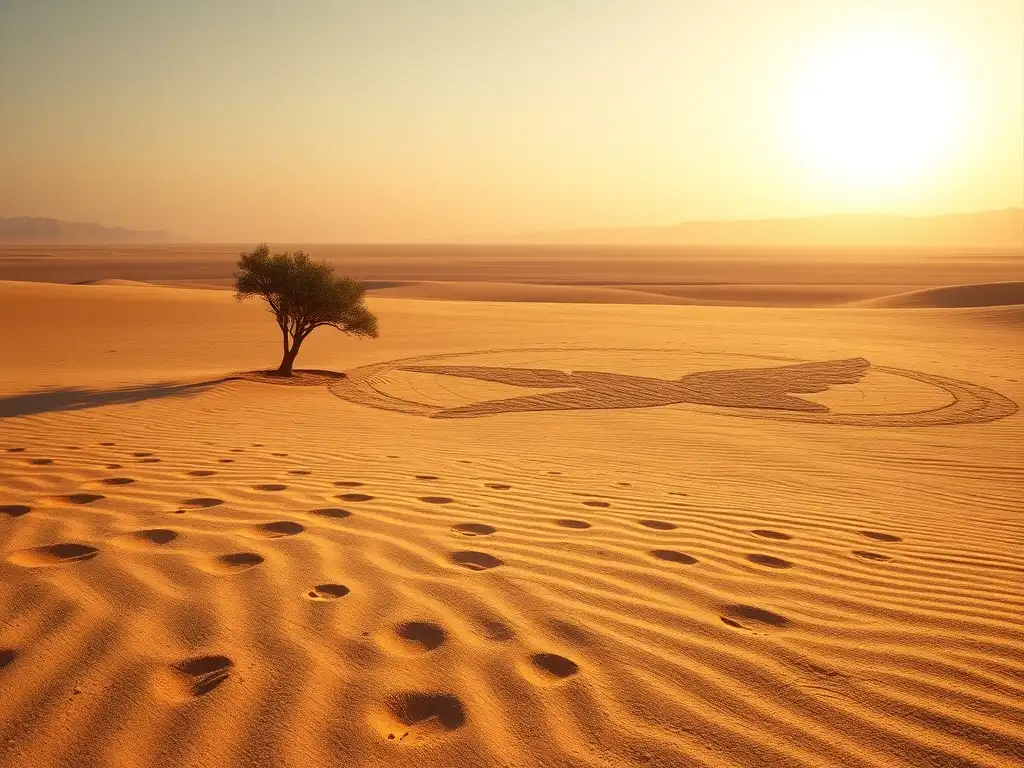
The Nazca Lines, those enigmatic geoglyphs etched into the Peruvian desert, are inextricably linked to the environment that birthed them. Understanding the significance of the Nazca Lines requires a deep dive into the unique challenges and adaptations of the Nazca civilization within their arid surroundings.
The desert wasn't just a canvas for their artistic expression; it was the very foundation of their existence, shaping their culture, technology, and ultimately, the enduring mystery of the lines themselves. The "Nazca Lines desert environment significance" is not simply about the lines' visual impact, but about the intricate interplay between a sophisticated society and a demanding landscape.
The Nazca People's Adaptations to the Harsh Desert Environment
The Nazca desert is a harsh and unforgiving environment, characterized by extreme temperatures, scarce rainfall, and limited vegetation. Survival demanded ingenuity and a profound understanding of the local ecosystem. The Nazca people weren't simply passive inhabitants; they were active participants in shaping their environment to meet their needs. Their success is a testament to their resilience and adaptive capabilities.
Their mastery of water management was paramount. The Nazca developed intricate systems of canals and aqueducts, known as puquios, to channel underground water sources to the surface, enabling agriculture in this otherwise barren land. These subterranean channels tapped into aquifers, allowing them to access water even during prolonged droughts.
The construction of these systems required significant engineering skill and a detailed knowledge of the region's hydrology, reflecting a sophisticated understanding of their environment. Evidence suggests that the Nazca also employed techniques like rainwater harvesting to supplement their water sources. This innovative approach ensured a reliable water supply, vital for sustaining their population and agriculture.
Water Management and Agricultural Practices in the Nazca Region
The Nazca's agricultural practices were deeply intertwined with their water management strategies. The limited rainfall necessitated the development of highly efficient irrigation systems. Their understanding of the desert's hydrology allowed them to cultivate crops like cotton, maize, beans, and squash in a region seemingly unsuitable for agriculture. This wasn't simply a matter of survival; it was a sophisticated agricultural system that supported a complex society.
The Nazca utilized a variety of techniques to optimize their agricultural output, including terracing and the cultivation of drought-resistant crops. Terracing on hillsides increased the amount of arable land and helped to retain moisture. The selection of specific crops demonstrates an understanding of which plants could thrive in the harsh conditions.
This careful management of resources allowed the Nazca to produce a surplus of food, supporting a population that was engaged in various activities beyond agriculture, including the creation of the iconic Nazca Lines. Archaeological evidence suggests a high degree of agricultural productivity, indicating the effectiveness of their methods. The Nazca’s success in agriculture is a key factor in understanding the broader context of their civilization and the resources available to create the geoglyphs.
The Environmental Challenges Faced by the Nazca Civilization
Despite their ingenuity, the Nazca civilization wasn't immune to the challenges posed by their environment. Periods of drought were a recurring threat, potentially impacting agricultural yields and leading to societal stress. The limited availability of resources, including water and fertile land, likely played a role in shaping their social structures and political organization. Evidence suggests that resource scarcity might have contributed to internal conflicts or competition between different groups within the Nazca society.
Furthermore, the very act of creating the Nazca Lines might have had an environmental impact, though the extent of this is still debated. The removal of surface material during the creation of the geoglyphs could have affected soil stability and potentially altered local drainage patterns. However, the relatively low-impact nature of the construction techniques, coupled with the arid climate, might have minimized long-term environmental consequences.
Further research is needed to fully understand the potential environmental effects of creating the Nazca Lines. The ongoing investigation into the "Nazca Lines desert environment significance" is an active area of research, with new discoveries constantly adding to our understanding of this fascinating civilization and its intricate relationship with its environment.
The Impact of the Desert Environment on Nazca Culture and Beliefs
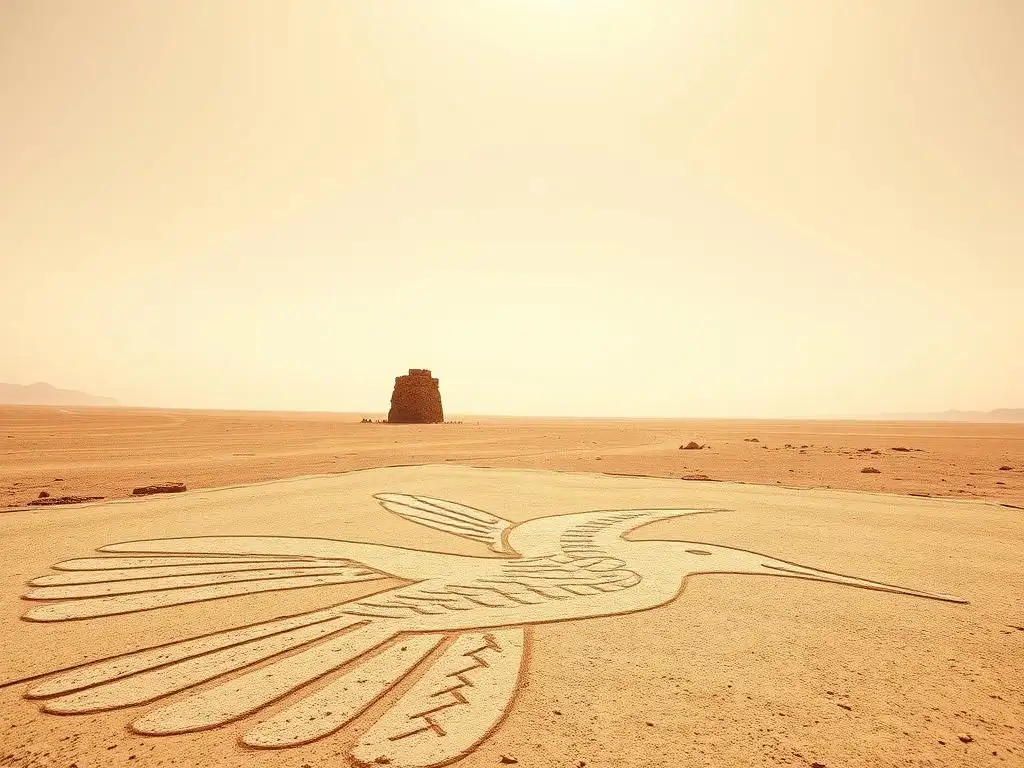
The Nazca Lines, those enigmatic geoglyphs etched into the Peruvian desert, are inextricably linked to the unique environment that birthed them. The arid, seemingly barren landscape wasn't just a backdrop for Nazca culture; it was the very foundation upon which their society, beliefs, and artistic expressions were built. Understanding the impact of this harsh desert environment is crucial to deciphering the significance of the Nazca Lines themselves and the broader Nazca civilization.
The scarcity of resources, the challenges of survival, and the awe-inspiring vastness of the desert all shaped Nazca worldview and practices. The seemingly contradictory elements – aridity and life, vastness and precision – are key to understanding the Nazca's unique relationship with their environment. Their ability to thrive in such a challenging setting speaks volumes about their ingenuity and their deep connection to the land.
This connection is reflected not only in their agricultural practices, sophisticated water management systems, but also in their art, religion, and cosmology. Analyzing the Nazca Lines within this context reveals a more nuanced understanding of their purpose and meaning, moving beyond simple speculation towards a more holistic interpretation grounded in the realities of the Nazca desert environment. The "Nazca Lines desert environment significance" is therefore not merely geographical; it's profoundly cultural and spiritual.
The Role of the Desert in Nazca Cosmology and Rituals
The Nazca cosmology was profoundly shaped by the desert. The stark contrast between the arid landscape and the oases that supported life likely fueled their beliefs about the forces of nature and the cyclical nature of life and death. The desert's vastness, its seemingly endless expanse, might have inspired a sense of awe and mystery, influencing their understanding of the cosmos and their place within it.
Rituals likely took place at specific locations within the desert, perhaps linked to water sources or significant geological features. These rituals, unfortunately, remain largely undocumented, but archaeological evidence suggests a strong connection between specific desert locations and ceremonial activities. For instance, the presence of certain artifacts near geoglyphs hints at ritualistic practices performed in conjunction with the creation or veneration of the lines.
We can hypothesize that the lines themselves served as a kind of vast, open-air calendar or map reflecting the Nazca's understanding of the celestial movements and their agricultural cycle, directly linked to the availability of water in the desert environment. Further research into the spatial distribution of settlements and ritual sites in relation to the Nazca Lines could shed more light on this aspect of Nazca cosmology and the overall "Nazca Lines desert environment significance."
Environmental Symbolism in Nazca Art and Crafts
Nazca art, renowned for its intricate pottery and textiles, frequently depicts desert flora and fauna, suggesting a deep appreciation for the delicate balance of life in this unforgiving environment. The stylized representations of animals like hummingbirds, lizards, and spiders, all adapted to desert conditions, are not merely aesthetic choices; they likely held symbolic meaning related to survival, resilience, and the interconnectedness of life in the desert ecosystem. The scarcity of water is likely reflected in the recurring motifs of water sources and plants, emphasizing the preciousness of this resource.
Analyzing the symbolism in Nazca pottery and textiles provides valuable insights into their perceptions of the desert environment and its impact on their daily lives. The recurring imagery of the desert landscape itself, whether in the form of abstract patterns or realistic depictions, underscores the fundamental role of the environment in shaping their artistic expression.
This "Nazca Lines desert environment significance" is powerfully communicated through the visual language of Nazca art. Further research into the iconography of Nazca art, particularly the recurring themes and symbols, could unlock deeper meanings related to their environmental worldview.
The Desert as a Sacred Space for the Nazca People
The Nazca Lines themselves can be viewed as a monumental expression of the Nazca's reverence for their desert environment. The vast scale of the geoglyphs, the precision of their execution, and the considerable effort involved in their creation suggest a deep spiritual significance. The act of carving these images into the earth was not merely a feat of engineering; it was a profound act of shaping and interacting with the landscape, transforming the desert into a sacred canvas.
The choice of the desert as the location for these monumental works speaks to its importance as a spiritual space for the Nazca people. We can hypothesize that the lines served as a focal point for rituals, connecting the earthly realm with the celestial, reflecting their deep understanding of the interconnectedness between the human world and the natural environment. The "Nazca Lines desert environment significance" as a sacred space is a powerful testament to the Nazca's profound connection with their surroundings.
Further research is needed to fully understand the rituals and beliefs associated with the lines and their relationship to the broader Nazca worldview. This includes studying the archaeological evidence around the geoglyphs to gain a more complete picture of their use and meaning within the context of the desert environment.
Conclusion: The Enduring Legacy of the Nazca Lines and their Desert Context
The Nazca Lines stand as a testament to the ingenuity and cultural depth of the Nazca civilization, inextricably linked to the harsh yet paradoxically fertile desert environment that cradled their creation. Understanding the significance of this desert context is crucial to appreciating the full scope of these enigmatic geoglyphs. The aridity itself, while seemingly limiting, provided a canvas of unparalleled stability, preserving these massive earthworks for millennia.
The unique geological features of the Pampa Colorada, the composition of the soil, and the minimal rainfall all played vital roles in their longevity. Without this specific desert environment, the Nazca Lines as we know them today simply wouldn't exist. The very survival of these colossal figures is a compelling argument for the importance of studying the interaction between human ingenuity and the natural world.
The lines are not simply drawings; they are a profound reflection of a culture deeply intertwined with its surroundings, a relationship as intricate and enduring as the geoglyphs themselves. The Nazca Lines desert environment significance is undeniable, shaping not only their creation but their very existence.
The Intertwined Relationship between Nazca Geoglyphs and the Desert Environment
The Nazca Lines' survival is a direct consequence of the unique characteristics of the Peruvian desert. The extremely dry climate, with minimal rainfall and wind erosion, has acted as a powerful preservative. The Pampa Colorada, where most of the geoglyphs are located, is composed of a relatively stable, reddish-brown soil that resists erosion far better than many other terrains.
This soil's composition, along with the lack of significant vegetation, has minimized the impact of natural weathering processes. Furthermore, the absence of significant human settlement in the immediate vicinity after the Nazca civilization's decline has further protected the geoglyphs from damage. The very stability of the desert—its seeming emptiness—has become a crucial factor in the preservation of this incredible cultural legacy.
This interplay between the cultural achievements of the Nazca people and the protective features of their desert environment is a remarkable example of the complex relationship between humanity and nature. The desert, far from being a barrier, has served as a protector, silently guarding these ancient secrets for centuries. Understanding this relationship is fundamental to comprehending the true significance of the Nazca Lines and their enduring presence.
Preserving the Nazca Lines and the Fragile Desert Environment for Future Generations
Protecting the Nazca Lines requires a multifaceted approach that recognizes the fragility of both the geoglyphs and their desert environment. The delicate balance of the ecosystem must be carefully considered. Increased tourism, while offering economic opportunities, poses a significant threat. Foot traffic, even on designated paths, can contribute to erosion.
Furthermore, climate change presents an additional challenge, with the potential for increased rainfall or shifts in wind patterns that could accelerate the deterioration of the geoglyphs. Sustainable tourism practices, including limiting visitor access and strictly enforcing regulations, are crucial. Research into advanced preservation techniques, such as soil stabilization methods, might also prove beneficial. The preservation effort should not be limited to the geoglyphs themselves but should encompass the entire desert ecosystem, ensuring that the unique environmental conditions that have preserved the Lines for centuries are protected for future generations.
The Nazca Lines desert environment significance underscores the urgency of concerted conservation efforts. The challenge lies in balancing the desire to share this incredible cultural heritage with the need to safeguard it for centuries to come. Failure to do so risks losing irreplaceable pieces of history and a unique ecological treasure.
Ongoing Research and the Future of Nazca Geoglyph Studies
Research into the Nazca Lines continues to evolve, employing increasingly sophisticated technologies to uncover new insights. Advanced remote sensing techniques, such as aerial photography and LiDAR scanning, allow for a more comprehensive mapping of the geoglyphs and the surrounding landscape. This provides detailed information about their size, complexity, and distribution, enhancing our understanding of their creation and purpose.
Furthermore, ongoing archaeological excavations and analysis of artifacts found in the vicinity are gradually unveiling more information about the Nazca civilization's social structures, beliefs, and daily life, which are crucial to interpreting the meaning of the geoglyphs. The integration of various disciplines—archaeology, anthropology, geology, and remote sensing—is essential for a holistic understanding of this remarkable cultural heritage. The Nazca Lines desert environment significance is a continuous area of study, with researchers exploring the impact of environmental factors on both the creation and preservation of the geoglyphs.
Future research promises to shed more light on these enduring mysteries, enriching our appreciation of this incredible human achievement. The ongoing investigation is not only about deciphering the lines' purpose but also about understanding the profound connection between the Nazca civilization and their unique desert environment.
Frequently Asked Questions
What are the Nazca Lines?
The Nazca Lines are geoglyphs, massive drawings etched into the surface of the Peruvian desert. They depict animals, plants, and geometric shapes, and their creation remains a mystery.
Why were the Nazca Lines created in the desert?
The arid desert environment of the Nazca region provided a stable surface ideal for creating and preserving the geoglyphs. The lack of vegetation and erosion minimized the lines' deterioration.
What is the significance of the Nazca Lines' desert environment in their preservation?
The dry climate and lack of rainfall have been crucial in preserving the lines for centuries. This unique environment has protected them from significant weathering and erosion.
How did the Nazca people create the lines in such a harsh environment?
The exact methods remain debated, but theories suggest the Nazca used simple tools and a deep understanding of the desert landscape to create the immense geoglyphs.
What is the cultural significance of the Nazca Lines in relation to their desert setting?
The Nazca Lines' placement within the desert landscape suggests a profound connection between the Nazca people and their environment. The lines may have had ceremonial or ritualistic importance.
Final Reflection: Echoes Across the Desert Sands
The enduring mystery of the Nazca Lines isn't just about deciphering ancient symbols; it's about understanding the profound relationship between humanity and its environment. These colossal geoglyphs, etched into the unforgiving Peruvian desert, serve as a stark reminder of the ingenuity and spiritual depth of a civilization that thrived in a seemingly inhospitable landscape. Their continued existence, despite the ravages of time and the encroaching modern world, underscores the power of human creativity and the lasting impact of cultural heritage.
The Nazca Lines' significance transcends mere archaeological interest; they represent a powerful testament to the human capacity to adapt, innovate, and leave an indelible mark on the world. Their creation speaks volumes about the deep connection the Nazca people held with their environment, a connection that resonates even today as we grapple with issues of environmental sustainability and cultural preservation. The desert, once a canvas for their dreams, now serves as a mirror reflecting our own responsibilities towards the past and the future.
This quote encapsulates the ongoing dialogue between the ancient past and our present concerns.
Consider the fragility of these monumental works, etched into a landscape constantly threatened by erosion and human encroachment. Their survival depends on our collective commitment to preservation and understanding. You, the reader, hold a vital role in this ongoing narrative.
Take a moment to reflect on the impact of human civilization on the environment, and consider how we can learn from the Nazca's ingenuity and respect for their surroundings to build a more sustainable future. Let the echoes across the desert sands inspire you to protect and cherish our shared heritage, for within these ancient lines lies a timeless message of resilience, creativity, and the enduring power of human connection with the natural world.
**Unveil the Mysteries of the Nazca Lines! **
Thank you for exploring the incredible world of the Nazca Lines with us! You've discovered their significance and the enigmatic desert landscape surrounding these ancient wonders. Now, let's delve even deeper!
Here are some exciting ways to further engage with the marvels of the Nazca Lines:
- **Experience the wonder firsthand:** Plan a trip to Peru to see the Nazca Lines, perhaps joining a guided tour for a closer look and a deeper understanding.
- **Share the mystery:** Discuss the Nazca Lines with friends and family, sparking conversations about the rich history and cultural significance of the ancient Andean civilizations.
- **Unleash your creativity:** Design your own Nazca-inspired geoglyph! Let your imagination run wild and create a design that tells a unique story.
What aspect of the Nazca Lines captivates you most, and how would you like to continue exploring their mysteries?