
The Geometric Precision of Inca Art: Order and Harmony

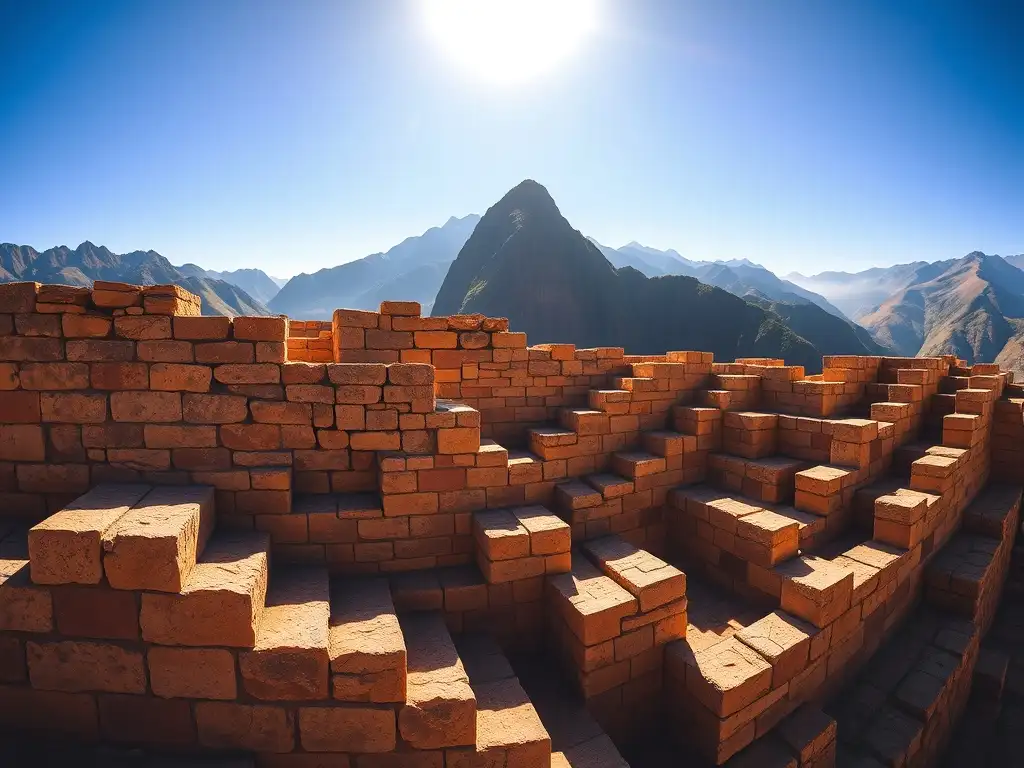
Unravel the mysteries of the Andes! Journey through a world of breathtaking artistry and unparalleled engineering prowess, where civilizations flourished for millennia. Prepare to be captivated by the intricate geometric patterns that defined Inca art, a testament to their sophisticated understanding of order and harmony. Dive into the vibrant tapestry of Andean history and discover the secrets hidden within their remarkable achievements – a legacy that continues to inspire awe today. Explore the intricacies of Inca art geometric patterns and unlock the stories etched within their magnificent creations.
The Inca Empire, renowned for its sophisticated engineering and intricate social structures, left behind a legacy equally impressive in its artistic achievements. This article delves into the captivating world of Inca art, focusing specifically on the remarkable geometric precision that permeates its various forms.
We will explore how these geometric patterns, far from being mere decoration, served as powerful symbols reflecting Inca cosmology, social hierarchy, and a deep-seated appreciation for order and harmony. From the meticulously woven textiles to the intricately carved stonework, the underlying geometric principles reveal a profound understanding of mathematics and aesthetics, showcasing the Inca's advanced artistic and intellectual capabilities.
Understanding the geometric precision in Inca art provides crucial insight into the worldview and cultural values of this remarkable civilization, offering a window into their sophisticated and complex society. We will examine specific examples, highlighting the recurring motifs and their likely symbolic significance, ultimately demonstrating the profound artistry and cultural depth embedded within the seemingly simple lines and shapes.
Unveiling the Geometric Foundations of Inca Art
Inca art is characterized by a striking preference for geometric patterns and motifs. These are not randomly applied but follow specific rules and principles, suggesting a deliberate and highly structured approach to artistic creation. Common geometric shapes include triangles, squares, trapezoids, and stepped patterns, frequently arranged in symmetrical and repetitive designs.
These shapes weren't merely aesthetic choices; they were deeply intertwined with the Inca worldview, representing concepts such as the cosmos, the earth, and the cyclical nature of life and death. For example, the triangle, often seen in textiles and ceramics, may have symbolized mountains, a crucial element in the Inca landscape and cosmology. The repetitive nature of many designs suggests a connection to the Inca concept of ayni, the principle of reciprocity and balance, which governed social and economic relations.
The precision of execution, evident in the flawlessly aligned lines and perfectly formed shapes, speaks to the high level of skill and dedication of Inca artisans. Furthermore, the use of specific colors also contributed to the symbolic meaning, with certain colors associated with specific deities or events. Detailed analysis of surviving artifacts reveals a complex system of visual communication, where geometric patterns conveyed far more than mere aesthetic appeal.
Inca Art Geometric Patterns: More Than Decoration
The prevalence of geometric patterns in Inca art extends beyond simple ornamentation. These patterns were integral to the social and religious life of the Inca people. Textiles, for instance, were not only practical items of clothing but also displayed intricate geometric designs that signified social status, clan affiliation, and religious beliefs. The complexity and precision of the patterns often correlated with the wearer's social standing.
Similarly, stonework, particularly in architecture and monumental structures, incorporated geometric designs that played a significant role in the symbolic representation of power and authority. The precise placement of stones and the intricate carving of geometric motifs showcased the Inca's mastery of stonework and their ability to create visually stunning and symbolically rich structures. Even seemingly simple ceramic vessels often featured geometric patterns that served as markers of regional identity or religious significance.
The consistent application of geometric patterns across diverse art forms underscores their central role in Inca culture, highlighting their importance as a powerful visual language capable of conveying complex social, religious, and cosmological ideas. The meticulous nature of the work, even on seemingly smaller objects, speaks volumes about the Inca dedication to precision and the symbolic power they attributed to these geometric forms. Further research into the specific meanings of different patterns is needed to fully unlock the secrets embedded within these visually stunning works of art.
- The Power of the Circle in Inca Art
- The Significance of the Square and Rectangle
- The Use of Triangles in Inca Designs
- Step Patterns: A Common Geometric Motif in Inca Art
- The Significance of Triangles and Trapezoids in Inca Architecture and Textiles
- Spirals and Swirls: Representing Cyclical Processes and Cosmic Order in Inca Art
- What is the most prominent characteristic of Inca art?
- How did the Incas use geometric patterns in their art?
- What is the significance of geometric patterns in Inca culture?
- Are there specific geometric patterns frequently seen in Inca art?
- Where can I learn more about Inca art and its geometric patterns?
The Significance of Geometry in Inca Design
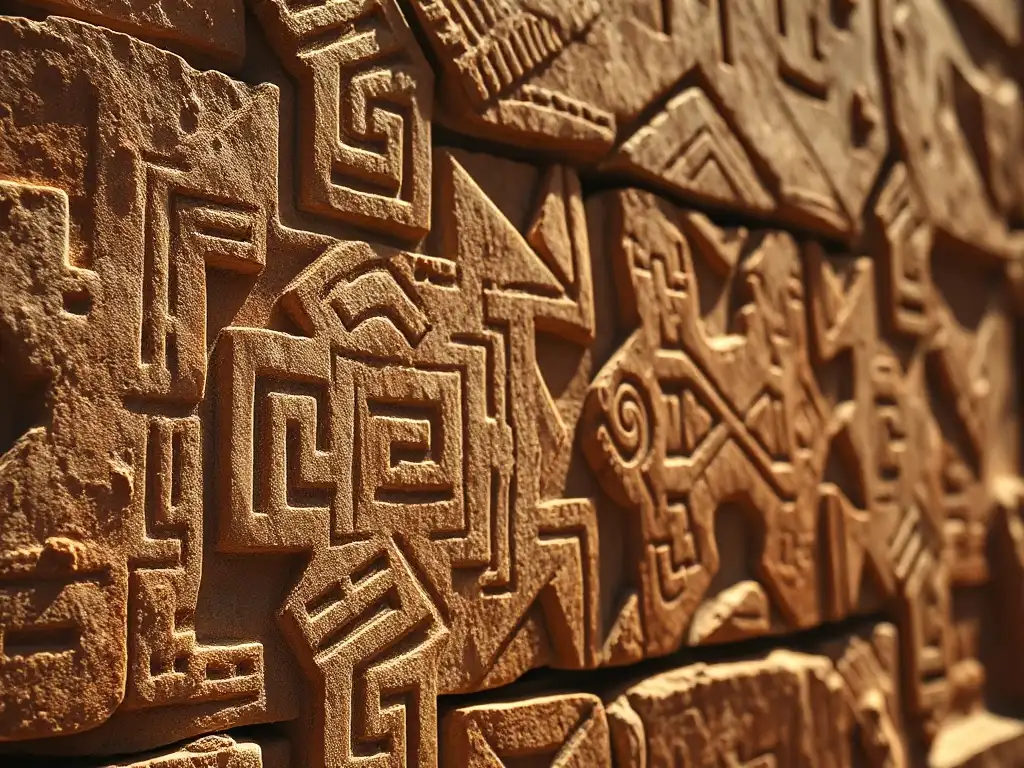
The Inca Empire, renowned for its sophisticated infrastructure and intricate social organization, also left behind a remarkable legacy in art. A defining characteristic of Inca art is its pervasive use of geometry, far beyond mere aesthetics. The meticulous application of geometric patterns in textiles, ceramics, and stonework reflects a deep-seated worldview emphasizing order, harmony, and the connection between the human and spiritual realms. This wasn't simply decoration; it was a visual language, a system of codified meaning that conveyed complex ideas and beliefs.
The precision and repetition found in Inca art geometric patterns underscore the importance of structured thinking and meticulous craftsmanship within Inca society. Understanding this geometric precision allows us to delve deeper into the cultural values and beliefs of this fascinating civilization. Analyzing the specific shapes, their arrangements, and their context within different Inca artistic mediums provides invaluable insights into their symbolic world.
The Inca and the Use of Geometric Shapes
Inca artisans skillfully employed a limited palette of geometric shapes, including squares, rectangles, triangles, trapezoids, and stepped patterns. These forms weren't randomly chosen; their recurrence suggests deliberate symbolic significance. For example, the square often represented the earth's stability and the four cardinal directions.
The triangle, with its pointed apex, might symbolize mountains, or perhaps the connection between the earthly and celestial realms. The stepped patterns, ubiquitous in Inca architecture and textiles, are thought to represent agricultural terraces and the cyclical nature of life and death. The repetition of these shapes, often in highly symmetrical arrangements, created a sense of balance and order, reflecting the Inca emphasis on social structure and cosmic harmony.
Furthermore, the precision of execution, particularly evident in stonework, demonstrates a high level of technical skill and a dedication to achieving perfect alignment and symmetry. This attention to detail speaks volumes about the value placed on craftsmanship and the importance of visual representation within Inca society. The meticulous arrangement and repetition of these basic shapes formed the foundation of more complex and elaborate designs.
Inca Art's Repetitive Motifs and Their Meaning
The repetitive nature of Inca motifs is another key element in understanding their geometric art. These weren't simply random repetitions; they were carefully planned and executed, contributing to the overall visual impact and symbolic meaning of the artwork. Consider the khipu, the complex knotted string system used for record-keeping.
While not strictly "art" in the traditional sense, the intricate patterns of knots and colors demonstrate a similar approach to geometric precision and symbolic repetition as seen in their textiles and ceramics. The repetition of specific color combinations and knot arrangements likely held deeper meanings, perhaps representing numerical data, historical events, or even mythological narratives. Similarly, in textiles, the repetition of geometric patterns created visually stunning effects, adding to the overall beauty and potentially conveying narratives or social status.
Further research is needed to fully decipher the meaning embedded within these repetitive motifs, but their prevalence suggests they played a crucial role in Inca communication and worldview. The intricate and repeated patterns were not merely decorative; they were integral to the artwork's function and meaning.
Symbolic Geometry: Understanding Inca Visual Language
The geometric patterns in Inca art weren't just aesthetically pleasing; they functioned as a sophisticated visual language, communicating complex ideas and beliefs. The precise arrangement of shapes and colors likely held specific symbolic meanings, reflecting the Inca cosmology and worldview. For instance, specific combinations of colors might have represented different deities or natural forces.
The orientation of shapes – whether vertical, horizontal, or diagonal – might have also held symbolic weight, relating to the cardinal directions, mountain ranges, or other significant geographical features. Researchers are still uncovering the full extent of this visual language, but it's clear that the geometric precision in Inca art was not accidental. It was a deliberate and carefully constructed system of representation, reflecting the Inca’s highly organized society and their deep connection to the natural world.
The use of geometric patterns in Inca art provides a fascinating window into their complex beliefs and cultural practices. Further studies combining archaeological findings with ethnohistorical accounts are crucial to unlocking the full potential of this rich visual language. Understanding the symbolic geometry is key to appreciating the true depth and complexity of Inca artistic achievements.
Key Geometric Elements in Inca Art
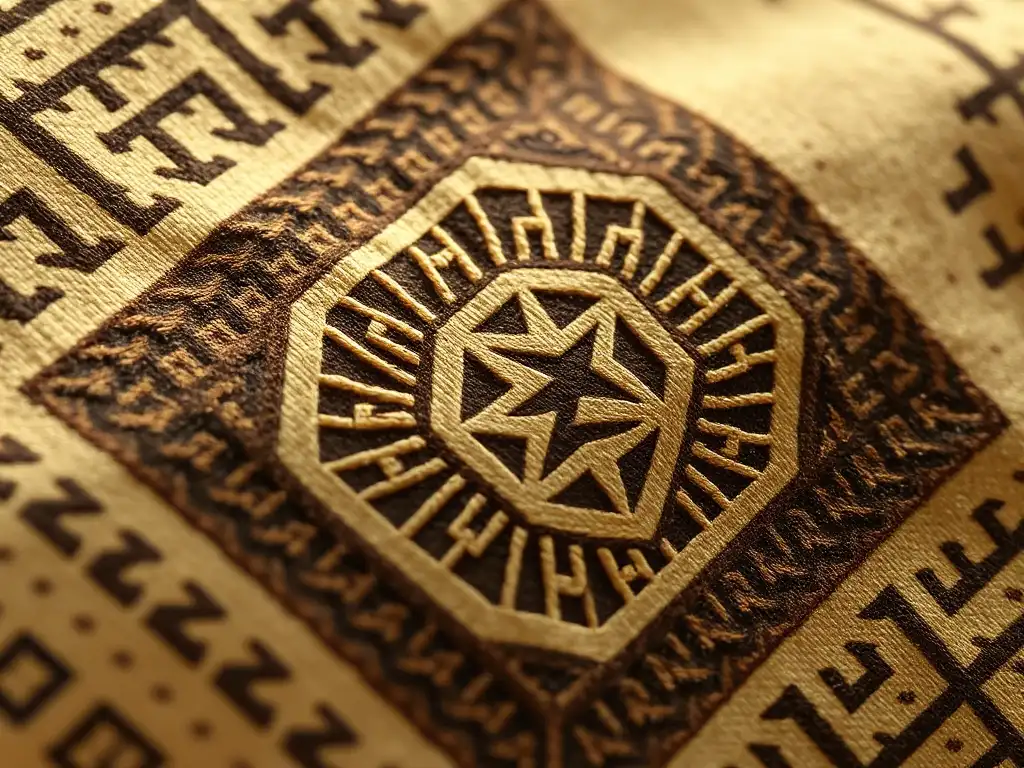
Inca art, renowned for its intricate designs and masterful craftsmanship, reveals a deep-seated fascination with geometric precision. The careful arrangement of shapes reflects not only aesthetic sensibilities but also a profound worldview emphasizing order, harmony, and connection with the cosmos. Understanding the fundamental geometric elements employed by Inca artisans is crucial to appreciating the depth and complexity of their artistic achievements. The prevalence of specific shapes, such as circles, squares, rectangles, and triangles, weren't arbitrary choices; they held symbolic weight and served as powerful visual metaphors within their culture.
Analyzing these elements reveals fascinating insights into Inca cosmology, social structures, and artistic techniques. The consistent use of these geometric patterns in Inca art, from textiles and pottery to stonework and metalwork, underscores their importance as a unifying aesthetic principle across various mediums. This section will delve into the specific meanings and applications of several key geometric elements.
The Power of the Circle in Inca Art
The circle, a universally recognized symbol of wholeness, continuity, and the cyclical nature of life, held significant importance in Inca art and cosmology. It represented the sun, the moon, and the cyclical patterns of agriculture, deeply intertwined with their worldview. Many Inca textiles feature intricate circular designs, often incorporating concentric circles or interwoven circular motifs.
These designs weren't merely decorative; they likely symbolized the sun's life-giving energy and the continuous cycle of planting and harvesting. The perfect symmetry of the circle also mirrored the Inca ideal of balance and harmony in all aspects of life. Furthermore, the use of circular patterns in pottery and metalwork suggests a broader symbolic significance, possibly representing the cosmos or celestial bodies.
The precise execution of these circular designs, often achieved through meticulous hand-spinning and weaving techniques, highlights the skilled artistry of Inca craftspeople. The consistent recurrence of the circle in different contexts reinforces its potent symbolic meaning within the Inca cultural framework. Consider, for example, the intricate circular designs found on kero (ceremonial drinking vessels), where the circle's symbolic weight is arguably amplified by its association with ritual and social hierarchy.
The Significance of the Square and Rectangle
In contrast to the fluidity of the circle, the square and rectangle represent stability, order, and the earthly realm in Inca art. These shapes, with their precisely defined angles and sides, are frequently found in Inca architecture, reflecting the meticulous planning and construction techniques characteristic of their civilization. The precise alignment of stones in Inca structures, such as Machu Picchu, demonstrates a mastery of geometry and engineering.
The use of squares and rectangles in textiles and pottery suggests a connection between the earthly order and the cosmic balance. The symbolic meaning extended beyond architectural applications; for instance, the rectangular shape of many Inca textiles might represent cultivated fields or the structured organization of their society.
The prevalence of these shapes highlights the Inca's emphasis on precision, planning, and the creation of harmonious and stable environments, both physically and symbolically. The precise execution of these shapes, particularly in stonework, serves as a testament to their advanced understanding of geometry and engineering principles.
The Use of Triangles in Inca Designs
Triangles, often appearing in combination with other geometric shapes, represent a more dynamic and multifaceted symbolism in Inca art. While less prevalent than circles, squares, and rectangles, triangles nevertheless played a significant role in their designs. They often appear in stepped patterns, possibly representing mountains, a prominent feature of the Andean landscape and deeply significant in Inca cosmology.
The angled nature of the triangle might also symbolize the upward striving towards the celestial realm, connecting the earthly with the spiritual. The use of triangles in textiles, particularly in conjunction with other geometric shapes, suggests a complex interplay of symbolic meanings. The combination of triangles with circles or squares might represent the integration of the earthly and celestial realms, highlighting the interconnectedness of the Inca worldview.
Further research is needed to fully understand the subtle nuances of triangle symbolism in Inca art, but their presence clearly suggests a more complex and layered interpretation of geometry than initially apparent. Detailed analysis of specific examples from different Inca artistic traditions could provide a deeper understanding of this intriguing aspect of their geometric artistry.
Step Patterns: A Common Geometric Motif in Inca Art
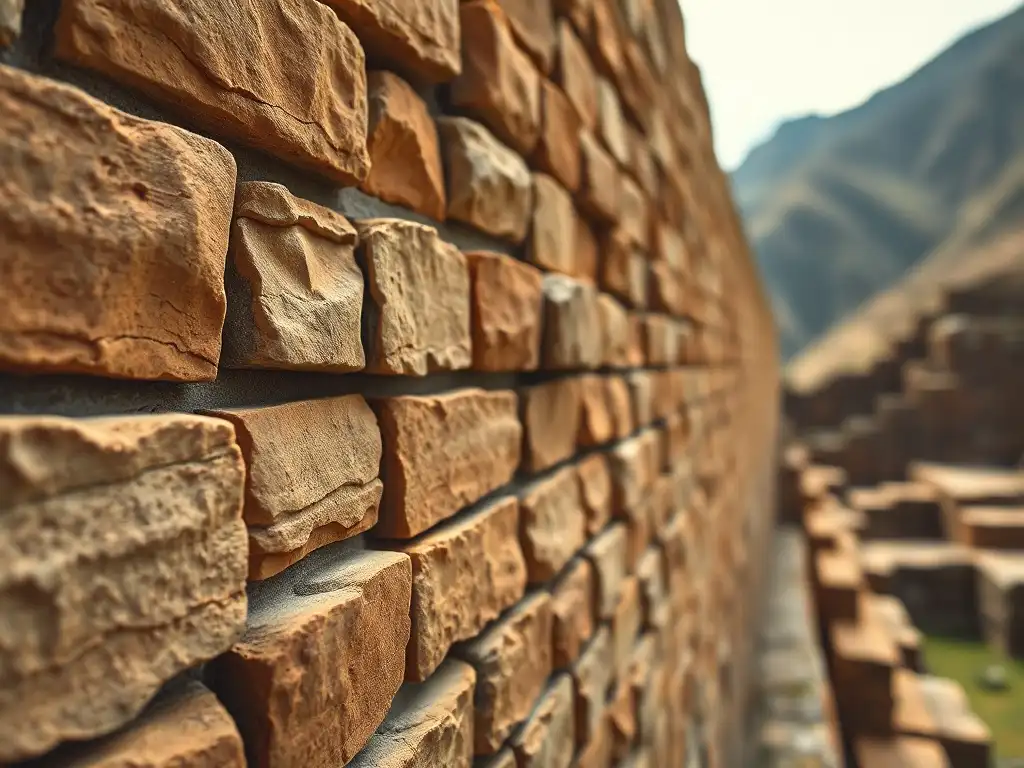
Step patterns, characterized by a series of ascending or descending rectangles or trapezoids, are ubiquitous in Inca art. These patterns, often repeated in friezes or borders, evoke a sense of movement and progression, mirroring perhaps the Inca’s emphasis on hierarchical structures and the cyclical nature of life. The precision of these patterns, even on textiles woven with relatively simple tools, is remarkable.
The consistent size and alignment of the steps demonstrate a high level of skill and planning, suggesting a sophisticated understanding of geometric principles. Variations in color within the step patterns further enhance the visual impact, often creating a vibrant and dynamic effect. For example, the steps might alternate between red and yellow, signifying duality or contrasting elements within their cosmology.
The use of these patterns wasn't limited to decorative purposes; they often appeared on ceremonial garments, architectural elements, and even pottery, suggesting their symbolic importance within Inca society. The meticulous execution of these step patterns highlights the Inca's dedication to detail and their ability to translate abstract concepts into tangible, aesthetically pleasing designs. The repetitive nature of the motif also suggests a connection to the cyclical patterns of agriculture and the Andean landscape, reinforcing the close relationship between Inca art and their environment.
The Significance of Triangles and Trapezoids in Inca Architecture and Textiles
Triangles and trapezoids are fundamental shapes in Inca art, appearing prominently in both architecture and textiles. In architecture, these shapes are evident in the construction of buildings, particularly in the design of doorways, windows, and niches. The precise angles and proportions of these geometric forms demonstrate the Inca's mastery of stonework and their understanding of structural integrity. The use of trapezoidal shapes, for example, in the construction of walls created a visually striking effect, while also contributing to the stability of the structures.
The Inca's use of these shapes wasn't purely functional; they also held symbolic meaning. Triangles, for instance, often represented mountains, a powerful symbol in Inca cosmology, representing connection to the divine and the earth. Trapezoids, with their inherent asymmetry, could have symbolized the dynamic interplay of forces in nature.
In textiles, these shapes are often incorporated into intricate patterns, frequently combined with other geometric elements to create complex and visually arresting designs. The precise weaving techniques employed to render these shapes, particularly on the smaller scale of textiles, underscore the skill and patience of Inca artisans. The skillful integration of triangles and trapezoids in both architecture and textiles demonstrates the Inca’s ability to apply consistent geometric principles across various mediums, highlighting the interconnectedness of their artistic and architectural expressions.
Spirals and Swirls: Representing Cyclical Processes and Cosmic Order in Inca Art
Spirals and swirls are less common than step patterns or triangles in Inca art, but their presence holds significant symbolic weight. These motifs often appear in pottery, textiles, and metalwork, representing cyclical processes and cosmic order. The continuous, flowing lines of spirals and swirls are thought to symbolize the cyclical nature of life, death, and rebirth, mirroring the Inca's understanding of the cosmos and agricultural cycles.
The often-intricate designs, sometimes incorporating multiple spirals interwoven with other geometric elements, demonstrate the artisans' exceptional skill and patience. The size and placement of these spirals could also have had specific symbolic meanings, varying depending on the context and the accompanying elements. For example, a large central spiral might represent the sun, while smaller surrounding spirals could signify stars or other celestial bodies.
The use of spirals and swirls in Inca art offers a glimpse into their worldview, demonstrating a sophisticated understanding of the universe and their place within it. Their incorporation into various artistic mediums further emphasizes their importance as a powerful visual representation of core beliefs and cosmological principles. The meticulous detail and precision in their execution again underline the high level of craftsmanship prevalent in Inca art.
Inca Art Geometric Patterns Across Different Mediums
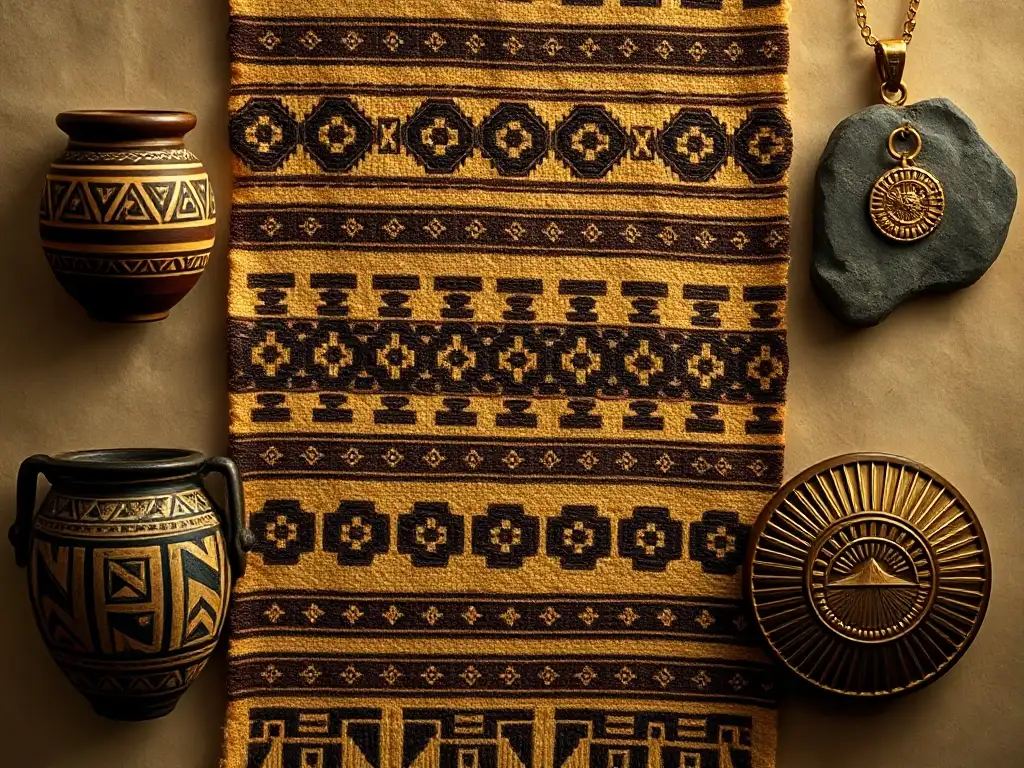
The Inca Empire, renowned for its sophisticated engineering and intricate social structures, also left behind a legacy of stunning artistry characterized by a striking preference for geometric patterns. These patterns, far from being mere decoration, served a deeper purpose, reflecting the Inca worldview emphasizing order, harmony, and connection to the cosmos. The consistent use of geometric designs across diverse mediums – textiles, ceramics, and architecture – underscores the importance of these motifs in Inca culture.
Analyzing these patterns provides valuable insight into Inca aesthetics, beliefs, and societal organization. The prevalence of "Inca art geometric patterns" in various forms showcases a sophisticated understanding of design and its symbolic power.
Geometric Patterns in Inca Textiles: Woven Perfection
Inca textiles represent the pinnacle of Andean weaving artistry. The intricate geometric patterns woven into these fabrics weren't simply decorative; they conveyed social status, religious beliefs, and clan affiliations. The use of vibrant natural dyes, derived from plants and minerals, further enhanced the visual impact of these designs.
Common motifs include stepped triangles, zigzags, chevrons, and repeating squares, often arranged in complex, symmetrical compositions. These patterns were not randomly applied; their precise arrangement followed established codes, reflecting a deep understanding of mathematical principles and symbolic meaning. For example, the stepped trapezoid, a recurring element in Inca architecture, also frequently appears in textiles, suggesting a visual link between the built environment and the clothing of the people.
The meticulous craftsmanship evident in these textiles, combined with the symbolic weight of their designs, makes them a testament to the sophistication of Inca textile production and their profound appreciation for geometric forms. The skill involved in creating these intricate "Inca art geometric patterns" on such a delicate medium is truly remarkable.
Inca Ceramic Art: Geometric Precision in Pottery
Inca pottery, while diverse in its forms and functions, consistently incorporates geometric patterns. From simple, utilitarian vessels to elaborate ceremonial jars, geometric motifs are prominently featured, often in conjunction with zoomorphic and anthropomorphic representations. The precision with which these patterns are applied, whether through painting, stamping, or incision, highlights the high level of skill possessed by Inca artisans.
Common geometric elements in Inca ceramics include bands of triangles, stepped frets, and concentric circles, frequently arranged in repeating sequences. The colors used, often bold and contrasting, further enhance the visual impact of these designs. The use of geometric patterns in Inca ceramics is not limited to decoration; the shapes and arrangements of these patterns likely held symbolic meaning, reflecting the Inca worldview and religious beliefs.
Further research is needed to fully understand the specific meanings associated with particular "Inca art geometric patterns" found on various types of pottery. Analysis of the different styles across regions could reveal variations in symbolic representation.
Geometric Forms in Inca Architecture: Structural Harmony
The integration of geometric patterns into Inca architecture is perhaps the most striking example of their application on a monumental scale. The precise placement of stones in Inca structures, the meticulous construction of walls, and the careful arrangement of spaces all contribute to a sense of visual harmony and order. The use of trapezoidal shapes, stepped pyramids, and interlocking blocks creates a visual rhythm that is both aesthetically pleasing and structurally sound.
The repeated use of these geometric forms, particularly the stepped trapezoid, reinforces the sense of order and stability that was central to Inca ideology. This architectural precision extends beyond mere aesthetics; the geometric arrangement of stones contributed to the remarkable stability and longevity of Inca structures, even in challenging terrains.
The mastery demonstrated in the construction of Inca buildings, with their intricate "Inca art geometric patterns" integrated into the very fabric of the structures, represents a high point of Andean architectural achievement. Further study could reveal the mathematical principles underpinning the design choices, potentially highlighting connections between Inca architecture and the wider Andean mathematical traditions.
Inca Metalwork: Geometric Detailing in Gold and Silver
Inca metalworking represents the pinnacle of Andean craftsmanship, showcasing an unparalleled mastery of geometric patterns in gold and silver. The Incas weren't just skilled at extracting and refining these precious metals; they possessed a sophisticated understanding of metallurgy, allowing them to create incredibly intricate and durable objects. Their artistry transcended mere decoration; the geometric designs incorporated into their metalwork often held symbolic meaning, reflecting cosmological beliefs and social hierarchies.
The use of geometric shapes in Inca metalwork wasn't arbitrary. Careful observation reveals recurring motifs like stepped frets, triangles, and zigzags, often arranged in complex, interwoven patterns. These weren't simply aesthetic choices; they were carefully planned compositions, demonstrating a deep understanding of symmetry, proportion, and visual balance. The precision achieved in hammering, repoussé (a metalworking technique where the metal is shaped from the back), and casting is astonishing, even by today's standards. Many pieces show incredibly fine lines and details, testament to the skill and patience of the Inca artisans.
One can find examples of this geometric precision in various artifacts. For instance, intricately decorated gold and silver sheets were used to adorn ceremonial objects, clothing, and even the mummies of elite individuals. These sheets often featured repeating geometric patterns, sometimes incorporating zoomorphic or anthropomorphic elements within the overall geometric framework.
The sheer number of tiny, precisely placed details in these pieces is a testament to the dedication and expertise of Inca metalworkers. Furthermore, the use of different alloys and techniques allowed for variations in texture and sheen, adding another layer of complexity to the visual impact of the designs. The shimmering surfaces of these meticulously crafted objects must have been breathtaking in their day.
The creation of such intricate metalwork demanded a highly organized and specialized workforce. Evidence suggests that Inca metalworkers were highly respected members of society, working within a structured system that ensured the transmission of knowledge and techniques across generations. The sophistication of their work, therefore, speaks not only of individual skill but also of a well-organized and technologically advanced society.
The enduring legacy of Inca metalwork continues to fascinate and inspire, a testament to their unparalleled artistic achievements and understanding of geometric design. The precise, repetitive patterns found in their gold and silver pieces are a hallmark of Inca art, reflecting both their technical prowess and their rich cultural heritage.
The Mathematical Precision Behind Inca Geometric Art
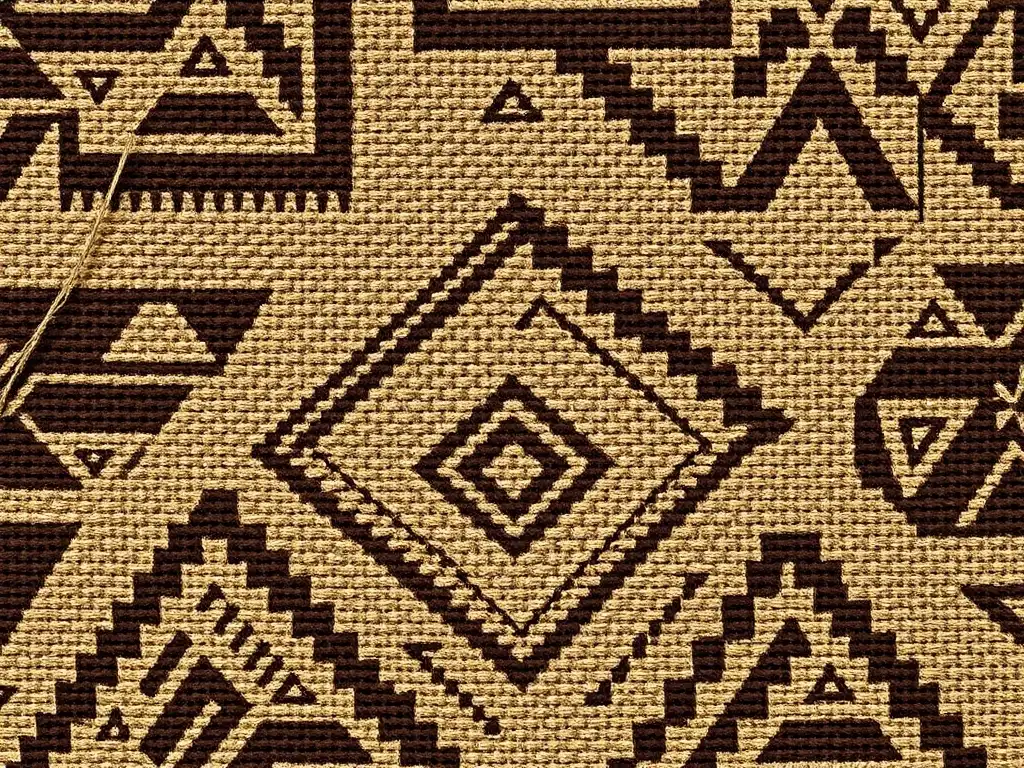
The intricate geometric patterns found in Inca art are not merely decorative; they represent a sophisticated understanding of mathematics and geometry, reflecting a deeply ingrained cultural value placed on order and harmony. This precision wasn't accidental; it was a deliberate pursuit, underpinned by highly developed measurement systems and a profound appreciation for symmetry and proportional relationships. The resulting aesthetic is both visually striking and a testament to the intellectual capabilities of Inca artisans.
Analyzing the geometric precision of Inca art provides invaluable insights into their worldview and their mastery of complex techniques. The prevalence of "Inca art geometric patterns" in textiles, pottery, and stonework highlights their importance in Inca society.
Inca Measurement Systems: A Foundation for Geometric Accuracy
The creation of precise geometric patterns requires accurate measurement. While the exact tools used by Inca artisans remain a subject of ongoing research, evidence suggests they employed sophisticated systems based on standardized units. These units, likely derived from body measurements or natural phenomena, allowed for consistent replication of patterns across different crafts and locations. For instance, the quipu, a complex system of knotted strings, may have served not only as a record-keeping device but also as a tool for calculating and transferring geometric proportions.
Further research is needed to fully understand the intricacies of their measurement systems, particularly concerning the precision achieved in large-scale projects like Machu Picchu's stonework, where incredibly tight tolerances were maintained. Archaeological evidence continues to reveal fascinating details about these systems, gradually unveiling the secrets behind Inca geometric accuracy. The meticulous nature of their work demonstrates a level of sophistication that rivals many contemporary systems.
Inca Art and the Concept of Symmetry
Symmetry, a fundamental principle in geometry, is a recurring motif in Inca art. From the symmetrical arrangements of stones in their monumental architecture to the mirrored designs woven into their textiles, symmetry conveys a sense of balance and cosmic order. This isn't simply a matter of visual appeal; symmetry held deep symbolic meaning within Inca cosmology.
It represented the harmonious interplay of opposing forces, reflecting their understanding of duality and the interconnectedness of the universe. The use of bilateral symmetry – a mirror image on either side of a central axis – is particularly prevalent. Consider the intricate designs on Inca ceramics; often, a central motif is flanked by symmetrical patterns, creating a visually pleasing and symbolically resonant composition.
The consistent application of symmetry across diverse art forms underscores its importance as a core principle in Inca aesthetics and worldview. The study of Inca art reveals a profound appreciation for the concept of balance and order.
The Inca's Understanding of Proportions and Ratios
Beyond symmetry, Inca artisans demonstrated a keen understanding of proportions and ratios. The precise relationships between different elements within a design – the size of individual motifs, the spacing between lines, the overall dimensions of a textile or ceramic piece – reveal a deliberate application of mathematical principles. The use of specific ratios, such as the golden ratio (approximately 1.618), which appears in many aspects of nature and is often associated with aesthetic harmony, is a subject of ongoing scholarly debate.
While definitive proof remains elusive, the consistent elegance and precision of Inca geometric designs strongly suggest a conscious application of proportional relationships. Analyzing the dimensions of various Inca artifacts could reveal further evidence of their mathematical understanding.
The intricate interplay of proportions and ratios contributed significantly to the overall impact and aesthetic appeal of their art, demonstrating a high level of mathematical sophistication. This mastery of proportions and ratios helped create the enduring legacy of "Inca art geometric patterns".
The Legacy of Inca Geometric Art
The Inca Empire, renowned for its sophisticated engineering and intricate social structures, also left behind a breathtaking legacy in the realm of art. Inca art, particularly its geometric patterns, stands as a testament to the civilization's deep appreciation for order, harmony, and precision. These designs, far from being mere decoration, were imbued with symbolic meaning, reflecting the Inca worldview and their understanding of the cosmos.
The prevalence of geometric motifs in textiles, ceramics, and stonework underscores their importance in Inca society, permeating every aspect of daily life, from clothing and religious ceremonies to architecture and urban planning. The precise execution of these patterns, often achieved using incredibly simple tools, highlights the skill and dedication of Inca artisans. Understanding the intricacies of Inca geometric patterns requires examining not only the aesthetic aspects but also the cultural and symbolic context in which they were created.
This understanding provides a deeper appreciation for the intellectual and artistic achievements of this remarkable civilization. The study of Inca art geometric patterns continues to fascinate researchers and inspire artists today.
Influences of Inca Geometric Design on Contemporary Art
Inca geometric designs continue to resonate with contemporary artists, inspiring creativity and influencing artistic expression across diverse mediums. The bold, symmetrical patterns, often featuring repeating motifs and vibrant color palettes, provide a powerful visual language that transcends time. Modern artists draw inspiration from Inca aesthetics, incorporating elements of these ancient designs into their own works.
This influence can be seen in textiles, ceramics, jewelry, and even digital art. The enduring appeal of Inca geometric patterns lies in their inherent beauty and versatility. Their adaptability allows for both faithful recreations and innovative reinterpretations, making them a rich source of inspiration for contemporary artistic endeavors.
For example, the use of stepped motifs reminiscent of Inca architecture can be found in modern textile designs, while the vibrant color palettes seen in Inca ceramics are echoed in contemporary paintings and sculptures. The legacy of Inca art’s geometric patterns continues to inspire artistic innovation and cross-cultural dialogue. This influence demonstrates the timeless quality and enduring appeal of Inca artistic principles.
The Enduring Appeal of Inca Art's Geometric Harmony
The enduring appeal of Inca art's geometric harmony stems from several key factors. Firstly, the inherent visual elegance of these patterns provides immediate aesthetic satisfaction. The balance, symmetry, and repetition create a sense of order and tranquility that resonates with viewers across cultures and time periods.
Secondly, the intricate detail and precision of Inca craftsmanship commands respect and admiration. The skill required to create these patterns using limited technology is truly remarkable, adding a layer of appreciation beyond mere aesthetic enjoyment. Furthermore, the symbolic meaning embedded within these designs adds depth and intrigue.
While the precise interpretations of many symbols remain debated, the underlying principles of order, balance, and connection to the cosmos are universally understood and appreciated. The enduring appeal of Inca art's geometric harmony is therefore a complex interplay of visual beauty, technical mastery, and profound cultural significance. This enduring appeal ensures that Inca art continues to captivate audiences and inspire artists globally.
Preserving and Studying Inca Art Geometric Patterns
Preserving and studying Inca art geometric patterns requires a multi-faceted approach encompassing meticulous documentation, conservation efforts, and ongoing research. Archaeological excavations continue to uncover new examples of Inca art, providing valuable insights into the techniques and cultural context of these designs. Careful documentation, including detailed photographic records and digital modeling, is crucial for preserving these fragile artifacts for future generations. Conservation efforts focus on protecting existing pieces from deterioration caused by environmental factors and the passage of time.
This involves employing specialized techniques to stabilize materials and prevent further damage. Moreover, ongoing research aims to decipher the symbolic meaning embedded within these patterns, unraveling the cultural and cosmological beliefs that shaped their creation. This research involves collaboration among archaeologists, art historians, anthropologists, and other experts.
The preservation and study of Inca art geometric patterns are crucial for understanding this remarkable civilization and its enduring artistic legacy. This ongoing work ensures that the beauty and significance of Inca geometric designs will continue to be appreciated and studied for years to come. The meticulous efforts made in preserving and studying these patterns are essential for understanding the rich tapestry of Inca culture and artistic expression.
Frequently Asked Questions
What is the most prominent characteristic of Inca art?
Inca art is renowned for its geometric precision and the use of repeating patterns. This emphasis on order and symmetry reflects their worldview and sophisticated understanding of mathematics.
How did the Incas use geometric patterns in their art?
Geometric patterns were integrated into various art forms, including textiles, pottery, and stonework. These patterns often featured triangles, squares, and stepped designs, symbolizing concepts of balance and harmony.
What is the significance of geometric patterns in Inca culture?
These patterns weren't merely decorative; they held symbolic meaning, often representing cosmological beliefs or social structures. The intricate designs reflected the Incas' highly organized society.
Are there specific geometric patterns frequently seen in Inca art?
Yes, zigzags, step patterns, and concentric circles are among the most common. These patterns frequently appeared in textiles and pottery, reflecting their technical skill and aesthetic sensibilities.
Where can I learn more about Inca art and its geometric patterns?
To delve deeper, explore museums with Inca artifact collections and academic resources focusing on Andean art history. Many books and online articles specifically discuss Inca geometric designs and their cultural significance.
Final Reflection: The Enduring Legacy of Inca Geometric Precision
The intricate geometric patterns found in Inca art are not merely aesthetic choices; they represent a profound understanding of order, harmony, and the cosmos, a worldview that resonates deeply with our contemporary fascination with design and structure. This precision, evident in everything from textiles to architecture, speaks to a sophisticated civilization that understood the power of visual language to express complex ideas and beliefs. The legacy of this artistic mastery continues to inspire and challenge us today.
The enduring influence of Inca geometric patterns is undeniable, shaping our understanding of ancient Andean culture and influencing modern artistic expression. Their impact extends beyond the realm of art history; the principles of balance, symmetry, and repetition found in Inca designs are echoed in contemporary design, architecture, and even mathematics. The Inca's mastery of geometric design wasn't just about aesthetics; it was a reflection of their worldview, a way of ordering the universe and expressing their connection to it.
This quote encapsulates the profound significance of their artistic achievements and their lasting impact on our perception of beauty and order.
Consider, for a moment, the intricate detail and mathematical precision evident in Inca textiles and pottery. Let these examples inspire you to appreciate the power of deliberate design and the beauty of structured forms. Look around you – how are geometric patterns present in your own life? How can you incorporate the principles of balance and harmony, so evident in Inca art, into your own creative endeavors and daily life? Embrace the enduring legacy of Inca geometric precision, and let it guide you towards a deeper appreciation of art, design, and the underlying order of the world.
Unveil the Beauty of Inca Art in Your World!
Thank you for exploring the fascinating world of Inca art with us! You've discovered the intricate geometric precision that embodies order and harmony in these ancient creations. Now, let's bring that inspiration into your life and delve deeper!
Here are some engaging and rewarding ways to continue your exploration:
- **Create Your Own Geometric Artwork:** Unleash your creativity by experimenting with paper, markers, and the harmonious principles of Inca design. Share your creations on social media using #InspiredByInca!
- **Explore Local Art Exhibits:** Seek out galleries or museums showcasing indigenous or geometric art. Connecting with local artists can significantly deepen your appreciation for these timeless patterns.
- **Join an Online Community:** Connect with others who share your passion for Andean civilizations and art. Online forums and social media groups offer opportunities to expand your understanding and engage in stimulating discussions.
Reflect on how the principles of order and harmony inherent in Inca art can enrich your daily life and creative endeavors.