
The Craft of Barter: Skills and Specializations in Andean Trade

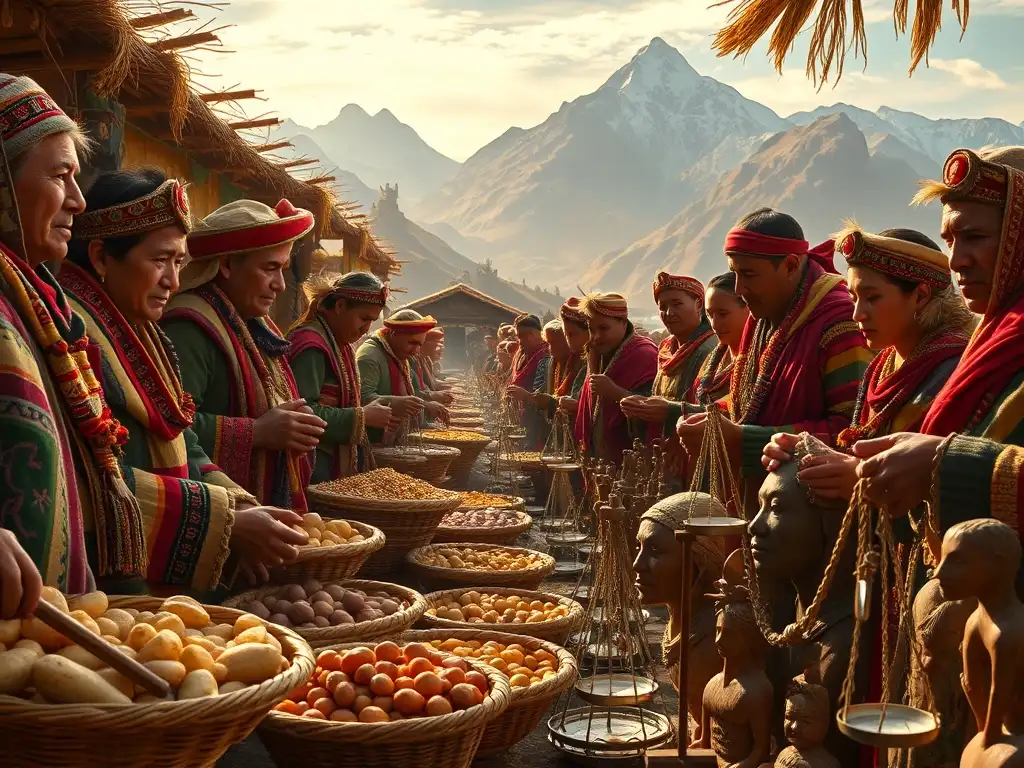
Step into a world lost to time, yet echoing with the ingenuity of the Andean civilizations. Imagine a society where intricate barter systems thrived, not on gold or silver, but on the specialized skills of its people. Discover the fascinating story behind the Andean civilizations barter skills—a complex web of craftsmanship, innovation, and exchange that shaped entire empires. Prepare to be amazed as we unravel the secrets of their vibrant trade and economy, revealing a level of sophistication far beyond what you might expect.
The intricate tapestry of Andean civilizations wasn't woven solely from threads of conquest and agriculture; it was also intricately bound by a complex system of barter and exchange. This article delves into the fascinating world of Andean trade, specifically focusing on the specialized skills and knowledge that fueled this vibrant economic system.
We'll explore how the absence of a unified currency didn't hinder, but rather stimulated, the development of sophisticated trading networks and the emergence of specialized artisan communities across the diverse landscapes of the Andes Mountains. From the Incas' vast empire to the smaller, yet equally impressive, achievements of the Moche, Nazca, and Tiahuanaco cultures, we’ll uncover the ingenious strategies and specialized crafts that formed the backbone of Andean barter systems.
Understanding these nuanced economic practices provides crucial insight into the social structures, technological advancements, and overall resilience of these remarkable ancient societies. The keyword "Andean civilizations barter skills" will be explored throughout, revealing the intricate connections between specialized knowledge and successful trade within these ancient cultures.
Understanding Incan Barter Systems
The Incan Empire, renowned for its expansive reach and sophisticated administrative system, possessed a barter system that was far from rudimentary. While not using a standardized currency in the way we understand it today, the Incas developed a highly organized system of exchange based on a complex understanding of value and need. This system relied heavily on the mita, a form of labor tax, which contributed significantly to the production of goods for exchange.
The state controlled much of the agricultural production, storing surpluses in vast qollqas (storehouses) that acted as central distribution points. These stores weren't simply for emergency situations; they were integral to the functioning of the Incan barter system, facilitating the exchange of goods between different regions and social groups.
The Incas also utilized a system of standardized weights and measures, ensuring fairness and transparency in transactions. Specific items held higher value based on their scarcity, craftsmanship, or perceived symbolic importance. For example, textiles of exceptional quality, intricately crafted metalwork (gold, silver, and copper), and rare feathers were highly prized and often used as forms of currency in significant transactions.
This system facilitated the exchange of not only essential goods like food and tools but also luxury items and symbolic objects that reinforced social hierarchies and political power. The effectiveness of this system is a testament to the Incan's exceptional organizational abilities and their deep understanding of economic principles.
The Role of Specialization in Incan Exchange
The success of the Incan barter system was intrinsically linked to a high degree of specialization within their society. Artisans developed exceptional skills in specific crafts, contributing to the diversity and quality of goods available for exchange. This specialization wasn't random; it was often tied to regional resources and traditional knowledge passed down through generations.
For instance, some communities became renowned for their pottery, others for their weaving, and still others for their metalworking. This division of labor fostered efficiency and innovation, leading to the production of high-quality goods that were highly sought after both within the empire and potentially beyond its borders.
This specialization wasn't limited to material goods. Specialized knowledge in areas like astronomy, medicine, and engineering also played a vital role in the overall economic system. For example, skilled engineers were essential for the construction of the impressive Incan infrastructure, including roads, bridges, and irrigation systems, which greatly facilitated trade and transportation.
Similarly, experts in medicine were crucial for maintaining the health of the population, ensuring a productive workforce. The intricate interplay between specialized skills and the broader economic system underscores the sophisticated nature of the Incan society and their mastery of resource management. This intricate network demonstrates how the "Andean civilizations barter skills" were not simply transactional but deeply integrated into the social and political fabric of the empire.
- What role did barter play in Andean civilizations?
- How did specialized skills contribute to the barter system?
- Which Andean civilizations are known for their sophisticated barter systems?
- What types of goods and services were commonly bartered?
- How did geography influence the development of barter systems in the Andes?
Essential Barter Skills in Ancient Andean Societies
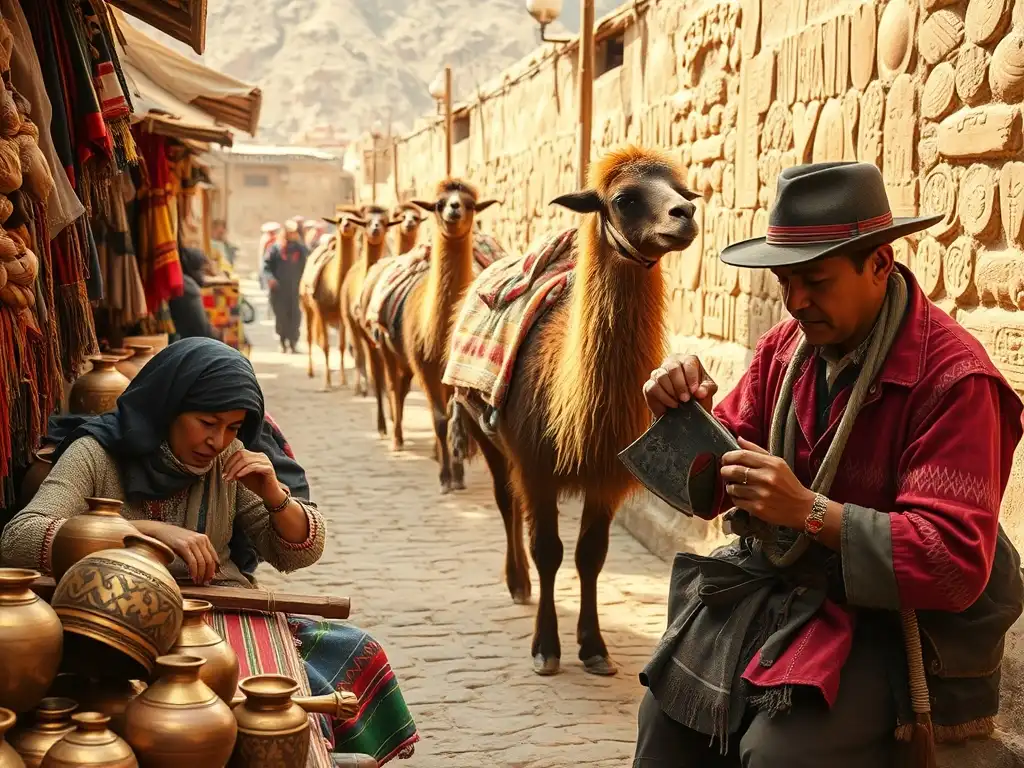
The intricate barter systems of Andean civilizations thrived on a complex interplay of specialized skills and resourcefulness. Understanding the nuances of these systems requires appreciating the diverse talents that fueled trade and shaped social structures. This wasn't simply a matter of exchanging goods; it was a demonstration of mastery, ingenuity, and often, social standing within the community.
The value of a particular item wasn't just its intrinsic worth, but also the skill and effort invested in its creation, making the “Andean civilizations barter skills” a crucial aspect of their economic and social fabric. This section delves into some key areas of expertise that formed the backbone of Andean barter.
Agricultural Expertise in Incan Barter
Agricultural prowess was paramount in the Incan barter system. The Incas, renowned for their sophisticated agricultural techniques like terracing and irrigation, produced surplus crops like maize, potatoes, quinoa, and beans. These weren't simply food; they were valuable commodities used in extensive barter networks.
The quality and quantity of these agricultural products directly correlated to an individual's or community's standing in the trade system. Farmers with exceptional yields commanded higher value in exchanges, securing access to desirable goods from other specialized groups. For example, a skilled farmer might trade a large quantity of high-quality potatoes for intricate textiles or finely crafted pottery.
The ability to cultivate and preserve these crops, particularly in challenging Andean environments, represented a highly valued skill directly impacting their bartering power. Accurate records, unfortunately, are lacking regarding the precise exchange rates between different agricultural products, but archaeological evidence clearly shows the crucial role of agriculture in the Incan barter system. Further research into Inca agricultural records, if found, would shed more light on the quantitative aspects of their barter system.
Textile Production and its Barter Value
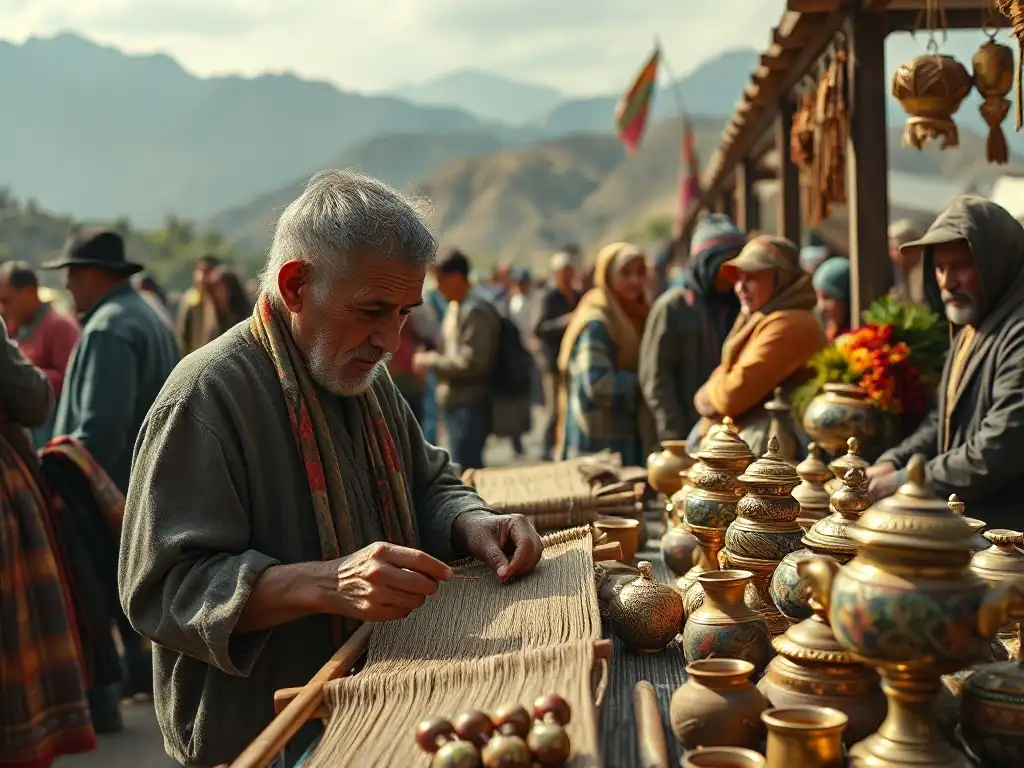
Textile production represented another cornerstone of Andean barter. The creation of intricate textiles, using techniques like weaving and dyeing with natural pigments, was a highly specialized skill passed down through generations. The quality of the yarn, the complexity of the designs (often imbued with symbolic meaning), and the overall craftsmanship determined the textile's barter value.
Different regions specialized in producing unique textiles, leading to vibrant exchange networks. For example, the coastal regions might trade their finely woven cotton cloths for the wool textiles produced in the highlands. This specialization, coupled with the symbolic importance of textiles in Andean society (used in rituals, ceremonies and clothing), elevated them to a highly sought-after commodity in barter transactions.
The intricate designs and the labor-intensive nature of production contributed significantly to their value, making them a valuable currency in the Andean barter economy. The colors themselves, often derived from rare plants and minerals, further added to their prestige and bartering power.
Craftsmanship: Pottery, Metalwork, and Incan Trade
Beyond agriculture and textiles, highly skilled artisans played a critical role in the Andean barter system. Pottery, with its diverse forms and artistic styles, was a widely traded commodity. The Moche civilization, for instance, is famed for its elaborate and realistic pottery depicting scenes from daily life and mythology. These pieces, crafted with meticulous attention to detail, held significant barter value, reflecting the skill and artistic talent invested in their creation.
Similarly, metalworking, particularly in gold and silver, was a highly specialized craft. The Incas, along with other Andean cultures, were masters of metalworking, creating intricate jewelry, tools, and ceremonial objects. The rarity of metals and the sophisticated techniques involved in their shaping made these items exceptionally valuable in barter transactions.
The ability to work with precious metals symbolized prestige and power, further enhancing the value of these goods in the exchange networks. The precise exchange rates for these items are difficult to ascertain due to the lack of detailed historical records; however, their significance in Andean society and archaeology points to their crucial position in the barter system. Further archaeological investigation and analysis of unearthed artifacts could provide more precise data on the relative value of these crafted items within the Andean barter economy.
Specialized Mining and Resource Extraction for Barter
Andean civilizations weren't just skilled farmers; they were also master miners and resource extractors. Their proficiency in these areas played a crucial role in their extensive barter systems. Access to valuable minerals like copper, gold, silver, and obsidian wasn't evenly distributed across the Andes.
This uneven distribution created a high demand for these resources, fueling specialized skills in their extraction and refinement. Communities located near mineral deposits developed expertise in mining techniques, often employing sophisticated methods for locating, extracting, and processing ores. For instance, the pre-Inca cultures of the central Andes developed intricate systems of tunnels and shafts to access deep mineral veins, showcasing remarkable engineering prowess for the time.
These specialized mining skills were not only crucial for their own survival but also formed the backbone of their participation in regional barter networks. The high value of these minerals ensured that those with mining expertise held significant economic power within the barter system.
The extraction of these resources wasn't a simple task. It required specialized knowledge of geology, metallurgy, and engineering. Identifying high-grade ore deposits demanded a keen understanding of geological formations and mineral indicators. Extraction methods varied depending on the type of ore and the terrain.
Some communities employed open-pit mining for easily accessible deposits, while others developed complex underground mining systems, using tools and techniques passed down through generations. The processing of ores also required specialized skills. Smelting techniques, for example, involved precise control of temperature and airflow to separate the valuable metal from the surrounding rock.
Different communities developed their own unique smelting techniques, resulting in variations in the quality and purity of the metals produced. This variation itself could be a factor in determining the value of the goods exchanged in barter transactions. The expertise in these processes formed a critical element of the Andean barter system, with communities specializing in particular minerals becoming key players in the regional economy.
The control and distribution of these mined resources often held political significance. Access to valuable metals like gold and silver could solidify a community's power and influence within the broader network of Andean civilizations. The control of mining operations could lead to the accumulation of wealth in the form of precious metals, which could then be used to acquire other goods and services through barter.
This economic power often translated into political influence, highlighting the close connection between economic activities and political structures in Andean societies. The specialized skills in mining and resource extraction were therefore not just economically significant but also played a crucial role in shaping the social and political landscape of the Andes. Their mastery of these techniques allowed them to participate effectively in the complex web of barter relationships that characterized the Andean world.
Geographic Influences on Incan Barter Practices
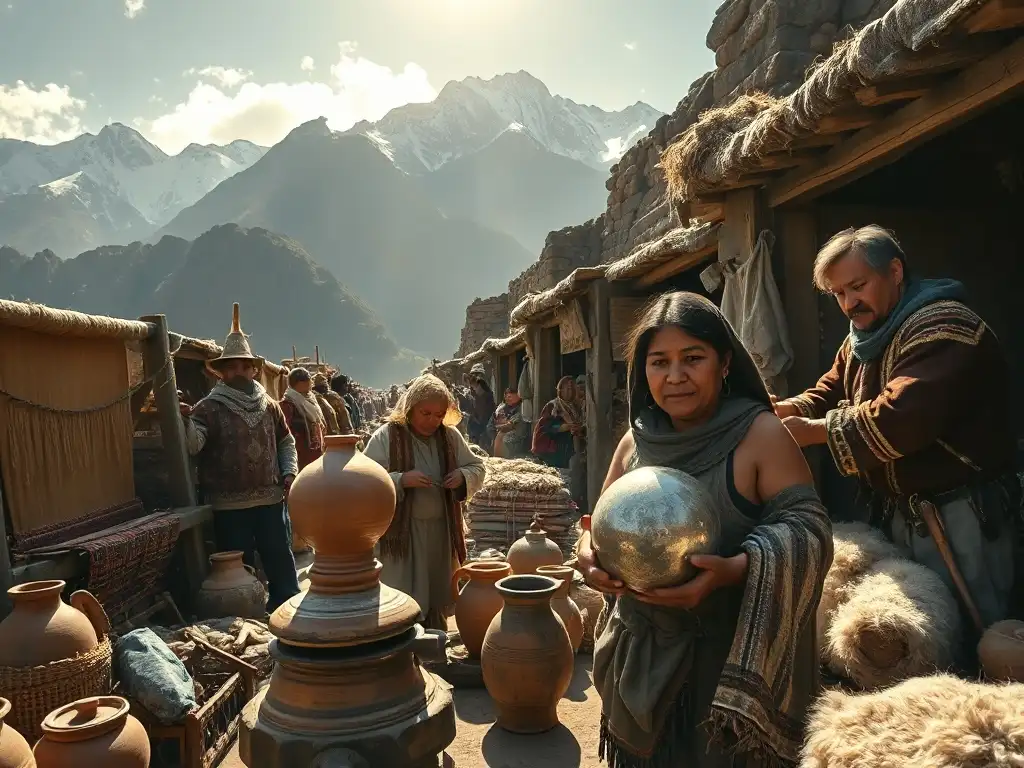
The intricate barter system of the Incan Empire wasn't a monolithic entity; its nuances were deeply shaped by the diverse geography of the Andes. The vast altitudinal differences, ranging from arid coastal deserts to high-altitude plains and lush cloud forests, fostered regional specialization and necessitated complex exchange networks. Understanding these geographic influences is crucial to comprehending the sophisticated nature of Andean civilizations barter skills. The empire's success was, in no small part, due to its ability to effectively manage and utilize the resources available across these varied environments.
Coastal Barter Networks and Resources
The coastal regions of the Incan Empire, though seemingly less hospitable than the highlands, provided vital resources crucial to the empire's survival and trade. Fishing communities thrived, offering a bounty of fish, shellfish, and sea salt – commodities highly valued in the inland areas. These coastal communities developed sophisticated techniques for fishing, including the use of intricate nets and specialized boats.
Their expertise in preserving fish through drying and salting further enhanced their trading power. Barter in these regions often involved direct exchange of goods: dried fish for textiles, pottery, or agricultural products from the highlands. The accessibility of the coast also facilitated trade with other coastal cultures, extending the reach of the Incan barter network beyond the empire's borders.
Evidence suggests a vibrant exchange of both goods and cultural practices along the coast, highlighting the interconnected nature of Andean civilizations barter skills. For example, the intricate designs found on coastal pottery often reflect cultural exchange with neighboring societies.
Highland Barter Systems and Specializations
The Andean highlands, characterized by their dramatic topography and varied climates, supported distinct agricultural practices and specialized crafts. High-altitude communities excelled in cultivating hardy crops like potatoes, quinoa, and maize, adapted to the challenging conditions. These communities also developed expertise in textile production, utilizing alpaca and llama wool to create high-quality textiles, valued throughout the empire.
Highland barter often revolved around the exchange of agricultural products for goods unavailable at higher altitudes, such as salt from the coast or specialized tools from other highland communities. The system was not simply a matter of exchanging one commodity for another; it involved complex negotiations and considerations of value, reflecting a deep understanding of both the resources and the skills necessary to acquire them.
The specialized skills in weaving, metalworking, and stone carving, prevalent in the highlands, were highly valued and often formed the basis of barter transactions. This demonstrates the deep connection between geography, specialization, and the development of Andean civilizations barter skills.
Inter-regional Trade and Barter in the Incan Empire
The Incan Empire's success lay not only in its regional specializations but also in its ability to integrate these diverse regions into a cohesive economic system. The capac ñan, the extensive network of roads, played a critical role in facilitating trade and communication across the vast empire. This infrastructure enabled the efficient movement of goods and people, connecting coastal fishing communities with highland agricultural centers and facilitating the exchange of specialized products.
The tambos, strategically located waystations along the roads, served as vital hubs for trade and rest. These waystations were not merely rest stops; they were centers of exchange, where goods were traded and bartered, and where information was shared. The standardization of weights and measures, along with the use of standardized currency (though not necessarily coinage), further streamlined the process of bartering across regions.
This integrated system, facilitated by the capac ñan and the tambos, exemplifies the sophisticated nature of Andean civilizations barter skills and their ability to manage and maintain a complex economic network across a diverse landscape. The system's efficiency highlights the advanced understanding of logistics and organization inherent in the Incan Empire’s economy.
Examples of Incan Barter Goods and Services
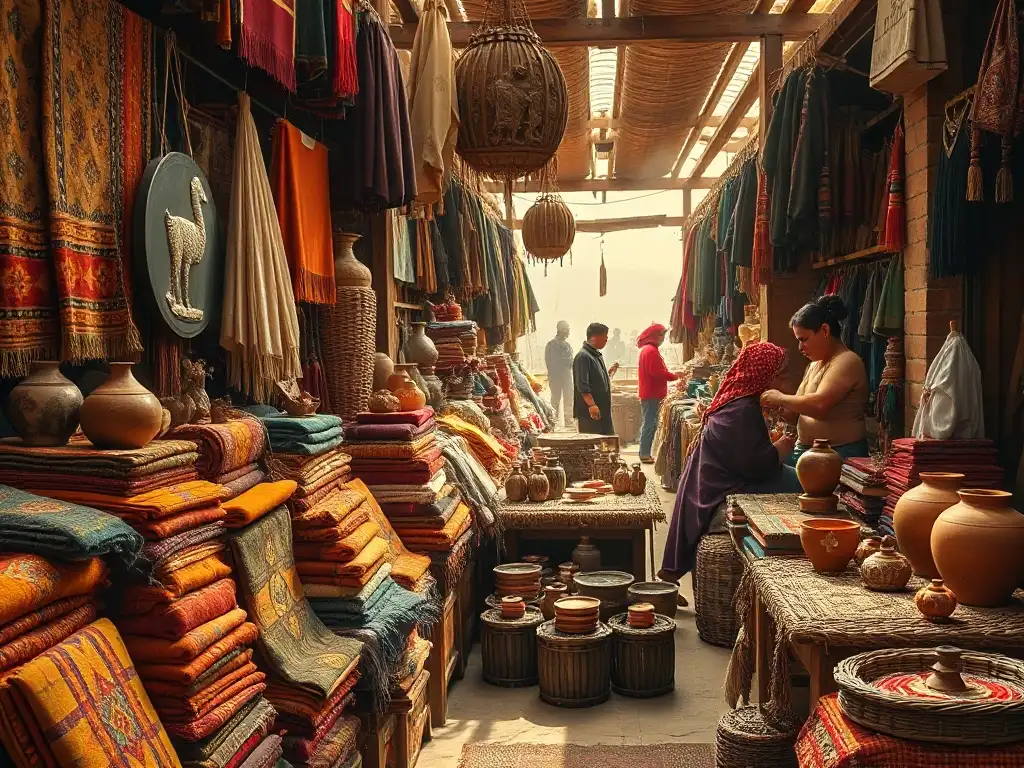
The Incan Empire, a hallmark of Andean civilizations, possessed a sophisticated barter system that fueled its economic engine and social structure. Unlike monetary systems based on currency, the Incan economy relied heavily on the exchange of goods and services, reflecting the diverse skills and specializations within their society. This intricate network of exchange wasn't random; it was meticulously organized, reflecting the empire's centralized control and its ability to manage resources across vast distances. Understanding Incan barter requires examining the specific items and services that formed the backbone of this system.
The sheer variety underscores the complexity of their economy and the interconnectedness of their communities. This section will explore some key examples, highlighting the importance of different goods and the specialized skills needed to produce them. The prevalence of "Andean civilizations barter skills" is clearly evident in the detailed organization and wide range of goods involved.
Foodstuffs as Barter Items in Incan Trade
Foodstuffs were a crucial component of the Incan barter system, reflecting the agricultural prowess of the civilization. The empire's success in cultivating diverse crops in varied Andean climates ensured a steady supply of essential goods for trade. The most common items included:
- Potatoes: A staple crop, potatoes came in countless varieties, each suited to different altitudes and climates. Their versatility made them a highly valued barter item, traded both locally and across regions. Larger, higher-quality potatoes naturally commanded higher value in exchange.
- Maize (Corn): Another essential grain, maize was used in various forms – from kernels to flour – and played a significant role in religious ceremonies. Its importance guaranteed its high demand in the barter system. Different varieties, like sweet corn and flint corn, likely held different values.
- Quinoa: This nutritious grain was highly prized for its protein content and resilience to harsh conditions. It was a valuable commodity, often exchanged for specialized goods or services.
- Dried Meats and Fish: In regions with limited arable land, dried meats (llama, alpaca) and fish were important sources of protein and were significant barter goods, especially in coastal communities. The preservation techniques required specific skills, adding value to these items.
- Fruits and Vegetables: A wide range of fruits and vegetables, adapted to the diverse Andean ecosystems, were also traded. These included tomatoes, beans, peppers, and various fruits depending on the region and season. Their seasonal availability influenced their value in the barter system.
The efficient storage and preservation of these perishable goods were essential skills in the Incan barter system, requiring specialized knowledge of techniques like drying, salting, and freezing at high altitudes. This expertise added further value to the traded foodstuffs.
Precious Materials and Their Barter Significance
Beyond foodstuffs, precious materials played a significant role in Incan barter, reflecting the empire's mastery of mining and metalworking. These materials were not just economically valuable; they also held symbolic importance, often used in religious ceremonies and royal adornment.
- Gold: Gold, symbolizing the sun and power, was highly valued and used in the creation of elaborate ornaments, religious artifacts, and prestigious items for the elite. Its rarity and the intricate craftsmanship involved in its shaping made it a highly prized barter item.
- Silver: Silver, though less rare than gold, was still a highly valued metal used for both utilitarian objects and ceremonial items. Its malleability made it suitable for intricate work, further enhancing its value.
- Copper: Copper, more readily available than gold and silver, was used for tools, weapons, and decorative items. Its value varied depending on the quality and the craftsmanship involved in the creation of the object.
- Spondylus Shells: These bright red shells, found only in coastal regions, were considered sacred and held significant ritual importance. Their rarity and symbolic value made them a highly prized barter commodity, exchanged for goods and services from the highlands.
- Obsidian: This volcanic glass was used to make tools and weapons, its sharpness and durability making it a valuable barter item. The skill involved in shaping obsidian into functional tools significantly increased its value.
The extraction, processing, and crafting of these materials required specialized skills and knowledge, contributing to their high value within the Incan barter system. The control over these resources further solidified the empire’s power and economic dominance.
Tools and Implements Traded in Incan Barter
The exchange of tools and implements within the Incan barter system highlights the specialized skills of their artisans and the importance of technology in their economy. These items weren’t simply tools; they represented accumulated knowledge and expertise.
- Agricultural Implements: Tools like plows, spades, and irrigation systems were essential for agriculture, making them highly valued barter items, especially in regions with fertile land. The quality of the tools, reflecting the craftsmanship, directly impacted their value.
- Textile Tools: Spindles, looms, and other weaving tools were crucial for the production of textiles, a fundamental aspect of Incan society. The skill of the weaver, reflected in the quality of the textiles, influenced the value of the tools used to create them.
- Metalworking Tools: Tools used in mining and metalworking, such as hammers, chisels, and smelting equipment, were highly valued due to the expertise required to produce them and their importance in creating precious metal goods.
- Stone Carving Tools: Tools used for stone carving, such as chisels and hammers, were essential for creating intricate stonework, including buildings and religious structures. The craftsmanship required for these tools made them highly valued in exchange.
- Pottery Tools: Tools used for pottery making, including wheels and shaping tools, were essential for the creation of a wide variety of pottery items for both domestic and ceremonial use. The skill of the potter influenced the value of their tools.
The exchange of these tools fostered the dissemination of technology and expertise throughout the Incan empire, contributing to the overall economic development and the standardization of production techniques across different regions. The intricacy of these tools and the skill required to create them strongly exemplifies the "Andean civilizations barter skills."
Coca Leaves and Chicha as Specialized Barter Items
Coca leaves and chicha, far from being simply commodities, held significant cultural and economic value within the Incan barter system. Their specialized roles highlight the nuanced nature of Andean trade, extending beyond mere material exchange to encompass social and ritualistic aspects. The cultivation, processing, and distribution of these items involved specialized skills and knowledge, creating intricate networks of exchange that connected diverse communities across the vast Incan empire.
Coca leaves, revered for their stimulating and medicinal properties, were not simply a recreational substance. Their use permeated daily life, from religious ceremonies and medicinal practices to social gatherings and even as a form of payment for labor or services. The quality of coca leaves varied depending on altitude and growing conditions, with leaves from higher elevations often commanding higher value in barter transactions.
This created a system where skilled coca farmers held a privileged position within the economic network, their expertise translating directly into economic power. The meticulous processing of the leaves, including drying and packaging, also added to their value, further emphasizing the specialized skills involved in their trade. Evidence suggests that certain regions specialized in producing high-quality coca, becoming central nodes in the empire-wide exchange network.
Chicha, a fermented maize beverage, played an equally vital role in Incan society and its barter system. Brewing chicha was a complex process, requiring specialized knowledge of maize cultivation, fermentation techniques, and the various ingredients used to enhance flavor and potency. Different varieties of chicha existed, each with its own unique characteristics and value.
The quality and type of chicha offered in a barter transaction could significantly influence its worth. Furthermore, chicha was deeply intertwined with religious rituals and social events, making it a highly valued item in ceremonial contexts. Its use in significant ceremonies elevated its position in the barter economy, transforming it into more than just a drink; it became a symbol of social standing and community participation.
The specialized skills of chicha brewers, therefore, were highly sought after, and their product commanded a significant price in the barter system. The production and distribution of both coca and chicha thus reveals the intricate social and economic dynamics embedded within the Incan barter system, demonstrating that value wasn't solely determined by material properties but also by cultural significance and specialized expertise.
The intricate barter system of the Incan Empire wasn't simply a matter of exchanging goods; it was deeply intertwined with the empire's complex social structure and hierarchical organization. Understanding the Incan barter system requires acknowledging the ayllu, the fundamental socio-economic unit. The ayllu was a kinship-based community, responsible for agricultural production and resource management. Barter within the ayllu facilitated resource distribution and ensured communal well-being, solidifying social bonds.
Goods were exchanged not only for immediate needs but also to fulfill reciprocal obligations and strengthen social ties within the community. This internal barter system, though seemingly simple, played a critical role in maintaining social cohesion and stability within the Incan Empire's vast network of communities. The surplus produced by each ayllu also contributed to the larger Incan economy, flowing into the intricate regional and imperial barter networks.
The Role of Barter in Incan Communities
Barter within Incan communities wasn't random; it was highly regulated and followed established customs and traditions. Specific goods held different values, determined by factors such as scarcity, utility, and symbolic significance. For example, textiles, particularly those of exceptional quality, held high value and were often used in ceremonial exchanges or as tribute to the Inca elite. Agricultural products like maize and potatoes, essential for sustenance, were regularly exchanged, ensuring food security within and between communities.
The system wasn't solely based on material goods; labor and services were also bartered. Specialized craftspeople, like weavers, potters, and metalworkers, often exchanged their skills for food, clothing, or other necessities. This intricate system of exchange fostered interdependence and strengthened the social fabric of Incan communities.
The success of the Incan Empire depended, in part, on the effective functioning of these localized barter systems, ensuring the flow of goods and services essential for the empire's survival. Records of these exchanges, while limited, suggest a sophisticated system of mutual obligation and reciprocal exchange, far removed from a simple "tit-for-tat" arrangement. Further research into surviving records could reveal more specific examples of these intricate localized barter practices.
The Incan barter system wasn't egalitarian; social status significantly influenced participation and the types of goods exchanged. The Inca elite, including the emperor, his family, and high-ranking officials, received significant portions of goods and services as tribute. This tribute, collected through various channels, including the mita labor system, formed a substantial part of the imperial economy. The elite often bartered with high-value goods, such as precious metals (gold and silver), exotic feathers, and finely crafted textiles.
Their participation in the barter system reinforced their social standing and maintained their power. Conversely, commoners participated in a more localized barter system, exchanging everyday necessities. While the elite's involvement in the barter system was often symbolic and related to power, the commoners' participation was crucial for their daily survival.
The system, therefore, reinforced the existing social hierarchy, with the elite controlling access to and distribution of high-value goods. This power dynamic is evidenced by the types of goods exchanged at different social levels, reflecting the stark differences in access to resources and privileges. Archaeological evidence, such as the discovery of elite tombs containing vast quantities of valuable goods, further supports this hierarchical nature of the Incan barter system.
The Organization of Incan Trade Routes and Barter
The Incan Empire's vast network of qhapaq ñan (roads) facilitated long-distance trade and barter. These roads, meticulously constructed and maintained, connected distant regions, enabling the movement of goods and people across the empire. Specialized chasquis (runners) relayed information and transported goods along these routes. The organization of these trade routes was crucial for the efficient flow of goods and the maintenance of the empire's economy.
The Incas strategically located storehouses, known as qollqas, along these routes to store surpluses and facilitate exchange. These qollqas acted as intermediaries, ensuring the distribution of goods and regulating trade. The system wasn't entirely based on direct barter; it involved a complex network of intermediaries and officials who oversaw the movement and exchange of goods.
This suggests a level of centralized control over the empire's economy, where the state played a significant role in managing trade and resource allocation. The efficient organization of these routes and the strategic placement of qollqas are testament to the sophisticated logistical capabilities of the Incan Empire, crucial for maintaining a functioning economy based on a complex barter system. Further study of the locations and contents of qollqas could shed light on the specific goods traded along particular routes and the regional variations in exchange networks within the Incan Empire.
The Legacy of Incan Barter Practices
The Incan Empire, renowned for its sophisticated road system and administrative prowess, also possessed a complex barter system that significantly shaped economic interactions across the Andes. Unlike many other ancient civilizations that relied heavily on monetary systems, the Inca economy primarily functioned through a system of reciprocal exchange and redistribution, managed by a highly organized state bureaucracy. This system, while lacking a formal currency, fostered specialized production and extensive trade networks that connected diverse ecological zones.
The effectiveness of this system is evident in the empire's remarkable ability to sustain a large population and maintain social stability for centuries. Understanding the nuances of Incan barter is crucial to appreciating the ingenuity and sophistication of Andean civilizations barter skills.
Influence of Incan Barter on Modern Practices
While the Incan Empire fell centuries ago, remnants of its barter system persist in certain Andean communities today. The concept of ayni, a system of reciprocal labor exchange, still holds significance in rural areas. Neighbors help each other with agricultural tasks, construction projects, or other forms of labor, expecting similar assistance in return. This practice reflects the deeply ingrained cultural value of community cooperation and mutual support, a direct legacy of the Incan emphasis on collective well-being.
Furthermore, the traditional Andean practice of exchanging goods and services directly, without the intermediary of money, continues in some markets and rural exchanges. This is particularly true in areas with limited access to formal banking or monetary systems. This enduring influence demonstrates the resilience and adaptability of Incan economic principles, showcasing how Andean civilizations barter skills have transcended time.
Preservation of Traditional Incan Trade Skills
The preservation of traditional Incan trade skills is a complex issue. While some crafts, like weaving and pottery, continue to thrive, many specialized skills have been lost or significantly altered over time. The introduction of modern technologies and globalized markets has challenged traditional production methods and trade networks. Efforts to preserve these skills often involve community-based initiatives, focusing on the transmission of knowledge from older generations to younger ones.
These initiatives frequently combine traditional techniques with modern marketing strategies to ensure the economic viability of these crafts. For instance, some communities are using online platforms to sell their handcrafted goods, reaching a wider audience and generating income while maintaining their cultural heritage. The challenge lies in balancing the preservation of authenticity with the need for economic sustainability, a challenge facing many indigenous communities trying to safeguard their Andean civilizations barter skills.
Lessons from Incan Barter for Sustainable Exchange
The Incan barter system offers valuable lessons for contemporary discussions around sustainable and equitable exchange. The emphasis on local production and reduced reliance on long-distance transportation minimized the environmental impact of trade. The reciprocal nature of the system fostered strong community bonds and reduced economic inequality.
The Incan approach, with its focus on meeting basic needs within a defined community, could inspire modern efforts to build more localized and resilient economies. However, it's crucial to acknowledge the limitations of directly applying ancient practices to contemporary contexts. The scale and complexity of modern global trade differ significantly from the Incan system.
Nevertheless, the core principles of reciprocal exchange, community-based production, and reduced reliance on centralized systems offer valuable insights for creating more sustainable and equitable economic models in the 21st century. The study of Andean civilizations barter skills provides a rich historical perspective on alternative economic approaches that could contribute to a more sustainable future.
Frequently Asked Questions
What role did barter play in Andean civilizations?
Barter was essential to Andean economies. People exchanged goods and services directly, without the use of currency, fostering specialized skills and inter-community relationships. This system facilitated the distribution of resources across diverse environments.
How did specialized skills contribute to the barter system?
Specialized skills were highly valued and formed the basis of the barter system. Artisans, farmers, and other specialists offered their expertise and products in exchange for goods they needed, creating a complex network of interdependence.
Which Andean civilizations are known for their sophisticated barter systems?
Many Andean civilizations utilized barter, including the Inca, Moche, Nazca, and Tiahuanaco. Each developed unique systems reflecting their specific environments and social structures, showcasing the diversity of Andean trade practices.
What types of goods and services were commonly bartered?
A wide range of goods and services were bartered, including textiles, ceramics, agricultural products, metalwork, and specialized skills like medicine or construction. The specific items varied depending on the region and the time period.
How did geography influence the development of barter systems in the Andes?
The diverse geography of the Andes significantly influenced barter. The varied environments led to specialized production in different regions, creating a need for inter-regional exchange and strengthening the barter system as a means of distributing resources.
Final Reflection: The Enduring Legacy of Andean Barter
The intricate systems of barter employed by Andean civilizations remain a powerful testament to human ingenuity and adaptability, a model of sustainable exchange that continues to resonate in our globally interconnected world. While modern economies rely heavily on currency, understanding the sophisticated skills and specializations within Andean barter systems offers valuable insights into alternative economic models and the enduring human need for collaboration and resourcefulness. The principles of fair exchange and community building, central to Andean trade, are as relevant today as they were centuries ago.
The impact of Andean barter extends far beyond the realm of economics; it shaped social structures, fostered artistic innovation, and influenced the very fabric of Andean societies. The specialized skills developed—from textile weaving to metalworking, from pottery to agriculture—not only facilitated trade but also contributed to a rich cultural tapestry. The exchange of goods was not merely a transaction; it was a social act, a means of building relationships and strengthening community ties.
This quote encapsulates the profound social significance of barter within Andean cultures, a significance that continues to inspire contemporary discussions on community-based economies and sustainable practices.
Consider the implications of this rich history. How can we, in our modern context, rediscover the value of skill-based exchange and community collaboration? You have the power to explore alternative economic models, to support local artisans and producers, and to foster a sense of community through meaningful interactions. Let the legacy of Andean barter inspire you to build a more equitable and sustainable future, one where the principles of fair exchange and mutual respect guide our interactions and shape our world.
Unleash Your Inner Trader: Start Bartering Today!
Thank you for exploring the fascinating world of Andean bartering! We hope you've gained valuable insights into the skills and traditions that make this ancient practice so vibrant and relevant today. Now, it's time to put your knowledge into action.
Here are a few practical suggestions to get you started:
- Begin bartering: Identify a skill or item you possess and consider something you need. Reach out to friends, family, neighbors, or colleagues to propose a trade.
- Join a local barter group, either in person or online, to connect with like-minded individuals and expand your trading opportunities.
- Share your bartering experiences on social media or in online forums to inspire others and learn from their successes and challenges.
What would you like to acquire through bartering, and who in your network could be a potential trading partner?