
The Power of the Andes: Modern Understandings of Andean Political Systems

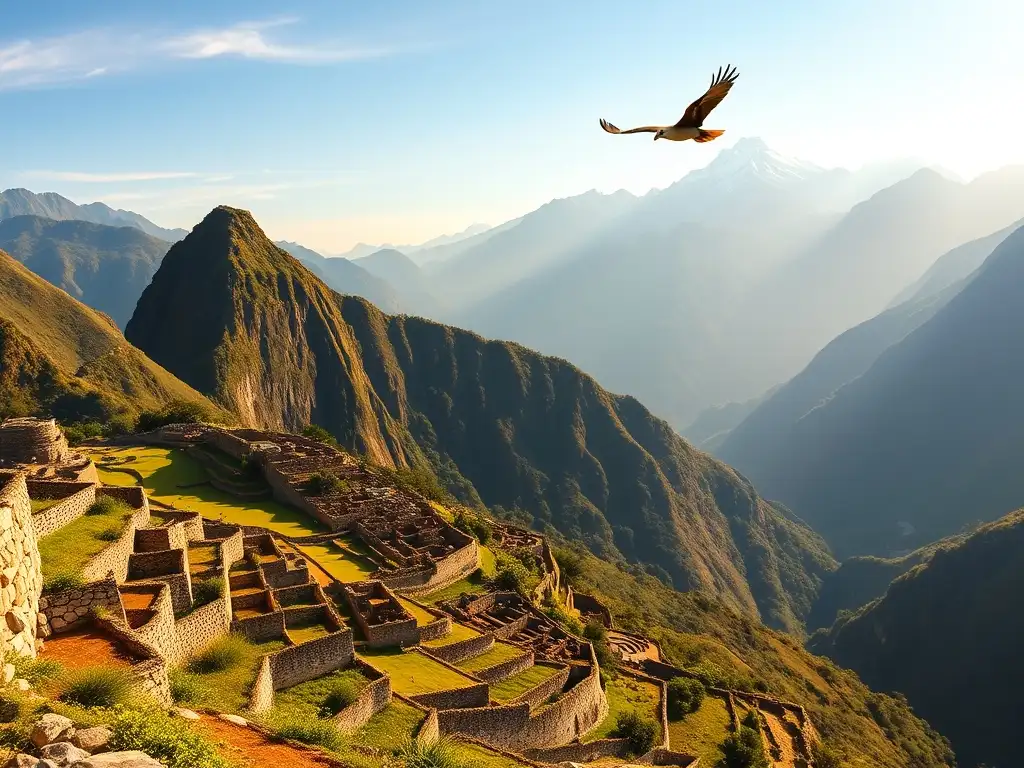
Unravel the mysteries of the Andes! For centuries, the towering peaks have guarded secrets of sophisticated civilizations. But what truly drove the power of the Incas, Moche, and other Andean empires? Dive into our exploration of Andean political systems history, uncovering surprising insights into the intricate structures that shaped these remarkable societies. Prepare to challenge your assumptions and rediscover the fascinating complexities of a world lost to time. Continue reading to uncover the truth behind their enduring legacy.
The Andes Mountains, a spine of rock and ice running down the western coast of South America, have witnessed the rise and fall of numerous complex societies. For centuries, these civilizations—including the Inca, Moche, Nazca, and Tiahuanaco—developed sophisticated political systems that shaped their societies and left an enduring legacy. This article delves into modern understandings of Andean political structures, challenging traditional interpretations and exploring the nuances of power, governance, and social organization in these fascinating pre-Columbian societies.
We will examine how contemporary scholarship, utilizing new archaeological findings and interdisciplinary approaches, is rewriting our understanding of Andean political systems history, revealing a more complex and dynamic picture than previously imagined. Understanding these systems is key to appreciating the ingenuity and resilience of Andean civilizations and their lasting impact on the region.
The Inca Empire: A Hierarchical State?
Traditional interpretations often portray the Inca Empire as a highly centralized, hierarchical state with a powerful emperor at its apex. However, recent research suggests a more nuanced reality. While the Inca did employ a sophisticated system of administration, with governors and officials overseeing various provinces, evidence suggests a considerable degree of local autonomy and negotiation. The Inca's success may have stemmed less from absolute control and more from their ability to integrate diverse populations and political structures, often incorporating existing power dynamics into their system.
This involved strategic alliances, the deployment of Inca officials alongside local leaders, and the skillful manipulation of religious and symbolic authority. The extent of Inca control varied geographically and changed over time, reflecting the dynamic nature of imperial power. Further research is needed to fully understand the intricate interplay between central authority and local agency within the vast Inca empire.
Beyond the Inca: The Diversity of Andean Political Systems
The Inca Empire, while undeniably impressive, represents only one facet of Andean political organization. Other pre-Inca civilizations, such as the Moche, Nazca, and Tiahuanaco, developed distinct political systems reflecting their unique environmental contexts and social structures. The Moche, for instance, seem to have been governed by a powerful elite, possibly linked to religious authority, as evidenced by elaborate monumental architecture and sophisticated irrigation systems.
The Nazca, known for their iconic geoglyphs, might have functioned through a decentralized network of communities, with power distributed among various local leaders. The Tiahuanaco civilization, with its massive stone structures, suggests a more centralized authority, but the exact nature of their political organization remains a subject of ongoing debate among scholars. The diversity of these systems underscores the importance of avoiding generalizations and acknowledging the unique characteristics of each Andean civilization.
Interpreting Archaeological Evidence: New Perspectives on Andean Power
Modern understandings of Andean political systems heavily rely on the interpretation of archaeological evidence. Recent advancements in archaeological techniques, such as sophisticated dating methods and detailed analysis of artifacts, have revolutionized our understanding of these societies. For example, the discovery of new burial sites and the study of ceramic styles have provided valuable insights into social stratification and the distribution of power.
Moreover, the application of anthropological theories and interdisciplinary approaches, combining archaeology with ethnohistory and linguistics, has helped to contextualize archaeological findings and develop more holistic interpretations. This collaborative approach allows scholars to move beyond simplistic narratives and explore the complexities of Andean political systems with greater depth and accuracy. The ongoing analysis of Andean archaeological records promises to further illuminate the nuances of power and governance in these fascinating societies.
The Legacy of Andean Political Systems: Enduring Impacts
The sophisticated political systems developed by Andean civilizations left a lasting impact on the region. The Inca's administrative techniques, for example, influenced subsequent colonial and republican governance structures. Furthermore, the enduring presence of Andean cultural practices and beliefs, often linked to traditional power structures, demonstrates the continued relevance of these historical systems.
Understanding the complexities of Andean political systems history is therefore not merely an academic exercise; it provides crucial insights into the historical development of the Andes region and its contemporary socio-political landscape. The study of Andean political systems continues to evolve, with new research constantly refining our understanding and challenging previous assumptions. The ongoing exploration of these systems promises to reveal even more about the remarkable achievements and enduring legacy of the Andean civilizations.
- The Inca Empire: A Hierarchical State?
- Beyond the Inca: The Diversity of Andean Political Systems
- Interpreting Archaeological Evidence: New Perspectives on Andean Power
- The Legacy of Andean Political Systems: Enduring Impacts
- What were the main Andean political systems?
- How did Inca political organization function?
- What role did religion play in Andean political systems?
- How did Andean political systems compare to those in other parts of the world?
- What are some modern challenges in understanding Andean political systems?
Understanding Ancient Andean Governance: A Historical Overview

This section delves into the complexities of Andean political systems, moving beyond simplistic narratives to explore the diverse forms of governance that characterized the region before and during the Inca Empire. Understanding the evolution of Andean political systems requires acknowledging the vast geographical expanse and the resulting cultural diversity that shaped the political landscape. We will examine the pre-Inca period, highlighting the remarkable variations in political organization, and then analyze the Inca's innovative approach to centralized control and administration. The study of Andean political systems history reveals a fascinating interplay between adaptation, innovation, and the enduring power of tradition.
Pre-Inca Political Structures: Diversity and Complexity
The Andean region before the Inca Empire was far from monolithic. Instead, a mosaic of independent polities existed, each with unique political structures and levels of complexity. From the sophisticated irrigation systems and monumental architecture of the Nazca to the intricate religious iconography of the Moche, evidence points to a range of organizational models. Some societies, like the Wari, exhibited characteristics of a nascent empire, with evidence suggesting centralized control over a vast territory. However, the extent of their influence and the nature of their control remain subjects of ongoing debate among Andean political systems historians.
The nature of political power varied significantly. Some societies might have been ruled by hereditary elites, while others may have relied on more participatory forms of governance. Archaeological evidence, such as the distribution of elite goods and the presence of monumental architecture, helps us understand the hierarchies within these societies.
However, interpreting this evidence requires careful consideration of the limitations of archaeological data. For example, the absence of written records necessitates reliance on material culture, which can be prone to diverse and sometimes conflicting interpretations. Furthermore, the sheer diversity of pre-Inca societies makes it challenging to establish a single, overarching model of Andean political organization before the Inca.
Each society must be studied on its own terms, recognizing the unique historical trajectory that shaped its political development. The use of sophisticated techniques like isotopic analysis and ancient DNA studies are now providing additional insights into the social structures and population movements, enriching our understanding of the pre-Inca political landscape.
The Rise of the Inca Empire: Centralized Power and Administration
The Inca Empire, spanning from roughly 1438 to 1533 CE, stands as a remarkable example of centralized political organization in the Andes. Unlike its predecessors, the Inca implemented a highly structured system of governance, extending its influence across a vast and diverse territory. This system relied heavily on an intricate network of administrative officials, strategically placed throughout the empire to ensure compliance and efficient resource management. The ayllu, a traditional kinship-based community, formed the bedrock of Inca social organization, but the empire overlaid this existing structure with its own hierarchical bureaucracy.
The Inca implemented a sophisticated system of mit'a, a form of labor taxation that demanded contributions from various communities for public works projects, military service, and other state-sponsored activities. This system, while potentially exploitative, facilitated the construction of extensive infrastructure, including roads, irrigation canals, and storage facilities. The Inca also developed a complex system of record-keeping, using quipus, knotted cords, to manage information concerning population, resources, and taxes.
While the precise nature of quipus information remains a subject of ongoing research, their existence speaks to the Inca's sophisticated administrative capabilities. The Inca's ability to integrate diverse populations and manage a vast empire was remarkable, and their political system remains a subject of intense scholarly interest, particularly in the realm of Andean political systems history.
The legacy of the Inca Empire continues to shape understandings of Andean political organization and profoundly influences the political and social landscapes of modern-day Andean nations. The study of Inca administration offers valuable lessons in the challenges and possibilities of governing diverse populations within a vast and complex empire.
Modern Perspectives on Andean Political Systems
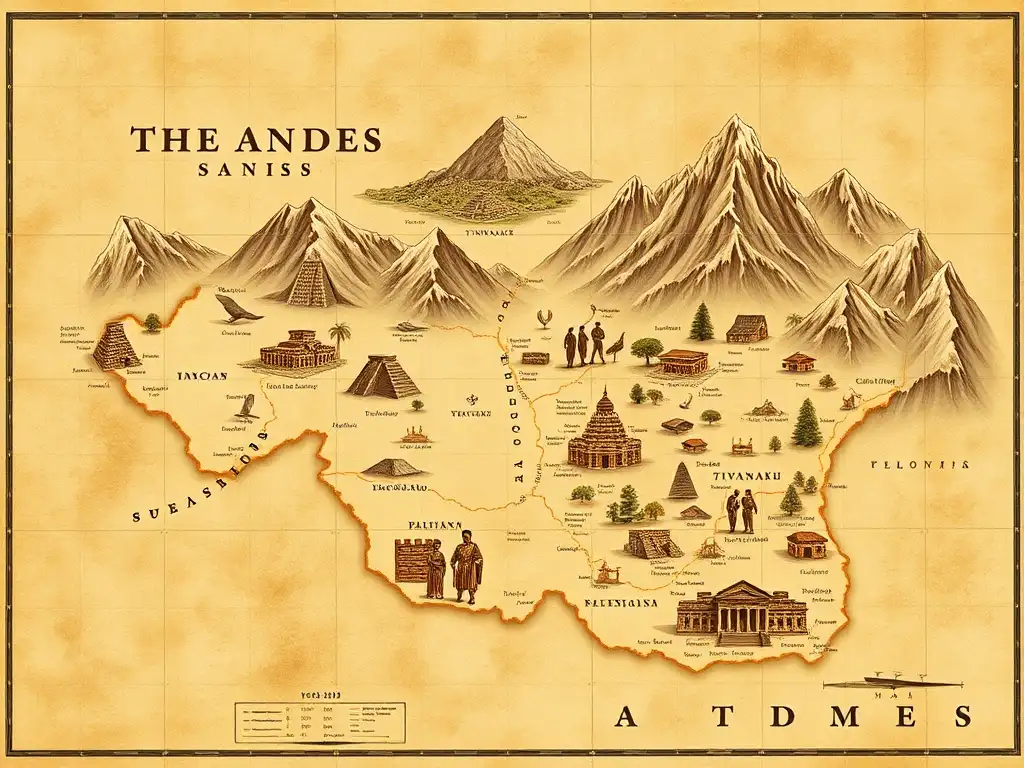
This section delves into contemporary scholarly interpretations of Andean political systems, moving beyond simplistic notions of centralized empires and exploring the complexities of power structures across diverse Andean societies. We will examine how recent archaeological discoveries and theoretical frameworks are reshaping our understanding of Andean political history, challenging long-held assumptions and providing a more nuanced picture of governance, social organization, and political ideology in the Andes. The keyword phrase "Andean political systems history" will be explored throughout, highlighting the evolution of our understanding of this fascinating topic.
Challenging Traditional Views of Andean Political Organization
Traditional views often portrayed Andean civilizations, particularly the Inca Empire, as rigidly hierarchical and centralized states. However, recent research suggests a more complex reality. The Inca, for example, while possessing a powerful administrative apparatus, employed strategies of indirect rule, incorporating existing local power structures and customs into their broader imperial system. This approach fostered a degree of autonomy for conquered communities, allowing for a more flexible and adaptable form of governance than previously assumed.
Furthermore, studies focusing on pre-Inca societies like the Wari and Tiwanaku reveal decentralized political structures involving a network of interconnected settlements and regional centers, rather than a single, unified capital. The power dynamics within these societies were likely more fluid and contested than previously imagined, with alliances, rivalries, and shifting balances of power shaping the political landscape. This understanding significantly alters our comprehension of "Andean political systems history," revealing a richer tapestry of political organization than previously recognized.
The emphasis on centralized control in earlier interpretations often overlooked the significant role played by local elites and community leaders in maintaining social order and mediating conflicts. Archaeological evidence, such as variations in housing styles and burial goods, points to a complex stratification of power within communities, challenging the notion of a uniform social hierarchy imposed from above. The nuanced understanding of "Andean political systems history" necessitates a deeper analysis of these localized power dynamics.
Examining Andean Political Thought Through Archaeological Evidence
Archaeological findings are crucial in reconstructing Andean political thought. The intricate iconography found on textiles, ceramics, and monumental architecture provides valuable insights into political ideology and the ways in which power was represented and legitimized. For instance, the depiction of rulers in ceremonial contexts, often surrounded by symbols of authority and divine power, illuminates the relationship between political leadership and religious beliefs.
Analysis of settlement patterns reveals strategies of territorial control and resource management. The distribution of elite residences, administrative centers, and agricultural infrastructure speaks to the ways in which Andean societies structured their territories and exerted their authority. The careful study of these patterns is vital for understanding the evolution of "Andean political systems history," uncovering the spatial dynamics of power.
Moreover, the study of warfare and conflict, as evidenced by fortifications, weaponry, and skeletal remains, sheds light on the mechanisms through which political control was maintained and contested. The frequency and intensity of warfare varied across different Andean societies and periods, reflecting the changing political landscapes and the strategies employed to establish and maintain dominance. This aspect of "Andean political systems history" emphasizes the importance of considering conflict as a fundamental aspect of political life in the Andes.
The Role of Ritual and Religion in Andean Political Power
Religion played a pivotal role in legitimizing political authority in the Andes. Rulers often claimed divine ancestry or a special relationship with the supernatural, using religious rituals and ceremonies to reinforce their power and influence. Temples, shrines, and other sacred sites served as centers of political and religious power, reinforcing the close connection between the secular and spiritual realms.
The elaborate ceremonies and festivals, involving large-scale participation and the offering of valuable goods, served to consolidate social cohesion and reinforce the ruler's authority. These events acted as powerful displays of political power, demonstrating the ruler's control over resources and their ability to mobilize the population. The study of religious practices is therefore integral to the understanding of "Andean political systems history," showing how spiritual beliefs shaped and supported political structures.
Furthermore, the use of specific symbols, such as the Inca sun disc or the various deities worshipped by different Andean groups, further enhanced the political message. These symbols were incorporated into architecture, clothing, and other material culture, visually reinforcing the ruler's authority and the legitimacy of their rule. This visual representation of power, inextricably linked to religious beliefs, is a critical component in deciphering "Andean political systems history." Understanding the interplay between religion and politics is crucial to a comprehensive understanding of these complex societies.
Key Elements of Andean Political Systems
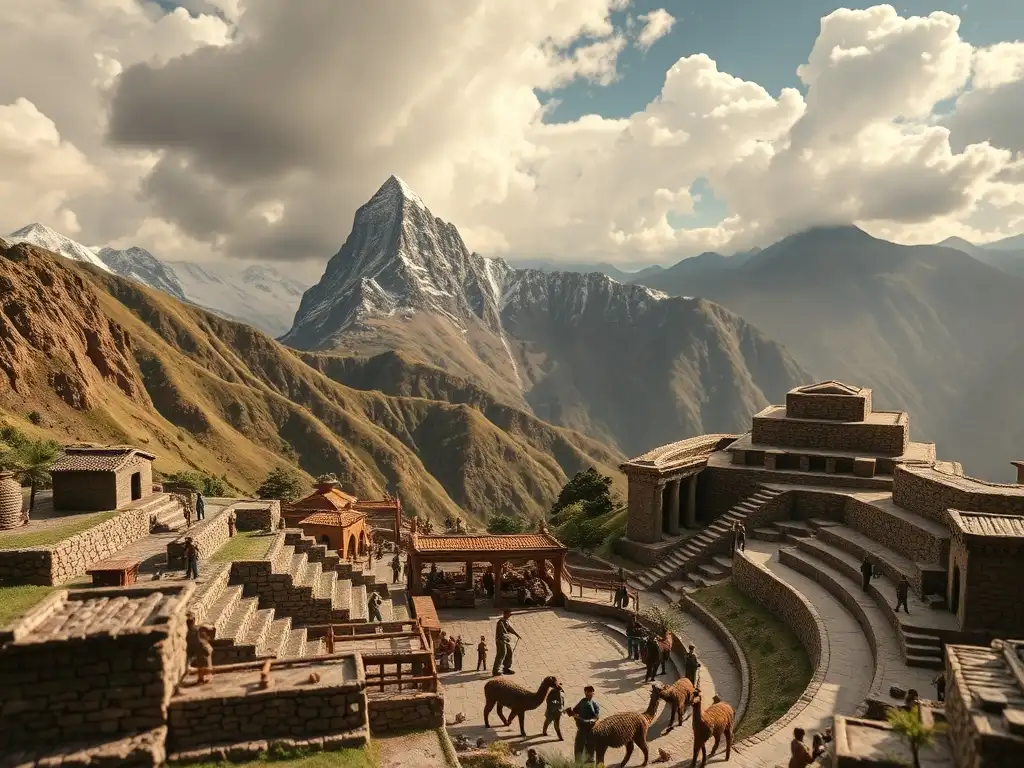
This section delves into the core components that shaped the political landscape of the Andes, focusing on the intricate interplay of economic systems, social structures, and resource management. Understanding these elements is crucial to grasping the complexity and dynamism of Andean political systems history. We will examine how reciprocity, redistribution, kinship ties, hierarchical structures, and resource control all contributed to the stability (and instability) of these powerful civilizations.
Reciprocity and Redistribution: Foundations of Andean Economies
The economic systems of Andean civilizations were not solely based on market exchange as understood in Western models. Instead, reciprocity and redistribution formed the backbone of their economic and political structures. Reciprocity operated on multiple levels. At the local level, ayllus (kinship-based communities) engaged in reciprocal labor exchange ( ayni) and gift-giving ( yanaconazgo), fostering social cohesion and mutual support. This wasn't simply altruism; it was a vital mechanism for ensuring community survival and the equitable distribution of resources. A farmer might help his neighbor build a house, expecting similar assistance in return during harvest time.
Redistribution, on the other hand, involved the collection of goods and labor by elites, who then redistributed them to the population, often during times of scarcity or for public works projects. This system, while seemingly hierarchical, served as a crucial safety net, mitigating risks associated with agricultural cycles and environmental challenges. The Inca empire, for example, maintained vast storehouses ( qollqas) filled with agricultural surpluses, ensuring the population had access to food even during droughts or crop failures.
This system was deeply interwoven with political power; control over the redistribution network was a key element of political legitimacy and authority. The effectiveness of these systems varied over time and between different Andean societies, but their importance in shaping Andean political systems history is undeniable.
Andean political systems were profoundly shaped by kinship ties and hierarchical social structures. The ayllu, a fundamental social and economic unit, was based on shared ancestry and reciprocal obligations. Political authority often stemmed from kinship ties, with leaders holding power through their lineage and ability to maintain social harmony within the ayllu. However, Andean societies were not egalitarian. Complex hierarchies existed, with elites (often linked to religious authority) controlling access to resources and wielding significant political power.
The Inca empire, at its peak, represented a highly stratified society with the Sapa Inca at its apex, followed by a complex network of nobles, priests, and commoners. This hierarchical structure was maintained through a combination of religious ideology, military strength, and sophisticated administrative systems. The Inca state developed elaborate systems of record-keeping, using quipus (knotted strings) to track population, resources, and tribute payments.
This detailed record-keeping allowed for effective control and redistribution, solidifying Inca political power and influence throughout the empire. The role of religion in reinforcing social hierarchy was also significant, with religious beliefs and rituals legitimizing the rule of elites and maintaining social order.
Control of Resources and Infrastructure: Maintaining Political Stability
Control over vital resources and infrastructure was paramount for maintaining political stability in Andean societies. Access to water, fertile land, and mineral resources directly influenced political power. The construction of extensive irrigation systems, roads, and storage facilities (like the aforementioned qollqas) demonstrates the sophisticated engineering and administrative capabilities of Andean civilizations. These infrastructure projects not only facilitated economic productivity but also served as powerful symbols of state power and control. The Inca road system, for instance, facilitated communication, troop movement, and the efficient distribution of resources across the vast empire, thus strengthening the Inca's political grip.
Furthermore, the control of labor was essential. The mita system, a form of mandatory labor service, was employed by the Inca empire to mobilize large workforces for public works projects and agricultural production. While potentially exploitative, the mita system also contributed to the empire's impressive achievements in infrastructure development and agricultural output.
The management of these resources and the labor force required sophisticated administrative systems and a strong centralized authority, highlighting the intricate relationship between resource control, infrastructure development, and political power in shaping Andean political systems history. The collapse of these systems, in many cases, directly correlated with the decline of the empires themselves. Further research is needed to fully understand the nuances of resource management and its impact on the long-term sustainability of Andean political structures.
Comparing Different Andean Political Models
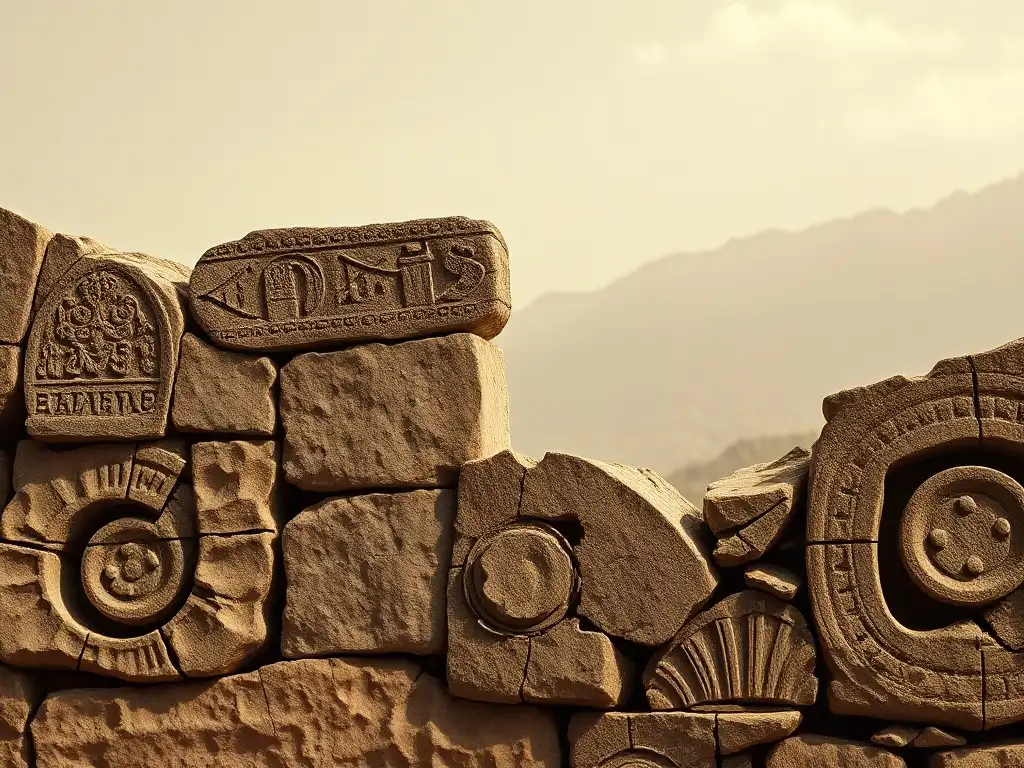
This section delves into the diverse political structures that characterized various Andean civilizations, focusing on key differences in governance, power distribution, and control mechanisms. Understanding these variations is crucial for a nuanced perspective on "Andean political systems history." We will analyze distinct models, highlighting their unique features and contrasting approaches to maintaining power and social order. The Andean region wasn't a monolithic entity; instead, it was a tapestry woven from diverse political threads, each with its own unique texture and strength.
The Moche State: Divine Kingship and Regional Control
The Moche civilization (c. 100-800 CE), flourishing along the northern coast of Peru, presented a fascinating blend of centralized authority and regional autonomy. Their political system revolved around the concept of divine kingship. The Moche ruler wasn't merely a political leader; he was considered a divine intermediary, possessing supernatural power and legitimacy. This divine status solidified his authority and facilitated control over a vast territory.
Evidence suggests a hierarchical structure, with the king at the apex, followed by a complex bureaucracy managing different aspects of the state – agriculture, warfare, religious ceremonies, and craft production. Monumental architecture, such as the Huaca del Sol and Huaca de la Luna, served not only practical purposes but also as powerful symbols of royal power and religious authority. Their intricate iconography, depicting elaborate rituals and military campaigns, further reinforces the importance of the king and the state's control over resources and manpower.
However, the Moche state wasn't entirely centralized. Regional variations in art styles and architectural features suggest a degree of local autonomy. While the king maintained ultimate control, local elites likely held considerable power within their respective territories, managing local affairs and contributing to the overall functioning of the state.
This balance between centralized authority and regional autonomy allowed the Moche state to thrive for centuries, demonstrating a sophisticated approach to governance within the Andean context. Further research is needed to fully understand the complex interplay between the central authority and regional elites, and how this impacted the overall stability and resilience of the Moche political system.
The Tiwanaku Polity: Ideological Power and Trade Networks
Unlike the Moche, the Tiwanaku polity (c. 300-1000 CE), located on the shores of Lake Titicaca, exercised power through a different mechanism: ideological control and extensive trade networks. While the Tiwanaku also had a hierarchical structure, the nature of their power was less overtly coercive than the Moche's. Their influence stemmed from a complex interplay of religious beliefs, monumental architecture, and extensive trade connections across the Andes.
The Tiwanaku exerted their influence through the dissemination of their religious ideology, characterized by a sophisticated pantheon of deities and elaborate rituals. Monumental structures like Puma Punku and Kalasasaya, with their precise stonework and intricate designs, served as powerful symbols of their religious and political authority. These structures acted as pilgrimage sites, attracting people from across the region and reinforcing the Tiwanaku's ideological dominance. The impressive scale of these constructions also demonstrated their capacity for large-scale mobilization of labor and resources, further enhancing their prestige and influence.
The Tiwanaku's extensive trade networks played a vital role in their political power. They controlled crucial trade routes, exchanging goods like textiles, ceramics, and coca leaves across a vast territory. This control over trade provided them with significant economic power and allowed them to build alliances and exert influence on neighboring communities without resorting to direct military conquest.
The "Andean political systems history" reveals a clear contrast between the Moche’s military-focused control and the Tiwanaku's more subtle, ideology-driven approach. More research is needed to fully understand the extent of their control over these trade routes and the nature of their interactions with other groups.
Contrasting Inca and Chimor Political Strategies
The Inca and Chimor empires, both powerful Andean states, offer compelling case studies for comparing different approaches to political organization and expansion. While both empires achieved remarkable territorial control, their strategies differed significantly. The Inca, known for their highly centralized administrative system, implemented a sophisticated system of governance, incorporating conquered territories into their vast empire through a complex bureaucracy and resettlement policies. Their mita labor system, while demanding, ensured the efficient allocation of resources and manpower for large-scale infrastructure projects and military campaigns.
The Chimor empire, on the other hand, employed a more decentralized approach, characterized by a network of regional capitals and local rulers. While the Chimor king held supreme authority, regional governors wielded significant power, managing local affairs and contributing to the economic prosperity of the empire. Their sophisticated irrigation systems and intensive agriculture supported a large population and fueled economic growth. The contrast between the Inca's highly centralized approach and the Chimor's more decentralized model highlights the diversity of political strategies adopted by Andean civilizations.
Analyzing the successes and failures of each approach provides valuable insights into the factors influencing the stability and longevity of Andean political systems. Further analysis could explore the long-term impacts of these differing strategies on social structures and economic development within their respective empires. The study of "Andean political systems history" benefits greatly from such comparative analysis.
The Legacy of Andean Political Systems in Modern Times
The study of Andean political systems offers invaluable insights into the complexities of governance, social organization, and power dynamics, extending far beyond the realm of ancient history. Understanding these systems provides a crucial lens through which to analyze contemporary issues, from indigenous rights movements to modern approaches to community development and sustainable governance. The echoes of Inca administration, the intricate social structures of the Moche, and the unique communal arrangements of the Ayllu continue to resonate in the Andes today, shaping political landscapes and informing modern perspectives on political organization.
Examining these legacies allows for a more nuanced comprehension of the Andean region's past, present, and future. The enduring relevance of Andean political systems history is undeniable, offering both challenges and opportunities for understanding contemporary societies.
Andean Political Systems Influence on Contemporary Indigenous Movements
Contemporary indigenous movements in the Andes frequently draw upon historical precedents to assert their rights and advocate for self-determination. The concept of ayni, reciprocal exchange and mutual obligation, a cornerstone of many Andean societies, informs modern social activism and community-based initiatives. Similarly, the historical emphasis on collective action and community-based decision-making, prevalent in pre-Columbian Andean societies, provides a framework for contemporary indigenous political organization.
The resurgence of Quechua and Aymara languages, coupled with the revitalization of traditional practices and customs, reflects a conscious effort to reclaim cultural heritage and assert political autonomy. These movements actively reinterpret and reappropriate aspects of Andean political systems history to challenge colonial legacies and advocate for social justice and environmental protection.
The power of this historical grounding is evident in the success of various indigenous communities in securing land rights, promoting cultural preservation, and influencing national policies. For instance, [Specific example of indigenous movement leveraging Andean political systems history pending].
Lessons from Andean Political History for Modern Governance
The study of Andean political systems provides valuable lessons for modern governance, particularly in the areas of decentralized administration, resource management, and conflict resolution. The sophisticated infrastructural projects of the Inca Empire, such as the extensive road network and sophisticated agricultural techniques, demonstrate the potential of centralized planning coupled with efficient local administration. However, the Inca system also highlights the risks of over-centralization and the importance of balancing centralized authority with local autonomy.
The emphasis on collective decision-making and community participation within the ayllu system offers a model for participatory governance, emphasizing consensus-building and inclusive decision-making processes. Furthermore, the intricate systems of reciprocity and redistribution, vital to Andean societies, offer insights into sustainable resource management and the importance of social equity. These lessons are especially relevant in addressing contemporary challenges such as climate change adaptation, equitable resource distribution, and the management of common-pool resources.
Modern governance can draw upon these historical examples to develop more effective and equitable systems that promote social cohesion and environmental sustainability. Understanding the strengths and weaknesses of past Andean political systems provides a valuable framework for informed policy-making in the present.
Case Study: The Ayllu System and Community Governance
The ayllu, a pre-Columbian Andean kinship-based community, offers a compelling case study in community governance. The ayllu system was characterized by a complex interplay of kinship ties, reciprocal obligations ( ayni), and collective resource management. Land was often held communally, and decisions were made through consensus-building processes involving the entire community. This system provided a framework for social cohesion, conflict resolution, and sustainable resource management.
While the ayllu system has undergone significant transformations over time, its legacy persists in many Andean communities today. Many contemporary Andean communities continue to utilize aspects of the ayllu system in their governance structures, adapting traditional practices to modern contexts. The principles of reciprocity, collective responsibility, and community participation remain central to many community-based initiatives. However, the challenges of integrating traditional governance structures with modern legal frameworks and economic realities remain significant.
[Specific data on the persistence and adaptation of Ayllu systems in contemporary Andean communities pending]. Understanding the complexities of the ayllu system offers valuable insights into the challenges and opportunities of community-based governance in the Andes and beyond. The enduring relevance of the ayllu as a model for sustainable community development is a powerful testament to the enduring legacy of Andean political systems.
Frequently Asked Questions
What were the main Andean political systems?
The Andes saw a variety of political systems, from small, independent chiefdoms to vast empires like the Inca. Other significant examples include the Wari and Tiwanaku civilizations, each with their unique structures of power.
How did Inca political organization function?
The Inca empire relied on a highly centralized system with the Sapa Inca at its apex. A complex bureaucracy and a network of provinces and officials maintained control across vast territories. Tribute and mita labor were crucial aspects of Inca governance.
What role did religion play in Andean political systems?
Religion played a pivotal role, often intertwining with political authority. Rulers were frequently seen as divine or semi-divine, legitimizing their power. Religious rituals and beliefs helped maintain social order and consolidate political control.
How did Andean political systems compare to those in other parts of the world?
Andean political systems differed significantly from those in other parts of the world. While some, like the Inca, displayed characteristics of empire-building, others had more decentralized structures. The emphasis on kinship, religious authority, and resource control distinguished Andean systems.
What are some modern challenges in understanding Andean political systems?
Modern understanding faces challenges due to limited written records, relying heavily on archaeological evidence and ethnohistorical accounts. Interpreting these sources and addressing potential biases are key to accurate historical reconstruction of complex social and political dynamics.
Final Reflection: Echoes of the Andes in a Globalized World
The intricate political systems of the Andes, far from being relics of a distant past, continue to resonate in contemporary discussions of governance, social organization, and environmental stewardship. Their sophisticated understanding of collective action, resource management, and the delicate balance between human societies and the natural world offers invaluable lessons for navigating the complexities of the 21st century. The echoes of their ingenuity are surprisingly loud in our modern world.
The enduring legacy of Andean political thought is profoundly impactful, shaping our understanding of decentralized governance, community-based resource management, and the crucial interplay between culture and environment. Their achievements, often overlooked in Western-centric narratives, challenge simplistic notions of progress and offer alternative models for sustainable development. The mountains are not just a backdrop, but an active participant in the lives and governance of the Andean people.
This sentiment, though paraphrased, encapsulates the deep interconnectedness between the landscape and the political structures that thrived within it. Understanding this relationship is crucial to comprehending the enduring power of Andean political systems.
Consider the challenges we face today: climate change, resource scarcity, and the need for collaborative governance on a global scale. The ingenuity and resilience demonstrated by Andean societies in the face of adversity offer a rich tapestry of strategies and perspectives that can inform our own approaches to these pressing issues. You, the reader, are now equipped with a deeper understanding of these historical systems. Let this knowledge inspire you to explore alternative models of governance and to champion sustainable practices that honor the wisdom of the past and build a more equitable and sustainable future.
**Unleash Your Curiosity: Dive Deeper into Andean Politics! **
Thank you for exploring the intricate world of Andean political systems with us! You've gained valuable insights into the region's power dynamics and rich cultural heritage. Now, let's delve even deeper and engage in the vibrant discussions surrounding these fascinating topics.
Here are some ways to further your understanding and connection to Andean civilizations:
- **Join a discussion group**, either online or in your local community, focused on Andean history and politics. Sharing your thoughts and learning from others is a rewarding experience.
- **Follow reputable organizations and scholars** on social media to stay updated on the latest research, articles, and events related to Andean culture and politics.
- **Attend an Andean cultural festival or exhibition** to experience the traditions and political heritage firsthand. This immersive approach offers invaluable insights.
What aspect of Andean political systems most captivates you, and how do you believe it influences contemporary societies? Let's start a conversation!