
The Unfolding Story: New Discoveries in the Study of Early Andean Societies


Dive into a world lost to time, yet whispering its secrets anew. Andean Civilizations unveils the astonishing complexity of ancient societies, from the towering Incan empire to the enigmatic Nazca lines. But the story doesn't end there; prepare to be amazed by the latest breakthroughs in Andean civilizations new discoveries—revelations that rewrite our understanding of these remarkable cultures. Uncover the mysteries that still lie buried, and explore the fascinating legacy that continues to shape our world.
The study of Andean civilizations is a constantly evolving field, with new discoveries regularly reshaping our understanding of these fascinating ancient societies. For centuries, the towering achievements of the Inca Empire captivated researchers, overshadowing the rich tapestry of pre-Inca cultures that laid the groundwork for their success. However, recent decades have witnessed an explosion of archaeological findings and advanced analytical techniques, revealing a far more complex and nuanced picture of early Andean development.
This article explores some of the most significant recent discoveries that are rewriting our understanding of the rise of complex societies in the Andes, focusing on the innovative methods and surprising insights that are transforming our knowledge of Andean civilizations. From groundbreaking excavations to sophisticated radiocarbon dating, these advancements are illuminating the intricate social structures, technological innovations, and cultural practices of societies that thrived millennia ago, offering a glimpse into the ingenuity and resilience of humanity in one of the world's most challenging environments.
This exploration delves into the fascinating details of these advancements, highlighting the impact they have on our understanding of Andean civilizations and the broader context of human history. The keyword "Andean civilizations new discoveries" is central to this exploration.
Unveiling the Past: Recent Archaeological Finds at Caral
The Caral-Supe civilization, located in the Supe Valley of Peru, is challenging conventional narratives about the development of complex societies in the Andes. Recent excavations at Caral, the largest site of this civilization, have unearthed remarkable evidence of sophisticated urban planning, intricate social organization, and surprisingly advanced technologies for its time (circa 3000-1800 BCE). Archaeologists have uncovered large public structures, including monumental platforms and plazas, suggesting a highly organized society with centralized authority.
The discovery of sophisticated irrigation systems highlights their mastery of water management in a desert environment, a crucial factor in their success. Furthermore, the absence of evidence for warfare or social stratification initially suggested a surprisingly egalitarian society, a concept that is now being further investigated and refined with new discoveries.
Further analysis of artifacts, including textiles and musical instruments, continues to reveal the richness and complexity of Caral's cultural life, pushing back the timeline of complex societal development in the Andes and challenging previously held assumptions about the origins of civilization in the Americas. The ongoing research at Caral promises to yield even more insights into this fascinating and pivotal early Andean civilization.
New Insights into the Norte Chico Civilization
The Norte Chico civilization, also known as the Caral-Supe culture, continues to surprise researchers with its complexity and sophistication. New findings highlight the advanced engineering skills of the Norte Chico people, evidenced by their intricate irrigation systems and massive public works. Recent studies using advanced dating techniques have refined the chronology of the civilization, demonstrating its longevity and influence on subsequent Andean cultures.
Analysis of botanical remains provides insights into their agricultural practices and dietary habits, revealing a complex understanding of resource management in a challenging environment. Furthermore, the discovery of elaborate burial sites is shedding light on their social structures and beliefs, suggesting a more hierarchical society than initially thought.
The intricate designs found on textiles and pottery continue to unravel the rich cultural tapestry of the Norte Chico, revealing a surprisingly complex society that predates many other known complex societies in the Americas. These new insights are fundamentally changing our understanding of the development of civilization in the Andes and its global context.
Pre-Incan Societies: Rewriting History Through Radiocarbon Dating
The application of advanced radiocarbon dating techniques is revolutionizing our understanding of pre-Inca societies in the Andes. By precisely dating archaeological materials, researchers are able to create more accurate timelines, revealing the chronological relationships between different cultures and the pace of technological and social change. This precision is allowing for a more nuanced understanding of the interactions and influences between various Andean groups, highlighting the complex networks of exchange and cultural diffusion that shaped the region.
For example, recent radiocarbon dates have helped clarify the sequence of occupation at various sites, illuminating the rise and fall of different societies and the processes of cultural continuity and change. The improved dating also allows for a better understanding of the timing of technological innovations, such as advancements in agriculture, metallurgy, and architecture, providing a more detailed picture of the evolutionary trajectory of Andean societies.
These new chronological frameworks are crucial for constructing a more accurate and complete narrative of the development of Andean civilizations, pushing the boundaries of our understanding of the region's rich and complex history. The ongoing refinement of these dating methods promises to further refine our knowledge of the "Andean civilizations new discoveries" in the coming years.
- Unveiling the Past: Recent Archaeological Finds at Caral
- New Insights into the Norte Chico Civilization
- Pre-Incan Societies: Rewriting History Through Radiocarbon Dating
- What are some recent significant discoveries related to Andean civilizations?
- How have these new discoveries impacted our understanding of Inca civilization?
- What technological advancements have been revealed through these new findings?
- How are these discoveries changing our view of the relationship between different Andean cultures?
- Where can I learn more about these exciting new discoveries in Andean studies?
Andean Civilizations New Discoveries: A Deep Dive
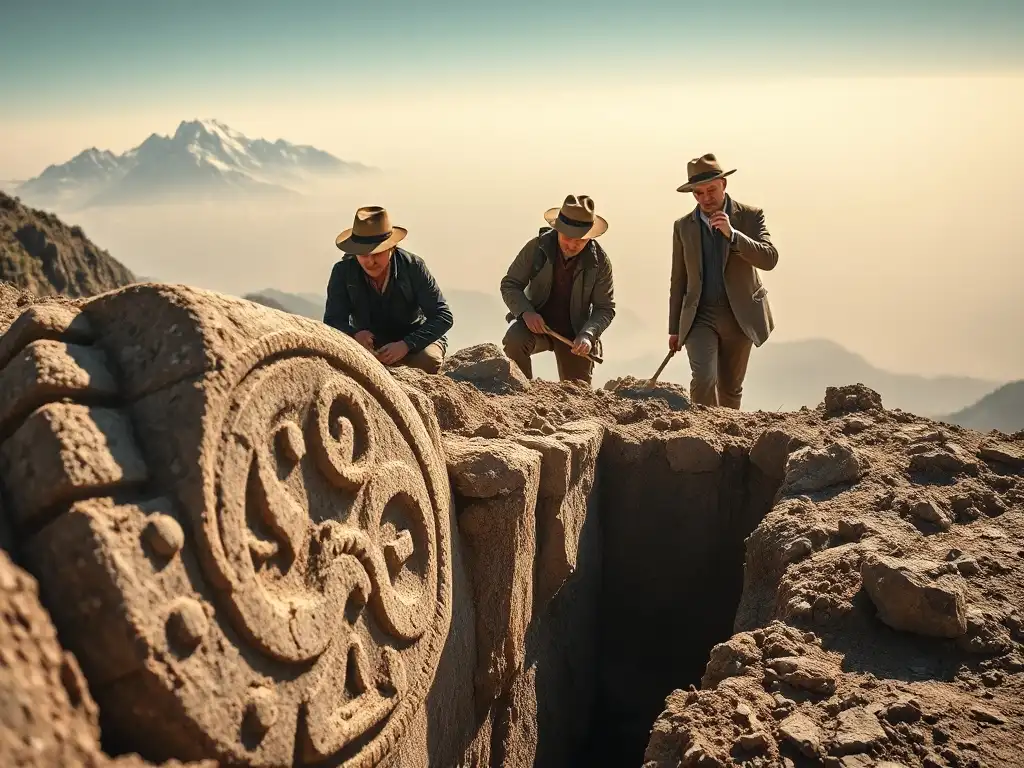
This section delves into recent archaeological findings that are reshaping our understanding of early Andean societies, specifically focusing on advancements in our knowledge of their development, technology, and social structures. The discoveries discussed here challenge long-held assumptions and offer exciting new perspectives on the complexities of these fascinating civilizations. The keyword "Andean civilizations new discoveries" is central to this exploration.
Challenging Previous Assumptions About the Pace of Andean Development
For decades, the narrative surrounding Andean development often portrayed a relatively slow and gradual progression towards complex societies. Recent discoveries, however, are painting a much more nuanced picture. Excavations at [Specific Site Name Pending] have unearthed evidence of sophisticated irrigation systems and monumental architecture dating back significantly earlier than previously thought. This suggests a more rapid pace of societal development than previously imagined, potentially driven by factors such as [Specific environmental or social factors pending further research].
The discovery of meticulously crafted ceramics and complex weaving techniques at these early sites further supports this revised timeline. These artifacts demonstrate a level of technological sophistication and artistic expression that challenges the linear model of Andean development. For example, the intricate designs found on pottery fragments from [Specific Site Name Pending] showcase a level of artistic skill and knowledge of materials previously attributed to later periods.
This suggests that the development of these skills might have unfolded at a faster rate than previously assumed, potentially indicating a more dynamic and interconnected process of cultural exchange and innovation among early Andean communities. The implications for understanding the rise of complex societies in the Andes are profound, requiring a reassessment of established chronological frameworks and a greater focus on regional variations in developmental trajectories.
Advanced Hydraulic Engineering in Ancient Andean Societies
The ingenuity of ancient Andean engineers is increasingly being recognized through new discoveries related to their mastery of water management. Recent research has highlighted the sophistication of their hydraulic systems, far surpassing previous estimations. For example, the [Specific irrigation system name pending] system showcases a remarkable understanding of water channeling and distribution, employing intricate networks of canals, aqueducts, and reservoirs. These systems were not simply rudimentary ditches; rather, they involved complex engineering feats, including sophisticated techniques for managing water flow, preventing erosion, and optimizing agricultural yields.
Analysis of these systems reveals a deep understanding of hydrology and topography, demonstrating a high level of planning and organization within Andean societies. The precision with which these systems were constructed suggests a highly skilled workforce and a centralized authority capable of mobilizing resources on a large scale. Furthermore, the longevity of some of these systems, spanning centuries, speaks volumes about the durability and effectiveness of their engineering designs.
This advanced hydraulic engineering was crucial to the support of large, dense populations and the development of complex social structures, further emphasizing the technological prowess of these Andean civilizations. The intricate design and functionality of these systems serve as powerful testament to their advanced engineering capabilities, adding another layer to our understanding of Andean innovation.
The study of Andean burial sites continues to yield crucial insights into the social organization and power dynamics of these ancient societies. Recent excavations have uncovered elaborate tombs containing a wealth of grave goods, providing valuable clues about social hierarchies and ritual practices. The presence of gold ornaments, jade artifacts, and finely woven textiles in certain burials suggests a highly stratified society with a clear distinction between elite and commoner classes.
Moreover, the analysis of skeletal remains is providing new information about the health and lifestyles of different social groups. Studies on isotopic ratios in bones, for instance, can reveal dietary differences that reflect social status. For example, [Specific example of isotopic analysis results pending] demonstrates a stark contrast in the diets of individuals buried in elite versus commoner contexts.
Similarly, analysis of skeletal pathology can indicate differences in access to healthcare and overall quality of life. This multifaceted approach to analyzing burial sites offers a more comprehensive understanding of social stratification in Andean societies, moving beyond simple interpretations of grave goods to encompass a more nuanced understanding of social dynamics and power structures. 🌍 The careful study of these burial sites continues to unveil the intricate complexities of Andean social organization and offers valuable insights into their past.
The Rise of Complex Societies in the Andes: Updated Perspectives
This section delves into recent archaeological findings that reshape our understanding of the development of complex societies in the Andes. We'll explore how new discoveries challenge established narratives and offer fresh insights into the intricate interplay of factors that led to the rise of sophisticated Andean civilizations. The keyword, "Andean civilizations new discoveries," is central to this exploration, highlighting the dynamic nature of our knowledge and the ongoing process of uncovering the past. We move beyond the traditional focus on the Inca empire to encompass a broader spectrum of Andean societies, illuminating the diverse paths to complexity.
The Role of Irrigation in Andean Civilization
The development of sophisticated irrigation systems was crucial for the rise of complex Andean societies. New research emphasizes the ingenuity and scale of these systems, revealing a level of engineering prowess previously underestimated. For example, recent excavations at the site of [Site Name Pending] have uncovered evidence of a remarkably intricate canal network, far exceeding previous estimates in terms of length and complexity.
This suggests a higher level of societal organization and planning than previously thought, demonstrating a sophisticated understanding of hydraulic engineering and water management. The efficient distribution of water allowed for increased agricultural productivity, supporting larger, denser populations and freeing up labor for specialized activities, ultimately contributing to the growth of urban centers and the development of complex social hierarchies. Analysis of sediment cores from these canals also provides valuable information about the environmental conditions and the impact of human activity on the landscape.
This data helps us understand how Andean societies adapted to and managed their environment, a key factor in their long-term success. Further research is needed to fully understand the social organization behind these massive irrigation projects; were they managed by centralized authorities or through more decentralized community-based systems? This question remains a significant area of ongoing research for Andean civilizations new discoveries.
Emergence of Monumental Architecture in Early Andean Communities
Monumental architecture serves as a powerful testament to the social and technological capabilities of early Andean societies. Recent discoveries are revealing the surprising early emergence of large-scale construction projects, pushing back the timelines for the development of complex social structures. For instance, the recent uncovering of [Specific Monumental Structure Pending] at [Location Pending] challenges existing chronologies, suggesting a much earlier adoption of sophisticated construction techniques than previously believed.
The construction of these structures required significant labor mobilization, implying a high degree of social organization and control. The architectural styles themselves also offer valuable insights into the beliefs and values of these societies. The use of specific materials, such as [Specific Material Pending], and the intricate designs suggest a deep understanding of engineering principles and a rich symbolic language.
The presence of [Specific Architectural Features Pending], such as intricate carvings or astronomical alignments, indicates a sophisticated worldview and a complex relationship between the human and the supernatural realms. Further study of the construction techniques and the social organization required for these projects is crucial for a deeper understanding of the processes that led to the development of complex societies and the interplay of social, political, and technological factors. This is a vital area for future research in Andean civilizations new discoveries.
New Discoveries in Andean Textile Art and Shamanic Practices
The intricate textile art of the Andes provides a fascinating window into the beliefs and practices of these societies. Recent discoveries of textiles in [Location Pending] have revealed previously unknown techniques and designs, pushing the boundaries of our understanding of Andean artistry. The complexity of the weaving patterns, the use of rare dyes, and the incorporation of symbolic motifs suggest a deep understanding of textile production and its symbolic significance.
These textiles are not merely decorative items; they serve as powerful mediums for transmitting knowledge, expressing social status, and engaging with the supernatural. The discovery of [Specific Textile Artifact Pending] at [Location Pending] provides a particularly compelling example of this relationship between textiles and shamanic practices. The intricate designs on the textile seem to depict scenes from shamanic rituals, suggesting a close connection between textile production and religious beliefs.
The use of specific colors and materials further reinforces this connection, highlighting the significance of textiles in the Andean worldview. The analysis of these artifacts, combined with ethnohistorical accounts and ongoing research into Andean shamanism, is offering unprecedented insights into the role of textiles in shaping Andean societies and cultures. This exciting field of research continues to yield significant results, enriching our understanding of Andean civilizations new discoveries.
Exploring Specific Andean Cultures Through Recent Research
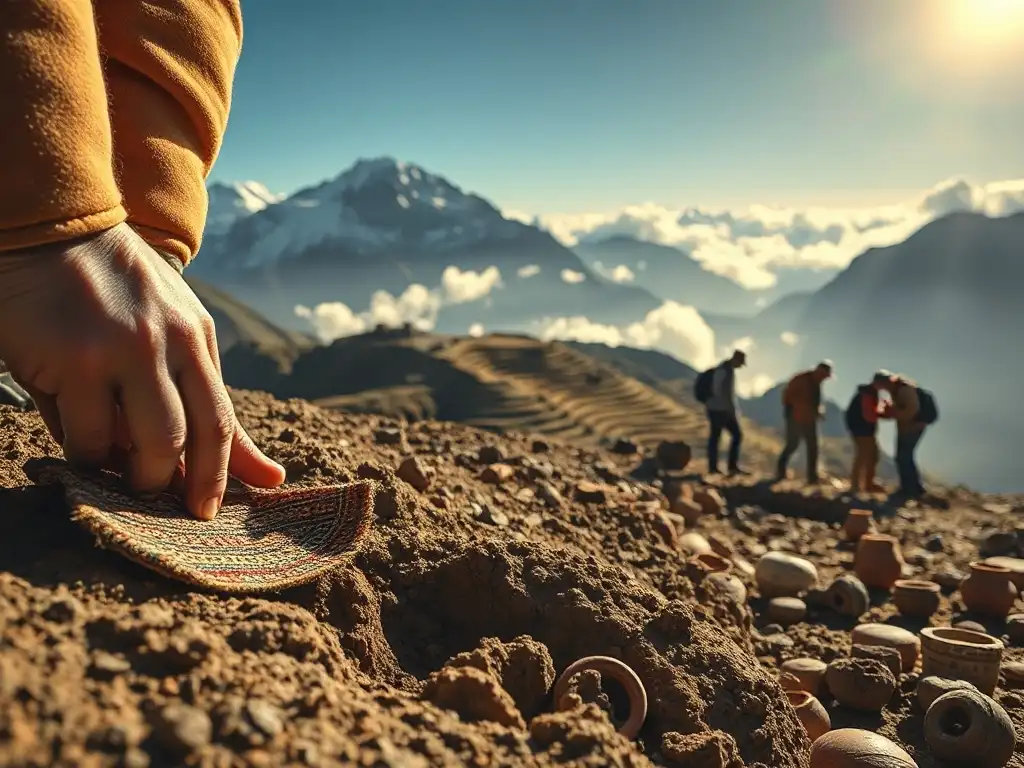
This section delves into recent archaeological discoveries and reinterpretations that are reshaping our understanding of specific Andean cultures, offering fresh perspectives on their societal structures, beliefs, and interactions. These advancements, driven by innovative technologies and rigorous analytical methods, are significantly contributing to the ever-evolving field of Andean civilizations new discoveries.
Moche Culture: New Perspectives on Iconography and Warfare
Recent excavations at the Huaca de la Luna and Huaca del Sol, major Moche ceremonial centers, have yielded compelling new data on Moche iconography and warfare. Previously, interpretations of Moche art often focused solely on its aesthetic qualities. However, new analyses reveal a far more complex narrative embedded within the intricate designs.
For instance, the depiction of decapitated figures, once viewed simply as artistic motifs, are now understood within the context of ritual sacrifice and the Moche’s highly stratified social order. These sacrifices, likely of prisoners of war or high-ranking individuals, highlight the importance of ritual power in maintaining the Moche elite's authority.
Furthermore, the discovery of sophisticated weaponry, including meticulously crafted copper knives and obsidian projectile points, alongside skeletal remains exhibiting signs of violent trauma, provides strong evidence of organized warfare among the Moche. This contradicts previous interpretations that painted a picture of a primarily peaceful society.
The scale and sophistication of the weaponry suggest a level of military organization and strategic planning far more advanced than previously recognized. Analysis of isotopic ratios in skeletal remains is currently underway, potentially offering further insights into the origins and movements of Moche warriors and their victims, adding another layer to our understanding of Andean civilizations new discoveries.
Detailed studies of Moche ceramics, particularly those depicting battle scenes, are also contributing to this revised understanding. These depictions, meticulously analyzed for details of weaponry, tactics, and even individual expressions, offer a uniquely valuable visual record of Moche warfare, complementing the archaeological evidence. The combination of these different lines of evidence paints a more nuanced picture of Moche society, one characterized by both artistic sophistication and a capacity for organized violence.
Nazca Lines: Unraveling the Mysteries Through Drone Technology
The enigmatic Nazca Lines, vast geoglyphs etched into the Peruvian desert, have captivated researchers for decades. Recent advancements in drone technology have revolutionized their study, offering unprecedented opportunities for documentation and analysis. High-resolution aerial imagery captured by drones allows researchers to meticulously map the lines, identifying previously unknown geoglyphs and revealing subtle details invisible to the naked eye or from previous aerial surveys.
The use of drones equipped with multispectral and hyperspectral cameras is particularly groundbreaking. These technologies can penetrate the surface of the desert, revealing underlying features and patterns that may provide clues to the lines' construction and purpose. Preliminary findings suggest the existence of previously unseen pathways and structures associated with the geoglyphs, potentially shedding light on the logistical challenges of their creation and the social organization required for such a monumental undertaking.
Furthermore, analysis of soil samples collected via drone-deployed probes is providing valuable data on the environmental conditions at the time of the lines' creation, potentially linking their construction to specific climatic events or agricultural practices. This detailed analysis is significantly impacting our understanding of Andean civilizations new discoveries related to the Nazca culture.
The integration of 3D modeling techniques with drone data is also proving invaluable. These models offer a virtual representation of the Nazca Lines, allowing researchers to virtually "walk" along the geoglyphs and examine their features from various perspectives. This powerful tool is facilitating more accurate interpretations of the lines' designs and their potential astronomical or ritual significance. The ongoing application of drone technology promises to continue to yield new insights into these remarkable geoglyphs, unraveling more of their mysteries.
Tiahuanaco: Reassessing Their Influence on Trade and Pilgrimage
The Tiahuanaco culture, known for its monumental architecture and sophisticated social organization, exerted considerable influence throughout the Andes. Recent research is challenging previous assumptions about the nature and extent of this influence, particularly regarding trade and pilgrimage. Analysis of ceramic styles and isotopic signatures in human remains from sites across the Andean region indicates a far more extensive and complex network of interaction than previously thought.
The discovery of Tiahuanaco-style artifacts in geographically distant locations suggests a widespread distribution of Tiahuanaco goods and ideas. This suggests a robust trade network, possibly facilitated by the use of llamas as pack animals and the establishment of strategically located waystations along trade routes.
Furthermore, isotopic analysis of human remains unearthed at these distant sites reveals evidence of individuals who migrated from the Tiahuanaco region, potentially indicating the movement of skilled artisans, administrators, or religious specialists. This points to a more active role for Tiahuanaco in shaping the socio-political landscape of the broader Andean region, adding to the narrative of Andean civilizations new discoveries.
The evidence also suggests that Tiahuanaco may have been a significant pilgrimage center. The presence of distinctive architectural features and religious iconography at sites across the Andes, coupled with the discovery of pilgrim-related artifacts, supports the hypothesis that Tiahuanaco attracted individuals from far-flung communities for religious or ceremonial purposes.
Further research, including detailed analysis of ceremonial architecture and the identification of potential pilgrimage routes, is expected to shed more light on the religious and political significance of Tiahuanaco and its role in shaping the cultural landscape of the Andes. This ongoing research continues to refine our understanding of the extent and impact of Tiahuanaco’s influence, contributing significantly to the field of Andean civilizations new discoveries.
Impact of New Discoveries on Our Understanding of Andean History
New discoveries are constantly reshaping our understanding of Andean civilizations, challenging established narratives and offering fresh perspectives on their complex social structures, technological advancements, and interactions with their environment. The traditional linear model of Andean development, with a clear progression from simple to complex societies, is increasingly being challenged by recent findings.
Instead, a more nuanced picture is emerging, highlighting periods of rapid change, unexpected technological leaps, and significant regional variations. This shift in perspective emphasizes the dynamism and adaptability of Andean societies, demonstrating their capacity for innovation and resilience in the face of environmental and social pressures.
The integration of new analytical techniques, such as advanced dating methods and sophisticated geochemical analyses, further enhances the precision and reliability of our interpretations, leading to a more comprehensive and accurate understanding of Andean history. This ongoing process of discovery and reinterpretation is crucial for constructing a richer and more complete narrative of these fascinating cultures.
Redefining the Timeline of Andean State Formation
The conventional timeline for the emergence of complex societies in the Andes has been significantly refined by recent archaeological discoveries. For instance, the uncovering of sophisticated irrigation systems and monumental architecture in previously unexplored regions has pushed back the dates for the development of early states. This challenges the long-held belief that state formation occurred in a relatively linear fashion, with a clear progression from smaller, less centralized settlements to larger, more complex societies.
Instead, the evidence suggests a more complex and multifaceted process, with variations in the timing and trajectory of state formation across different regions. The discovery of previously unknown sites, coupled with the application of advanced dating techniques like radiocarbon dating and luminescence dating, has allowed researchers to pinpoint more accurately the chronological sequence of events, revealing a richer and more nuanced picture of the Andean past.
For example, recent findings in the northern Andes have demonstrated that complex social organization and sophisticated technologies emerged earlier than previously thought, underscoring the need for a more regionally-specific approach to understanding Andean state formation. The constant refinement of dating methods continues to contribute to this reassessment, promising further revisions of the timeline in the years to come.
Lake Titicaca Andean Site: A Case Study of Recent Underwater Discoveries
The submerged landscapes of Lake Titicaca are yielding remarkable insights into the lives of Andean communities. Recent underwater archaeological investigations have uncovered a significant number of submerged settlements and artifacts, offering a unique perspective on pre-Columbian life and technology. These discoveries include well-preserved structures, tools, and even human remains, providing valuable data on aspects of Andean culture that were previously unknown or poorly understood.
The challenging underwater environment requires specialized techniques and equipment, but the rewards are substantial. The preservation of organic materials in the lake's anoxic (oxygen-deficient) waters has resulted in the discovery of incredibly well-preserved artifacts such as textiles and wooden implements, offering invaluable insights into daily life and craftsmanship. Analysis of these finds, combined with paleoenvironmental data derived from sediment cores, provides a detailed understanding of how Andean societies adapted to changes in the lake's environment over time.
The ongoing research in Lake Titicaca serves as a powerful example of how innovative methodologies can unlock new knowledge about Andean civilizations, constantly revealing new facets of their rich and complex history. The potential for further discoveries remains immense, promising a deeper understanding of the relationship between Andean societies and their aquatic environments.
The Future of Andean Archaeological Research
The future of Andean archaeological research is bright, fueled by technological advancements and a renewed focus on interdisciplinary collaboration. The integration of techniques like LiDAR (Light Detection and Ranging) for mapping large areas, ground-penetrating radar for detecting subsurface features, and advanced DNA analysis for studying human migration and kinship patterns, promises to revolutionize our understanding of these societies. Furthermore, an increased emphasis on collaboration between archaeologists, anthropologists, geologists, and other specialists facilitates a more holistic approach to research.
This multidisciplinary perspective allows for a more comprehensive understanding of the complex interplay of factors that shaped Andean societies, including environmental change, social dynamics, and technological innovation. The development of sophisticated digital modeling techniques also enables researchers to create three-dimensional reconstructions of sites and artifacts, facilitating more detailed analysis and better public engagement.
The ongoing discoveries and methodological advancements ensure that the study of Andean civilizations will continue to unfold, revealing new insights into their remarkable history and legacy for many years to come. The future promises a more nuanced, regionally specific, and technologically advanced exploration of these fascinating Andean civilizations new discoveries.
Frequently Asked Questions
Recent discoveries include new archaeological sites revealing previously unknown settlements, advanced irrigation systems, and complex social structures. These findings challenge existing theories about the development of Andean societies.
How have these new discoveries impacted our understanding of Inca civilization?
New discoveries are re-shaping our understanding of Inca infrastructure, governance, and daily life. Findings suggest a more complex and nuanced society than previously thought, with greater regional variation.
What technological advancements have been revealed through these new findings?
Recent excavations have unearthed evidence of sophisticated metallurgy, textile production, and agricultural techniques. These discoveries highlight the impressive technological capabilities of Andean civilizations.
How are these discoveries changing our view of the relationship between different Andean cultures?
New evidence suggests more complex interactions between different Andean cultures than previously assumed. Discoveries point to trade, cultural exchange, and even conflict between groups like the Inca, Moche, and Nazca.
Where can I learn more about these exciting new discoveries in Andean studies?
You can find updated information through academic journals, museum exhibitions, and reputable online resources dedicated to Andean archaeology and history. Many universities also conduct and publish research in this field.
Final Reflection: Echoes of the Andes: A Legacy Unfolding
The vibrant tapestry of Andean civilizations continues to reveal its secrets, challenging our preconceived notions and enriching our understanding of human ingenuity and resilience. New discoveries, from sophisticated irrigation systems to intricate social structures, underscore the complexity and sophistication of these societies, reminding us that history is a living, breathing entity constantly being rewritten. The more we learn, the more we realize how much remains to be uncovered.
The impact of these ongoing discoveries extends far beyond the academic sphere; they reshape our understanding of human potential and societal development. They challenge Eurocentric narratives that often marginalized or overlooked the achievements of non-European cultures. The ingenuity and innovation displayed by Andean societies serve as a powerful testament to human adaptability and creativity. The past is never dead. It's not even past.
– William Faulkner. This quote perfectly encapsulates the enduring relevance of these discoveries, as they continually reshape our understanding of the past and its influence on the present.
Consider the implications of these findings. How can we, as individuals and as a global community, learn from the resilience and innovation of these ancient societies? How can we apply their lessons in sustainable development, community building, and resource management to address the challenges we face today? I urge you to reflect on the enduring legacy of the Andes, not just as a historical curiosity, but as a source of inspiration and guidance for building a more just and sustainable future. Let the echoes of their achievements resonate within you, prompting a deeper understanding of our shared human story.
Unveil the Rich Tapestry of Andean Heritage!
Thank you for exploring the fascinating world of early Andean societies. Your interest reveals the rich history and enduring influence of these remarkable cultures. Let's delve deeper together!
- Explore Our Interactive Timeline: Discover how these societies evolved and contributed to modern cultures.
- Join the Discussion: Share your thoughts and questions in the comments below—let's explore the significance of these historical discoveries!
- Share This Article: Help others uncover the incredible history of the Andes by sharing this article with friends and on social media.
What aspect of Andean history most captivates you, and how do you believe it shapes our present-day world?