
Social Stratification in the Chavin Culture: Early Forms of Hierarchy

Dive into the enigmatic world of the Andean civilizations! Prepare to uncover the secrets of a lost world, where intricate artistry met sophisticated engineering and complex social structures. But what truly shaped the societies that flourished in the Andes? Our exploration begins with the intriguing Chavin social hierarchy structure, revealing early forms of power and organization that laid the foundation for the empires to come. Unravel the mysteries – read on to discover more about this fascinating aspect of Andean history.
- Social Stratification in the Chavín Culture: Early Forms of Hierarchy
- Understanding the Chavín Social Structure: An Introduction
- Evidence for Social Hierarchy in Chavín Society
- Key Indicators of Chavín Social Stratification
- The Chavín Elite: Power and Influence
- Comparing Chavín Social Hierarchy with Later Andean Societies
- The Impact of Chavín Social Stratification on Andean Culture
- Conclusion: The Legacy of the Chavín Social Hierarchy
- Frequently Asked Questions
- Final Reflection: Echoes of Hierarchy in the Chavin Legacy
- **Unveil the Secrets of Social Hierarchy in Chavin Culture! **
The Chavín culture (c. 900 – 200 BCE), flourishing in the northern Andes of Peru, represents a pivotal moment in the development of Andean civilizations. While not exhibiting the highly centralized imperial structure of later empires like the Inca, Chavín society nonetheless displayed a complex social stratification, laying the groundwork for the sophisticated hierarchical systems that would characterize subsequent Andean cultures. This article delves into the evidence suggesting a hierarchical social structure within the Chavín culture, exploring the potential roles of different social groups and the mechanisms that might have maintained this inequality.
Understanding Chavín social hierarchy structure is key to comprehending the evolution of Andean societies and their enduring legacy. The analysis presented here relies on archaeological findings, interpretations of iconography, and comparative studies with other contemporaneous Andean cultures.
The monumental site of Chavín de Huántar, the presumed center of the Chavín culture, provides crucial insights into social stratification. The architecture itself suggests a clear division of space and, by implication, social roles. The main temple complex, with its intricate maze-like passages, imposing plazas, and elaborately decorated chambers, was clearly not accessible to everyone. The sheer scale of construction and the specialized skills required – stone carving, sophisticated water management systems – point to a significant labor force, likely organized and directed by a powerful elite.
Archaeological evidence suggests that the construction process was a prolonged and complex undertaking, requiring meticulous planning and coordination, further hinting at a centralized authority capable of mobilizing resources and manpower. Furthermore, the location of elite residences, if any can be identified with certainty, within the complex or nearby, would be further evidence supporting this hypothesis. [Specific locations and details pending further research]
Chavín art, particularly its intricate carvings and sculptures, offers further evidence of social hierarchy. The recurring motifs of powerful, stylized figures – often depicted with feline or other supernatural attributes – are interpreted by many scholars as representations of elite individuals or deities. These figures are often shown wearing elaborate headdresses and ornaments, further highlighting their elevated status. The meticulous detail and the use of precious materials in these artworks suggest that their creation was a specialized activity, likely undertaken by skilled artisans working under the patronage of the elite.
The consistent depiction of these figures in dominant positions within the art reinforces the idea of a hierarchical society where certain individuals held significantly more power and prestige than others. The potential symbolic meaning of these iconographic representations, and their relationship to specific social groups, requires further investigation. [Specific examples and interpretations of artwork pending further analysis]
Burial Practices: Unequal Distribution of Grave Goods
Analysis of Chavín burial practices also reveals evidence of social inequality. While detailed information on burial patterns across different social strata is still emerging, preliminary findings suggest variations in the quality and quantity of grave goods. Some burials have been found to contain elaborate offerings, such as finely crafted pottery, precious metals, and other luxury items, while others are relatively simple. This disparity in grave goods suggests different levels of wealth and social status among the deceased.
Further research is needed to establish a clear correlation between the type of burial and the individual's social standing within the Chavín society. The study of isotopic analysis of skeletal remains could also provide valuable insights into dietary differences and social status. [Specific data on burial analysis pending further research and publication of findings].
The Role of Religious Specialists and Shamans
The prominence of religious imagery in Chavín art and architecture suggests a significant role for religious specialists or shamans in Chavín society. These individuals may have held considerable power and influence, acting as intermediaries between the human and supernatural worlds. Their expertise in ritual practices and knowledge of sacred beliefs may have contributed to the maintenance of social order and the legitimization of the existing hierarchy.
The presence of specialized ritual spaces within the Chavín de Huántar complex further supports this hypothesis. However, the exact nature of their relationship with the political elite and the extent of their influence on social structures remain areas of ongoing scholarly debate. [Further research is needed to clarify the precise roles and power dynamics of religious specialists within Chavín society].
The study of Chavín social hierarchy structure is an ongoing process. As new archaeological evidence emerges and existing data are reanalyzed, our understanding of this complex society will continue to evolve. This initial exploration, however, highlights the multiple lines of evidence suggesting a stratified society, setting the stage for the more elaborate and centralized hierarchies that would develop in later Andean civilizations.
The Chavín culture (c. 900 – 200 BCE), flourishing in the northern Andes of Peru, presents a fascinating case study in the development of complex social structures in the early Andean region. While the precise nature of their social hierarchy remains a subject of ongoing archaeological investigation and scholarly debate, evidence suggests a stratified society with clear distinctions in power, prestige, and access to resources.
Understanding the Chavín social hierarchy structure is crucial to comprehending the broader trajectory of Andean civilization and the evolution of hierarchical systems within the region. This section will explore the available evidence, offering insights into the likely organization of Chavín society and the factors that contributed to its social stratification.
The keyword "Chavin social hierarchy structure" is central to this analysis, informing our understanding of the intricate workings of this formative Andean culture. We will examine the available archaeological evidence, analyze ritual practices, and consider the implications of these findings for our understanding of early Andean social organization.
The development of a complex social organization was fundamental to the Chavín culture's success and influence. Their sophisticated religious beliefs, evident in monumental architecture and elaborate iconography, likely played a crucial role in consolidating power and maintaining social order. The construction of massive ceremonial centers, such as the Chavín de Huántar site, required significant mobilization of labor and resources, implying a hierarchical system capable of organizing and directing large-scale projects.
This organizational capacity suggests the presence of specialized roles, from religious leaders and artisans to agricultural workers and administrators. The distribution of artifacts, particularly those made of precious materials like gold and spondylus shell, also hints at a system of social stratification, with access to these luxury goods likely restricted to the elite.
Moreover, the standardization of certain artistic motifs and architectural styles across a wide geographic area points to a centralized authority capable of imposing cultural uniformity and potentially exerting political control. The Chavín social hierarchy structure, therefore, wasn't merely a reflection of societal inequalities but a crucial mechanism for maintaining social cohesion and facilitating the expansion of Chavín influence throughout the Andes.
Early Andean Complex Societies and the Chavín Culture
The Chavín culture represents a pivotal moment in the development of complex societies in the Andes. While preceding cultures exhibited some degree of social differentiation, the Chavín culture displays a more pronounced and sophisticated form of social stratification. Compared to earlier, simpler societies, the Chavín social hierarchy structure demonstrates a greater level of centralization, specialization of labor, and control over resources.
Archaeological evidence, such as the elaborate burial practices at Chavín de Huántar, suggests the existence of a privileged elite with access to exclusive goods and ritual practices. This contrasts sharply with the more egalitarian social structures characteristic of earlier Andean societies. The emergence of this complex social hierarchy in the Chavín period paved the way for the later development of even more hierarchical societies, such as the Moche and Inca, demonstrating the long-term impact of the Chavín social organization on the trajectory of Andean civilization.
Analyzing the Chavín social hierarchy structure provides valuable insights into the processes that led to the rise of complex societies in the Andes and the evolution of social inequality in the region. Further research, including detailed analysis of settlement patterns and the distribution of artifacts, is needed to fully understand the nuances of this crucial period in Andean history.
The Chavín culture (c. 900 – 200 BCE), a formative Andean civilization, presents compelling evidence of a complex social hierarchy, although the specifics remain a subject of ongoing research and scholarly debate. Unlike later Andean empires with clearly defined class structures, interpreting Chavín social organization requires careful analysis of archaeological data, architectural features, and burial practices. The term "Chavín social hierarchy structure" itself highlights the complexity and the ongoing effort to understand this intricate system.
Understanding this early form of societal stratification provides valuable insights into the development of later Andean civilizations and their sophisticated social systems. The evidence suggests a system where power and prestige were unevenly distributed, leading to a hierarchical structure.
Archaeological excavations at the Chavín de Huántar site, the culture's principal center, reveal a striking disparity in the quality and quantity of artifacts recovered from different areas. For example, the elite sector, often located closer to the main temple complex, yielded significantly more elaborate ceramics, finely crafted textiles, and precious metal objects than areas interpreted as residential zones for commoners. This difference in material culture suggests distinct social groups with varying access to resources and specialized crafts.
The presence of unique ceramic styles and iconography in specific contexts further reinforces this interpretation. Detailed analysis of ceramic styles, for instance, reveals stylistic variations that may correlate with social standing.
Further research is needed to fully understand the nuances of these variations and their significance in reflecting social differentiation within the Chavín social hierarchy structure. The presence of imported materials, such as obsidian and spondylus shells, also indicates a complex network of exchange and control over resources, likely concentrated in the hands of the elite.
The monumental architecture of Chavín de Huántar itself speaks volumes about social stratification. The massive temple complex, with its intricate carvings and labyrinthine passages, is a testament to the power and organizational capacity of the ruling elite. The construction of such a complex structure required significant labor, suggesting a system of centralized control and the mobilization of a large workforce.
The scale and complexity of the architecture, compared to the simpler dwellings found elsewhere in the site, suggest a clear differentiation in social status. The placement of specific architectural features, such as the Lanzón monolith – a massive, carved stone figure – within the temple's innermost sanctuaries, further emphasizes the privileged status of the elite and their control over sacred spaces.
Analysis of the architectural layout reveals a clear organization of space, with areas of varying access and ritual importance, correlating directly with the Chavín social hierarchy structure. The size and location of structures likely indicated the social rank of their occupants.
Elite Burials and Ritual Practices in Chavín
Examination of elite burials at Chavín de Huántar and other associated sites provides further evidence of social stratification. These burials often contain lavish grave goods, including elaborate textiles, gold and silver ornaments, and fine ceramics. The quantity and quality of these offerings significantly exceed those found in commoner burials, suggesting a marked difference in social status and access to resources even in death.
The presence of specific ritual objects, such as ceremonial vessels and jade ornaments, in elite burials indicates a close relationship between religious authority and social power. Moreover, the careful arrangement of bodies and grave goods suggests elaborate funerary rituals, reserved exclusively for the elite, possibly reflecting beliefs about an afterlife and reinforcing social hierarchy. Further research into isotopic analysis of skeletal remains might reveal dietary differences between social groups, providing additional insights into the Chavín social hierarchy structure.
The study of these burials, therefore, helps us to understand the complex interplay between religious practices and social organization in the Chavín culture. The contrast between elite and commoner burials strongly supports the existence of a structured social hierarchy.
The Chavín culture, flourishing in the Andean highlands from approximately 900 to 200 BCE, presents a fascinating case study for understanding the development of social stratification in pre-Columbian South America. While direct evidence of a rigid social hierarchy is scarce, archaeological findings and interpretations of iconography provide compelling clues about the existence of differentiated social roles and power structures.
The Chavín social hierarchy structure, though not fully understood, was likely complex and multifaceted, reflecting the society's sophisticated religious and political organization. Analyzing key indicators allows us to piece together a picture of this early Andean social system and its trajectory towards more formalized hierarchical structures seen in later Andean civilizations.
Access to resources, particularly high-quality materials and prime agricultural land, strongly suggests social differentiation within Chavín society. Analysis of burial sites reveals significant variation in grave goods. Some burials contain elaborate textiles, finely crafted ceramics, and precious metals like gold and silver, indicating a privileged status for the individuals interred. These individuals likely controlled access to these resources, wielding considerable social and possibly even political power.
Conversely, simpler burials with few or no grave goods suggest a less privileged position within the social hierarchy. The distribution of these resources wasn't egalitarian; some individuals clearly enjoyed a surplus, a key marker of social stratification. Further research into settlement patterns and agricultural practices could illuminate the precise mechanisms by which resource control solidified social hierarchies.
For example, were certain families or lineages granted exclusive rights to fertile land? This type of data is crucial to understanding the relationship between resource control and the Chavín social hierarchy structure. The disparity in grave goods strongly suggests a system where power and prestige were linked to material wealth.
Specialized Labor and Craft Production
The sophisticated artistry and craftsmanship evident in Chavín artifacts point to the existence of specialized labor. The creation of complex textiles, intricate ceramics, and monumental architecture required skilled artisans and specialized knowledge. This specialized labor likely involved a division of tasks, with some individuals dedicated to specific crafts while others focused on other aspects of production or social organization.
This division of labor, in itself, suggests a degree of social organization that goes beyond simple egalitarian structures. The high level of skill and the organization required for the production of large-scale works, like the massive Chavín de Huántar temple complex, indicate a level of social control and planning that points towards a hierarchical structure. We can infer that those who organized and directed these large-scale projects held significant power and prestige within the Chavín social hierarchy structure.
Further investigation of workshop sites and the analysis of artisan tools could shed more light on the organization of specialized labor and its relationship to social status. For instance, did specialized artisans form guilds or work under the patronage of elites? This remains a key area for future research.
The Chavín culture is renowned for its iconic religious iconography, featuring powerful, often fearsome deities depicted in stone carvings and ceramics. The prominence of religious imagery in Chavín art and architecture suggests that religious authority played a crucial role in shaping the social hierarchy. The temple complexes, such as Chavín de Huántar, served as central places for ritual activity, and the priests or shamans who controlled these spaces likely held considerable power and influence.
The intricate religious symbolism embedded in Chavín artifacts further suggests a complex religious ideology that may have legitimized social inequalities. The religious specialists might have been responsible for interpreting divine will, mediating between the human and supernatural worlds, and thereby influencing social order. The Chavín social hierarchy structure, therefore, likely involved a religious elite whose authority was deeply intertwined with the control of religious knowledge and ritual practices.
Future research should focus on deciphering the religious symbolism more comprehensively to better understand the role of religion in shaping social stratification. A deeper understanding of ritual practices and the status of religious specialists is key to fully understanding the Chavín social hierarchy structure. The interplay between religious authority and social power was likely a defining feature of Chavín society.
The Chavín Elite: Power and Influence
The Chavín culture, flourishing in the Andes from approximately 900 to 200 BCE, presents a fascinating case study in the development of social stratification within early Andean societies. While evidence suggests a complex social hierarchy, understanding the precise structure of Chavín social hierarchy remains a challenge for archaeologists. The limited textual sources necessitate reliance on analyzing material culture, architecture, and iconography to deduce the power dynamics at play.
The Chavín elite, wielding significant influence, controlled access to resources and dictated religious practices, shaping the lives of the broader population. Their dominance wasn't solely based on military might (though that likely played a role), but rather on a combination of religious authority, control over essential resources, and the masterful manipulation of symbols and imagery.
This intricate interplay of factors allowed the elite to maintain their privileged position within the Chavín social hierarchy structure. The investigation of their power structures requires careful examination of several key aspects.
The Role of the Priest Class in Chavín Culture
The Chavín priest class occupied a central position within the Chavín social hierarchy structure. They served as intermediaries between the spiritual and material worlds, wielding immense religious authority. This authority stemmed from their control over elaborate rituals and their purported ability to communicate with the supernatural. Archaeological evidence, such as the monumental architecture of Chavín de Huántar, points to the significant resources invested in religious practices.
The massive temples, intricate carvings, and sophisticated ceremonial objects all suggest the immense power and prestige of the priestly elite. These priests likely controlled the agricultural calendar, interpreting omens and predicting harvests, giving them crucial influence over the society's subsistence. Their expertise in religious matters, combined with their control over agricultural cycles, cemented their position at the apex of the Chavín social hierarchy.
Furthermore, the elaborate costumes and headdresses depicted in Chavín art suggest a highly stratified priestly class, with varying degrees of power and influence. The depiction of priests with jaguar attributes, for example, may indicate a higher rank within the priestly hierarchy. Further research is needed to fully understand the internal dynamics of the priestly class and their precise roles in the broader Chavín social structure.
Control of Trade and Exchange Networks
The Chavín elite’s control over trade and exchange networks significantly contributed to their power. Chavín de Huántar's central location in the Andes facilitated the control of trade routes connecting diverse ecological zones. The Chavín people likely controlled the flow of goods such as obsidian, textiles, coca, and exotic feathers, accumulating wealth and resources.
This economic power translated into political influence, allowing the elite to consolidate their dominance within the Chavín social hierarchy structure. The distribution of Chavín-style artifacts across a wide geographical area suggests a significant network of exchange and influence, extending beyond the immediate vicinity of Chavín de Huántar. The presence of Chavín-style artifacts in distant sites indicates either direct control or a significant level of influence exerted by the Chavín elite over these regions.
Analyzing the types and quantities of goods exchanged can help unravel the complex economic relationships that underpinned the Chavín social hierarchy. Further research into the specific trade routes and the nature of exchange transactions is crucial for a more complete understanding of this aspect of Chavín power.
Chavín iconography played a crucial role in reinforcing and legitimizing the social hierarchy. The use of specific motifs, such as jaguars, snakes, and other powerful creatures, in art and architecture served to visually represent the elite’s power and authority. These symbols were not readily accessible to the common people, further emphasizing the elite's exclusive connection to the supernatural.
The elaborate carvings and sculptures found at Chavín de Huántar, featuring these powerful motifs, likely served as a visual display of the elite's power and status. The size and complexity of these carvings could also indicate the level of status within the Chavín social hierarchy structure. Larger, more intricately carved pieces may have been associated with higher-ranking individuals or deities.
By controlling the production and dissemination of these powerful symbols, the Chavín elite effectively controlled the narrative of power and reinforced their position at the top of the social hierarchy. A more detailed analysis of the stylistic variations and the distribution of these motifs across different sites and contexts is needed to fully understand their role in consolidating Chavín social hierarchy structure. The study of Chavín iconography offers a powerful lens through which to examine the complex interplay between religion, power, and social stratification in this remarkable Andean civilization.
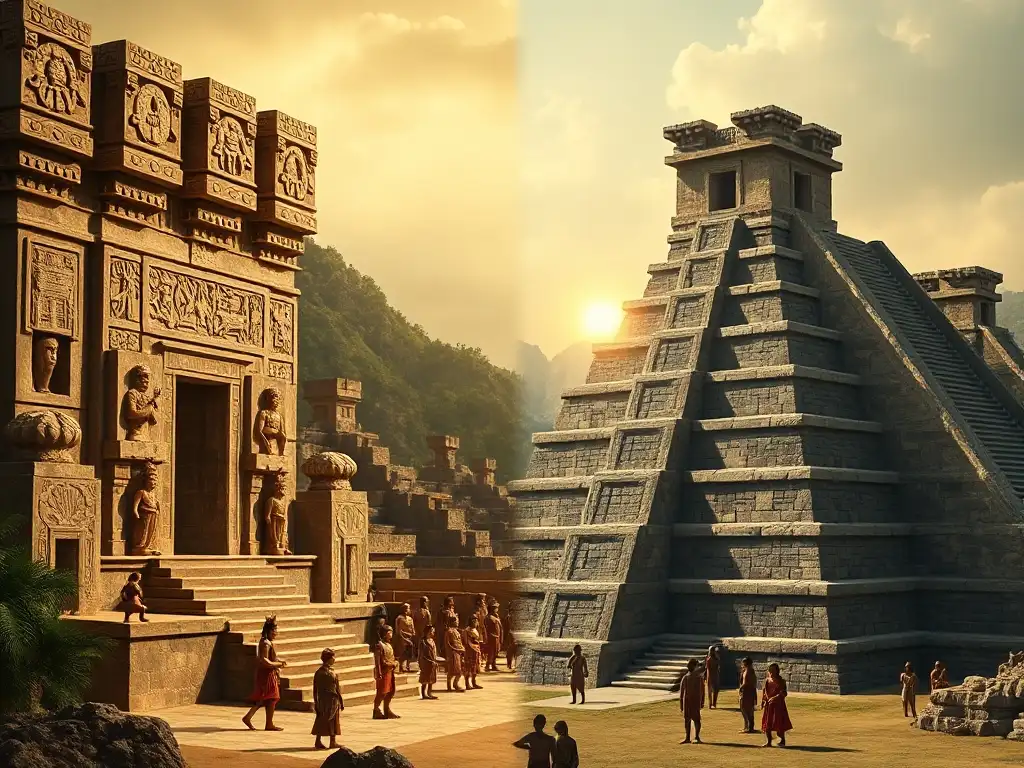
The Chavín culture (c. 900 – 200 BCE), while preceding the more well-known Inca Empire, laid the groundwork for many aspects of Andean social organization. Understanding the Chavín social hierarchy structure provides crucial insight into the development of later, more complex societies. While the precise details of Chavín social stratification remain debated due to limited textual evidence, archaeological findings offer valuable clues.
We can compare and contrast their societal structure with later Andean civilizations to better understand the evolution of power dynamics in the region. Analyzing the distribution of artifacts, burial practices, and architectural features reveals a hierarchical system, although its rigidity and the specific roles within each stratum are still being investigated.
The presence of elite burials with elaborate grave goods, contrasted with simpler burials of commoners, suggests a clear distinction between social classes. This pattern, though less elaborate, foreshadows the highly structured societies that would later emerge in the Andes.
The Moche civilization (c. 100 – 800 CE), flourishing centuries after the Chavín, presented a more clearly defined social hierarchy. Both societies exhibited a clear elite class, evidenced by lavish grave goods and monumental architecture. However, the Moche social structure was far more complex, with identifiable tiers of priests, warriors, artisans, farmers, and commoners.
While Chavín society likely included similar occupational distinctions, the archaeological record doesn't provide the same level of granular detail. The Moche's sophisticated irrigation systems and centralized administration suggest a more developed and formalized system of control than what is currently understood of the Chavín. One significant difference lies in the Moche's elaborate iconography and artistic representations of their social hierarchy, which are far more abundant than those from the Chavín period.
The Moche's depiction of rulers and warriors in their art, for example, provides a much clearer picture of their social structure than what's available for the Chavín. Further research is needed to fully understand the nuances of the Chavín's social organization and its relationship to later Andean societies.
The evolution of social complexity in the Andes wasn't a linear progression. While the Chavín culture exhibited early forms of social stratification, the subsequent development of more complex societies involved a gradual increase in hierarchical layers and the consolidation of power.
The Chavín's influence can be seen in the pan-Andean spread of their religious iconography, suggesting a degree of cultural and potentially political influence across a wide geographic area. However, the emergence of regional powers like the Nazca and Huari, and later the Inca, involved further refinements in social organization, administration, and control.
These later civilizations built upon the foundations laid by earlier cultures like the Chavín, but adapted and expanded upon them, leading to increasingly complex social structures with specialized roles and a more formalized system of governance. This evolution can be observed through the increasing scale and sophistication of their infrastructure projects, such as irrigation systems and monumental architecture, which required significant labor organization and social control.
The Chavín social hierarchy structure, though less documented than those of later civilizations, left a tangible legacy on subsequent Andean societies. The emphasis on ritual and religious authority, evident in Chavín architecture and iconography, continued to be a significant factor in the social structures of later cultures. The concept of a priestly elite, controlling access to religious knowledge and resources, persisted throughout Andean history.
Furthermore, the development of specialized labor, seen in early forms within the Chavín culture, became a defining characteristic of later Andean societies. The Inca Empire, for instance, relied heavily on a highly organized system of specialized labor, with individuals assigned specific roles within the society based on their skills and social standing. While the Inca's system was far more intricate, its roots can be traced back to earlier forms of social organization, including those evident in the Chavín culture.
The Chavín's legacy is not merely a historical curiosity; it represents a crucial stage in the development of the complex social hierarchies that characterized the later Andean civilizations. Understanding this early form of social stratification helps to illuminate the broader trajectory of social evolution in the Andes.
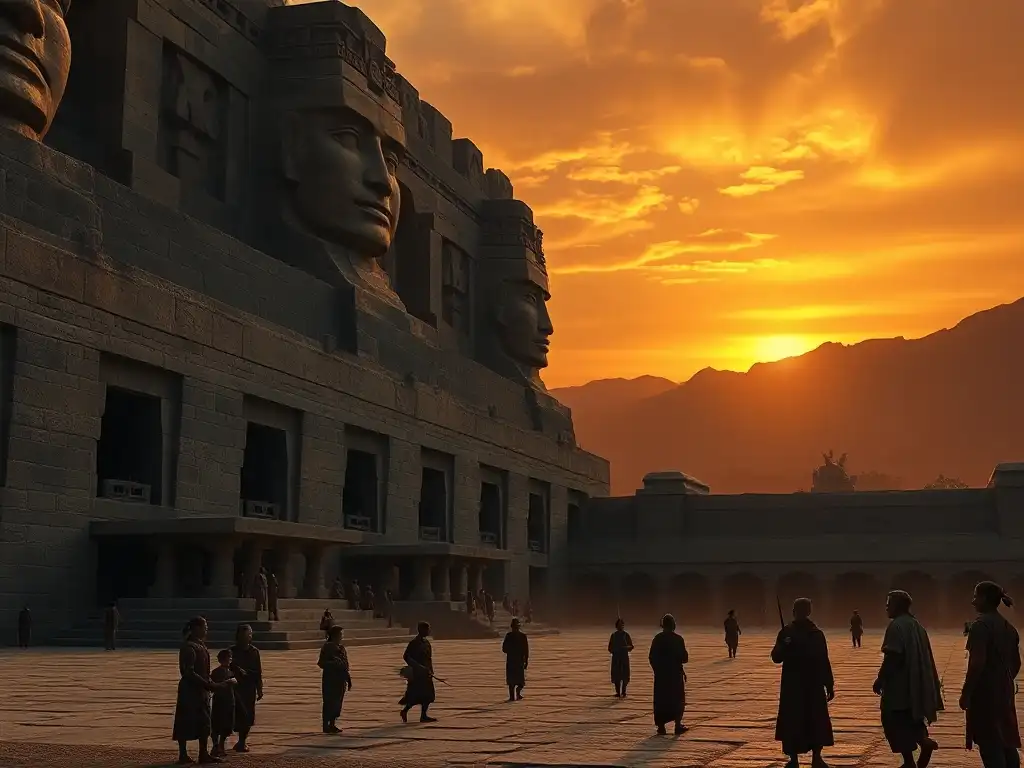
The Chavín culture (c. 900 – 200 BCE), though not a unified empire in the traditional sense, exerted a profound influence on the development of social stratification throughout the Andes. Their sophisticated religious ideology and centralized ceremonial centers fostered a hierarchical structure that served as a blueprint for later Andean societies. Understanding the Chavín social hierarchy structure is crucial to grasping the evolution of social organization across the region.
The impact wasn't merely political; it permeated economic systems, artistic expression, and even burial practices, leaving an indelible mark on subsequent Andean cultures. This influence is evident in the adoption of similar social structures, religious motifs, and architectural styles across vast geographical areas, highlighting the Chavín's significant role in shaping the Andean worldview.
The extent of this cultural diffusion underscores the power of their centralized religious authority and the effectiveness of their mechanisms for maintaining social order. Further research into regional variations in Chavín-influenced societies could reveal nuances in the adoption and adaptation of this hierarchical model.
The Development of Ranked Societies in the Andes
The Andes before Chavín witnessed less pronounced social stratification. Archaeological evidence suggests relatively egalitarian communities, with less pronounced differences in wealth and power. However, the rise of the Chavín culture marked a pivotal shift. The construction of monumental architecture at Chavín de Huántar, a complex of temples and plazas, required immense coordinated labor.
This necessitated a system of social organization capable of mobilizing and managing large workforces, leading to the development of a ranked society. The elite class, likely composed of priests and religious specialists, controlled access to resources and religious knowledge. This control solidified their position at the apex of the social hierarchy. The commoners, who comprised the majority of the population, were organized into groups responsible for agricultural production, craft specialization, and construction projects.
The emergence of this distinct social hierarchy, with its clear distinctions between elite and commoner, laid the foundation for the more elaborate systems of social stratification seen in later Andean civilizations, such as the Moche and Inca. Analysis of grave goods further supports this social differentiation. Elite burials contain elaborate artifacts and offerings, while commoner burials are significantly simpler, reflecting the unequal distribution of wealth and status.
The Chavín's powerful religious beliefs were intrinsically linked to their social structure. Their religious ideology, centered around a pantheon of deities often depicted in zoomorphic forms (e.g., jaguars, snakes, and condors), served to legitimize the power of the elite. The priests, acting as intermediaries between the gods and the people, wielded considerable authority.
The construction of monumental temples, like those at Chavín de Huántar, became important centers for religious rituals and ceremonies, reinforcing the elite's control over religious practices and knowledge. The elaborate iconography and artistic styles associated with Chavín religious beliefs were carefully controlled and disseminated, further consolidating their cultural and social dominance. The use of specific symbols and motifs in textiles, ceramics, and architecture served as markers of social status and religious authority.
For example, the depiction of specific deities or ritual objects on elite artifacts highlights their privileged position within the religious and social hierarchy. This carefully curated religious system acted as a powerful tool for maintaining social order and reinforcing the existing power structure. The fear of supernatural retribution, instilled through religious beliefs, likely helped maintain social control among the commoner population.
Chavín as a Precursor to Later Andean Empires
The Chavín's influence extended far beyond their immediate geographical location. Their sophisticated social hierarchy and religious ideology served as a model for subsequent Andean cultures. The development of ranked societies, characterized by a stratified social structure with clear distinctions between elite and commoner classes, became a recurring feature of Andean civilization.
The Inca Empire, for instance, inherited and refined many aspects of the Chavín social organization, adapting and expanding upon the existing hierarchical model. Similar patterns are observed in other Andean societies, such as the Moche and Nazca, demonstrating the lasting legacy of Chavín social structures. While there were variations and adaptations in the specific forms of social hierarchy, the underlying principle of a ranked society, with a powerful elite controlling resources and religious knowledge, remained a constant.
The Chavín's legacy, therefore, is not just about their own unique social organization but also about their crucial role in shaping the social landscape of the entire Andean region for centuries to come. The enduring presence of Chavín-inspired motifs and architectural styles in later Andean cultures provides compelling evidence of the profound and lasting impact of this early Andean civilization. The study of Chavín social hierarchy structure offers valuable insights into the development of complex societies in the Andes and the long-term consequences of early forms of social stratification.
The Chavín social hierarchy, while not as rigidly defined as later Andean societies like the Inca, represents a crucial stage in the development of complex social structures in the Andes. Its influence can be seen in the subsequent rise of powerful states and empires, demonstrating a foundational impact on the region's socio-political evolution. The evidence suggests a system where religious specialists held significant power, likely controlling access to resources and influencing the lives of commoners.
This early form of centralized authority, even if less formalized than later systems, laid the groundwork for the intricate hierarchies that characterized later Andean civilizations. The Chavín's influence extended beyond their immediate geographical area, as evidenced by the spread of their artistic motifs and religious iconography throughout the Andes. This cultural diffusion suggests a powerful, albeit indirect, form of control and influence, further solidifying their role in shaping Andean social structures.
The study of Chavín society provides invaluable insights into the processes that led to the development of complex societies in the Andes, highlighting the gradual emergence of social stratification and the role of religion in shaping social power dynamics. Analyzing the Chavín experience allows us to better understand the long-term trajectory of Andean social organization and the enduring legacy of their unique social hierarchy structure.
The Chavín culture’s social stratification provides a critical lens through which to understand the origins of complex social organization in the Andes. Unlike simpler, egalitarian societies, the Chavín exhibited clear signs of social differentiation, with evidence suggesting a hierarchy based on religious authority, access to resources, and specialized labor. This wasn't a rigidly stratified society like the later Inca Empire, but the seeds of complex social structures were undeniably sown during the Chavín period.
Archaeological findings such as the elaborate architecture of Chavín de Huántar, with its intricate carvings and monumental structures, suggest a significant concentration of wealth and power in the hands of a select few. The presence of specialized craftspeople, evidenced by the high quality of Chavín art and artifacts, also points to a division of labor and a hierarchical system that supported such specialization.
Furthermore, the centralized nature of Chavín religious practices, with their emphasis on ritual and shamanistic leadership, likely played a vital role in maintaining social order and reinforcing the existing power structure. The study of Chavín society therefore offers crucial insights into the foundational elements of Andean social complexity, providing a vital stepping stone in understanding the later development of more elaborate hierarchical systems.
The study of Chavín social stratification is of paramount importance for several reasons. Firstly, it offers a unique opportunity to examine the early stages of social complexity in the Andes, providing a baseline for understanding the subsequent development of more elaborate hierarchical systems in later Andean civilizations. By analyzing the Chavín case, we can trace the evolutionary path of Andean social organization, identifying key factors that contributed to its increasing complexity.
Secondly, the study of Chavín society challenges simplistic narratives of Andean social development, demonstrating that the evolution of hierarchical structures was a gradual and complex process, not a sudden transformation. The nuanced understanding of Chavín social dynamics enriches our overall comprehension of Andean history. Thirdly, the insights gained from studying Chavín social stratification contribute to a broader understanding of the role of religion and ideology in shaping social structures.
The Chavín's emphasis on religious rituals and shamanistic practices clearly played a significant role in establishing and maintaining their social hierarchy. Analyzing this relationship helps us understand the complex interplay between religious beliefs, social organization, and political power in ancient Andean societies. Finally, further research on Chavín social hierarchy can inform our understanding of broader anthropological theories concerning the emergence of complex societies and the development of social inequality.
Further Research and Unanswered Questions About Chavín Society
Despite significant advancements in our understanding of the Chavín culture, several crucial questions regarding their social hierarchy remain unanswered. Further research is needed to clarify the exact nature of power relations within Chavín society. While evidence suggests a hierarchical system, the precise mechanisms of social control and the extent of social mobility are still unclear. More detailed analysis of burial practices, settlement patterns, and the distribution of artifacts is required to refine our understanding of social differentiation.
The role of warfare in shaping Chavín society also requires further investigation. While some scholars suggest that warfare may have played a role in establishing Chavín dominance, more evidence is needed to confirm this hypothesis. Additionally, a deeper understanding of Chavín ideology and religious beliefs is crucial for comprehending the underpinnings of their social hierarchy. The symbolic meaning of Chavín iconography and the social functions of their religious rituals remain areas of ongoing debate and require further investigation.
Finally, comparative studies with other contemporary Andean societies are needed to better contextualize the Chavín's unique social structure and assess the extent of their influence on the wider Andean region. Addressing these unanswered questions will undoubtedly lead to a more nuanced and complete understanding of Chavín society and its place within the broader context of Andean history. The pursuit of this knowledge is essential for a more comprehensive understanding of "Chavin social hierarchy structure".
Frequently Asked Questions
What is the Chavín culture known for?
The Chavín culture is renowned for its highly developed artistic style, particularly in ceramics and monumental architecture, and its influence on later Andean civilizations. It also demonstrates early evidence of complex social organization.
While specifics are debated, evidence suggests a stratified society with a religious elite at the top, controlling resources and possibly holding priestly power. Lower classes likely consisted of farmers, artisans, and laborers.
Religion played a central role, with elite priests likely acting as intermediaries between the people and supernatural forces. Religious iconography is prevalent in Chavín art and architecture, suggesting a powerful religious influence on social organization.
Evidence comes from monumental architecture, such as the Chavín de Huántar temple complex, suggesting a centralized authority. Burial practices and the distribution of luxury goods also indicate social stratification.
The Chavín hierarchy represents an early form of social stratification that laid the groundwork for the more complex systems seen in later Andean civilizations like the Inca. It demonstrates a transition toward centralized power and specialized labor.
Final Reflection: Echoes of Hierarchy in the Chavin Legacy
The intricate social stratification of the Chavin culture, far from being a relic of the past, offers a stark reminder of the enduring human tendency towards hierarchical organization. Understanding their complex system of power, ritual, and social division provides crucial insight into the development of societal structures that continue to shape our world today. The echoes of Chavin's hierarchical society resonate in contemporary power dynamics, reminding us to critically examine the structures that govern our own lives.
The Chavin's sophisticated system of religious authority, intertwined with political and economic power, profoundly impacted the development of Andean civilizations that followed. Their influence is undeniable, a testament to the enduring power of established social structures. The past is never dead. It's not even past.
– William Faulkner. This quote perfectly encapsulates the lasting impact of the Chavin's social hierarchy, which continues to inform our understanding of the evolution of power structures in the Andes and beyond. The legacy of their societal organization serves as a powerful lens through which we can analyze the complexities of power and inequality in our own time.
Consider the ways in which power structures manifest in your own life, both large and small. Reflect on the systems of hierarchy you encounter daily, and ask yourself: how can we build a more equitable and just society, informed by the lessons learned from studying the rise and fall of civilizations like the Chavin? Let the intricate tapestry of Chavin society inspire you to critically examine the structures that shape our world, and to strive for a future where power is distributed more fairly and inclusively.
Thank you for exploring the fascinating world of Chavin culture and its early social structures. You've gained valuable insights into how this ancient society organized itself. Let's delve even deeper into this captivating topic!
Here's how you can continue your exploration:
- **Compare** the social hierarchy of the Chavin with that of other Andean civilizations, noting the similarities and differences.
- **Share** your newfound knowledge with friends and fellow history enthusiasts, discussing the lasting impact of such systems on modern societies.
- **Join** a local archaeological or cultural group to connect with others who share your passion for Andean history.
What aspect of Chavin social structure most surprised you, and how do you believe it informs our understanding of social hierarchy today?