
The Undying Spirit: How Andean Traditions and Culture Survived the Spanish Conquest

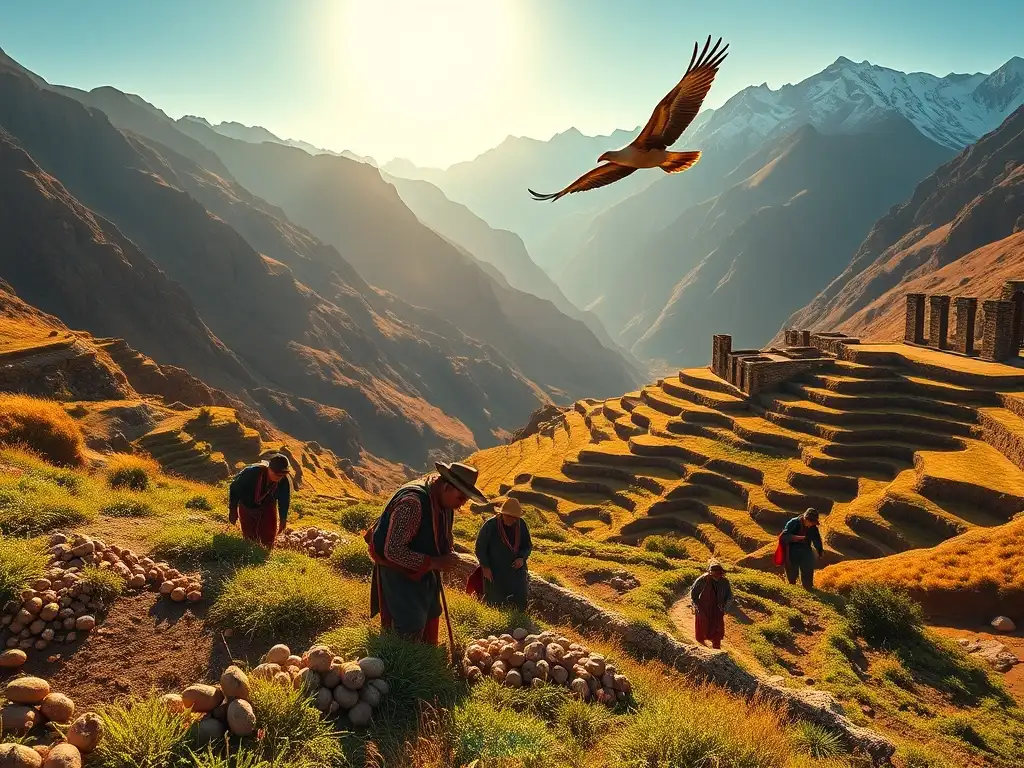
Step into a world lost to time, yet miraculously preserved... Imagine the echoes of ancient empires reverberating across the Andes. The Spanish conquest sought to erase the vibrant tapestry of Andean civilization, but its threads remained, stubbornly interwoven into the fabric of modern life. Discover how Andean culture survived, defying the odds, in our exploration of Andean culture survival after Spanish conquest. Unravel the secrets of their resilience and witness the enduring legacy of these remarkable societies.
- The Undying Spirit: Andean Culture Survival After the Spanish Conquest
- The Pre-Conquest Andean Landscape: A Foundation of Resilience
- The Impact of the Spanish Conquest on Andean Societies
- Strategies for Andean Cultural Resistance and Preservation
- Andean Artistic Expressions as Vehicles for Cultural Continuity
- The Enduring Legacy of Andean Traditions Today
- How Andean Traditions Shaped Modern Andean Identity
-
Frequently Asked Questions
- What impact did the Spanish conquest have on Andean cultures?
- How did Andean traditions manage to survive despite the conquest?
- What specific cultural elements survived the Spanish conquest?
- What role did syncretism play in the survival of Andean culture?
- Where can I learn more about the resilience of Andean cultures?
- Final Reflection: Echoes of Resistance, Whispers of Resilience
- **Embrace the Rich Legacy of the Andes! **
The Undying Spirit: Andean Culture Survival After the Spanish Conquest
The Spanish conquest of the Andes, beginning in the early 16th century, dramatically reshaped the region, imposing a new political and religious order upon the existing vibrant Andean societies. While the Inca Empire fell, and Spanish rule brought widespread devastation, disease, and exploitation, the spirit of Andean culture proved remarkably resilient.
This article explores the ingenious strategies and enduring traditions that allowed aspects of Andean culture to not only survive but also adapt and persist, even in the face of brutal oppression. We will delve into the subtle ways Andean people maintained their cultural identity, examining the intertwining of indigenous practices with imposed Spanish Catholicism, the preservation of agricultural techniques, and the continued importance of Andean cosmology and worldview.
The survival of Andean culture after the Spanish conquest is a testament to the strength and adaptability of its people, a story of resistance and resilience that continues to resonate today. Understanding this survival is key to appreciating the rich tapestry of Andean culture we see in the modern era.
The Resilience of Andean Agriculture
Despite the upheaval caused by the conquest, Andean agricultural practices, honed over millennia, proved remarkably adaptable. The terracing techniques, which had allowed the Incas and their predecessors to cultivate steep slopes with remarkable efficiency, continued to be employed. These intricate systems, carved into the mountainsides, provided essential food security, even under the pressures of colonial exploitation. Furthermore, the cultivation of indigenous crops like potatoes, quinoa, and maize, remained crucial to Andean diets.
While the Spanish introduced new crops and livestock, Andean farmers skillfully integrated these into existing systems, ensuring food sovereignty and maintaining a connection to their ancestral agricultural knowledge. The ingenious adaptation of pre-existing agricultural techniques demonstrates the profound understanding of Andean ecosystems and the enduring practical wisdom passed down through generations. This agricultural resilience was fundamental to the survival of Andean communities, providing both sustenance and a link to their past.
Syncretism: The Blending of Catholicism and Andean Spirituality
The Spanish conquest brought with it the forceful imposition of Catholicism. However, rather than being completely eradicated, Andean spirituality often blended with the new religion, creating a fascinating syncretism. Indigenous deities were often assimilated into the Catholic pantheon, with Pachamama, the Earth Mother, for instance, taking on aspects of the Virgin Mary.
Similarly, traditional rituals and ceremonies were often adapted to incorporate Catholic elements, allowing Andean people to maintain their spiritual practices while outwardly complying with Spanish religious mandates. This subtle yet powerful strategy of syncretism allowed the preservation of core Andean beliefs and practices, demonstrating a remarkable capacity for cultural adaptation and resistance. The resulting blend of indigenous and Catholic traditions continues to shape Andean religious practices today.
The Persistence of Andean Art and Textiles
Andean art forms also demonstrated remarkable resilience. While the Spanish introduced European artistic styles, indigenous techniques and motifs continued to be employed, often subtly incorporated into religious art commissioned by the Church. The intricate weaving traditions, renowned for their vibrant colors and symbolic designs, persisted, often adapting to incorporate new materials and techniques while retaining their distinctive Andean character.
The vibrant textiles, with their intricate designs and symbolic language, served not only as practical garments but also as powerful carriers of cultural memory and identity, providing a visual testament to the enduring strength of Andean traditions. These textiles continue to be produced and highly valued, representing a direct link to the artistic heritage of the pre-Columbian Andes.
Oral Traditions and the Preservation of Knowledge
With the destruction of many Inca records, the transmission of Andean knowledge became increasingly reliant on oral traditions. Storytelling, songs, and myths continued to play a vital role in transmitting cultural values, historical accounts, and practical knowledge from one generation to the next. These oral traditions served as a powerful means of preserving cultural identity and resisting the attempts to erase Andean history and knowledge.
The persistence of these oral traditions is a testament to the enduring power of community memory and its role in ensuring cultural survival. These narratives, passed down through generations, remain a crucial element of Andean cultural identity.
The survival of Andean culture after the Spanish conquest was not a passive process but a dynamic and ongoing negotiation between indigenous traditions and imposed colonial structures. The enduring legacy of Andean civilization is a testament to the resilience, creativity, and adaptability of its people. The strategies employed – from the subtle blending of religious beliefs to the persistence of agricultural techniques and artistic traditions – demonstrate the powerful forces that ensured the survival of a unique and vibrant cultural heritage.
The Pre-Conquest Andean Landscape: A Foundation of Resilience
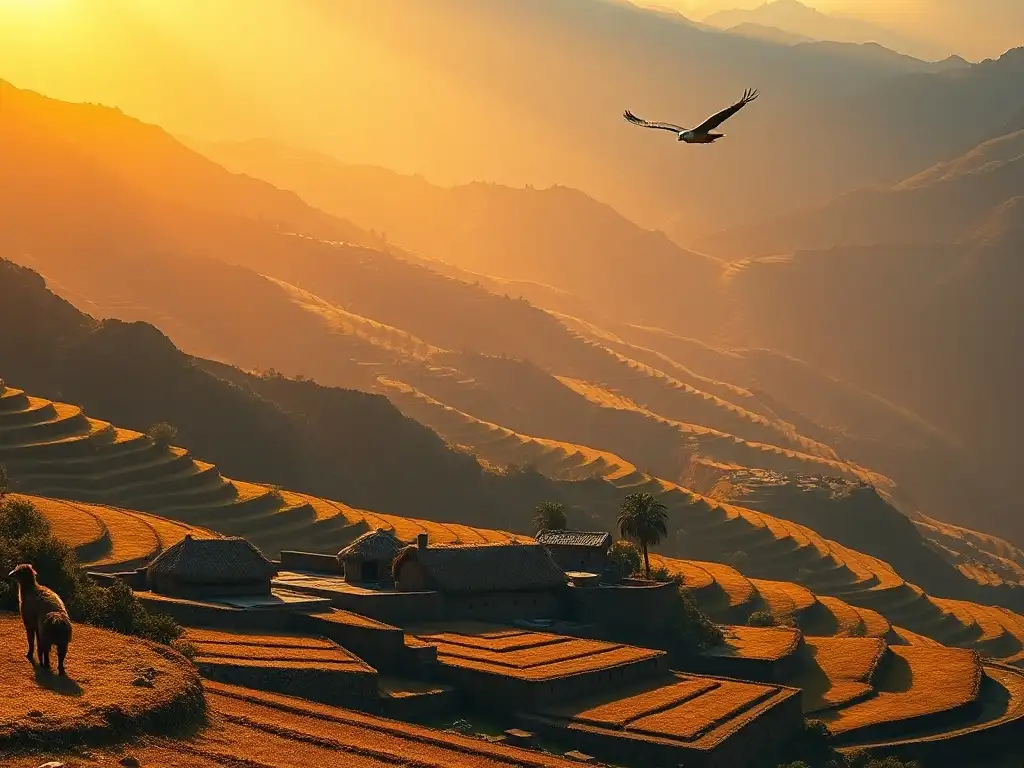
This section examines the pre-Columbian Andean world, highlighting the factors that contributed to the resilience of Andean culture in the face of the Spanish conquest. Understanding the strength and complexity of pre-conquest Andean societies is crucial to appreciating how their traditions and beliefs endured despite the devastating impact of colonization. The survival of Andean culture wasn't a mere accident; it was the result of deeply rooted societal structures, adaptive strategies, and a profound connection to the land and its resources.
The resilience observed stemmed from centuries of sophisticated development and adaptation to the challenging Andean environment. This inherent adaptability proved to be a critical factor in the survival of many cultural practices.
Flourishing Andean Civilizations Before 1532
Before the arrival of the Spanish, the Andes were home to a series of remarkable civilizations, each leaving an indelible mark on the region's cultural heritage. The Inca Empire, known for its impressive infrastructure and centralized administration, was the most prominent at the time of conquest. However, preceding empires like the Wari, Tiwanaku, Moche, and Nazca had established sophisticated agricultural techniques, complex social structures, and unique artistic expressions.
These civilizations weren't isolated entities; rather, they interacted and influenced each other, contributing to a rich and diverse cultural landscape. The Inca, for example, incorporated aspects of earlier Andean traditions into their own culture, demonstrating a continuity that would facilitate cultural survival post-conquest. The sheer scale and complexity of these pre-conquest achievements underscore the deep-rooted societal foundations that would later help sustain Andean culture through challenging times.
Evidence of this resilience can be seen in the persistence of agricultural practices, religious beliefs, and artistic motifs, even after the imposition of Spanish rule. The adaptive capacity of these earlier cultures played a significant role in the preservation of Andean cultural identity.
Rich Cultural Tapestry of the Pre-Hispanic Andes
The pre-conquest Andean world was characterized by a rich and diverse cultural tapestry. This diversity wasn't merely a matter of different empires or ethnic groups; it manifested in intricate variations in artistic expression, religious practices, social organization, and technological advancements. For example, the Nazca people are renowned for their geoglyphs, vast and enigmatic designs etched into the desert landscape, while the Moche were masters of ceramics, creating lifelike and often gruesome depictions of their gods and daily life.
These distinct artistic styles, along with unique weaving techniques, metalworking skills, and architectural innovations, contributed to a complex and multifaceted cultural identity that transcended political boundaries. This cultural diversity, rather than being a source of weakness, provided a foundation for resilience.
The varied traditions and practices created a robust cultural system where the loss of one element didn't necessarily mean the demise of the entire system. The persistence of distinct artistic styles and techniques after the conquest demonstrates the ability of Andean communities to preserve their cultural heritage despite external pressures.
Spiritual and Cosmological Beliefs of Ancient Andean Peoples
The spiritual and cosmological beliefs of ancient Andean peoples played a pivotal role in shaping their worldview and societal structures. Their deeply held religious convictions were intimately intertwined with their relationship with the natural world, particularly the mountains, which were considered sacred entities. Andean cosmology emphasized a complex interplay between the earthly and spiritual realms, with rituals and ceremonies designed to maintain harmony and balance within this interconnected system.
The worship of deities associated with agriculture, fertility, and the sun played a critical role in shaping Andean society. This spiritual foundation provided a source of resilience during the Spanish conquest. Even under the pressures of conversion to Catholicism, many Andean communities managed to subtly incorporate their pre-conquest beliefs into the new religious framework, ensuring the survival of key aspects of their spiritual heritage.
The enduring importance of ancestral veneration, for example, highlights the tenacity of indigenous spiritual practices in the face of colonial attempts at cultural eradication. The survival of these core beliefs demonstrates the power of deeply ingrained spiritual systems to endure even under extreme circumstances and contributed significantly to the preservation of Andean cultural identity.
The Impact of the Spanish Conquest on Andean Societies
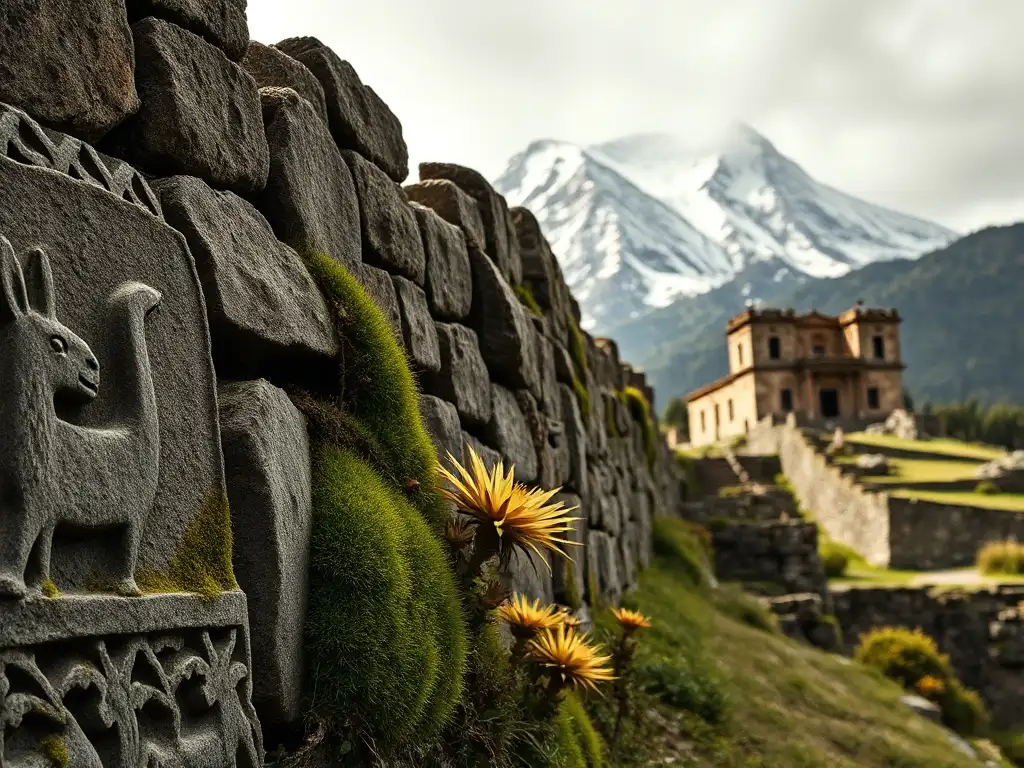
The Spanish conquest of the Andes dramatically altered the trajectory of Andean civilizations, leaving an indelible mark on their social structures, political systems, and cultural practices. While the conquest resulted in immense suffering and the destruction of much of their pre-Columbian heritage, the enduring spirit of Andean peoples ensured that many traditions and cultural elements persisted, albeit in transformed forms.
Understanding the impact of the conquest is crucial to appreciating the resilience and adaptability that allowed Andean culture to survive and evolve. The keyword phrase "Andean culture survival after Spanish conquest" is central to this analysis, highlighting the remarkable capacity for cultural continuity in the face of overwhelming adversity.
The Arrival of the Spanish and the Initial Cultural Shock
The initial encounter between the Spanish conquistadors and the Andean populations was marked by profound cultural clashes. The Spanish, armed with superior weaponry and driven by a thirst for gold and power, quickly overwhelmed the existing political structures. The sheer scale of the Spanish army, their unfamiliar military tactics, and the devastating diseases they inadvertently introduced (smallpox, measles, and influenza) decimated the indigenous populations.
This initial shock, however, did not immediately extinguish Andean culture. While many aspects of life were disrupted, existing social networks and kinship ties, vital components of Andean social organization, provided a foundation for resistance and adaptation.
The initial Spanish accounts, often biased and focused on the acquisition of wealth, frequently fail to capture the complexity of Andean responses, which ranged from outright rebellion to subtle acts of cultural preservation. For example, while the Spanish attempted to suppress traditional religious practices, many Andean communities continued to perform rituals in secret or adapted them to blend with imposed Catholicism, demonstrating an early form of cultural syncretism.
The Imposition of Spanish Rule and its Consequences
The imposition of Spanish colonial rule brought about sweeping changes to Andean society. The encomienda system, a form of forced labor, exploited the indigenous population, disrupting traditional agricultural practices and economic systems. The introduction of new crops and livestock, while altering the landscape and diet, also integrated into existing agricultural knowledge.
Furthermore, the Spanish implemented a new administrative structure, replacing existing Andean governance with a hierarchical system centered around Spanish authority. This led to the dismantling of powerful Andean empires like the Inca, resulting in the loss of centralized political control and the fragmentation of Andean societies. However, this fragmentation didn't necessarily mean cultural annihilation.
Local communities often retained aspects of their traditional social organization and governance within the framework of the colonial system, demonstrating remarkable resilience in adapting to the new political reality. The Spanish attempts to control all aspects of Andean life, including language and religion, were met with varying degrees of resistance and adaptation, a testament to the enduring strength of Andean cultural identity.
The Spanish conquest profoundly disrupted the existing political and social structures of Andean societies. The Inca Empire, a highly organized and centralized state, was dismantled, leading to the fragmentation of its vast territories and the weakening of its political authority. Pre-existing power structures based on kinship, lineage, and religious authority were largely replaced by a colonial hierarchy dominated by Spaniards. This upheaval resulted in significant social unrest and conflicts, as different Andean groups vied for power within the new colonial order.
However, the complete eradication of Andean political and social structures never occurred. Indigenous communities adapted and negotiated their positions within the colonial system. Traditional forms of social organization, such as ayllus (kinship-based communities), persisted, albeit often modified to accommodate the demands of Spanish rule.
These communities played a crucial role in maintaining cultural continuity, transmitting knowledge, and preserving traditions across generations. The survival of these social structures, albeit transformed, demonstrates the enduring strength of Andean social cohesion and their ability to adapt to the challenges of colonial rule. The resilience of Andean social structures after the Spanish conquest underscores the importance of community and kinship in the preservation of Andean culture.
Strategies for Andean Cultural Resistance and Preservation
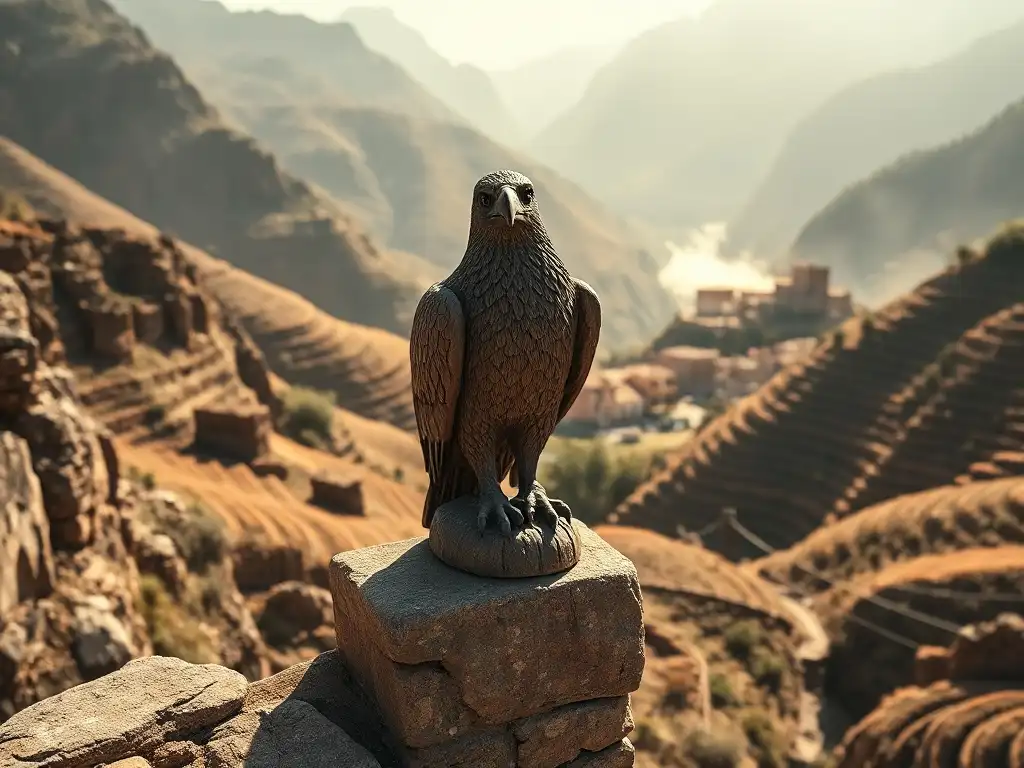
The Spanish conquest of the Andes presented an unprecedented challenge to the vibrant tapestry of Andean cultures. Facing brutal subjugation, forced conversions, and the systematic dismantling of their social structures, Andean peoples demonstrated remarkable resilience. Their survival wasn't merely passive endurance; it was an active, multifaceted struggle employing ingenious strategies to preserve their heritage. This section explores some key methods employed by Andean communities to safeguard their cultural identity in the face of overwhelming odds. The endurance of Andean culture after Spanish conquest is a testament to the strength and ingenuity of its people.
Maintaining Indigenous Languages: A Cornerstone of Andean Identity
Language is inextricably linked to cultural identity. The Spanish actively suppressed Quechua and other indigenous languages, imposing Spanish as the official language of administration and education. Despite this, Andean communities fiercely protected their linguistic heritage. Oral traditions played a vital role.
Stories, songs, and myths, passed down through generations, served as repositories of knowledge, history, and cultural values. These oral narratives became critical tools for maintaining cultural memory and transmitting essential aspects of Andean identity, even when written records were discouraged or destroyed. The continued use of Quechua in private spheres, within families and communities, proved crucial in resisting linguistic assimilation.
In isolated regions, Quechua and Aymara, for example, remained dominant languages, demonstrating the strength of community-based language preservation. Even in areas with significant Spanish influence, code-switching and the incorporation of Quechua words into Spanish demonstrated the enduring power of the indigenous languages. The persistence of these languages is a powerful symbol of Andean cultural survival.
The Persistence of Andean Cosmovision and Religious Practices
The Spanish conquest attempted to eradicate Andean religious beliefs and practices, replacing them with Catholicism. However, the Andean worldview, deeply rooted in a complex cosmology centered on the veneration of nature and ancestral spirits (Apus, Pachamama), proved remarkably resistant. While overt displays of traditional rituals might have been suppressed, many practices adapted and persisted in subtle ways.
For instance, the veneration of mountains (Apus) continued, often blending with Catholic saints. Indigenous deities were sometimes syncretized with Catholic figures, allowing for the continuation of traditional worship under a new guise. The intimate relationship between the Andean people and their environment, central to their cosmology, remained a powerful force.
Agricultural practices, which were intrinsically linked to religious rituals and beliefs, continued largely unchanged, demonstrating a subtle but effective form of cultural preservation. The enduring importance of community festivals and celebrations, often incorporating elements of both pre-Columbian and Catholic traditions, further illustrates the resilience of Andean spiritual life.
Adaptation and Syncretism: Combining Andean and Christian Beliefs
The imposition of Catholicism did not lead to a complete rejection of Andean religious beliefs. Instead, a process of syncretism emerged, where Andean and Christian elements blended to create new, hybrid forms of religious expression. This was not a passive acceptance of Catholicism, but an active process of cultural negotiation and adaptation.
For example, the celebration of Catholic holidays often incorporated pre-existing Andean rituals and traditions. The Virgin Mary, for instance, was sometimes assimilated with the Andean earth goddess, Pachamama, reflecting a blending of spiritual beliefs. This syncretic approach allowed for the continuation of traditional practices while outwardly conforming to the demands of the Spanish authorities.
The Virgin of Copacabana, a powerful example of this syncretism, became a focal point for Andean devotion, integrating both Catholic and indigenous elements. Such examples highlight the ability of Andean communities to adapt and creatively incorporate new elements into their existing belief systems, demonstrating a remarkable capacity for cultural survival and innovation. This adaptability ensured the continuity of Andean spiritual life, even under the pressures of colonization.
Andean Artistic Expressions as Vehicles for Cultural Continuity
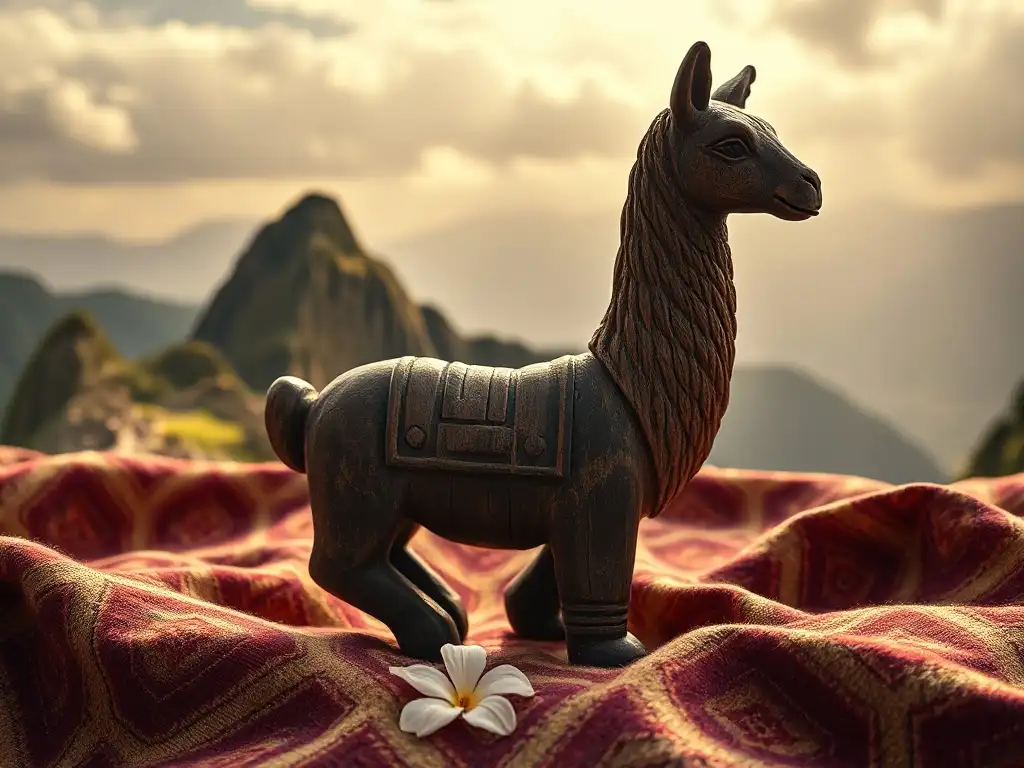
The Spanish conquest of the Andes drastically altered the socio-political landscape, aiming to suppress indigenous cultures and impose European norms. However, Andean artistic expressions proved remarkably resilient, acting as powerful vehicles for cultural continuity and resistance. Through seemingly innocuous mediums like textiles, music, and dance, Andean peoples subtly, and sometimes overtly, preserved their traditions, beliefs, and identities in the face of brutal oppression. The enduring strength of Andean culture is a testament to the ingenuity and determination of its people.
This section will explore how specific artistic practices facilitated the survival of Andean cultural heritage. The persistence of these artistic traditions, even after centuries of colonial influence, highlights the profound impact of Andean culture and its ability to adapt and endure. Understanding these artistic expressions allows us to appreciate the complex interplay between oppression and resistance in the shaping of Andean identity.
Traditional Weaving Techniques and Symbolic Representation
Traditional Andean weaving, a practice dating back millennia, served as a crucial repository of cultural knowledge. The intricate designs woven into textiles were not merely decorative; they encoded complex narratives, cosmological beliefs, and historical events. Even under colonial rule, weavers continued to employ ancestral techniques and motifs, subtly embedding symbolic representations within their work.
For instance, the use of specific colors, patterns, and animal figures could convey messages of resistance, ancestral veneration, or social status, often hidden from the untrained eye. The continuity of these techniques and their symbolic language ensured the transmission of cultural memory across generations, defying attempts at cultural erasure. Detailed studies of pre-Columbian and post-conquest textiles reveal a remarkable consistency in design elements, indicating a conscious effort to maintain cultural identity through this art form.
The sheer diversity of weaving styles across different Andean communities further underscores the robustness of this tradition, a testament to the enduring power of local identities. Quantitative analysis of surviving textiles from different periods would further illuminate the degree of continuity and change in weaving practices after the Spanish conquest. [Specific data on textile analysis pending].
Andean Music and Dance: Preserving Cultural Narratives
Music and dance played, and continue to play, a vital role in Andean life, functioning as powerful mediums for storytelling, social cohesion, and spiritual expression. The melodies, rhythms, and movements of traditional Andean music and dance are deeply rooted in pre-Columbian traditions. Despite attempts by the Spanish to suppress these forms of expression, they persisted, often adapting to incorporate new instruments or styles while maintaining their core cultural essence.
The use of indigenous instruments like the antara (panpipes) or the pututu (shell trumpet) alongside the incorporation of European instruments like the guitar demonstrates a creative fusion that allowed the music to both survive and evolve. Many songs and dances, passed down orally through generations, narrate historical events, myths, and legends, functioning as living archives of Andean culture. These performances provided opportunities for subtle acts of resistance and the affirmation of cultural identity, often taking place within the context of religious festivals or community gatherings.
The continued popularity of these traditional musical forms today underscores their enduring significance and their ability to transcend historical oppression. [Further research on specific examples of songs and dances encoding resistance is needed].
The Role of Art in Resisting Colonial Domination
Andean art, encompassing weaving, music, dance, and other forms, was not merely a passive vehicle for cultural preservation; it actively served as a tool for resisting colonial domination. Subtle yet powerful acts of resistance were embedded within the artistic expressions themselves. The continued use of pre-Columbian motifs and symbols, despite the risks involved, demonstrated a refusal to abandon ancestral traditions. Furthermore, artistic practices offered spaces for social commentary and critique of colonial policies.
While overt acts of rebellion were often suppressed, art allowed for a more nuanced and indirect form of resistance. The creation of hybrid art forms, blending indigenous and European elements, can be interpreted as a strategy of cultural negotiation and adaptation, a way of reclaiming and redefining cultural identity in the face of colonial pressure. Detailed ethnographic studies of Andean communities during the colonial period would reveal the specific ways in which art was used to express resistance and maintain cultural autonomy.
[Data on specific examples of art used for resistance during the colonial period pending]. The resilience of Andean art forms serves as a powerful reminder of the enduring strength of indigenous cultures and their ability to adapt and thrive even under oppressive circumstances. The survival of Andean traditions is a testament to the human spirit's capacity for resilience and the enduring power of cultural heritage.
The Enduring Legacy of Andean Traditions Today
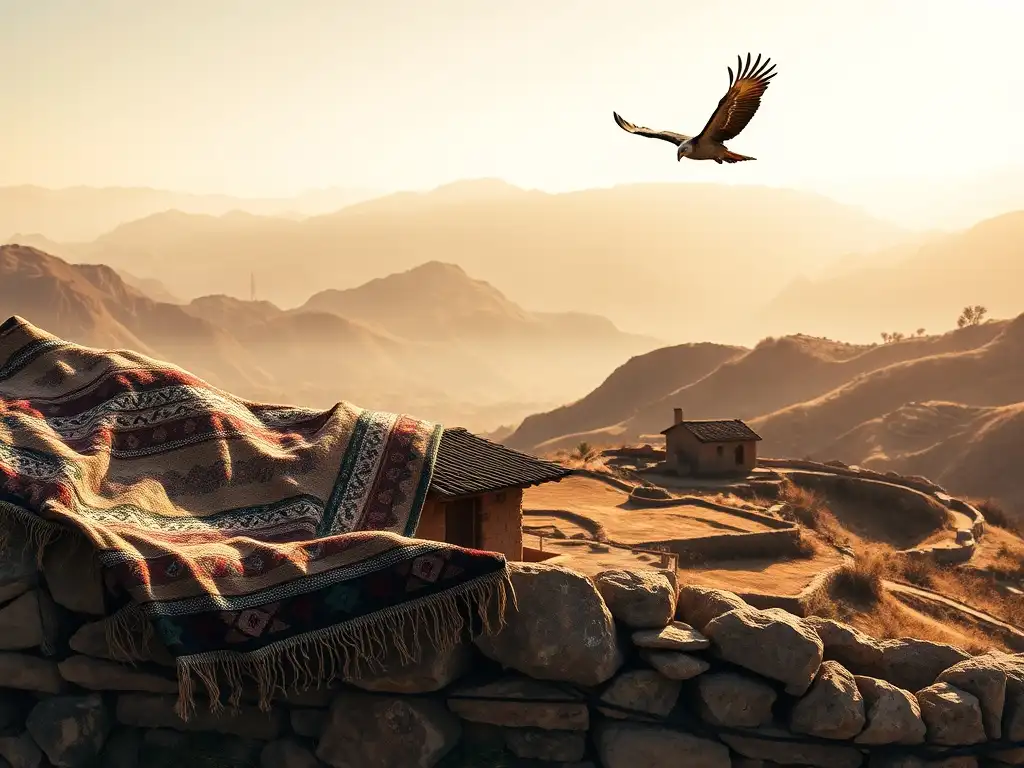
The Spanish conquest of the Andes dramatically altered the landscape and political structure of the region, but it did not extinguish the vibrant tapestry of Andean culture. Despite centuries of oppression and assimilation attempts, many Andean traditions, beliefs, and practices continue to thrive, demonstrating the remarkable resilience and adaptability of these indigenous communities.
The survival of Andean culture after the Spanish conquest is a testament to the deep-rooted connection between the people and their ancestral heritage, a legacy that continues to shape their identities and livelihoods today. Understanding this enduring legacy requires examining the continued importance of indigenous knowledge, the resilience of contemporary communities, and the role Andean culture plays in modern national identities.
The Continued Importance of Andean Indigenous Knowledge
Andean indigenous knowledge, encompassing agricultural practices, medicinal techniques, astronomical observations, and spiritual beliefs, proved remarkably resistant to eradication. For example, the intricate aqha, or Andean system of water management, which predates the Inca Empire, continues to be used and adapted in modern agricultural practices. This sophisticated system of canals, channels, and reservoirs, built with remarkable engineering skill, demonstrates a deep understanding of hydrology and resource management that has sustained Andean communities for millennia.
Similarly, traditional Andean medicine, relying on herbal remedies and holistic approaches, persists alongside Western medicine, offering alternative healing methods deeply rooted in cultural practices. The survival and adaptation of this indigenous knowledge system represent a vital aspect of Andean culture's ongoing presence, showcasing its practical and spiritual significance.
Furthermore, the sophisticated astronomical observations used for agricultural planning and religious ceremonies continue to be practiced and studied, demonstrating the enduring intellectual legacy of Andean civilizations. This sustained knowledge transfer across generations highlights a profound cultural continuity even in the face of external pressures.
Contemporary Andean Communities and their Cultural Resilience
The survival of Andean culture is not merely a matter of preserving ancient knowledge; it is also about the active and dynamic participation of contemporary Andean communities. These communities, often facing significant socio-economic challenges, have creatively integrated their traditions into their modern lives. For instance, the vibrant textile traditions of the Andes, renowned for their intricate designs and symbolic significance, continue to flourish.
Weaving, often a family-based practice passed down through generations, incorporates both traditional techniques and modern adaptations. Similarly, Andean music and dance, often used to express social and spiritual beliefs, remain central to community celebrations and rituals. These cultural expressions serve not only as a source of pride and identity but also as crucial mechanisms for transmitting cultural values and knowledge across generations.
The resilience of these communities is evident in their ability to navigate the complexities of globalization while maintaining a strong sense of cultural identity. This ability to adapt and innovate while preserving core cultural values speaks volumes about the enduring spirit of Andean culture.
The Role of Andean Culture in Modern Identity
The enduring influence of Andean culture extends beyond the realms of traditional practices and into the very fabric of modern national identities across the Andean region. While the Spanish conquest attempted to impose European cultural norms, Andean traditions persisted and continue to shape contemporary art, literature, music, and political discourse. The resurgence of indigenous languages, such as Quechua and Aymara, in education and public life reflects a growing acknowledgment and appreciation of Andean heritage.
Moreover, the revival of indigenous spiritual beliefs and practices, often interwoven with elements of Catholicism, highlights the dynamic interaction between tradition and modernity. The ongoing struggle for indigenous rights and land recognition is intrinsically linked to the preservation and promotion of Andean culture, underscoring its importance in contemporary social and political landscapes.
The incorporation of Andean cultural elements into national symbols and narratives underscores the recognition of its crucial role in shaping modern national identities. This demonstrates a powerful legacy—a testament to the enduring spirit and cultural richness of the Andean people.
How Andean Traditions Shaped Modern Andean Identity
The Spanish conquest of the Andes drastically altered the landscape, but it couldn't entirely erase the deeply rooted traditions and cultural practices of the Andean peoples. While the imposition of Catholicism and the dismantling of existing power structures resulted in significant losses, a remarkable resilience ensured that many aspects of Andean culture survived, albeit often transformed, and continue to shape Andean identity today. This survival wasn't a passive process; rather, it was an active negotiation, a continuous adaptation and reimagining of ancestral knowledge within a new, oppressive reality.
The enduring strength of Andean culture lies in its capacity for assimilation and reinvention. The very fabric of modern Andean identity is woven with threads of pre-Columbian traditions, demonstrating the enduring power of cultural memory and the tenacious spirit of its people. Understanding this enduring legacy requires examining specific examples of how these traditions were preserved and reinterpreted across generations.
The Influence of Andean Philosophy on Contemporary Thought
Andean cosmovision, with its emphasis on the interconnectedness of all living things ( ayni ) and the reciprocal relationship between humanity and nature ( pachamama ), profoundly influenced contemporary Andean thought. Despite attempts to suppress indigenous beliefs, many Andean communities maintained their spiritual practices, often subtly integrating them with Catholic rituals. This syncretism, a blending of indigenous and imposed beliefs, is evident in numerous contemporary festivals and ceremonies.
For example, the veneration of apus (mountain spirits) often coexists with Catholic saints' celebrations, demonstrating the adaptability and resilience of Andean spiritual traditions. The concept of ayni, the principle of reciprocity and balance, continues to inform social structures and economic practices in many Andean communities, highlighting the enduring relevance of ancient Andean philosophy in modern life.
This principle, deeply embedded in Andean culture, fosters a sense of community and shared responsibility, contributing to a unique social fabric that contrasts with the individualistic tendencies often associated with Western societies. The ongoing relevance of ayni underscores the enduring power of Andean philosophy in shaping contemporary social and economic structures.
Reclaiming Andean Heritage Through Cultural Revitalization
The 20th and 21st centuries have witnessed a significant resurgence of interest in Andean heritage, fueled by indigenous movements advocating for cultural recognition and the preservation of ancestral knowledge. This cultural revitalization is manifested in various ways, from the revival of traditional textiles and music to the promotion of indigenous languages like Quechua and Aymara. The creation of museums and cultural centers dedicated to Andean art and history plays a crucial role in educating both local communities and international audiences about the richness and diversity of Andean culture.
Furthermore, the active participation of Andean communities in the management and preservation of their cultural heritage is essential for ensuring authenticity and cultural sustainability. This self-determination empowers indigenous communities, allowing them to reclaim their narratives and shape the representation of their cultural identity.
The success of these revitalization efforts can be measured by the increased visibility and appreciation of Andean culture globally. The resurgence of traditional crafts, music, and languages is a testament to the enduring strength of Andean traditions and the commitment of Andean peoples to preserve their heritage.
The Ongoing Struggle for Recognition and Cultural Rights
Despite significant progress in cultural revitalization, the struggle for recognition and cultural rights continues. Andean communities still face challenges related to land rights, access to education and healthcare, and the preservation of their languages and traditions. The ongoing fight for self-determination and the recognition of indigenous rights is an integral part of the Andean cultural survival story.
Many Andean communities actively resist attempts to homogenize their culture and fight for the inclusion of their perspectives in educational curricula and national policies. The pursuit of cultural rights is not merely a matter of preserving traditions; it's about achieving social justice and ensuring the well-being of Andean communities. This ongoing struggle highlights the need for continued support and international recognition of the importance of preserving and celebrating the diverse cultural expressions of Andean peoples.
The fight for cultural survival is intertwined with the broader fight for social justice and equity, demonstrating the inseparable connection between cultural preservation and human rights. The resilience of Andean culture is a powerful testament to the enduring spirit of its people and their unwavering commitment to preserving their heritage for future generations.
Frequently Asked Questions
What impact did the Spanish conquest have on Andean cultures?
The Spanish conquest had a devastating impact, leading to the deaths of millions and the destruction of many aspects of Andean life. However, Indigenous Andean cultures did not disappear entirely.
How did Andean traditions manage to survive despite the conquest?
Andean traditions survived through resistance, adaptation, and syncretism. Indigenous people blended their practices with those of the Spanish, ensuring the continuation of their cultural heritage in new forms.
What specific cultural elements survived the Spanish conquest?
Many aspects survived, including agricultural techniques, certain religious beliefs and practices, and elements of textile production and artistic styles. These were often adapted and combined with Spanish influences.
What role did syncretism play in the survival of Andean culture?
Syncretism, the blending of different cultural elements, was crucial. Indigenous peoples incorporated aspects of Catholicism into existing beliefs and practices, creating new, hybrid forms of worship and ritual.
Where can I learn more about the resilience of Andean cultures?
You can explore further by researching specific Andean groups like the Inca, Moche, or Quechua, examining ethnographic studies, and visiting museums showcasing Andean art and artifacts. Many academic resources are also available online.
Final Reflection: Echoes of Resistance, Whispers of Resilience
The enduring legacy of Andean culture stands as a powerful testament to the human spirit's capacity to resist and reinvent itself in the face of unimaginable oppression. The Spanish conquest sought to erase a rich tapestry of beliefs, practices, and social structures, yet the threads of Andean identity remain vibrant, woven into the fabric of modern life. This resilience, born from centuries of struggle and adaptation, offers a profound lesson in cultural preservation and the enduring power of tradition.
The impact of the conquest continues to resonate in the social and political landscapes of the Andes, shaping contemporary identities and struggles for self-determination. The subtle yet pervasive influence of colonial structures underscores the ongoing need for critical examination and decolonization efforts. As the Peruvian writer Mario Vargas Llosa eloquently stated, The past is never dead. It's not even past.
This sentiment perfectly encapsulates the enduring presence of the Andean worldview, constantly negotiating its relationship with the imposed realities of the colonial legacy. Understanding this complex interplay is crucial to appreciating the depth and complexity of Andean culture today.
Consider, for a moment, the ways in which you preserve your own cultural heritage. What traditions, beliefs, or practices do you hold dear? How can we, as individuals and as a global community, better support the preservation of diverse cultures facing similar challenges? Let the story of Andean resilience inspire you to actively engage in the protection and celebration of cultural diversity, ensuring that the echoes of resistance continue to resonate for generations to come. The fight for cultural survival is a continuous journey, and your participation is vital.
**Embrace the Rich Legacy of the Andes! **
Thank you for exploring the vibrant tapestry of Andean traditions with us! By learning how these incredible cultures persevered through the challenges of the Spanish Conquest, you've gained a deeper appreciation for their enduring spirit and resilience. Now, let's turn that inspiration into action!
- **Join our community:** Connect with fellow enthusiasts of Andean culture by subscribing to our newsletter for stories, event announcements, and insightful articles delivered straight to your inbox.
- **Share the knowledge:** Discuss your newfound understanding with friends, family, or on social media. Your enthusiasm can help preserve these vital traditions.
- **Explore further:** Immerse yourself in a local Andean event or festival, or try your hand at traditional crafts to experience this rich heritage firsthand.
Which aspect of Andean culture most captivates you, and how will you integrate it into your life?