
The Three Worlds: Hanan Pacha, Kay Pacha, and Uku Pacha in Inca Belief

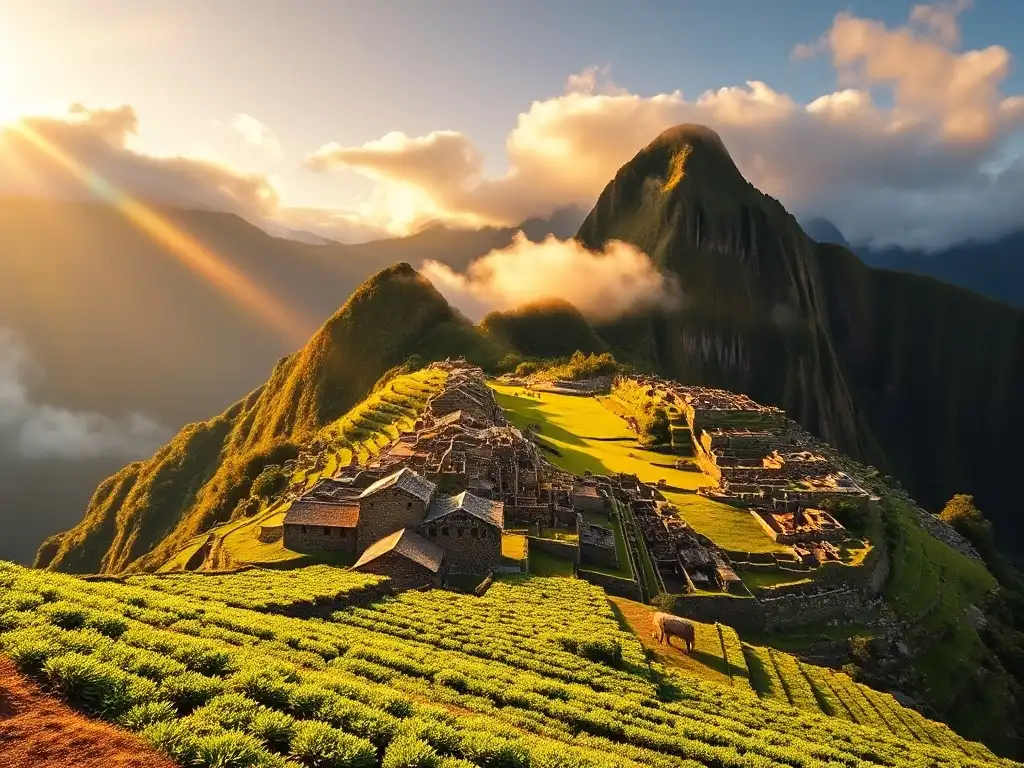
Step into a world lost to time, yet echoing with vibrant life. Prepare to unravel the mysteries of the Andes, a land where towering mountains cradled empires of breathtaking ingenuity. This journey into the heart of Andean Civilizations begins with a captivating exploration of Inca belief; specifically, the intricate cosmology of the three worlds: Hanan Pacha, Kay Pacha, and Uku Pacha. Dare to delve deeper and uncover the secrets held within these ancient realms… the answers await.
- Inca Belief Three Worlds: Understanding the Andean Cosmos
- Hanan Pacha: The Upper World of the Inca Gods
- Kay Pacha: The Earthly Realm of Human Existence
- Uku Pacha: The Underworld and its Mysteries
- The Interconnectedness of the Three Inca Worlds
- Inca Cosmology: A Holistic Worldview
- Frequently Asked Questions
- Final Reflection: Weaving the Threads of the Three Worlds
- Unveil the Richness of Inca Beliefs!
Inca Belief Three Worlds: Understanding the Andean Cosmos
The Inca worldview, far from being a simple belief system, was a complex cosmology deeply intertwined with their daily lives, agricultural practices, and social structures. This intricate understanding of the universe centered around the concept of pacha, a term encompassing space, time, and the forces that shaped reality. This article delves into the core of Inca belief: the three worlds – Hanan Pacha, Kay Pacha, and Uku Pacha – exploring their interconnectedness and significance in shaping Inca religion and ritual.
Understanding this tripartite division is crucial to grasping the depth and richness of Inca spirituality, their relationship with nature, and the very fabric of their empire. We will examine the characteristics of each world, the beings inhabiting them, and the ways in which the Incas interacted with this multifaceted cosmos.
This exploration promises to reveal a sophisticated and nuanced understanding of Inca belief far beyond simple categorization. Prepare to journey through the Andean cosmos and uncover the secrets held within the three worlds.
Exploring the Tripartite Division of the Inca Universe
The Inca cosmos wasn't a static, unchanging entity; rather, it was a dynamic interplay between three distinct yet interconnected realms: Hanan Pacha, the upper world; Kay Pacha, the middle world (where humans reside); and Uku Pacha, the underworld. Each realm held specific significance, influencing the Incas' daily routines, agricultural cycles, and spiritual practices. The interaction and balance between these worlds were crucial for maintaining ayni, the principle of reciprocity and balance that underpinned Inca society.
Disruptions in this balance were believed to lead to misfortune and societal instability. This intricate system of beliefs highlights the profound connection the Incas felt with the natural world and their understanding of the universe's interconnectedness.
Hanan Pacha: The Upper World – Realm of the Gods and Celestial Bodies
Hanan Pacha, meaning "high world" or "upper world," was the realm of the gods, celestial bodies, and powerful ancestral spirits. This was considered the sacred and pristine space, home to Inti (the Sun God), Viracocha (the creator god), and other deities pivotal to Inca mythology. The Incas believed that celestial events, such as solstices and eclipses, held deep spiritual significance, directly impacting their lives and the agricultural cycles crucial for their survival.
They performed elaborate ceremonies and rituals to honor these deities and maintain a harmonious relationship with the Hanan Pacha. The sun, in particular, played a central role in Inca religion and was venerated as the source of life and prosperity.
The precise nature of the rituals and beliefs associated with Hanan Pacha are still being uncovered by archaeologists and scholars, revealing the complexity and richness of Inca religious practices. Many intricate details about the specific rituals and ceremonies performed to appease the gods of Hanan Pacha remain shrouded in mystery, highlighting the ongoing research needed to fully understand this fascinating aspect of Inca culture.
Kay Pacha: The Middle World – The Realm of Humanity and Everyday Life
Kay Pacha, translated as "here world" or "middle world," represented the earthly realm, the world of living humans and their daily activities. This is where the Incas lived, worked, and interacted with the natural environment. While seemingly mundane compared to the other two worlds, Kay Pacha held immense importance as the bridge connecting Hanan Pacha and Uku Pacha. The Incas believed that maintaining harmony in Kay Pacha was essential for maintaining balance in the cosmos.
This involved respecting the land, performing agricultural rituals, and upholding social order. Their intricate agricultural techniques, such as terracing, were not merely practical but also deeply spiritual acts aimed at fostering a harmonious relationship between humanity and nature within Kay Pacha. The daily lives of the Inca people were inextricably linked to the spiritual realm, demonstrating a holistic worldview that integrated the sacred and the secular.
Uku Pacha: The Underworld – Realm of Ancestors and the Earth's Depths
Uku Pacha, the "lower world" or "underworld," was believed to be the realm of the ancestors, the earth's depths, and powerful spirits. This was a mysterious and often feared place, associated with both life and death. The Incas believed that their ancestors resided in Uku Pacha, influencing their lives and offering protection. They performed rituals to communicate with these spirits and seek their guidance.
Uku Pacha was also associated with the earth's resources, including minerals and water sources, highlighting the importance of respecting and sustainably managing the environment. The Incas' deep understanding of the earth's resources and their interconnectedness with the other worlds demonstrates a profound respect for nature and its power. Further research is required to fully understand the specific rituals and practices associated with communication and offerings to the spirits of Uku Pacha. The complexity of these interactions underscores the depth and sophistication of Inca religious beliefs.
Hanan Pacha: The Upper World of the Inca Gods
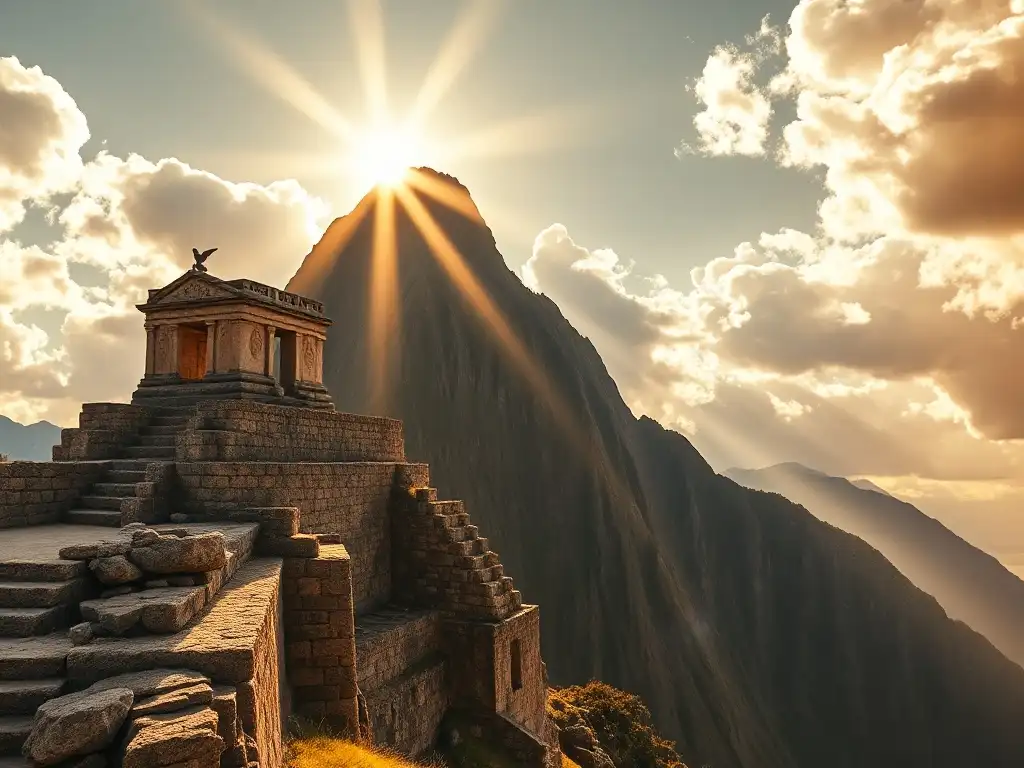
The Inca worldview was profoundly shaped by their understanding of the cosmos, divided into three distinct realms: Hanan Pacha (the upper world), Kay Pacha (the middle world, where humans lived), and Uku Pacha (the underworld). This section delves into the intricacies of Hanan Pacha, the celestial realm, exploring its inhabitants, key deities, and the paramount significance of the sun god, Inti. Understanding Hanan Pacha is crucial to grasping the core tenets of Inca belief and their complex religious practices. The Inca concept of "Inca belief three worlds" is deeply rooted in this cosmological framework.
The Celestial Realm and its Inhabitants
Hanan Pacha wasn't merely a physical space above the earth; it was a vibrant, dynamic realm teeming with celestial beings and powerful forces. It was considered the abode of the gods, a place of immense power and spiritual energy. Inca cosmology depicted Hanan Pacha as a bright, ethereal space, often associated with the sun, moon, and stars – celestial bodies that played pivotal roles in their religious beliefs and agricultural practices.
Beyond the easily visible, however, lay a complex hierarchy of deities and spiritual entities, each with its unique attributes and influence on the earthly realm. Descriptions of these less prominent entities are unfortunately scarce in surviving records, leaving room for further research and interpretation of Inca belief three worlds. Many aspects remain shrouded in mystery, lost to time and the destruction of Inca texts during the Spanish conquest.
Key Deities Residing in Hanan Pacha
While numerous deities inhabited Hanan Pacha, some held more prominent positions within the Inca pantheon. Inti, the sun god, reigned supreme, followed by his wife, Mama Killa, the moon goddess. Their combined influence governed the cycles of day and night, seasons, and agricultural productivity.
Other important deities included Illapa, the god of thunder and lightning, whose power was both revered and feared, and Pachamama, although she held a more prominent position in Kay Pacha, her influence undeniably extended to the upper world as a life-giving force. The precise hierarchy and relationships between these deities are subjects of ongoing scholarly debate, highlighting the complexities inherent in reconstructing Inca beliefs. Further research is needed to fully understand the nuances of the interactions between these celestial beings and their impact on the Inca belief three worlds system.
The Significance of the Sun (Inti) in the Upper World
Inti, the sun god, was the most important deity in the Inca pantheon, holding a central position in their religious life and political power structure. He was not merely a celestial body; he was considered the ancestor of the Inca emperors, giving the Sapa Inca (emperor) a divine legitimacy and reinforcing the Inca belief three worlds connection. The Inca's reverence for Inti manifested in grand temples dedicated to his worship, elaborate rituals involving offerings and sacrifices, and the meticulous observation of the sun's movements to predict agricultural cycles.
The annual Inti Raymi festival, a grand celebration honoring the sun god, exemplified the profound significance of Inti within the Inca belief three worlds framework. The festival involved elaborate processions, sacrifices, and feasting, demonstrating the crucial role of Inti in maintaining cosmic order and ensuring prosperity for the Inca empire.
The sun's life-giving energy was seen as essential to the well-being of both the upper and lower worlds, strengthening the interconnectedness of the Inca belief three worlds. The precise rituals and offerings dedicated to Inti varied regionally, indicating a fascinating degree of localized religious practices within the broader framework of Inca belief three worlds.
Kay Pacha: The Earthly Realm of Human Existence
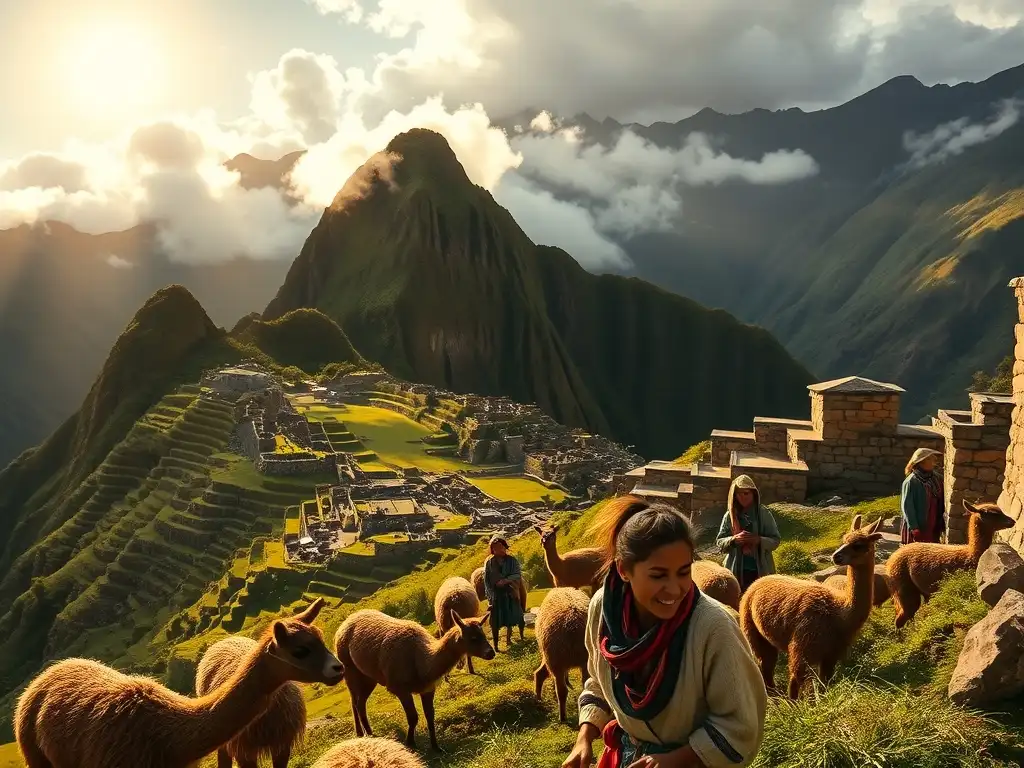
The Inca worldview, profoundly shaped by their unique environment and sophisticated understanding of the cosmos, was structured around three interconnected realms: Hanan Pacha (the upper world), Kay Pacha (the earthly realm), and Uku Pacha (the underworld). This section delves into Kay Pacha, the world of human experience, focusing on its intricate relationship with the natural world and the role of Inca society within the broader cosmic order.
Understanding Kay Pacha is crucial to grasping the complexities of Inca belief and the holistic nature of their spiritual practices. The keyword phrase "Inca belief three worlds" is central to understanding this cosmology.
The World of Daily Life and Reality
Kay Pacha, for the Inca, wasn't merely a physical space; it was the vibrant tapestry of daily life, woven with threads of agriculture, community, and social structure. It was where the Inca lived, worked, and interacted with their environment. Their lives revolved around the agricultural cycle, deeply intertwined with their religious beliefs.
The meticulous cultivation of crops like potatoes, maize, and quinoa wasn't just a means of subsistence; it was a sacred act, a way of honoring the earth and ensuring its continued bounty. The ayllu, the communal system of land ownership and reciprocal labor, further cemented the interconnectedness of individuals within Kay Pacha. This system, far from being simply an economic arrangement, was a fundamental aspect of Inca social organization, reflecting their beliefs about collective responsibility and mutual support.
The Inca's mastery of terracing, irrigation, and other agricultural technologies demonstrably showcases their deep understanding and respect for the earthly realm, highlighting their profound connection to Kay Pacha. This practical knowledge was intrinsically linked to their spiritual understanding of the world, emphasizing the sacredness of the land and its products. Even seemingly mundane activities were imbued with spiritual significance, reflecting the pervasive influence of Inca cosmology on everyday life.
The Connection between Kay Pacha and the Natural World
The Inca didn't see themselves as separate from the natural world; rather, they viewed themselves as an integral part of it. Kay Pacha was not just the land they inhabited, but a living entity, teeming with spirits and imbued with sacred power. Mountains, rivers, and other geographical features were considered sacred places, often associated with specific deities or ancestral spirits.
These natural elements weren't simply objects of the environment; they were active participants in the cosmic order, influencing the lives and destinies of the Inca people. For example, the Inca revered mountains as the abode of powerful deities, and their agricultural practices were carefully timed to align with the cycles of nature, demonstrating a sophisticated understanding of ecological balance. The precise observation of the celestial bodies, particularly the sun, moon, and stars, guided their agricultural calendar and religious rituals, reinforcing their belief in the interconnectedness of the celestial and earthly realms.
The Inca belief system, therefore, emphasized a harmonious relationship between humanity and nature, a symbiotic existence where the well-being of one was intrinsically linked to the other. This profound respect for the natural world is evident in their sustainable agricultural practices and their reverence for the sacred sites found throughout their empire.
The Role of Humans in the Inca Cosmic Order
Within the framework of the three worlds, humans occupied a crucial position in Kay Pacha, acting as mediators between the celestial and subterranean realms. They were responsible for maintaining the cosmic balance, ensuring the continued flow of energy and resources between Hanan Pacha and Uku Pacha. This responsibility manifested in various ways, from the performance of elaborate religious rituals to the diligent practice of agriculture. The Inca believed that their actions in Kay Pacha directly impacted the other two worlds, emphasizing the importance of living a life in accordance with Inca principles.
The Sapa Inca, the emperor, played a central role in this cosmic order, acting as a conduit between the human world and the divine. His authority extended beyond political power; he was considered a sacred figure, responsible for maintaining harmony within the cosmos. This highlights the integral link between the religious and political spheres in Inca society.
Moreover, the intricate social structures and hierarchical system within the Inca empire served to maintain order and stability within Kay Pacha, contributing to the overall cosmic balance. The intricate web of relationships and responsibilities within Inca society reinforced the importance of collective action in maintaining harmony within their world and beyond. The Inca belief in the interconnectedness of all three worlds underscores the profound significance of their actions in Kay Pacha.
Uku Pacha: The Underworld and its Mysteries
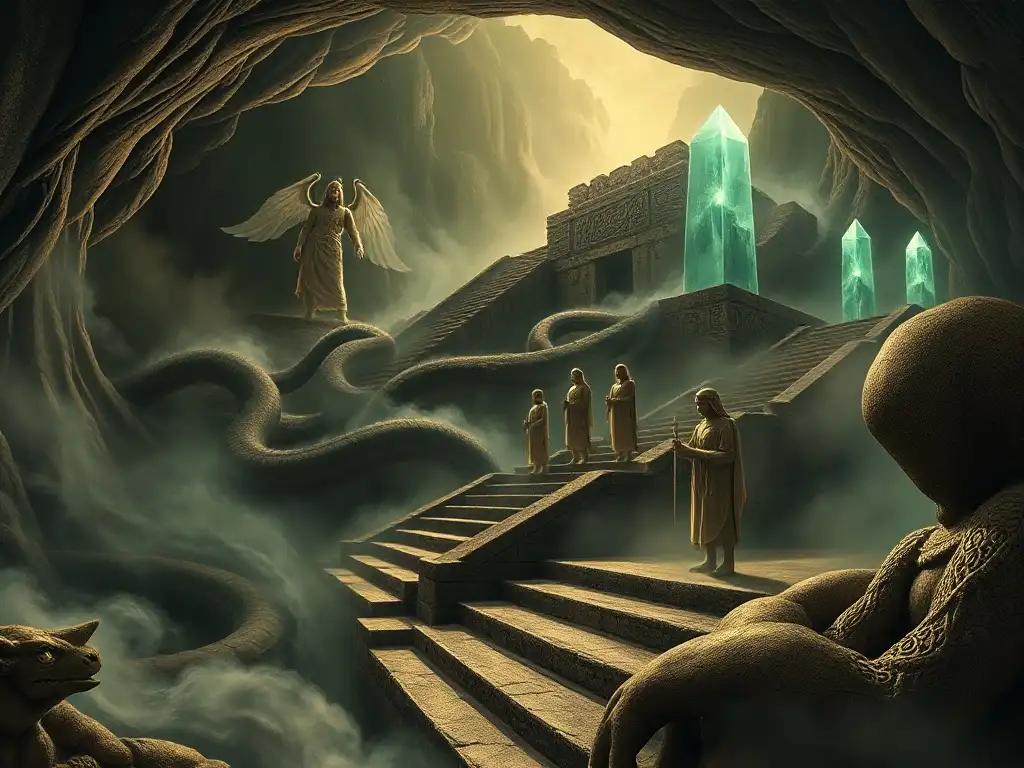
The Inca worldview was profoundly shaped by their understanding of the three interconnected worlds: Hanan Pacha (the upper world), Kay Pacha (the earthly world), and Uku Pacha (the underworld). Uku Pacha, the realm of the dead, held a significant place in Inca cosmology, representing not merely a place of shadows, but a vital and active component of their spiritual life. It was a realm of mystery, fear, and immense power, influencing daily life and ritual practices.
Understanding Uku Pacha is crucial to grasping the complexities of Inca belief and its impact on their society. The Inca belief in three worlds, a concept deeply rooted in their cosmology, shaped their rituals, agriculture, and social structures.
The Realm Beneath the Surface of the Earth
Uku Pacha wasn't simply a subterranean space; it was a complex, layered world mirroring the earthly realm above. It was conceived as a vast, shadowy expanse beneath the surface of the earth, extending into caves, springs, and other subterranean features. Mountains, particularly those with caves and subterranean passages, were considered portals to Uku Pacha, often serving as sites for offerings and rituals. Inca narratives described Uku Pacha as a world of darkness, populated by powerful spirits, ancestral figures, and the souls of the deceased.
The very geography of the Andes, with its towering peaks and deep valleys, likely contributed to the development of this intricate vision of the underworld. The inaccessibility and mystery of these subterranean spaces fuelled the reverence and awe associated with Uku Pacha. Archaeological evidence, such as the discovery of mummies and offerings in subterranean locations, supports the Inca's active engagement with this underworld. 🏞️
Ancestral Spirits and the Deceased in Uku Pacha
The Inca believed that after death, the soul descended to Uku Pacha, joining the ranks of ancestral spirits. These weren't simply ghosts; they were powerful entities capable of influencing the living world. The deceased, particularly those of high social standing, were considered intermediaries between the living and the supernatural realm. Their spirits retained influence over the affairs of their descendants, making proper burial rituals and continued veneration crucial. This veneration often involved offerings of food, clothing, and other precious items placed within tombs or offered at sacred sites connected to Uku Pacha. The continued communication with ancestral spirits ensured the continuity of lineage and the well-being of the community. The Inca believed that neglecting these ancestral spirits could lead to misfortune, illustrating the profound connection between the living and the dead. Detailed records, although fragmented, hint at complex ceremonies and rituals designed to appease and honor these powerful ancestral figures.
The Importance of Uku Pacha in Inca Rituals
Uku Pacha played a pivotal role in numerous Inca rituals. Many ceremonies were performed to appease the spirits of Uku Pacha, ensuring a bountiful harvest and the well-being of the community. These rituals often involved elaborate offerings, sacrifices, and symbolic actions. The capacocha, a ritual sacrifice of children and young adults, is often associated with Uku Pacha, although the precise nature and purpose remain a subject of scholarly debate.
The selection process and the ritual itself highlight the importance of maintaining a harmonious relationship with the underworld. Furthermore, certain agricultural practices were directly influenced by the beliefs surrounding Uku Pacha. The intricate network of subterranean irrigation systems, andenes (terraces), and agricultural practices were likely influenced by the Inca understanding of the interconnectedness of the three worlds.
The rhythmic cycles of planting and harvesting may have reflected the cyclical nature of life and death in the Inca cosmology, emphasizing the vital role of Uku Pacha in the sustenance of their civilization. In essence, the Inca's understanding of and interaction with Uku Pacha was not a peripheral aspect of their culture but a fundamental pillar upon which their spiritual, social, and agricultural systems were built. This intricate connection to the underworld demonstrates the holistic nature of Inca belief and its profound influence on their daily lives.
The Interconnectedness of the Three Inca Worlds
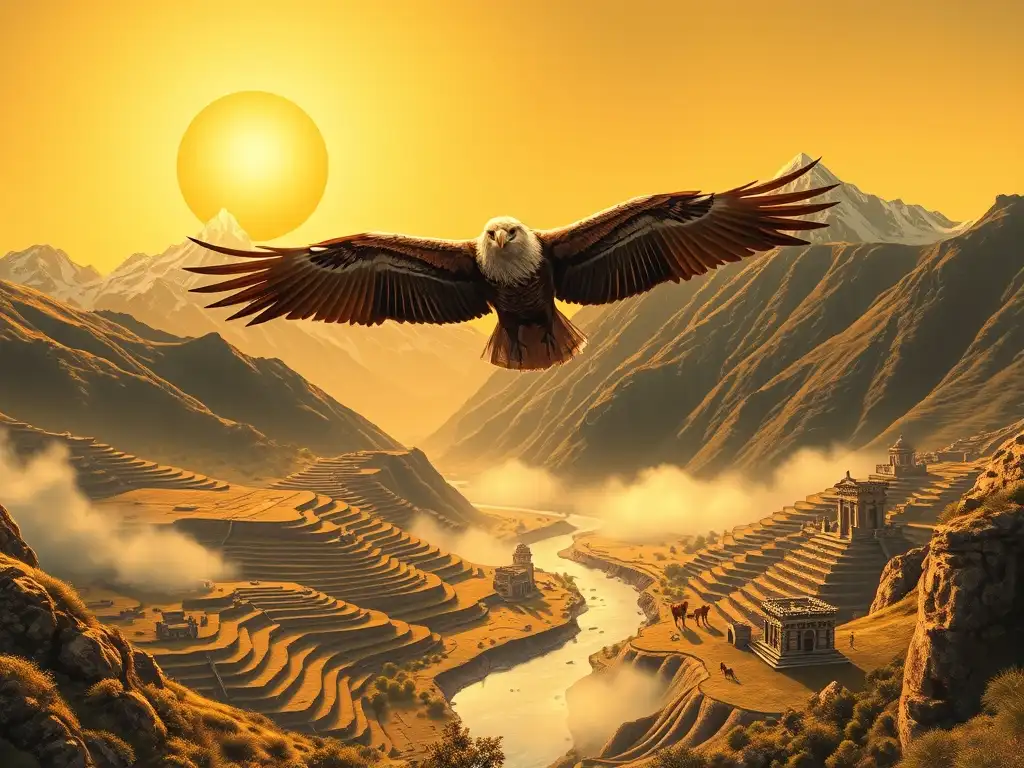
The Inca worldview was profoundly shaped by their understanding of the cosmos, a concept divided into three interconnected realms: Hanan Pacha (the upper world), Kay Pacha (the middle world, where humans lived), and Uku Pacha (the underworld). Understanding the Inca belief three worlds requires appreciating not just their separation, but their intricate relationship. These weren't simply distinct locations; they were dynamic spheres constantly interacting, influencing, and depending on each other to maintain cosmic balance.
The flow of energy, spiritual power, and even the life cycle itself transcended these boundaries, creating a holistic and interconnected cosmological system. The Inca's sophisticated agricultural practices, for example, mirrored this understanding, with terraced farming mimicking the layered structure of the three worlds. Their intricate systems of irrigation channeled water, symbolizing the life-giving forces that flowed between the realms.
The Flow of Energy and Influence Between Realms
The Inca believed that Hanan Pacha, the celestial realm inhabited by deities like Inti (the sun god) and Viracocha (the creator god), exerted a powerful influence on Kay Pacha. The sun's daily journey across the sky, for instance, was seen as a life-giving force, providing warmth, light, and the energy necessary for agriculture – the backbone of Inca society. Conversely, events in Kay Pacha, particularly human actions and rituals, could impact Hanan Pacha. Successful harvests, for example, were seen as pleasing the gods and ensuring their continued favor.
Similarly, Uku Pacha, the underworld, represented the source of life and death, the realm of ancestors and the spirits of the earth. The Inca believed that the fertility of the land was directly connected to the appeasement of the underworld spirits. This interconnectedness is vividly illustrated in Inca mythology, where deities often traverse the realms, highlighting the permeability of the boundaries between them.
For example, the emergence of Viracocha from Uku Pacha and his subsequent creation of the world demonstrates the direct link between the underworld and the creation of Kay Pacha. The constant exchange of energy, influence, and even physical movement between these three realms was fundamental to the Inca understanding of the cosmos. This dynamic interaction underscored the importance of maintaining equilibrium across all three worlds.
Maintaining Balance in the Inca Cosmos
Maintaining equilibrium between Hanan Pacha, Kay Pacha, and Uku Pacha was paramount in Inca belief. Imbalance in one realm was believed to have repercussions in the others. Natural disasters, such as earthquakes or droughts, were often interpreted as signs of cosmic disharmony, often attributed to a failure to appease the gods or ancestors. The Inca developed elaborate systems of ritual and social organization aimed at preventing such imbalances.
Their sophisticated agricultural techniques, for example, aimed not only to produce food but also to maintain the fertility of the land, thus preserving the balance between Kay Pacha and Uku Pacha. The Inca also placed great emphasis on social order and justice, believing that societal harmony was crucial for maintaining cosmic balance. The Inca emperor, considered a direct descendant of the sun god, played a central role in this endeavor, acting as a mediator between the human and divine worlds.
His actions and decisions were believed to have a direct impact on the overall cosmic equilibrium. The concept of Ayni, reciprocal exchange and mutual responsibility, was integral to Inca society, reflecting the interconnectedness of the three worlds and the need for balance across all realms. The Inca's deep understanding of their environment and their close relationship with nature reflected this constant striving for cosmic equilibrium.
The Role of Rituals in Connecting the Three Worlds
Inca rituals served as crucial links between the three worlds. Elaborate ceremonies, often involving sacrifices, offerings, and processions, were performed to communicate with the deities of Hanan Pacha, appease the spirits of Uku Pacha, and ensure the prosperity of Kay Pacha. These rituals were not merely symbolic acts; they were believed to have a direct impact on the cosmic order. The Capac Raymi, the most important Inca festival honoring the sun god Inti, is a prime example.
This grand ceremony involved elaborate preparations, processions, and sacrifices, designed to strengthen the connection between the human and divine realms and ensure a bountiful harvest. Similarly, rituals involving mummified ancestors highlighted the importance of maintaining contact with the spirits of Uku Pacha. These rituals reinforced the belief in the interconnectedness of the three worlds and the crucial role of human actions in maintaining cosmic balance.
The careful performance of these rituals was seen as essential for ensuring the continued well-being of the Inca Empire and the harmonious interaction between the three realms that constituted their cosmos. The intricate details of these rituals, often involving specific timings, offerings, and participants, reflect the deep significance they held within Inca society and their role in connecting the three worlds. The precision and complexity of these rituals underscore the importance the Inca placed on maintaining the delicate balance between Hanan Pacha, Kay Pacha, and Uku Pacha.
Inca Cosmology: A Holistic Worldview
The Inca worldview, profoundly shaped by their unique geography and sophisticated understanding of the natural world, was centered around the concept of pacha, a term encompassing the entire cosmos. This wasn't a simple, linear understanding of existence, but rather a complex, interwoven tapestry of three distinct yet interconnected realms: Hanan Pacha (the upper world), Kay Pacha (the middle world), and Uku Pacha (the underworld).
This intricate Inca belief three worlds system wasn't just a theological framework; it deeply influenced all aspects of Inca life, from their social structures and agricultural practices to their artistic expressions and religious rituals. Their understanding of the cosmos was not merely a philosophical exercise but a practical guide for navigating daily life and maintaining harmony within their society and the environment.
The interconnectedness of these three worlds is a core tenet of Inca cosmology, emphasizing the balance and interdependence of all things. Understanding this interconnectedness is key to grasping the depth and complexity of Inca belief.
How the Three Worlds Shaped Inca Culture and Society
The Inca's three worlds cosmology directly impacted their social structure and daily life. Kay Pacha, the earthly realm where the Inca lived, was the focal point, but its existence and prosperity depended on the harmonious interaction with Hanan Pacha and Uku Pacha. For example, the Inca's elaborate agricultural techniques, such as terracing and irrigation, weren't just practical solutions to the challenges of Andean terrain; they were also seen as ways to maintain balance between the worlds.
By cultivating the land effectively, the Inca believed they were honoring Pachamama (Mother Earth) and ensuring the continued fertility of Kay Pacha. Similarly, their elaborate ceremonies and rituals, often involving offerings and sacrifices, were intended to appease the deities of Hanan Pacha and the spirits of Uku Pacha, maintaining the vital equilibrium between all three realms. This interconnectedness is evident in their intricate social hierarchy, with the Sapa Inca acting as a mediator between the human world and the divine, ensuring the continued prosperity of the empire by maintaining cosmic balance.
The Inca's societal structure, therefore, wasn't simply a political hierarchy but a reflection of their cosmological beliefs, with each level playing a crucial role in maintaining the delicate balance between the three worlds. The success of the Inca empire was, in their eyes, directly tied to their ability to maintain this balance.
The Legacy of the Three Worlds in Andean Traditions
The concept of pacha, and the three worlds within it, continues to resonate strongly in contemporary Andean cultures. While the Inca Empire fell centuries ago, the fundamental principles of their cosmology persist, albeit in adapted forms. Many Andean communities still hold ceremonies and rituals to honor Pachamama, demonstrating the enduring influence of the Inca's reverence for the earth.
The deep connection to the land, the respect for ancestral spirits, and the belief in the interconnectedness of the natural world all reflect the enduring legacy of the Inca's three-world cosmology. This isn't simply a historical relic but a living tradition, influencing daily life, shaping cultural practices, and providing a framework for understanding the world around them. The Inca belief three worlds framework continues to shape the spiritual and cultural landscape of the Andes, highlighting the enduring power of ancient belief systems.
Even today, many traditional practices and beliefs are rooted in this ancient cosmology, demonstrating its enduring relevance and impact. The influence extends beyond religious practices, permeating aspects of daily life, art, and social structures.
Understanding the Inca View of Existence through Hanan Pacha, Kay Pacha, and Uku Pacha
Hanan Pacha, the upper world, was the realm of the sun, the moon, the stars, and the celestial deities. It was a place of power and divine authority, home to the creator god Viracocha and other powerful deities. In contrast, Uku Pacha, the underworld, was associated with the earth, the depths of the mountains, and the spirits of the ancestors. It was a mysterious realm, holding both potential dangers and sources of life-giving energy.
The Inca believed that Uku Pacha contained powerful energies that influenced the fertility of the land and the well-being of the living. Finally, Kay Pacha, the middle world, represented the earthly realm, where humans lived and interacted with the natural world. It was the space where the Inca cultivated their crops, built their cities, and conducted their daily lives. Understanding the Inca's view of existence requires recognizing the intricate interplay between these three worlds.
It wasn’t simply a matter of separation but rather a constant interaction and exchange of energy and influence. The Inca believed that maintaining balance and harmony between these realms was crucial for the well-being of their society and the continued prosperity of their empire. The Inca belief three worlds system provides a powerful lens through which to understand their worldview and their unique approach to life. Their cosmology wasn't just a theoretical framework; it was a practical guide for living in harmony with the world around them.
Frequently Asked Questions
What is the Inca concept of the three worlds?
The Inca believed in three interconnected worlds: Hanan Pacha (upper world), Kay Pacha (this world), and Uku Pacha (underworld). These weren't simply physical locations but also represented different spiritual and cosmological realms.
How did the three worlds interact in Inca belief?
The three worlds were seen as interdependent and constantly interacting. Events in one world affected the others, emphasizing a holistic worldview. Rituals and offerings were crucial for maintaining balance between them.
What role did Hanan Pacha play in Inca cosmology?
Hanan Pacha was the home of the gods and celestial beings, a realm of perfection and spiritual power. It was believed to be a source of divine authority and influence on earthly affairs.
What was the significance of Kay Pacha in Inca daily life?
Kay Pacha was the physical world where Incas lived their daily lives. It was seen as the realm of human activity, influenced by both the upper and lower worlds. Maintaining harmony within Kay Pacha was considered essential.
What was the nature of Uku Pacha in Inca mythology?
Uku Pacha represented the underworld, a realm of ancestors and spirits. It was a source of power and mystery, and its connection to Kay Pacha was crucial for agricultural cycles and overall well-being.
Final Reflection: Weaving the Threads of the Three Worlds
The interconnectedness of Hanan Pacha, Kay Pacha, and Uku Pacha remains a potent metaphor for understanding not only Inca cosmology but also the intricate balance within our own lives and the world around us. The Inca worldview, with its emphasis on reciprocal relationships between the earthly and spiritual realms, offers a powerful framework for considering our place within a larger, interconnected system. This understanding is more relevant than ever in a world grappling with environmental challenges and social inequalities.
The enduring legacy of the Inca's three-world cosmology lies in its ability to foster a sense of responsibility and interconnectedness. It reminds us that our actions in the physical world (Kay Pacha) have profound consequences for both the spiritual (Hanan Pacha) and the underworld (Uku Pacha). This holistic perspective is crucial in addressing contemporary issues. The earth does not belong to us; we belong to the earth.
This sentiment, though not directly from Inca texts, encapsulates the profound respect for nature inherent in their worldview, a respect we must urgently reclaim.
Consider the implications of this ancient wisdom in your own life. How can you cultivate a deeper appreciation for the interconnectedness of all things? How can you strive for balance in your own actions, recognizing the impact they have on the world around you and the generations to come? Let the wisdom of the Inca three worlds inspire you to live a more mindful, responsible, and ultimately, more fulfilling life. Embrace the interconnectedness, and weave your own thread into the rich tapestry of existence.
Unveil the Richness of Inca Beliefs!
Thank you for exploring the fascinating three-world cosmology of the Inca—Hanan Pacha (the upper world), Kay Pacha (the earthly realm), and Uku Pacha (the underworld). Your interest in the profound spiritual world of the Inca civilization offers incredible insights into Andean culture. Let's continue your journey of discovery!
- Delve deeper into the unique belief systems of other ancient cultures and how they shaped their societies and environments.
- Share your insights with friends and family, discussing the surprising relevance of these ancient spiritual beliefs in the modern world.
- Join our community: Subscribe to our newsletter for more engaging content and discussions about Andean heritage.
What aspect of Inca belief resonates most with you, and how do you see its influence on contemporary society?