
Exploring the Inca's Concept of Good and Evil

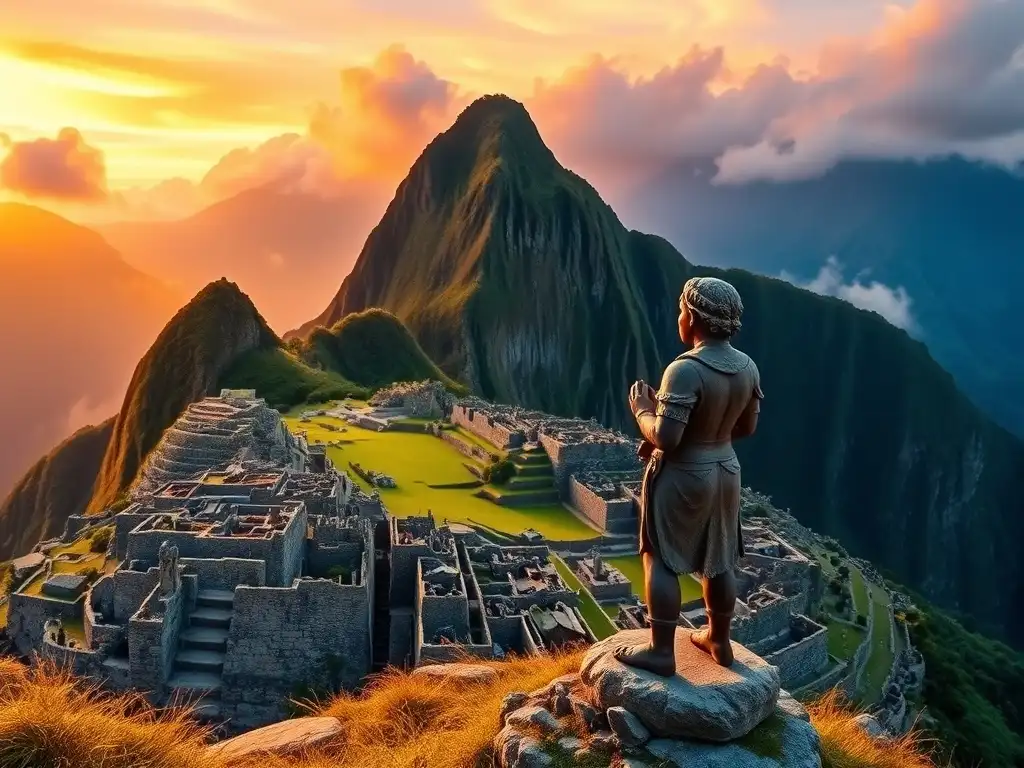
Step into a world lost to time, yet echoing with the whispers of a powerful empire. Discover the secrets of the Andes, where towering mountains held the key to a unique worldview. This journey delves into the fascinating Inca concept of morality, challenging our modern understanding of good and evil. Prepare to be captivated by a civilization that shaped its reality through a complex interplay of spirituality, social structure, and the very landscape they inhabited. Uncover the intricacies of their beliefs and the profound implications they hold for us today – are you ready to explore?
-
The Inca Concept of Morality: Exploring Good and Evil in the Andean World
- Understanding Inca Ethics and Values
- The Dualistic Nature of Inca Cosmology and its Influence on Morality
- Hanan and Hurin: Upper and Lower Realms and their Moral Implications
- The Role of Apu and Pachamama in Shaping Inca Moral Beliefs
- Inca Moral Principles: The Core of Their Ethical System
- Defining Evil in the Inca World: Transgressions and Punishments
- Inca Rituals and Practices Related to Good and Evil
- Contrasting Inca Morality with Western Concepts of Good and Evil
- The Legacy of Inca Moral Philosophy: Its Impact on Andean Culture
- Conclusion: Reflecting on the Inca's View of Good and Evil
- Frequently Asked Questions
- Final Reflection: Echoes of the Andes: Rethinking Morality in a Modern World
- Embrace the Wisdom of the Incas: Transform Your Perspective!
The Inca Concept of Morality: Exploring Good and Evil in the Andean World
The Inca Empire, a civilization that flourished in the Andes Mountains from the 15th to the 16th centuries, left behind a rich legacy of intricate social structures, sophisticated engineering, and a complex religious system. Understanding their concept of morality, often intertwined with their cosmology and religious practices, is crucial to grasping the full scope of Inca society and its enduring influence.
This article delves into the Inca understanding of "good" and "evil," exploring how their worldview shaped their ethical values and daily lives. We will examine the dualistic nature of their cosmology and its profound impact on their moral framework, revealing a nuanced perspective that goes beyond simple binary oppositions.
By examining Inca religious texts, archaeological evidence, and the accounts of Spanish chroniclers – while acknowledging the inherent limitations and biases in these sources – we aim to paint a comprehensive picture of the Inca concept of morality, a crucial aspect often overlooked in discussions of this fascinating civilization. This exploration will unpack the keyword "Inca concept of morality" and its various facets, providing a deeper understanding of this Andean worldview.
Understanding Inca Ethics and Values
Inca ethics were deeply rooted in their societal structure and religious beliefs. The concept of ayni, reciprocal exchange and mutual obligation, formed the cornerstone of their social interactions. This principle extended beyond simple bartering; it encompassed a broader sense of community responsibility and interdependence. Individuals were expected to contribute to the collective good, fulfilling their roles within the ayllu (extended family group) and the wider empire. Failure to uphold ayni was considered morally reprehensible, leading to social ostracism and potentially divine punishment. Furthermore, the Inca valued mita, a system of obligatory labor service, as a vital component of maintaining social order and carrying out large-scale projects. While mita could be demanding, it was viewed as a moral obligation, a contribution to the common good that ensured the prosperity and stability of the empire. This system demonstrates a strong emphasis on collective responsibility and the subordination of individual desires to the needs of the community. The Inca concept of morality wasn't simply about individual actions but about fulfilling one's role within a complex web of social obligations.
The Inca also emphasized respect for the Pachamama (Mother Earth) and the Apus (mountain spirits). This reverence for nature extended to a deep concern for environmental stewardship and resource management. Actions that harmed the environment, such as deforestation or excessive exploitation of natural resources, were considered morally wrong, reflecting a holistic worldview where human actions were intrinsically linked to the well-being of the natural world. This interconnectedness is a key element in understanding their moral compass.
The Dualistic Nature of Inca Cosmology and its Influence on Morality
Inca cosmology was characterized by a fundamental duality, a constant interplay between opposing forces. This duality wasn't necessarily a conflict, but rather a dynamic balance that permeated all aspects of their lives, including their moral framework. The most prominent duality was that of Hanan Pacha (the upper world, associated with the sun, sky, and celestial deities) and Kay Pacha (the lower world, encompassing the earth, the underworld, and earthly forces).
This division influenced their understanding of good and evil, with actions aligned with the principles of Hanan Pacha considered virtuous and those associated with Kay Pacha deemed less desirable, although not necessarily inherently "evil." For instance, while death was a natural part of the cycle, actions that disrupted the natural order, such as violence or theft, were viewed as negatively impacting the balance between these realms.
The Inca religion further emphasized this dualistic nature through the worship of various deities, each representing different aspects of the natural world and human experience. While the Inca didn't have a clearly defined concept of "evil" in the same way as many Western religions, actions that disrupted the harmonious balance of Hanan Pacha and Kay Pacha, or that went against the principles of ayni and mita, were considered morally objectionable. These actions could invite the wrath of the gods and disrupt the cosmic order, leading to misfortune and suffering for the individual and the community.
Their moral system was intricately linked to the maintenance of cosmic harmony and the well-being of the entire empire. The absence of a distinct "devil" figure doesn't negate the presence of a sophisticated moral framework, but rather highlights the unique and holistic nature of Inca ethics.
Hanan and Hurin: Upper and Lower Realms and their Moral Implications
The Inca worldview was deeply influenced by the duality of the cosmos, represented by Hanan (the upper world) and Hurin (the lower world). This wasn't simply a geographical division; it held profound moral implications. Hanan, associated with the sun, sky, and celestial deities, represented order, purity, and the ideal state. Living virtuously, adhering to Inca laws and customs, and performing religious duties were considered pathways to aligning oneself with the Hanan realm.
Conversely, Hurin, associated with the earth, underworld, and potentially chaotic forces, represented disorder and impurity. Actions deemed immoral, such as theft, laziness, or disrespect towards authority, were seen as aligning oneself with the darker aspects of Hurin. This cosmic duality permeated Inca society, shaping their understanding of good and evil as a constant striving towards balance and harmony with the celestial order.
The ultimate goal, from an Inca moral perspective, was to maintain a harmonious relationship between Hanan and Hurin, ensuring the well-being of the community and the continuation of the cosmic order. Failure to do so could result in misfortune, both individually and for the entire community. This belief system strongly influenced their social structure and daily lives, emphasizing the importance of personal responsibility and collective harmony.
The Role of Apu and Pachamama in Shaping Inca Moral Beliefs
The Inca's moral framework was deeply intertwined with their reverence for nature. Apu, the mountain spirits, and Pachamama, the Earth Mother, were not merely geographical features but powerful deities who exerted influence on human morality. Respect for Apu manifested in offerings, rituals, and careful stewardship of the mountain environment. Damaging the mountains or neglecting the rituals honoring them was considered a grave transgression, a direct affront to the divine and a disruption of the cosmic balance.
This act would inevitably lead to negative consequences. Similarly, Pachamama represented the life-giving earth and demanded respect for the land, its resources, and the agricultural cycle. Proper cultivation, respectful harvesting, and offerings to ensure fertility were fundamental aspects of Inca morality. Neglecting these duties was seen as jeopardizing the well-being of the community and incurring the wrath of Pachamama.
The Inca understanding of morality wasn't confined to human interactions; it encompassed a profound respect for the natural world and a recognition of the interconnectedness between human actions and the environment. Their moral code was thus interwoven with the spiritual forces shaping their existence. The well-being of the community was intrinsically linked to their relationship with these powerful deities.
Inca Moral Principles: The Core of Their Ethical System
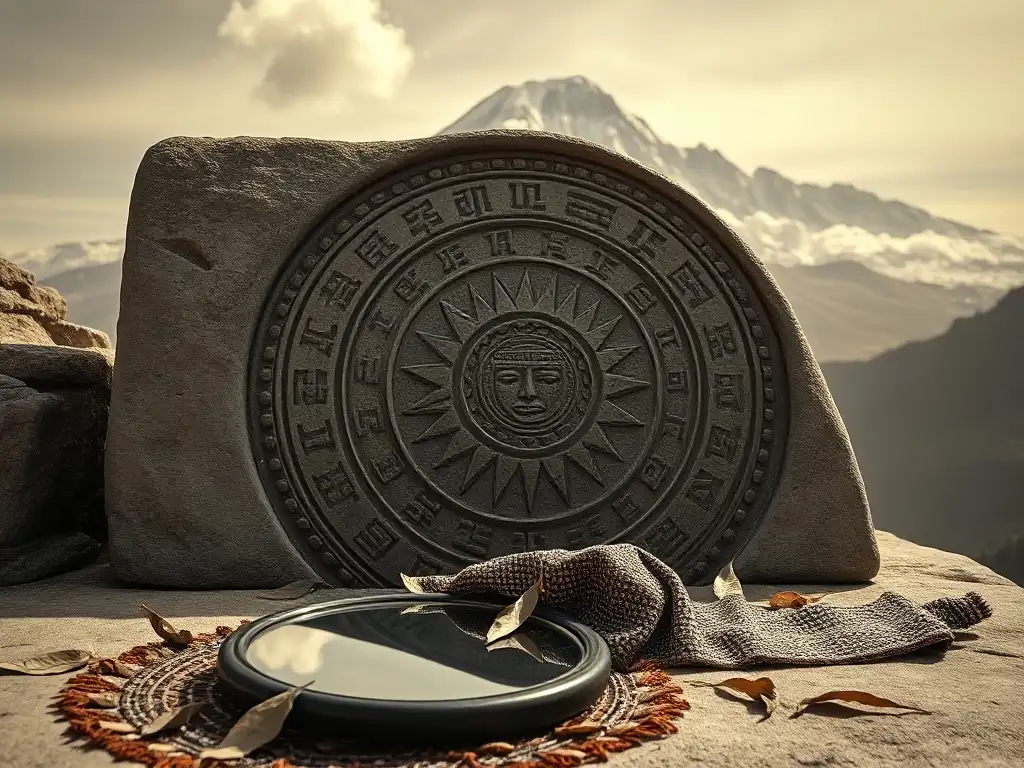
The Inca ethical system, while deeply rooted in their religious beliefs, encompassed a set of well-defined principles guiding their daily lives and social interactions. These principles weren't simply abstract concepts; they were practical guidelines that dictated behavior across all aspects of Inca society. The emphasis was on communal harmony, social responsibility, and a hierarchical structure that reinforced these values.
Unlike many Western moral systems, the Inca approach emphasized the collective good over individual gain. Their moral framework wasn't solely based on codified laws but also on deeply ingrained cultural norms and expectations. This intricate system ensured social cohesion and stability within the vast Inca Empire.
The consequences of violating these principles ranged from social ostracism to severe punishment, depending on the severity of the offense. This demonstrates the importance the Inca placed on upholding their moral code for the betterment of the entire empire. The Inca concept of morality was therefore a complex interplay of religious beliefs, social structures, and practical guidelines, all working together to maintain the stability and prosperity of their civilization.
Ama Sua, Ama Lulla, Ama Quella: The Foundation of Inca Conduct
The famous Inca maxim, "Ama Sua, Ama Lulla, Ama Quella"— "Do not steal, do not lie, do not be lazy"— served as the foundational principle of Inca ethics. This concise statement encapsulated the core values of honesty, hard work, and respect for property. "Do not steal" emphasized the importance of respecting individual and communal possessions. Theft was not only a legal offense but a moral transgression that disrupted the social harmony.
"Do not lie" highlighted the importance of truthfulness and integrity in all interactions. Lying was viewed as a betrayal of trust and a threat to social cohesion. Finally, "Do not be lazy" underlined the importance of hard work and contribution to the community. Laziness was seen as a form of social parasitism, undermining the collective effort needed for the well-being of the empire.
This simple yet profound mantra permeated all aspects of Inca life, shaping individual behavior and societal norms. The consistent emphasis on these three principles ensured a moral compass for the Inca people, contributing significantly to the stability and success of their empire. The consequences for violating these tenets varied, from social disapproval to severe punishment depending on the context and severity of the offense.
Reciprocity and Community: The Importance of Inca Social Ethics
Inca society placed a strong emphasis on reciprocal relationships and community well-being. Their moral system wasn't solely focused on individual conduct but also on the intricate web of social obligations and responsibilities. The concept of ayni, discussed below, is a prime example of this focus on reciprocal exchange. Beyond ayni, Inca ethics emphasized mutual support, cooperation, and the collective responsibility to maintain social harmony.
This emphasis on community extended to all aspects of life, from agricultural practices to religious rituals. Social obligations were seen as essential for maintaining the stability and prosperity of the empire. Individuals were expected to contribute their fair share to the community, and failure to do so could result in social ostracism or even punishment.
This system fostered a strong sense of social cohesion and mutual support. The Inca concept of morality wasn't just about individual actions; it was deeply embedded in the social fabric of the empire, ensuring its stability and success. This emphasis on communal responsibility is a significant characteristic of their moral framework.
The Concept of Ayni and its Connection to Moral Responsibility
Ayni was a fundamental principle in Inca society, representing a system of reciprocal exchange and mutual assistance. It wasn't simply a form of barter but a deeply ingrained social ethic that underscored the interconnectedness of individuals and their shared responsibility for the community's well-being. Ayni involved the exchange of goods, services, and labor, but it went beyond simple economic transactions.
It embodied a moral obligation to assist others in need and to contribute to the collective good. Participation in ayni wasn't optional; it was a fundamental aspect of Inca citizenship. Refusal to participate was considered a moral transgression, reflecting poorly on the individual and potentially threatening the social fabric.
This system ensured a level of social safety net and promoted cooperation and solidarity within the community. Ayni was a powerful mechanism for maintaining social harmony and ensuring the well-being of all members of Inca society. It serves as a strong example of how the Inca's moral code was inextricably linked to their social and economic structures.
Defining Evil in the Inca World: Transgressions and Punishments
The Inca concept of evil wasn't solely defined by a devilish figure or an opposing force like in some Western religions. Instead, it stemmed from actions that disrupted the ayni, the principle of reciprocity and balance that governed their society. Disrespecting the ayni, whether through laziness, theft, or rebellion, was considered a grave offense. Evil actions were those that disturbed the cosmic order and the harmony within the community.
This wasn't just a religious concept; it was deeply intertwined with their social and political structures. The Inca state actively worked to maintain this balance, using its powerful institutions to enforce moral codes and punish transgressions. The severity of the punishment directly reflected the perceived disruption caused to the ayni.
Breaking the Laws: What Constituted a Moral Offense
A wide range of actions were considered moral offenses within Inca society. These ranged from relatively minor infractions like failing to complete assigned labor (a significant aspect of their mita system) to major crimes such as treason, theft, and murder. Disrespect towards the Sapa Inca or other authorities was also considered a serious offense, reflecting the hierarchical structure of Inca society.
Furthermore, acts that disrupted the agricultural cycle, such as destroying crops or interfering with irrigation systems, were seen as particularly egregious, highlighting the crucial role of agriculture in their worldview. Even seemingly minor acts of dishonesty or laziness could be viewed as undermining the community's collective effort and, therefore, a moral failing. The Inca emphasis on communal well-being meant individual actions were always assessed within a broader social context.
The Severity of Punishments and the Inca System of Justice
The Inca justice system was closely tied to their moral code. Punishments varied greatly depending on the severity of the offense. Minor infractions might result in public shaming, fines, or forced labor. More serious crimes, however, could lead to much harsher consequences, including exile, mutilation, or even death. Capital punishment was reserved for the most heinous crimes, such as treason or murder.
The system wasn't always rigidly applied, however; social standing and the intercession of influential figures sometimes mitigated punishments. The Inca system prioritized maintaining social harmony and restoring balance, rather than simply meting out retribution. This approach aimed to reintegrate the offender into the community, whenever possible, after appropriate penance. Records of specific punishments and their application remain limited, but anthropological research and surviving accounts suggest a system designed to maintain order and reinforce moral values.
The Role of the Sapa Inca in Maintaining Moral Order
The Sapa Inca, the emperor, played a crucial role in upholding moral order. He was not only the political leader but also considered a divine intermediary between the human and spiritual worlds. His actions and pronouncements set the moral tone for the entire empire. The Sapa Inca's authority was essential for maintaining the ayni and ensuring justice.
Through his actions, he exemplified the ideal behavior expected of all Inca citizens. He was seen as the embodiment of moral rectitude and his word carried immense weight in resolving disputes and meting out justice. The Sapa Inca's role highlights the close connection between political power and religious authority in the Inca empire, further emphasizing the importance of morality within the state's structure.
Inca religious practices were deeply intertwined with their concept of morality. Rituals aimed to maintain balance, appease the gods, and cleanse individuals and communities from the negative consequences of transgressions. These practices were integral to their worldview and served as a vital means of expressing their understanding of good and evil. The effectiveness of these rituals was believed to depend on the sincerity and devotion of the participants.
Purification Rituals: Cleansing the Soul and Community
Purification rituals played a significant role in Inca religious life. These rituals aimed to cleanse individuals and communities from the negative influences that could disrupt the ayni. Common methods included bathing in sacred springs, using specific herbs for cleansing, and performing symbolic acts of purification.
These rituals were performed regularly and especially after events that could have introduced impurity or imbalance, such as illness, death, or conflict. The community's collective participation in these rituals underscored their shared responsibility in maintaining moral purity and cosmic balance. The specific rituals and their effectiveness varied regionally, reflecting the diverse nature of Inca religious practices.
Sacrifices and Offerings: Seeking Balance in the Universe
Sacrifices and offerings formed another crucial aspect of Inca religious practice. These were not simply acts of appeasement; they were seen as ways to restore balance to the universe and maintain the flow of energy. Offerings could include food, drink, clothing, and even precious metals.
Human sacrifice, while practiced, was not as commonplace as some historical accounts suggest, and typically reserved for significant events or times of crisis, aimed to appease powerful deities and ensure the prosperity of the empire. The selection of individuals for sacrifice also followed a complex set of social and religious considerations. These practices highlight the Inca's belief in the interconnectedness of the human and spiritual worlds and their efforts to maintain harmony between them.
The Importance of Shamans in Inca Religious and Moral Life
Shamans ( paqos) held a vital role in Inca society, acting as intermediaries between the human and spiritual worlds. They were responsible for interpreting divine will, conducting rituals, and providing guidance on moral matters. Their expertise was critical in maintaining the ayni and addressing imbalances in the cosmic order.
They played a crucial role in diagnosing and treating illnesses, which were often viewed as consequences of moral transgressions or spiritual imbalances. Shamans were also instrumental in interpreting omens and predicting future events, using their knowledge to advise leaders and guide community actions. The reliance on shamans in matters of morality illustrates the deeply spiritual nature of Inca society and the integral role of religion in shaping their moral framework.
Contrasting Inca Morality with Western Concepts of Good and Evil
Differences in Moral Frameworks and Values
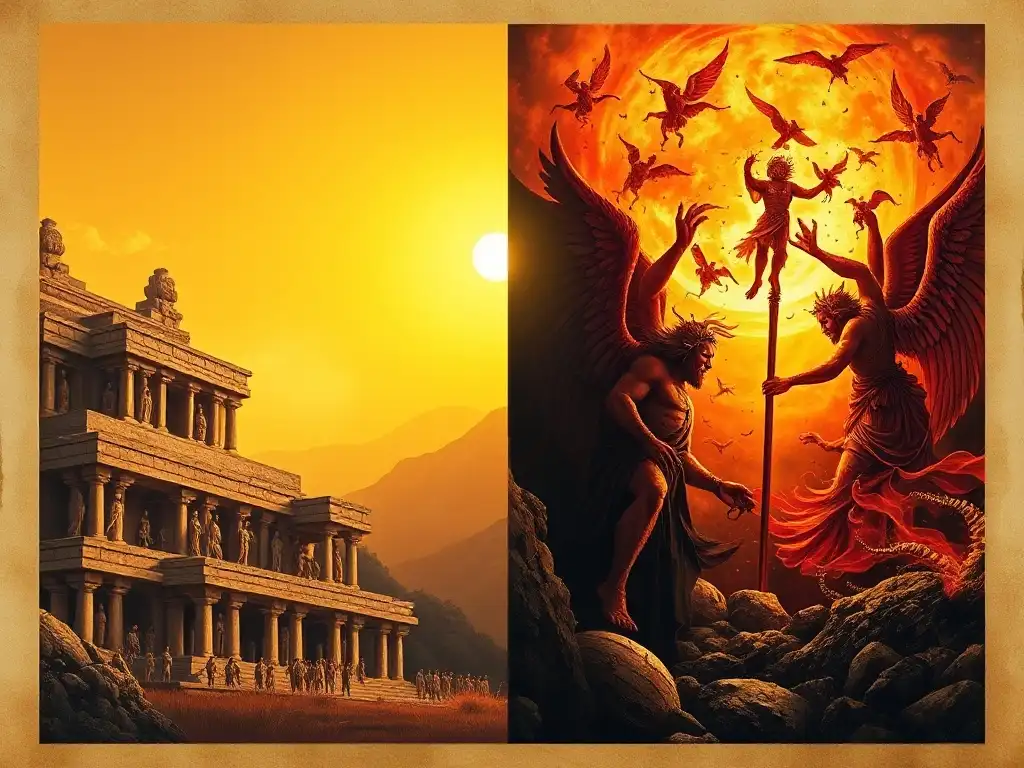
The Inca concept of morality differed significantly from Western, Judeo-Christian traditions. While Western ethics often emphasize a dichotomy between absolute good and evil, often defined by a supreme being, the Inca worldview presented a more nuanced perspective. Their moral framework was deeply intertwined with the natural world and the cyclical rhythms of life, death, and rebirth.
Instead of focusing on individual sin and salvation, the Inca prioritized the harmonious functioning of the community and the maintenance of balance within the cosmos. This emphasis on collective well-being, rather than individual righteousness, constituted a fundamental difference. For example, while Western morality might condemn individual theft as inherently wrong, Inca society might view the same act differently depending on the context, considering factors such as the needs of the community and the individual's social standing.
This doesn't mean theft was condoned, but the judgment was contextualized within a broader societal framework. Punishments, too, often focused on restoring balance and harmony rather than solely on retribution.
The Inca's Emphasis on Collective Well-being vs Individualism
Inca society prioritized ayni, a system of reciprocity and mutual obligation, as a cornerstone of their moral framework. This concept extended beyond simple bartering; it encompassed a deep sense of communal responsibility and interdependence. Individuals were expected to contribute to the well-being of their ayllu, the extended family group, and the broader empire. This emphasis on collective good often overshadowed individual desires or ambitions.
Unlike Western individualism, which often prioritizes personal achievement and self-interest, Inca morality fostered a sense of shared identity and purpose. This collectivist ethos permeated all aspects of life, from agricultural practices to religious rituals, creating a social structure where the needs of the many superseded the desires of the few. Success was measured not in individual wealth or power, but in contributions to the community's prosperity and stability. This fundamental difference in values shaped their entire social and political organization.
How Understanding Inca Ethics Can Enrich Modern Perspectives
Studying Inca ethics offers valuable insights for modern societies grappling with issues of social justice, environmental sustainability, and community building. The Inca emphasis on reciprocity and shared responsibility provides a powerful counterpoint to the often-competitive and individualistic nature of contemporary Western societies. Their understanding of the interconnectedness between humans and the environment offers a valuable lesson in sustainable living, particularly relevant in today's world facing climate change and resource depletion.
By understanding the Inca’s emphasis on collective well-being, we can critically examine our own societal values and explore alternative models for achieving social harmony and environmental stewardship. The Inca’s emphasis on balance and reciprocity encourages a more holistic approach to problem-solving, moving beyond narrow self-interest to consider the broader impact of individual actions on the community and the environment. This can lead to more sustainable and equitable solutions to the challenges we face today.
The Legacy of Inca Moral Philosophy: Its Impact on Andean Culture
Enduring Traditions and Values in Modern Andean Communities
Many aspects of Inca moral philosophy continue to resonate in modern Andean communities. The concept of ayni, though adapted to contemporary contexts, remains a vital part of social interactions, influencing patterns of cooperation and mutual support. The emphasis on communal work and shared responsibility is still evident in many agricultural practices and community projects. Traditional festivals and rituals often incorporate elements that reflect the Inca worldview, emphasizing the interconnectedness of humans, nature, and the spiritual realm. While the Inca Empire itself collapsed centuries ago, the core values of reciprocity, respect for nature, and collective well-being persist in various forms, shaping the social fabric of many Andean communities. This enduring legacy highlights the profound impact of Inca moral philosophy on the cultural identity and social structures of the region. The continuity of these traditions demonstrates the resilience and adaptability of Inca values in the face of significant historical and social change.
The Relevance of Inca Principles in Contemporary Society
The Inca emphasis on ayni and collective well-being offers a compelling model for addressing contemporary social and environmental challenges. In a world increasingly characterized by inequality and environmental degradation, the Inca's focus on shared responsibility and sustainable practices provides a valuable framework for creating more just and equitable societies. Their emphasis on balance and harmony between humans and nature offers valuable lessons for navigating the complex ecological issues of the 21st century.
The Inca’s approach to conflict resolution, which prioritized restoring balance and harmony rather than simply punishing offenders, also holds relevance for modern societies seeking peaceful and sustainable solutions to conflict. By exploring and adapting these ancient principles, we can gain valuable insights into building more resilient, equitable, and environmentally conscious communities. The application of these principles can help foster a sense of shared responsibility and encourage cooperation in addressing global challenges.
Conclusion: Reflecting on the Inca's View of Good and Evil
The Inca concept of morality, deeply intertwined with their religious beliefs and social structure, wasn't a simple dichotomy of good and evil as understood in many Western traditions. Instead, it presented a nuanced perspective emphasizing balance, reciprocity ( ayni), and the importance of maintaining harmony within the community and with the natural world.
Deviation from this harmonious order, whether through individual actions or societal disruption, was perceived as disrupting the cosmic balance, leading to negative consequences. This wasn't necessarily a judgment of "evil" in a purely moral sense, but rather a recognition of actions that disrupted the intricate web of relationships that sustained Inca society.
Understanding the Inca's worldview requires moving beyond simple labels. Their system wasn't based on abstract notions of right and wrong, but rather on practical consequences and the impact of actions on the social and cosmological order. The emphasis on community and the interconnectedness of all things meant that individual actions were not isolated events but had ripple effects throughout society and the natural world.
This holistic view offers a fascinating contrast to more individualistic moral frameworks, highlighting the importance of considering the broader context when evaluating ethical behavior. Further research into Inca texts, archaeological findings, and surviving accounts could provide even deeper insights into this complex system of beliefs. The Inca's concept of morality serves as a reminder of the diversity of ethical thought throughout history and encourages a critical examination of our own assumptions about good and evil.
Their emphasis on balance and reciprocity offers a valuable perspective for contemporary discussions on ethics and social responsibility. Ultimately, their understanding of morality was deeply pragmatic and profoundly tied to the survival and prosperity of their empire. The Inca's legacy reminds us that morality is not a static concept but rather a dynamic system shaped by cultural context and beliefs.
Frequently Asked Questions
What was the Inca concept of morality based on?
The Inca concept of morality was deeply intertwined with Ayni, the principle of reciprocity and community well-being. Following the rules of Ayni, contributing to society, and fulfilling one's roles were seen as essential for moral living.
How did the Inca religion influence their moral code?
Inca religion heavily influenced their morals. Respect for the gods, ancestors, and the natural world was paramount, shaping their actions and beliefs about right and wrong. Disrespect was considered a moral failing.
What role did the Inca state play in enforcing morality?
The Inca state played a significant role, using religious beliefs and social structures to reinforce moral behavior. Punishments, often tied to religious beliefs, were enacted for those violating societal norms.
While not codified like modern law, Inca society had strong social norms and expectations guiding behavior. These unwritten rules, enforced through the community and state, shaped moral actions and consequences.
How did the Inca concept of morality differ from other Andean cultures?
While sharing some similarities with other Andean cultures, Inca morality emphasized state control and large-scale social organization more strongly. Ayni was central, but its implementation varied across different Andean societies.
Final Reflection: Echoes of the Andes: Rethinking Morality in a Modern World
The Inca understanding of good and evil, far from being a relic of a bygone era, offers a potent lens through which to examine our own contemporary struggles with morality. Their nuanced approach, emphasizing community harmony and reciprocal responsibility, stands in stark contrast to many modern systems that prioritize individual achievement above collective well-being. This difference compels us to reconsider our own ethical frameworks and the values we prioritize.
The Inca concept of ayni, reciprocal exchange and mutual obligation, continues to resonate deeply, challenging our individualistic tendencies. It reminds us that true prosperity isn't solely measured by material wealth but also by the strength of our social bonds and our commitment to the common good. The Inca civilization was built on the principle of ayni, a system of reciprocal obligations that bound individuals and communities together. It was a system of mutual support and cooperation, which ensured the survival and prosperity of the empire.
This principle, though rooted in a specific historical context, offers a timeless lesson in social responsibility and sustainable living, a lesson desperately needed in our increasingly fragmented world.
Consider the implications of ayni in your own life. How can you foster a greater sense of reciprocity in your relationships? How can you contribute to the well-being of your community, not just through individual acts of charity, but through a sustained commitment to collective flourishing?
The echoes of the Andes call to us, urging us to re-evaluate our moral compass and build a future guided by principles of balance, cooperation, and mutual respect. Let the wisdom of the Inca inspire you to create a more just and equitable world, one built not on individual gain, but on shared responsibility and collective prosperity.
Embrace the Wisdom of the Incas: Transform Your Perspective!
Thank you for exploring the fascinating world of Inca civilization with us! You've gained valuable insights into their unique worldview and understanding of morality, enriching your understanding of ancient philosophies that remain relevant today. Now, let's integrate this knowledge into your daily life.
Here's how you can further connect with this extraordinary culture:
- Reflect on Your Values: Take some time for self-reflection, perhaps journaling, to consider how the Inca perspective on morality aligns with your own beliefs and values. What principles guide your decisions?
- Share Your Discoveries: Discuss your newfound insights with friends, family, or online communities. Sharing your thoughts can spark engaging conversations about diverse cultural perspectives on ethics and morality.
- Expand Your Knowledge: Explore related topics through additional articles on our website. You might also enjoy a virtual tour of Inca ruins to gain a deeper appreciation of their culture and worldview.
Which aspect of Inca morality most intrigues you, and how will you apply these insights to your own life?