
Chicha: The Fermented Corn Drink That Fueled Andean Agriculture and Community

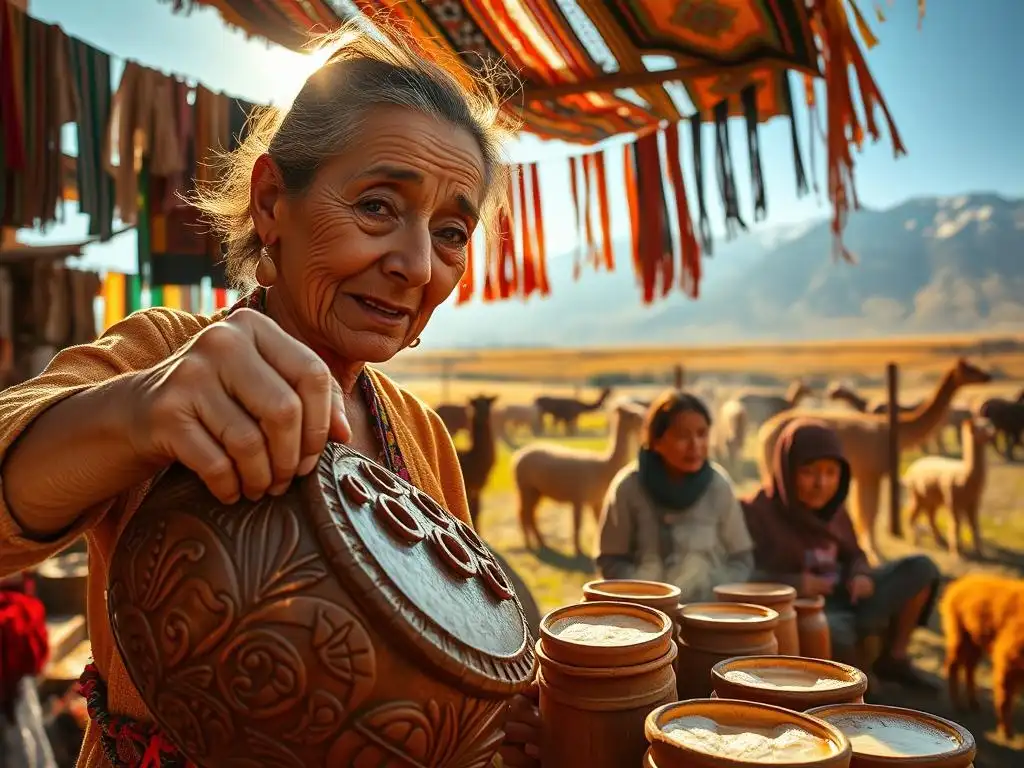
Step into a world lost to time, yet echoing with vibrant life. Discover the secrets of the Andes, where towering mountains cradled civilizations that shaped the very landscape. From the intricate artistry of the Nazca lines to the ingenious engineering of the Incas, this journey delves into the heart of Andean culture.
But what truly fueled their remarkable achievements? Prepare to unravel the fascinating history of Andean Chicha, the fermented corn drink that played a pivotal role in Andean agriculture and community, a story richer and more complex than you can imagine. Explore the depths of its significance and unlock the mysteries within.
- Andean Chicha: A Deep Dive into the Fermented Corn Drink
- The Historical Roots of Andean Chicha
- Chicha and Andean Agriculture: A Symbiotic Relationship
- Chicha in Andean Social and Religious Life
- The Diverse Varieties of Andean Chicha
- The Brewing Process of Andean Chicha
- Chicha Today: A Continuing Legacy
- Andean Chicha History: A Summary of its Enduring Impact
- Frequently Asked Questions
- Final Reflection: Chicha's Enduring Legacy: A Toast to the Past, Present, and Future
- Unveil the Rich Tradition of Chicha Today!
Andean Chicha: A Deep Dive into the Fermented Corn Drink
Chicha, a fermented corn beverage, holds a position of paramount importance in understanding the complex tapestry of Andean civilizations. Far from being merely a drink, chicha served as a vital component of Andean agriculture, social structures, religious ceremonies, and daily life. This article delves into the rich history of chicha, exploring its role in fueling both agricultural practices and community cohesion across various Andean cultures, from the Incas to the pre-Inca societies.
We'll examine its production methods, its symbolic significance, and its enduring legacy in modern Andean communities, thereby providing a comprehensive overview of its multifaceted role in Andean history and culture. This exploration will illuminate how the production and consumption of chicha were intrinsically linked to the success and longevity of Andean societies, highlighting the drink's significant contribution to the agricultural advancements and social fabric of the region. Understanding chicha is key to understanding the Andean world.
The Significance of Chicha in Ancient Andean Cultures
Chicha wasn't simply a drink; it was a cornerstone of Andean life, deeply intertwined with their spiritual beliefs, social structures, and agricultural practices. Archaeological evidence suggests its production and consumption date back millennia, with residues found in pottery shards from various pre-Inca cultures. For example, evidence suggests that the Nazca culture, renowned for their intricate geoglyphs, also had a sophisticated understanding of chicha production, utilizing diverse corn varieties to create different types of the beverage.
The Moche, known for their elaborate metalwork and intricate ceramics, also depicted chicha-making and consumption in their art, suggesting its central role in their society. Its importance transcended mere sustenance; it played a critical role in rituals, celebrations, and daily life. The different types of chicha, varying in strength and flavor depending on the corn variety and fermentation process, held distinct social and ritualistic meanings.
The act of sharing chicha fostered community bonds and reinforced social hierarchies. Furthermore, the preparation and consumption of chicha were often overseen by specialized individuals, highlighting its ritualistic importance.
Chicha and Andean Agricultural Practices
The cultivation of corn, the primary ingredient in chicha, was intrinsically linked to the beverage's production. Successful corn harvests directly translated into abundant chicha supplies, which, in turn, impacted social stability and economic prosperity. The cyclical nature of corn cultivation and chicha production reinforced the interconnectedness between the agricultural calendar and social life. Moreover, the fermentation process itself, often involving specific techniques passed down through generations, represented a sophisticated understanding of agricultural science.
The careful selection of corn varieties, the control of fermentation temperatures, and the understanding of yeast strains all contributed to the quality and consistency of the chicha produced. This knowledge, passed down orally and through practical experience, ensured the continuity of both agricultural practices and the production of this vital beverage. The success of the harvest directly affected the amount of chicha available, influencing social dynamics and resource allocation within the community.
The Evolution of Chicha Production Techniques
The methods of chicha production evolved over centuries, adapting to the diverse environments and agricultural practices of various Andean cultures. While the basic process of fermenting corn remained consistent, variations arose in the preparation techniques, the types of corn used, and the addition of other ingredients. Early methods likely involved simpler techniques, whereas later cultures, like the Incas, developed more sophisticated processes, perhaps involving controlled fermentation environments and the use of specific strains of yeast to achieve desired flavors and alcohol content.
The Incas, for example, are known to have used a variety of corn types in their chicha production, leading to a spectrum of flavors and potencies. This evolution reflects not only the advancements in agricultural knowledge but also the increasing complexity of Andean social structures and rituals. The diversity in chicha production highlights the adaptability and ingenuity of Andean civilizations in harnessing their environment and resources.
Chicha's Enduring Legacy in Modern Andean Communities
Despite the passage of centuries, chicha remains an integral part of Andean culture. While modern brewing techniques may differ from ancient practices, the fundamental process and the social significance of the beverage persist. In many Andean communities, chicha continues to be produced and consumed during celebrations, festivals, and religious ceremonies, maintaining its role as a symbol of community and cultural identity.
The continued production and consumption of chicha serve as a powerful testament to the endurance of Andean traditions and the enduring legacy of this unique fermented beverage. Its continued presence in modern society emphasizes its deep-rooted cultural significance and its ability to transcend time.
The Historical Roots of Andean Chicha
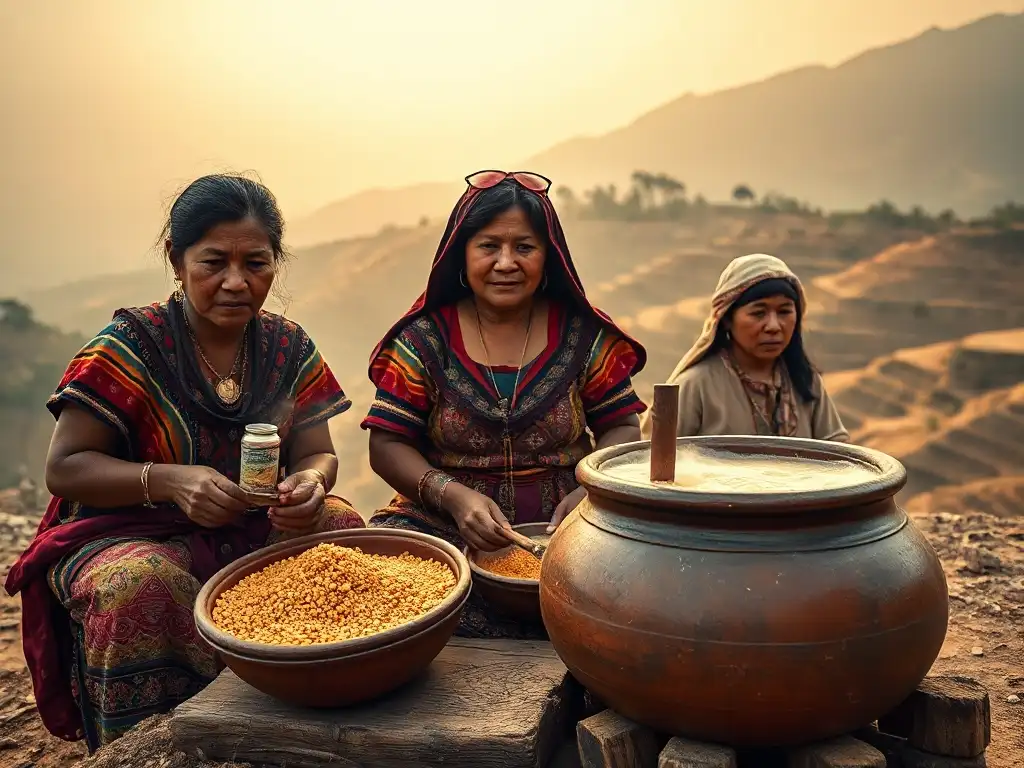
This section delves into the fascinating history of chicha, exploring its origins and evolution within Andean societies. Understanding chicha's role is crucial to grasping the complexities of Andean agriculture and social structures. The long history of this fermented corn beverage is deeply intertwined with the development of Andean civilizations, reflecting their agricultural prowess and societal values. We will explore the evidence supporting its ancient origins and its significance in pre-Inca and Inca cultures. The enduring legacy of chicha underscores its importance not just as a drink, but as a symbol of Andean identity and agricultural success.
Early Evidence of Chicha Production in the Andes
Archaeological evidence suggests chicha production in the Andes dates back millennia. Pottery shards depicting fermentation processes, along with residues of maize and other ingredients found in ancient vessels, provide strong indicators of early chicha brewing. For instance, discoveries at sites in the northern Peruvian coast, associated with the Moche culture (100-800 CE), reveal intricate ceramic vessels specifically designed for chicha fermentation.
These vessels often feature elaborate designs, suggesting the importance of this beverage within Moche society. Further south, in the Nazca region (100 BCE – 800 CE), similar evidence exists, showcasing the widespread adoption of chicha production across diverse Andean cultures. The detailed analysis of these artifacts, combined with botanical and chemical studies of the residues, allows researchers to reconstruct ancient brewing techniques and gain insights into the ingredients used.
While precise dating can be challenging, the cumulative evidence points towards a long and continuous tradition of chicha making, deeply rooted in Andean agricultural practices. The ubiquity of chicha across different Andean cultures highlights its significance as a staple drink and a central element of daily life.
Chicha's Role in Pre-Incan Societies
Chicha's significance extended far beyond mere sustenance in pre-Inca societies. It played a vital role in religious ceremonies, social gatherings, and even economic exchanges. Many pre-Inca cultures, including the Moche, Nazca, and Tiwanaku, integrated chicha into their religious rituals. Archaeological findings suggest that chicha was offered as libations to deities and consumed during important ceremonies, strengthening the bond between the community and the spiritual realm.
Moreover, chicha served as a crucial element in social interactions. Its production and consumption fostered community bonds, facilitating social cohesion and the exchange of ideas. The sharing of chicha during celebrations and communal events cemented social ties and reinforced group identity.
Furthermore, in some societies, chicha even served as a form of currency, used in bartering and trade. This multifaceted role underscores chicha's pervasive influence on the social, religious, and economic fabric of pre-Inca Andean life. The intricate relationship between chicha and Andean society showcases the beverage's significance as a cultural cornerstone.
The Evolution of Chicha Recipes and Preparation Methods
The recipes and preparation methods of chicha evolved over time, adapting to the diverse climates and agricultural practices of different Andean regions. While the base ingredient remained maize, variations arose depending on the specific type of corn, the addition of other fruits or plants, and the fermentation techniques employed. For instance, some recipes incorporated fruits like lúcuma or chirimoya, adding sweetness and unique flavors. Others included herbs and spices, influencing the beverage's taste and purported medicinal properties.
The fermentation process itself also varied, with different cultures developing their own techniques. Some used clay pots, others employed wooden vats, and still others relied on simpler methods. These variations reflect the adaptability of Andean cultures and their ability to harness local resources.
The diversity in chicha recipes and preparation methods further highlights the drink's deep integration into the diverse landscapes and cultures of the Andes. The evolution of chicha is a testament to the ingenuity and resourcefulness of Andean peoples in adapting their traditions to different environments and needs. Understanding this evolution allows for a more nuanced appreciation of Andean foodways and agricultural practices.
Chicha and Andean Agriculture: A Symbiotic Relationship
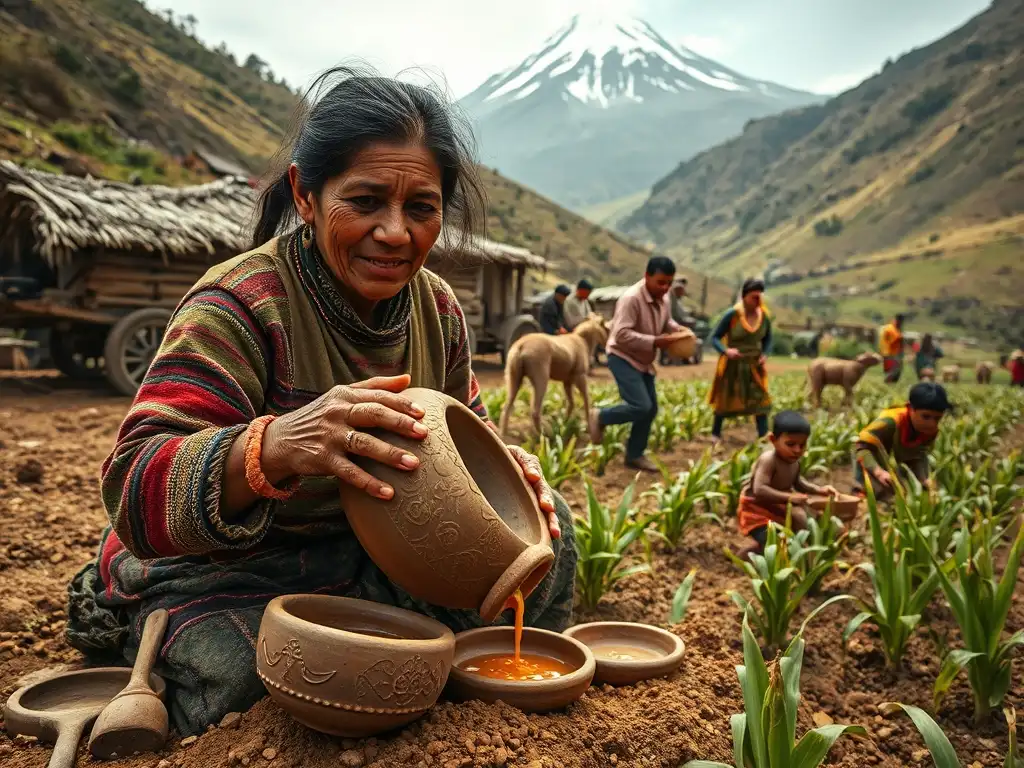
The history of Andean Chicha is inextricably linked to the cultivation of corn, creating a symbiotic relationship that profoundly shaped Andean societies. Chicha, a fermented corn beverage, wasn't merely a drink; it served as a vital component of the agricultural cycle, fueling labor, fostering community, and playing a crucial role in religious ceremonies. Understanding the deep connection between Chicha and Andean agriculture provides critical insight into the ingenuity and cultural richness of these civilizations.
The production and consumption of Chicha weren't isolated events, but rather integral parts of a complex system that sustained Andean communities for centuries. This section delves into the multifaceted roles Chicha played in supporting and celebrating Andean agricultural practices.
Corn Cultivation and its Connection to Chicha Production
Corn, or maíz, was the cornerstone of Andean agriculture, and its cultivation was a sophisticated process. Andean farmers developed diverse techniques for optimizing corn yields, including terracing, irrigation systems, and the selection of specific corn varieties adapted to varied altitudes and climates. The success of these techniques directly impacted the availability of corn for Chicha production. The quantity and quality of the corn harvest determined the amount of Chicha that could be brewed, influencing everything from daily consumption to large-scale celebratory events.
The process of Chicha production itself was intimately tied to the agricultural cycle. The harvest celebrations often involved the first tasting of the new Chicha, signifying abundance and a successful growing season. Farmers meticulously selected the best corn kernels for brewing, ensuring high-quality Chicha and demonstrating a deep understanding of the relationship between agricultural practices and the final product.
Different corn varieties yielded Chicha with varying flavors and alcohol content, adding further complexity to this deeply ingrained cultural practice. The brewing process itself, passed down through generations, became a form of knowledge transmission, reinforcing the cyclical nature of Andean agriculture and its connection to Chicha.
How Chicha Fueled Labor and Community Projects
The production and consumption of Chicha played a significant role in mobilizing labor for large-scale agricultural projects. The energy provided by Chicha, combined with its social significance, helped sustain the workforce during demanding tasks such as terracing hillsides, constructing irrigation canals, and harvesting crops. Providing Chicha to workers acted as a form of compensation and boosted morale, ensuring efficient completion of communal projects vital for the survival and prosperity of the community.
Consider the massive construction projects undertaken by the Inca, such as the intricate road network spanning the Andes. The sheer scale of these endeavors required a highly organized and motivated workforce, and Chicha undoubtedly played a crucial part in sustaining their efforts. It wasn't simply a reward; Chicha's shared consumption fostered a sense of unity and collective accomplishment, strengthening social bonds and promoting cooperation within the community.
This demonstrates Chicha's crucial role not just as a beverage, but as a social lubricant, fostering collaboration and community spirit vital for Andean agricultural success. Further research into specific Inca work projects could provide quantifiable data on the role Chicha played in workforce productivity.
The Agricultural Rituals and Chicha's Central Role
Chicha held a central place in Andean agricultural rituals, acting as a sacred offering and a symbol of fertility, abundance, and the cyclical nature of life. Many ceremonies revolved around the planting and harvesting seasons, with Chicha playing a key role in appeasing deities and ensuring bountiful harvests. The preparation and presentation of Chicha followed specific protocols, reflecting its sacred status and the deep reverence for the agricultural cycle.
The specific rituals varied across different Andean cultures, but the importance of Chicha remained consistent. For example, some communities offered Chicha to the earth to ensure its fertility, while others used it in ceremonies celebrating the successful completion of the harvest. The color, taste, and even the method of serving Chicha could carry symbolic meaning, reflecting the community's beliefs and relationship with the agricultural cycle.
Archaeological evidence, such as depictions of Chicha-making and consumption in pottery and textiles, further supports the integral role of Chicha in Andean religious and agricultural practices. Understanding these rituals illuminates the profound spiritual connection between Andean people and their agricultural practices, with Chicha serving as a powerful mediator between the human and spiritual realms. Further research into specific archaeological findings related to Chicha offerings would strengthen our understanding of this aspect of Andean culture.
Chicha, a fermented corn beverage, played a far more significant role in Andean life than simply quenching thirst. Its importance extended deeply into the social fabric, religious practices, and cosmological beliefs of various Andean cultures, shaping their communities and rituals for centuries. Understanding the role of chicha provides crucial insight into the complexities of Andean society and its relationship with the natural world.
The pervasive influence of chicha is evident in archaeological findings, ethnographic accounts, and surviving traditions. The production and consumption of this potent brew weren't merely mundane activities; they were integral parts of a sophisticated social and spiritual system. This section will explore the multifaceted roles chicha played in Andean social and religious life, focusing on its use in ceremonies, its social significance, and its connection to Andean cosmology.
Chicha as a Ritual Offering in Andean Ceremonies
Chicha wasn't just a drink; it was a sacred offering, central to many Andean ceremonies and rituals. Archaeological evidence shows chicha vessels – intricately crafted ceramics of varying sizes and styles – frequently found in burial sites and ceremonial contexts. These vessels, often adorned with elaborate designs reflecting Andean iconography, suggest the importance of chicha in communicating with the supernatural world.
The act of offering chicha wasn't haphazard; it was a carefully choreographed ritual, often involving specific pouring techniques and invocations to appease deities or ancestors. For example, during Inca ceremonies, chicha was poured onto the apus (mountain spirits), a practice symbolizing reverence and a plea for good harvests and prosperity. The quality and quantity of chicha offered often reflected the importance of the ceremony and the status of the individual making the offering.
Variations in brewing techniques also existed, with certain types of chicha reserved exclusively for religious purposes. Further research into specific regional variations in ritual chicha use is needed to fully understand the nuanced practices across different Andean cultures. The analysis of chemical residues on these ancient vessels could reveal further insights into the types of corn and other ingredients used in ritual brews, enriching our understanding of these sacred practices.
Beyond its religious significance, chicha played a crucial role in solidifying social bonds within Andean communities. Sharing chicha was (and in some communities, still is) a fundamental aspect of social interaction, fostering community cohesion and strengthening relationships. The communal consumption of chicha often took place during celebrations, feasts, and gatherings. These events provided opportunities for people to interact, strengthen alliances, and resolve conflicts.
The act of sharing chicha transcended mere conviviality; it was a symbolic act of reciprocity and mutual trust. The brewing process itself, often a collaborative effort involving multiple individuals, also contributed to social bonding. Moreover, access to and control over chicha production and distribution could reflect and reinforce social hierarchies. Elite members of society often had privileged access to higher-quality chicha, further underscoring their status and power within the community.
This social dimension of chicha consumption highlights its importance as a medium for social interaction, negotiation, and the maintenance of social order. Understanding the social dynamics surrounding chicha sharing provides invaluable context for interpreting the broader social structures of Andean civilizations. More research is needed on the specific social protocols and etiquette surrounding chicha sharing in different Andean groups.
Chicha and its Connection to Andean Cosmology and Beliefs
Andean cosmology deeply intertwined with the natural world, and chicha, derived from corn – a sacred crop – became intrinsically linked to these beliefs. Corn, often personified as a deity or ancestor, was believed to possess life-giving properties. Chicha, therefore, was seen as a conduit to these life-giving forces, imbuing it with spiritual significance.
The fermentation process itself was viewed as a reflection of the cyclical nature of life, death, and rebirth, mirroring the Andean understanding of the cosmos. The intoxicating effects of chicha were not simply seen as a physical phenomenon; they were interpreted as a means of accessing altered states of consciousness, facilitating communication with the spirit world and enhancing divination practices. The use of specific types of corn in chicha brewing, along with the addition of other ingredients, could also reflect specific cosmological beliefs and associations with particular deities or natural forces.
For example, the use of certain herbs or fruits might have been intended to enhance the connection to specific apus or to invoke particular spirits. Further research into the symbolic meaning of various chicha ingredients and brewing techniques is crucial for a complete understanding of its role in Andean cosmology. The rich tapestry of Andean mythology and belief systems is interwoven with the narrative of chicha, making it a powerful symbol of their worldview.
The Diverse Varieties of Andean Chicha
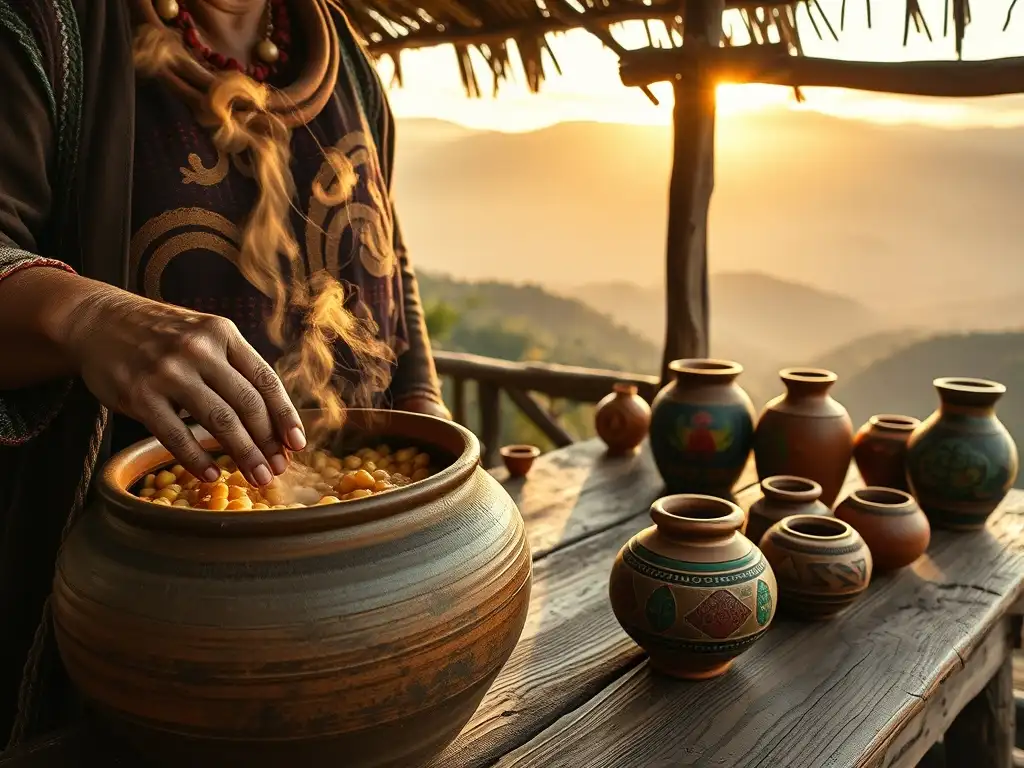
Chicha, a fermented beverage central to Andean culture for millennia, wasn't a single drink but a diverse family of beverages reflecting the ingenuity and adaptability of Andean peoples. Its production varied significantly across different regions and cultures, utilizing readily available ingredients and reflecting unique brewing traditions passed down through generations. Understanding the spectrum of chicha requires appreciating its regional variations and the diverse ingredients employed.
The historical significance of chicha extends beyond its role as a simple drink; it was deeply intertwined with religious ceremonies, agricultural cycles, and social structures, acting as a potent symbol of Andean identity and community. The enduring legacy of chicha continues to resonate today, with modern interpretations showcasing its enduring appeal and cultural relevance. This section delves into the fascinating variety of chicha types, highlighting the unique characteristics that define each.
We will explore the key ingredients and brewing processes that shaped its diverse forms, offering a glimpse into the rich tapestry of Andean culinary heritage. The exploration of "Andean Chicha history" reveals a complex and fascinating relationship between beverage, culture, and agriculture.
Chicha de Jora: The Most Common Type
Chicha de jora, arguably the most widely known type of chicha, holds a special place in Andean history and culture. This fermented beverage is primarily made from maíz jora, a special type of corn specifically cultivated for chicha production. This corn undergoes a unique process of germination and malting before fermentation, enhancing its sugar content and creating the ideal conditions for a robust and flavorful brew.
The malting process, passed down through generations, involves carefully controlling temperature and humidity to activate enzymes that break down starches into fermentable sugars. This meticulous process is crucial for achieving the desired flavor profile and alcohol content. The resulting chicha de jora is typically characterized by its slightly sweet and subtly acidic taste, with a golden hue that reflects the color of the maíz jora.
Its versatility is remarkable; it can be enjoyed both during everyday life and during important ceremonies, showcasing its enduring significance within Andean societies. [Specific details on alcohol content and sugar levels pending]. The production of Chicha de Jora is a testament to the sophisticated agricultural practices of the Andean civilizations.
Exploring Regional Variations in Chicha Recipes
The vast Andean region, with its diverse climates and agricultural practices, fostered a rich array of chicha variations. From the high altitudes of the Andes to the coastal valleys, each region developed its own unique recipes and brewing techniques. For example, in some regions, molle berries were added to the chicha, imparting a distinctive fruity flavor and aroma. Other recipes included fruits like lúcuma or chirimoya, resulting in sweeter and more aromatic beverages.
The use of different types of corn also influenced the final product's taste and texture. Some communities preferred a sweeter chicha, while others favored a more tart or acidic profile. These regional variations not only reflect the abundance of local ingredients but also underscore the close relationship between Andean communities and their environment. The preparation methods also varied: some communities used traditional clay pots, while others employed more modern containers.
This diversity highlights the adaptable nature of chicha production and its deep integration into the social fabric of Andean life. Further research is needed to fully document all the regional variations in chicha recipes across the entire Andean region. [Detailed regional variations and specific recipes pending]. The diversity of Chicha recipes highlights the adaptability of Andean cultures and their mastery of fermentation techniques.
Ingredients Used in Different Types of Chicha: From Corn to Quinoa and Fruits
While corn forms the foundation of most chicha varieties, Andean ingenuity extended to incorporating a diverse range of ingredients, transforming the beverage into a rich tapestry of flavors and textures. Beyond maíz jora, other types of corn, such as white corn or purple corn, were used to create chicha with varying colors and flavor profiles. Furthermore, the incorporation of other grains, like quinoa, added a unique nutritional dimension and distinctive taste. Fruits like pineapple, guava, and even the Andean superfood, lúcuma, were frequently added to enhance the sweetness and aroma.
The addition of these ingredients not only diversified the flavor profile of chicha but also reflected the seasonal availability of produce and the resourcefulness of Andean communities. Moreover, the use of herbs and spices, such as muña (a mint-like herb), further enhanced the complexity and aromatic qualities of the beverage. The diversity of ingredients demonstrates the innovative culinary traditions and the profound connection between Andean communities and their environment.
The use of diverse ingredients in Chicha reflects the ingenuity and resourcefulness of Andean cultures. [Specific examples of regional variations and ingredient combinations pending]. The range of ingredients used in Chicha showcases the rich biodiversity of the Andean region.
The Brewing Process of Andean Chicha
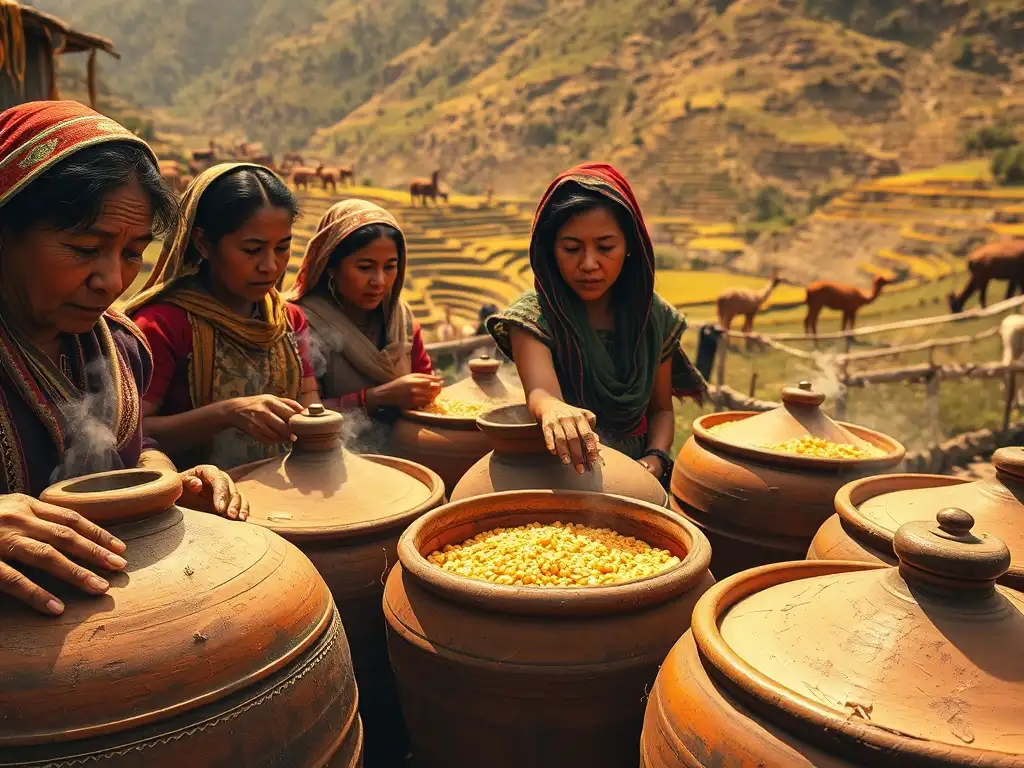
The brewing of chicha, a fermented corn beverage central to Andean culture, was a complex process deeply intertwined with agricultural practices and spiritual beliefs. Understanding its production reveals much about the ingenuity and resourcefulness of Andean civilizations. The process varied slightly depending on the specific culture and region, but key elements remained consistent throughout the centuries. The "Andean Chicha history" is rich with accounts of its significance, from the Inca Empire to pre-Inca cultures.
The fundamental steps involved the selection of corn, its preparation, fermentation, and finally, consumption. The quality of the final product depended heavily on each stage, reflecting a deep understanding of the biochemical processes involved, even without modern scientific knowledge. This knowledge was passed down through generations, securing chicha's enduring place in Andean life.
Traditional Methods of Chicha Fermentation
Traditional chicha fermentation relied heavily on naturally occurring yeasts and bacteria present in the environment and on the corn itself. This "wild fermentation" resulted in a variable product, with the final flavor profile influenced by factors like the specific corn variety, the water source, and even the temperature and altitude. The process typically began with the selection of specific types of corn, often heirloom varieties prized for their sweetness and suitability for fermentation.
These grains were then meticulously cleaned and often partially germinated (malted) to aid in the breakdown of starches into fermentable sugars. After grinding the corn, the resulting mash was mixed with water and left to ferment in large ceramic vessels. The length of fermentation varied, typically lasting several days, resulting in a beverage with varying levels of alcohol content and flavor complexity.
The fermentation process was carefully monitored, with experienced brewers able to identify the optimal point for consumption, based on taste and aroma. Archaeological evidence suggests the use of different types of corn, and perhaps even adding other fruits and herbs to create varied flavors and alcohol content. The diversity in brewing techniques across different Andean cultures reflects their unique adaptations to local environments and preferences.
The Importance of Ceramic Vessels and Chewing in Chicha Production
The use of ceramic vessels was crucial in the chicha brewing process. These vessels, often intricately decorated, served not only as fermentation containers but also as significant cultural artifacts. Their size and shape varied, reflecting regional and cultural differences. In some traditions, the process involved pre-chewing the corn by women, a practice that introduced enzymes (amylase) from saliva, accelerating the breakdown of starches into sugars.
This process, while seemingly unusual, was incredibly effective in initiating fermentation and improving the quality and consistency of the final product. The chewed corn was then added to water and placed in the ceramic vessels for fermentation. The role of women in this process highlights their crucial role in Andean society, not just as brewers but also as custodians of ancient knowledge and traditions.
The precise techniques and reasons behind pre-chewing are still being studied, but it's clear that it played a vital role in ensuring a successful and consistent fermentation process. The use of specific types of clay in the ceramic vessels may have also contributed to the flavor profile of the resulting chicha. Further research into the chemical composition of these vessels is needed to fully understand their impact.
Modern Adaptations of Ancient Chicha Brewing Practices
While traditional methods of chicha production are still practiced in some Andean communities, modern adaptations have emerged. These adaptations often involve the use of commercially produced yeast strains to control the fermentation process and ensure consistency in flavor and alcohol content. However, many brewers continue to prioritize the use of heirloom corn varieties, reflecting a commitment to preserving traditional flavors and agricultural practices. Modern chicha production also benefits from improvements in sanitation and hygiene, minimizing the risk of spoilage and ensuring the safety of the final product.
Despite the modernization, the core principles of chicha brewing – the use of corn, fermentation, and the ceramic vessel – remain largely unchanged. This continuity underscores the enduring importance of chicha in Andean culture. The modern chicha industry presents a fascinating intersection of ancient traditions and contemporary technologies, highlighting the adaptability and resilience of Andean foodways.
Understanding both the traditional and modern approaches to chicha production provides a comprehensive view of its historical and cultural significance. The evolution of chicha production reflects both a respect for ancestral knowledge and a willingness to embrace innovation. 🍻
Chicha Today: A Continuing Legacy

Chicha, far from being a relic of the past, remains a vibrant and integral part of Andean life. Its enduring presence speaks volumes about the deep-rooted connection between Andean communities and their agricultural heritage. While modern brewing techniques and ingredients sometimes vary, the spirit of communal brewing and shared consumption persists, echoing the practices of ancient Andean civilizations.
The continued production and consumption of chicha represent not just a beverage, but a living cultural heritage, a testament to the resilience and adaptability of Andean traditions. Understanding its modern role is crucial to appreciating the full scope of its historical significance.
The Preservation of Chicha Traditions in Andean Communities
Many Andean communities actively work to preserve traditional chicha-making methods. This involves safeguarding ancestral knowledge passed down through generations, often within families. These methods, sometimes subtly adapted to modern circumstances, ensure the authenticity of the drink and its cultural meaning. For example, in some communities, the masato method – using only chewed corn – is still practiced, highlighting a continued link to ancient techniques.
The use of specific corn varieties, often heirloom strains carefully cultivated over centuries, also contributes to the unique character of the chicha and the preservation of biodiversity. These communities often face challenges, such as competition from mass-produced beverages and the influence of globalization, yet their dedication to maintaining these traditions is remarkable. Documentation efforts and community-led initiatives play a crucial role in preserving these valuable practices for future generations, ensuring the continued relevance of Andean Chicha history.
Chicha as a Cultural Symbol in Modern Andean Societies
Chicha's significance extends beyond its role as a beverage; it's deeply embedded in the cultural identity of modern Andean societies. It symbolizes community, shared history, and agricultural prosperity. The act of brewing and sharing chicha often strengthens social bonds, reaffirming collective identity.
The drink is frequently present at social gatherings, religious ceremonies, and family celebrations, serving as a powerful symbol of unity and continuity. Moreover, chicha is often associated with specific Andean deities and spiritual practices, highlighting its enduring connection to the ancestral past. Its enduring presence in festivals and celebrations underscores its importance as a cultural marker, a tangible link to a rich and complex heritage, and a vital element in the narrative of Andean Chicha history.
The Role of Chicha in Contemporary Andean Festivals and Celebrations
Contemporary Andean festivals and celebrations are often inseparable from chicha. Many festivities incorporate chicha as a central element, reflecting its continued importance in social and religious life. For instance, during harvest festivals, chicha is frequently offered as a libation to express gratitude for a bountiful crop, a direct link to ancient agricultural rituals.
Similarly, many religious ceremonies and rites of passage involve chicha, demonstrating its continued sacred significance. The preparation and consumption of chicha during these events are not merely acts of imbibing; they are ritualistic practices that reaffirm community bonds and express cultural identity. The vibrant colors and flavors of the chicha, often varying by region and occasion, add to the festive atmosphere, reinforcing its integral role in contemporary Andean celebrations.
The specific brewing techniques and rituals associated with these events further enrich the understanding of Andean Chicha history and its ongoing cultural relevance. The persistence of these traditions showcases the enduring power of this fermented corn beverage to connect past and present, fostering a sense of continuity and shared cultural heritage.
Andean Chicha History: A Summary of its Enduring Impact
Chicha, a fermented corn beverage, holds a central place in the history of Andean civilizations. Far from being simply a drink, chicha was deeply intertwined with Andean agricultural practices, religious rituals, and social structures. Its production and consumption shaped the lives of people across diverse Andean cultures, from the pre-Inca societies to the Inca Empire and beyond. Understanding its history offers valuable insights into the complex agricultural systems, social hierarchies, and spiritual beliefs of these remarkable civilizations.
The ubiquity of chicha in Andean life underscores its significance as a keystone element of their culture. Its enduring presence, even in modern times, testifies to its enduring cultural relevance. The history of chicha is, in essence, a history of Andean ingenuity and resilience.
Key Takeaways on Chicha's Importance
- Agricultural Significance: Chicha production was intrinsically linked to maize cultivation. Successful harvests directly translated into abundant chicha, reinforcing the importance of agricultural prosperity. The process itself also fostered innovation in agricultural techniques, as different corn varieties were experimented with to achieve optimal fermentation and flavor profiles. This created a feedback loop where improved maize cultivation led to better chicha, further incentivizing agricultural advancements.
- Social and Ritual Significance: Chicha played a crucial role in social gatherings, religious ceremonies, and community celebrations. It served as a potent symbol of unity and shared identity, fostering social cohesion within communities. Archaeological evidence reveals the presence of chicha in funerary contexts, suggesting its importance in Andean cosmology and beliefs about the afterlife. The ritualistic consumption of chicha reinforced social hierarchies and power structures, with access to high-quality chicha often reflecting social status.
- Economic Significance: In some Andean societies, chicha production and trade became significant economic activities. Specialized brewers existed, and the trade of different types of chicha contributed to regional economic networks. This economic dimension further emphasizes the integral role of chicha in the Andean economy and its influence on trade routes and interactions between different communities. The economic value of chicha also impacted social dynamics and power structures within Andean societies.
The Enduring Legacy of Fermented Corn Drinks in the Andes
Despite the passage of centuries and the impact of colonization, chicha continues to be brewed and consumed across the Andes. While modern brewing techniques may differ from ancient methods, the core elements of the drink and its cultural significance remain largely unchanged. This enduring legacy is a testament to the resilience of Andean traditions and the deep-seated cultural importance of this fermented beverage.
Modern variations of chicha demonstrate the adaptability of the tradition, incorporating regional ingredients and brewing methods. The continued production and consumption of chicha serve as a powerful link to the past, connecting contemporary Andean communities to their rich cultural heritage. It is a vibrant symbol of cultural continuity and a living testament to the ingenuity of Andean peoples.
Future Research and Exploration on Andean Chicha
Further research is needed to fully elucidate the multifaceted history of Andean chicha. Detailed studies focusing on specific regional variations in brewing techniques, the evolution of chicha production over time, and the precise role of chicha in different Andean societies would provide a richer understanding of its impact. Analyzing ancient brewing vessels and residues can reveal insights into the types of corn used, fermentation techniques, and the potential presence of other ingredients.
Ethnobotanical studies can also contribute valuable information by documenting contemporary chicha brewing practices and their connection to traditional methods. The study of Andean Chicha remains a dynamic field, promising further exciting discoveries that will enhance our understanding of Andean agriculture, culture, and history. The potential for uncovering further details about the role of chicha in ancient Andean society is considerable, promising years of further academic exploration.
Frequently Asked Questions
What is chicha?
Chicha is a fermented corn beverage that played a vital role in Andean cultures. It was, and in some places still is, consumed during religious ceremonies, celebrations, and daily life. Its production and consumption were deeply intertwined with Andean agriculture and society.
How did chicha impact Andean agriculture?
Chicha's production spurred agricultural innovation. The need for large quantities of corn led to improved farming techniques and increased yields. This, in turn, supported larger populations and the development of complex societies.
What role did chicha play in Andean society?
Chicha was more than just a drink; it was a social lubricant, used to foster community bonds and strengthen social hierarchies. It was central to religious rituals and political power structures.
Which Andean cultures consumed chicha?
Many Andean cultures consumed chicha, including the Inca, Moche, Nazca, and Tiahuanaco. Each culture developed its own unique brewing methods and traditions, reflecting the diversity of Andean civilizations.
How did the production of chicha change over time?
Chicha production evolved over centuries, adapting to changing agricultural practices and technologies. While the basic process remained similar, variations in ingredients and techniques emerged across different cultures and time periods.
Final Reflection: Chicha's Enduring Legacy: A Toast to the Past, Present, and Future
The ancient art of chicha production remains a vibrant thread woven into the tapestry of Andean culture, a testament to the enduring power of tradition and its ability to adapt to modern times. While the methods may have evolved, the spirit of community and agricultural ingenuity that birthed this fermented corn drink continues to resonate powerfully today. Its historical significance is not merely a relic of the past; it's a living legacy that shapes contemporary Andean identities and agricultural practices.
Chicha's influence extends far beyond the simple act of brewing; it's deeply intertwined with Andean social structures, religious ceremonies, and artistic expression. Its presence in countless celebrations, from harvests to weddings, underscores its role as a unifying force, a symbol of shared heritage and collective identity. Chicha is more than just a drink; it is the blood of our ancestors, the spirit of our land.
This sentiment, often heard throughout the Andes, encapsulates the profound emotional connection that people have with this ancient beverage. The continued production and consumption of chicha represent a powerful act of cultural preservation, a conscious effort to maintain a vital link to the past.
Consider the story of chicha as a metaphor for your own life. What traditions, practices, or beliefs have been passed down to you? How can you honor and preserve these legacies while adapting them to the challenges and opportunities of the modern world? Embrace the spirit of innovation and community that fueled the creation of chicha, and find ways to nurture your own connections to the past, present, and future. Let the enduring legacy of this remarkable drink inspire you to cultivate your own rich and meaningful traditions.
Unveil the Rich Tradition of Chicha Today!
Thank you for exploring the fascinating world of chicha and its vital role in Andean culture and agriculture. Your interest in this ancient beverage demonstrates your curiosity and reveals an understanding of the deep connection between food and community.
Let's deepen that understanding and embrace the spirit of chicha by taking action:
- Participate in a local fermentation workshop to learn how to make your own chicha! Connect with others and rediscover this ancient practice.
- Share your favorite chicha recipes with friends and family, sparking conversations about the importance of traditional foods in modern society.
- Seek out artisanal chicha producers at local markets or online, supporting small businesses and experiencing the diverse flavors of authentic varieties.
What unique contribution will you make to the cherished tradition of chicha in your community?