
The Social Fabric of Trade: How Barter Shaped Andean Societies

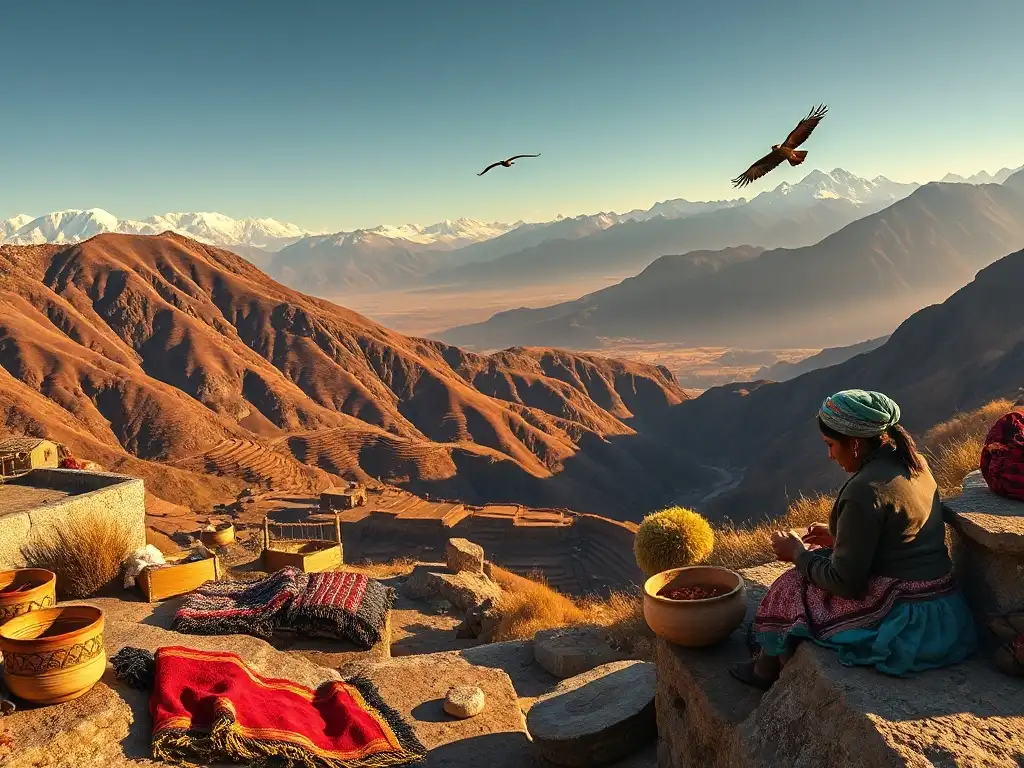
Step into a world lost to time, yet echoing with the vibrant pulse of ancient ingenuity. Imagine a landscape sculpted by towering mountains and intricate societal structures, where the exchange of goods wasn't just commerce, but a cornerstone of civilization itself. Uncover the secrets of Andean civilizations trade practices – a complex web of barter and exchange that shaped the destinies of the Incas, Moche, Nazca, and Tiahuanaco. Prepare to be amazed by the intricate social fabric woven through these ancient trade routes. Dive in and discover how these practices fueled the rise and fall of empires.
The intricate tapestry of Andean civilizations, encompassing cultures like the Inca, Moche, Nazca, and Tiahuanaco, wasn't woven solely from threads of conquest and agriculture. A crucial element, often overlooked, is the sophisticated system of trade and exchange that bound these societies together, fostering complex social structures and economic growth.
This article delves into the vital role of barter in shaping Andean societies, exploring how this seemingly simple practice formed the backbone of their economic and social lives, profoundly impacting their development and ultimately leaving a lasting legacy. We will examine the diverse ways in which barter functioned, its significance in different Andean cultures, and its lasting impact on the region's history.
Understanding these ancient Andean civilizations' trade practices provides invaluable insights into their resilience, innovation, and interconnectedness. This exploration will illuminate how barter wasn't merely a transactional activity, but a powerful social force that shaped identities, alliances, and the very fabric of Andean life.
Introduction to Andean Civilizations' Trade Practices
Andean civilizations, renowned for their impressive architectural feats like Machu Picchu and sophisticated agricultural techniques, also possessed complex and diverse trade networks. While the Inca Empire, with its vast infrastructure, is often associated with a centralized system, pre-Inca societies developed their own intricate exchange systems. These varied significantly depending on geographical location, available resources, and the specific cultural practices of each group.
The concept of "Andean civilizations trade practices" encompasses a wide array of methods, from direct barter to more complex forms of exchange involving intermediaries and specialized goods. The exchange of goods wasn't simply an economic transaction; it played a critical role in establishing social hierarchies, reinforcing political alliances, and solidifying cultural identities.
The movement of goods, whether across mountain passes or along coastal routes, fostered interaction and the spread of ideas and technologies across vast distances, ultimately contributing to the cultural richness and complexity of the region. Understanding these practices requires considering the unique characteristics of each civilization and their interaction within a broader regional context.
The Significance of Barter in Ancient Andean Economies
Barter, the direct exchange of goods and services without the use of currency, formed the cornerstone of Andean economies for centuries. Unlike later systems involving coinage or standardized monetary units, barter necessitated a sophisticated understanding of value and a complex system of negotiation. The relative value of goods was determined by a combination of factors including scarcity, utility, and cultural significance.
For instance, certain types of textiles, intricately woven and adorned with symbolic designs, held immense value and were used not only as clothing but also as forms of payment or tribute. Similarly, precious metals like gold and silver, along with exotic feathers and coca leaves, played significant roles in Andean exchange systems, often serving as markers of social status and power. The prevalence of barter shaped the economic activities of Andean societies, encouraging specialization and the development of intricate production chains.
Understanding Pre-Columbian Exchange Systems
Pre-Columbian Andean trade networks were remarkably extensive, connecting distant communities through a variety of routes. Coastal regions, rich in marine resources, traded fish, shellfish, and salt with highland communities possessing agricultural surpluses like potatoes and maize. The exchange wasn't confined to necessities; luxury goods, such as finely crafted pottery and metalwork, also circulated within these networks, highlighting the sophisticated organization and scale of trade.
Archaeological evidence, including the discovery of widespread distribution patterns of specific artifacts, provides compelling support for the existence of these robust exchange systems. Further research is needed to fully understand the complexities of these networks, including the roles played by different social groups and the mechanisms used to facilitate long-distance trade. The absence of written records presents a significant challenge, requiring researchers to rely on careful analysis of material culture and environmental data to piece together a complete picture.
Barter as a Foundation of Andean Economic Life
Barter wasn't simply a means of acquiring goods; it deeply integrated into the social fabric of Andean life. The act of exchanging goods often involved elaborate rituals and ceremonies, reinforcing social bonds and solidifying alliances between communities. These exchanges were not merely economic transactions but also opportunities for social interaction, information sharing, and the strengthening of reciprocal relationships.
This social dimension of barter highlights the importance of trust and reciprocity in Andean societies. The success of barter depended on the establishment of reliable exchange partners and the maintenance of strong social networks. The system fostered cooperation and interdependence, contributing to the stability and resilience of Andean communities.
The legacy of barter continues to resonate in contemporary Andean cultures, underscoring its enduring significance as a foundation of economic and social life. The intricate relationship between trade, social structure, and cultural identity in the Andes remains a rich area for further study and exploration.
Key Elements of Andean Barter Systems
Andean barter systems, crucial to the economic and social fabric of pre-Columbian societies, weren't simply transactional exchanges. They were deeply embedded within complex social structures and reciprocal obligations. Understanding these systems requires looking beyond the mere exchange of goods to the underlying social dynamics that shaped them. The absence of a standardized currency meant that value was determined through negotiation and social standing, often influenced by kinship ties and community relationships.
This intricate network fostered strong social bonds and solidified existing hierarchies within the various Andean cultures. The success of a barter transaction frequently hinged on trust, established reputations, and the ongoing commitment to reciprocal relationships. Failure to uphold these social agreements could have significant consequences, impacting one's social standing and future opportunities for trade. The system's effectiveness relied on a shared understanding of social norms and expectations, demonstrating the deep intertwining of economic and social life.
Reciprocity and Social Obligations in Trade
Reciprocity formed the cornerstone of Andean trade. It wasn't simply a matter of "I give you this, you give me that." Instead, it involved a complex web of obligations and expectations, often extending beyond immediate transactions. Ayni, a Quechua term signifying reciprocal labor and exchange, perfectly encapsulates this principle. Communities frequently collaborated on large-scale projects like irrigation systems or temple construction, with labor and goods exchanged as a form of mutual support.
This system reinforced social cohesion and ensured the equitable distribution of resources. The concept of reciprocity also extended to inter-community trade, with long-standing partnerships built on mutual benefit and the promise of future exchanges. Failure to reciprocate could damage relationships and jeopardize future trading opportunities, highlighting the social stakes inherent in every transaction. This system fostered cooperation and mitigated the risks associated with resource scarcity.
Types of Goods Exchanged in the Andes
The range of goods exchanged in Andean barter systems was remarkably diverse, reflecting the varied ecological zones and specialized production across the region. High-altitude regions offered textiles, particularly llama wool products, and precious metals like gold and silver. Coastal areas contributed fish, shellfish, cotton textiles, and ceramics. Agricultural products formed a significant portion of trade, with maize, potatoes, quinoa, coca leaves, and various fruits and vegetables changing hands frequently.
Luxury goods like feathers, precious stones, and intricately crafted artifacts were also exchanged, often used in ceremonial contexts or as symbols of status. The diversity of goods reflects the interconnectedness of Andean communities and their reliance on specialized production and resource exchange. The availability and value of goods would fluctuate seasonally, highlighting the dynamic nature of this trade system.
Regional Specialization and Interdependence
The diverse geography of the Andes fostered regional specialization in production. Coastal communities focused on fishing and cotton cultivation, while highland communities specialized in llama herding and textile production. This specialization led to a high degree of interdependence between different regions. Coastal communities relied on the highlands for textiles and agricultural products, while highland communities needed access to marine resources and other goods produced in the coastal regions.
This interdependence fostered extensive trade networks connecting communities across diverse ecological zones. The efficient functioning of these networks was essential for the survival and prosperity of individual communities and the overall stability of the Andean social fabric. Disruptions to these networks, whether through natural disasters or conflict, could have significant economic and social consequences.
Barter Networks and their Geographical Reach
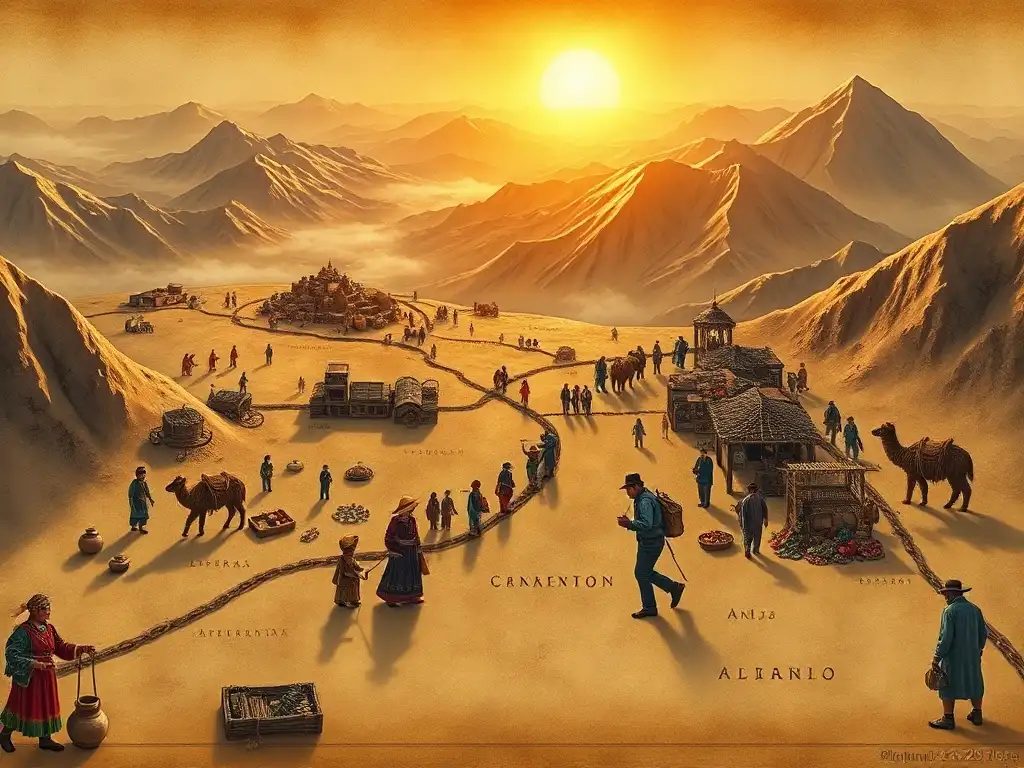
Andean barter networks extended across vast distances, connecting communities separated by challenging terrains and diverse ecosystems. These networks weren't solely based on direct exchange between neighboring communities; instead, they involved intricate chains of intermediaries and exchange centers that facilitated the movement of goods over long distances. The scale and complexity of these networks are a testament to the sophisticated organization and logistical capabilities of Andean societies.
The efficient flow of goods relied on established routes, safe passage, and a shared understanding of the exchange system. The geographical reach of these networks varied across different periods and regions, but their existence highlights the remarkable ability of Andean communities to overcome geographical barriers to maintain economic and social connections.
Highland-Lowland Trade Dynamics
The interaction between highland and lowland communities was a defining characteristic of Andean trade. The contrasting environments led to specialized production, creating a strong basis for exchange. Highland communities offered wool textiles, precious metals, and agricultural products adapted to high altitudes. Lowland communities supplied fish, cotton, and tropical agricultural products.
This exchange wasn't simply a matter of resource transfer; it also involved the exchange of cultural practices, technologies, and ideas. The establishment of settlements at strategic locations, connecting highland and lowland zones, facilitated this exchange and highlights the importance of controlling access to these vital trade routes. The dynamics of this exchange often reflected power relationships between different communities.
The Role of Trade Routes in Connecting Communities
Trade routes played a vital role in connecting Andean communities and facilitating the exchange of goods. These routes were not always fixed paths; they often adapted to seasonal changes and environmental conditions. Many routes followed valleys, rivers, and coastal areas, offering relatively easy passage. Others traversed challenging mountain passes, requiring specialized skills and knowledge of the terrain.
The security of these routes was crucial, and often involved alliances between communities to ensure safe passage of goods and travelers. The establishment and maintenance of trade routes were significant investments, reflecting the importance of trade to the economic and social well-being of Andean societies. The control of key trade routes often translated into political and economic power.
Examples of Regional Exchange Centers in the Andes
Several locations served as crucial exchange centers in the Andes, facilitating the movement of goods and people across vast distances. [Specific information pending on examples of regional exchange centers – requires further research into specific archaeological sites and their documented trade functions]. These centers often featured infrastructure supporting trade, such as storage facilities, markets, and possibly even specialized administrative structures.
Their strategic location, often at the intersection of major trade routes, allowed them to act as hubs connecting diverse regions and economic networks. The development and prosperity of these centers are a direct reflection of the importance of trade in the Andean world. The decline of certain centers can often be linked to shifts in trade routes or changes in political power.
The impact of barter on Andean societies extended far beyond simple economic transactions. It profoundly shaped social structures, cultural expressions, and even religious beliefs. The intricate networks of exchange fostered a sense of interdependence and community, solidifying social bonds across vast distances and diverse groups. The very act of bartering involved negotiations, reciprocal obligations, and the establishment of trust—all crucial elements in building and maintaining social cohesion.
This system wasn't merely about acquiring goods; it was a powerful mechanism for reinforcing social norms and values. The success of a barter system depended heavily on established social trust and reciprocal obligations, making it a key indicator of societal stability and strength within Andean communities. The regularity and importance of these transactions cemented relationships and fostered a sense of shared identity among participants.
Barter and Social Hierarchy
While barter provided opportunities for social mobility, it also reflected and reinforced existing social hierarchies. Elites often controlled access to certain highly valued goods, like exotic feathers, precious metals, or fine textiles, leveraging their control to maintain their privileged position. The types of goods exchanged, and the frequency and scale of transactions, often varied according to social standing.
For instance, high-status individuals might exchange intricate metalwork or finely woven textiles, while those of lower social standing would trade more commonplace items like agricultural products or handcrafted tools. This wasn't necessarily exploitative, but rather a reflection of the stratified nature of Andean societies, where access to resources and opportunities was unevenly distributed.
The system, while seemingly egalitarian in its face-to-face interactions, subtly maintained established power dynamics. Further research is needed to fully understand the nuances of this relationship, particularly regarding the extent to which barter could be used to challenge or subvert existing hierarchies.
Trade as a Means of Cultural Exchange
Barter wasn't solely an economic activity; it served as a vital conduit for cultural exchange. The movement of goods across Andean regions facilitated the dissemination of ideas, artistic styles, and technologies. For example, the spread of pottery techniques, weaving styles, and agricultural practices can be partly attributed to the extensive trade networks that crisscrossed the Andes.
The exchange of goods often involved the simultaneous exchange of cultural knowledge, fostering innovation and stimulating artistic development. This cross-cultural fertilization enriched the artistic and technological expressions of various Andean groups. The exchange of ceremonial objects, for instance, often carried symbolic meaning that transcended the material value of the object itself, contributing to the sharing and evolution of religious beliefs and practices.
The Symbolic Value of Goods in Andean Societies
Many goods exchanged in Andean barter systems held significant symbolic value, extending beyond their practical utility. Certain items, like specific types of shells, feathers, or stones, were imbued with spiritual significance and played important roles in religious rituals and ceremonies. The exchange of such items reinforced social bonds and strengthened alliances by demonstrating shared beliefs and values.
The rarity and craftsmanship of some goods further enhanced their symbolic importance, making them potent tools for establishing social status and expressing power. Understanding the symbolic weight of these goods is crucial to comprehending the full social and cultural significance of Andean barter systems. Further research into specific symbolic meanings associated with traded objects is needed to fully elucidate this aspect of Andean trade.
Barter played a pivotal role in shaping the social structures of Andean civilizations. The networks of exchange created a sense of interdependence between different communities, fostering cooperation and reducing the likelihood of conflict. This interconnectedness promoted social stability and facilitated the development of complex social organizations. The system encouraged specialization and the development of craft production, leading to the emergence of specialized artisan groups whose skills were highly valued within the broader society. In essence, the very act of bartering fostered a dynamic social ecosystem where different groups relied on one another for survival and prosperity.
Strengthening Community Bonds Through Trade
The regular exchange of goods through barter strengthened community bonds within and between Andean settlements. Repeated interactions between traders from different groups fostered mutual understanding and trust, creating a sense of shared identity and purpose. This process was particularly significant in maintaining social cohesion in dispersed communities across varied terrains. The establishment of regular trade routes and marketplaces further solidified these bonds, creating focal points for social interaction and the exchange of not just goods but also information and news. These interactions were not just transactional but also crucial for social bonding and the propagation of cultural norms.
The Role of Barter in Maintaining Social Balance
Barter played a crucial role in maintaining social balance within Andean societies. By facilitating the distribution of resources across different communities, it helped prevent imbalances in wealth and power. The system ensured that even relatively isolated communities had access to essential goods and services, contributing to social stability and reducing the potential for conflict over scarce resources. The reciprocal nature of barter fostered a sense of fairness and equity, promoting cooperation and discouraging exploitation. This system of exchange worked to mitigate potential social tensions, promoting a form of social equilibrium.
Barter and the Creation of Social Alliances
Barter was not simply a mechanism for economic exchange; it also served as a powerful tool for forging social alliances between different groups. The exchange of valuable goods, particularly those with symbolic meaning, often signaled the formation of reciprocal relationships and mutual commitments. These alliances were crucial for ensuring political stability and facilitating cooperation in times of conflict or environmental stress.
The establishment of strong trade partnerships through barter often translated into broader political and military alliances, ensuring the survival and prosperity of participating communities. The exchange wasn't merely transactional; it formed a foundation for sustainable and long-lasting inter-group relationships.
Case Studies of Barter in Specific Andean Cultures
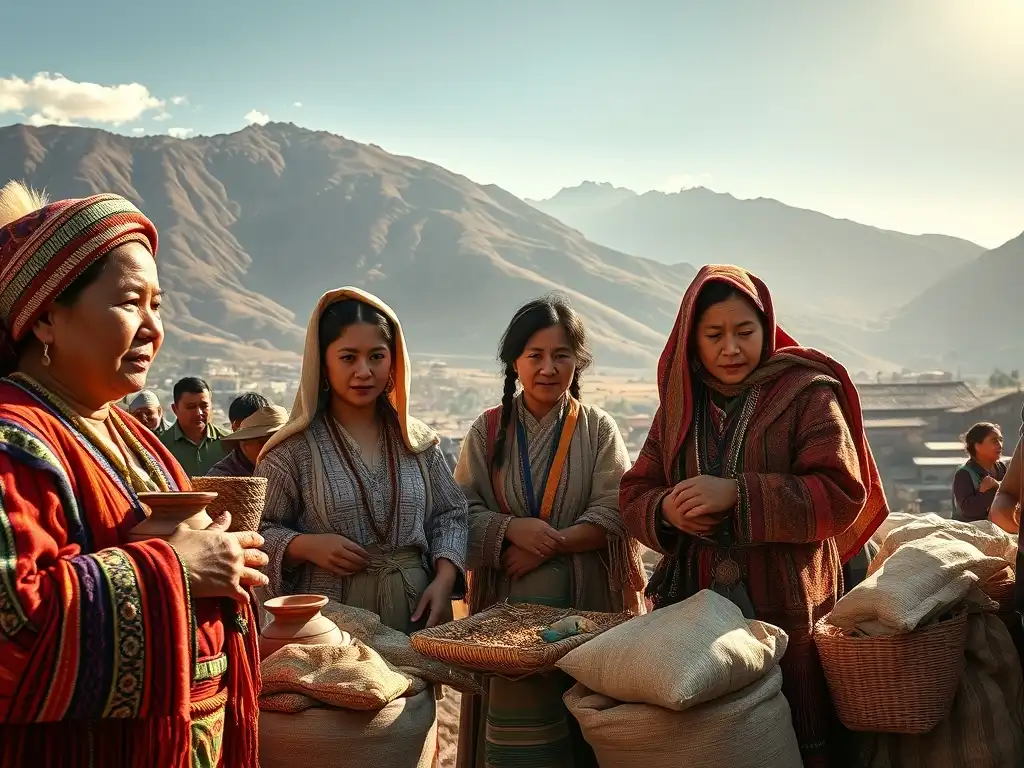
Barter Practices in the Inca Empire
The Inca Empire, while possessing a sophisticated administrative system and a complex economy, relied heavily on barter for many transactions, particularly in rural areas and among less centralized communities. The mita system, a form of mandatory labor tribute, often involved the exchange of goods and services rather than direct monetary payment. For example, communities might provide textiles, agricultural products, or construction labor in exchange for access to state-controlled resources like llama wool or specialized crafts.
This system fostered a network of reciprocal obligations, reinforcing social hierarchies and solidifying the empire's control. The ayllu, the communal landholding system, further facilitated barter by promoting communal cooperation and resource sharing within a defined social structure. While the Inca did utilize a system of quipus (knotted cords) for record-keeping, this wasn’t a currency but rather a system for tracking goods and labor.
The absence of a widespread monetary system meant barter remained a cornerstone of Inca economic activity. The scale and efficiency of Inca barter were remarkable, facilitated by the extensive road network which connected the vast empire and enabled the efficient movement of goods.
Exchange Systems in the Moche Civilization
The Moche civilization (100-800 CE), known for its impressive irrigation systems and elaborate artistic achievements, also had a robust barter system. Archaeological evidence reveals extensive trade networks connecting different Moche settlements. Their sophisticated metalworking skills, particularly in gold and silver, were a key commodity in these exchanges. Elaborate ceramics, textiles, and agricultural products like maize and beans were also crucial items of barter. The Moche's coastal location facilitated maritime trade, extending their exchange networks along the Peruvian coast. Unlike the Inca, the Moche lacked a centralized state that could impose standardized exchange rates. Instead, barter was likely negotiated on a case-by-case basis, with value determined by factors like scarcity, craftsmanship, and social standing. The intricately designed and highly valued Moche ceramics, for instance, likely played a significant role in elite exchanges, functioning as both utilitarian objects and status symbols. The exchange of these goods cemented social ties and solidified alliances.
Barter in the Nazca and Tiahuanaco Cultures
The Nazca (100 BCE – 500 CE) and Tiahuanaco (500-1000 CE) cultures, though geographically distinct, both relied on extensive barter networks. The Nazca, famed for their geoglyphs and intricate textiles, engaged in significant trade along the southern coast of Peru. Their highly developed cotton cultivation contributed significantly to their barter economy.
The Tiahuanaco culture, located in the high Andes, controlled access to vital resources like obsidian and llama wool, which formed the basis for their trade relationships with neighboring communities. For both cultures, the exchange of specialized goods, such as fine textiles, ceramics, and metalwork, played a key role in establishing and maintaining social and political connections.
These exchanges were often facilitated by religious rituals and ceremonies, emphasizing the social and symbolic significance of barter in their societies. The relative lack of centralized political control in both cultures compared to the Inca meant that barter systems were perhaps more decentralized and based on reciprocal relationships between individual communities.
The Chinchas and their Maritime Exchange
The Chincha culture (1000-1476 CE), based along the central coast of Peru, were renowned for their sophisticated maritime capabilities. Their extensive trade networks extended along the coast and potentially even across the Andes. Their primary commodities included cotton textiles (of exceptional quality and widely traded), dried fish, and other marine products. Their mastery of navigation and shipbuilding allowed them to control crucial trade routes, giving them significant economic and political influence.
Barter formed the foundation of their trade system, with cotton textiles serving as a particularly valuable commodity used in exchanges for other goods from various regions. Their seafaring prowess enabled them to access resources and goods unavailable to inland communities, thus enriching their barter economy and strengthening their position in regional exchange networks. The Chincha’s success demonstrates the importance of maritime trade in shaping Andean societies and the crucial role of barter in facilitating such trade.
The Chimor and their Extensive Trade Networks
The Chimor kingdom (1300-1470 CE) established a vast empire along the northern coast of Peru. Their highly centralized political system and advanced infrastructure facilitated extensive trade networks. The Chimor kingdom controlled access to important resources like salt, cotton, and metals, which were actively traded throughout their empire.
While the Chimor utilized a form of tribute system, barter remained a fundamental aspect of their economy, particularly in interactions with smaller, independent communities. The Chimor controlled strategic agricultural land, allowing them to accumulate surplus agricultural goods, which became vital commodities in their barter system. This control over resources and their effective administration allowed for a complex and efficient trade system, one which relied heavily on barter despite the more centralized nature of their political structure compared to earlier Andean civilizations.
The Decline of Barter and the Rise of Other Trade Systems
The Impact of the Inca Empire's Expansion on Trade
The Inca Empire's expansion significantly impacted existing Andean trade practices. While barter continued in many areas, the Inca's centralized administration gradually introduced more standardized systems of exchange. The mita system, while largely based on labor exchange, also involved the movement and redistribution of goods throughout the empire.
This created a more structured and controlled system of resource allocation than the decentralized barter systems of earlier cultures. The Inca's sophisticated road network and administrative bureaucracy facilitated the movement of goods on a larger scale than previously seen, although these movements were still largely managed through a system of reciprocal obligations and not a true monetary economy. The standardization of weights and measures under the Inca also laid the groundwork for more formalized trade practices.
The Introduction of Money and its Effects
The arrival of the Spanish in the 16th century brought about a dramatic shift in Andean trade practices. The introduction of Spanish currency, initially silver and later gold, gradually replaced barter as the dominant form of exchange. This transition wasn’t immediate or uniform, and barter persisted in many regions, particularly in rural areas.
However, the Spanish colonial system actively promoted the use of money, integrating Andean economies into the wider global market. The introduction of money led to significant social and economic changes, including the emergence of new merchant classes and the restructuring of production and labor. This transition fundamentally altered the social fabric of Andean societies, moving away from the reciprocal relationships fostered by barter towards a more market-based economy.
The Legacy of Barter in Modern Andean Communities
Despite the widespread adoption of monetary systems, elements of barter persist in many modern Andean communities. In rural areas, especially, the exchange of goods and services continues to play a significant role in social and economic life. This is often intertwined with traditional social structures and kinship networks, reflecting a continued legacy of the reciprocal exchange systems of past Andean civilizations.
While money is widely used, barter offers a flexible and often essential mechanism for facilitating transactions, particularly in situations where access to cash is limited. The enduring presence of barter underscores the resilience of traditional practices and their integration into modern Andean life. This practice, therefore, provides a tangible link to the rich history of Andean trade and the enduring social fabric woven through centuries of exchange.
Conclusion: The Enduring Importance of Barter in Andean History
Barter, far from being a relic of the past, played a crucial and multifaceted role in shaping Andean societies. Its influence extended beyond simple economic transactions, weaving itself deeply into the social, political, and even spiritual fabric of these civilizations. The intricate networks of exchange fostered cooperation, solidified alliances, and facilitated the distribution of essential resources across vast geographical areas.
Understanding these ancient trade practices offers invaluable insights into the complexities of Andean civilizations and their remarkable resilience. The legacy of barter continues to resonate in the contemporary Andes, influencing social interactions and economic practices in ways that are still being explored and understood by researchers today. The study of Andean barter systems provides a rich case study for understanding the evolution of economic systems and their profound impact on societal structures.
How Barter Shaped Andean Civilizations' Social Fabric
The impact of barter on the social fabric of Andean civilizations was profound. The act of exchanging goods wasn't merely a transaction; it was a social ritual that reinforced relationships and established hierarchies. For instance, the exchange of luxury goods like textiles and precious metals often served as a display of power and status, solidifying social bonds between elites and reinforcing existing power structures.
Simultaneously, the reciprocal exchange of everyday goods and services within communities fostered cooperation and mutual support, strengthening social cohesion within smaller groups. This intricate interplay of reciprocal exchange among various social strata created a complex social dynamic, where economic activity and social standing were inextricably intertwined.
The frequent interaction facilitated by trade also contributed to the spread of ideas, technologies, and cultural practices across different Andean regions. Archaeological evidence, such as the distribution of similar ceramic styles across vast distances, supports the idea of extensive interaction and exchange networks.
Lessons from Ancient Andean Exchange Networks
Studying ancient Andean exchange networks offers valuable lessons for understanding the complexities of trade and its impact on societies. These networks highlight the importance of trust and reciprocity in maintaining sustainable trade relationships. The absence of a centralized monetary system necessitated intricate systems of credit and debt, revealing a sophisticated understanding of economic principles. The geographical challenges presented by the Andes – steep mountains and diverse ecosystems – forced Andean communities to develop innovative strategies for transporting goods and navigating complex terrains.
These strategies, often involving sophisticated logistical systems and specialized transport animals, demonstrate remarkable adaptability and ingenuity. Further research into these ancient logistical systems could offer valuable insights for modern supply chain management and the optimization of resource distribution in challenging environments. The success of these ancient networks demonstrates the potential for sustainable economic development based on cooperation and resource sharing.
The Cultural Relevance of Barter in Contemporary Andes
While formal monetary systems now dominate the Andean economies, the legacy of barter continues to hold cultural relevance in many contemporary Andean communities. Barter remains a significant aspect of daily life in rural areas, particularly in regions with limited access to formal markets or where monetary transactions are impractical. The exchange of agricultural products, handicrafts, and services often occurs within communities, reinforcing social bonds and facilitating mutual support.
This continuation of traditional exchange practices demonstrates the resilience of cultural traditions and their adaptation to changing economic contexts. Furthermore, the resurgence of interest in traditional crafts and artisan products has led to a revival of barter-like exchanges in some urban settings, highlighting the cultural and economic value of these practices. The persistence of barter in contemporary Andes underscores the enduring importance of social exchange in Andean societies, reflecting a deep-rooted cultural value placed on reciprocal relationships and community cooperation.
- Introduction to Andean Civilizations' Trade Practices
- The Significance of Barter in Ancient Andean Economies
- Key Elements of Andean Barter Systems
- Barter Networks and their Geographical Reach
- The Social and Cultural Impact of Barter
- Barter's Influence on Andean Social Structures
- Case Studies of Barter in Specific Andean Cultures
- The Decline of Barter and the Rise of Other Trade Systems
- Conclusion: The Enduring Importance of Barter in Andean History
- What role did trade play in Andean societies?
- What goods were commonly traded among Andean civilizations?
- How did geography impact trade routes and practices in the Andes?
- What evidence exists to support the study of Andean trade practices?
- Were there any significant trade centers in the Andean region?
Frequently Asked Questions
What role did trade play in Andean societies?
Trade was absolutely vital to Andean societies. It fostered inter-regional connections, facilitated the exchange of essential resources, and shaped the social and political landscape. Barter was the primary method of exchange.
What goods were commonly traded among Andean civilizations?
A wide variety of goods were traded, including agricultural products like maize and potatoes, textiles, metals (gold, silver, copper), and luxury items like ceramics and feathers. The specific goods varied depending on the region and its resources.
How did geography impact trade routes and practices in the Andes?
The Andean geography, with its mountains, valleys, and coastal regions, presented significant challenges. Trade routes followed river valleys and mountain passes, and the terrain influenced the modes of transportation (e.g., llamas, human porters, boats).
What evidence exists to support the study of Andean trade practices?
Archaeological evidence provides crucial insights. Excavations of sites reveal traded goods and artifacts, while analysis of textiles and ceramics reveals stylistic influences from different regions. Iconography also offers clues to trade networks.
Were there any significant trade centers in the Andean region?
Yes, several locations served as important trade hubs. Coastal cities facilitated maritime trade, while high-altitude settlements controlled access to vital resources. The capital cities of major empires also played crucial roles as central marketplaces.
Final Reflection: The Enduring Legacy of Andean Barter
The intricate systems of barter that defined Andean societies weren't simply ancient economic practices; they were the very bedrock of their social structures, a legacy that continues to resonate in modern-day economies and social interactions. Understanding these ancient trade networks offers crucial insights into the complexities of community building, resource management, and the enduring power of reciprocal relationships, even in our increasingly globalized world.
The impact of Andean barter systems extends far beyond the realm of economics. These practices fostered intricate social bonds, solidified alliances between communities, and facilitated the exchange of not just goods, but also ideas, technologies, and cultural practices. Trade is not merely an economic activity, but a social process that shapes identities and relationships.
This quote highlights the profound social implications of these ancient trade networks, implications that continue to shape how we understand the dynamics of exchange and cooperation in societies today. The enduring strength of community-based economies, even in the face of globalization, speaks volumes about the inherent human need for connection and reciprocal exchange.
Consider the ways in which you engage in "barter," even in our modern context. Do you share skills or knowledge with your neighbors? Do you participate in community initiatives based on mutual support? You are part of a long and rich tradition of reciprocal exchange that stretches back millennia to the vibrant Andean civilizations. Reflect on the power of these relationships, and consider how you can strengthen your own community through acts of mutual support and understanding, drawing inspiration from the enduring legacy of Andean trade practices.
Unleash the Power of Barter in Your Life!
Thank you for exploring the fascinating world of bartering in Andean societies! We hope you've gained valuable insights into how this ancient practice fostered strong communities and built social bonds. Now, let's apply these principles to your own life.
Here are some ways to embrace the spirit of barter:
- Start a Barter Group: Connect with your neighbors and build a community where people can freely exchange skills and goods.
- Identify Your Skills and Assets: Think about what you have to offer—perhaps you're a talented musician, a skilled baker, or have a knack for fixing things. These are all valuable contributions to a barter system.
- Spread the Word: Share the benefits of bartering with your friends, family, and online networks. Inspire others to participate and build a thriving barter community.
How could incorporating bartering transform your relationships and strengthen your community?