
Moche Cosmology: Exploring the Universe and the Supernatural

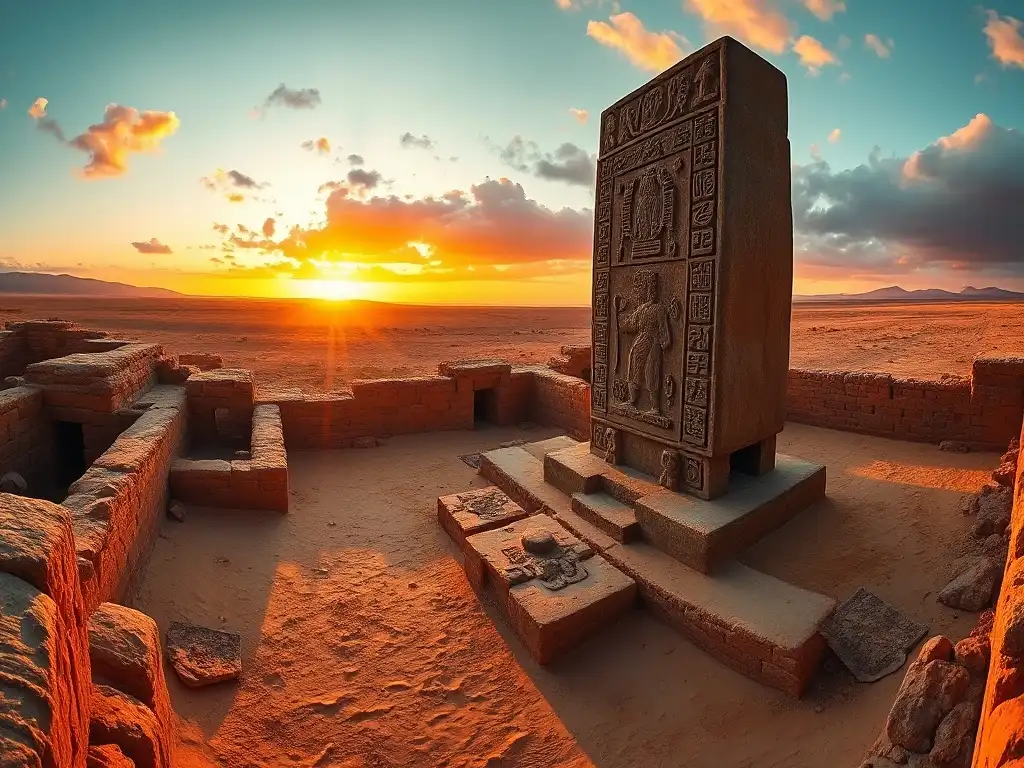
Step into a world lost to time, yet echoing with vibrant life. Journey with us into the heart of the Andes, where the echoes of ancient empires still resonate. Uncover the mysteries of the Andean Civilizations, from the awe-inspiring Incas to the enigmatic Moche. But first, prepare to be captivated by the intricate tapestry of Moche cosmology beliefs, a belief system that reveals a universe teeming with supernatural forces and celestial deities. Dare to delve deeper and unlock the secrets of their cosmos?
The Moche civilization, flourishing along the northern coast of Peru from approximately 100 CE to 800 CE, left behind a remarkable legacy of art, architecture, and engineering. However, beyond the impressive feats of irrigation and monumental constructions, lies a fascinating and complex worldview deeply intertwined with their understanding of the cosmos.
This exploration delves into the intricacies of Moche cosmology, examining their beliefs about the universe, the supernatural, and the interplay between the earthly and spiritual realms. Understanding Moche cosmology is crucial to grasping the full richness of their culture and the motivations behind their artistic and societal structures.
This article will unpack the key elements of their beliefs, drawing on archaeological evidence and interpretations of their iconic artwork to paint a picture of their cosmic perspective. We will examine their perception of the celestial realm, the significance of the earth, and their beliefs about the underworld, offering a comprehensive overview of the "Moche cosmology beliefs" and their profound influence on their lives.
Understanding Moche Worldview and Beliefs
The Moche worldview was profoundly shaped by their environment – the arid desert coast punctuated by fertile river valleys. Their survival depended on harnessing the scarce water resources and mastering agriculture. This precarious relationship with nature likely fueled a deep reverence for the forces that controlled their lives, leading to a cosmology that emphasized the cyclical nature of life, death, and rebirth, mirroring the rhythms of the seasons and the ebb and flow of the rivers.
Evidence suggests a strong belief in powerful deities and supernatural beings, often depicted in their elaborate ceramics and metalwork. These depictions are not simply decorative; they offer valuable insights into their religious practices and cosmological understanding. The Moche did not leave behind written texts; therefore, our understanding relies heavily on the interpretation of their art and the archaeological context of their discoveries.
This presents challenges, but the richness and detail of their artistic representations allow us to reconstruct a compelling picture of their beliefs. The intricate details found in their pottery, for instance, reveal a sophisticated understanding of their world and their place within it.
The Moche Concept of the Cosmos
The Moche perceived the cosmos as a multi-layered structure, encompassing the celestial realm above, the earthly realm in between, and the underworld below. This tripartite structure is reflected in their art and architecture, suggesting a structured and well-defined cosmological framework. The interactions and relationships between these three realms were central to their beliefs and shaped their rituals and practices. Their understanding of the cosmos wasn't merely a theoretical construct; it was deeply embedded in their daily lives, influencing their social organization, agricultural practices, and artistic expressions.
Moche Perception of the Celestial Realm
The celestial realm held significant importance for the Moche. The sun, moon, and stars were likely viewed as powerful deities or associated with divine beings. Depictions of celestial bodies frequently appear in their art, often intertwined with other mythological figures and symbols.
The precise nature of their celestial deities and the specific beliefs associated with them remain a subject of ongoing research and scholarly debate, but the prevalence of celestial imagery in their art undeniably points to a significant role for the heavens in their cosmology. The cyclical movements of the celestial bodies likely mirrored their own understanding of the cyclical nature of life, death, and rebirth, further reinforcing the interconnectedness of the earthly and celestial realms.
The Role of the Earth in Moche Cosmology
The earthly realm, the location of their daily lives, was not simply a stage for human activity; it was a sacred space intrinsically linked to the celestial and underworld realms. The fertility of the land, dependent on the unpredictable nature of the coastal rivers, was of paramount importance. Their agricultural practices, sophisticated irrigation systems, and reverence for the land all point to a deep understanding of the earth's vital role in their survival and their cosmological beliefs.
The earth itself was likely seen as a living entity, providing sustenance and demanding respect in return. This reverence is reflected in their artistic representations of agricultural scenes and their careful management of the scarce water resources.
The Underworld in Moche Beliefs
The underworld, the realm of the dead, held a significant place in Moche cosmology. While details remain debated, archaeological evidence suggests beliefs about an afterlife and the potential for interaction between the living and the dead. The depiction of death and burial rituals in their art suggests a complex understanding of the underworld and its relationship to the other realms.
Some scholars propose that the underworld was not merely a place of shadows but a source of power and fertility, mirroring the earth’s life-giving capabilities. The precise nature of the Moche underworld and its inhabitants requires further study, but its prominent presence in their artistic legacy highlights its importance in their overall cosmological framework. Further research into burial practices and iconography could shed more light on this fascinating aspect of their beliefs.
Moche Deities and Supernatural Entities
The Moche pantheon was rich and complex, populated by a diverse array of deities and supernatural entities, reflecting their intricate worldview and cosmology. These figures weren't simply benevolent or malevolent; they represented forces of nature, aspects of human experience, and the precarious balance between life and death. Representations of these deities are frequently found in Moche iconography, particularly in their elaborate ceramics and metalwork.
The stylistic choices, often emphasizing dramatic poses and intense expressions, highlight the power and awe inspired by these supernatural beings. Understanding these deities is crucial to deciphering the Moche understanding of the cosmos. The Moche didn't have a codified religious text like many other ancient civilizations, so our understanding relies heavily on archaeological interpretation of their art and artifacts.
Ai Apaec: The Decapitator God
Ai Apaec stands out as one of the most striking and terrifying figures in the Moche pantheon. Depicted frequently with a flayed face and a penchant for decapitation, this deity represents the violent aspects of the cosmos and the cyclical nature of life and death. While his iconography is undeniably gruesome, Ai Apaec's role likely extended beyond mere destruction. His association with both death and regeneration suggests a complex symbolic function, perhaps representing the necessary destruction that precedes renewal in the natural world.
Many scholars interpret his presence in Moche art as a reminder of the fragility of life and the power of the supernatural forces that govern it. The intensity of his depiction reinforces the importance of maintaining a respectful relationship with the cosmos. Further research is needed to fully understand the nuances of Ai Apaec's role in Moche cosmology.
The Importance of Animal Spirits in Moche Religion
Animals held a profound significance in Moche religion, representing various forces of nature and embodying specific spiritual qualities. The Moche frequently depicted animals alongside human figures, indicating a close relationship between the human and animal worlds. Birds of prey, such as eagles and condors, likely symbolized power and dominion over the realms above. Marine life, such as fish and seabirds, represented the bounty of the sea and its unpredictable nature.
The representation of jaguars and other felines frequently appears, suggesting a connection with power, agility and the wild. These depictions weren’t merely aesthetic choices; they conveyed deeply held beliefs about the interconnectedness of the cosmos and the power inherent in the natural world. The careful observation and detailed rendering of these animals in Moche art showcases their meticulous attention to detail and their profound respect for the animal kingdom.
The Moon, Sea, and Mountain Deities
The Moche revered celestial bodies and natural features as powerful deities. The moon, a prominent feature in the night sky, was likely associated with feminine power, cycles of life and death, and the ebb and flow of the ocean. Mountains, towering landmarks in the Andean landscape, represented stability, power, and connection to the ancestral past. The sea, a source of sustenance and unpredictable danger, held a powerful position in their beliefs, being both a provider and a force to be reckoned with.
These deities, often represented anthropomorphically or through symbolic imagery, highlight the importance of these natural elements in shaping Moche cosmology. The interplay between these deities and the human world is frequently depicted in Moche art, emphasizing the interconnectedness of human society and the natural world. Further study is needed to clarify the specific attributes and roles of these individual deities within the broader cosmological framework.
Moche Rituals and Ceremonies Reflecting Cosmology
The Moche worldview is vividly reflected in their elaborate rituals and ceremonies. These practices weren't merely social events; they were integral to maintaining the balance of the cosmos and ensuring the continued prosperity of their society. Archaeological evidence suggests a highly structured system of rituals, involving offerings, sacrifices, and elaborate displays of power. The careful planning and execution of these ceremonies underscore the significance of these practices within Moche society.
Sacrificial Practices and Their Cosmic Significance
Sacrificial practices were a central feature of Moche religious life. Human sacrifice, while controversial, is well-documented in the archaeological record, providing a stark glimpse into Moche religious beliefs. These sacrifices weren't random acts of violence; they were likely performed to appease deities, ensure bountiful harvests, or commemorate important events. The careful preparation and burial of the sacrificial victims, often accompanied by elaborate grave goods, suggests a deeply meaningful ritual process. The location of these sacrifices, often associated with significant geographical features, further emphasizes their cosmic significance. Interpreting these practices requires sensitivity and a nuanced understanding of the cultural context.
Moche Shamanic Practices and Trance States
Evidence suggests the Moche utilized shamanic practices to access altered states of consciousness and communicate with the supernatural world. The use of hallucinogenic substances, indicated by archaeological findings, may have played a crucial role in these practices. Shamanic rituals likely served as a bridge between the human and spiritual realms, allowing shamans to interpret divine messages and guide their communities.
The depiction of shamanistic figures in Moche art often involves stylized imagery, emphasizing the altered states of consciousness involved in these practices. These practices, while difficult to fully reconstruct, were likely integral to the Moche understanding of the cosmos and their relationship with the supernatural.
The Moche Calendar and Astronomical Observations
The Moche demonstrated a sophisticated understanding of astronomy. While a formal calendar system hasn't been definitively identified, evidence suggests they made careful observations of celestial events. The alignment of certain structures with astronomical phenomena suggests a potential connection between their architecture and their cosmological beliefs.
These astronomical observations, coupled with their sophisticated understanding of agriculture, likely played a significant role in their social and religious practices. Further research is needed to fully decipher the extent of their astronomical knowledge and its impact on their culture and beliefs. The potential existence of a complex calendar system remains an area of ongoing investigation for researchers studying Moche cosmology beliefs.
Moche Art as a Depiction of Cosmic Beliefs
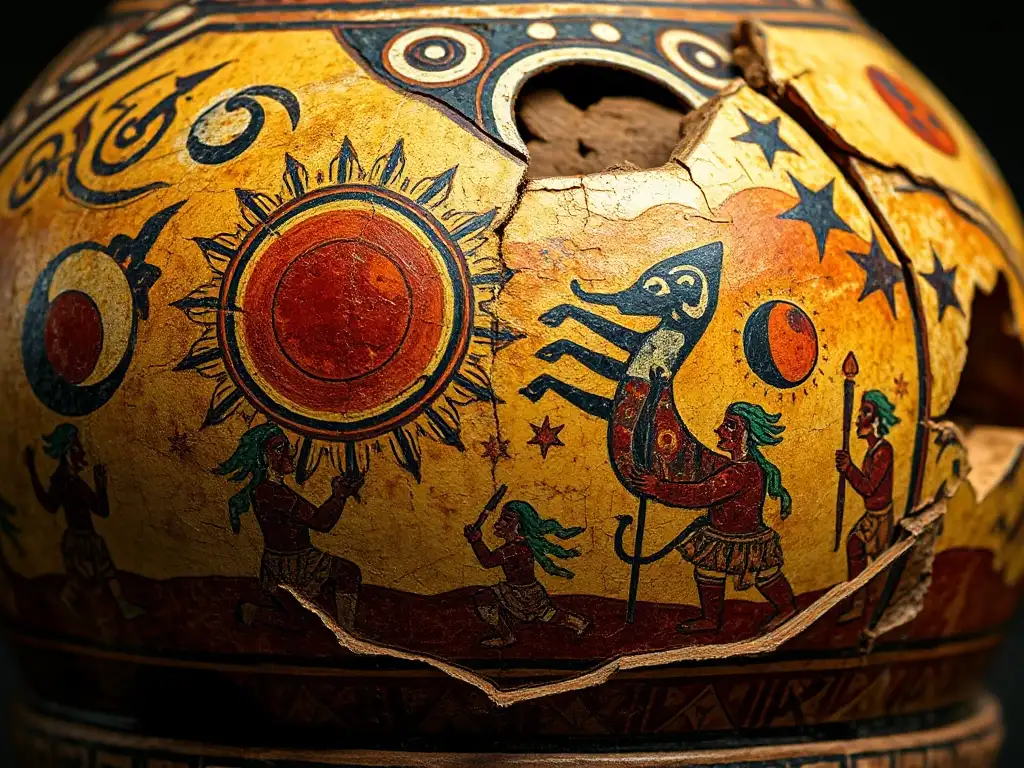
The Moche people, renowned for their artistic prowess, left behind a rich legacy of artifacts that offer invaluable insights into their cosmological beliefs. Their art wasn't merely decorative; it served as a powerful medium for expressing their understanding of the universe, the supernatural, and their place within the cosmic order. Through intricate designs and symbolic representations, the Moche visually articulated their spiritual world, providing a window into a complex and fascinating system of beliefs.
The meticulous detail and vibrant colors employed in their artwork underscore the importance they placed on these religious concepts. Their artistic expressions weren't isolated events but rather a crucial component of their daily lives, deeply intertwined with their religious practices and social structures. The sheer volume of surviving artifacts – ceramics, textiles, metalwork, and murals – testifies to the pervasive influence of cosmology on Moche culture.
Iconography and Symbolism in Moche Ceramics
Moche ceramics are particularly rich sources of information about their cosmology. The iconography found on these vessels is remarkably consistent, revealing recurring motifs and symbols related to their beliefs. For instance, depictions of feline deities, often associated with warfare and power, are frequently found, suggesting their importance in the Moche pantheon.
Similarly, representations of celestial bodies, such as the sun and moon, along with various constellations, provide evidence of their sophisticated astronomical knowledge and their belief in a structured cosmos. The use of specific colors, such as red and yellow, likely held symbolic meaning related to the sun and its power, while other colors might have represented different deities or aspects of the supernatural world. Careful analysis of these symbolic representations allows researchers to piece together a more complete picture of the Moche worldview.
Specific examples, like the recurring image of a decapitated head being offered to a deity, highlight the importance of ritual sacrifice within their cosmology. The detailed scenes depicted on the ceramics provide a visual narrative of their beliefs, rituals, and interactions with the supernatural realm.
Moche Murals and Their Narrative of the Supernatural
While less abundant than their ceramics, the surviving Moche murals offer a unique perspective on their cosmology. These large-scale paintings, often found within elite tombs or ceremonial contexts, depict scenes of intense religious significance. Unlike the smaller, more portable ceramics, the murals allowed for the representation of larger narratives, unfolding stories of interaction with the divine and the supernatural.
The scale of these murals emphasizes the importance of the depicted events, reinforcing the societal significance of Moche cosmology. Unfortunately, many murals have suffered significant damage over time, limiting our ability to fully interpret their meaning. However, the surviving fragments still provide valuable clues about Moche beliefs, revealing scenes of ritual sacrifice, depictions of deities, and representations of the underworld.
The vibrant colors and dynamic compositions further highlight the dramatic and powerful nature of these religious narratives. Further research and preservation efforts are crucial for unlocking the full potential of this important artistic and religious record.
Moche Metalwork and its Religious Connotations
Moche metalworking, particularly their gold and silver work, often displayed a strong connection to religious beliefs. Elaborate headdresses, ornaments, and ritual objects were crafted with meticulous detail, showcasing the high level of skill and the importance placed on these religious artifacts. The use of precious metals themselves likely held symbolic meaning, associating them with the sun, power, and the divine.
The intricate designs and motifs found on these metal objects often echoed those seen in ceramics and murals, further reinforcing the consistent themes within Moche cosmology. These metal artifacts were not merely decorative; they were integral parts of religious ceremonies and rituals, serving as tools for communication with the supernatural.
The presence of these objects in elite burials emphasizes their association with power and the afterlife, suggesting a belief in a continuity of religious practices beyond death. The craftsmanship and the materials used underscore the high value placed upon these objects and their connection to the spiritual realm.
Moche Cosmology and its Influence on Society
Moche cosmology wasn't a separate entity; it was deeply interwoven with the fabric of Moche society, influencing their social structures, daily routines, and political systems. Their beliefs shaped their interactions with each other and with the world around them. The intricate relationship between the cosmos and the earthly realm permeated all aspects of Moche life.
The Role of Priests and Religious Leaders
A powerful priestly class likely played a central role in interpreting and mediating the relationship between the Moche people and the supernatural. These priests, often depicted in art holding ritual objects or performing ceremonies, held significant power and influence within Moche society. They acted as intermediaries between the gods and the people, interpreting omens, conducting rituals, and ensuring the continued favor of the divine.
Their role in maintaining cosmic order was crucial to the stability of Moche society. The high status of these religious leaders is evident in their depictions in art and their association with elite burials. Their influence extended beyond the purely spiritual realm, likely impacting political decisions and social structures.
Moche Social Structure and its Connection to Divine Order
The Moche social hierarchy reflected their cosmological beliefs. The elite, often depicted in luxurious attire and surrounded by symbols of power, were likely seen as having a closer connection to the divine. Their privileged status was justified by their perceived proximity to the supernatural realm.
The social structure, with its clear distinctions between elites and commoners, likely mirrored the hierarchical nature of the Moche cosmos. This connection between earthly and celestial order maintained social harmony and reinforced the legitimacy of the ruling class. The elaborate burial practices of the elite further emphasized this connection, with grave goods reflecting their status and their relationship to the divine.
How Moche Cosmology Shaped Daily Life
Moche cosmology wasn't confined to religious ceremonies and elite practices; it permeated daily life. Agricultural practices, for example, were likely tied to the cycles of the sun and moon, with rituals performed to ensure successful harvests. Daily routines, social interactions, and even artistic endeavors were all influenced by their cosmological beliefs.
The pervasive influence of their worldview is evident in the consistency of themes and symbols found across various aspects of Moche culture, from their grand temples to their everyday pottery. Their understanding of the cosmos shaped their perspectives, values, and interactions with the world around them, making it an integral aspect of their society. The close relationship between the supernatural and the everyday reveals a society deeply connected to its religious beliefs.
Moche Cosmology: Legacy and Interpretations
The Moche's sophisticated understanding of the cosmos, gleaned primarily from their intricate iconography and monumental architecture, continues to fascinate and challenge researchers. Their worldview, deeply intertwined with their agricultural practices and social structures, presents a complex tapestry of beliefs and rituals surrounding the sun, moon, stars, and the supernatural. Interpreting these beliefs requires careful consideration of the context in which the artifacts were created and used.
For example, the presence of specific celestial bodies in Moche pottery might indicate a connection to agricultural cycles or even specific rituals tied to particular times of the year. Further complicating the interpretation is the lack of written records. Unlike many other ancient civilizations, the Moche did not develop a written language, leaving us to decipher their beliefs from the material culture they left behind.
This reliance on visual representations necessitates a multidisciplinary approach, combining archaeological findings with anthropological and art historical analyses to reconstruct a comprehensive picture of their cosmology. The challenge lies in avoiding imposing modern interpretations onto a culture vastly different from our own.
Modern Understanding of Moche Cosmic Thought
Modern scholarship increasingly recognizes the complexity and sophistication of Moche cosmology. Initial interpretations often focused on simplistic notions of nature worship, but more recent research reveals a nuanced system of beliefs that incorporated both celestial and terrestrial elements. The Moche clearly understood the importance of astronomical cycles for agriculture, as evidenced by the alignment of some structures with celestial events.
However, their cosmology extended beyond mere practical applications. The frequent depiction of supernatural beings, often intertwined with celestial imagery, suggests a belief system that encompassed a wider spiritual realm. These supernatural entities, often depicted in dramatic scenes of conflict or ritual, may represent powerful forces that influenced the natural world and human affairs.
The ongoing study of Moche iconography, particularly the intricate details found on their ceramics and metalwork, continues to shed light on their understanding of the cosmos and their place within it. New technologies, such as advanced imaging techniques, are providing researchers with unprecedented access to subtle details previously overlooked, further refining our understanding of Moche cosmic thought.
Comparing Moche Cosmology with Other Andean Beliefs
Comparing Moche cosmology with that of other Andean civilizations reveals both similarities and striking differences. While many Andean cultures shared a reverence for the sun and moon, the Moche's distinct artistic style and iconographic choices set them apart. For example, while other cultures may have emphasized specific deities associated with celestial bodies, the Moche's representations are often more abstract and symbolic.
Their focus on dramatic narratives and supernatural beings, frequently depicted in violent or ritualistic contexts, differs from the more formalized pantheons of some later Andean civilizations. However, the underlying emphasis on the interconnectedness of the terrestrial and celestial realms appears to be a common thread among many Andean cultures, highlighting a shared worldview that emphasized the reciprocal relationship between humanity and the cosmos.
Further research comparing and contrasting specific motifs and iconographic elements across different Andean societies is needed to fully understand the unique contributions of Moche cosmology to the broader Andean tradition. This comparative approach will help to illuminate the evolution of Andean cosmological beliefs over time and space.
The Enduring Relevance of Moche Cosmology
The study of Moche cosmology offers significant insights into the human relationship with the cosmos, providing a valuable lens through which to examine our own understanding of the universe. Their intricate artwork and sophisticated astronomical observations demonstrate a deep engagement with the natural world and a profound appreciation for the mysteries of the universe.
The enduring power of Moche imagery continues to inspire artists and scholars alike, demonstrating the timeless appeal of their unique artistic and cosmological vision. Moreover, the challenges faced by researchers in interpreting Moche beliefs highlight the inherent complexities of understanding past cultures and the importance of considering diverse perspectives and methodologies.
The ongoing study of Moche cosmology serves as a reminder of the richness and diversity of human cultural expressions and their enduring relevance in our contemporary world. The themes of power, ritual, and the human search for meaning, so vividly portrayed in Moche art, resonate deeply with audiences today.
Conclusion: The Enduring Mystery of Moche Beliefs
Despite extensive research, many aspects of Moche cosmology remain shrouded in mystery. The absence of written texts and the complex nature of their iconography continue to challenge researchers. However, the ongoing efforts to decipher their beliefs through careful analysis of their material culture provide valuable insights into their worldview and their sophisticated understanding of the cosmos.
The Moche's unique artistic style, their dramatic depictions of supernatural beings, and their apparent understanding of astronomical cycles contribute to a rich and complex tapestry of beliefs that continue to fascinate and inspire. The enduring mystery of Moche cosmology serves as a testament to the enduring power of human creativity and the boundless capacity for wonder in the face of the unknown.
Future research, employing new technologies and interdisciplinary approaches, promises to further illuminate the rich tapestry of Moche beliefs and their enduring legacy. The study of Moche cosmology is not merely an academic pursuit; it is a journey into the heart of a fascinating and enigmatic culture, offering profound insights into the human condition and our ongoing quest to understand our place in the universe.
- Understanding Moche Worldview and Beliefs
- The Moche Concept of the Cosmos
- Moche Deities and Supernatural Entities
- Moche Rituals and Ceremonies Reflecting Cosmology
- Moche Art as a Depiction of Cosmic Beliefs
- Moche Cosmology and its Influence on Society
- Moche Cosmology: Legacy and Interpretations
- Conclusion: The Enduring Mystery of Moche Beliefs
Frequently Asked Questions
What were the Moche people's main cosmological beliefs?
The Moche cosmology centered around a complex interplay of supernatural forces and the natural world. They believed in powerful deities associated with the sea, agriculture, and warfare, reflecting their environment and society. Their art often depicts these beliefs.
How did the Moche depict their cosmology in their art?
Moche art, particularly their ceramics and metalwork, vividly portrays their cosmological beliefs. Elaborate scenes of deities, mythical creatures, and ritual events provide valuable insights into their worldview. These depictions often feature powerful symbolism.
What role did the supernatural play in Moche society?
The supernatural was integral to all aspects of Moche life. Religious rituals and ceremonies were likely performed to ensure successful harvests, military victories, and appease the gods. Shamanistic practices were likely important.
What evidence supports our understanding of Moche cosmology?
Our understanding comes primarily from the extensive archaeological record, including elaborate tombs, temples, and the aforementioned art. These provide visual and contextual clues to their beliefs and practices. Analysis of iconography is crucial.
How does the Moche cosmology compare to other Andean cultures?
While sharing some Andean themes like ancestor veneration and agricultural deities, Moche cosmology has unique characteristics. Its strong emphasis on warfare and specific iconography distinguishes it from cultures like the Nazca or Inca, reflecting their specific societal structure and environment.
Final Reflection: Echoes of the Moche Cosmos in Our Modern World
The intricate cosmology of the Moche civilization, far from being a relic of the past, continues to resonate with us today. Its vibrant depictions of supernatural forces and celestial events offer a powerful lens through which to examine our own relationship with the universe, reminding us of humanity's enduring fascination with the unknown and our persistent attempts to understand our place within the grand cosmic scheme.
The Moche's profound connection to the natural world, evident in their art and religious practices, serves as a potent reminder of our own interconnectedness with the environment. Their belief system, deeply rooted in the cycles of nature and the power of the supernatural, offers a valuable counterpoint to our increasingly technologically driven world. The universe is not outside of us. We are made of the same stardust as the stars.
This sentiment, though modern, echoes the Moche's inherent understanding of the cosmic unity. Their sophisticated understanding of astronomy, reflected in their iconography, highlights the enduring human quest for knowledge and meaning beyond our immediate reality.
Consider the Moche's legacy. Their art, their rituals, their very worldview, speaks to the enduring human need to understand the universe and our place within it. You, the reader, are invited to reflect on your own understanding of the cosmos. How do you connect with the natural world?
What are your own beliefs about the supernatural? By engaging with the Moche's cosmology, we can gain a deeper appreciation for the universality of these questions and the diverse ways in which humanity has sought to answer them throughout history. Let the echoes of the Moche cosmos inspire your own exploration of the universe and your place within it.
Unveil the Mysteries of Moche Cosmology!
Thank you for exploring the fascinating world of Moche cosmology! We hope you've gained valuable insights into the Moche people's worldview and their understanding of the universe and the supernatural. To further enrich your understanding, consider these suggestions:
Here's how you can delve deeper:
- Explore Moche artifacts: Visit your local museum or explore online collections to see how the culture's cosmological beliefs are vividly represented in their art. You'll find stunning examples of their craftsmanship and spiritual beliefs interwoven.
- Share your discoveries: Discuss your newfound knowledge with friends, family, or join online communities dedicated to ancient cultures. Sharing your insights can be a rewarding experience.
- Expand your knowledge: Participate in workshops or seminars focusing on Andean civilizations. This is a great way to deepen your understanding and connect with fellow enthusiasts.
What aspect of Moche cosmology captivates you most, and how do you believe it shapes our understanding of ancient belief systems? We'd love to hear your thoughts!